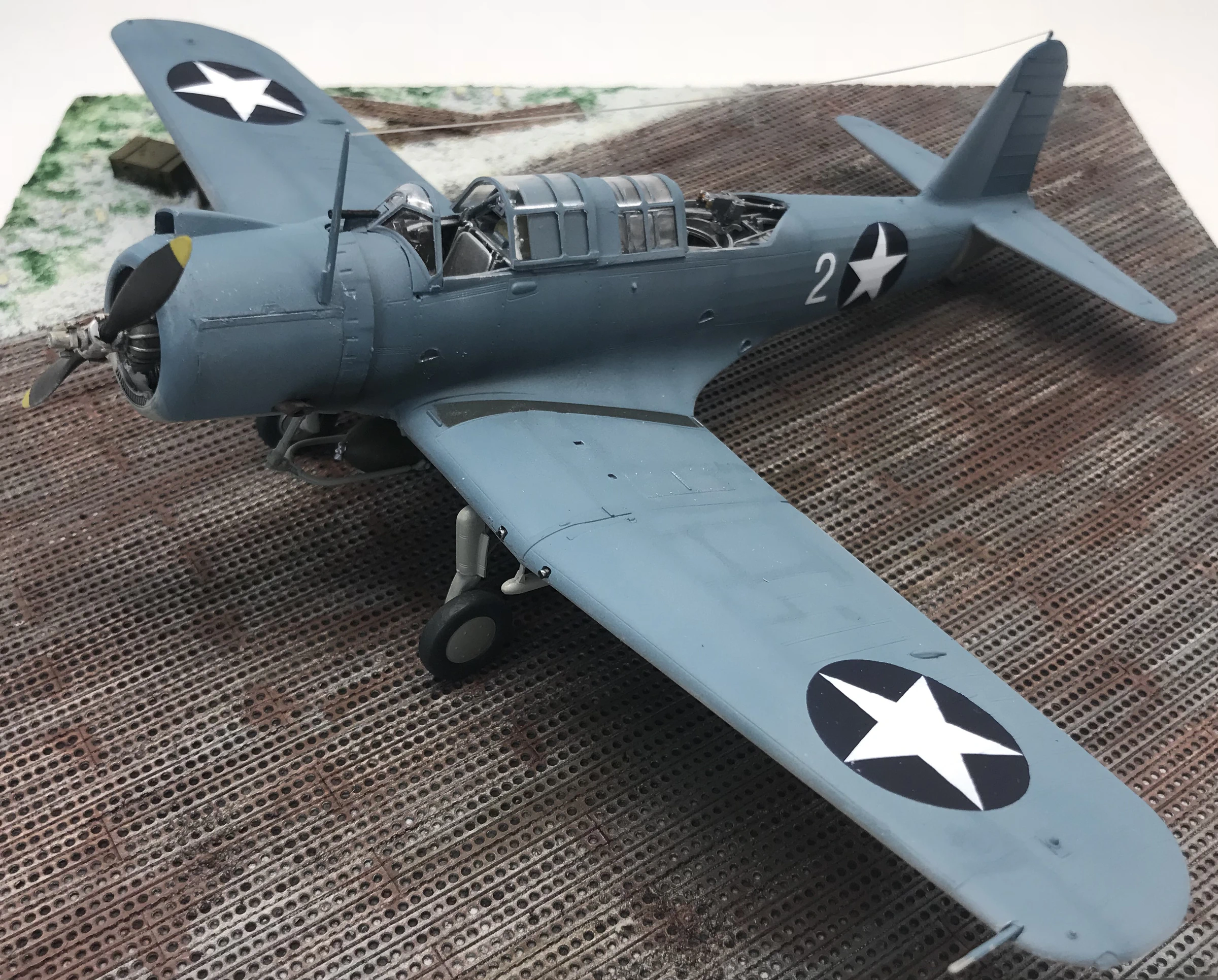
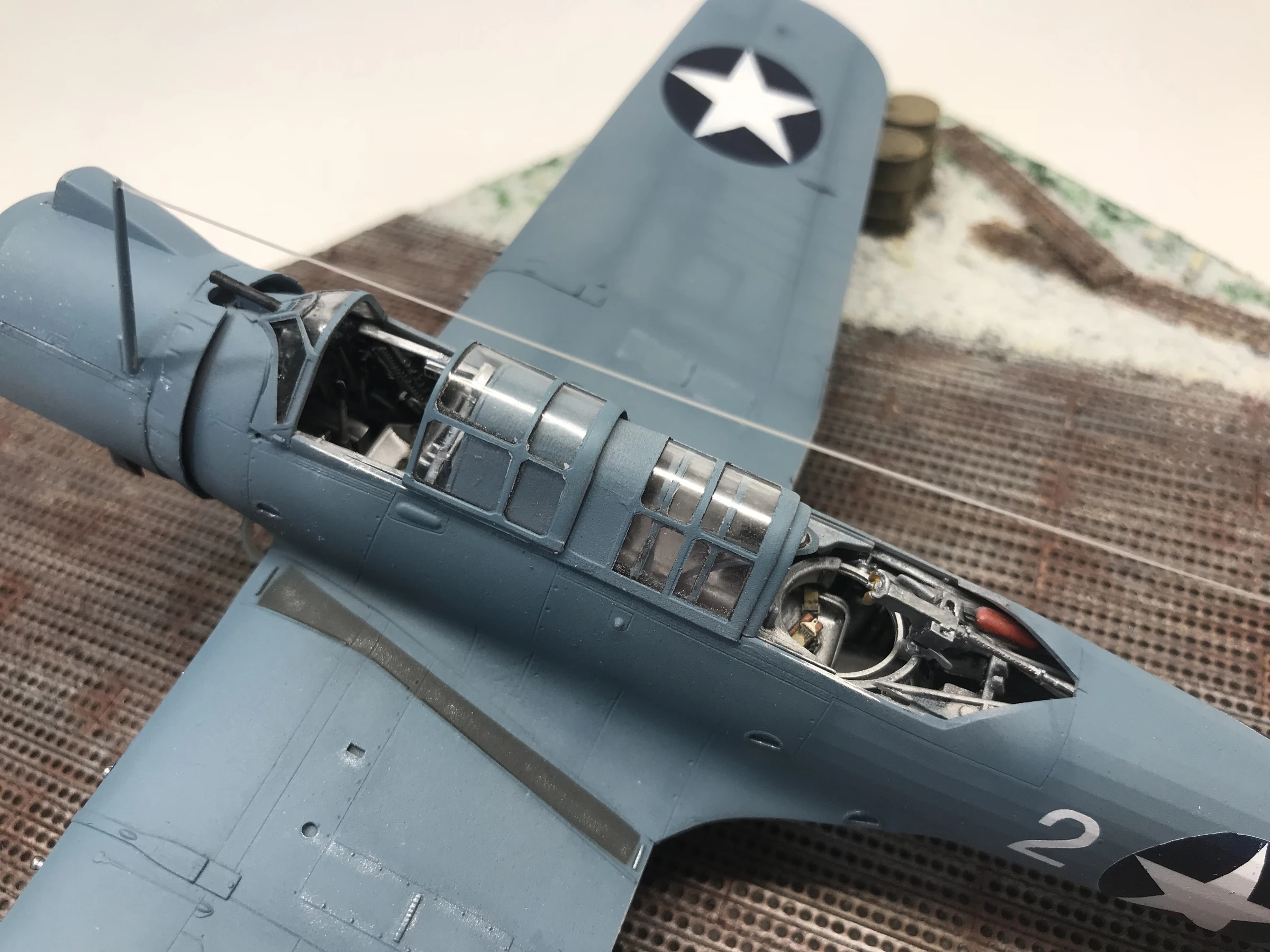
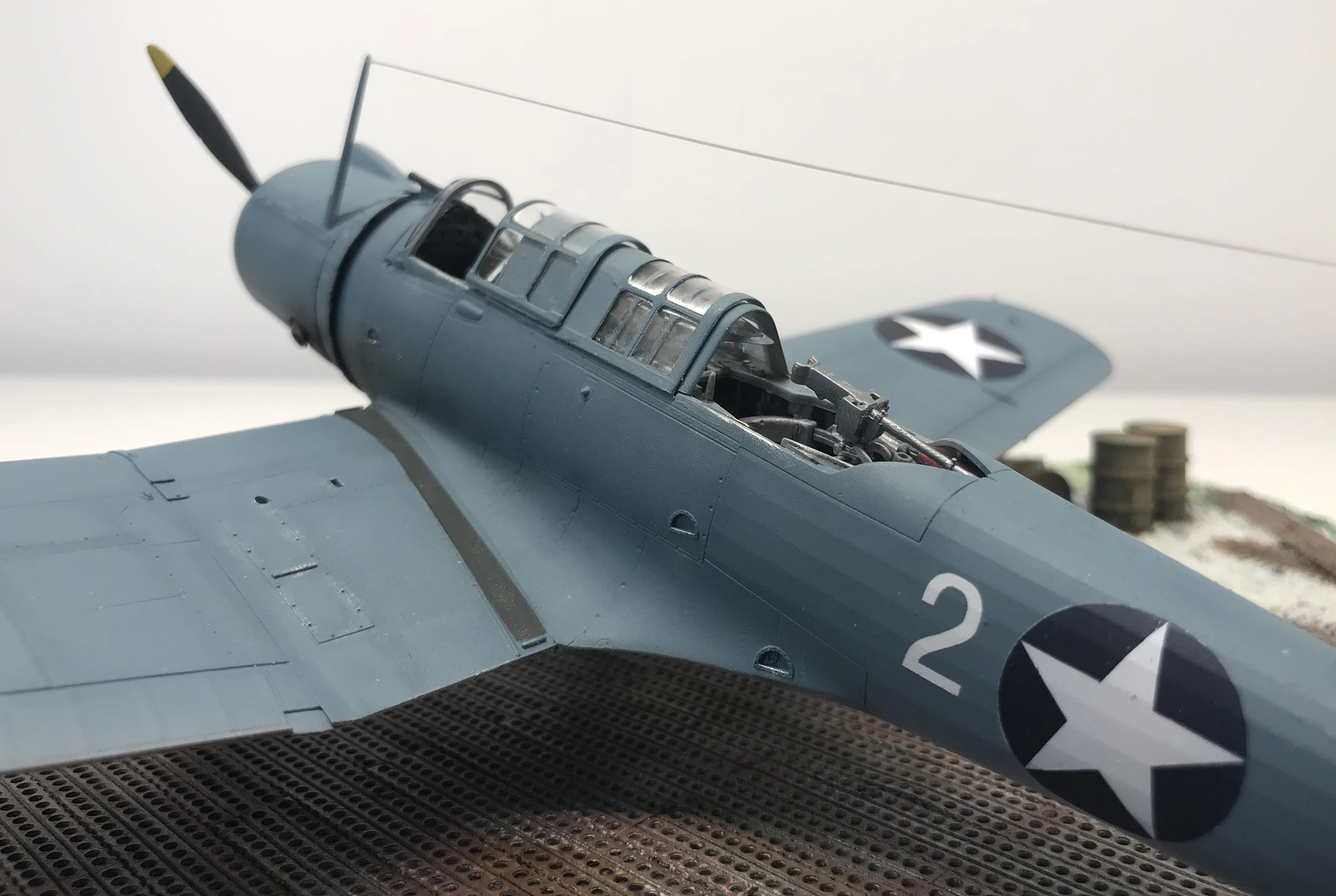
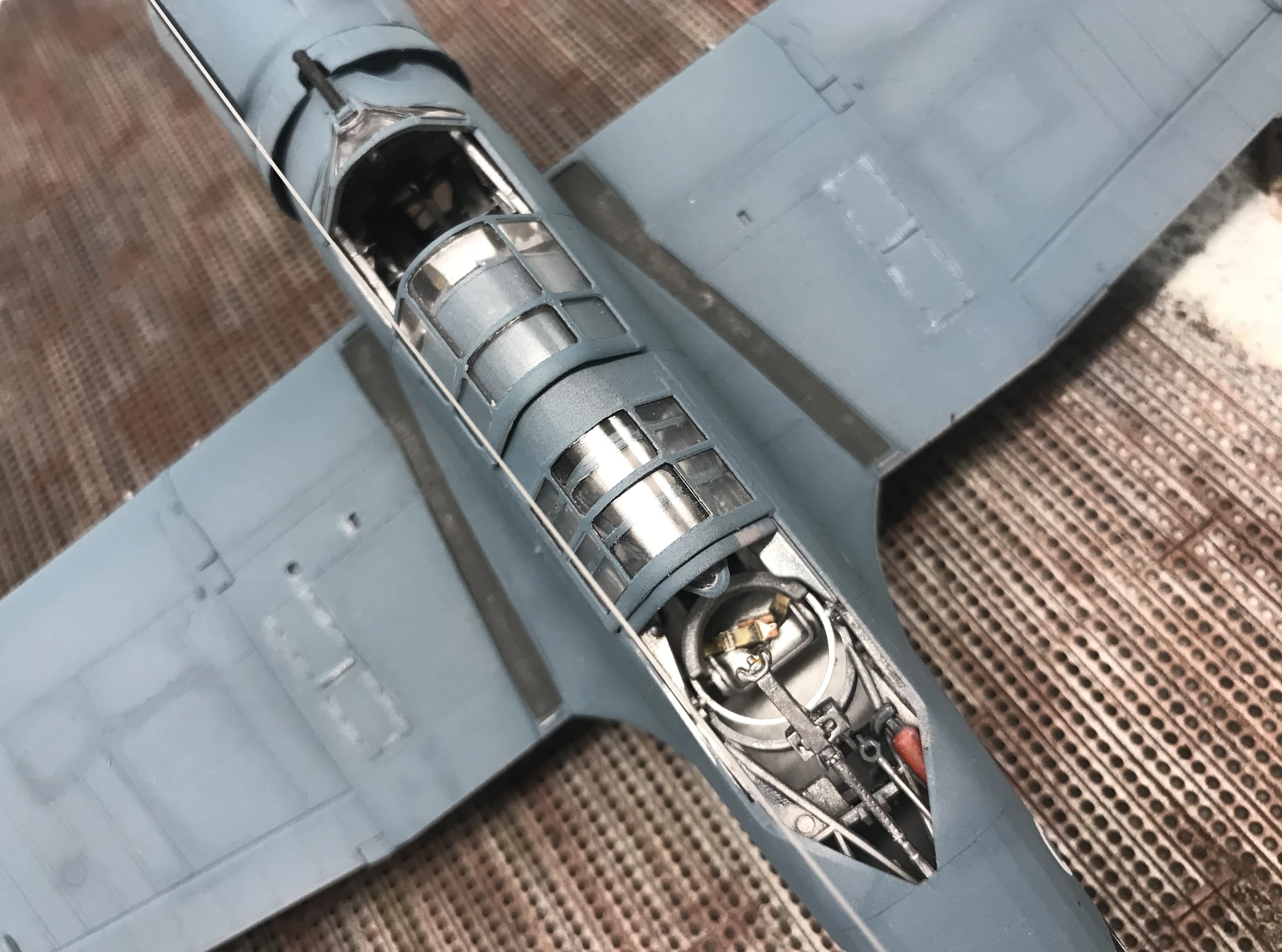
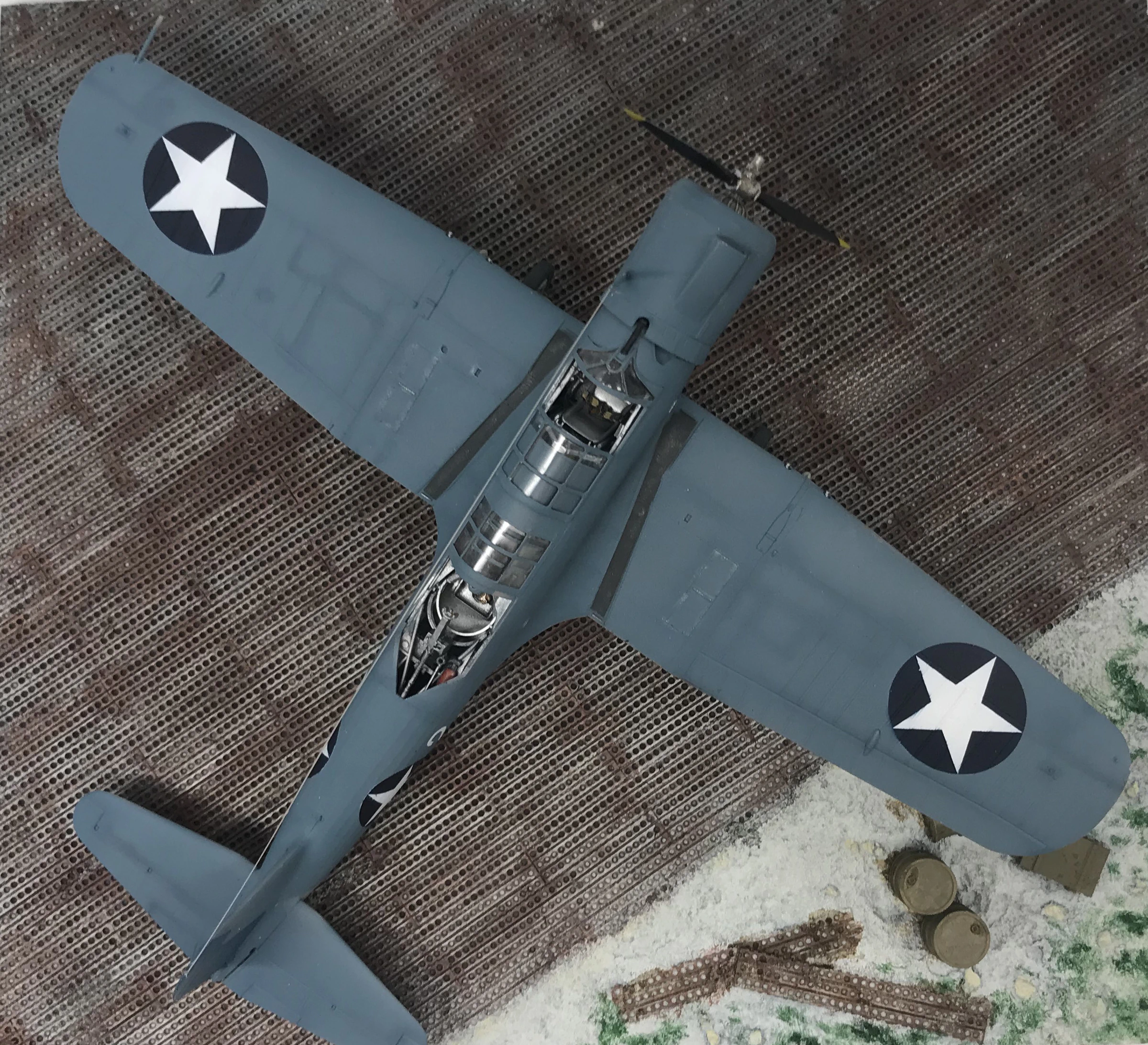
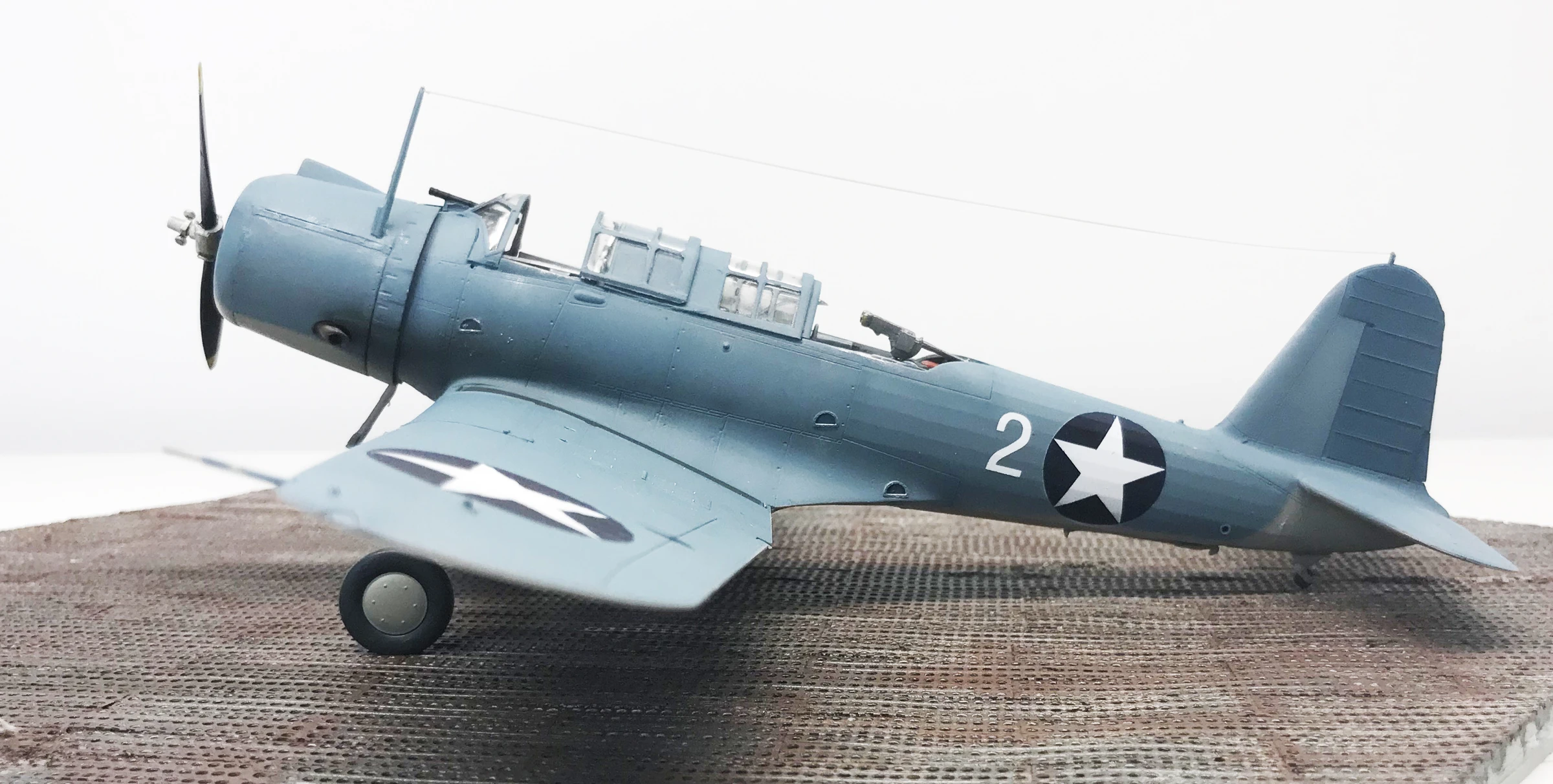
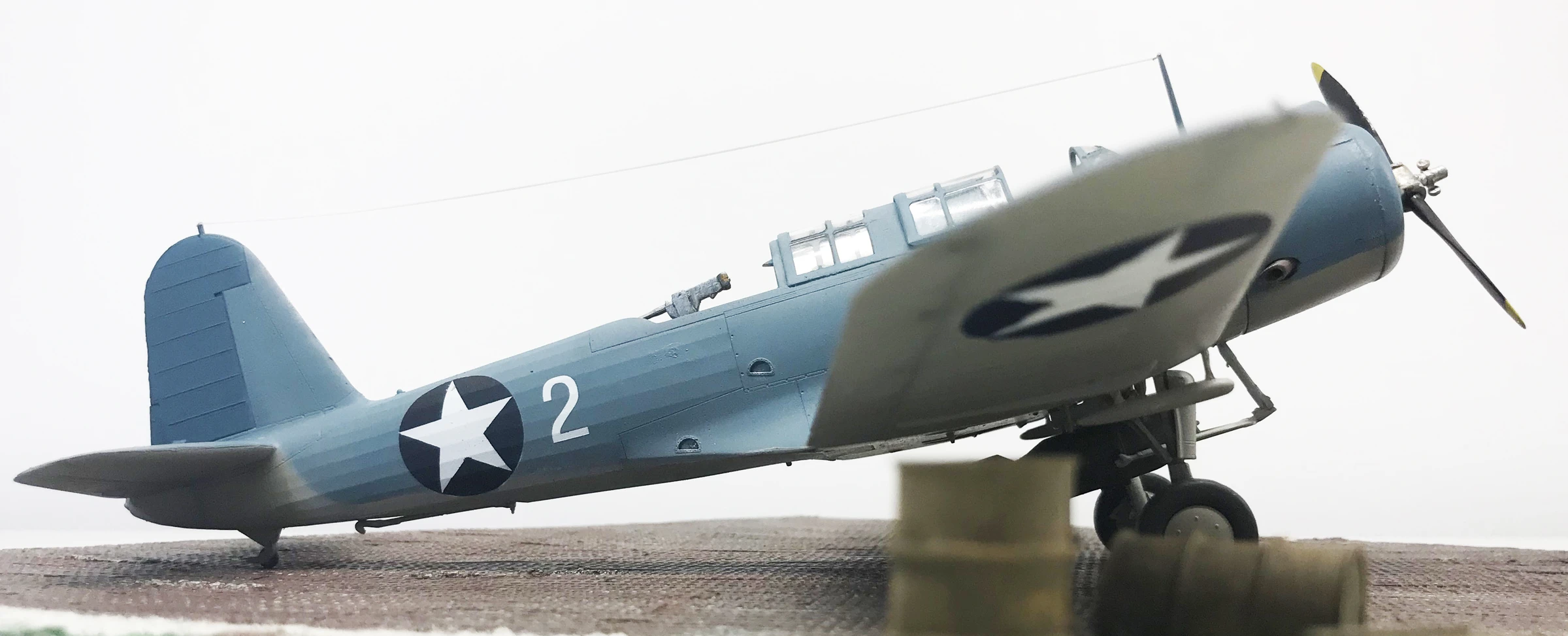
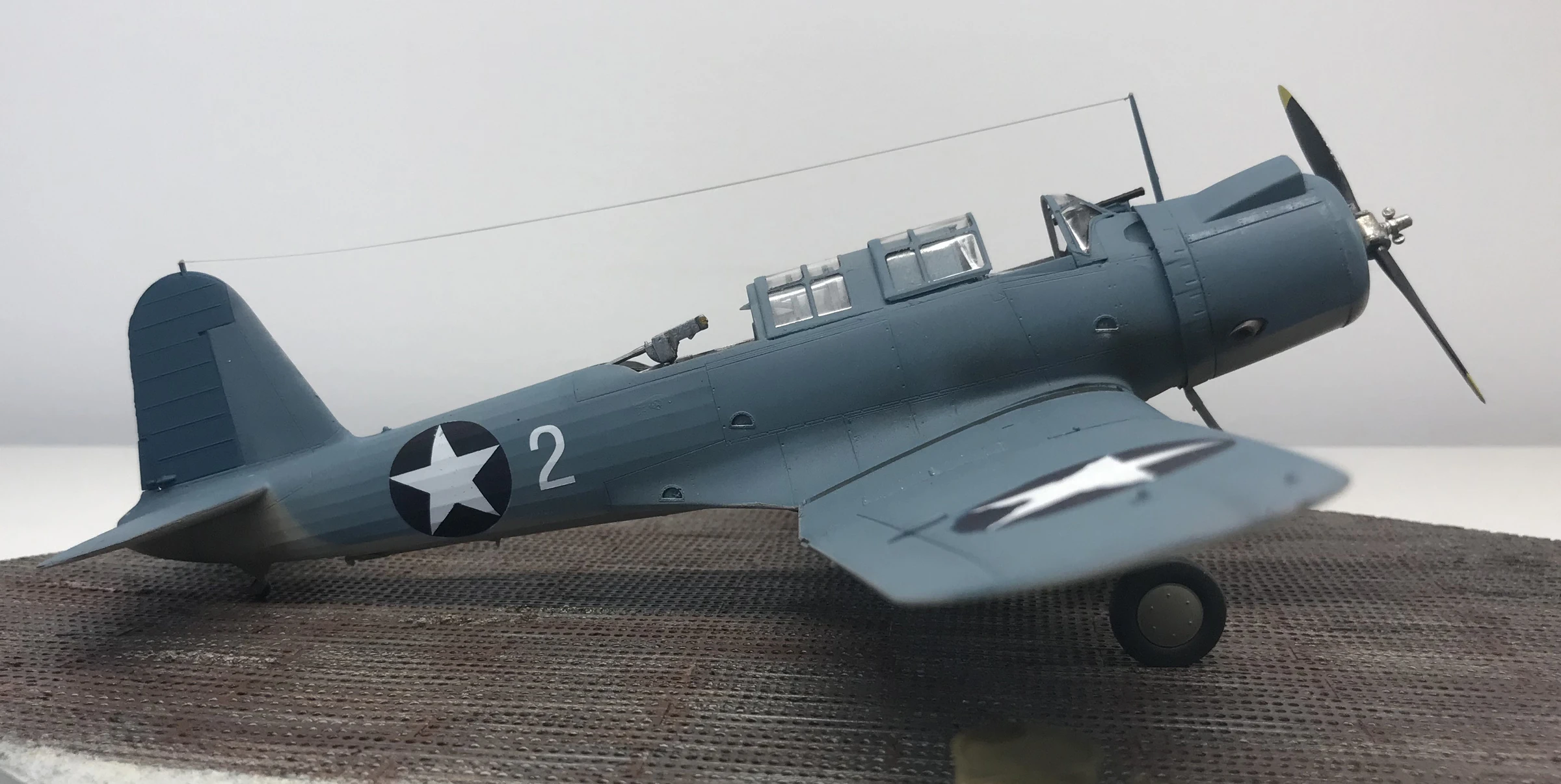
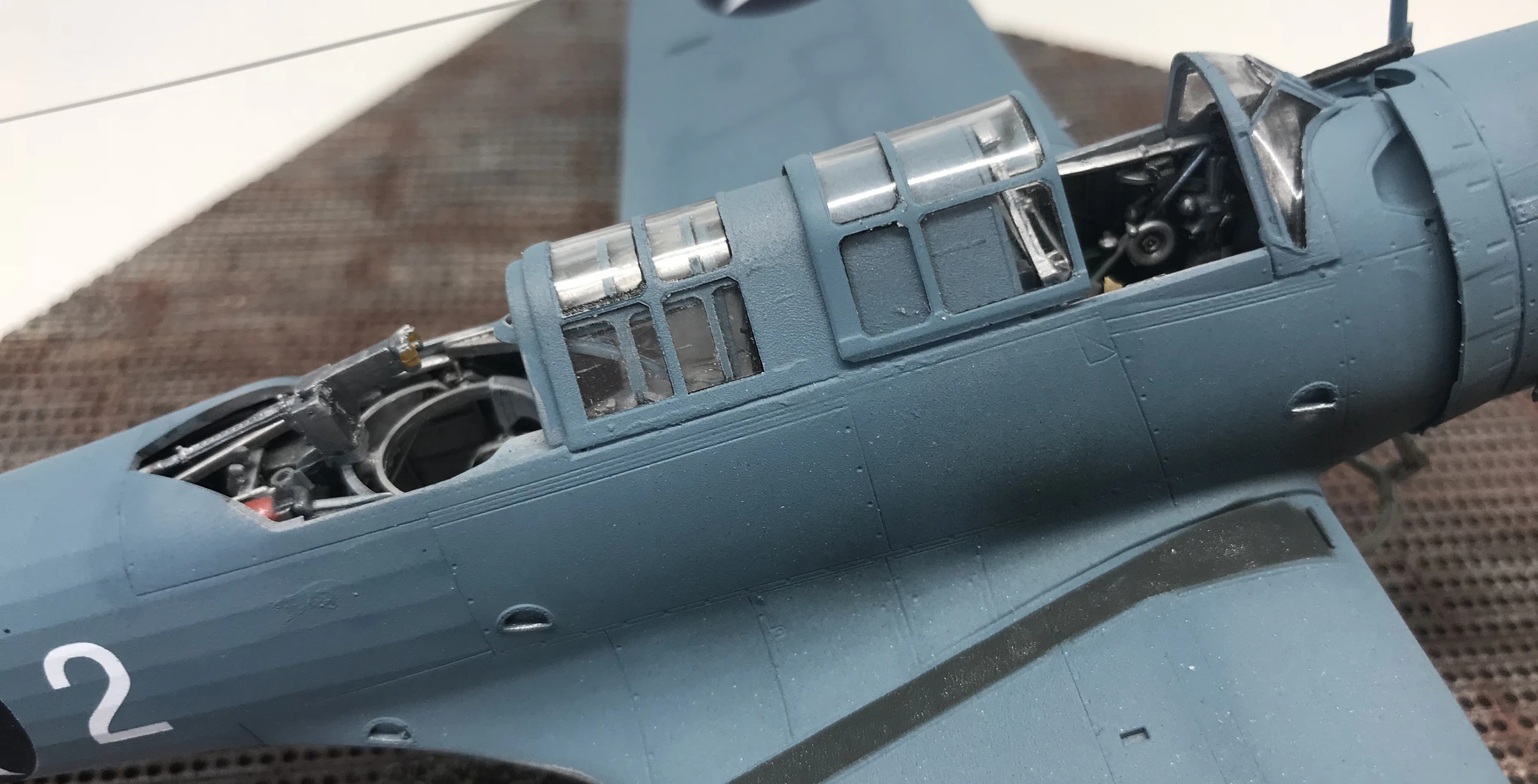
In December 1941 Richard E. Fleming was posted to VMSB-231 when the squadron flew their Vought SB2U-3 Vindicators from Ewa Field in Hawaii to Midway — a distance of 1,137 miles that set a record for the longest formation flight by single-engined aircraft. At Midway the group was split, and Fleming joined VMSB-241 under Major Henderson. In the build-up before the battle the squadron received 18 SBD-2 Dauntlesses phased out by the Navy, and Fleming was assigned one of them. Ten new pilots had also joined just ten days before the battle, leaving too little time and too little fuel for proper training. Henderson decided to use glide bombing as the only practical tactic.
The attack VMSB-241 made on the Japanese fleet on June 4 is described in the chapter on the SBD-2 Dauntless. Fleming returned from that mission having made a daring glide bomb run on one of the carriers, pulling out at 400 feet. With 179 holes in his plane and one shot-out tyre he put it down neatly at Midway and stepped out saying “Boys, there is one ride I am glad is over.” Fleming was only lightly wounded, but his gunner Corporal Eugene Card was carried off on a stretcher. Their Dauntless was written off.
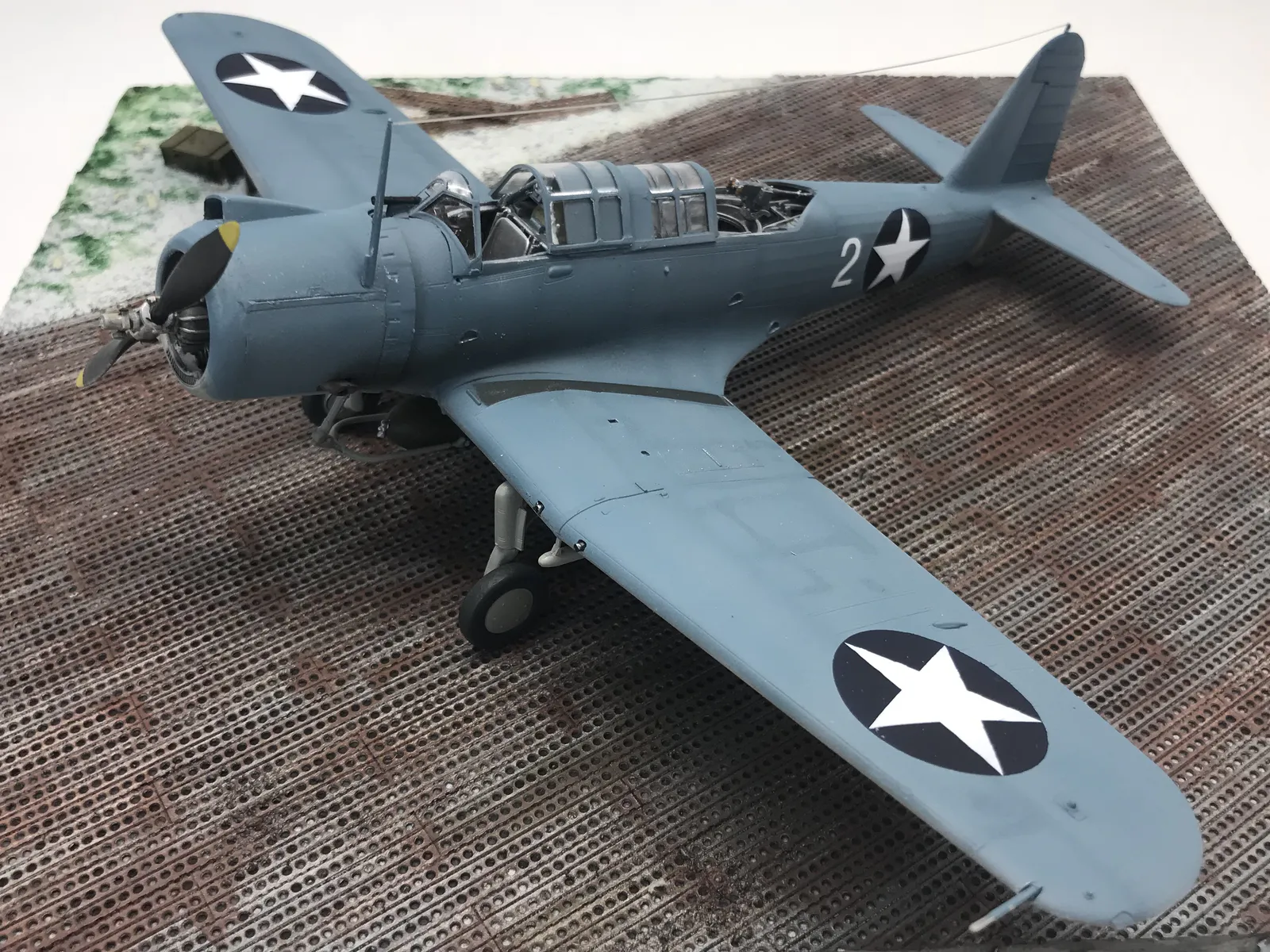
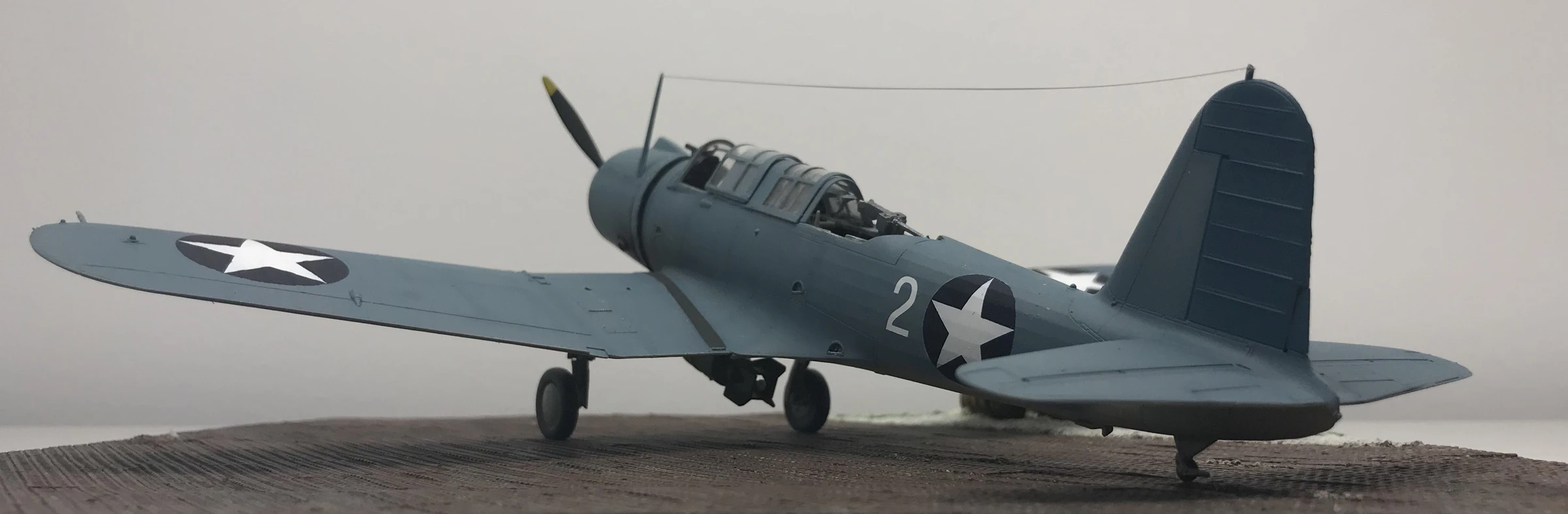
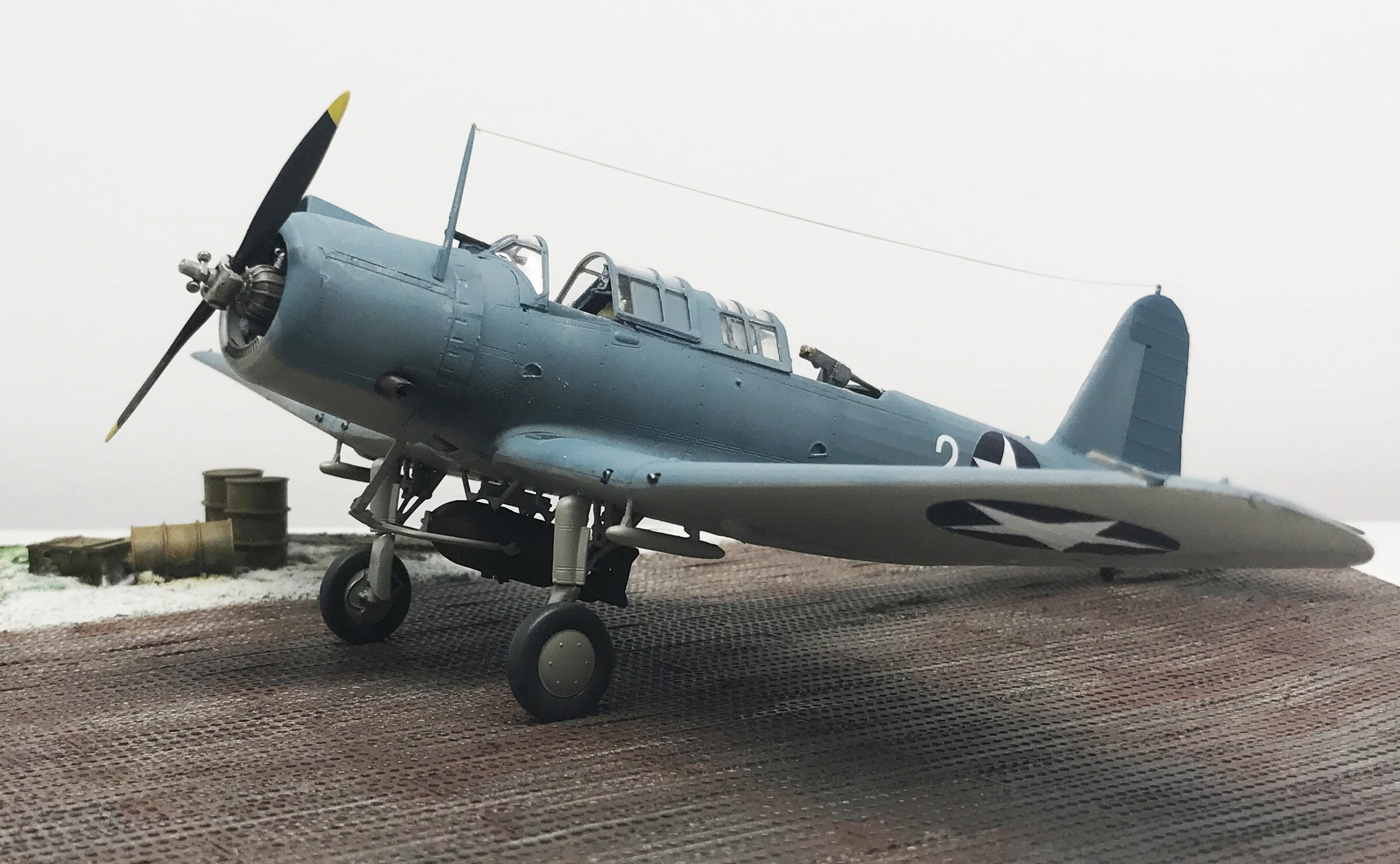
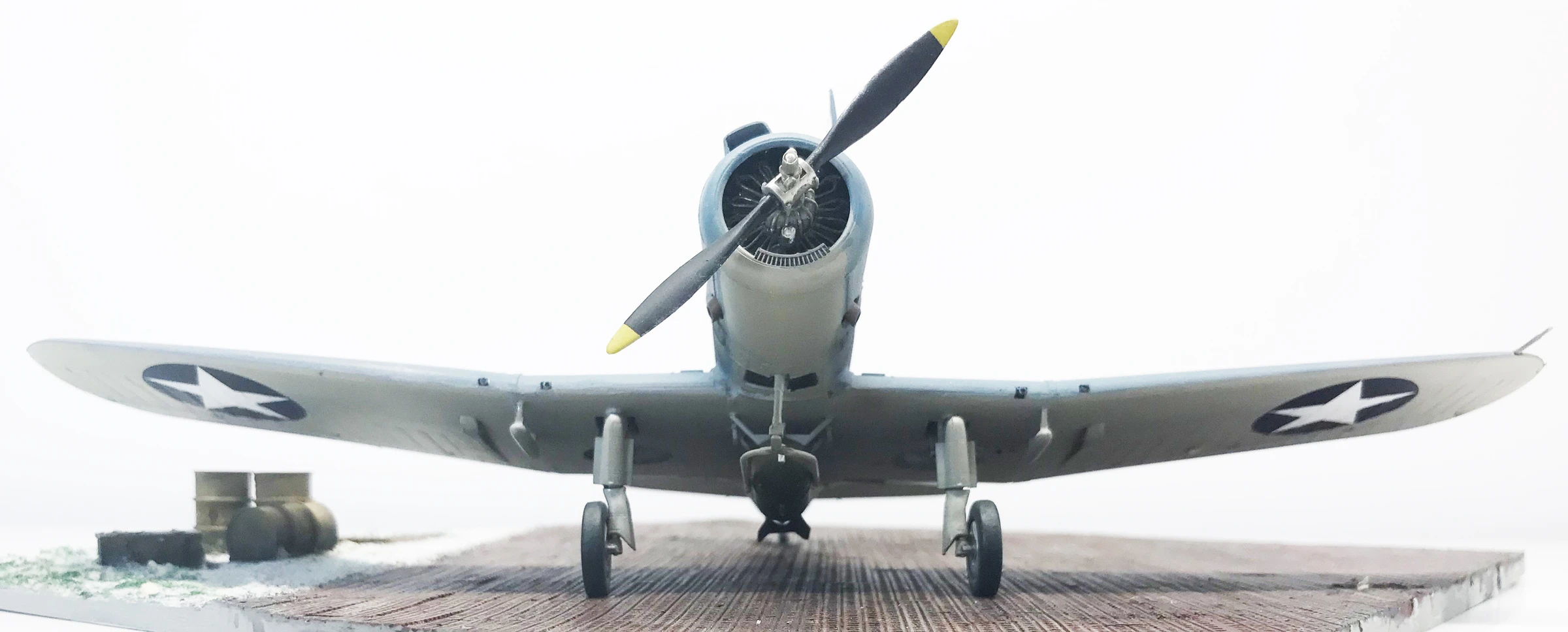
Fleming was then assigned one of the Vindicators, “White 2”, together with the plane’s regular gunner Private First Class George Toms. They were sent out the same day to search for a burning carrier that had been reported. The search was unsuccessful, and as night fell their Squadron Commander Norris became separated from the others. Despite dangerous weather and total darkness the rest of the squadron made it back safely, but Norris never returned.
After only four hours’ sleep they were sent out again the next morning in two groups — six Dauntlesses and six Vindicators. Fleming had been made leader of the Vindicator group following Norris’ disappearance. This time they were sent to find the remnants of the Japanese fleet, primarily the surviving battleships after the loss of the carriers.
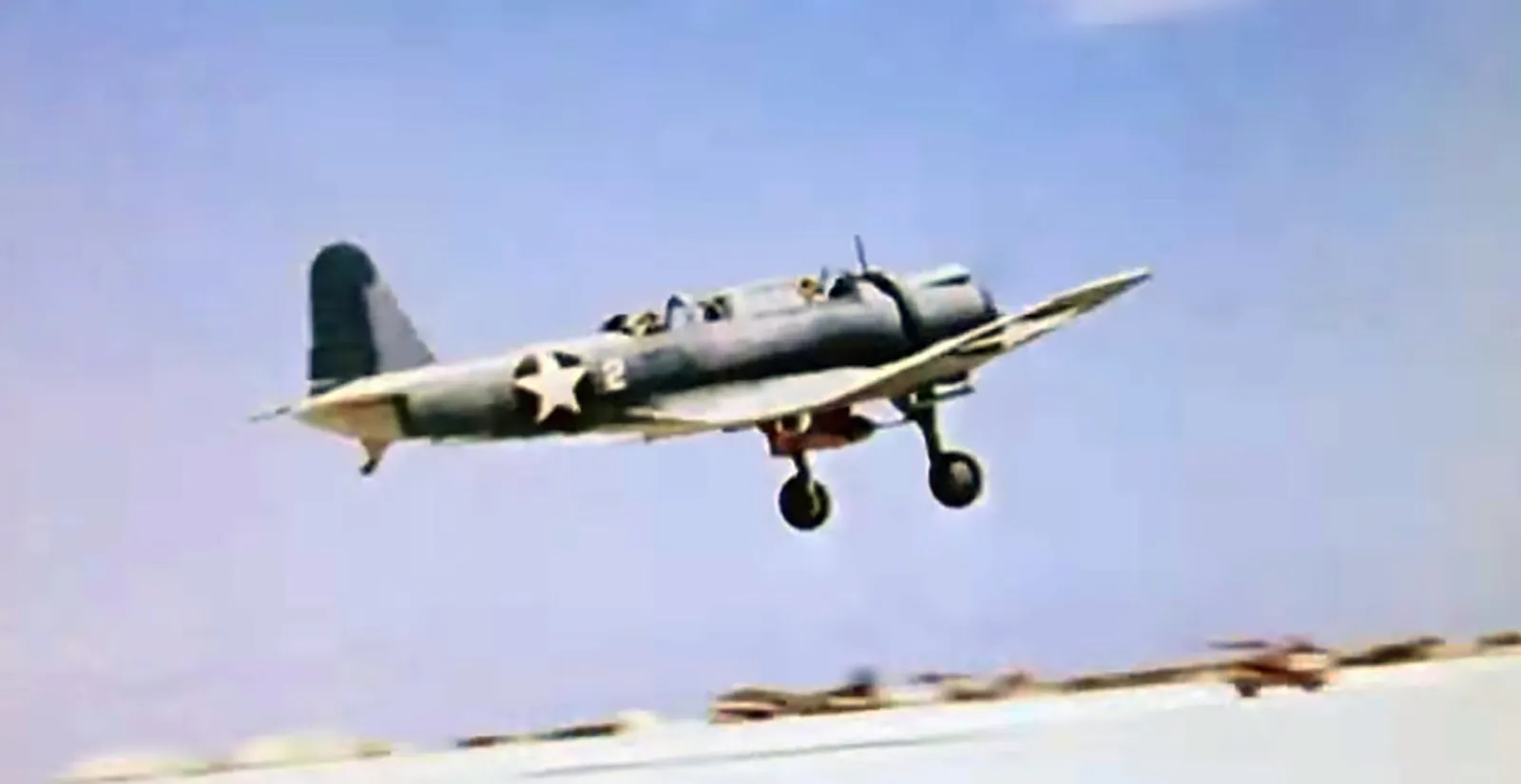
At around 7:45 one of the pilots spotted an oil slick, and following it they found two cruisers sailing alone — the Mogami and the Mikuma, severely damaged not by American action but by a collision with each other. The group immediately attacked. The cruisers answered with fierce AA fire. Fleming went into a glide run against the Mikuma, but smoke soon began streaming from his plane, followed by flames. Somehow he held his course. He released his bomb at 500 feet — and then crashed into the sea. Neither the bomb nor the aircraft struck the cruiser.
Fleming was posthumously awarded the Medal of Honor, the highest American military decoration. He was the first Marine pilot to receive it in the Second World War, and the only recipient for actions during the entire Battle of Midway. His gunner Toms received the Distinguished Flying Cross. The Mikuma was sunk the following day by Dauntlesses from USS Enterprise and USS Hornet.