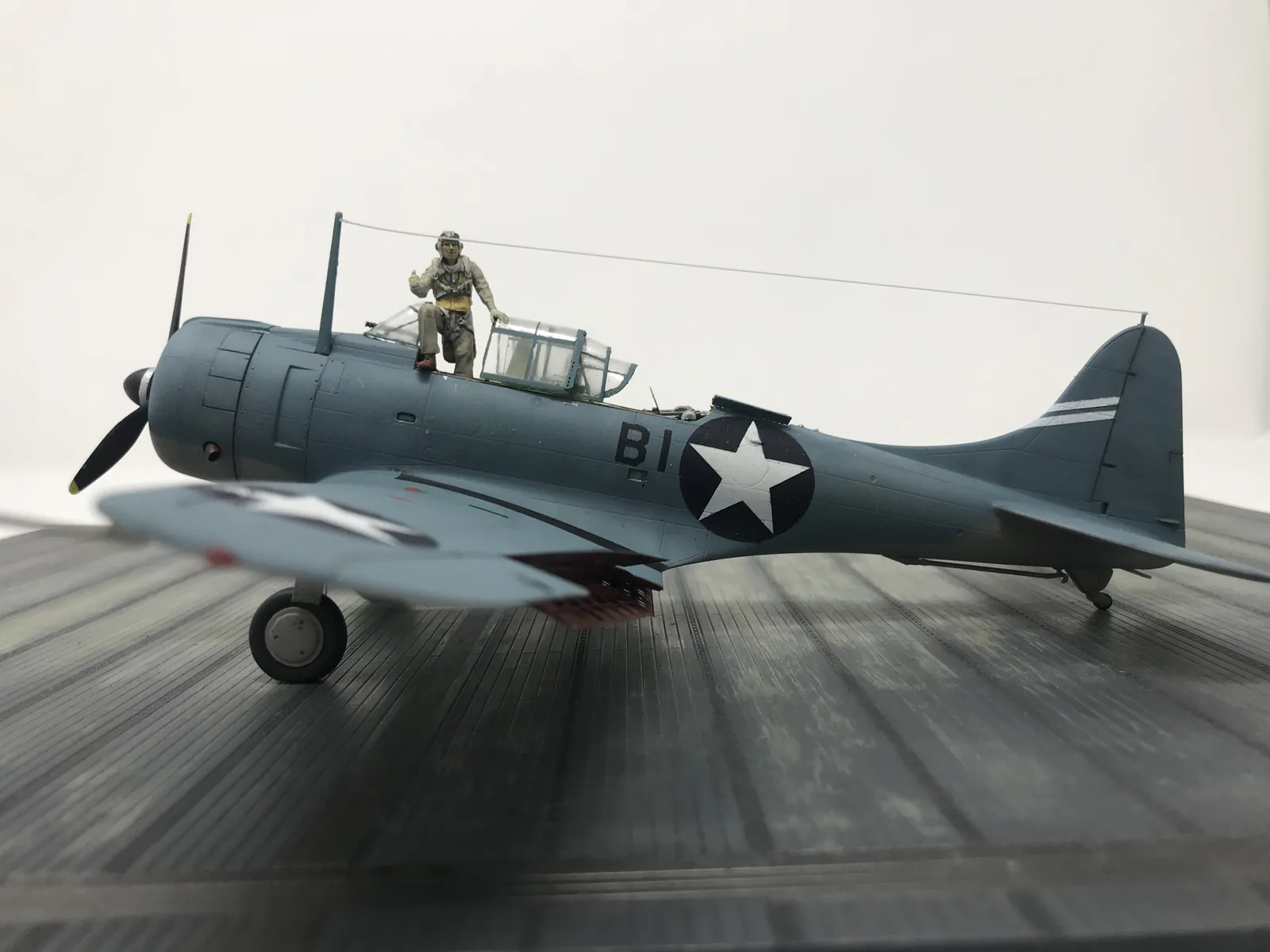
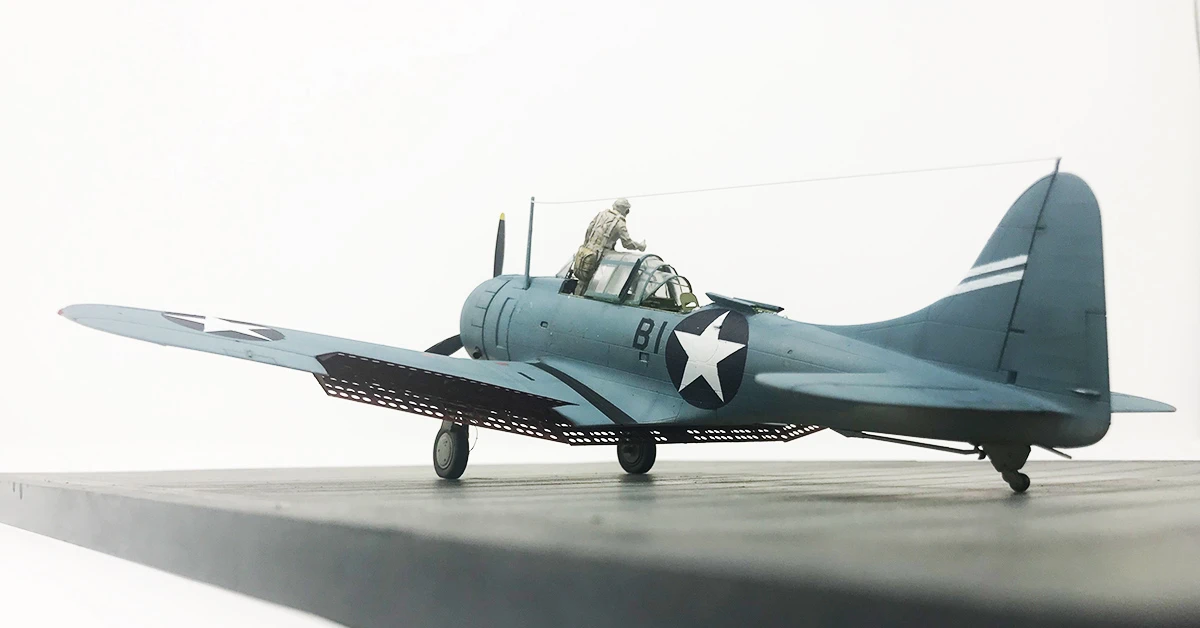
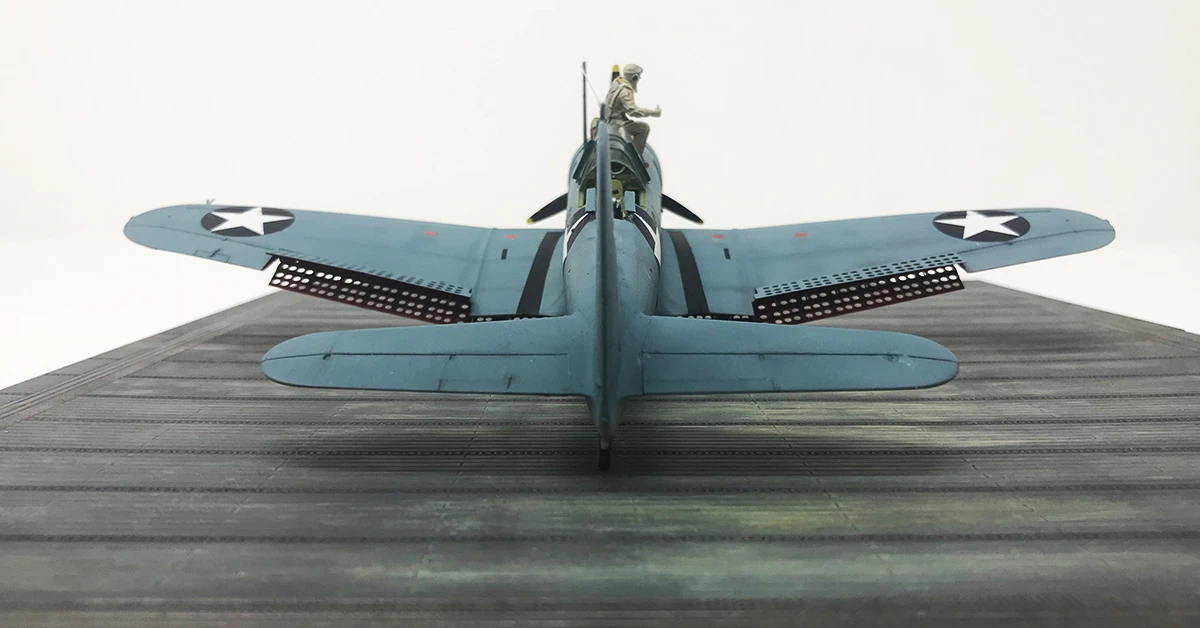
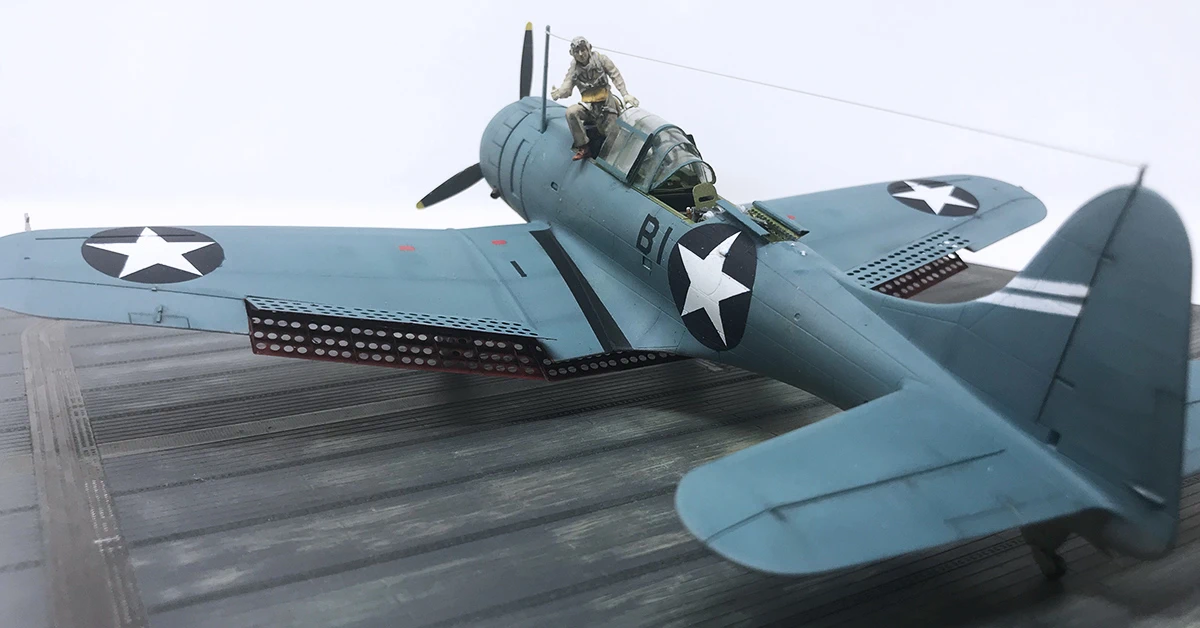
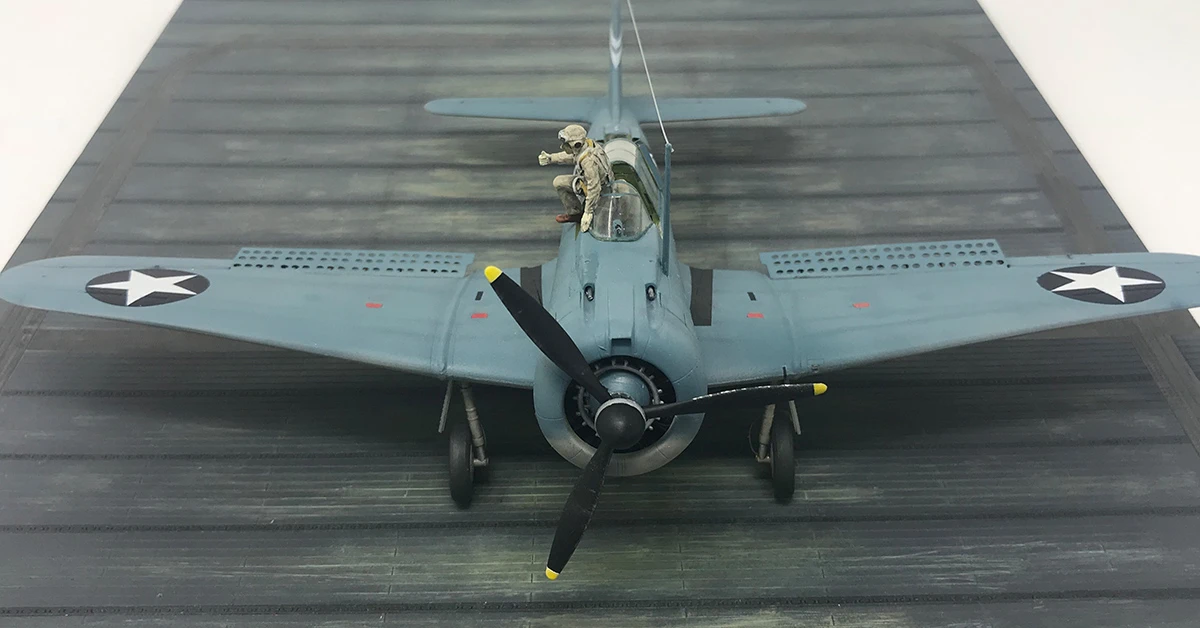
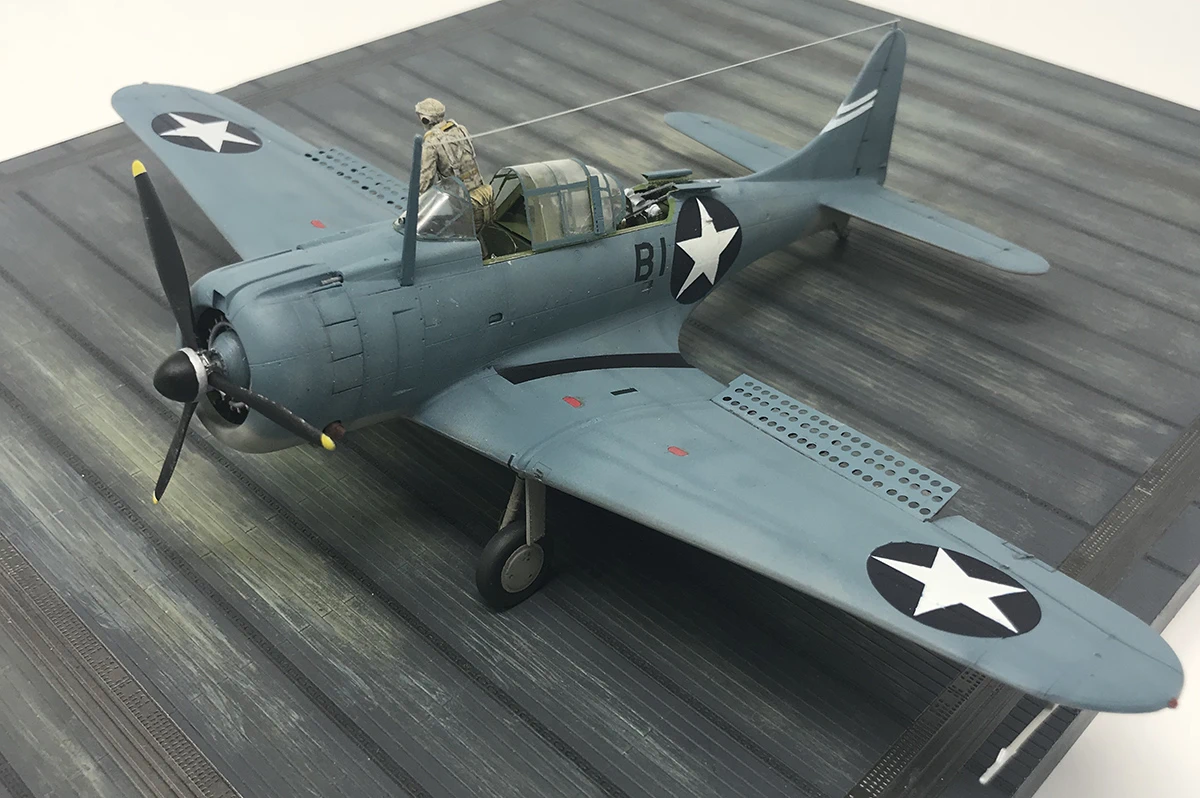
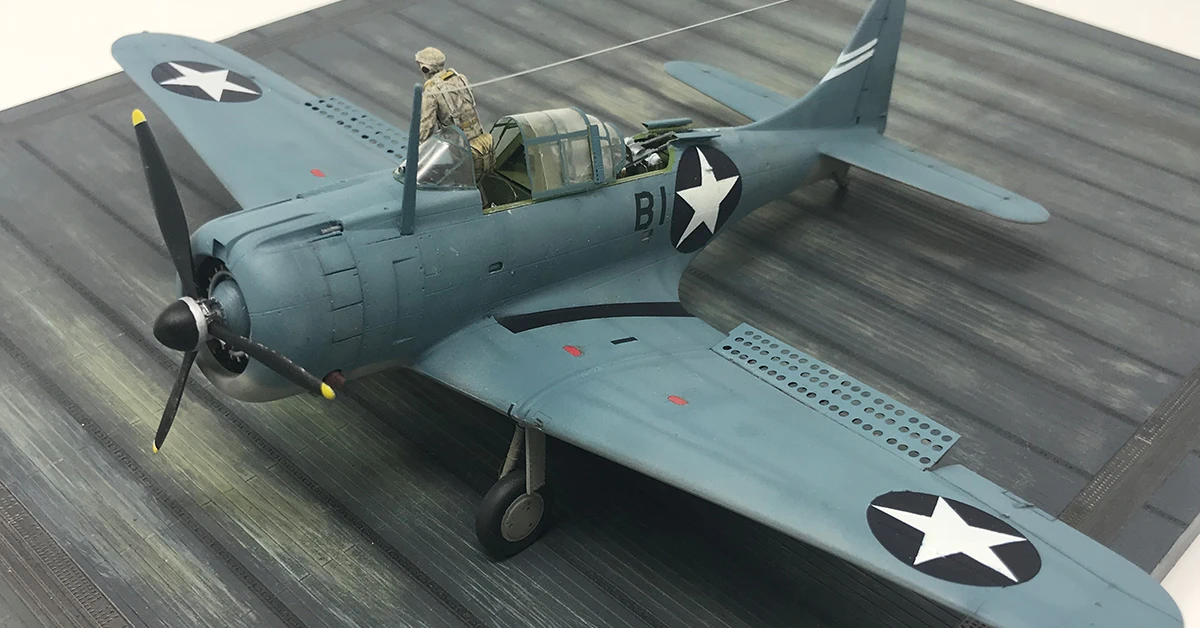
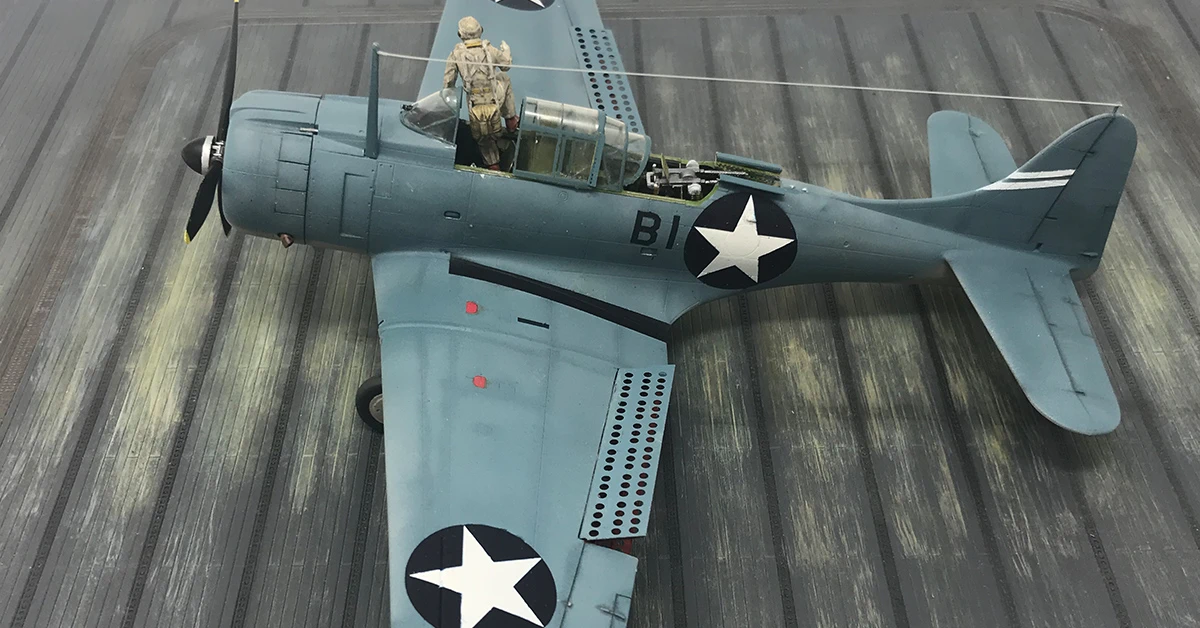
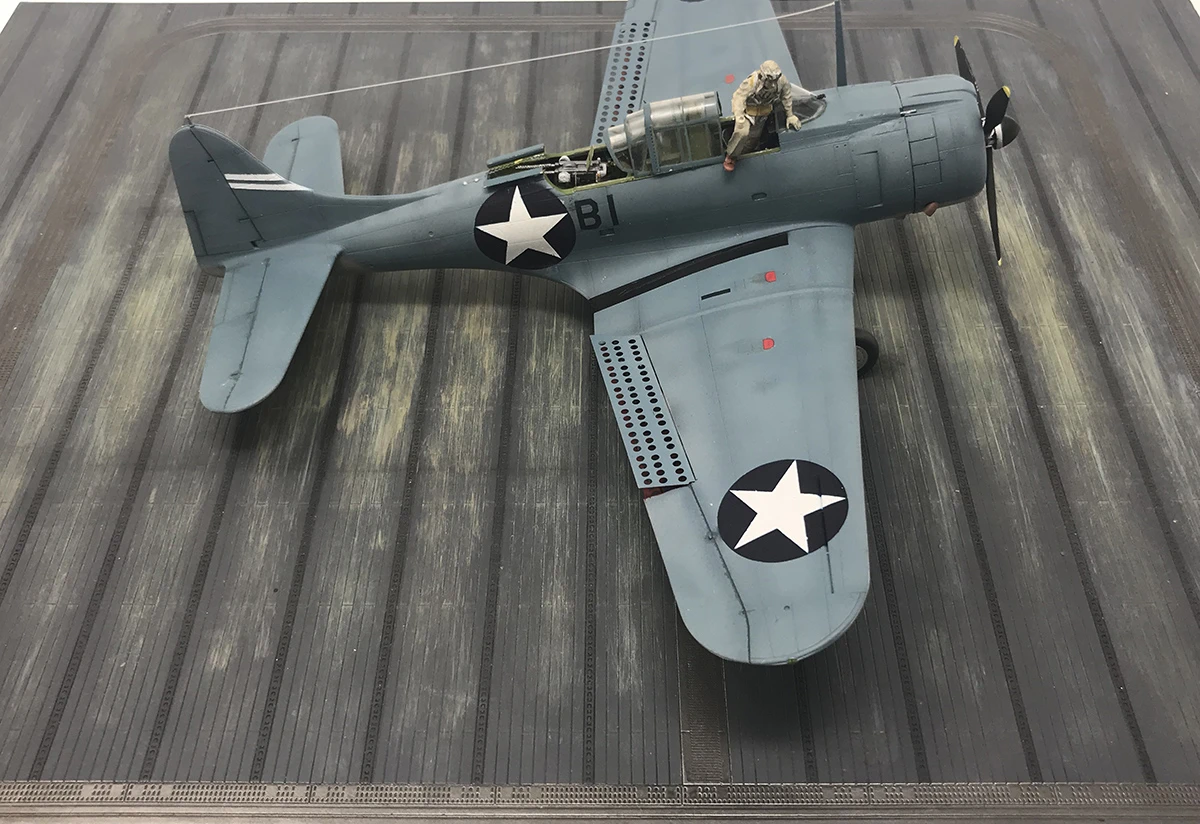
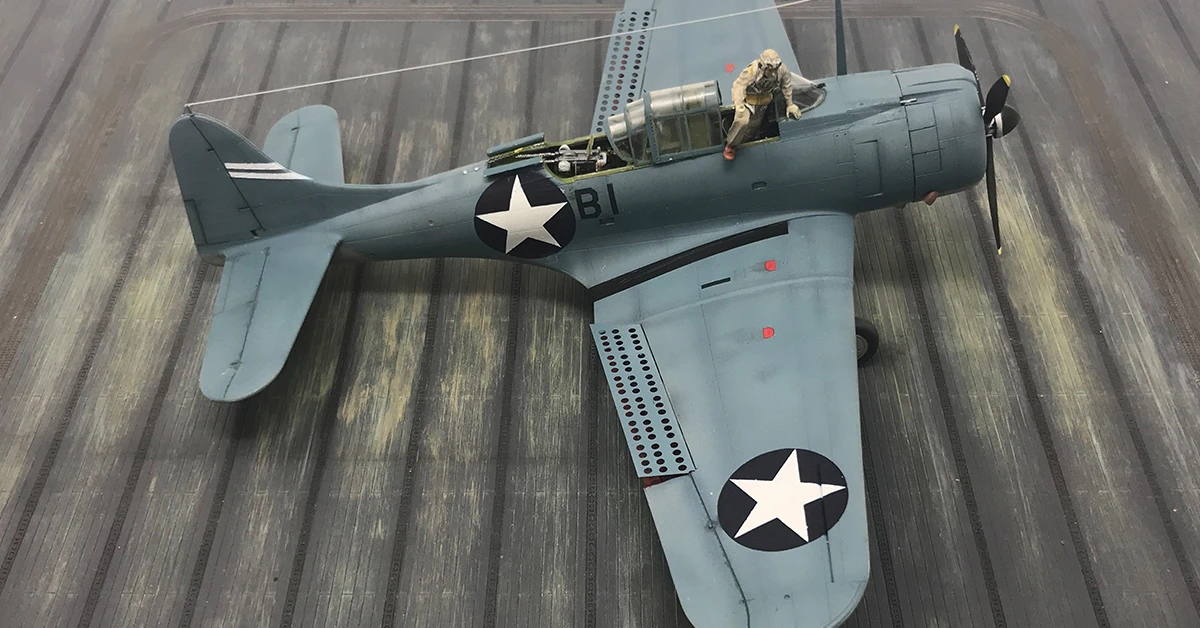
On the morning of June 4 the two US carrier forces — Task Force 16 with USS Enterprise and USS Hornet, and Task Force 17 with USS Yorktown — began launching their strikes against the Japanese fleet. Hornet’s attack force under Commander Stanhope Ring headed off on an inexplicably erroneous course far to the north of the Japanese fleet, a still unexplained blunder that cost many planes and crews to fuel exhaustion. Only their torpedo squadron VT-8, which broke away from the main force after half an hour, managed to find the Japanese — as described in the previous chapter.
Meanwhile the dive bombers from Enterprise and Yorktown searched for the enemy. They headed for the expected position of the Japanese carriers, but the carriers had turned northeast toward the American fleet, and valuable fuel was burned trying to locate them. In the formation led by Lieutenant Commander Wade McClusky flew Lieutenant Commander Richard Halsey “Dick” Best, leading VB-6. When they failed to find the enemy at the expected position, McClusky turned northwest, where they spotted a lone Japanese destroyer steaming at full speed to the northeast. It was the Arashi, which had been detailed to suppress the American submarine Nautilus after it had attempted to attack the Japanese carriers. Now it was heading back to rejoin the fleet. McClusky guessed correctly and followed — arriving directly over the Japanese carriers just as they were being attacked by VT-3’s Devastators and the CAP had descended to sea level.
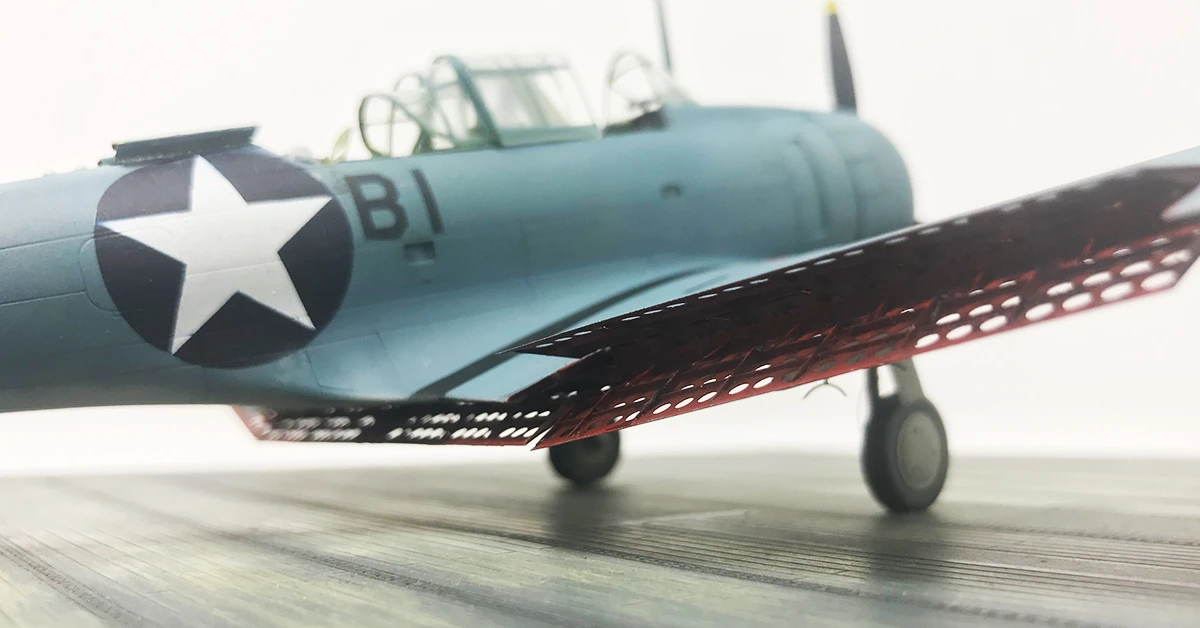
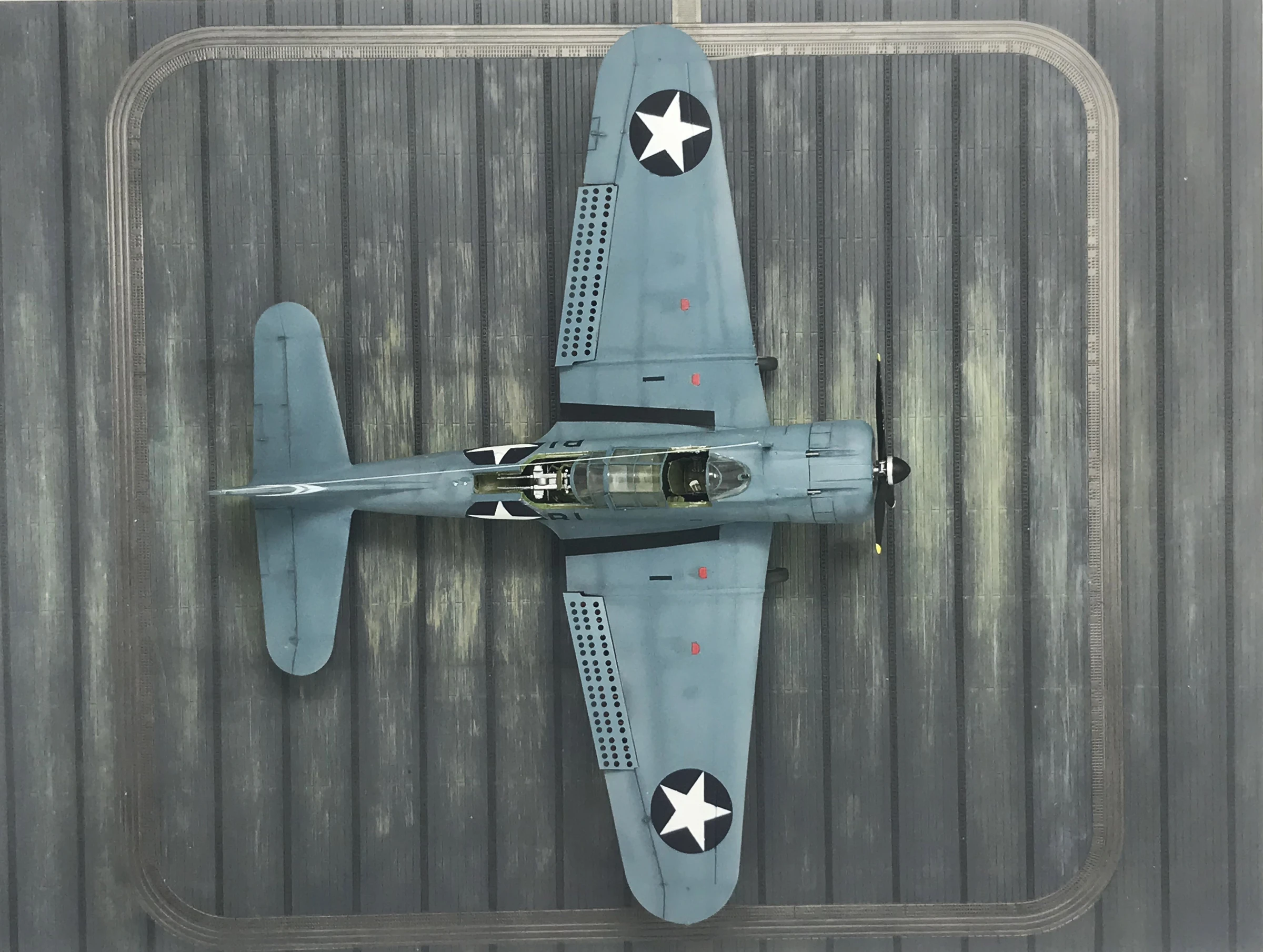
During the flight one of Best’s men had run out of oxygen, forcing VB-6 down to 15,000 feet — below McClusky’s VS-6. Doctrine dictated that the leading group attack the farthest target and the second group the nearest. Best prepared to dive on the nearest carrier, the Kaga, and began opening his dive flaps — when McClusky, a former fighter pilot, came screaming down in front of them, breaking doctrine entirely. Most of VB-6 followed him. Realising the error, Best managed to pull away with just two wingmen — Lieutenant Edwin John Kroeger and Ensign Frederick Thomas Weber — and continued toward the second carrier, the Akagi.
They commenced their attack still unopposed, but Akagi’s AA guns soon opened up. It was too late. Going in loose V-formation against the turning carrier, the first bomb missed by a mere ten metres, sending a plume of water over the bridge. The third also narrowly missed, striking aft and damaging the rudder. But Best’s bomb — the second — hit Akagi’s flight deck just aft of the midship elevator. The 1,000-lb bomb penetrated the deck and exploded in the upper hangar, setting fire to the B5N2 Kates being readied there. The Akagi was doomed.
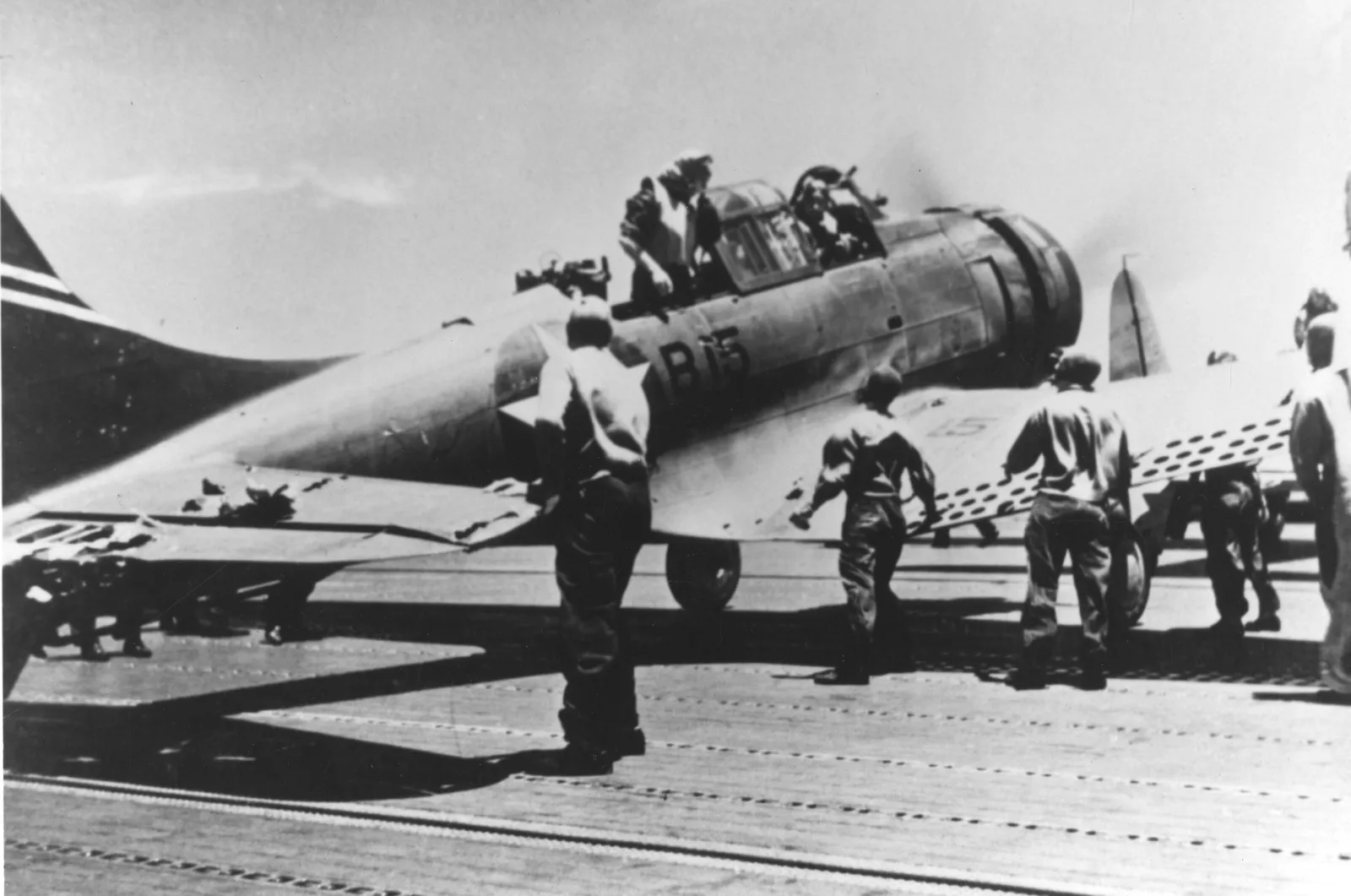
The rest of VB-6 and VS-6 had set the Kaga ablaze with a 1,000-lb and at least three 500-lb bombs. Meanwhile Dauntlesses from VB-3 off USS Yorktown had arrived from a different direction and attacked the Sōryū, scoring no fewer than three hits with 1,000-lb bombs and setting her ablaze as well. Of the four Japanese carriers at Midway, only Hiryū remained operational.
In the afternoon the Dauntlesses were off again. The force was led by Lieutenant Commander Wilmer Earl Gallaher in VS-6 with six planes, Best led VB-6 with four, and they were joined by fourteen Dauntlesses from VB-3, which had been diverted to Enterprise after Yorktown was hit. This time they found Hiryū immediately. The Japanese were ready, and the attackers were met by CAP and every AA gun the fleet could bring to bear. The first bombs from VS-6 missed. As Best prepared to attack, VB-3 broke off from their assigned target — the battleship Haruna — to go after Hiryū instead, but they too missed. Then Best and his group attacked. This time they hit. Hiryū was struck by four 1,000-lb bombs, one of them Best’s. The last carrier’s fate was sealed.
Dick Best had during his first mission that morning breathed oxygen contaminated with caustic soda. The day after he began coughing blood — the fumes had reactivated a latent tuberculosis. He spent 32 months in military hospitals before being retired from service in 1944. In his last day of action he had mortally struck two different enemy carriers, earning him a Distinguished Flying Cross and a Navy Cross. Speaking with characteristic good humour about the day he sank two Japanese fleet carriers and ended his career as a Navy pilot, Best later remarked: “You couldn’t end a career better than that in 30 or 40 years!”