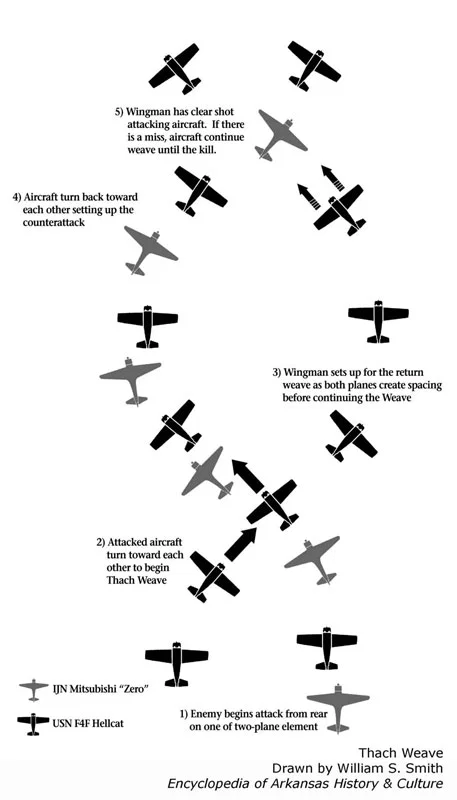
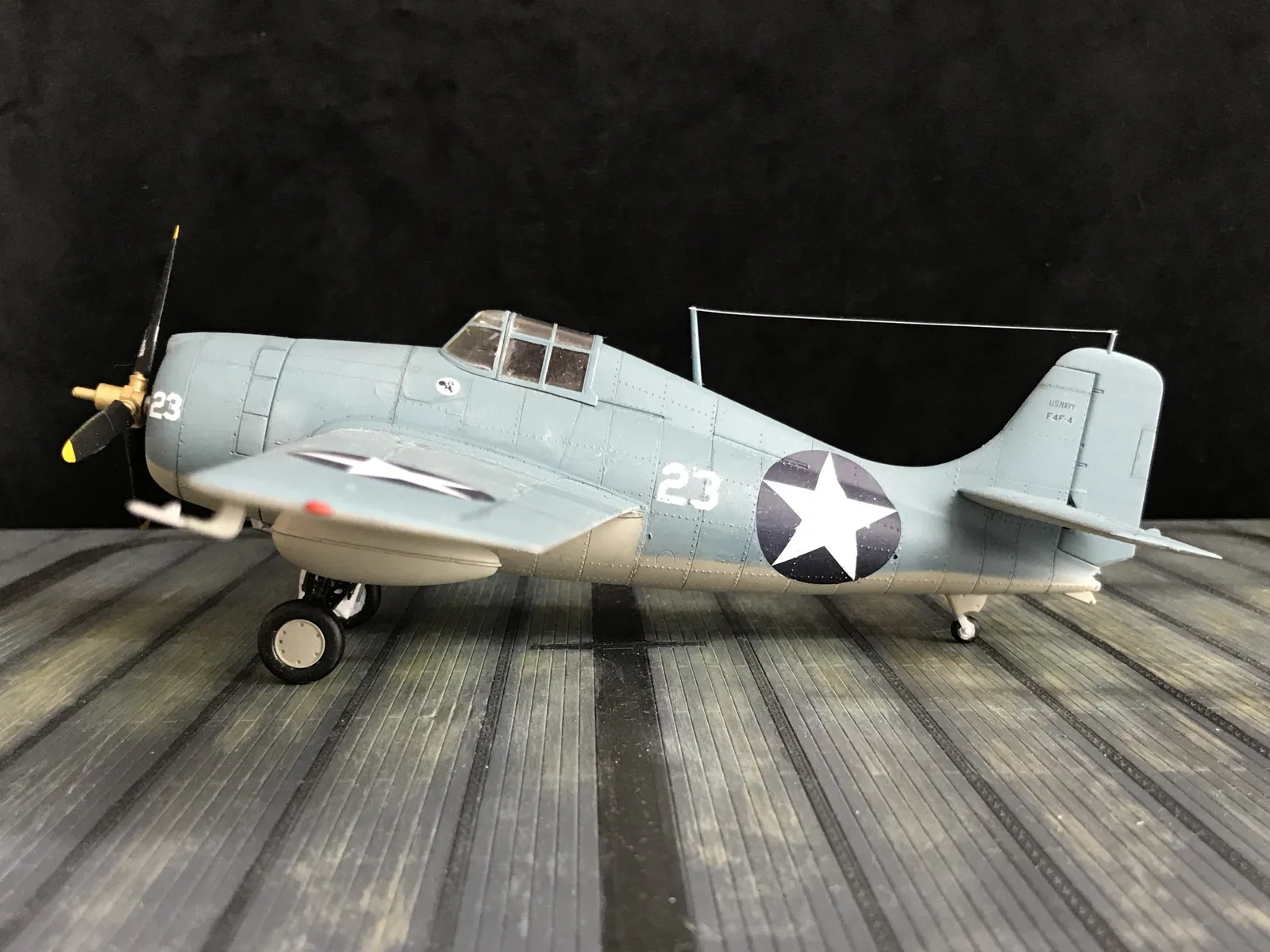
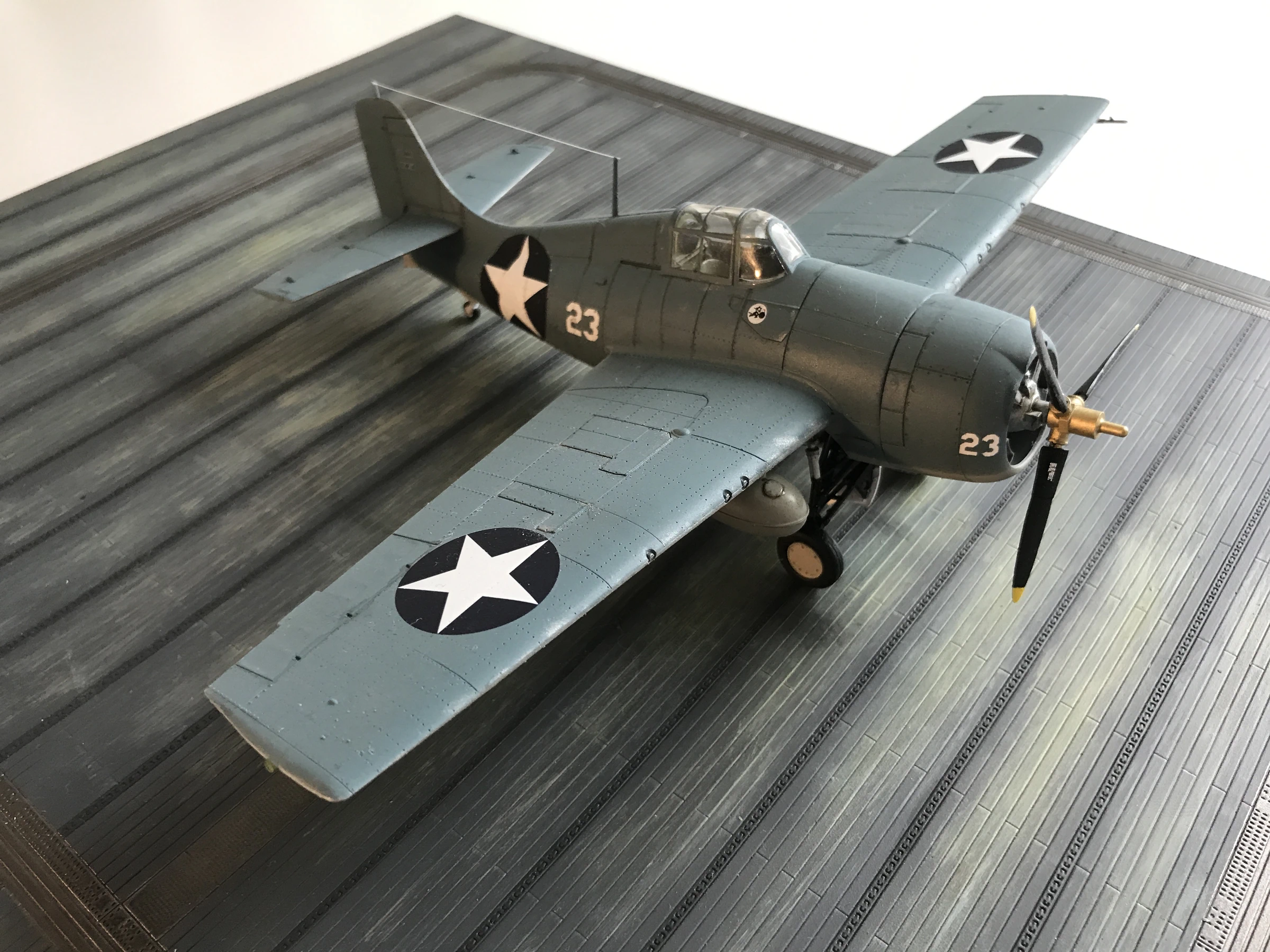
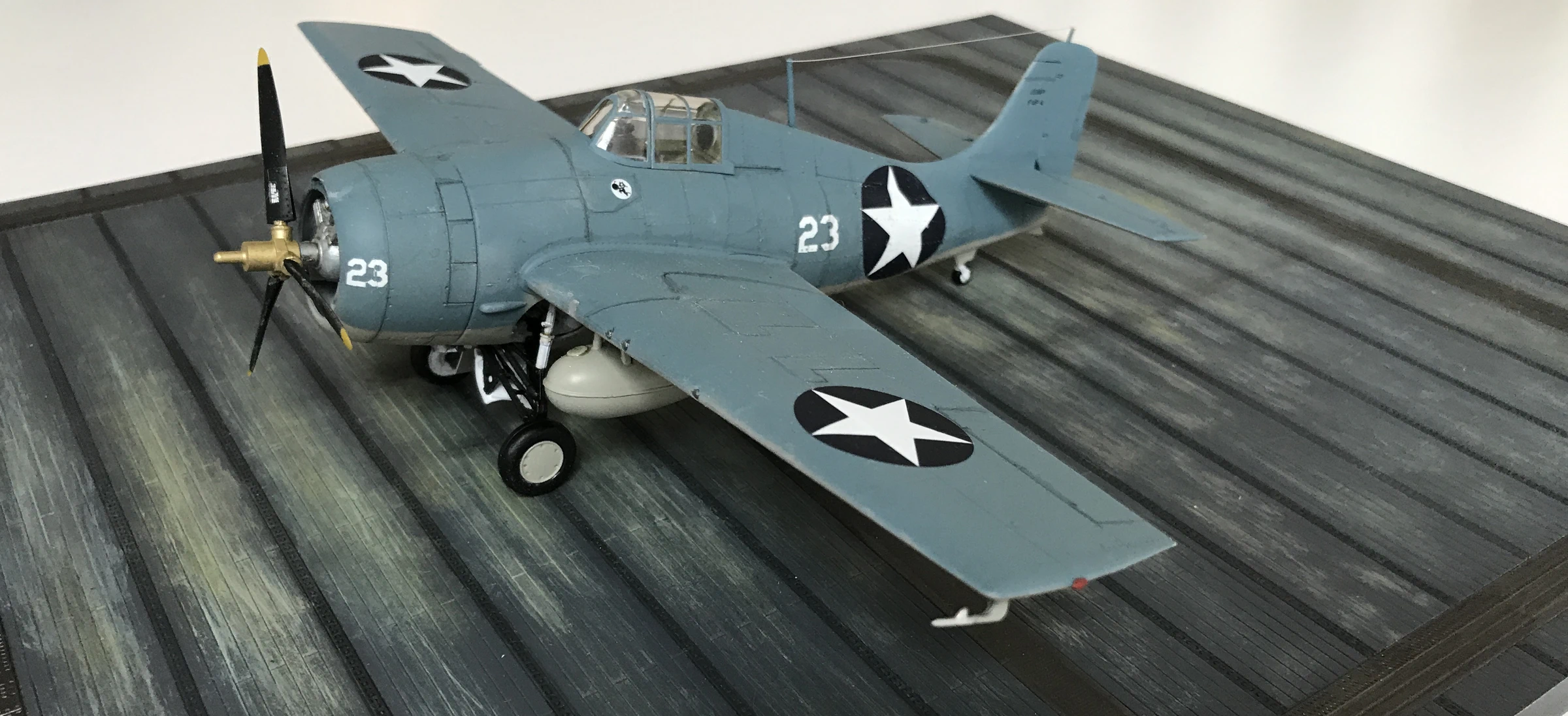
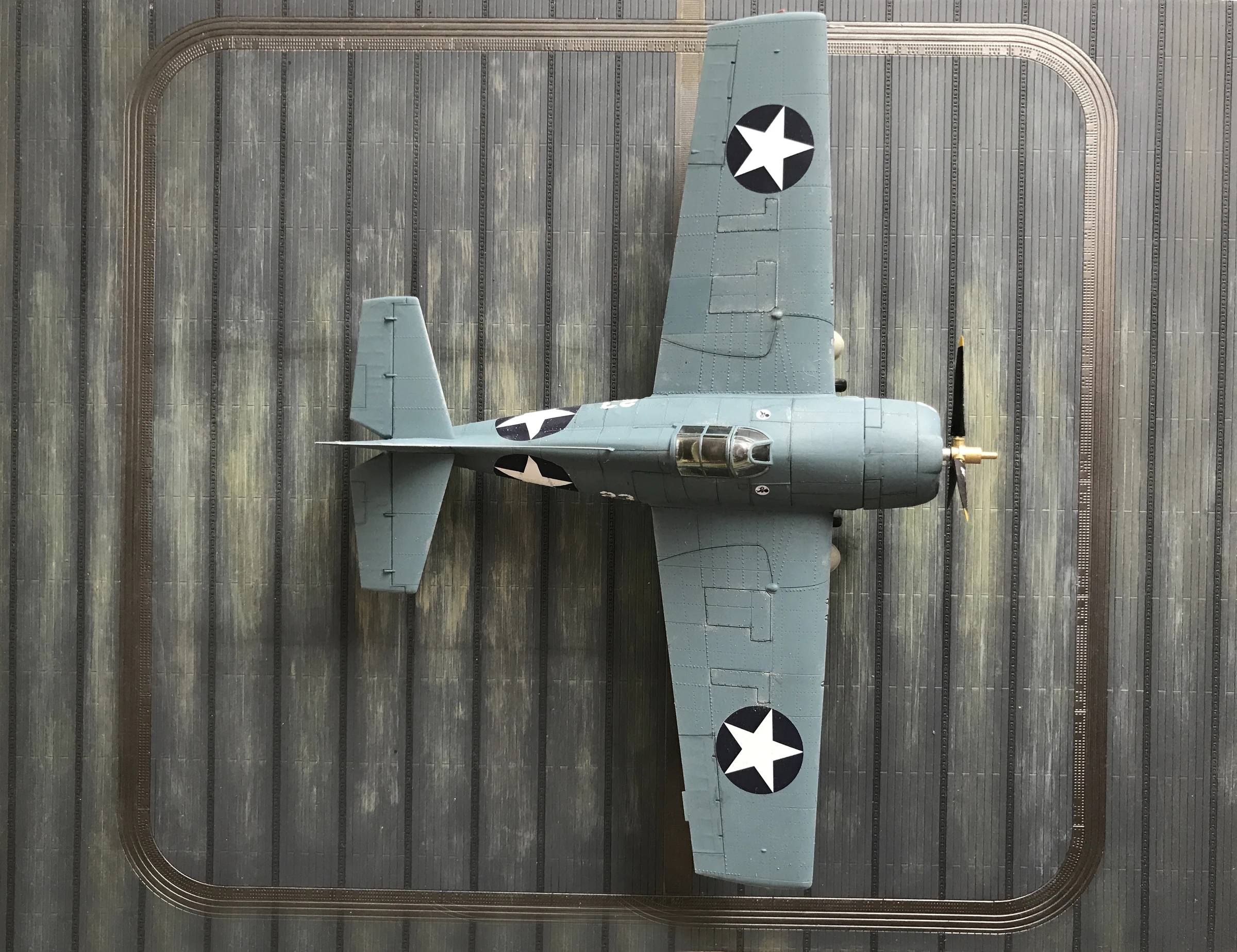
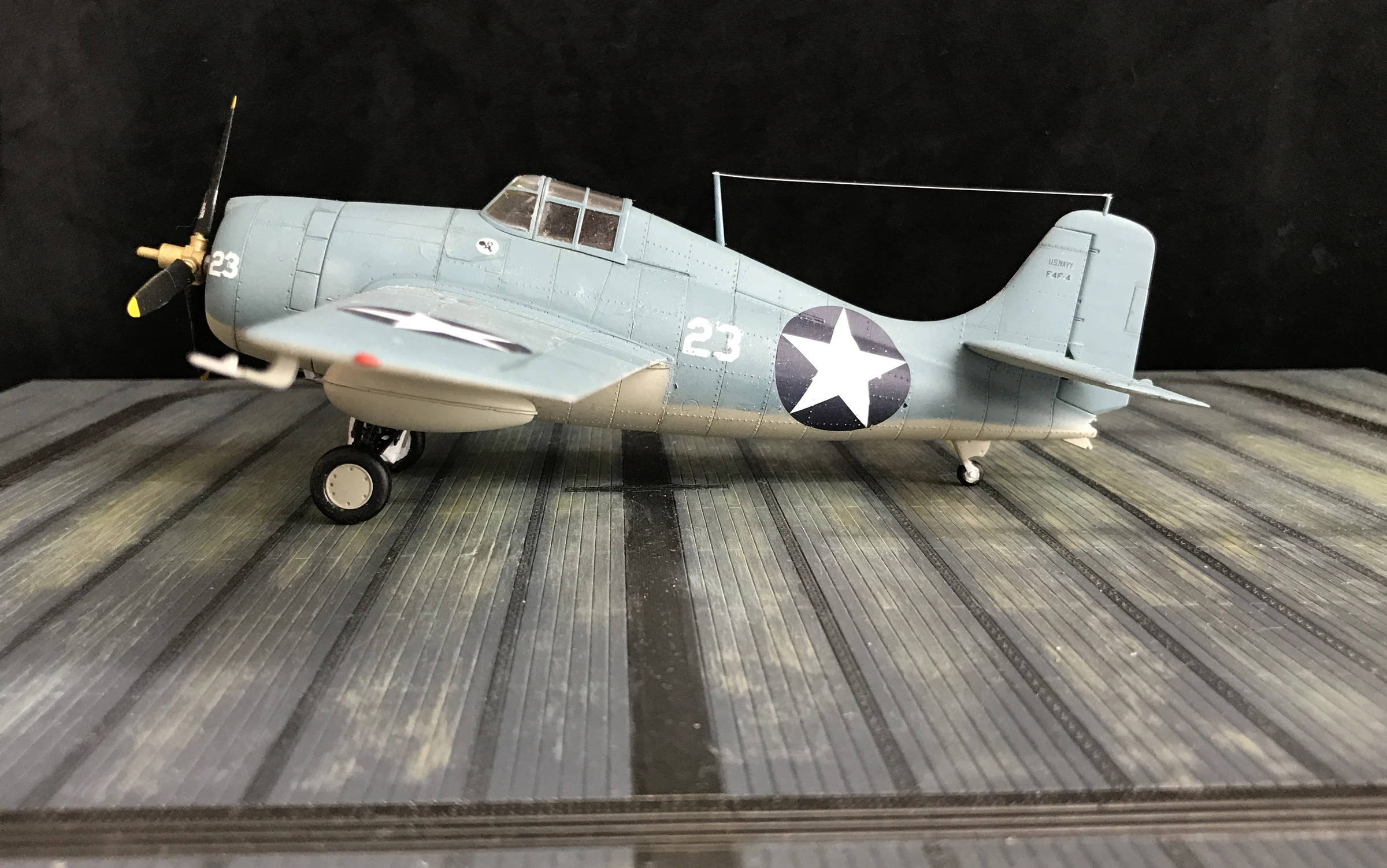
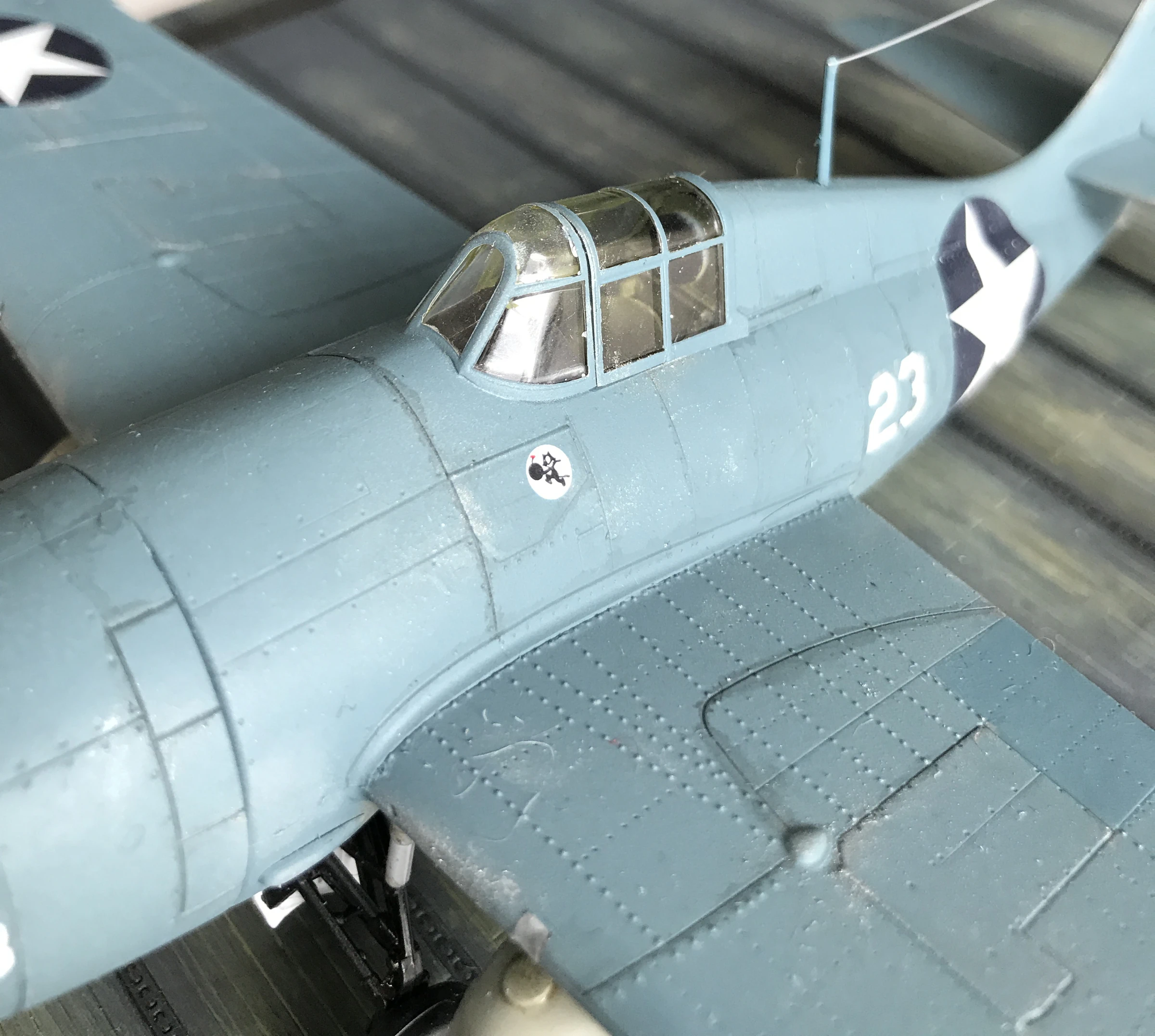
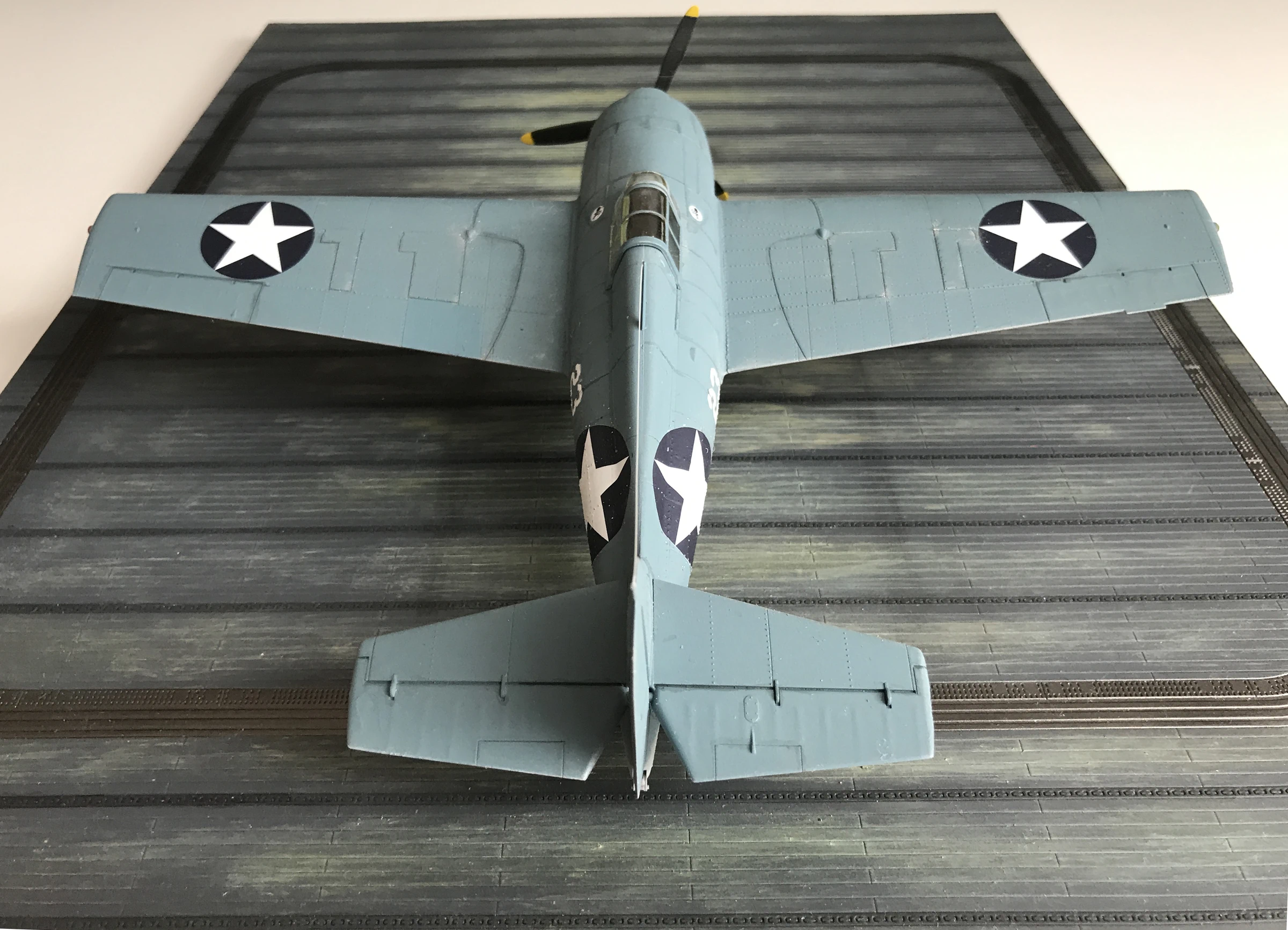
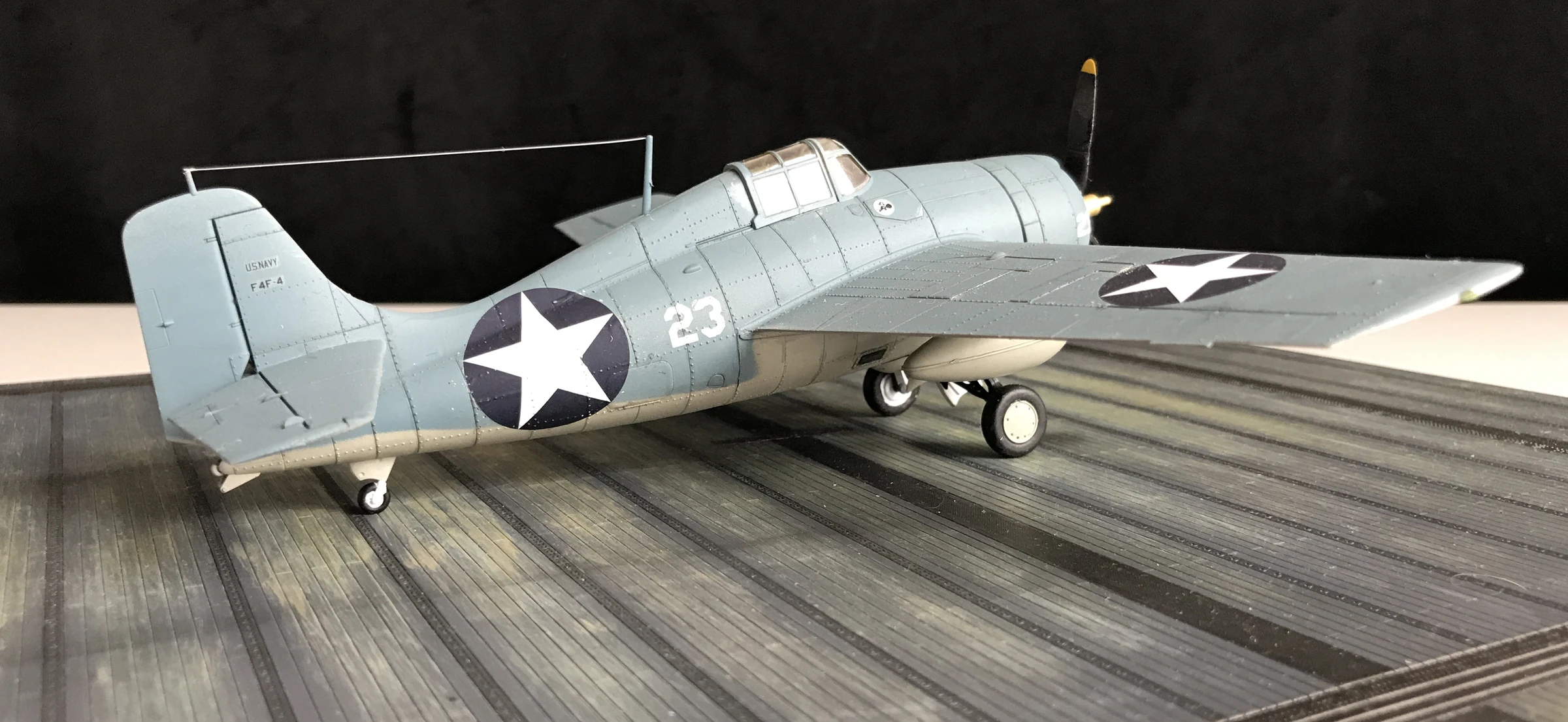
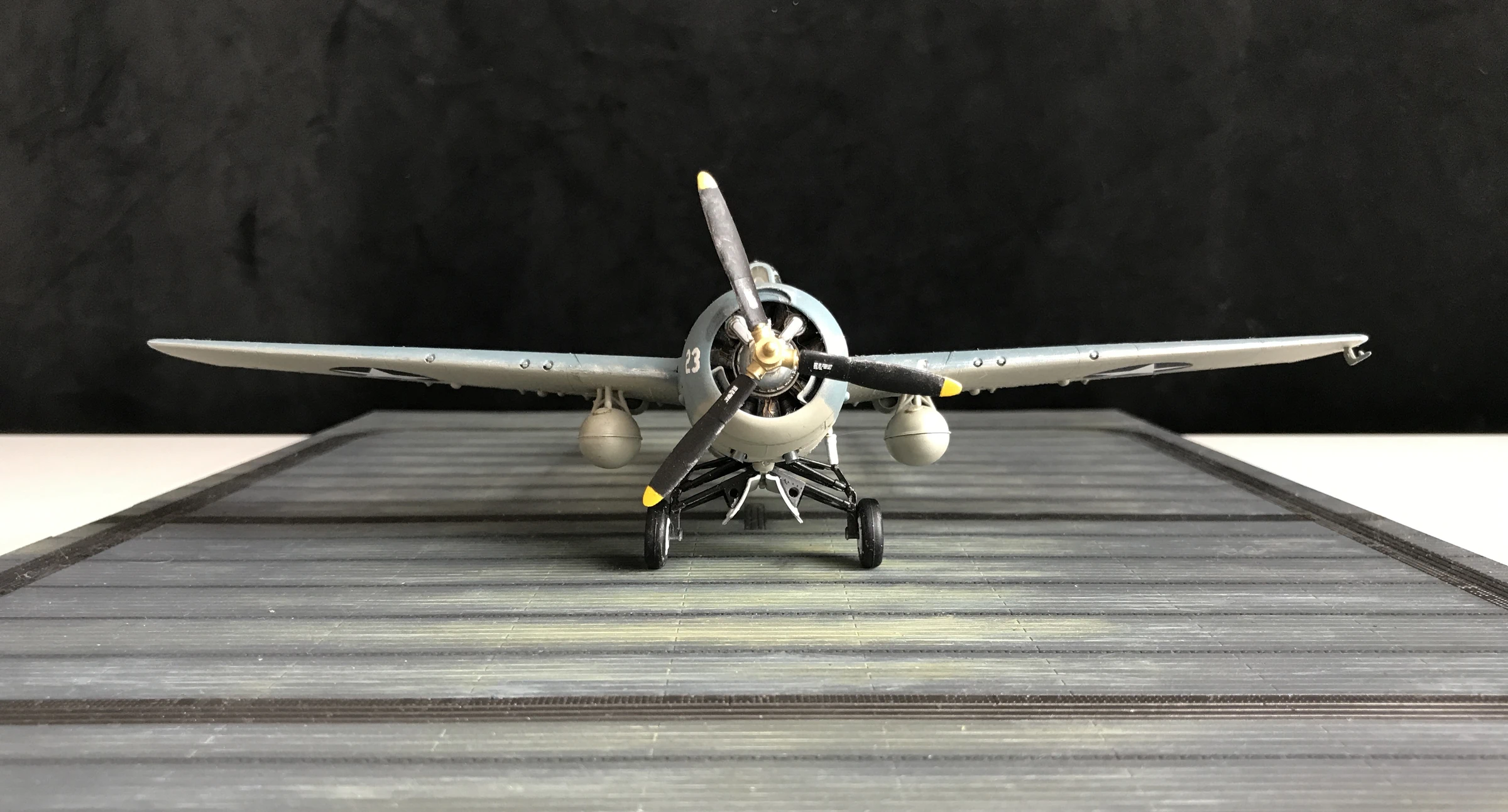
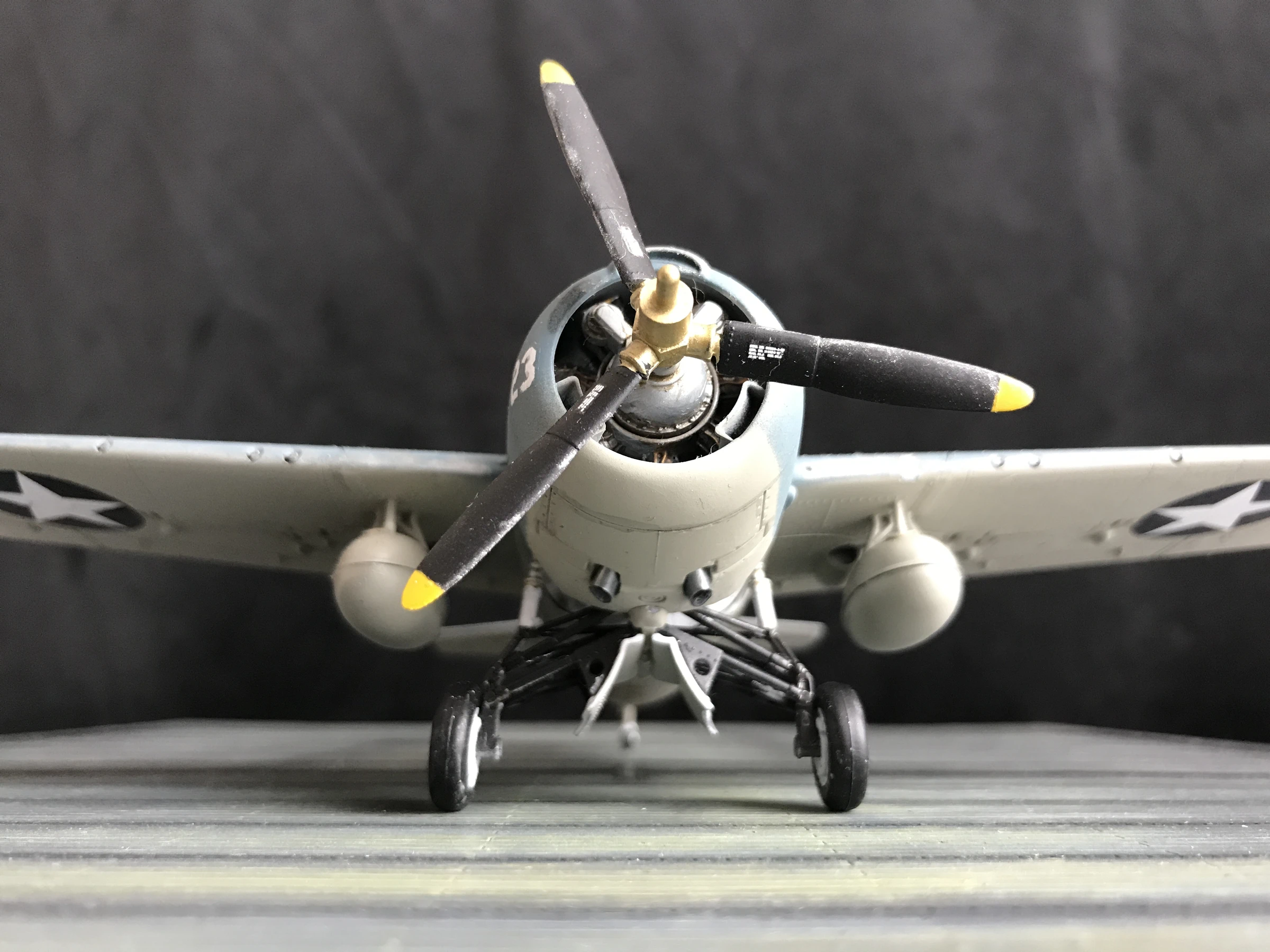
John S. “Jimmy” Thach had been in the Navy since 1927, becoming a Naval Aviator in early 1930. He had served as a test pilot and instructor, and in 1940 was placed in command of Fighting Squadron Three (VF-3), flying the F4F Wildcat. Having studied reports on the manoeuvrability of the Zero, he realised that current US fighter tactics were no match for this formidable new opponent. He therefore developed a defensive manoeuvre he called the beam defense — but had not yet had the opportunity to test it in combat before the Battle of Midway.
On June 4, VF-3 was based aboard USS Yorktown. Thach was assigned to accompany the attack force against the Japanese fleet with six Wildcats — the only American fighters to escort any of the US strike groups that day. Their task was to protect VT-3, Yorktown’s torpedo bombers. Yorktown’s attack force launched later than those from Hornet and Enterprise, but arrived at the Japanese fleet just 30 minutes after the attacks by VT-8 and VT-6.
Staying down with the Devastators in VT-3, they were immediately jumped by Zeros on combat air patrol. Some 20 Zeros went for the six Wildcats while almost as many descended on the torpedo planes. Almost immediately one Wildcat went down in flames. Thach tried to execute his beam defense manoeuvre, but one of his pilots was new to the group and unaware of it — and his radio was not working. Rearranging his flight on the spot, he assigned another pilot to lead the second section, and things began to click. A Zero following one of the Wildcats overshot his first burst and slowed to try again — Thach slid in and shot him down.
The fight continued at a furious pace, but the Zeros could not get at the Wildcats without exposing themselves. Thach shot down two more, a wingman got another, and all five remaining Wildcats were still in the fight. They were kept too busy, however, to help the Devastators — eleven of VT-3’s thirteen planes were lost. It was at this point that the dive bombers arrived. After that the Zero attacks subsided, and Thach led his four surviving planes back to Yorktown, where they flew CAP trying to defend the carrier against the subsequent Japanese strikes.
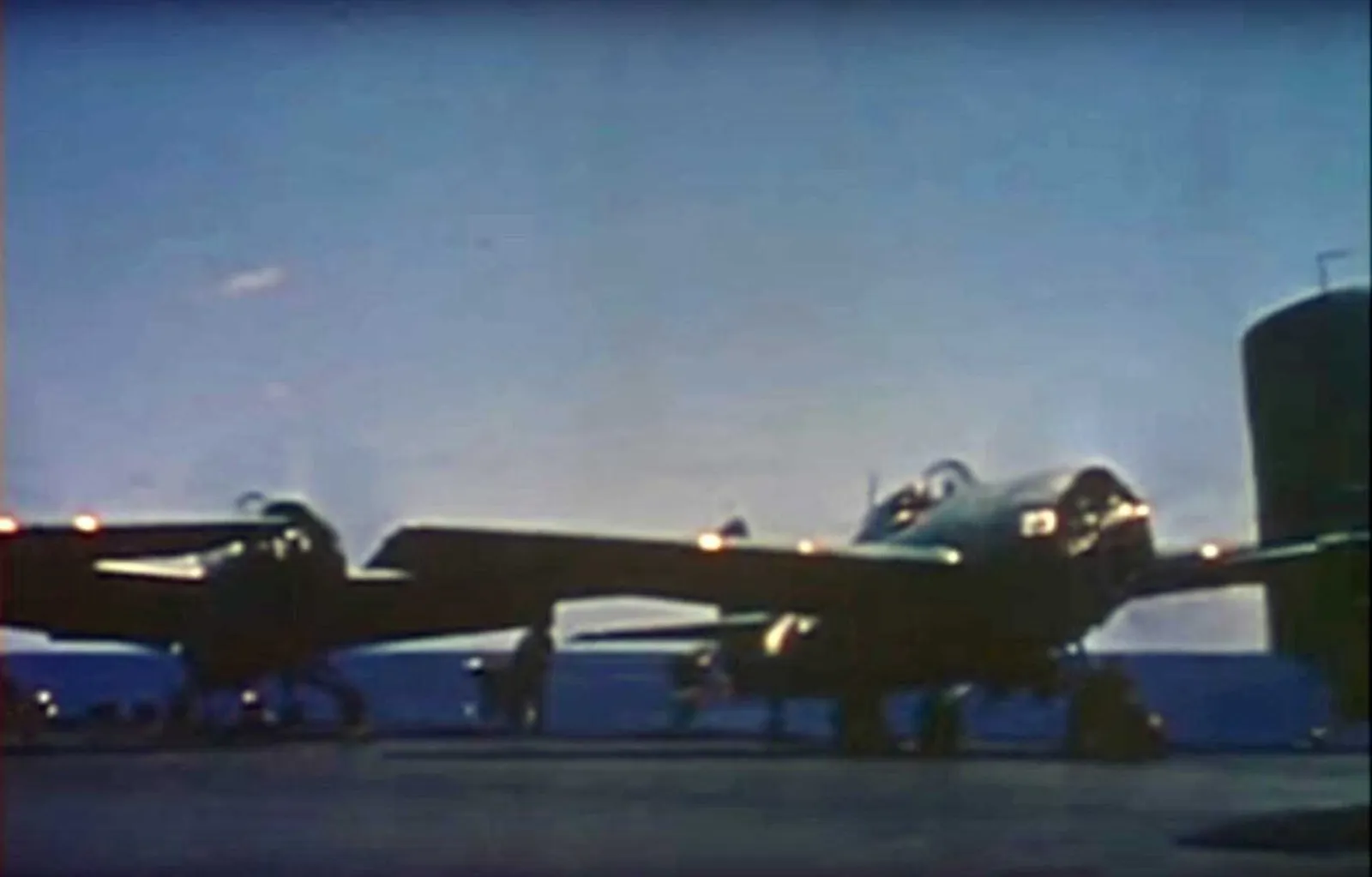
In total VF-3 was credited with 33 enemy aircraft destroyed, 11 probables and 6 damaged during the Battle of Midway — by far the best performance of any fighter group in the battle. The beam defense manoeuvre had been proven in combat for the first time. Later, in an action report from the Battle of Santa Cruz Islands, Commander James H. Flatley named it the Thach Weave. It was widely adopted throughout the rest of the war, proved equally effective during the Vietnam War, and remains a valid dogfighting tactic to this day.