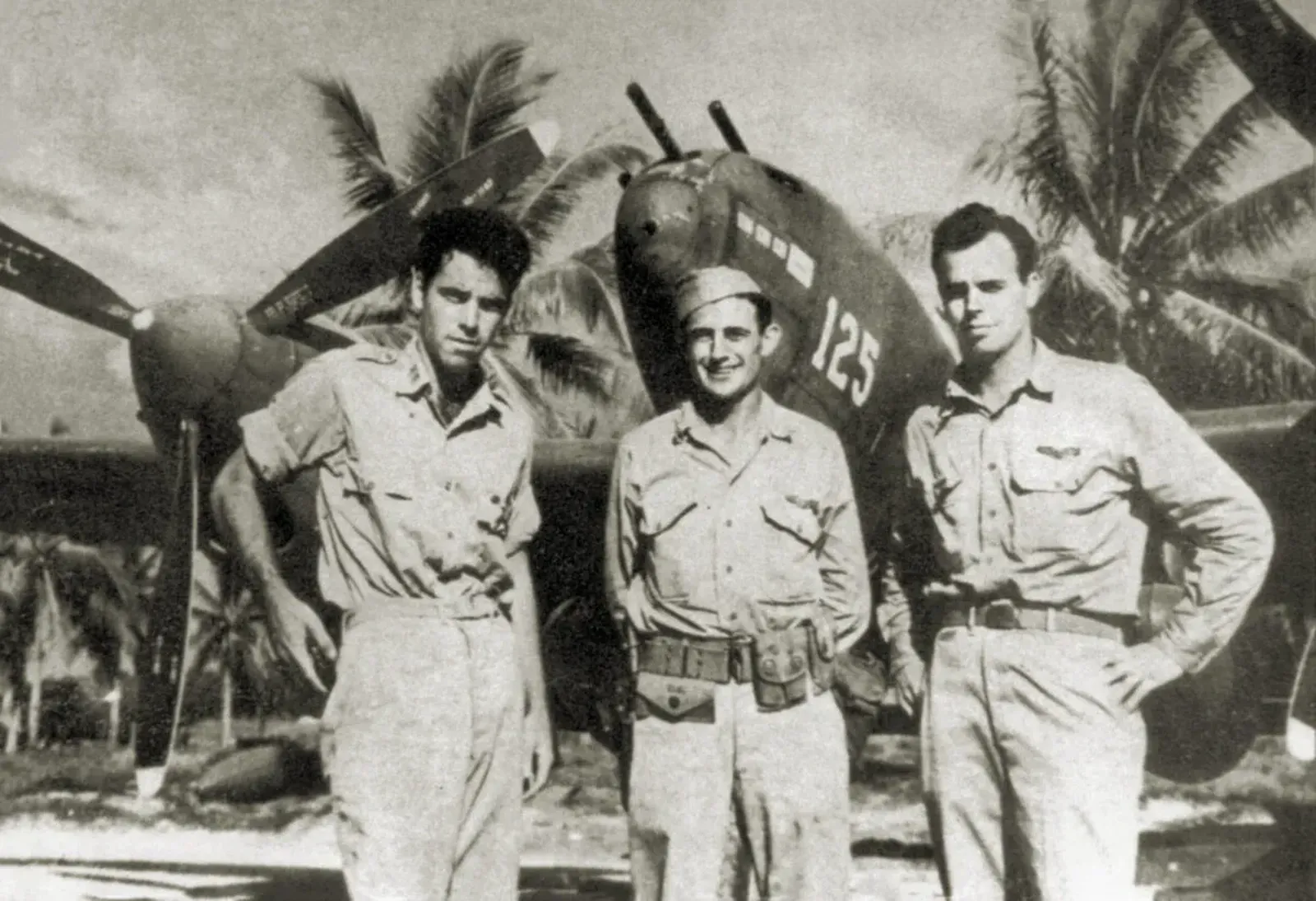
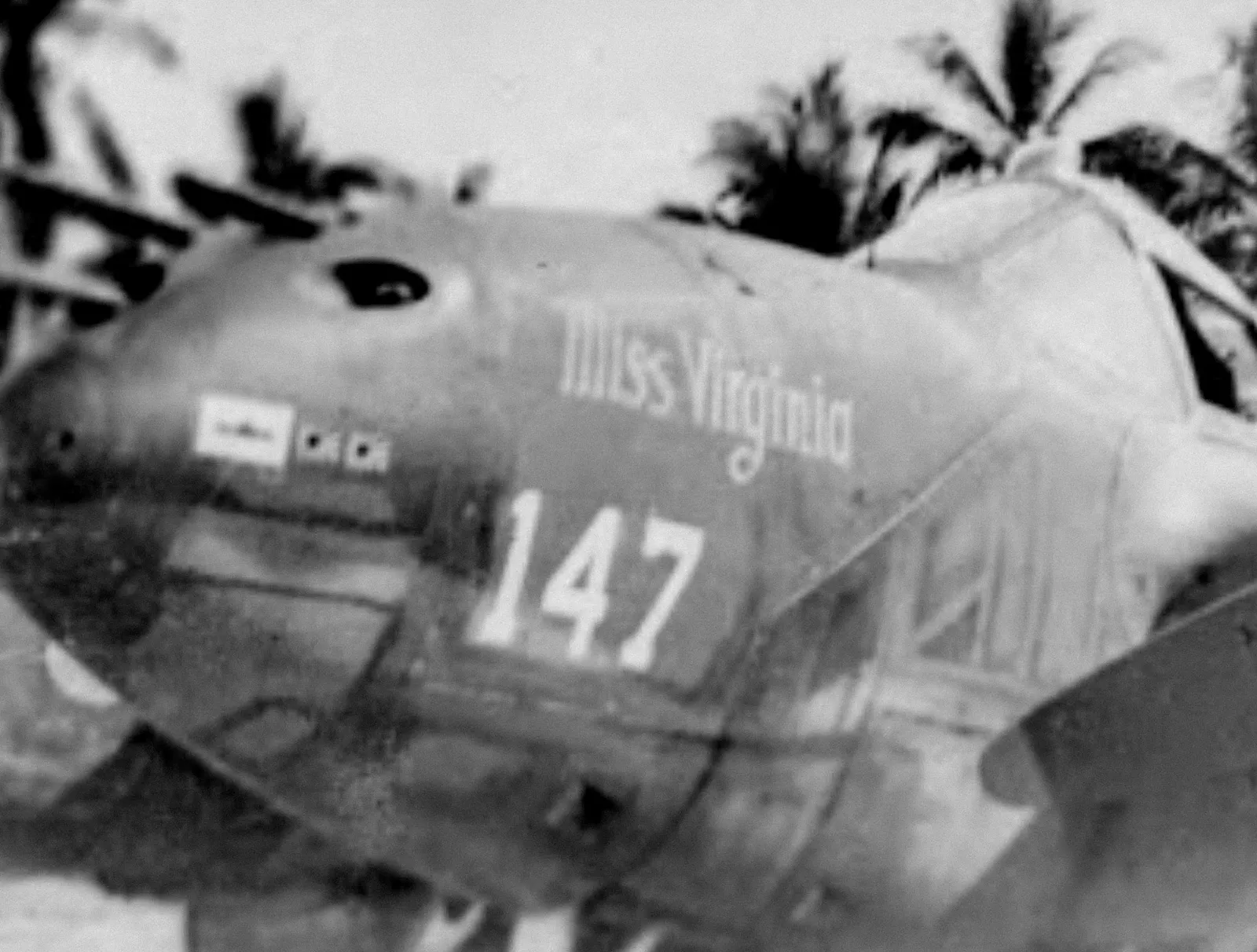
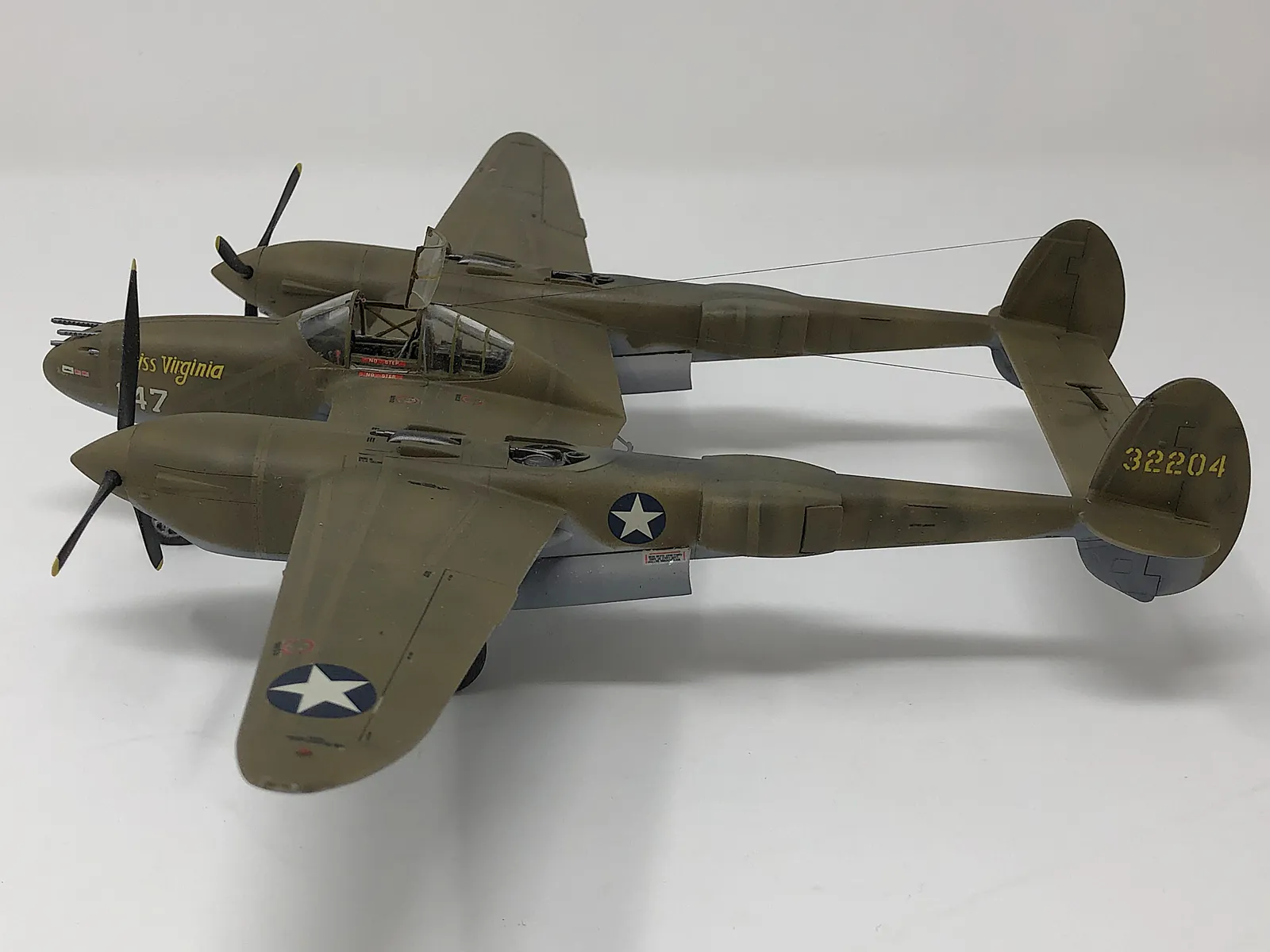
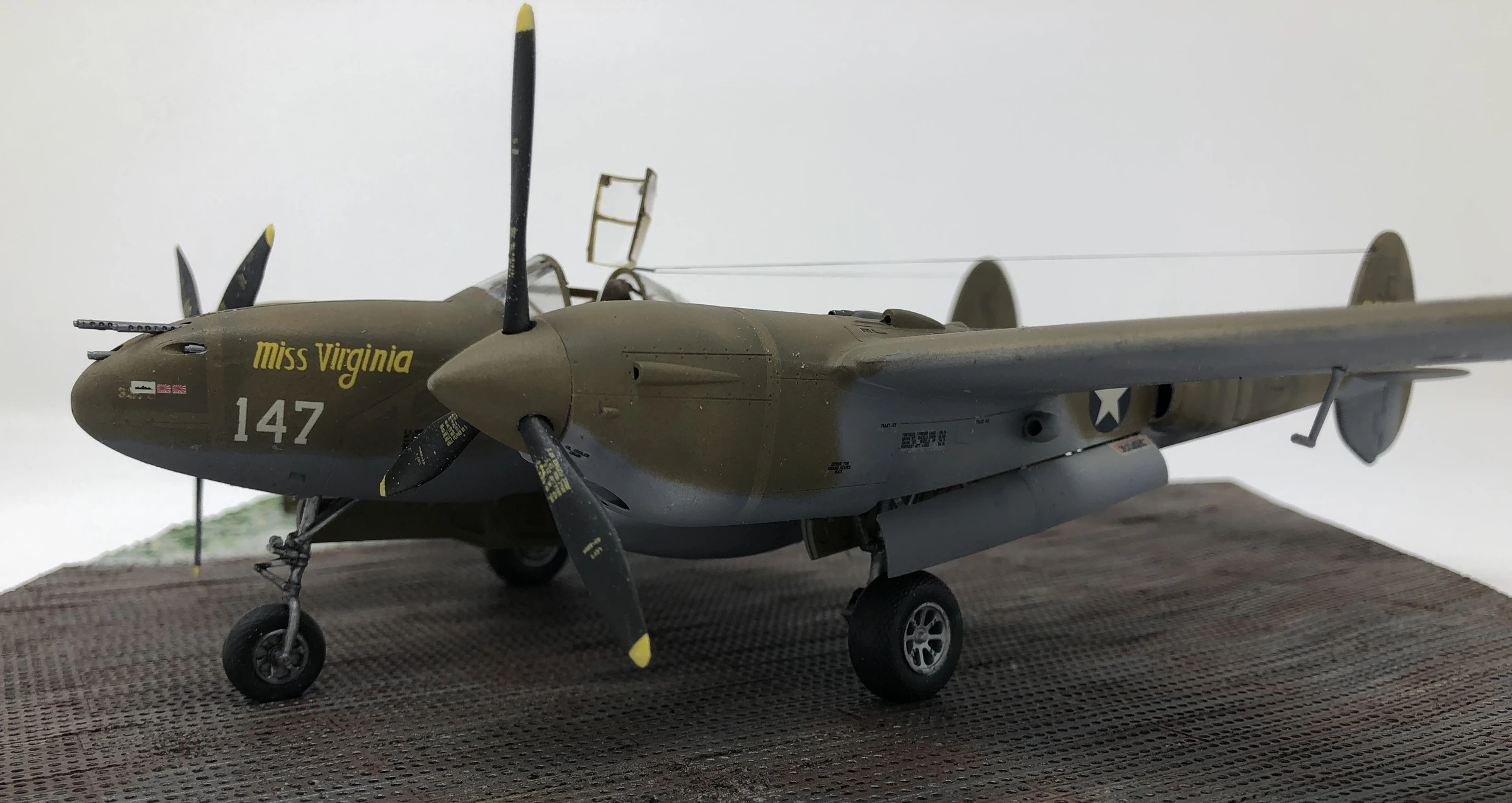
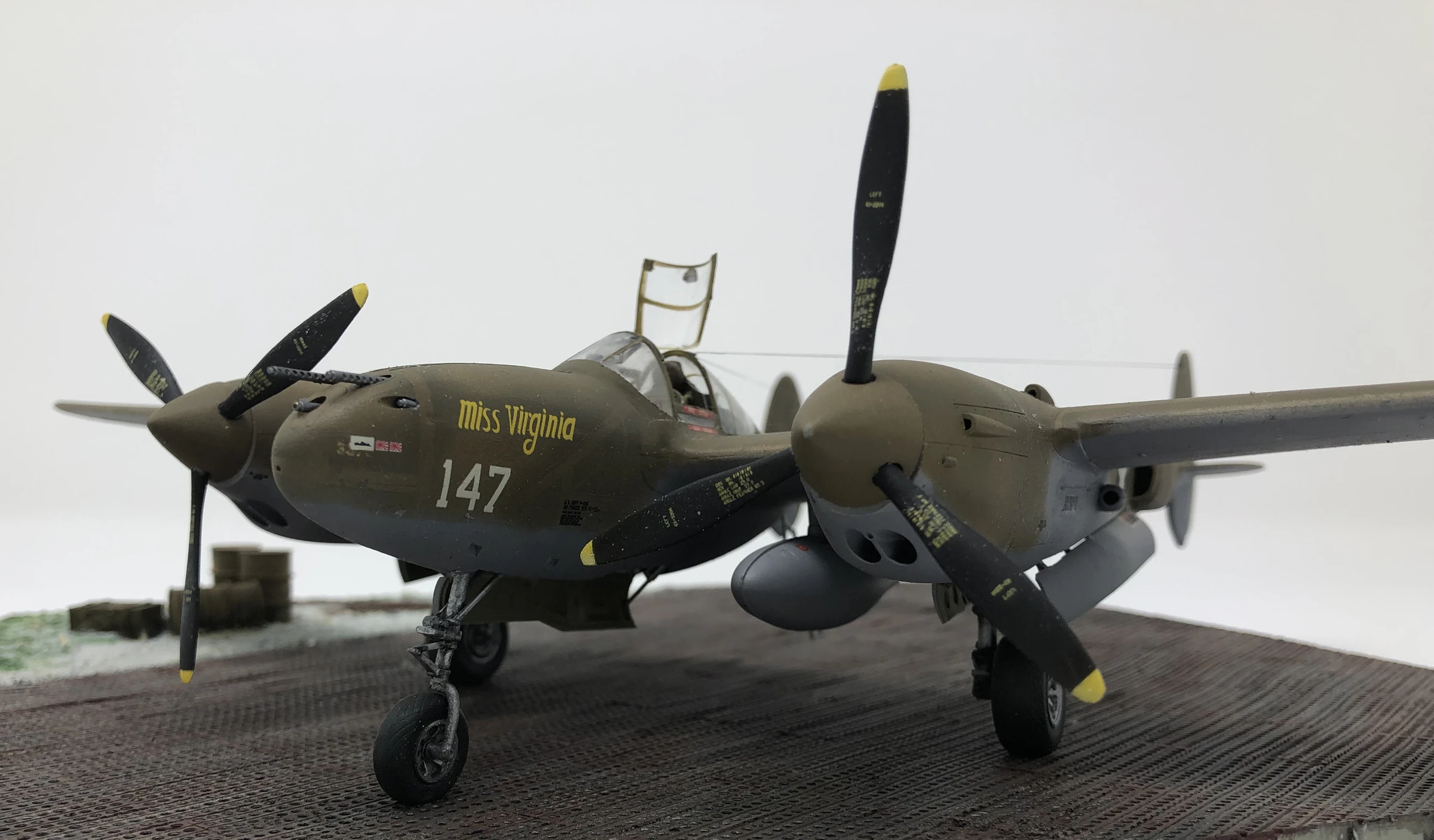
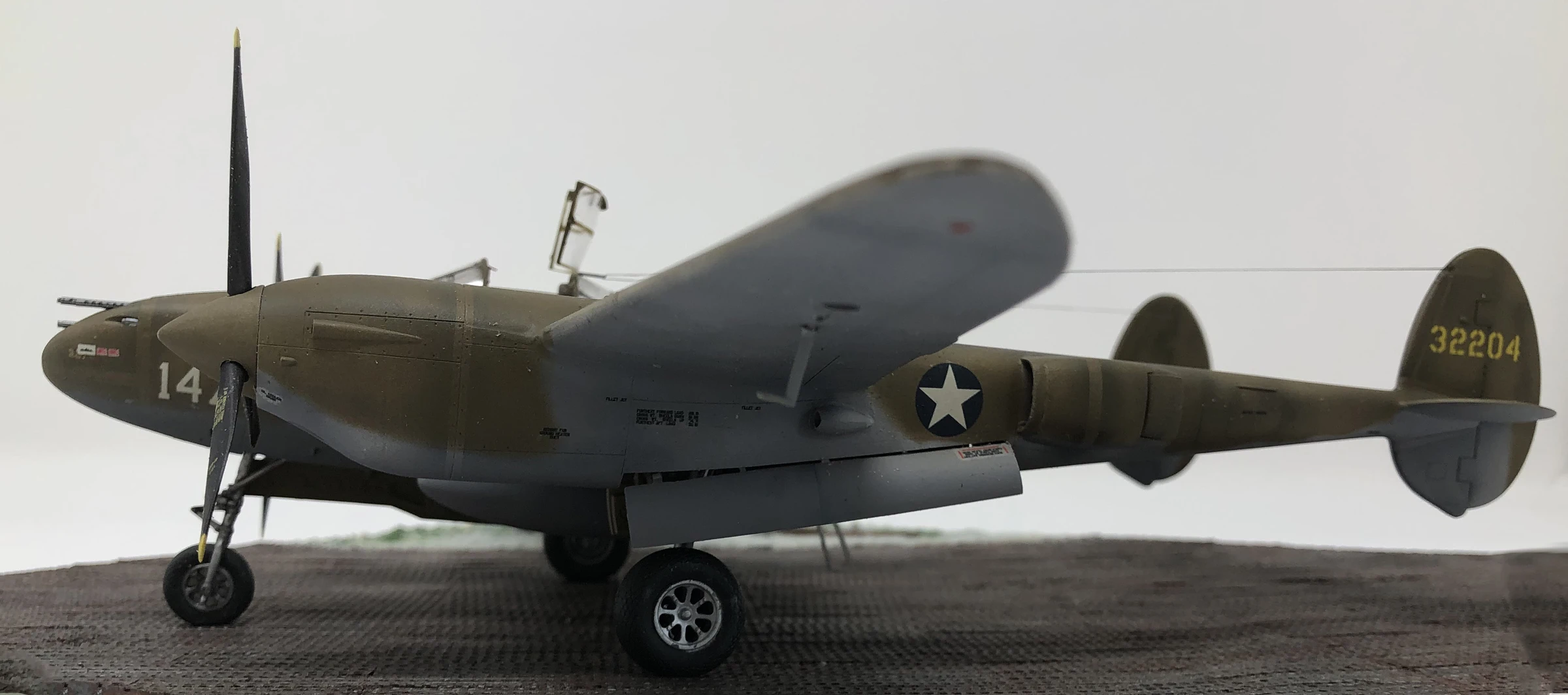
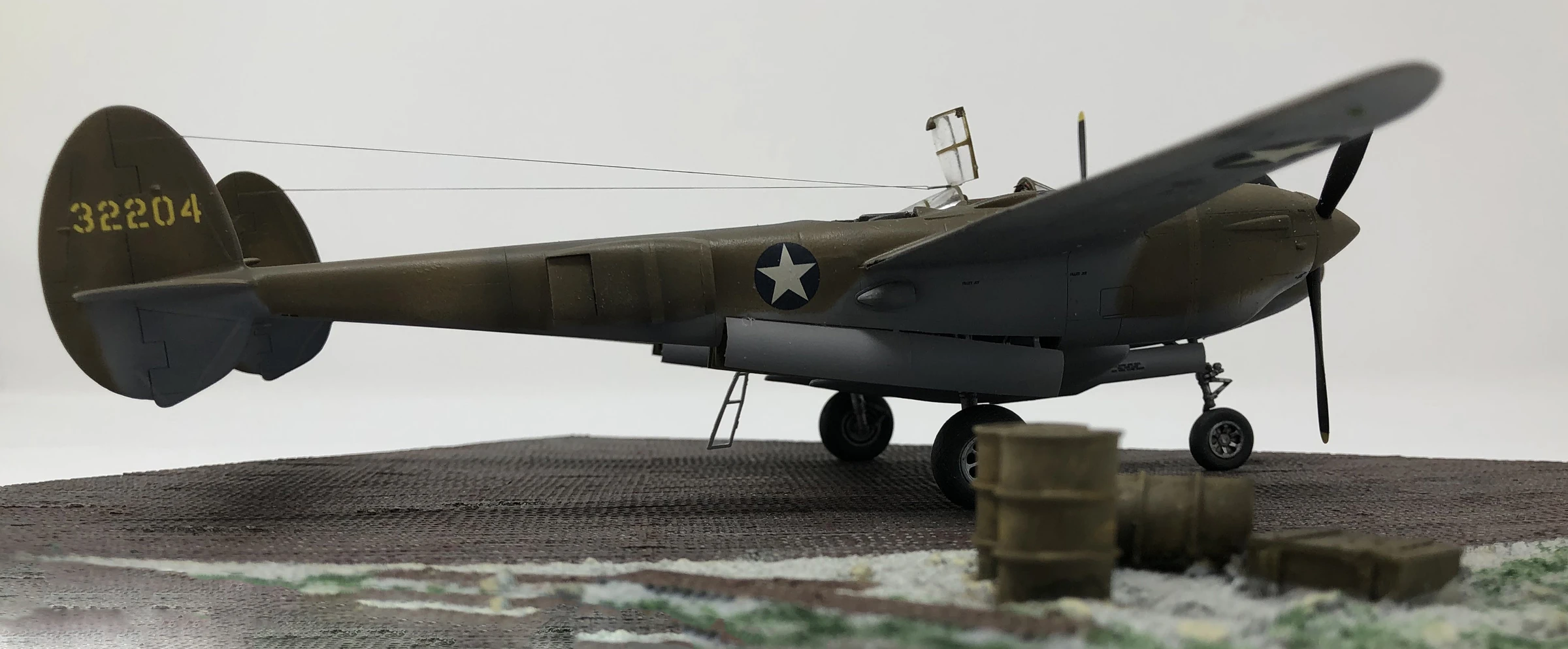
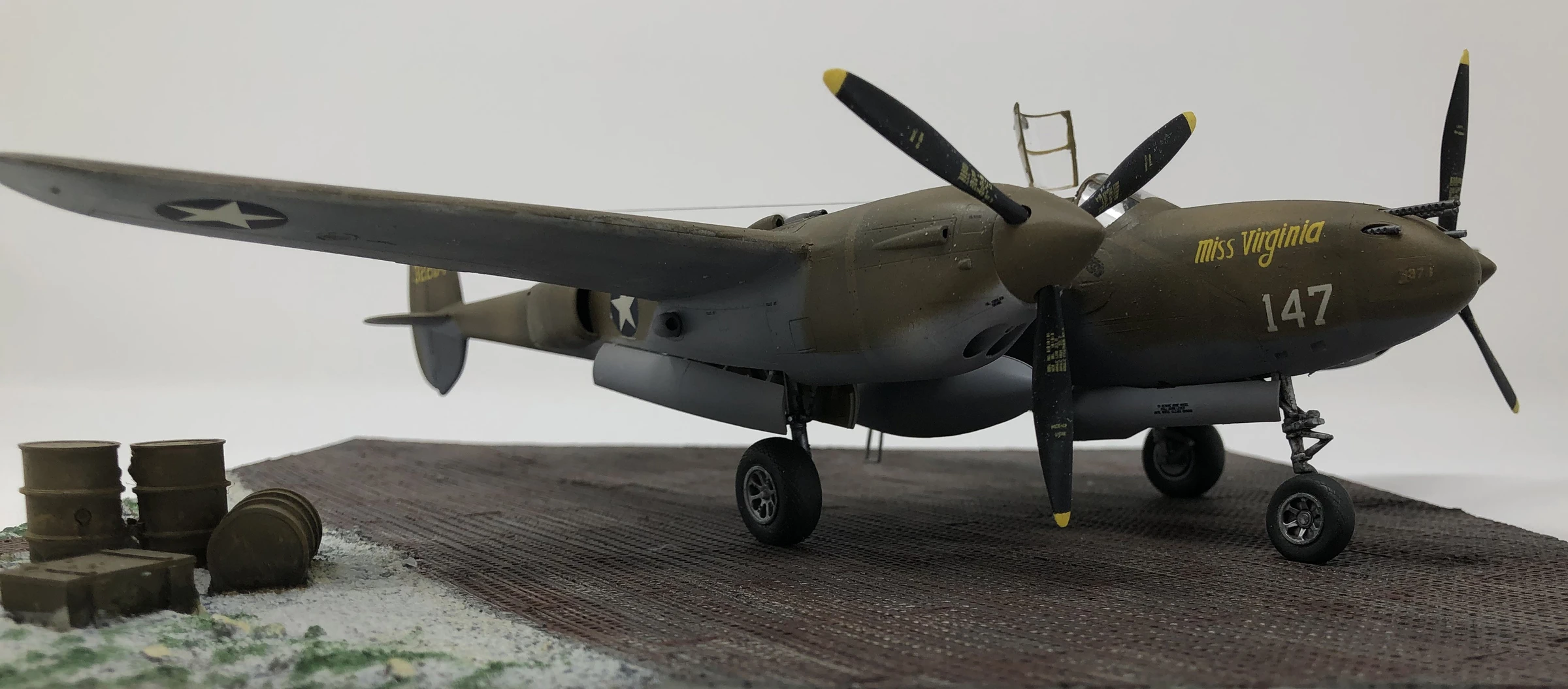
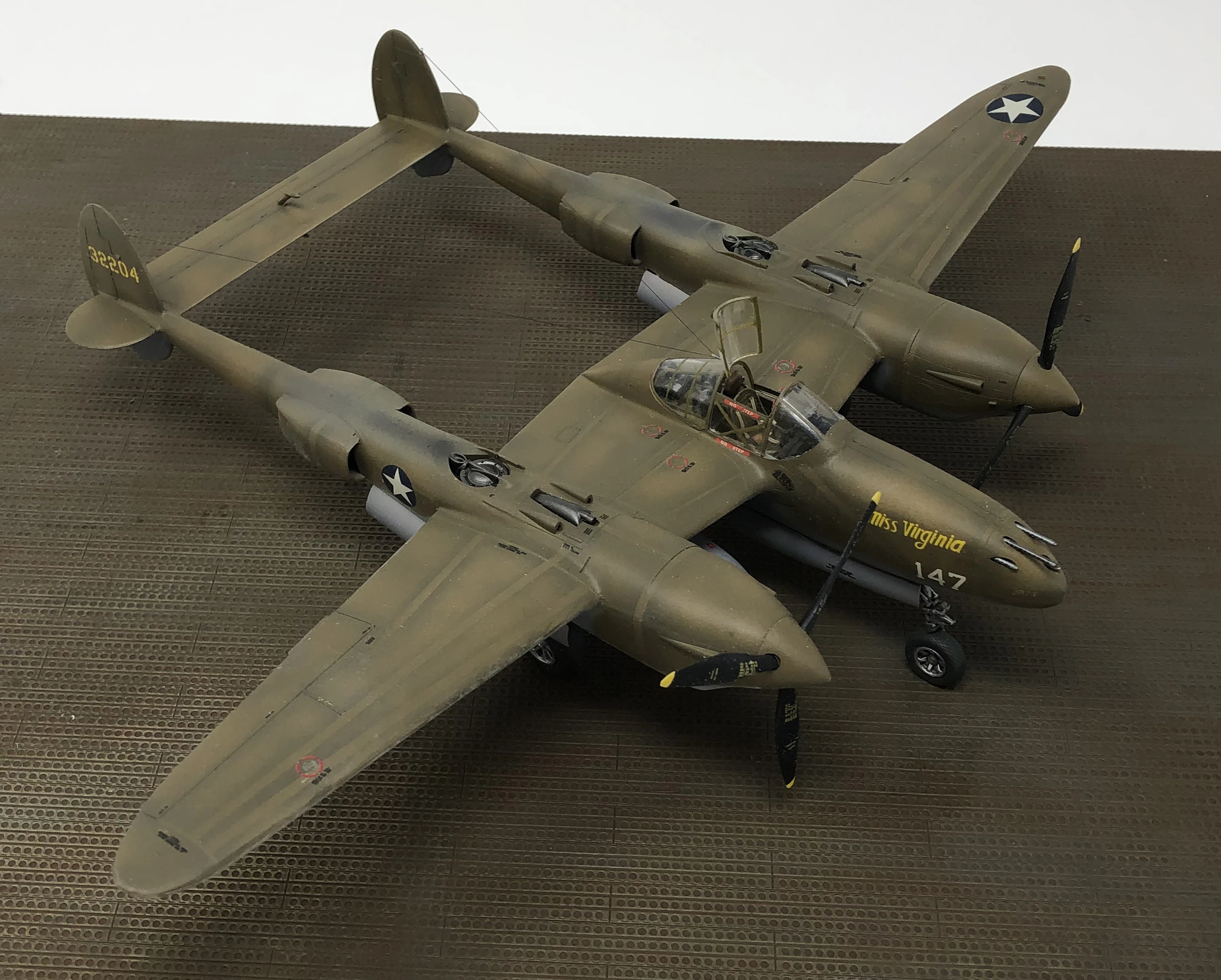
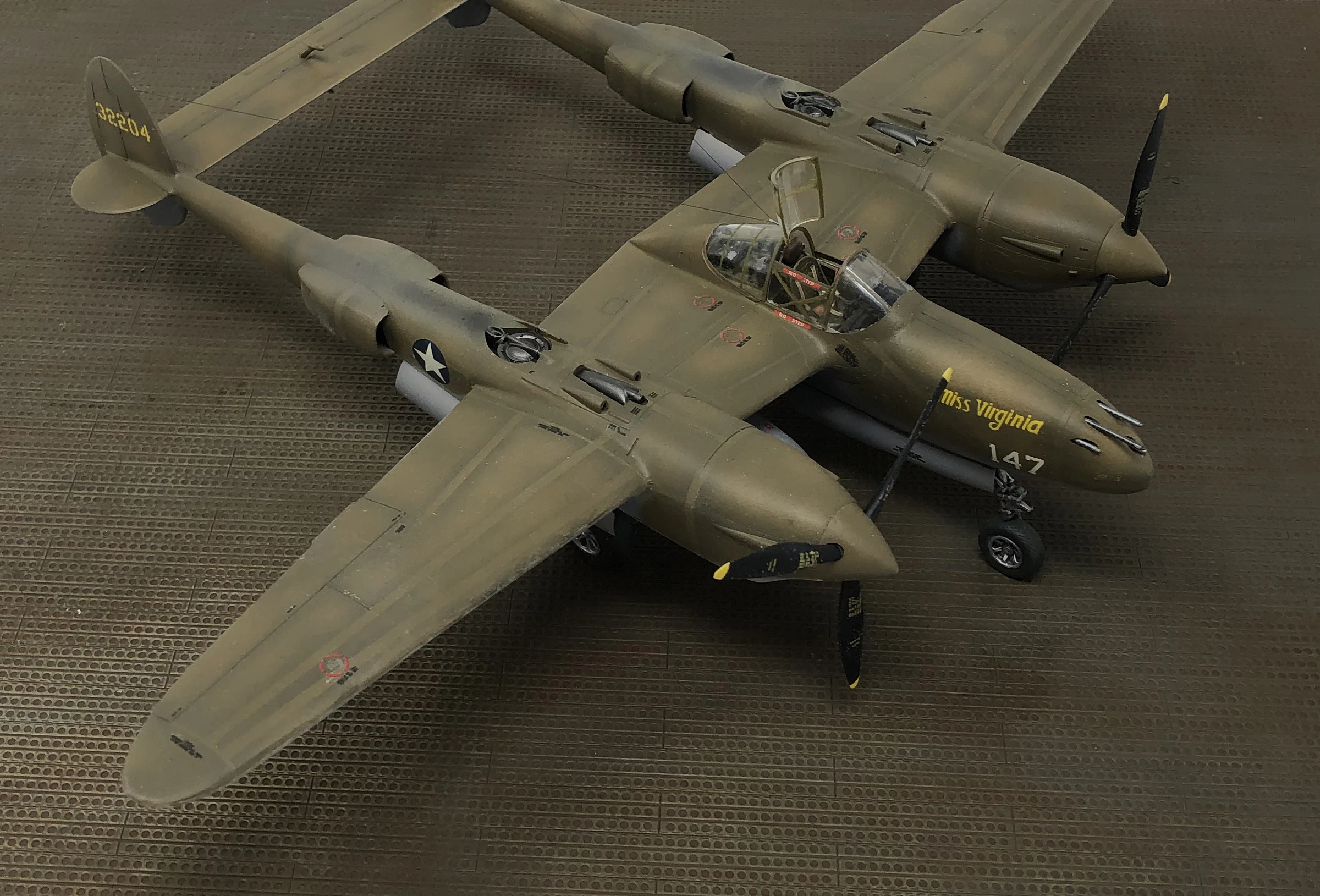
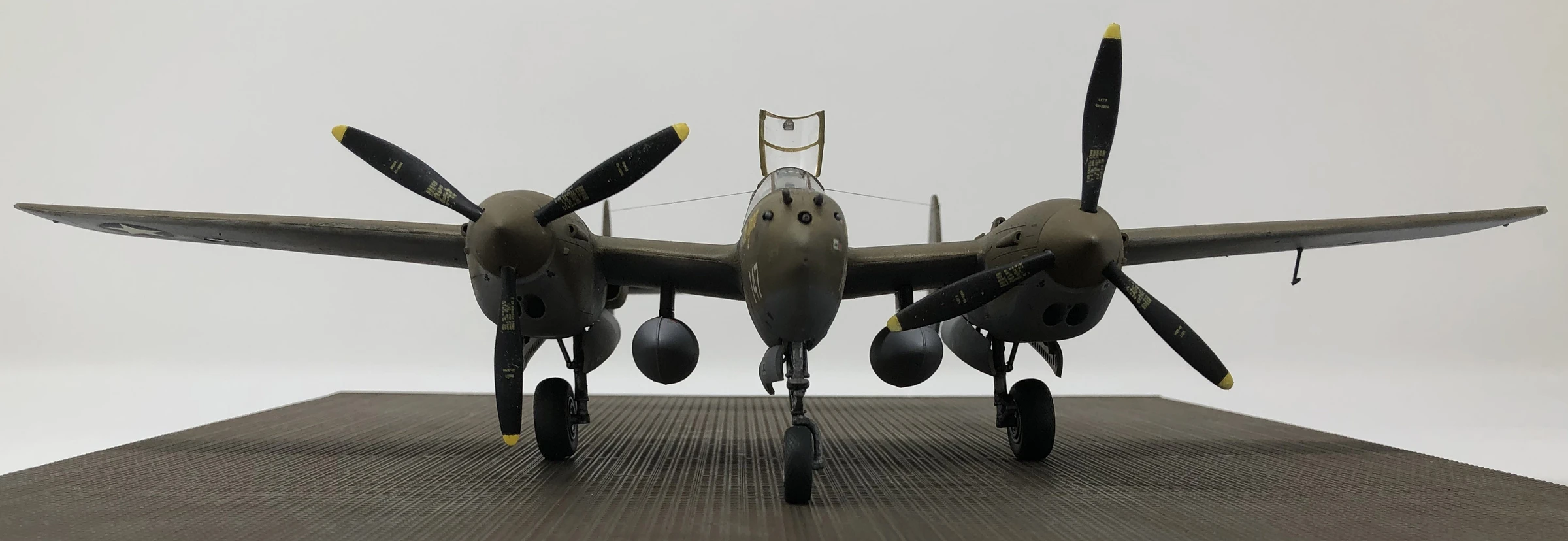
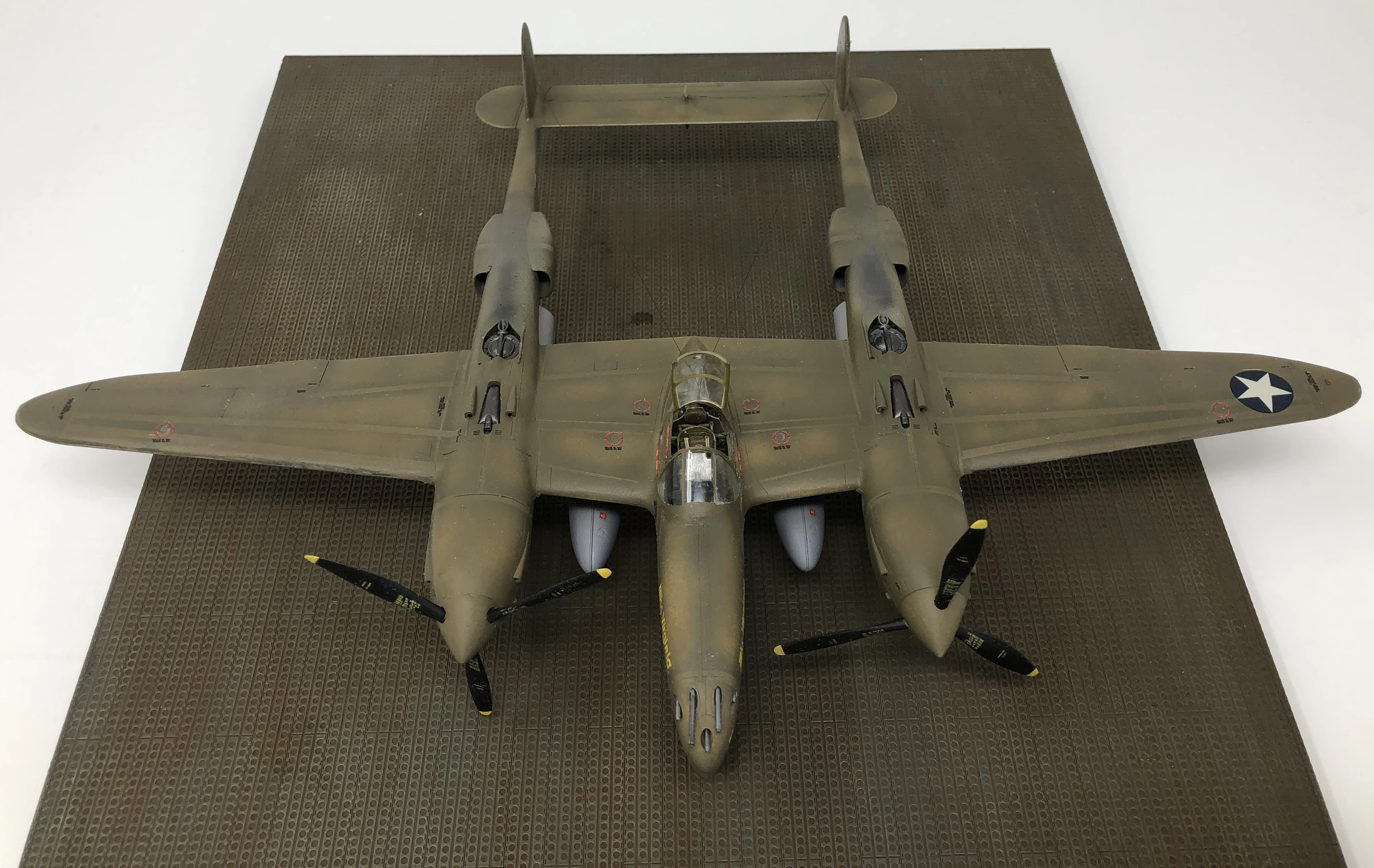
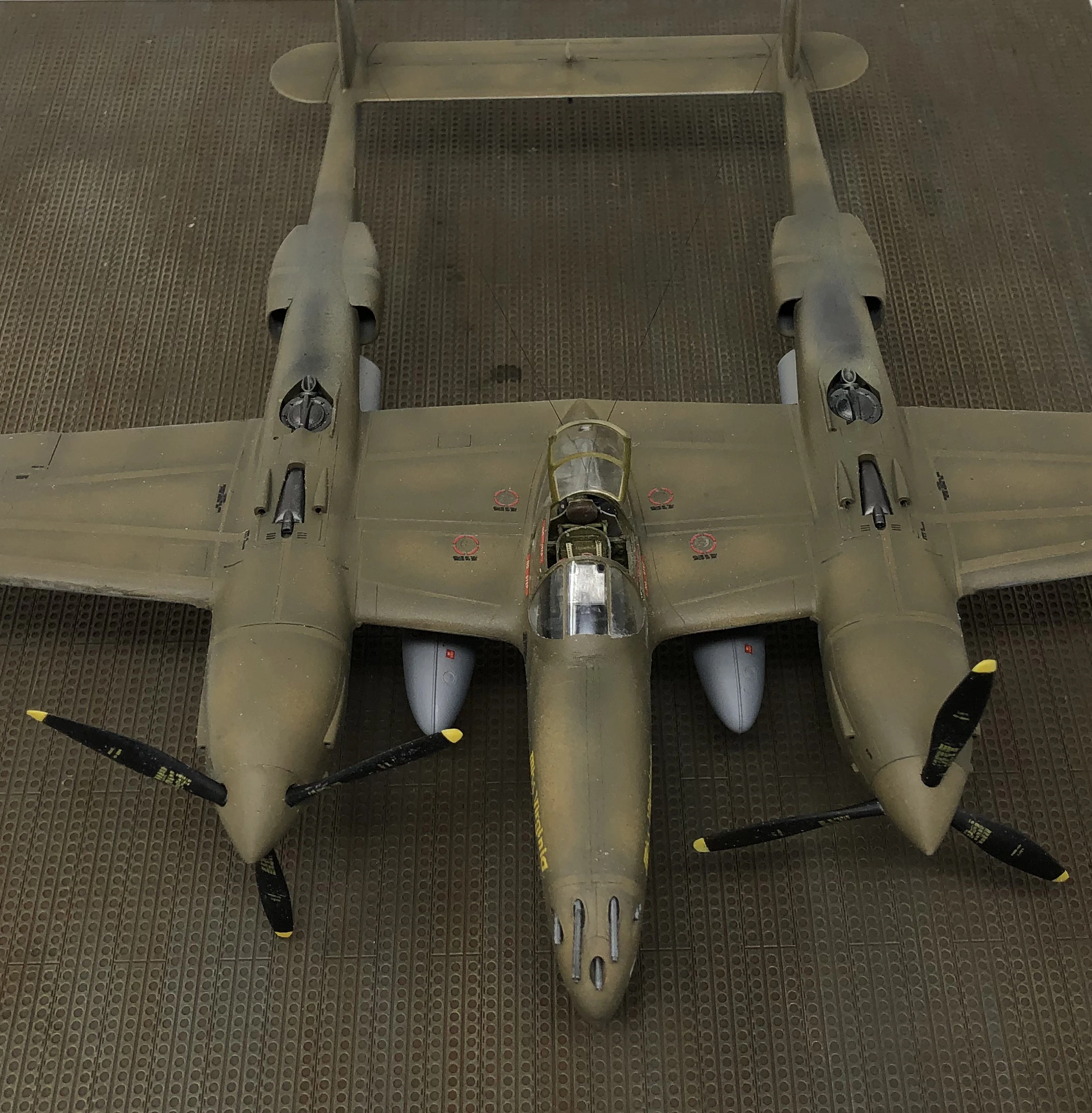
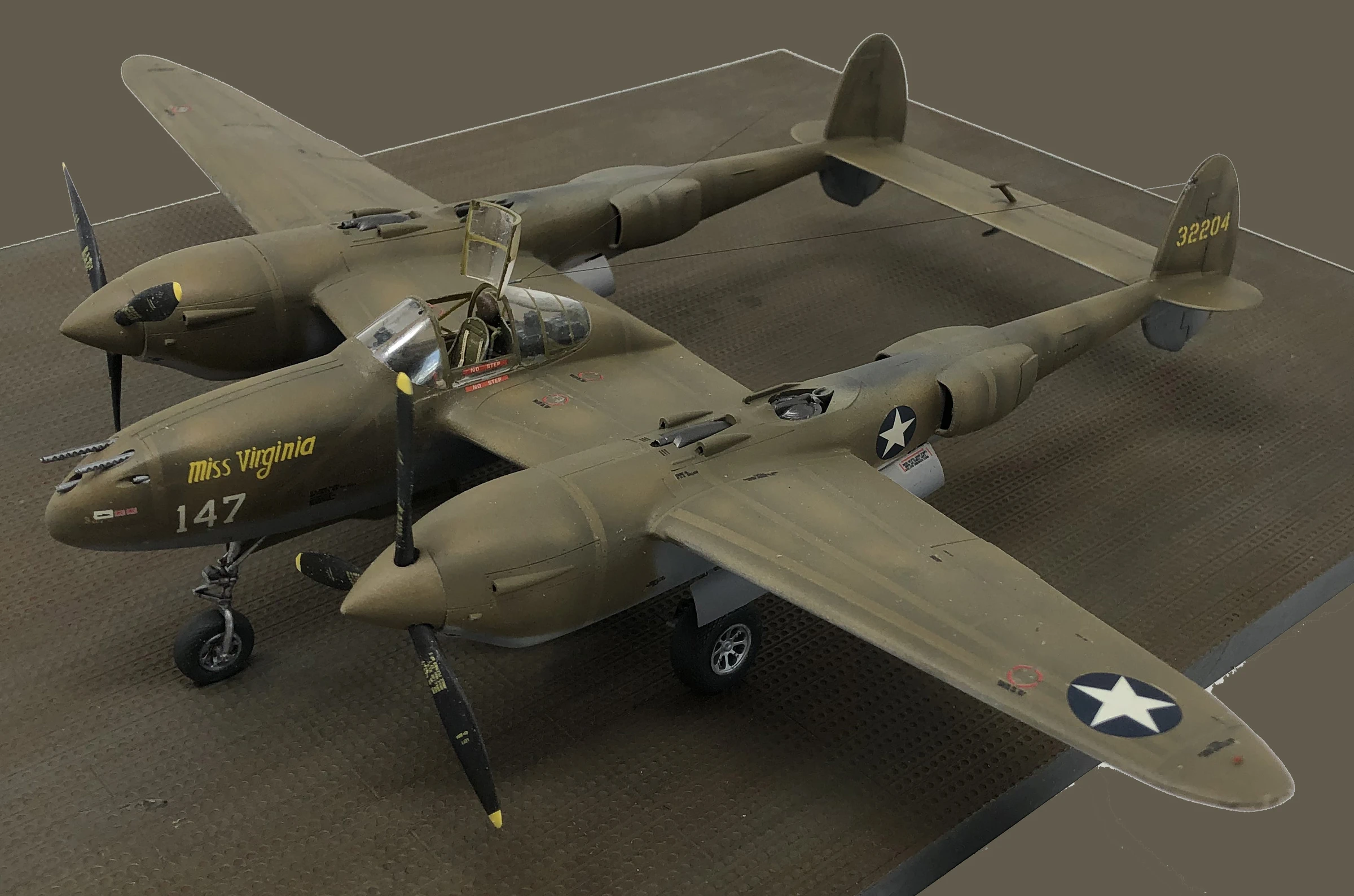
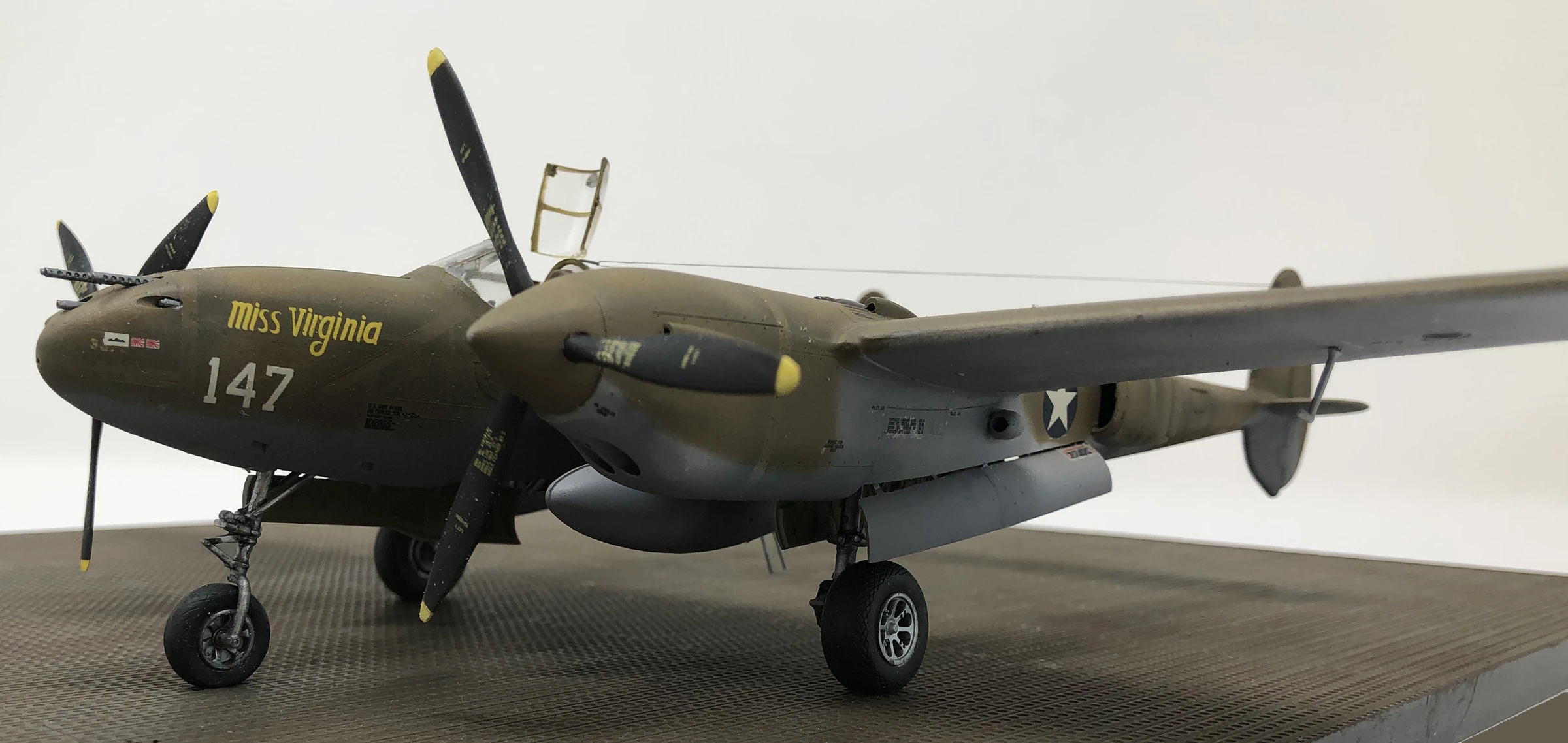
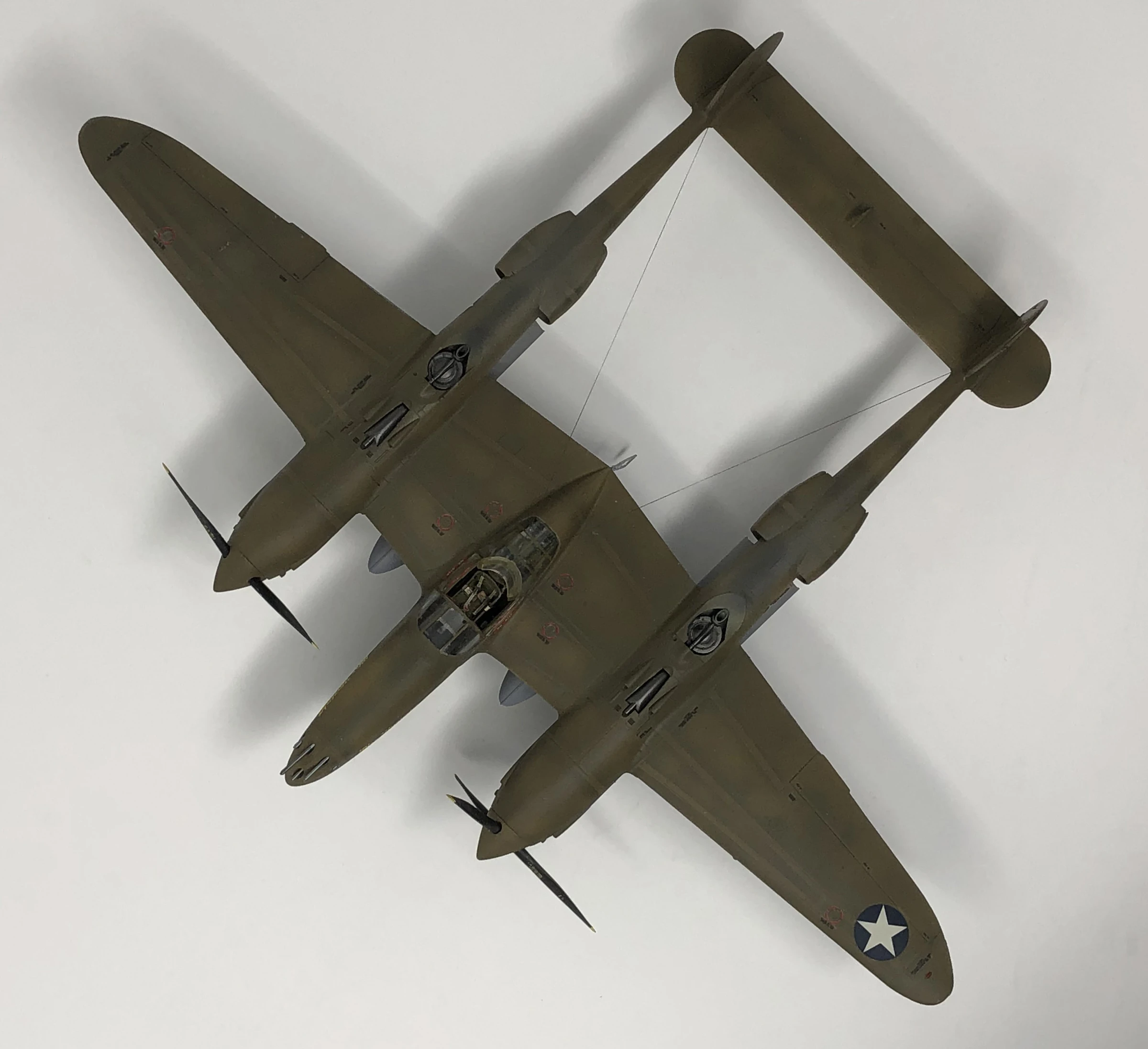
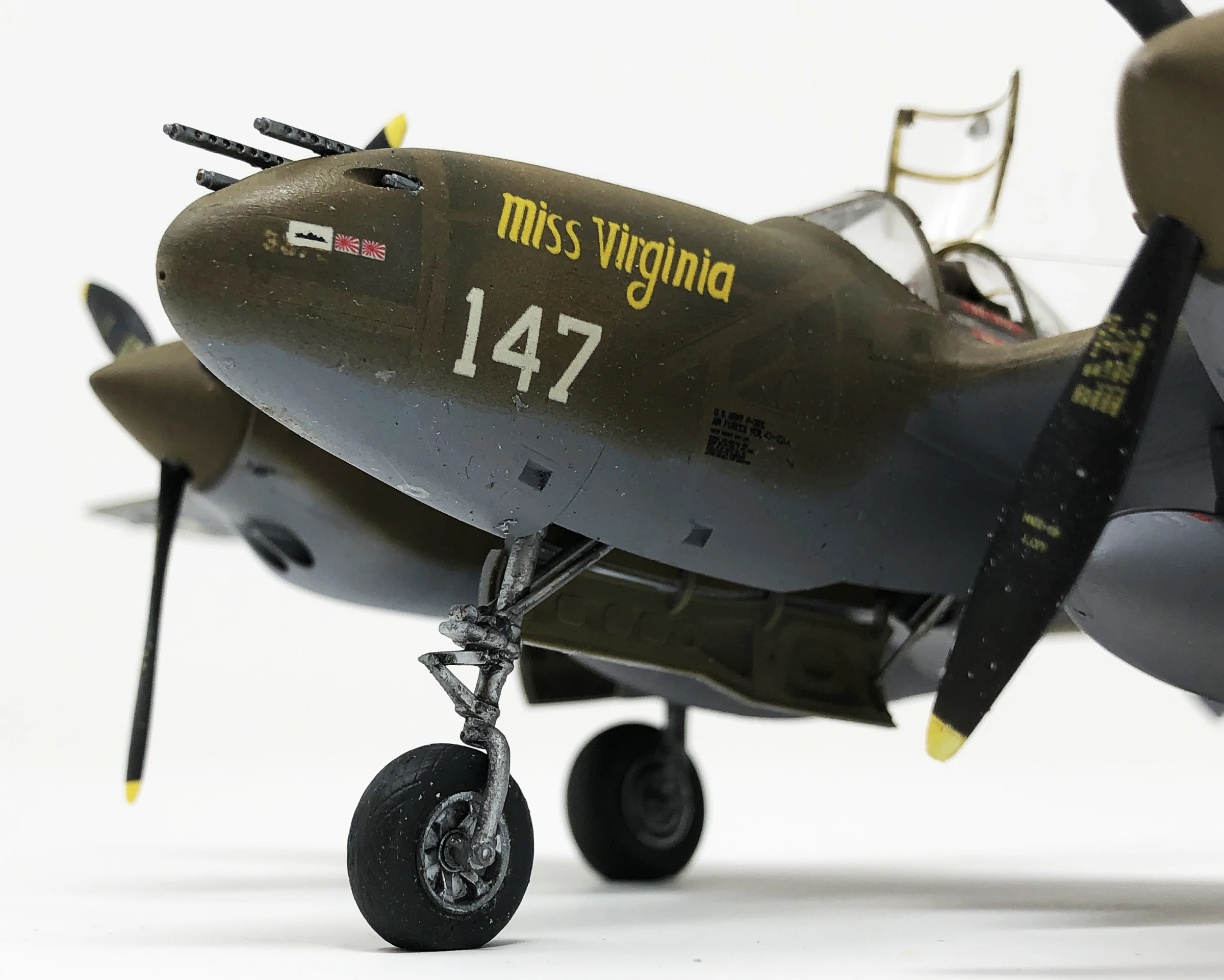
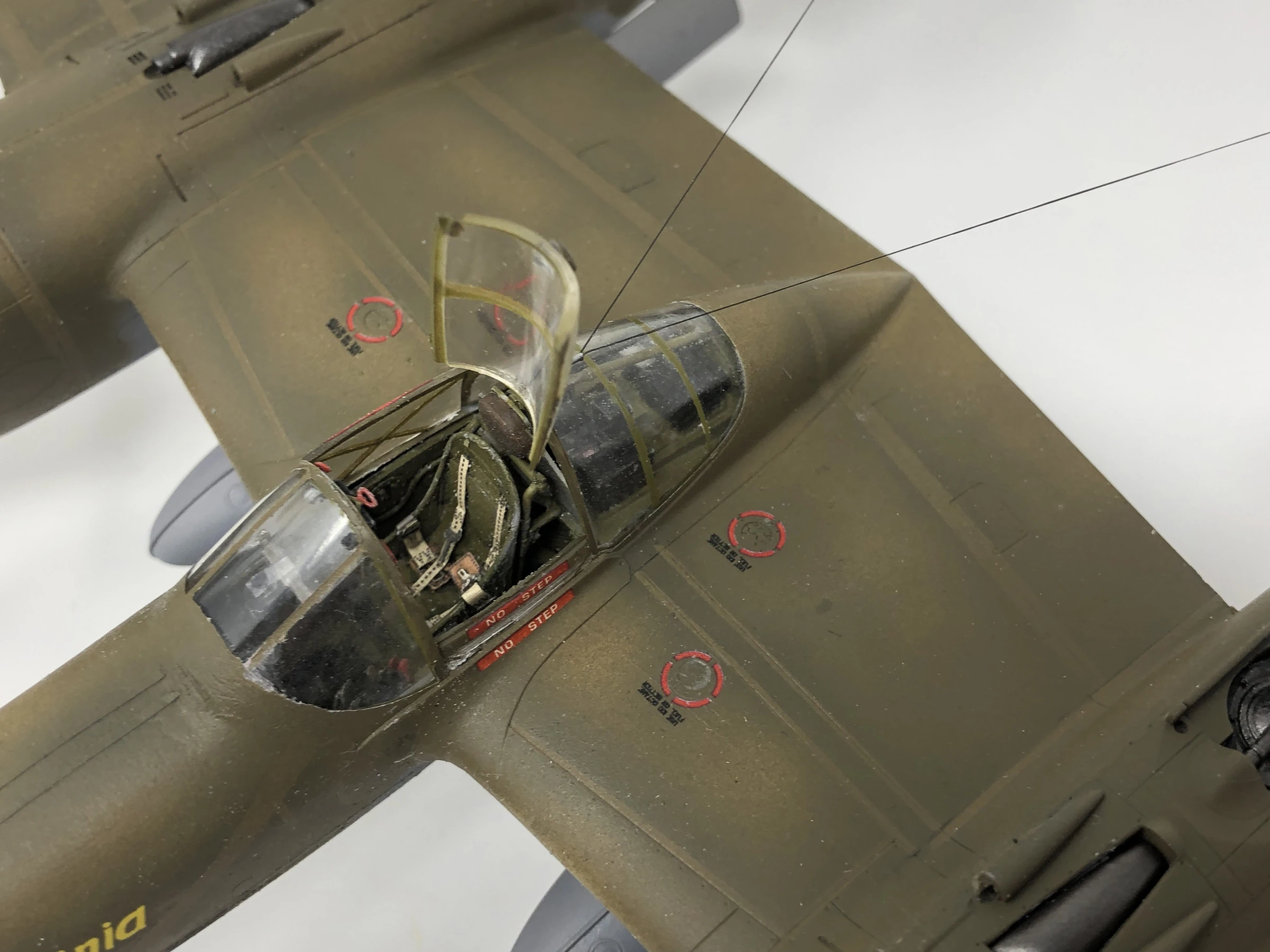
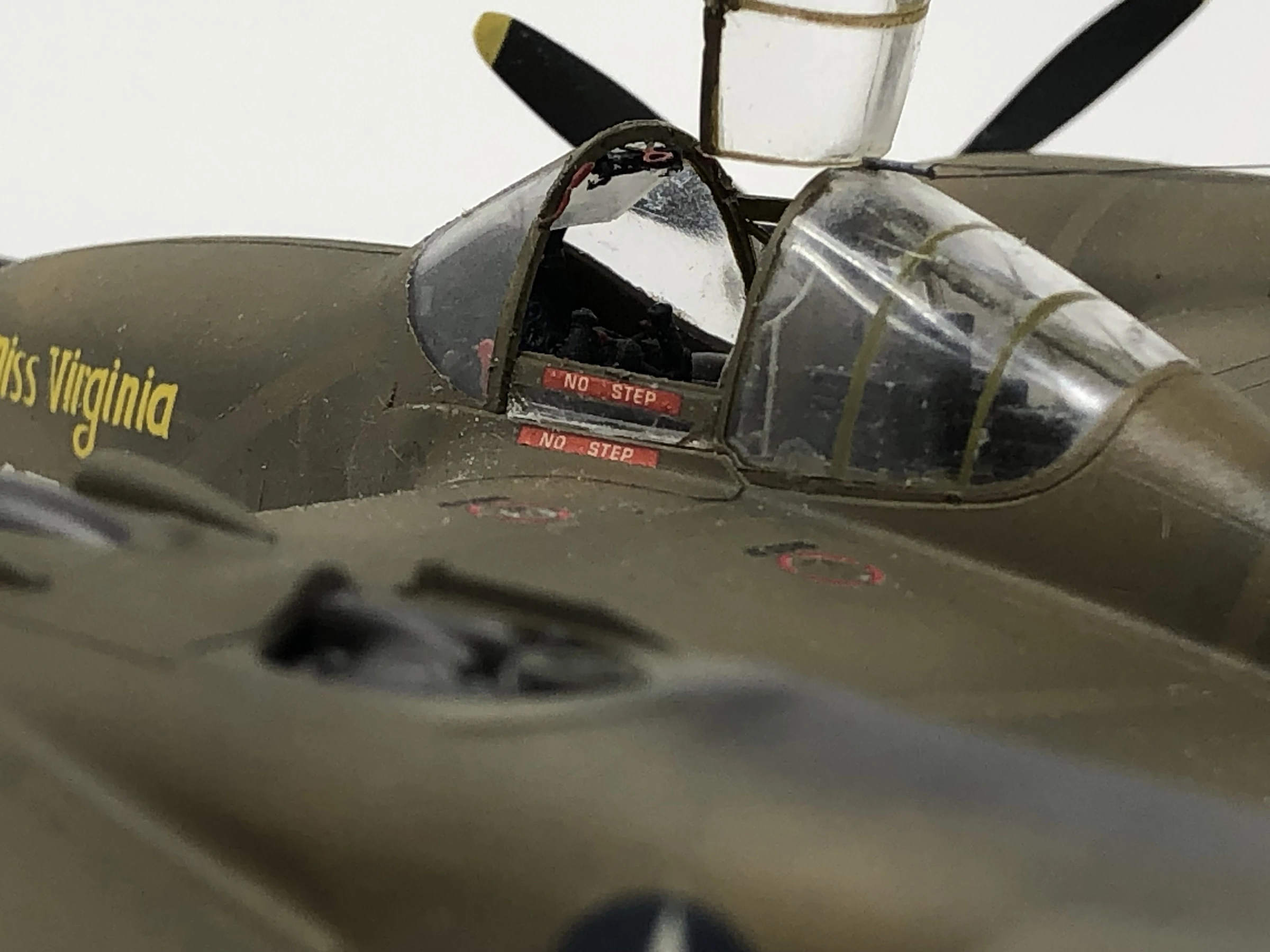
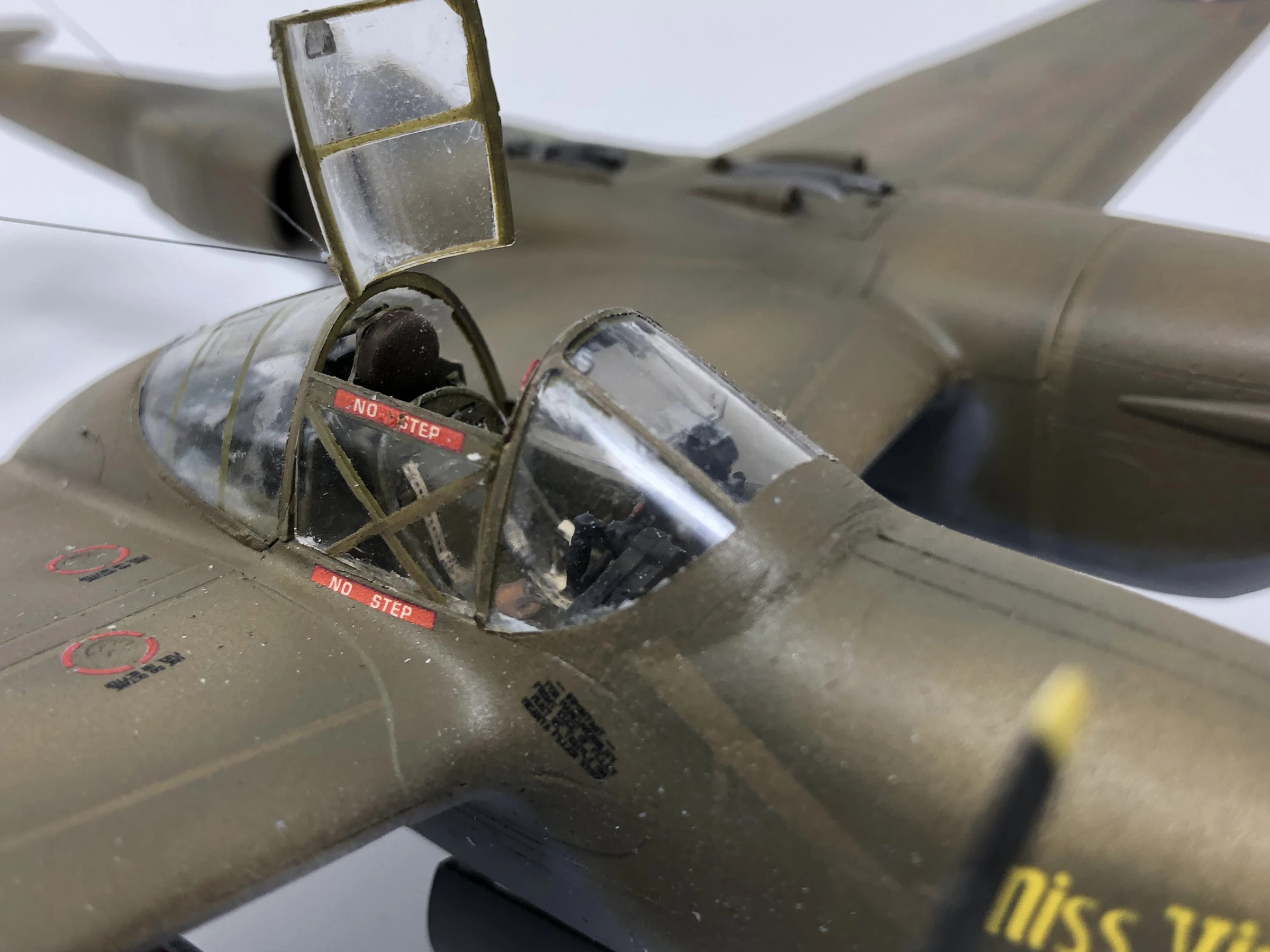
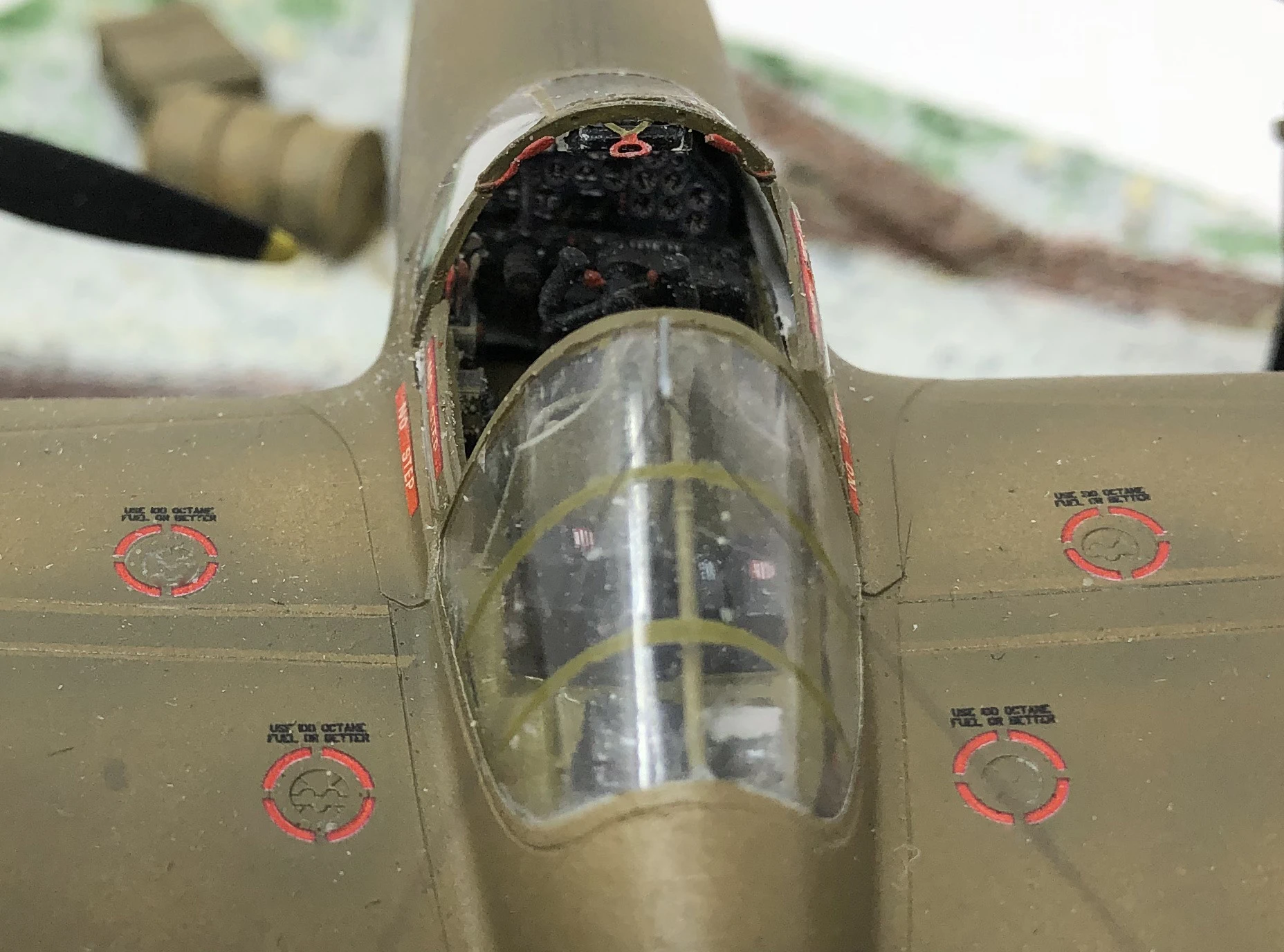
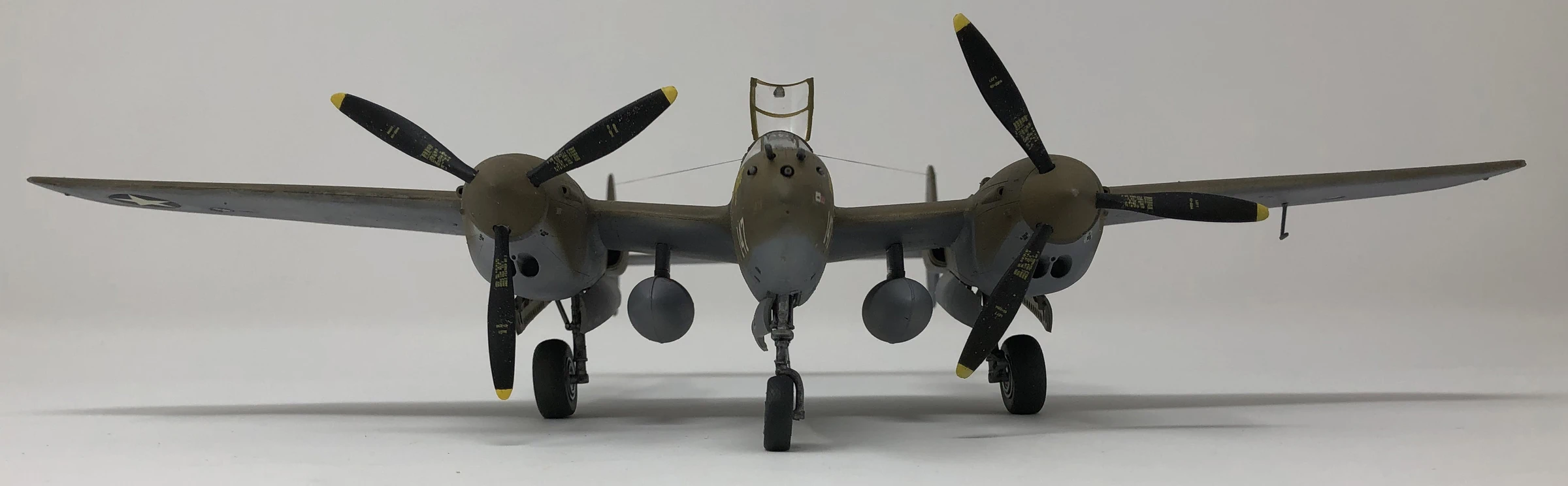
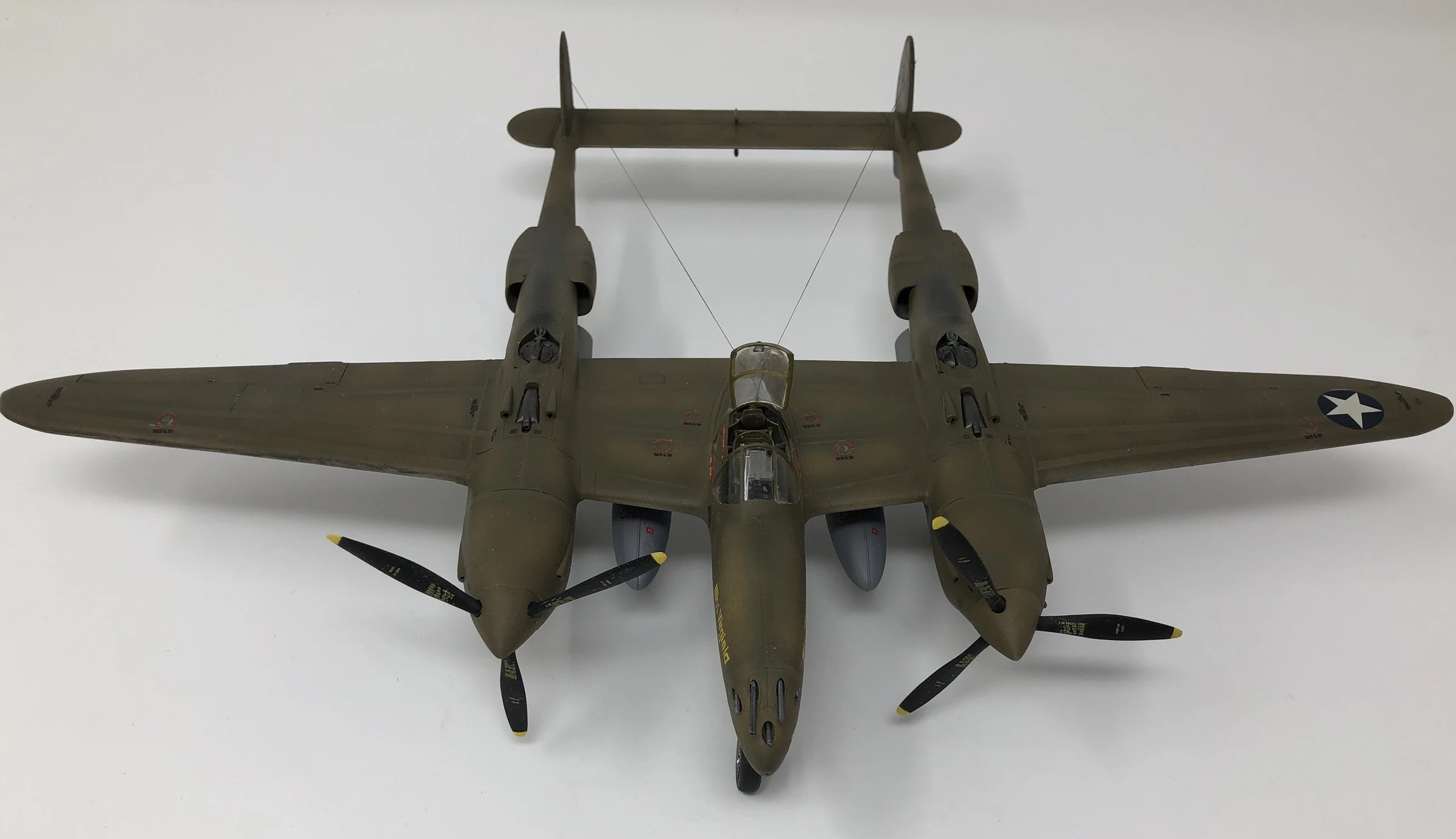
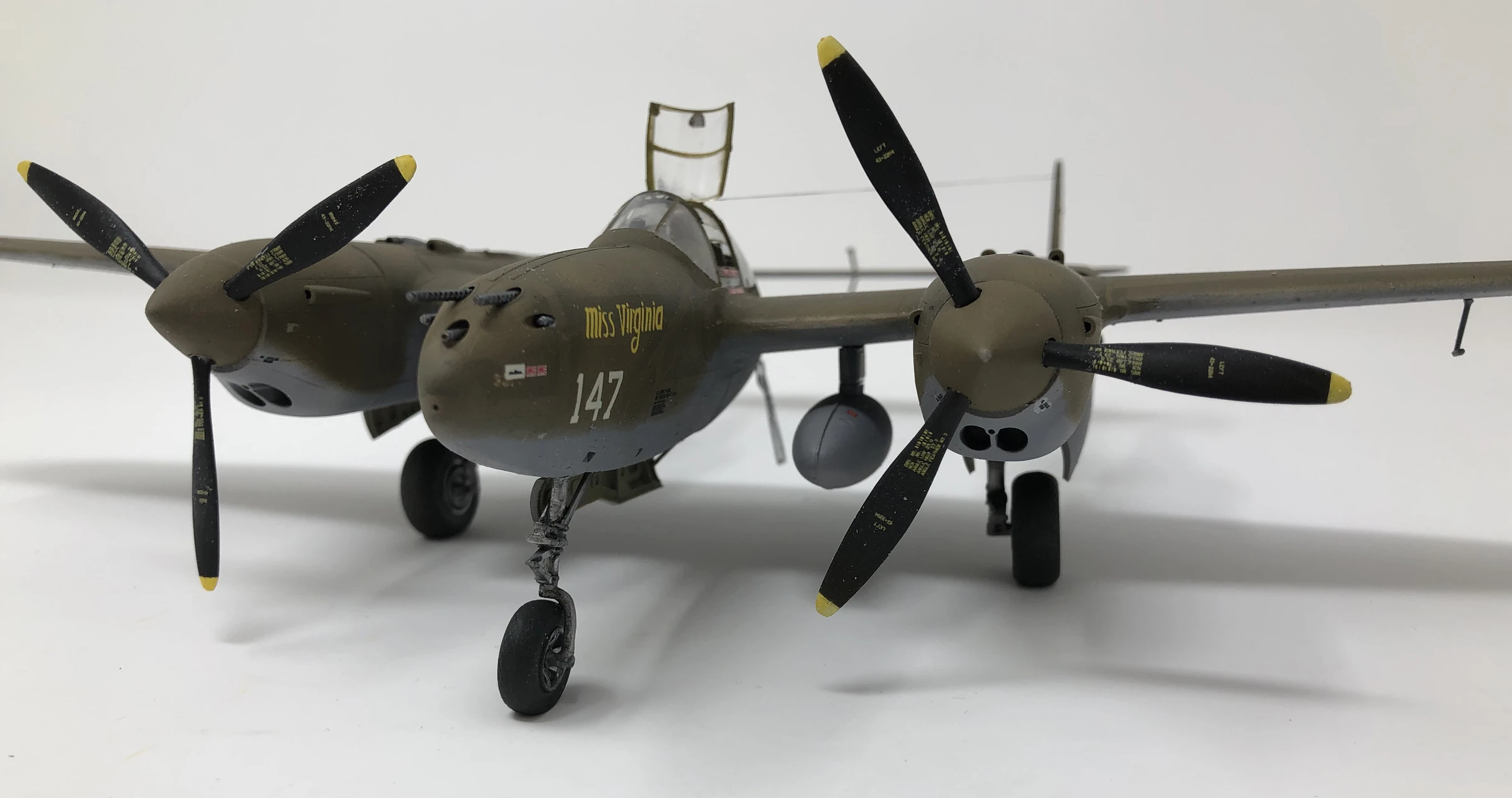
On April 18, 1943 — exactly one year after Doolittle’s famous B-25 raid on Japan — Major John W. Mitchell led a group of P-38 Lightnings on a very special mission. Among them was Lieutenant Rex T. Barber, a 24-year-old pilot who that day flew a P-38 called “Miss Virginia”, the personal plane of Robert Petit, borrowed for the occasion. At the mission briefing they were told that a coastwatcher had spotted an important Japanese high-ranking officer boarding an aircraft at Rabaul and that their task was to intercept his flight. This was a lie, designed to conceal the fact that the Americans had cracked the Japanese military codes and could read their messages. Barber, together with Captain Thomas G. Lanphier Jr., Lt. Jim McLanahan and Lt. Joe Moore, would attack the G4M1 Bettys carrying the prominent passenger, while twelve other P-38s would escort them and fend off any enemy fighters.
Beginning at 07:25 they took off from Kukum Field at Guadalcanal, flying low over the sea on a circuitous route to approach Bougainville from an unexpected direction and avoid detection. McLanahan had to abort due to a tyre puncture and Moore due to a faulty fuel feed. They were replaced by Lt. Besby F. Holmes and Lt. Raymond K. Hine, who had been held in reserve. They arrived at the planned interception point at 09:34, a minute ahead of schedule. Shortly after, the enemy flight — two G4M1 Bettys and six escorting A6M3 Zeros — appeared right on time.
Mitchell ordered the group to drop their external fuel tanks and the kill flight to attack while he led the others to provide cover. Lanphier led the group in a climb toward the target. At the same moment they were spotted by the enemy escort, who dropped their tanks and dived to intercept. Lanphier made a tactical decision and turned directly toward the incoming Zeros, while Barber banked left and went for the Bettys. He came in behind the first and poured fire into its right engine, fuselage and tail. When he hit the left engine the plane began streaming black smoke, rolled heavily and Barber narrowly avoided flying straight into it. The Betty crashed into the jungle.
Barber then spotted the second Betty, already under attack by Holmes and Hine. Holmes hit the right engine, which emitted a white vapour trail, but in doing so he and Hine overshot the target. Barber moved in and raked the fuselage, sending pieces flying — one of which struck his own aircraft. The Betty descended and made a crash landing on the water.
Mission accomplished, they turned for home. Only later did they learn that it had been the famous Admiral Yamamoto — the architect of Pearl Harbour — that they had shot down and killed. After the mission a controversy arose when Lanphier claimed that it was he who had downed Yamamoto’s plane. It was not until the 1990s that Barber’s achievement was officially recognised. Barber later served in China against the Japanese, scoring further victories, was shot down and subsequently rescued by the Chinese resistance. He continued to serve until 1961 and died at his home in 2001 at the age of 84.