On December 7, 1941, Japan launched a surprise attack on the American naval base at Pearl Harbour in Hawaii, bringing the United States into the Second World War. The attack was planned by Admiral Isoroku Yamamoto. Despite the tactical success, Yamamoto himself had long doubted the wisdom of going to war with America, famously remarking that he feared they had awakened a sleeping giant.
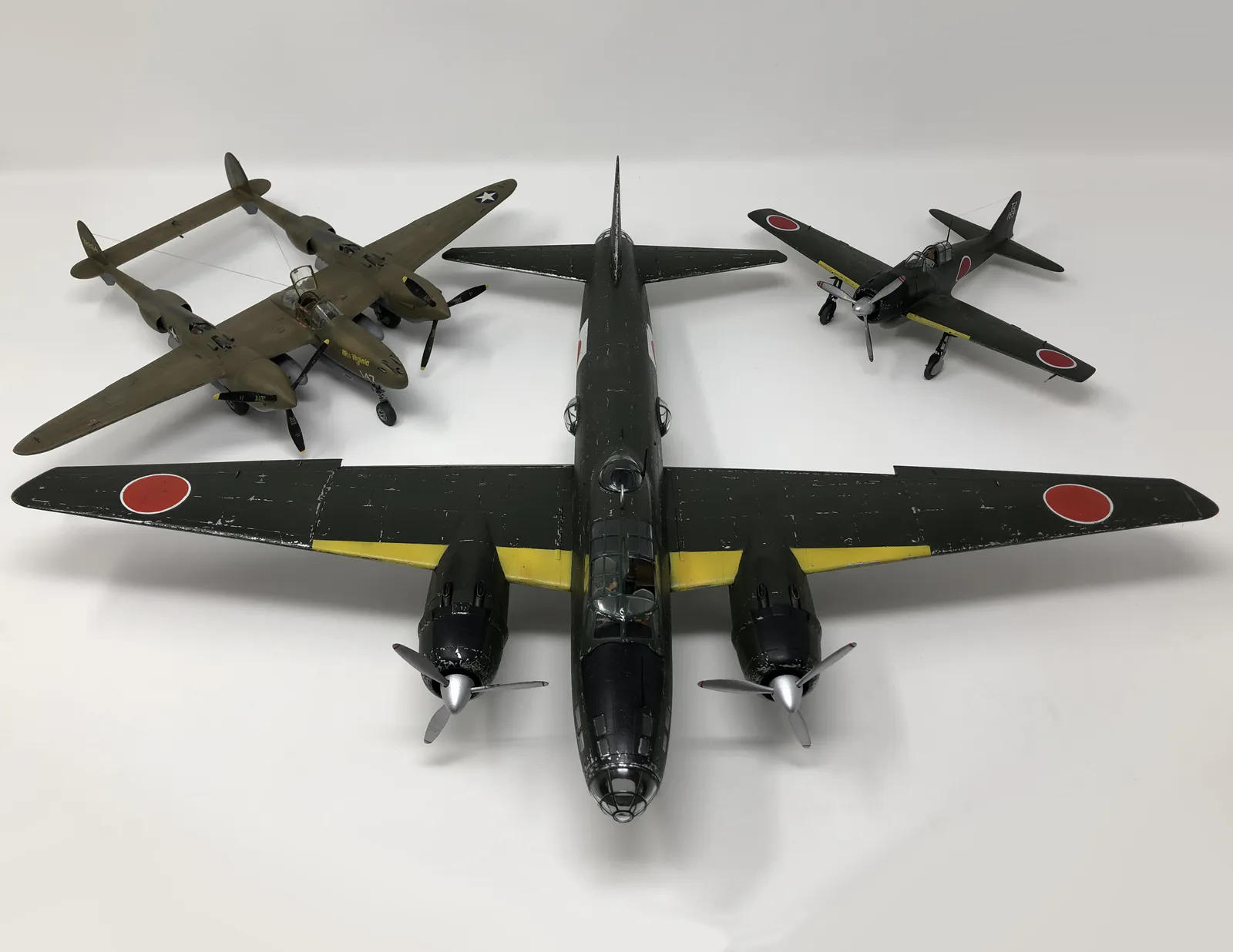
By April 1943 the strategic situation had shifted decisively. The Japanese had suffered a catastrophic defeat at Midway in June 1942 and the grinding Guadalcanal Campaign had ended in evacuation. Yamamoto was now considered a primary threat by the Americans, who also sought revenge for Pearl Harbour. Having broken Japanese encryption codes, American intelligence intercepted a message on April 14, 1943 — designated NTF131755 — detailing Yamamoto’s planned inspection itinerary. On April 18 he would fly from Rabaul to Balalae Airfield near Bougainville, departing at 06:00 and arriving at 08:00, aboard one of two Mitsubishi G4M Bettys escorted by six Zero fighters.
The Japanese considered the flight safely out of range of American aircraft. But American planners calculated that P-38G Lightnings fitted with auxiliary fuel tanks could just reach the intercept point. The mission was assigned to the 339th Fighter Squadron, 347th Fighter Group, based on Guadalcanal. Eighteen aircraft were assigned, including two spares, with four designated as the kill flight and the remainder providing escort cover against the six Zeros.