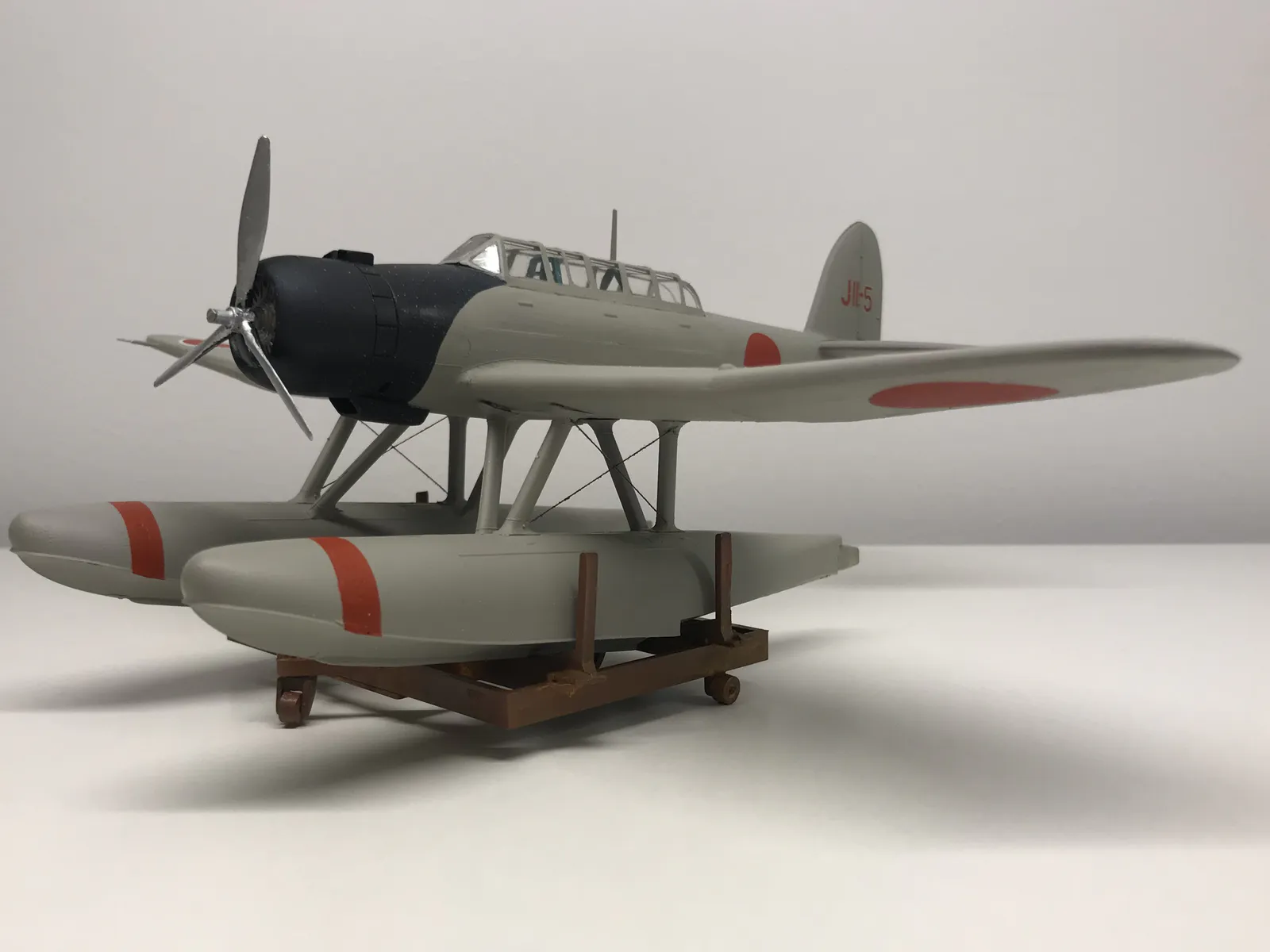
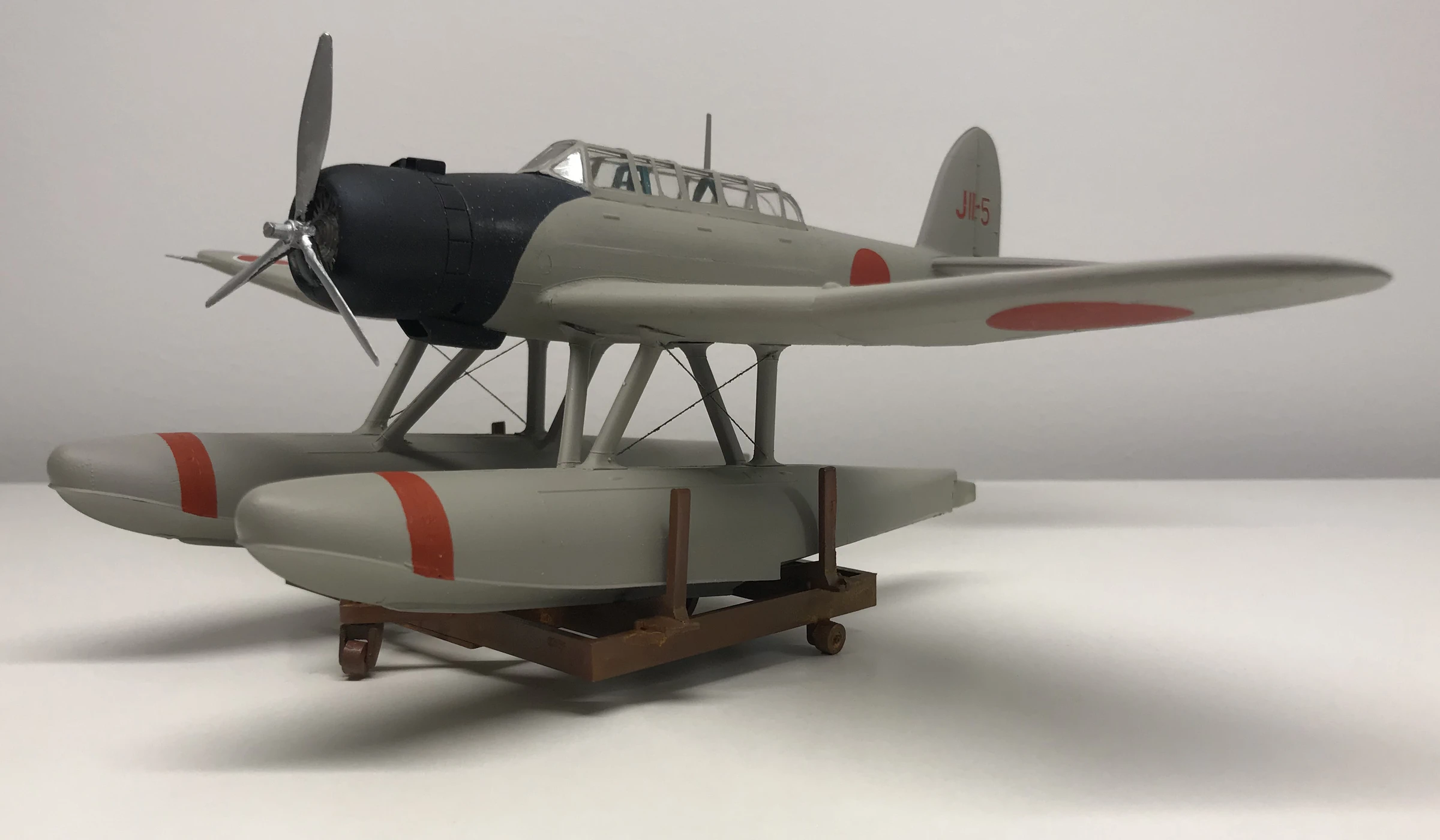
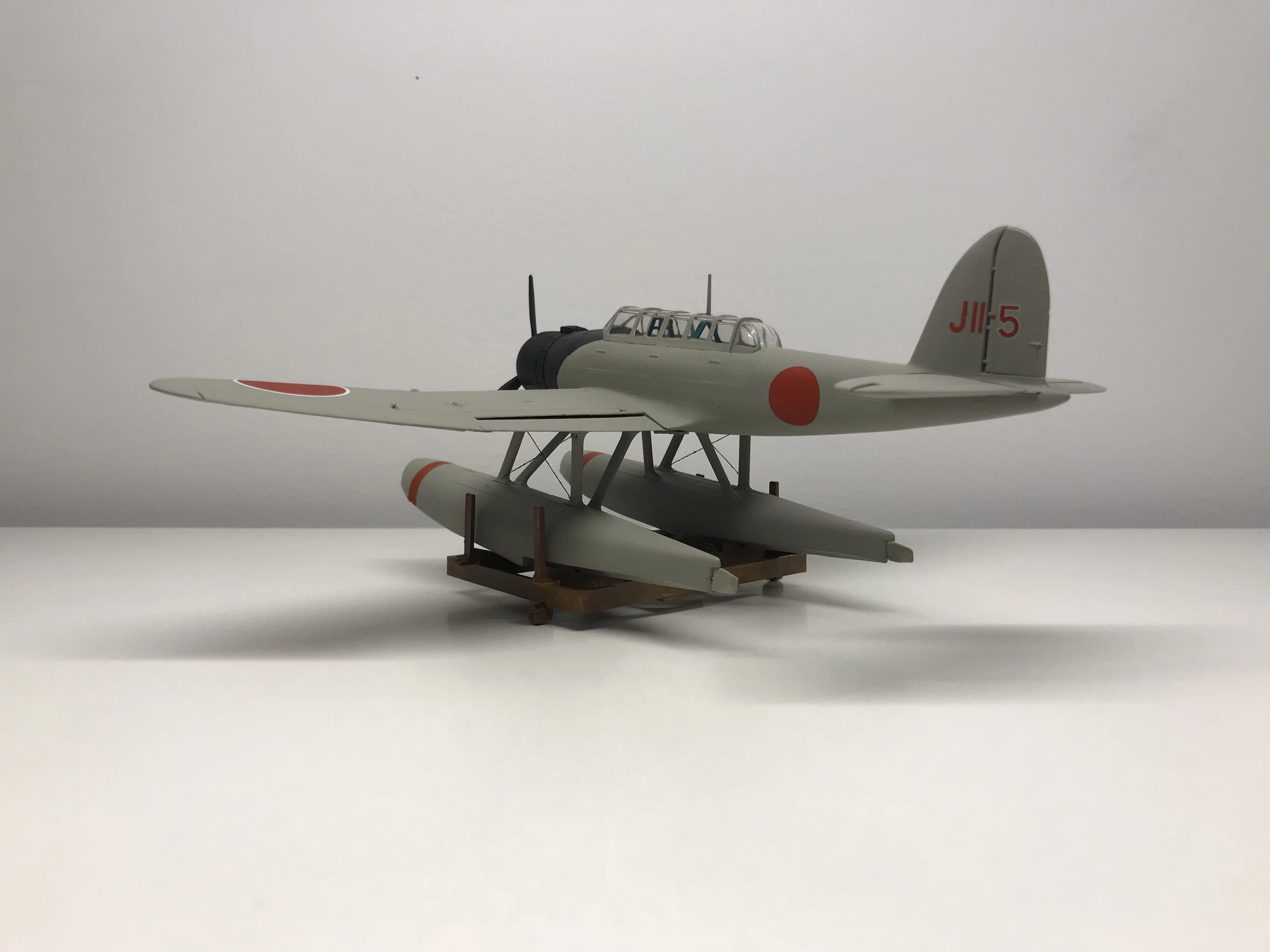
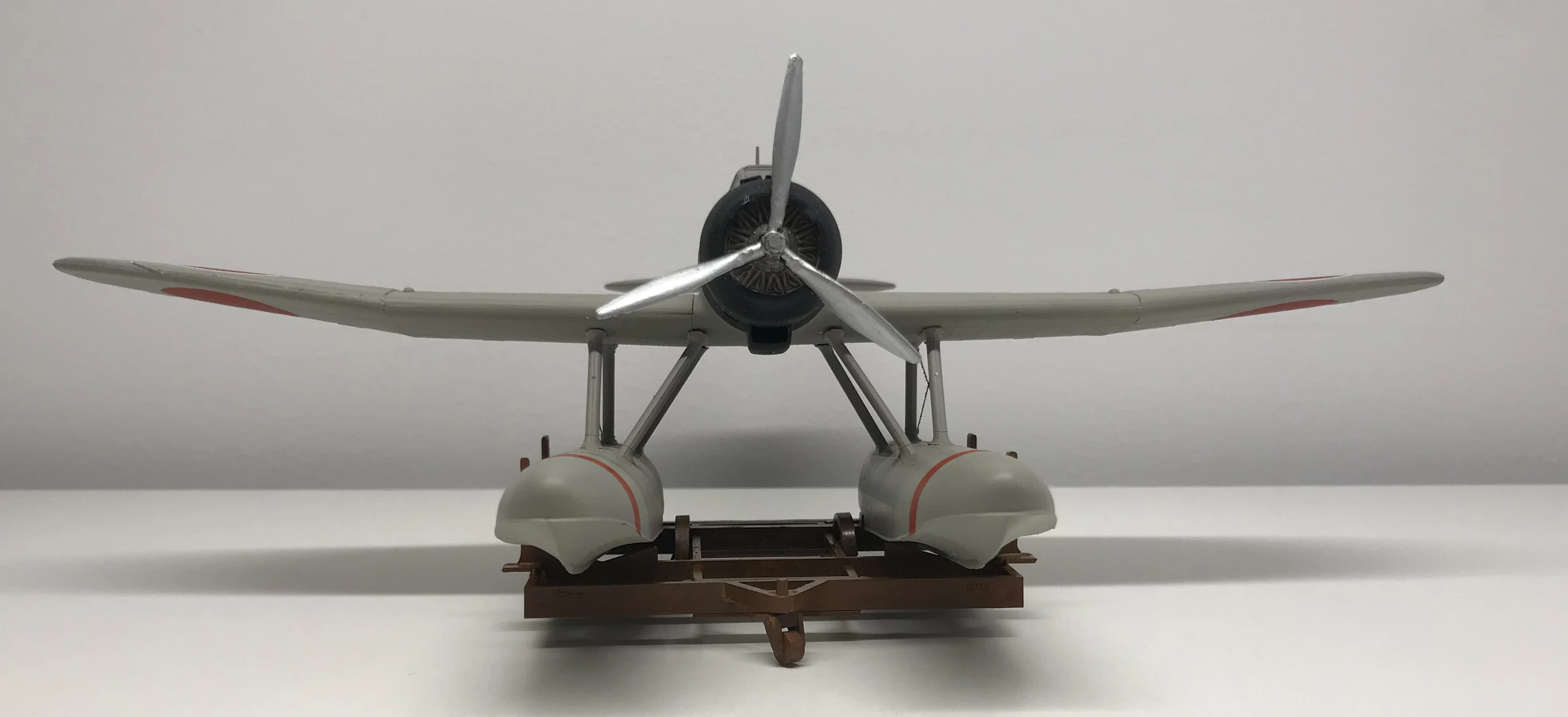
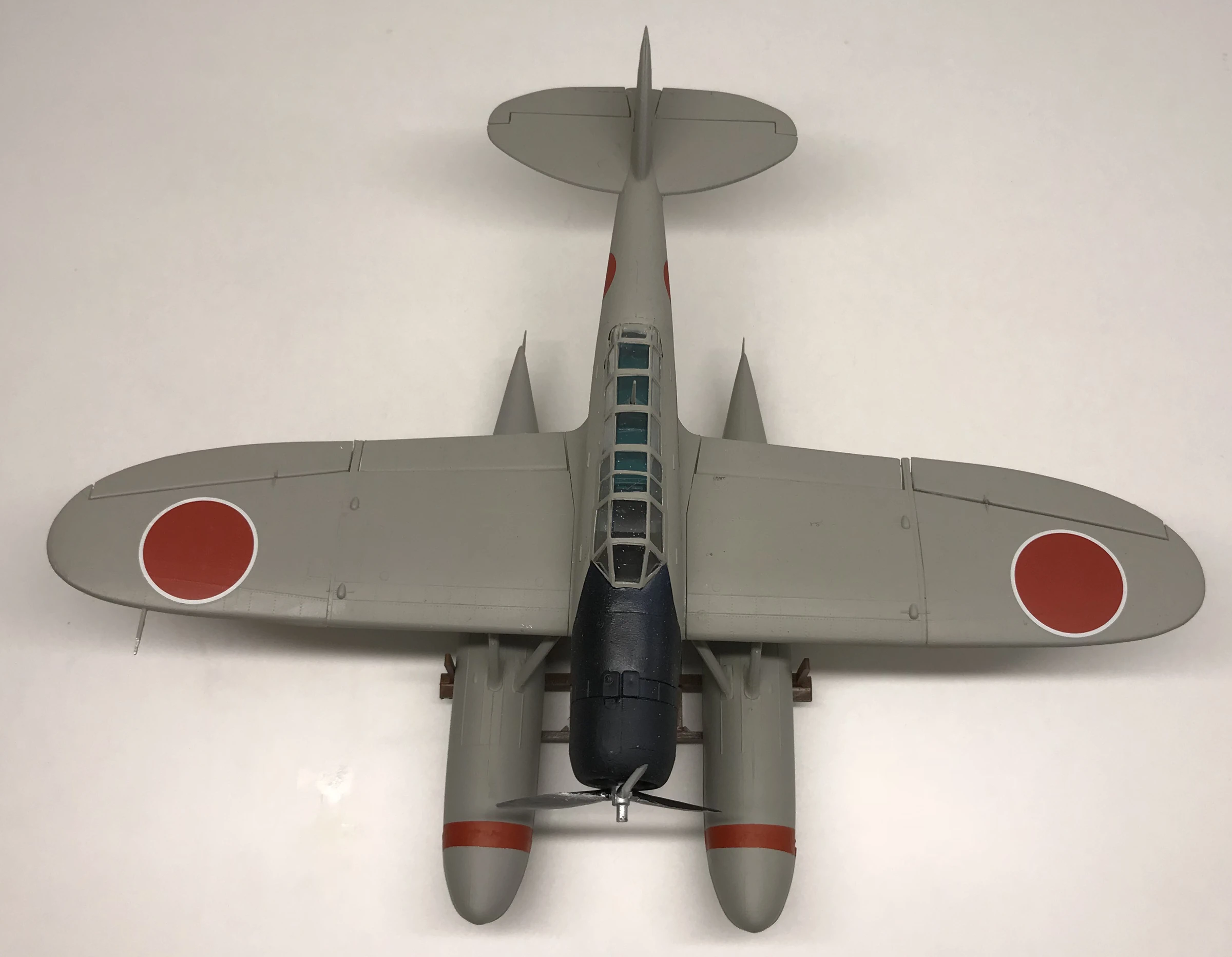
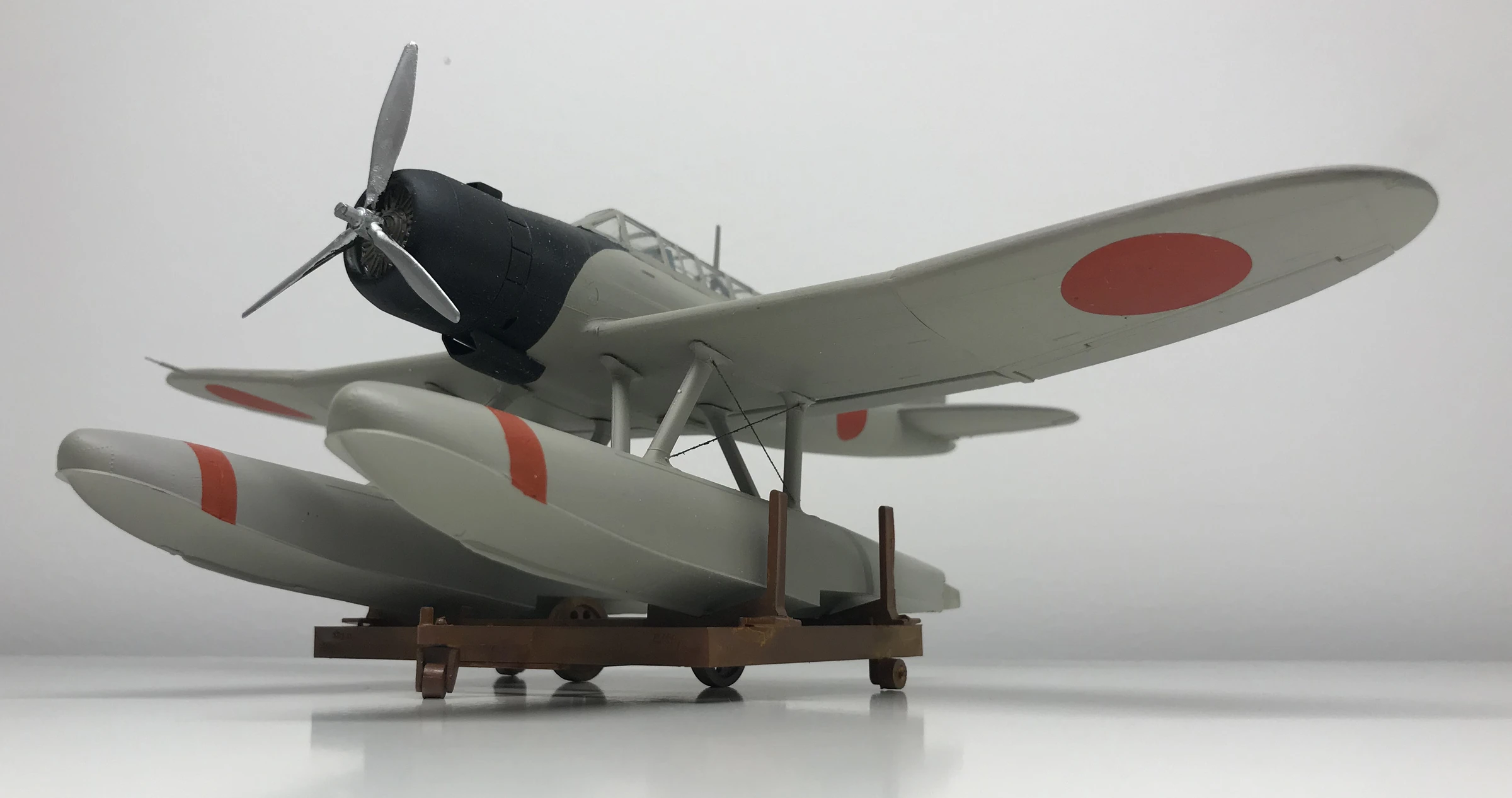
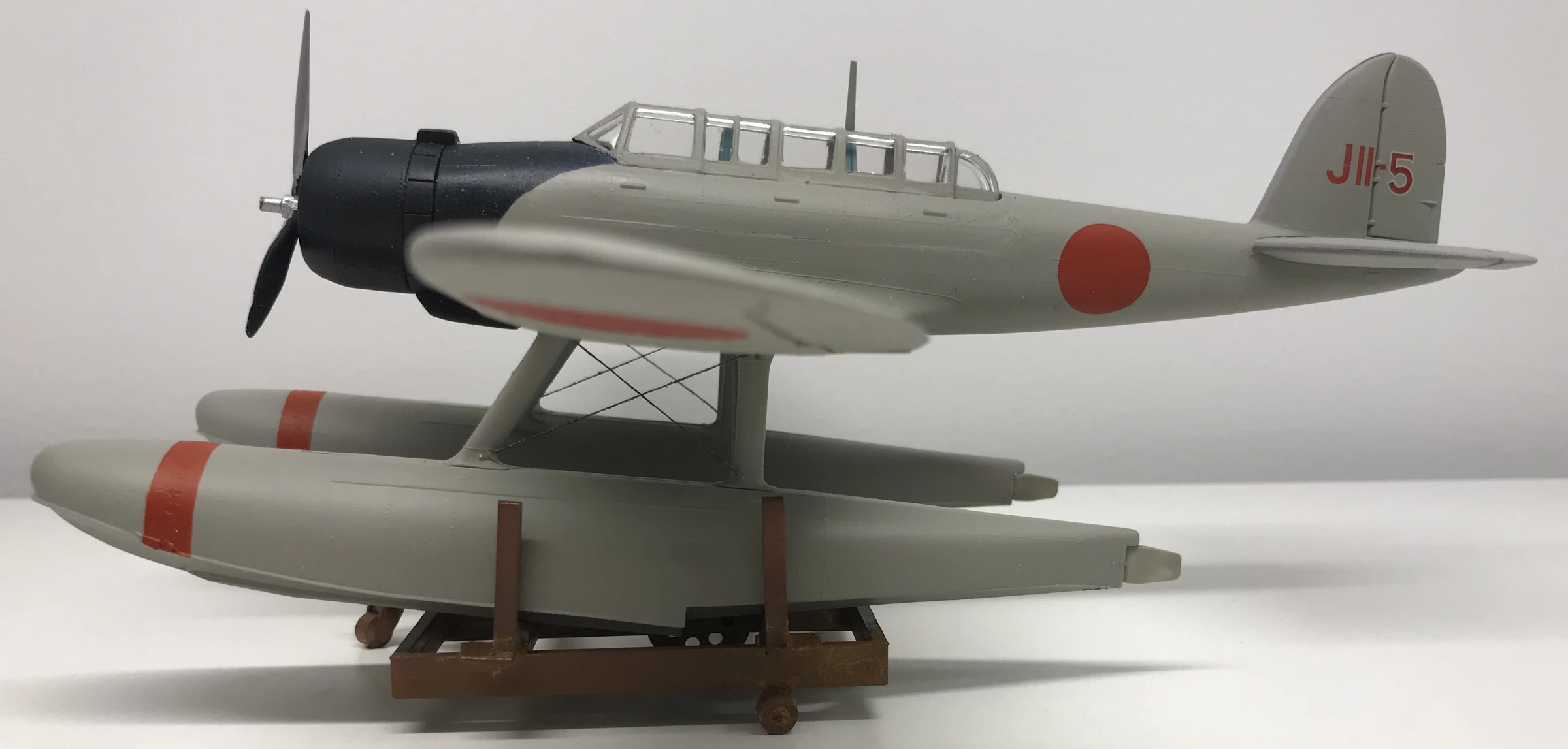
The Japanese reconnaissance effort on June 4 consisted mainly of float planes dispatched from their cruisers in a fan pattern eastward, tasked with locating any potential threats. The launching of the Jake from the cruiser Tone was delayed by half an hour due to technical problems — a delay that would have significant consequences. When it finally got airborne it found Task Force 17 and subsequently USS Yorktown, coming as an unwelcome surprise to the Japanese, who had planned to draw the American carriers out from Hawaii rather than find one already waiting for them.
When the Japanese fleet received this news, the cruiser Chikuma was ordered to launch a search plane to keep track of the American carrier. Pilot Officer 3rd Class Hara Hisashi and his gunner/radio operator climbed into their Aichi E13A1 ‘Jake’ JII-5 and were catapulted into the air. At 10:45 they found the Yorktown and radioed in the contact. Hiryū, by now the only operational Japanese carrier, immediately launched a strike force of 18 Val dive bombers and escorting Zeros. Meanwhile Hisashi continued to track the Yorktown, going in and out of the clouds to guide the attackers toward their target. At one point the American Combat Air Patrol spotted him, but before they could reach him he slipped back into the clouds. At 12:00 the strike force arrived and, sustaining heavy losses, managed to cripple the carrier.
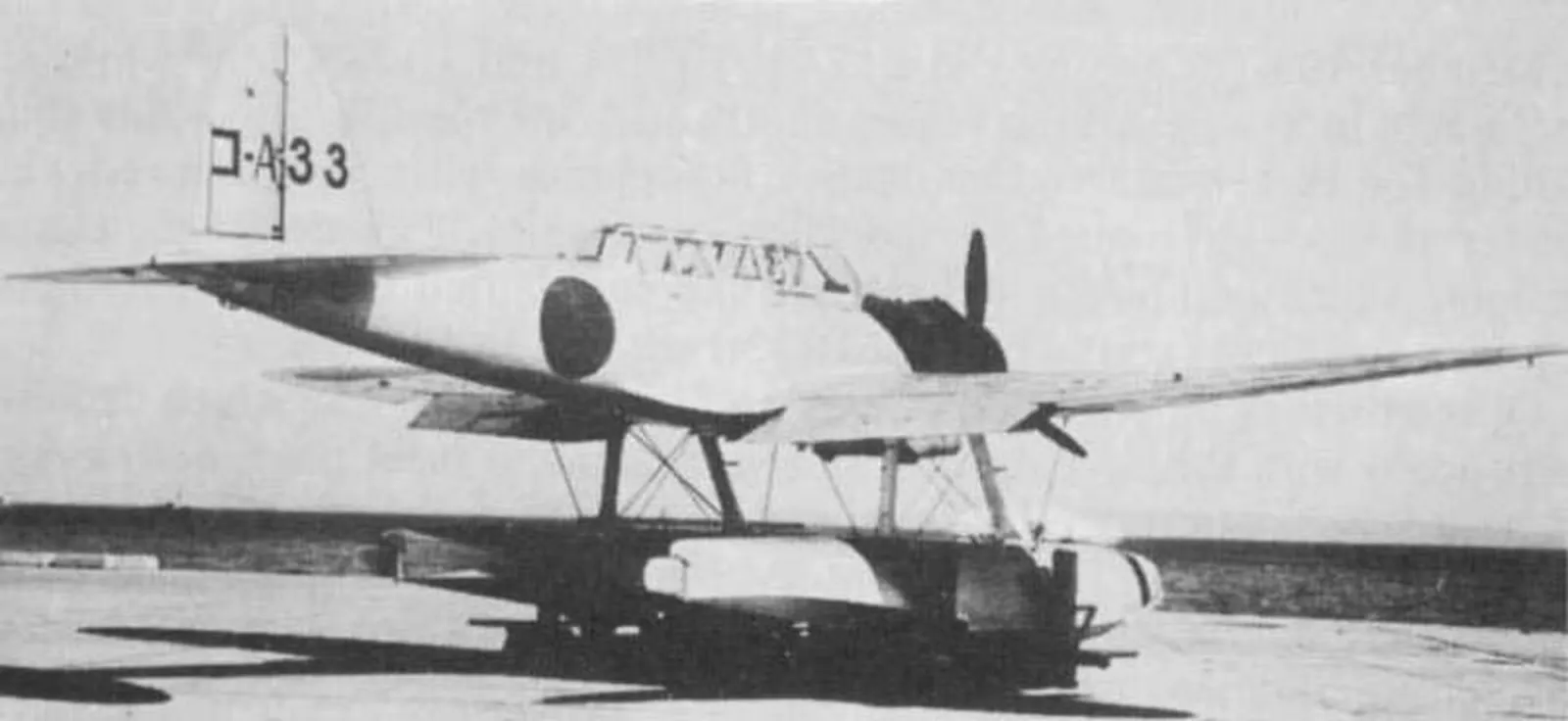
Just before the Vals reached the Yorktown, Hiryū launched a second strike force, this time with torpedo-armed Kates. Hisashi continued to track the American force and relay its position — but just as the incoming strike was detected by the Americans, his luck ran out. The CAP found him again, and this time there was no cloud cover. At 14:09, VF-6’s MM William H. Warden and Lt (j.g.) Ronald J. Hoyle shot him down, and the Jake crashed into the sea just moments before the torpedo planes reached the Yorktown.