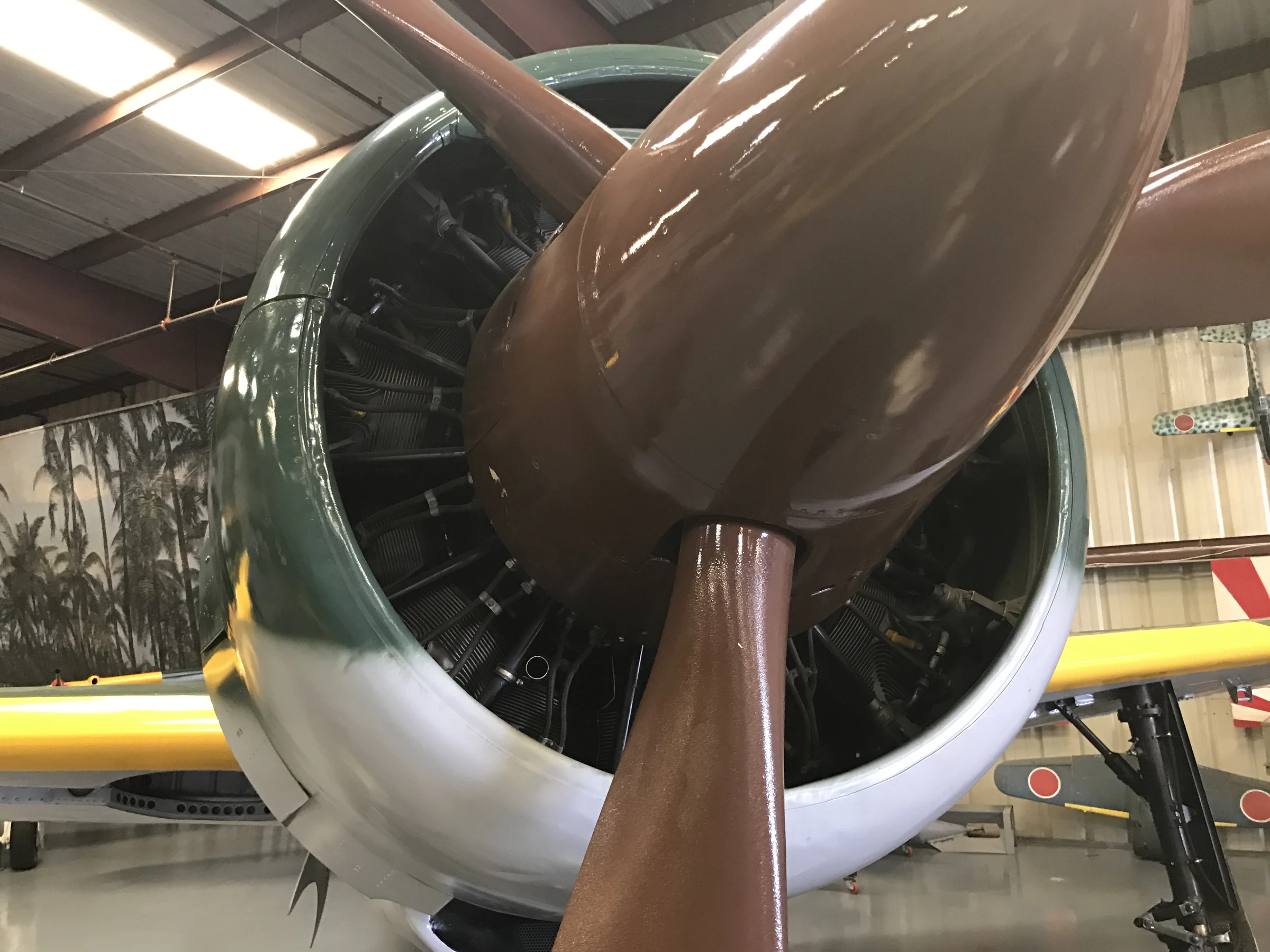
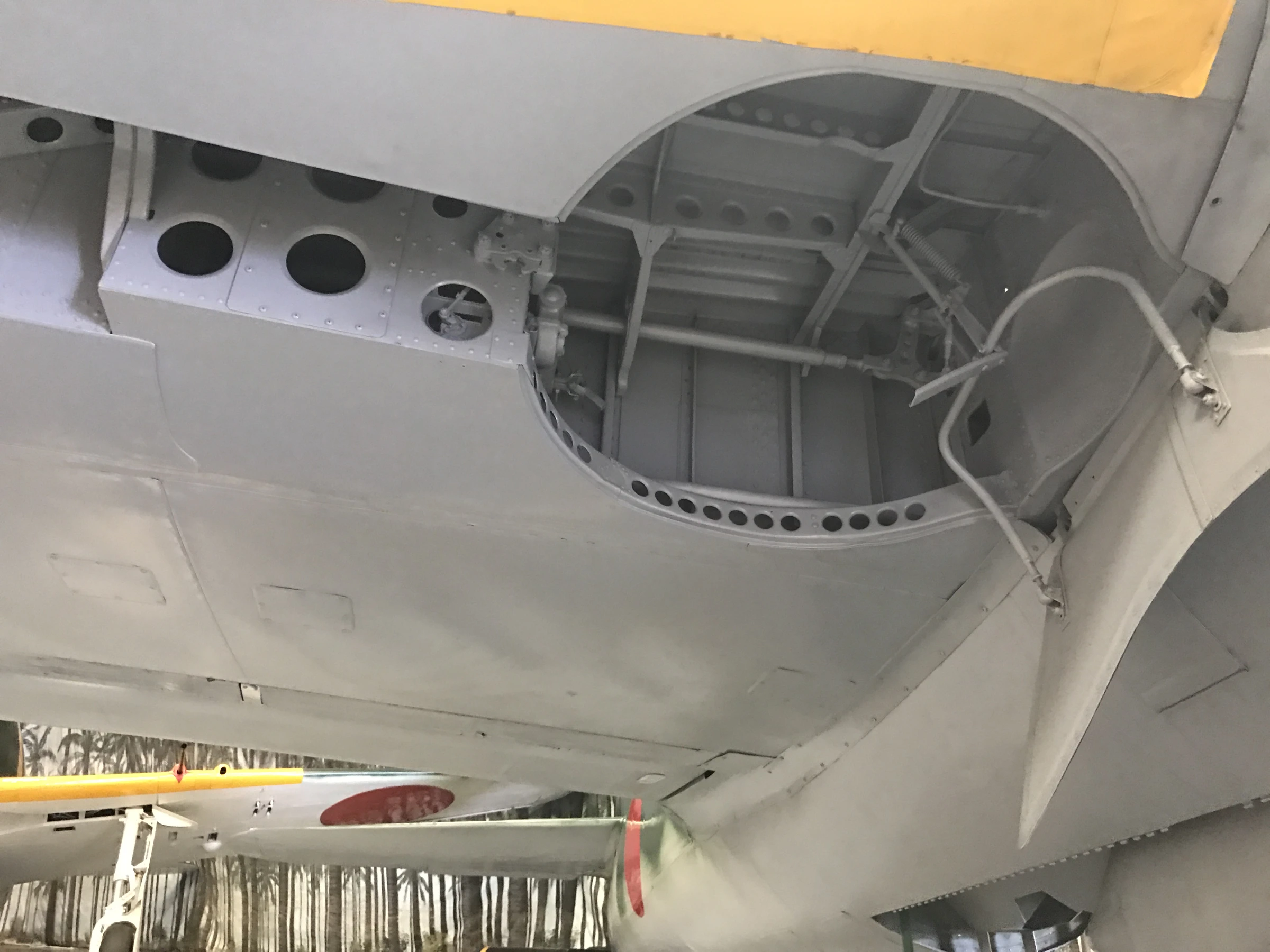
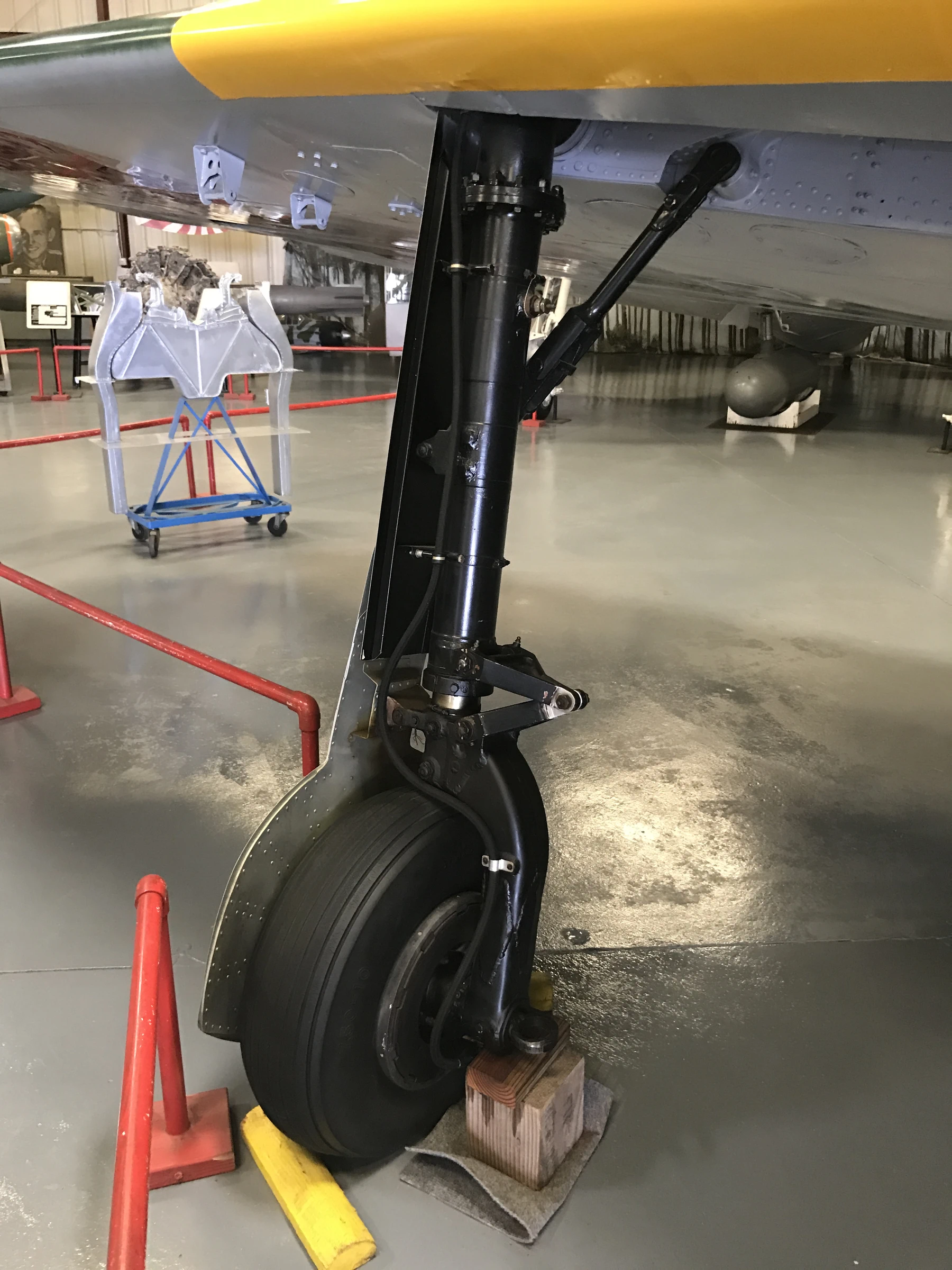
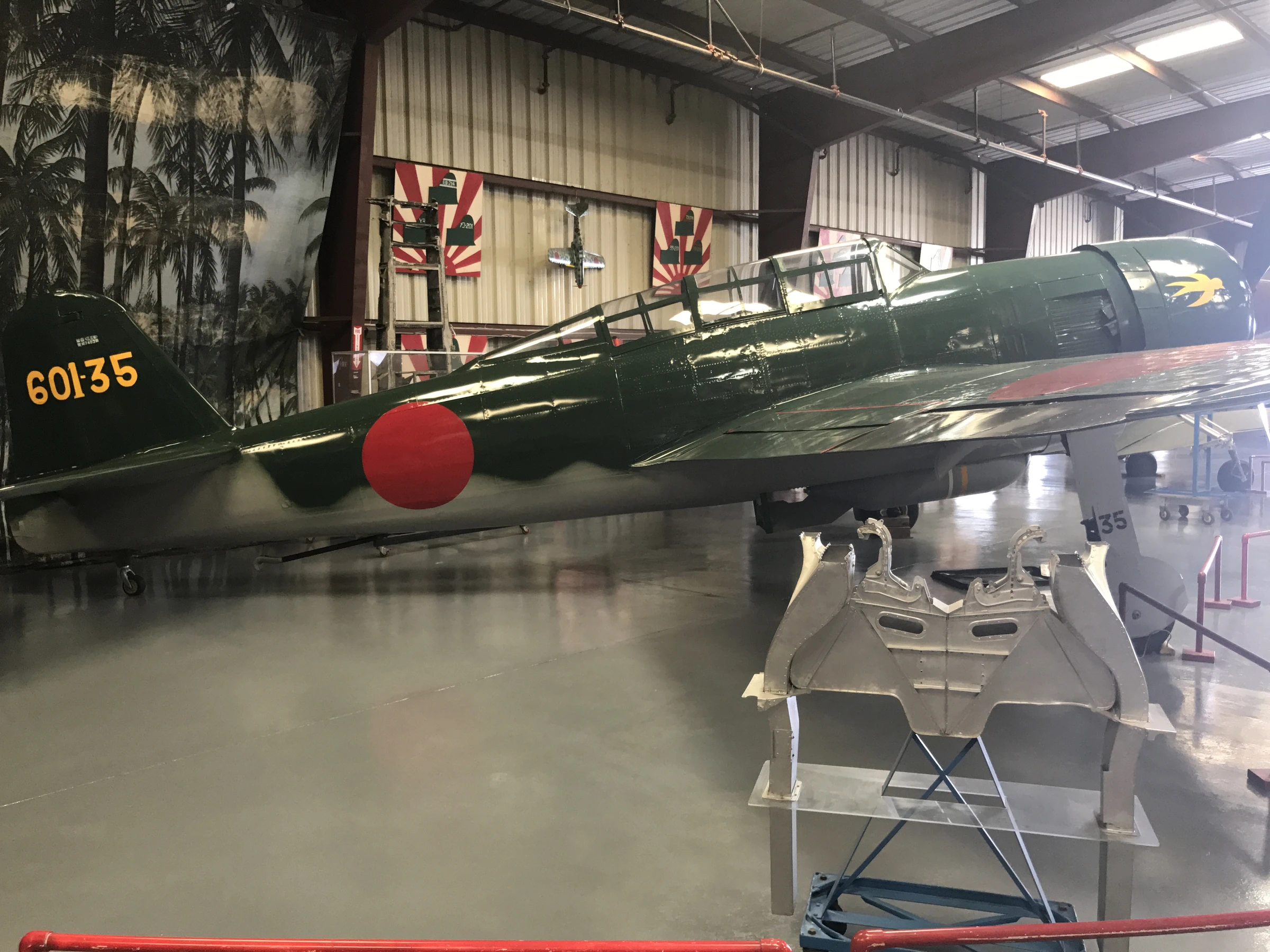
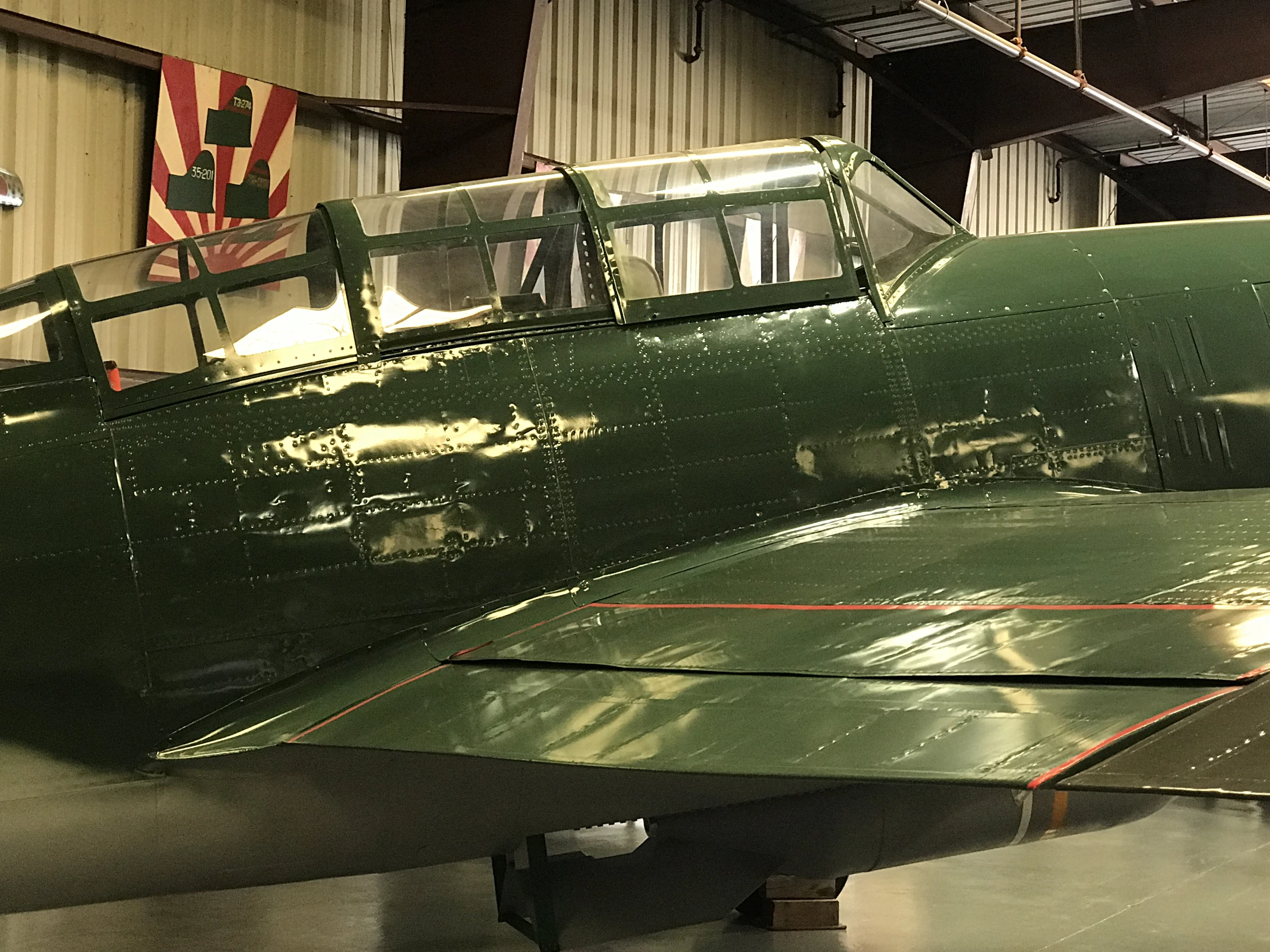
The Yokosuka D4Y Suisei — "Comet" in Japanese, "Judy" to Allied forces — was the Imperial Japanese Navy's primary carrier-borne dive bomber during the latter half of the Pacific War. Designed at the Yokosuka Naval Air Technical Arsenal and built in quantity by Aichi Aircraft, it was one of the fastest dive bombers of the conflict, though this came at the cost of armour, self-sealing fuel tanks and structural resilience. Early variants used the Aichi Atsuta liquid-cooled engine — a licensed Daimler-Benz DB 601 — but persistent reliability problems led to the D4Y3 Model 33, which replaced it with the Mitsubishi Kinsei 62 radial. Over 2,300 Suiseis were built in total, and they served not only as dive bombers but also in reconnaissance, night fighter and kamikaze roles. Only two examples survive worldwide.
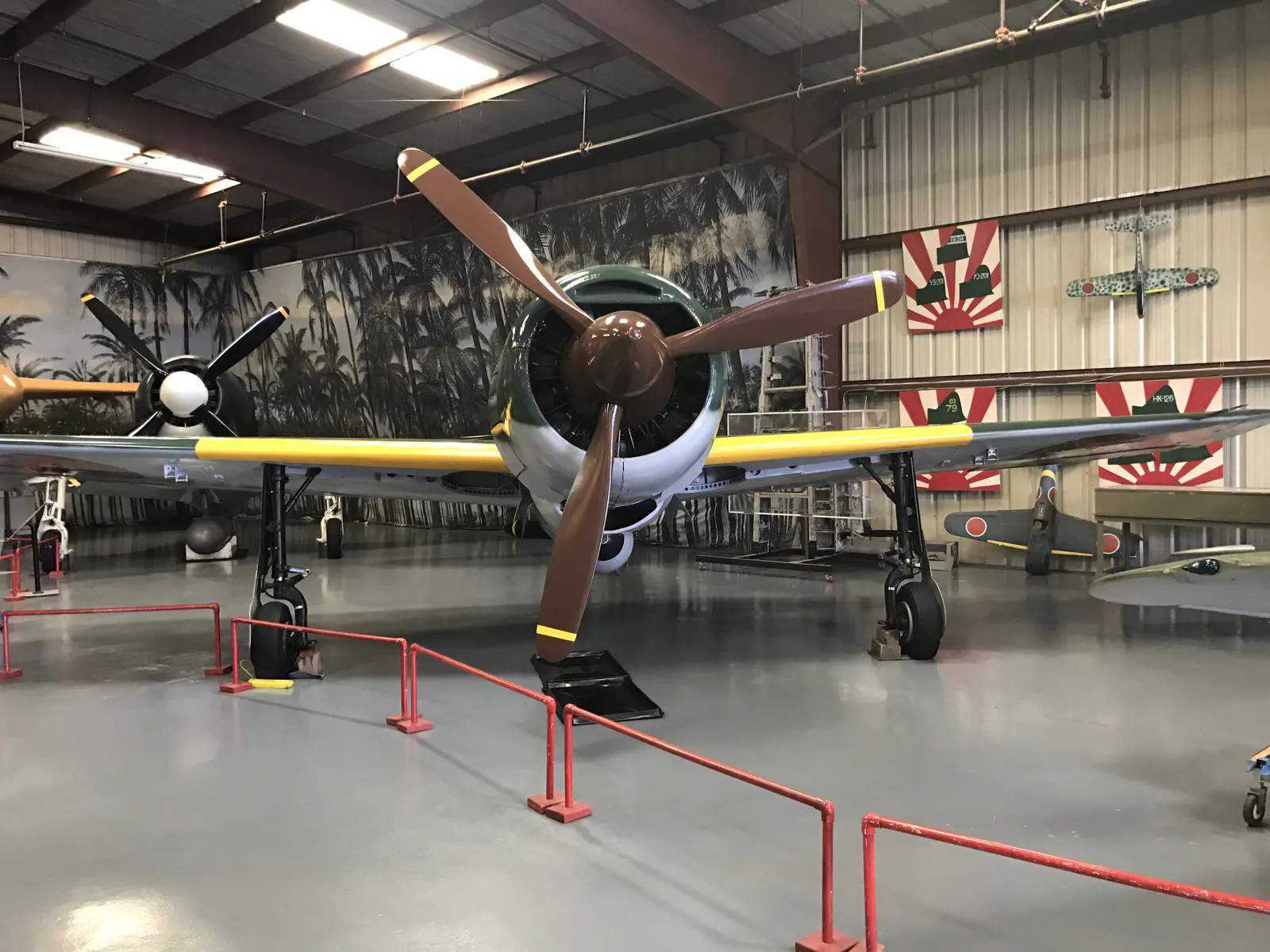
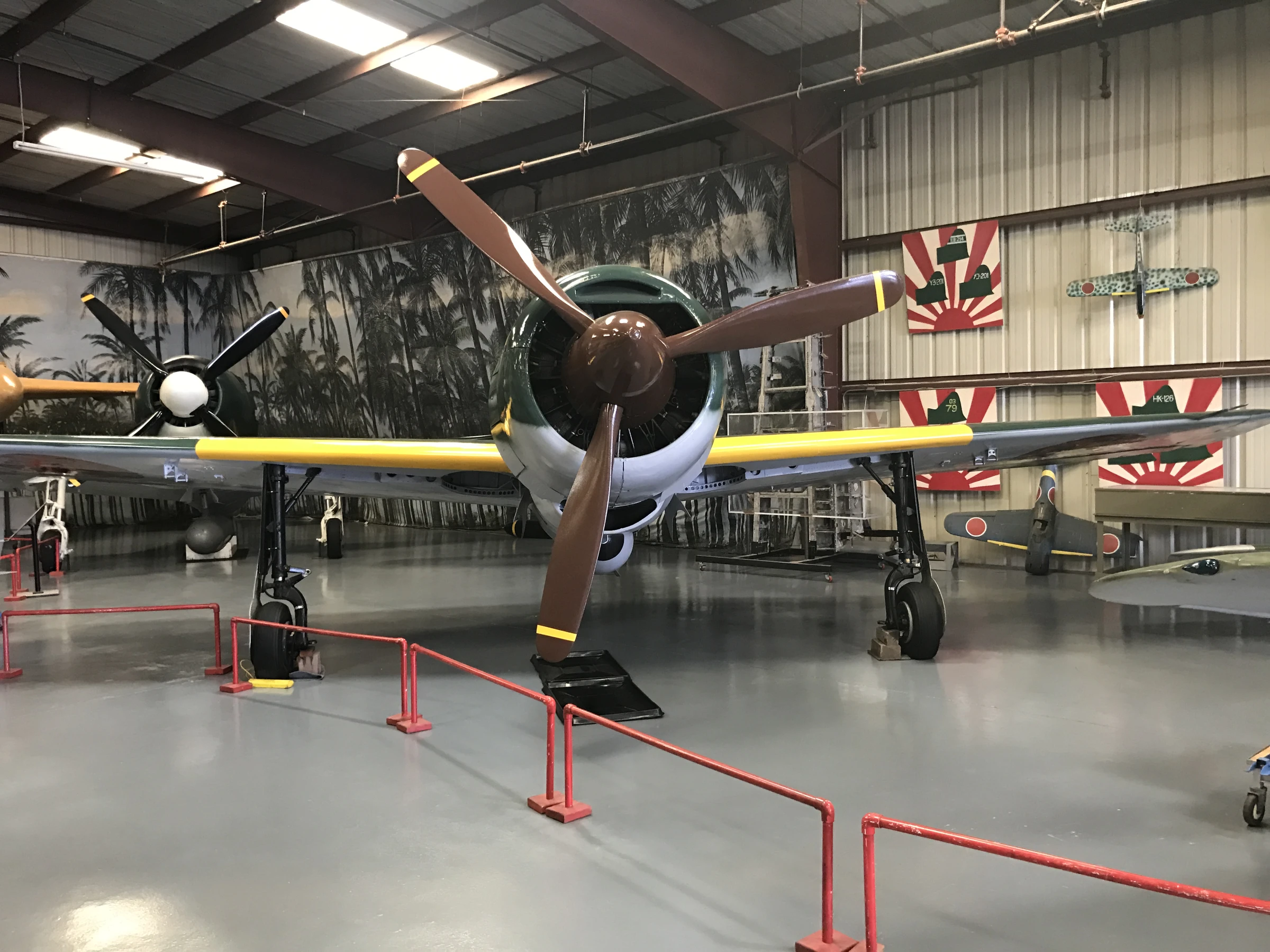
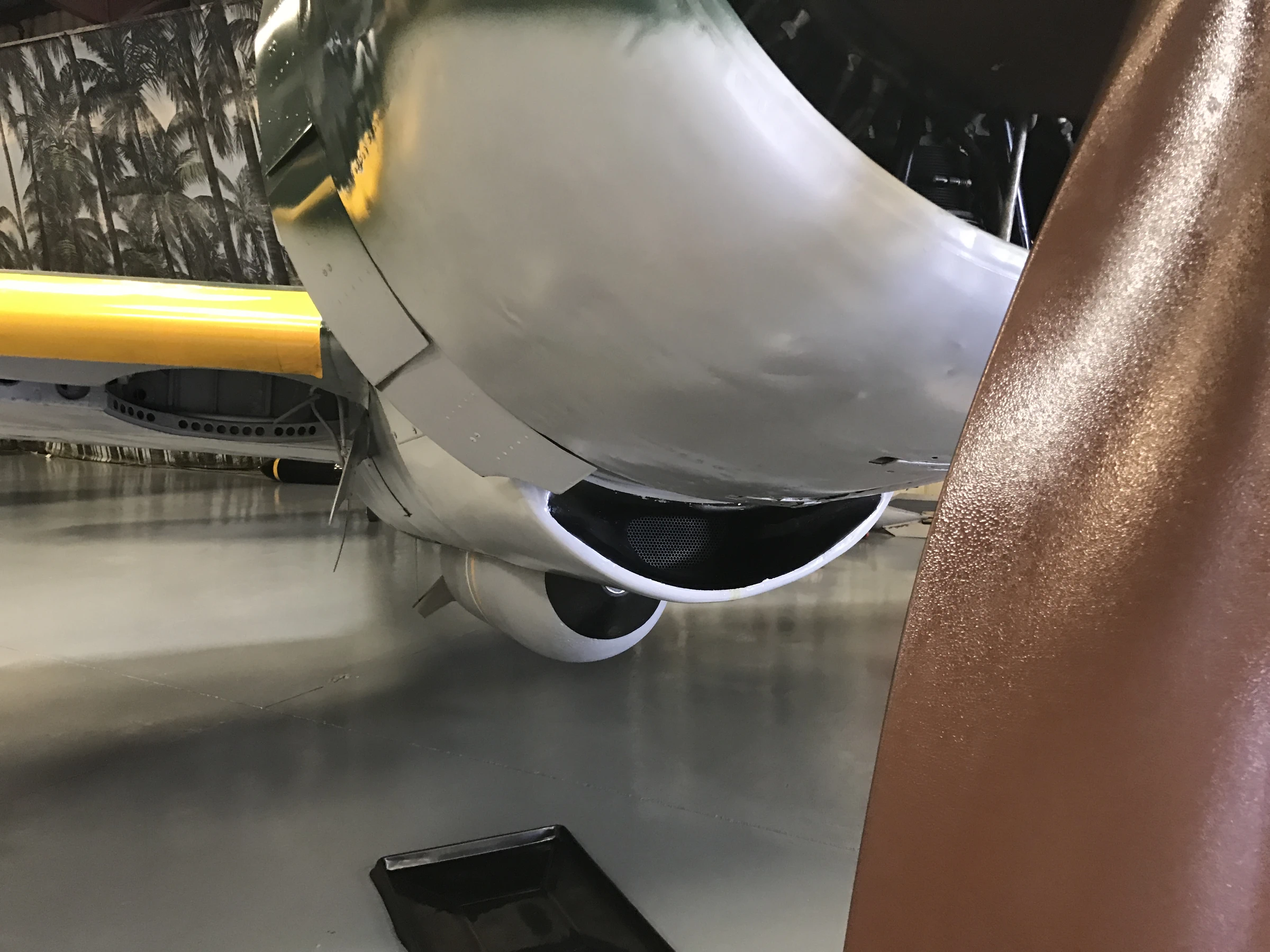
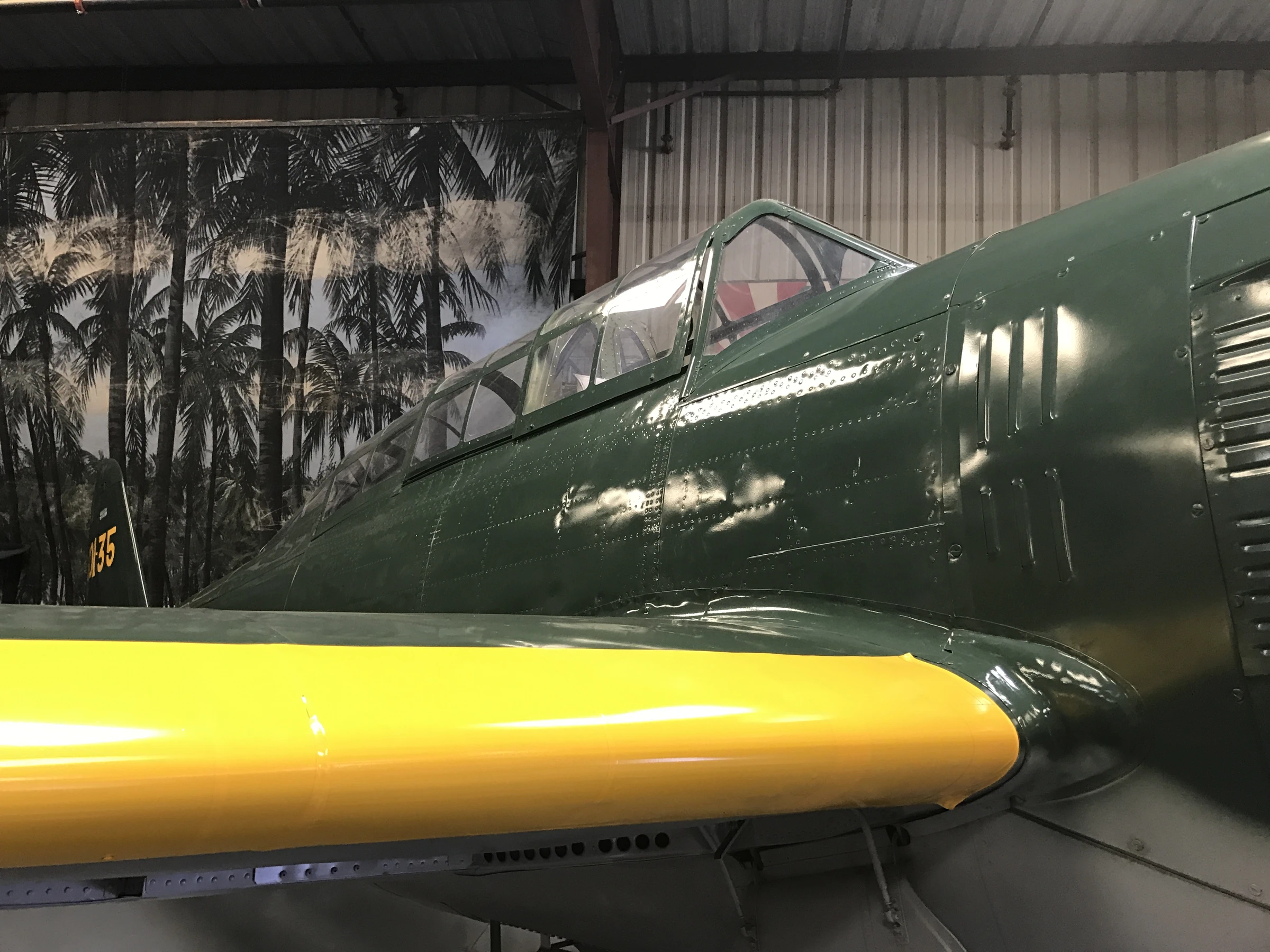
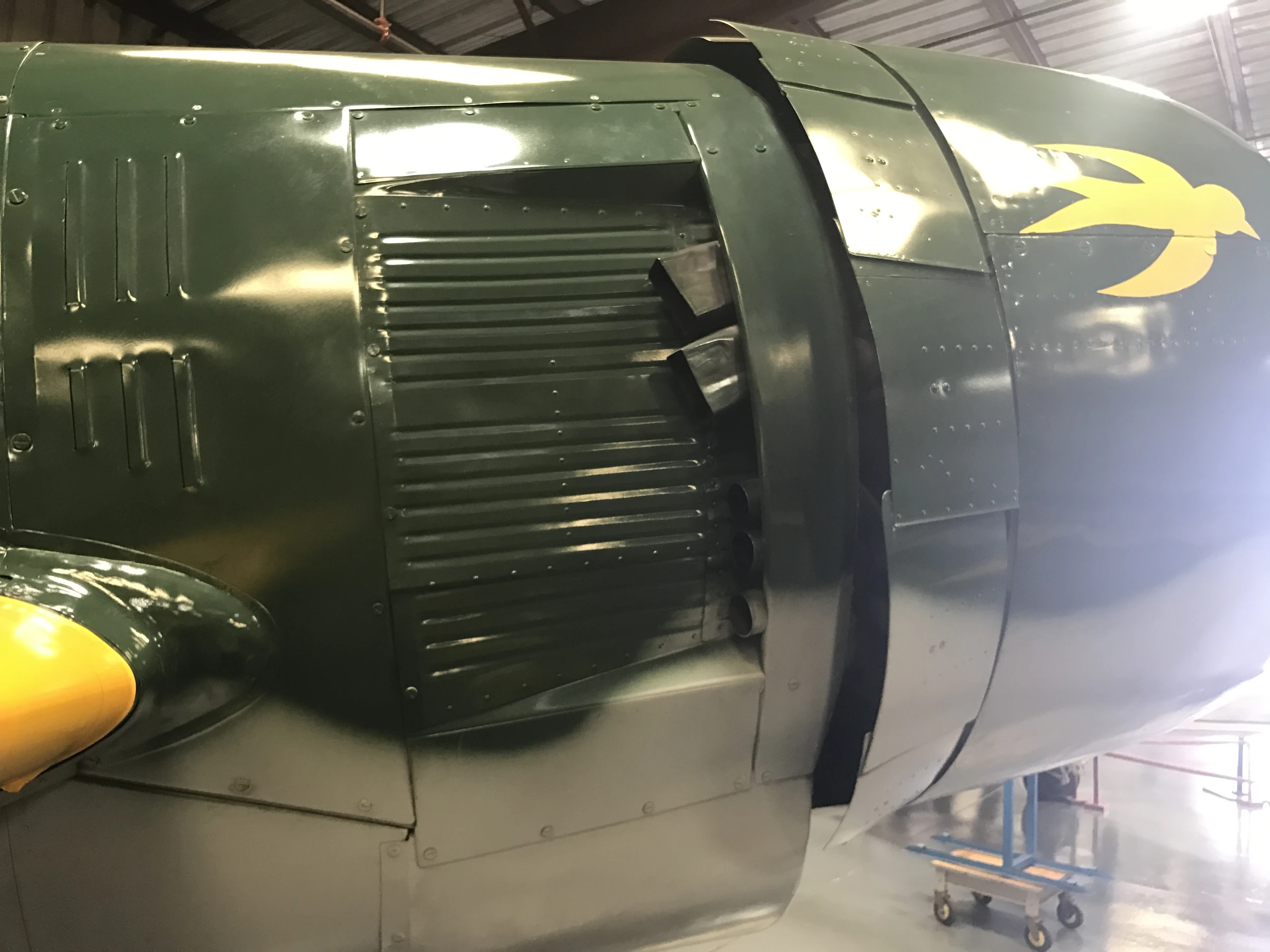
This aircraft, s/n 7483, was originally built as a D4Y1 by Aichi Aircraft in Nagoya and delivered in February 1944. It was most likely assigned to the 202nd Kōkūtai operating from Babo Airfield in what is now West Papua, Indonesia, where it probably flew missions in the defence of Truk and against the American landings at Biak in mid-1944. Abandoned after US bombing attacks, it was discovered in ruins at Babo in 1991 and eventually acquired by Planes of Fame. The museum restored it to non-flying, taxiable condition in 2012, reconfigured as a D4Y3 with a Pratt & Whitney R-1830 radial engine in place of the original inline unit. Since no records survived to identify its wartime unit, the aircraft was painted in the markings of the 601st Naval Air Group — hence the tail code 601-35.