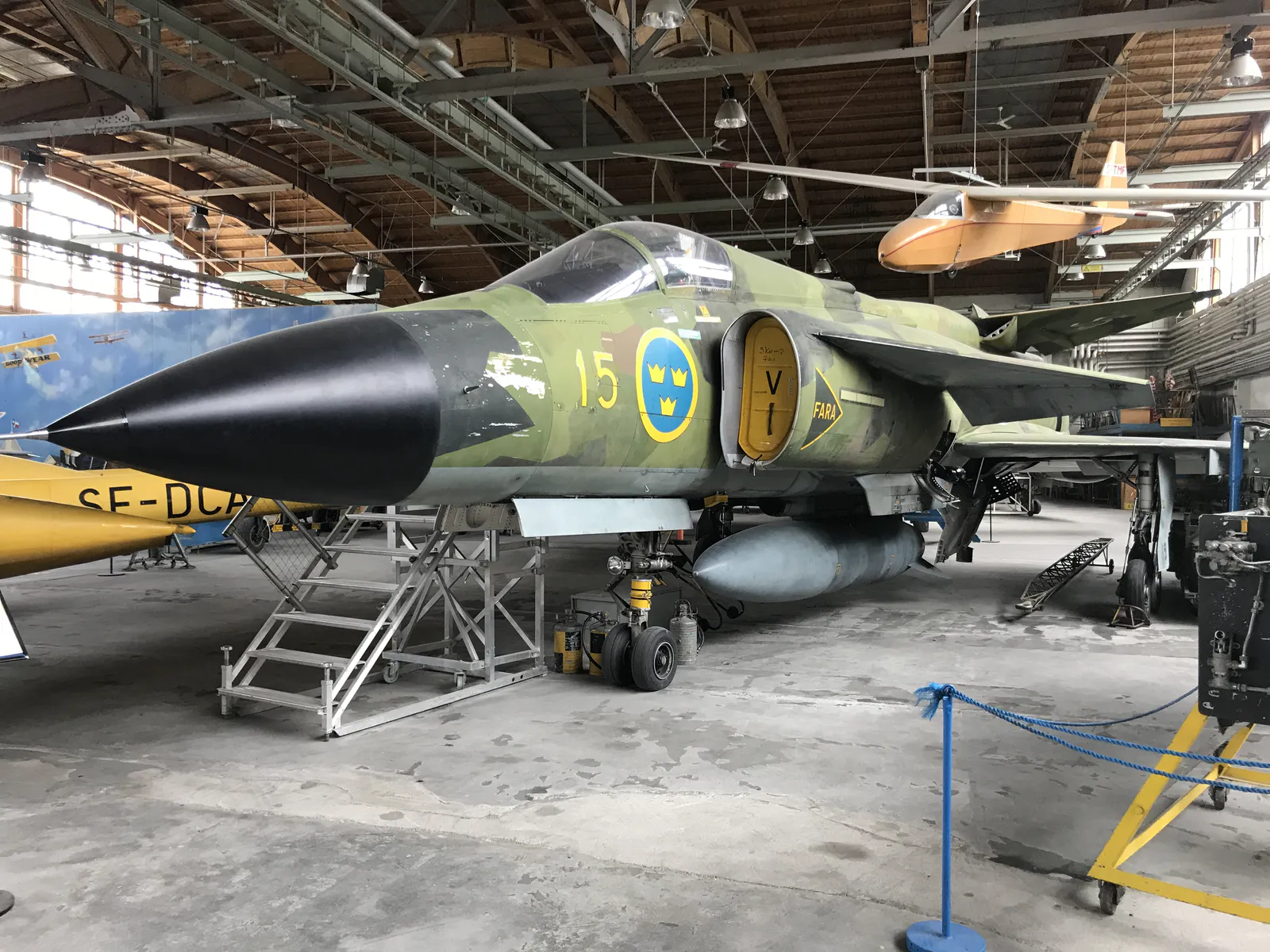
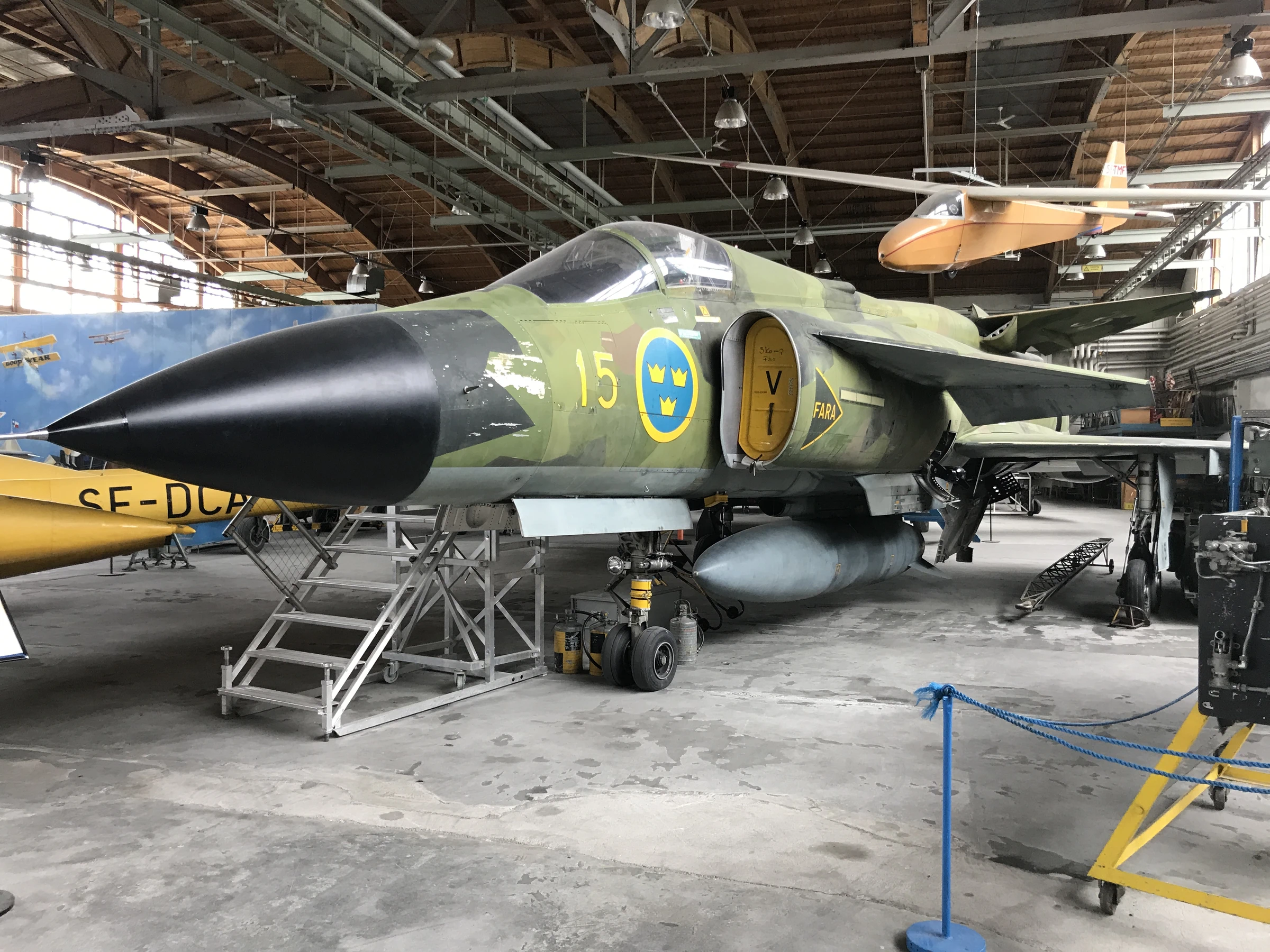
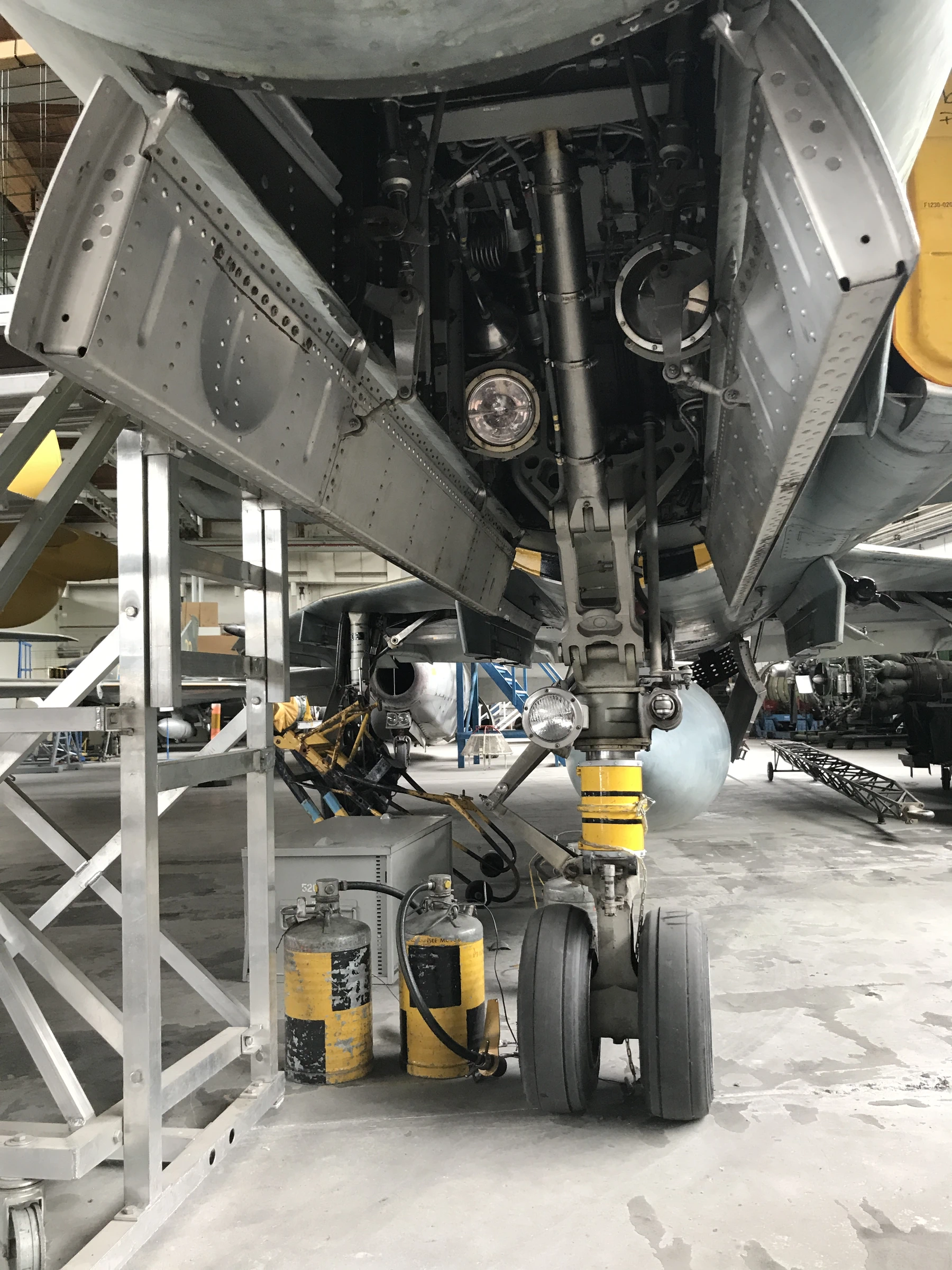
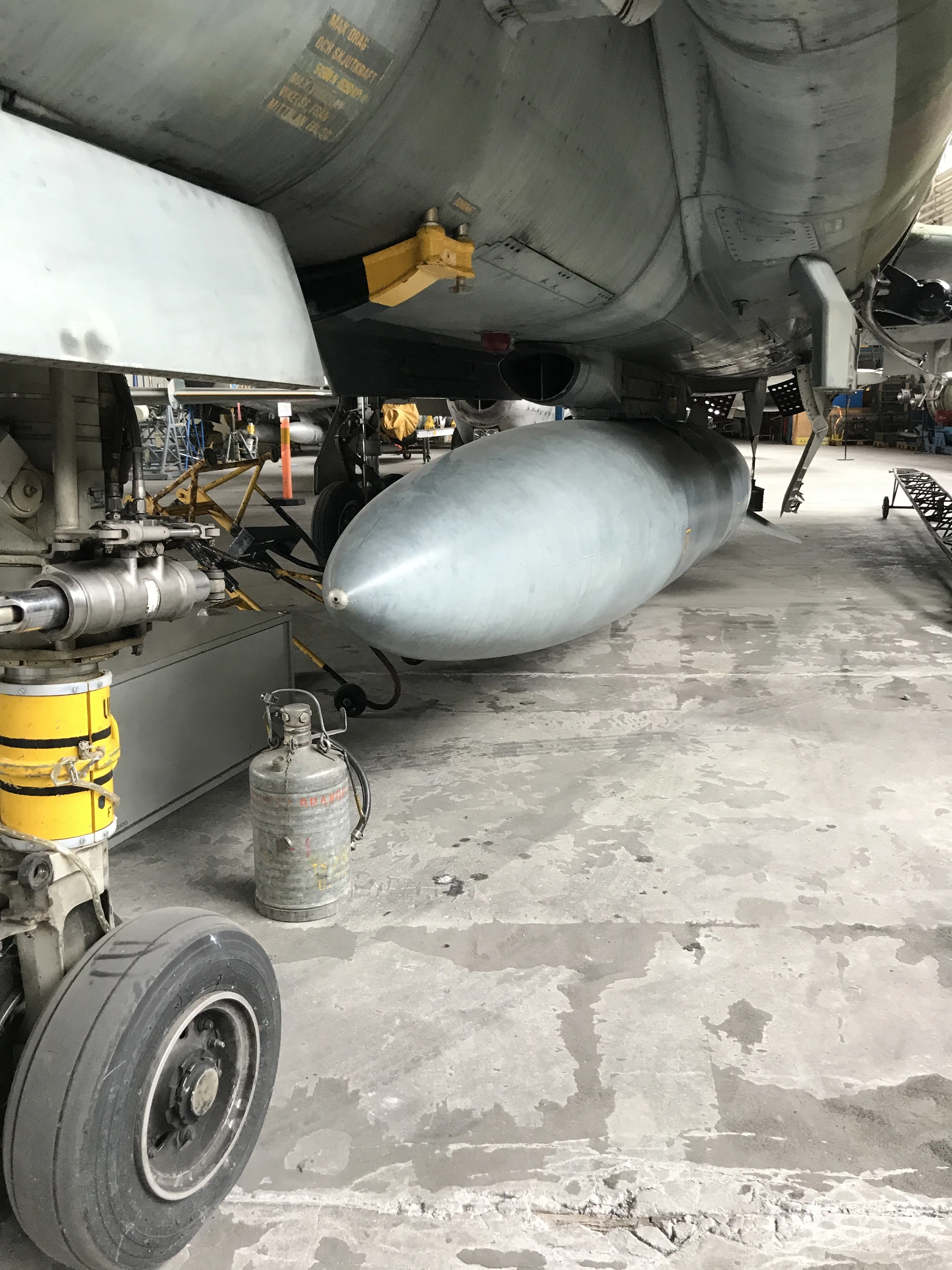
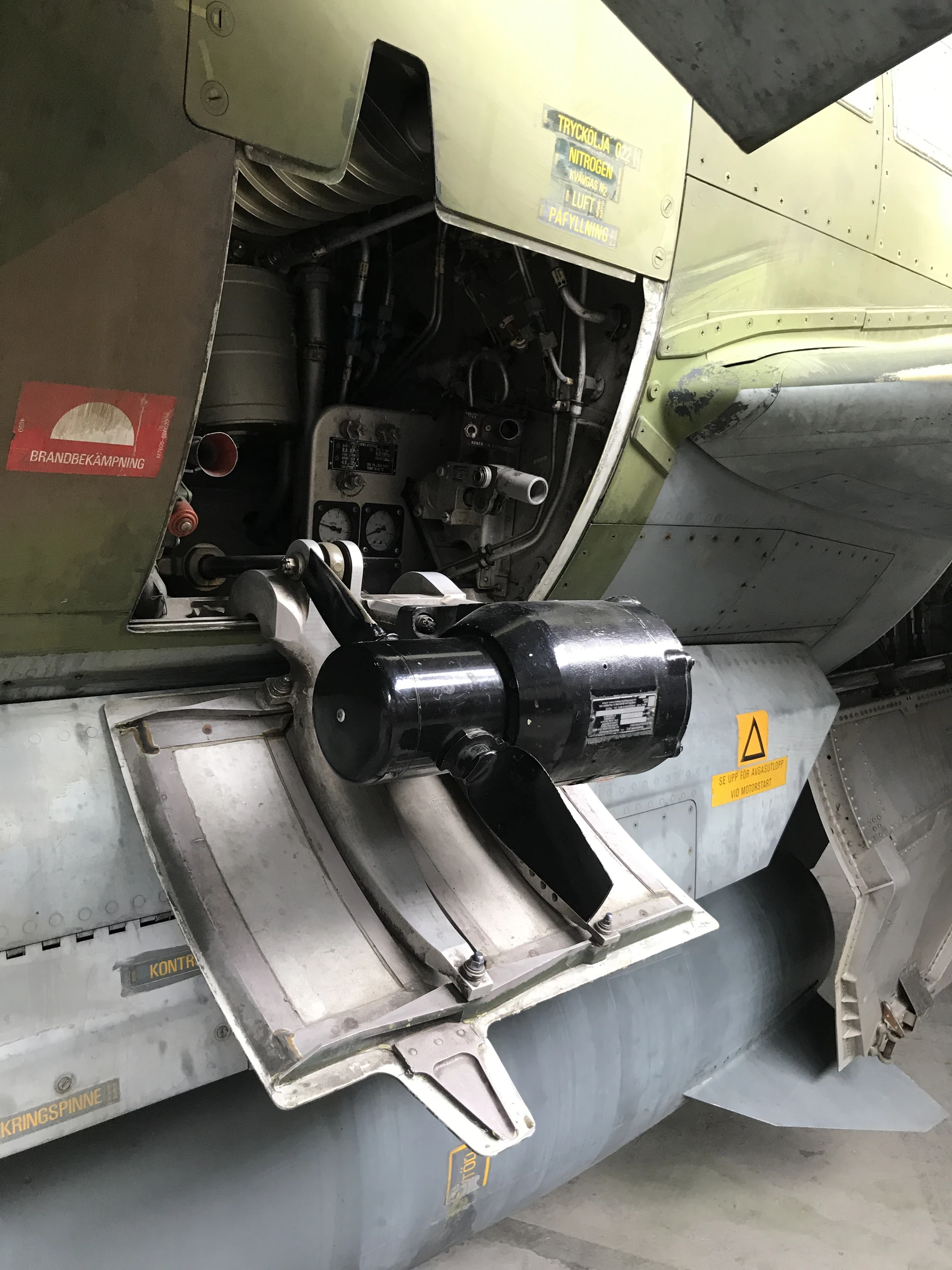
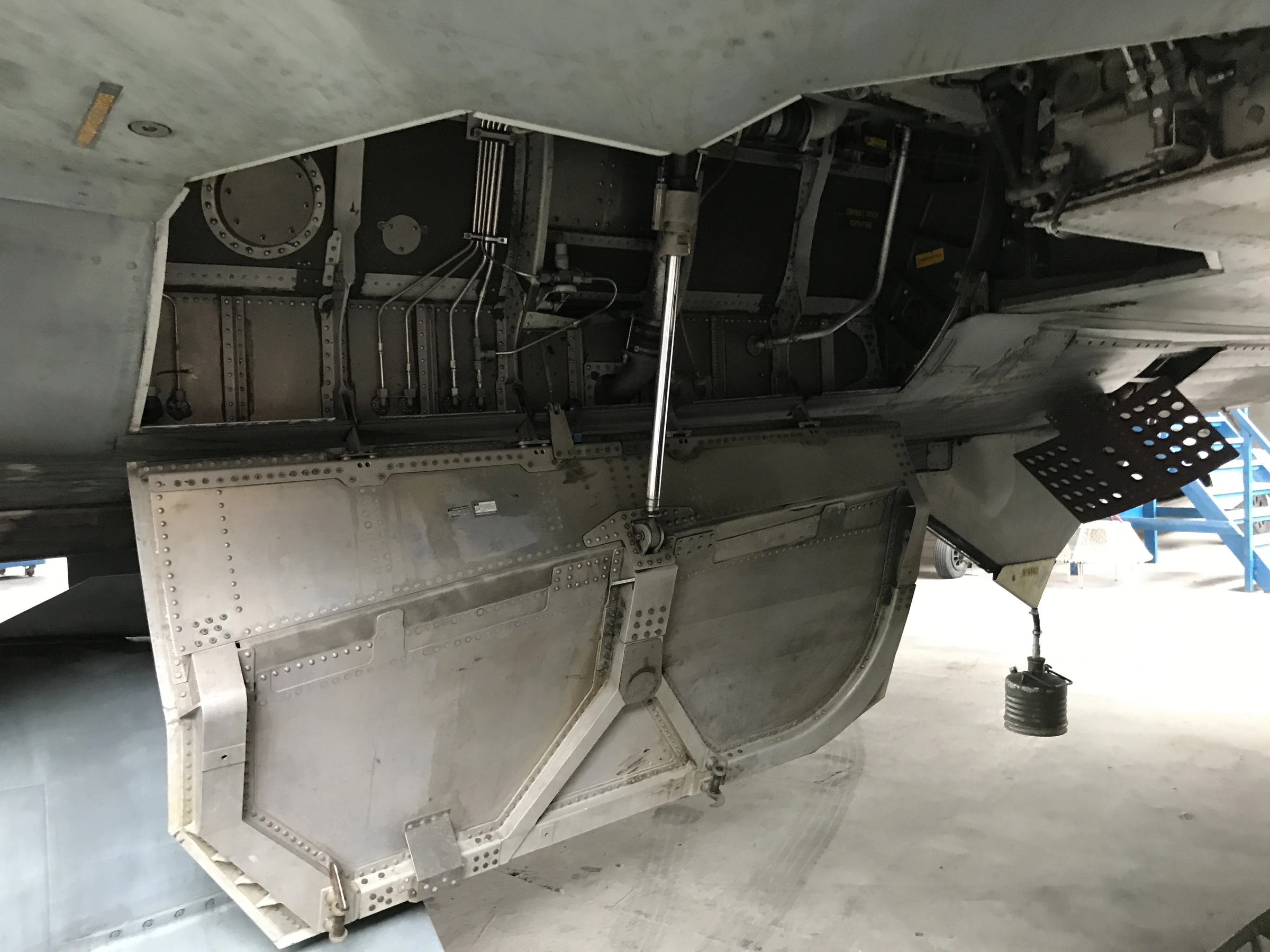
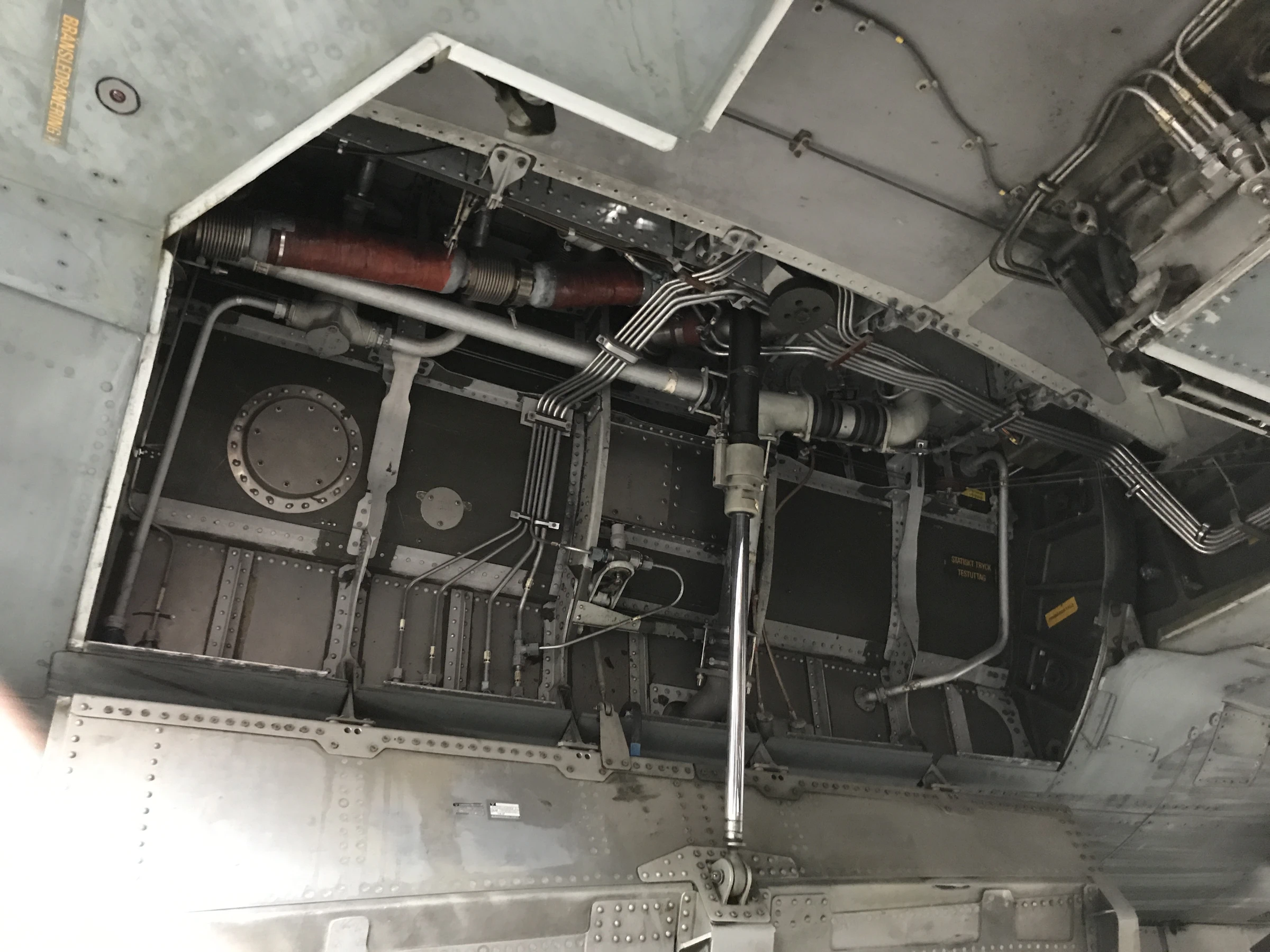
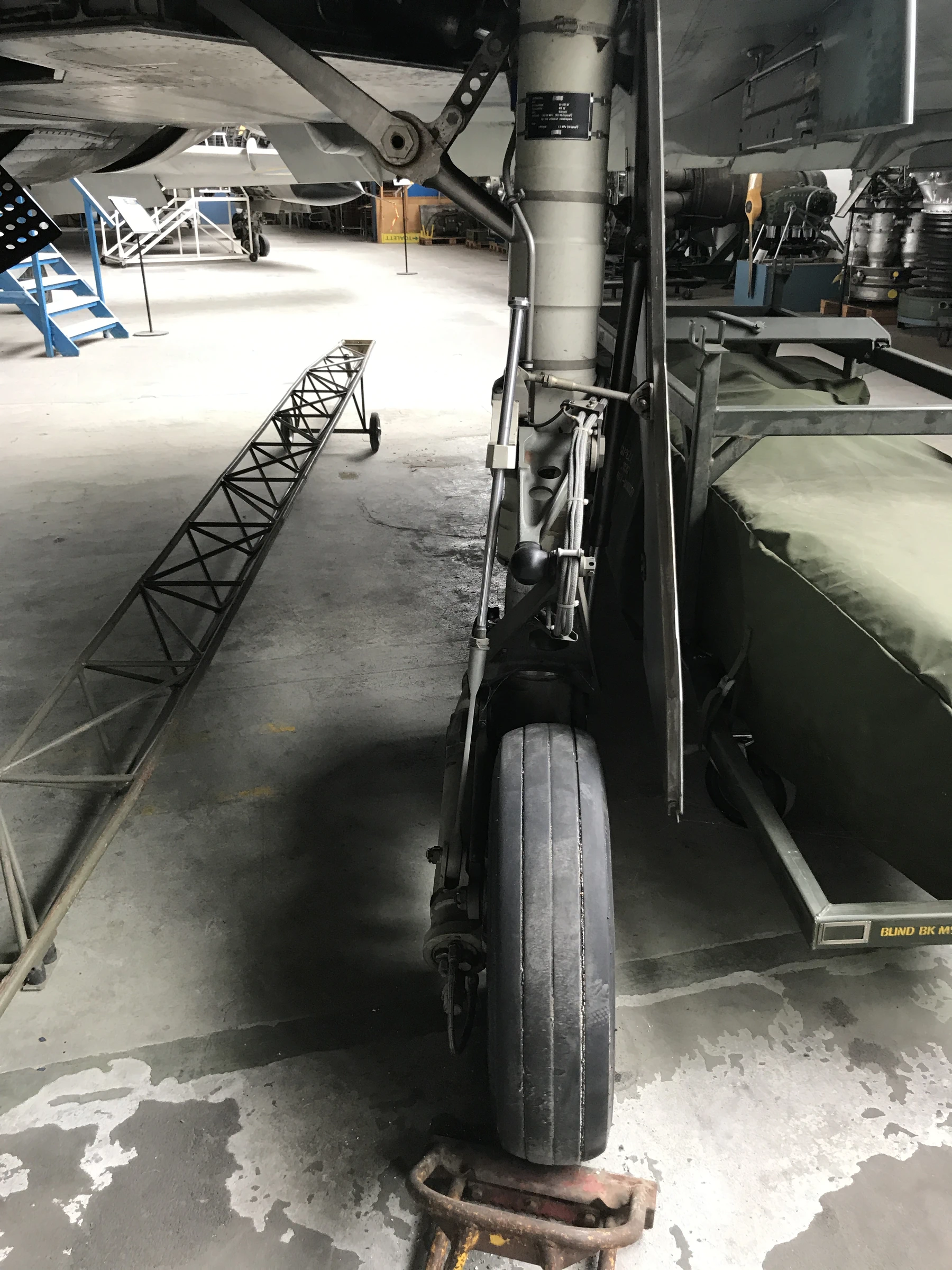
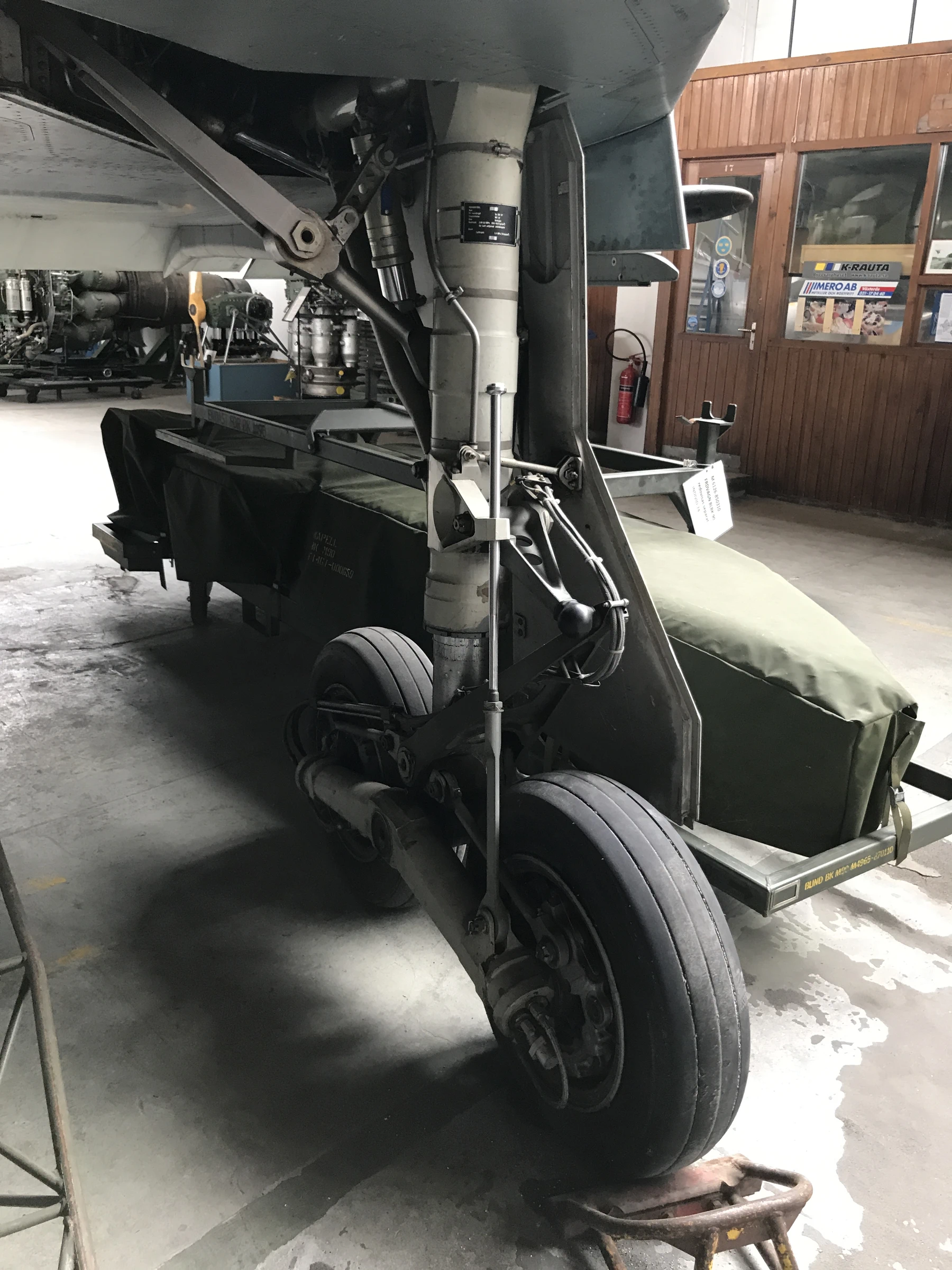
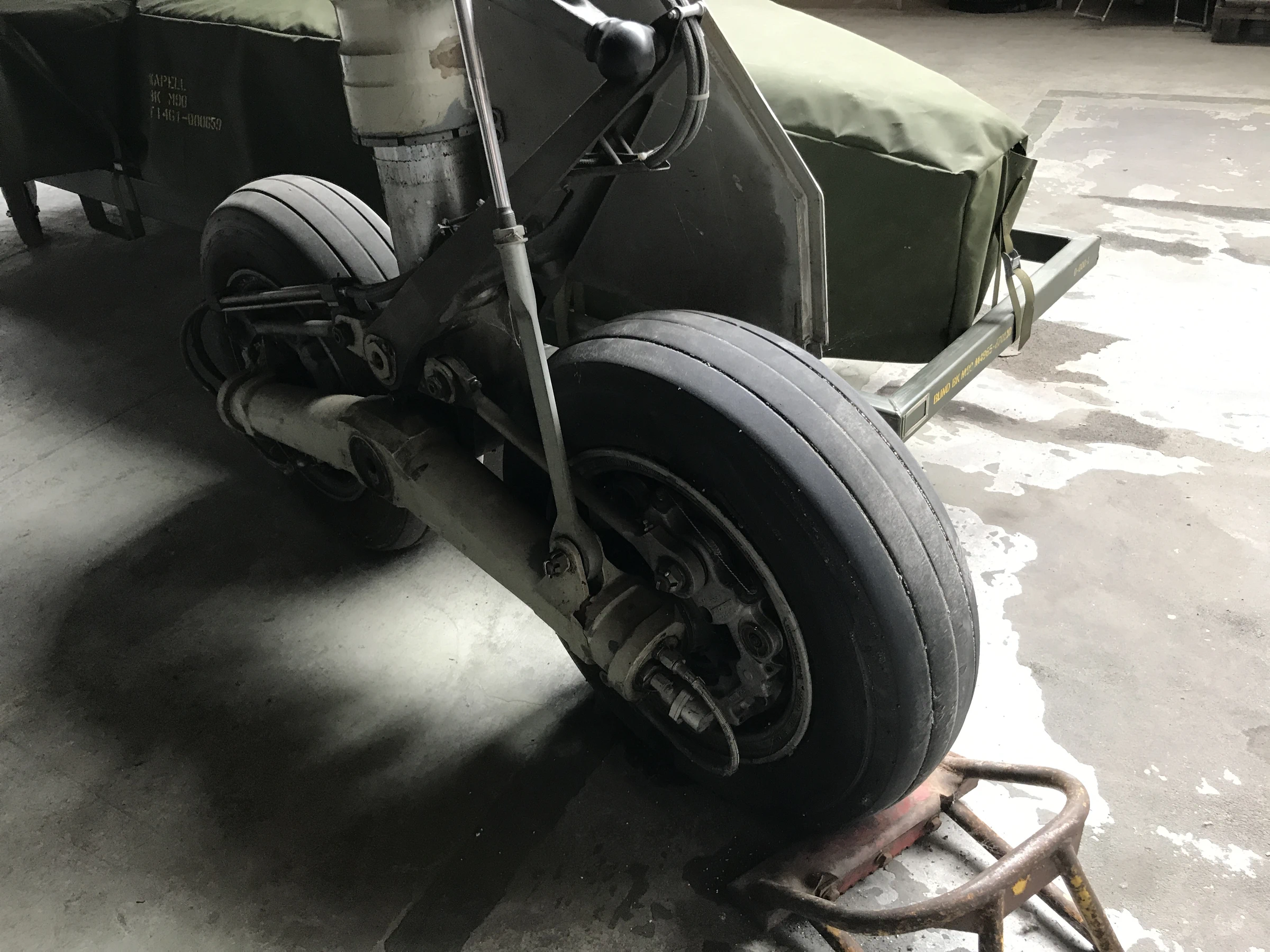
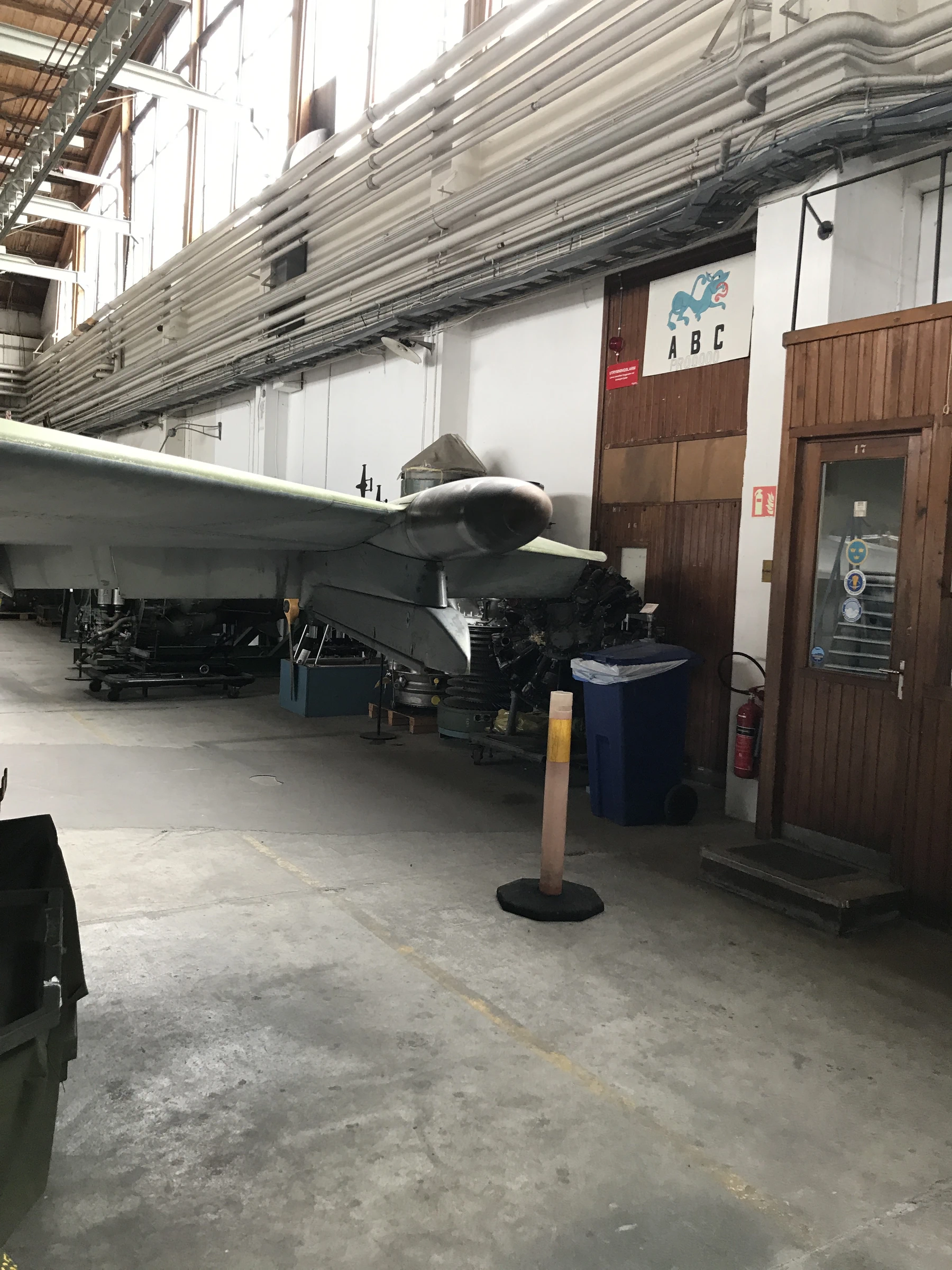
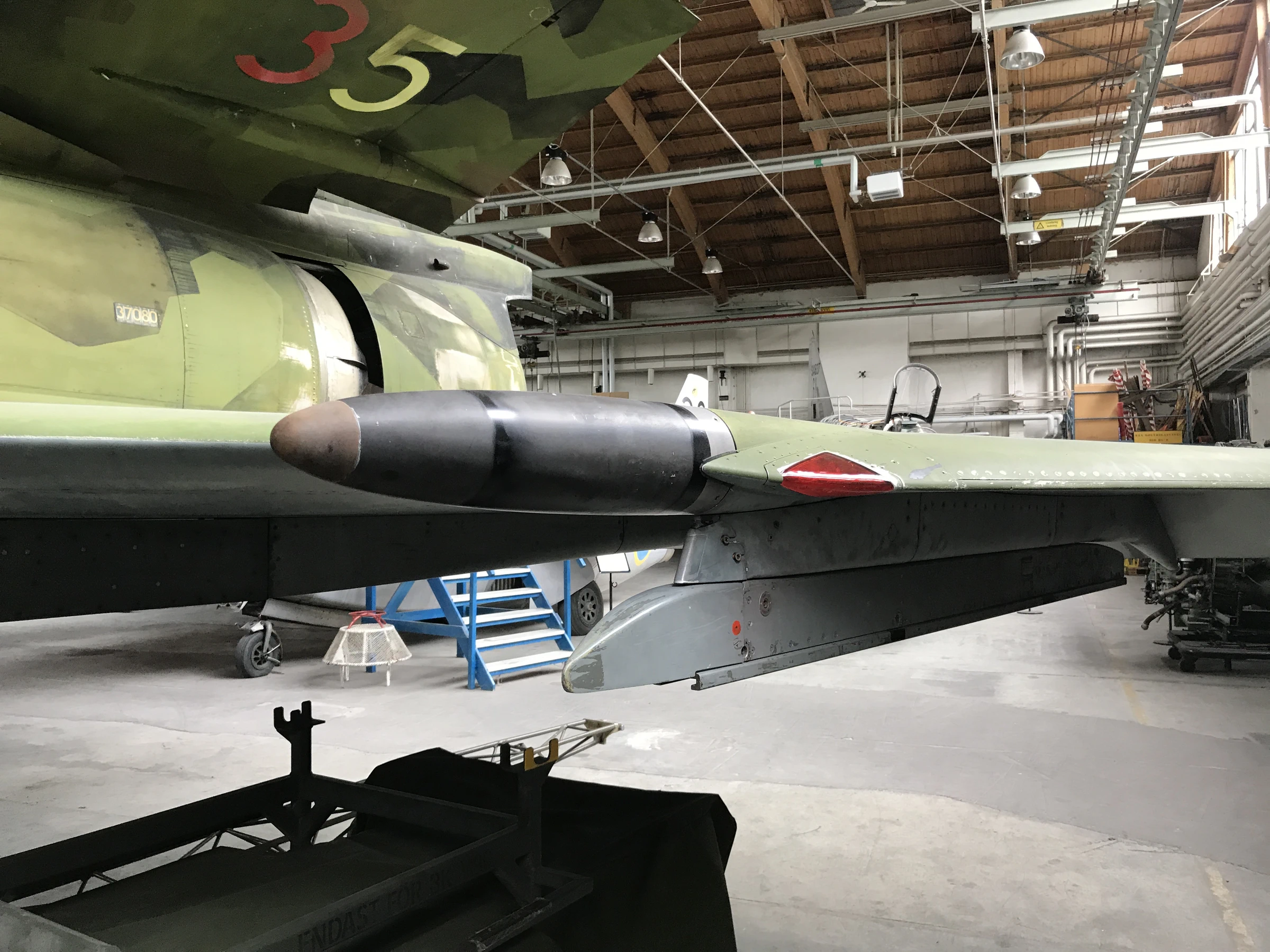
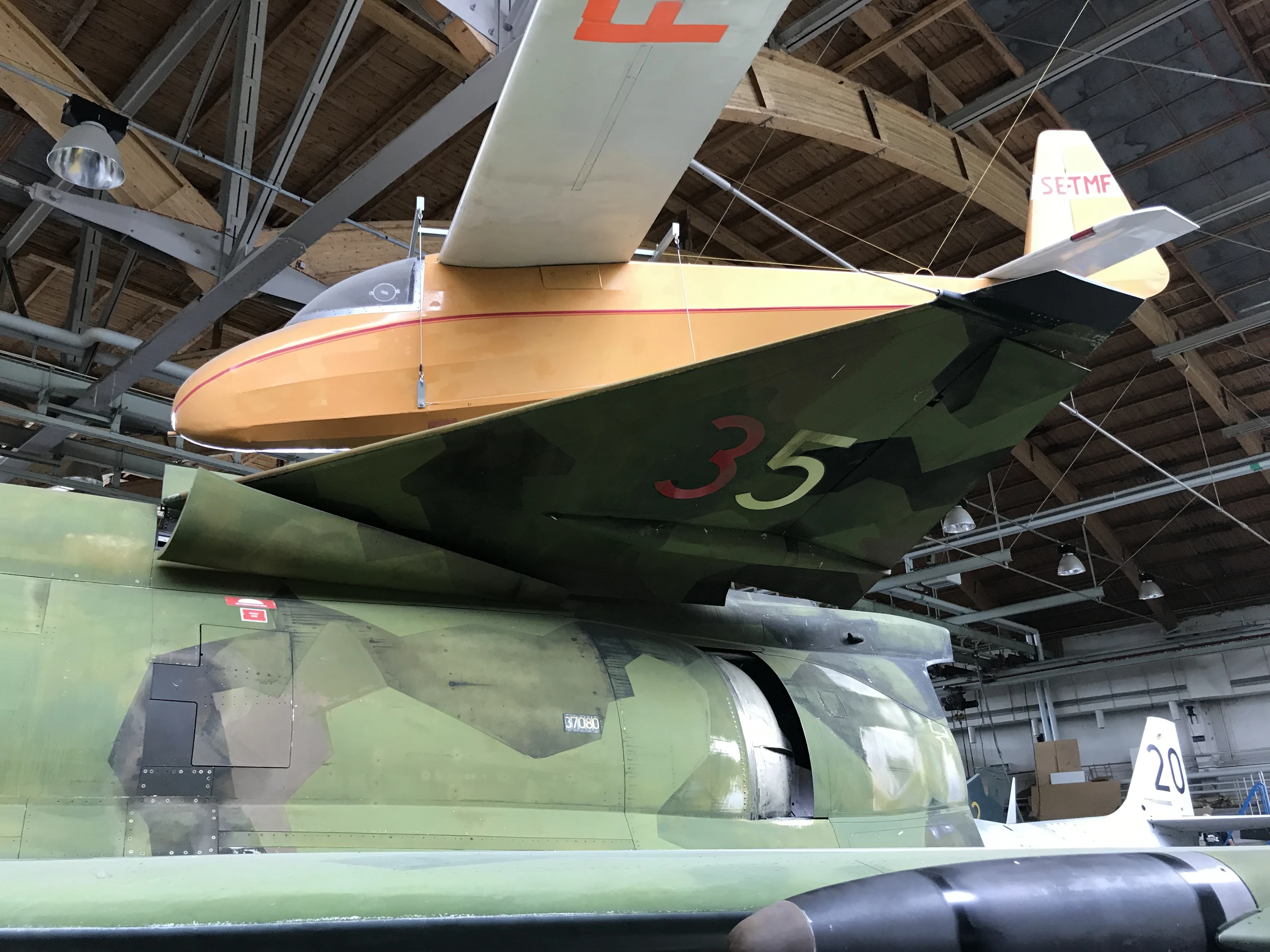
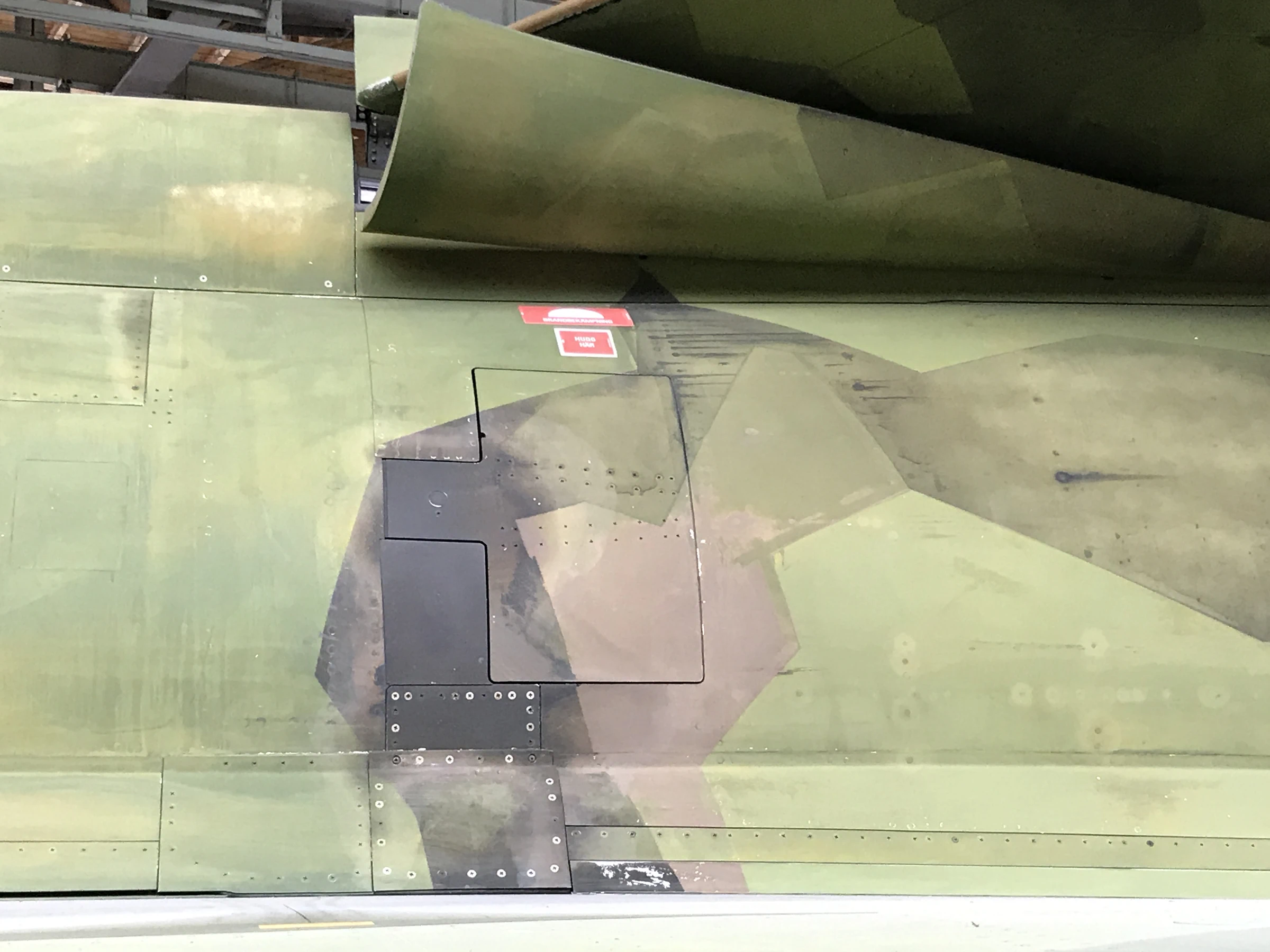
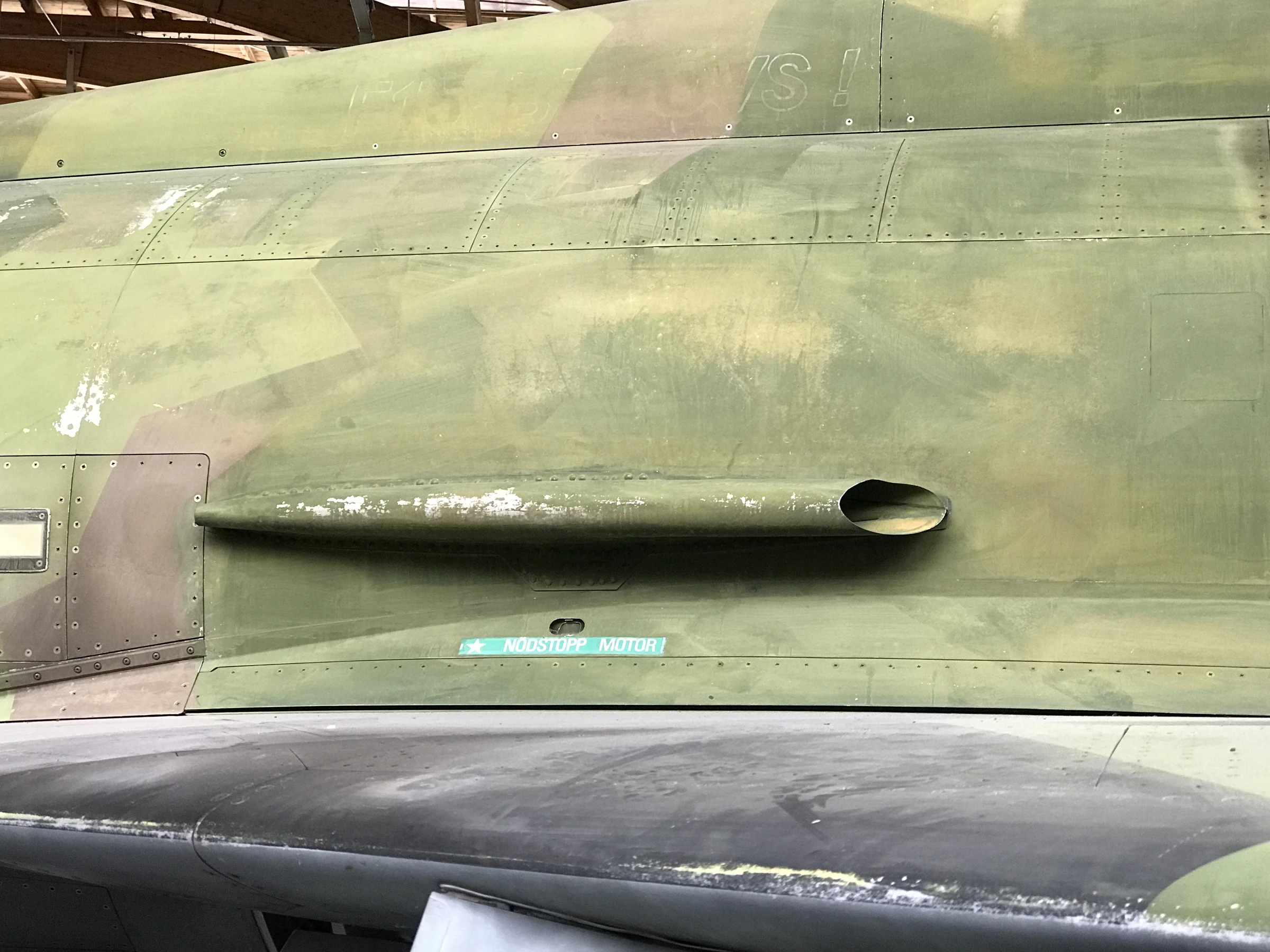
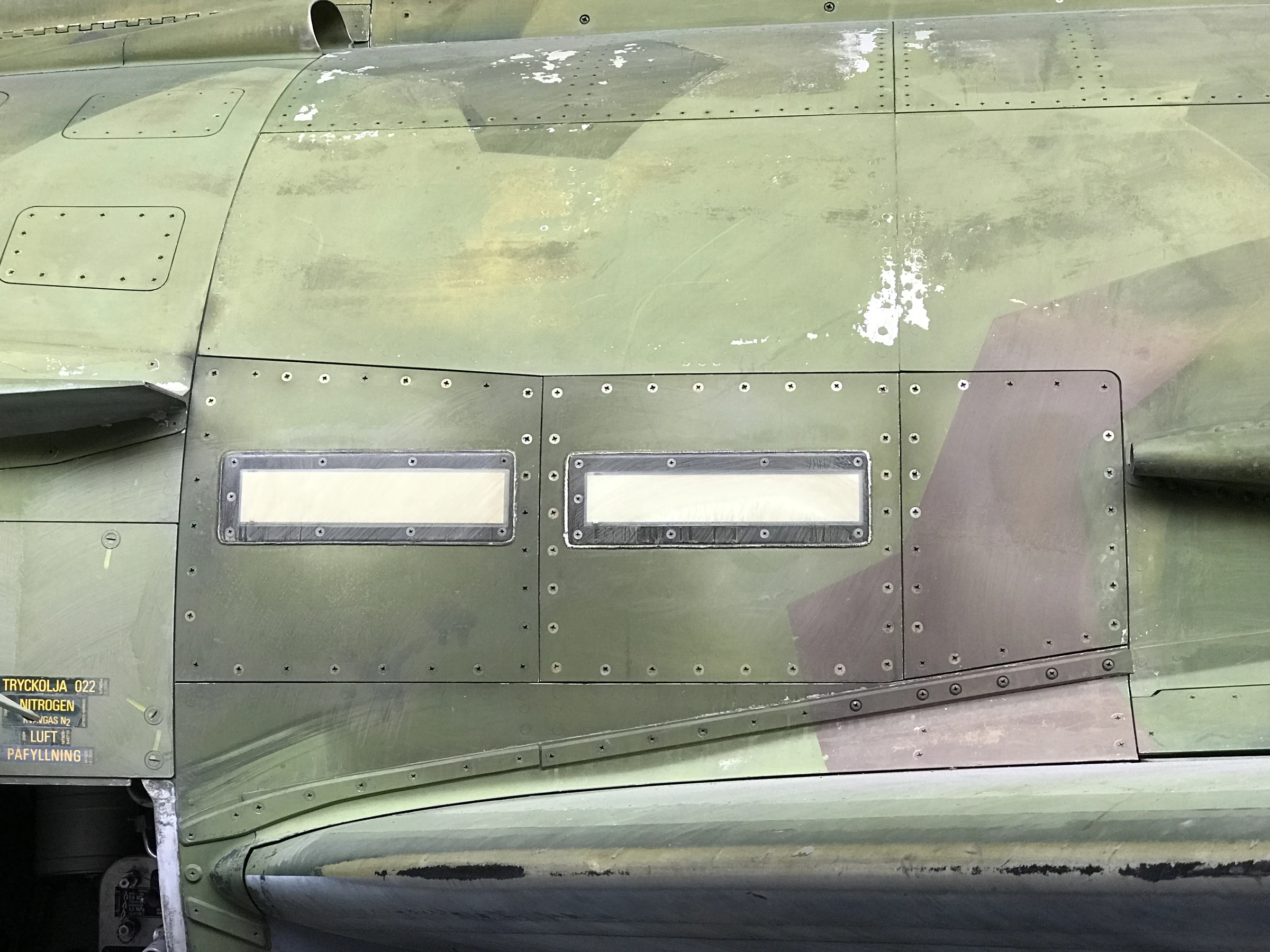
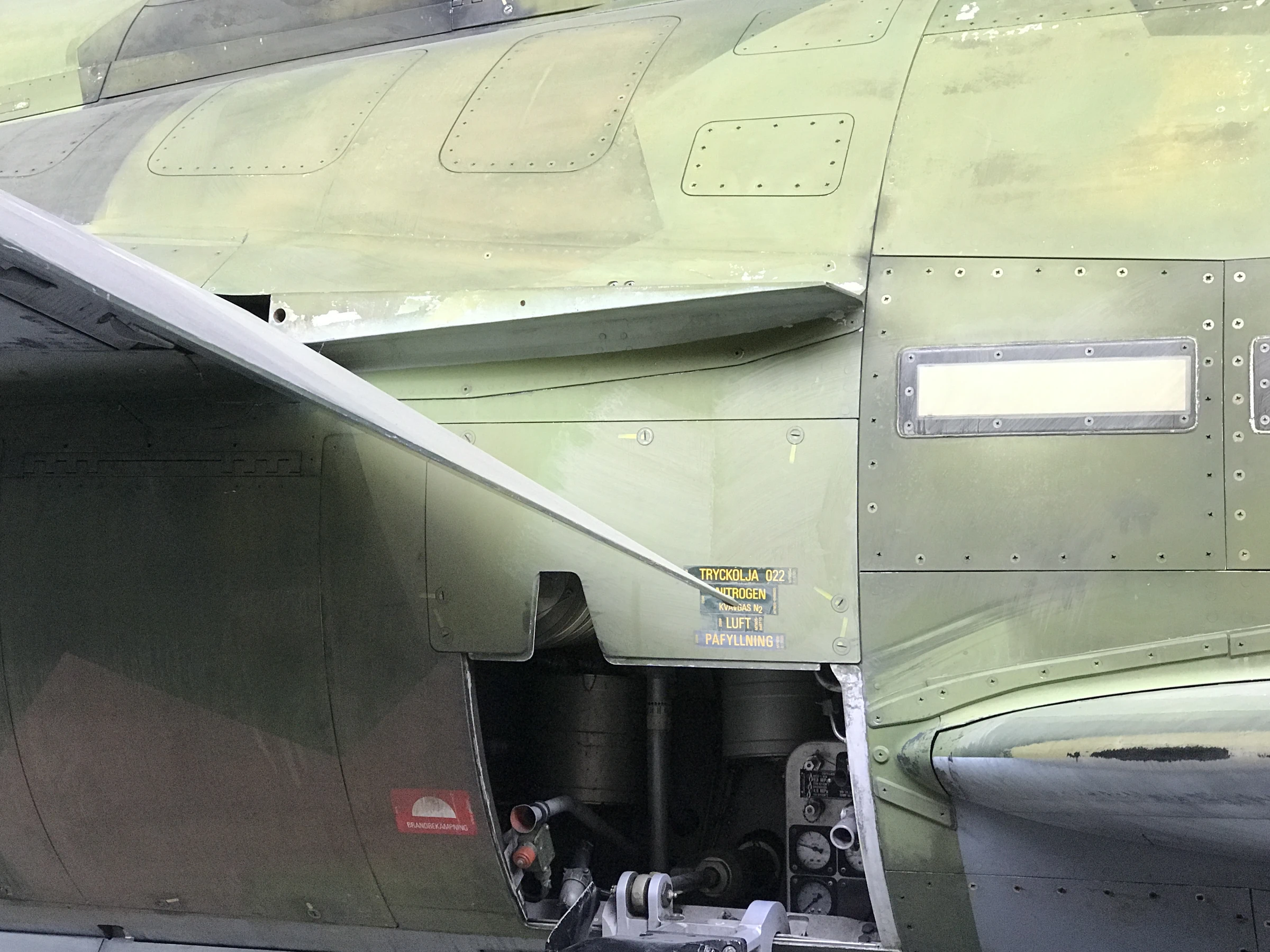
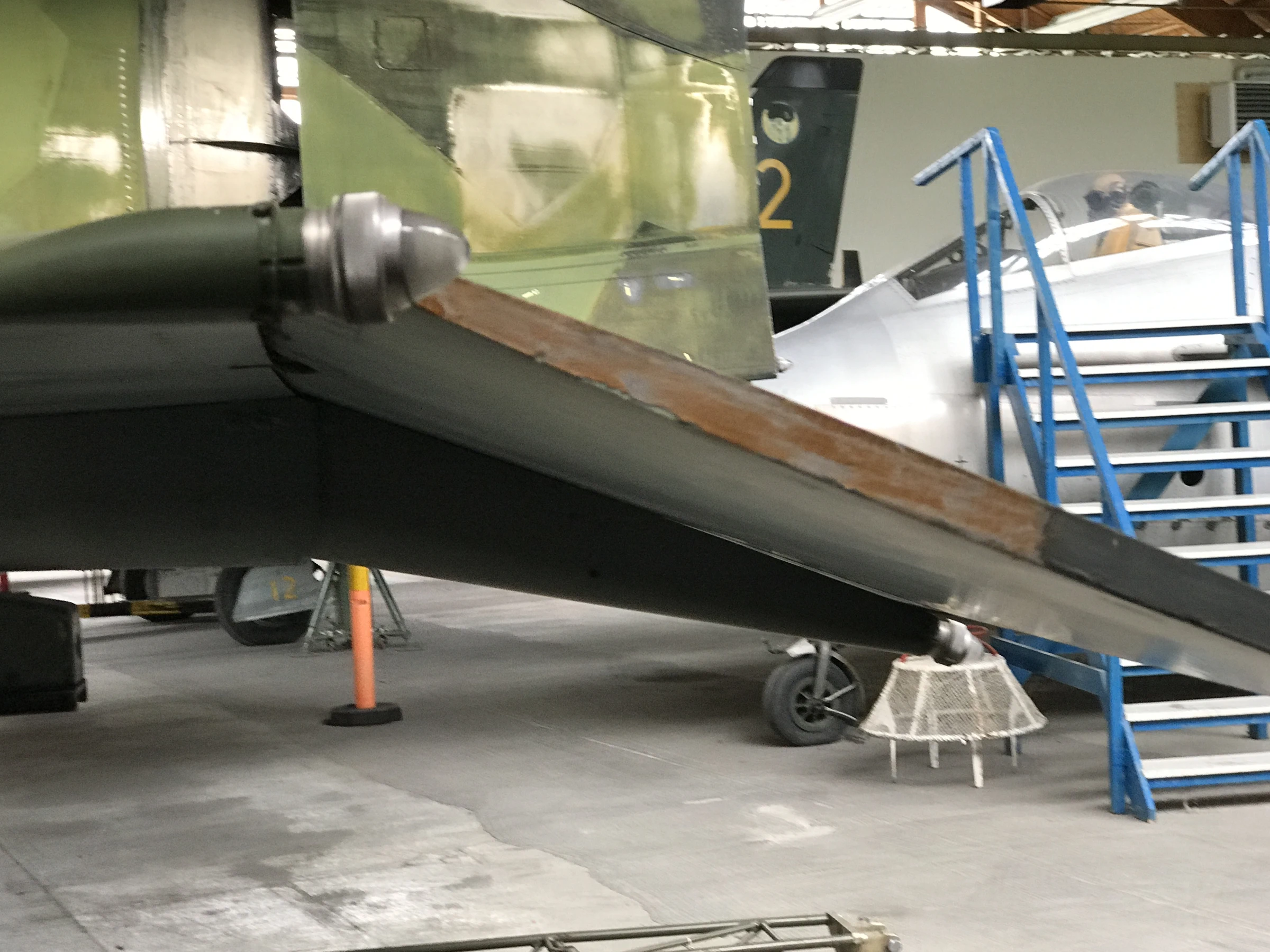
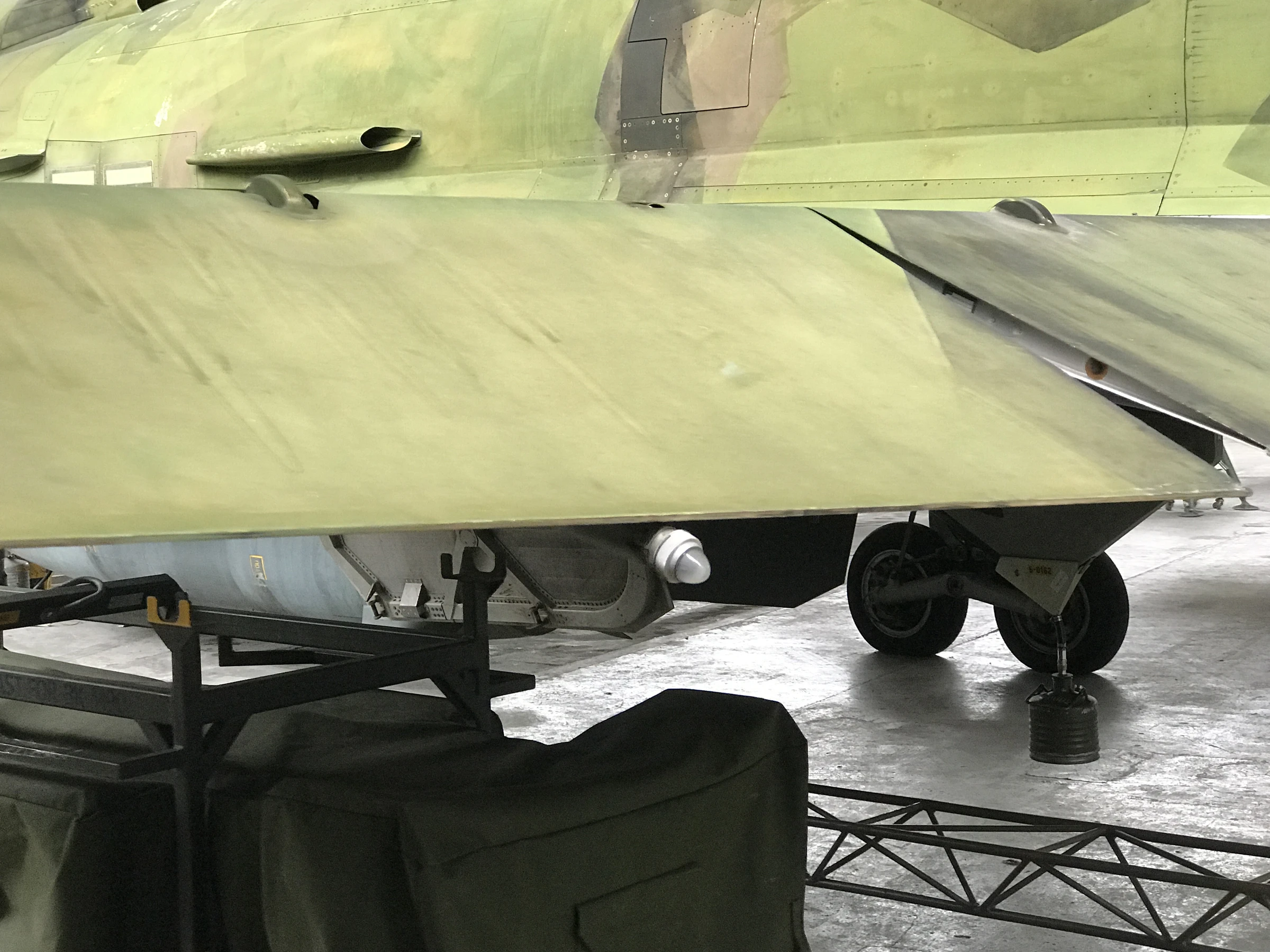
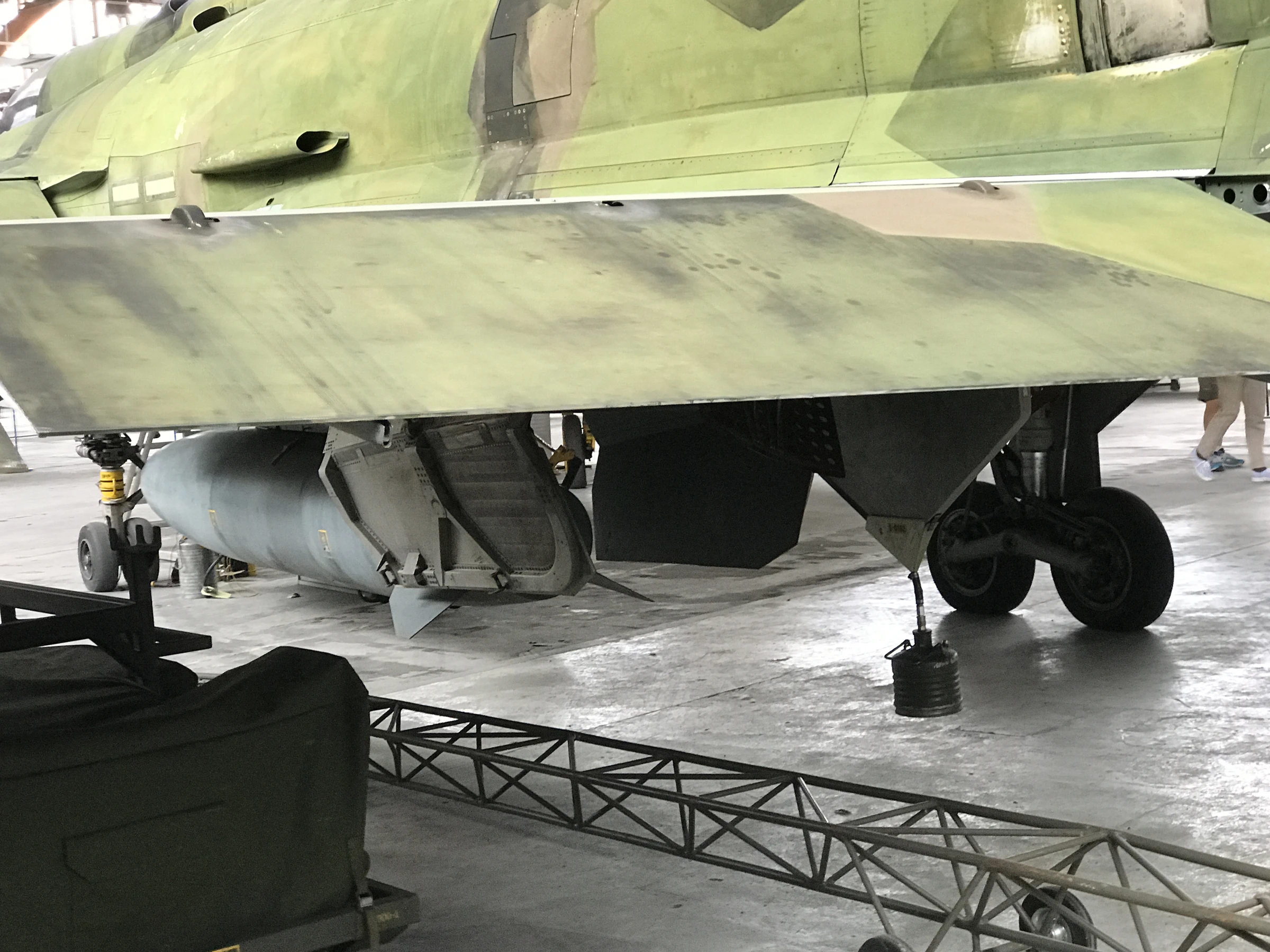
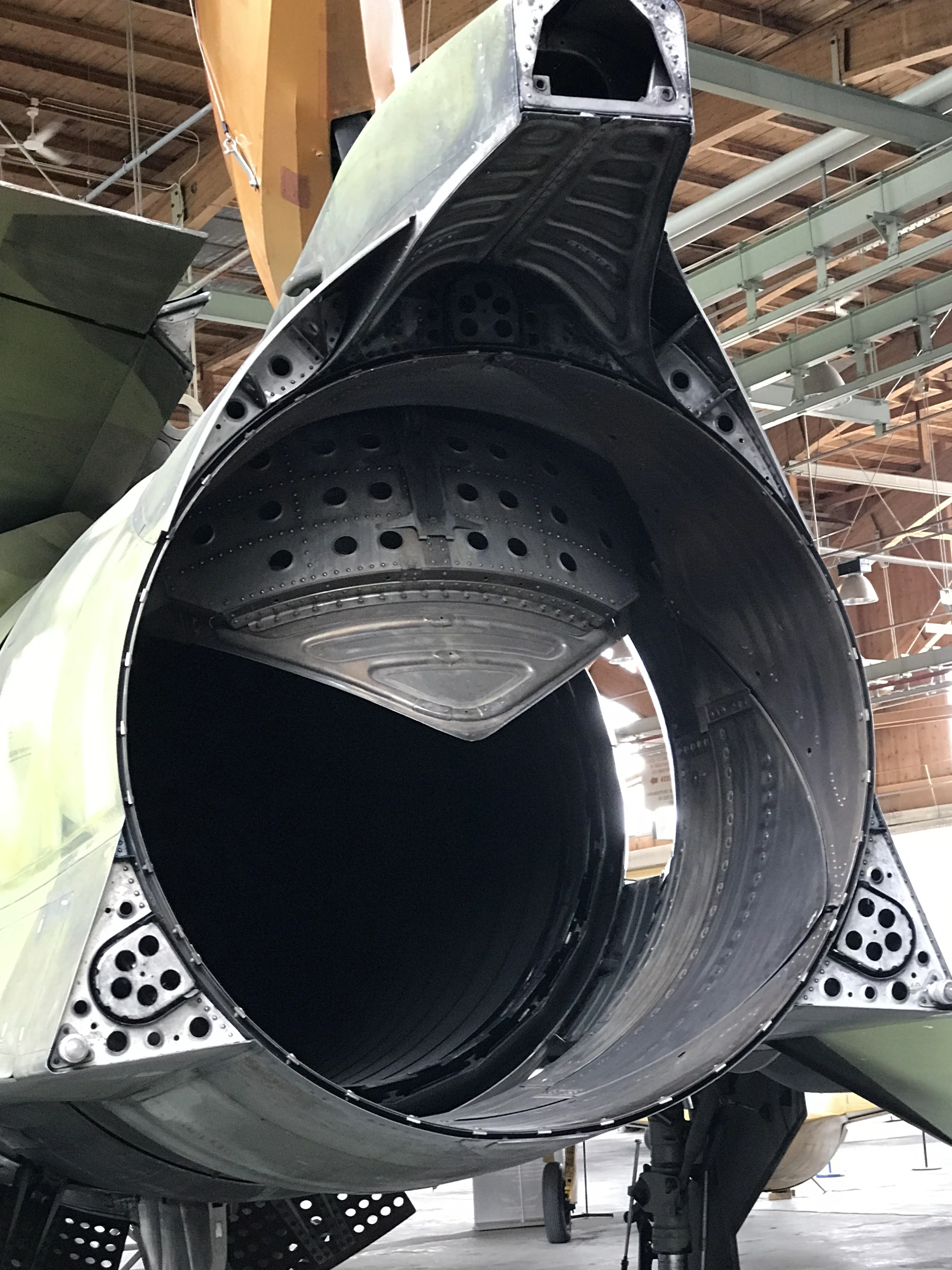
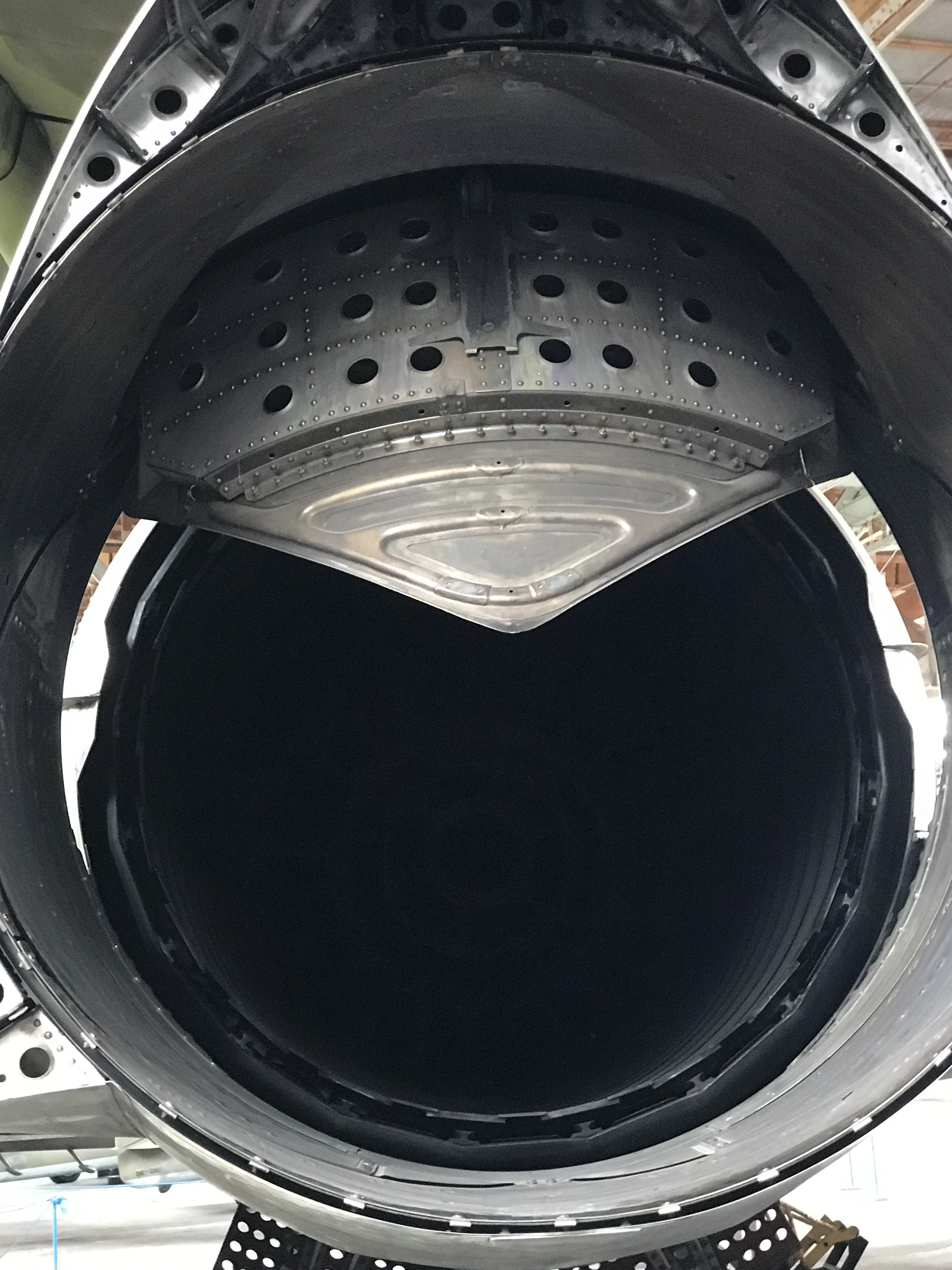
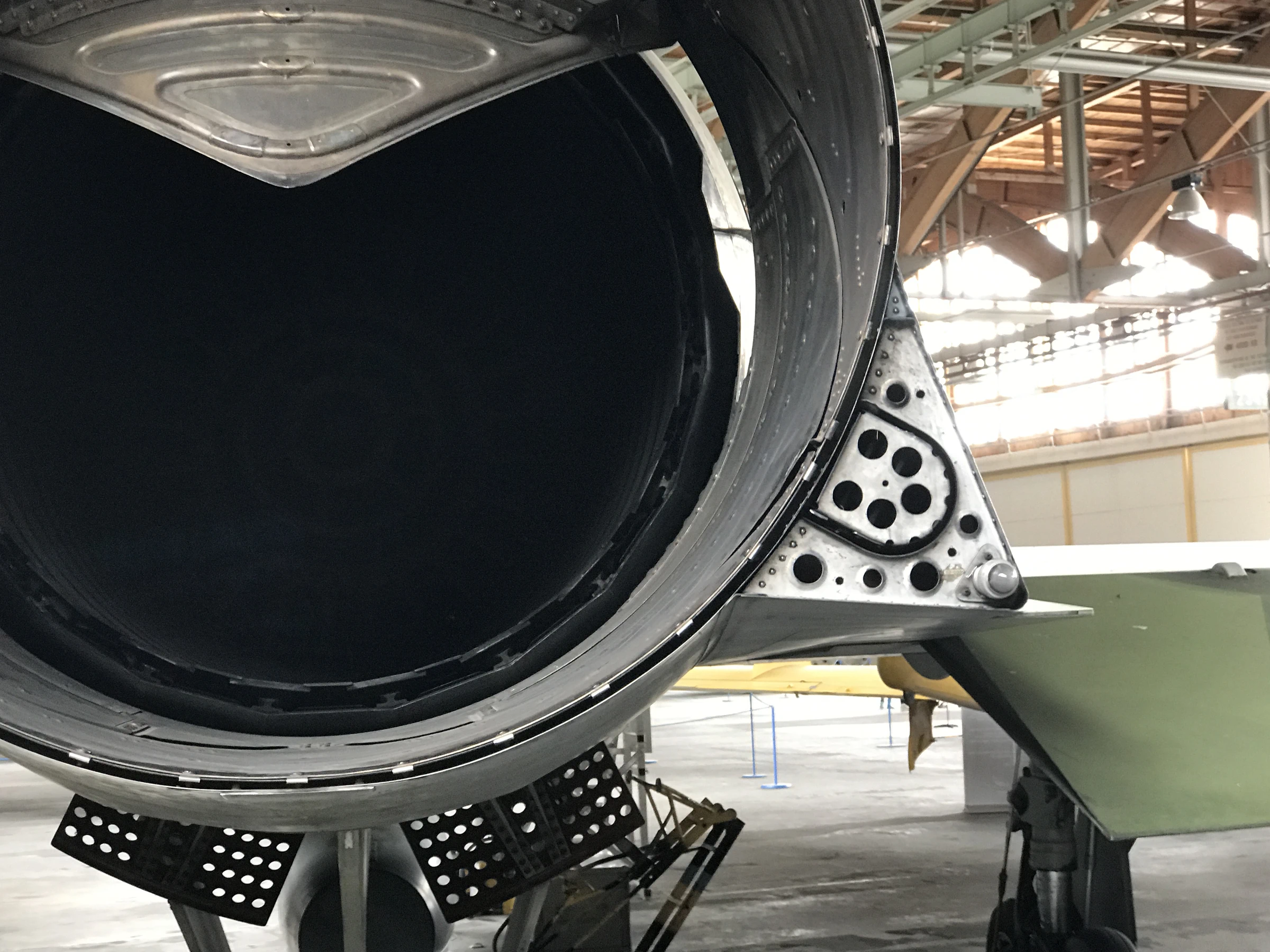
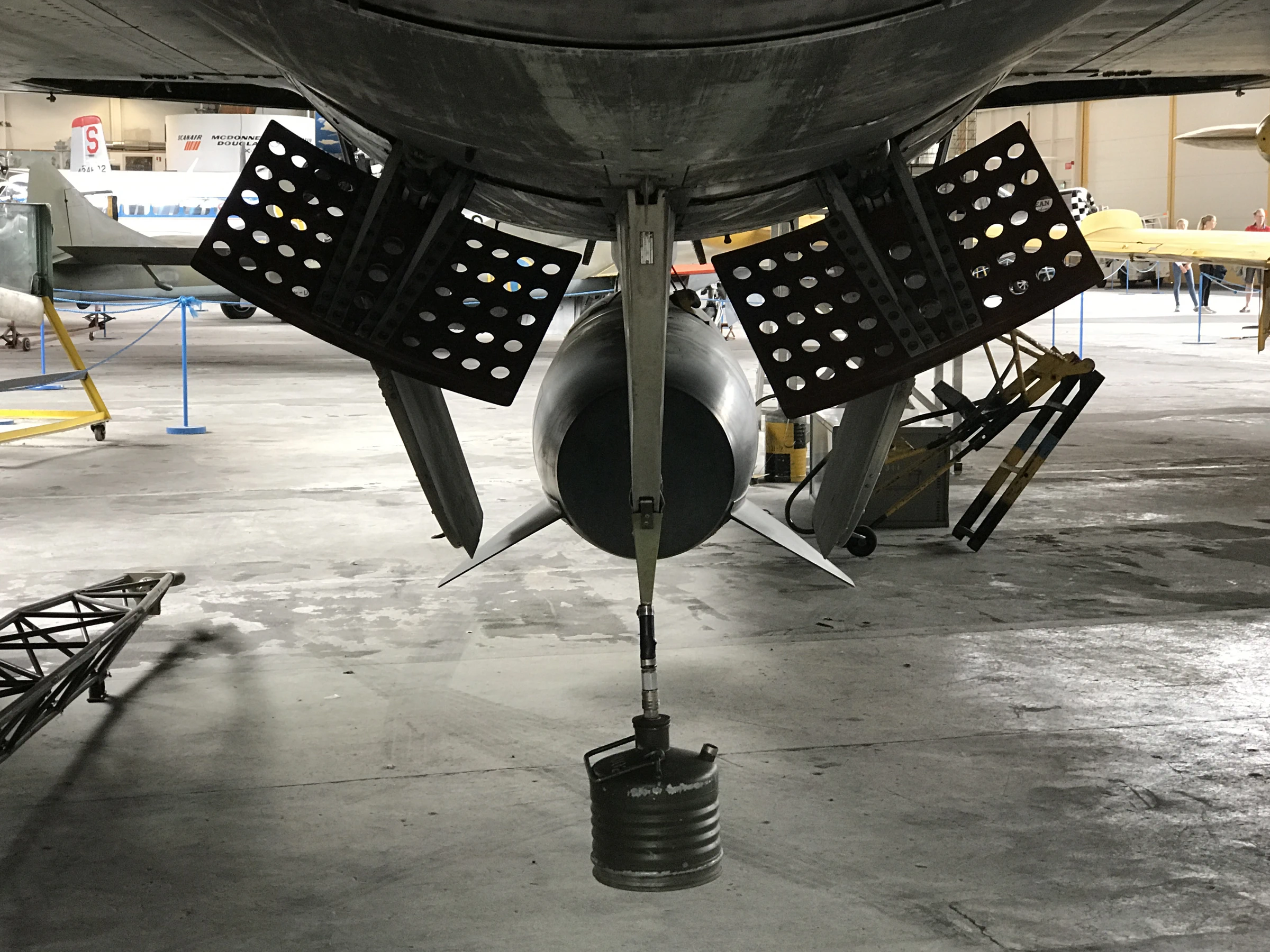
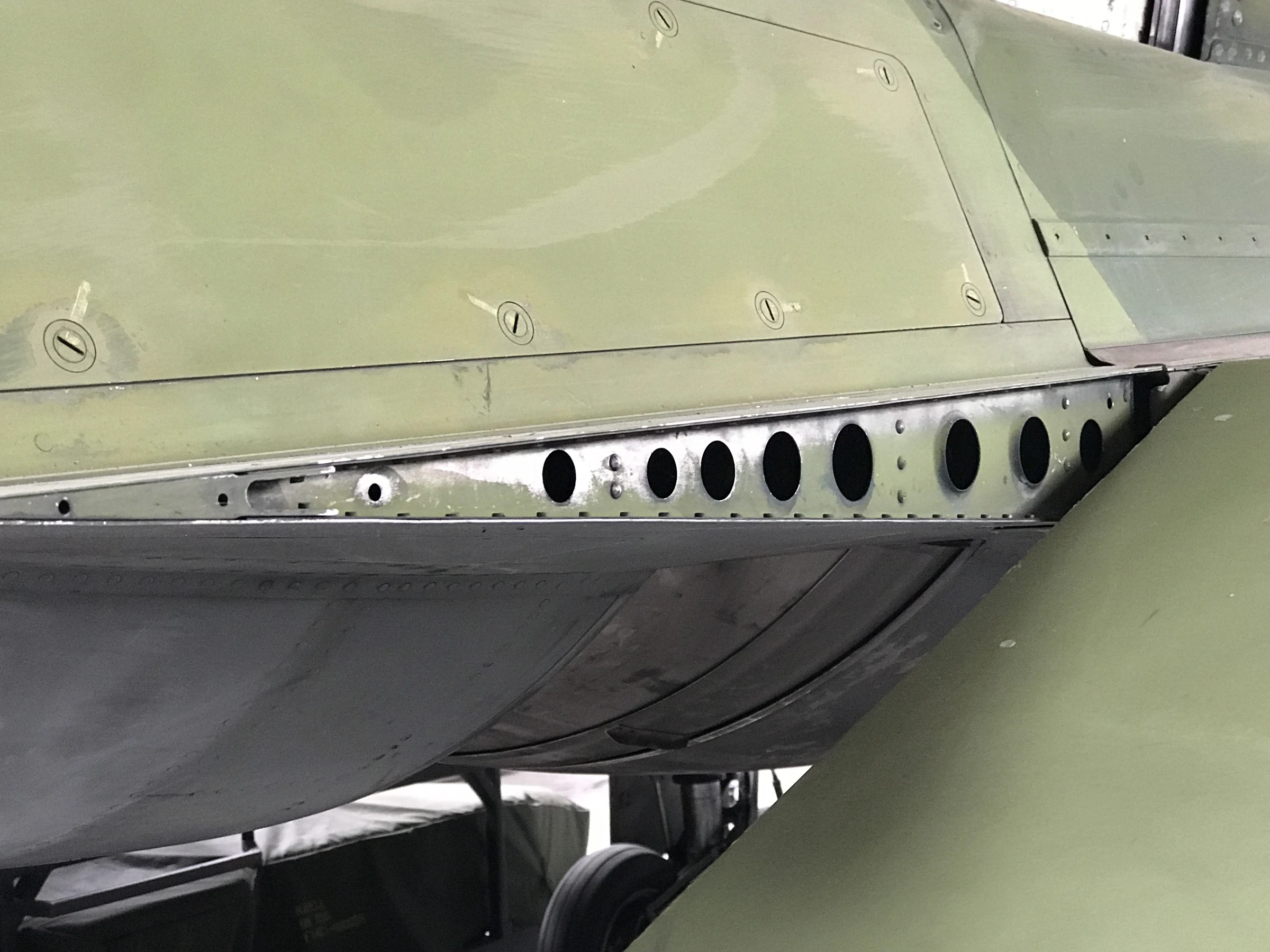
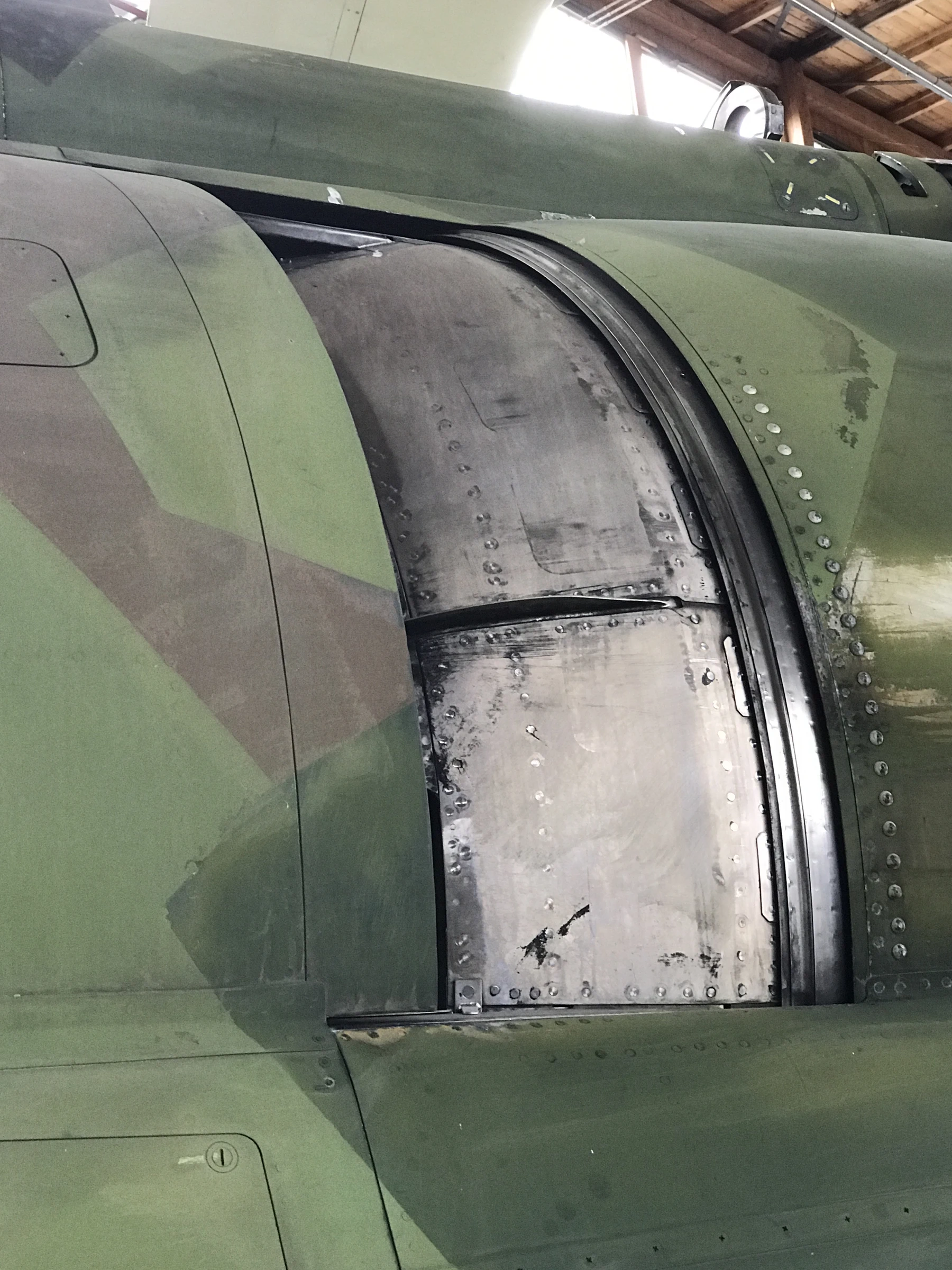
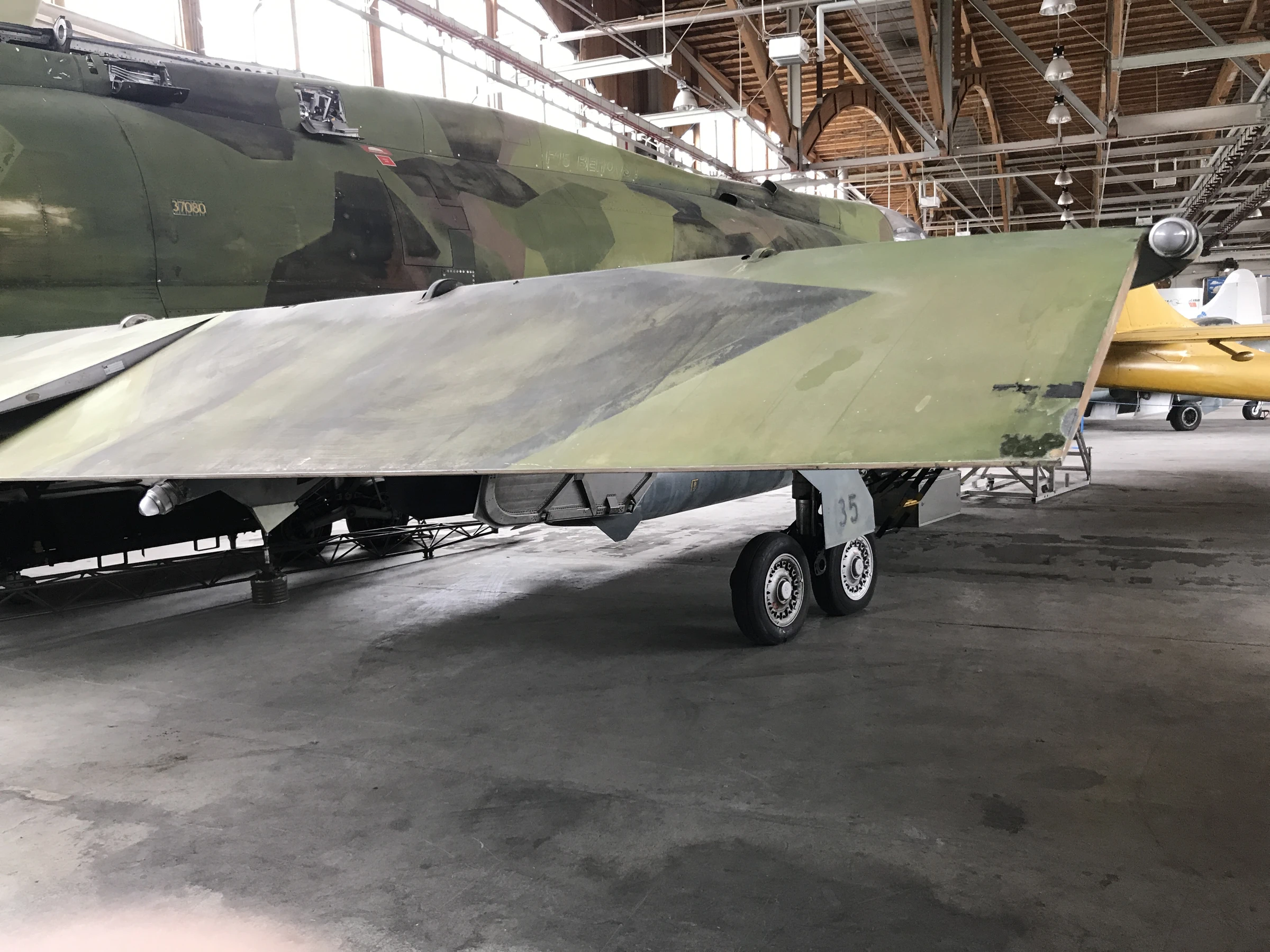
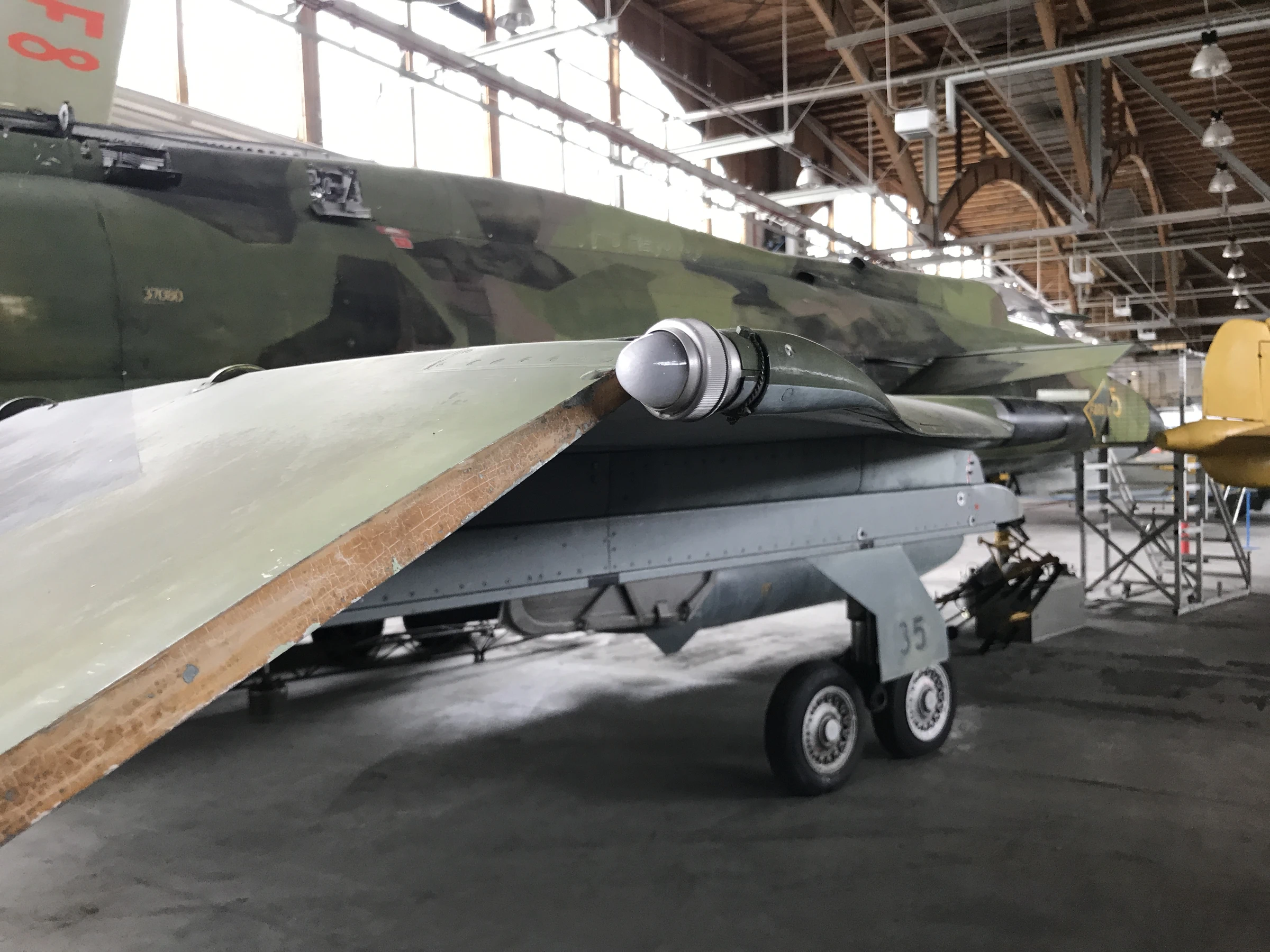
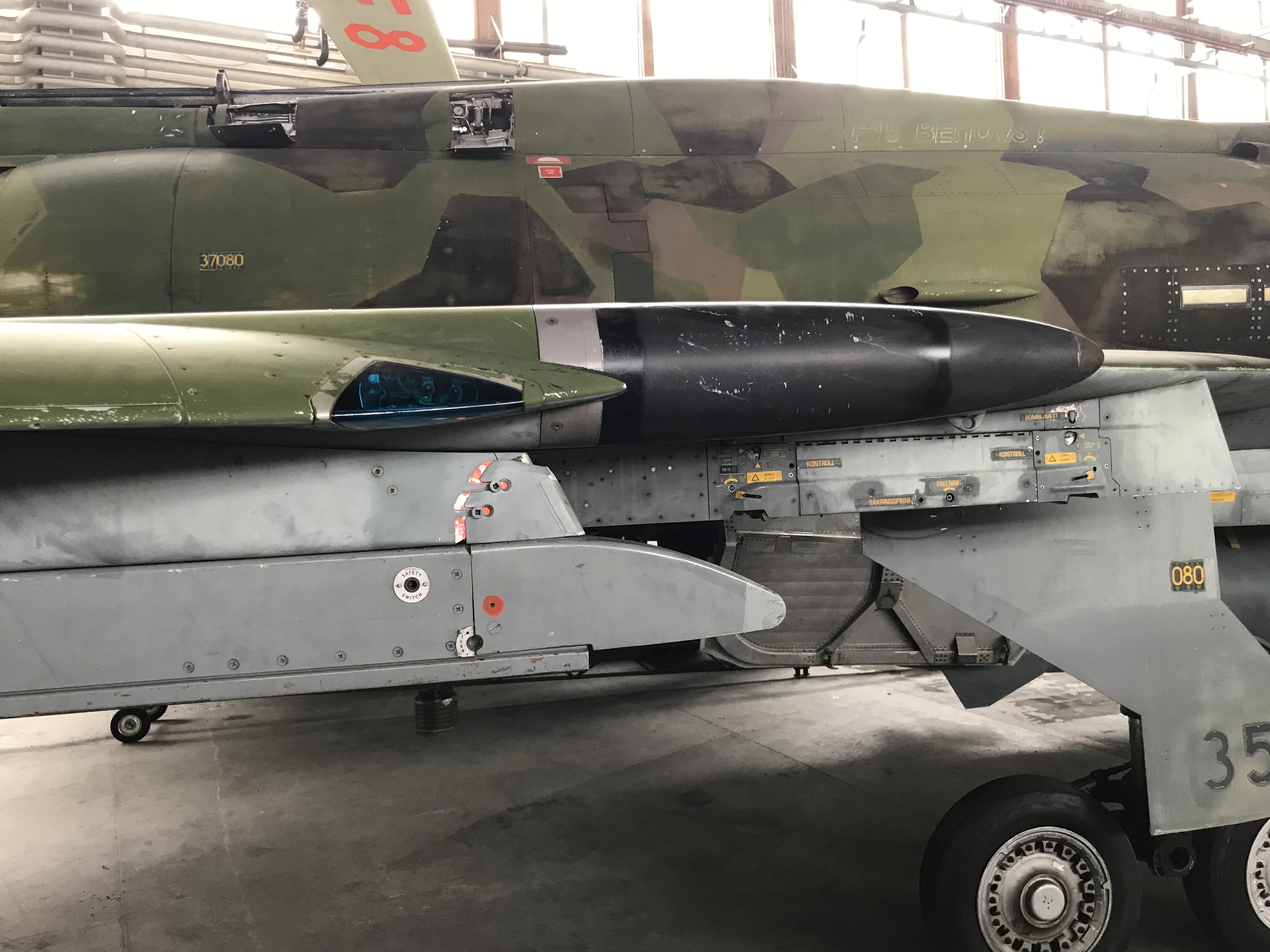
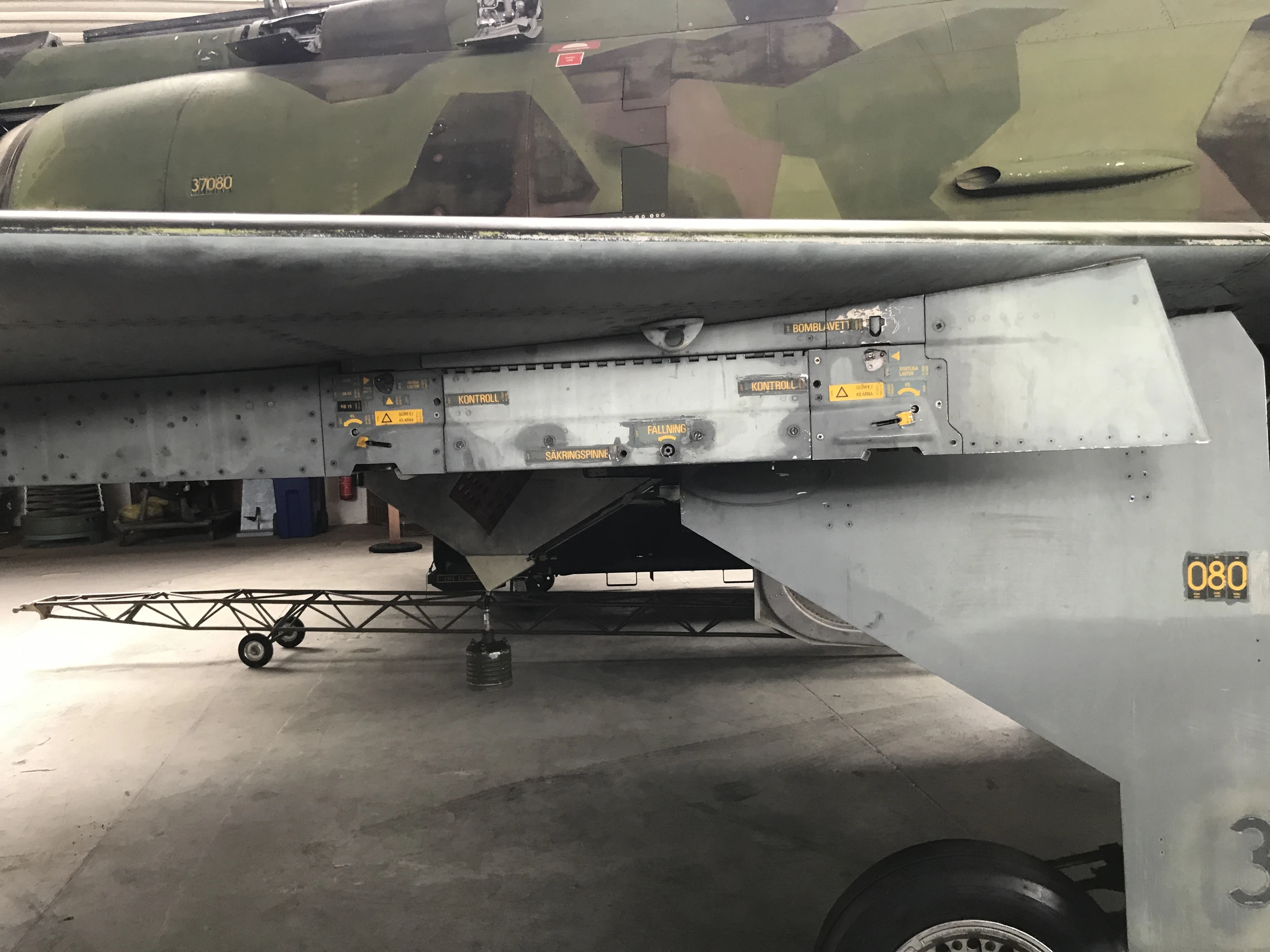
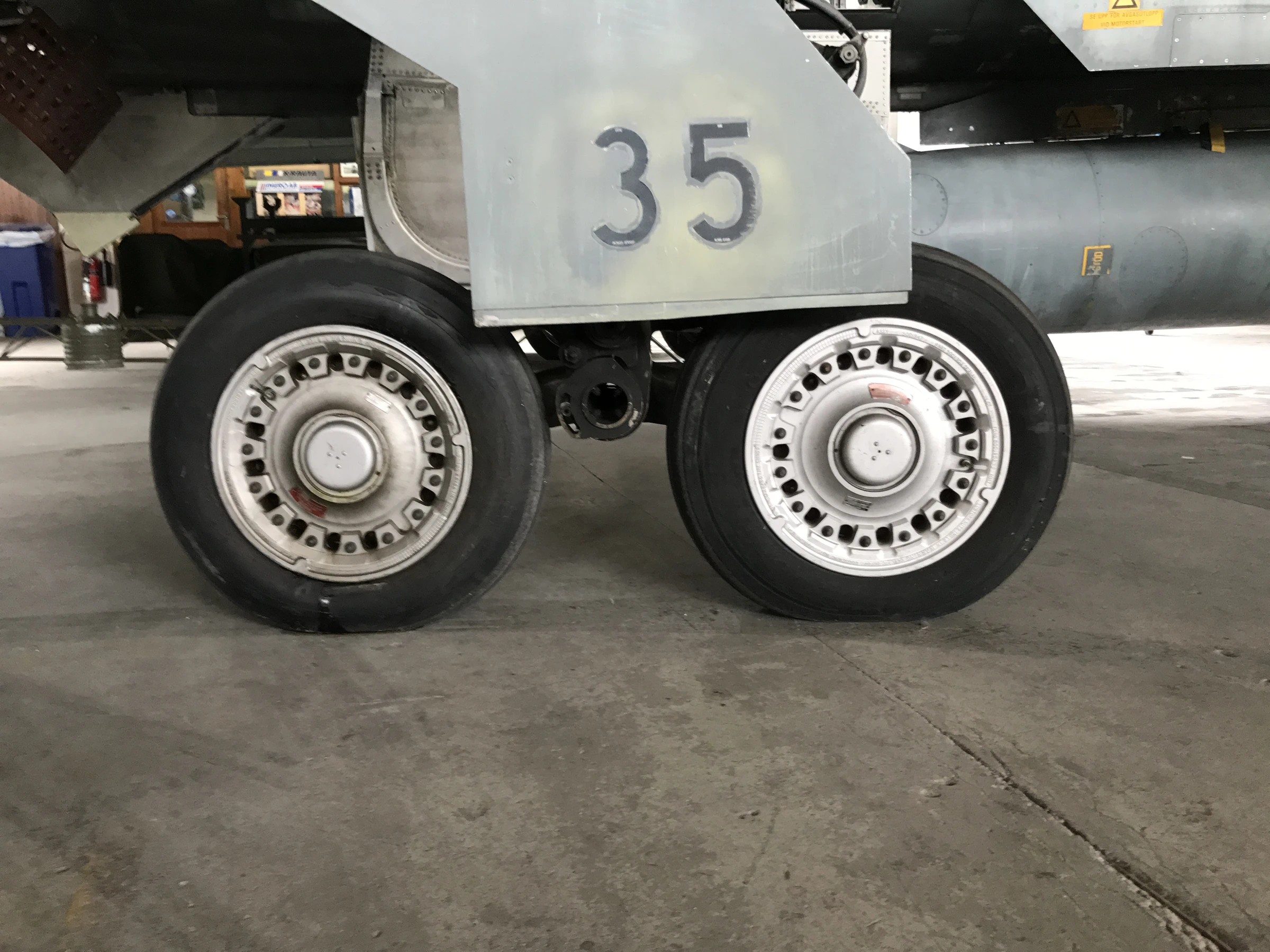
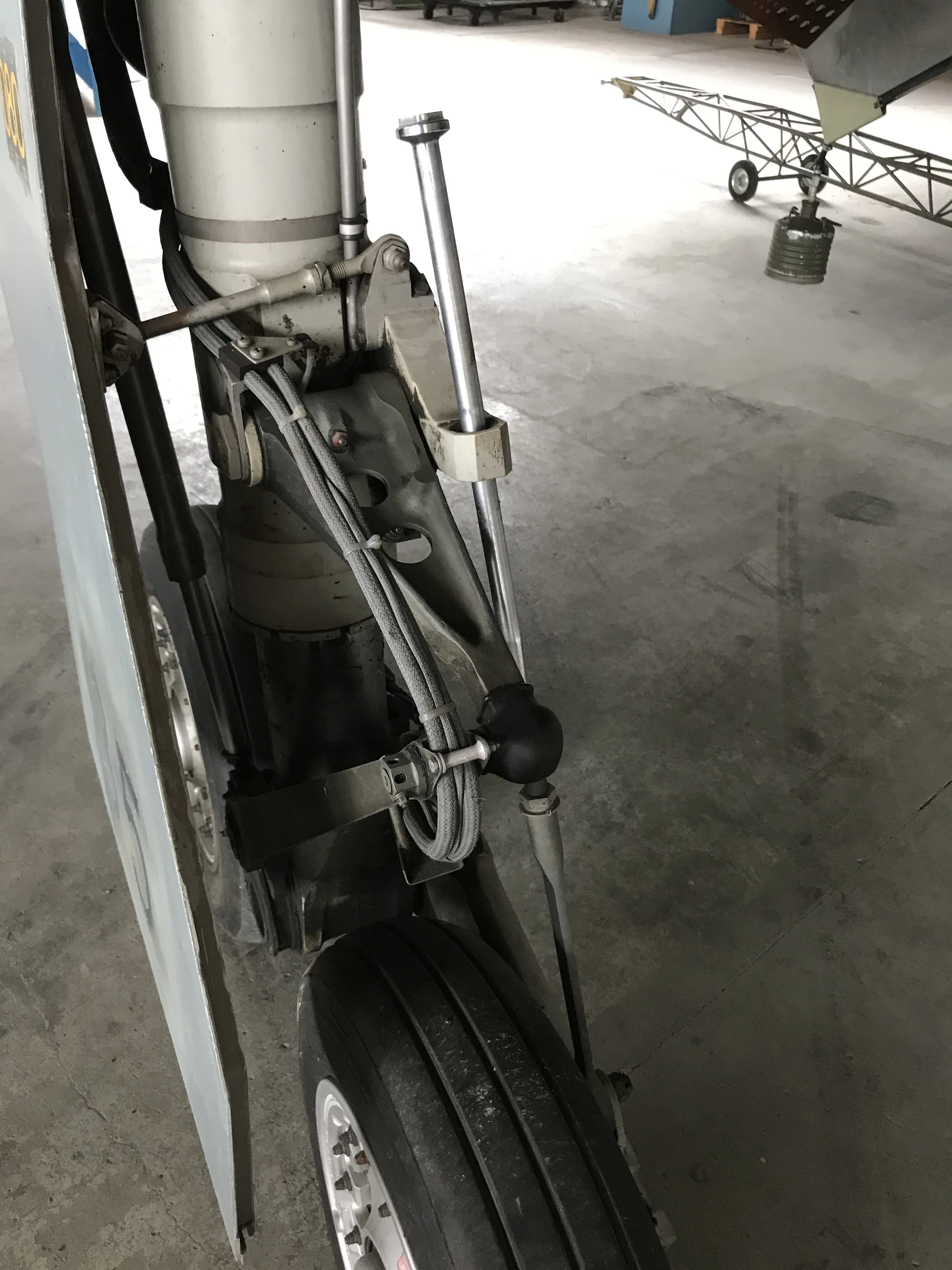
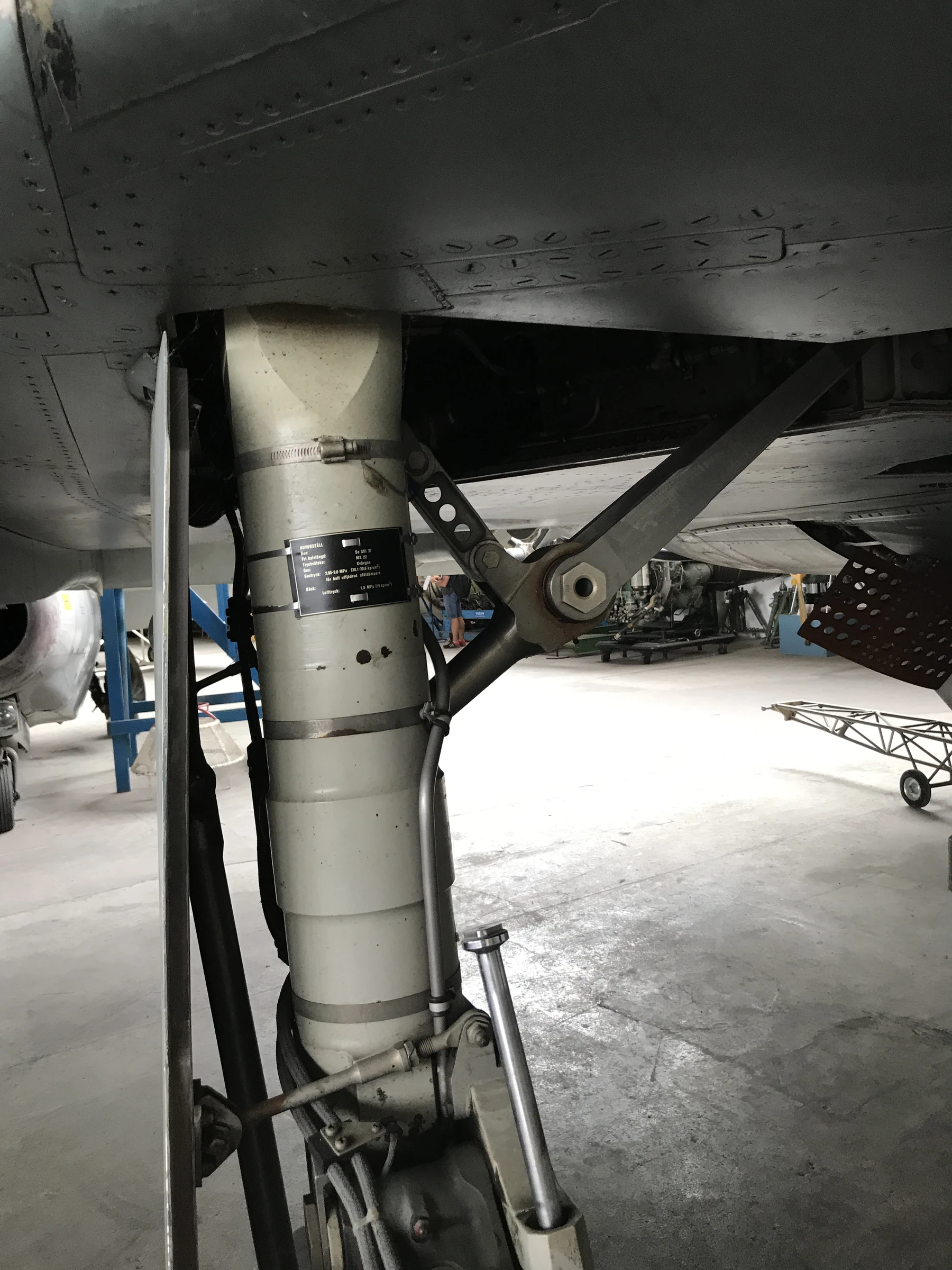
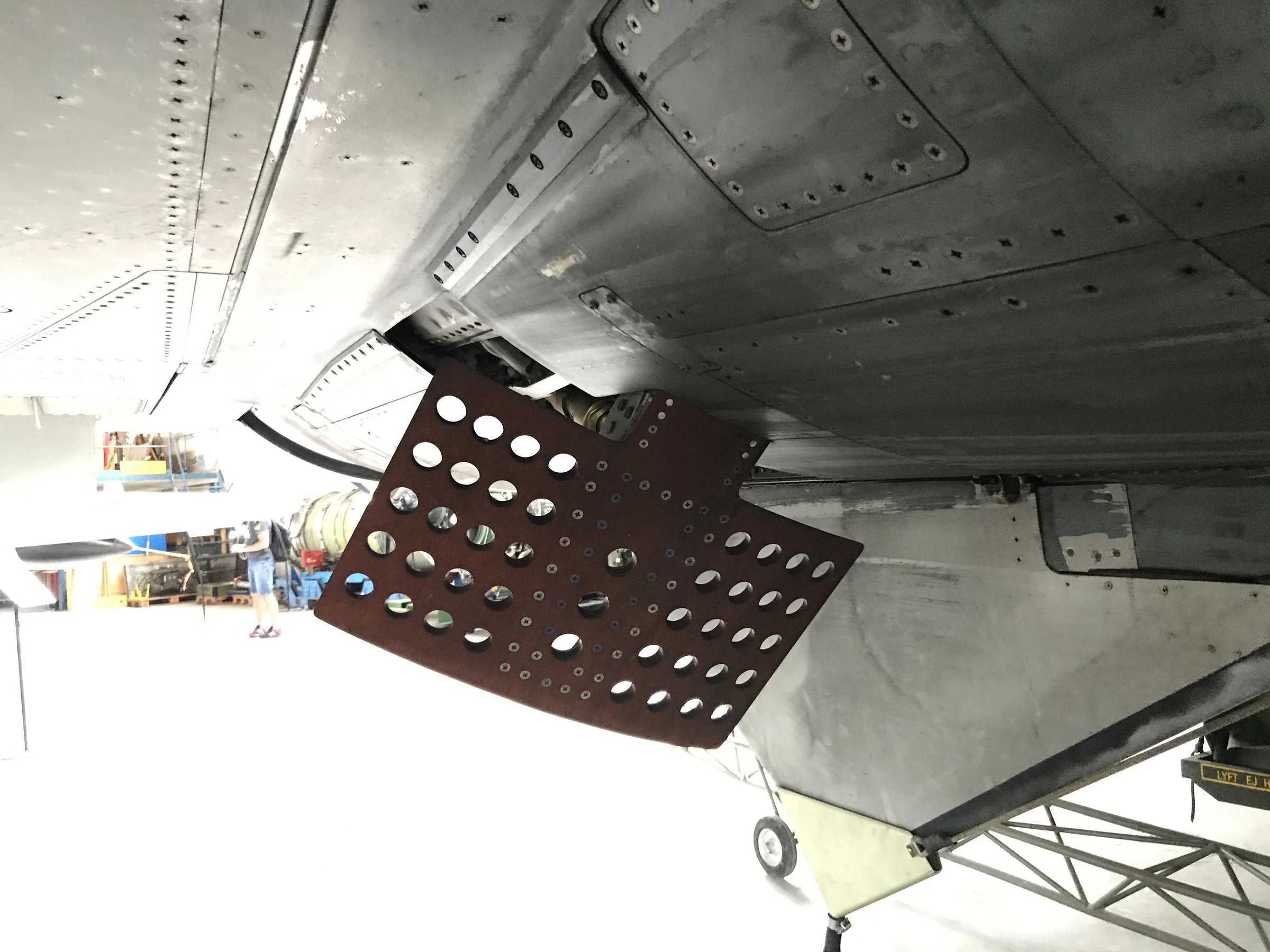
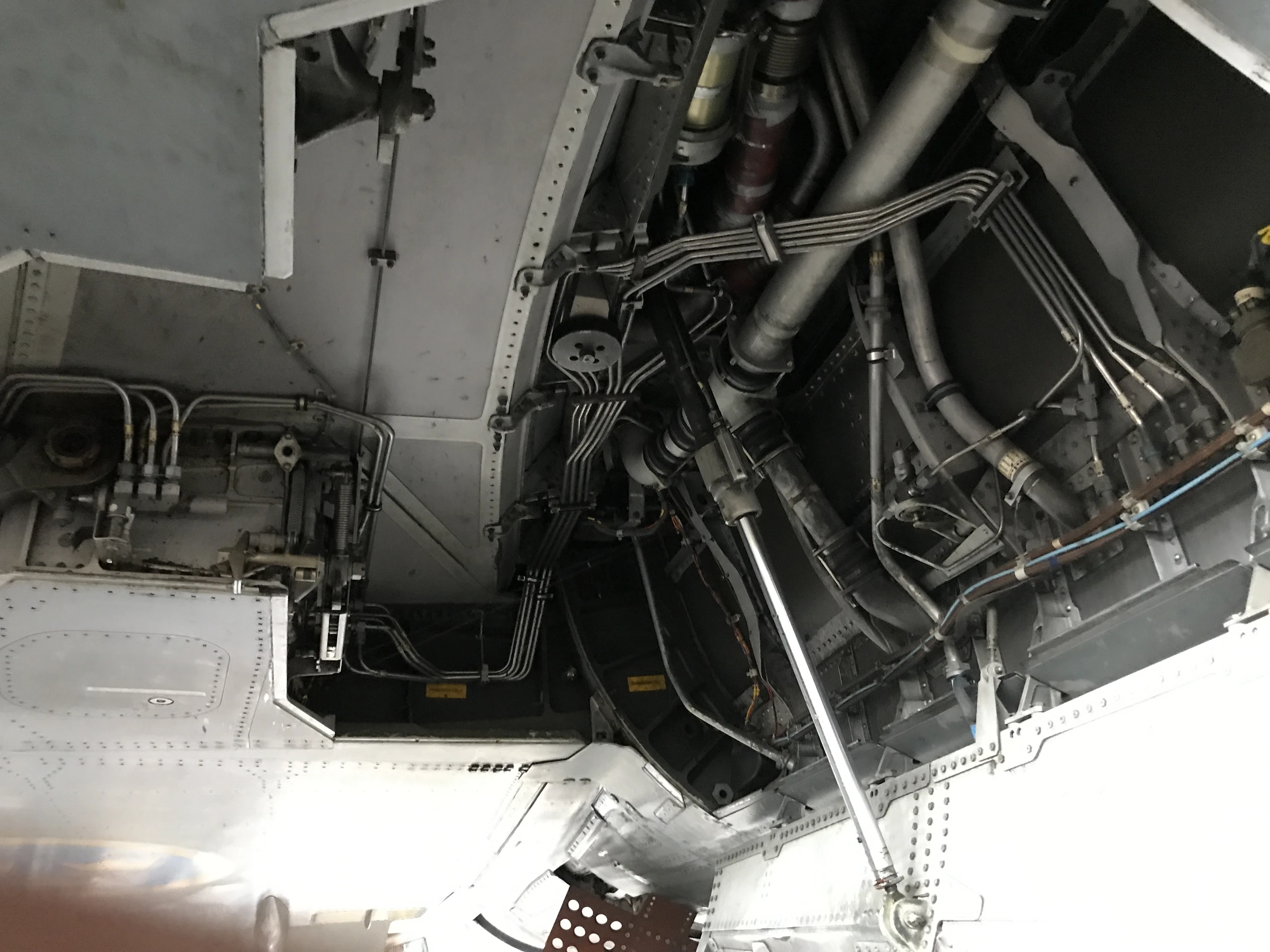
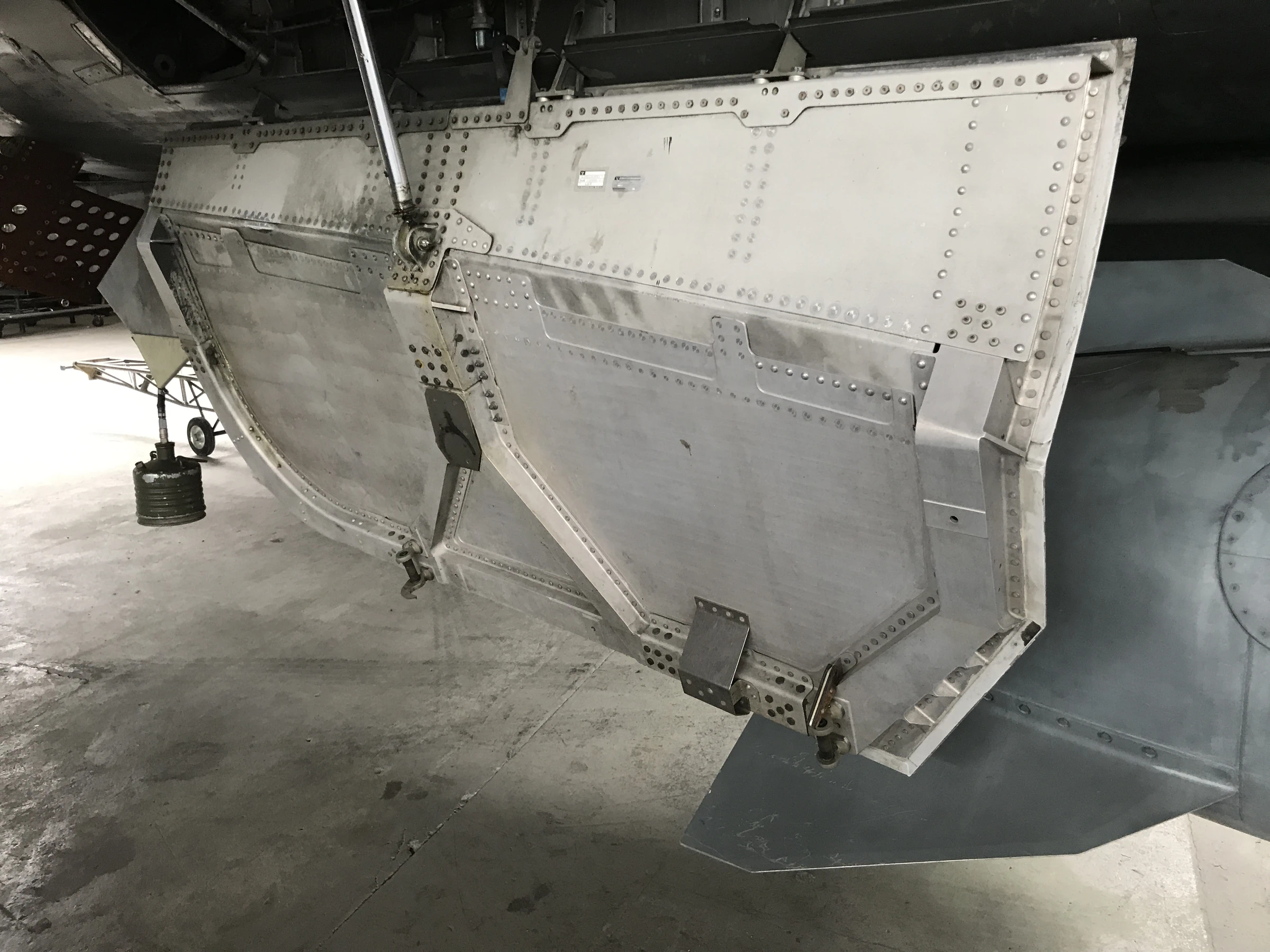
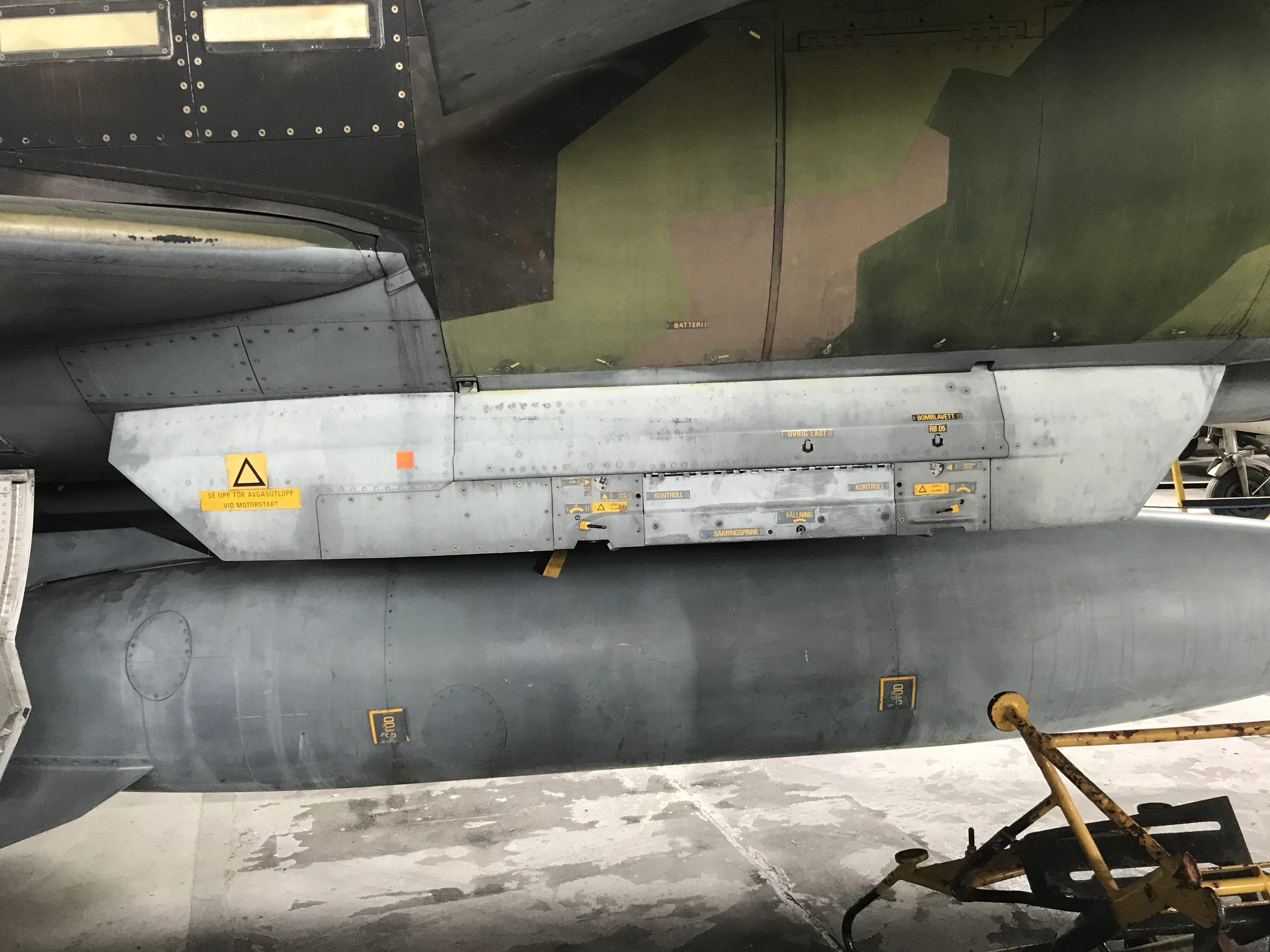
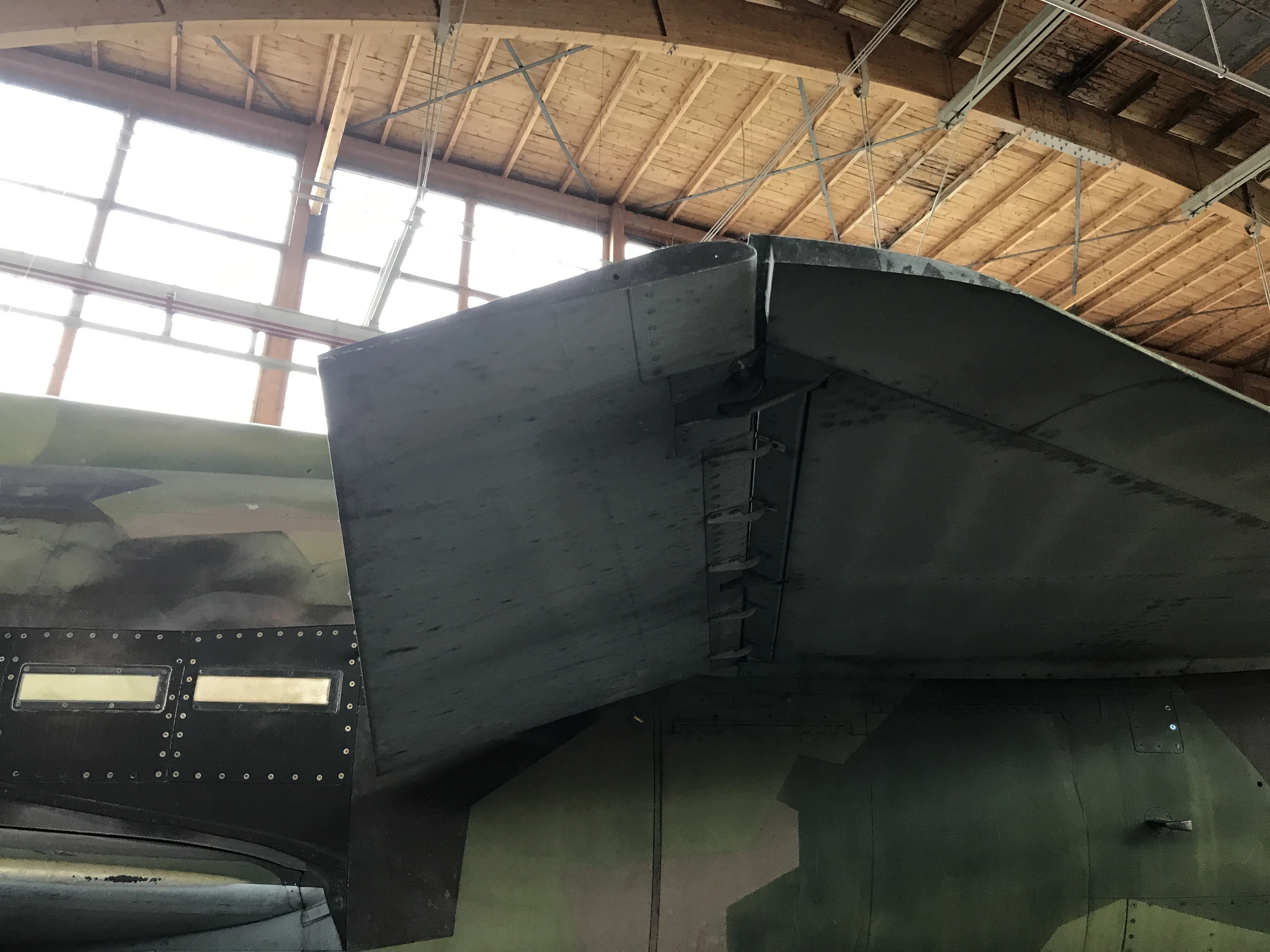
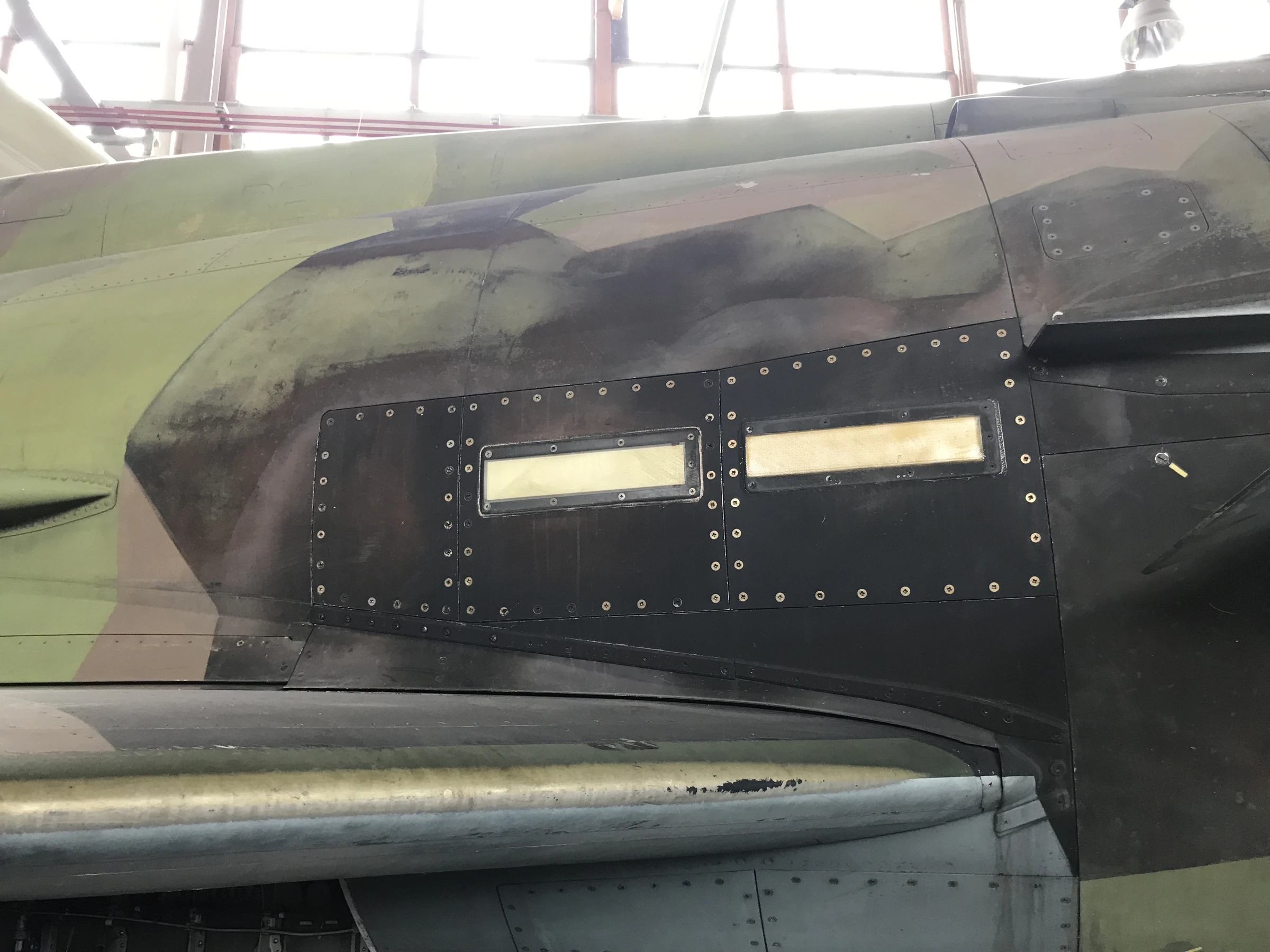
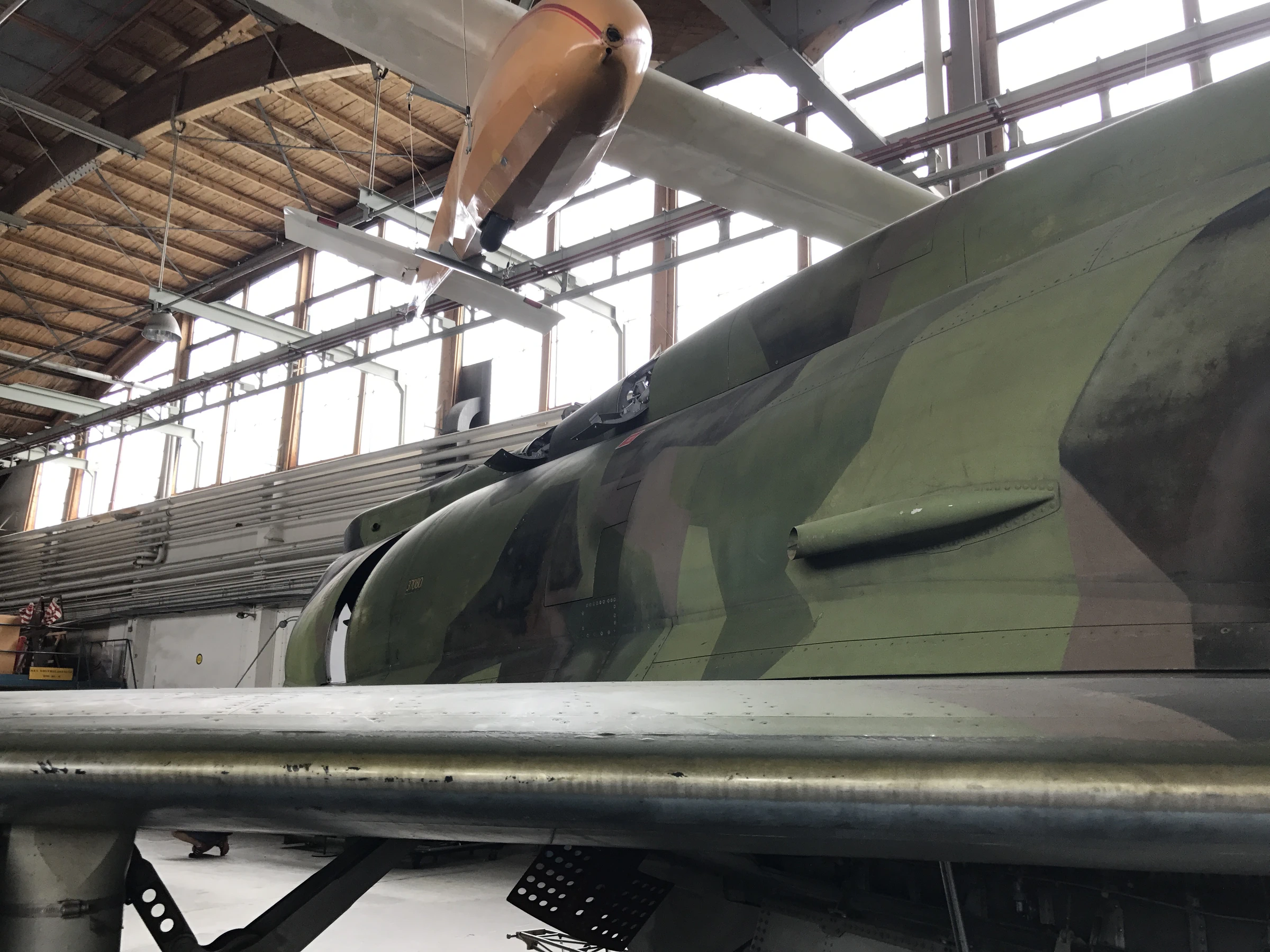
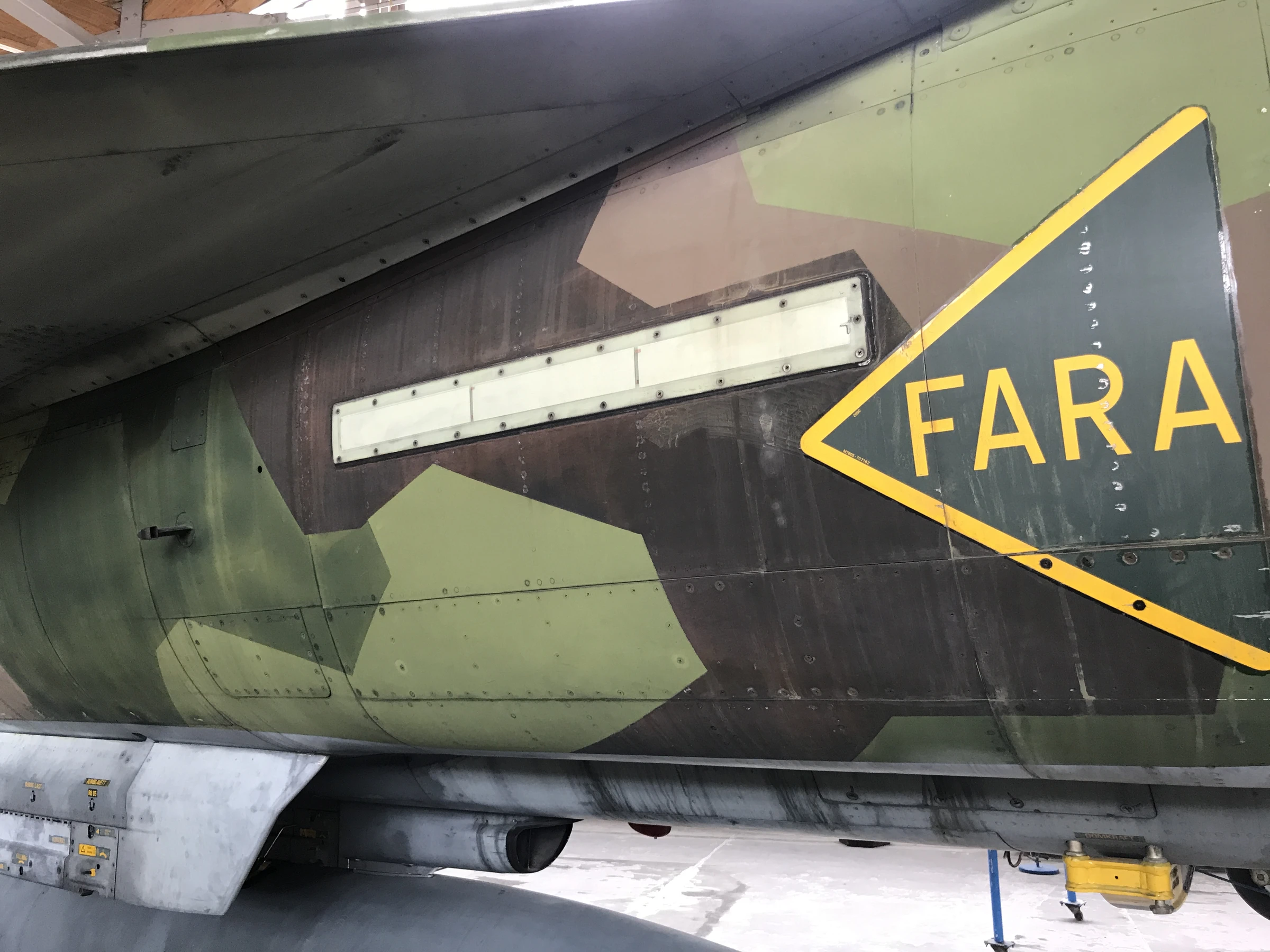
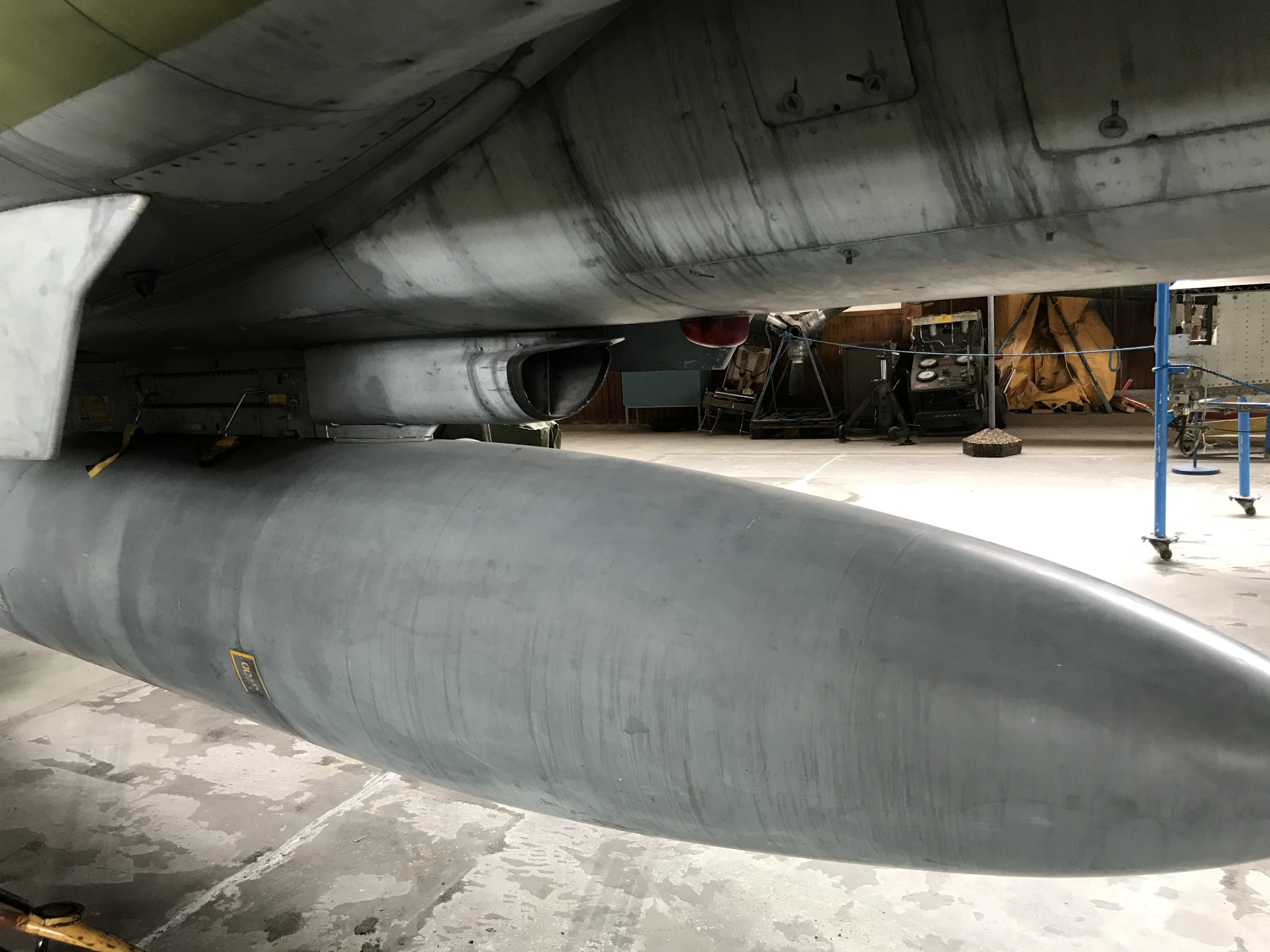
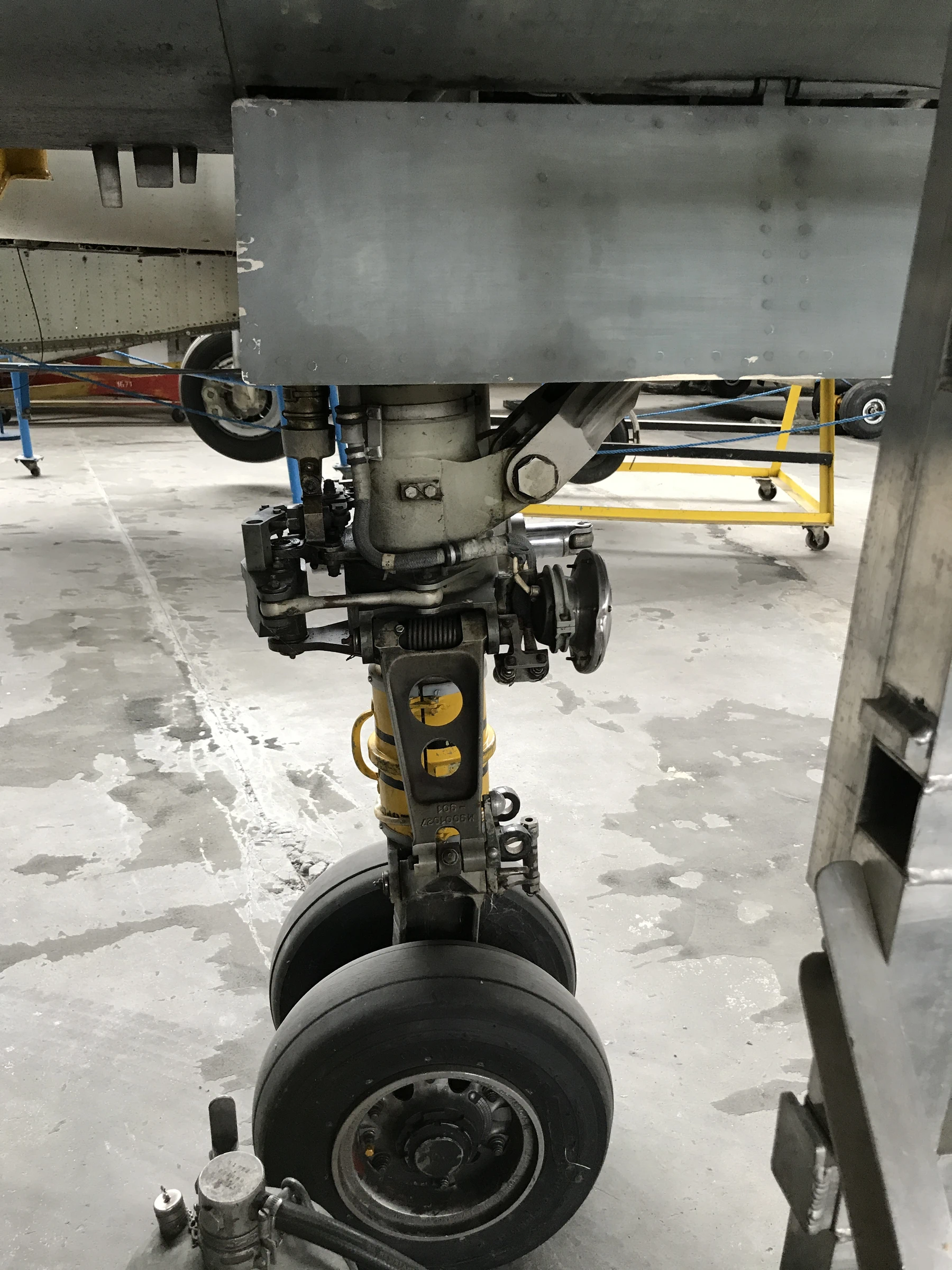
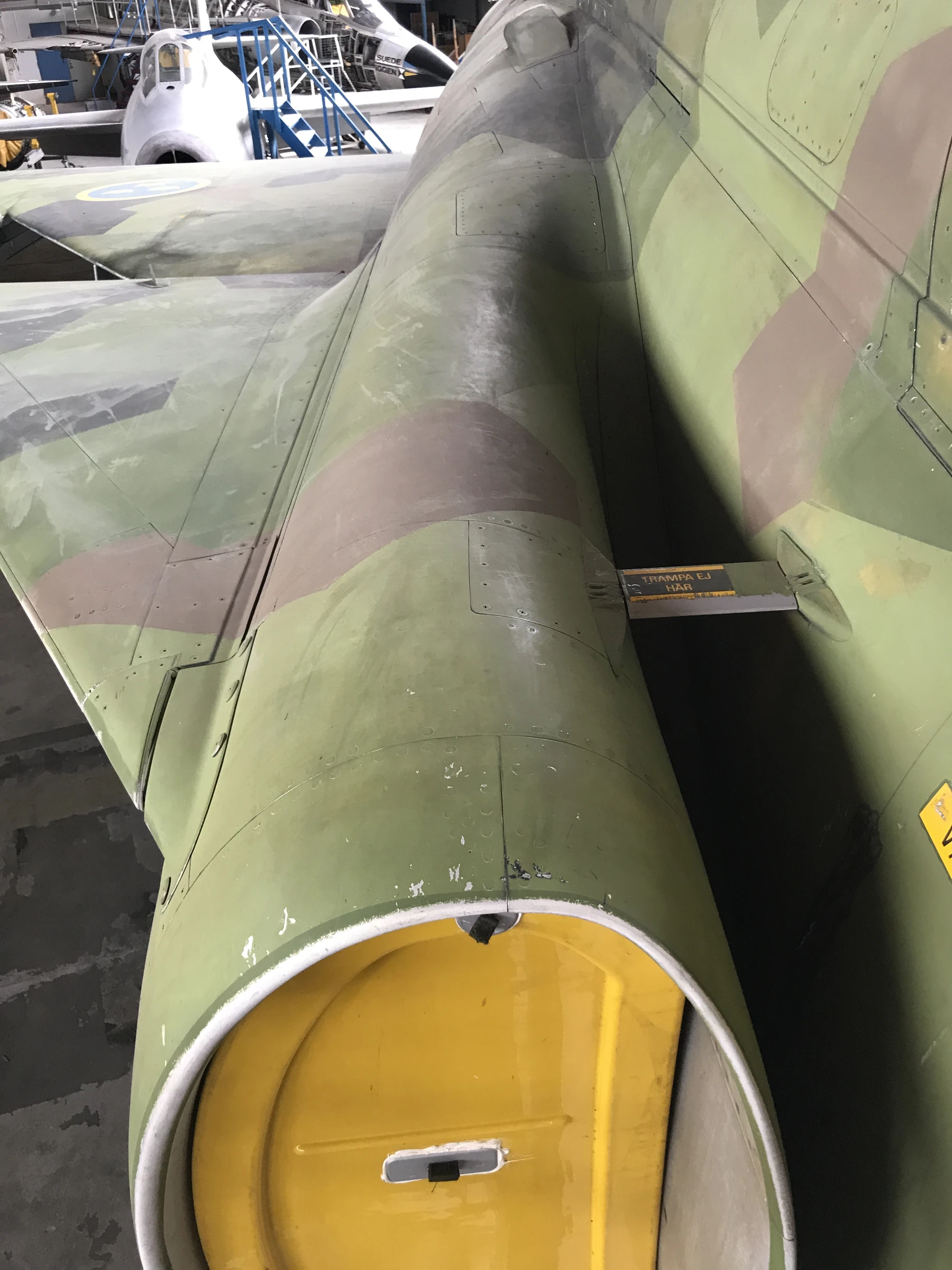
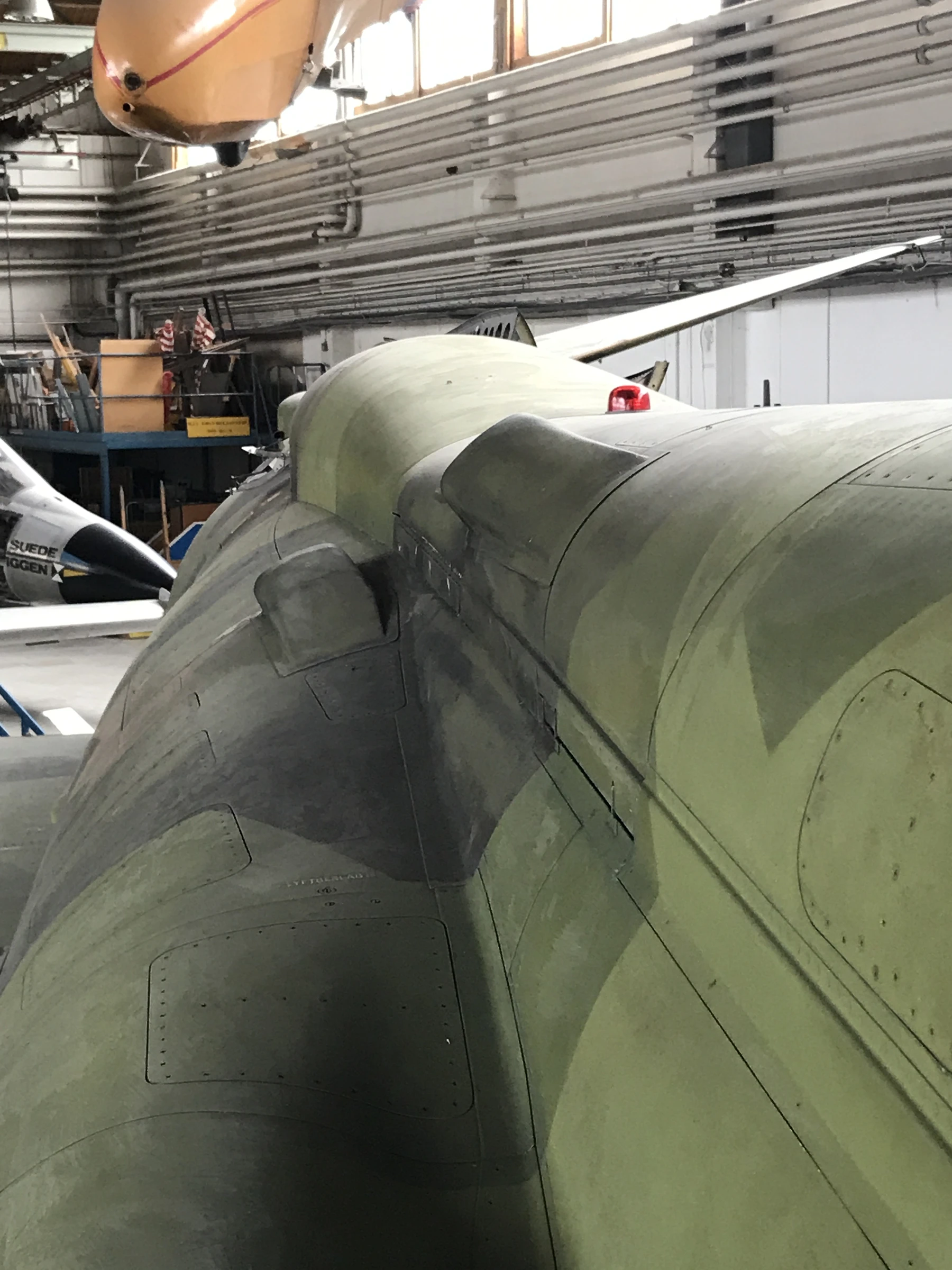
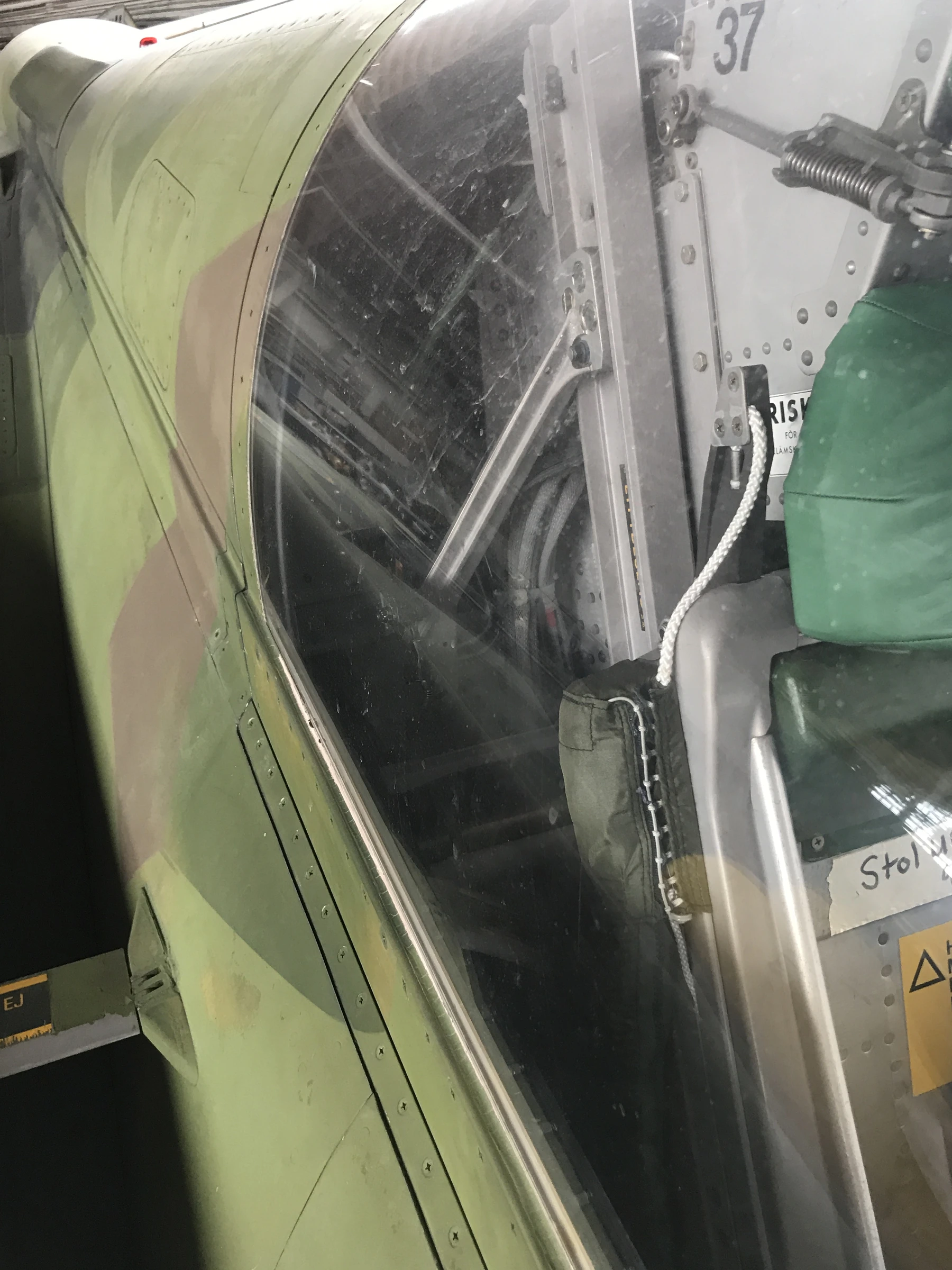
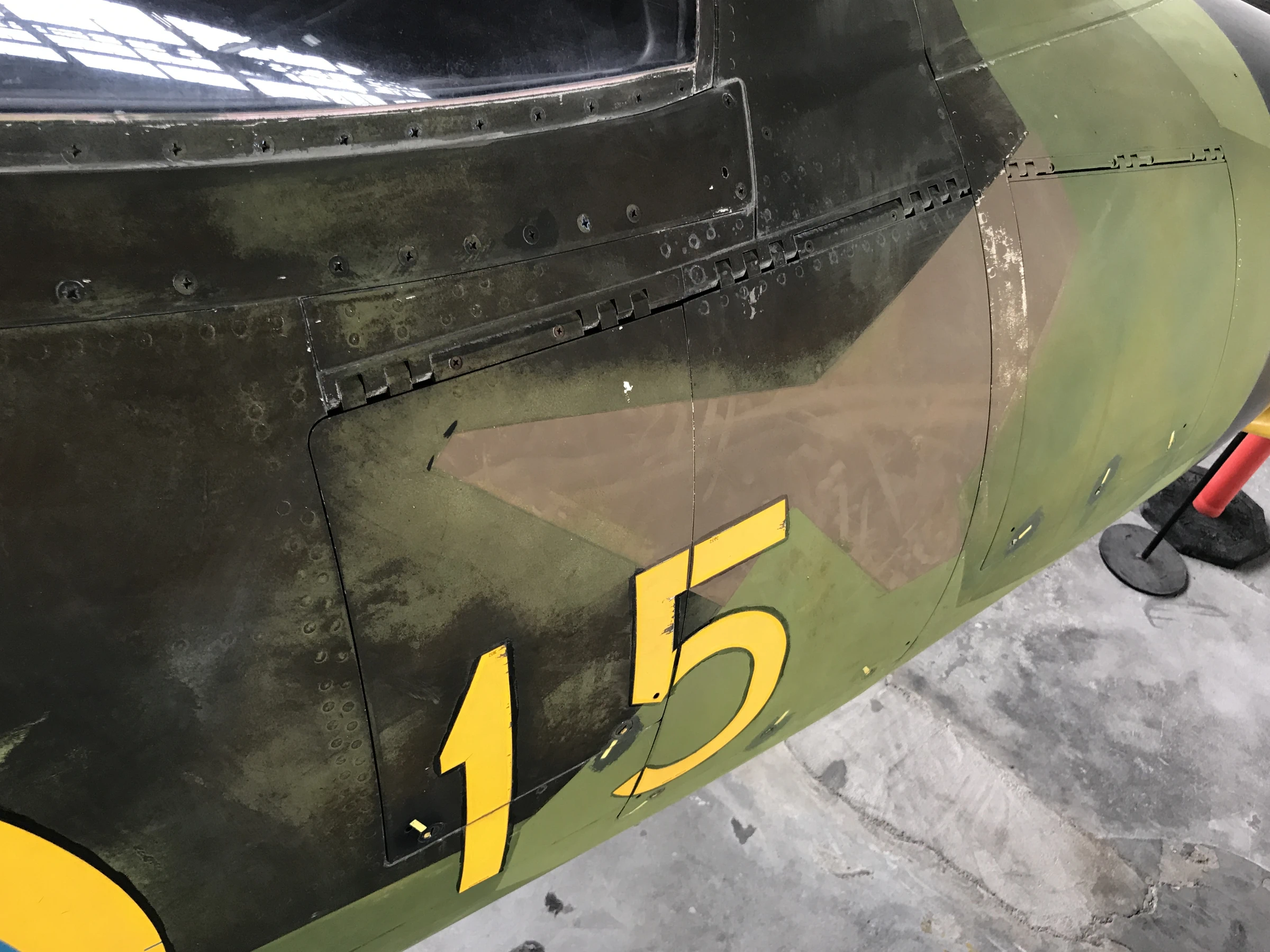
These walk-around photos were taken at Västerås Flygmuseum in 2017. They show a Saab AJ 37 Viggen, serial 37080, wearing the unit markings of F 15 Söderhamn where it served during its final years — one of the most distinctive and capable combat aircraft ever built. The Viggen, whose name means thunderbolt, was Sweden's answer to the demands of Cold War defence: a Mach 2-capable multi-role aircraft that could operate from ordinary public roads, be turned around in ten minutes by a crew of conscripts, and survive a first strike by dispersing to hundreds of pre-surveyed road bases across the country. Its double-delta canard configuration was revolutionary at the time of its design, allowing very short take-off and landing runs without variable-geometry wings. The AJ 37 was the primary attack variant, optimised for strikes against naval and ground targets, and entered operational service with F 7 Såtenäs in 1971.
Delivered to the Swedish Air Force in the mid-1970s, 37080 served with several wings before ending its career at F 15 in Söderhamn. It has been on display at Västerås Flygmuseum since June 2006, displayed with its last unit's markings alongside the museum's second Viggen — a prototype — making Västerås one of the few museums outside the major air force collections to display two examples of the type.