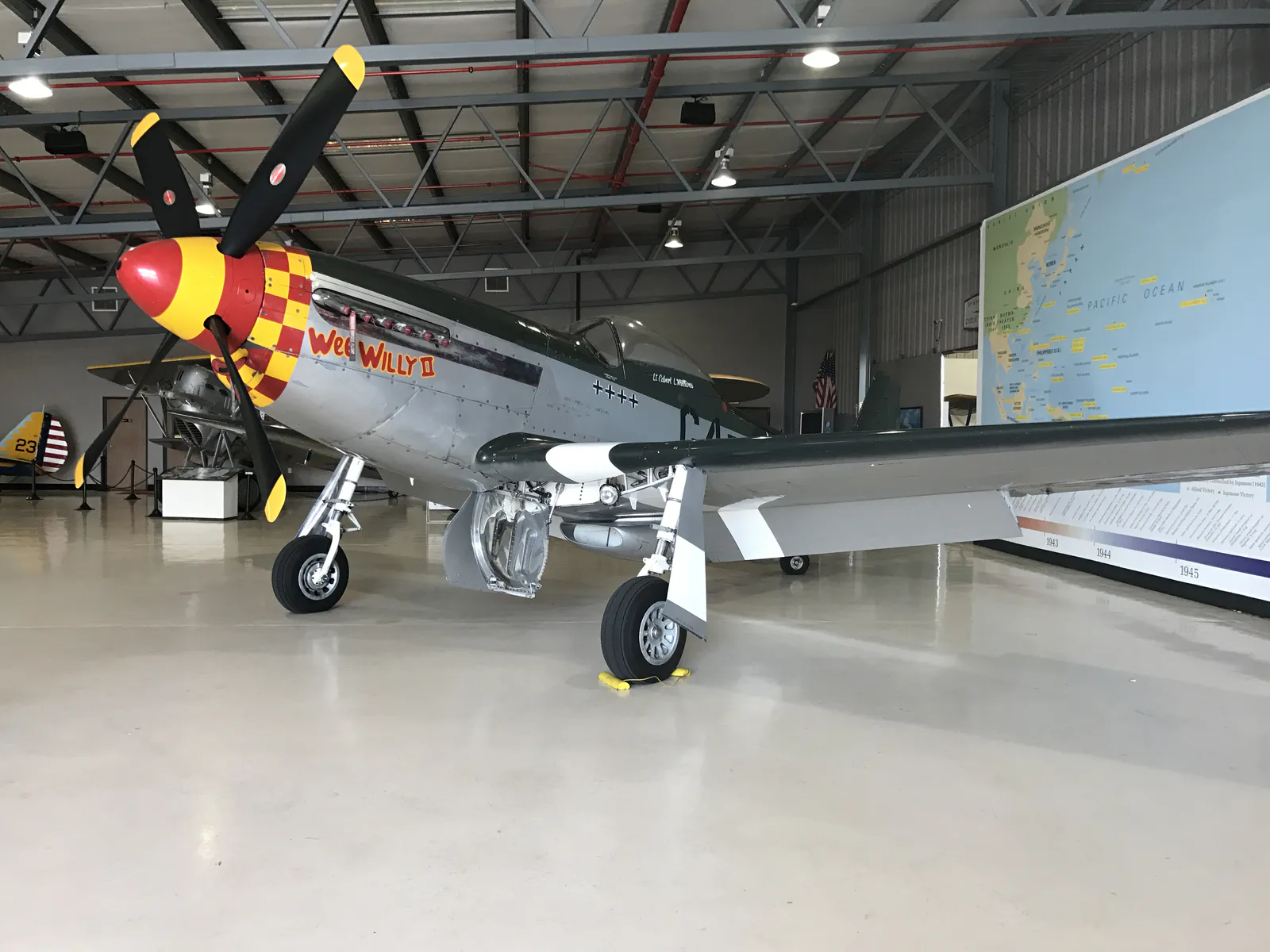
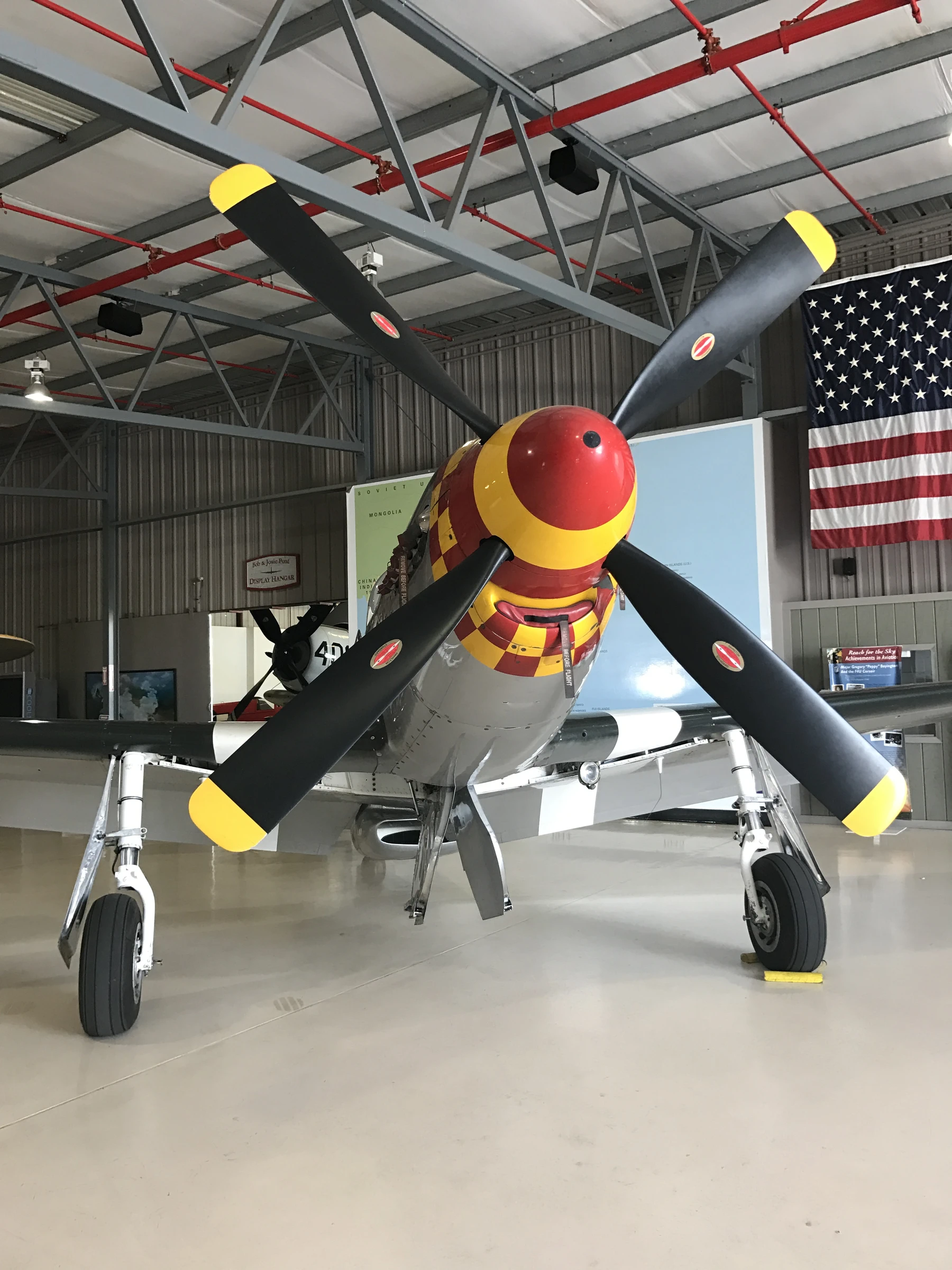
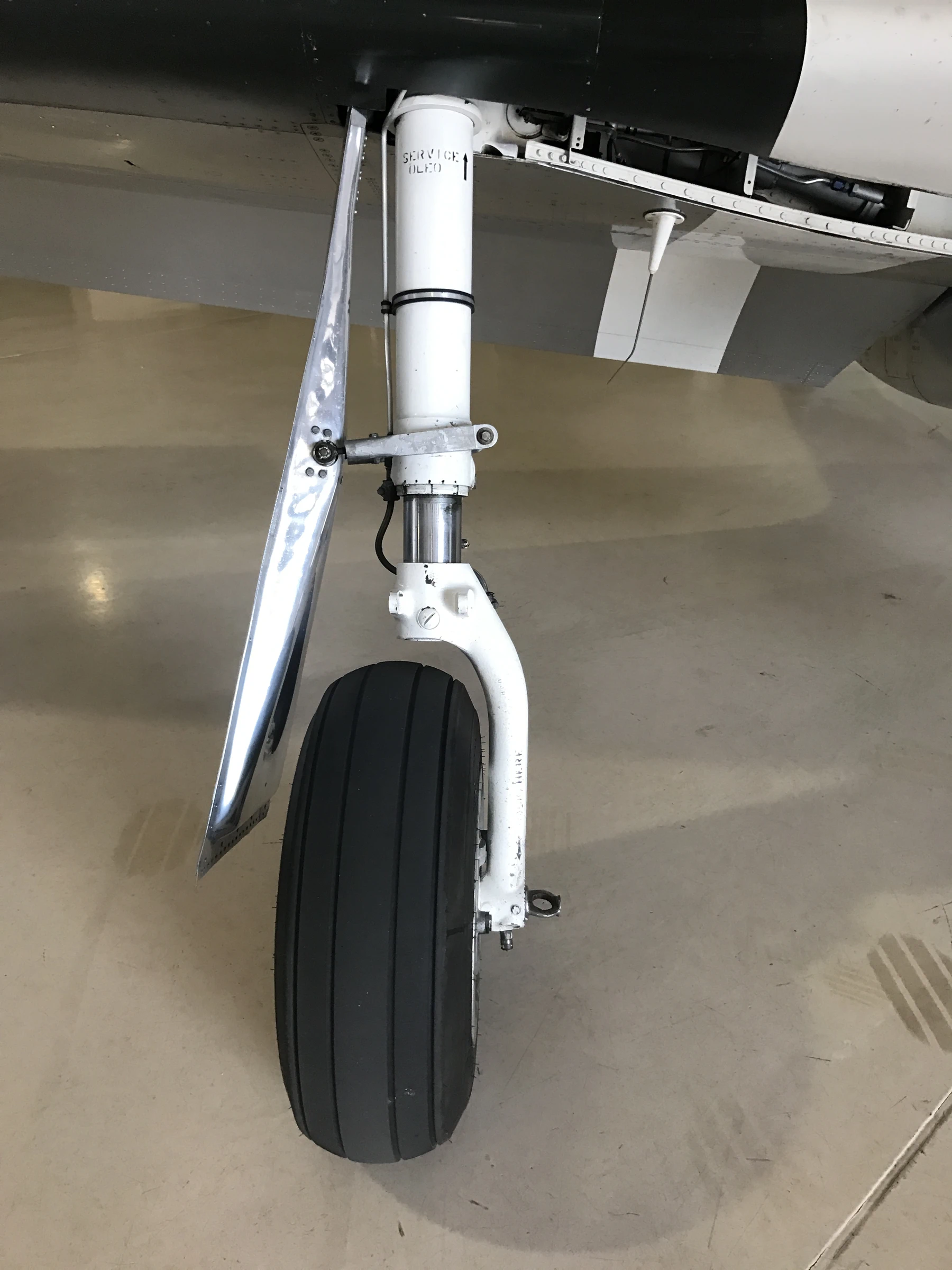
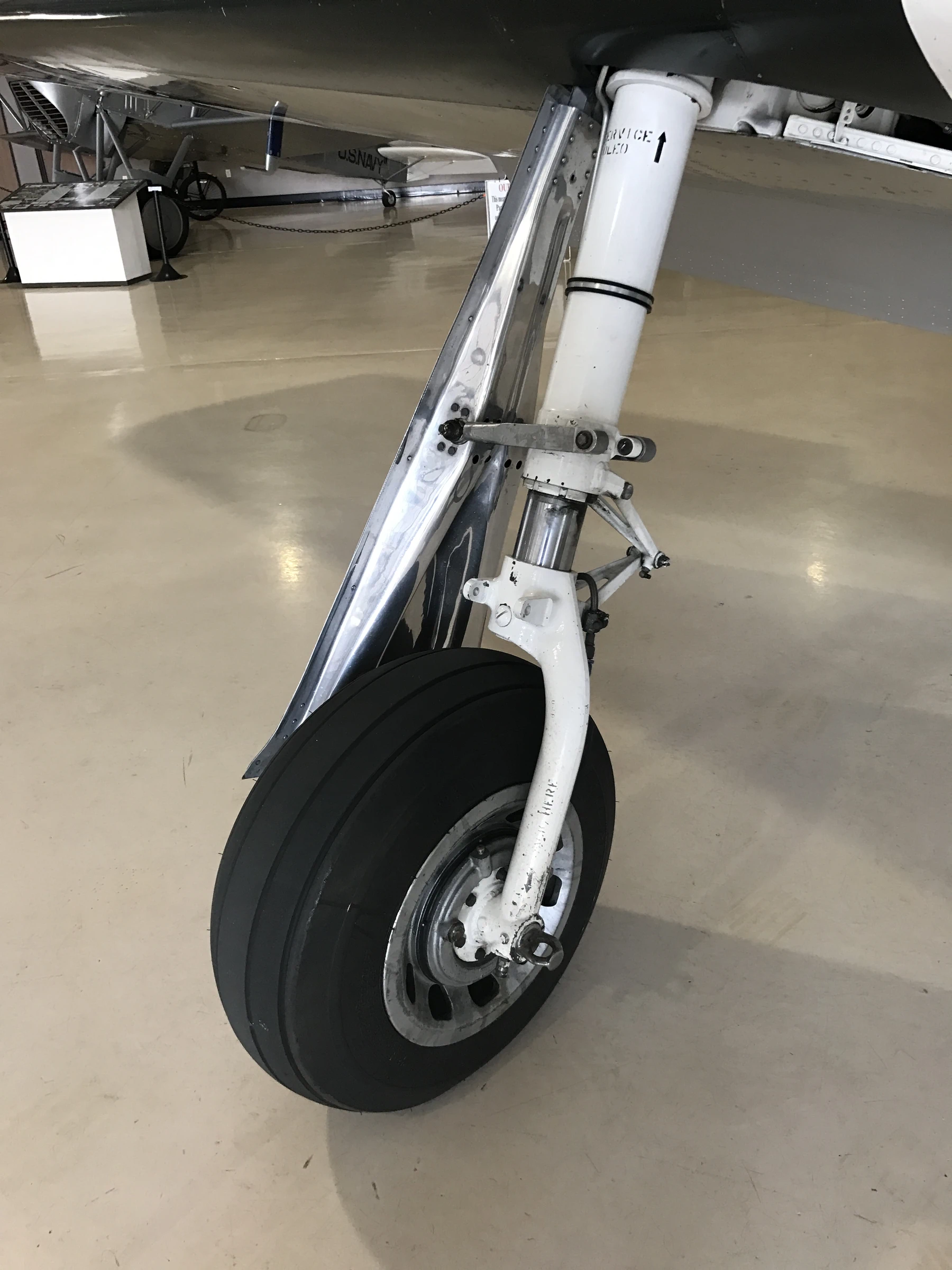
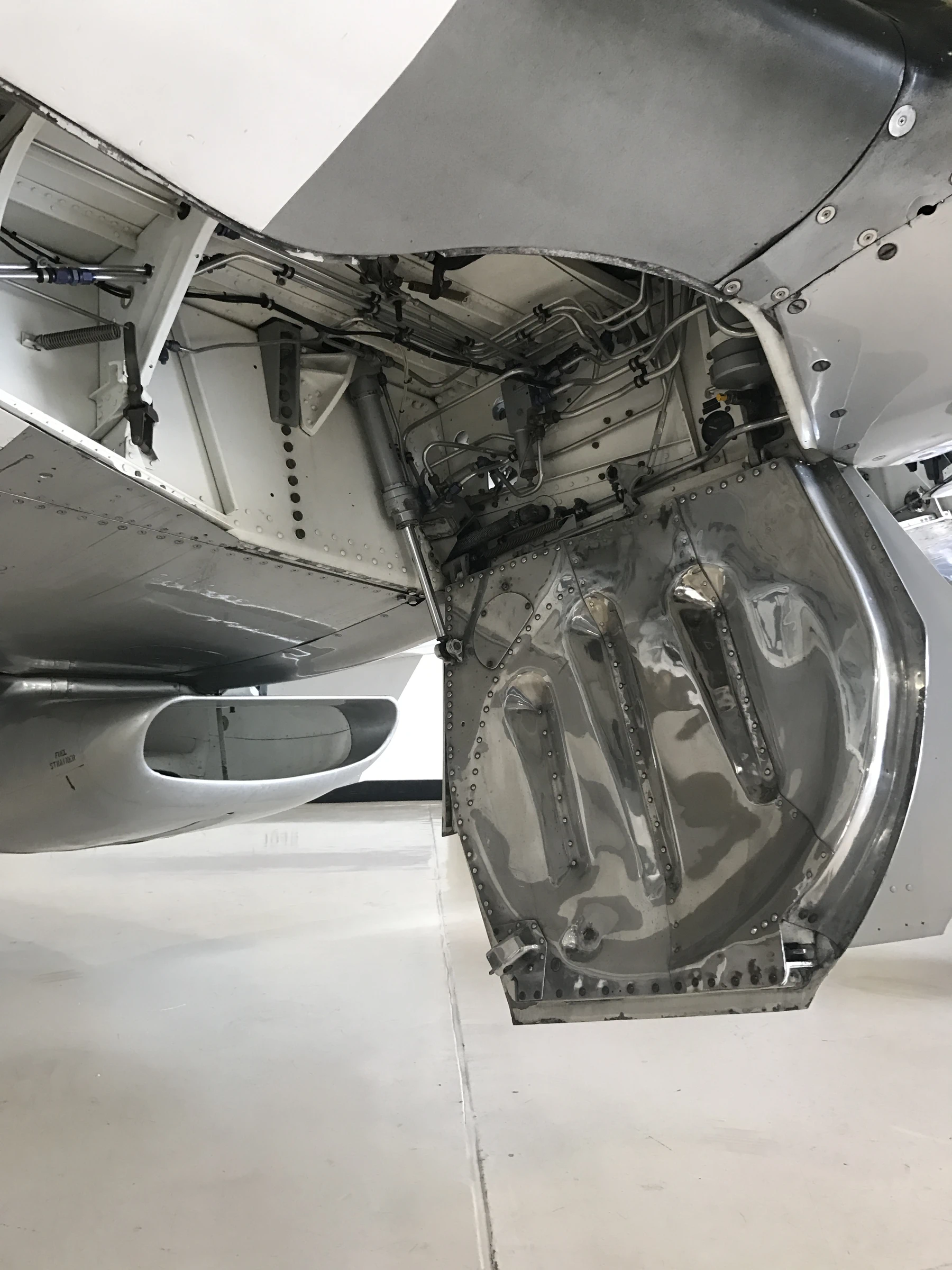
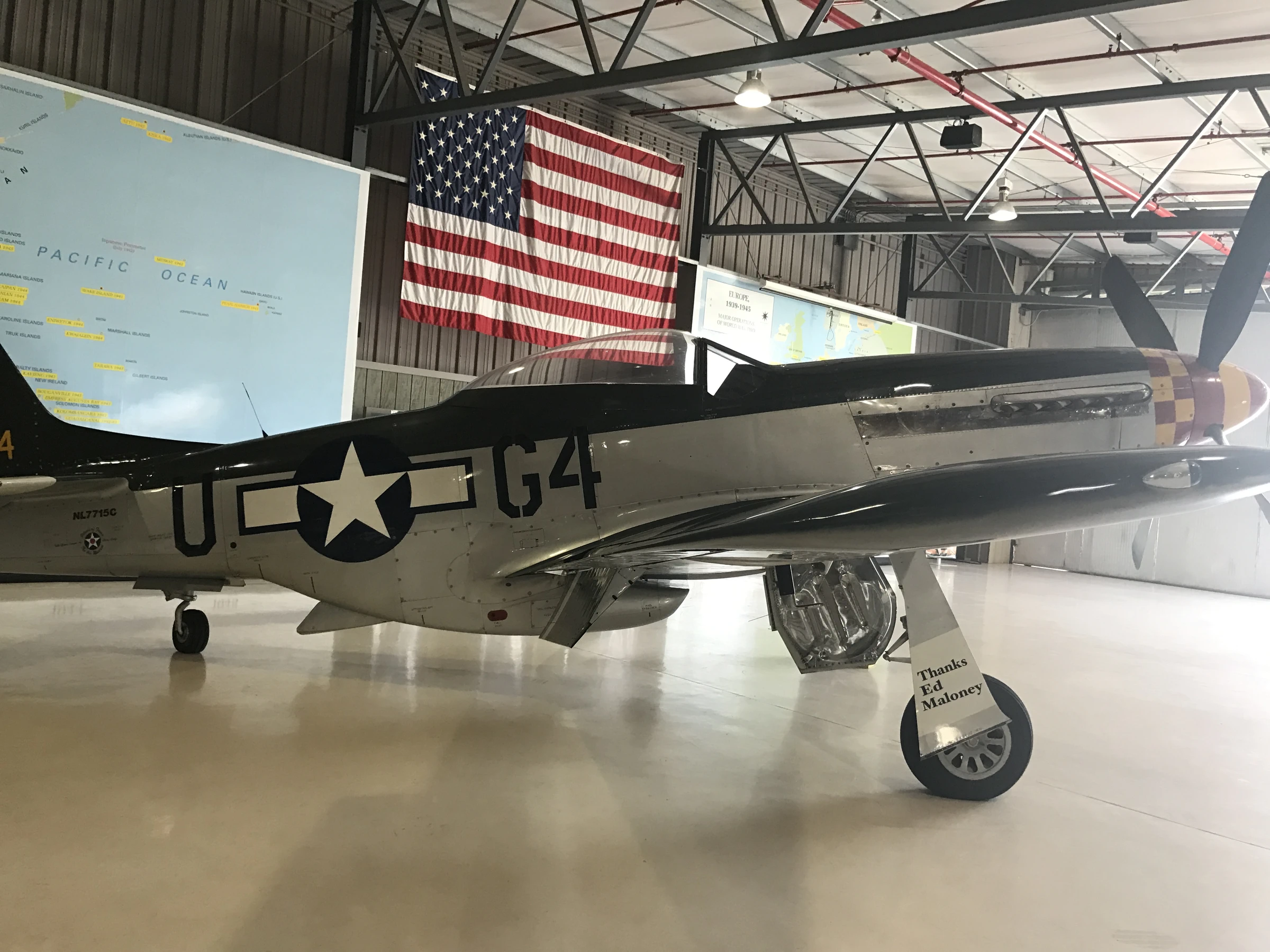
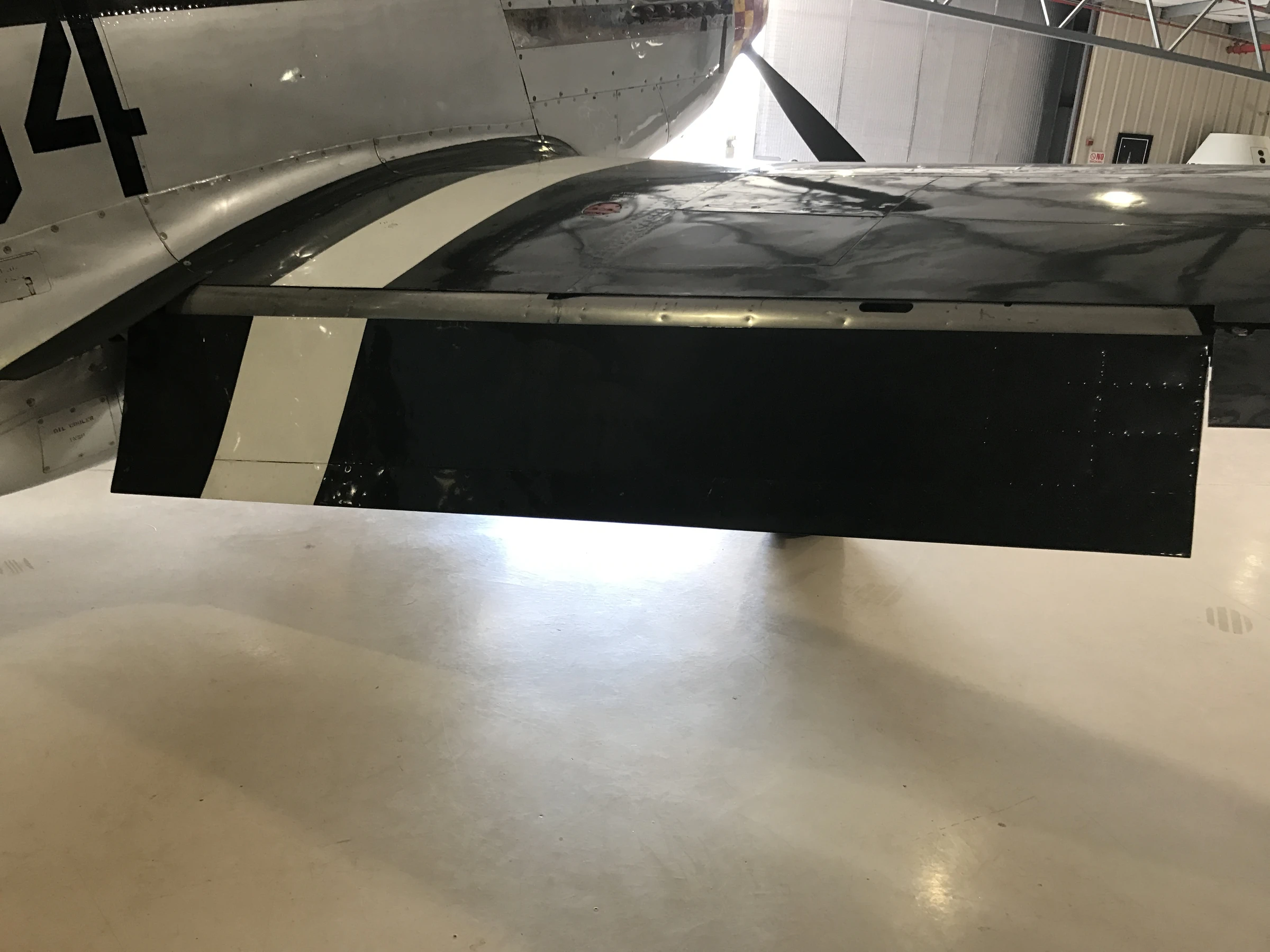
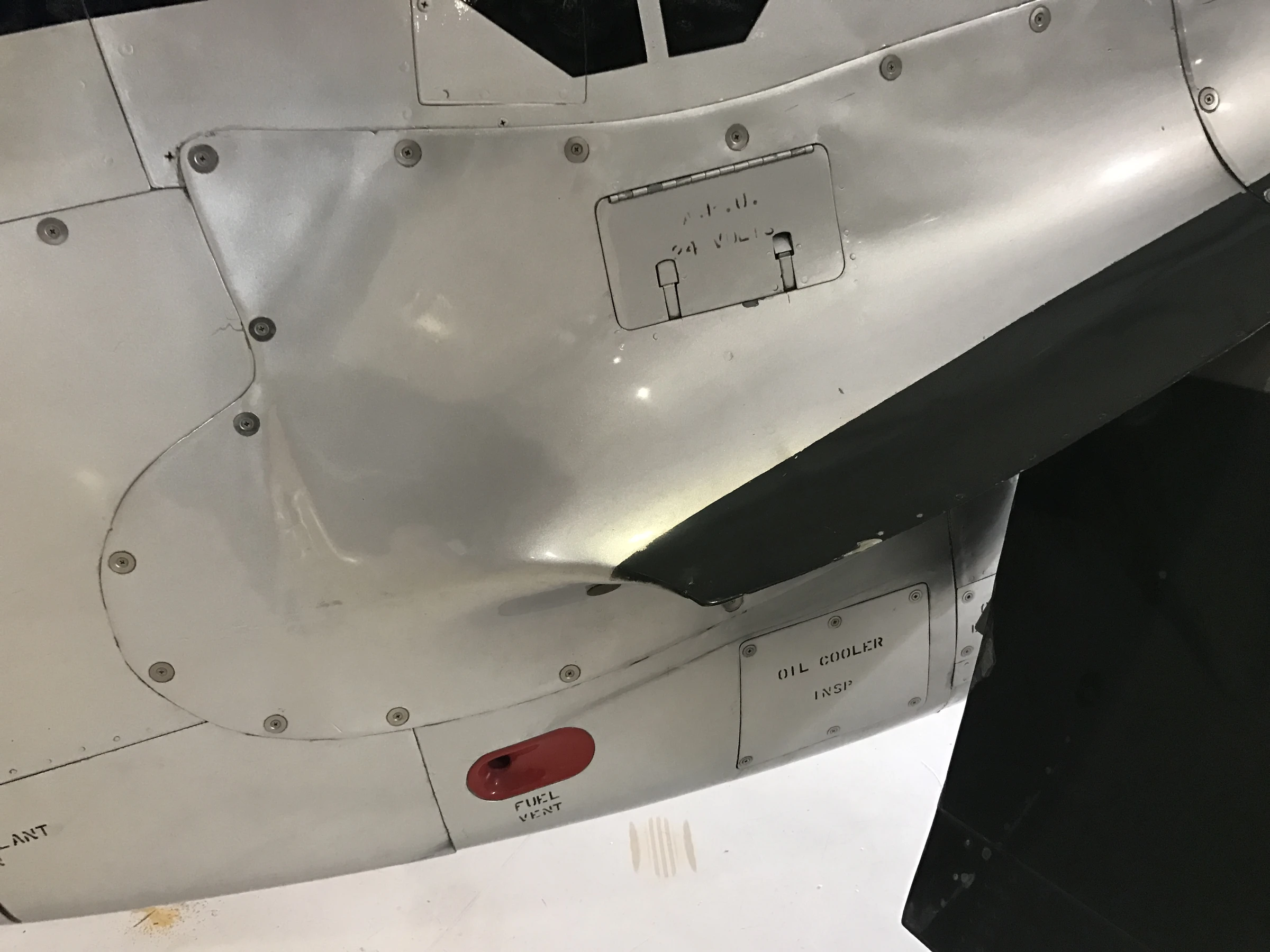
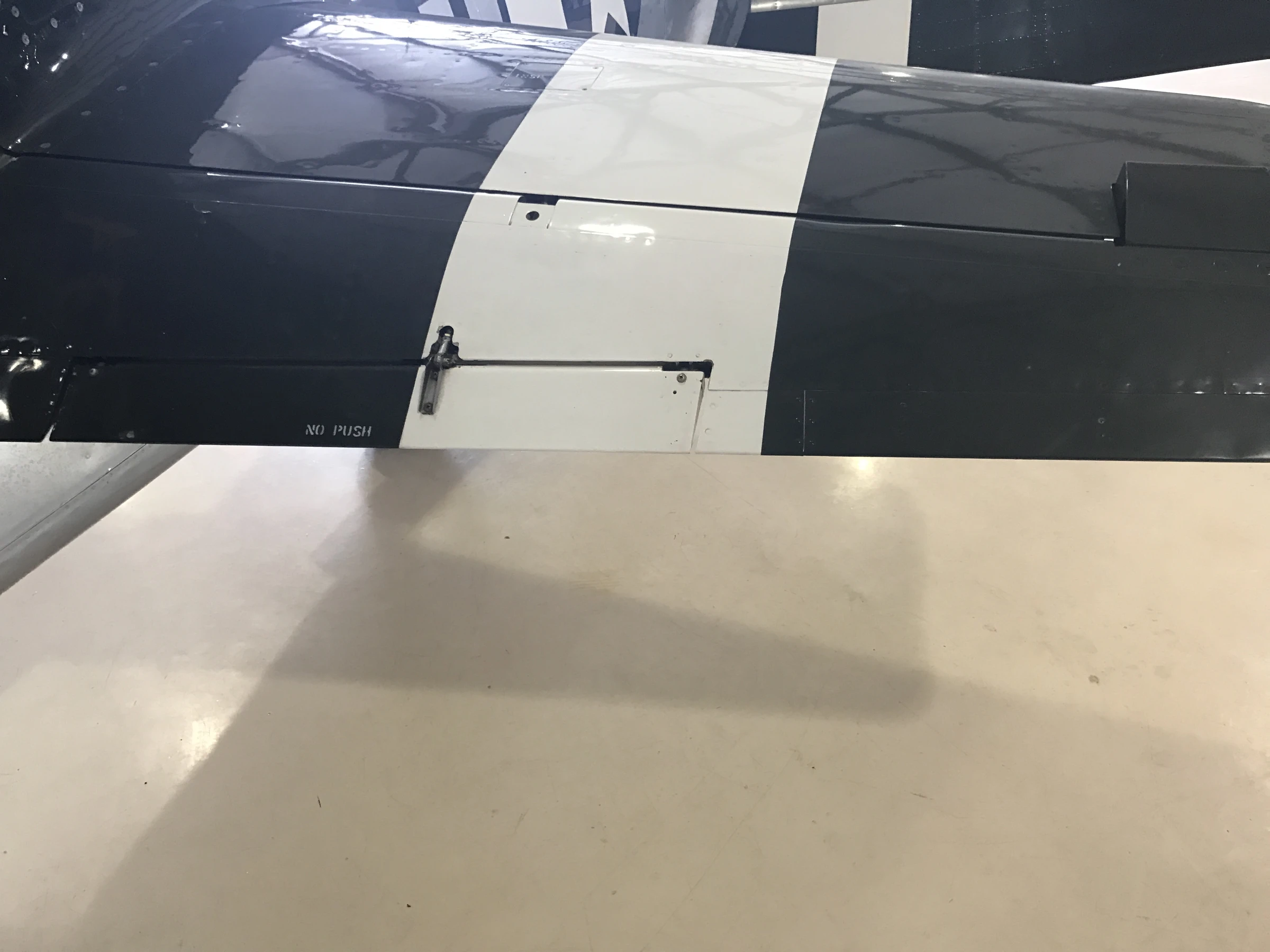
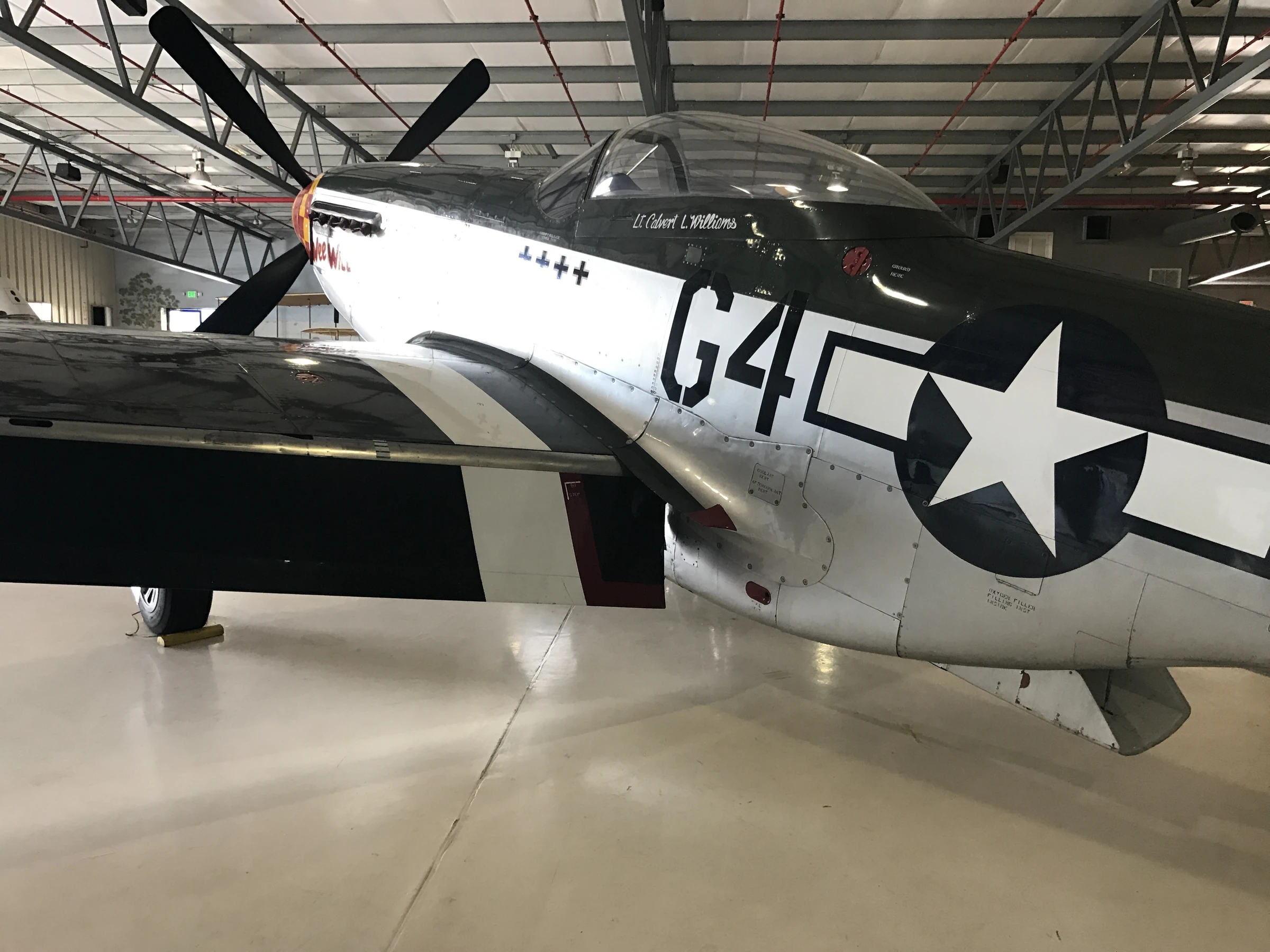
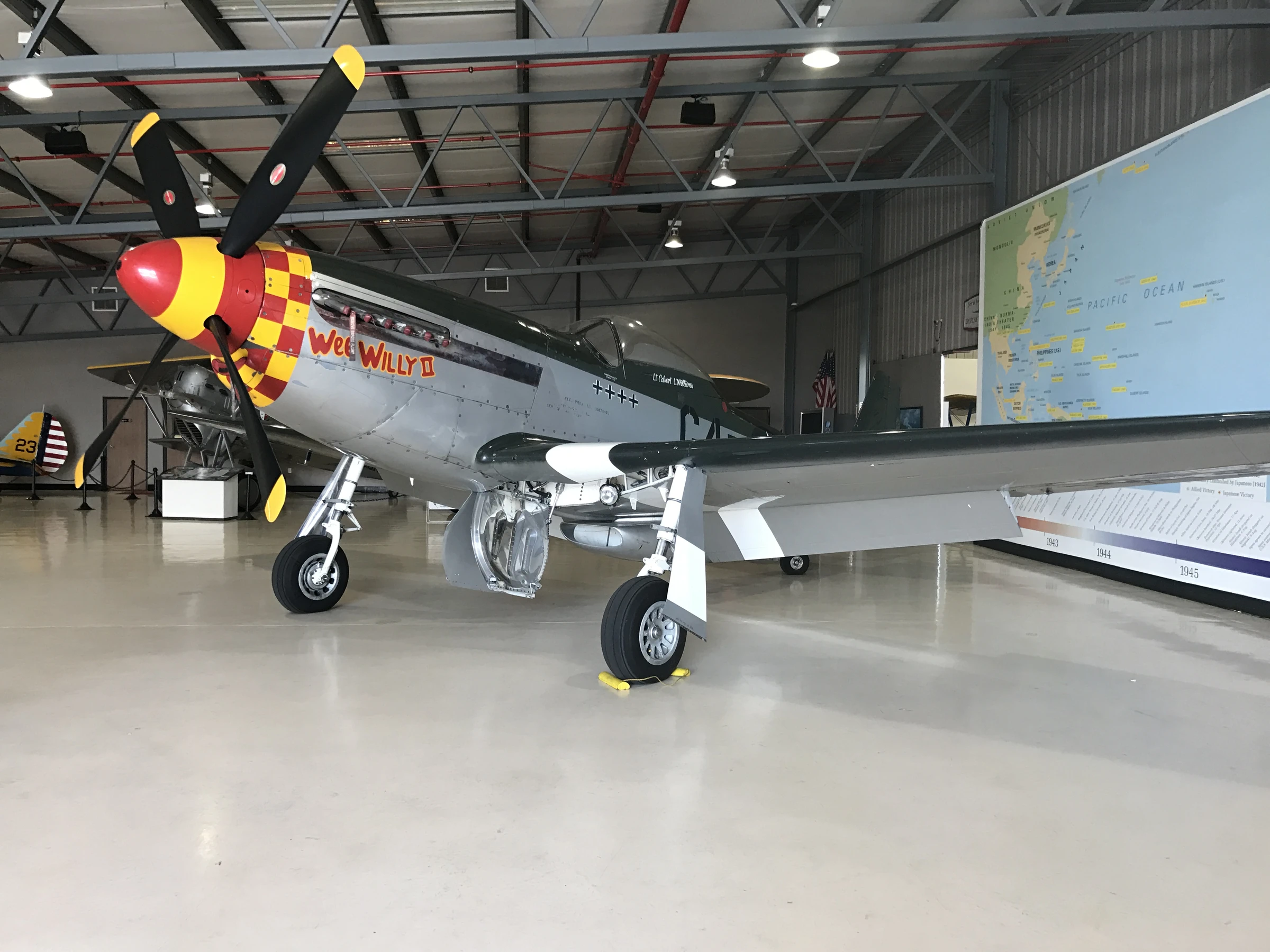
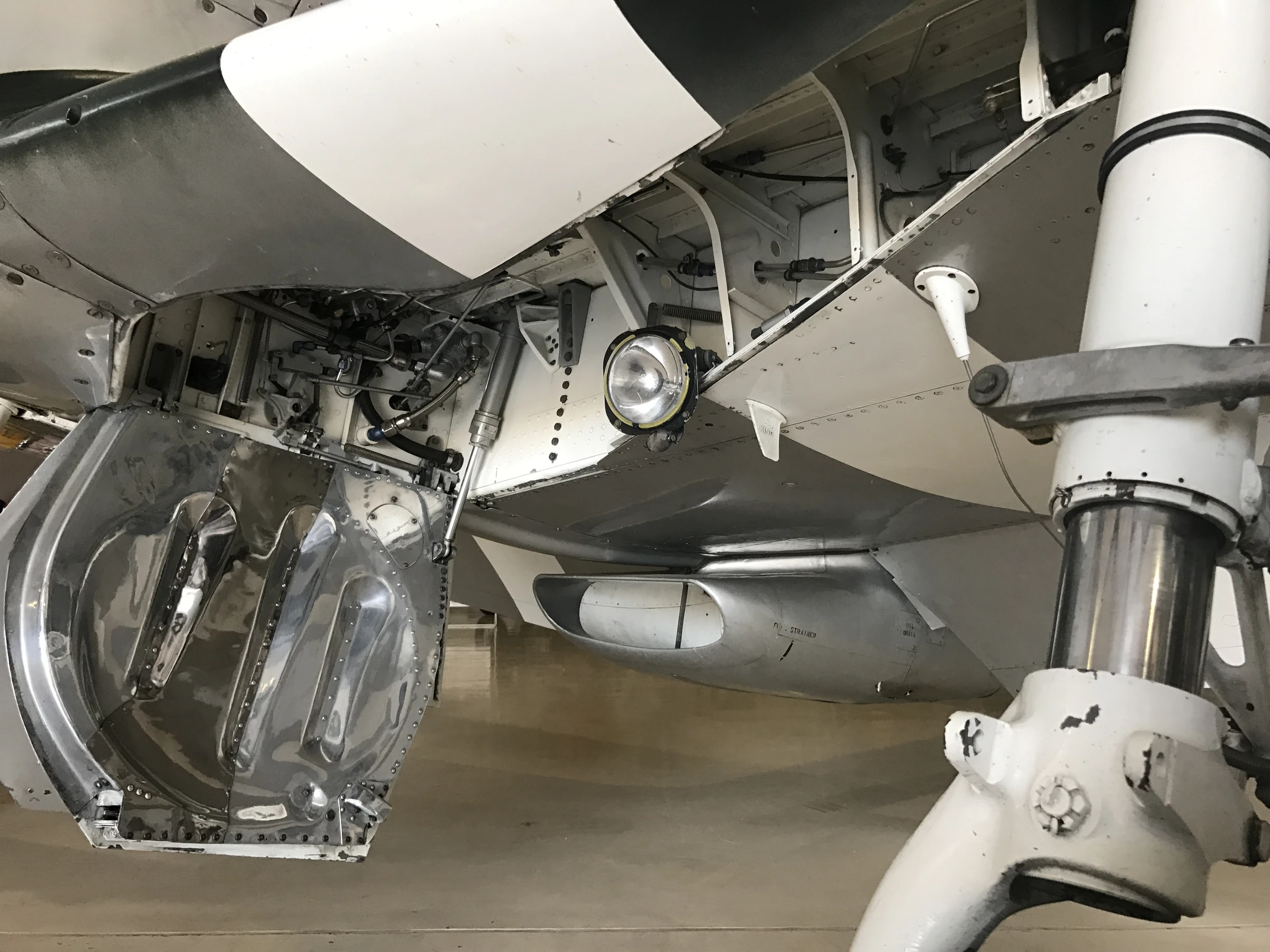
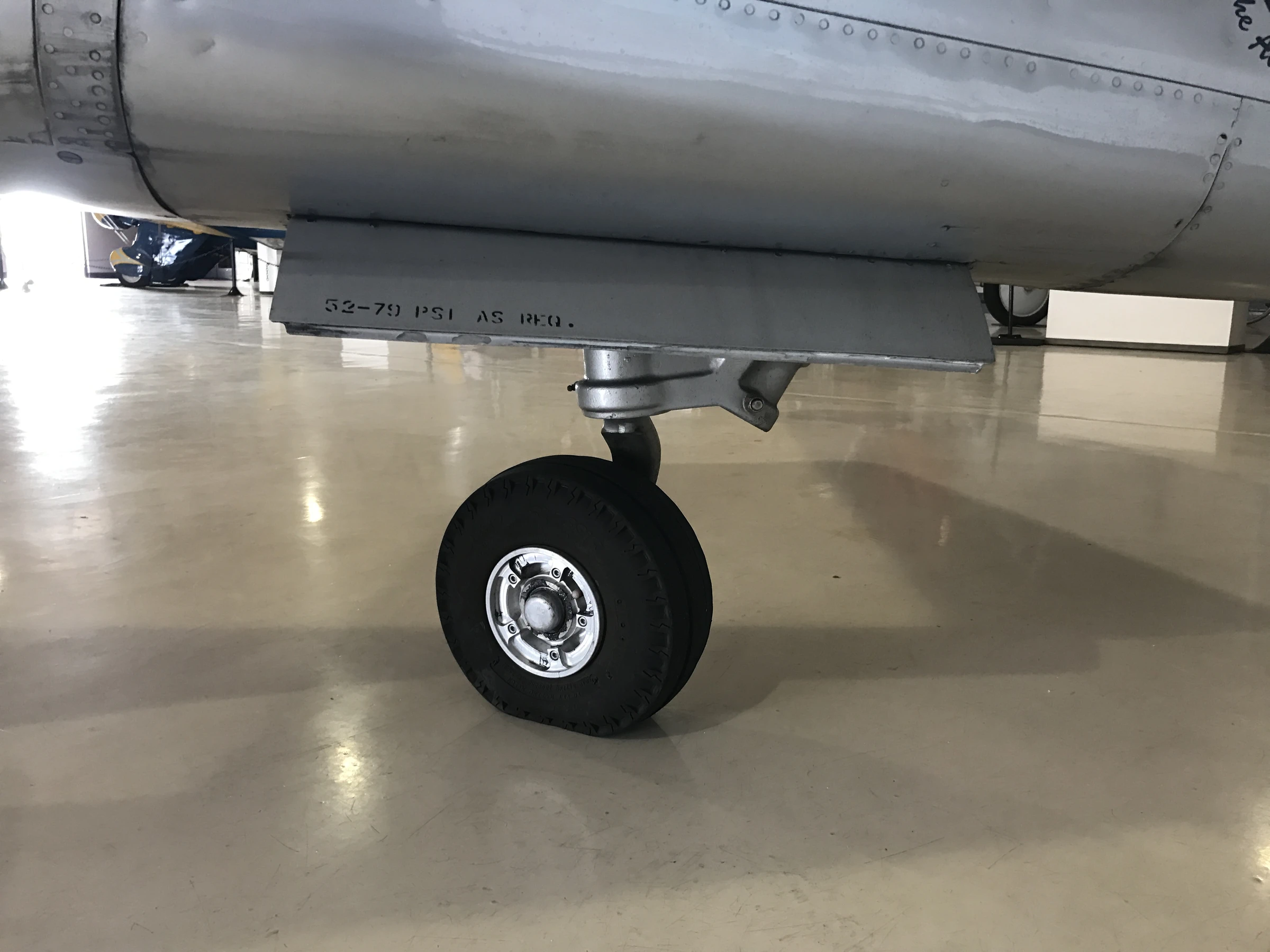
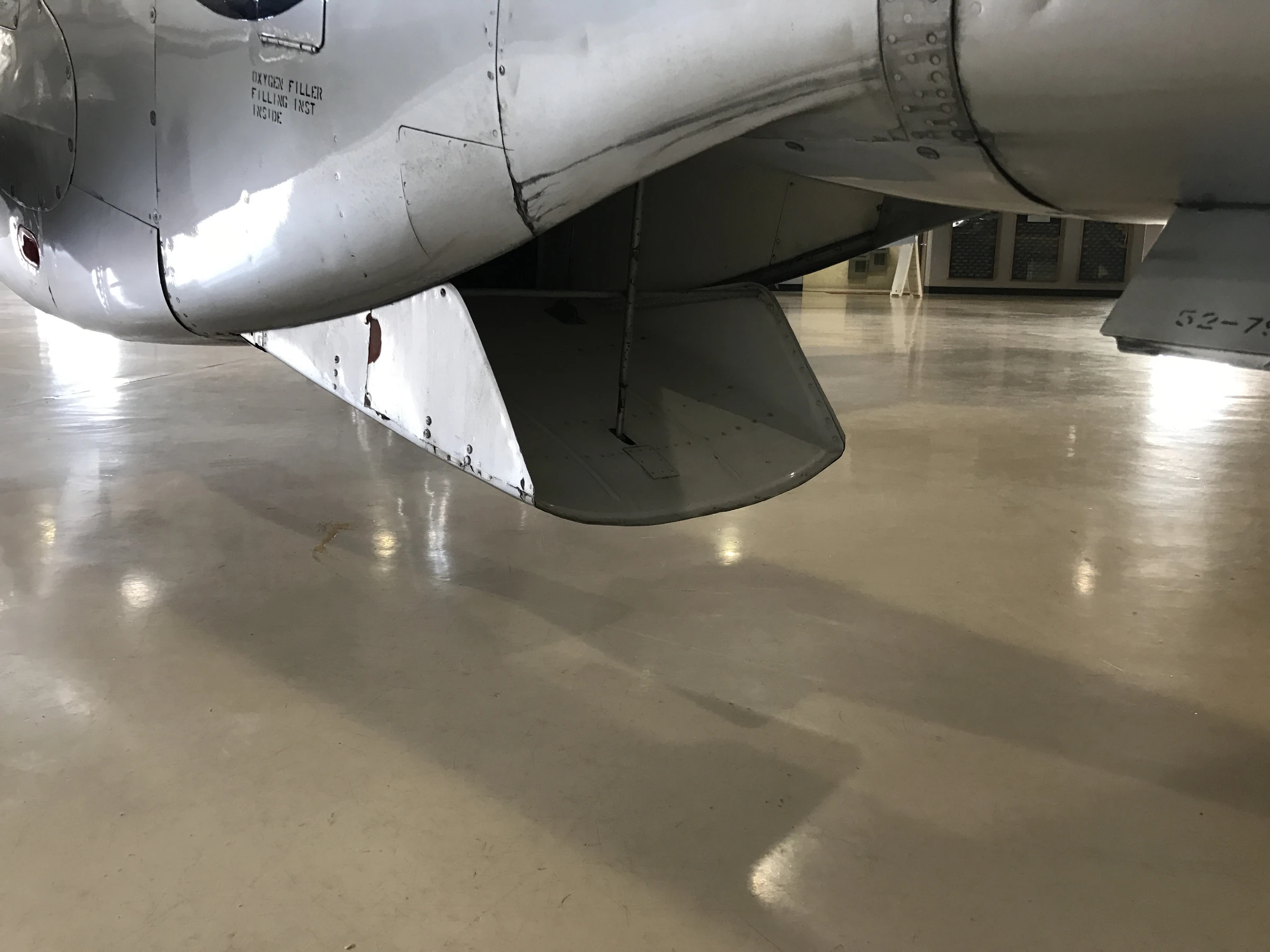
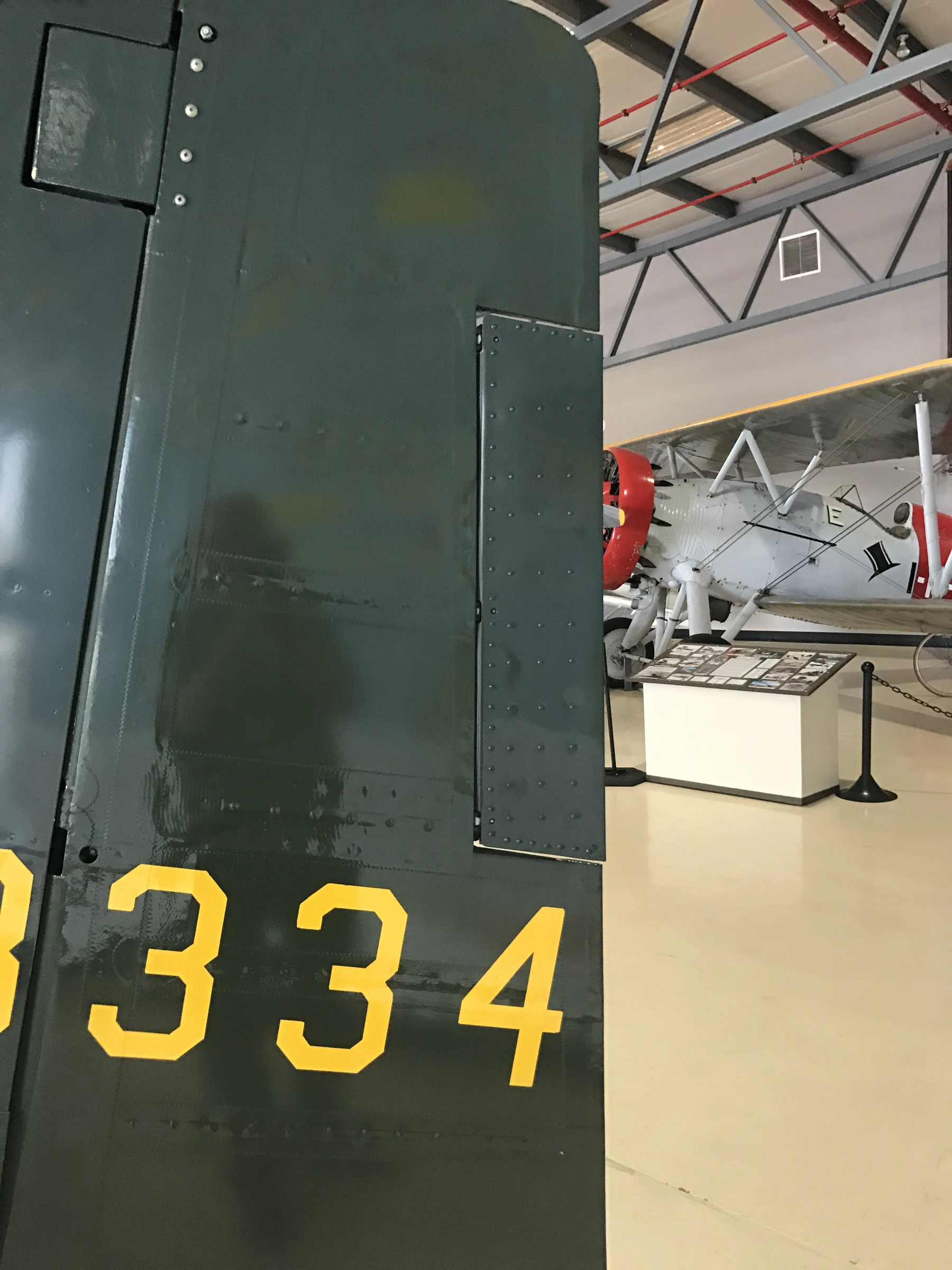
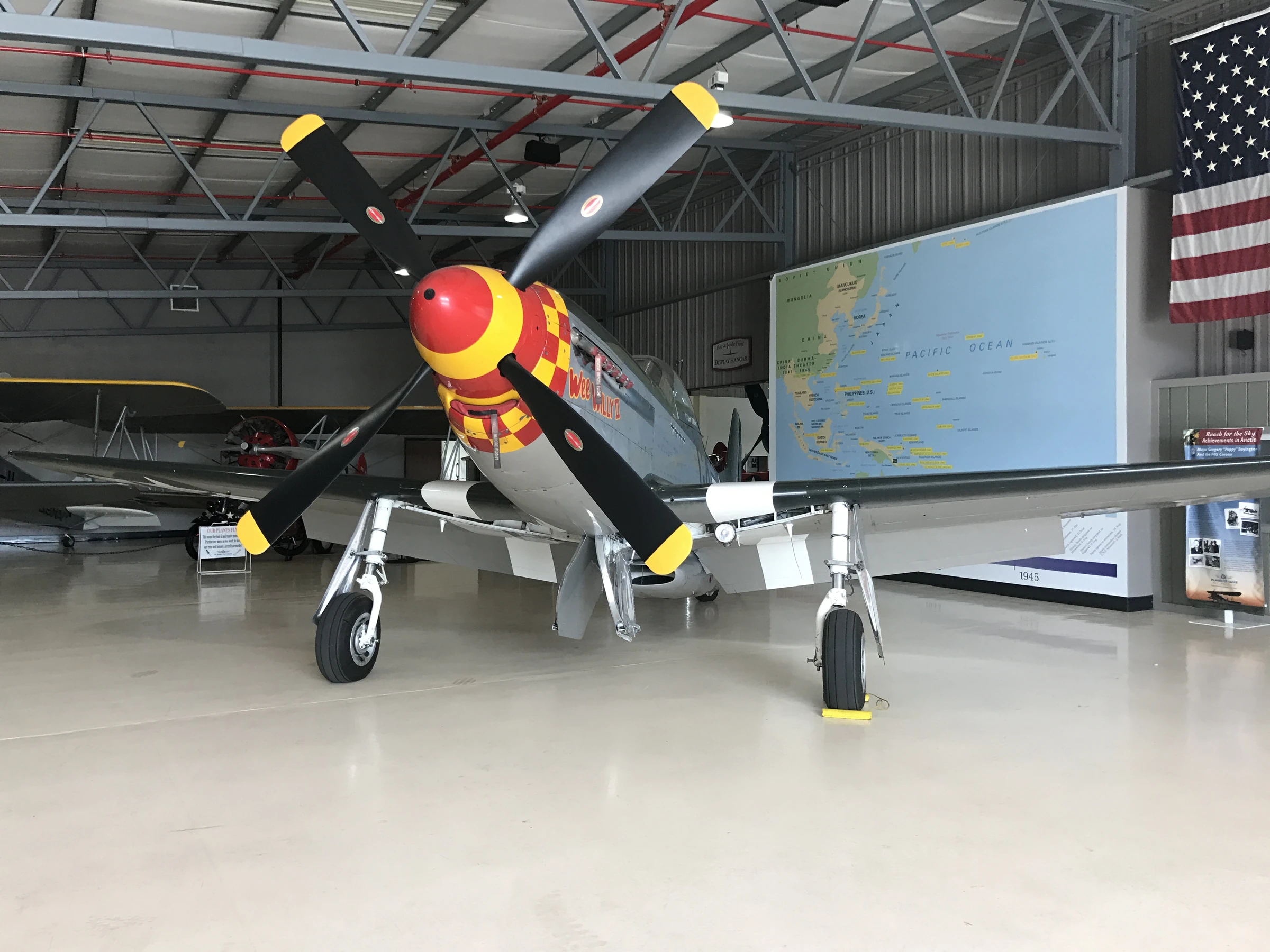
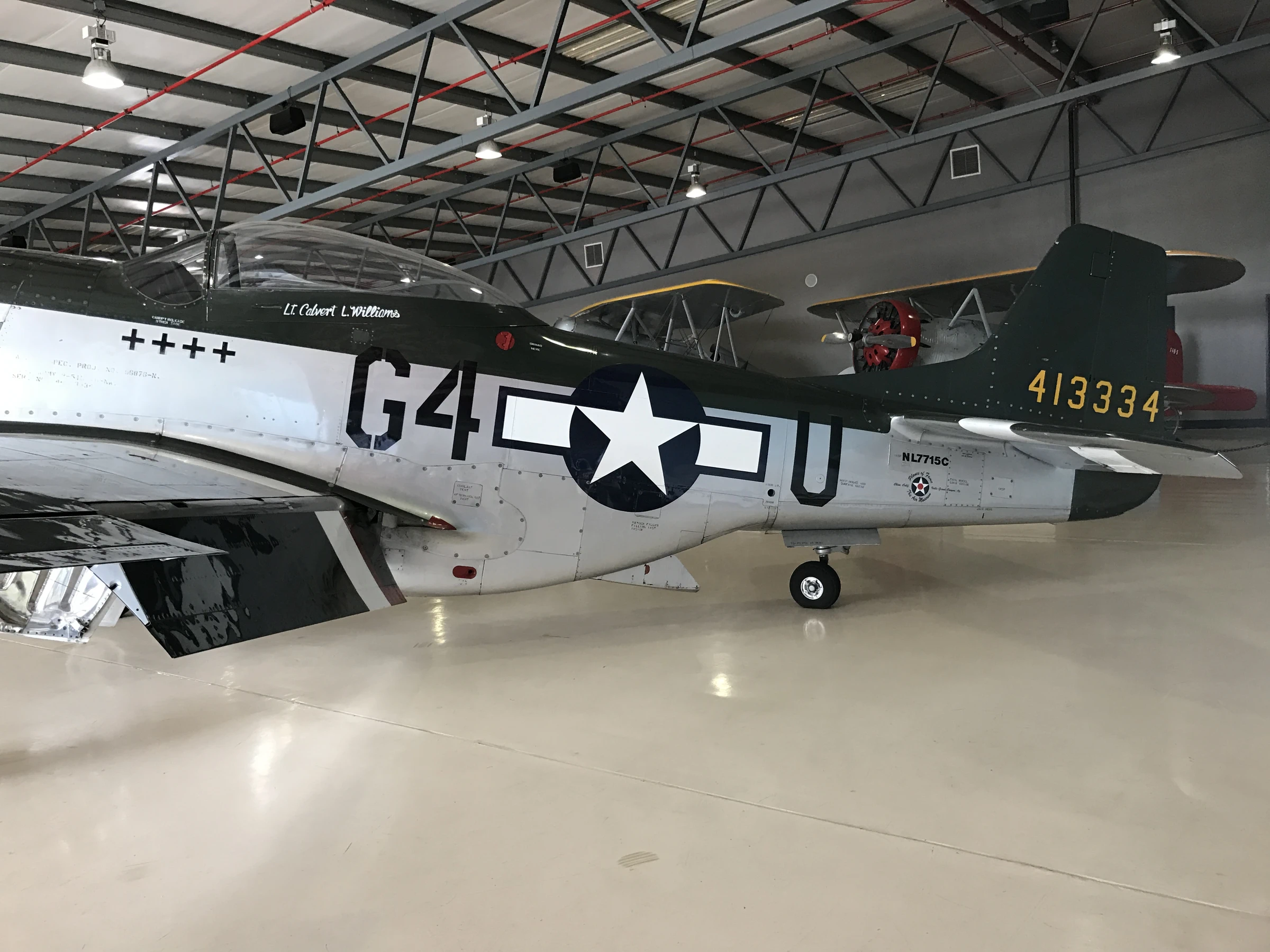
These walk-around photos were taken at the Planes of Fame Air Museum in Chino, California in 2017, where the aircraft is displayed in the markings of the 357th Fighter Group. They show a North American P-51D Mustang, civil registration NL7715C, painted as 44-13334/G4-U "Wee Willy II" — the aircraft of Lt. Calvert L. Williams of the 357th Fighter Group, 8th Air Force, complete with four kill markings on the fuselage. The airframe itself has one of the most extraordinary careers of any surviving Mustang.
The P-51D was the definitive variant of North America's legendary long-range fighter, combining the laminar-flow wing and Packard-built Rolls-Royce Merlin engine with a bubble canopy that gave the pilot unobstructed all-round visibility. As the primary escort fighter for the 8th Air Force's strategic bombing campaign over Europe, it fundamentally changed the course of the air war by allowing bombers to be accompanied to the deepest targets in Germany and back.
This particular airframe began life as USAF serial 44-84961, sold as surplus in 1958 and registered N7715C. After passing through several owners it was acquired by Ed Browning, who installed a Rolls-Royce Griffon engine with contra-rotating propellers and renamed it "Red Baron." As the RB-51, it set the world piston-engine speed record of 499 mph at the Reno Air Races in August 1979 — only to crash at Reno the following month with Steve Hinton at the controls. Hinton survived, and he and Fighter Rebuilders at Chino subsequently rebuilt the aircraft to stock P-51D configuration using the Red Baron's dataplate and components, making its first post-reconstruction flight in September 1985. It has been displayed as "Wee Willy II" ever since.