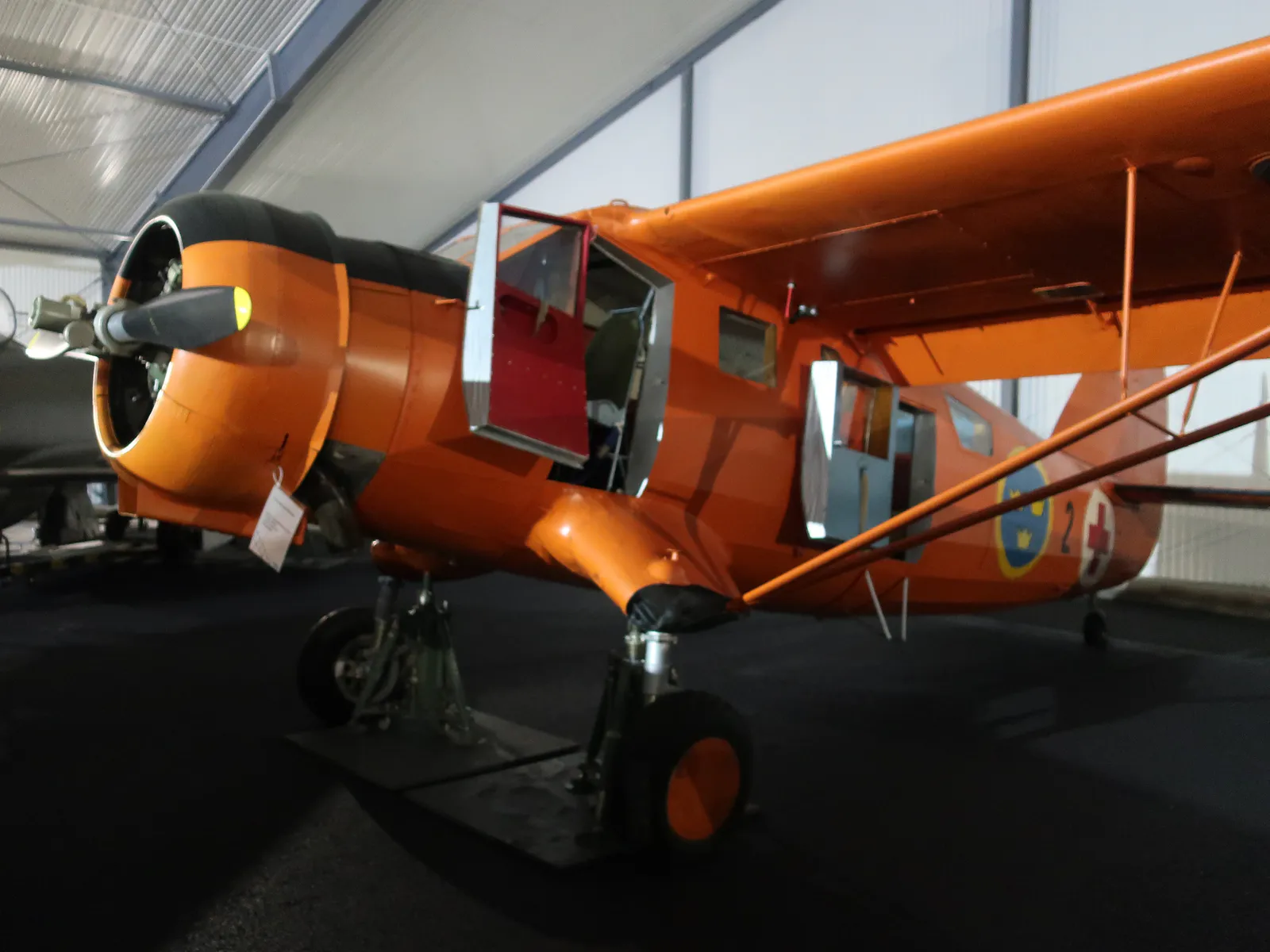
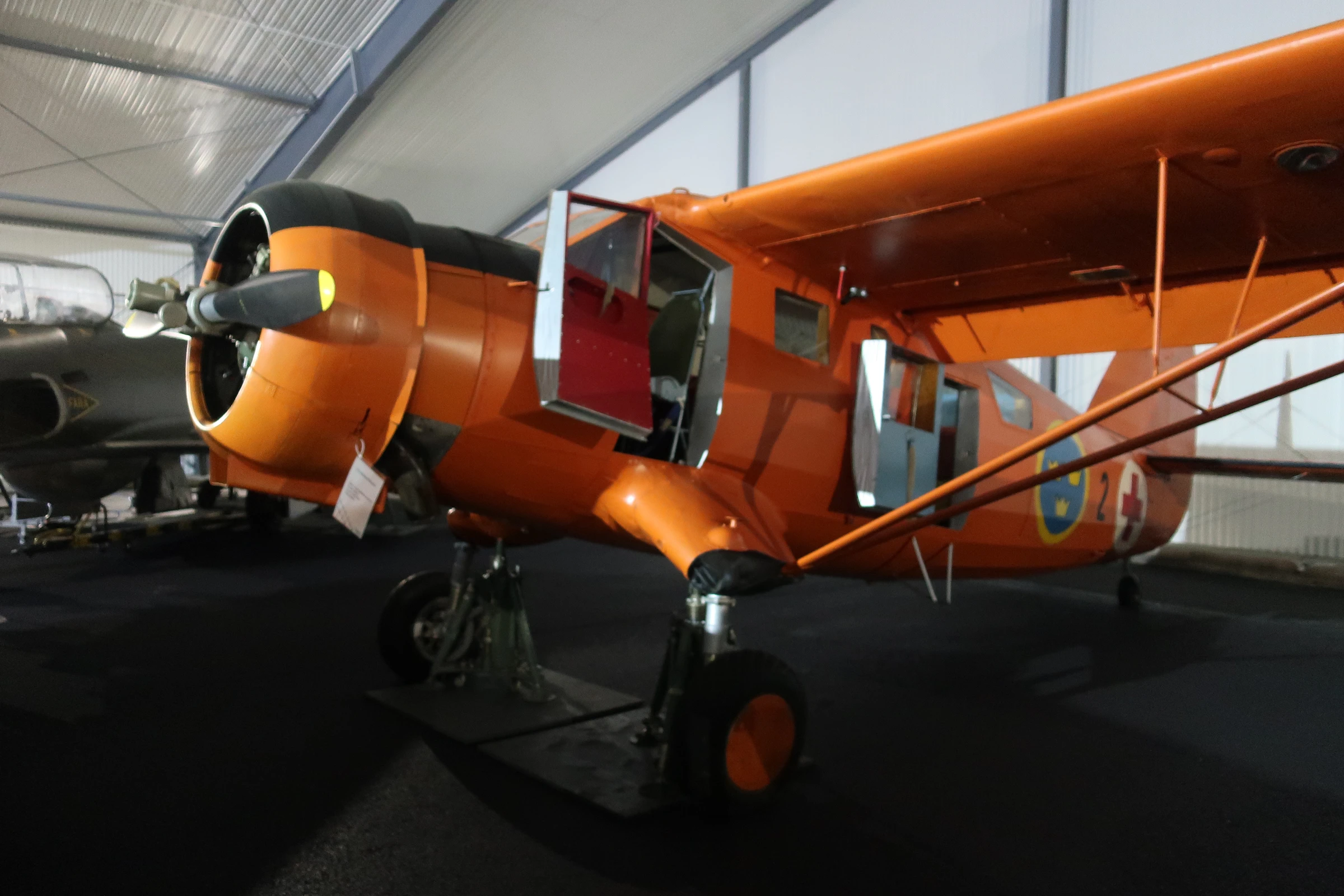
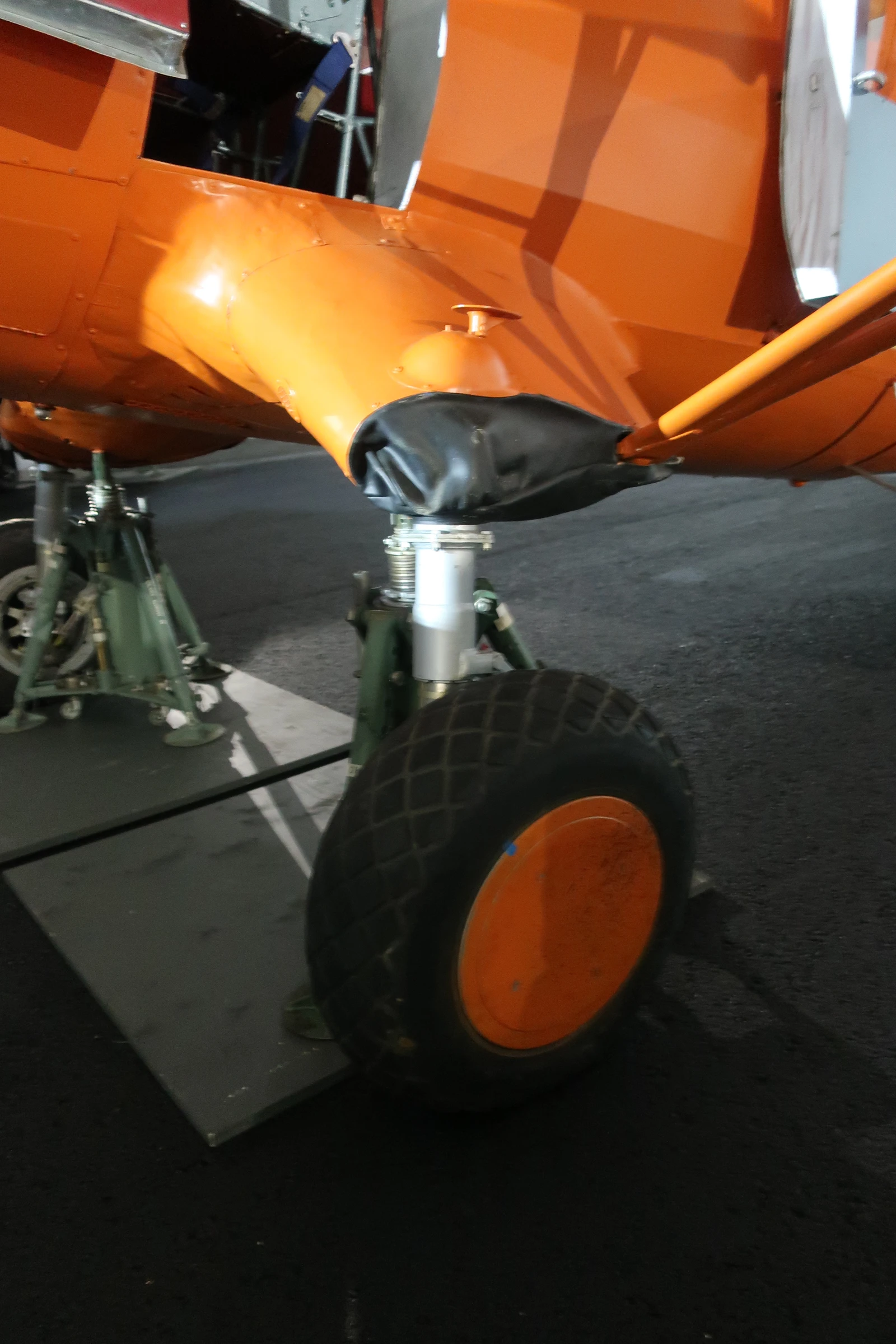
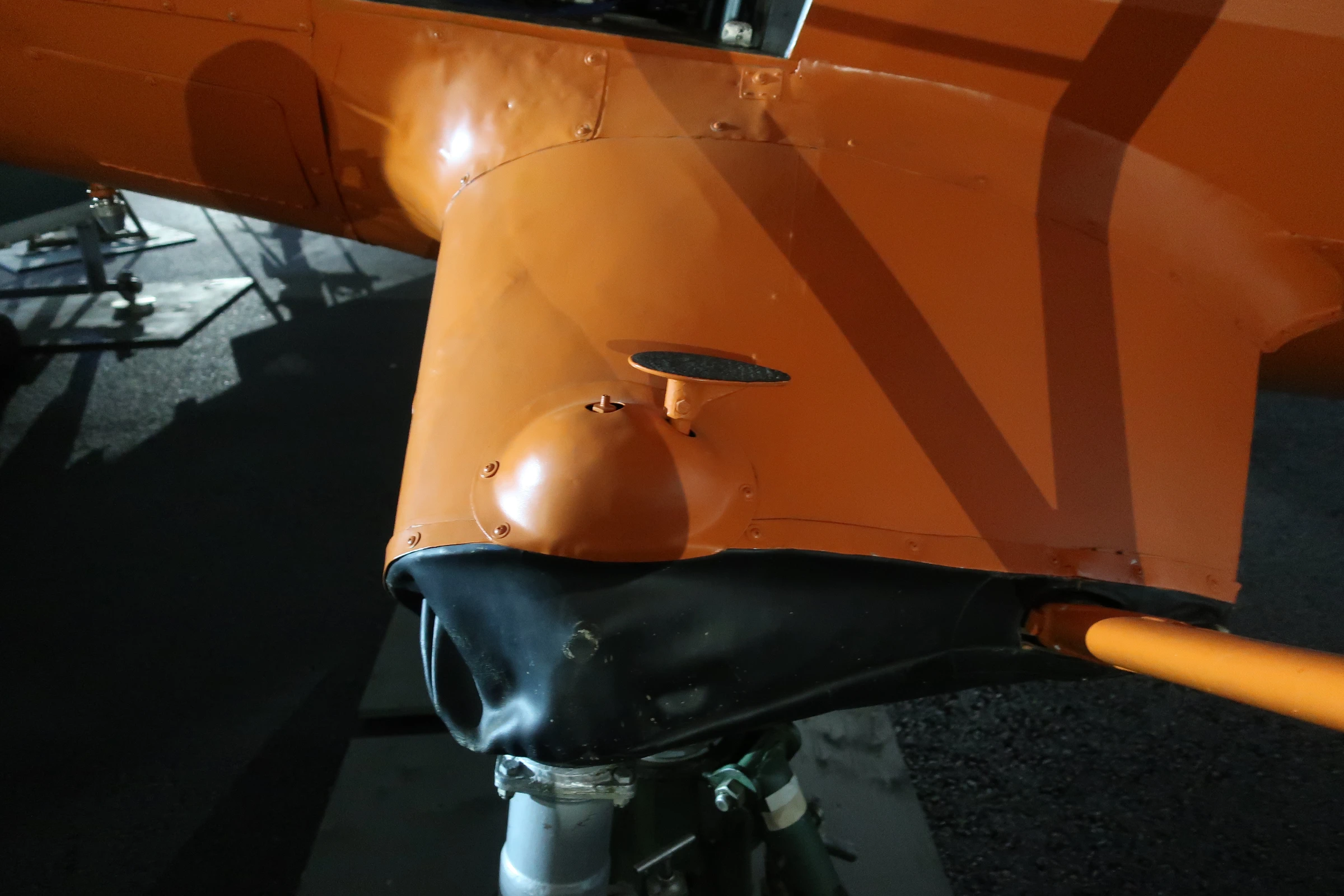
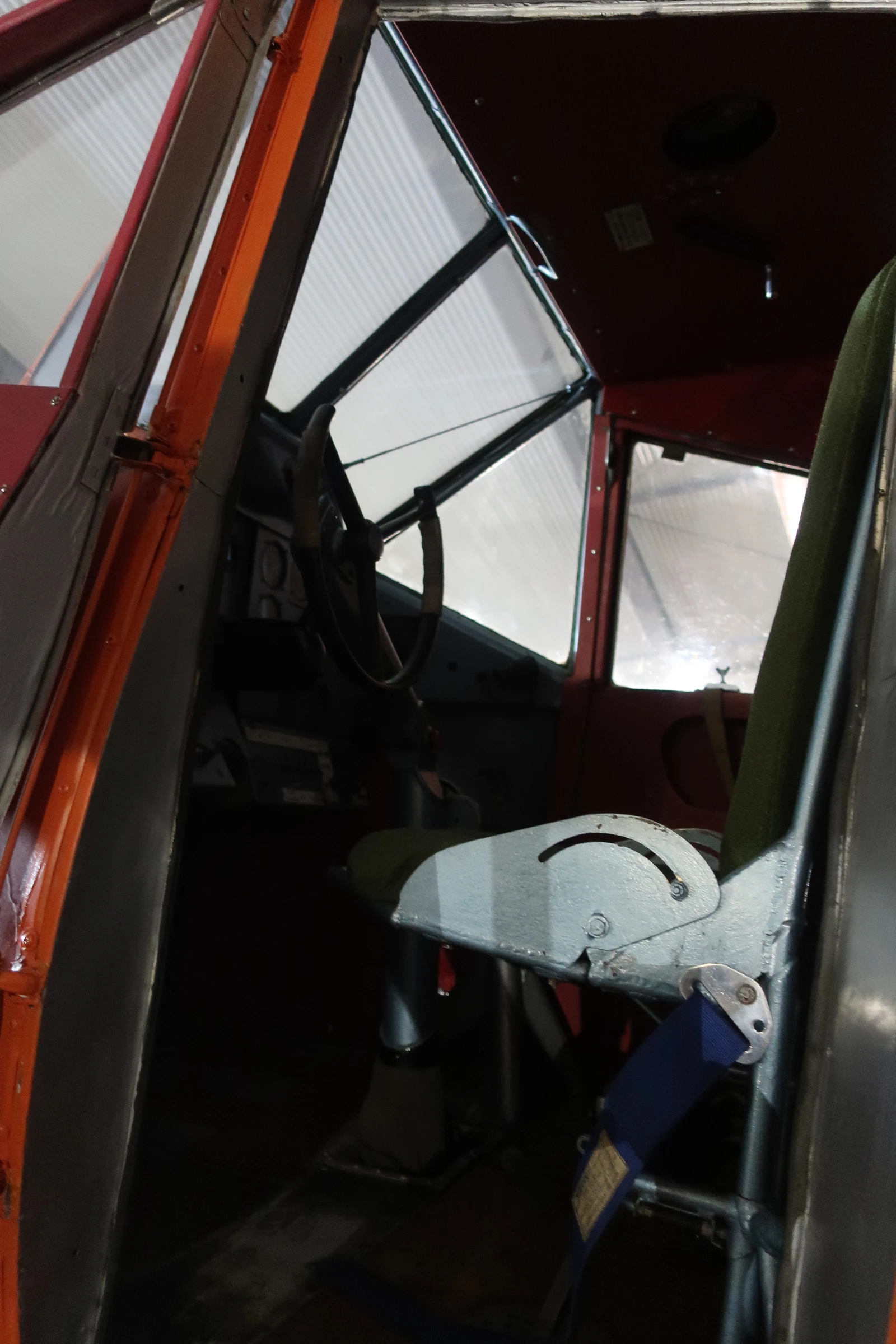
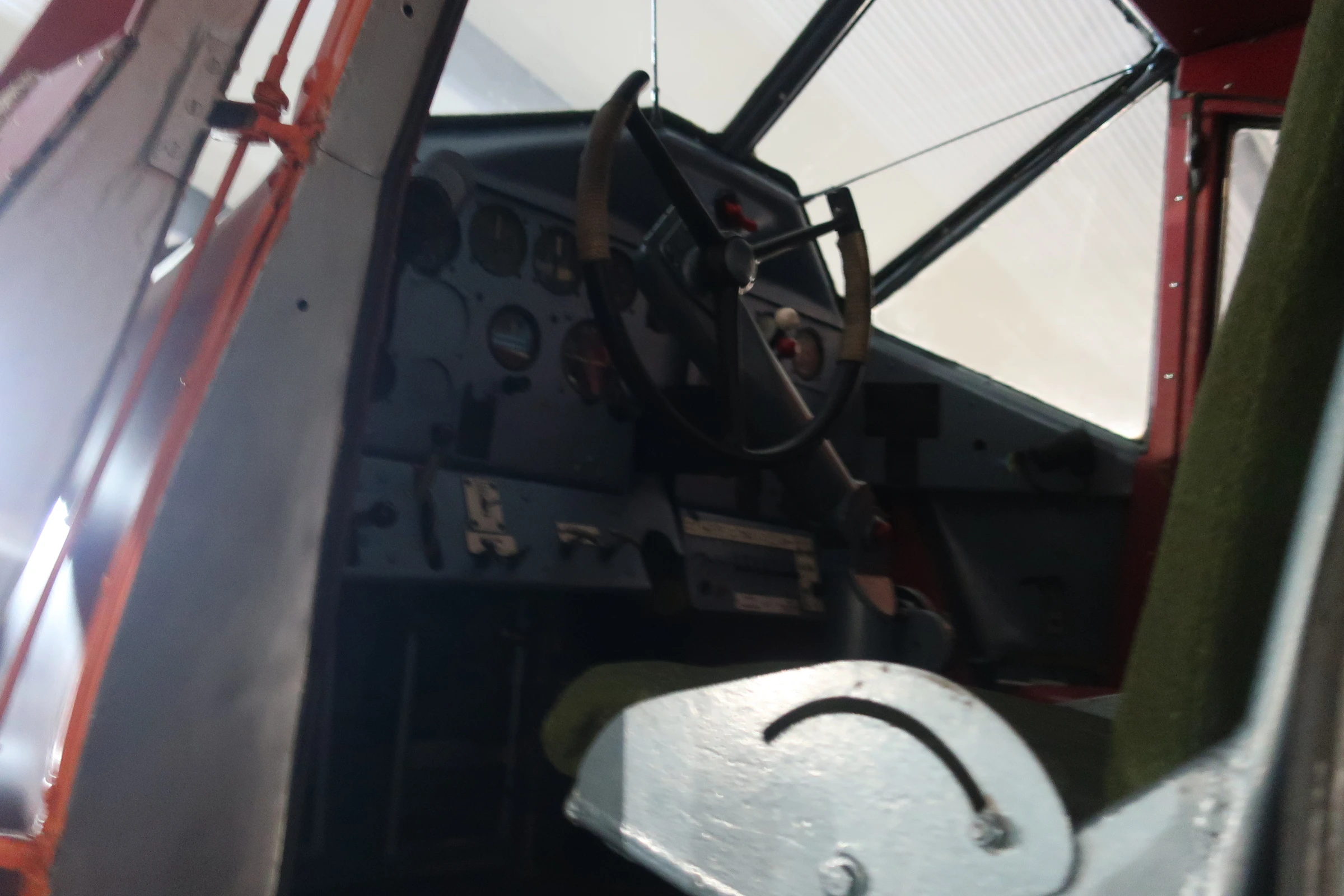
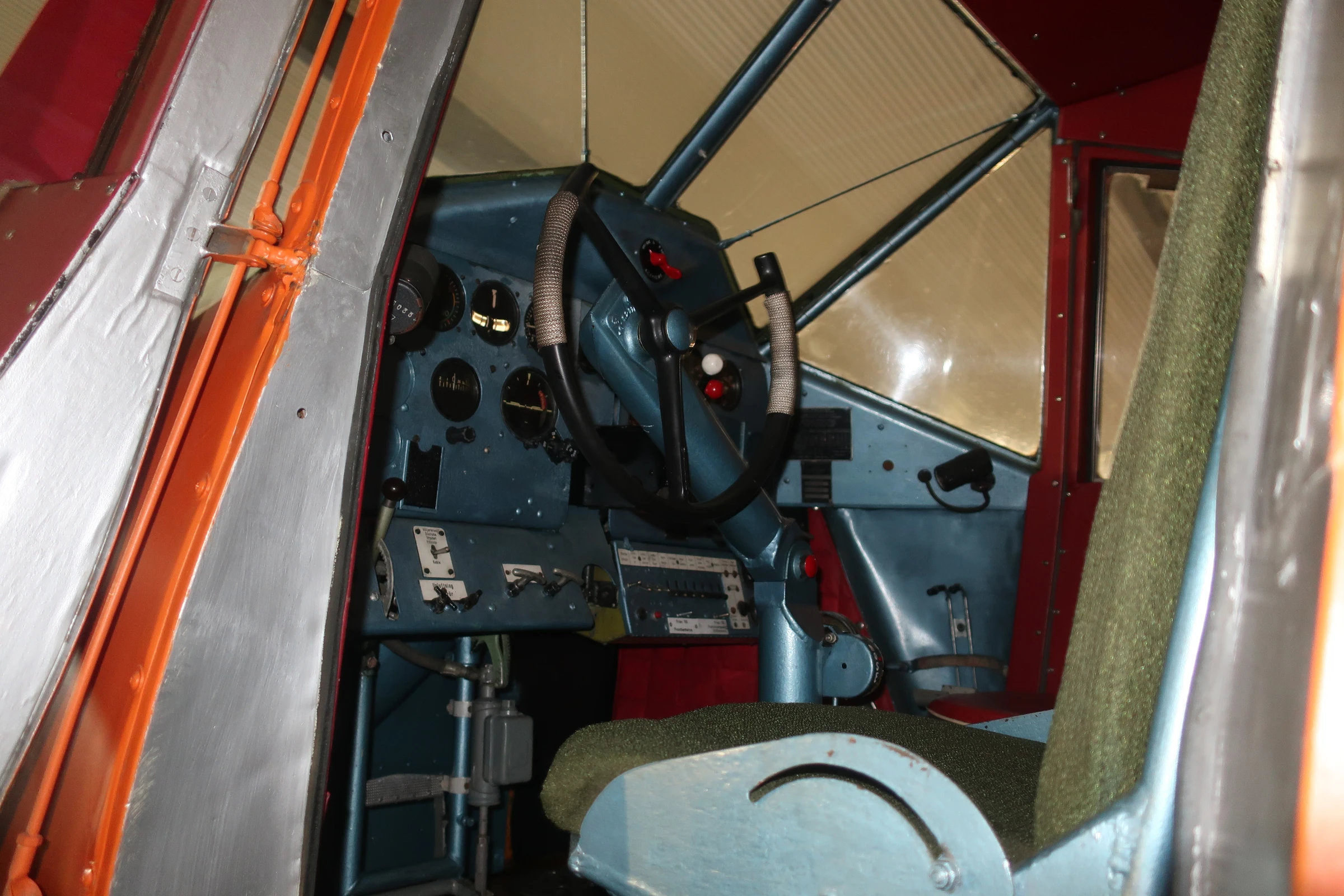
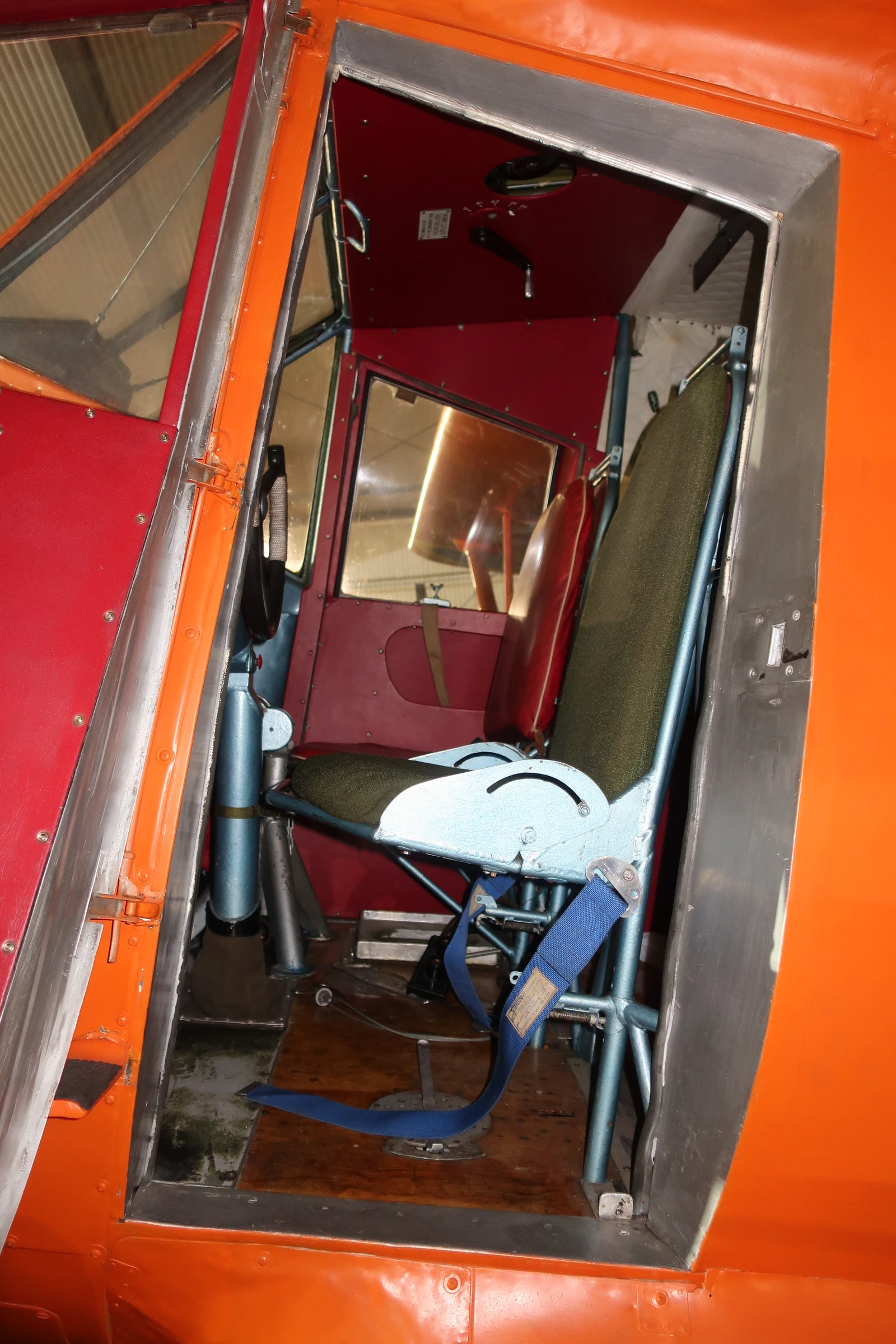
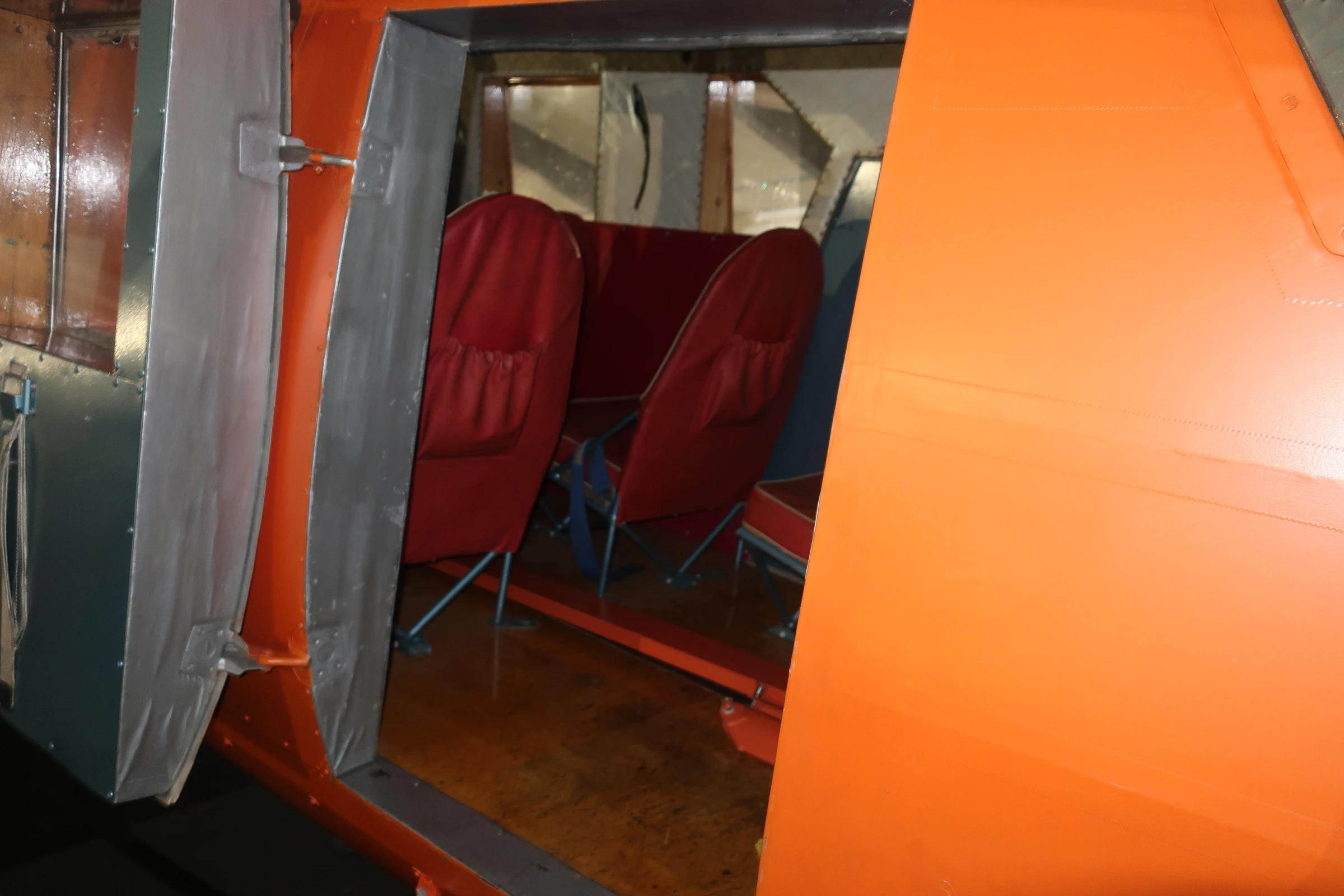
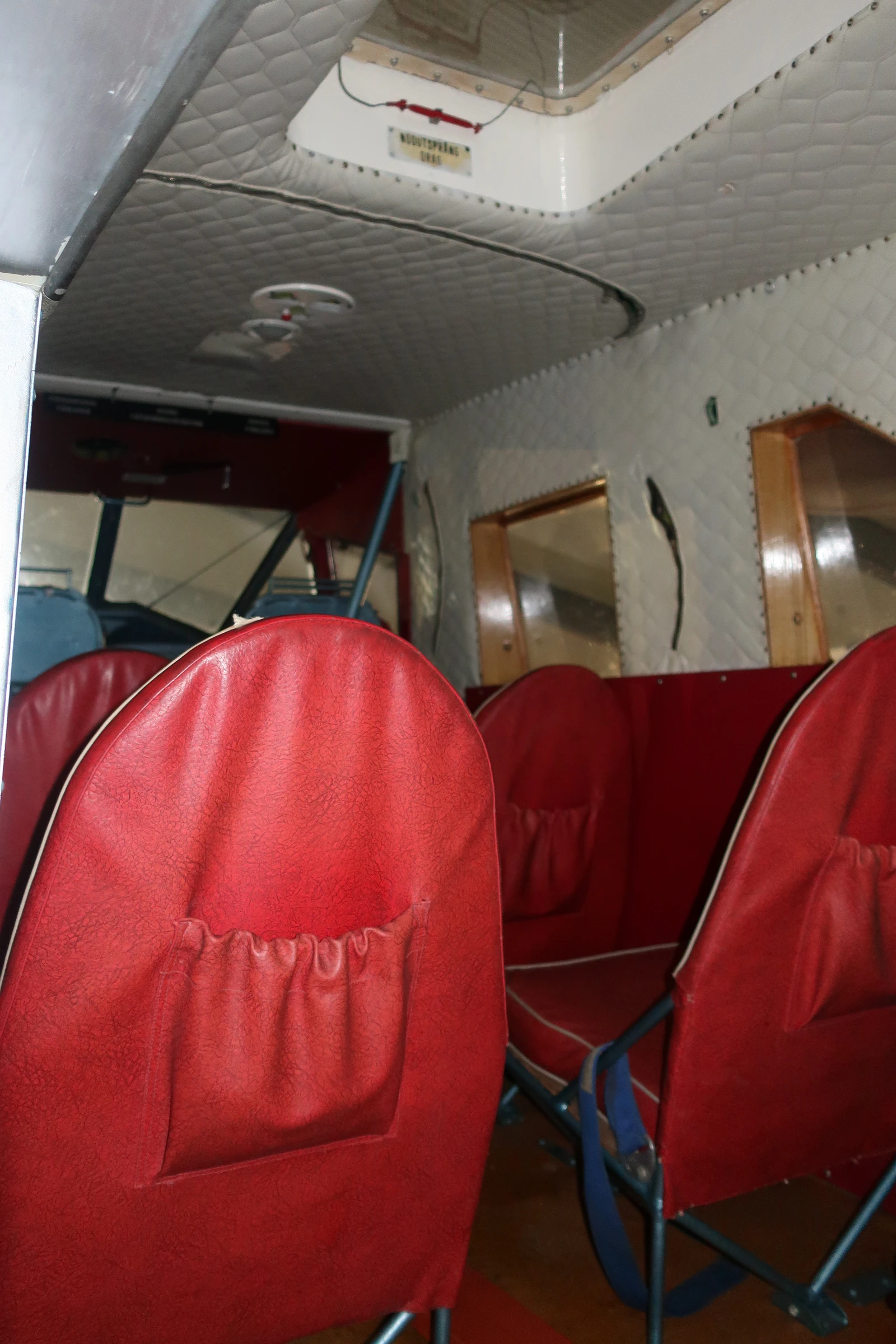
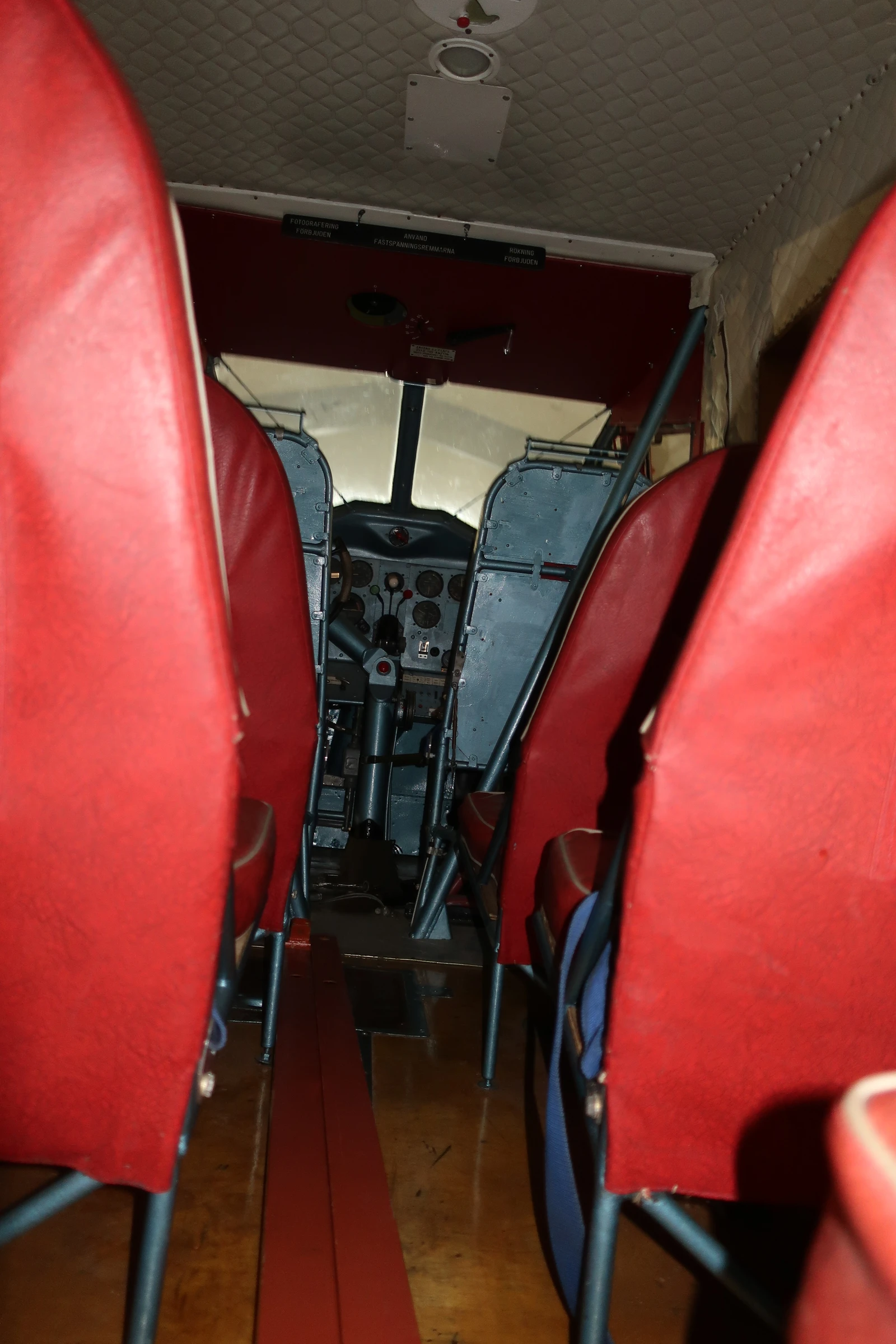
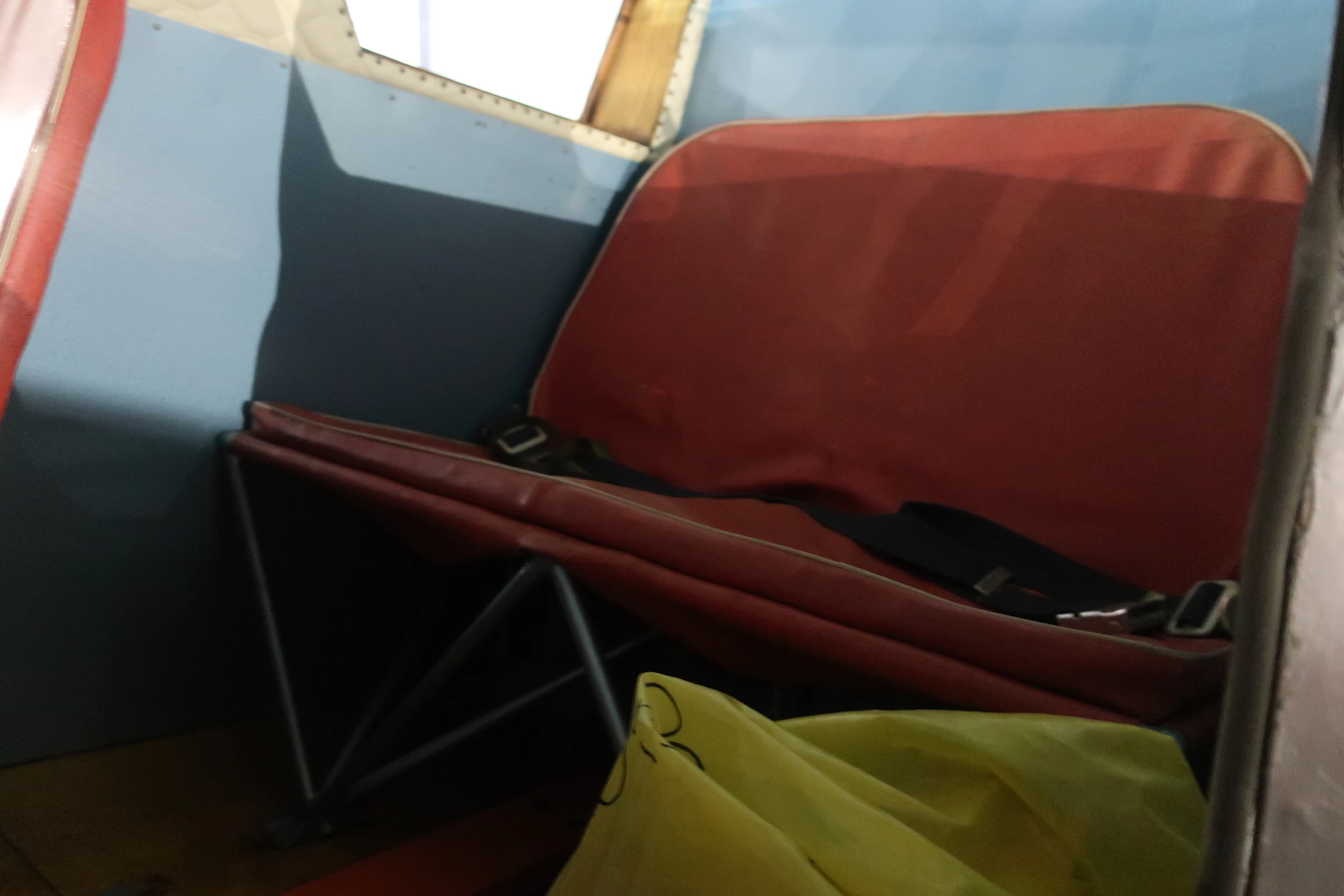
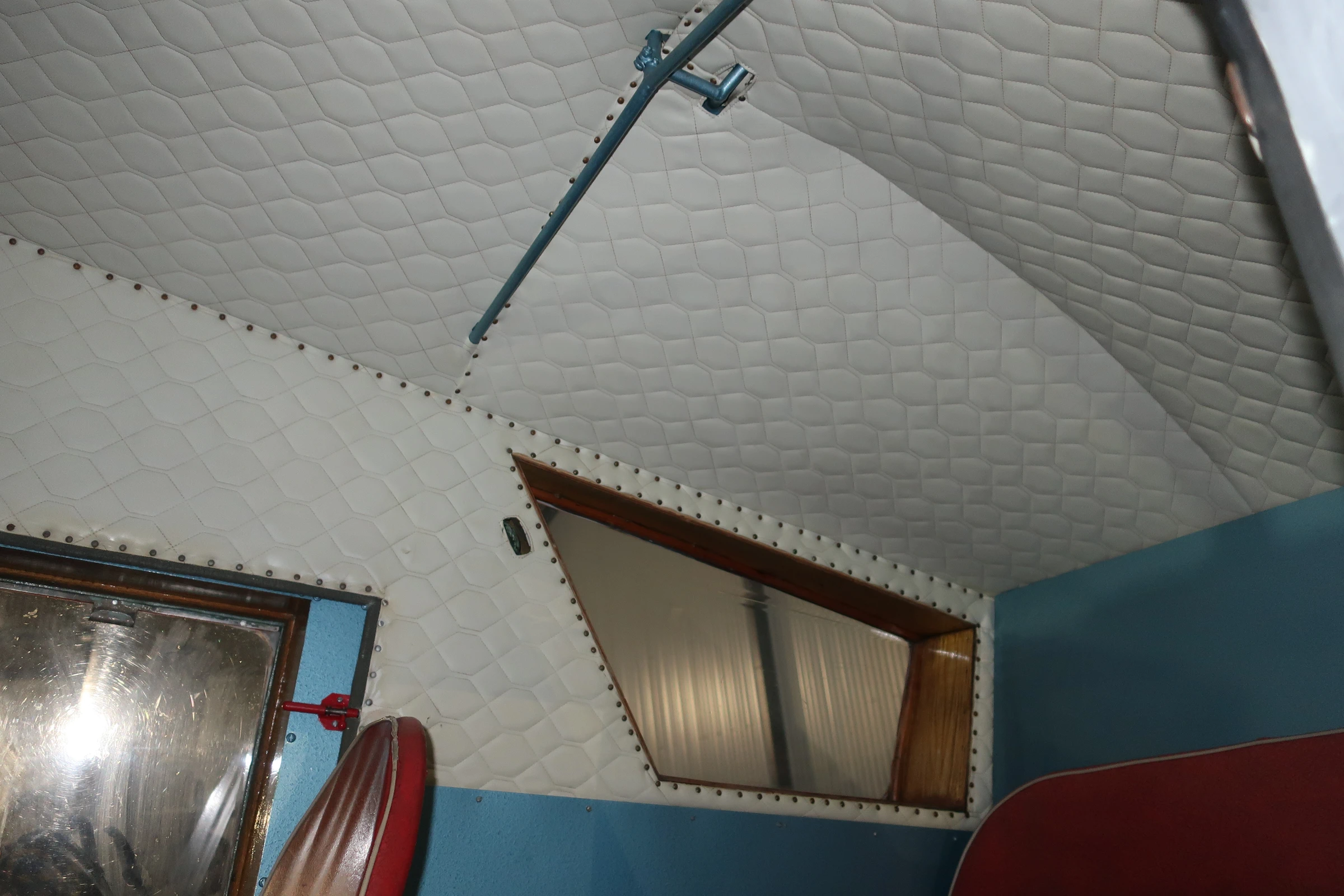
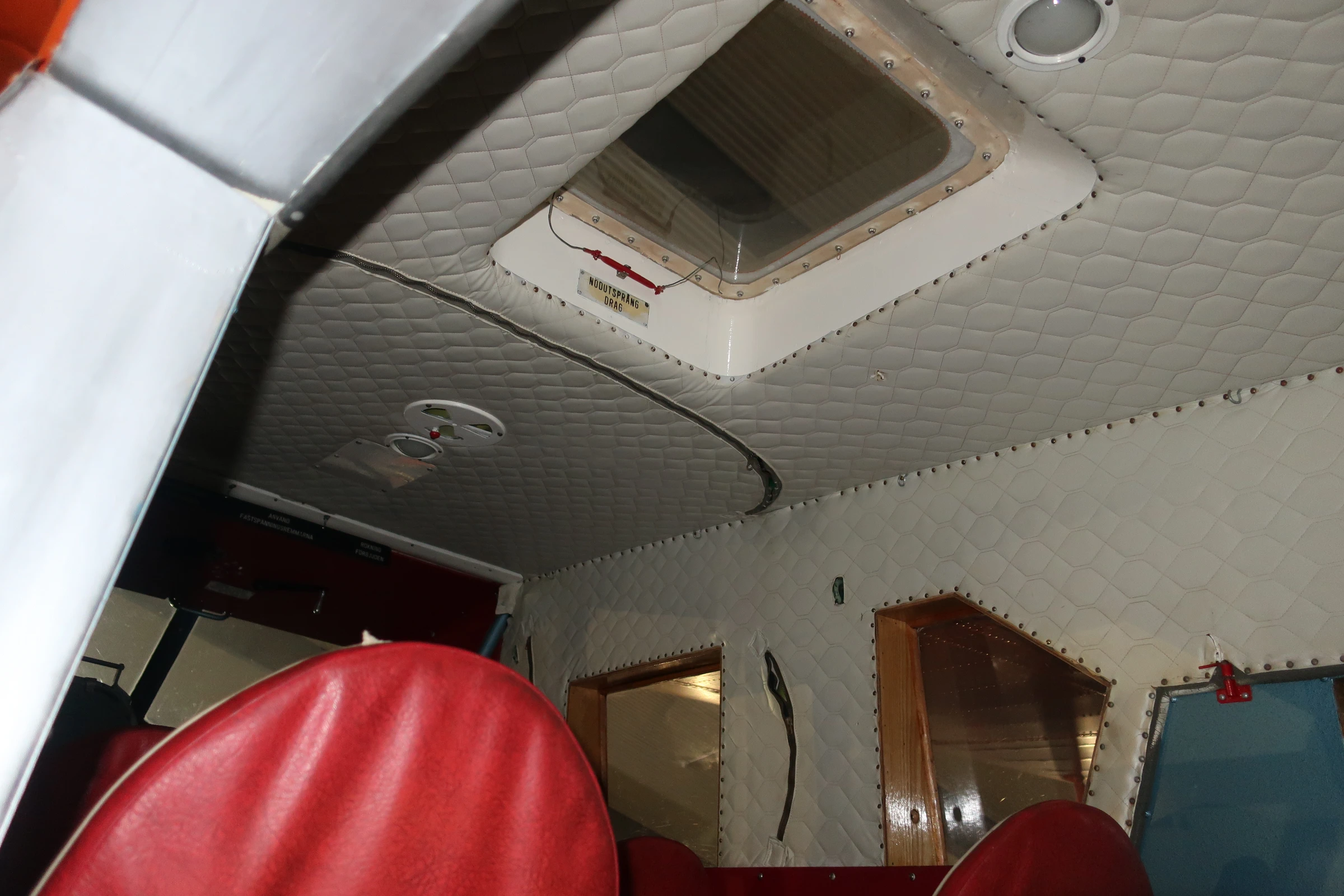
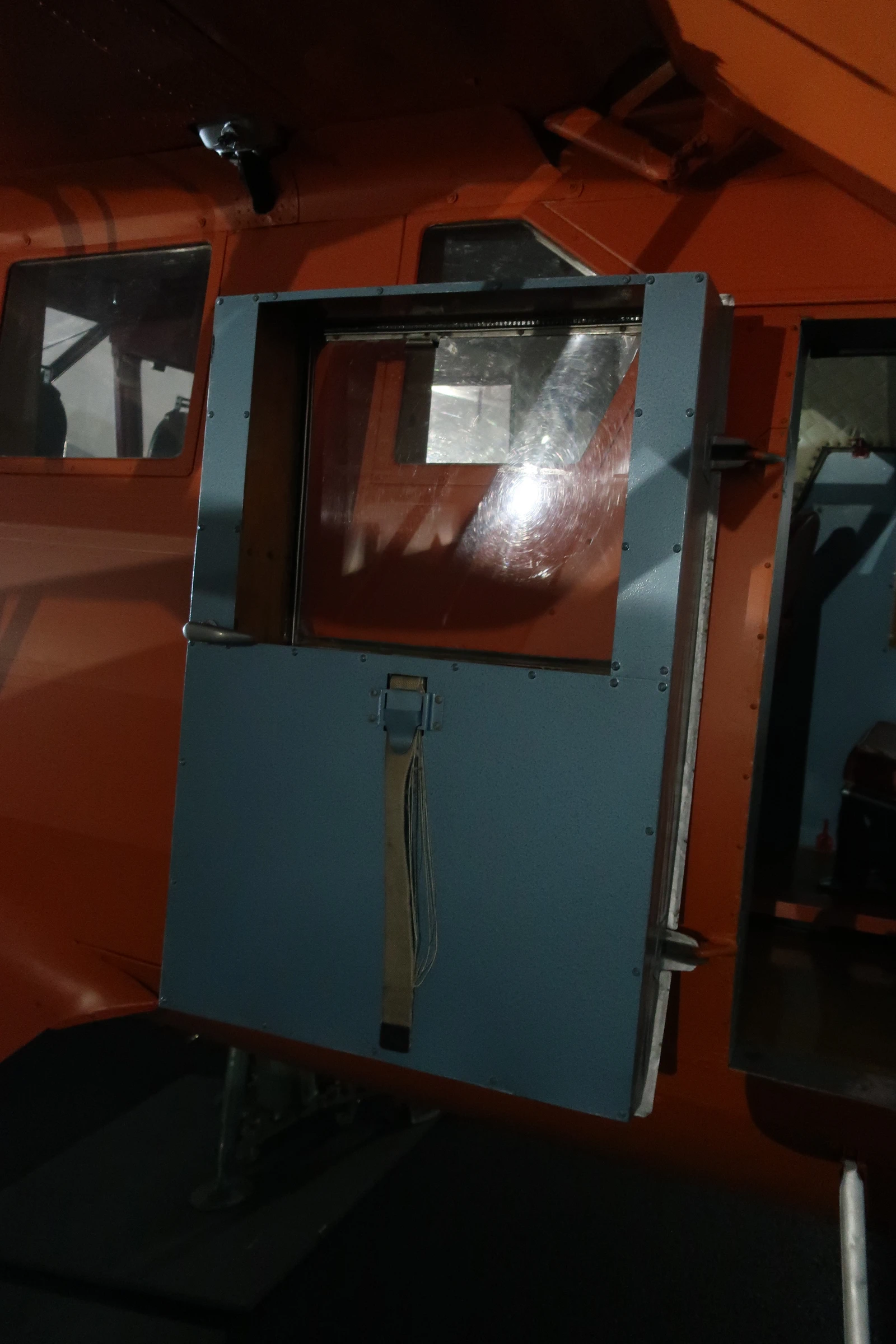
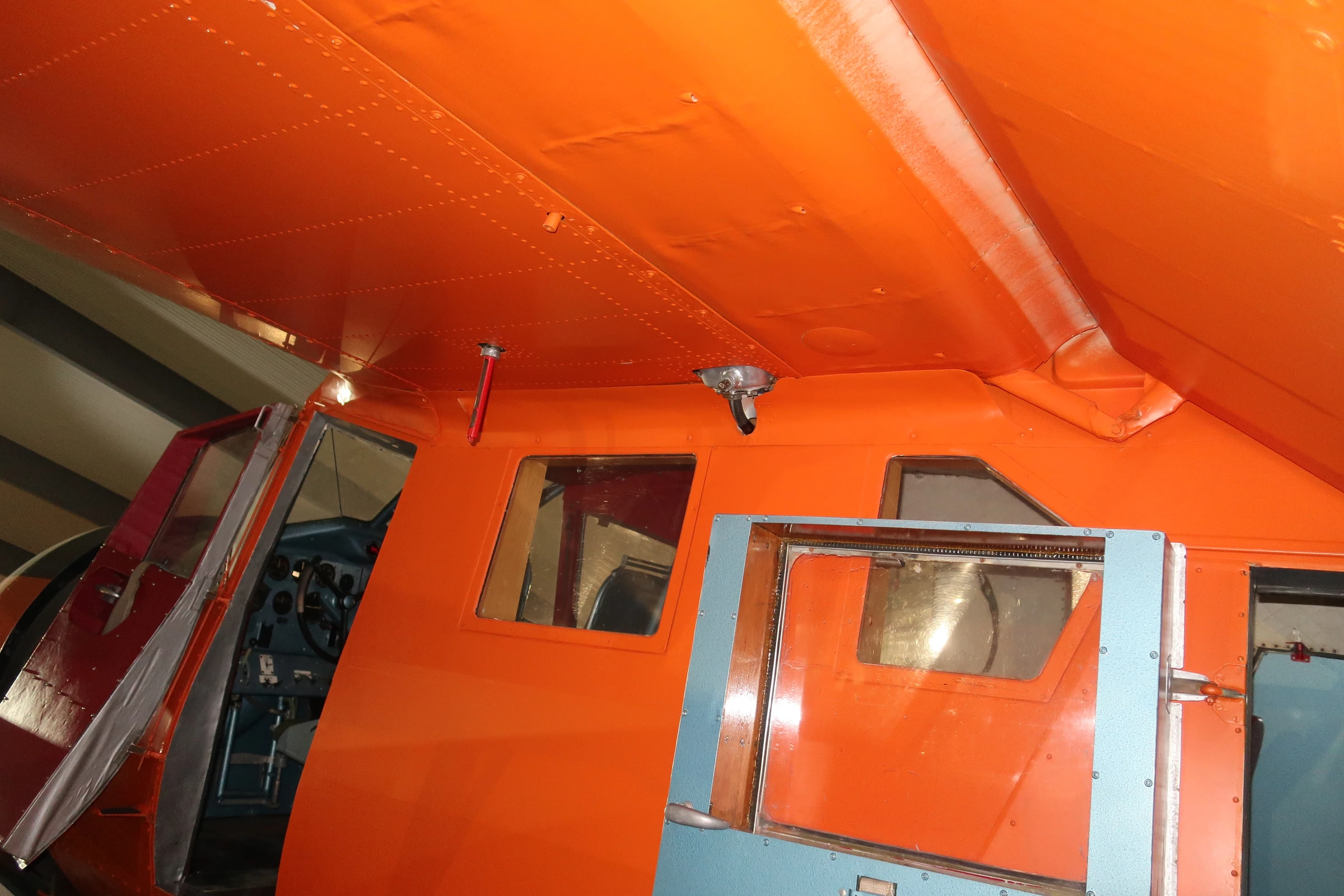
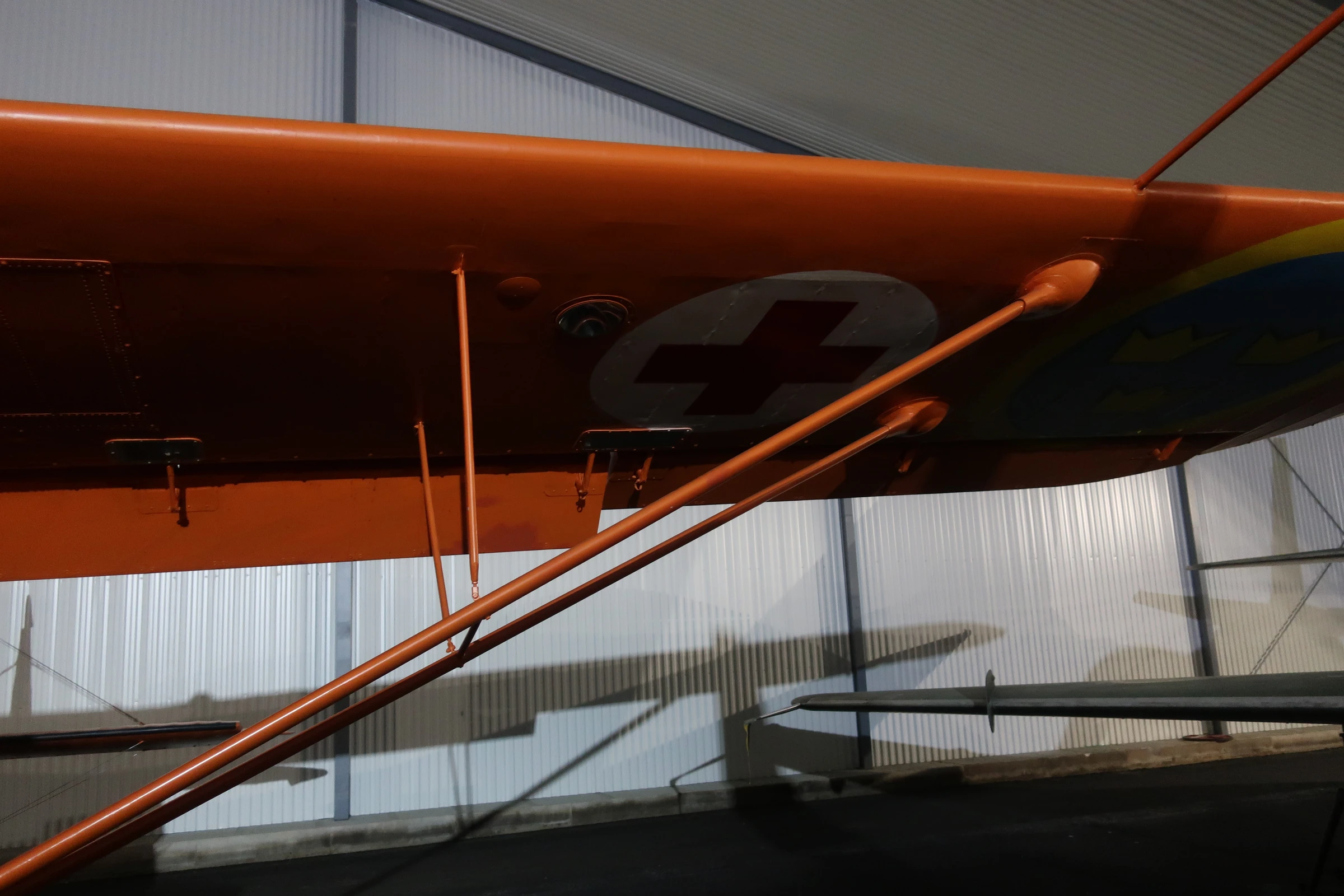
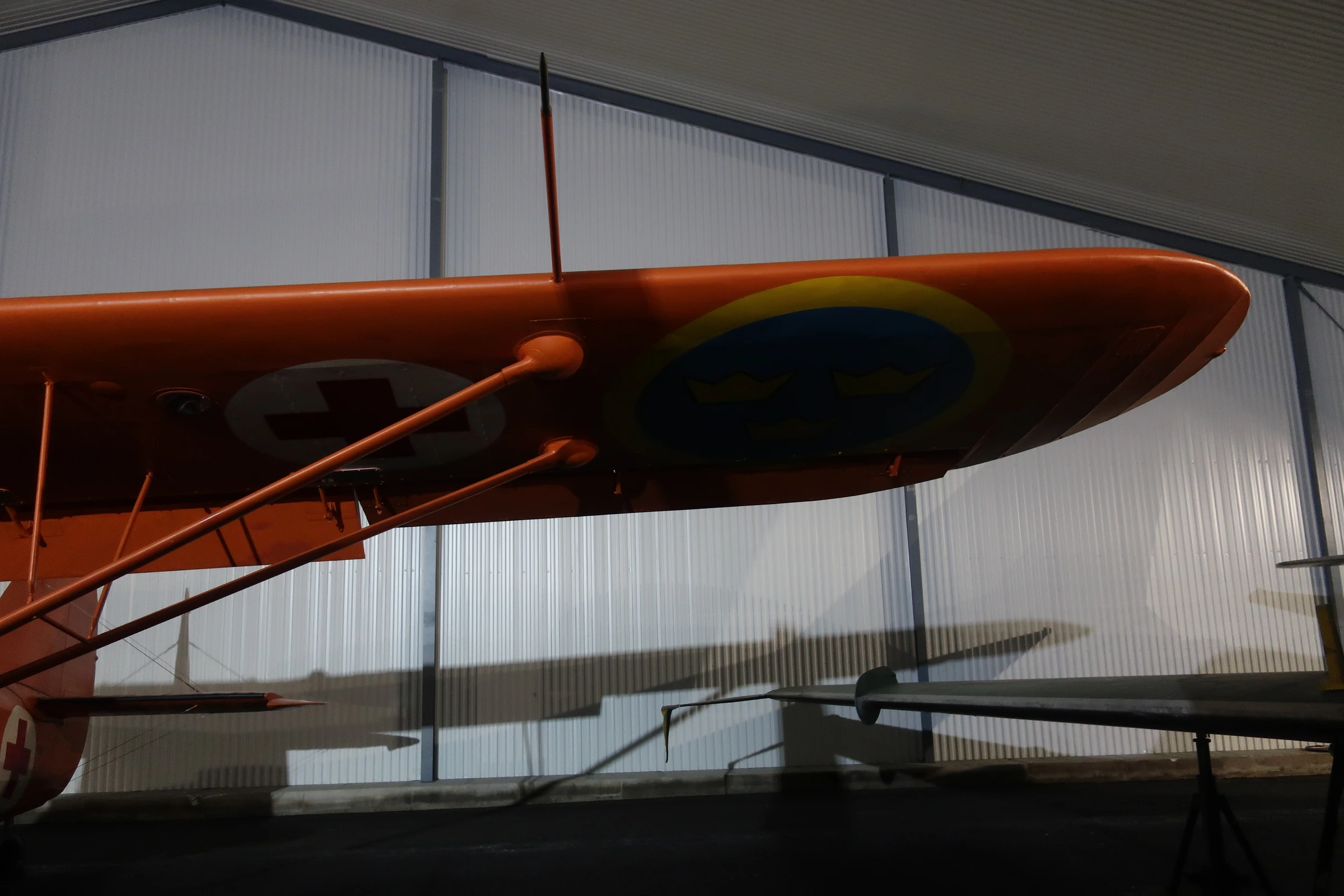
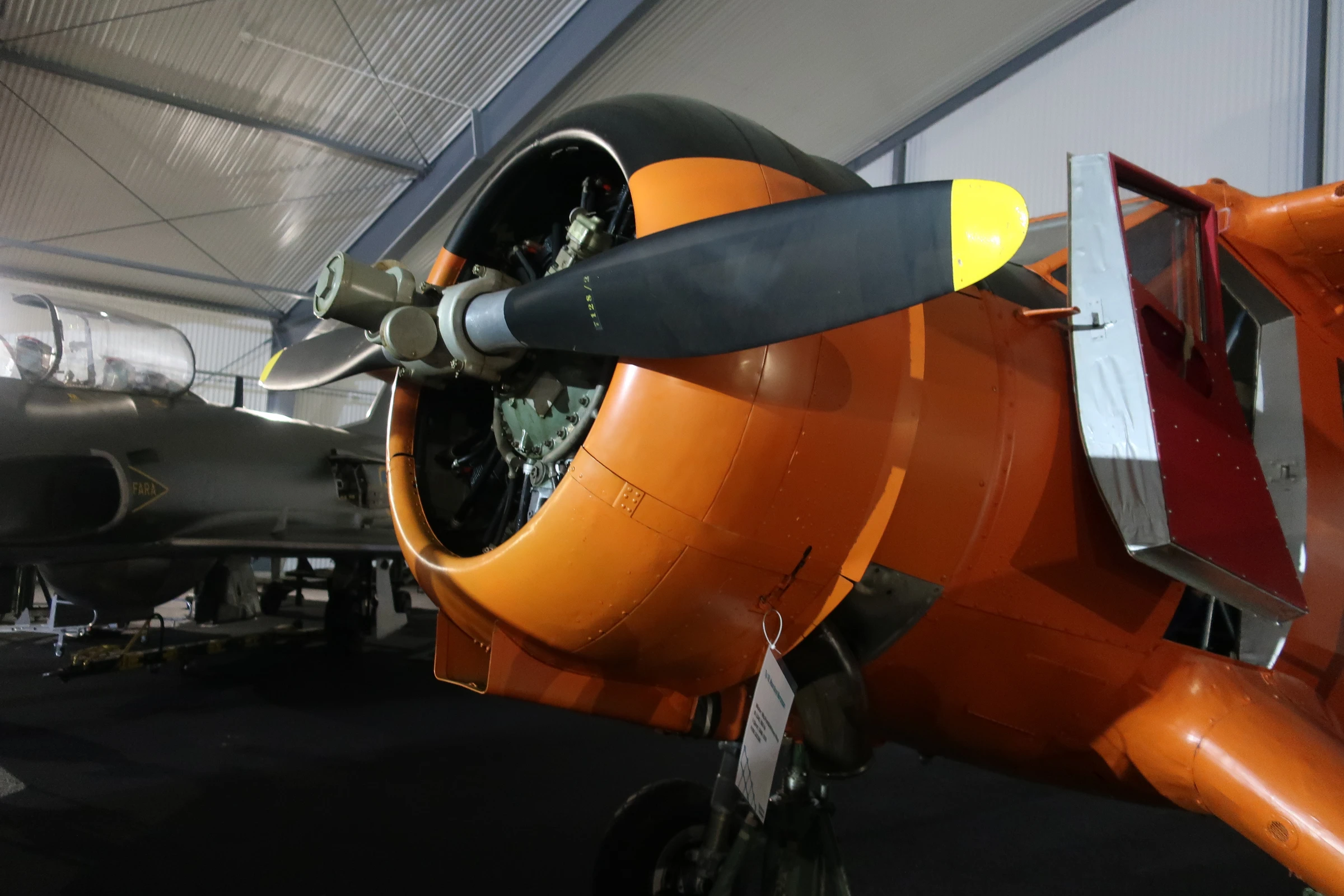
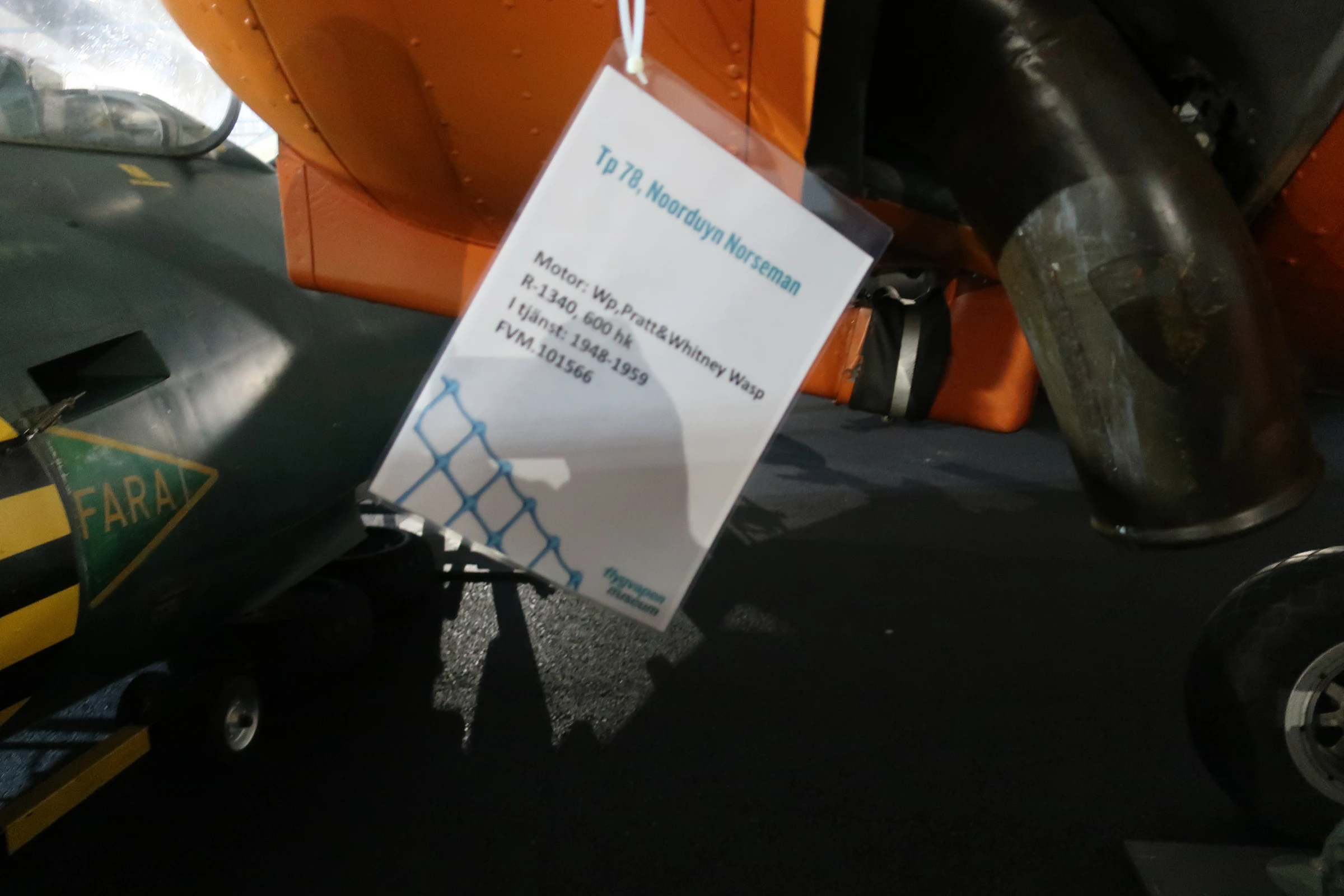
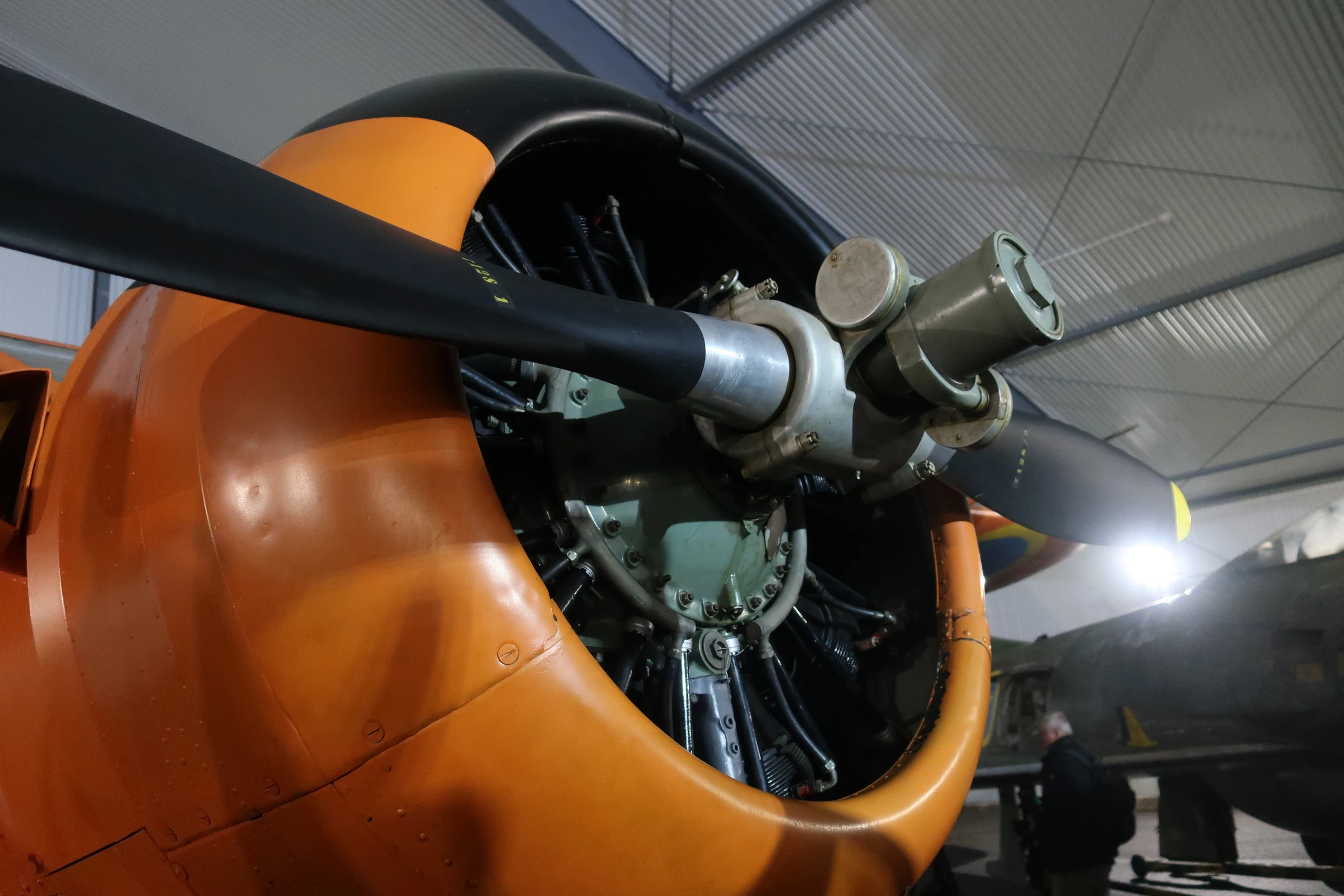
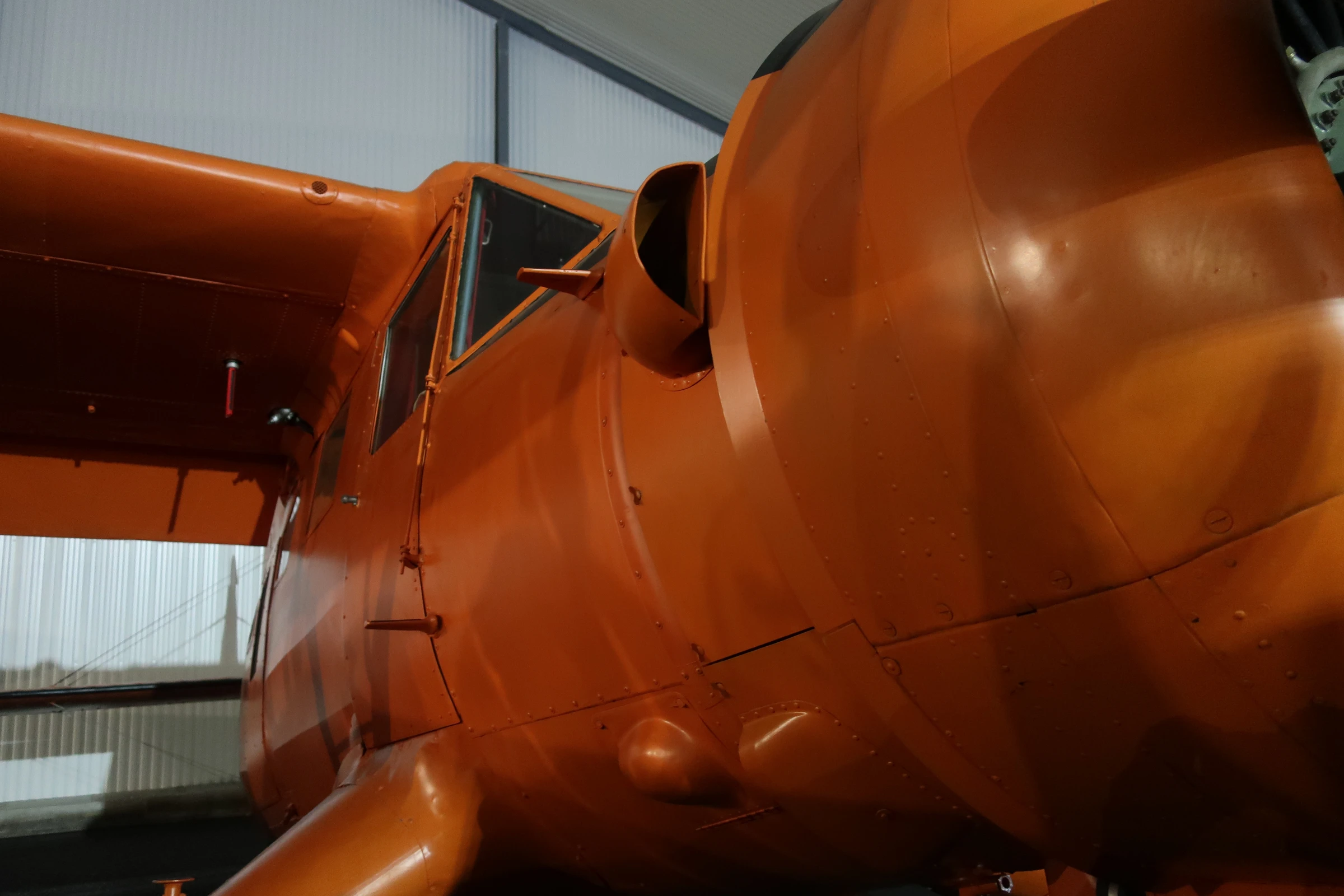
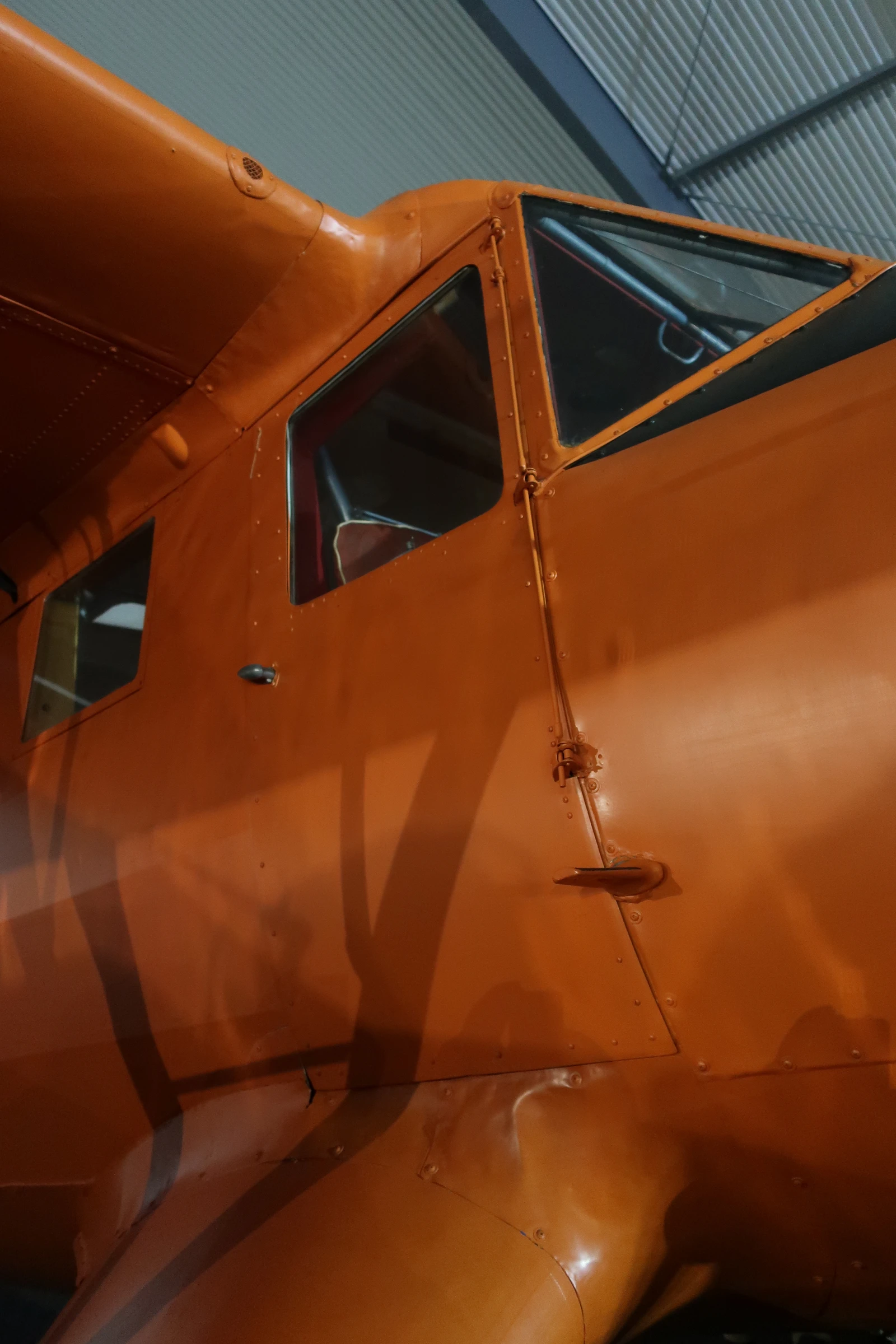
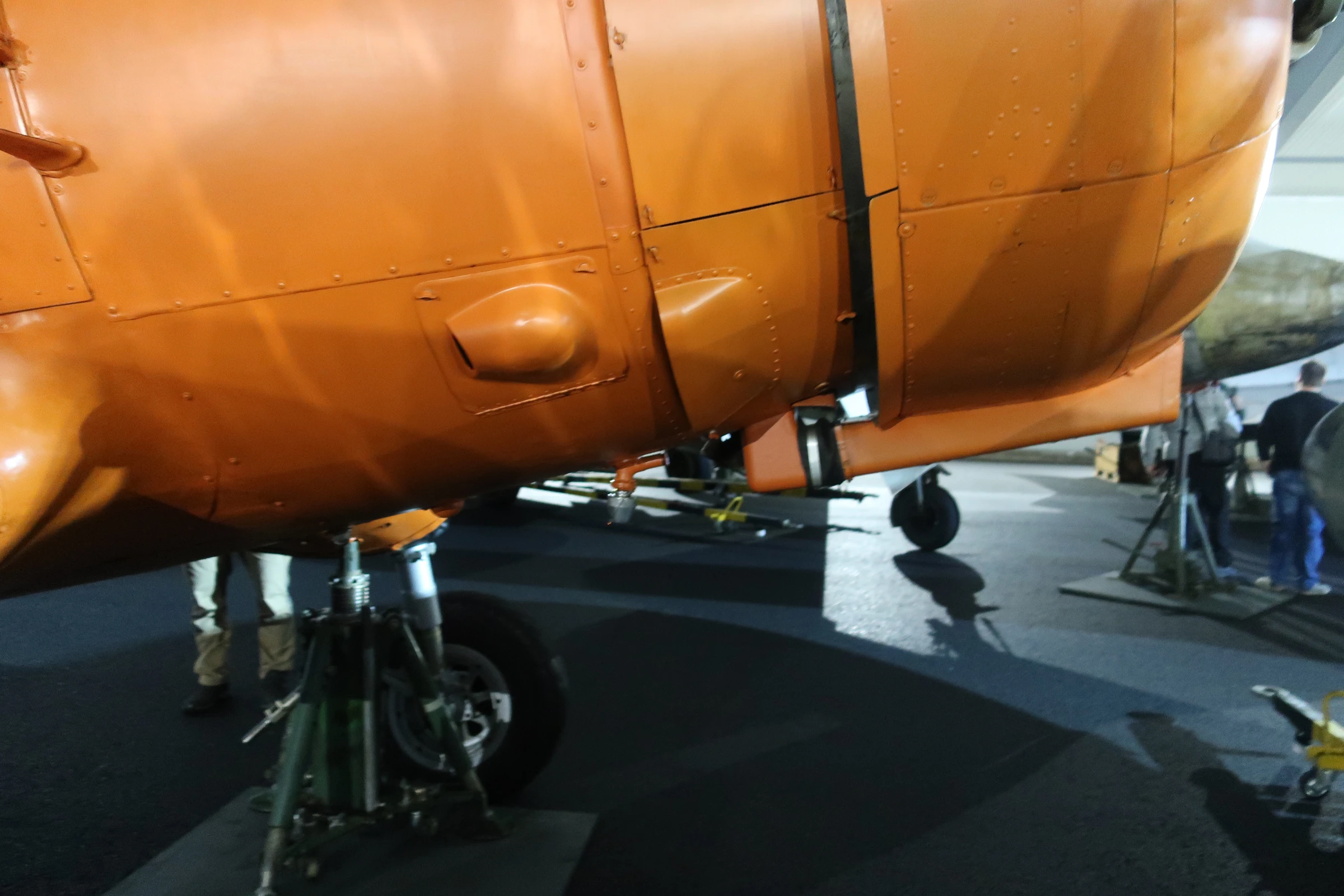
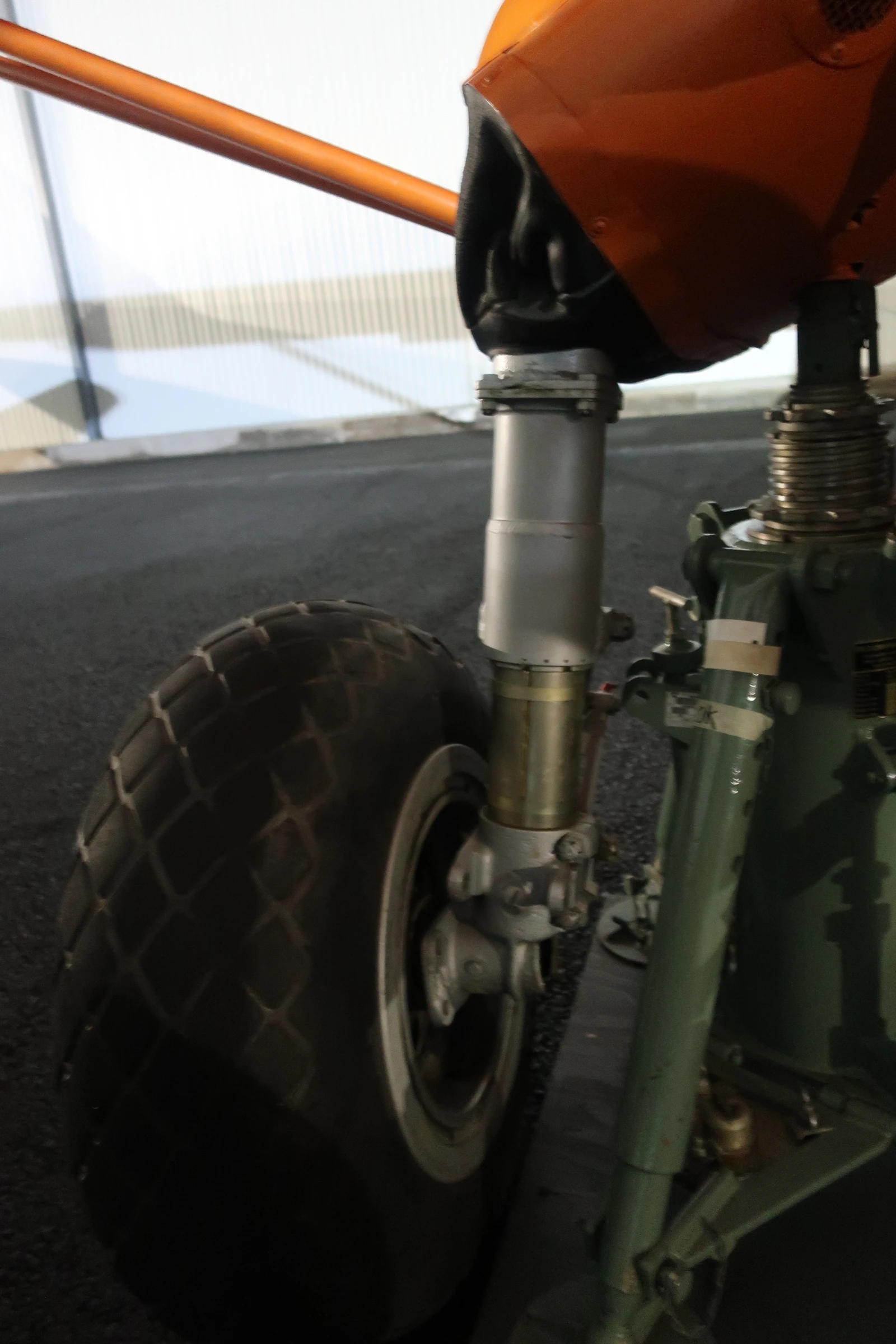
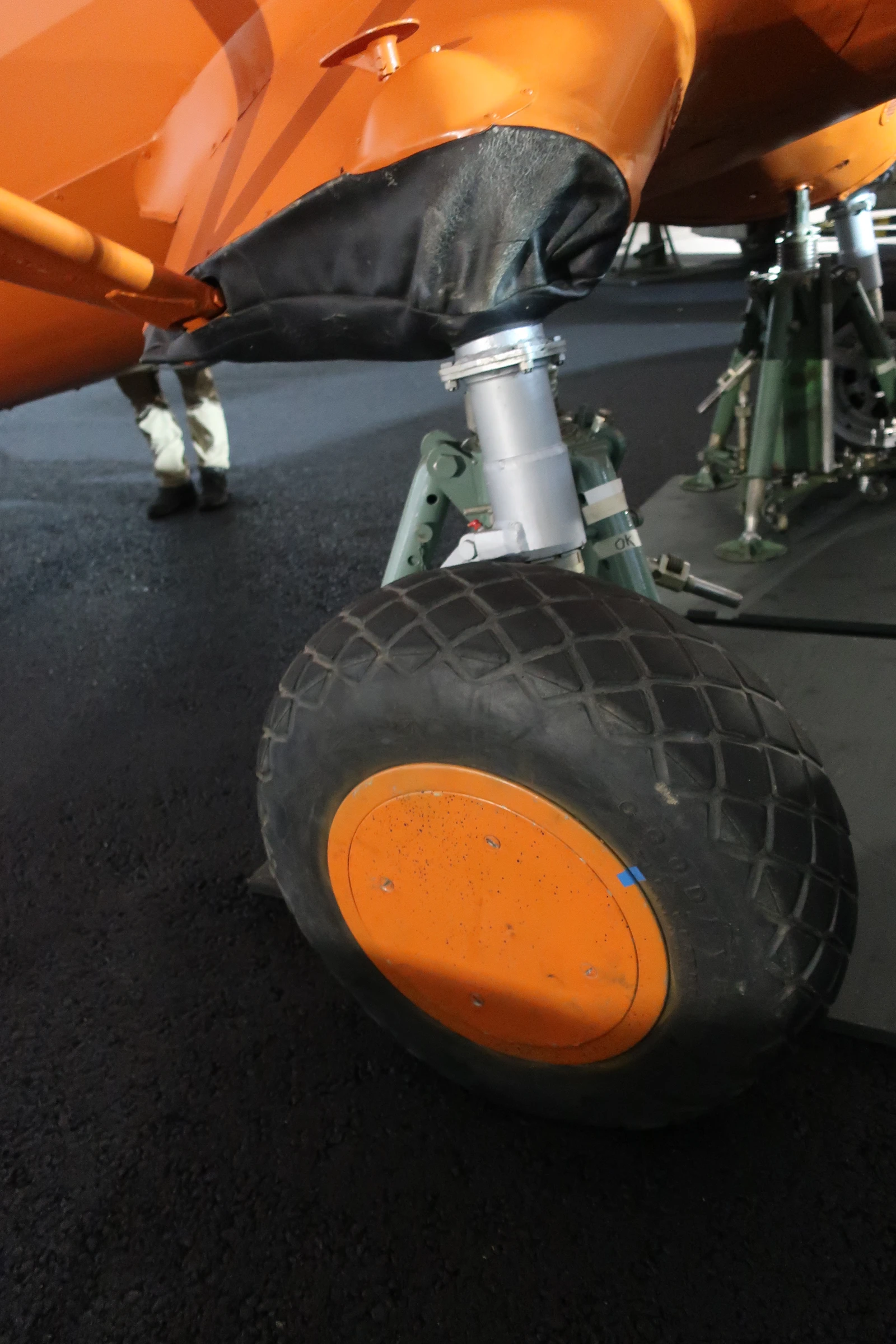
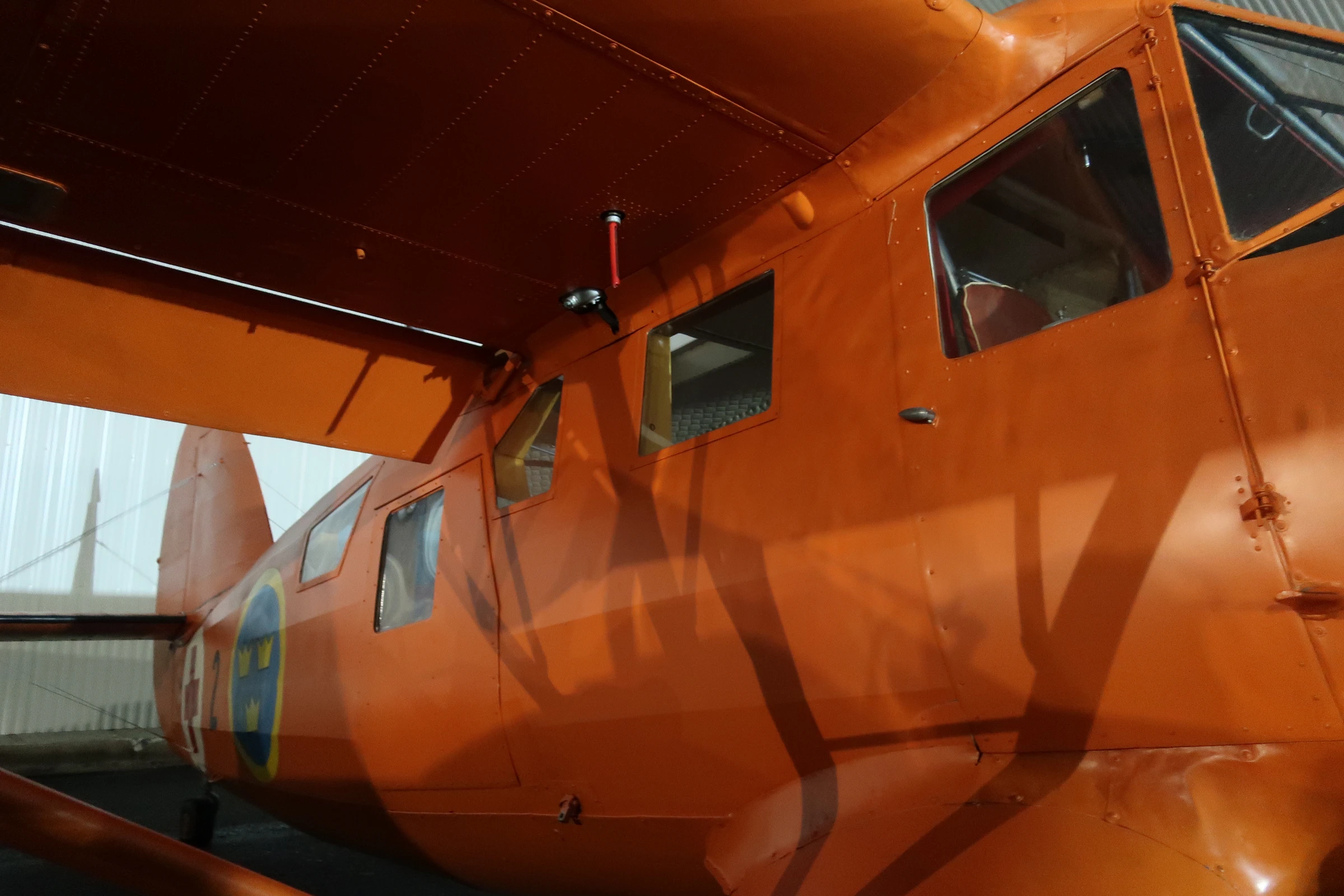
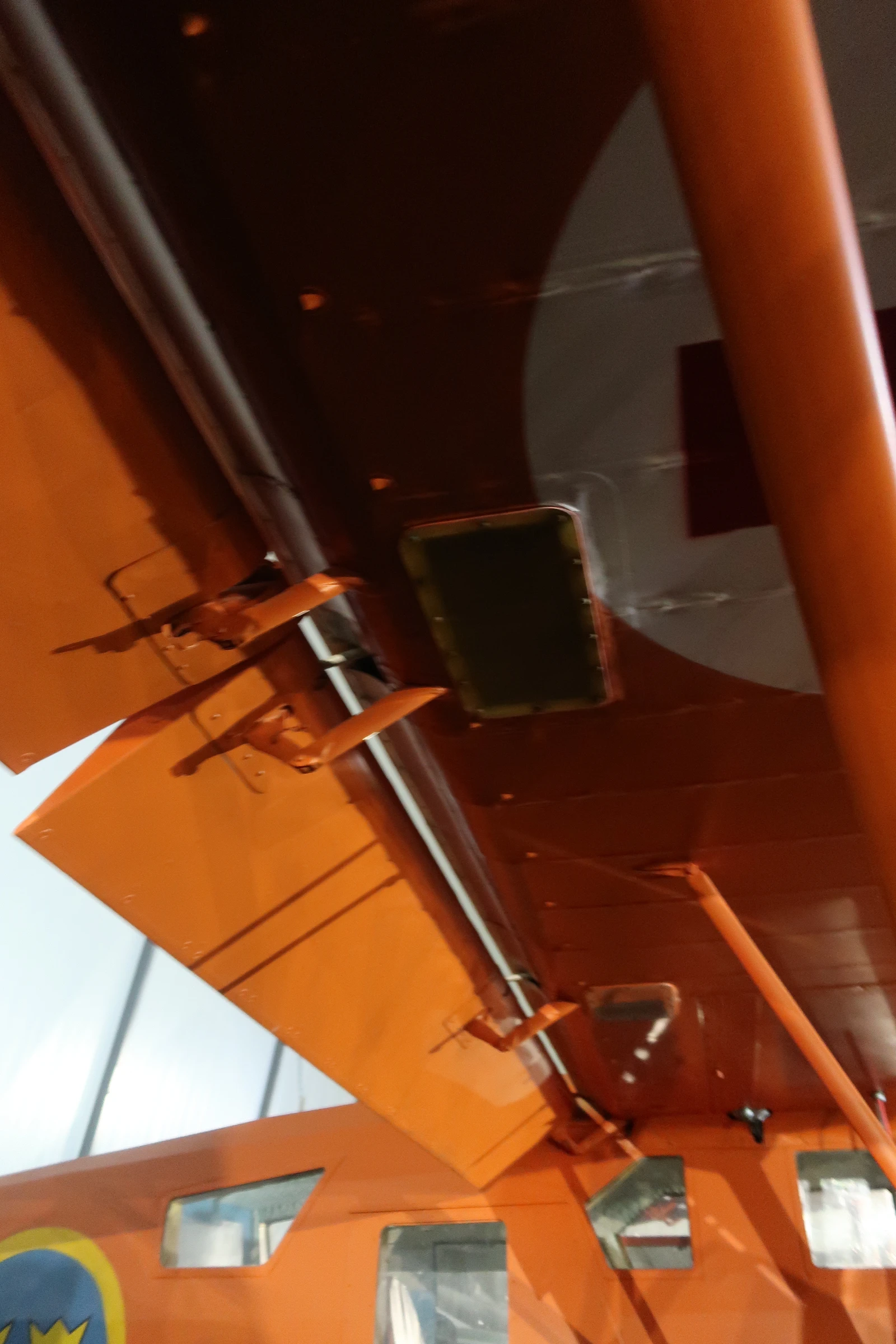
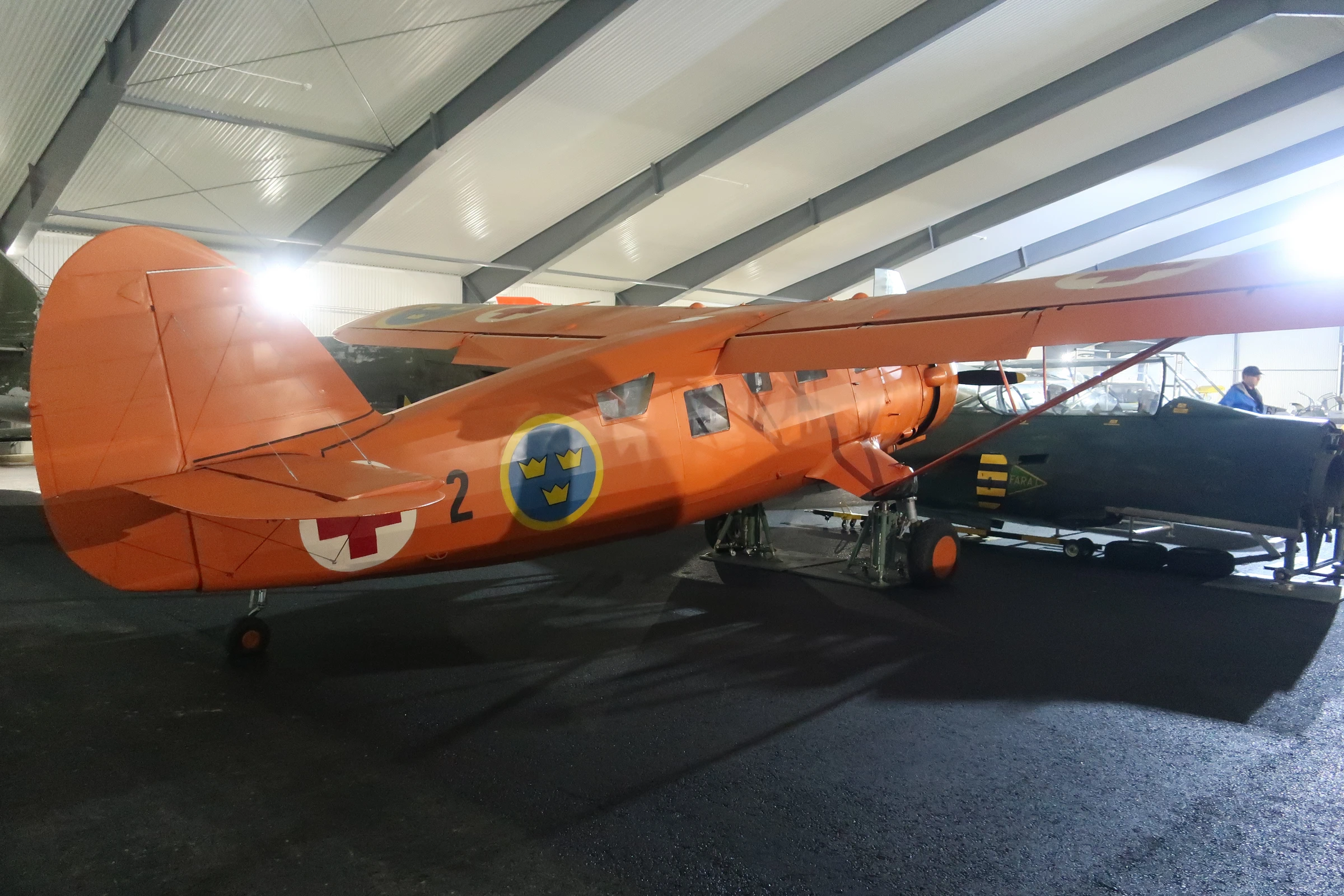
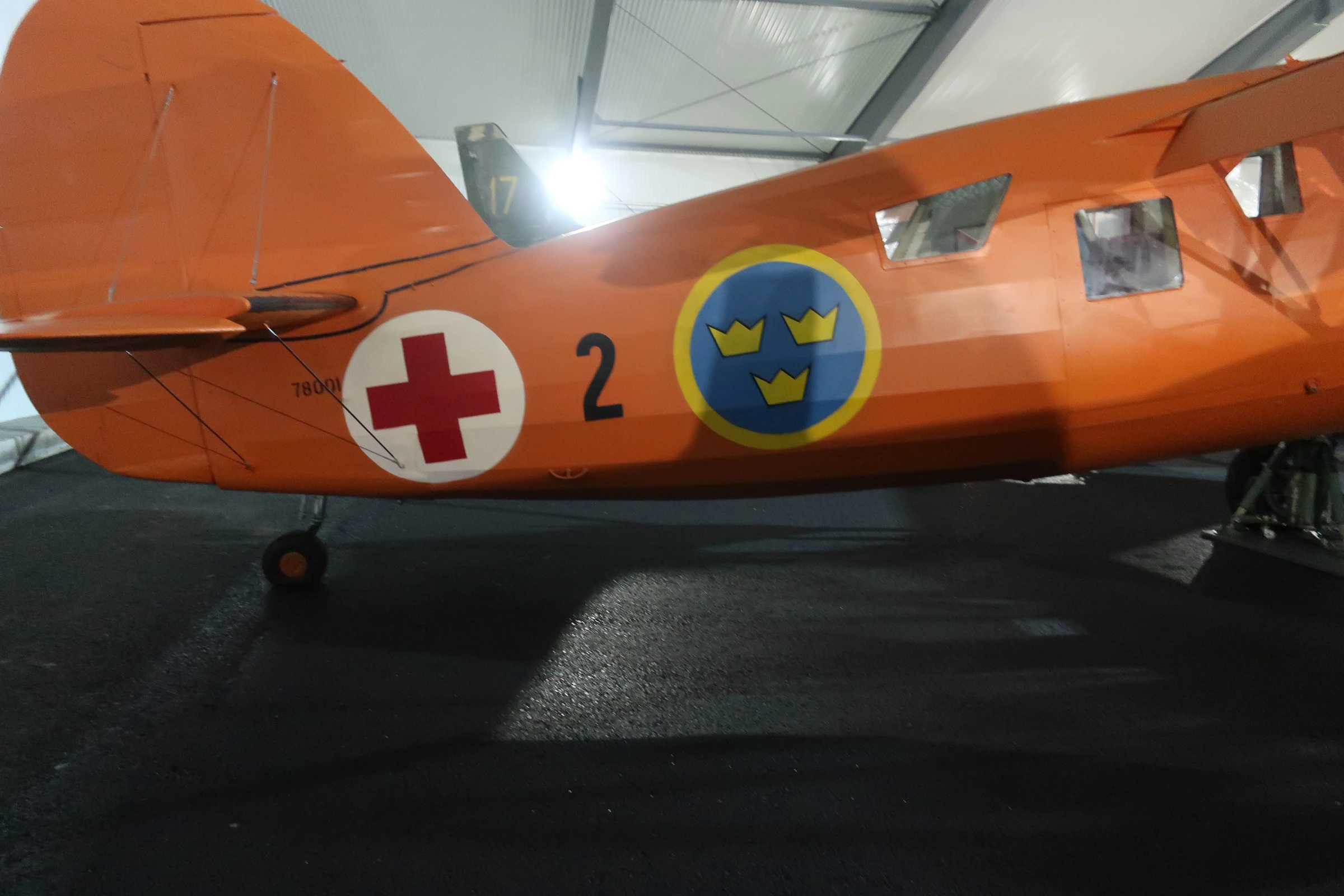
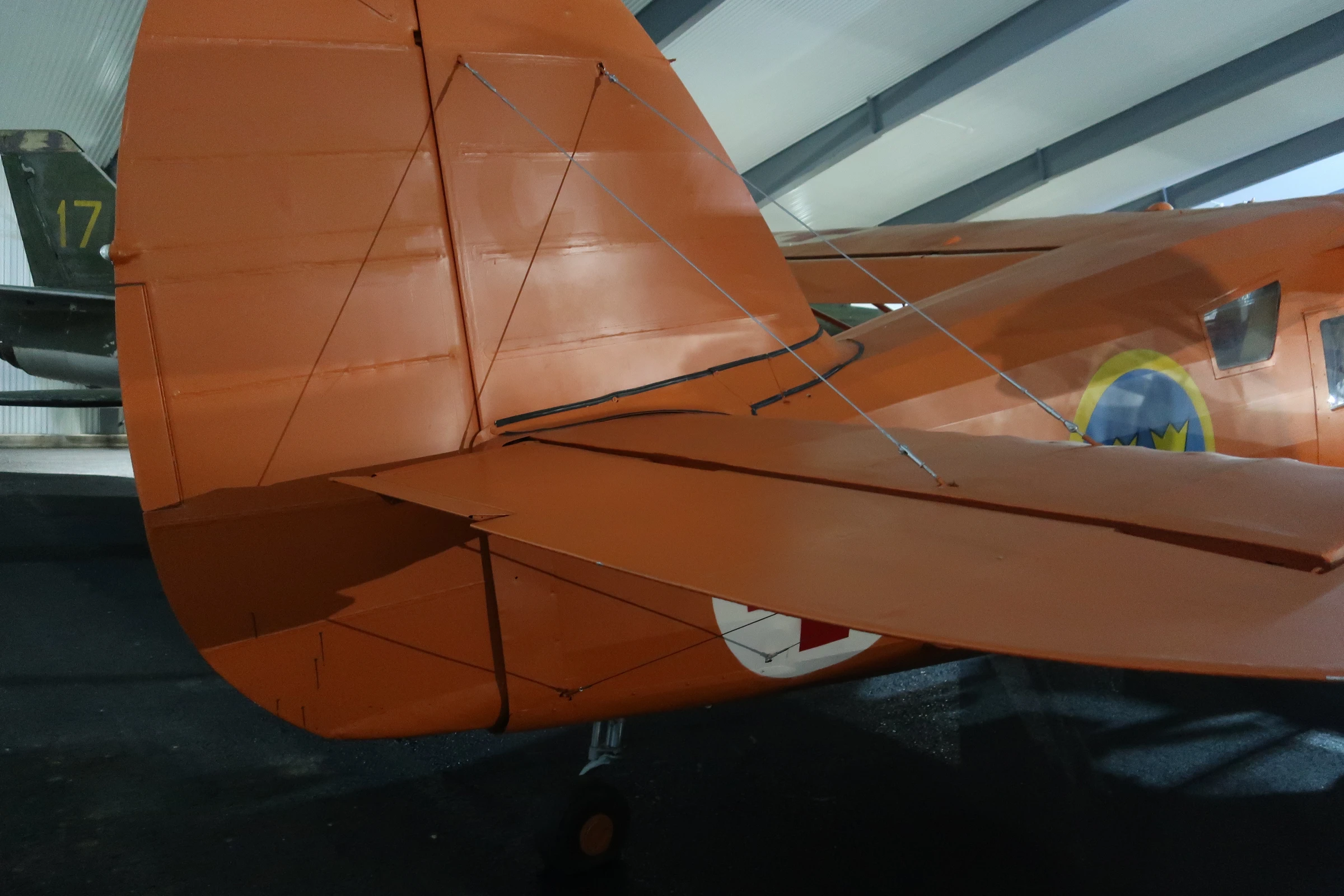
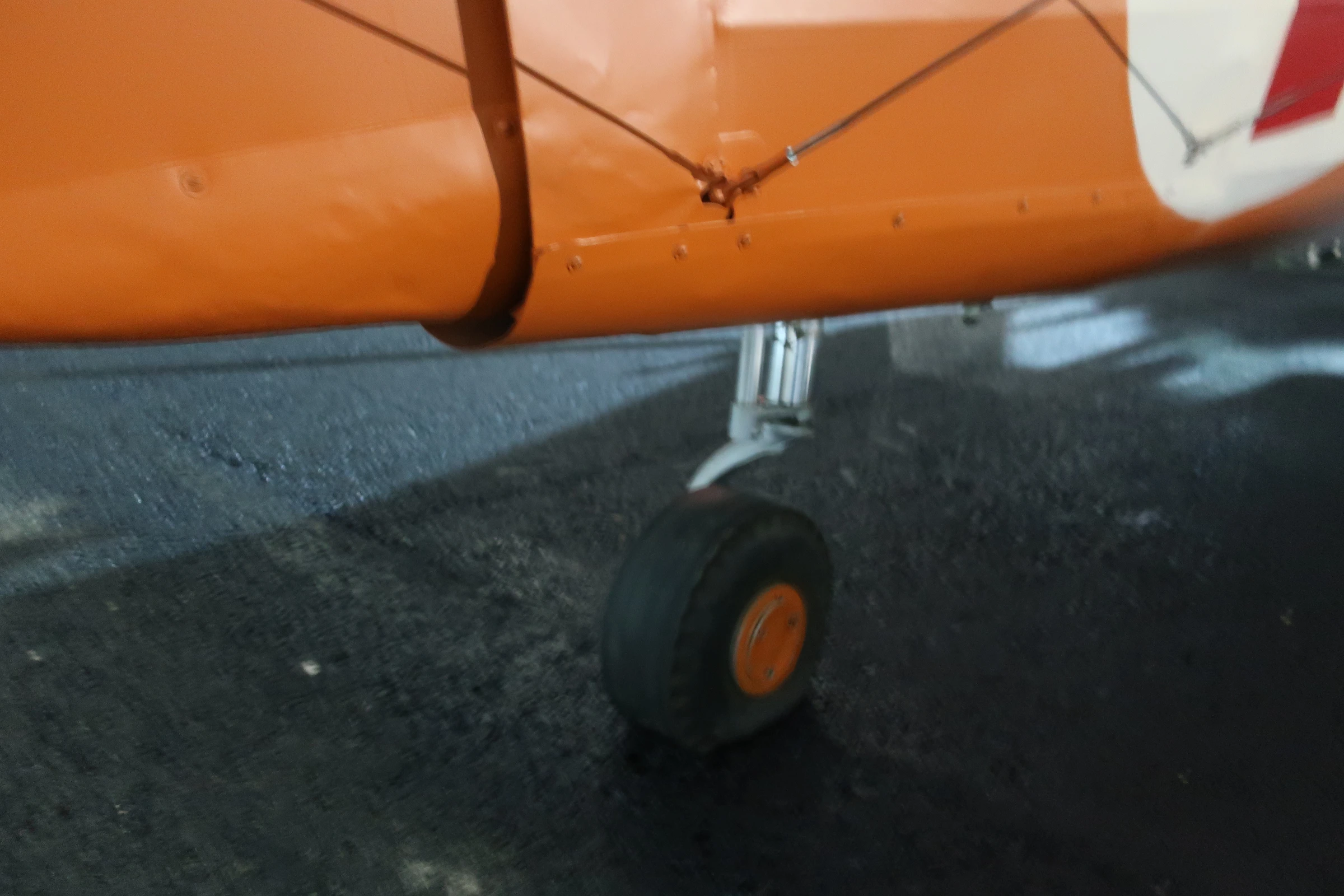
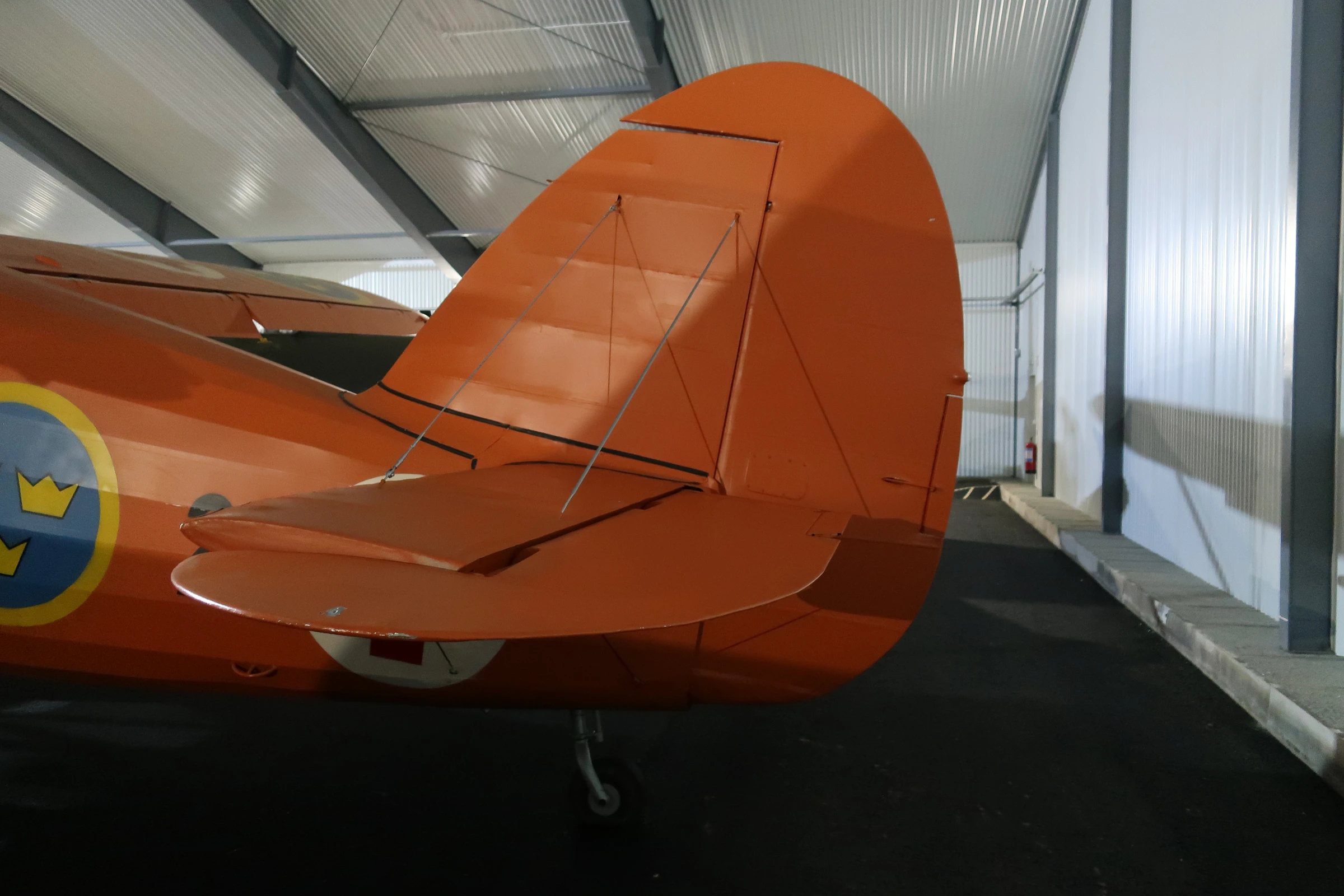
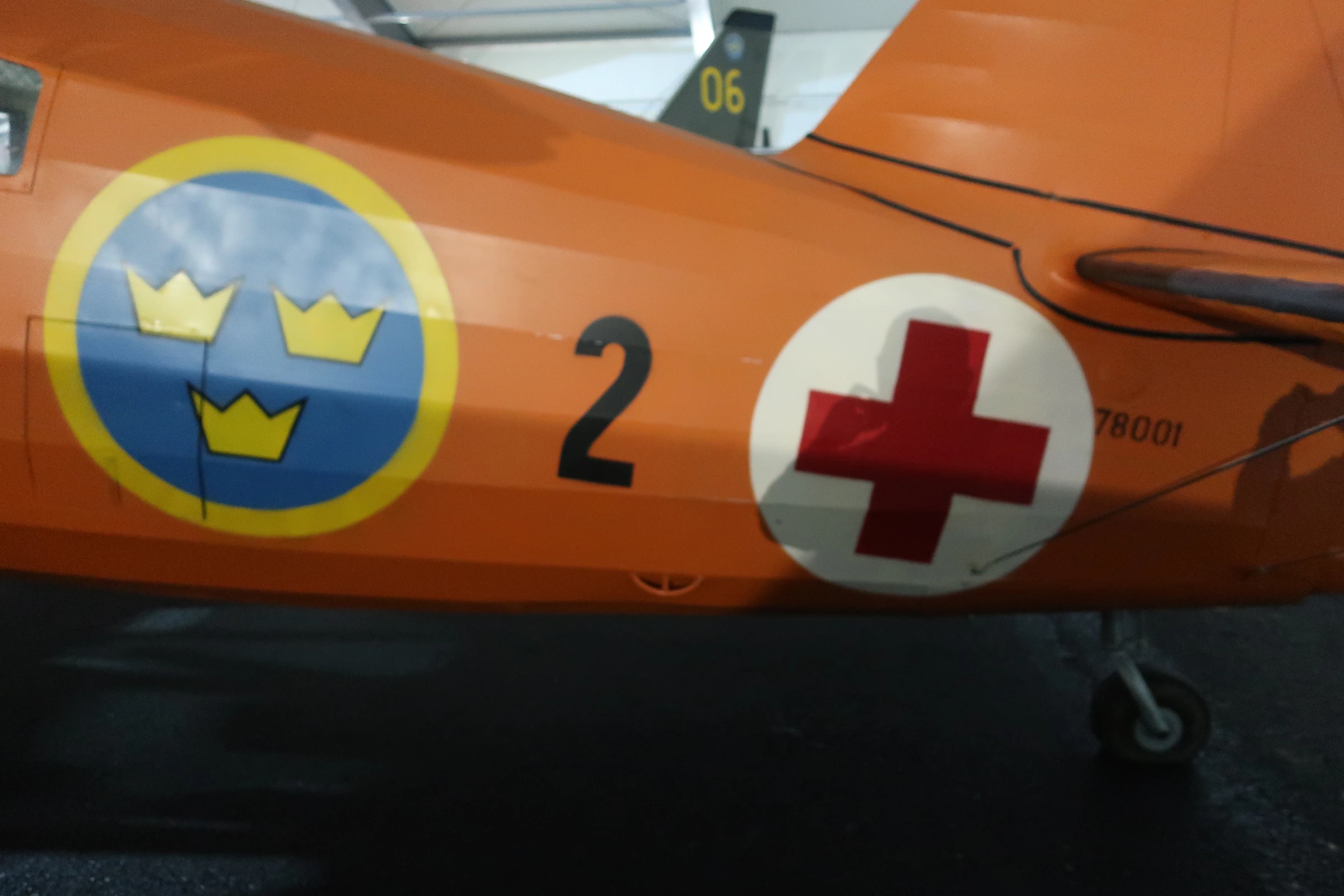
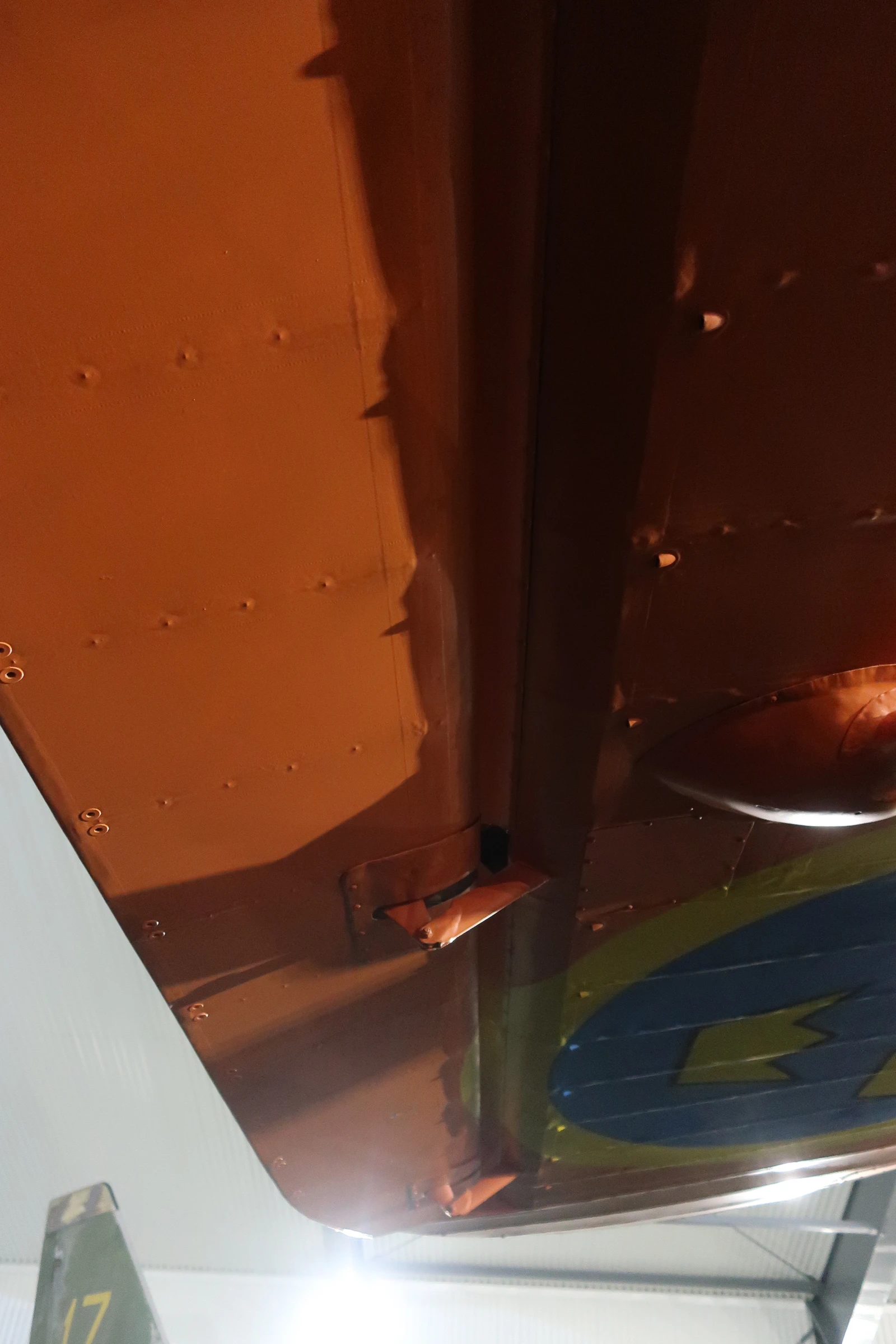
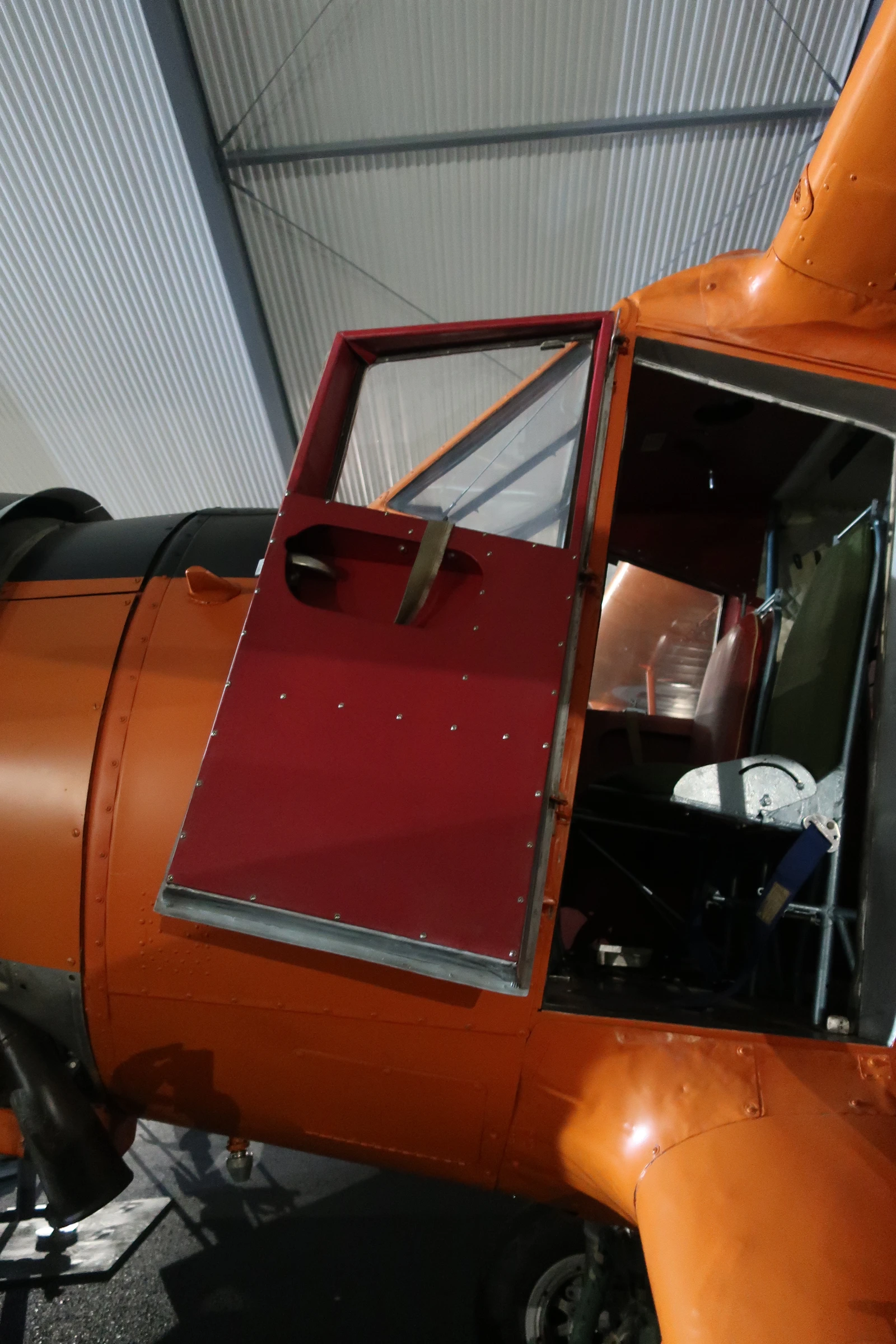
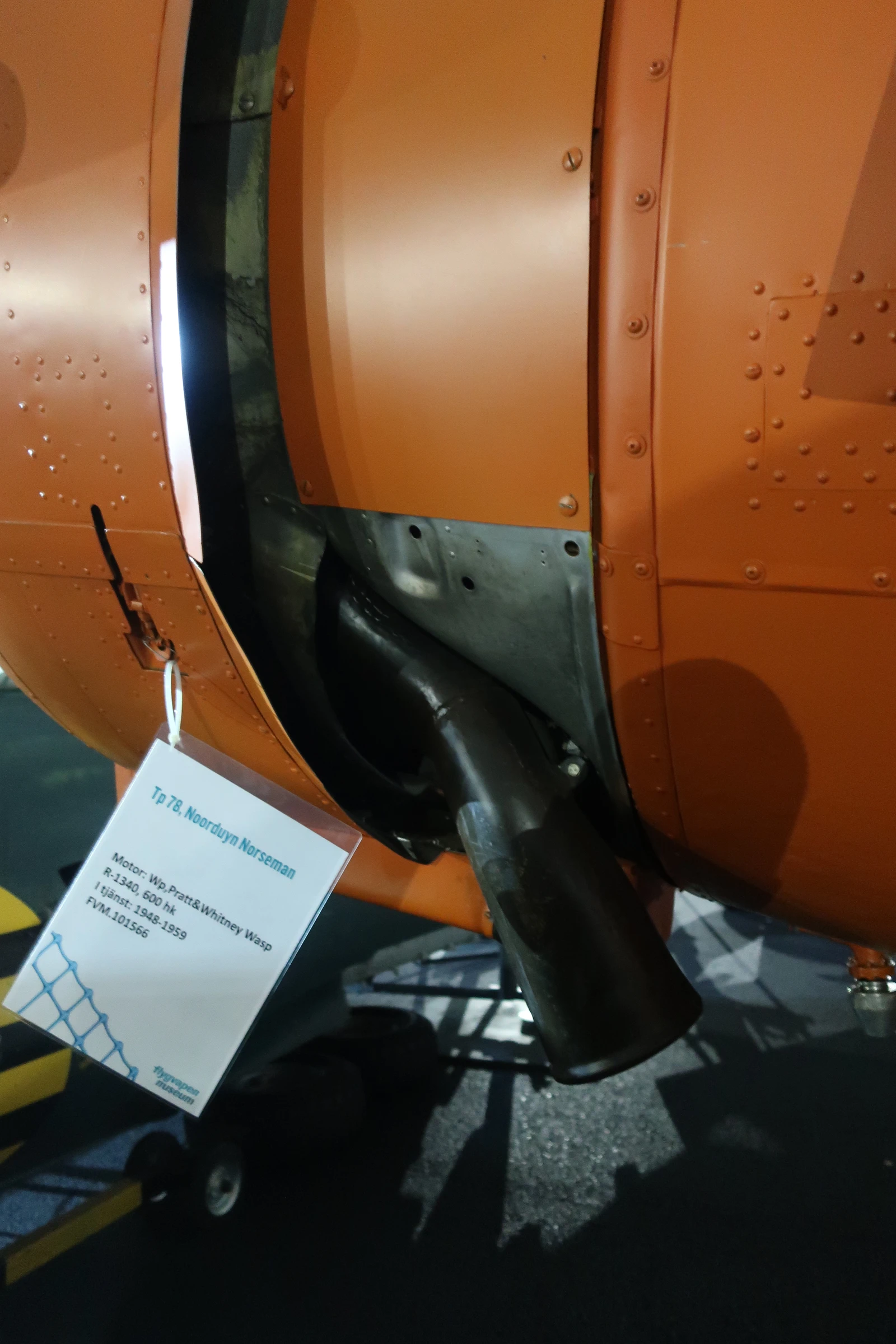
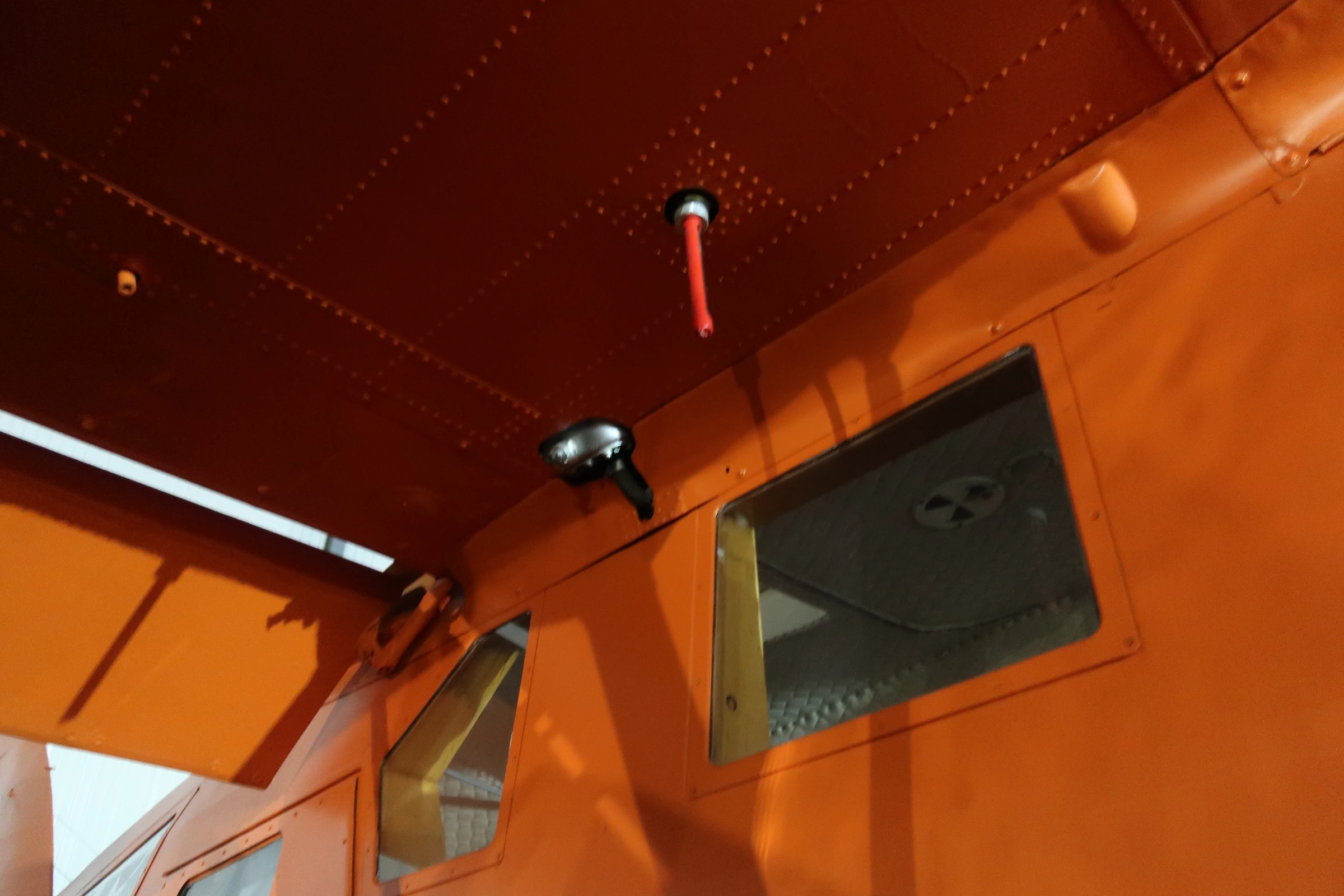
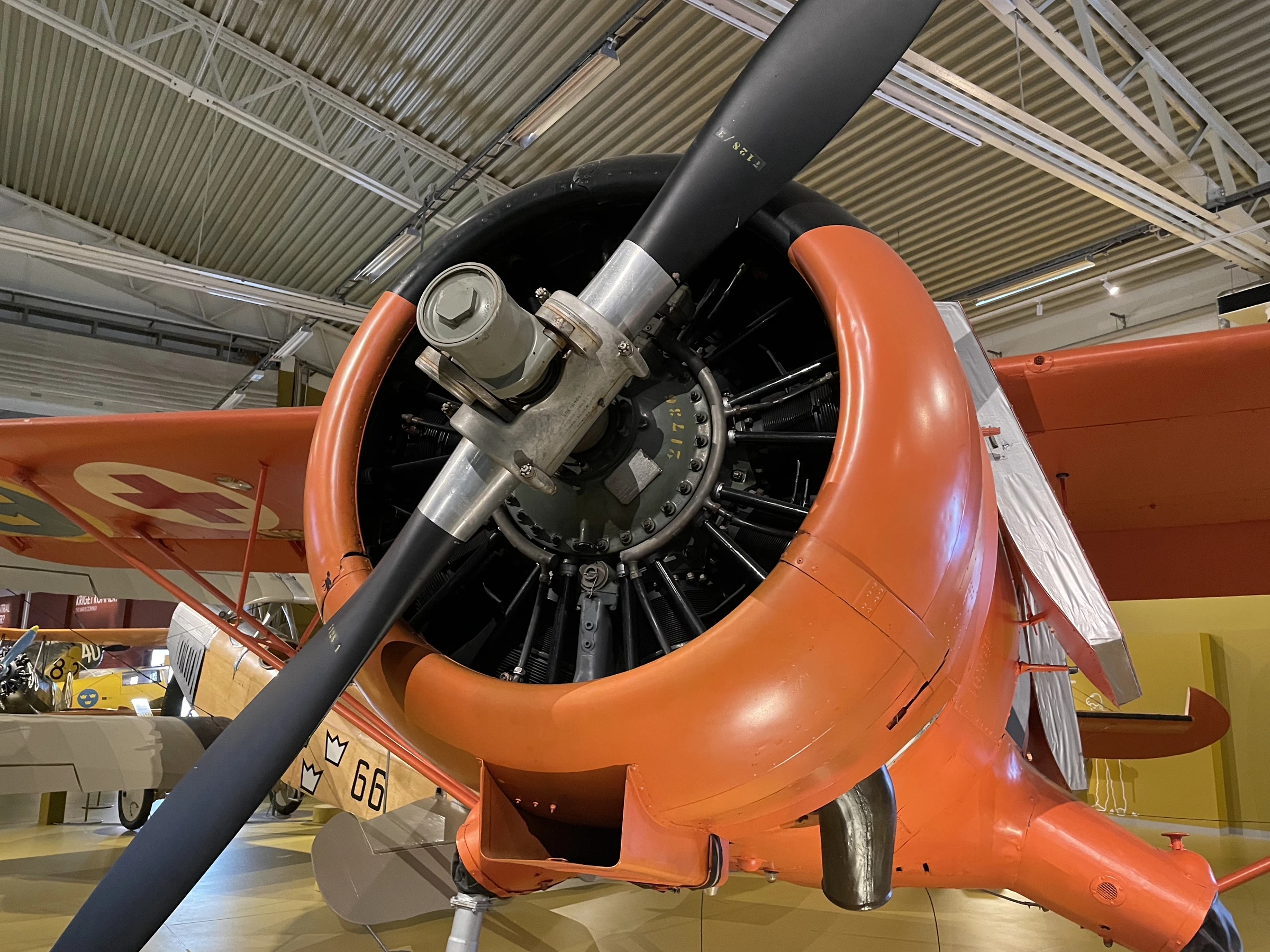
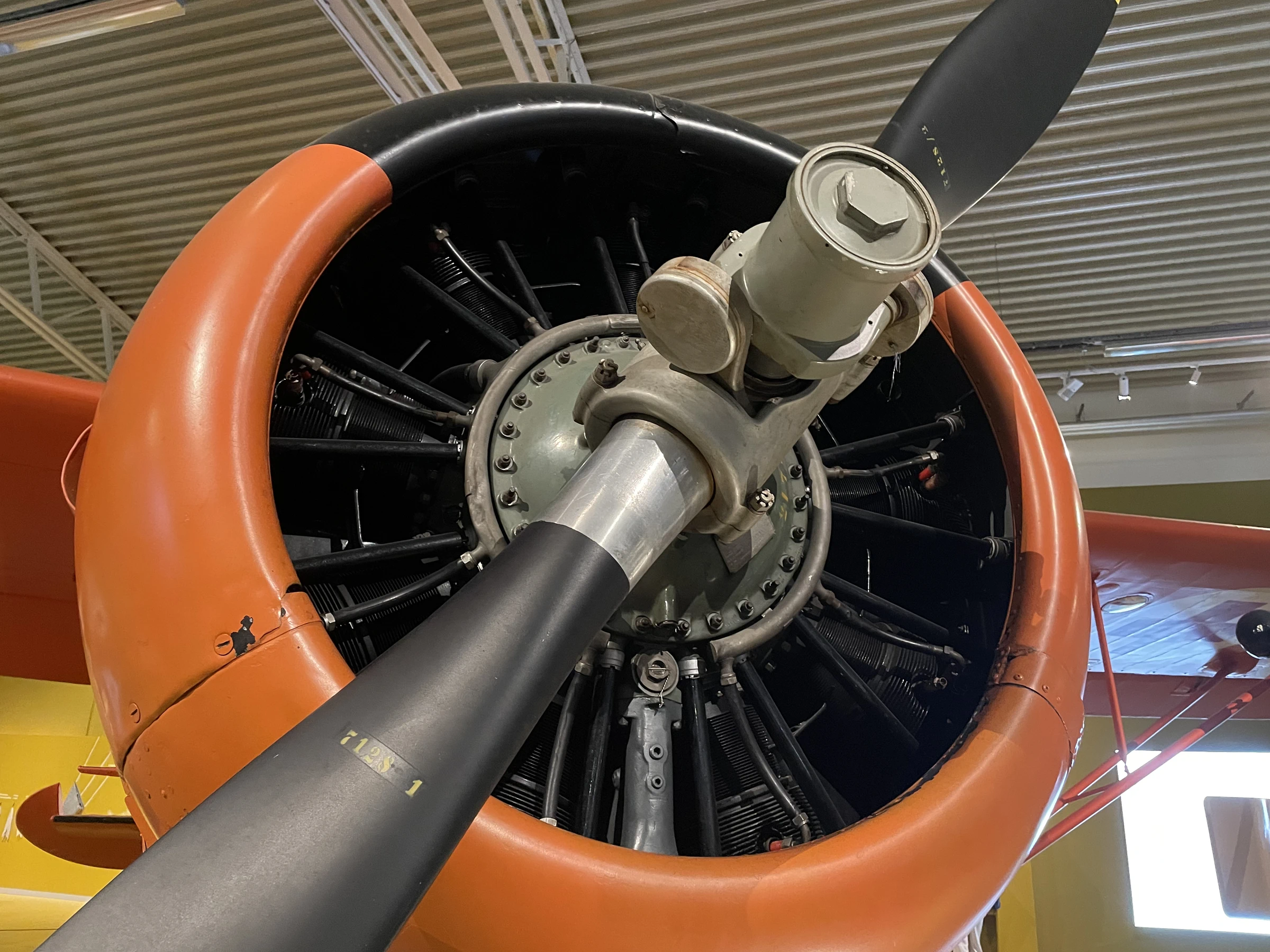
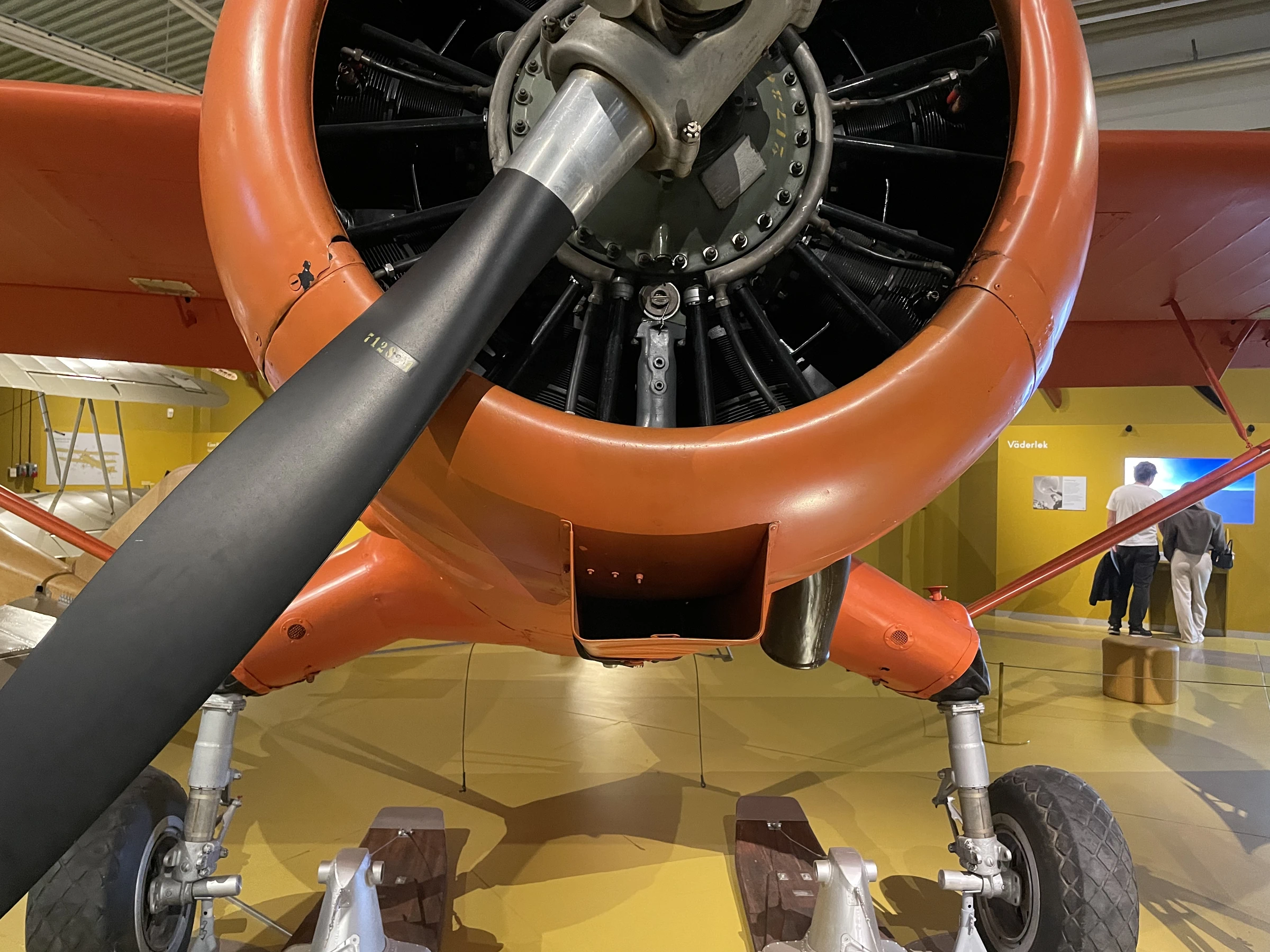
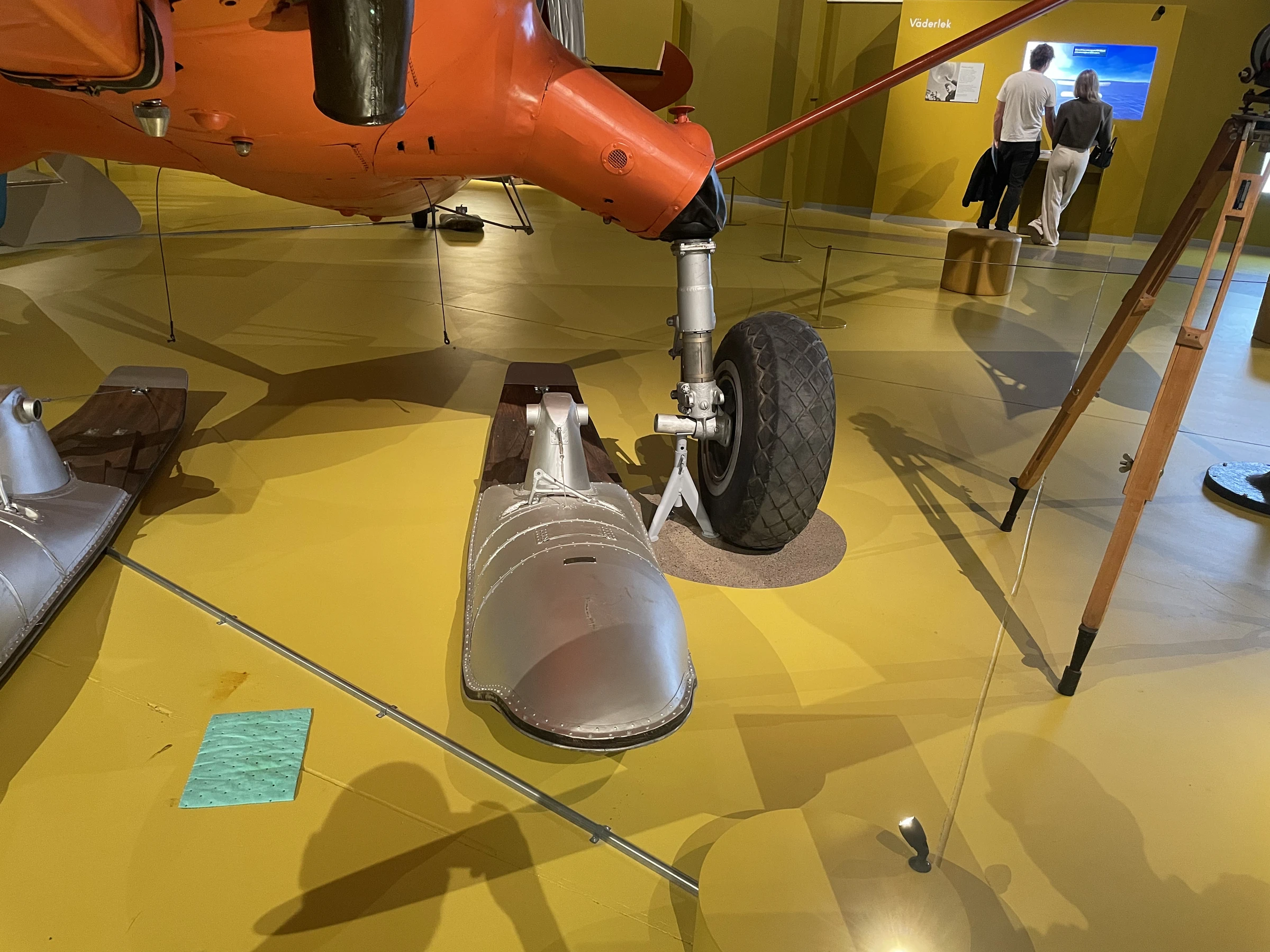
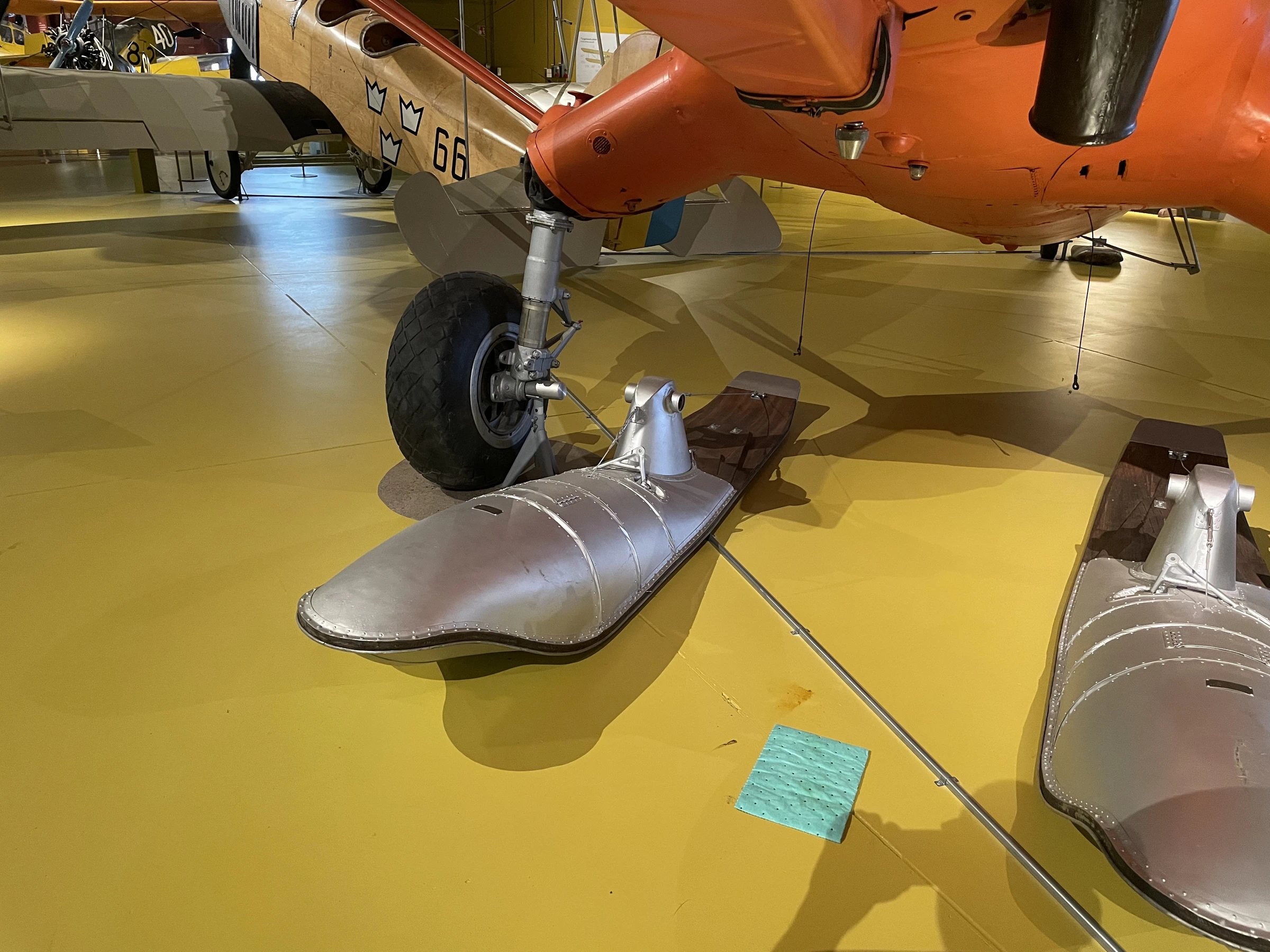
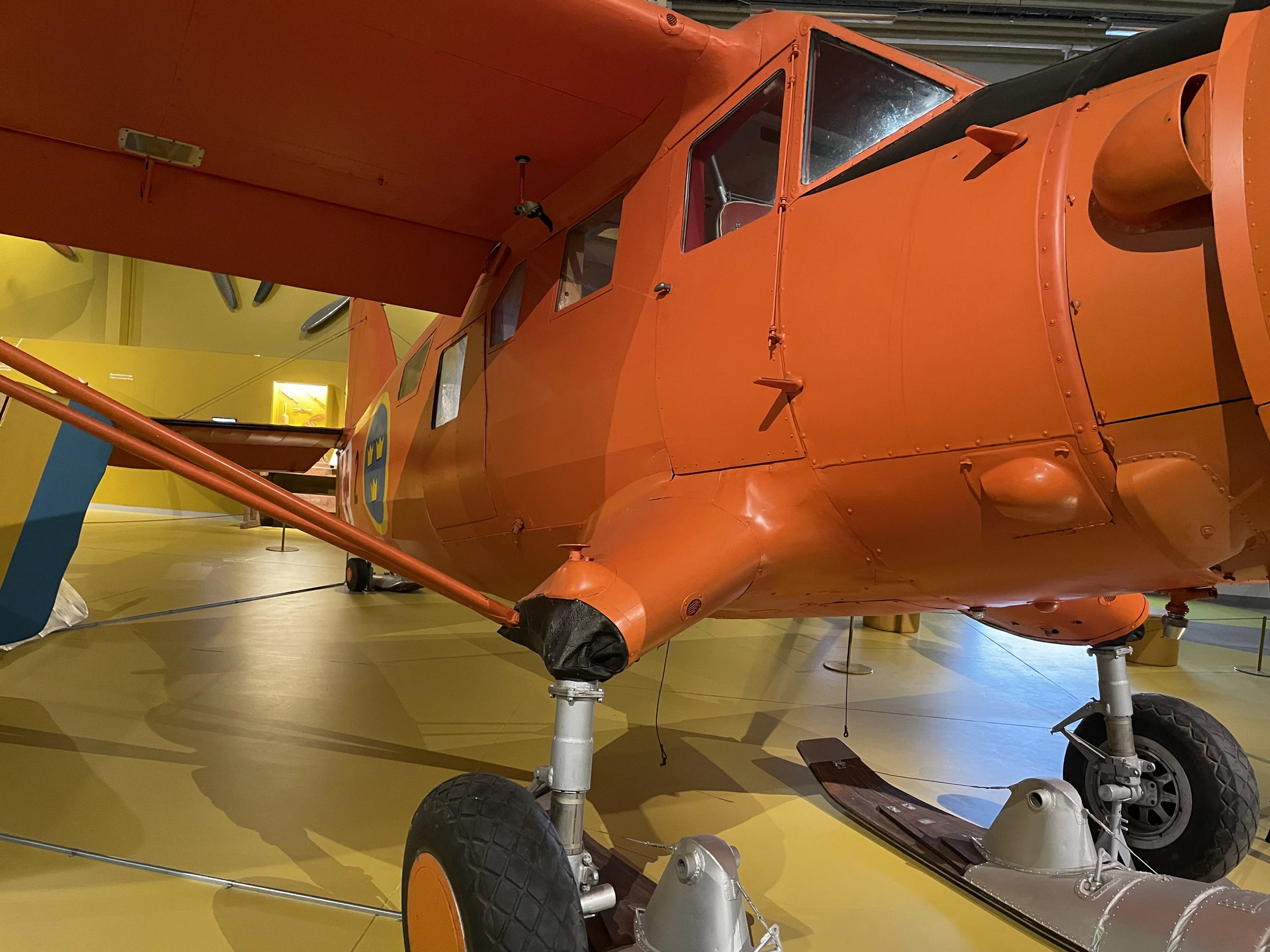
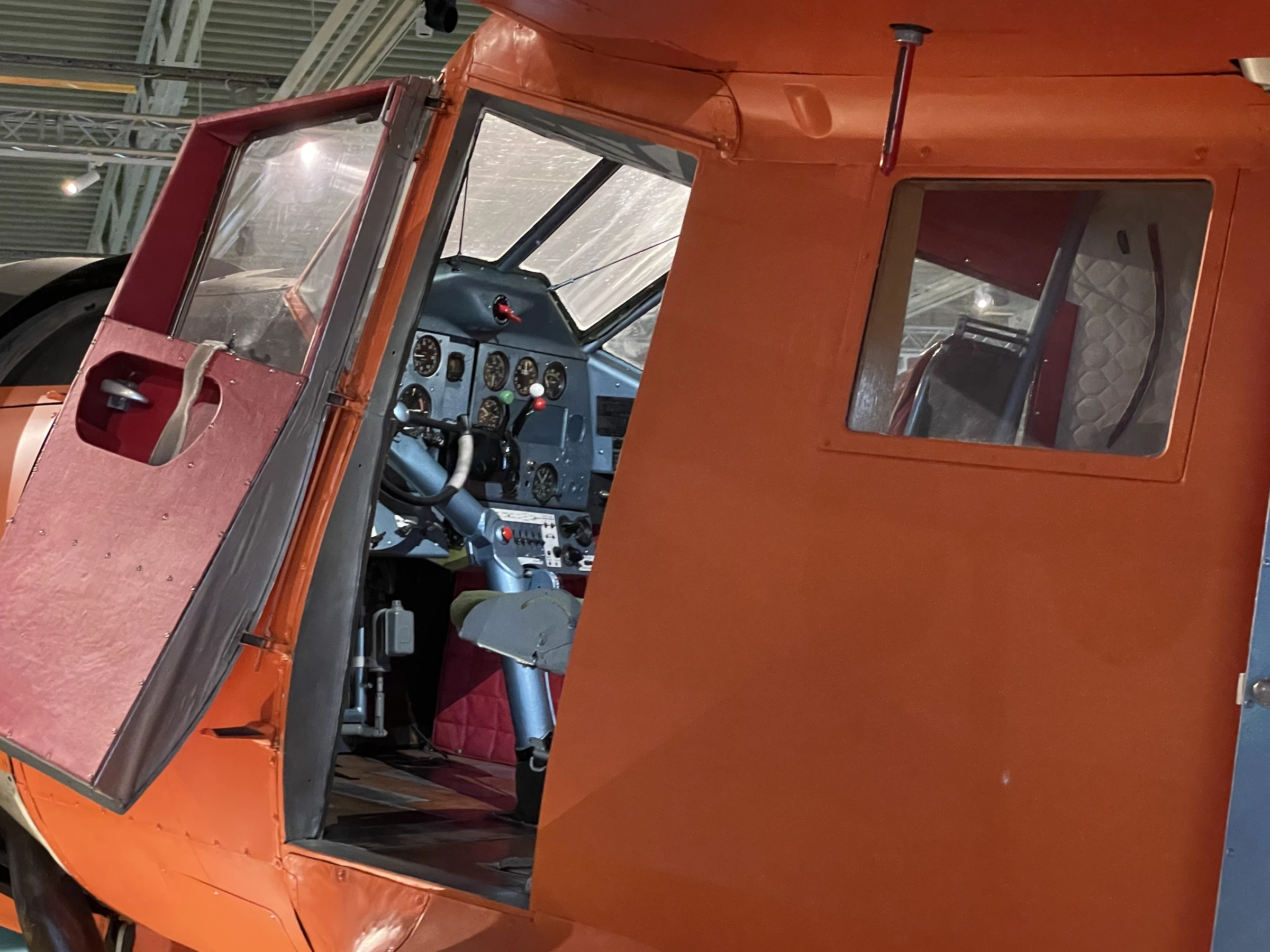
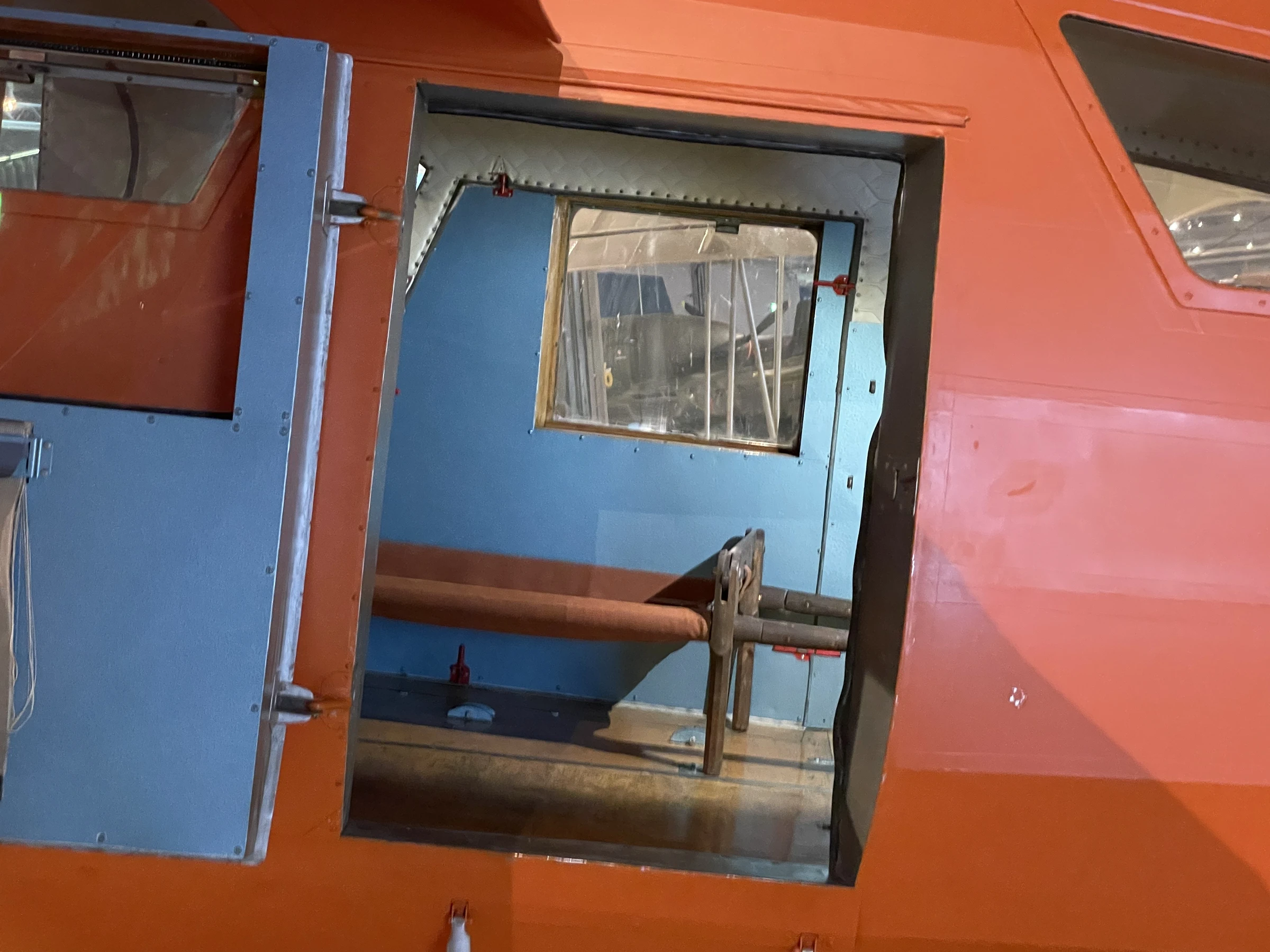
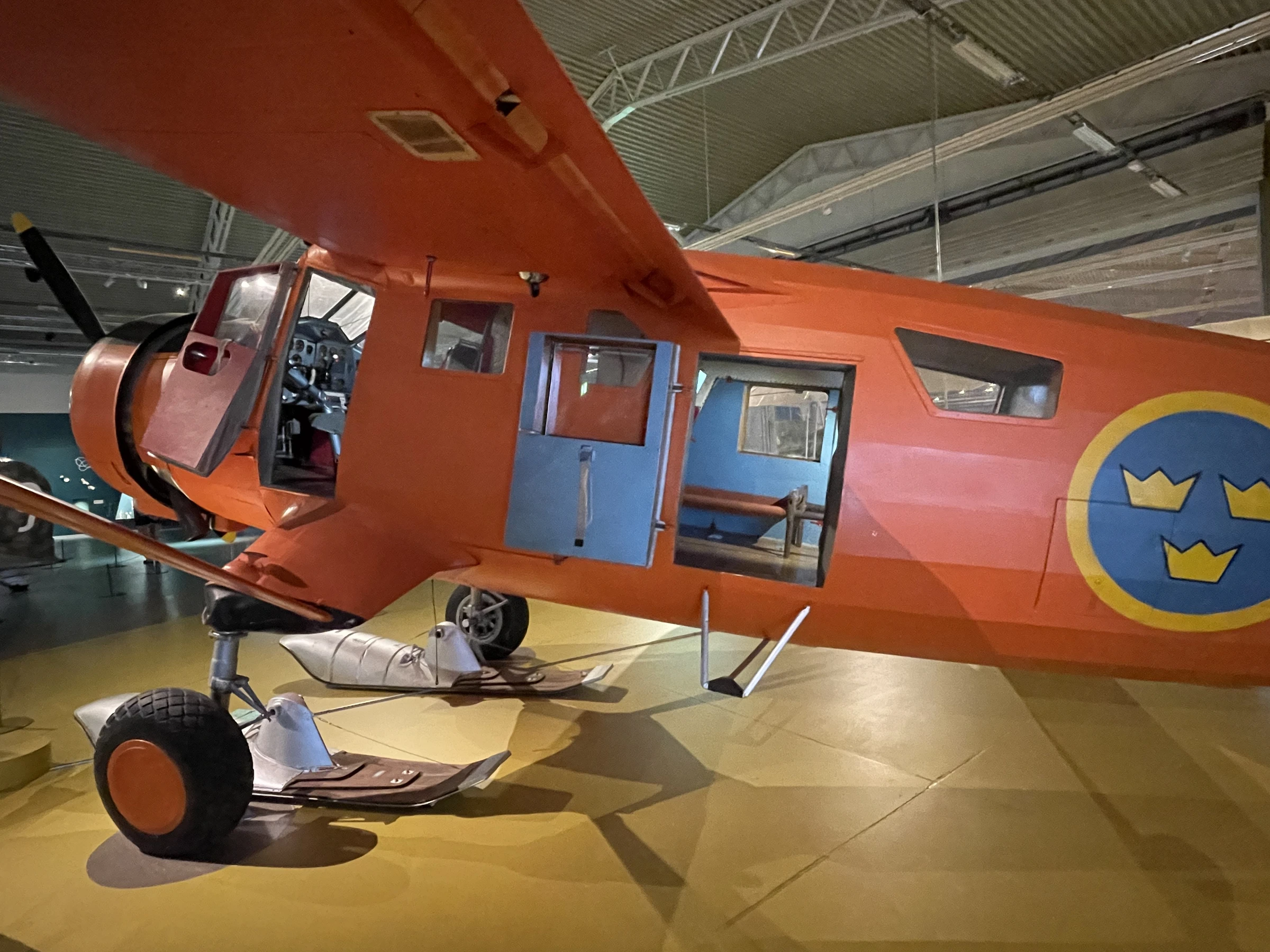
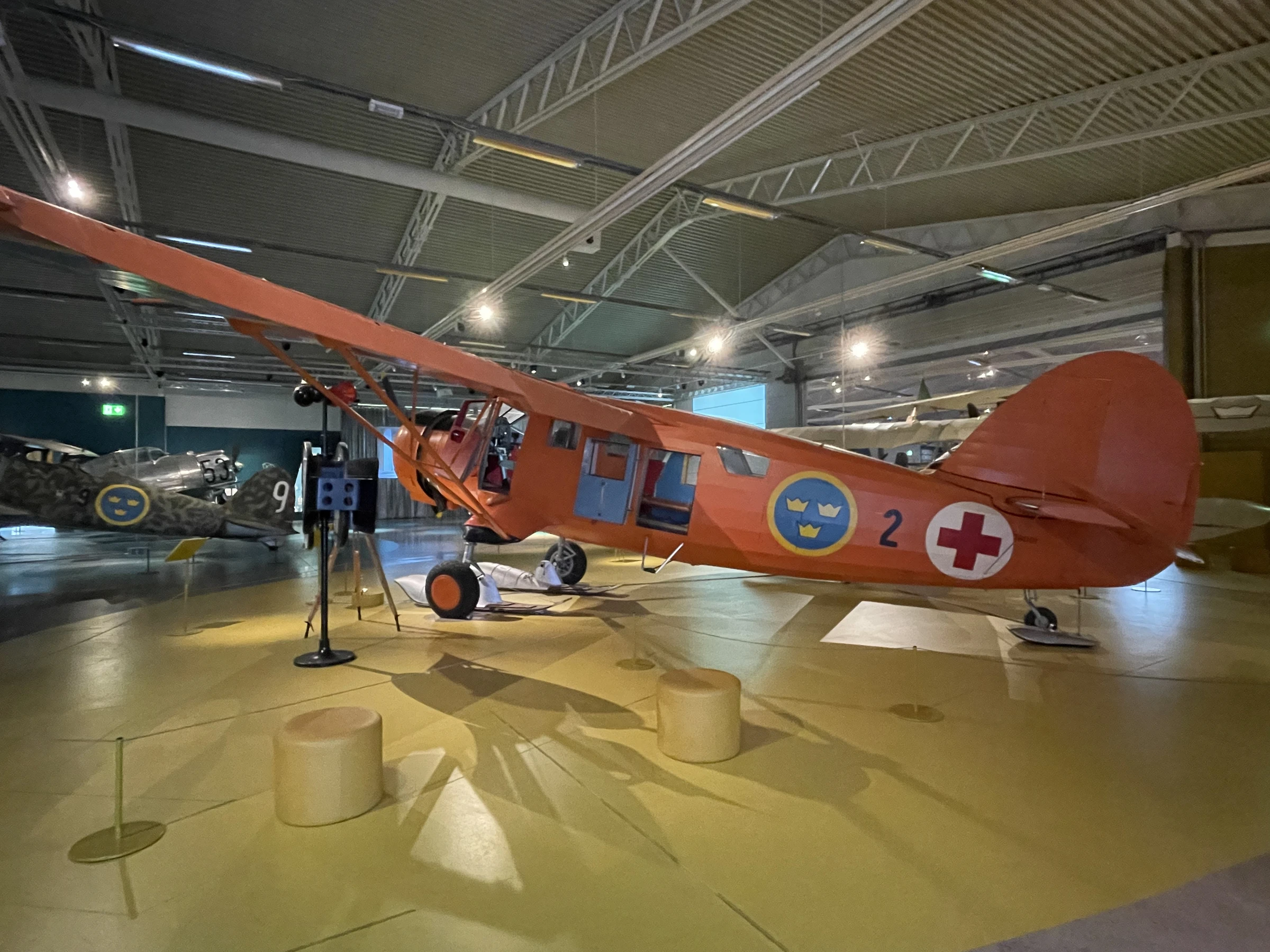
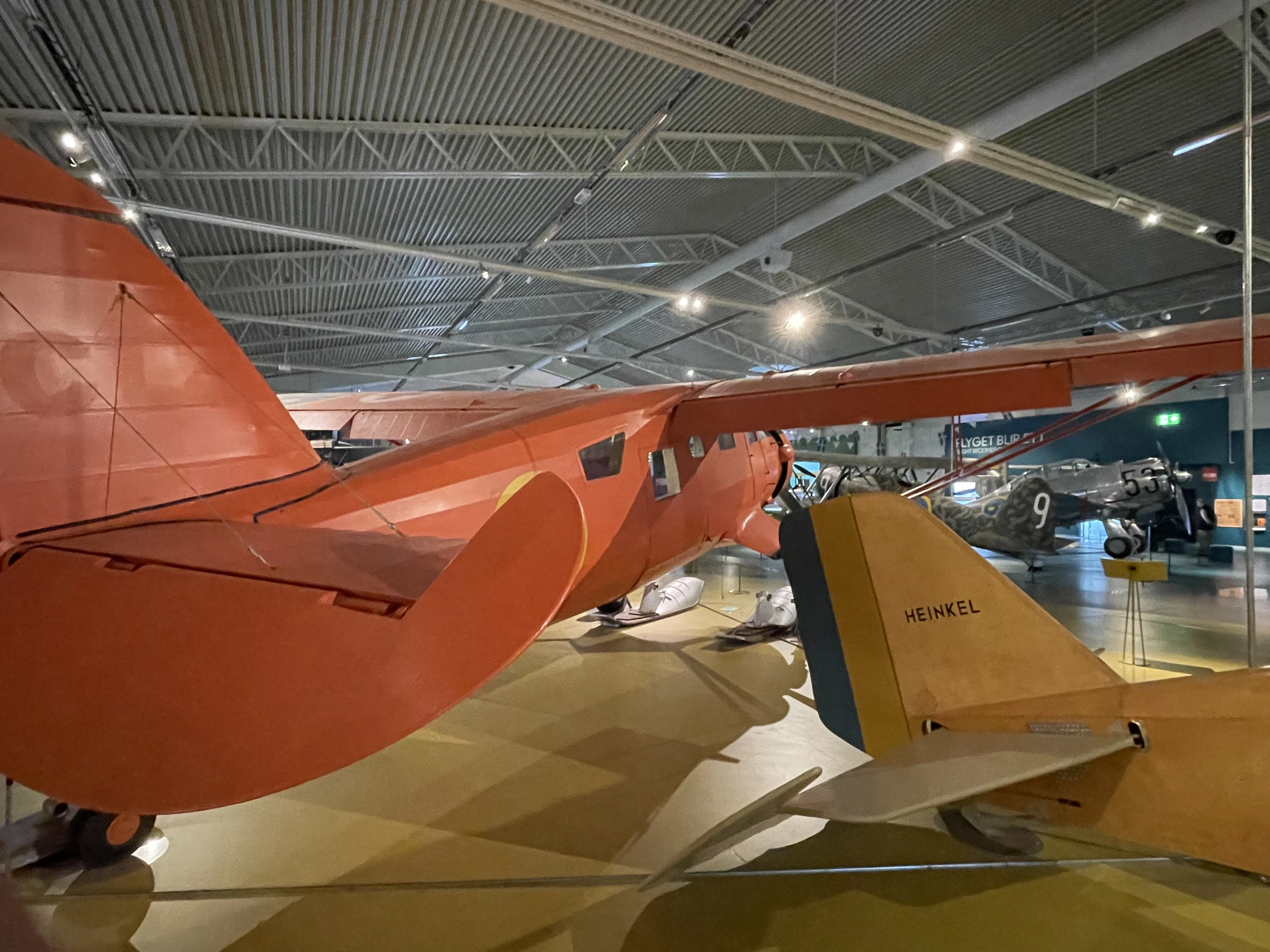
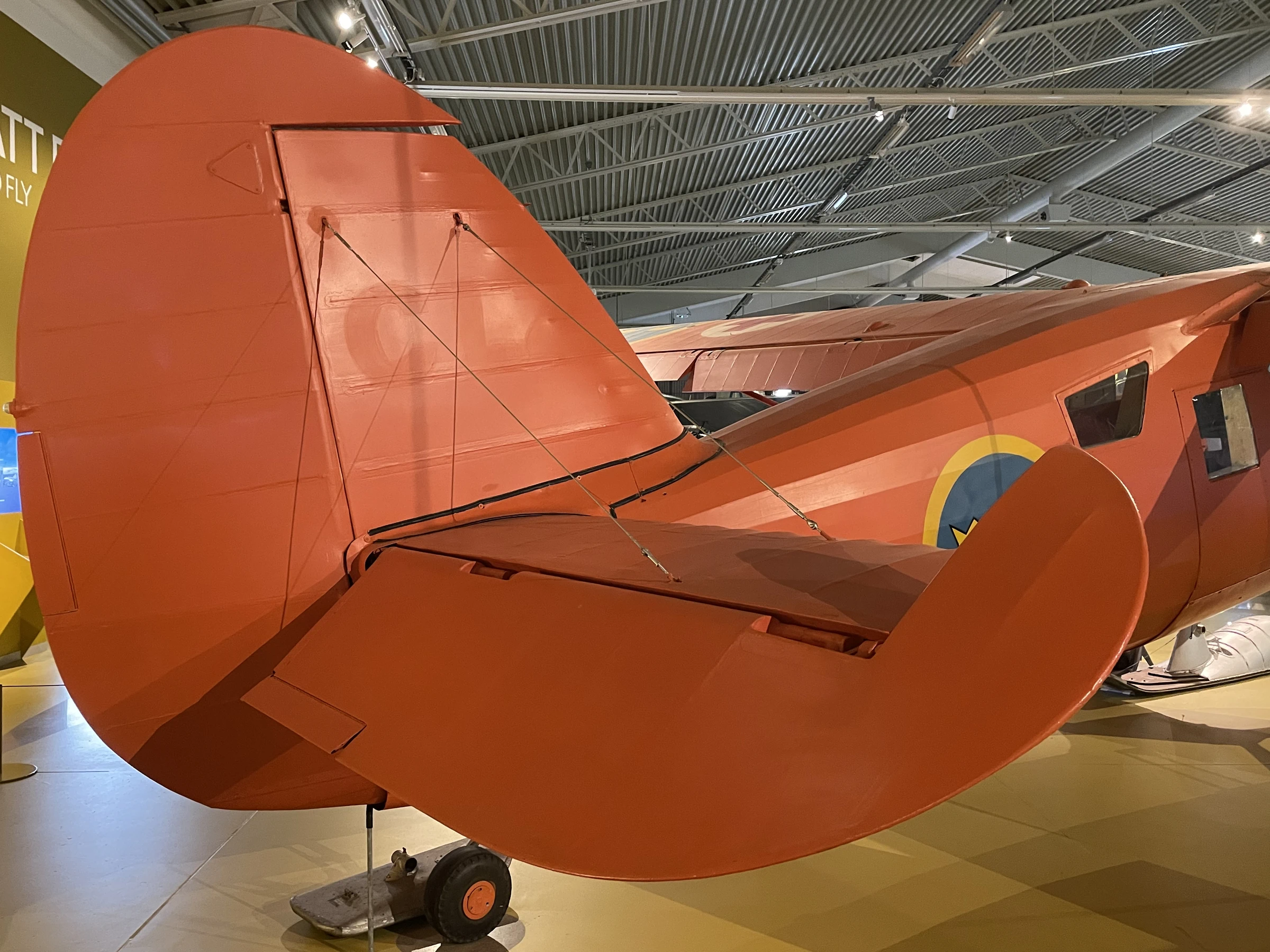
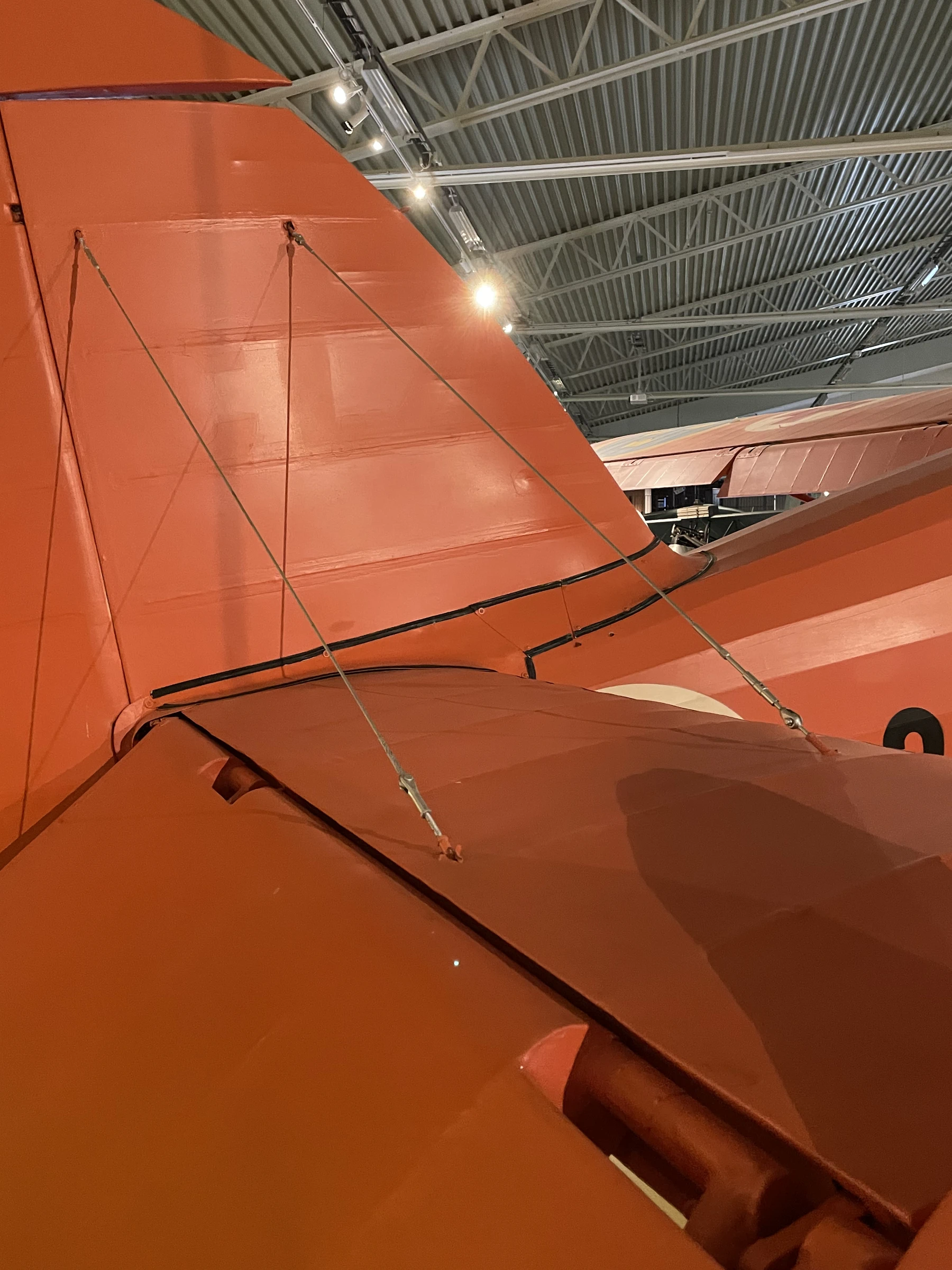
These walk-around photos were taken in one of Flygvapenmuseum's storage facilities in 2019. They show a Noorduyn UC-64A Norseman, designated Tp 78 in Swedish service — a rugged Canadian bush plane that became one of aviation history's most versatile utility aircraft. Designed by Robert Noorduyn and first flying in 1935, the Norseman was built from the outset for operation in the most demanding conditions imaginable: the remote wilderness of northern Canada, where it needed to be capable of flying from wheels, floats or skis and surviving temperatures and terrain that would defeat less robust designs. The USAAF ordered 749 as the UC-64A during the Second World War, and the type is perhaps best known to the general public as the aircraft in which bandleader Glenn Miller disappeared over the English Channel in December 1944.
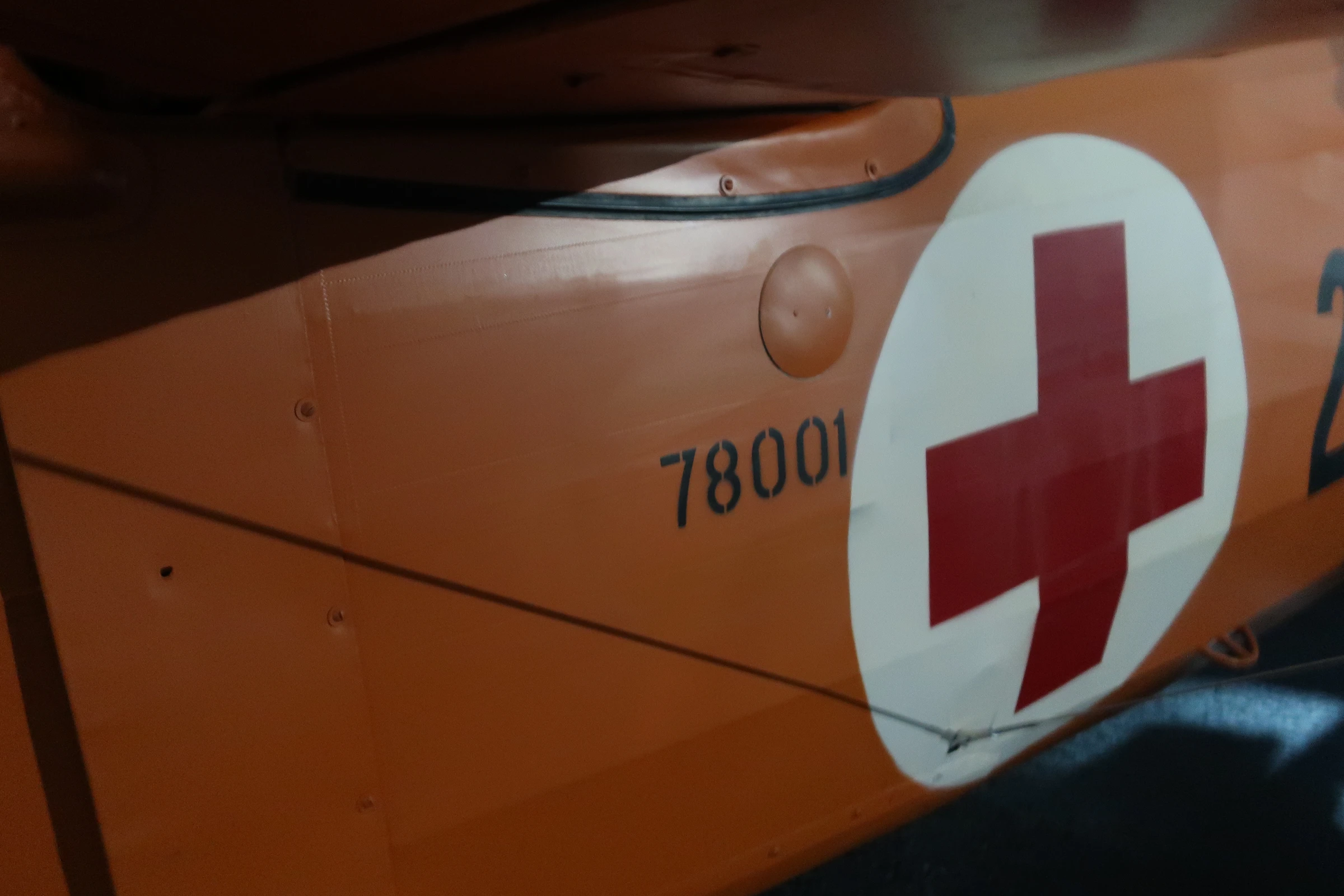
The Swedish Air Force acquired three Norsemans as the Tp 78 from 1949, operating them primarily as air ambulances and rescue transports — roles for which the type's rough-field capability and spacious cabin made it well suited in Sweden's demanding northern terrain. Of the three, one was lost in a crash in 1954 and a second destroyed by fire at F 4 in 1956. Individual 78001, registered SE-CLZ, is the sole survivor of the three. It was sold out of military service, repurchased by Flygvapenmuseum in 1980 and restored in 1989, and is now part of the museum's collection — the last of its kind in Swedish service.