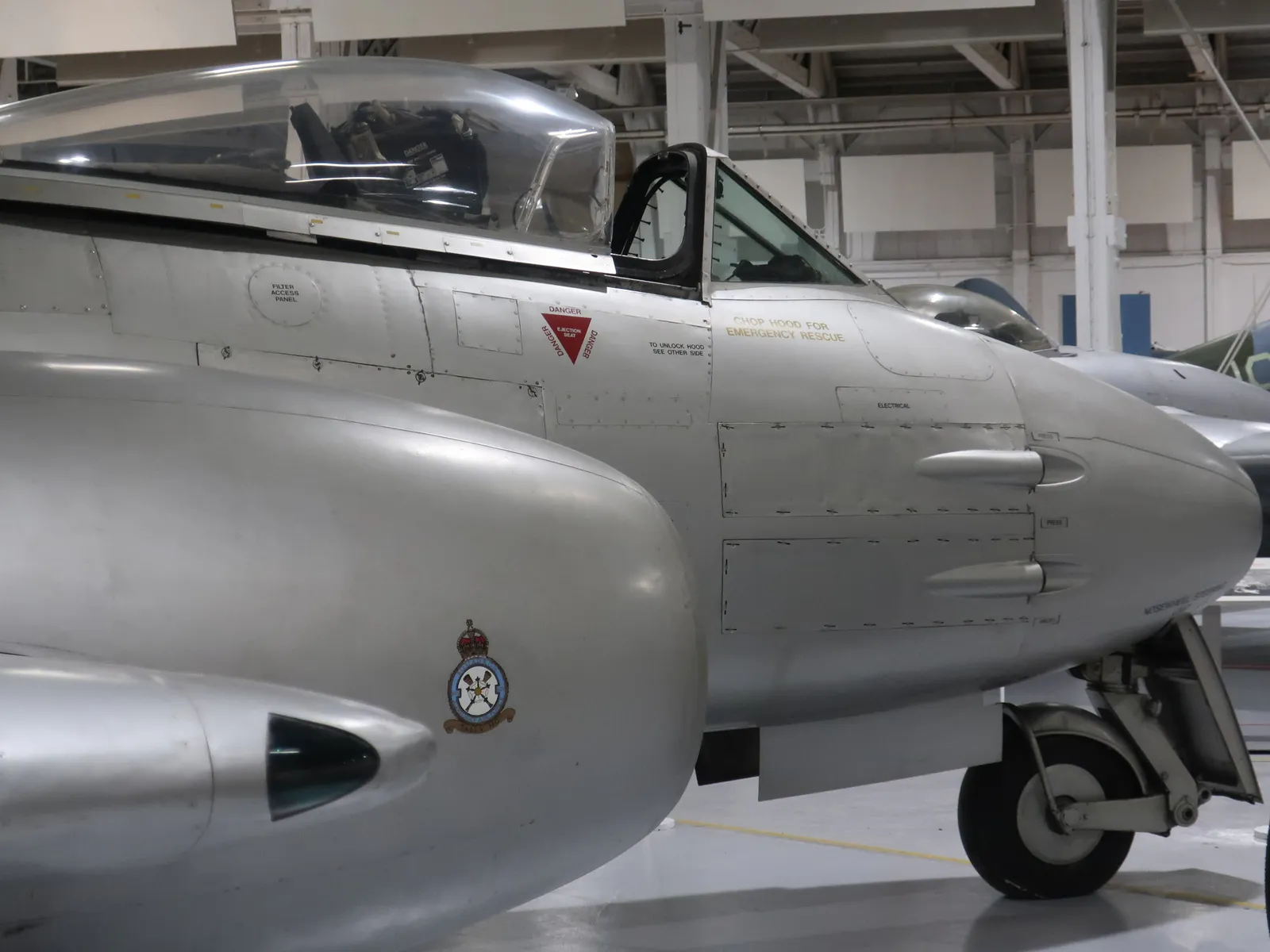
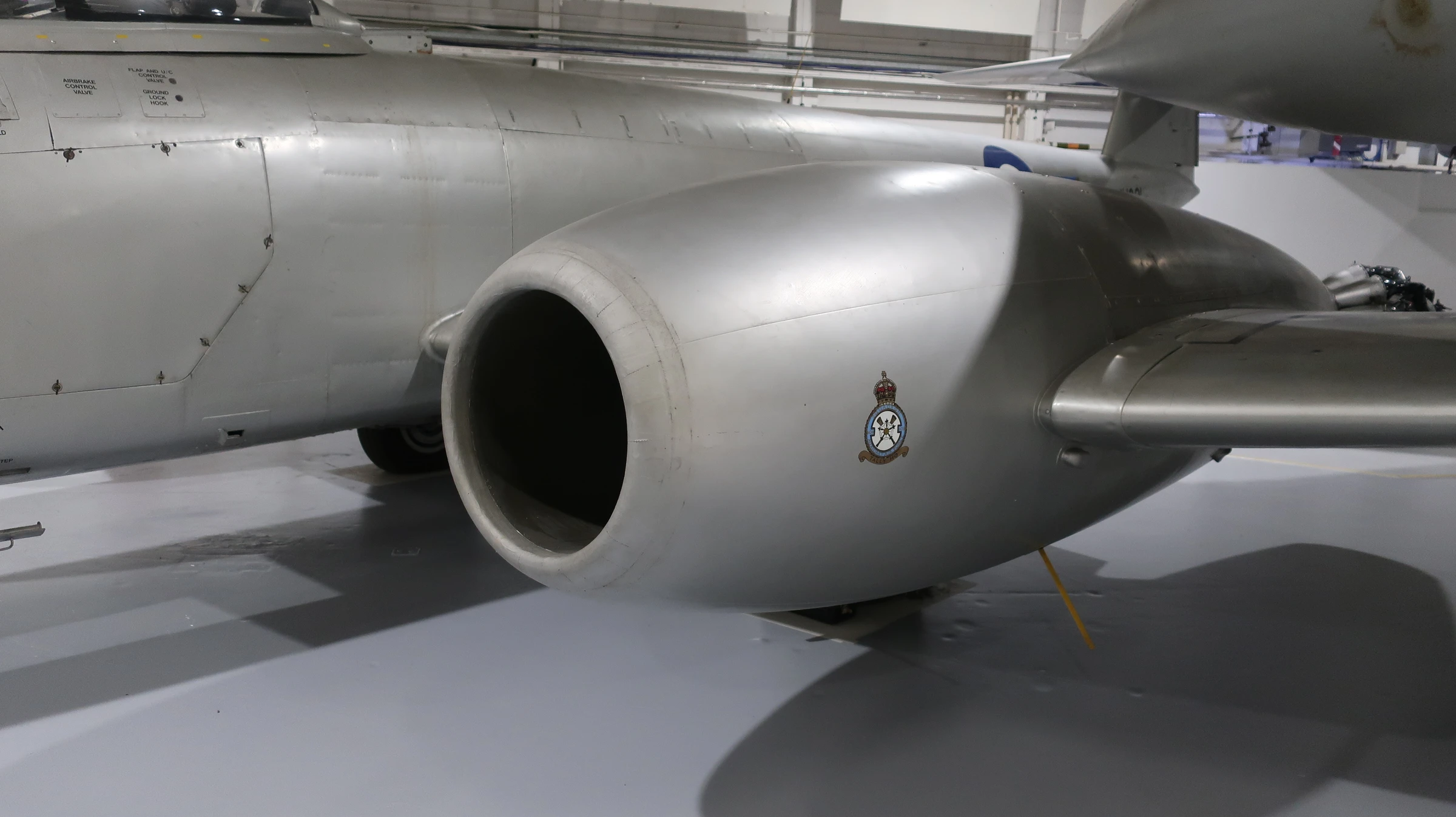
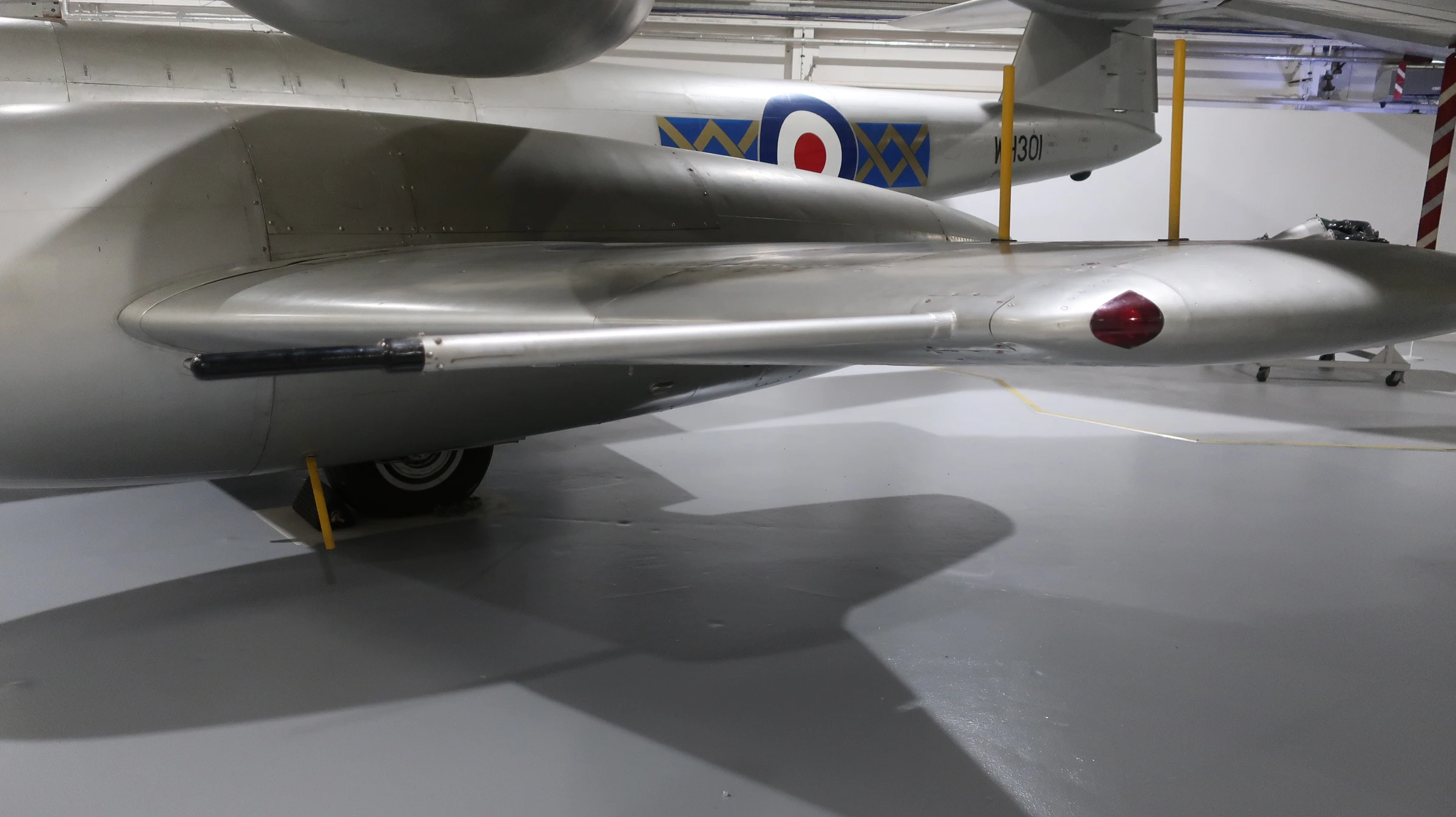
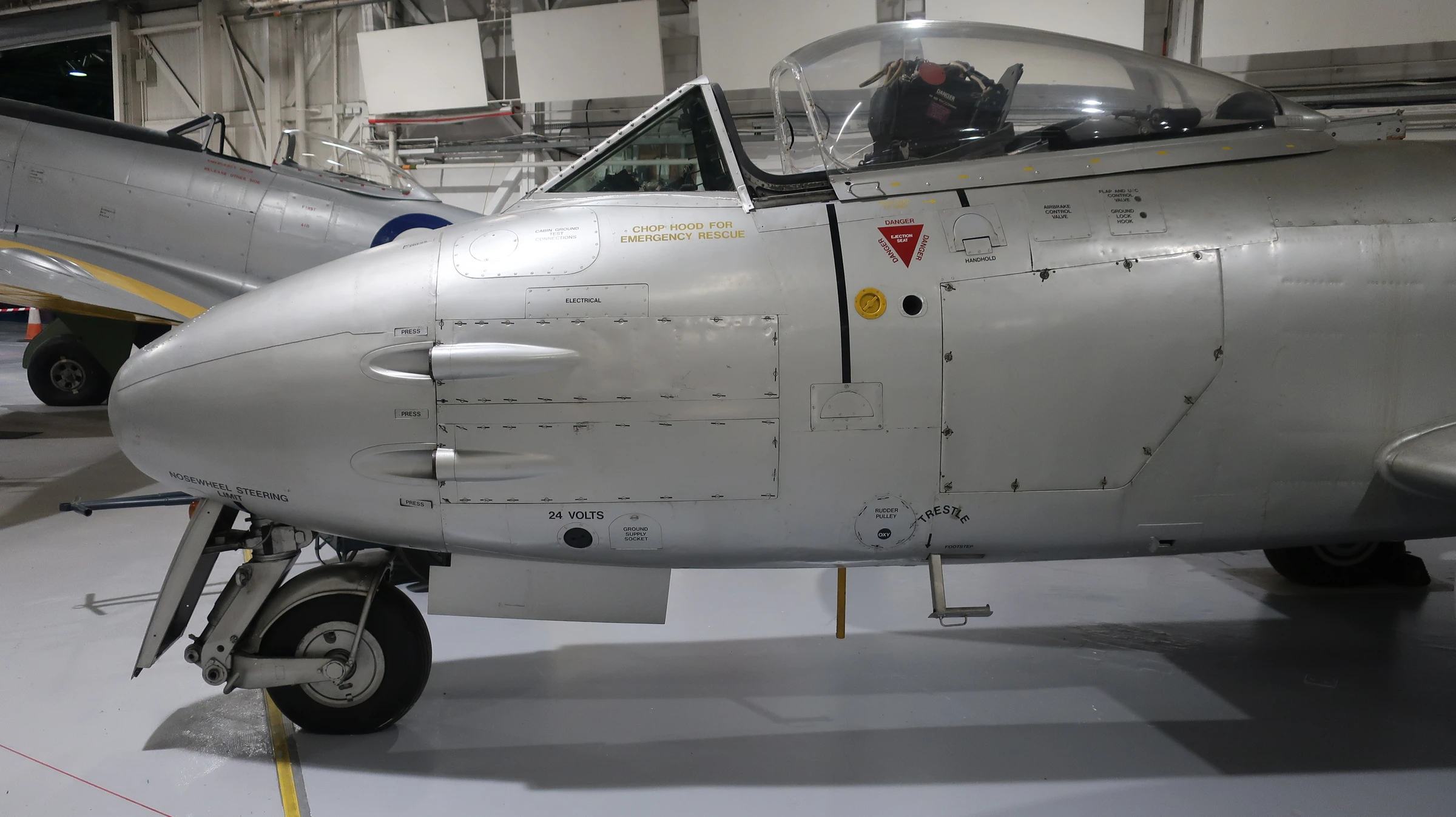
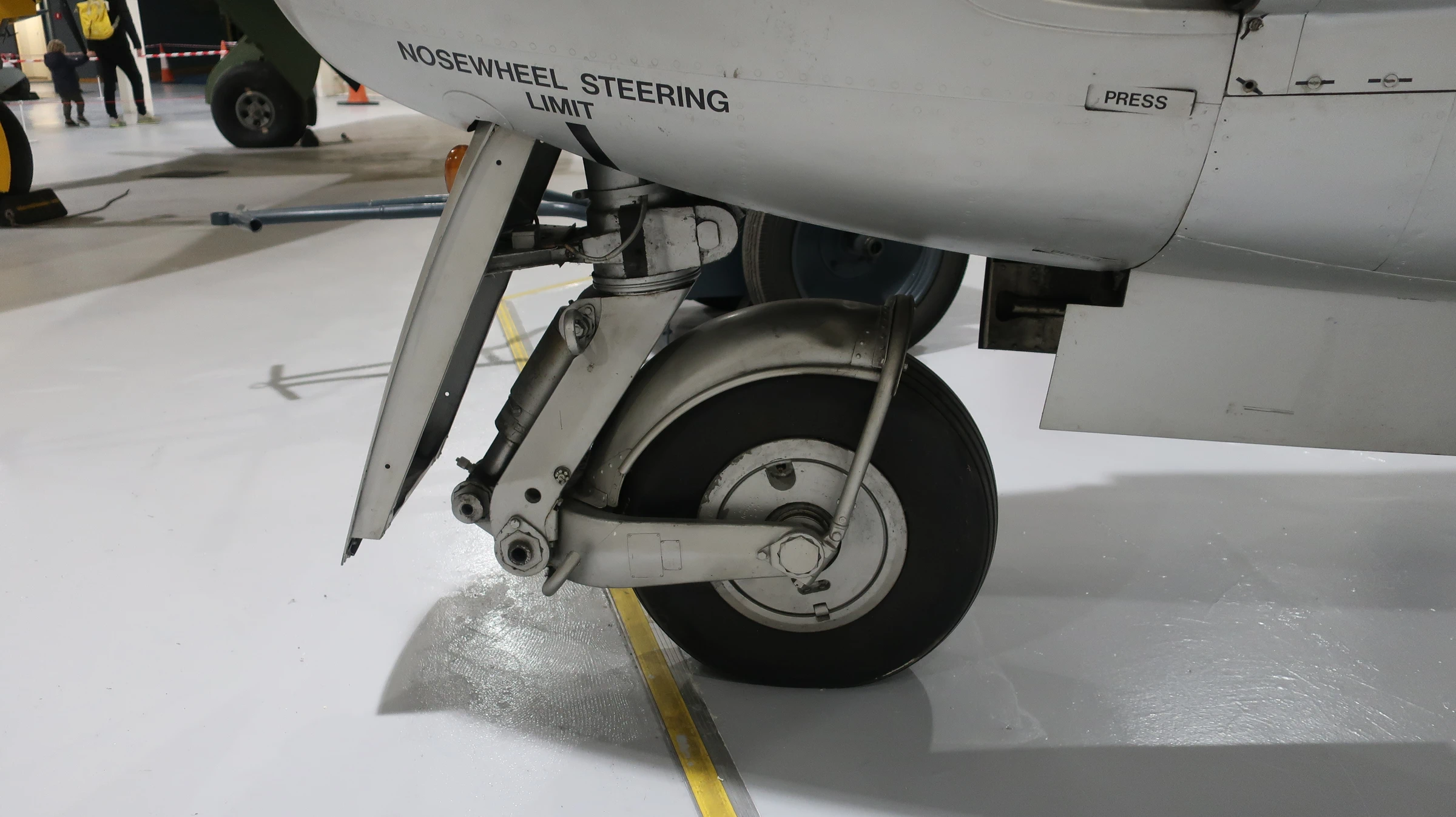
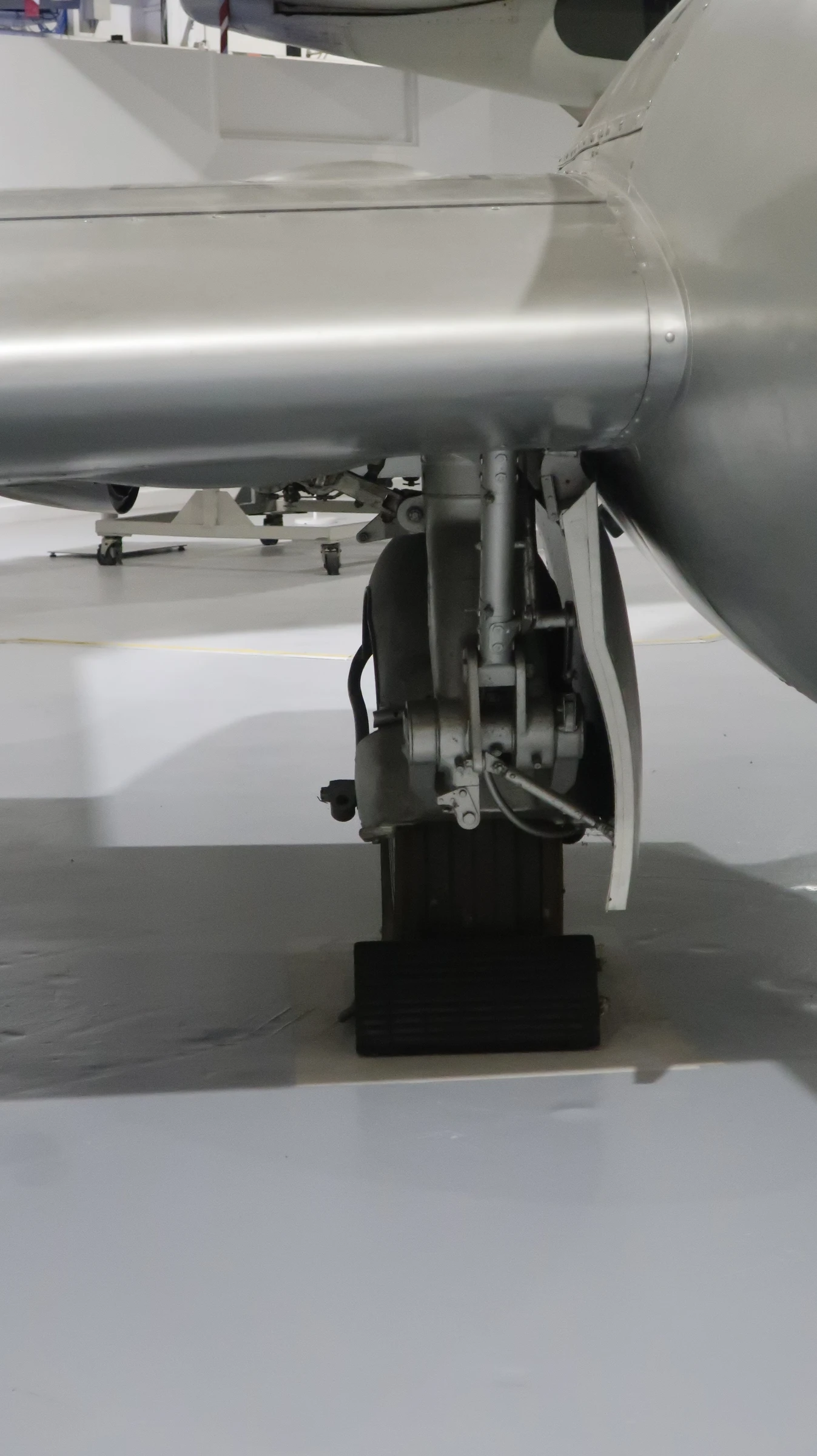
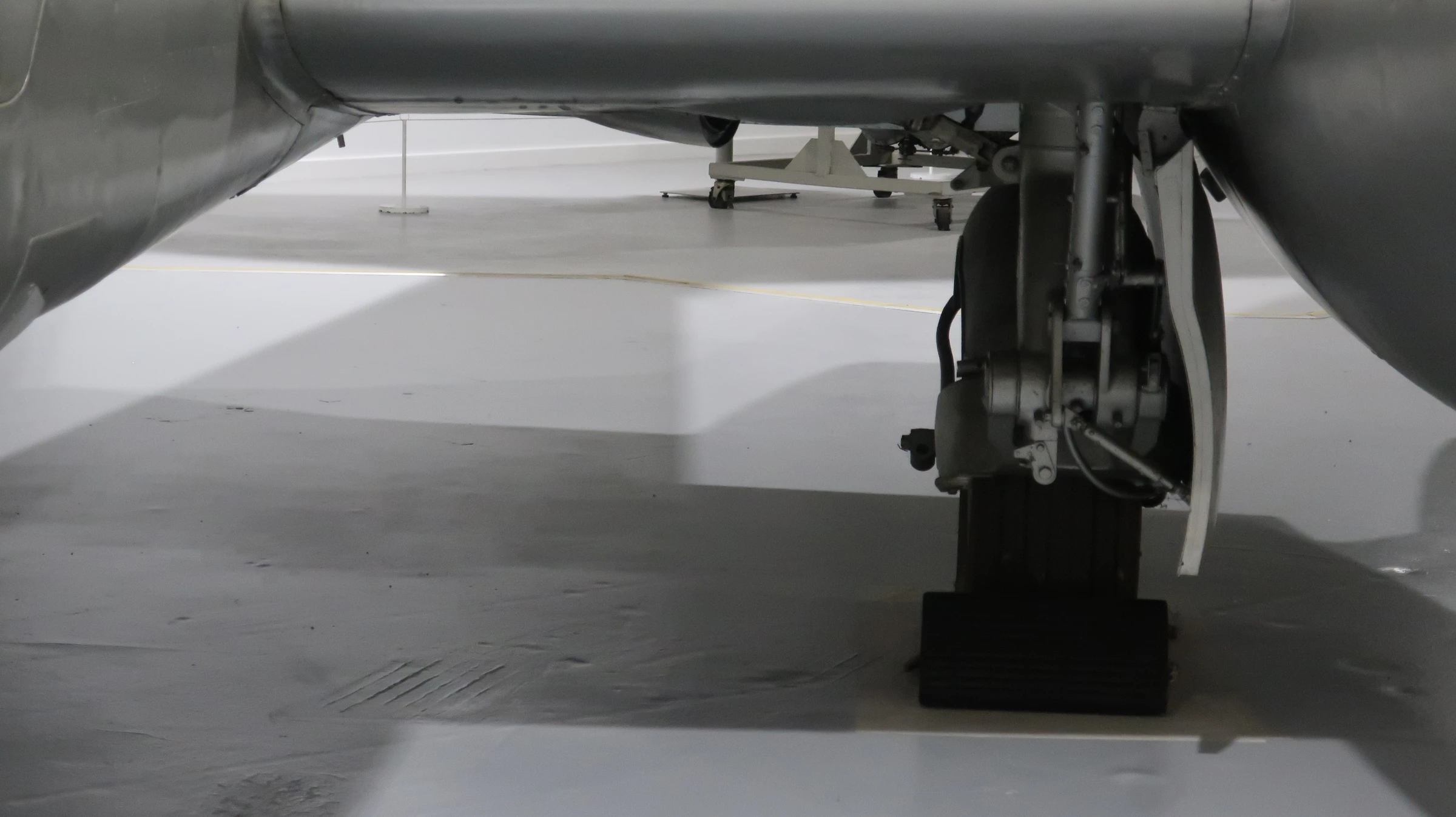
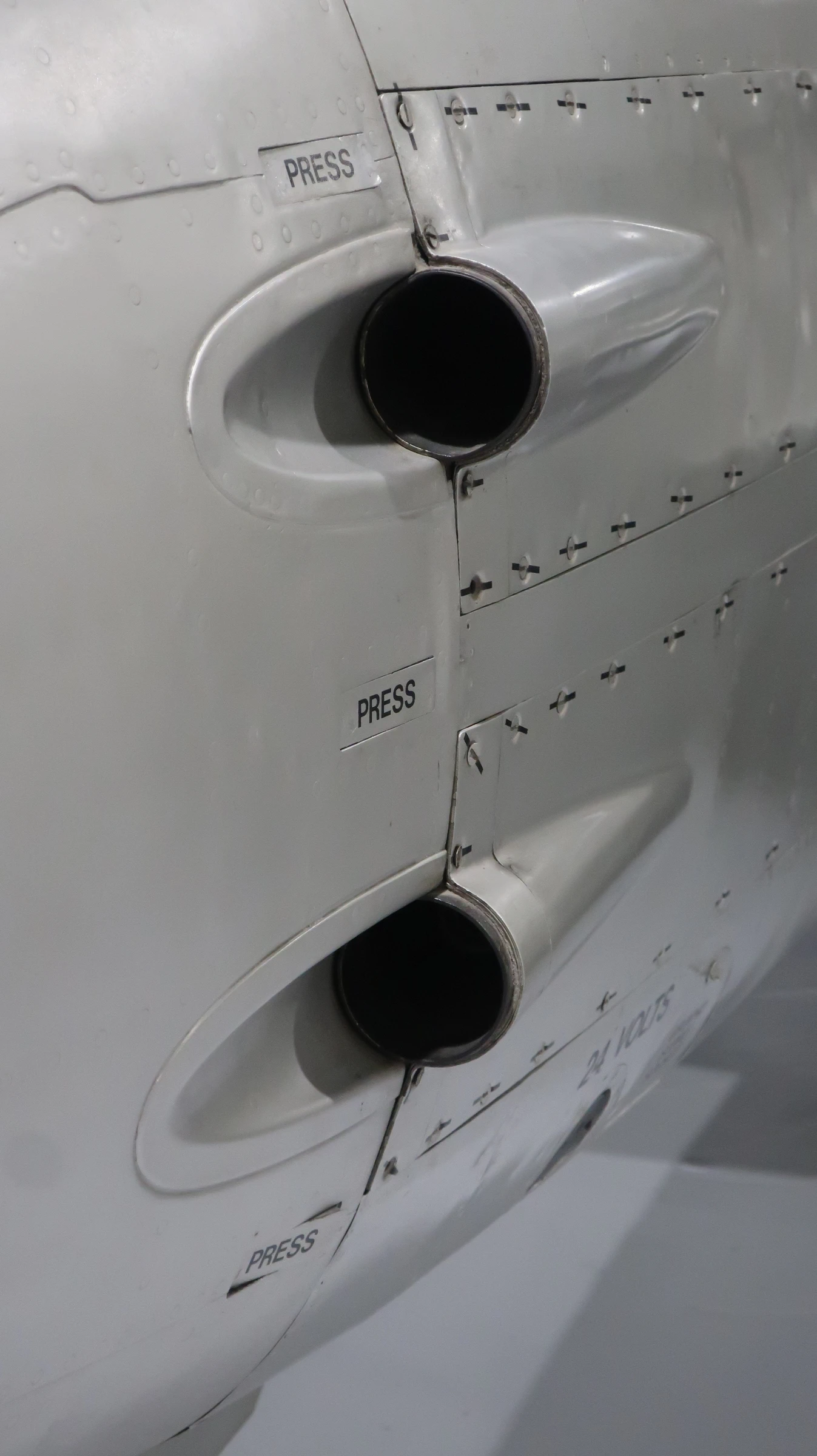
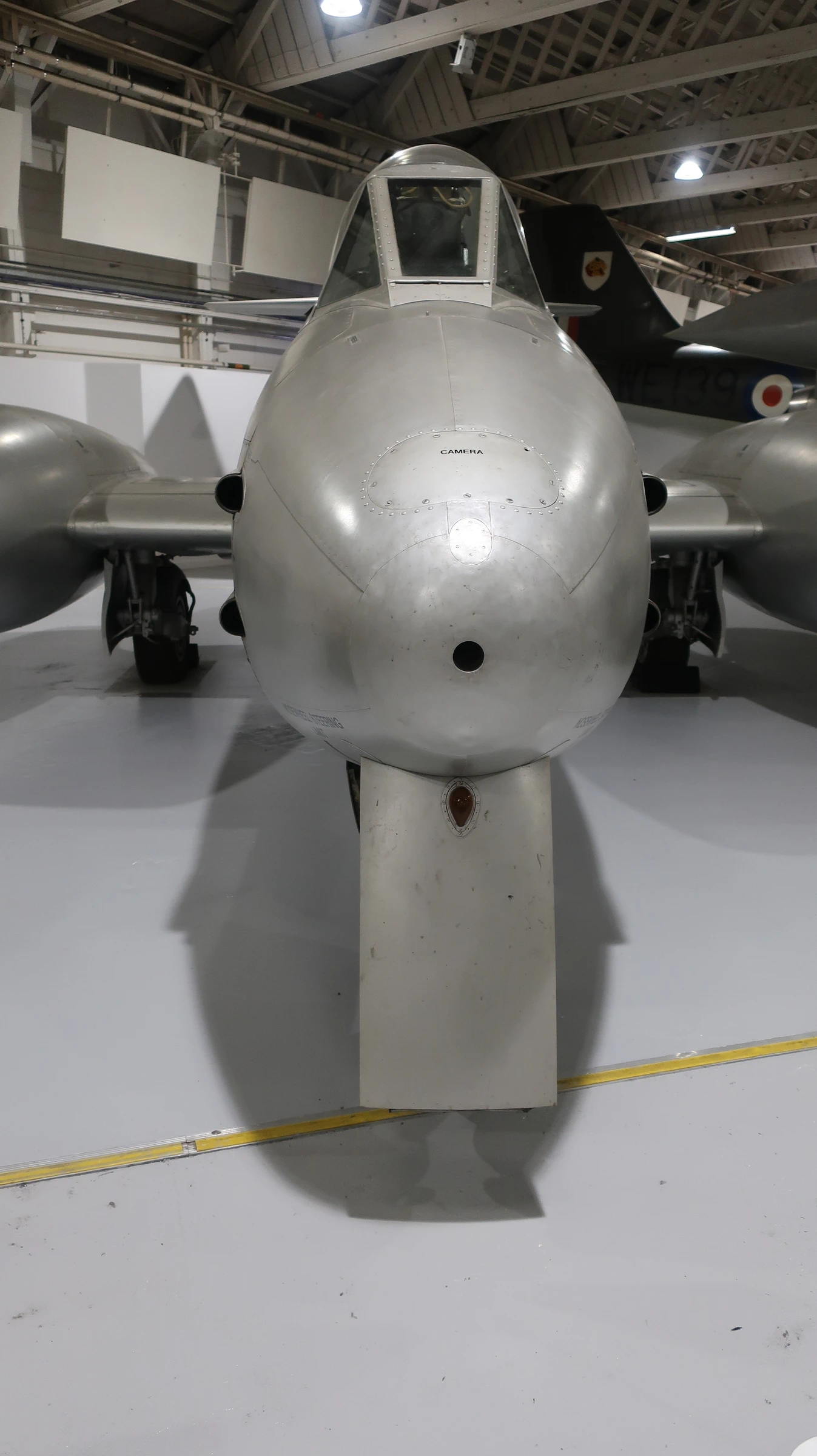
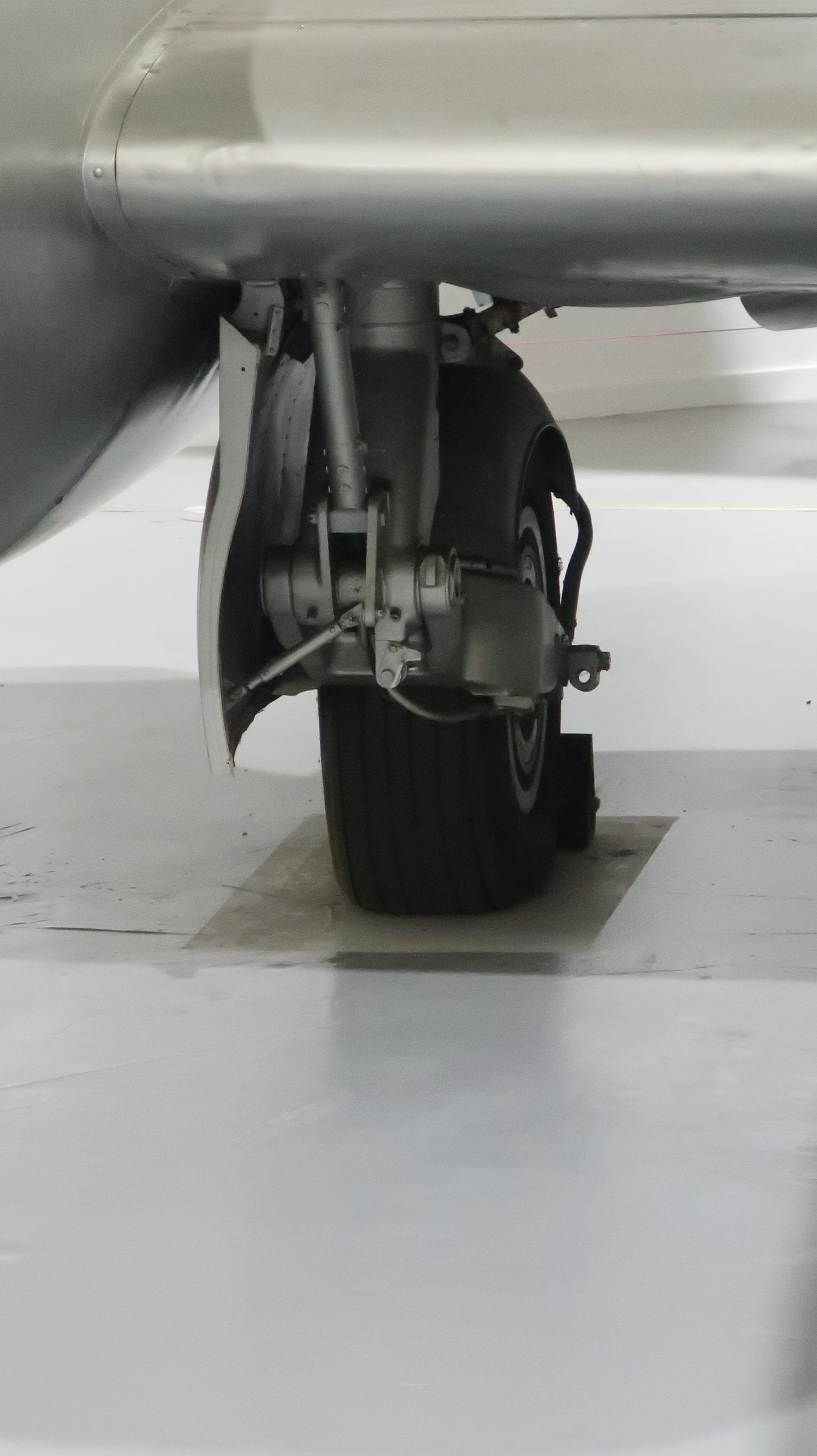
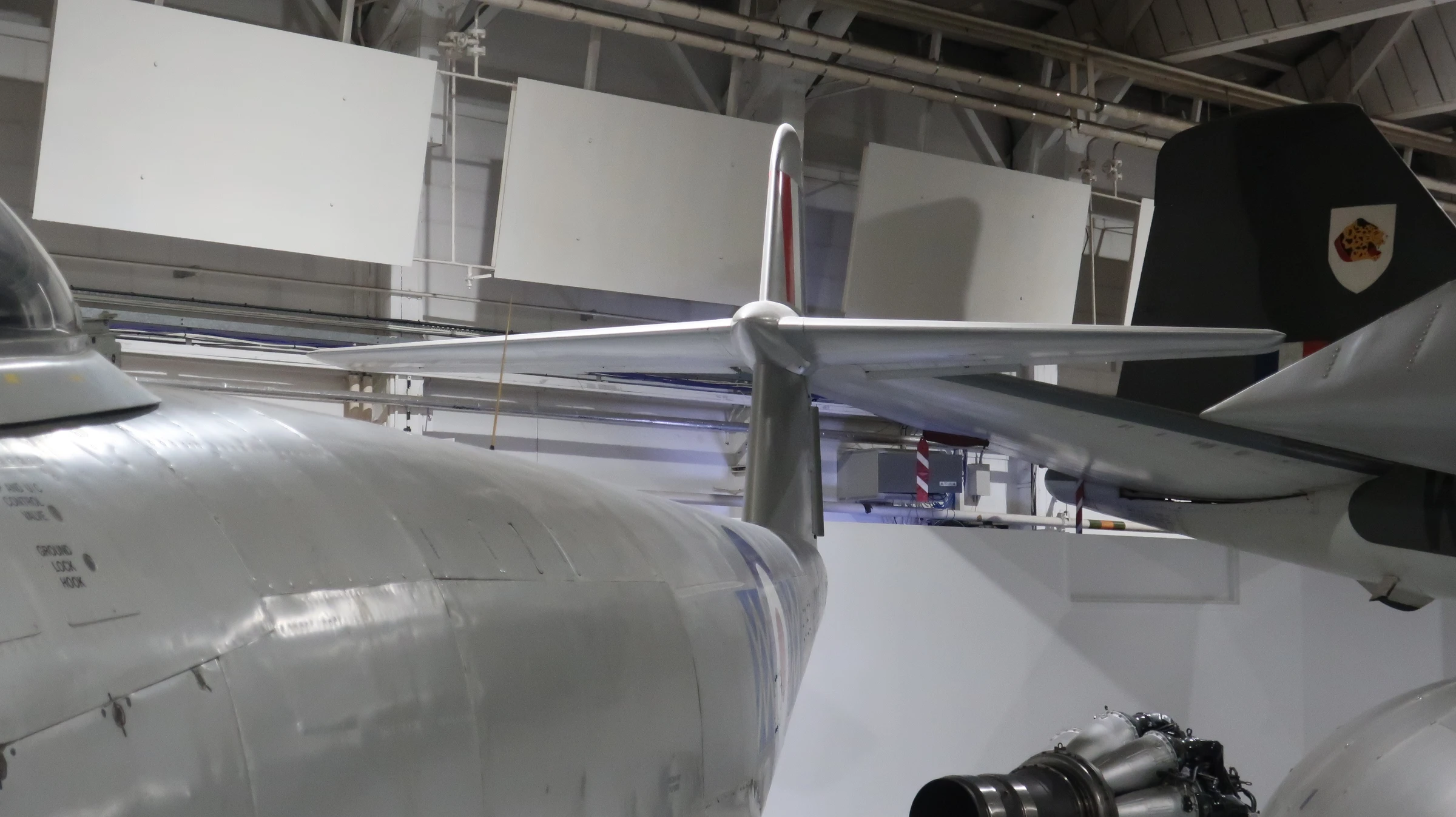
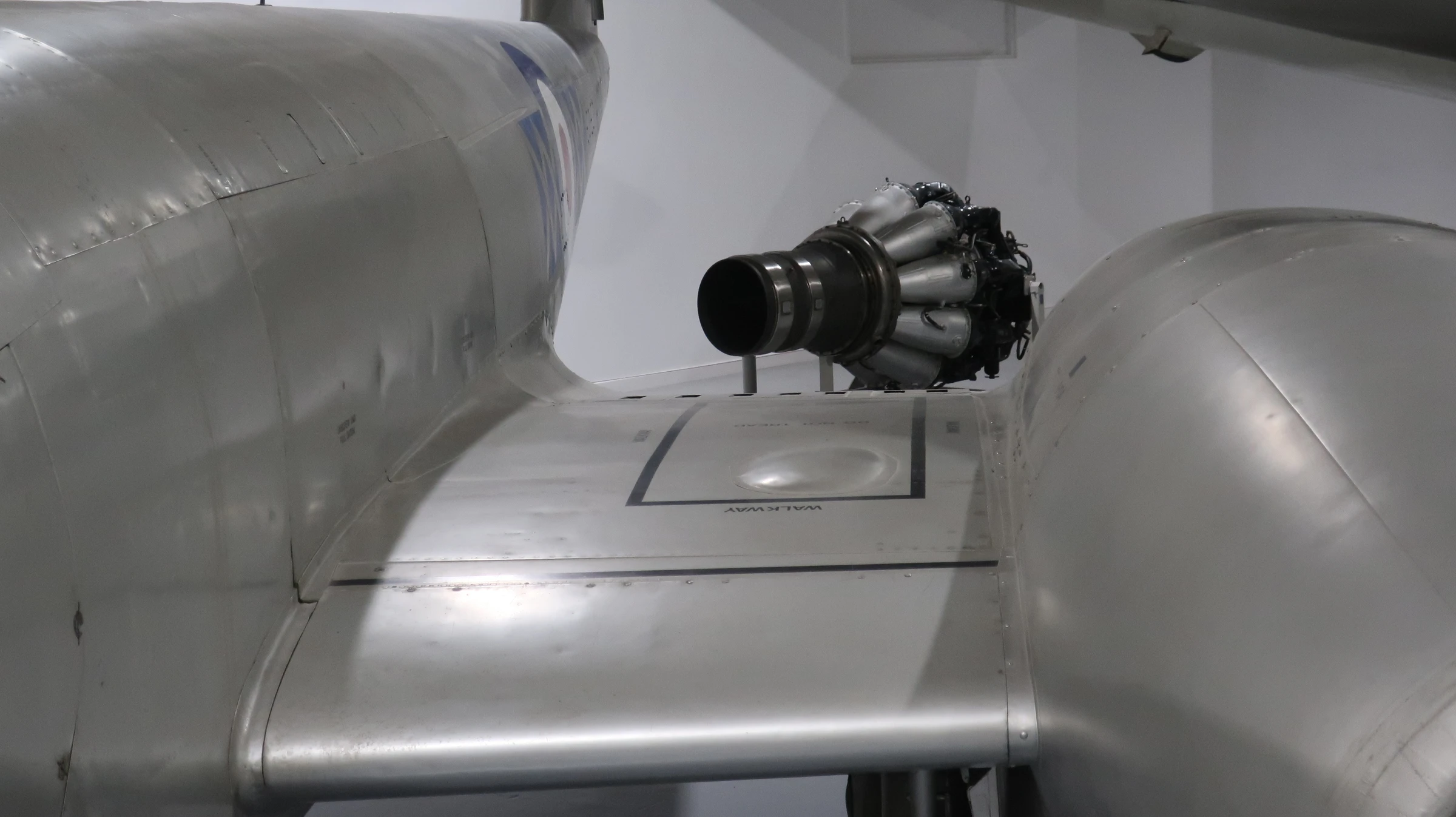
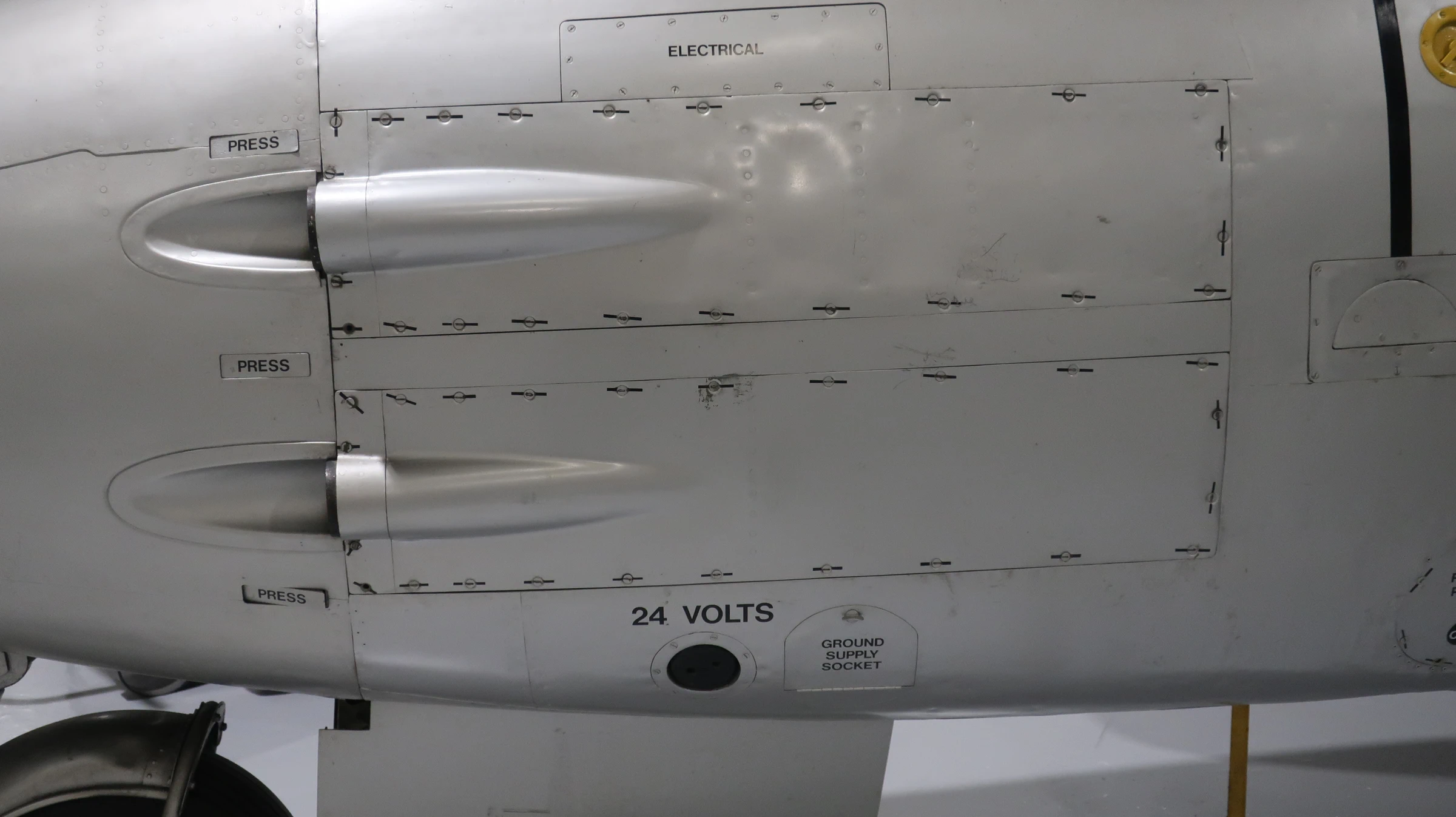
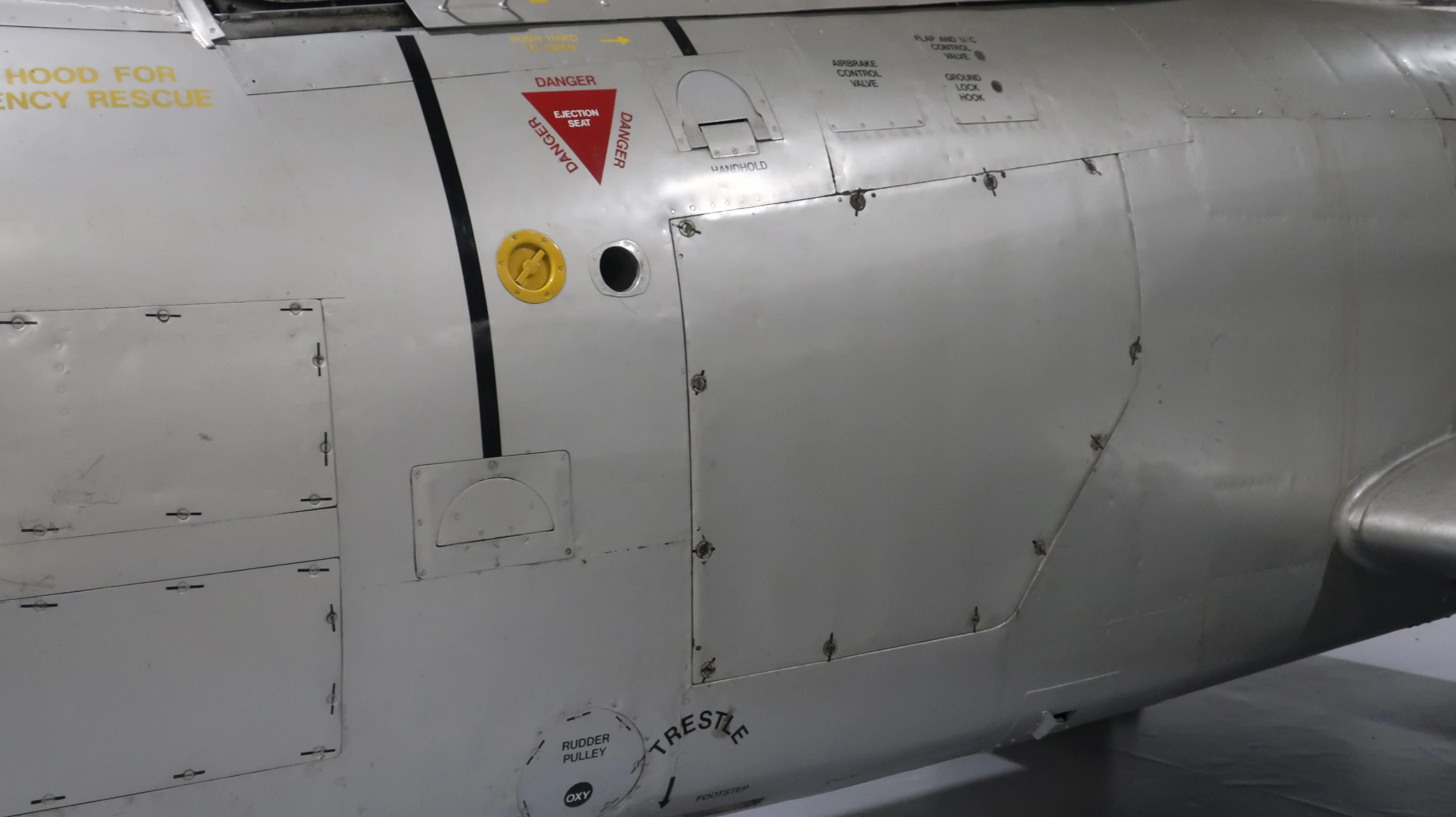
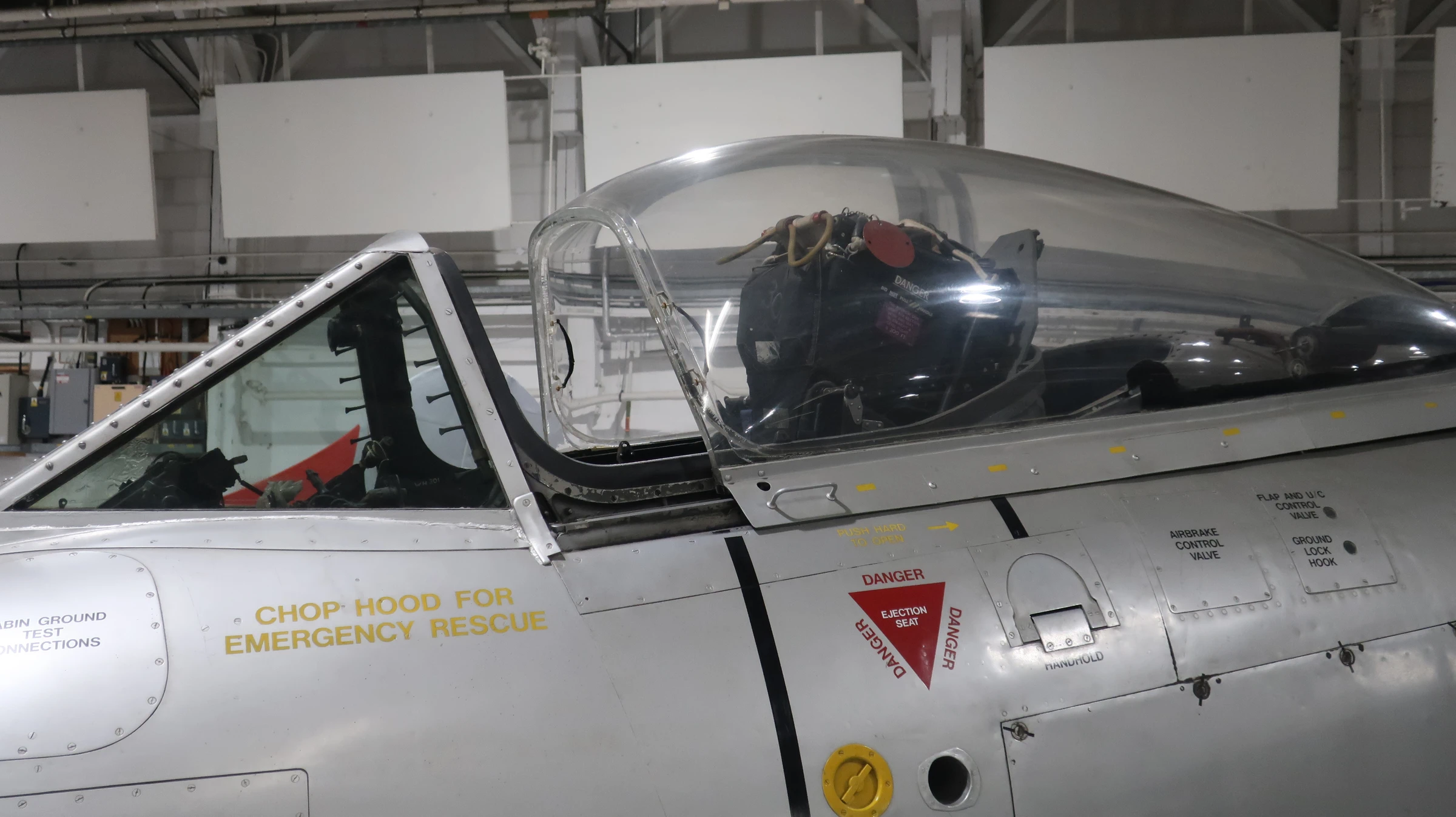
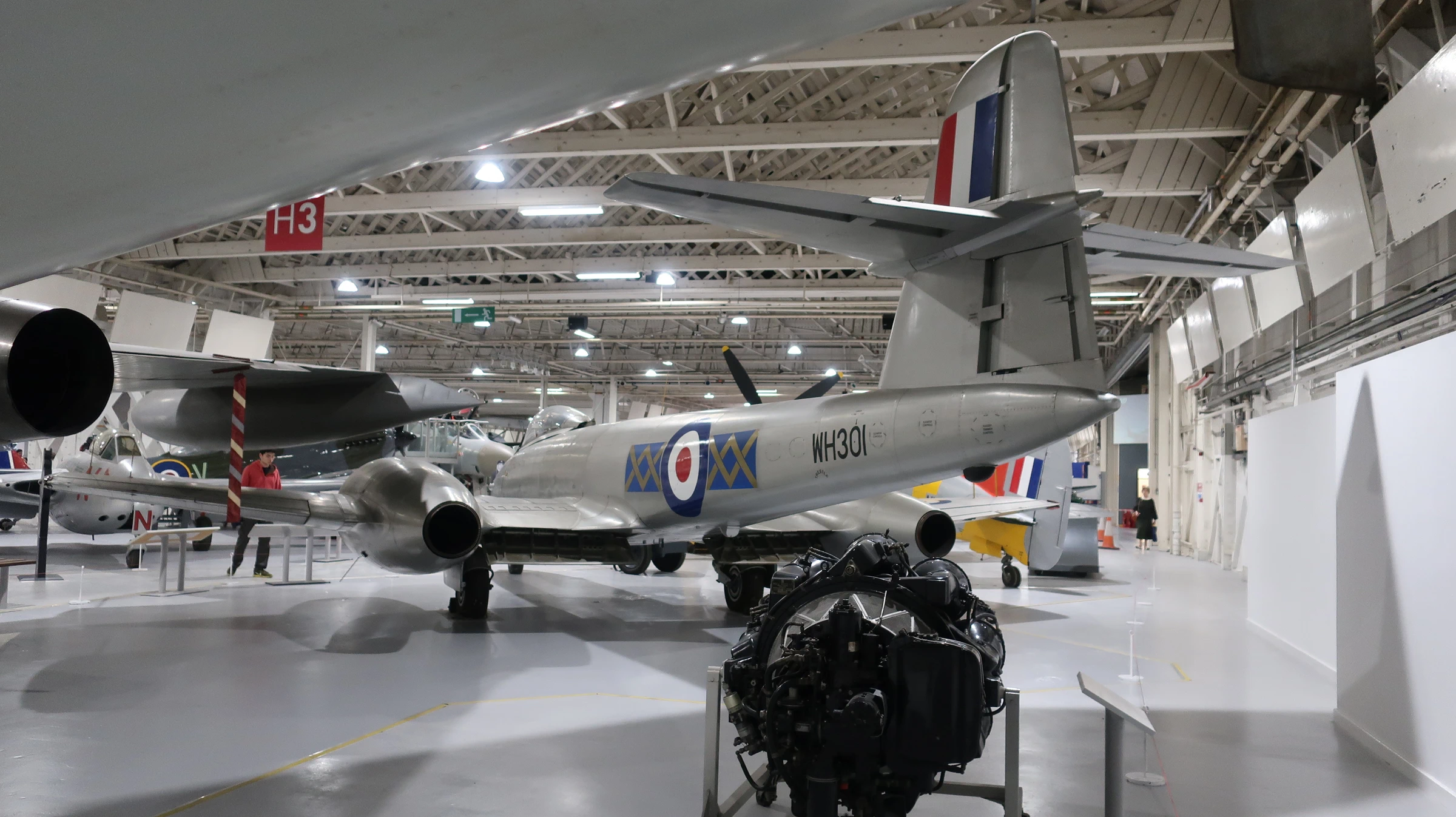
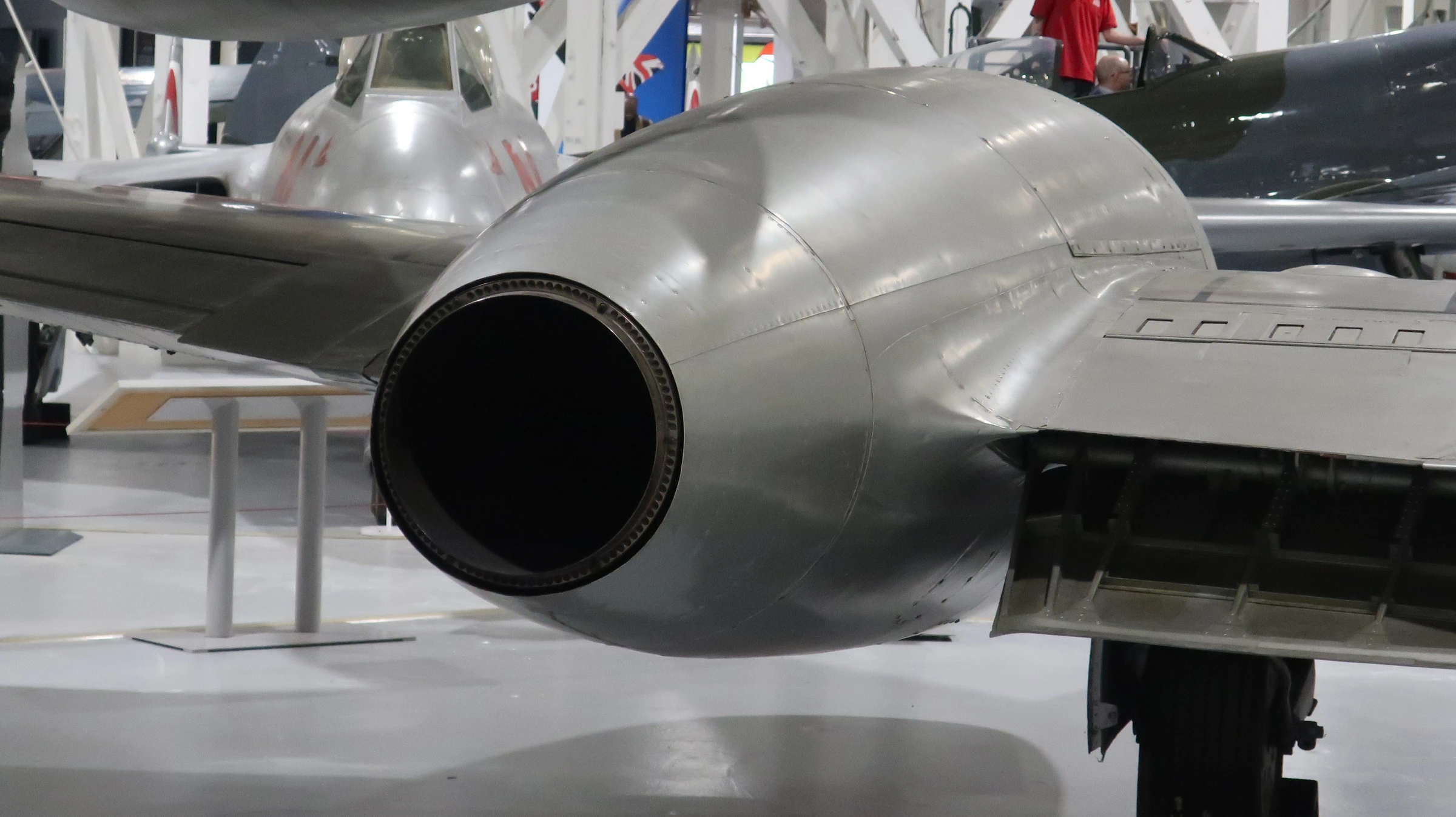
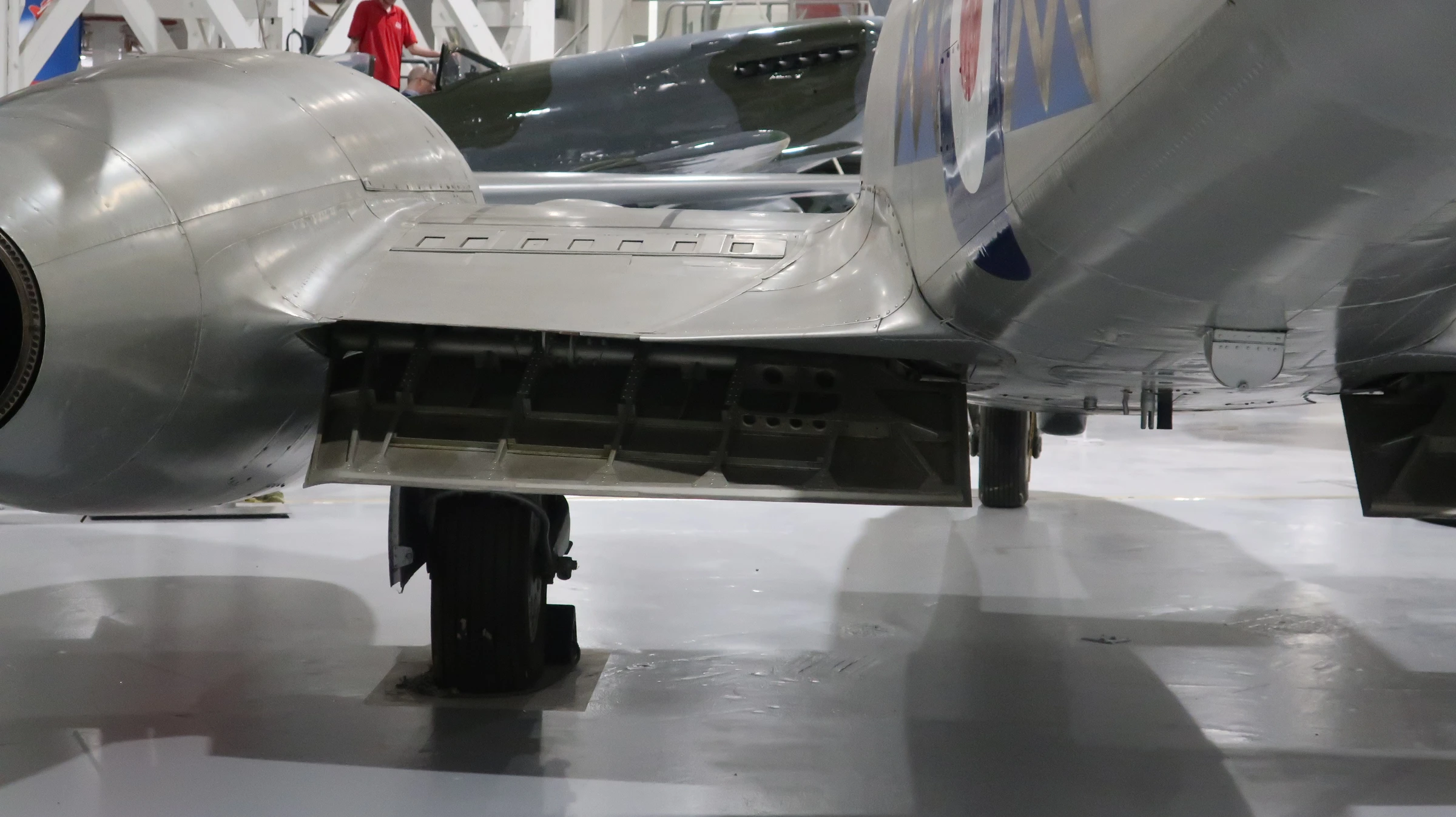
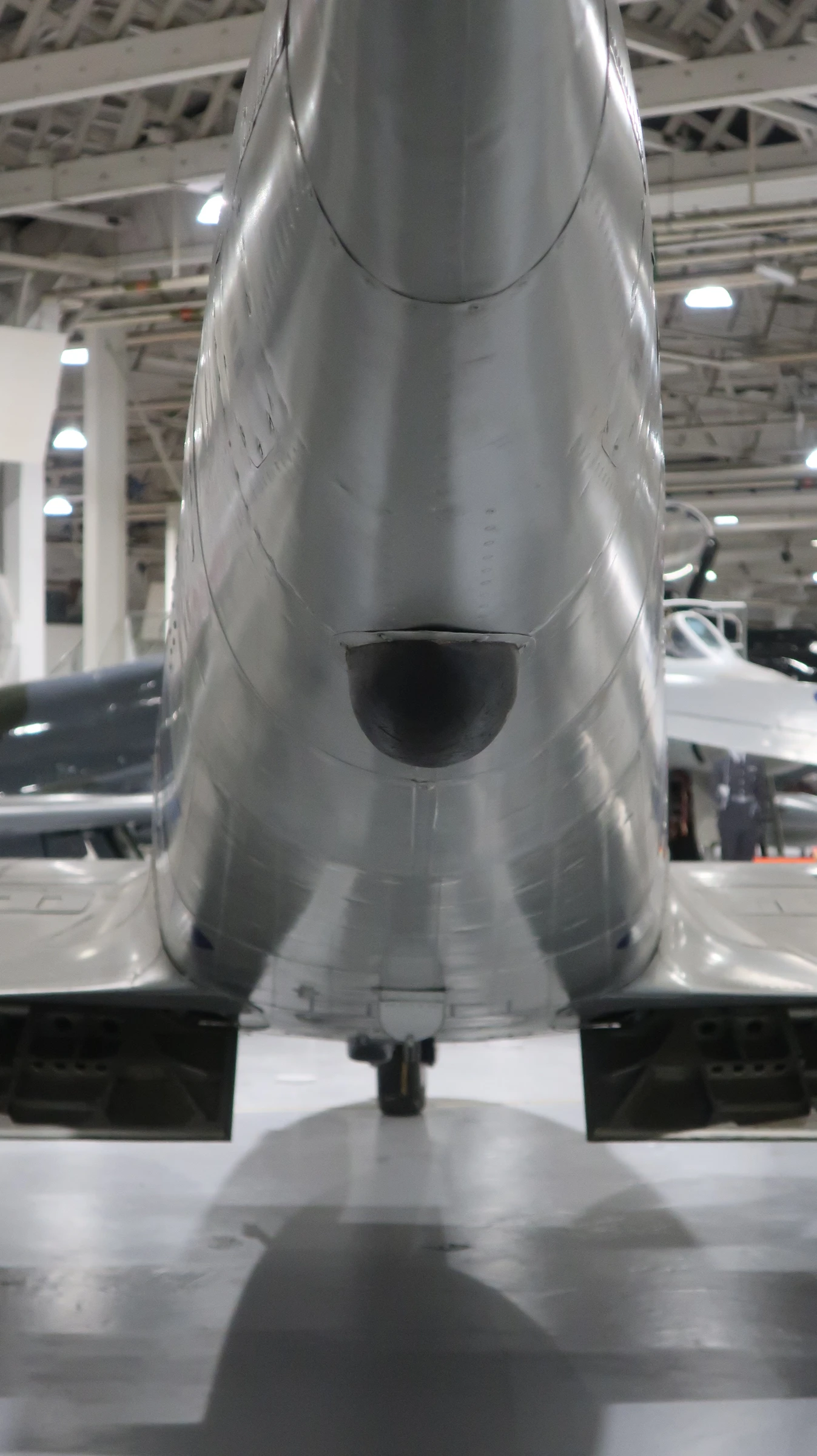
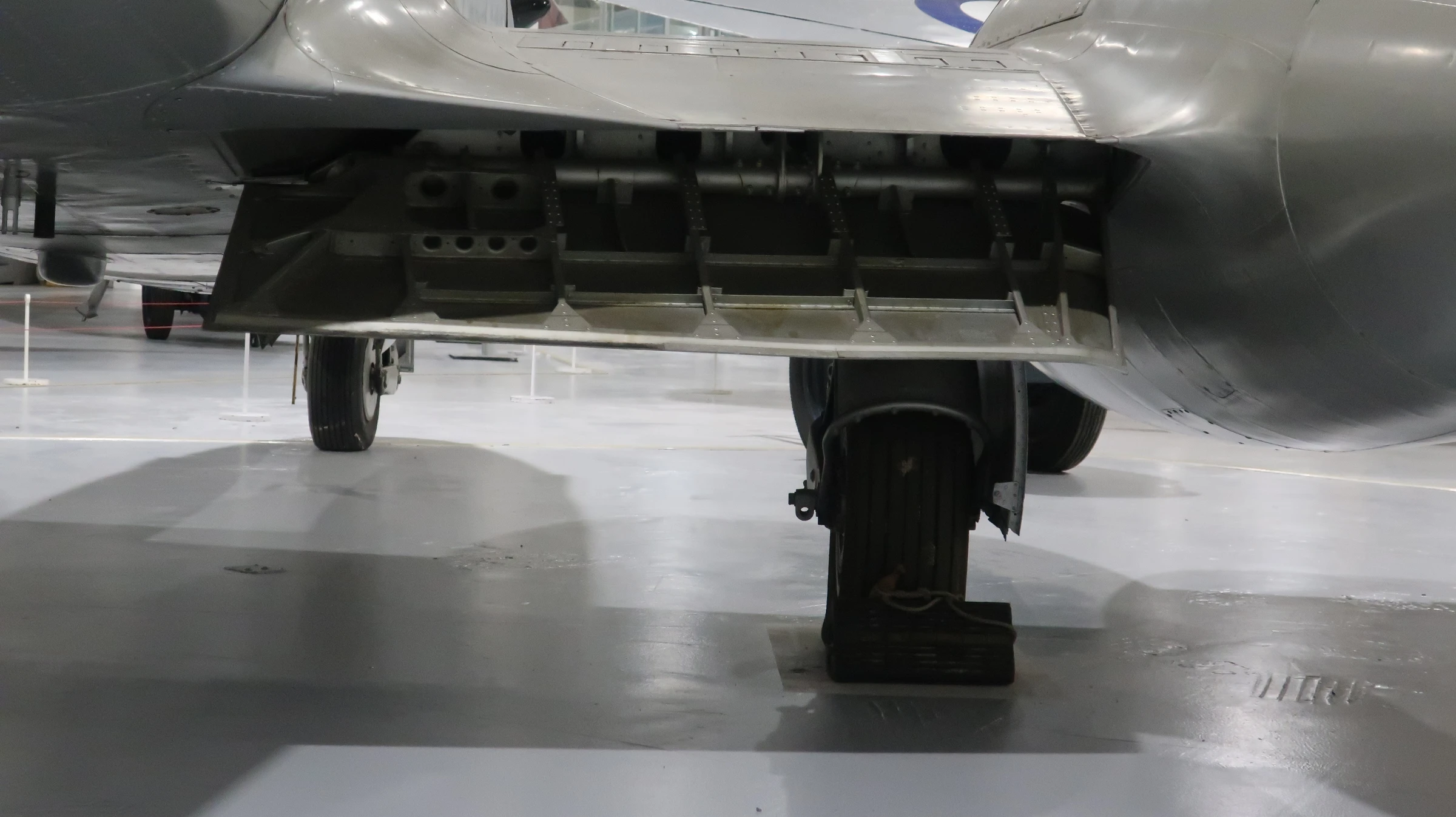
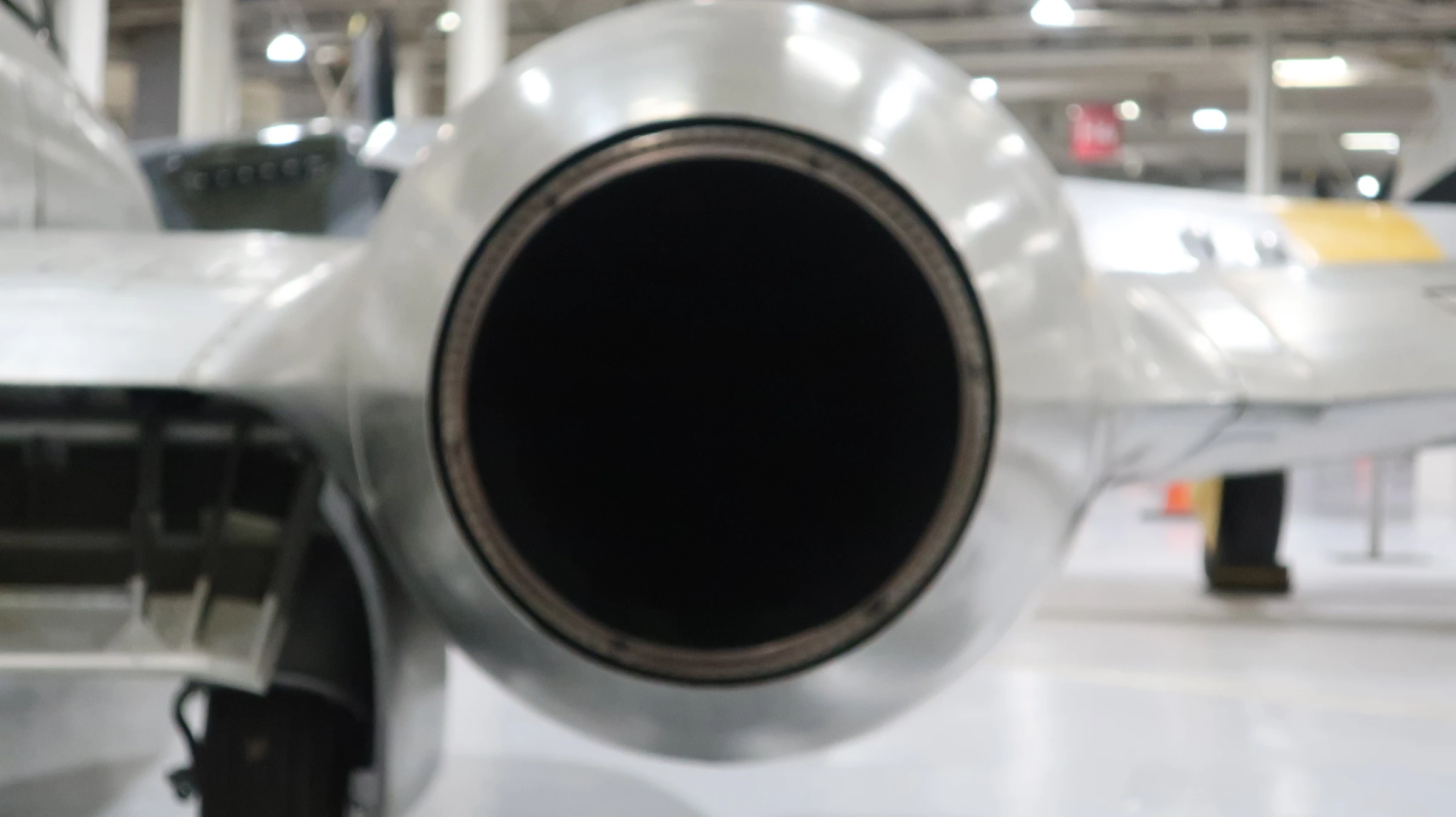
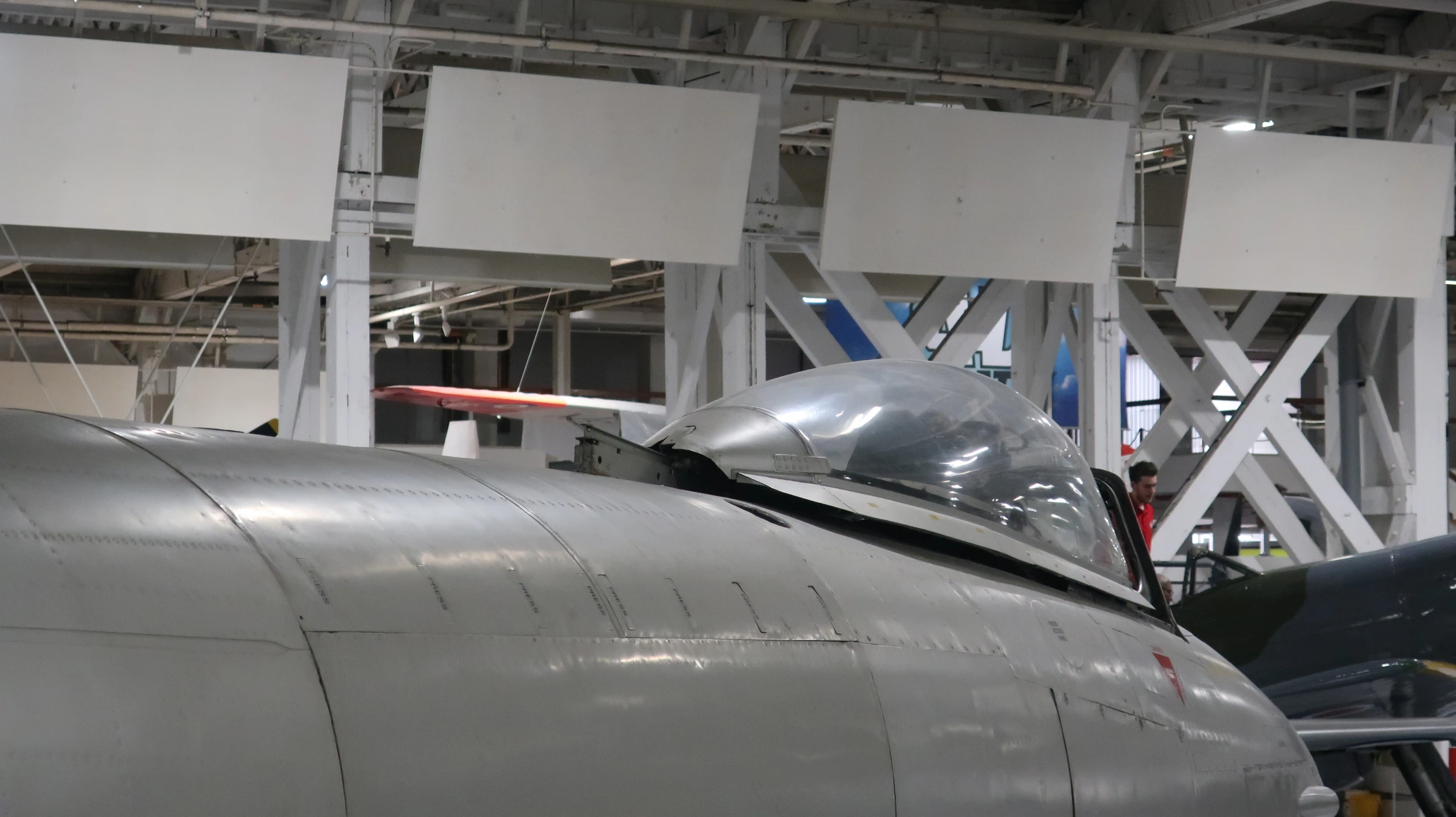
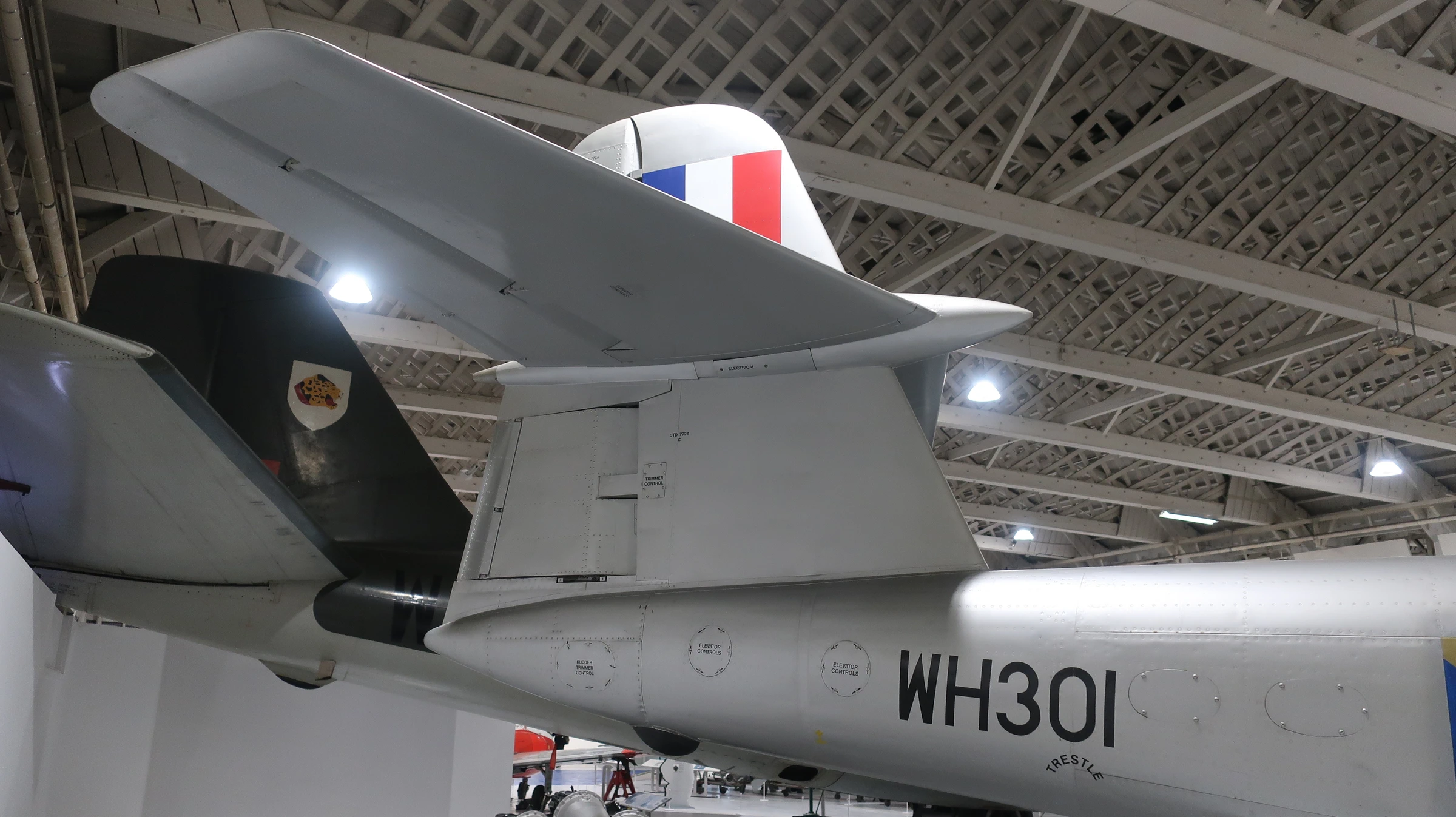
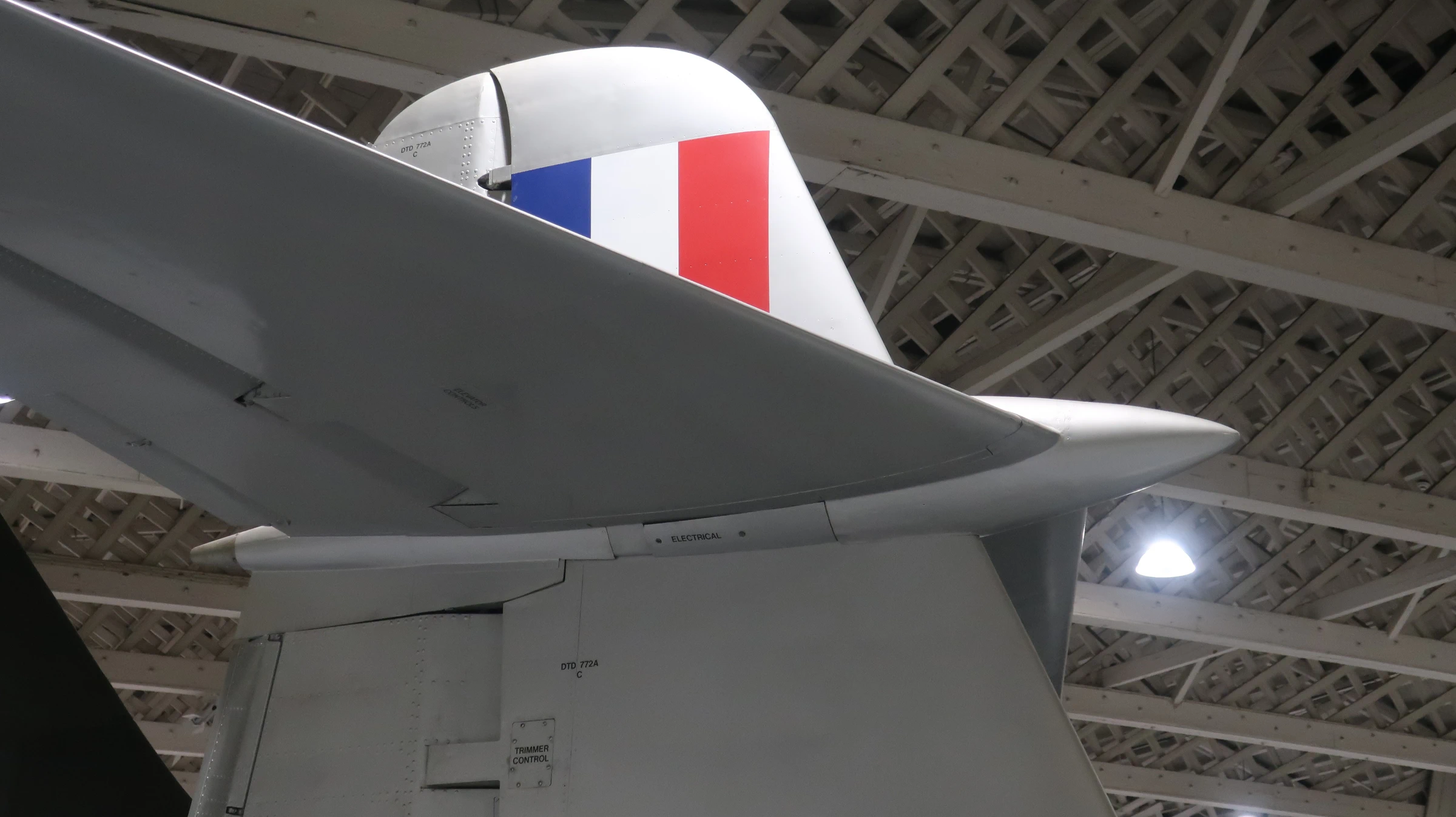
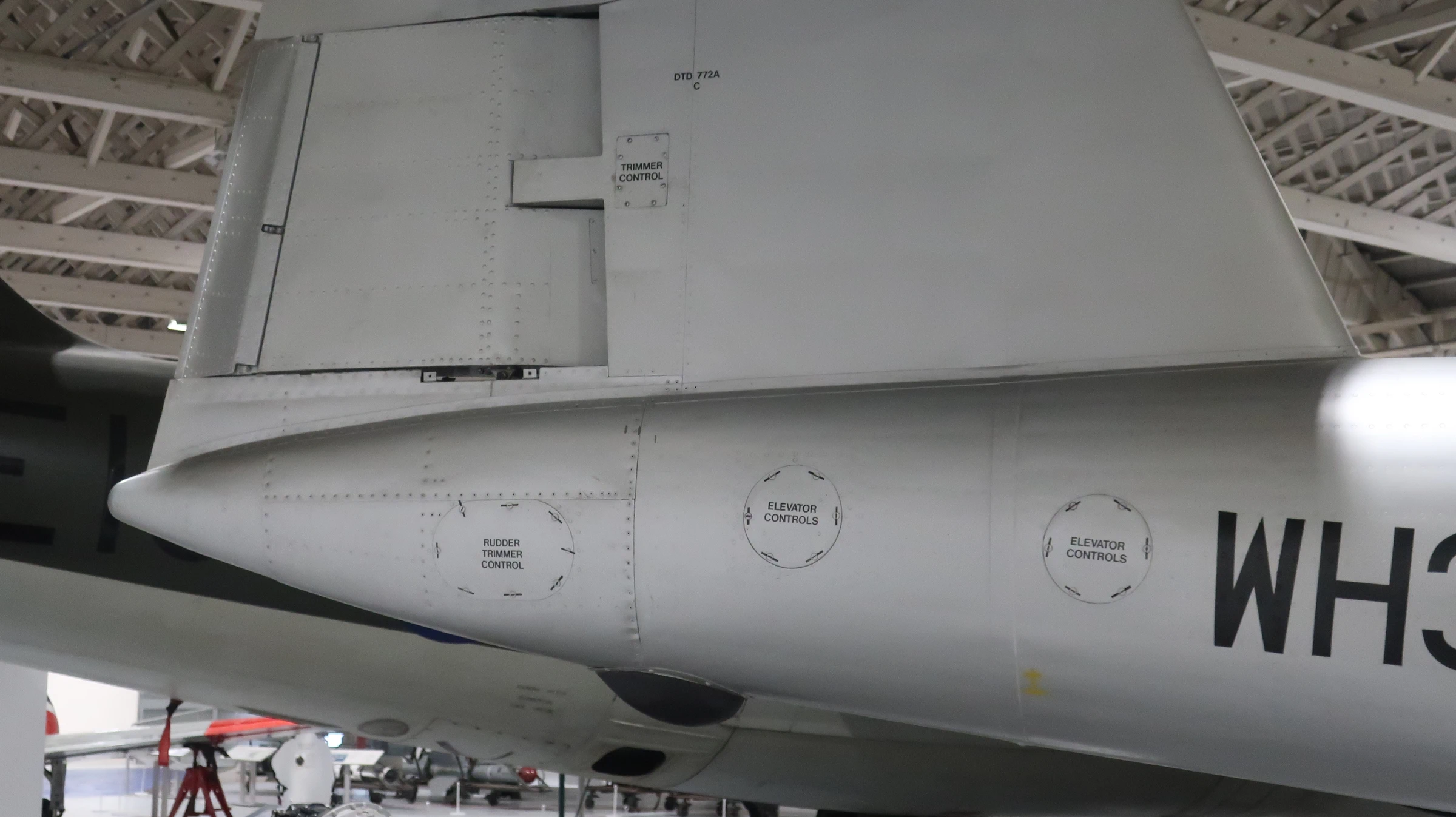
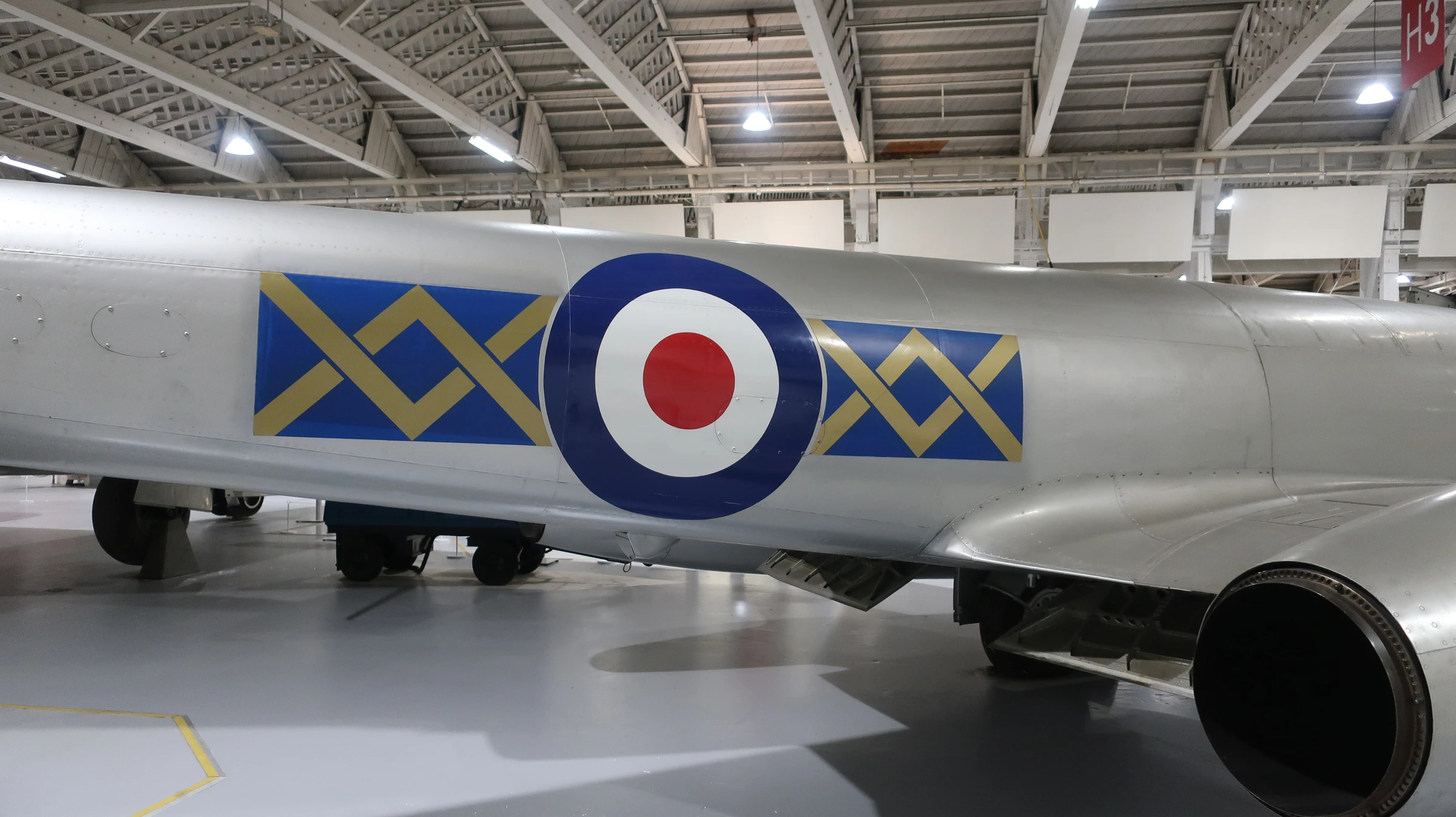
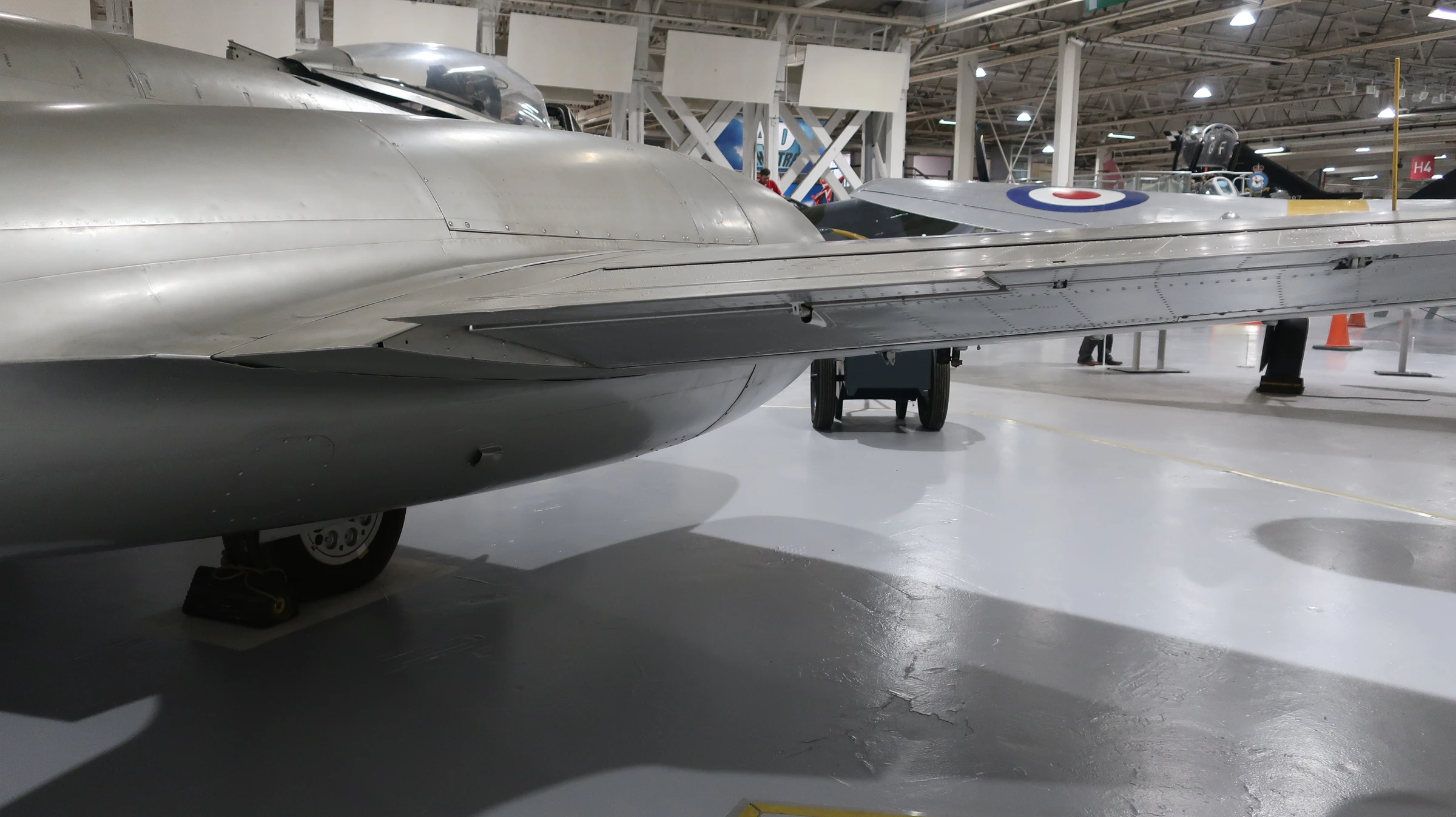
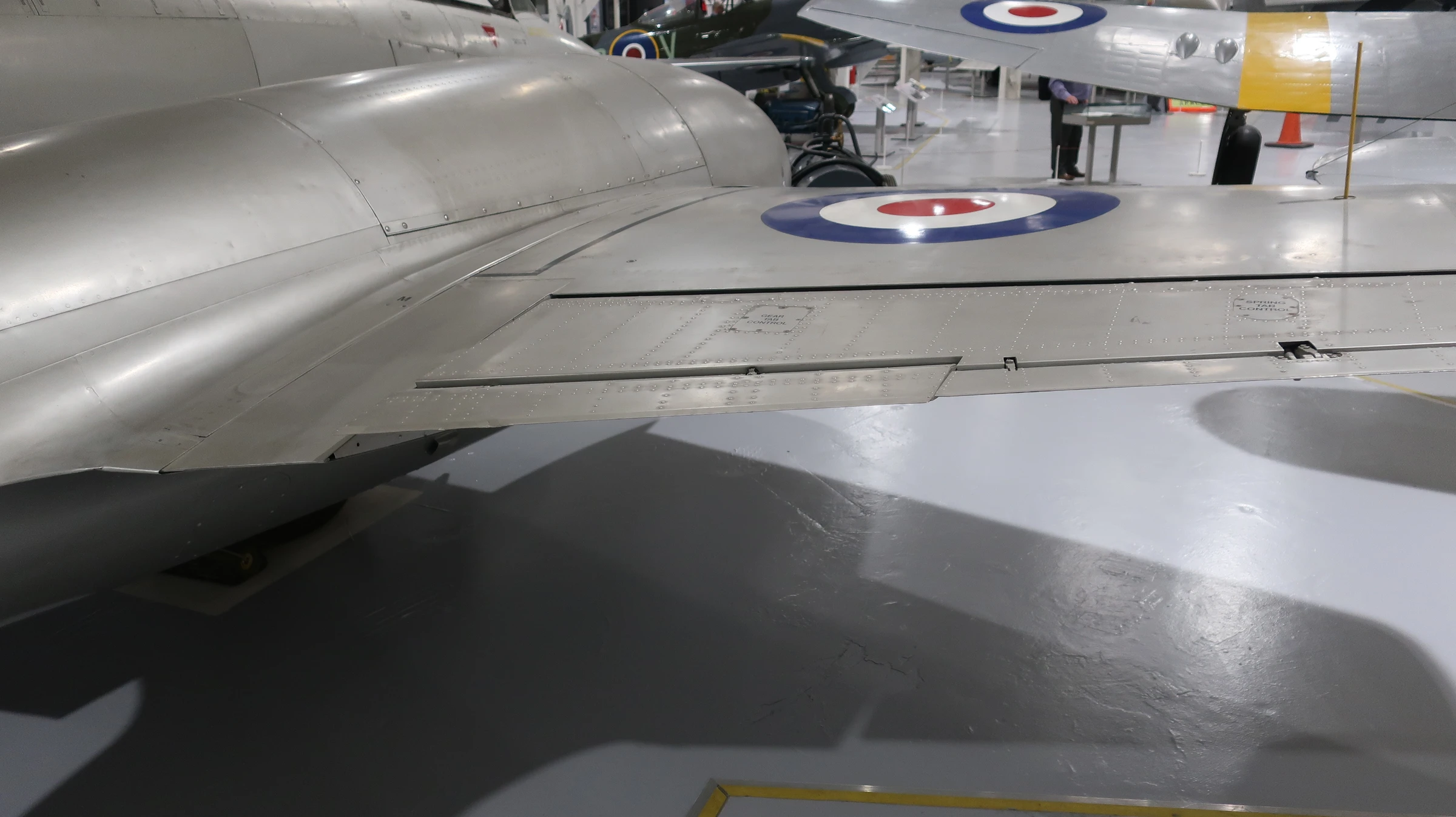
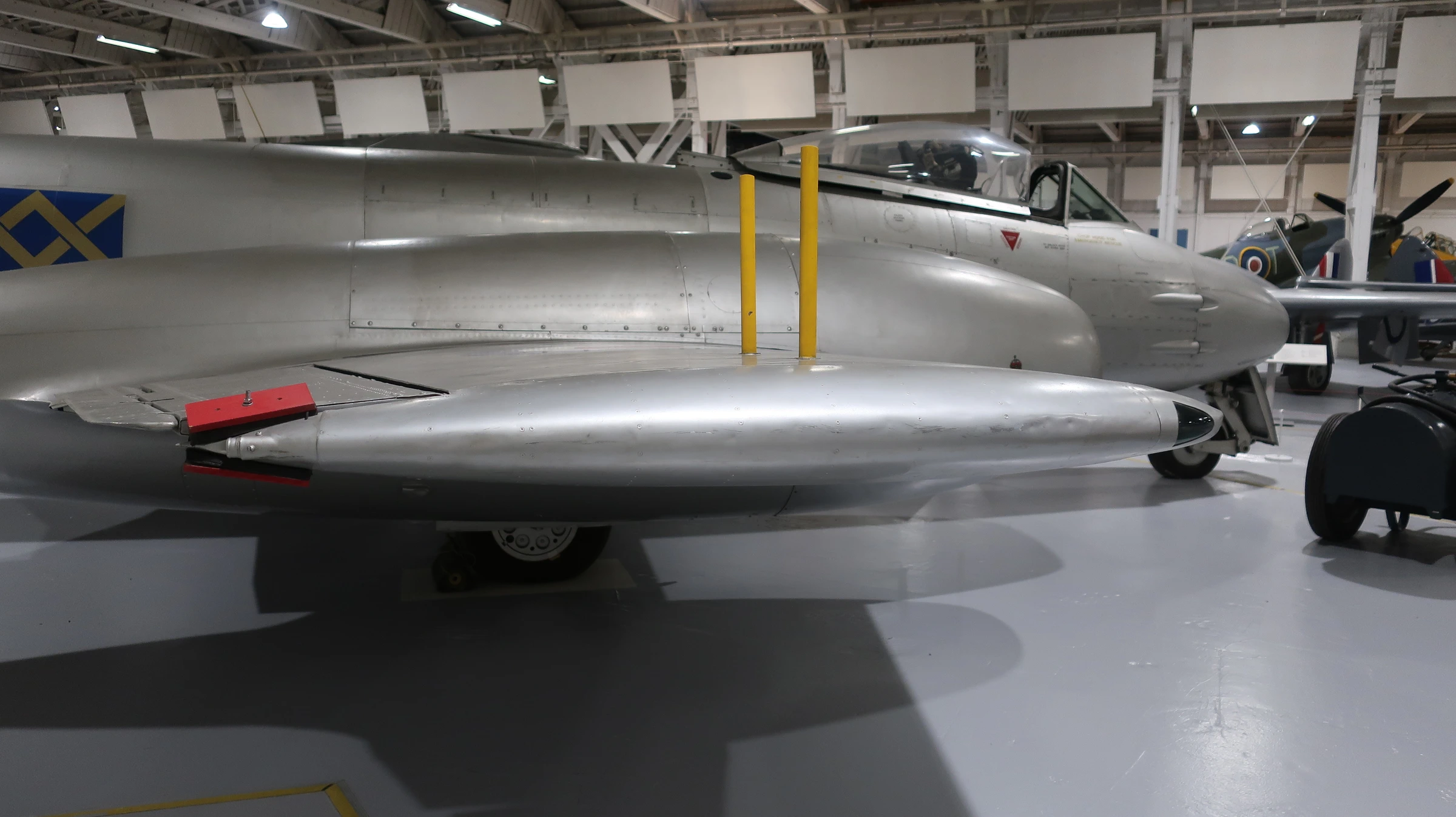
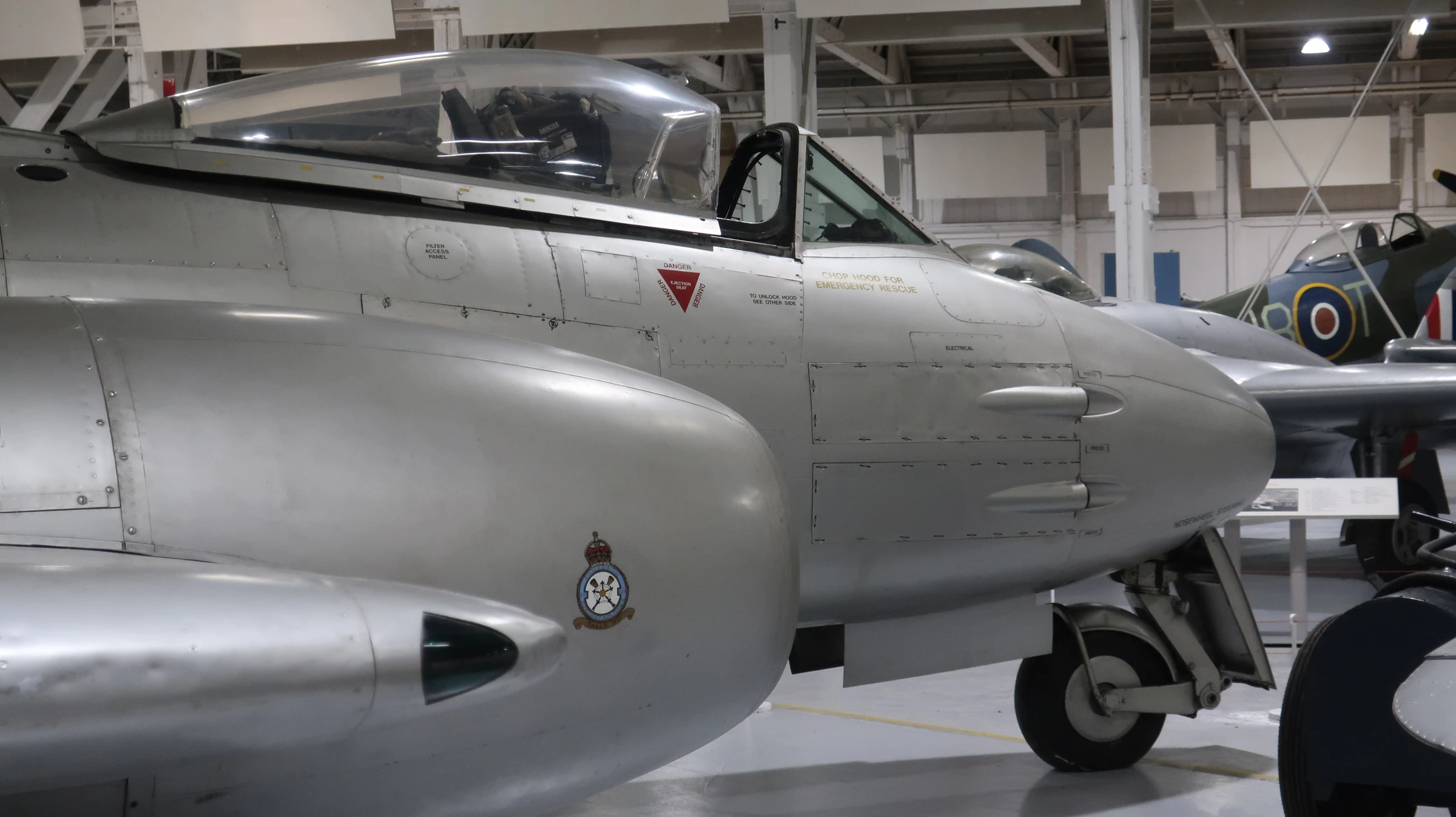
These walk-around photos were taken at the RAF Museum London in Hendon in 2019. They show a Gloster Meteor F.8, serial WH301, displayed in the markings of No. 609 (West Riding) Squadron Royal Auxiliary Air Force. The Meteor holds a unique place in history as the only Allied jet aircraft to reach combat in the Second World War, entering service with No. 616 Squadron in July 1944 and used primarily against V-1 flying bombs over southern England. The F.8 was the most capable and most numerous single-seat variant, with 1,183 built, featuring a lengthened fuselage, increased fuel capacity and a standard ejection seat. By the time it entered widespread service it was already being outclassed by the swept-wing MiG-15 and F-86 Sabre, but it remained the RAF's standard day fighter until the Hunter replaced it.
Built by Armstrong Whitworth in late 1951, WH301 served first with the Day Fighter Leaders School at RAF West Raynham before joining No. 609 Squadron at Church Fenton and later the RAF Flying College at Manby and No. 85 Squadron at Binbrook. It made its final flight in November 1965, was dismantled at Kemble and sent to Henlow for storage, arriving at Hendon in 1978 where it has been on public display ever since.