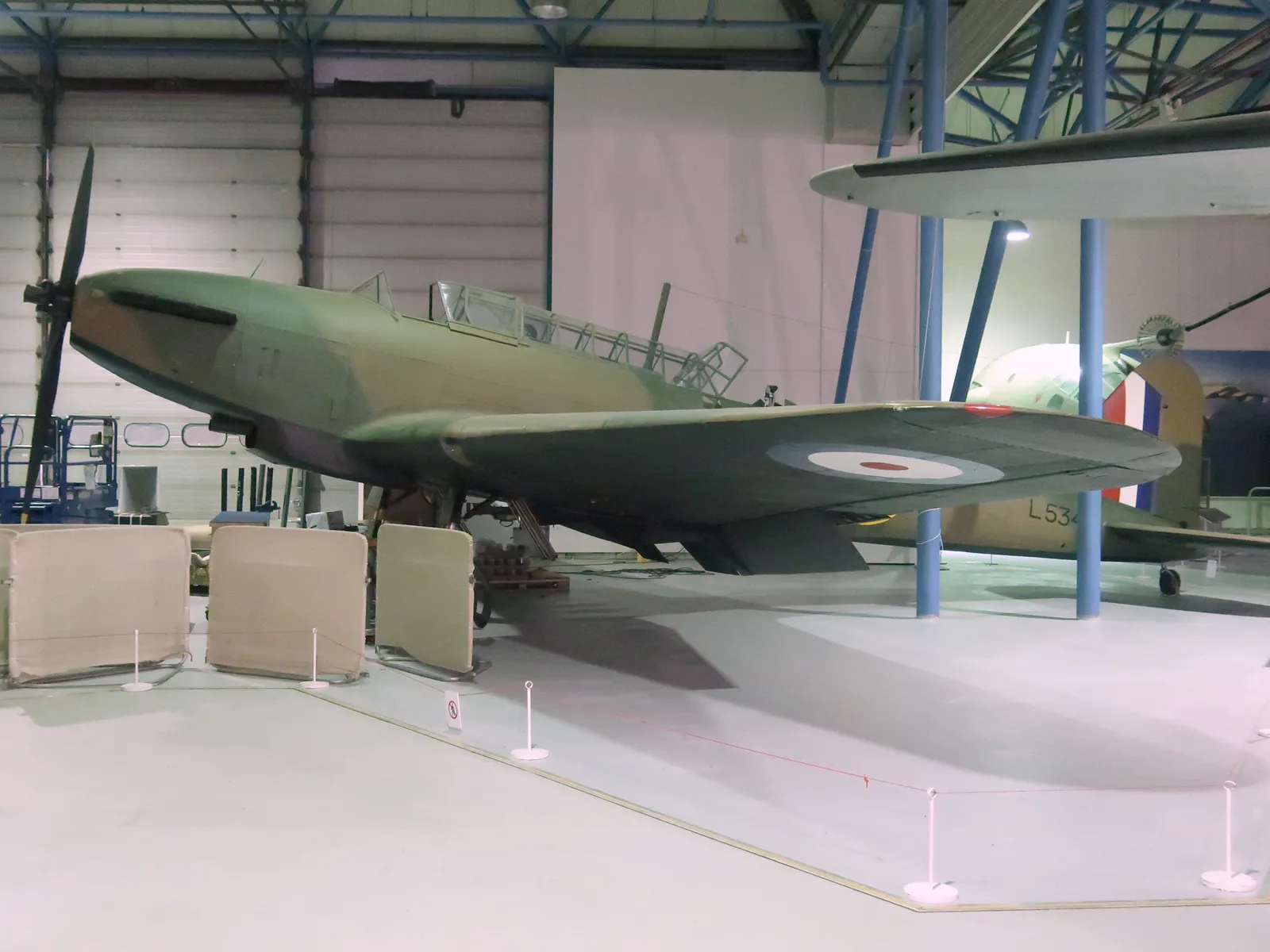
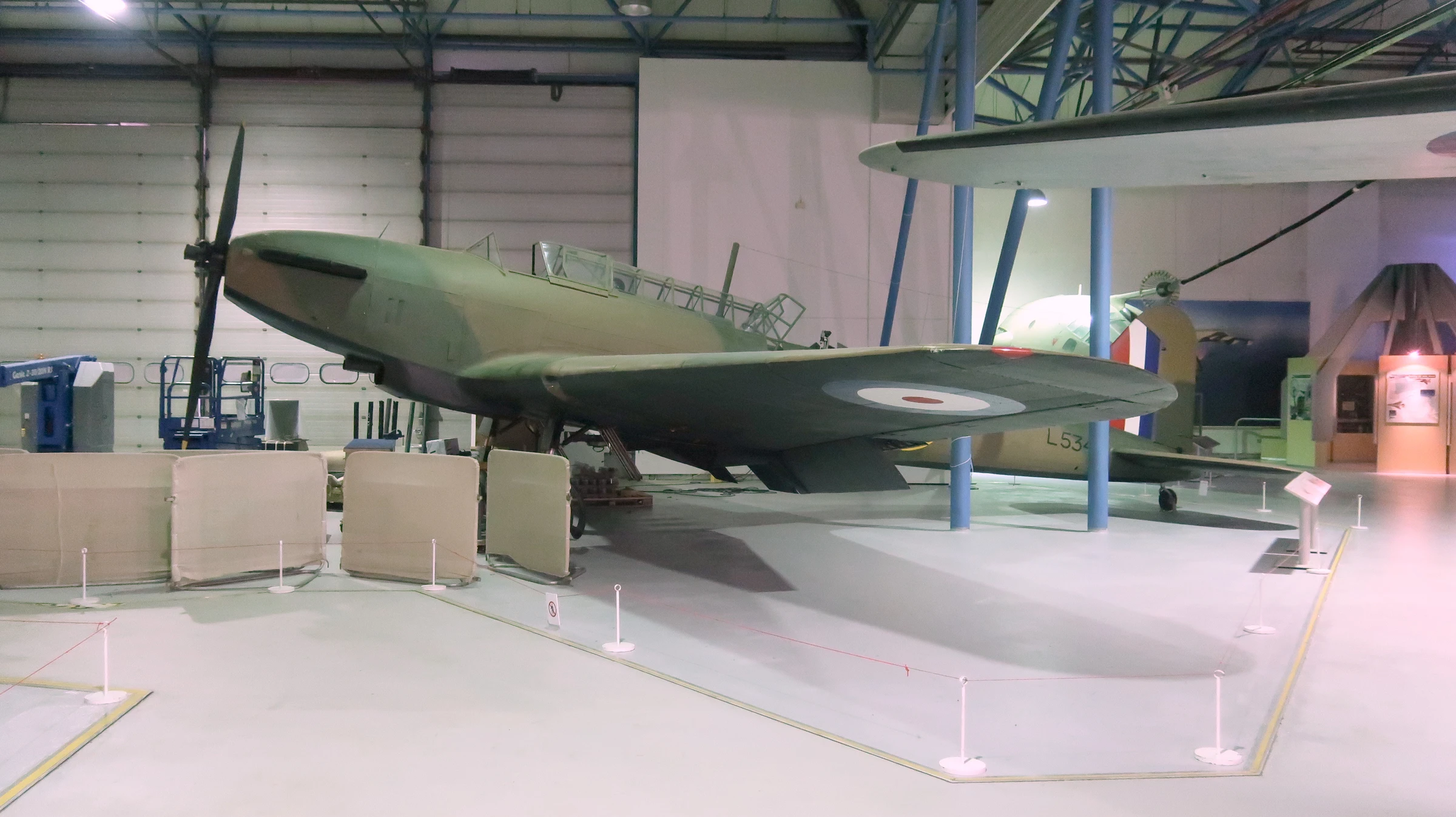
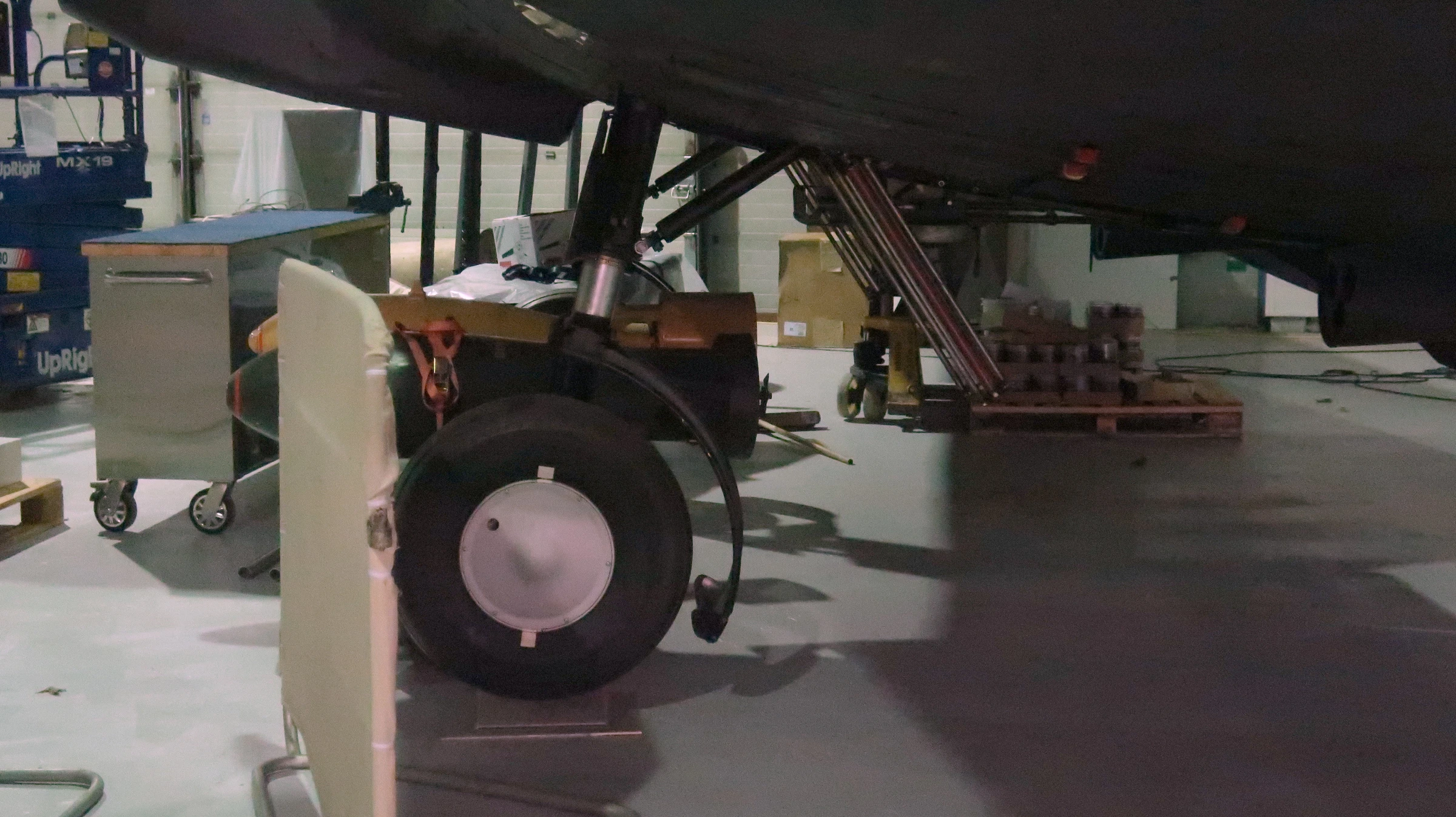
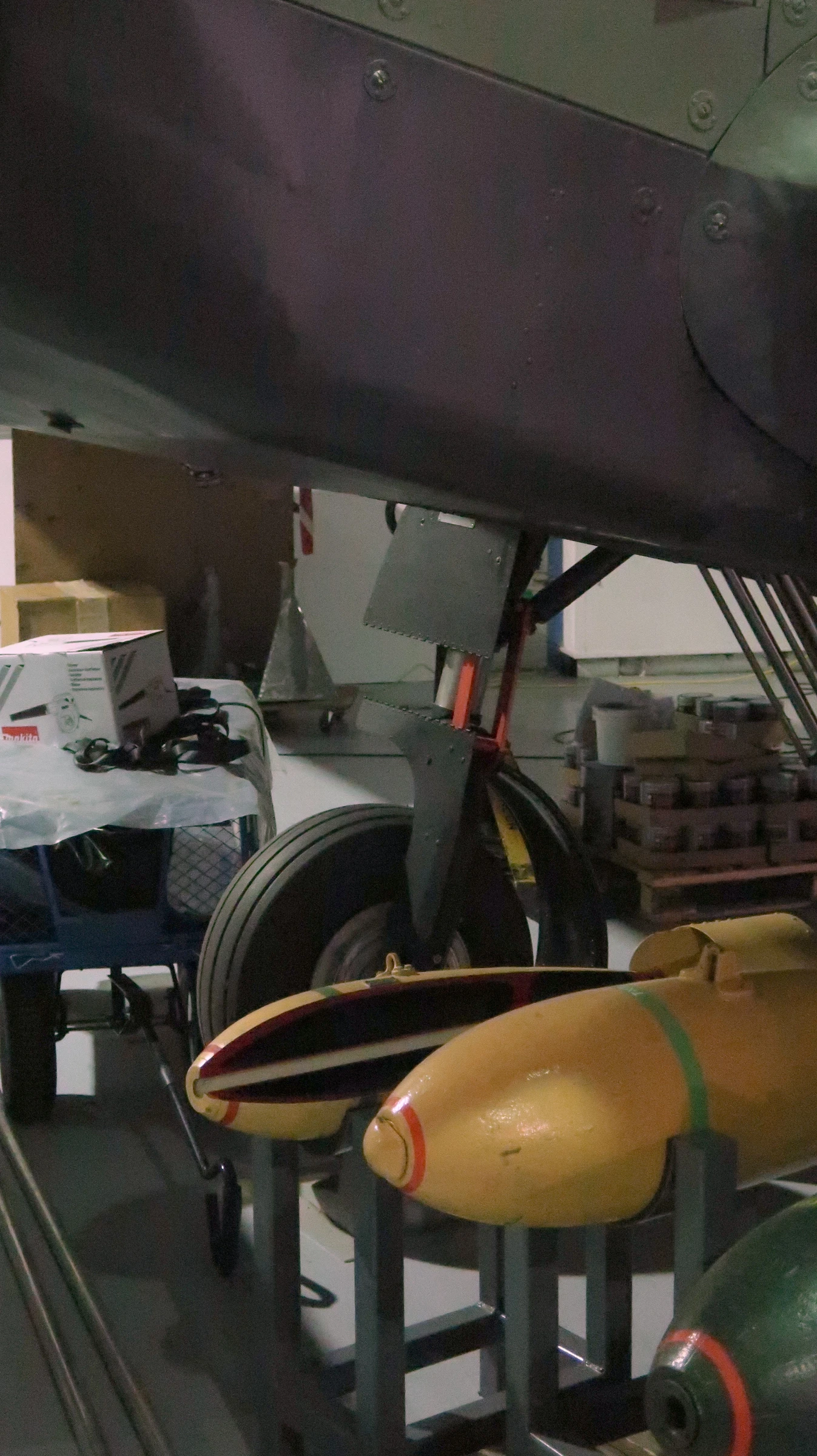
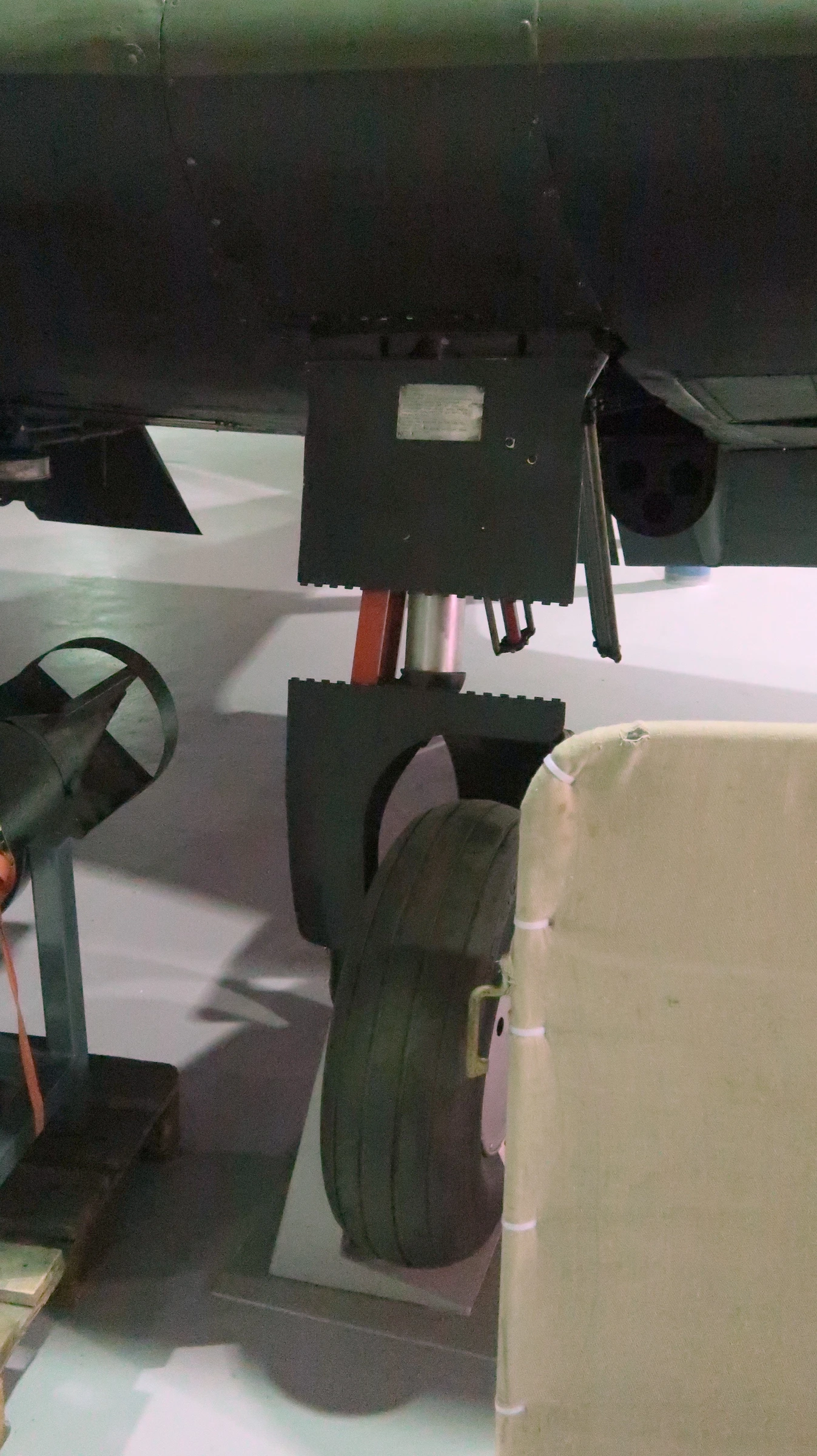
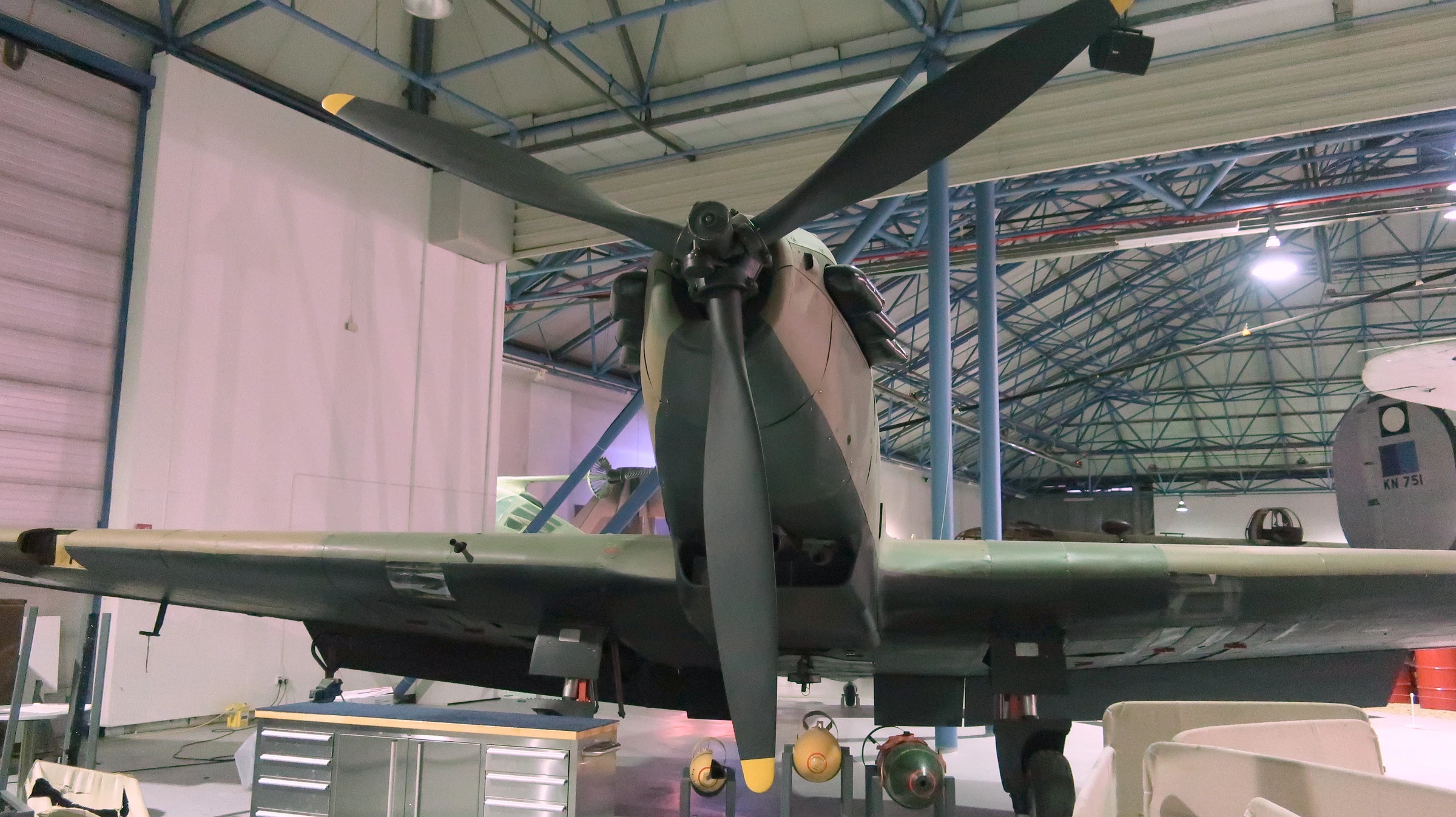
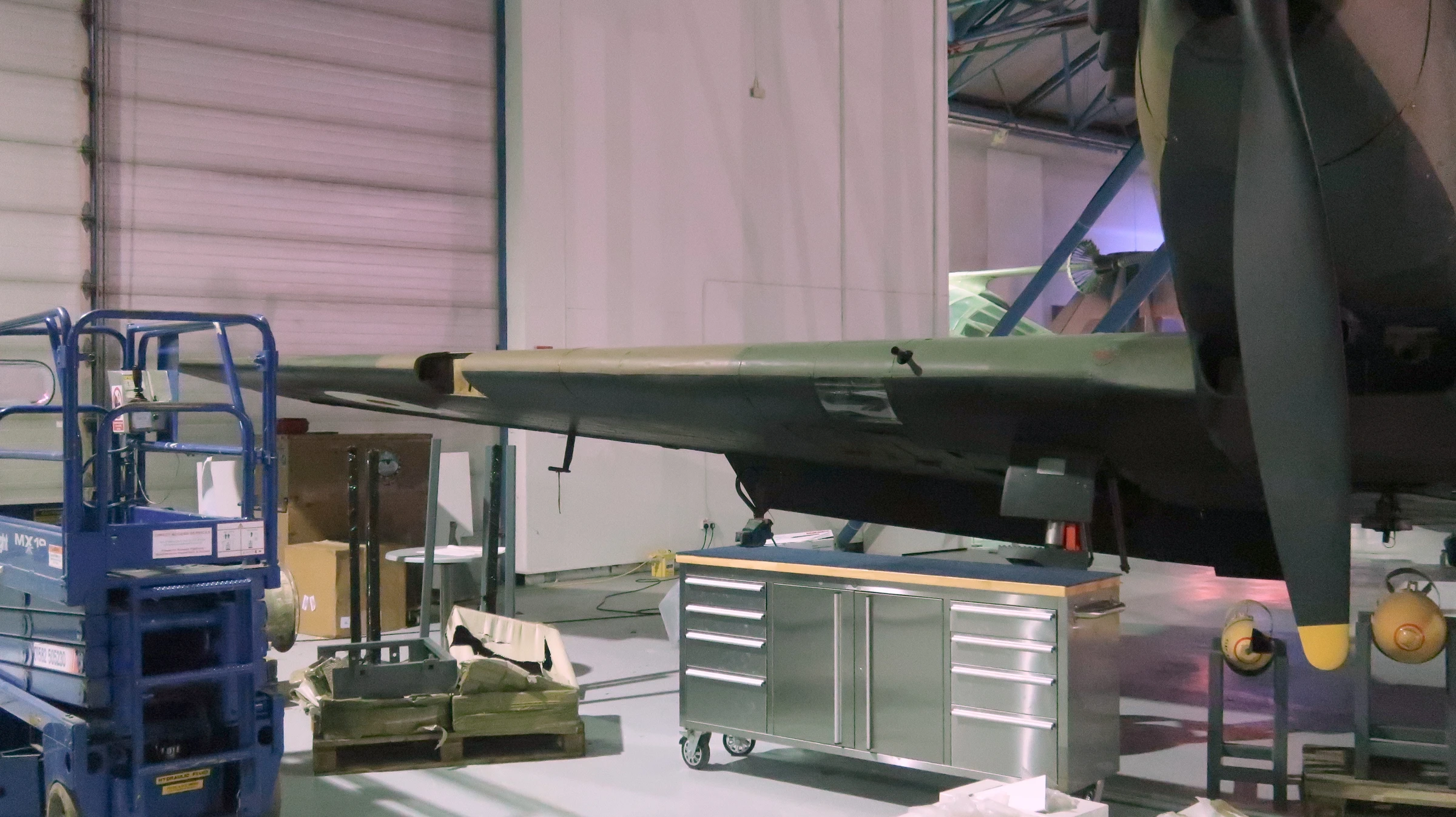
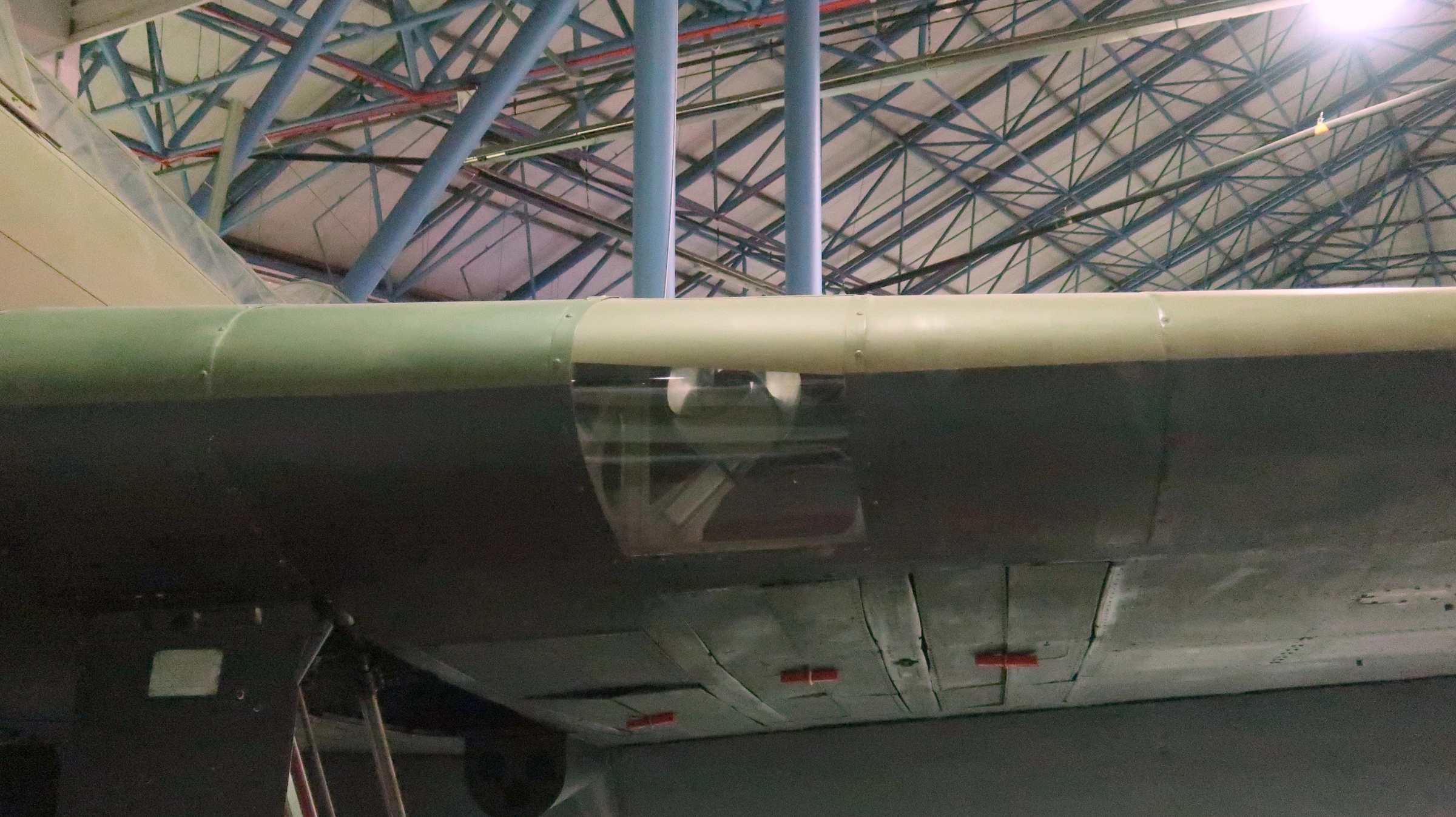
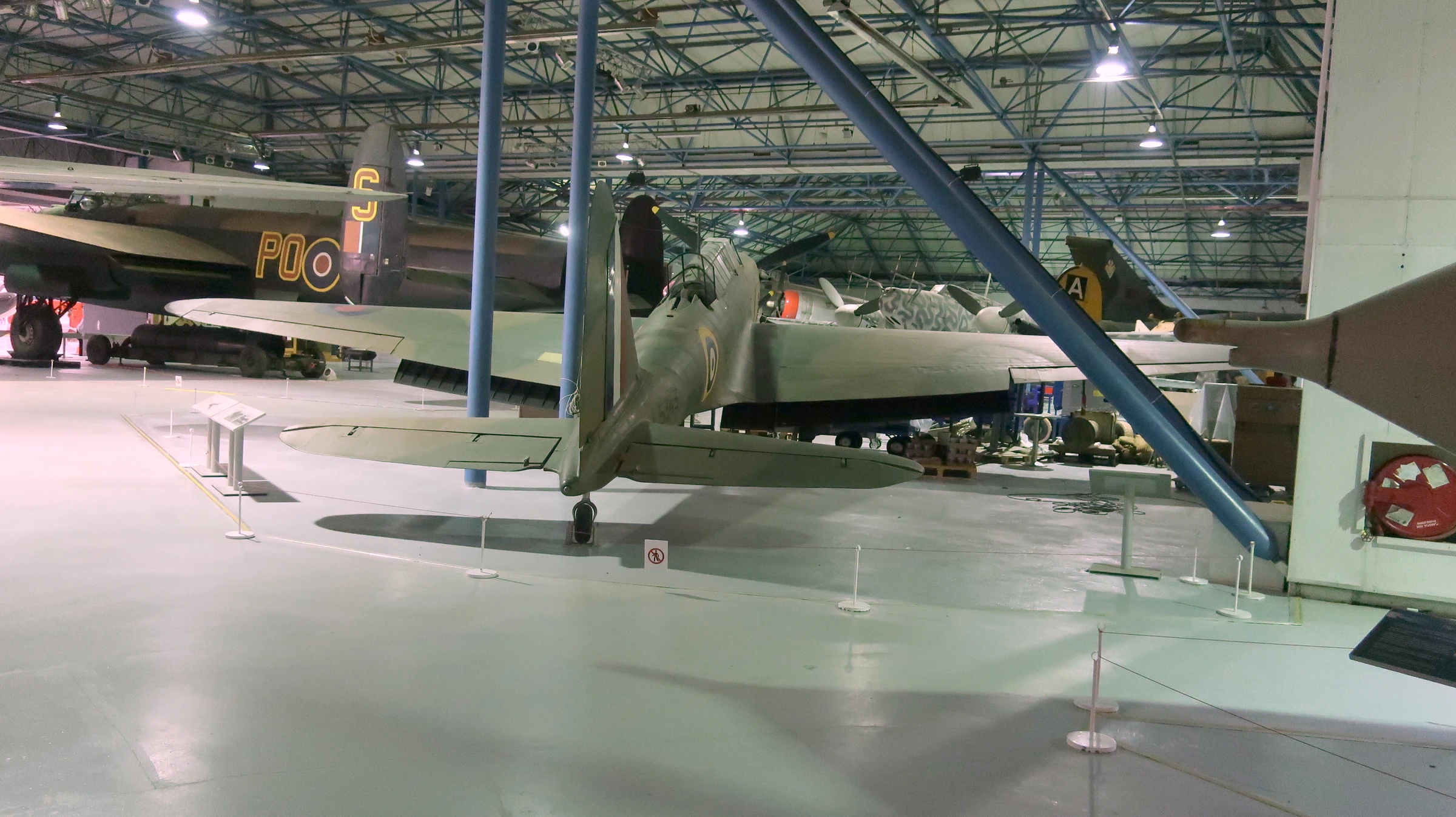
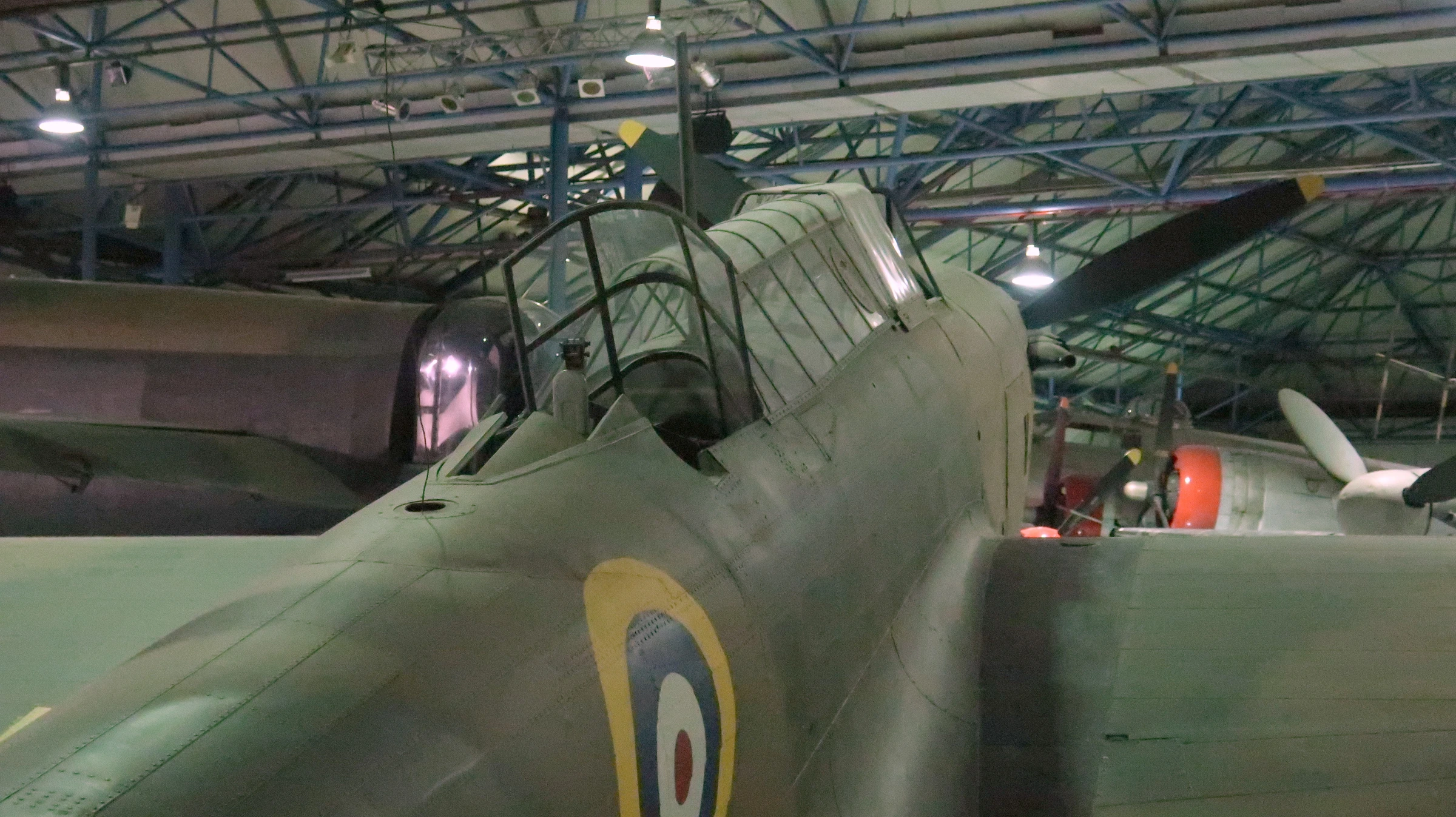
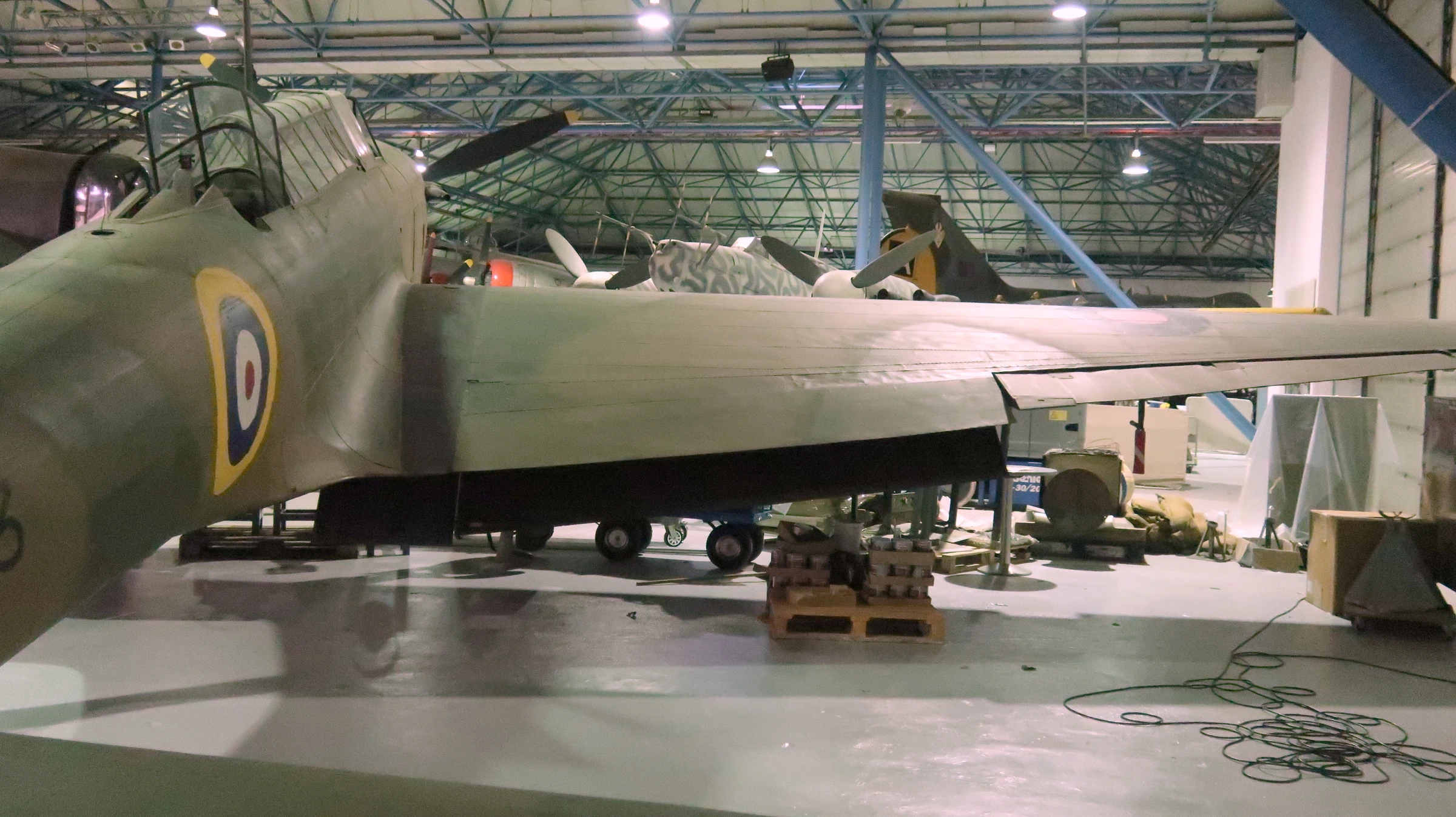
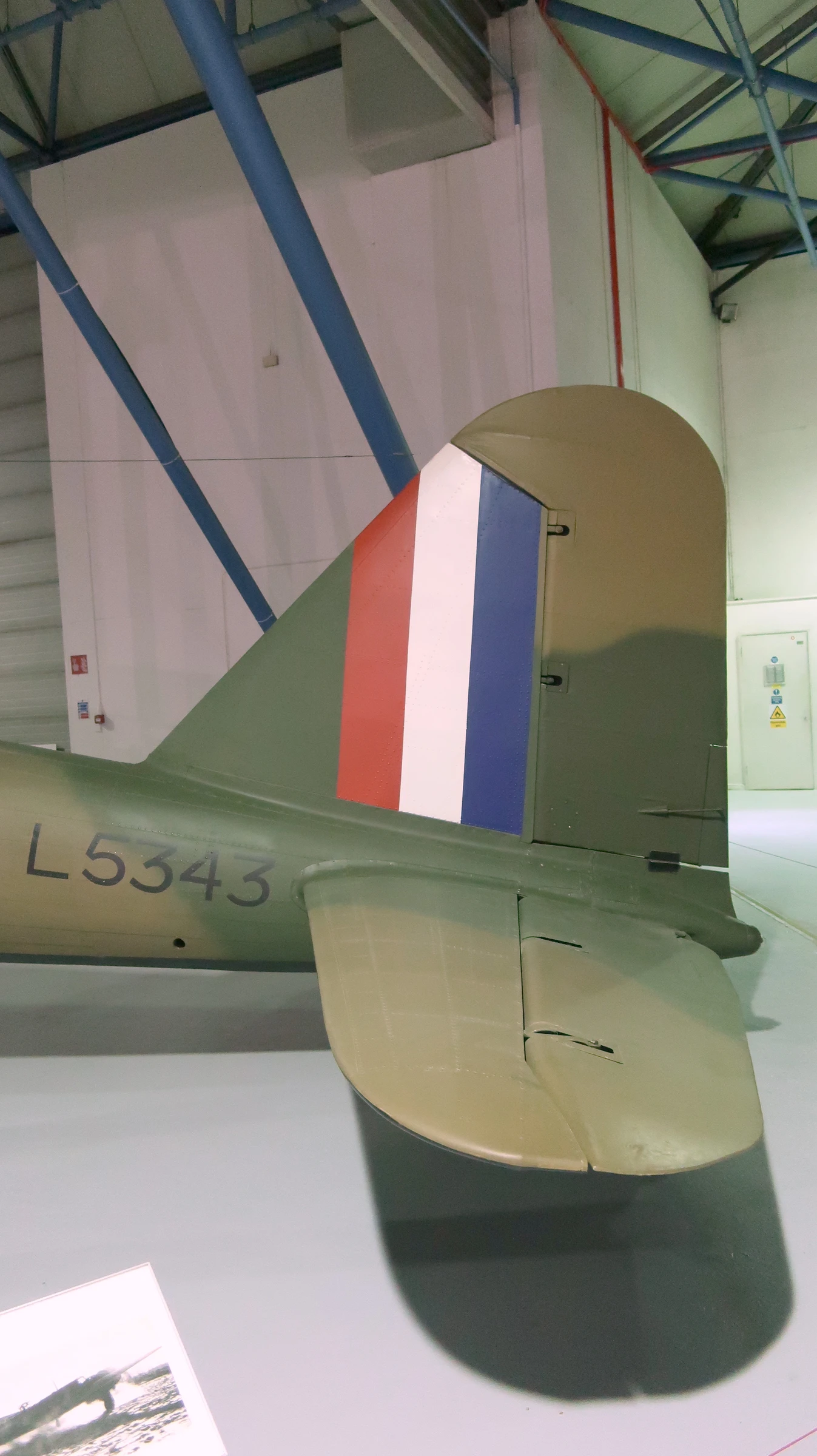
These walk-around photos were taken at the RAF Museum London in Hendon in 2019. They show a Fairey Battle Mk I, serial L5343 — one of the most historically poignant aircraft in the collection, and a type forever associated with extraordinary courage and terrible loss. The Battle entered RAF service in 1937 as a modern monoplane successor to the biplane light bombers it replaced, powered by the same Rolls-Royce Merlin engine as the Spitfire and Hurricane. But carrying three crew and a bomb load it was far slower than the fighters, and by 1940 it was dangerously obsolete. During the desperate daylight attacks on German army positions in France and the Low Countries in May 1940 the Battle squadrons suffered catastrophic losses — it was during these operations that the RAF's first two Victoria Crosses of the war were awarded posthumously to the crew of a No. 12 Squadron Battle.
L5343 was built by Austin Motors and delivered in 1939 to No. 98 Squadron, becoming the first RAF aircraft to land on Icelandic soil when the squadron deployed there in August 1940 for anti-invasion coastal patrol duties. On 13 September 1940 it was forced to land on a remote Icelandic hillside where it remained for over thirty years until recovered by an RAF team in 1972. Restored using components from L5343 itself and a second Battle from Canada, the aircraft went on display at Hendon in March 1990, unveiled by its former pilot "Willy" Wilcox — the Canadian flying officer who had made its final landing half a century before.