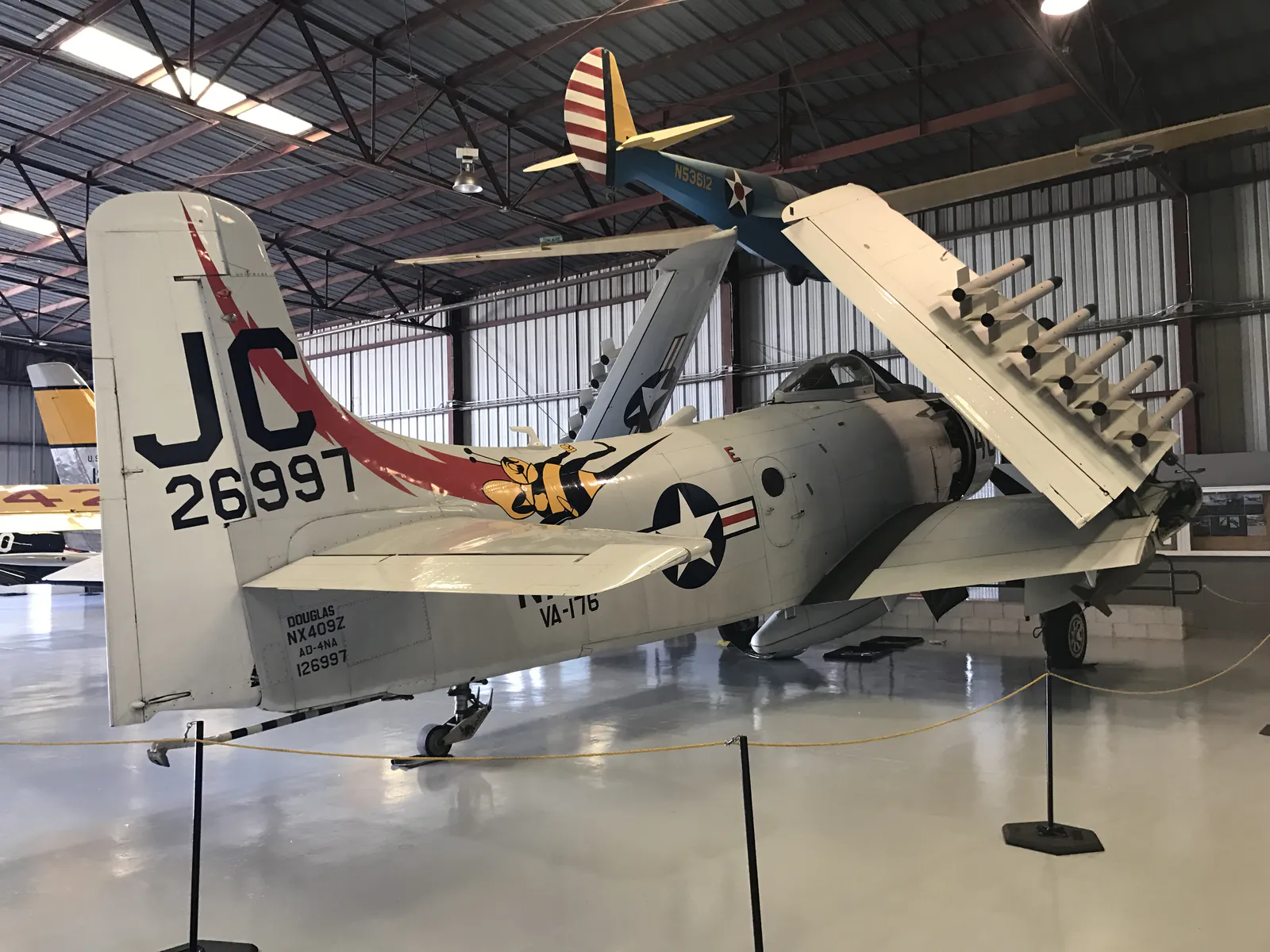
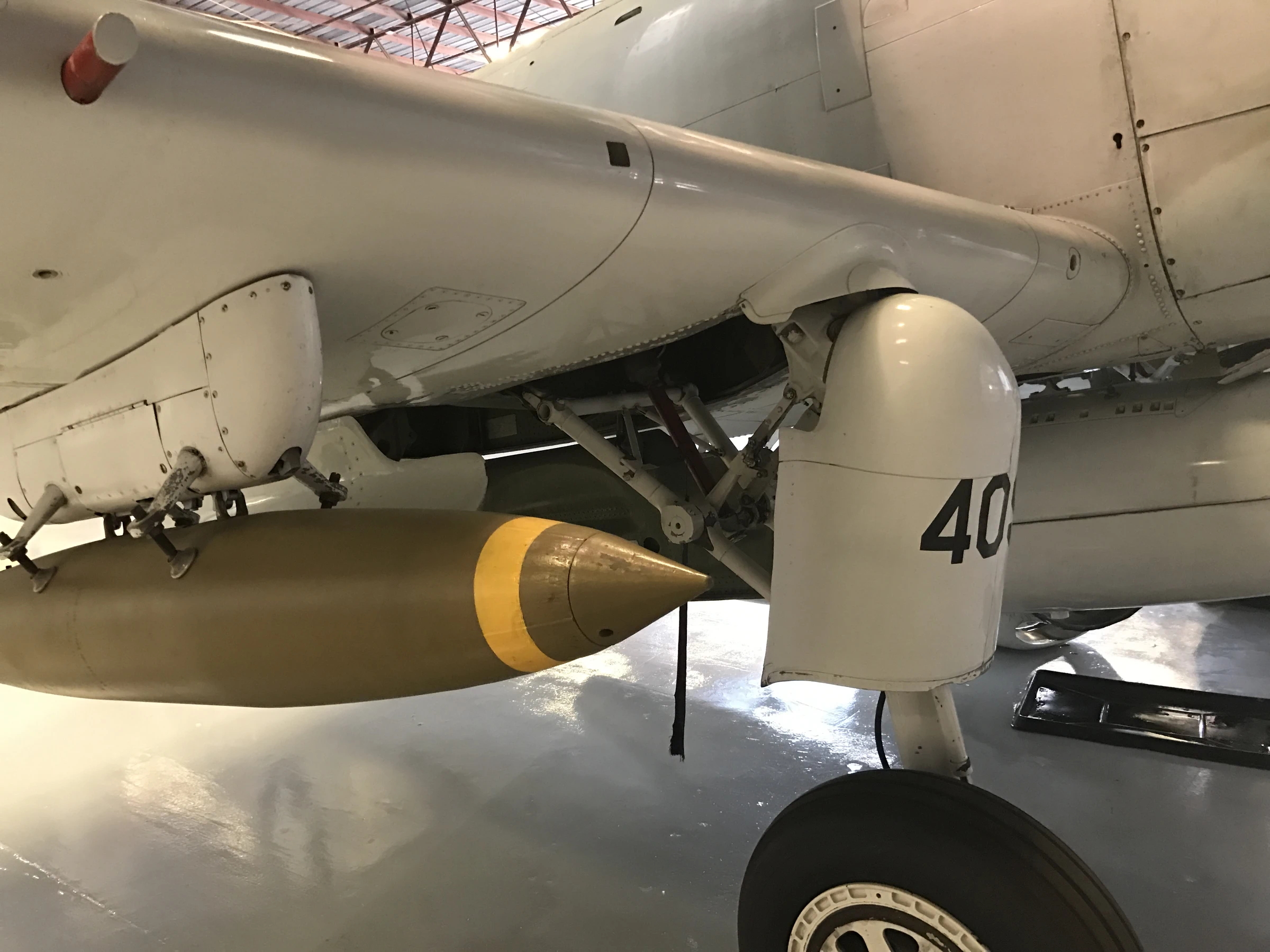
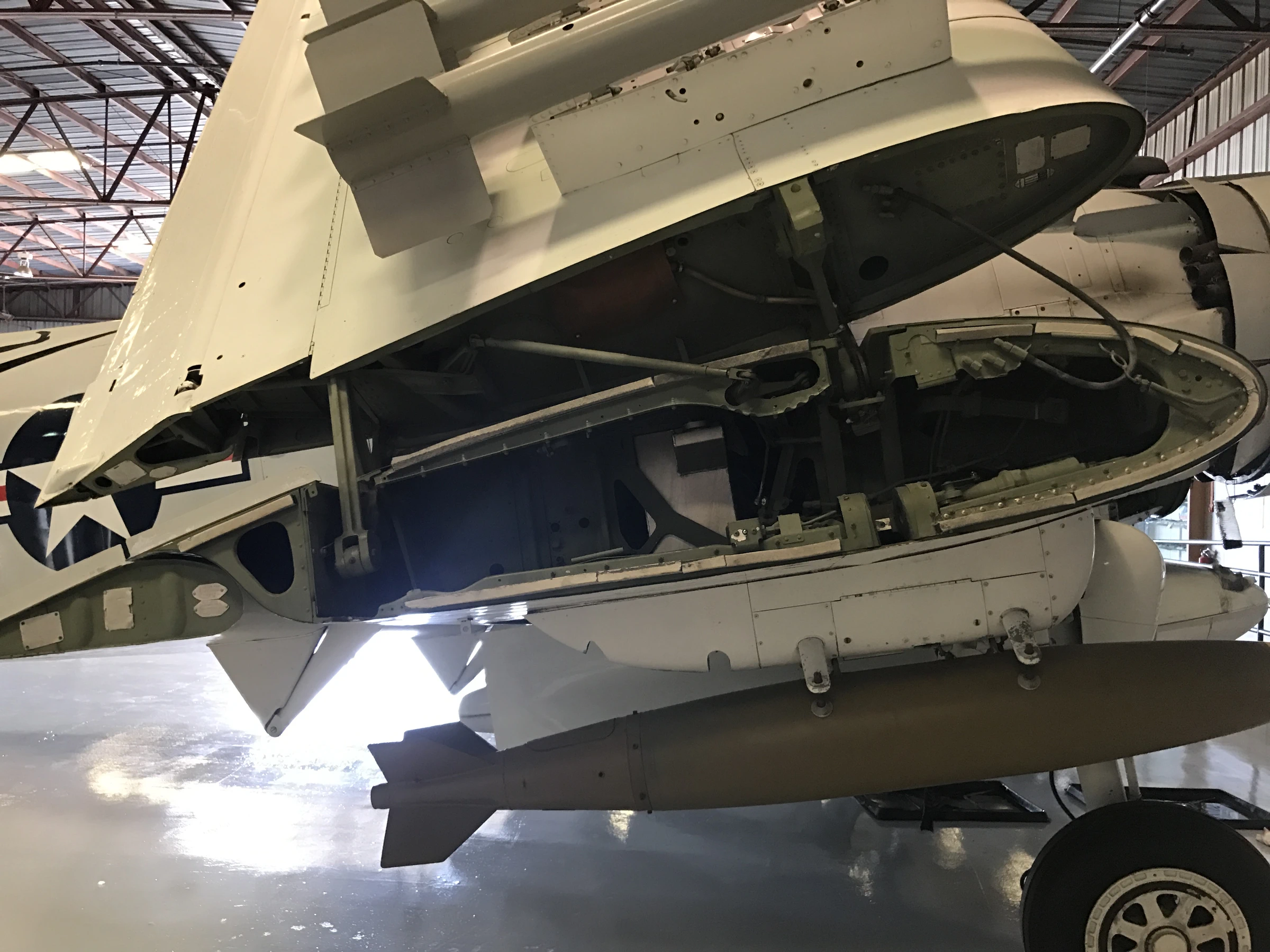
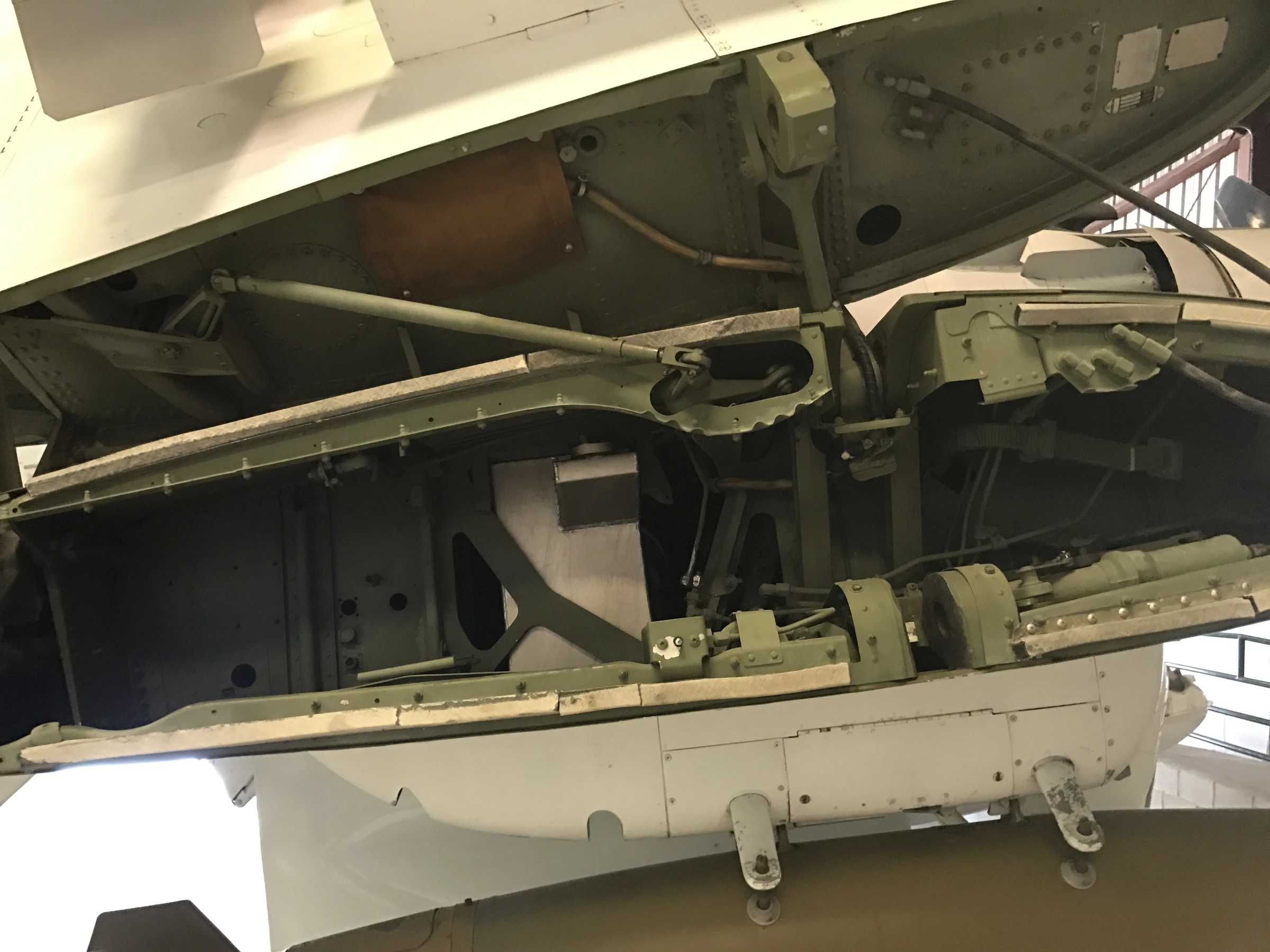
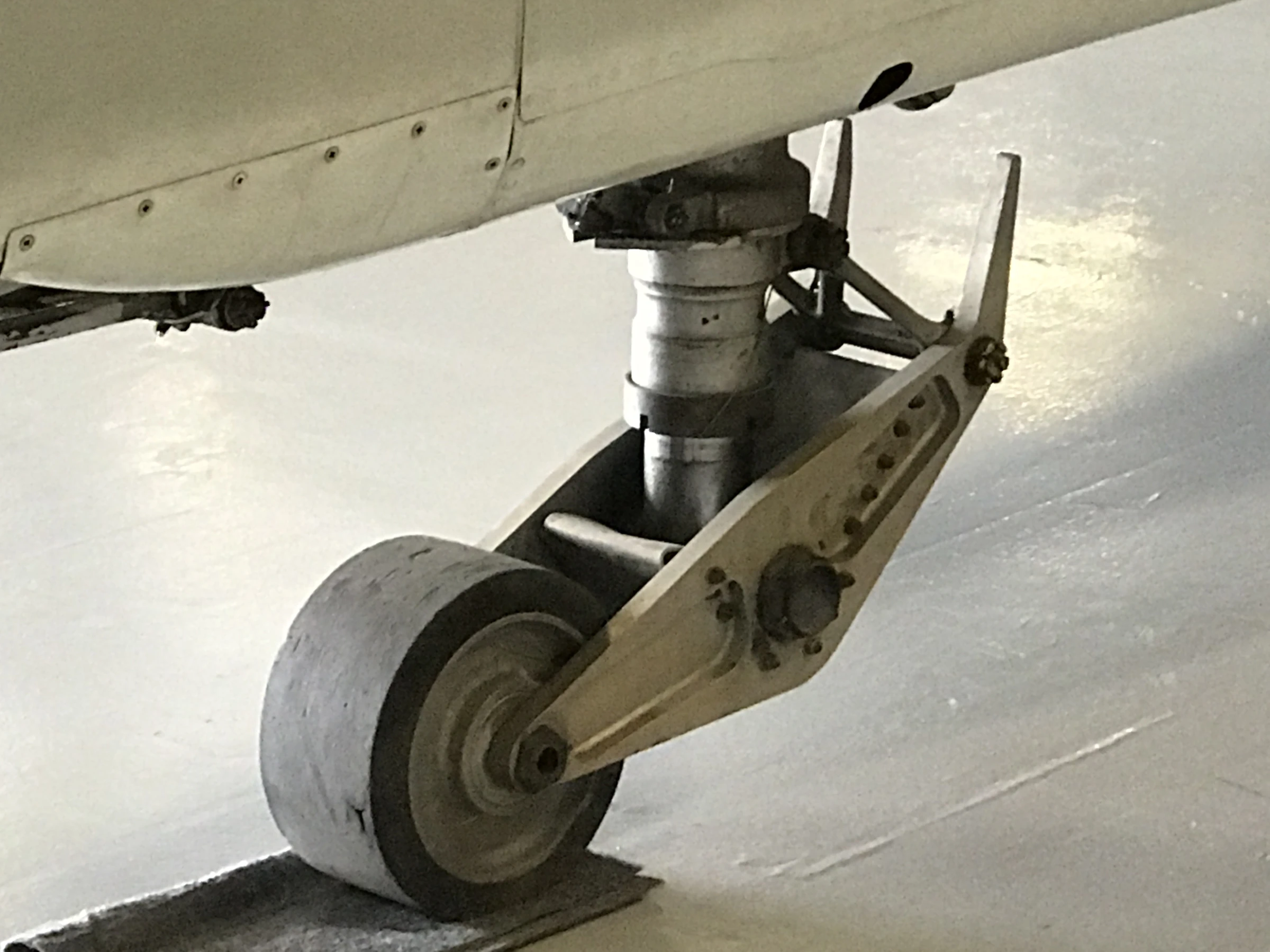
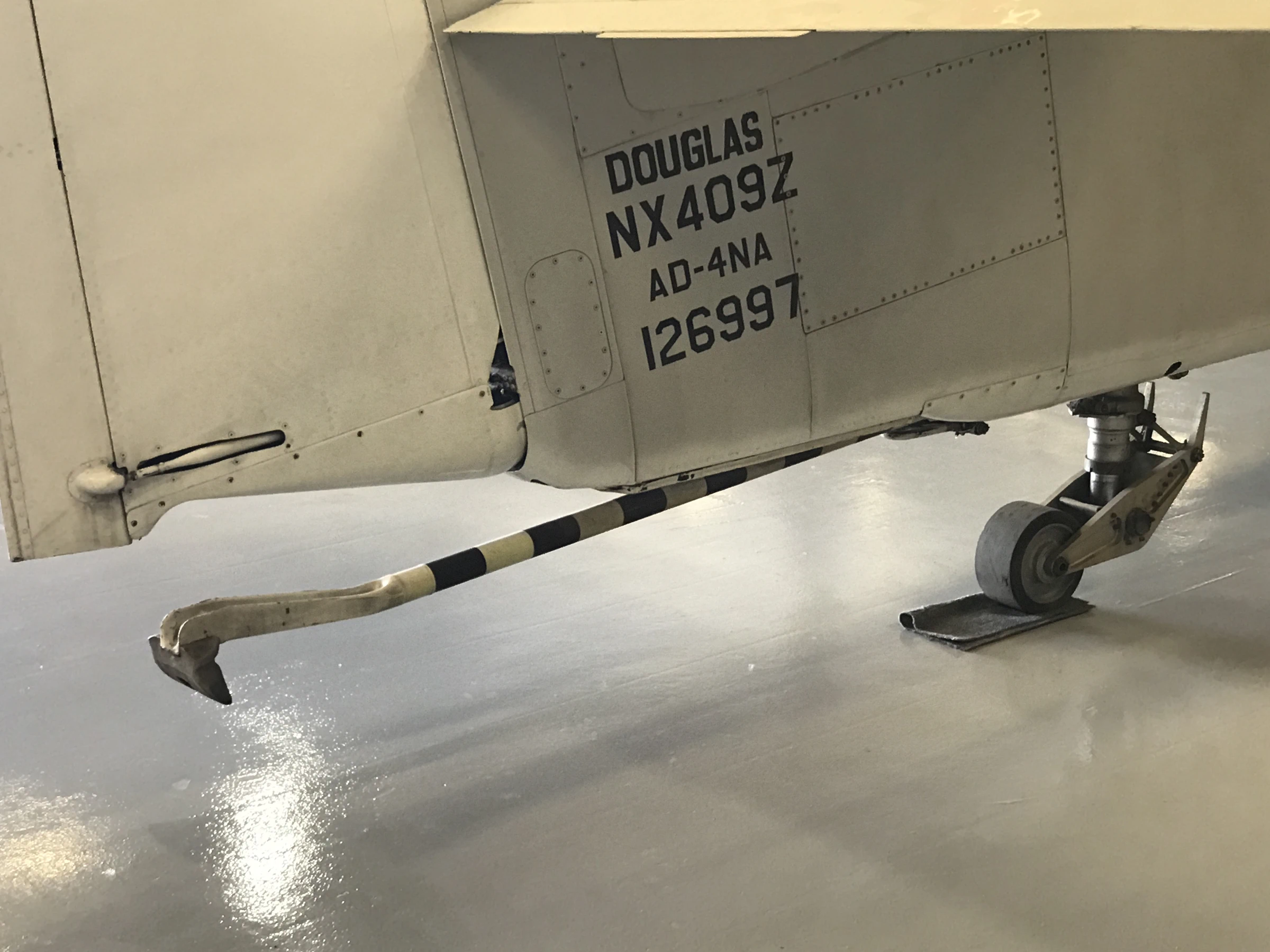
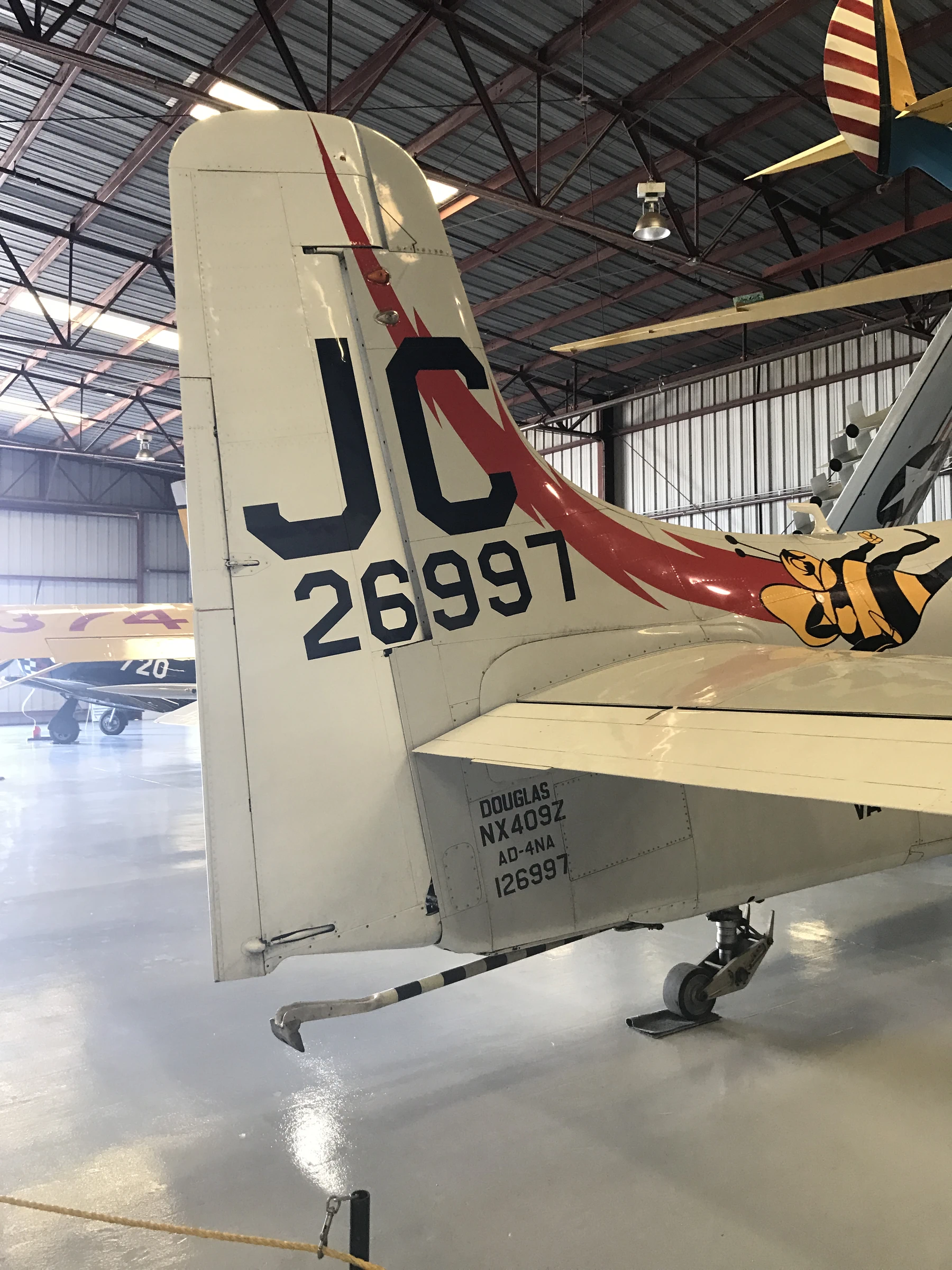
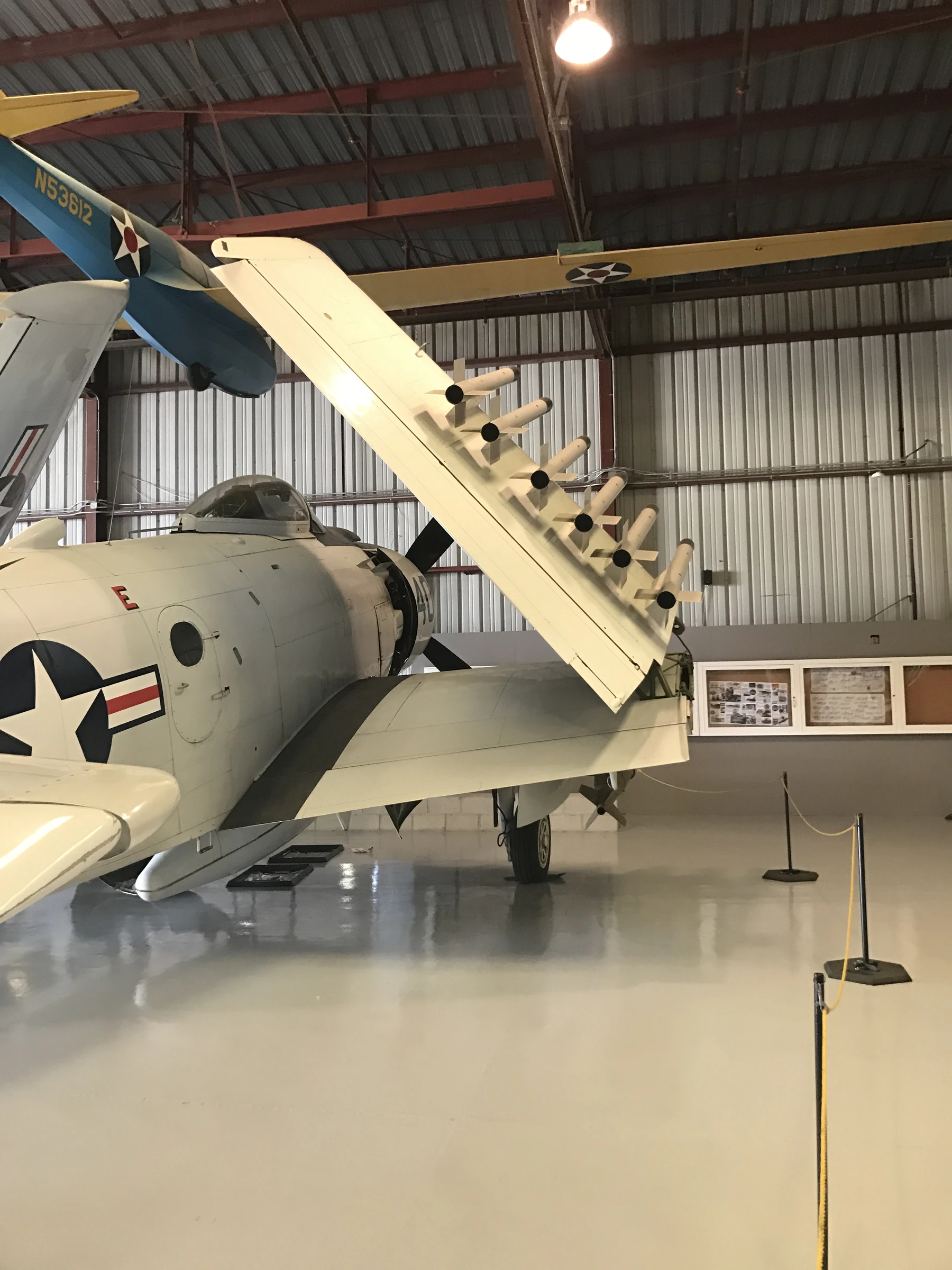
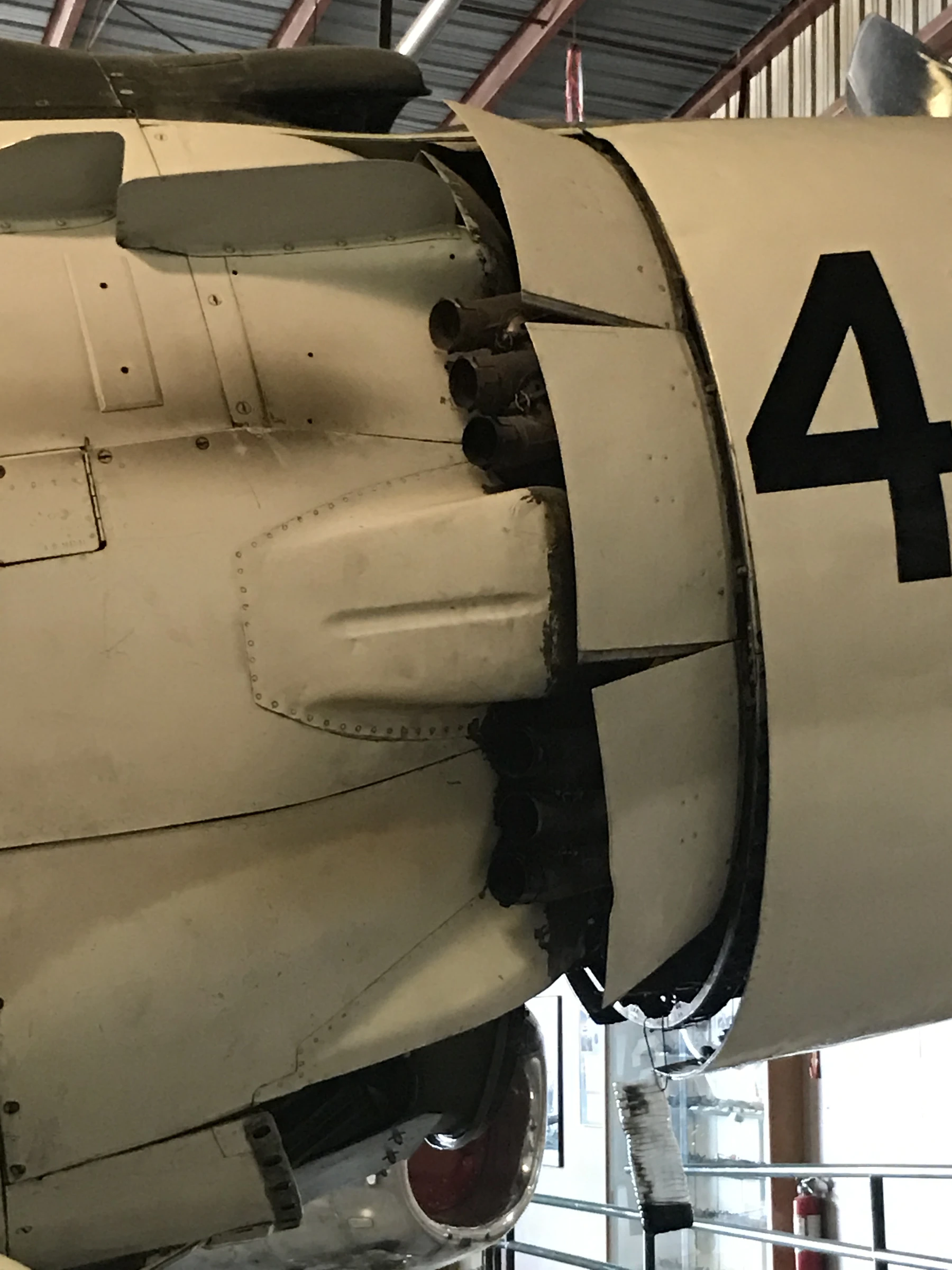
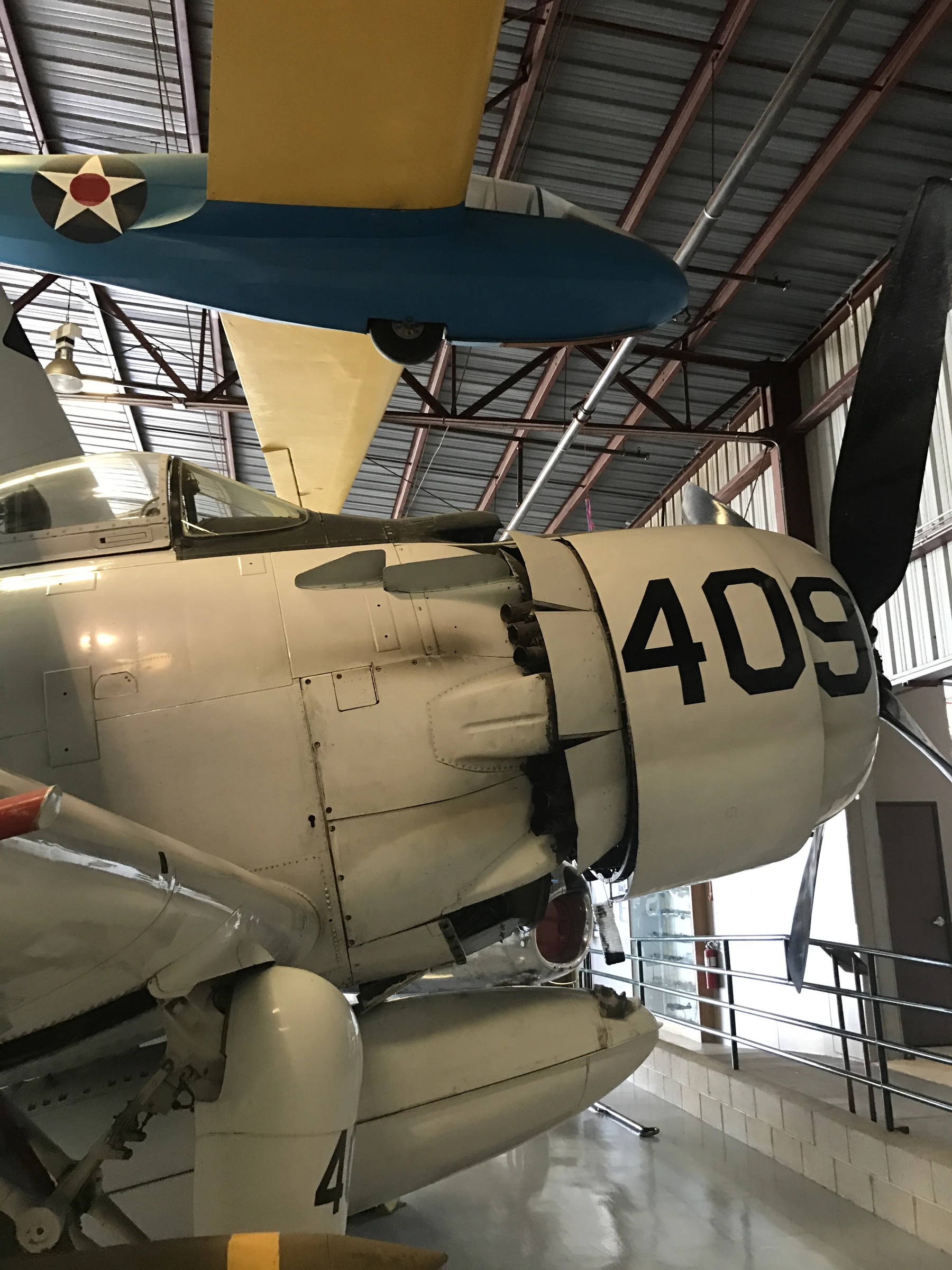
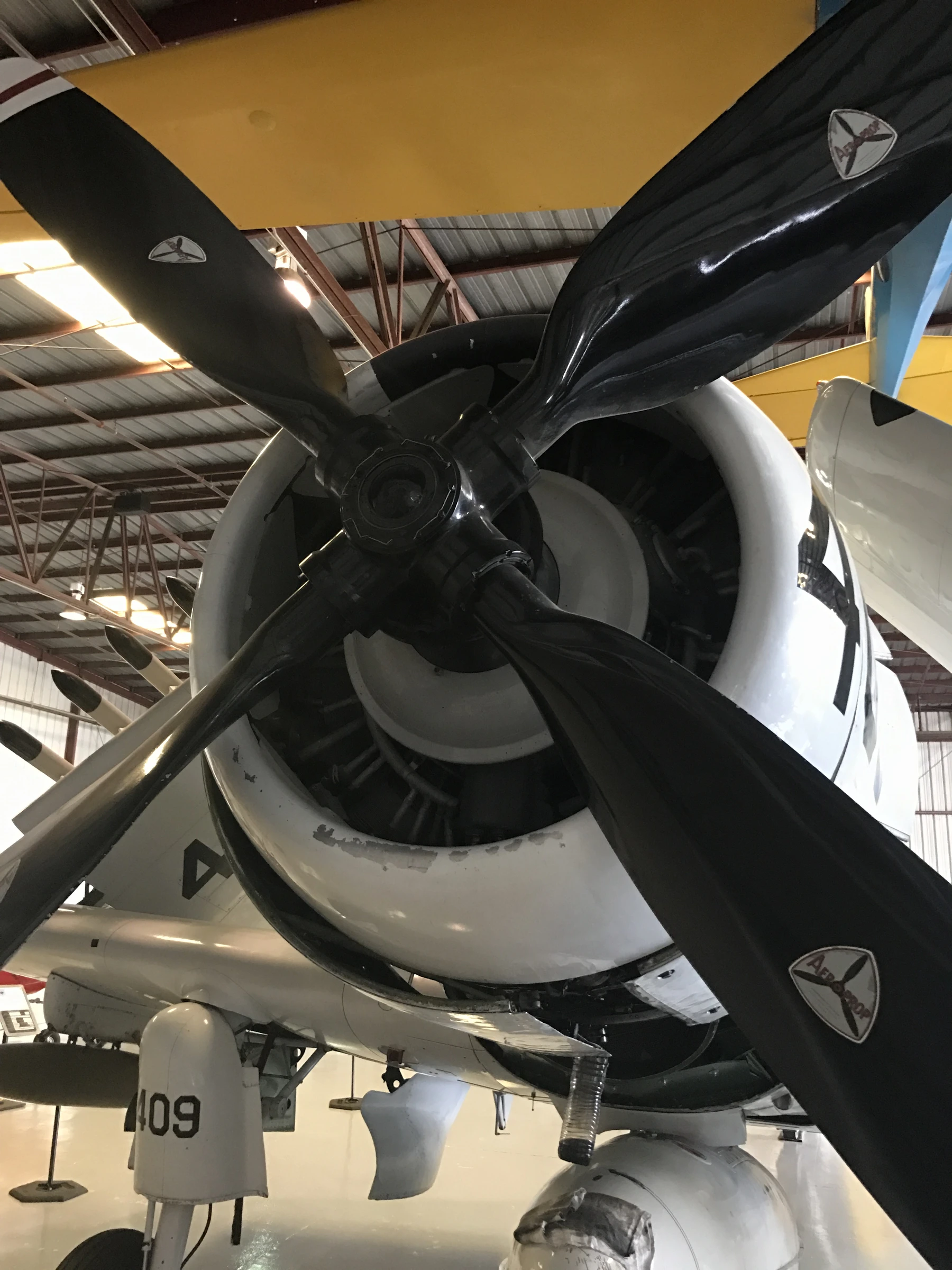
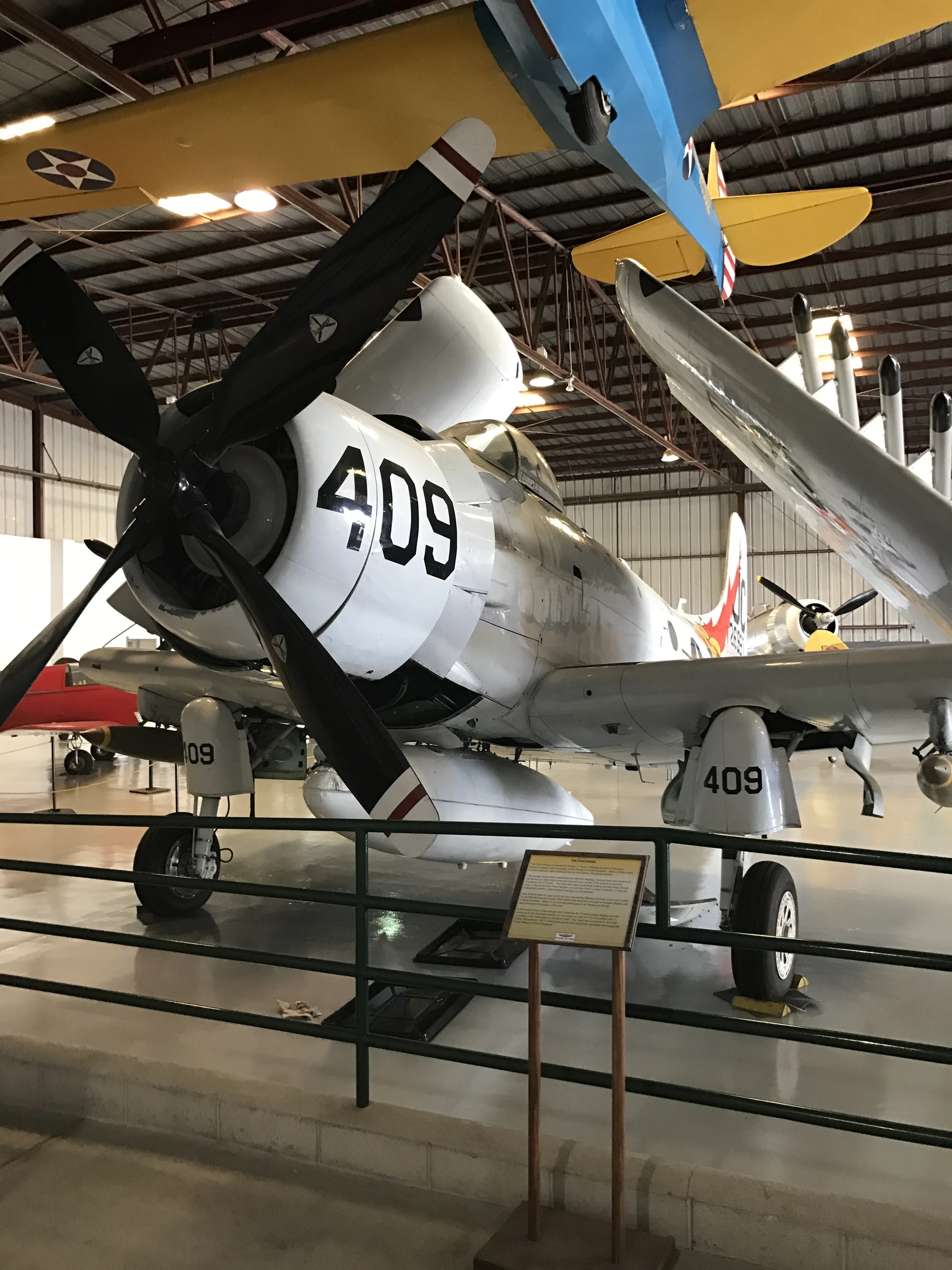
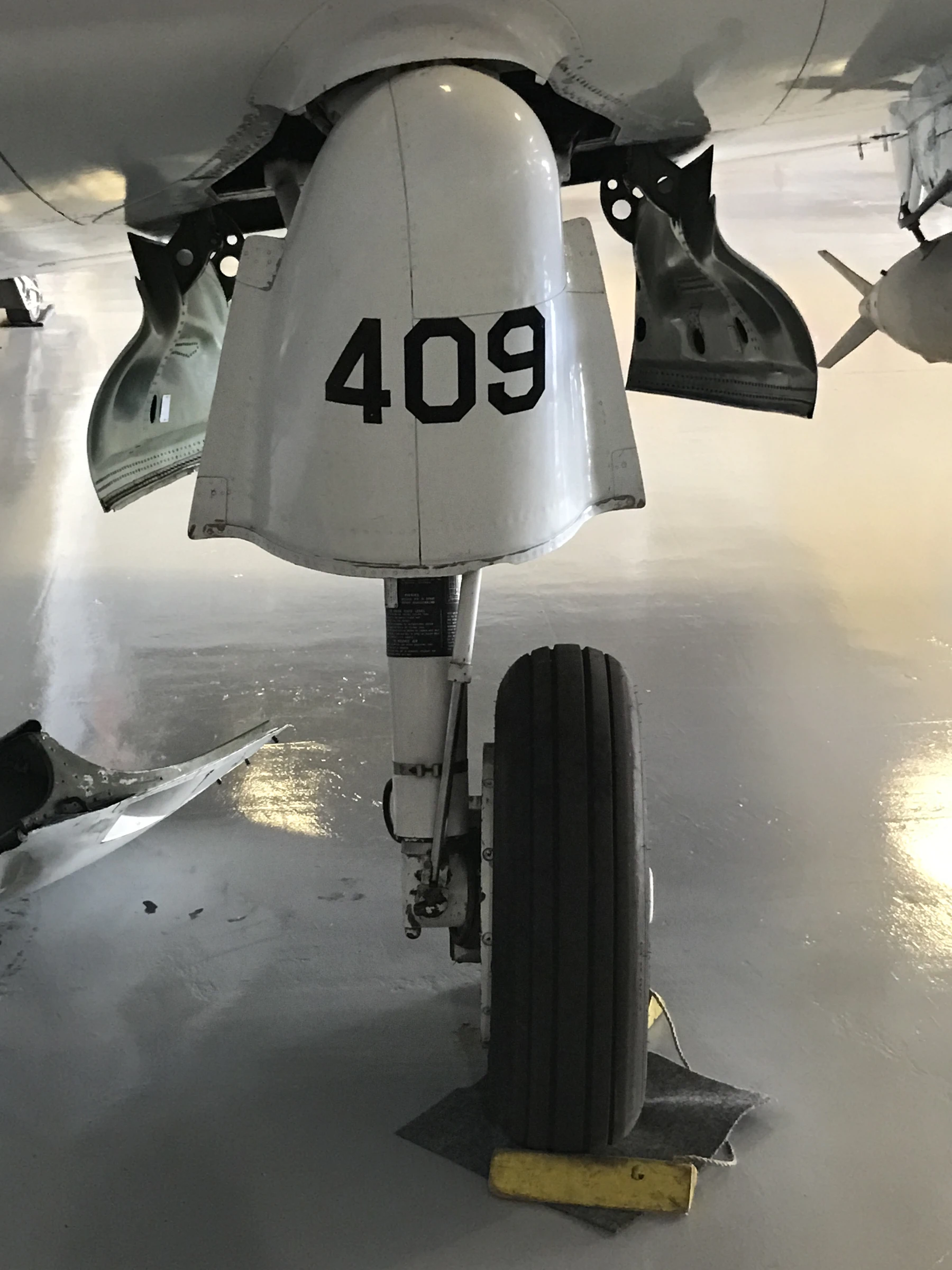
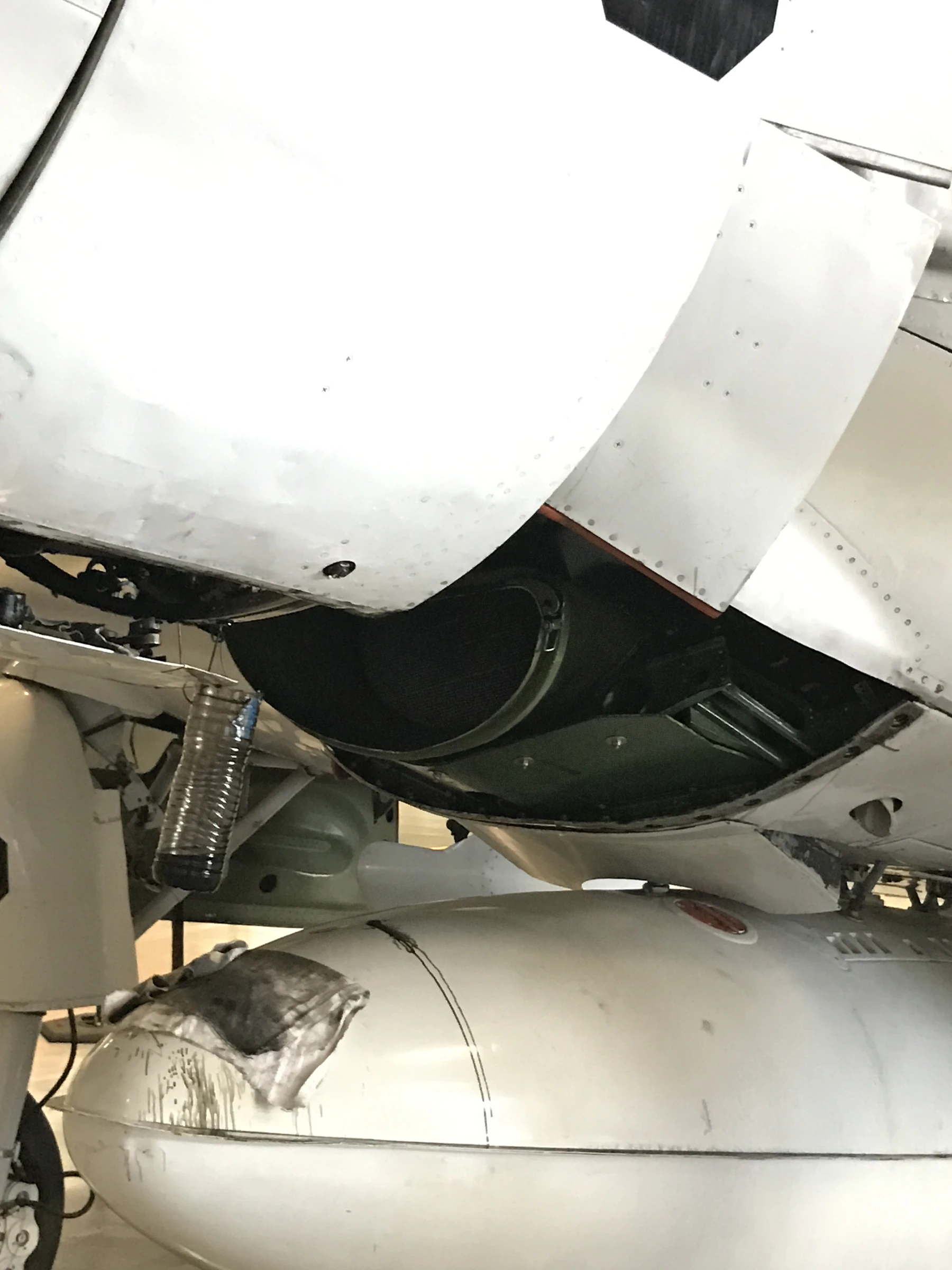
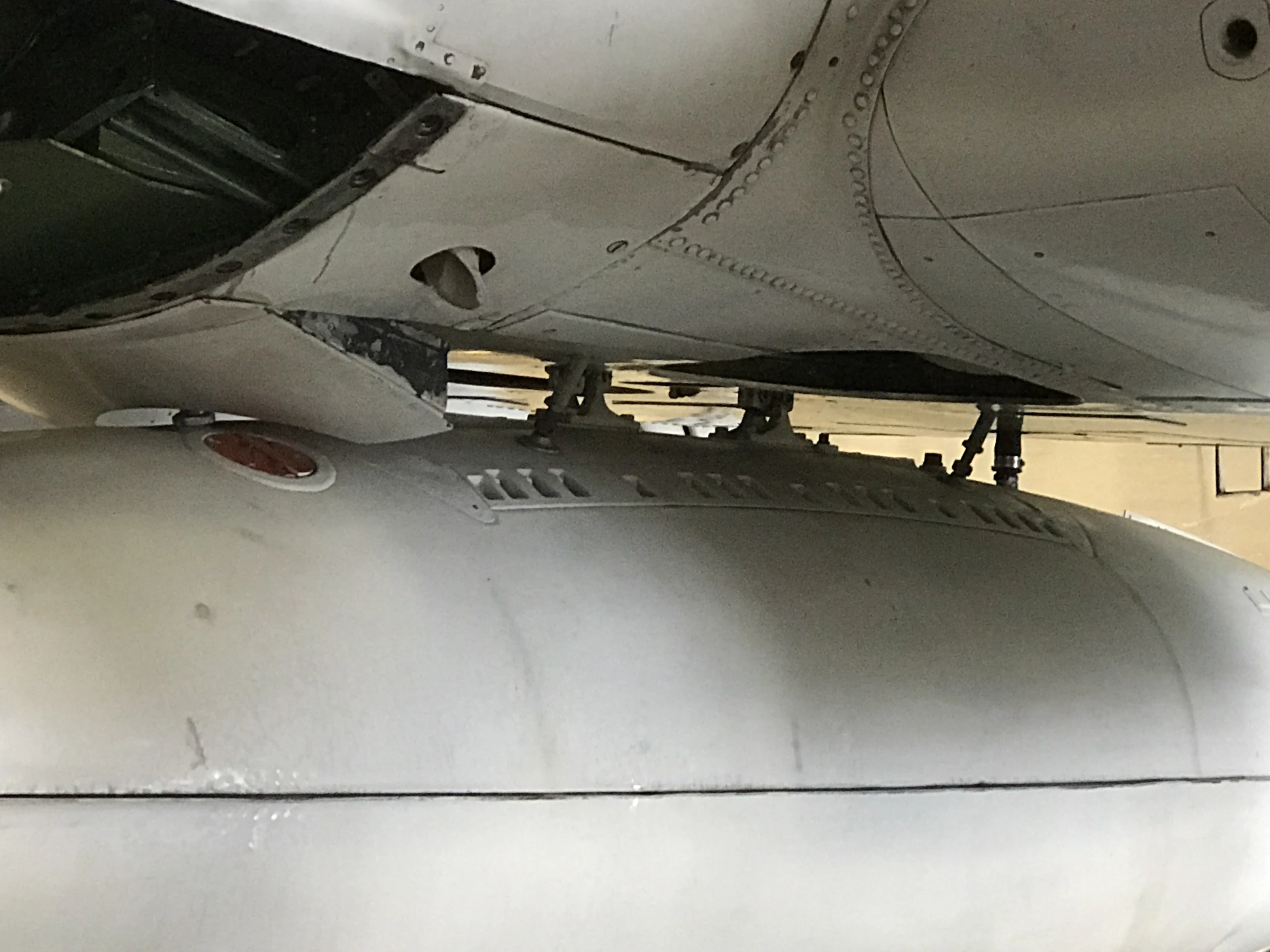
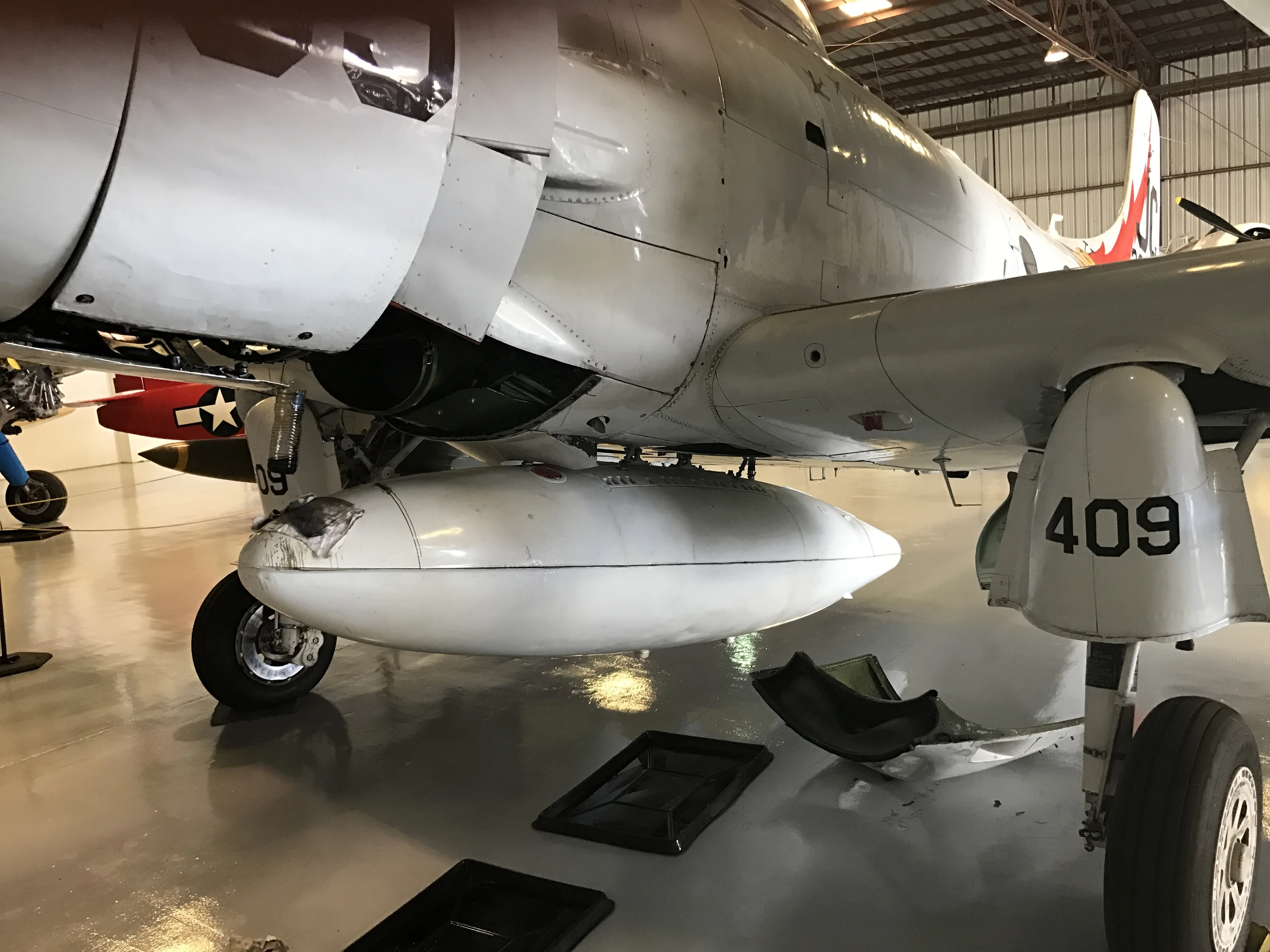
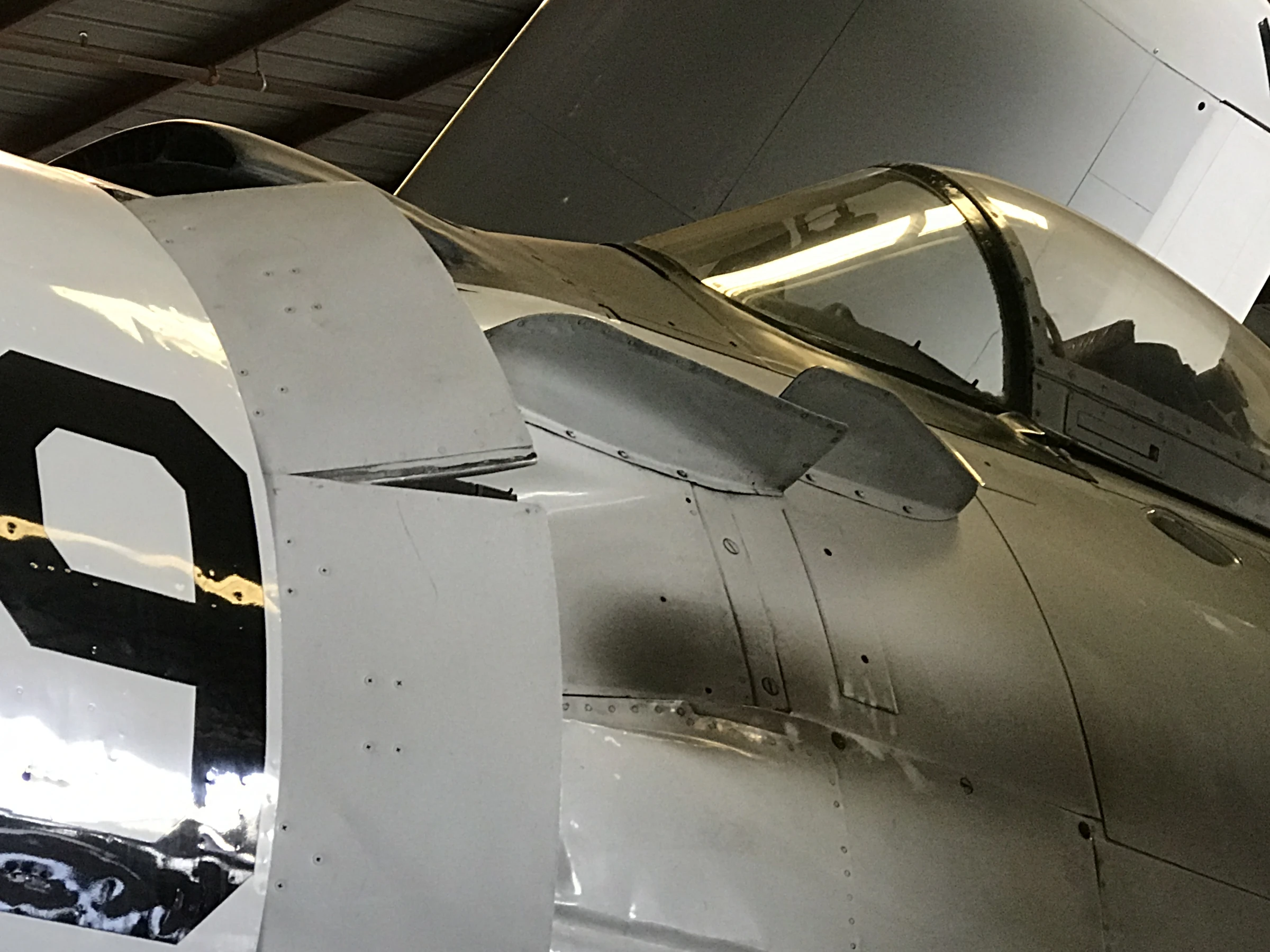
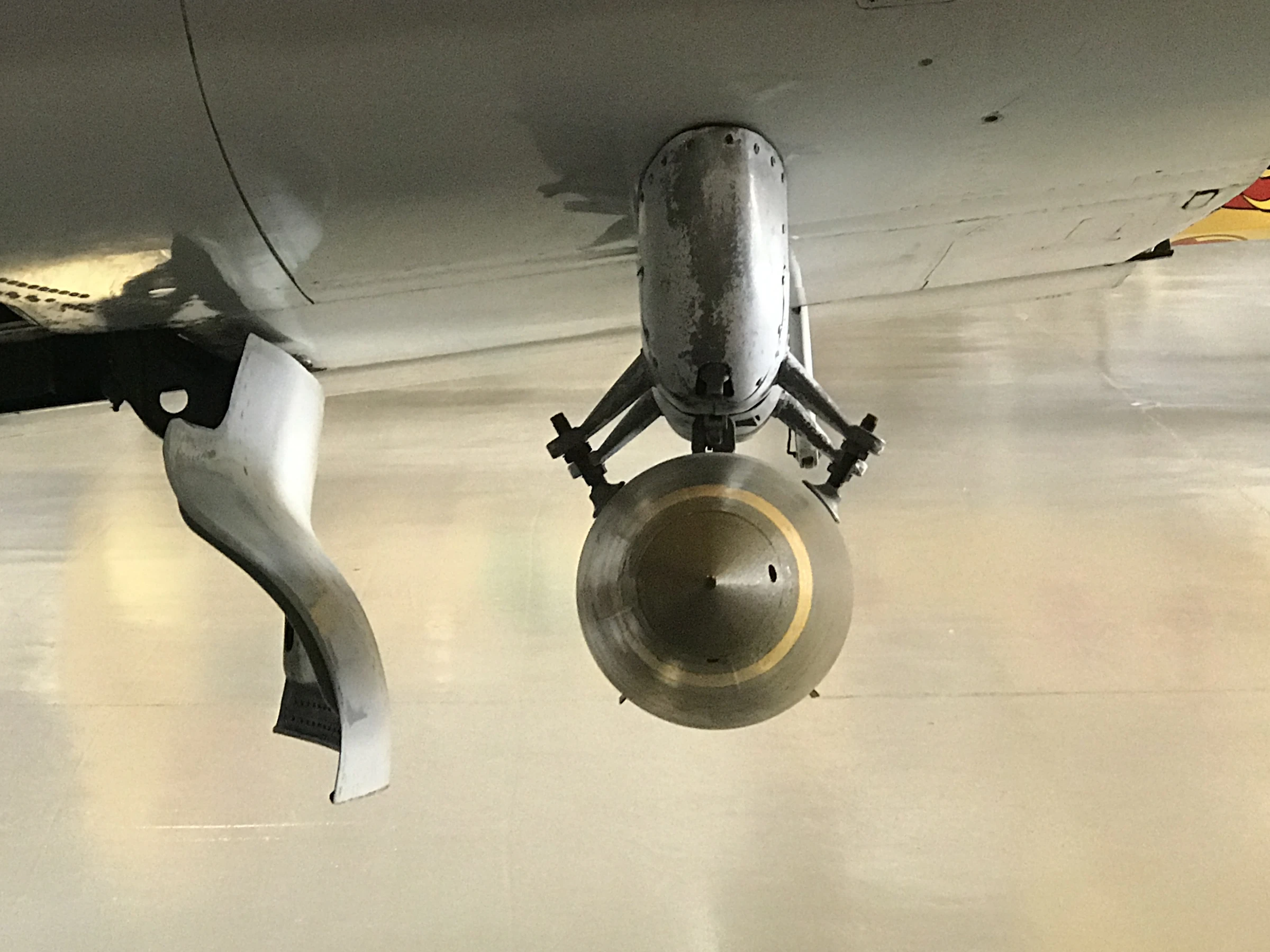
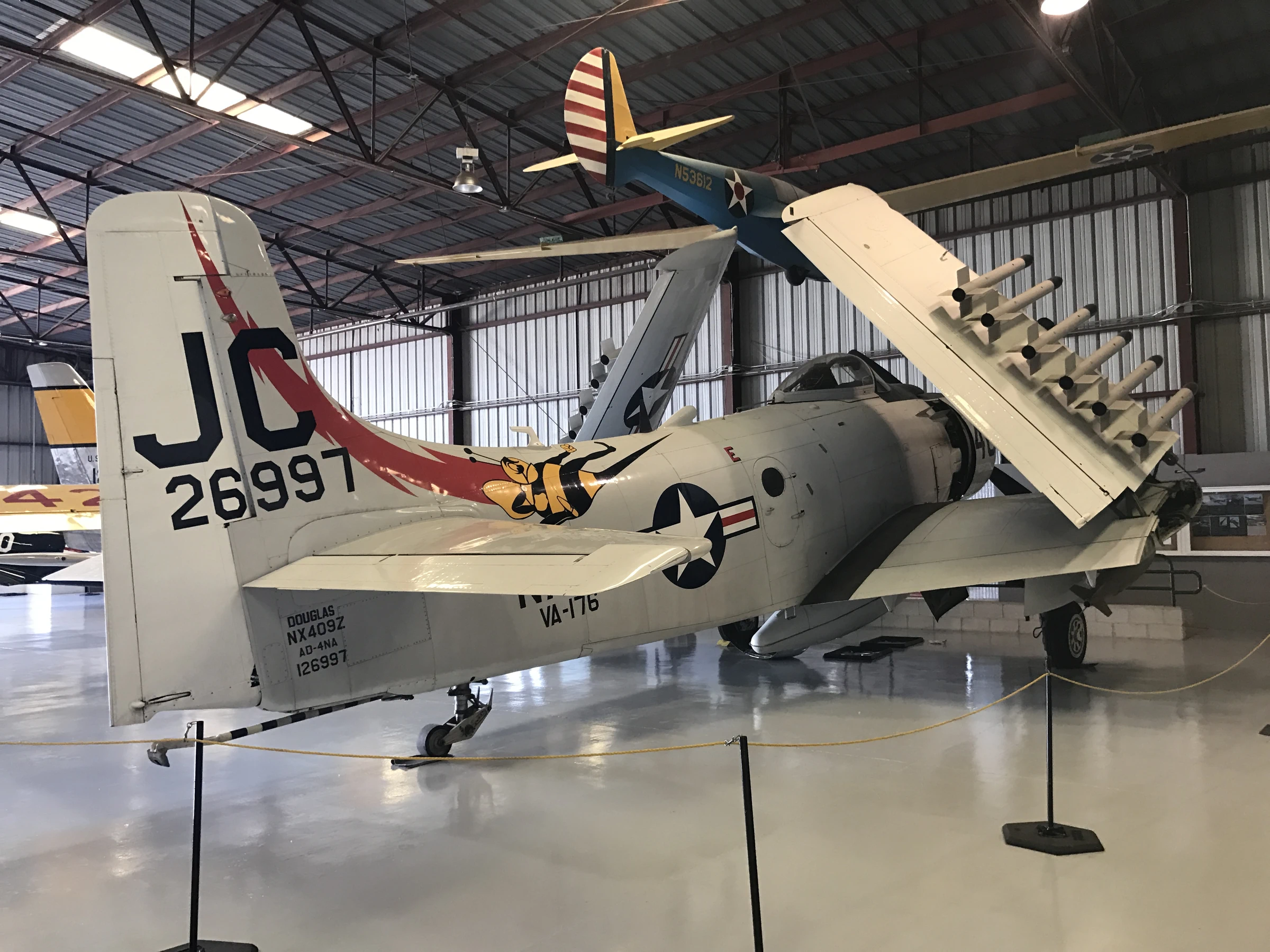
These walk-around photos were taken at the Planes of Fame Air Museum in Chino, California in 2017. They show a Douglas AD-4NA Skyraider, US civil registration NX409Z, BuNo 126997, displayed in the markings of US Navy attack squadron VA-176 "Thunderbolts" with the squadron's distinctive wasp mascot on the tail — one of the most colourful survivors of a type that defined carrier-based attack aviation for nearly two decades.
The Skyraider was designed in 1944 in response to a wartime requirement for a dive bomber and torpedo aircraft, but arrived too late to see combat in the Second World War. Instead it went on to become one of the most capable and versatile attack aircraft of the Cold War era, flying combat in Korea and Vietnam and serving with the US Navy, US Air Force, French Air Force and the South Vietnamese Air Force. The AD-4NA variant was a conversion of the three-seat AD-4N night attack aircraft — the radar and rear crew stations were removed and four 20 mm cannon fitted, producing a highly capable single-seat ground attack platform optimised for Korean War interdiction missions.
This particular aircraft, c/n 7797, was ordered in 1948 and delivered to the US Navy in 1950. It was converted to AD-4NA standard in 1951–52 and subsequently sold to the French Air Force in 1961, where it flew combat missions during the Algerian War before being retired to ground instruction use in 1976. It returned to the United States in 1977 and has been on the US civil register ever since, today displayed and flown in VA-176 markings — the squadron that in October 1966 achieved one of the Skyraider's most remarkable feats, shooting down a MiG-17 with cannon fire over Vietnam.