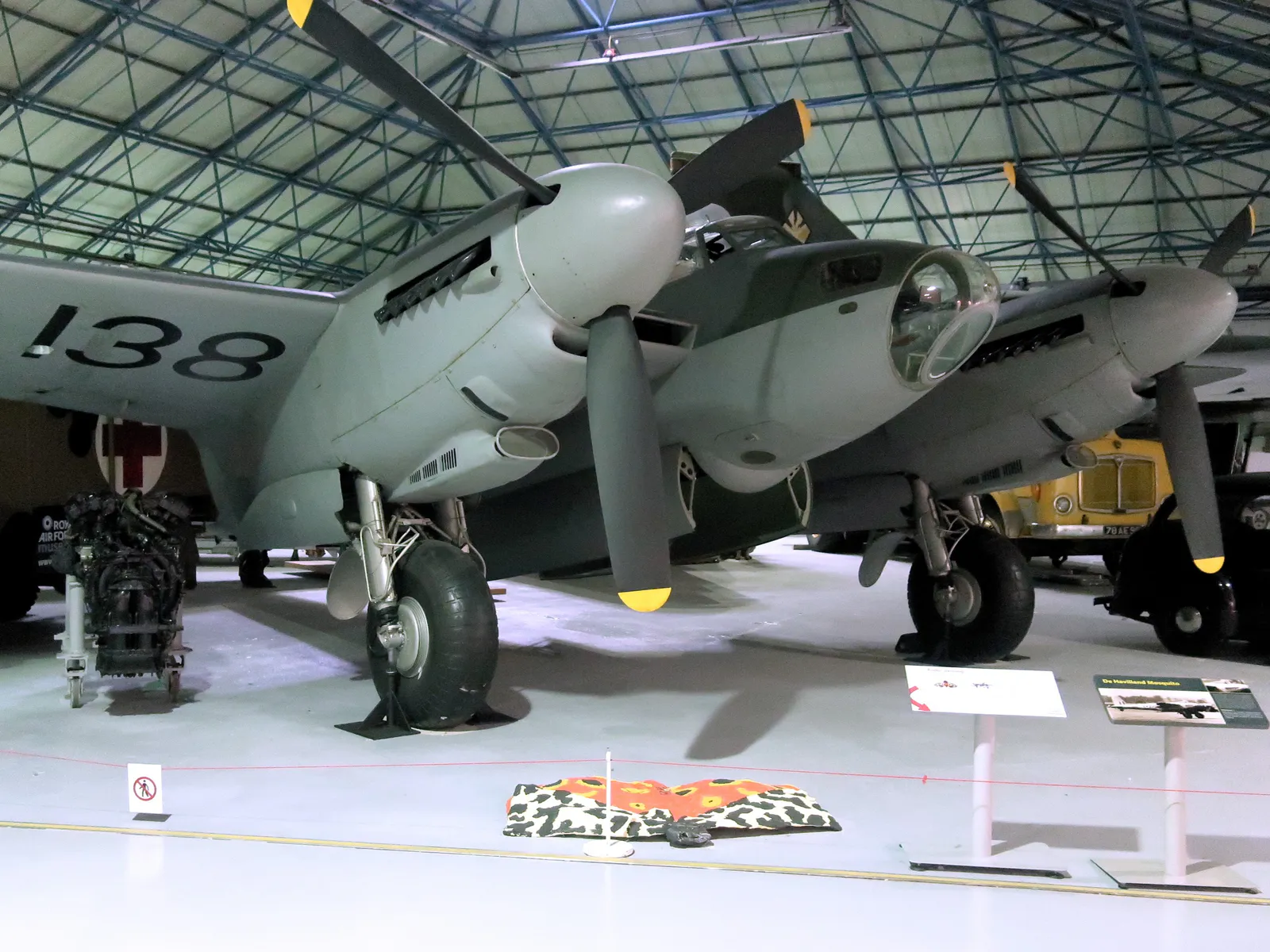
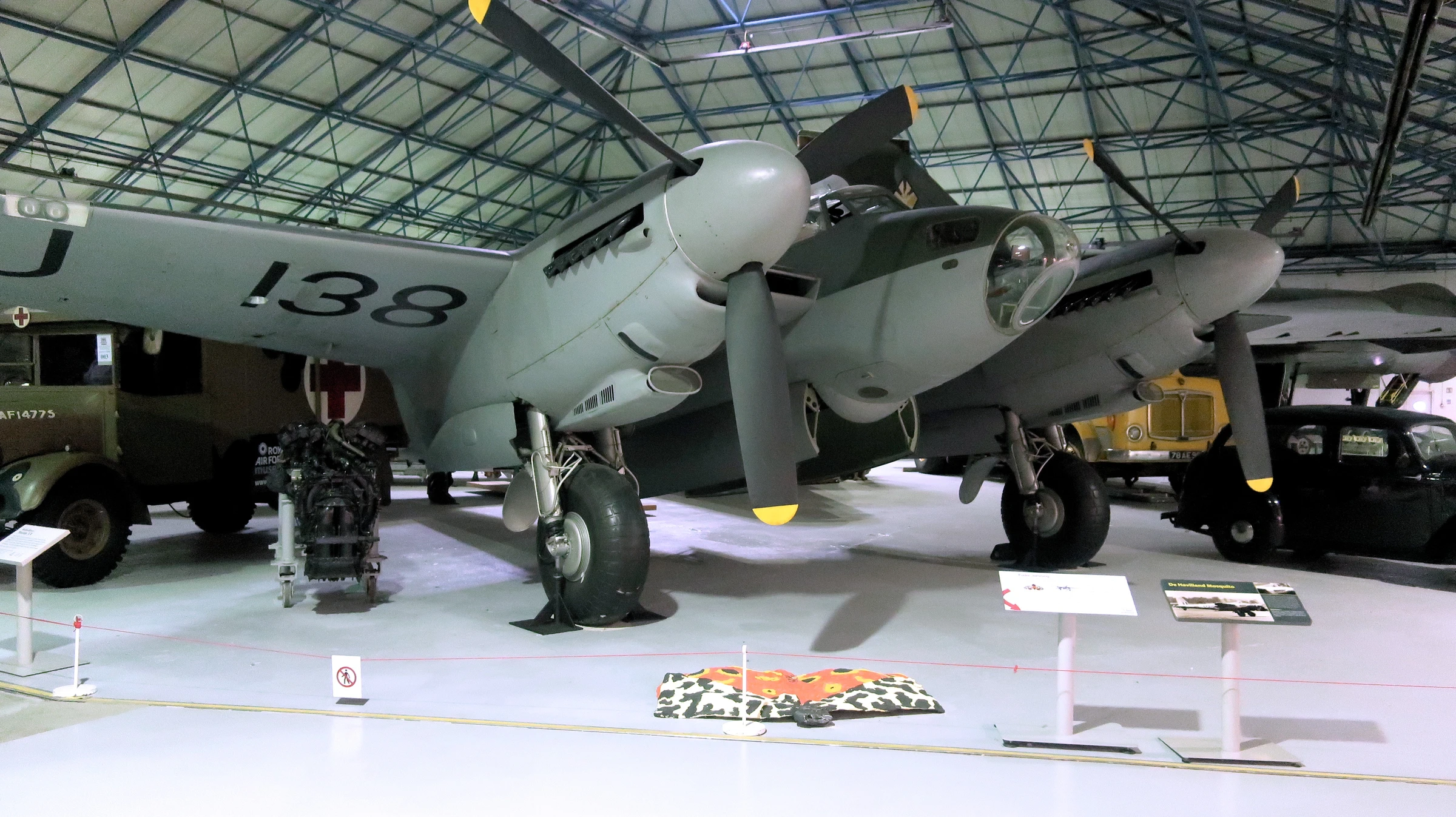
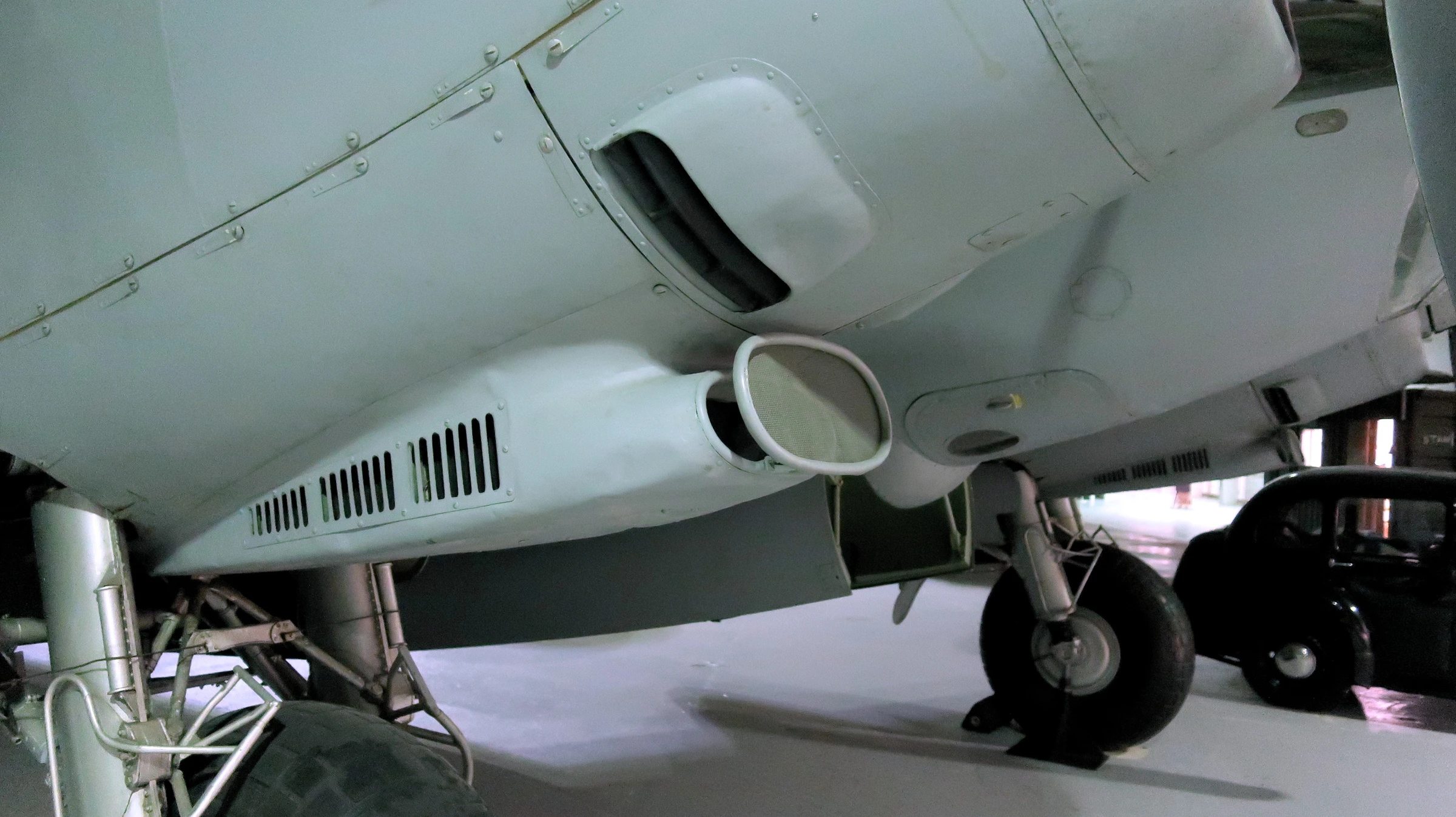
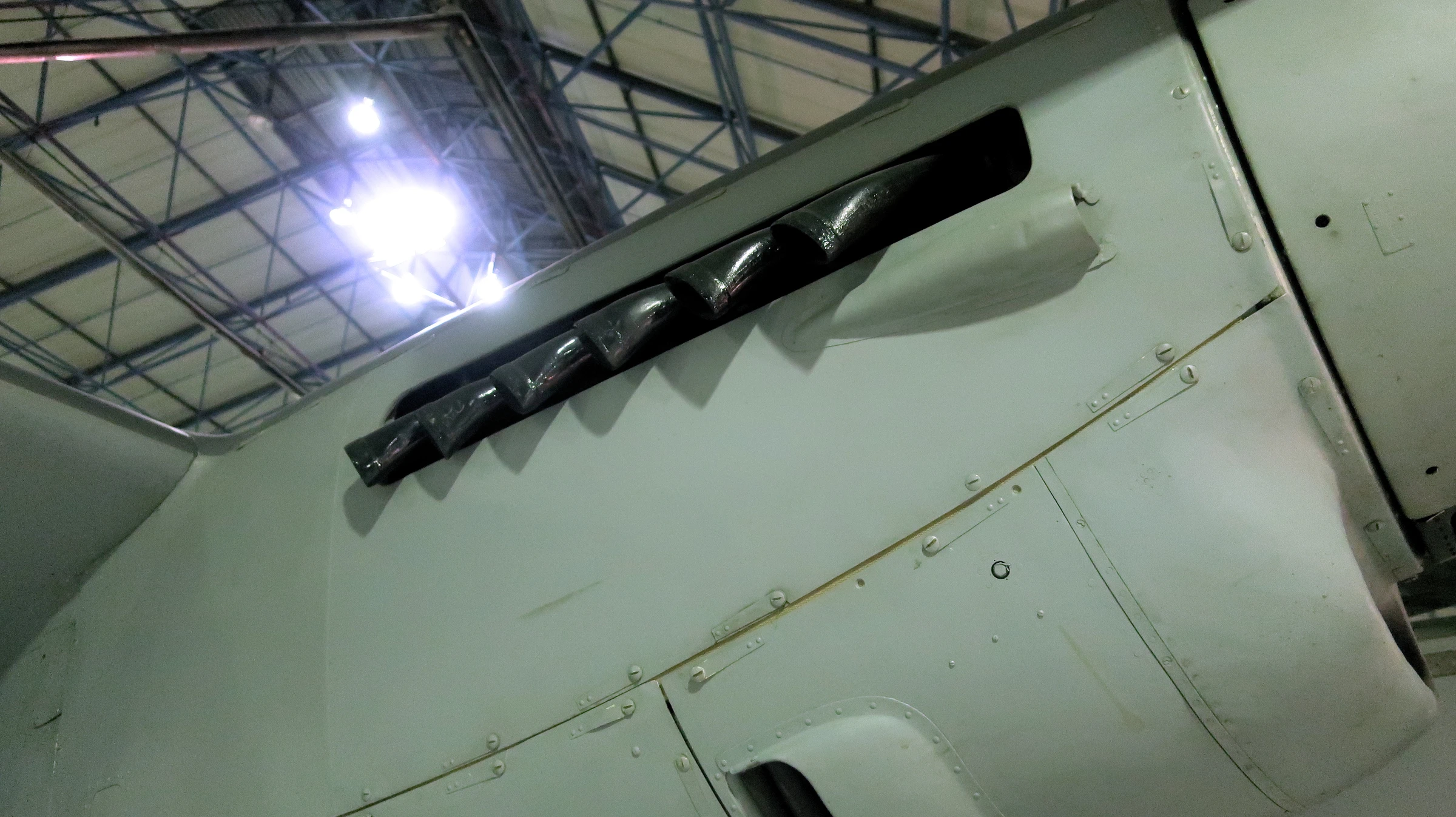
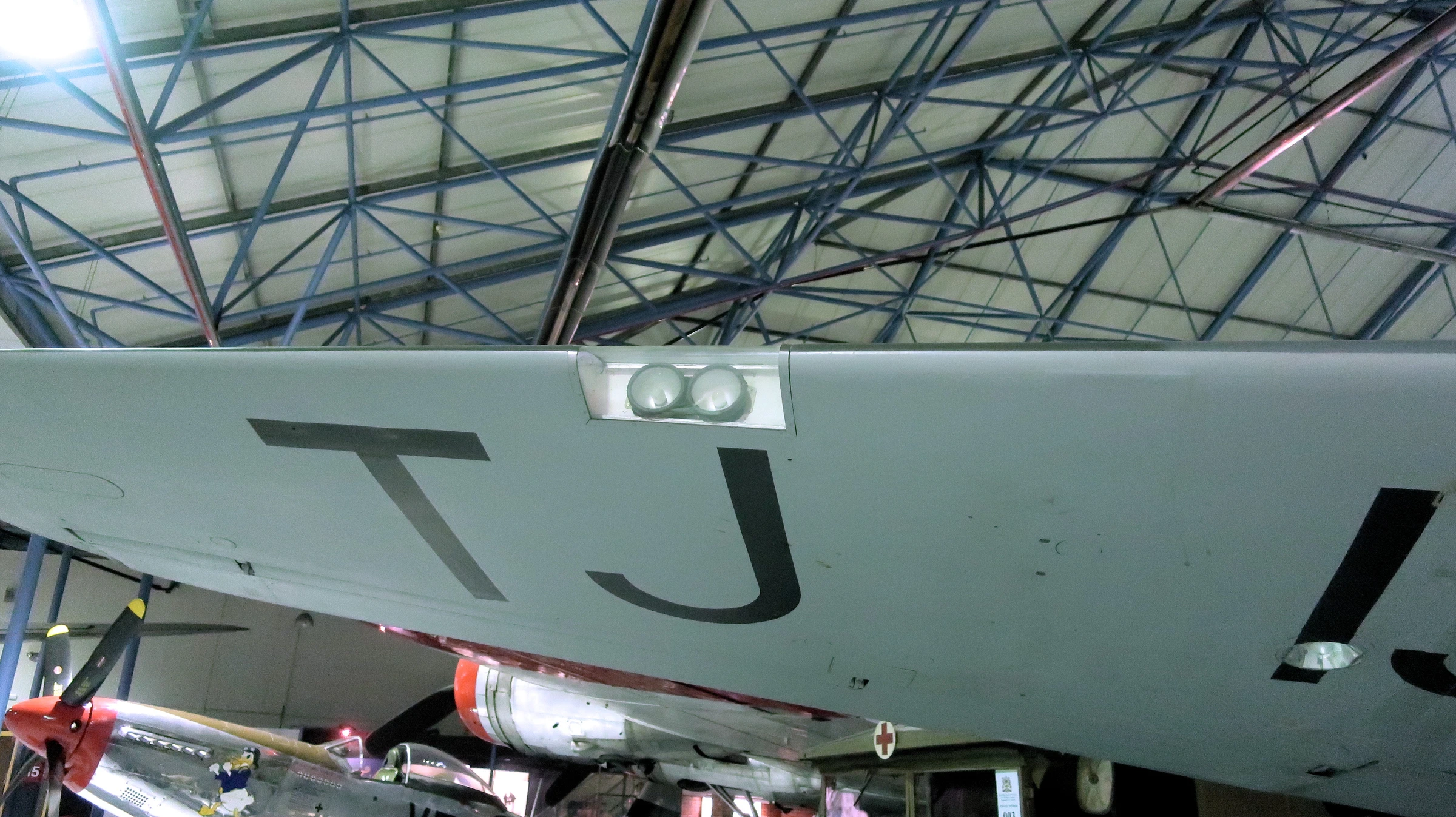
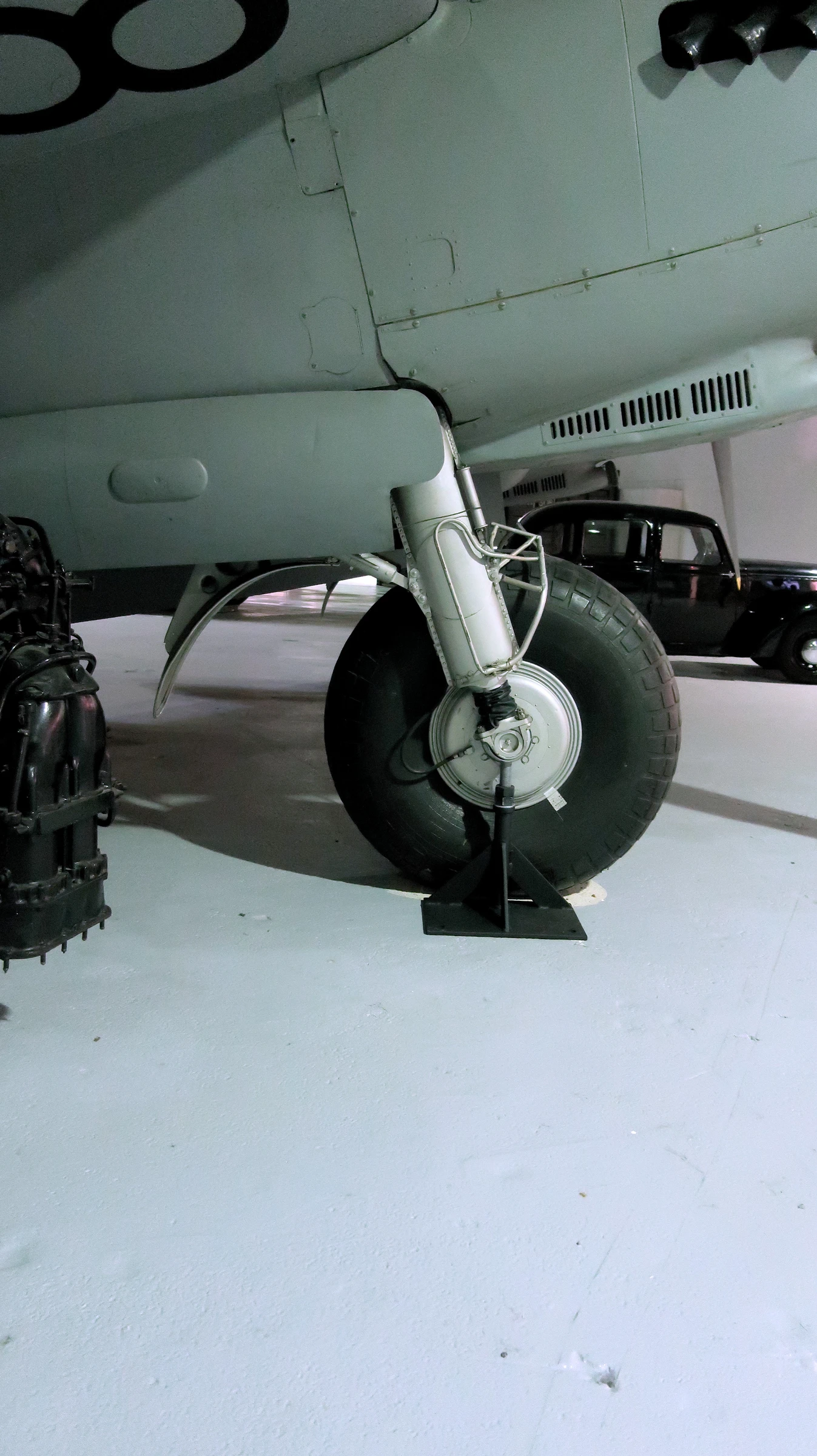
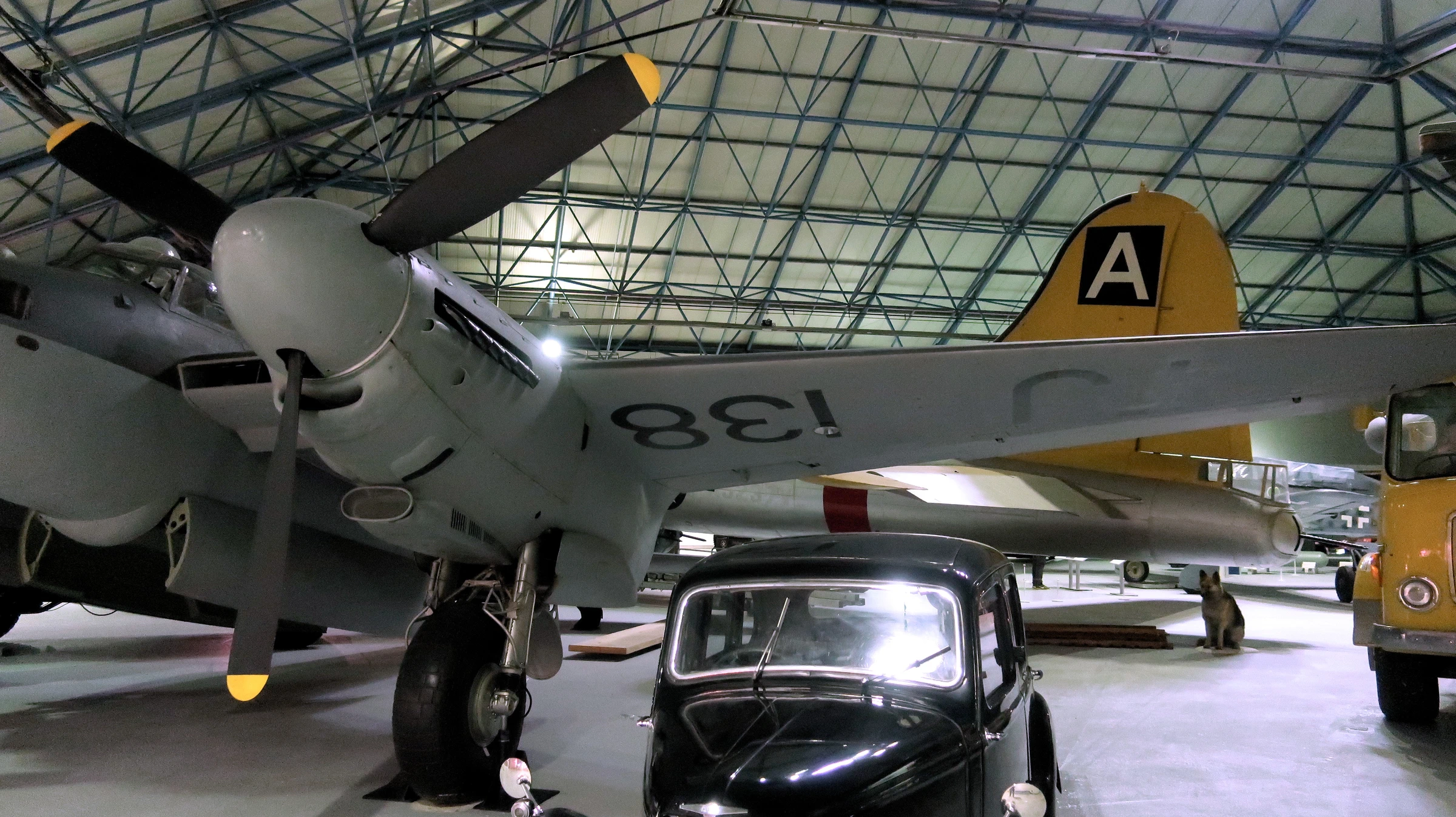
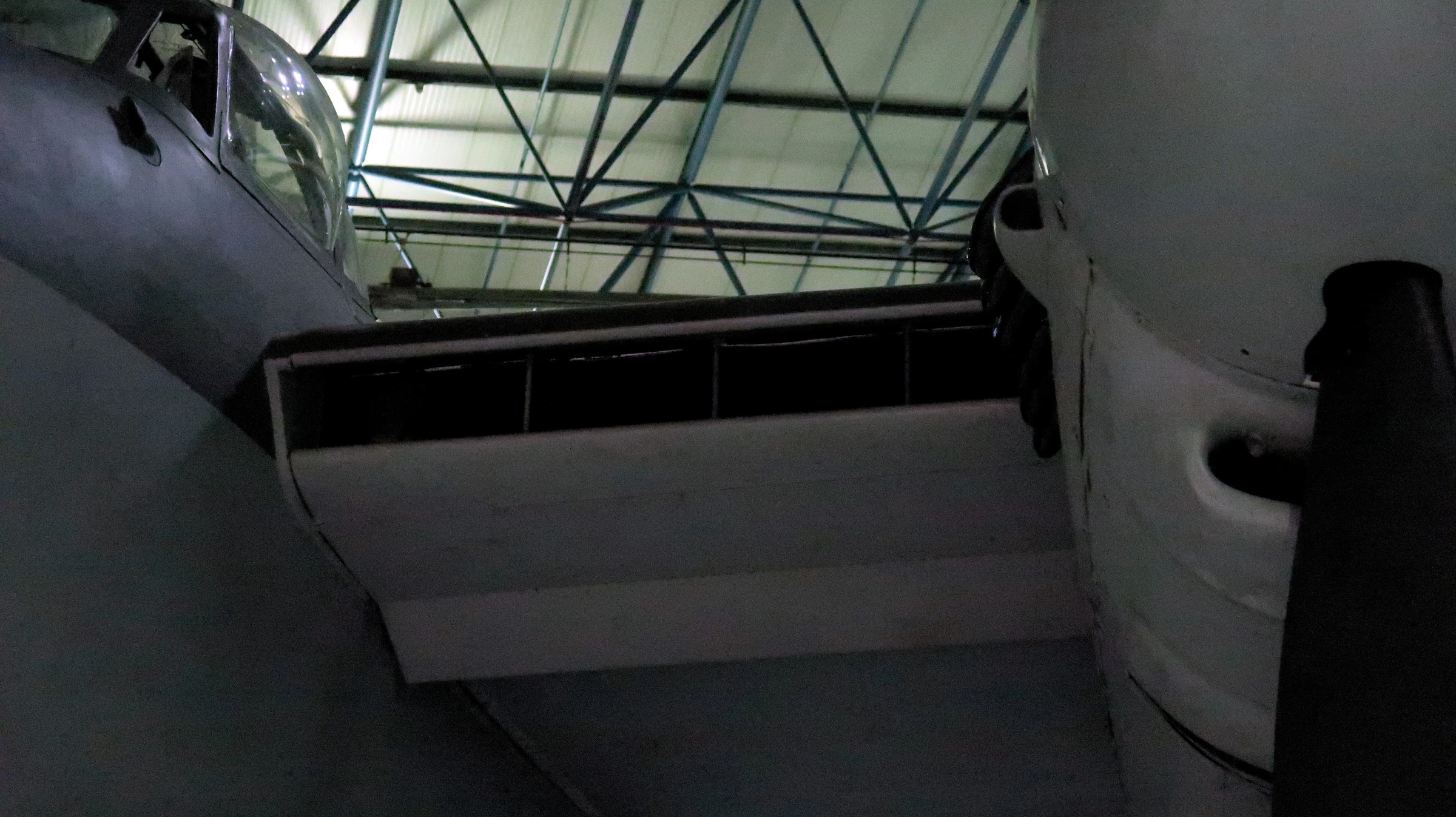
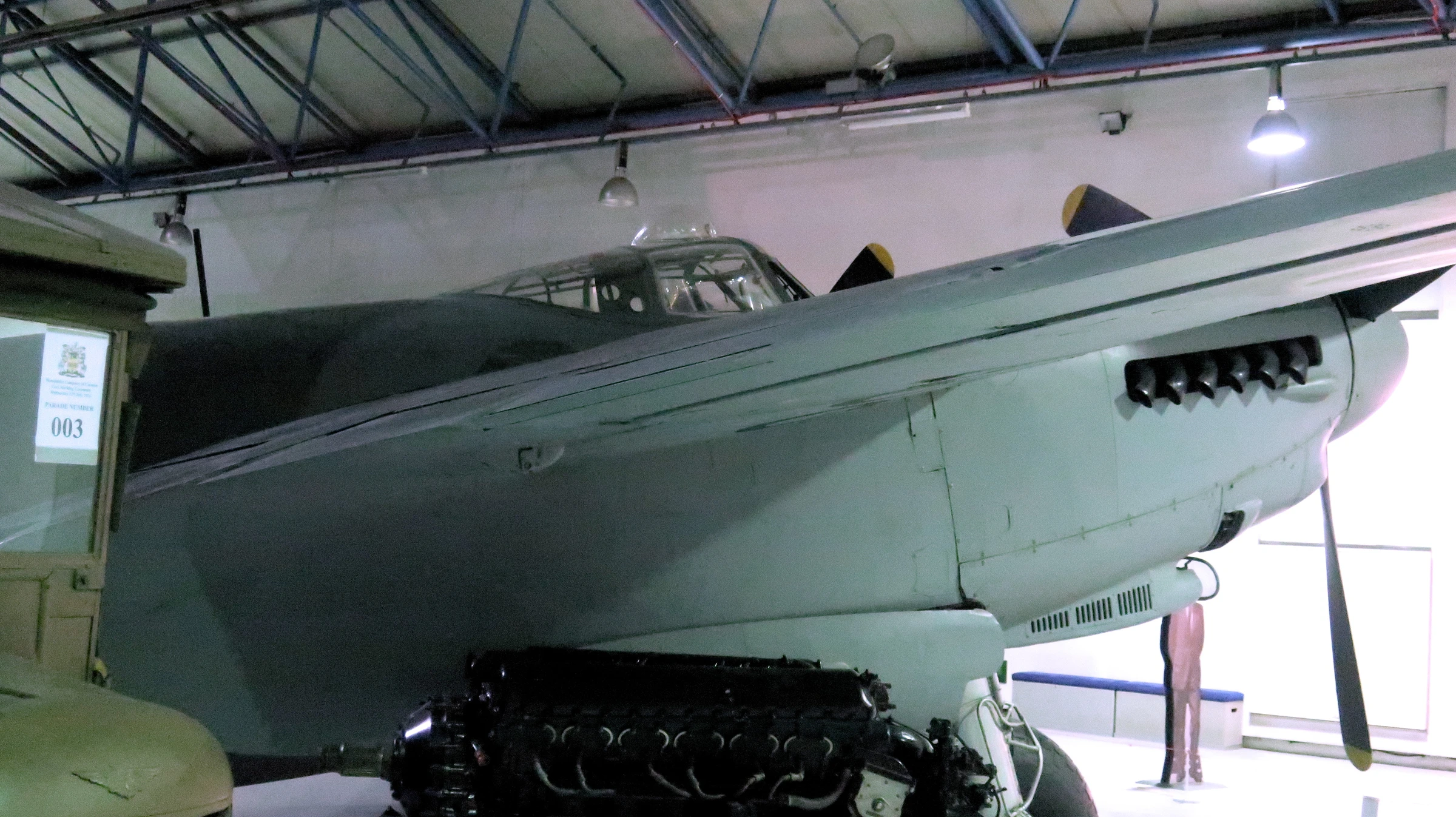
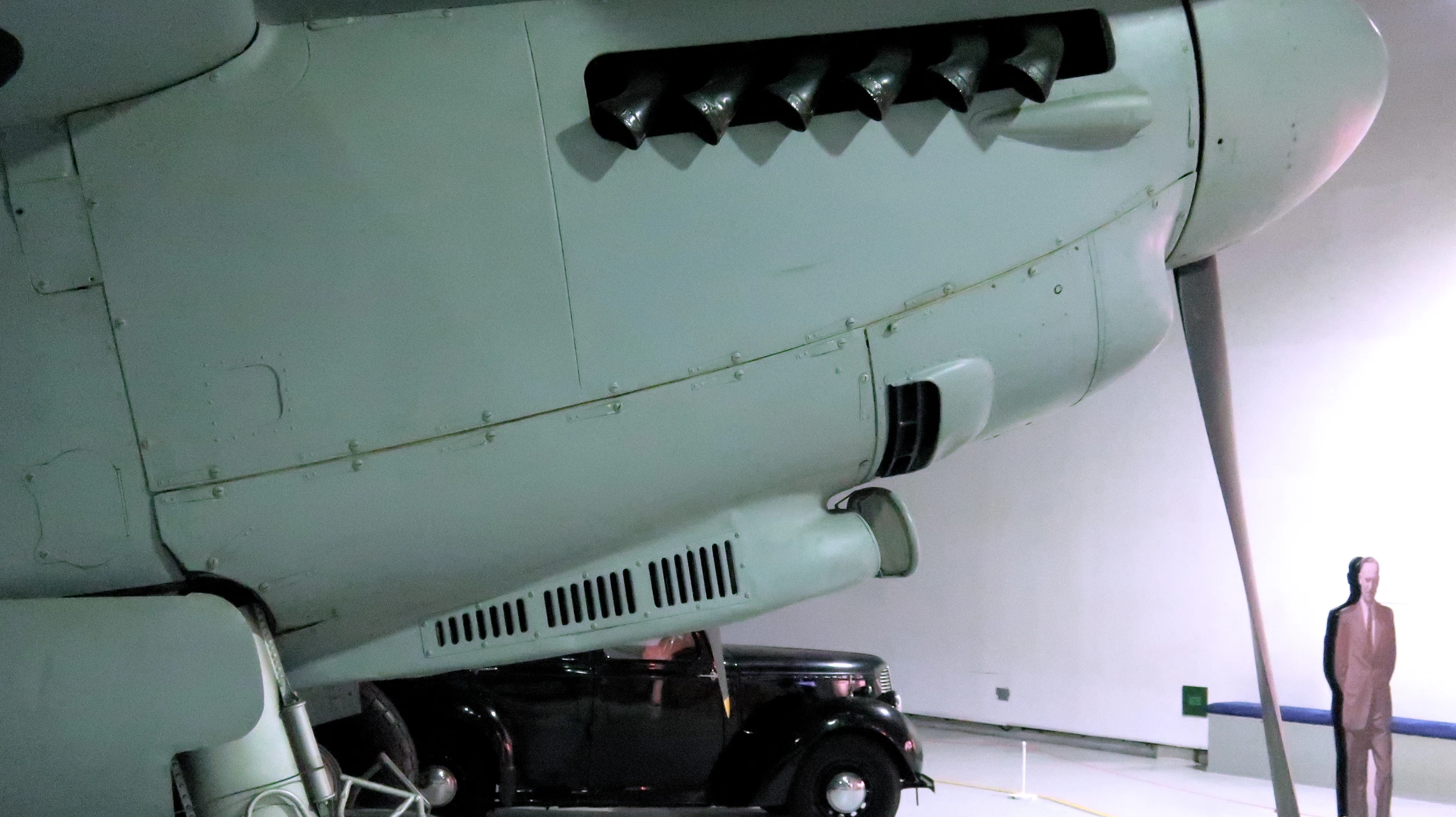
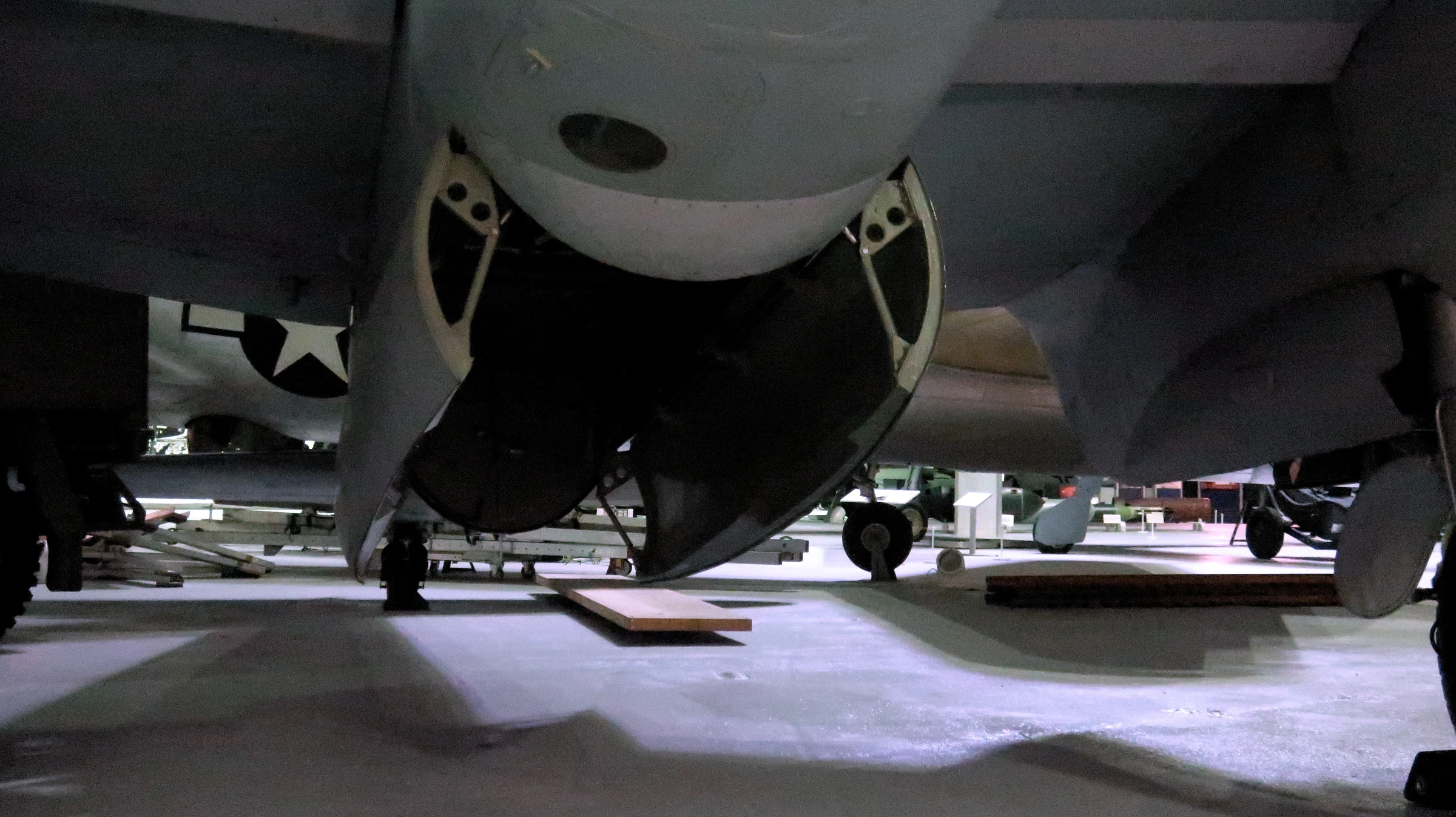
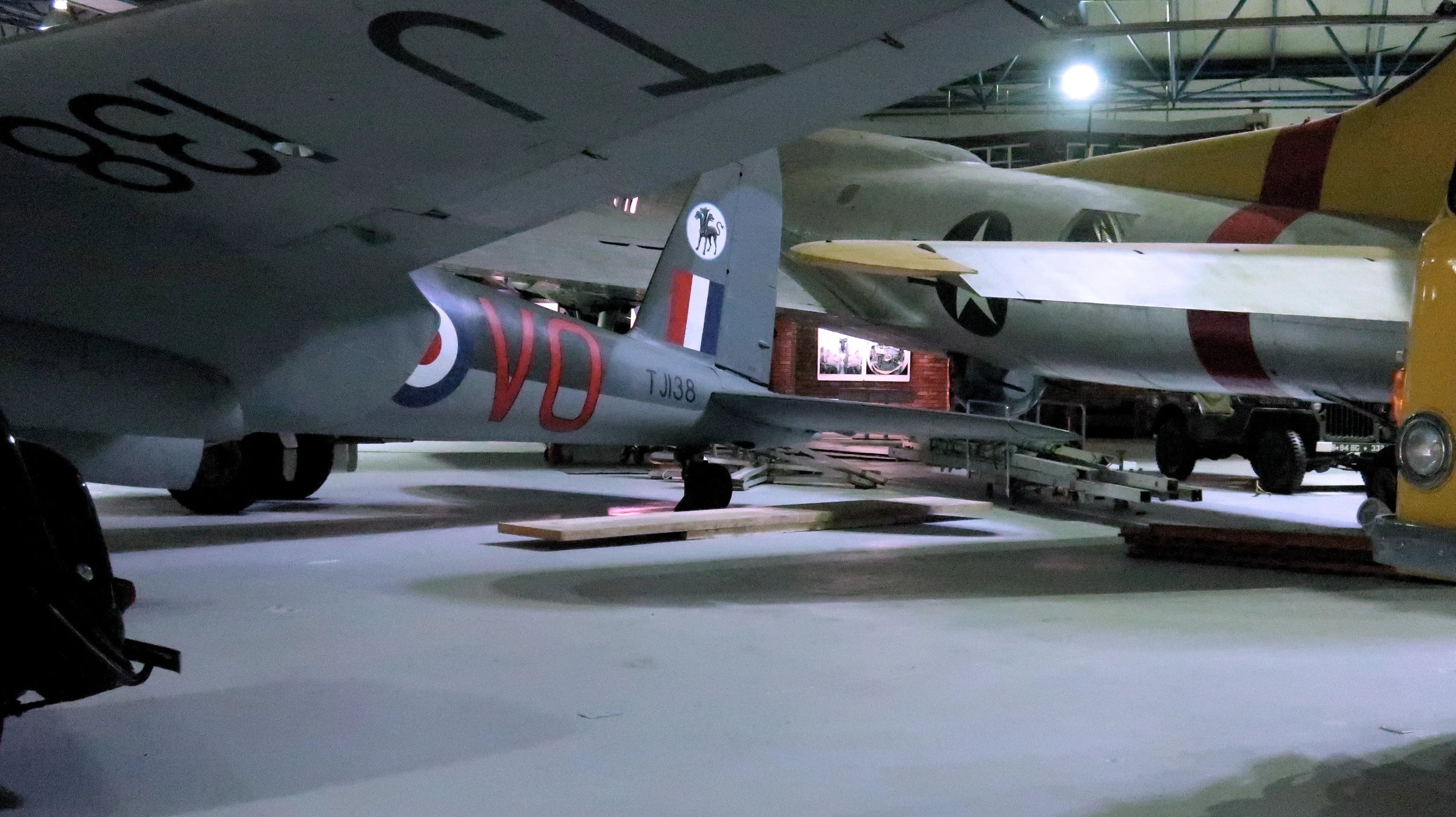
These walk-around photos were taken at the RAF Museum London in Hendon in 2019. They show a de Havilland Mosquito B.35, serial TJ138, displayed in the markings of No. 98 Squadron at Celle in West Germany in the early 1950s. The Mosquito — nicknamed "The Wooden Wonder" for its revolutionary all-wood construction — was one of the most versatile aircraft of the Second World War, serving as an unarmed high-speed bomber, night fighter, pathfinder, maritime strike aircraft and photo-reconnaissance platform. Powered by two Rolls-Royce Merlins and capable of over 420 mph, it was fast enough to outrun most enemy fighters without needing defensive armament. The B.35 was the final bomber variant, entering service just as the war ended.
Built at Hatfield in 1945, TJ138 arrived too late to see wartime service and went straight into storage. In October 1950 it was sent to No. 98 Squadron at Celle in occupied West Germany — making it the only surviving Mosquito B.35 to have served with an operational squadron. It was later converted to TT.35 target tug standard and used for THUM (Temperature and Humidity) meteorological flights, among the last tasks performed by RAF Mosquitoes. It has been on display at Hendon since 1992.