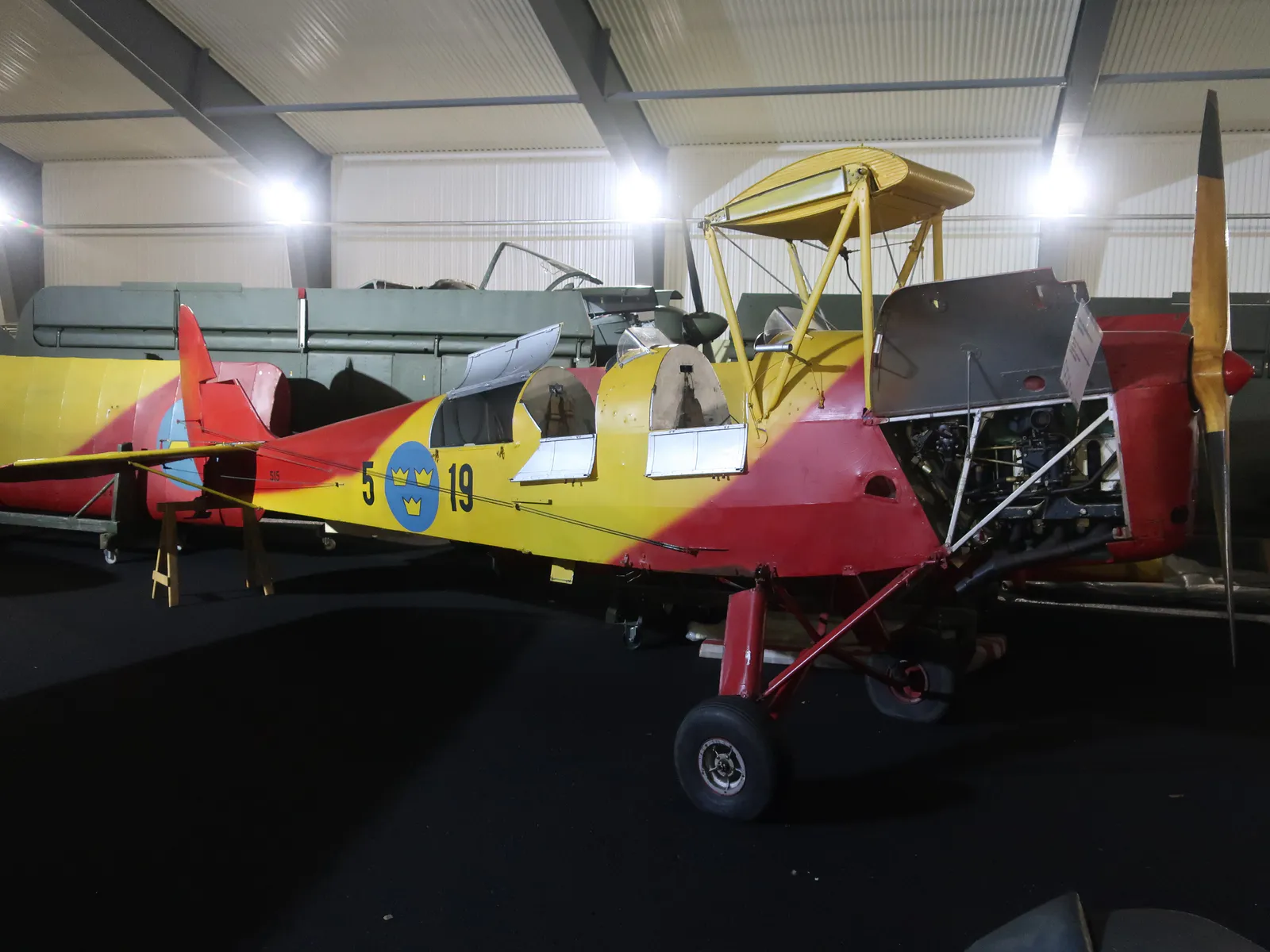
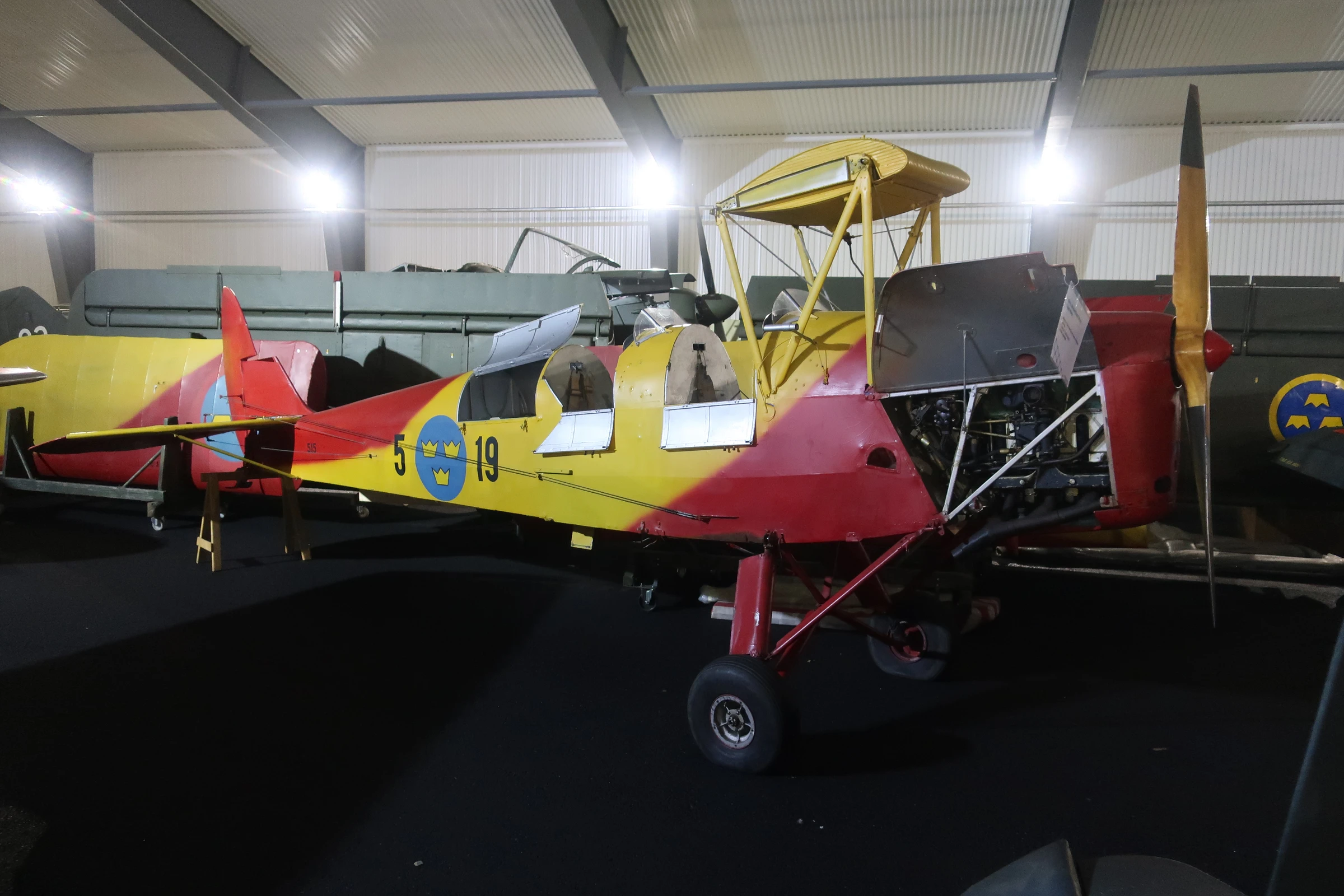
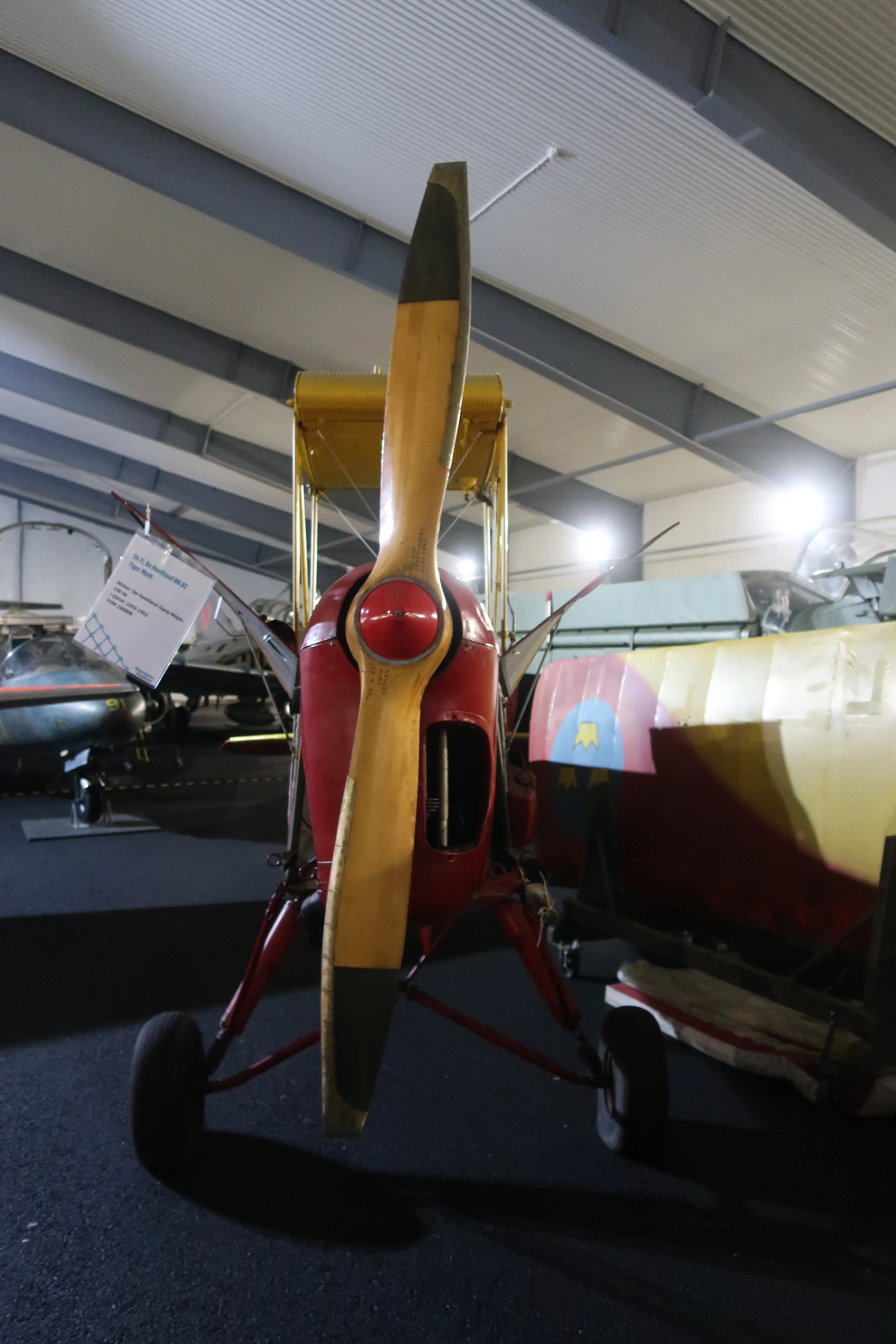
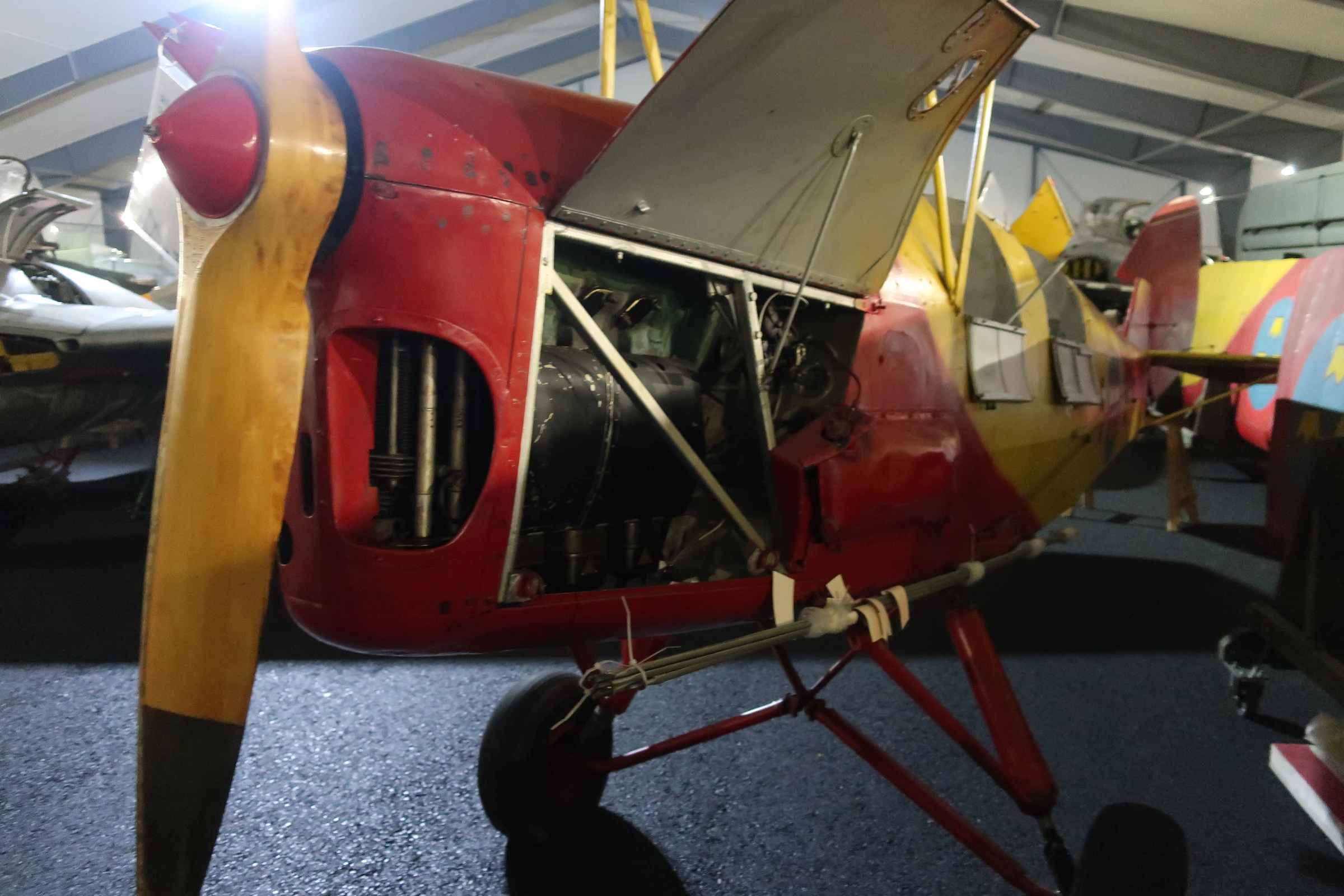
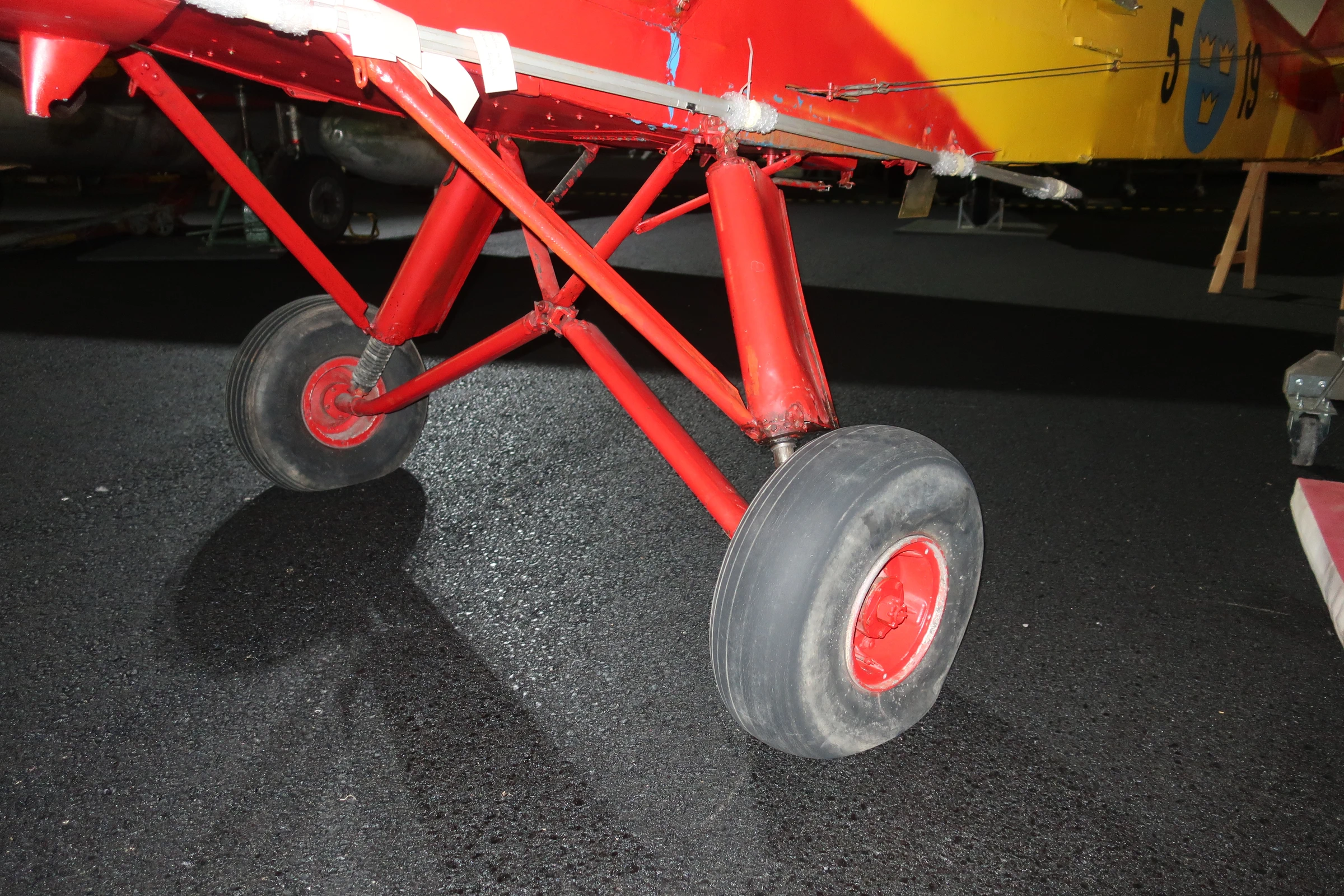
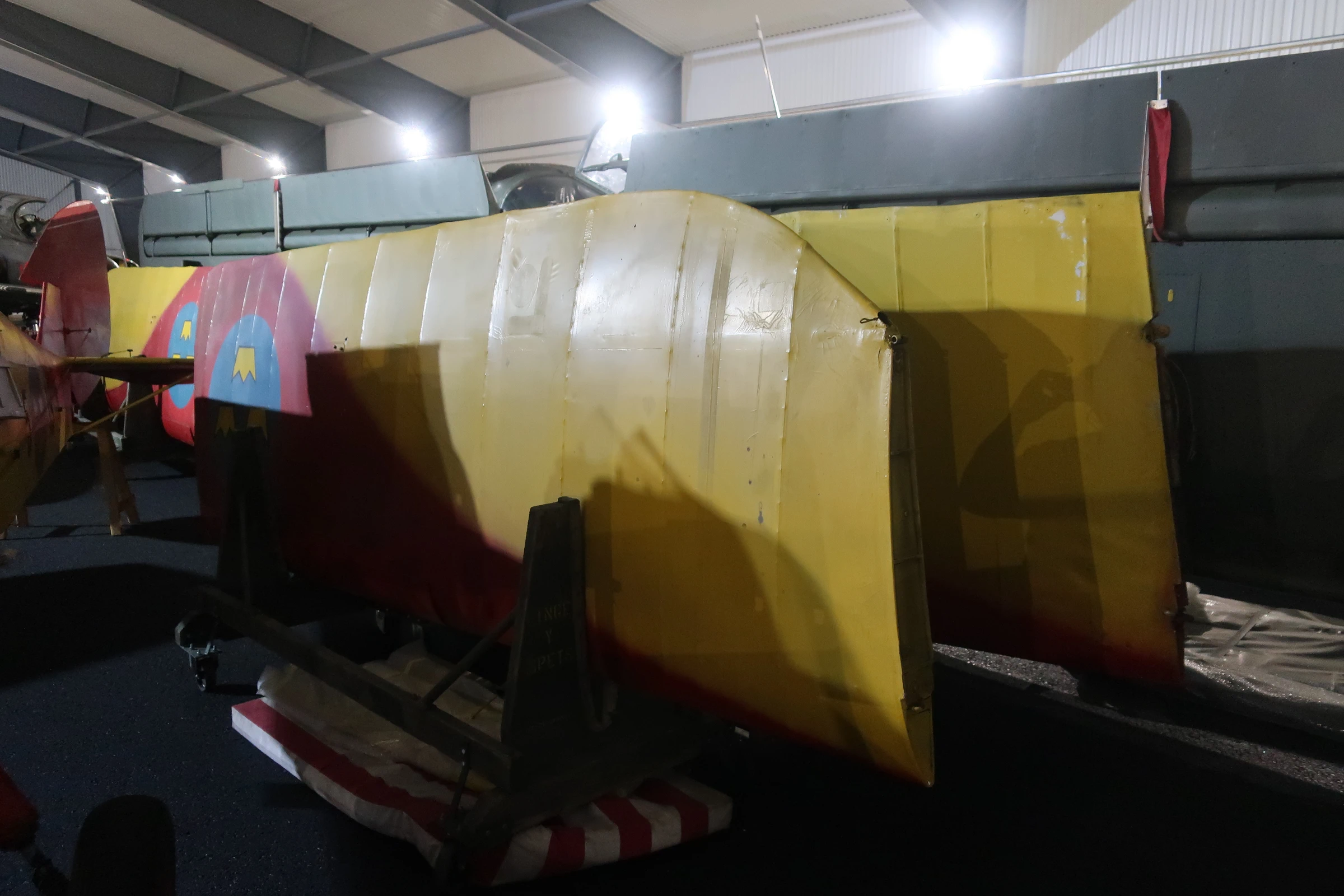
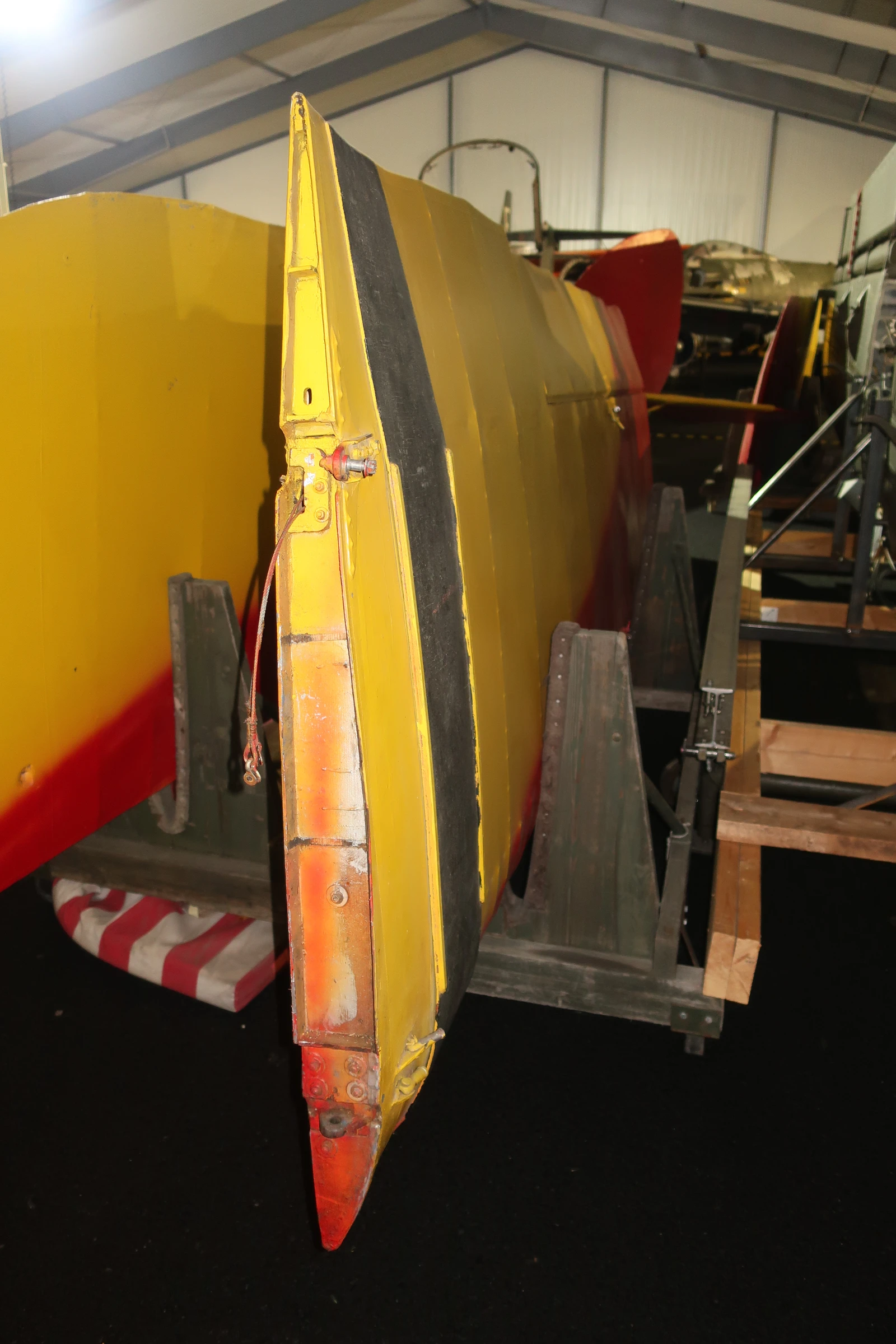
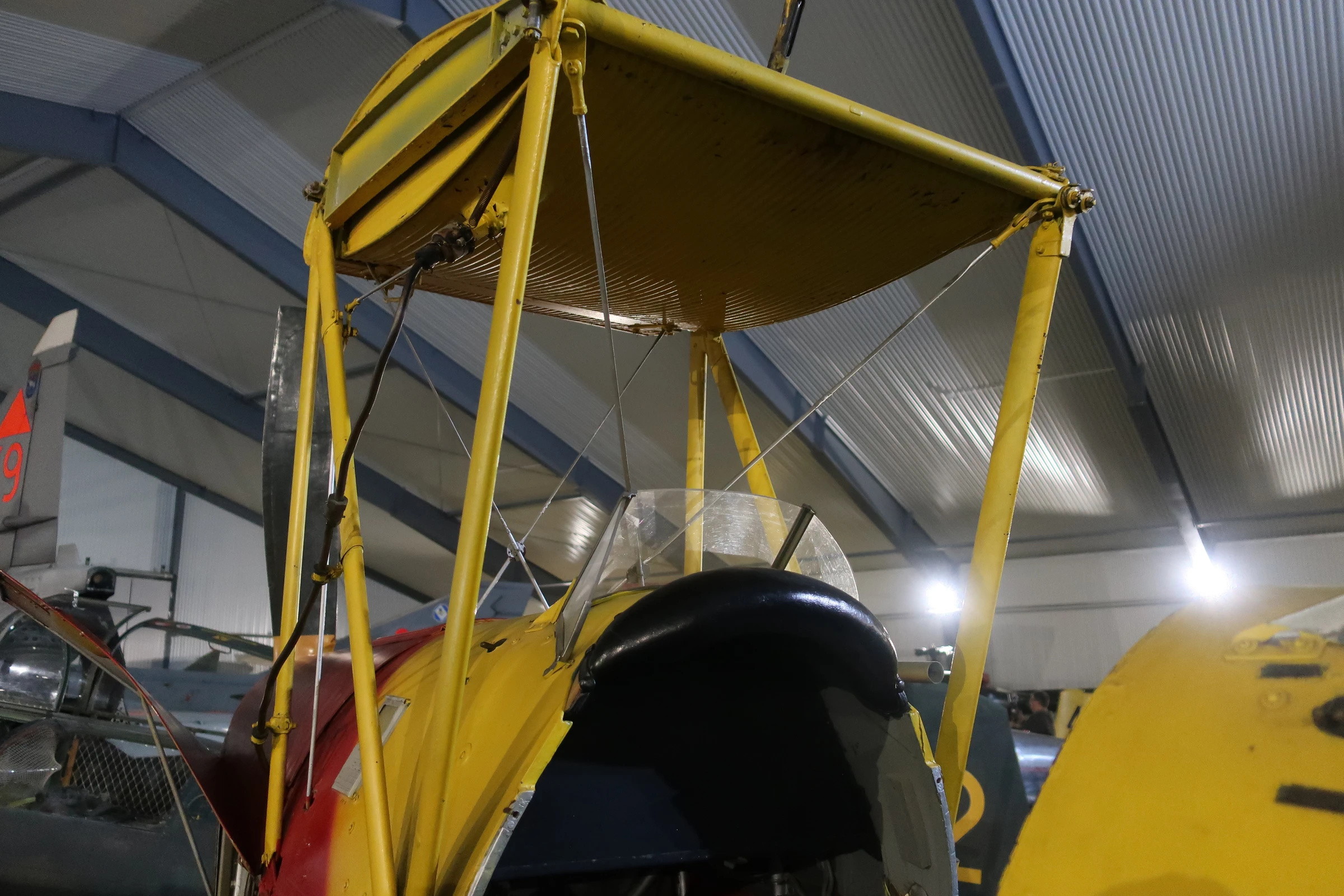
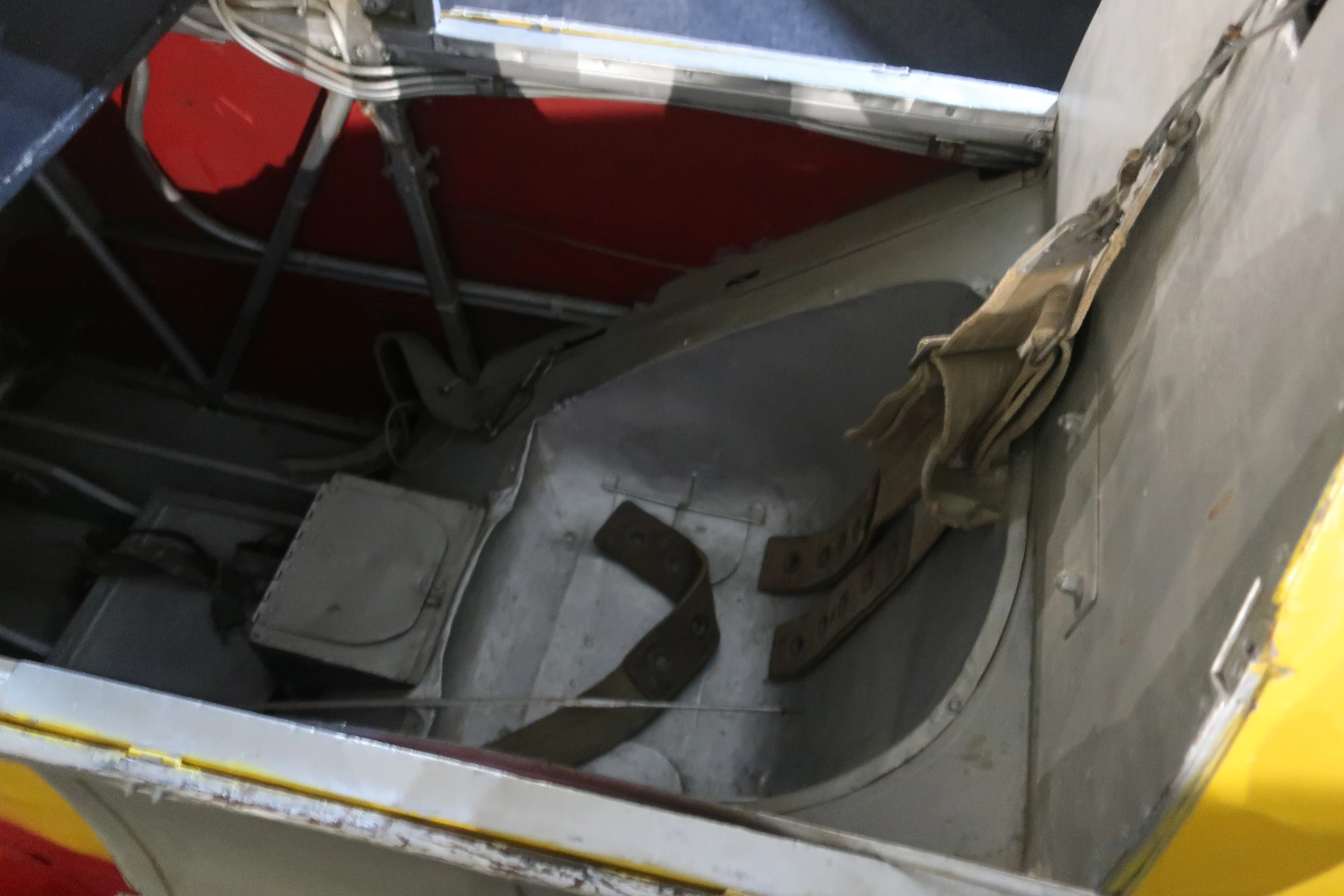
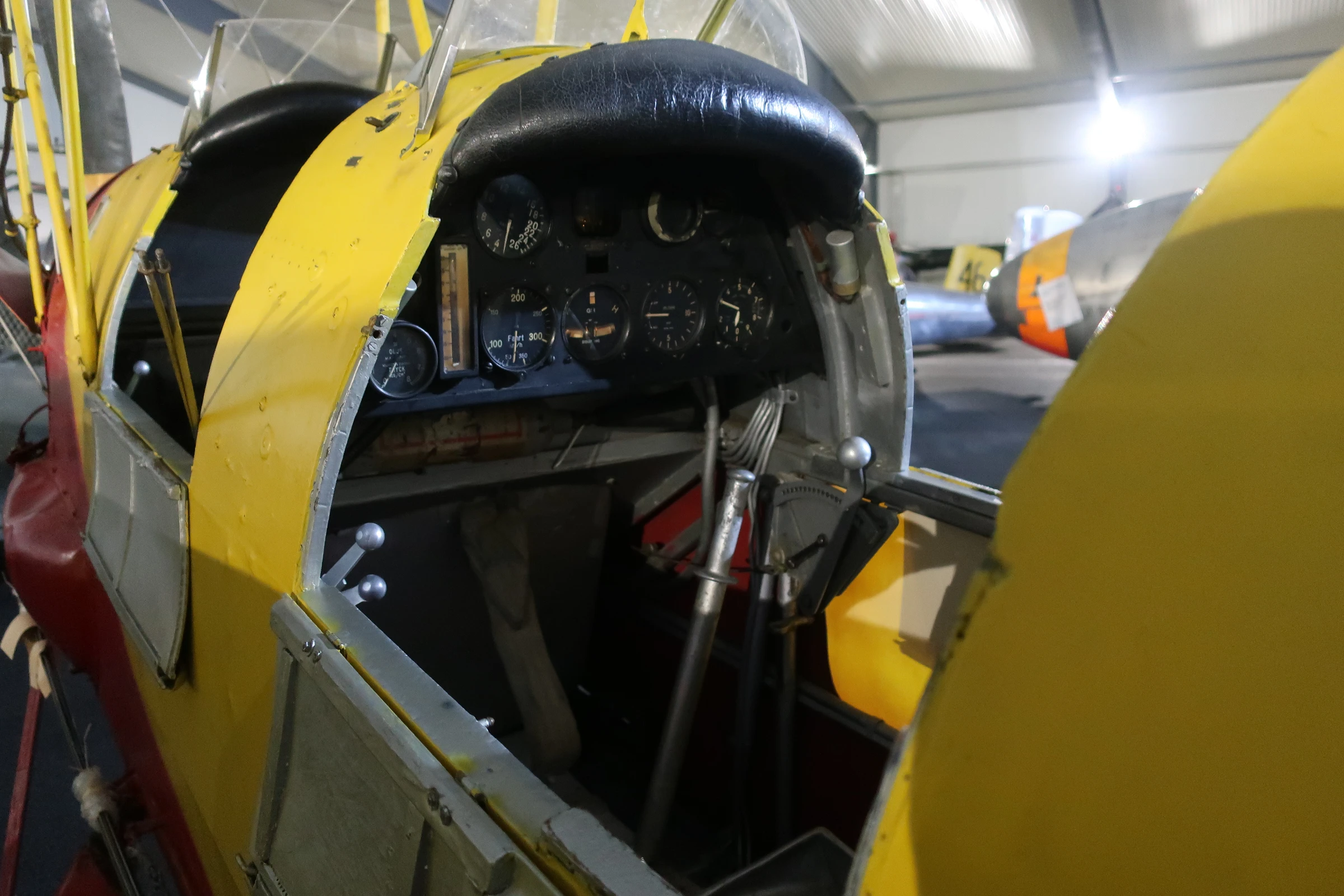
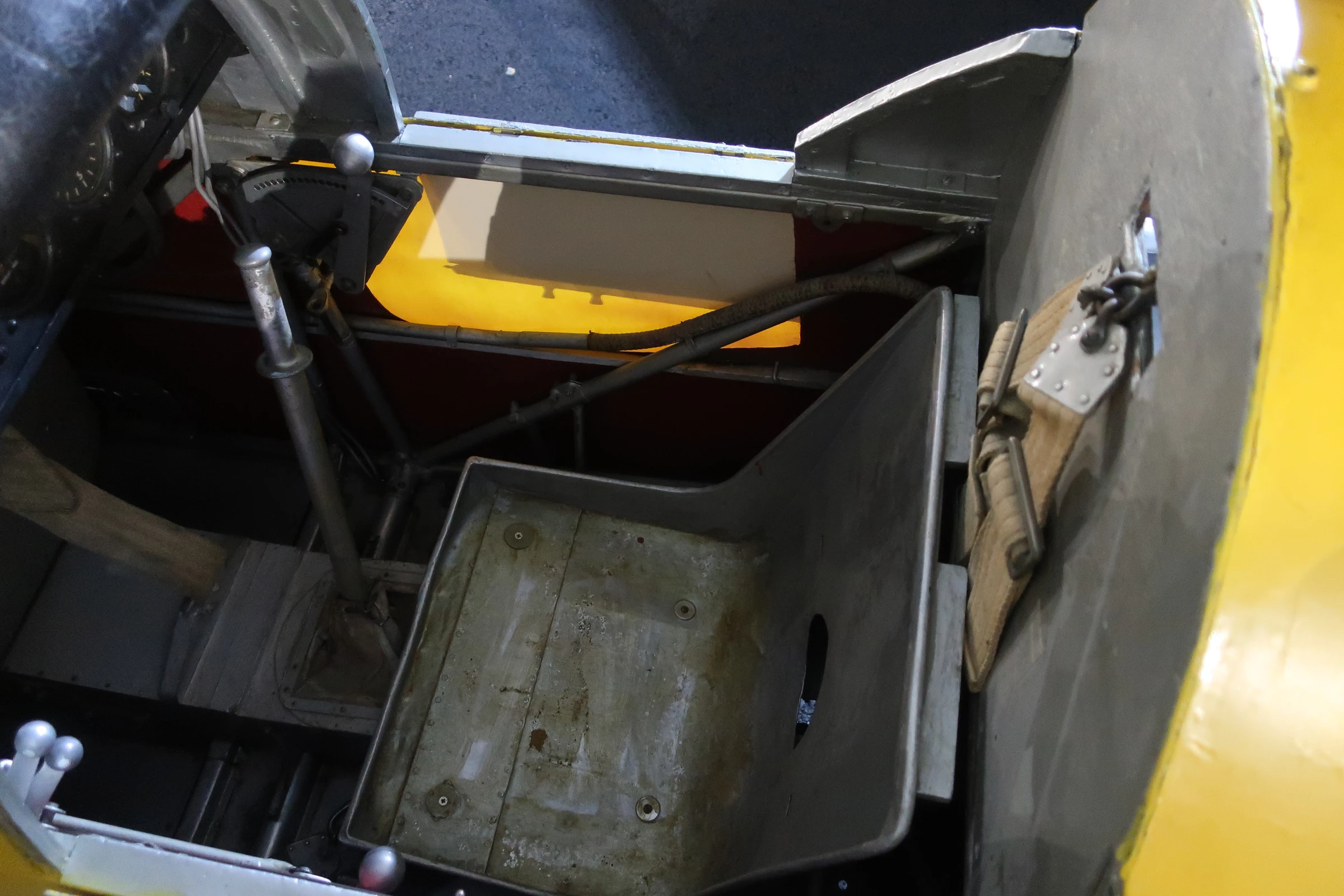
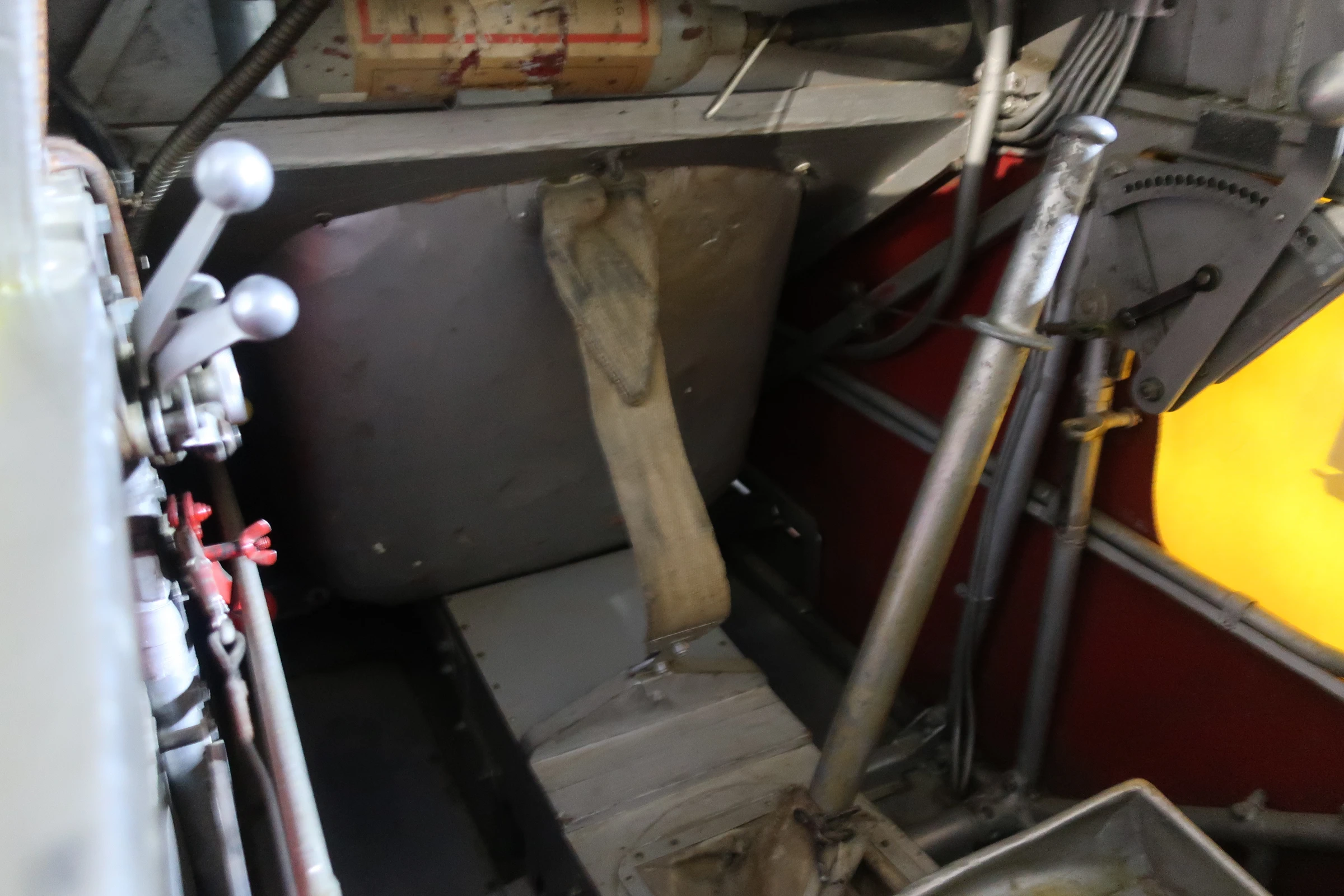
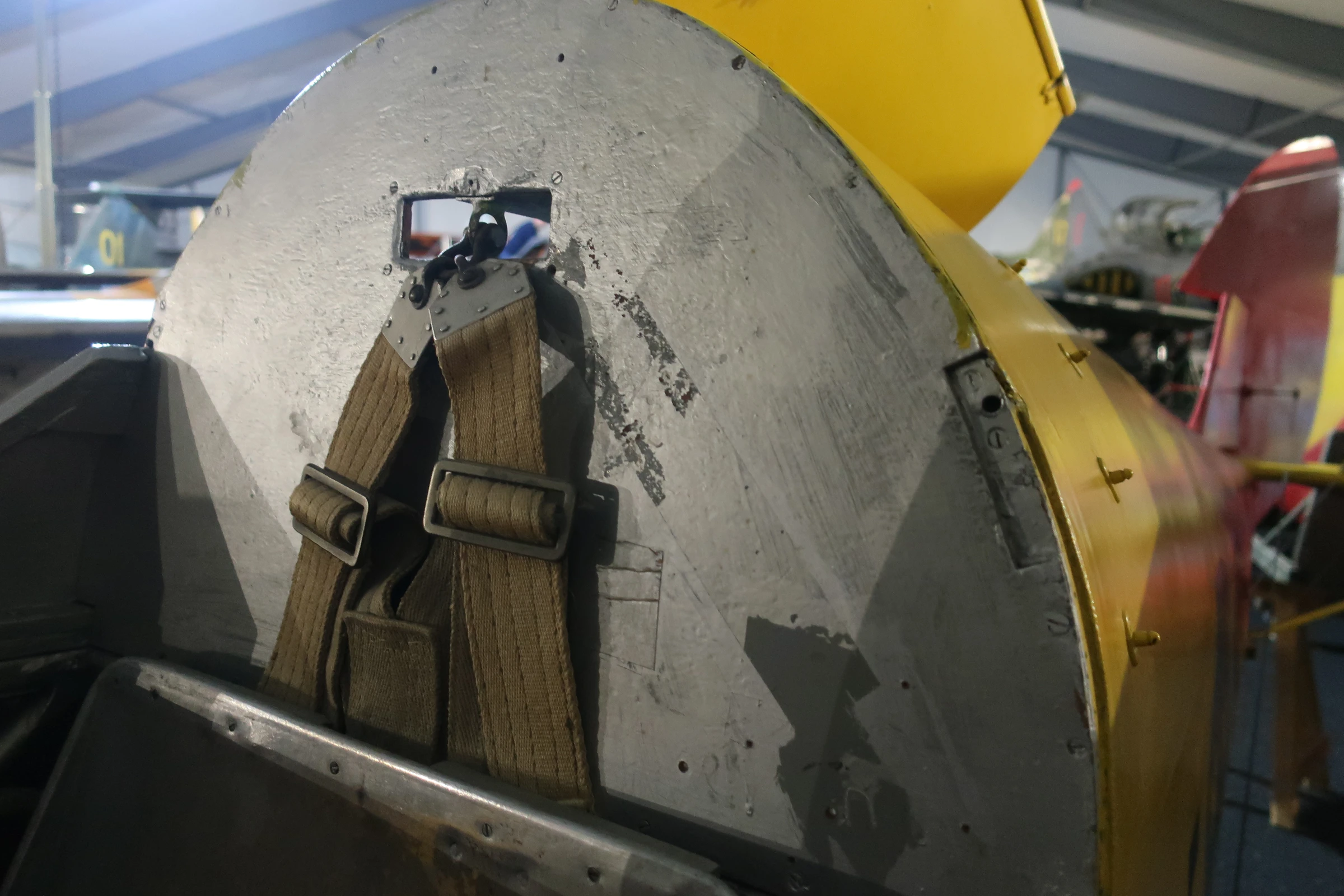
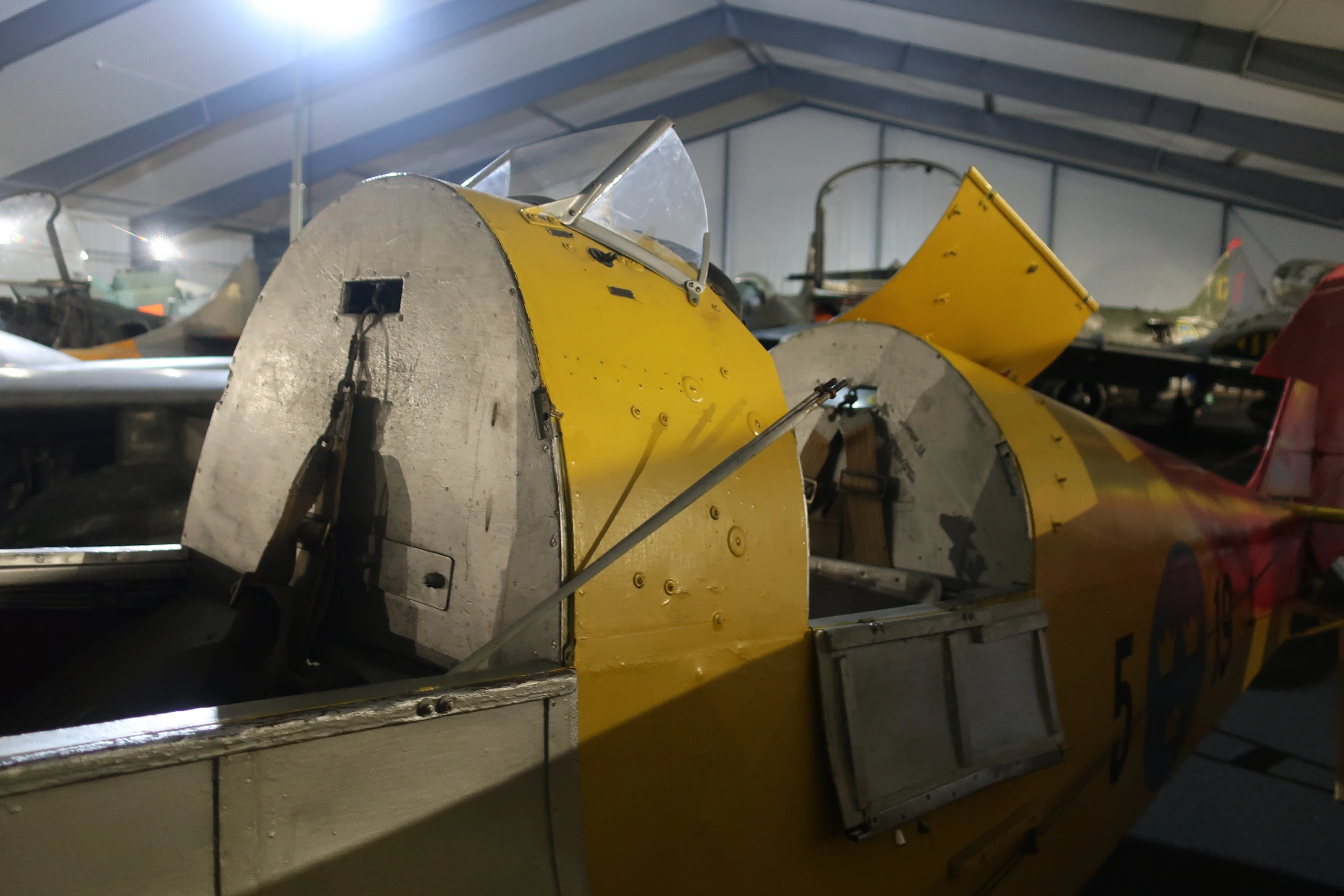
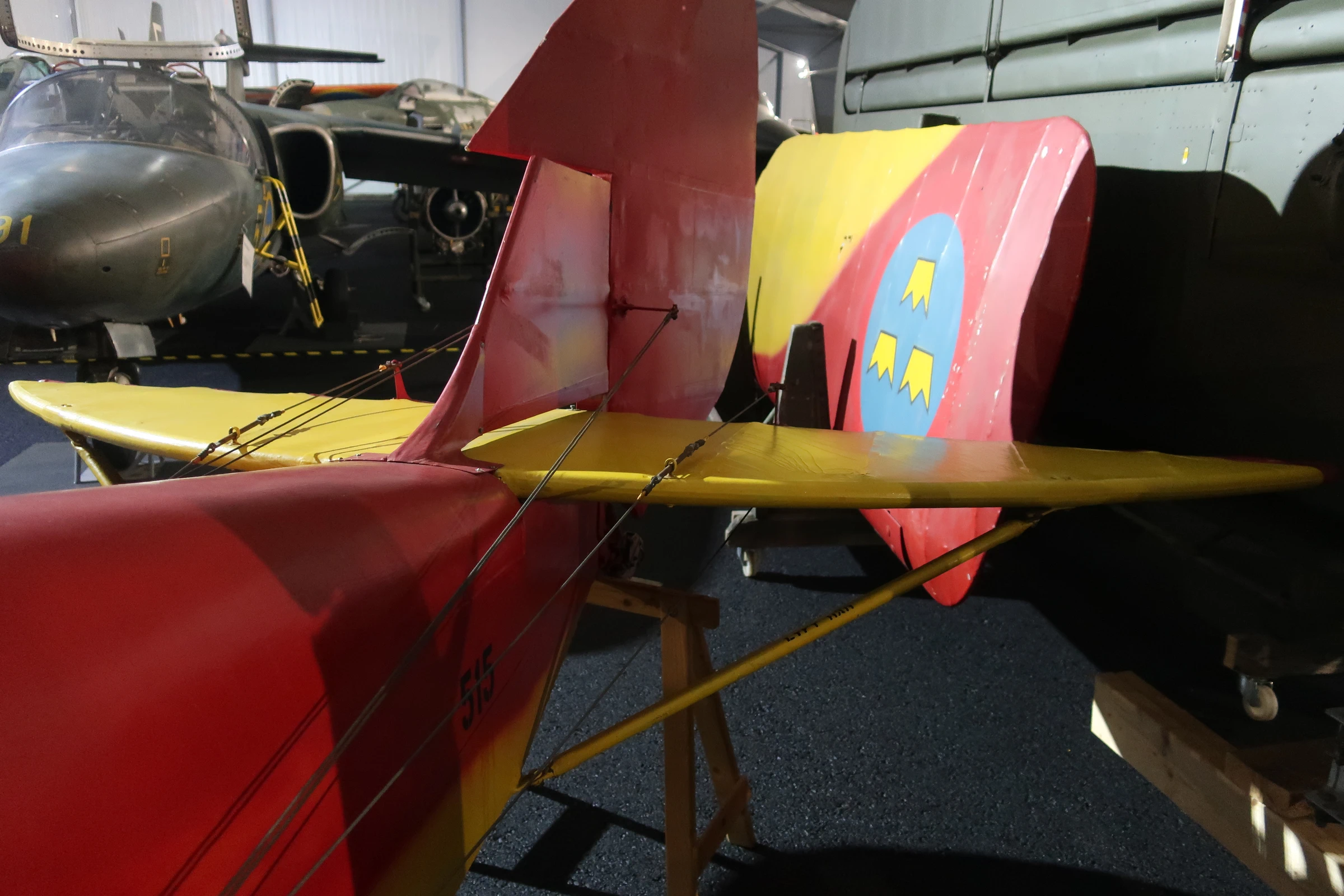
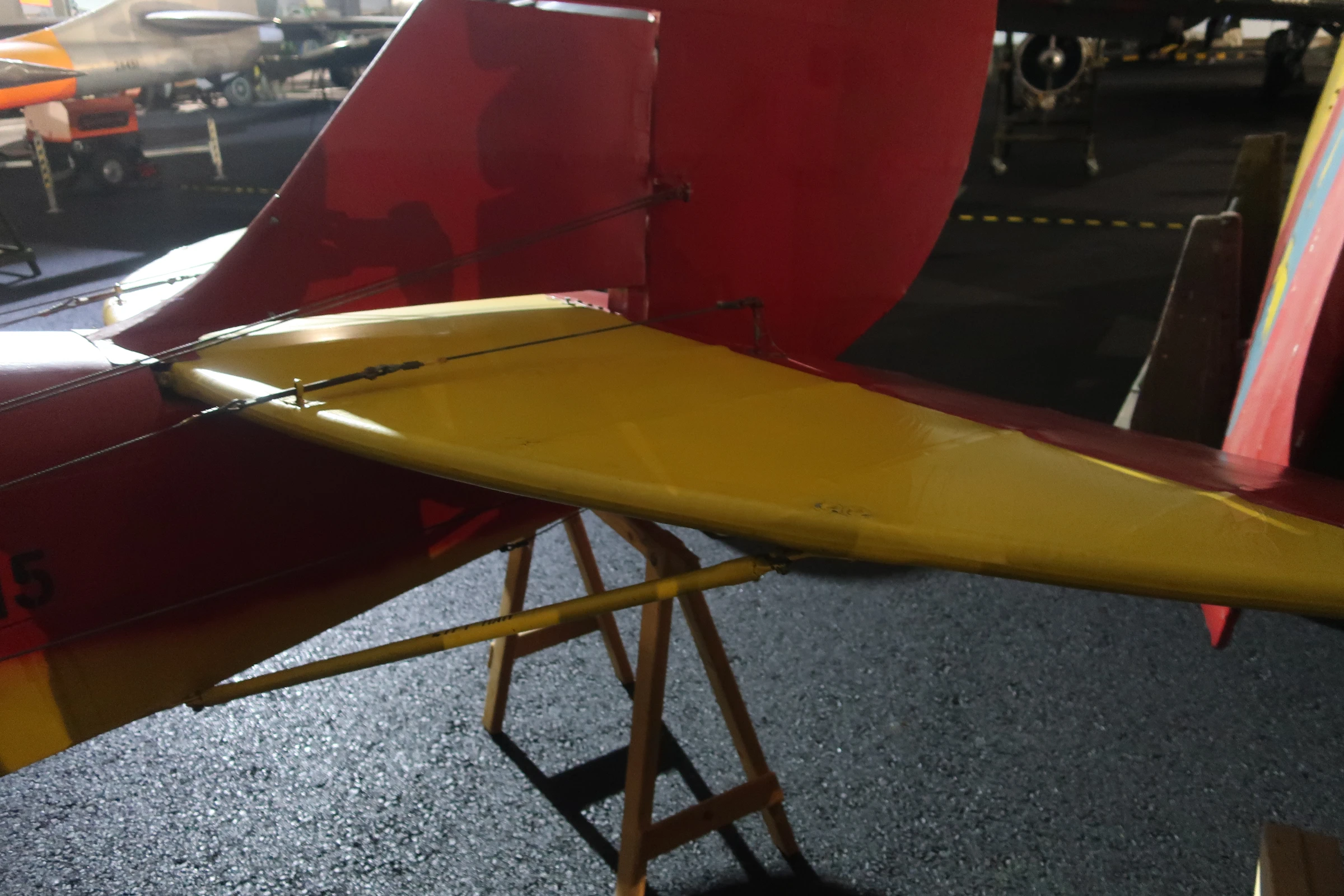
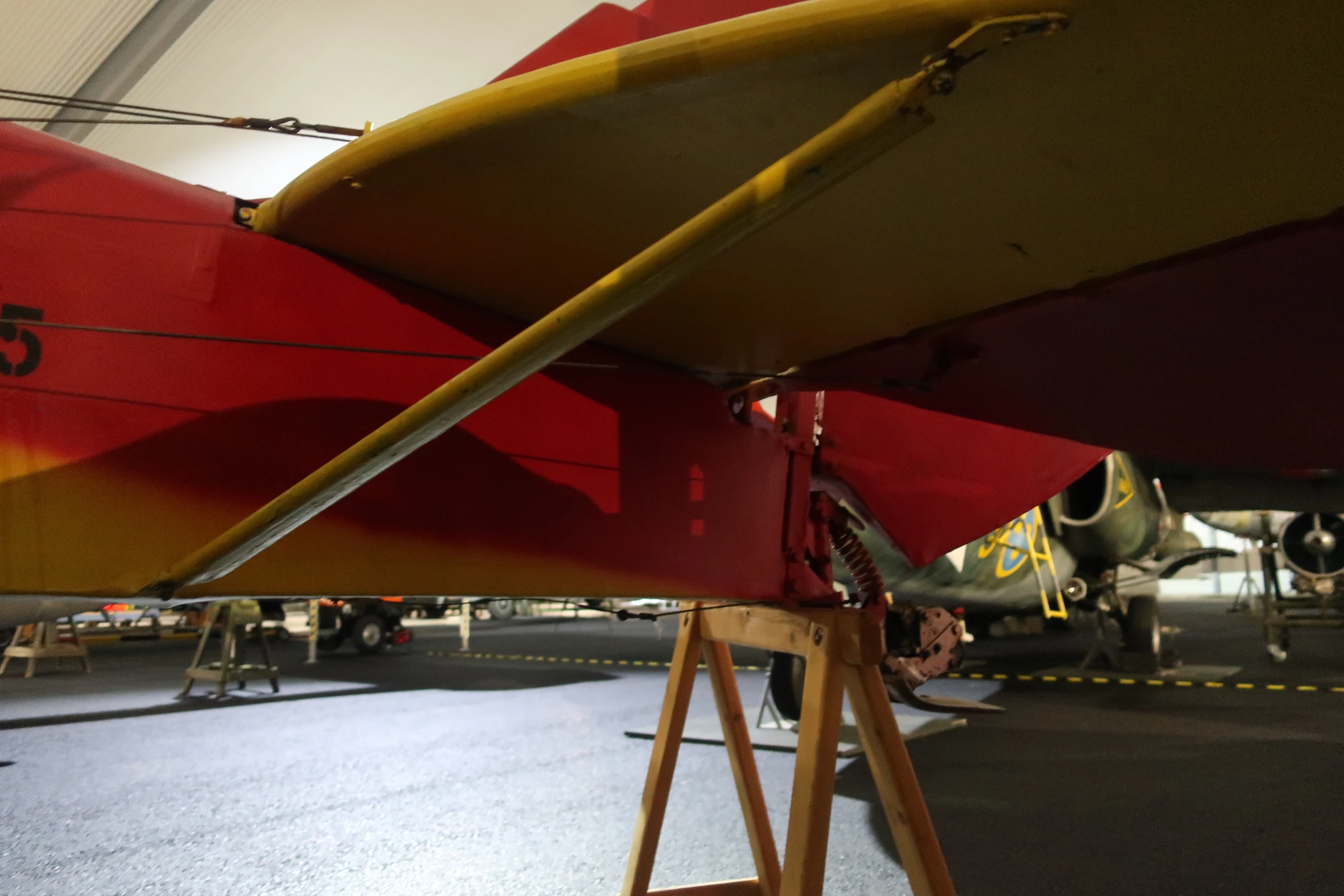
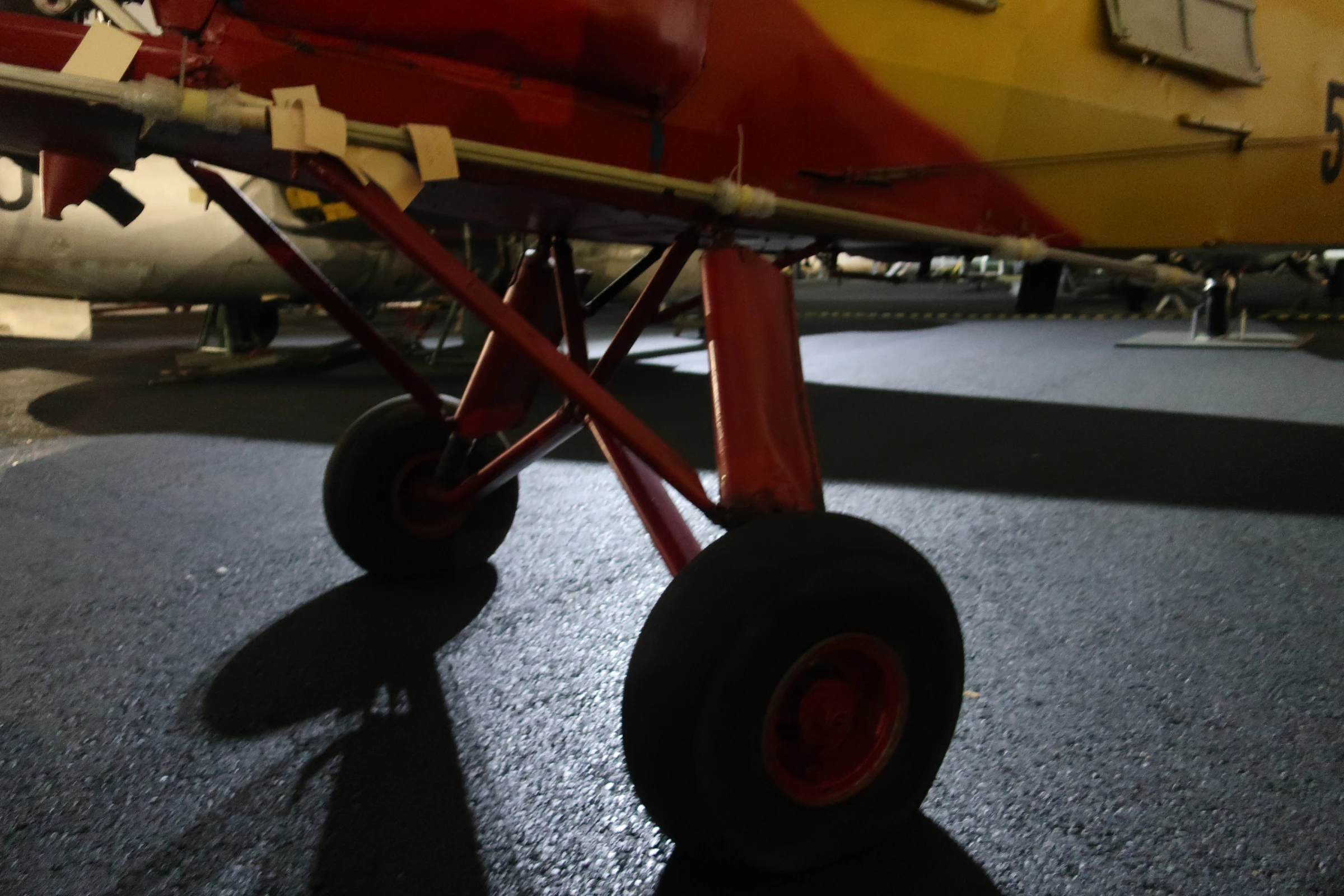
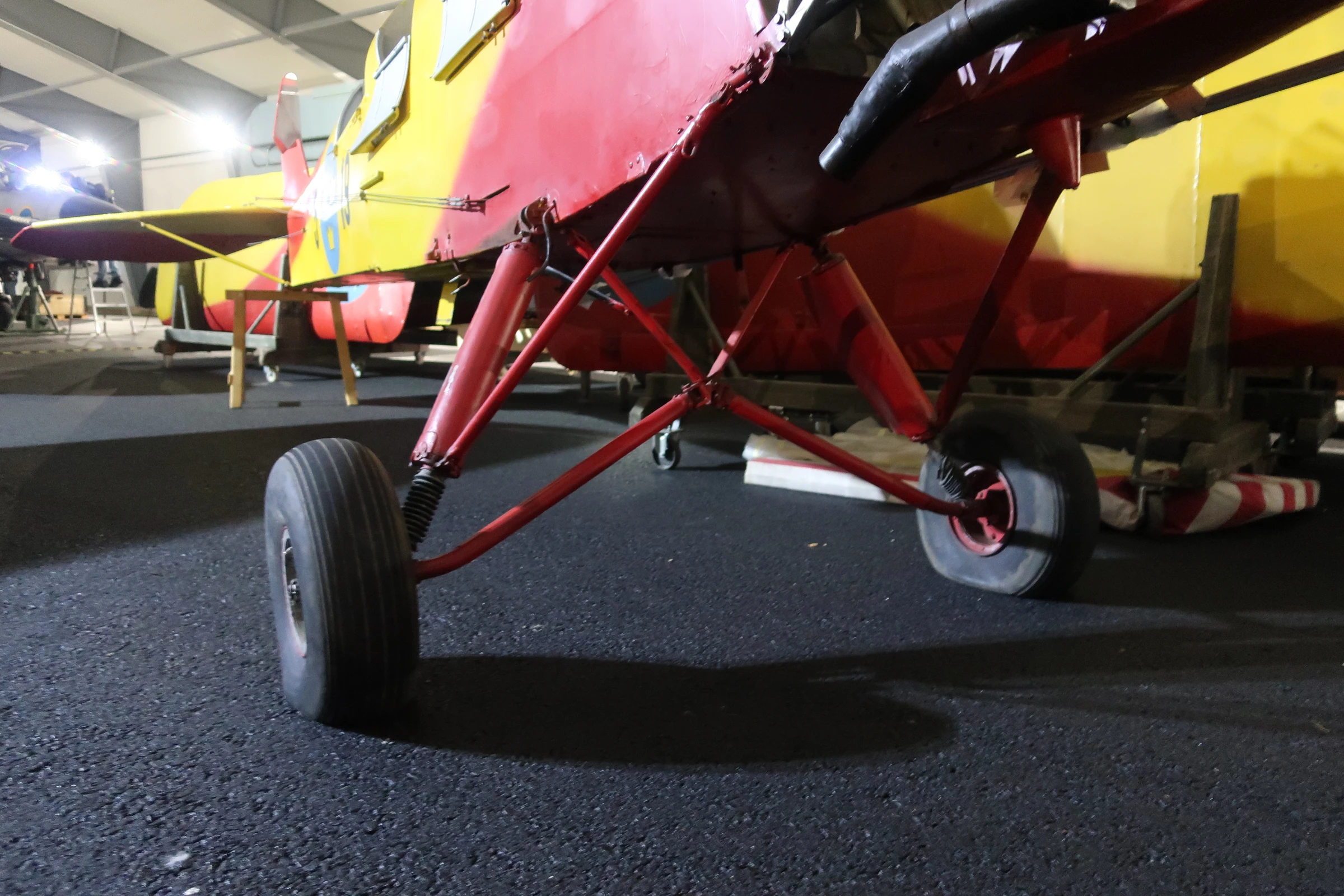
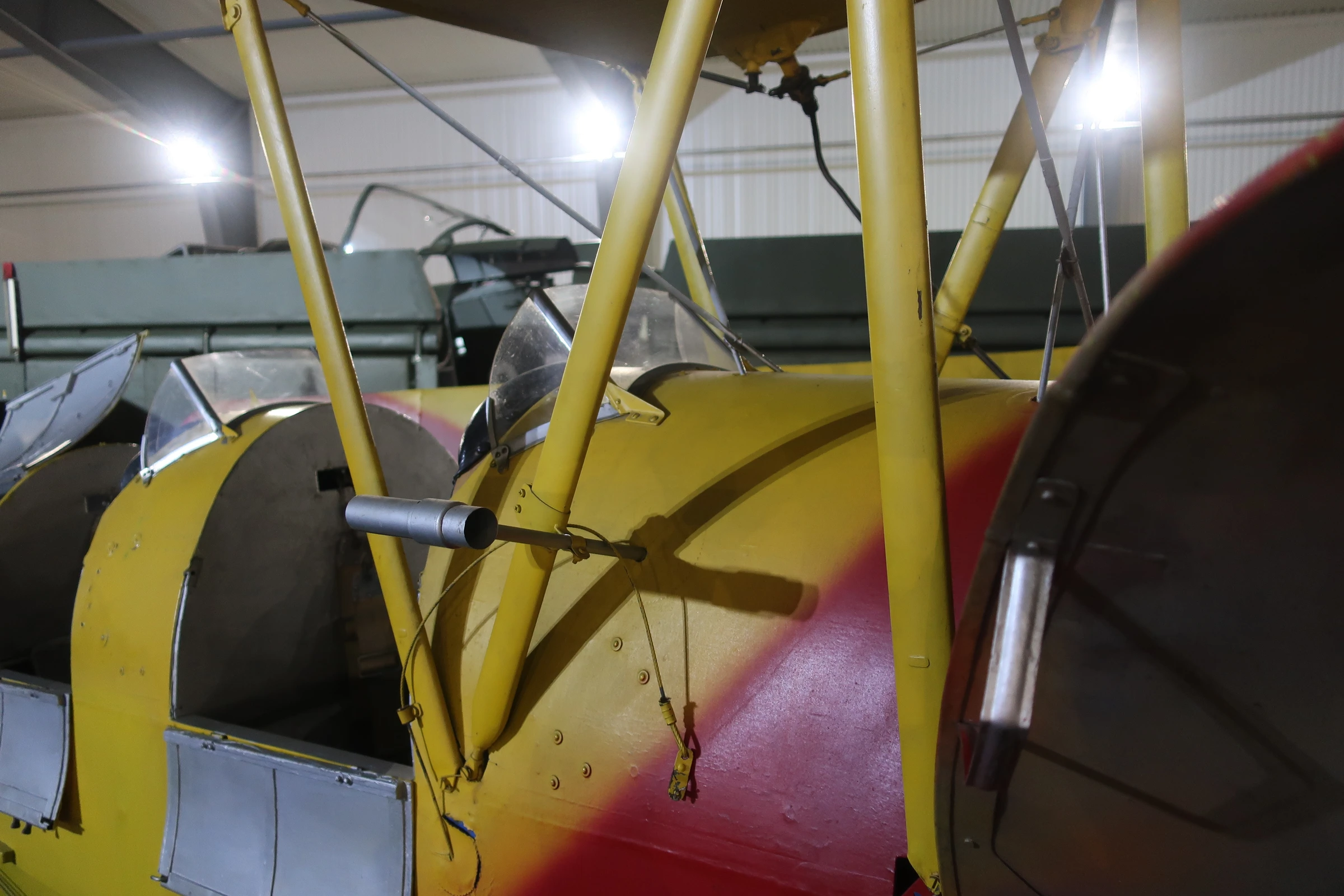
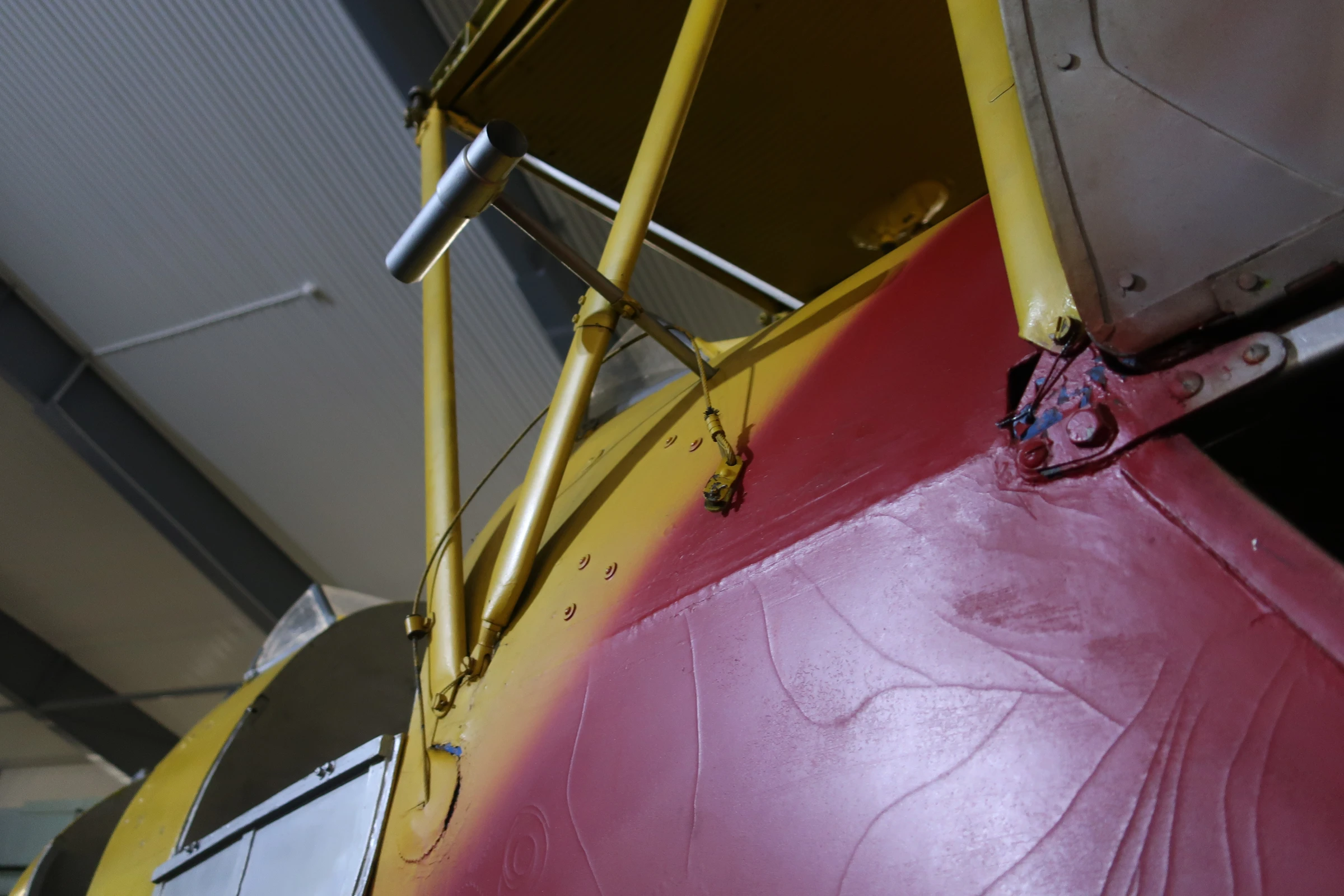
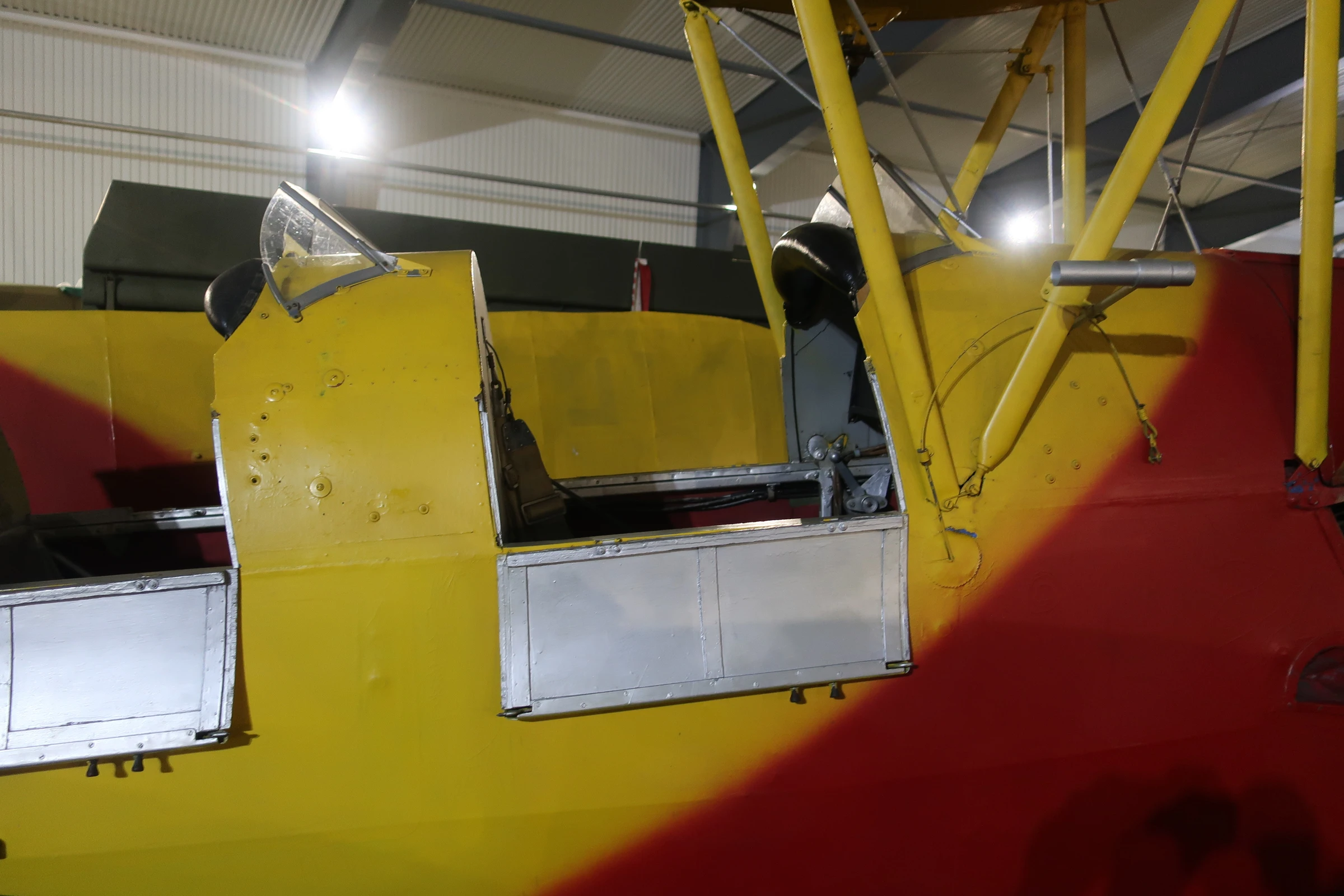
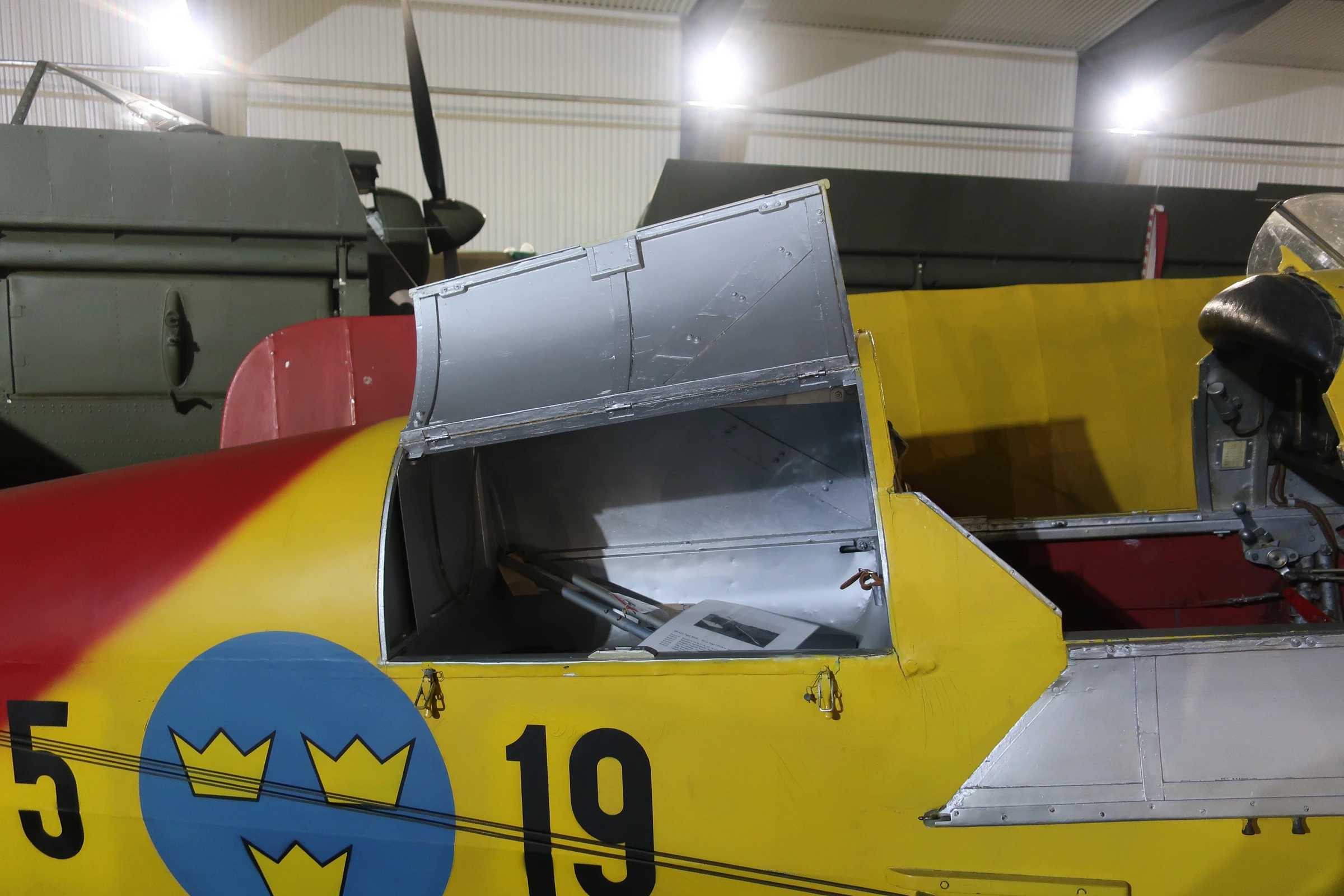
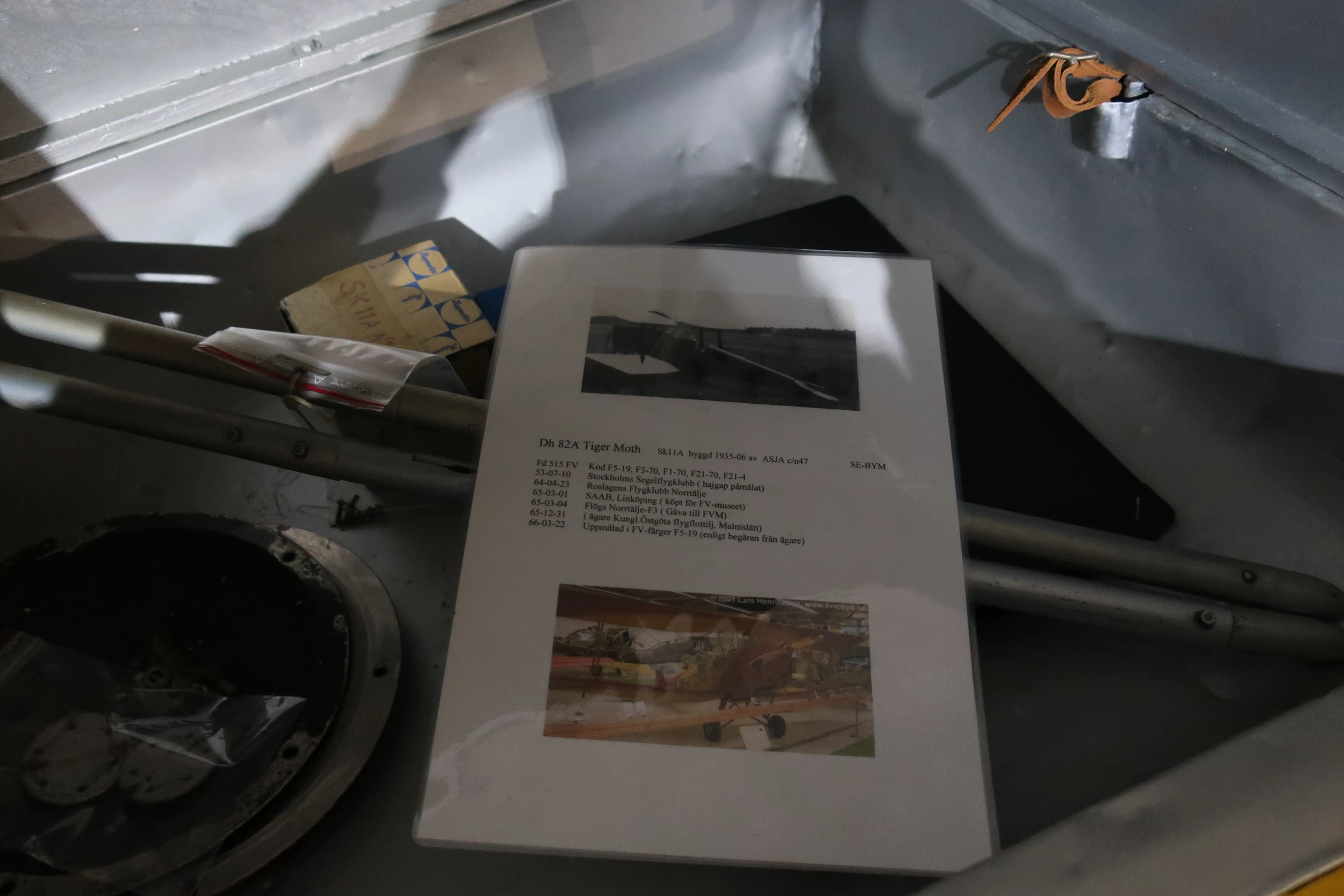
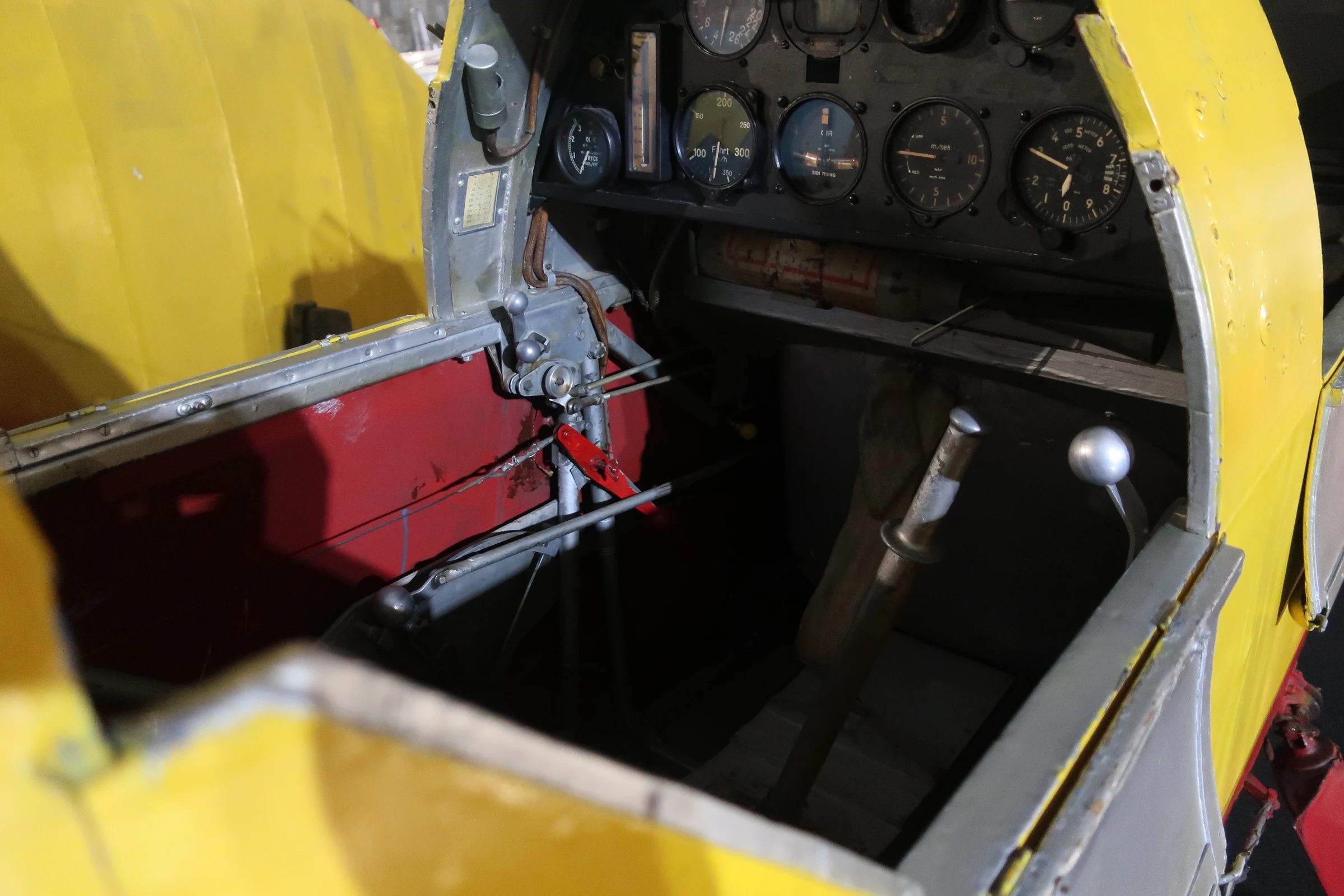
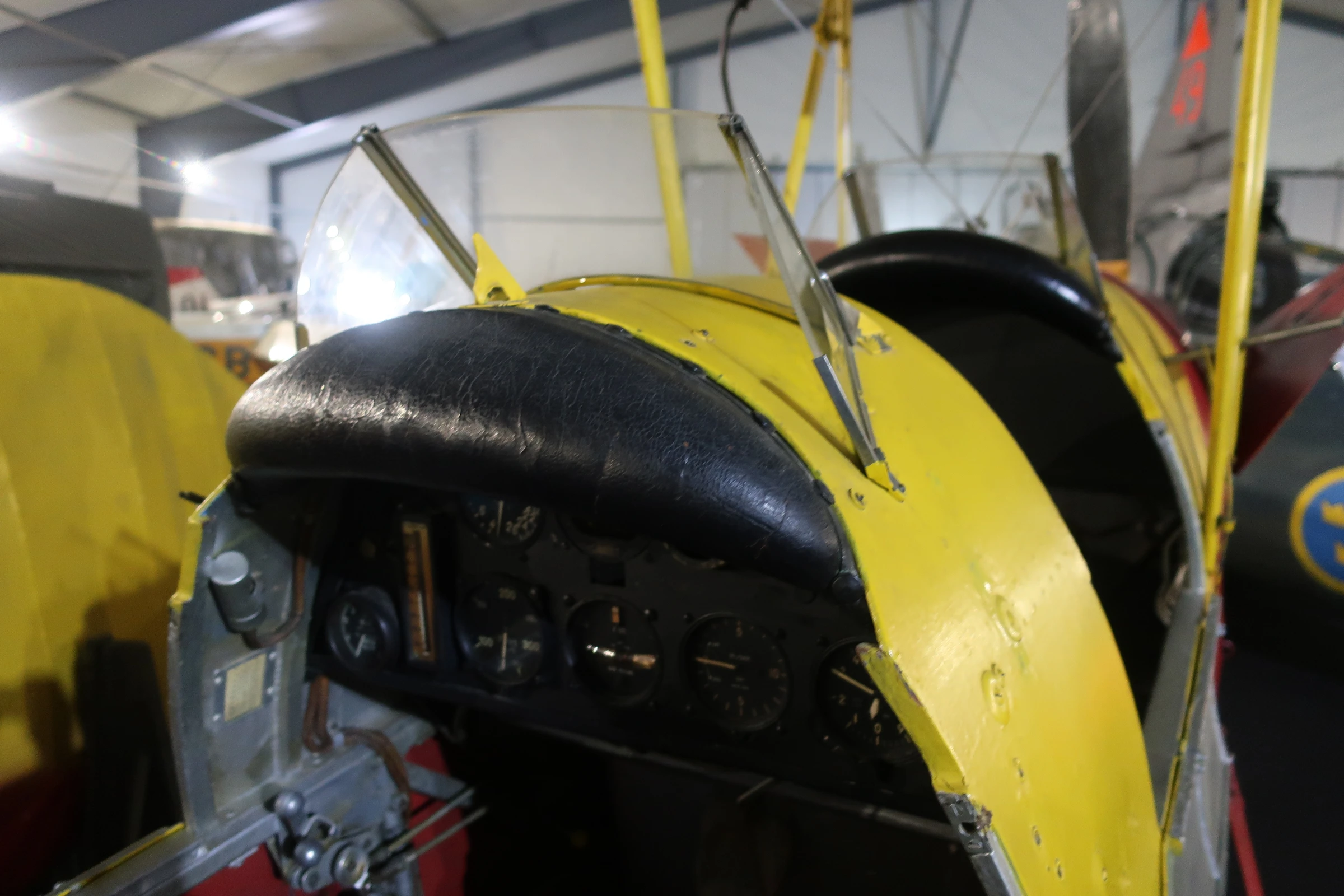
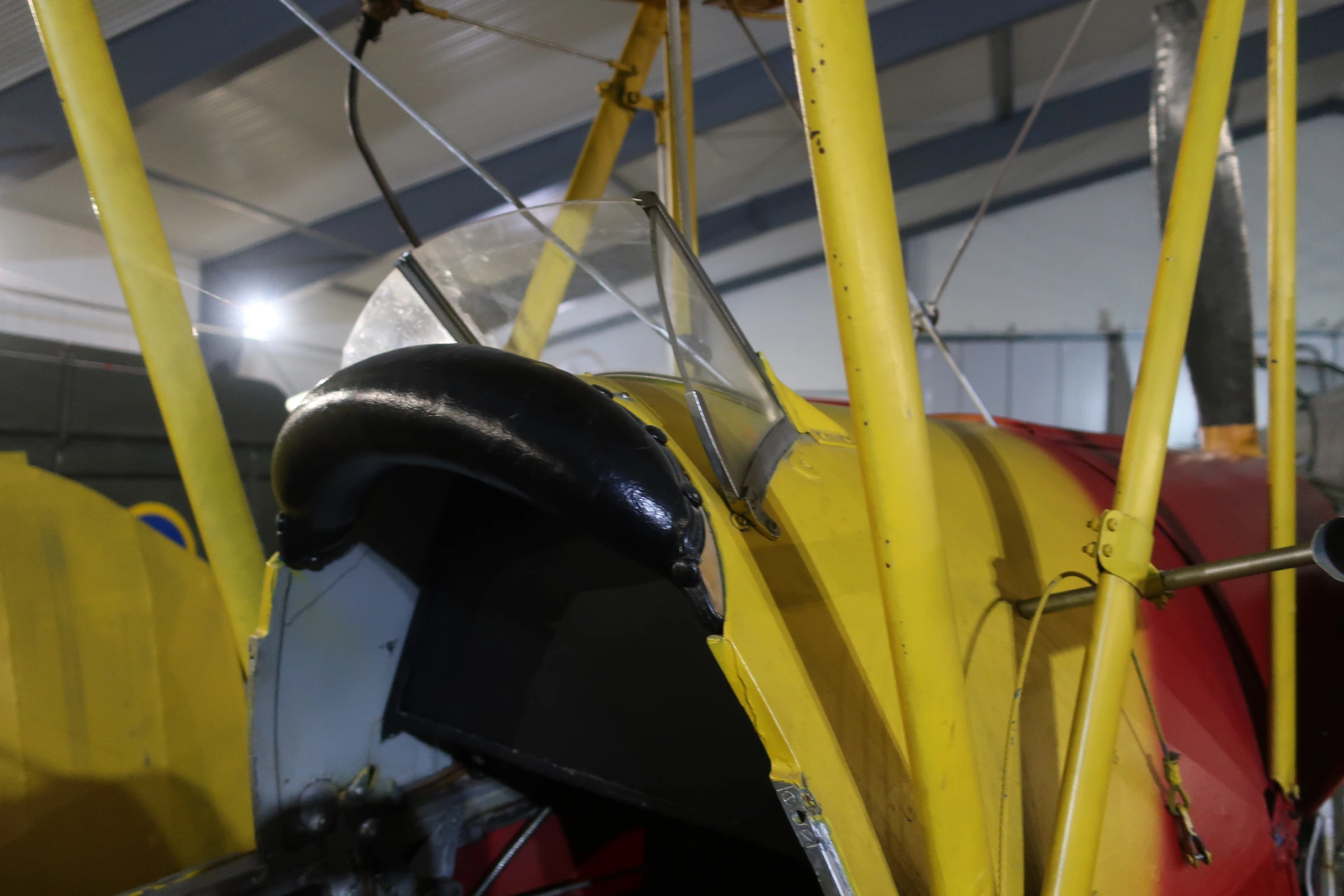
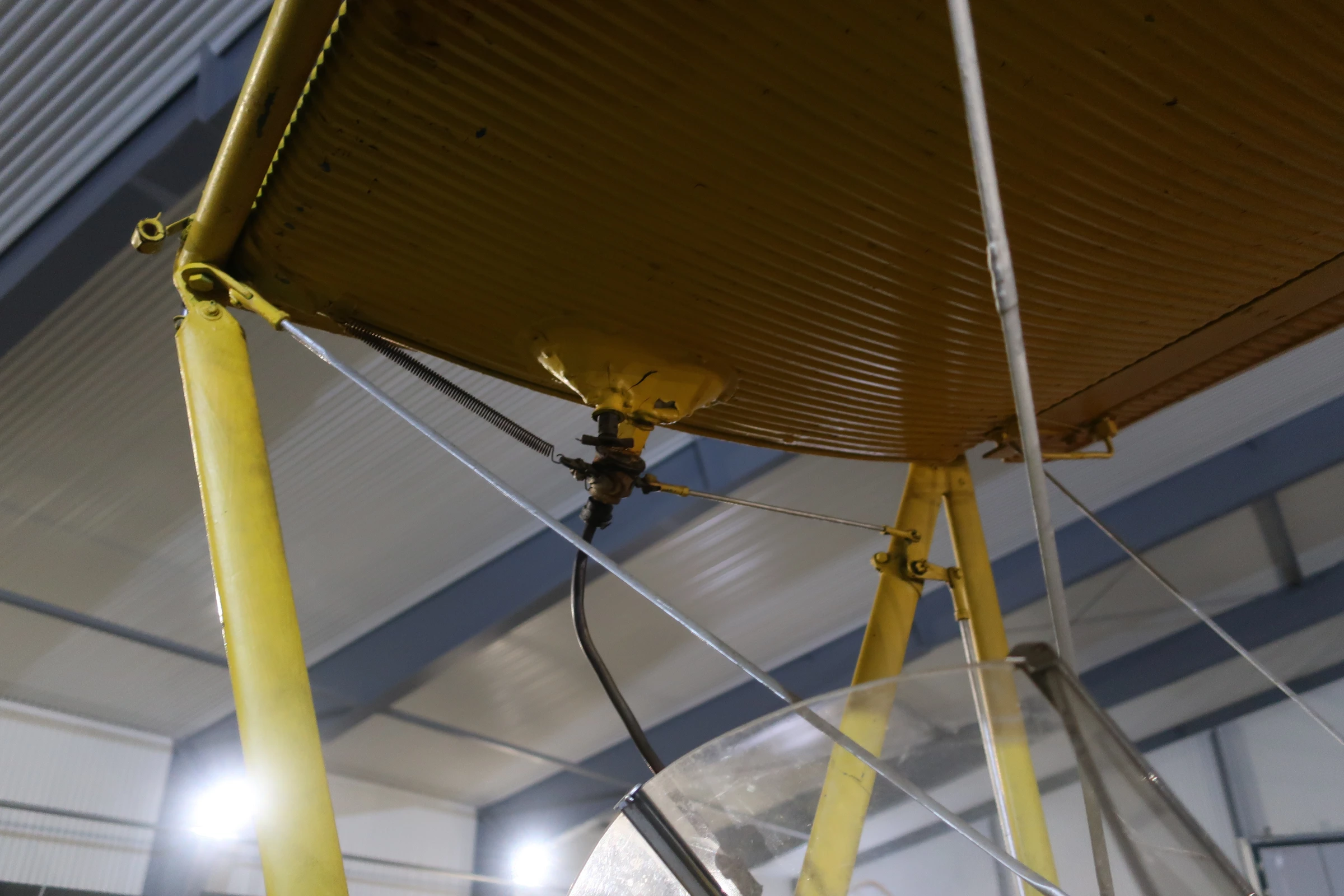
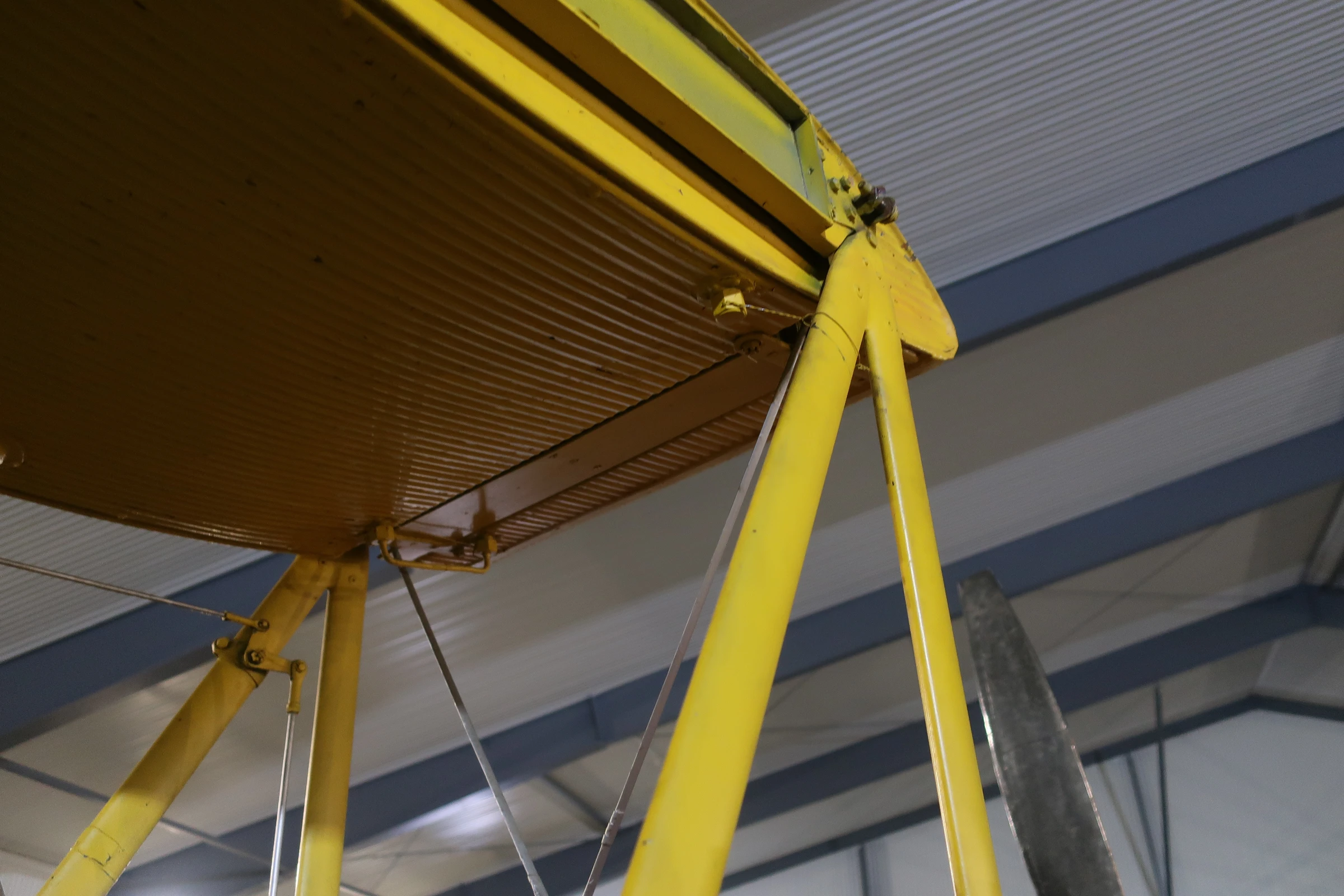
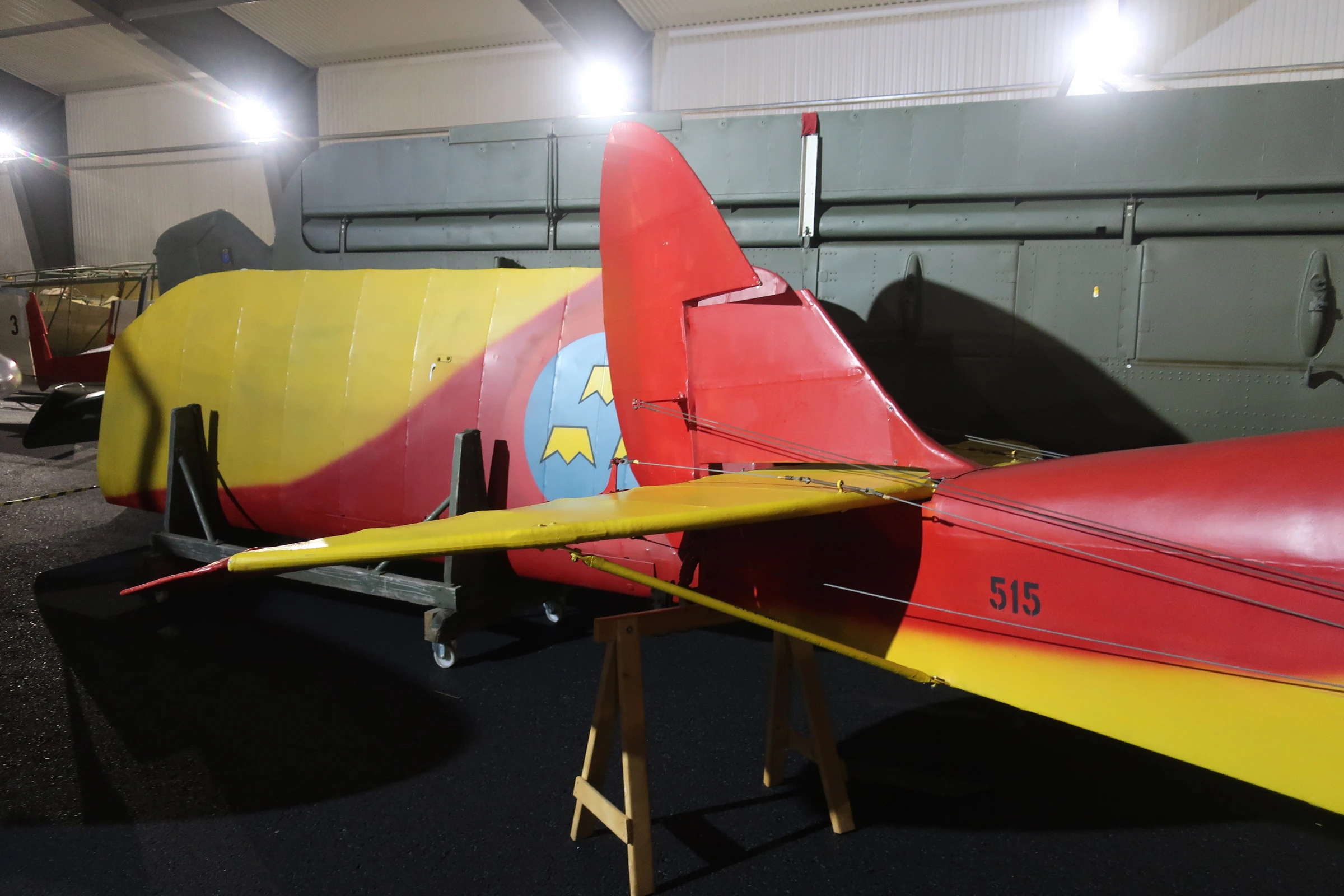
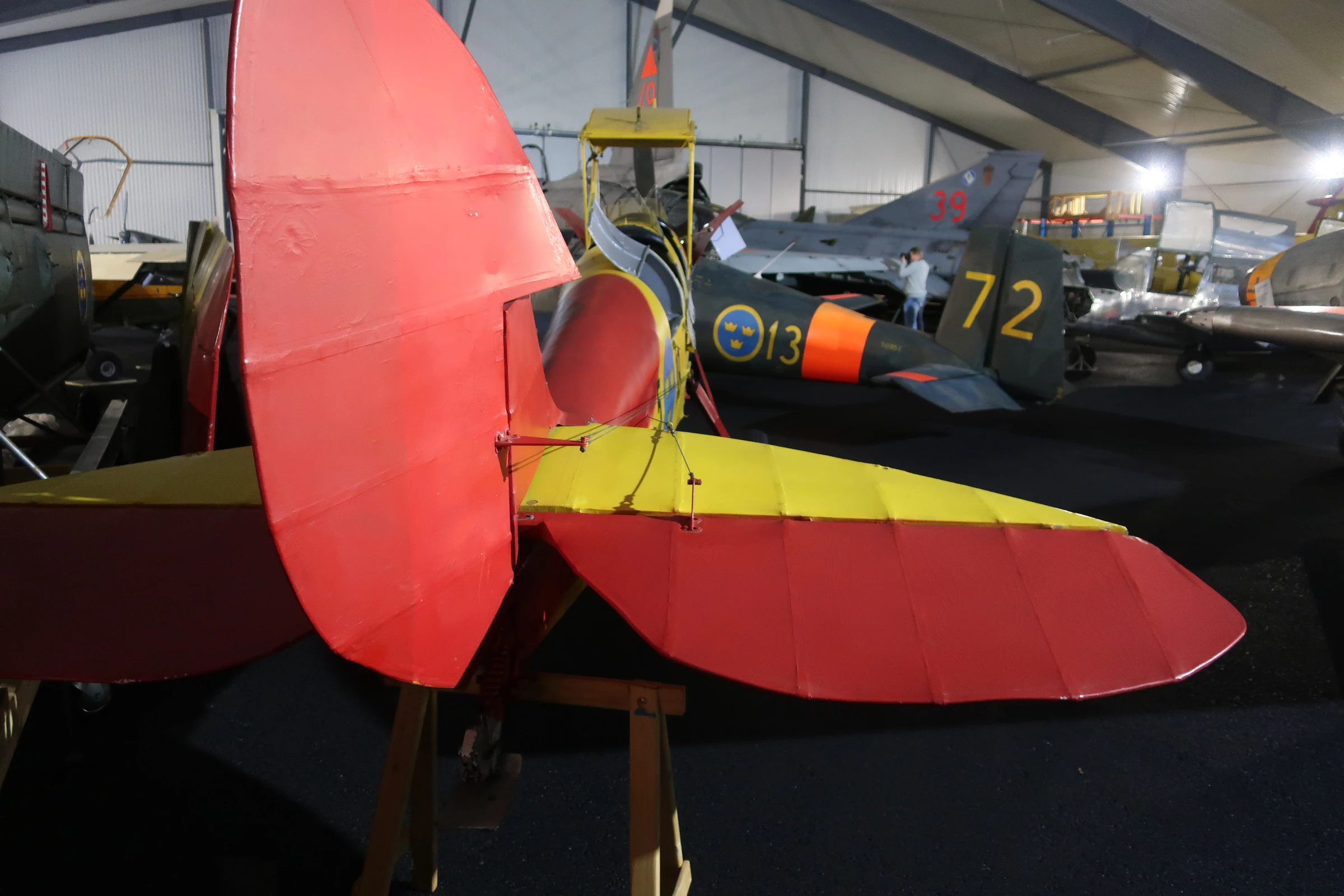
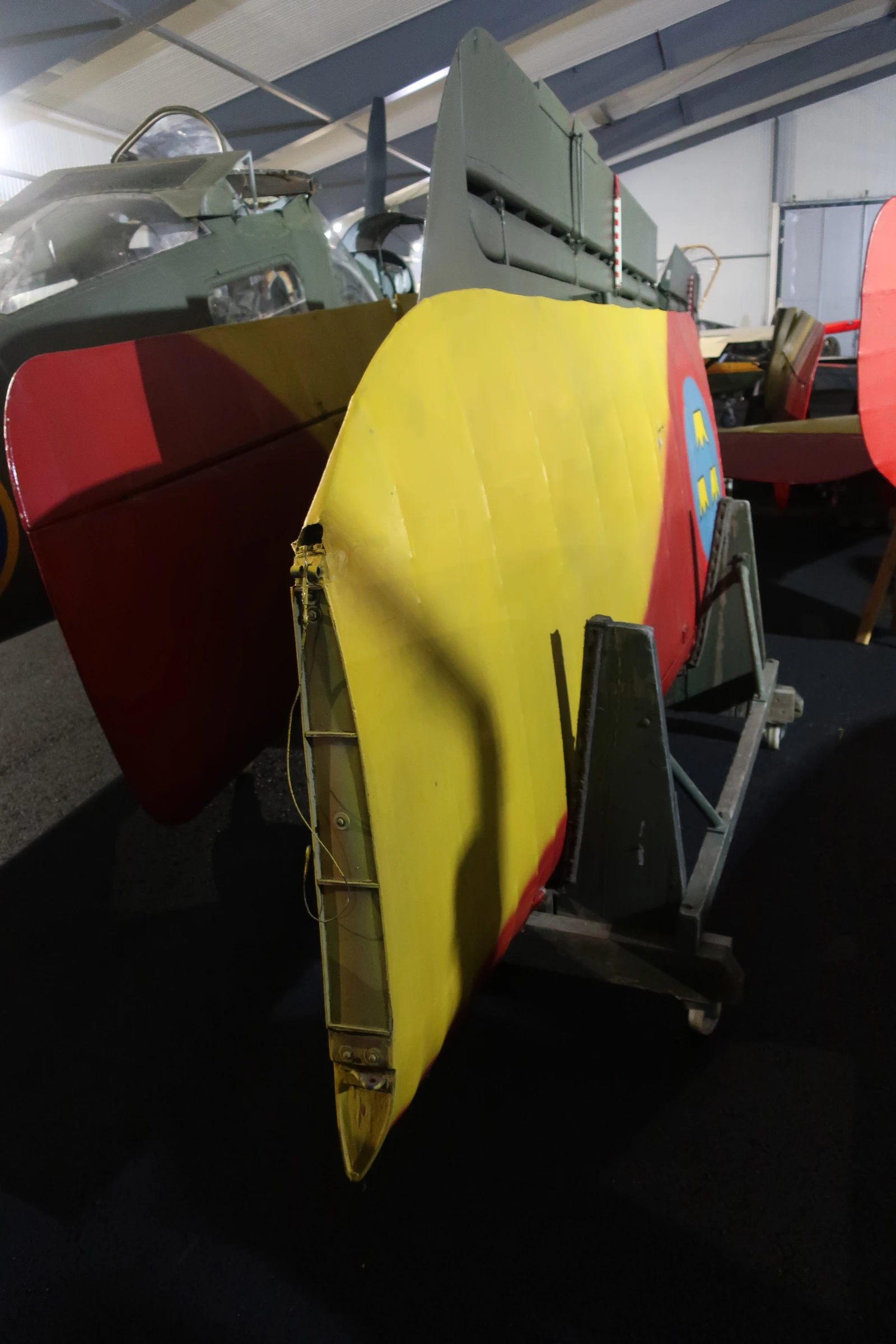
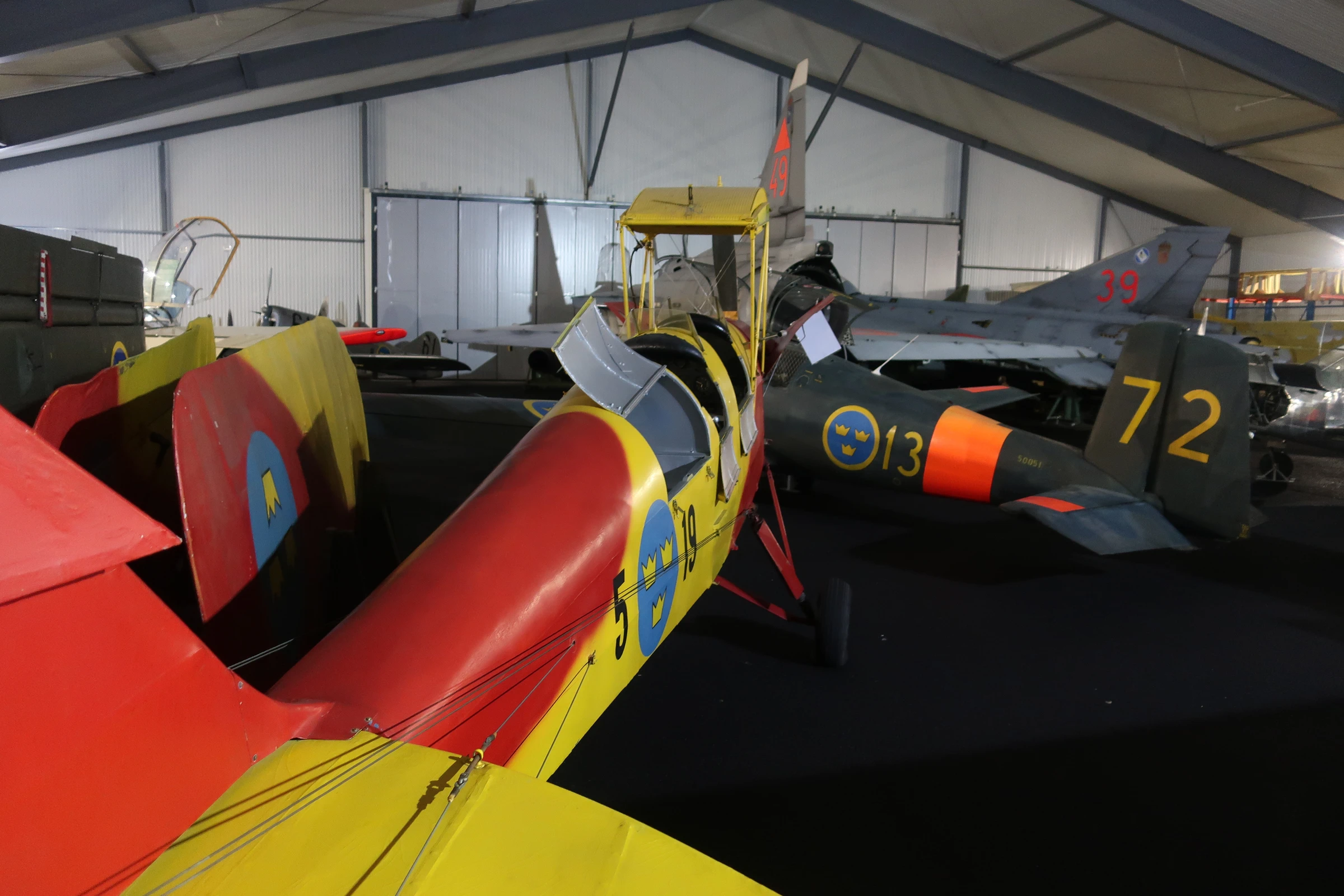
These walk-around photos were taken in one of Flygvapenmuseum's storage facilities in 2019, where the aircraft is displayed with its wings removed. They show a de Havilland DH.82A Tiger Moth, designated Sk 11A in Swedish service, individual number 515 — one of the earliest aircraft in Flygvapenmuseum's collection, and a survivor from the very first years of organised pilot training in the Swedish Air Force.
The Tiger Moth was the standard elementary trainer of the RAF and numerous other air arms in the 1930s and 1940s. Sweden initially purchased 13 aircraft directly from de Havilland, then negotiated a manufacturing licence for a further 33 to be built domestically. This example, c/n 47, was licence-built in 1935 by ASJA — AB Svenska Järnvägsverkstädernas Aeroplanavdelning, the aviation division of the Swedish Railway Workshops that would later become one of the constituent companies forming Saab. The Sk 11A variant was powered by the de Havilland Gipsy Major engine, slightly more powerful than the Gipsy III fitted to the earlier Sk 11.
Individual 515 carried a series of identities during its long life — originally numbered 5515, later shortened to 515 and then 5-19, before becoming 1-70 during 1940. In 1953 it was civilregistered as SE-BYM, and after deregistration in 1966 it reverted to military markings. It is now preserved in Flygvapenmuseum's storage collection, a rare surviving example of the type that introduced a generation of Swedish military pilots to flight.