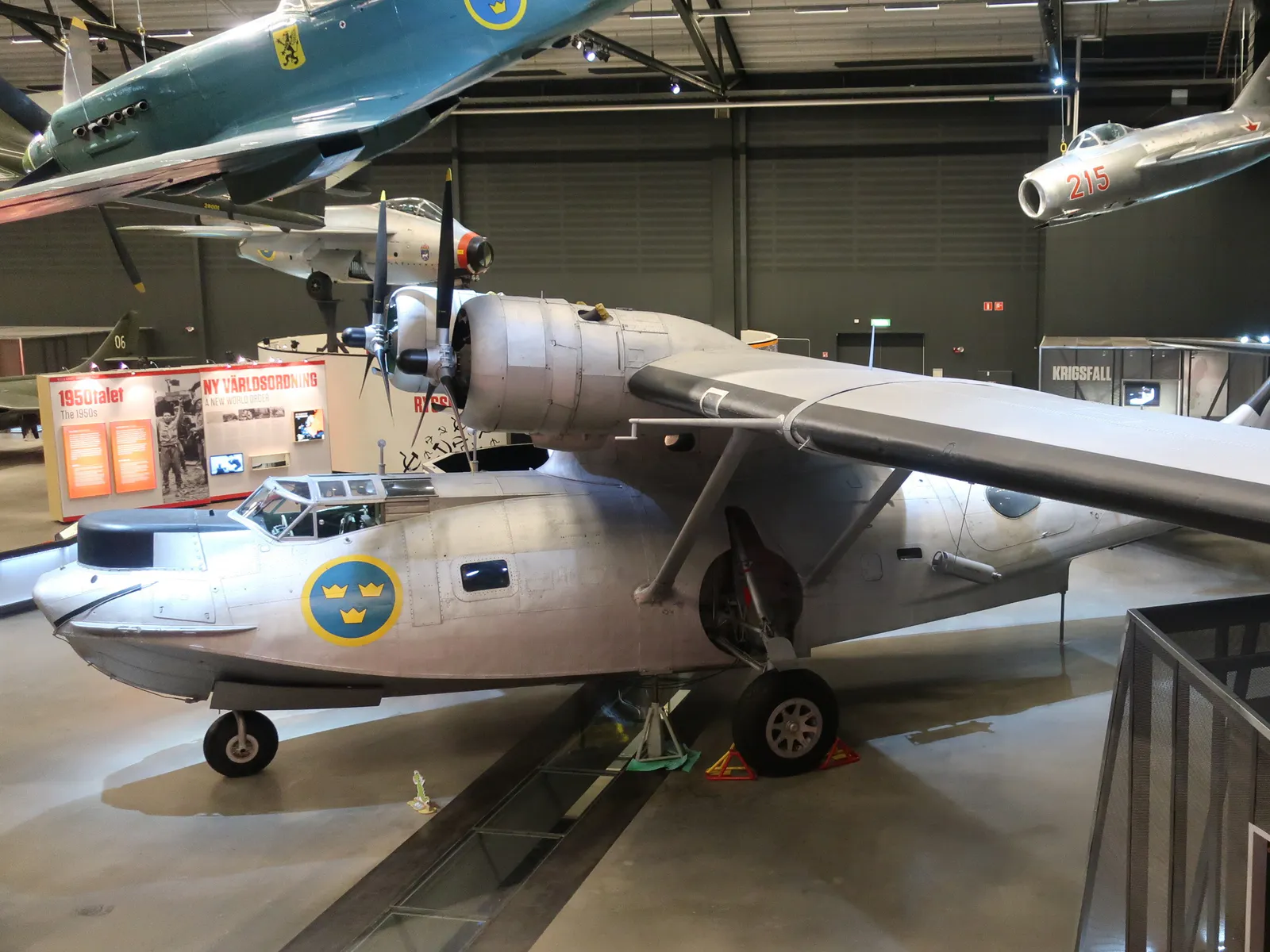
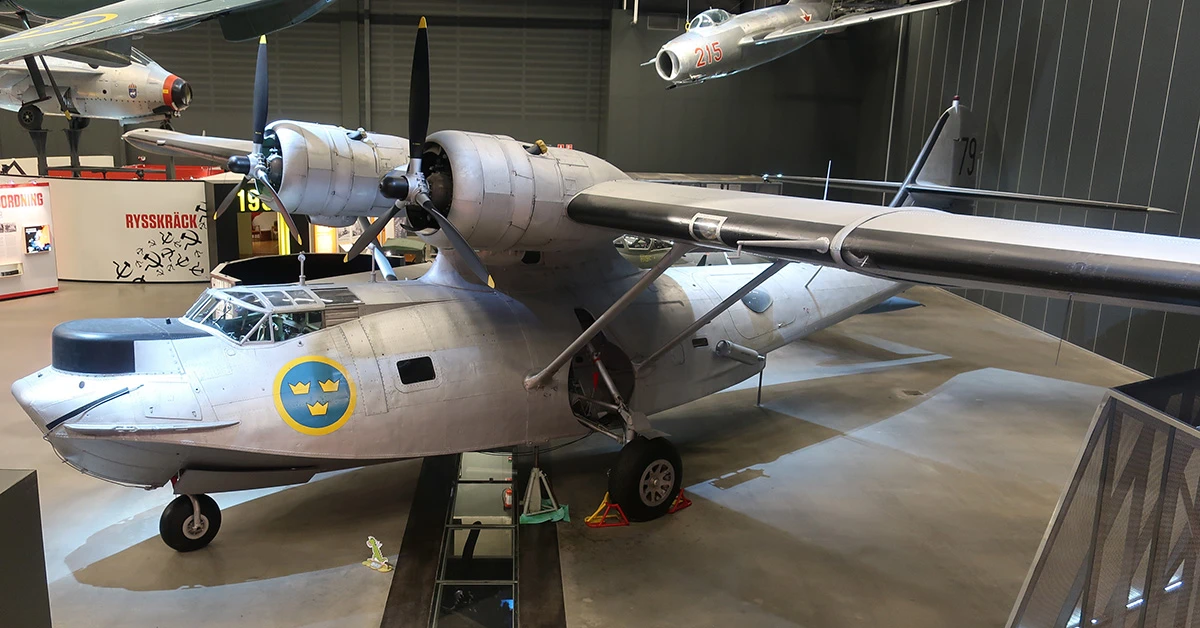
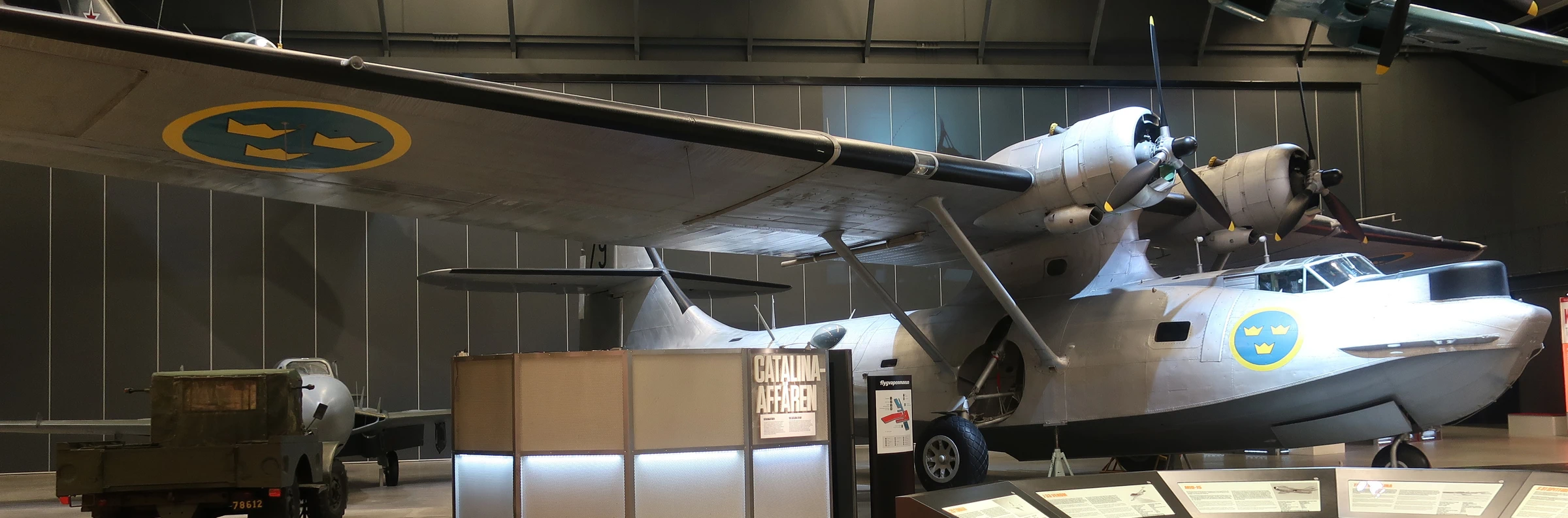
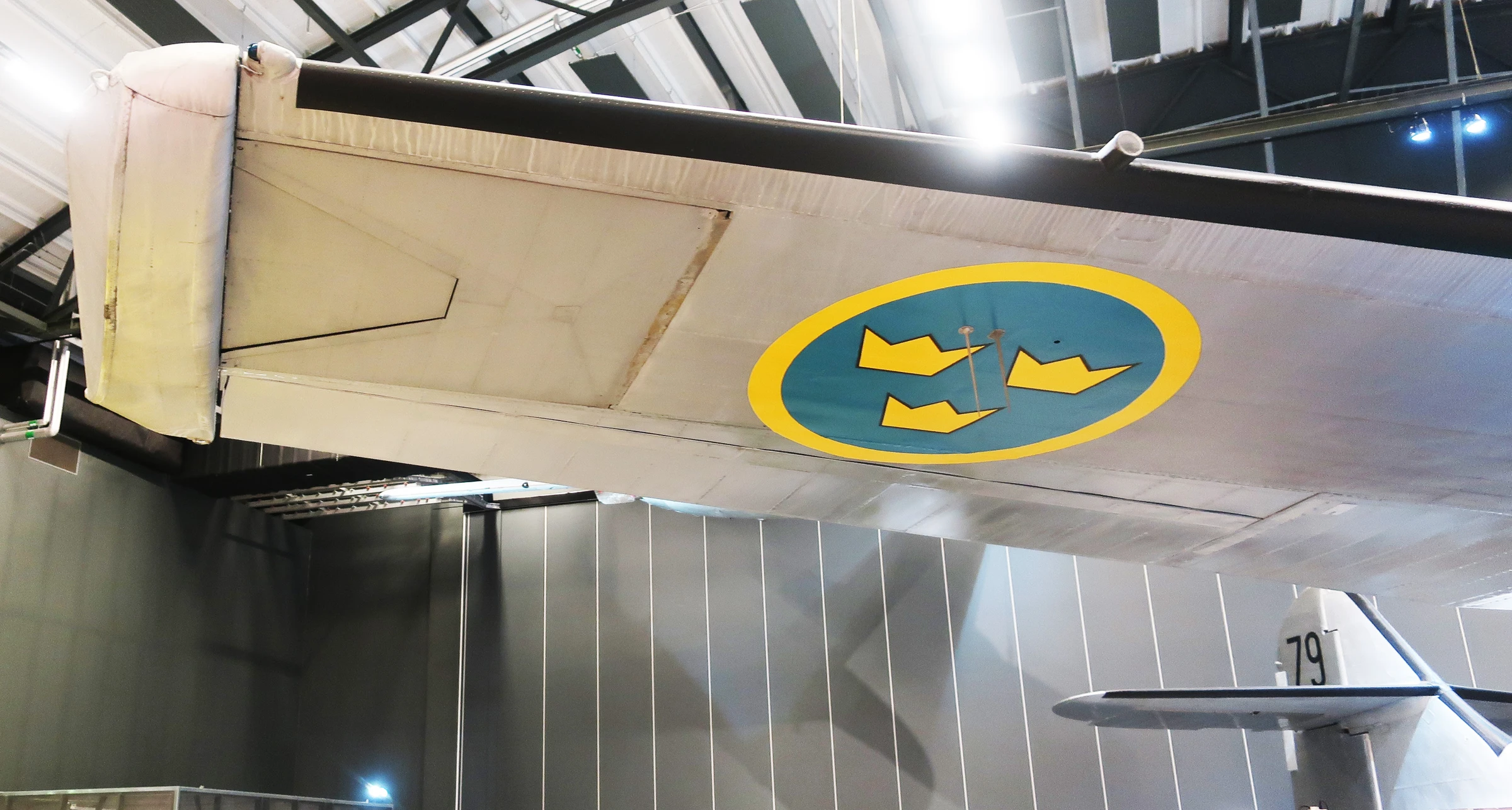
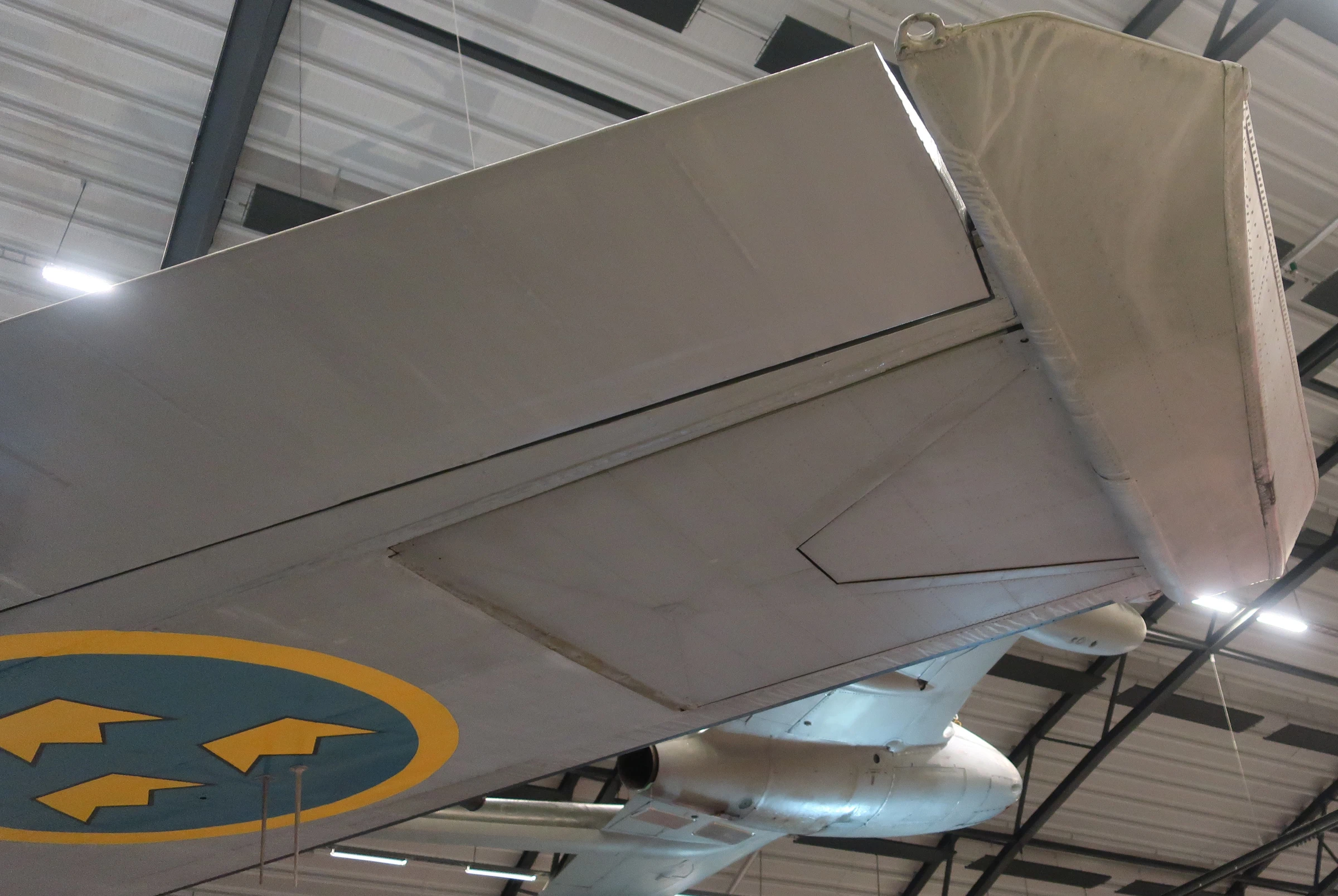
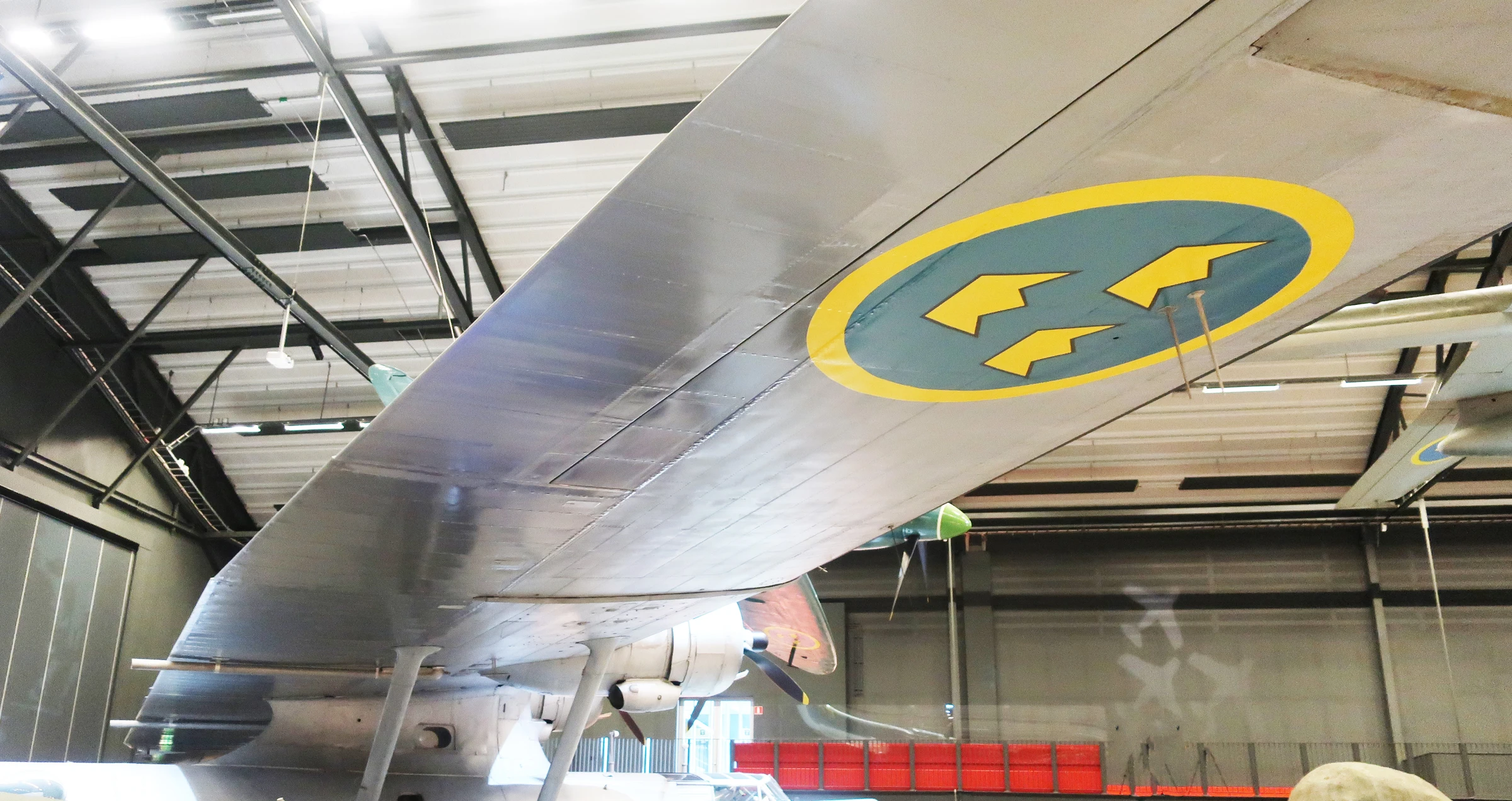
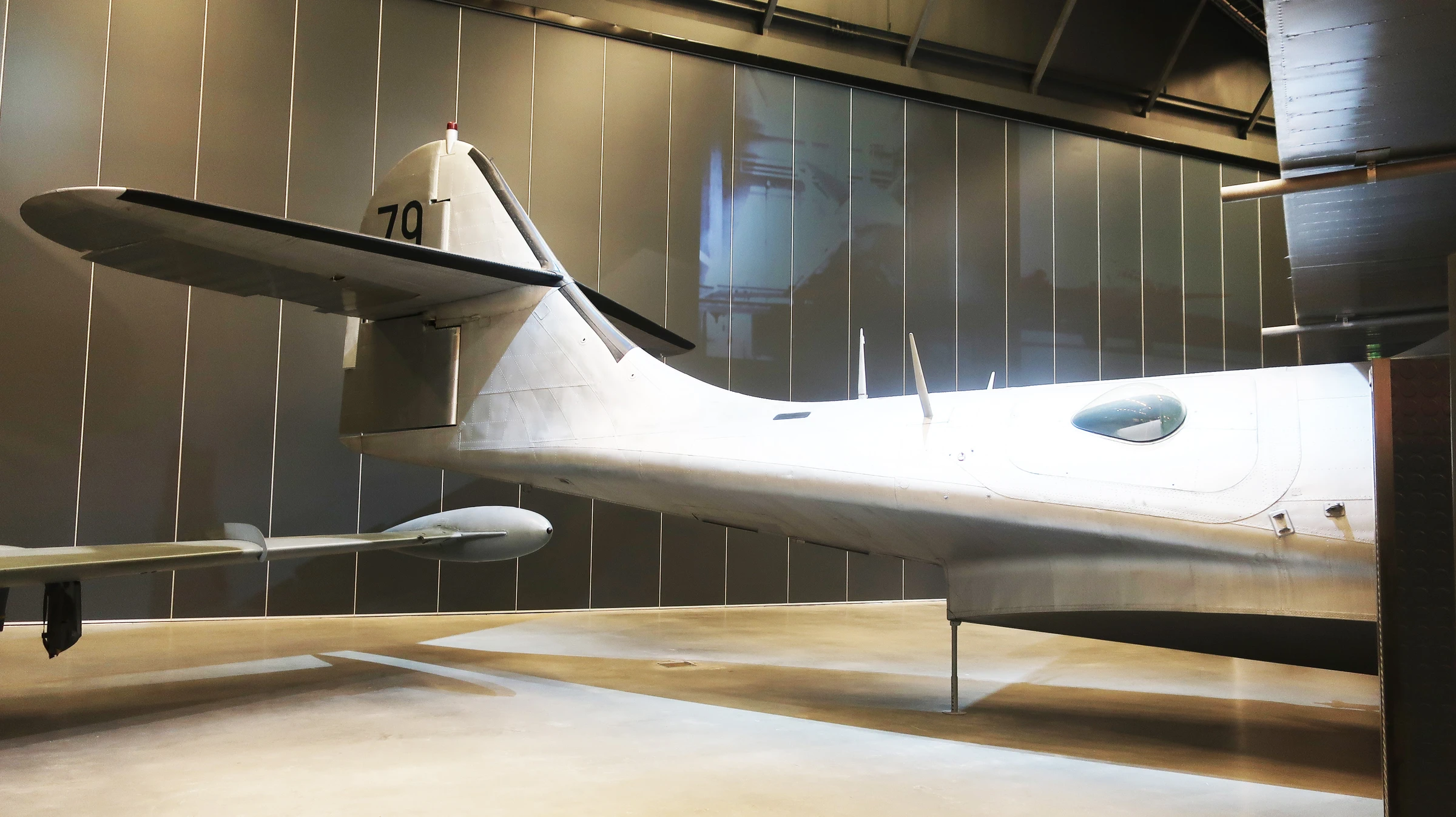
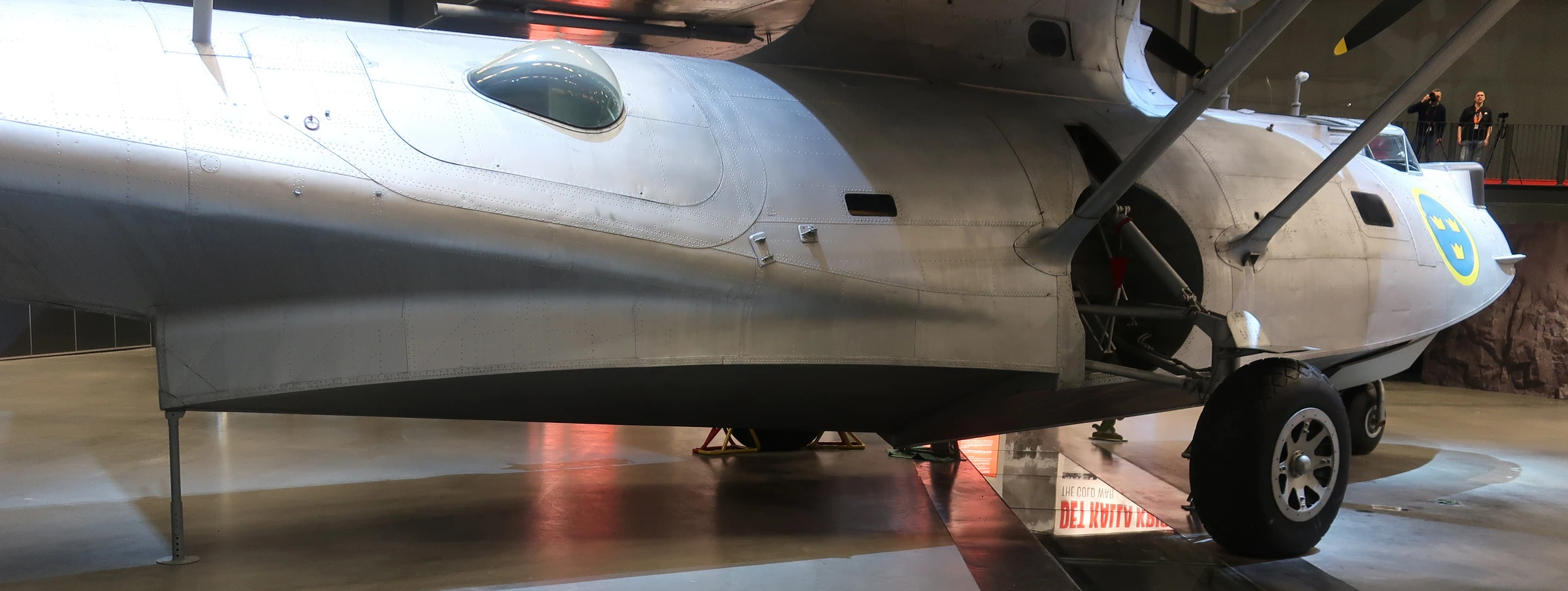
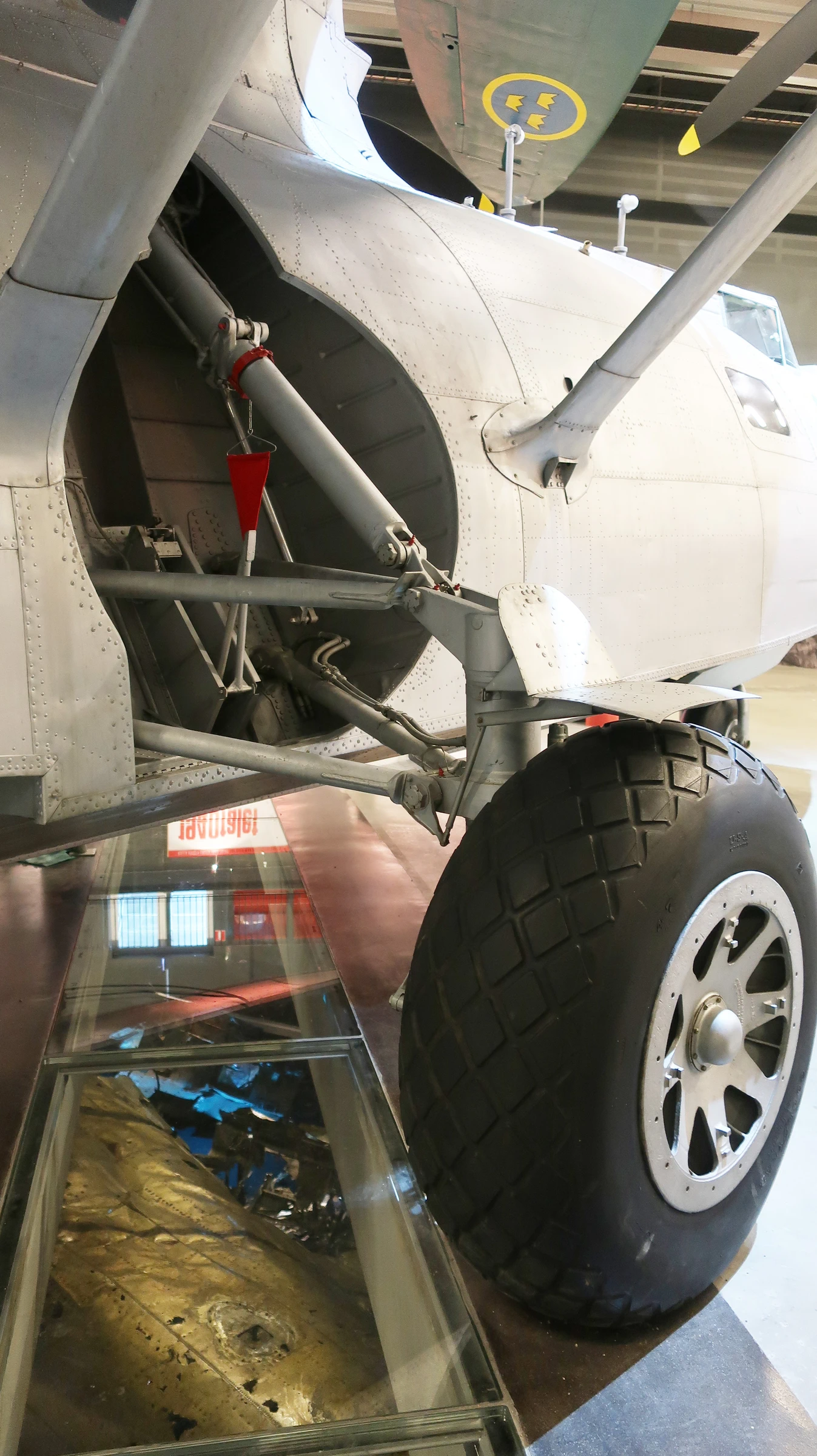
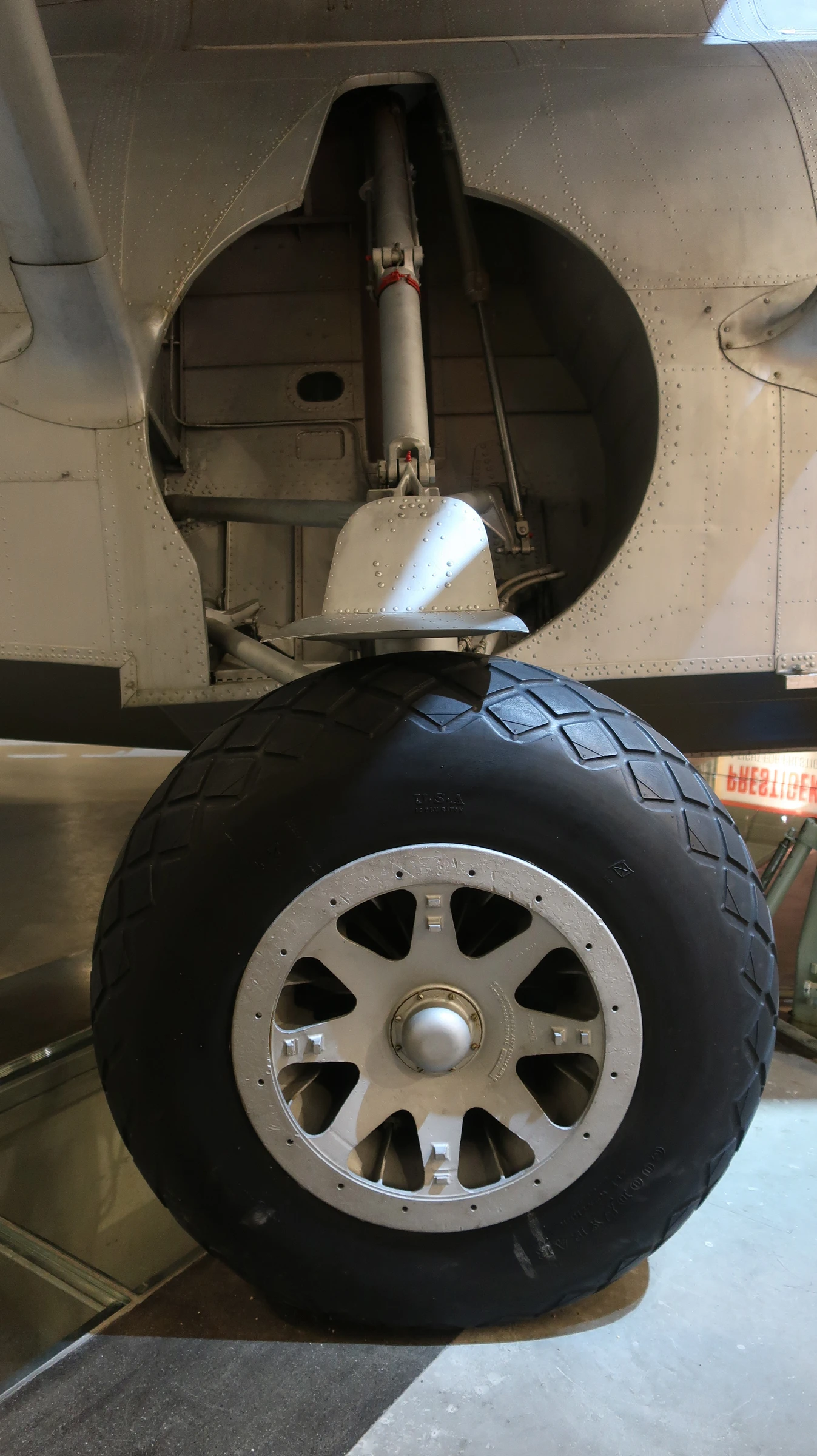
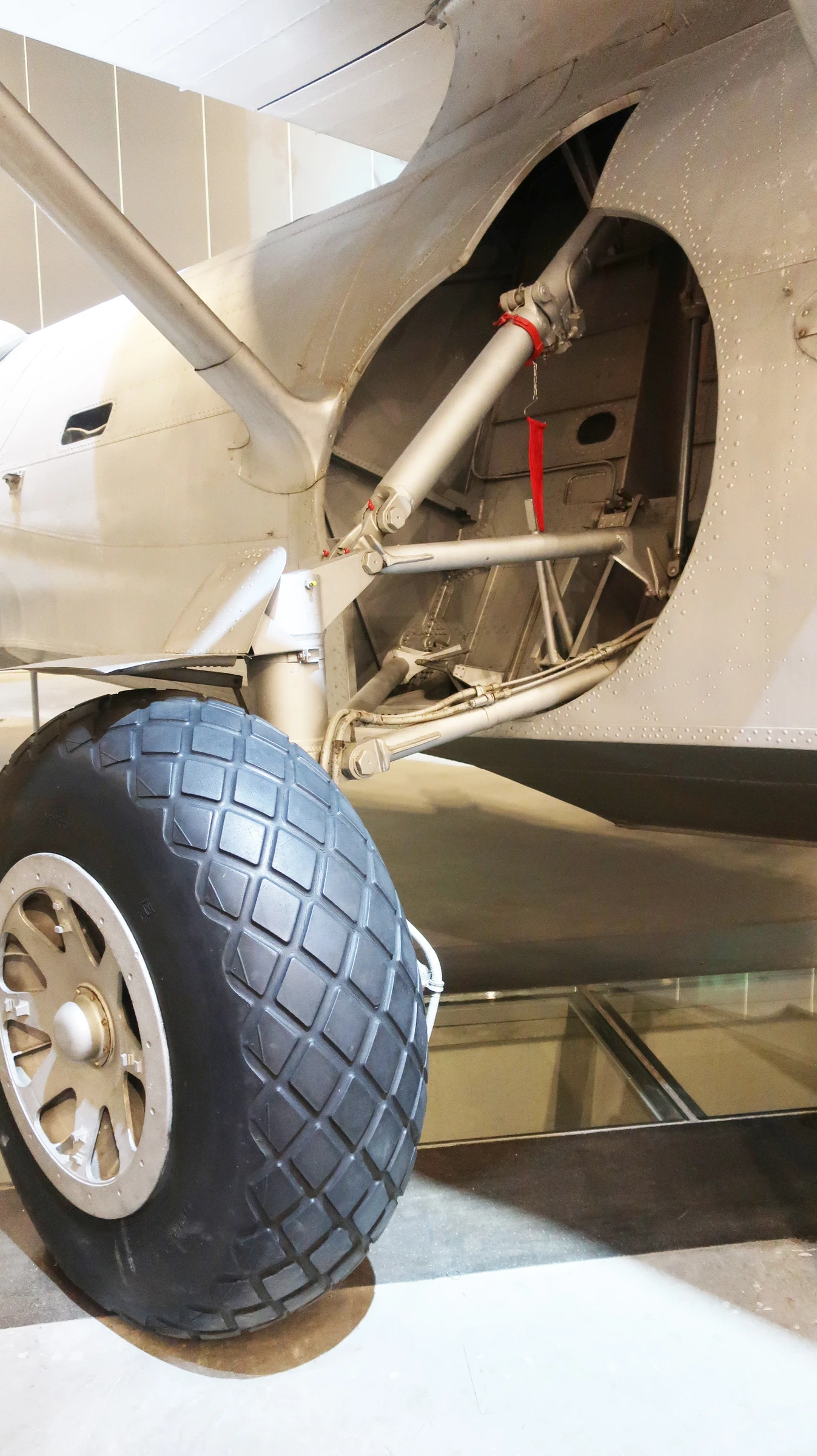
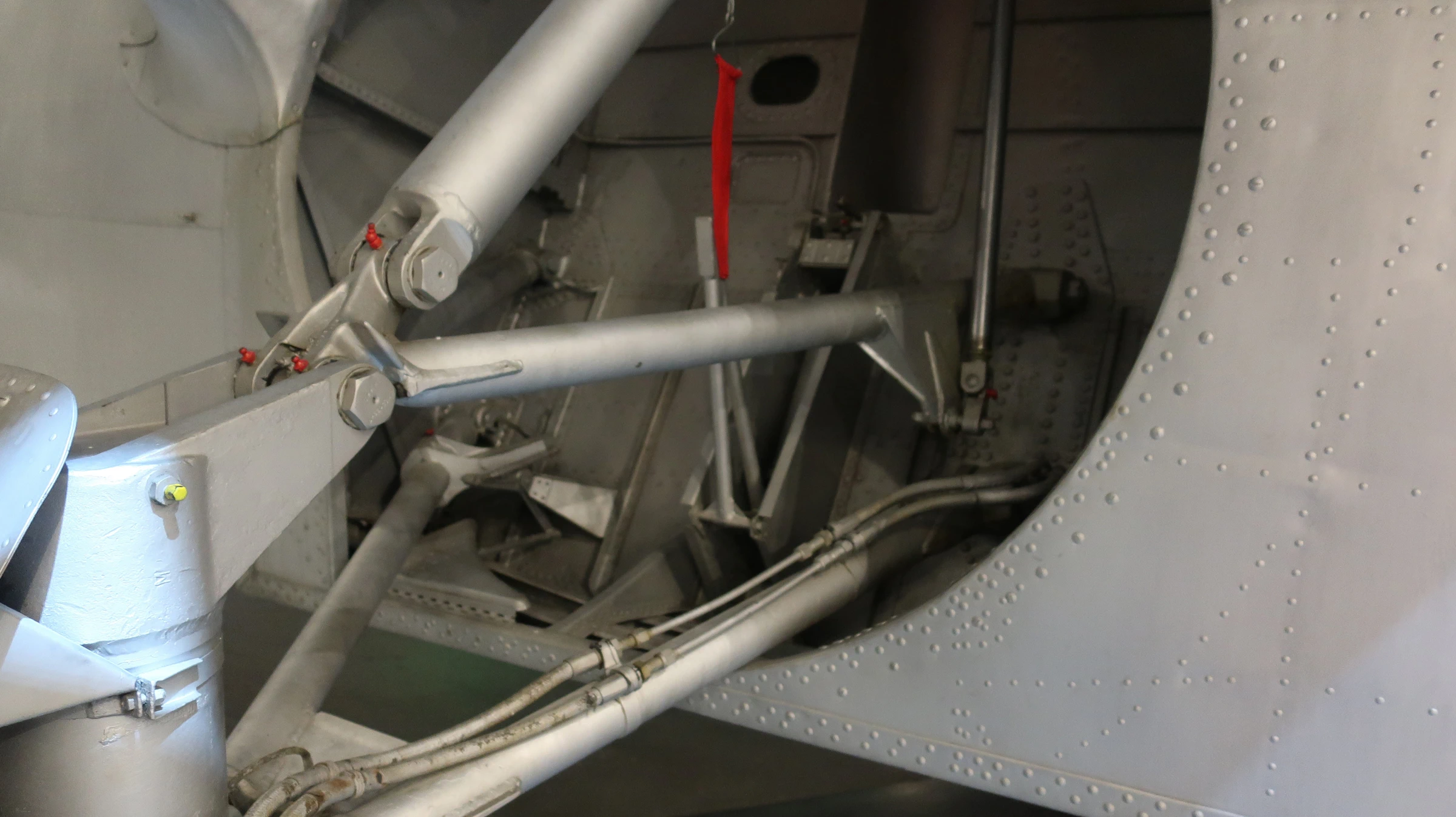
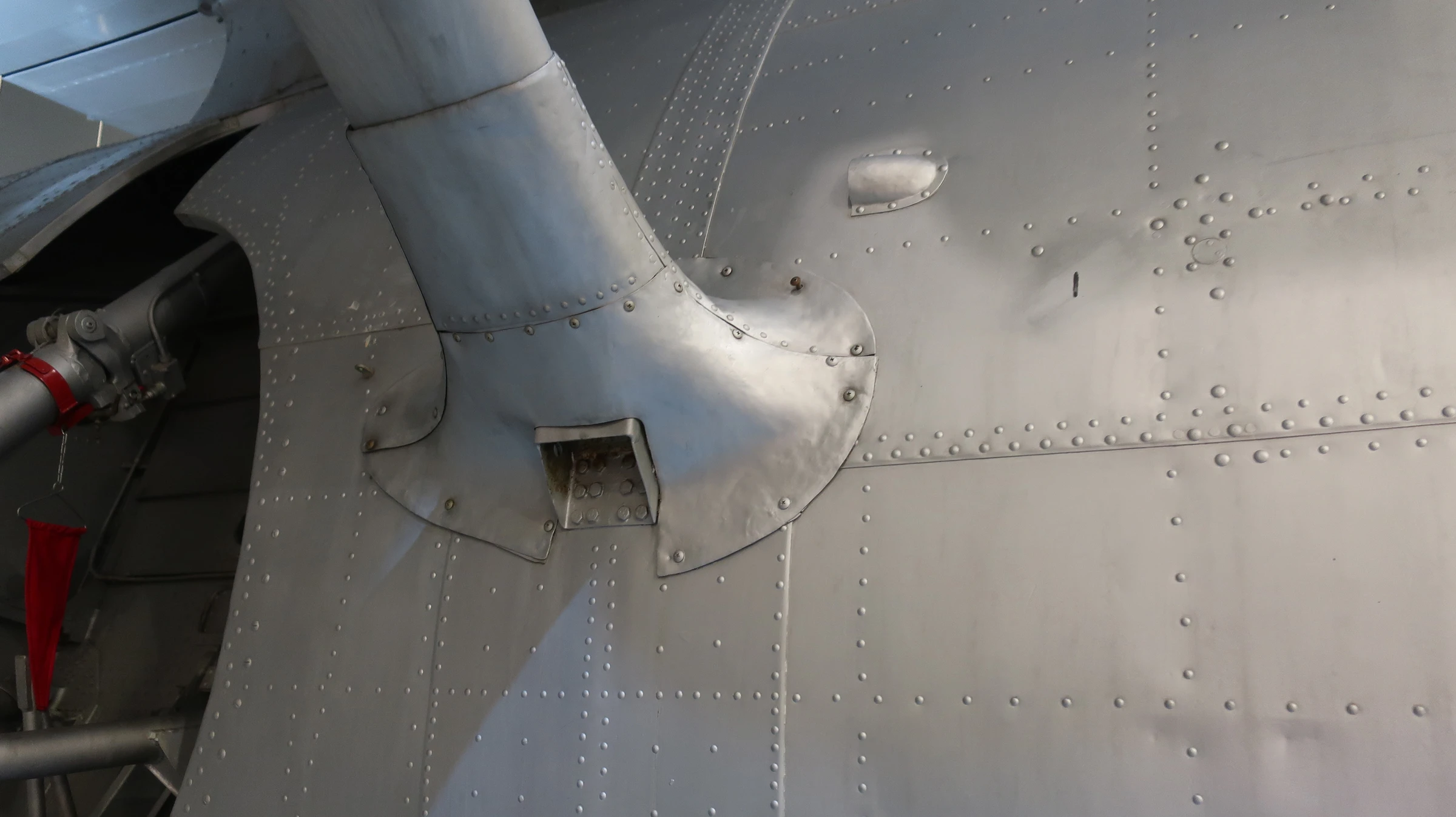
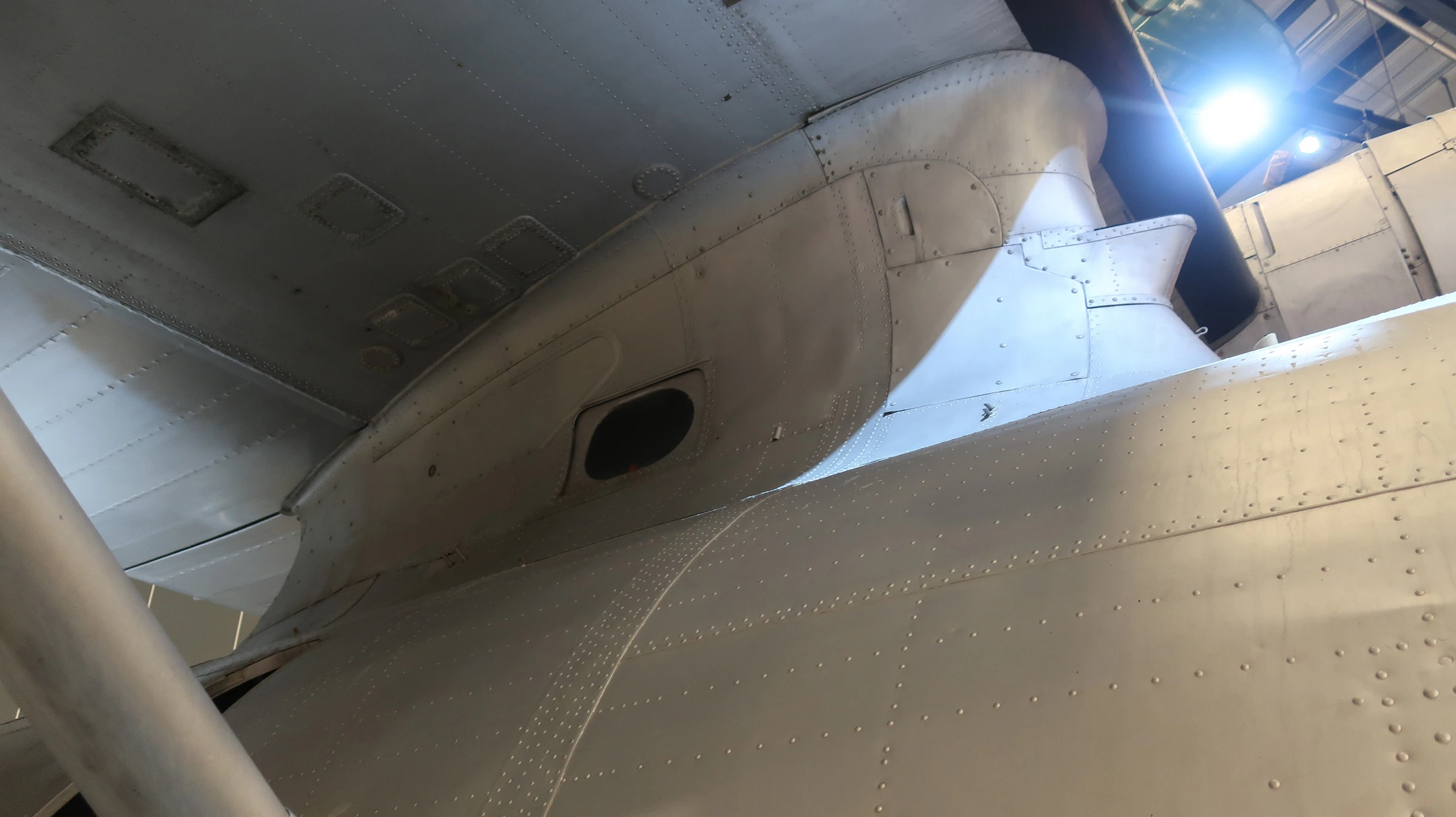
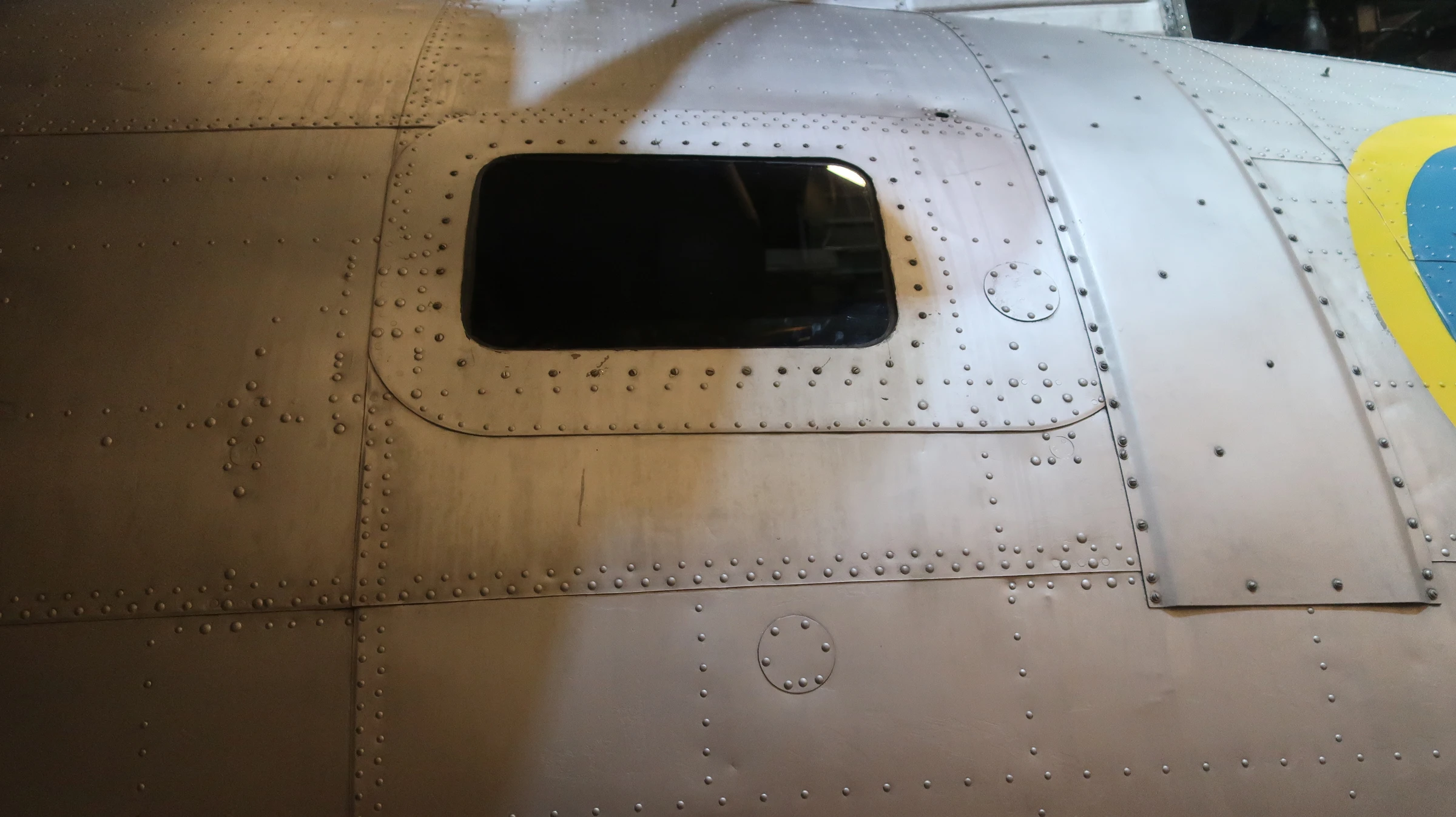
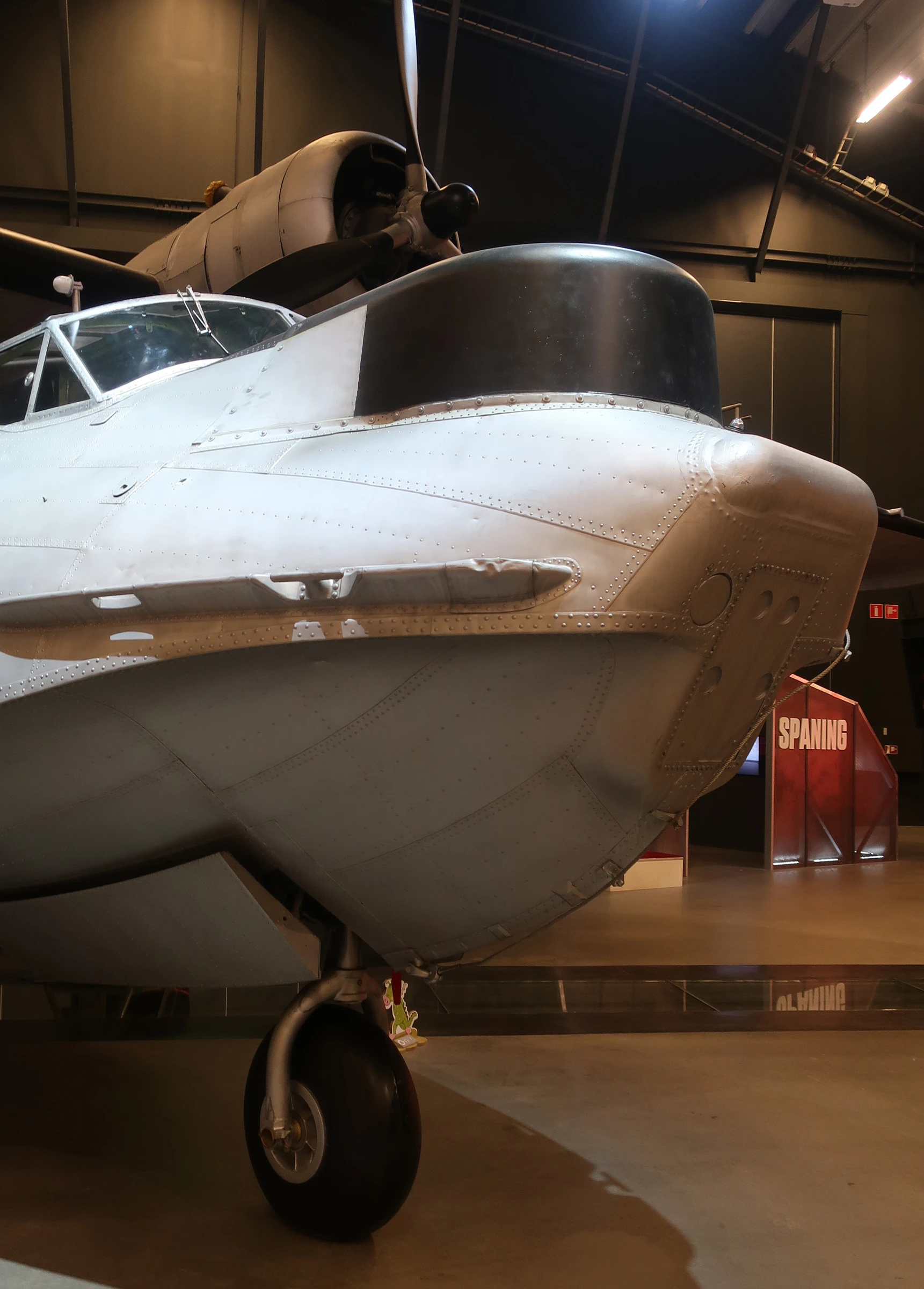
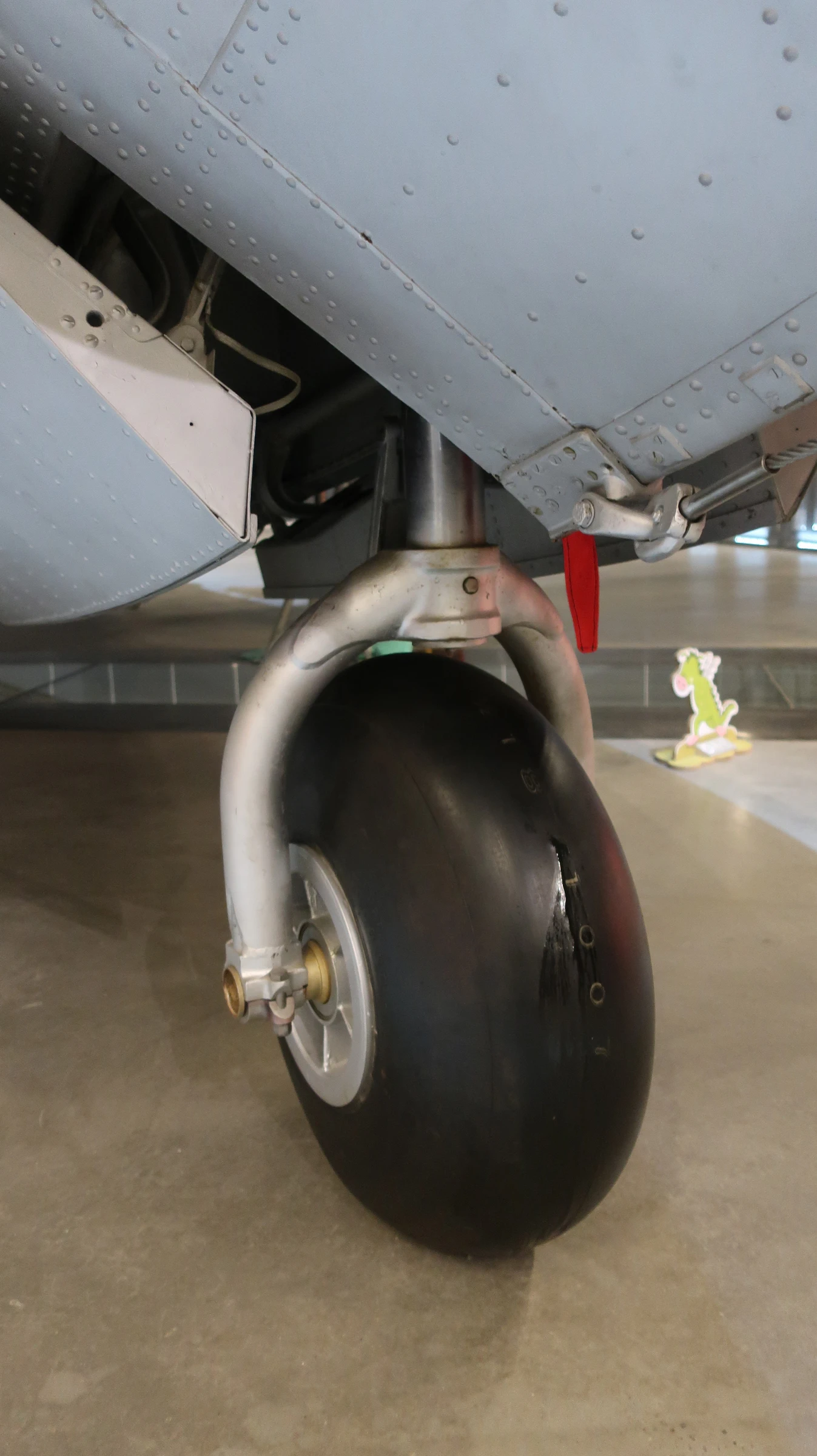
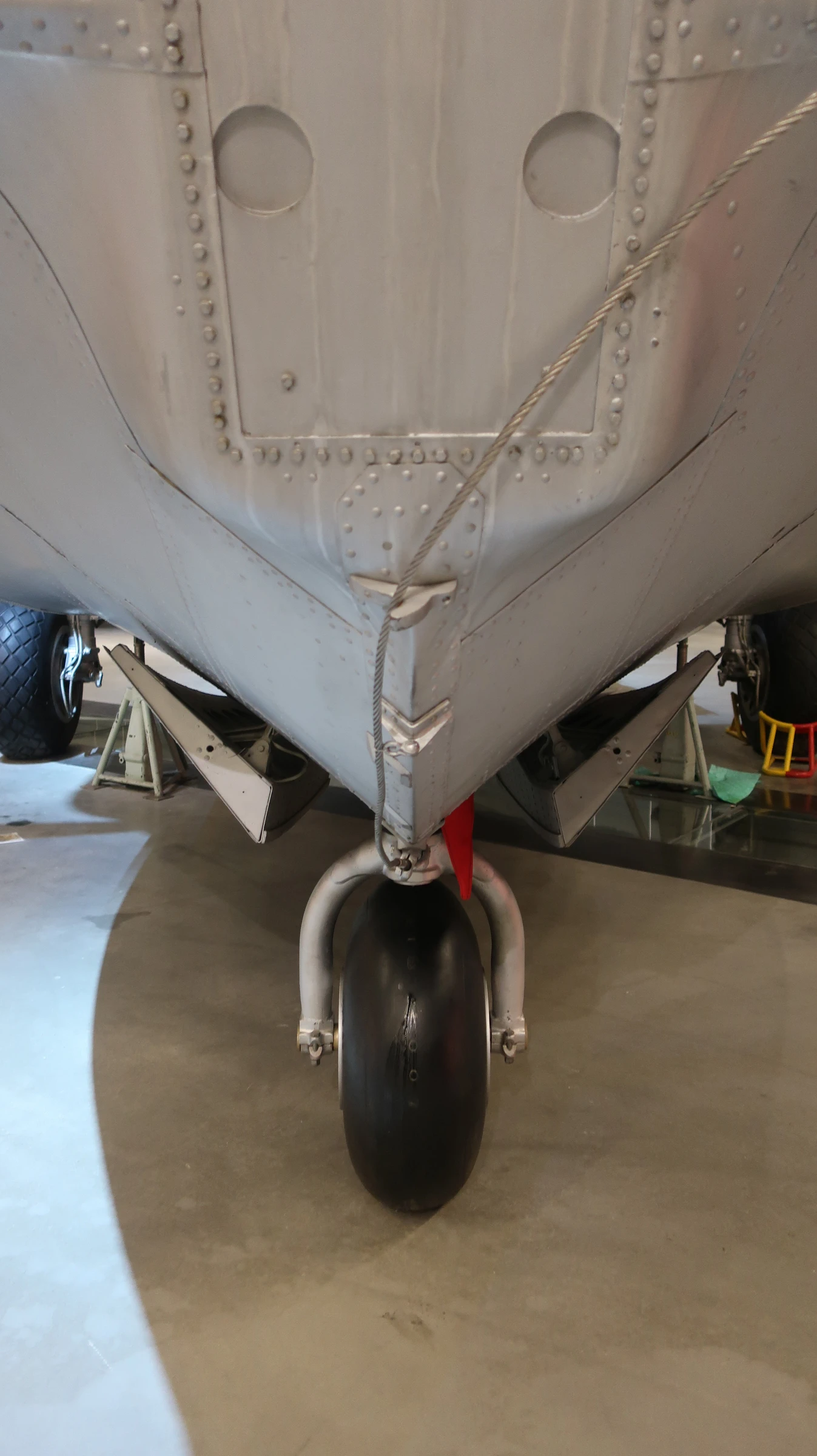
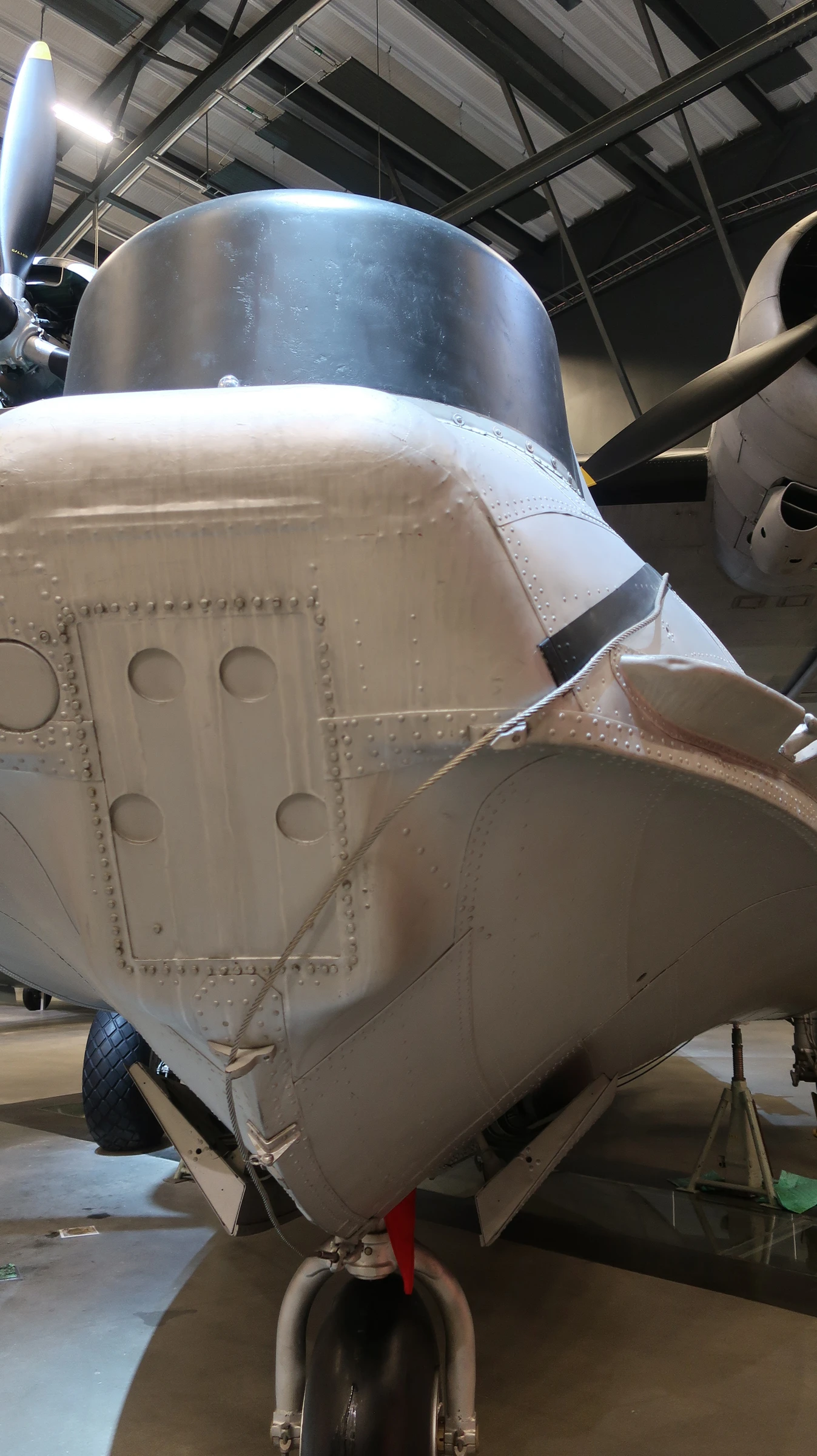
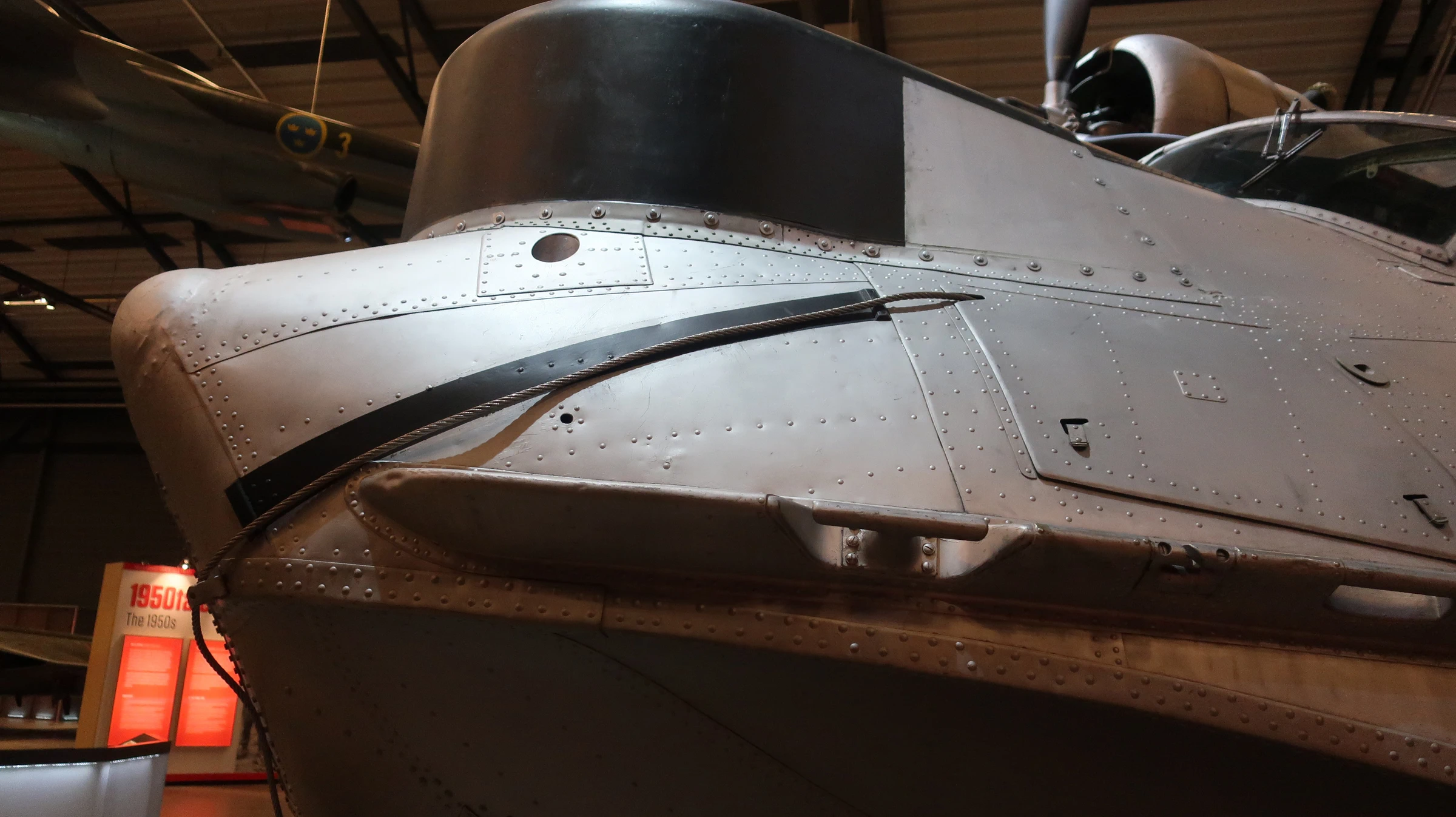
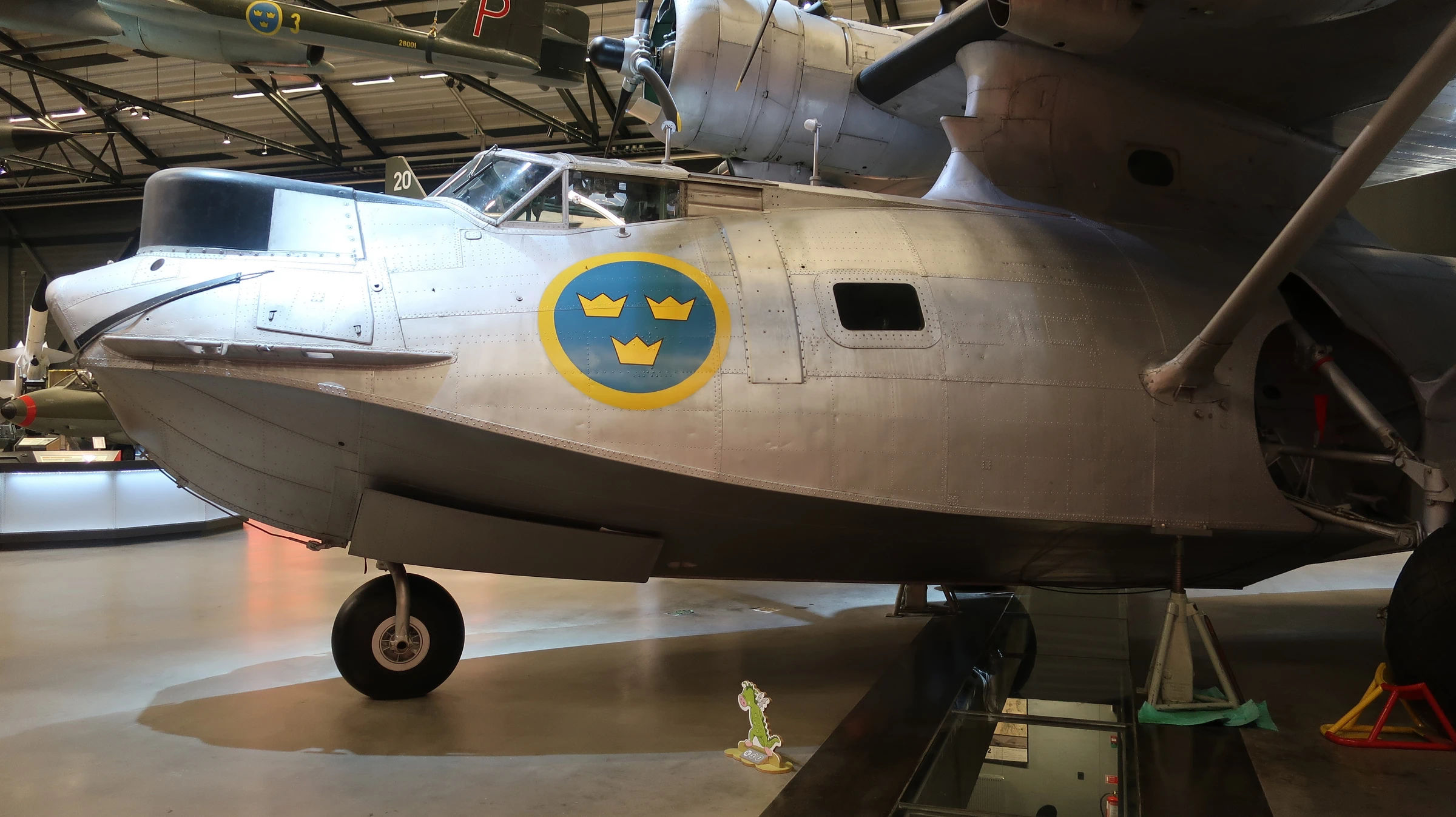
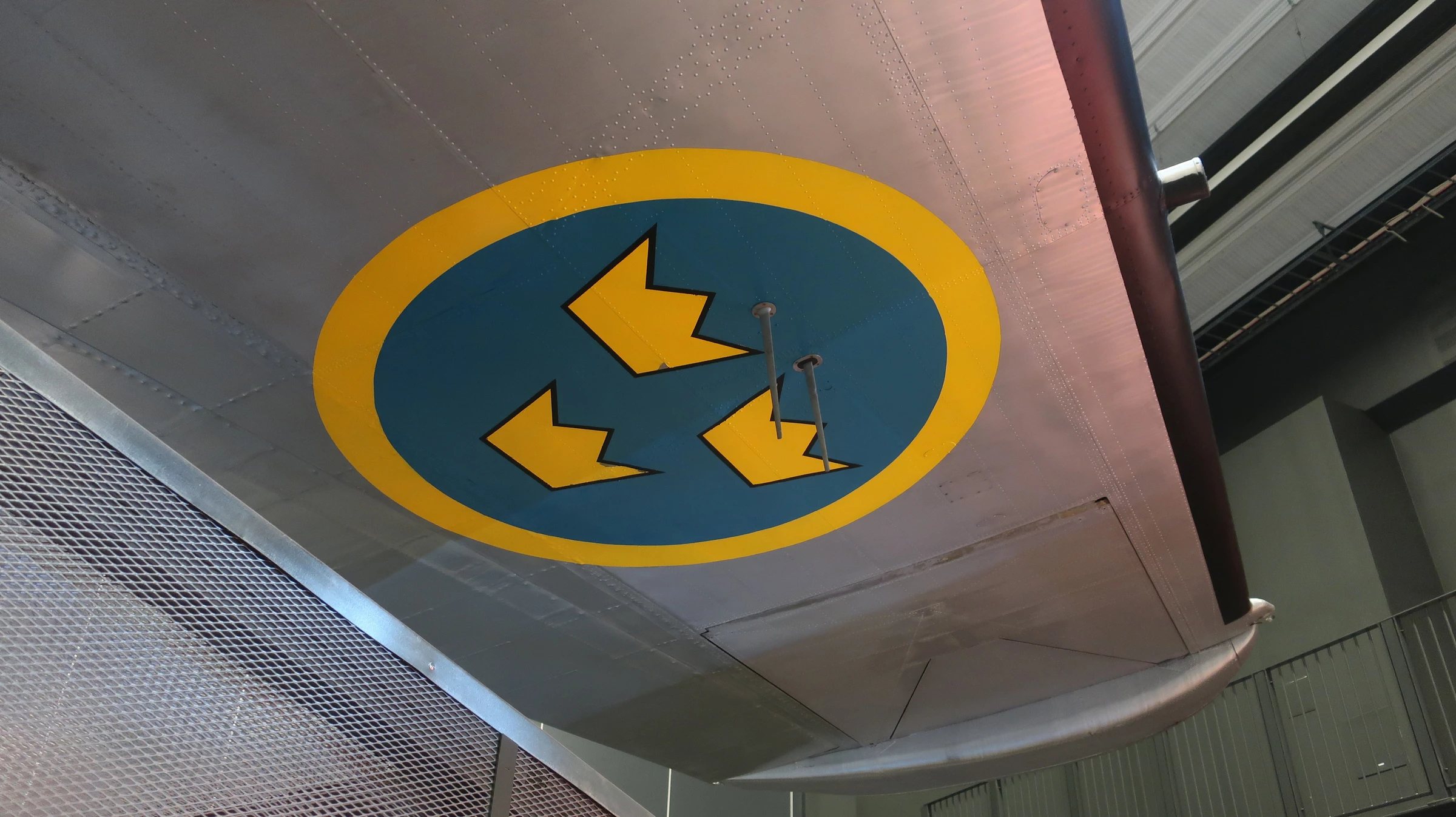
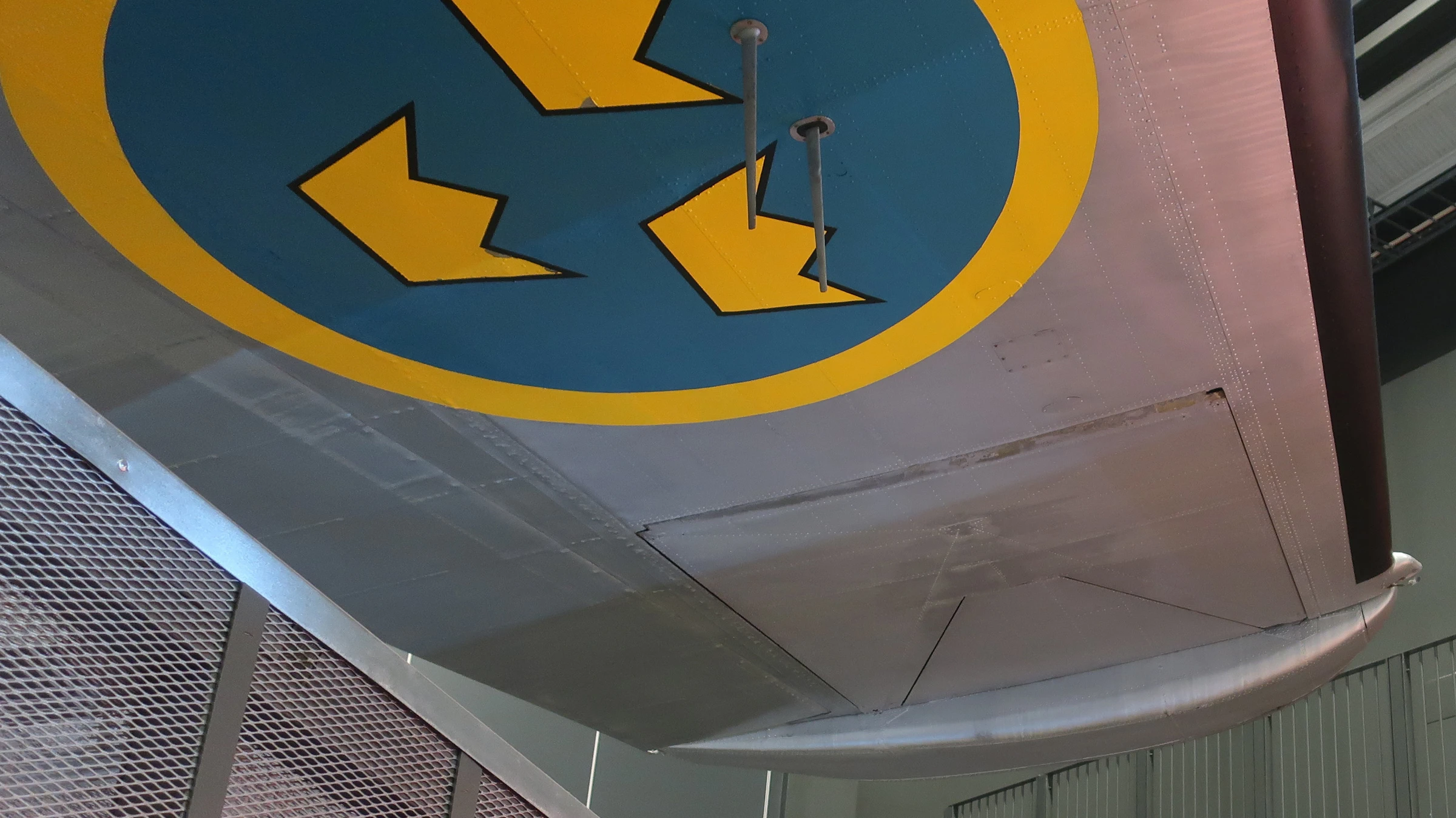
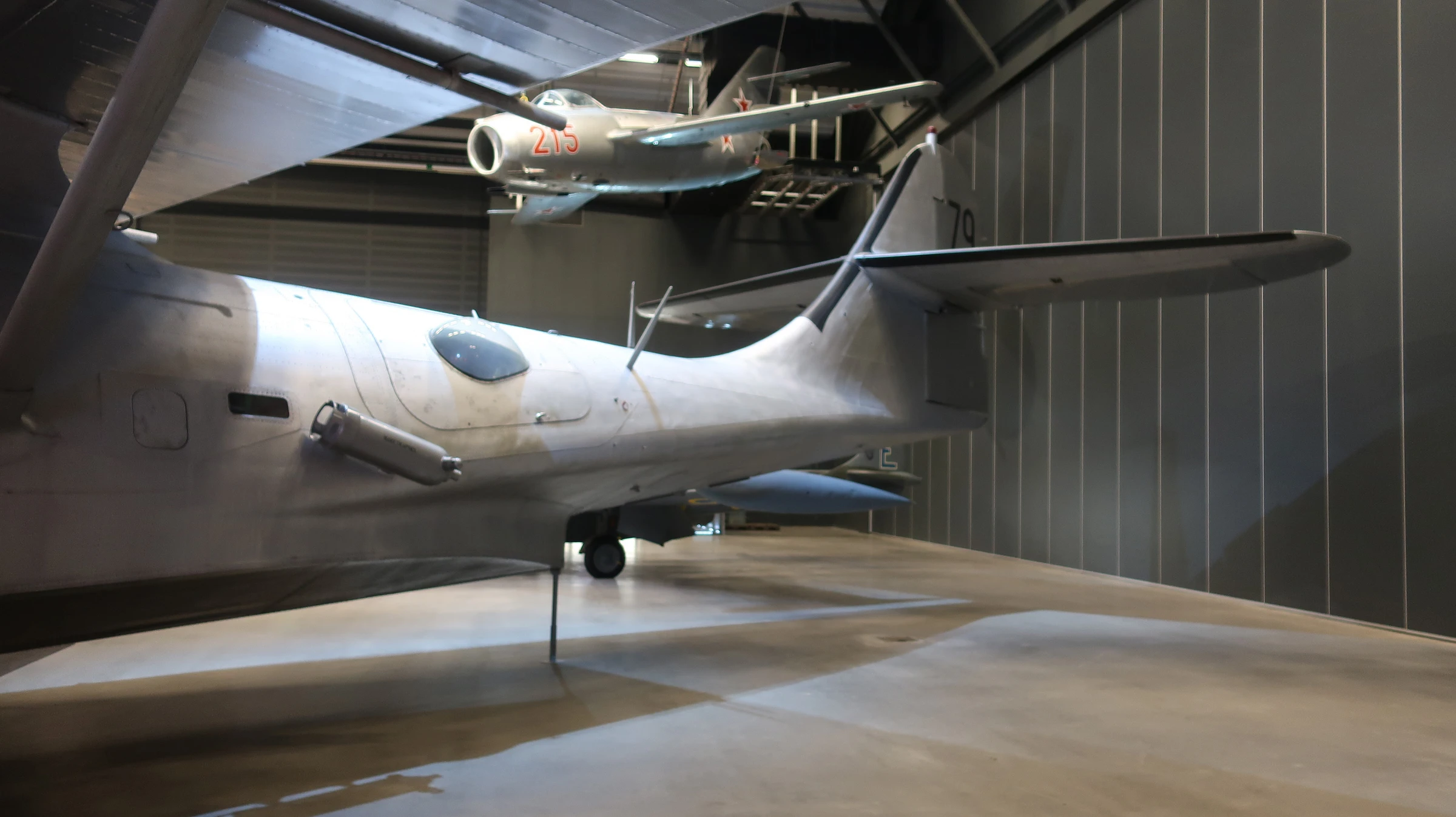
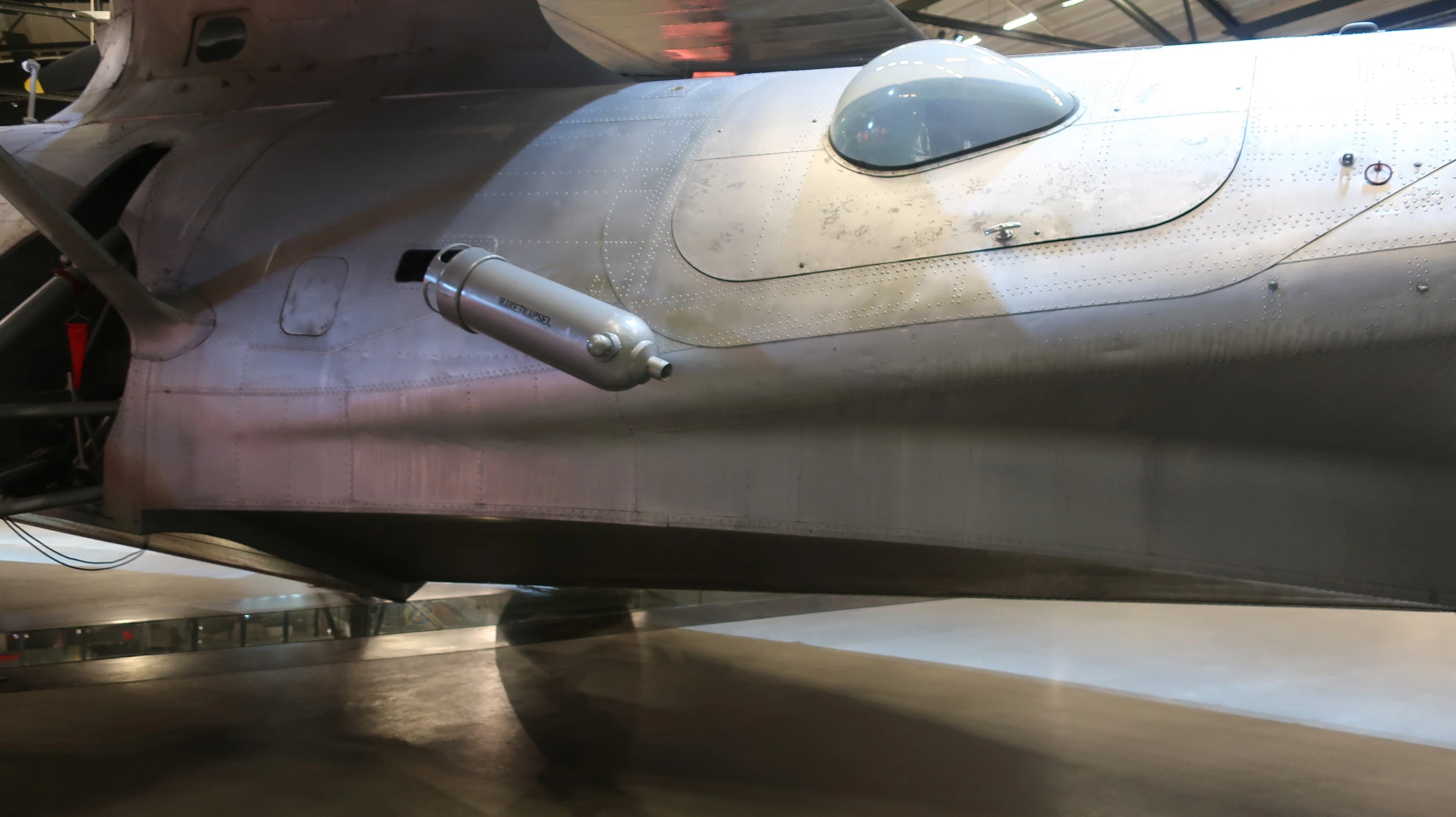
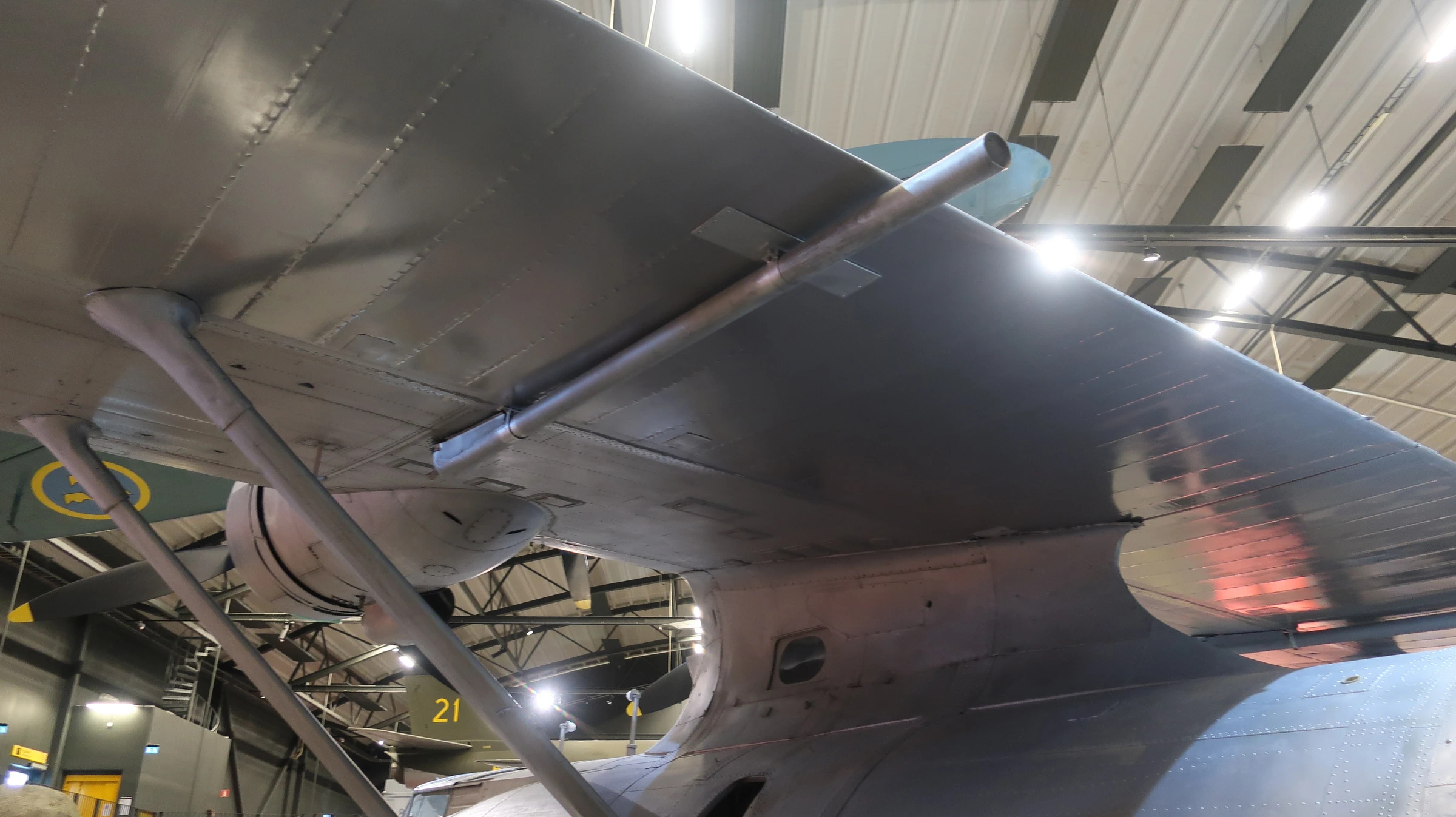
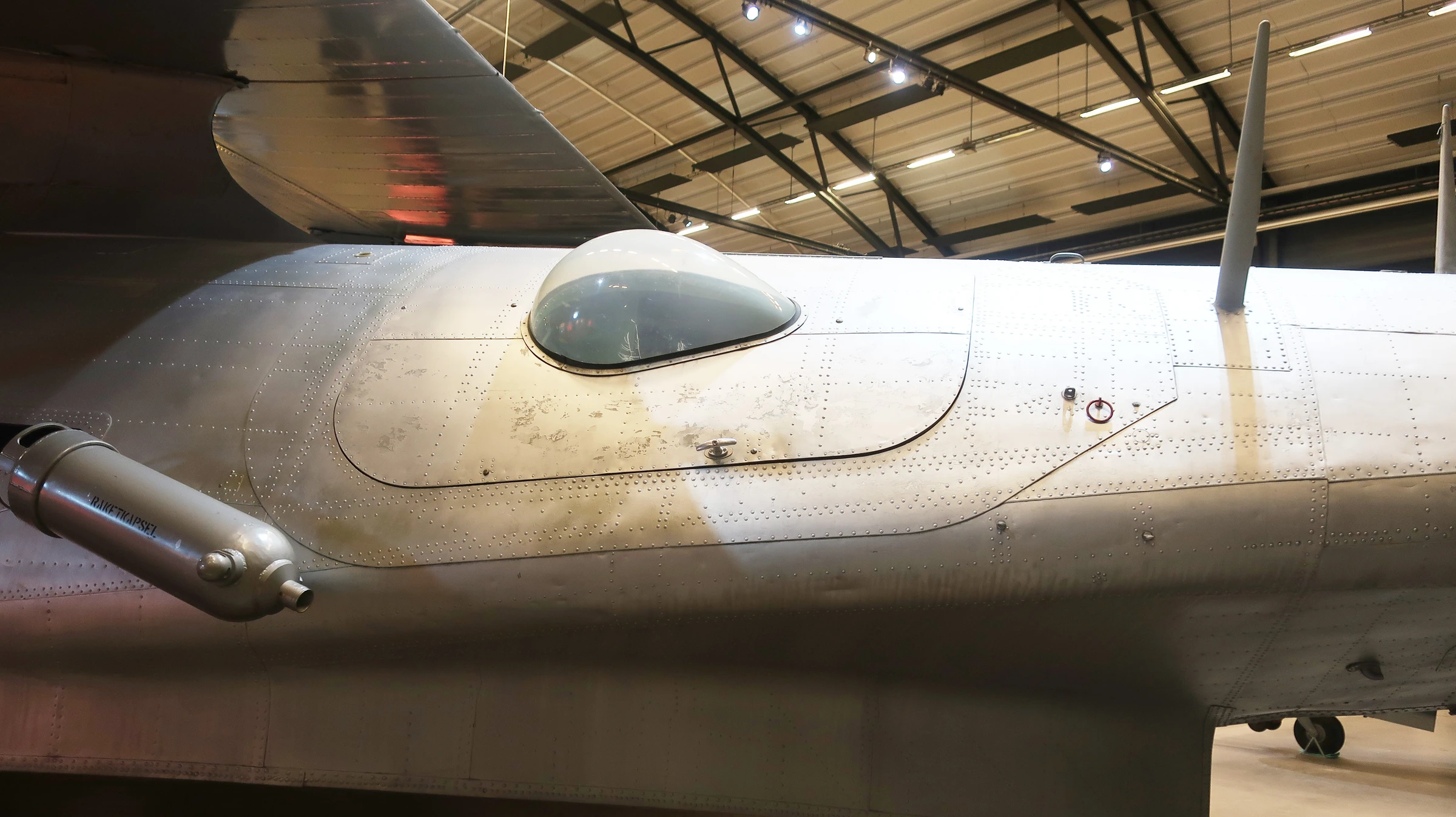
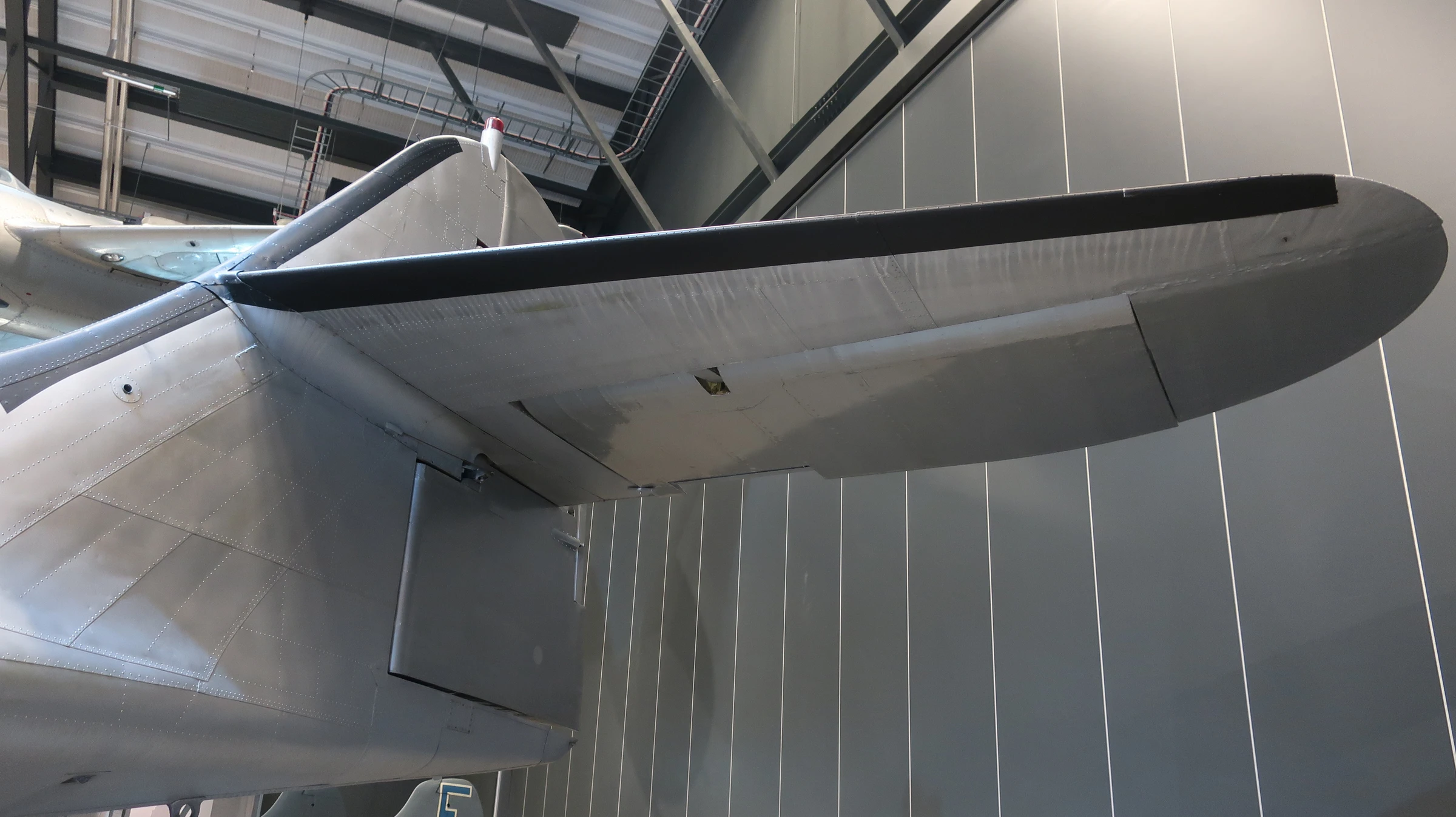
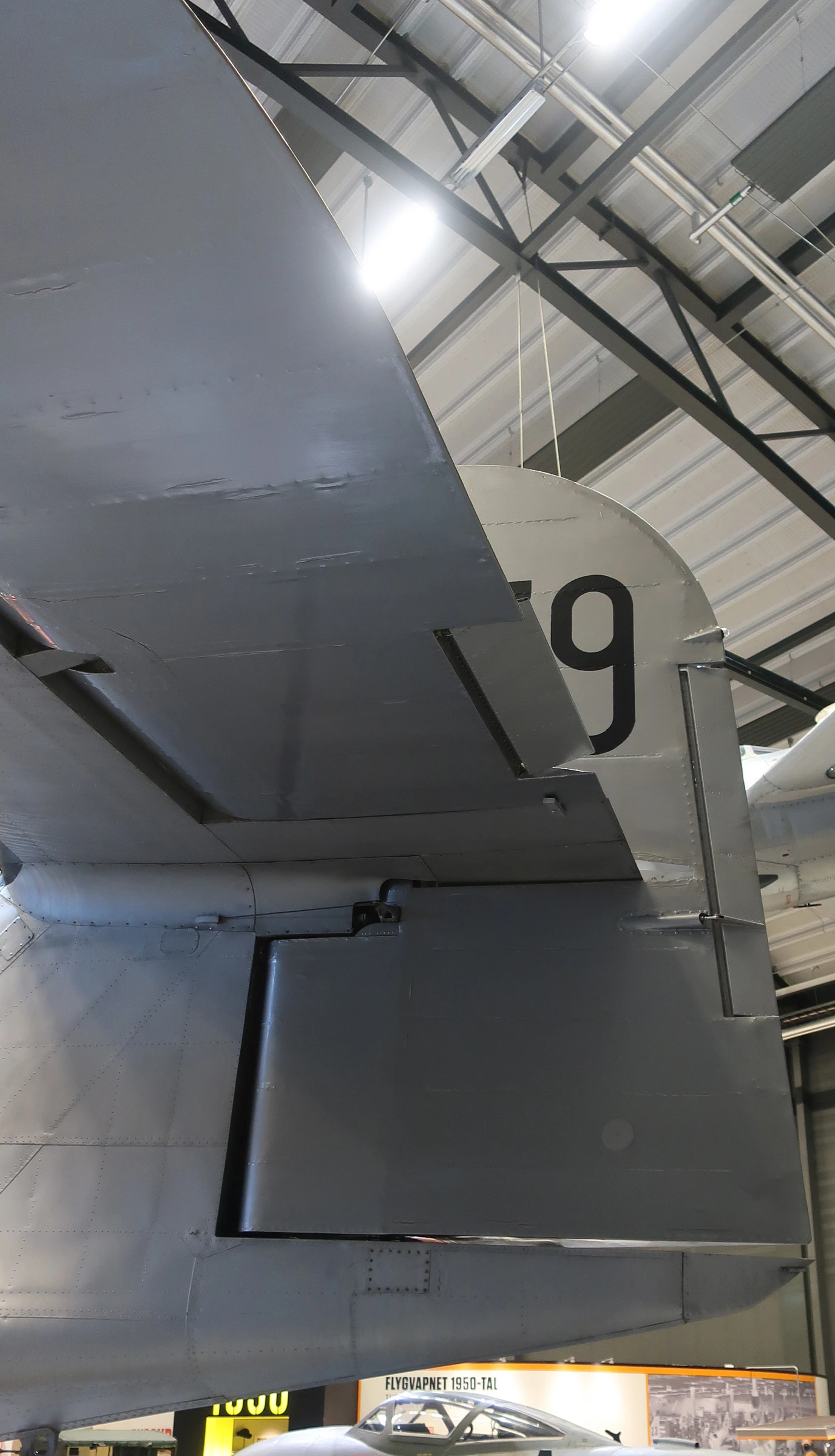
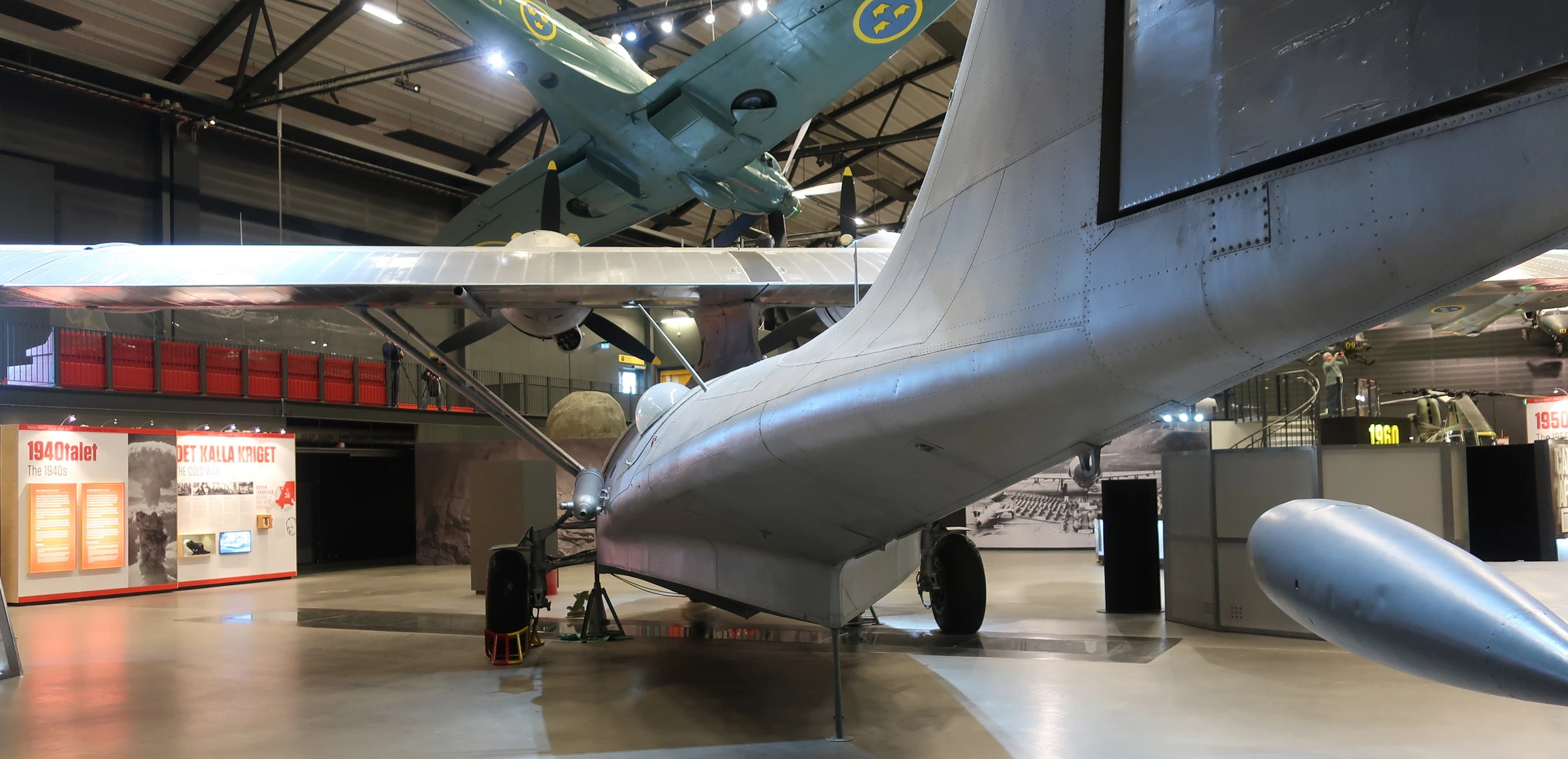
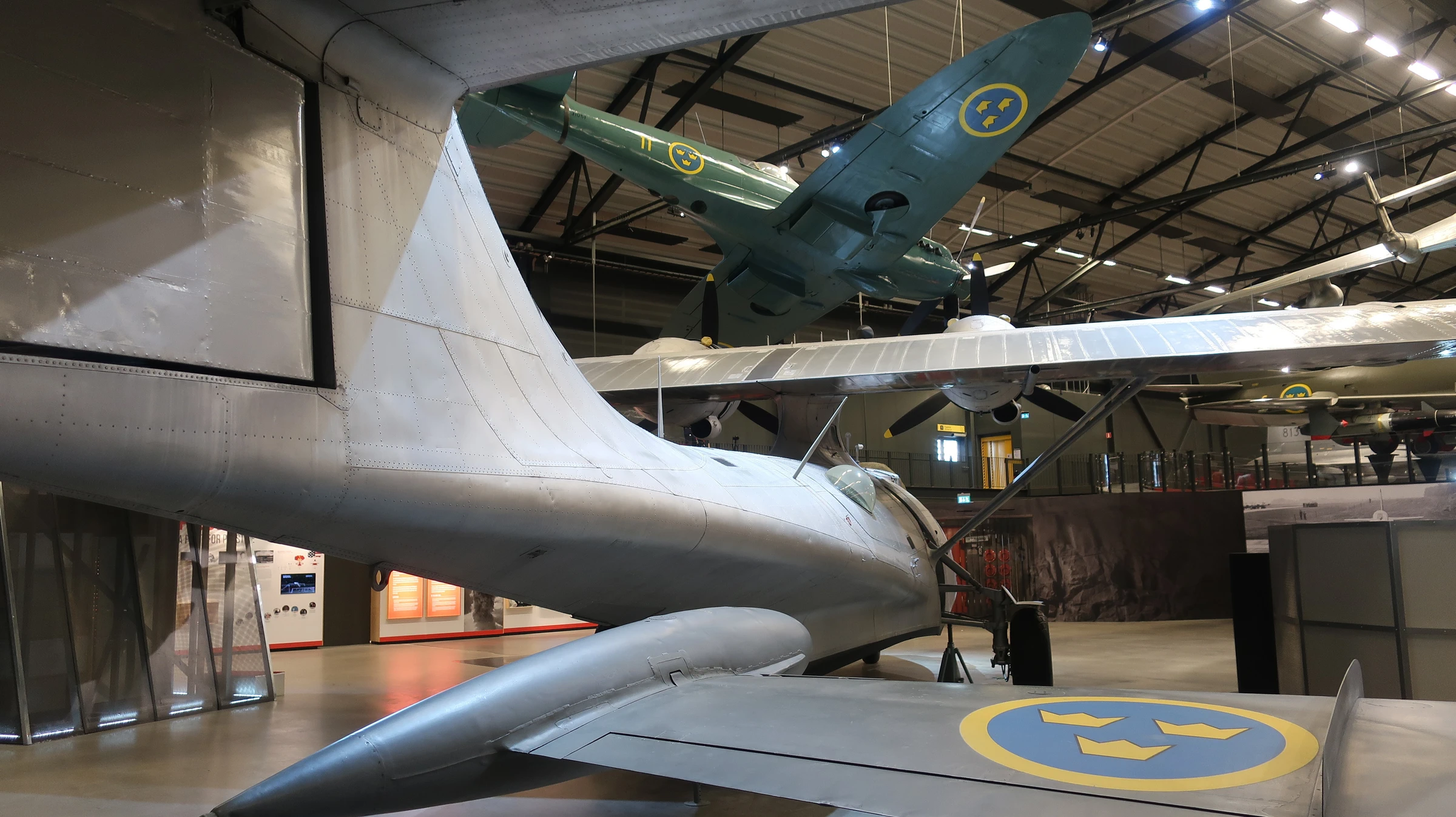
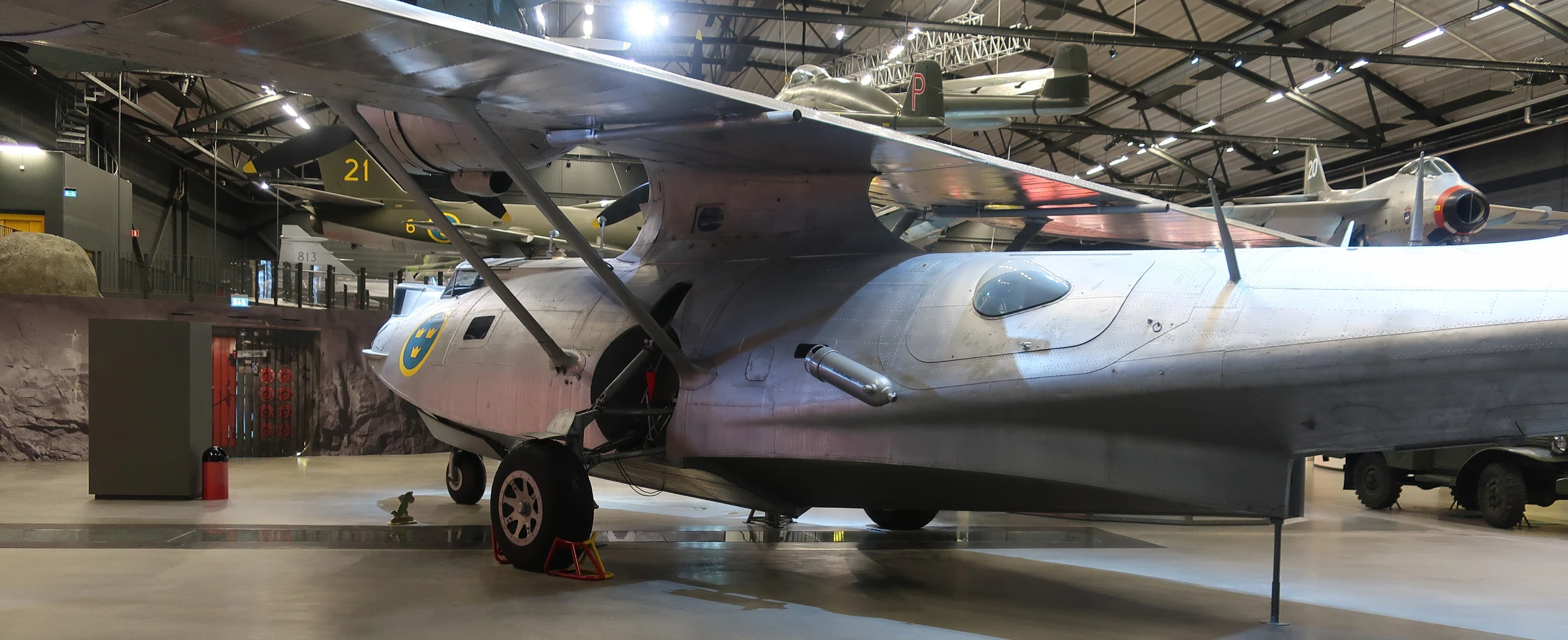
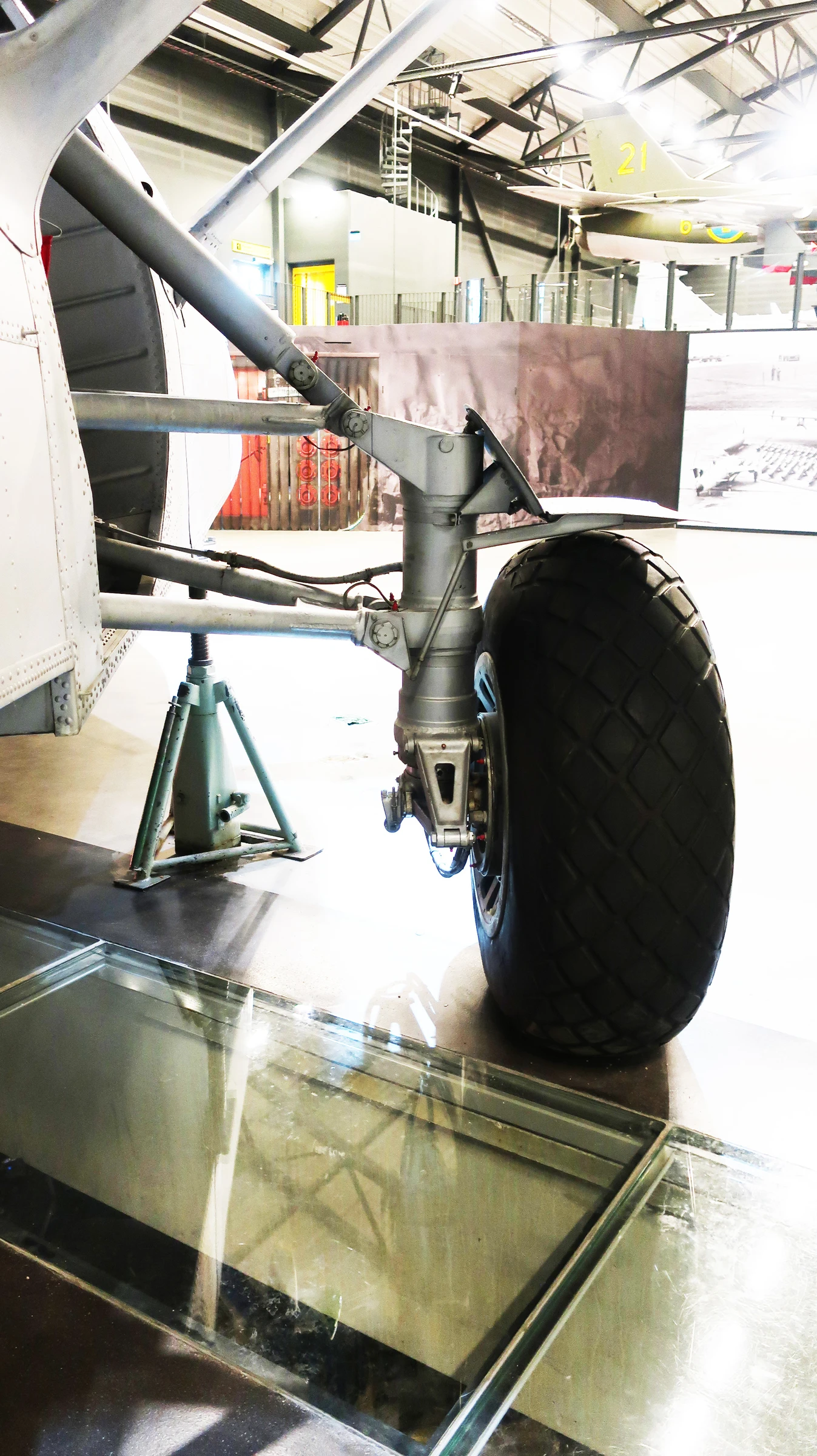
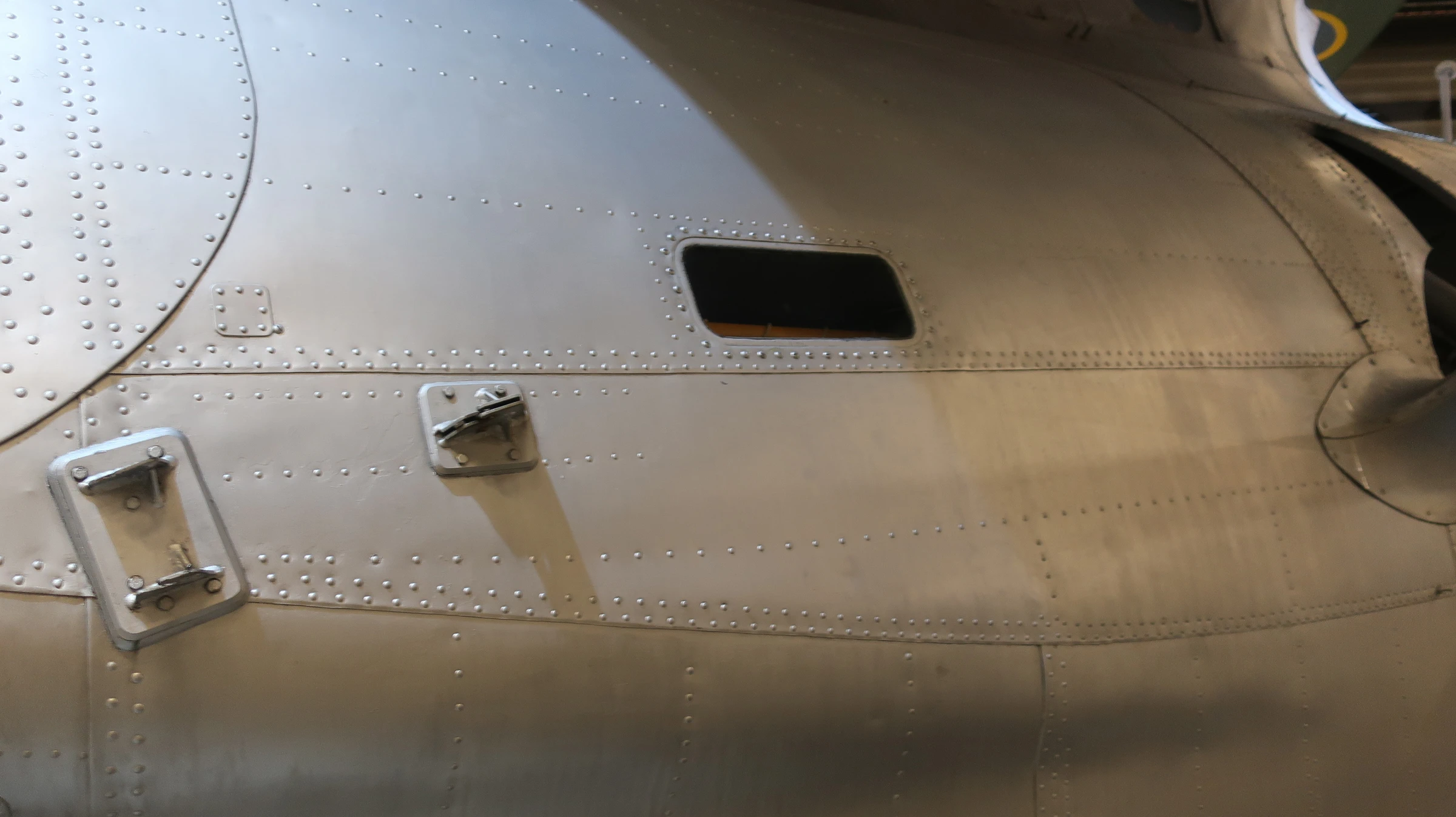
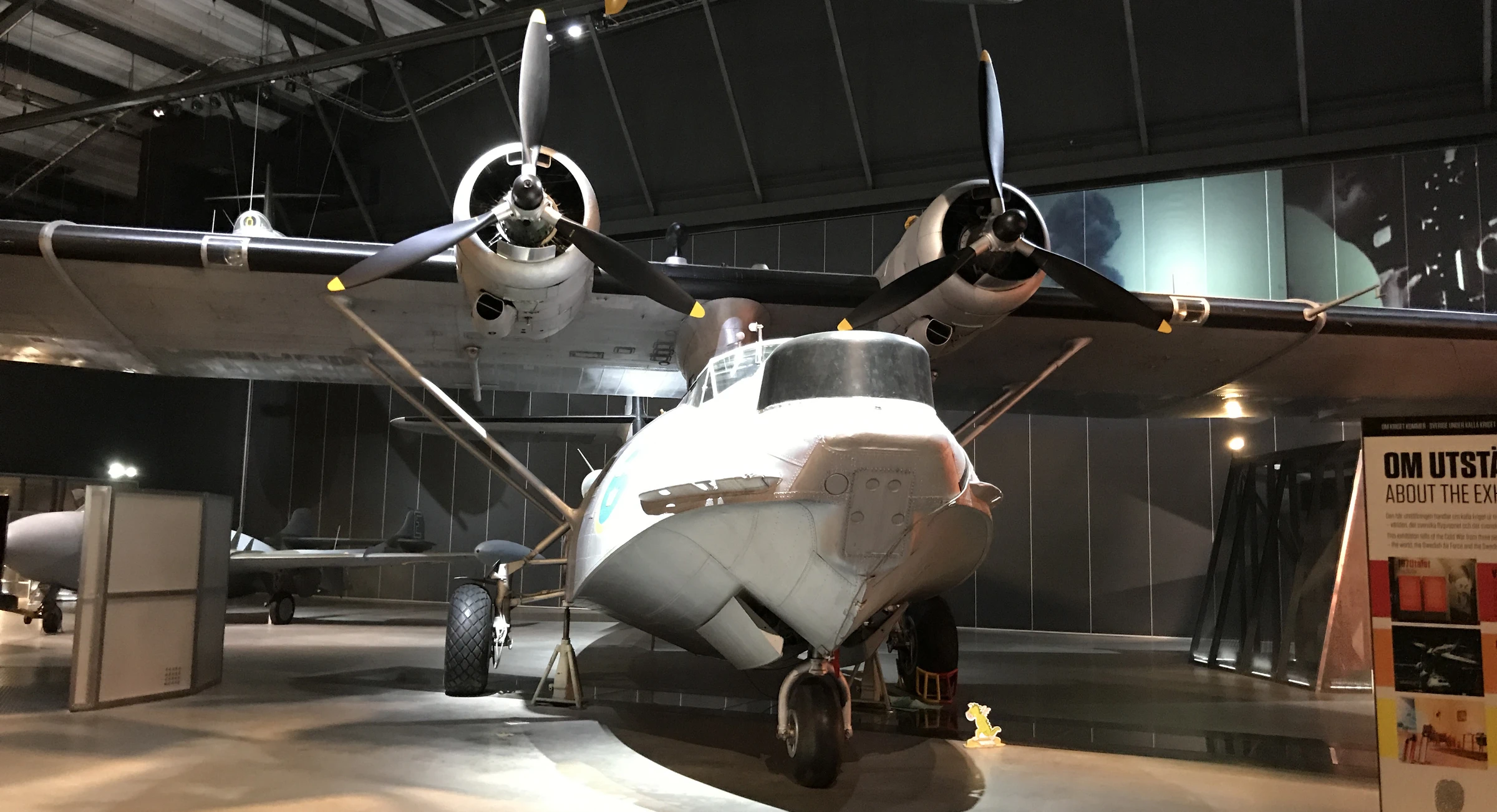
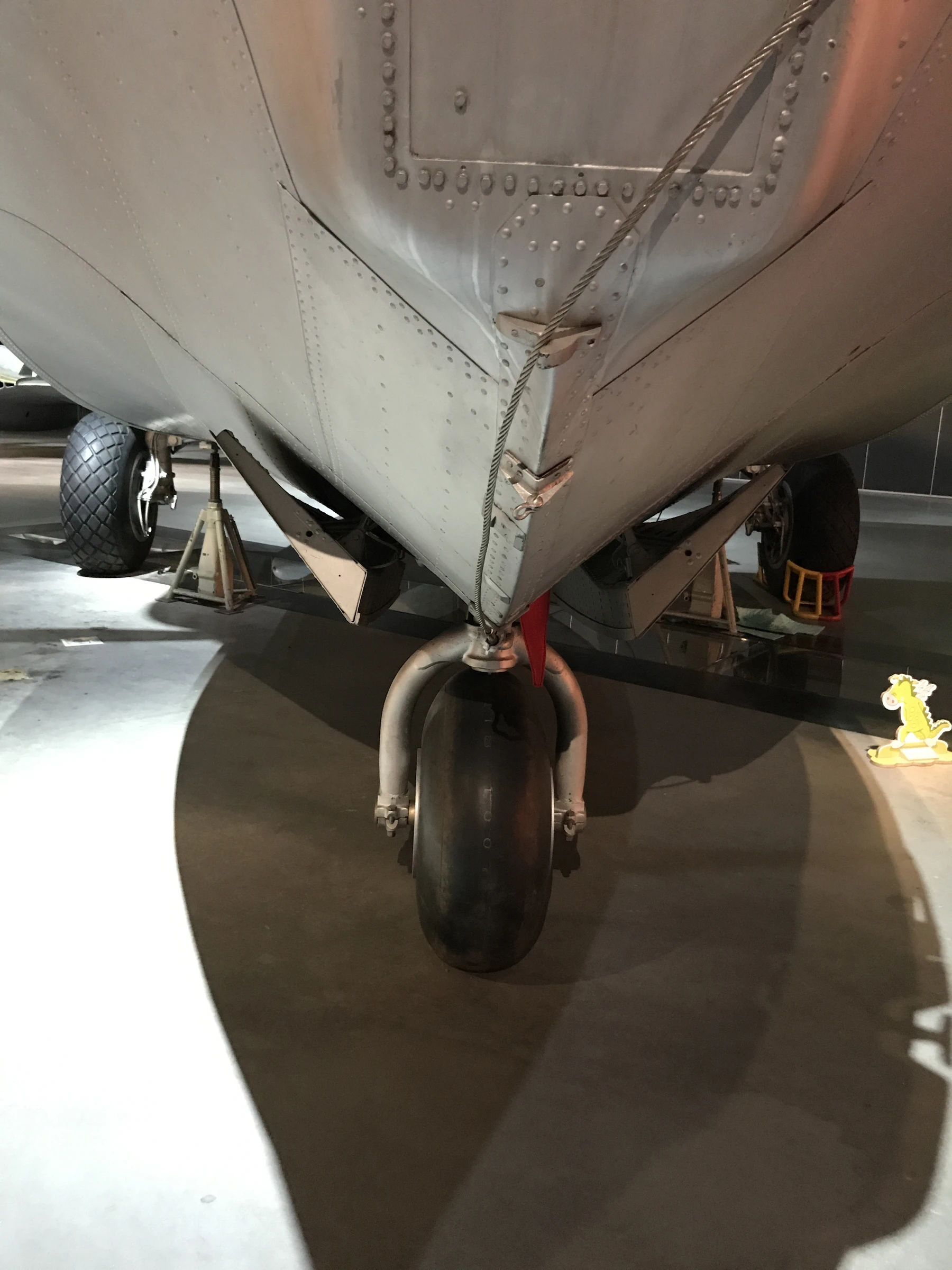
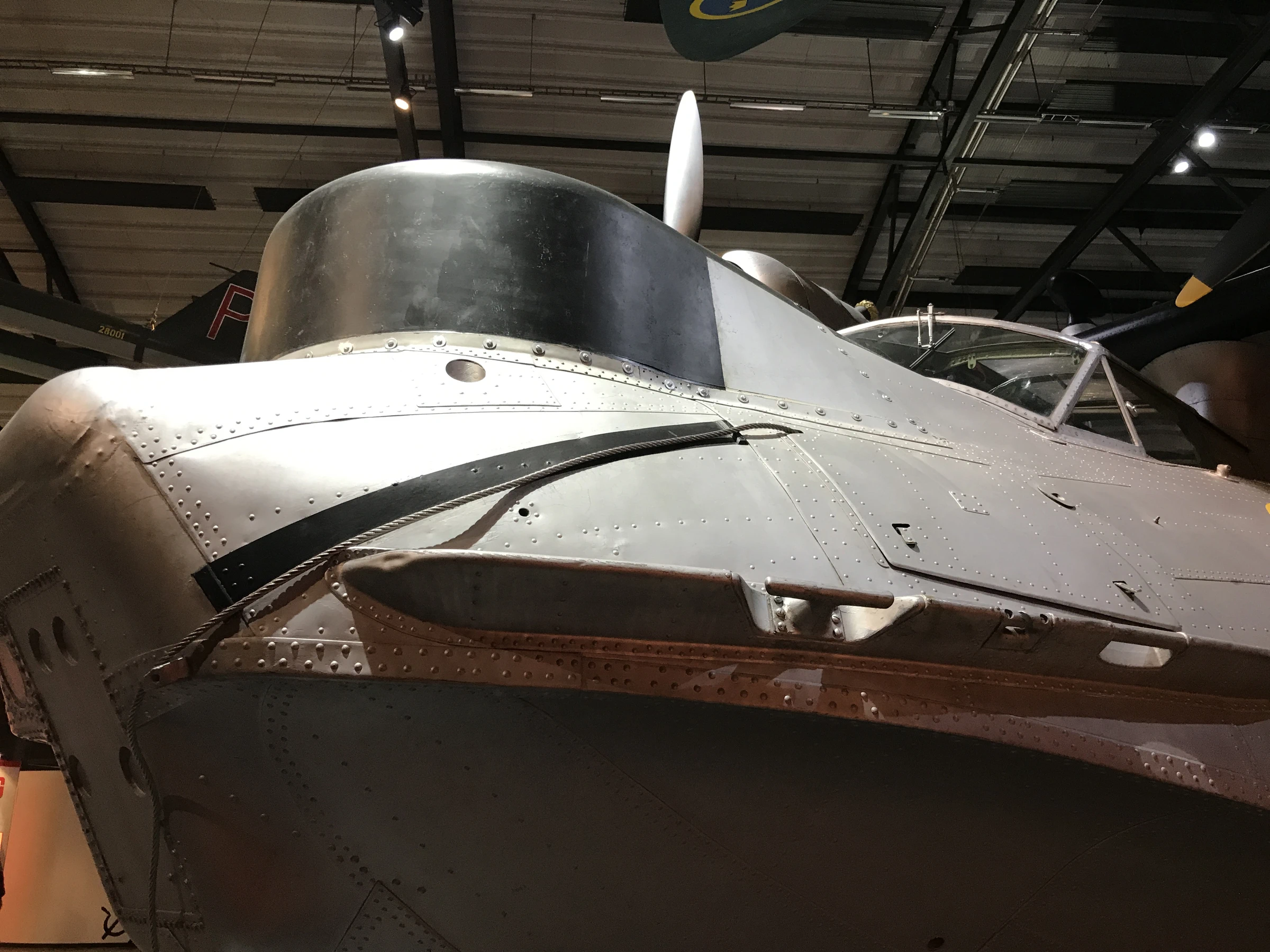
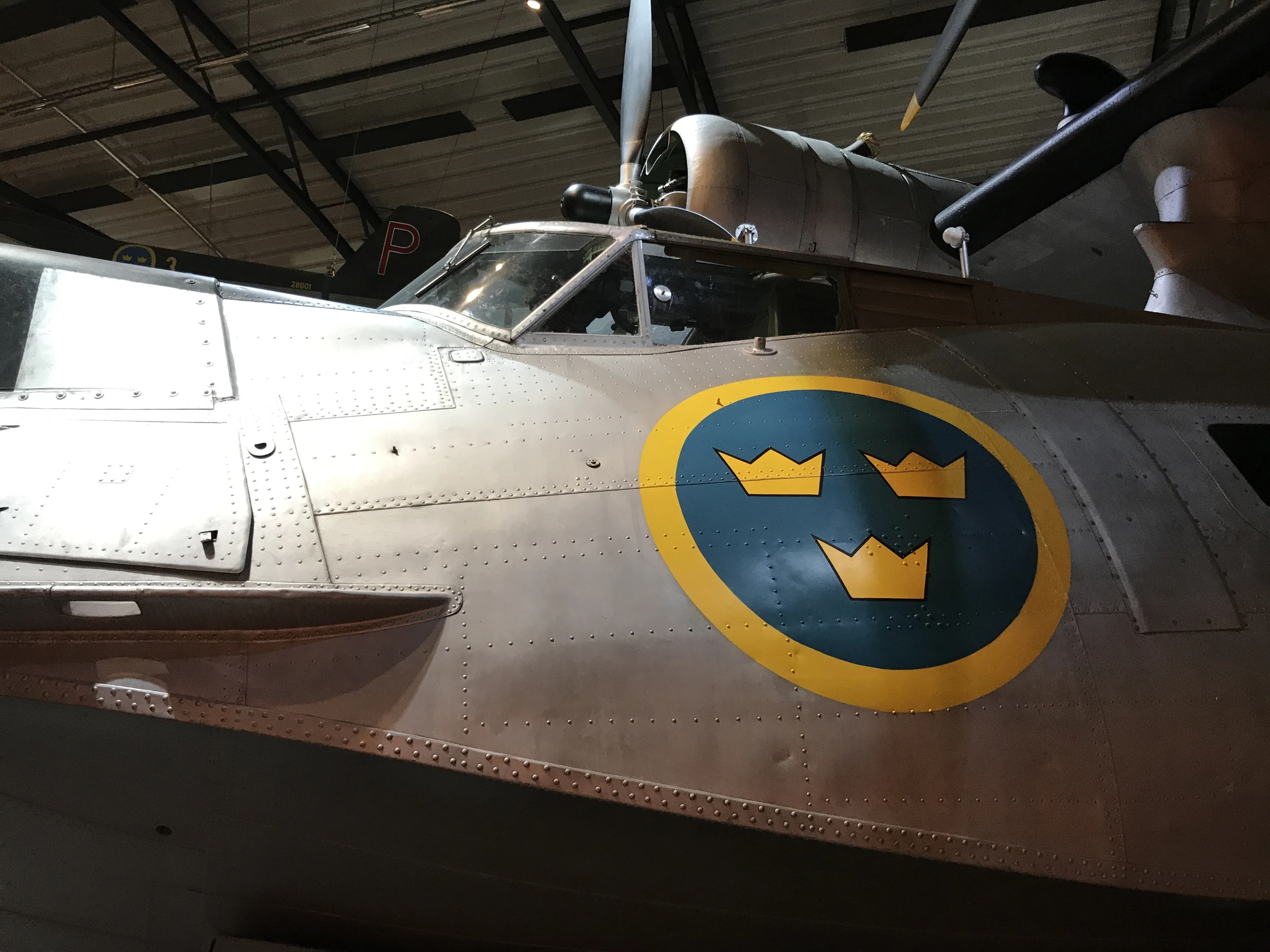
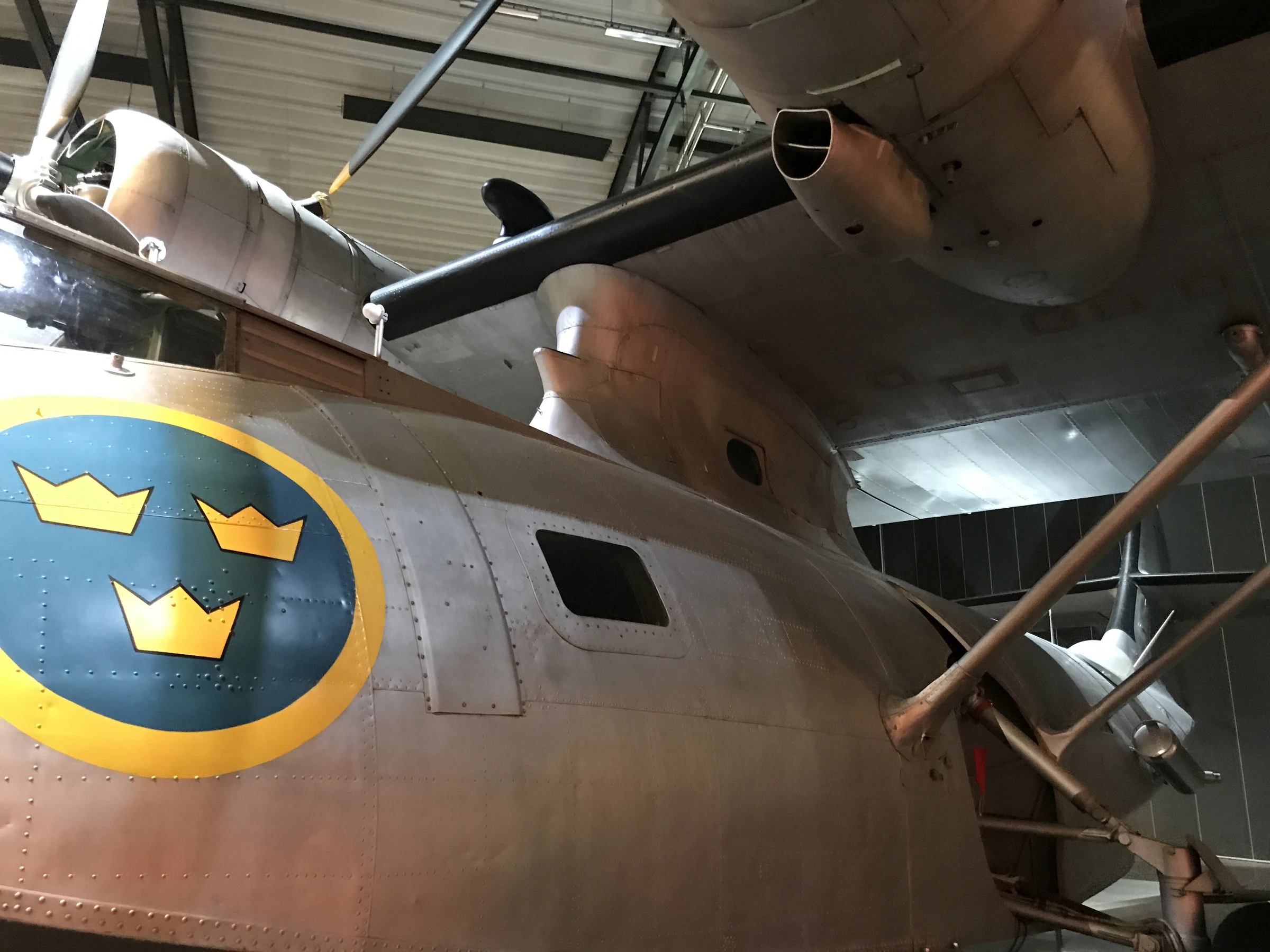
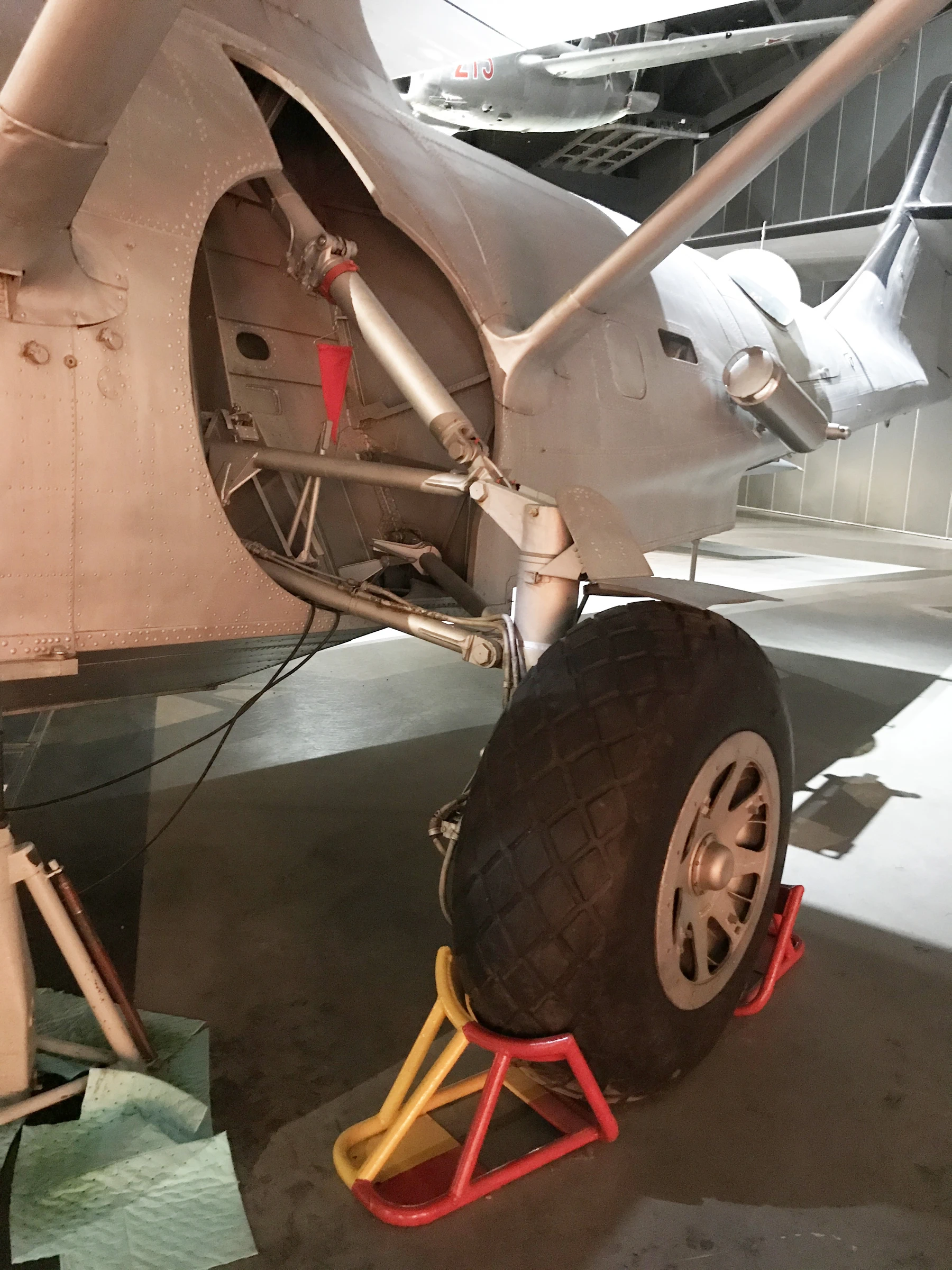
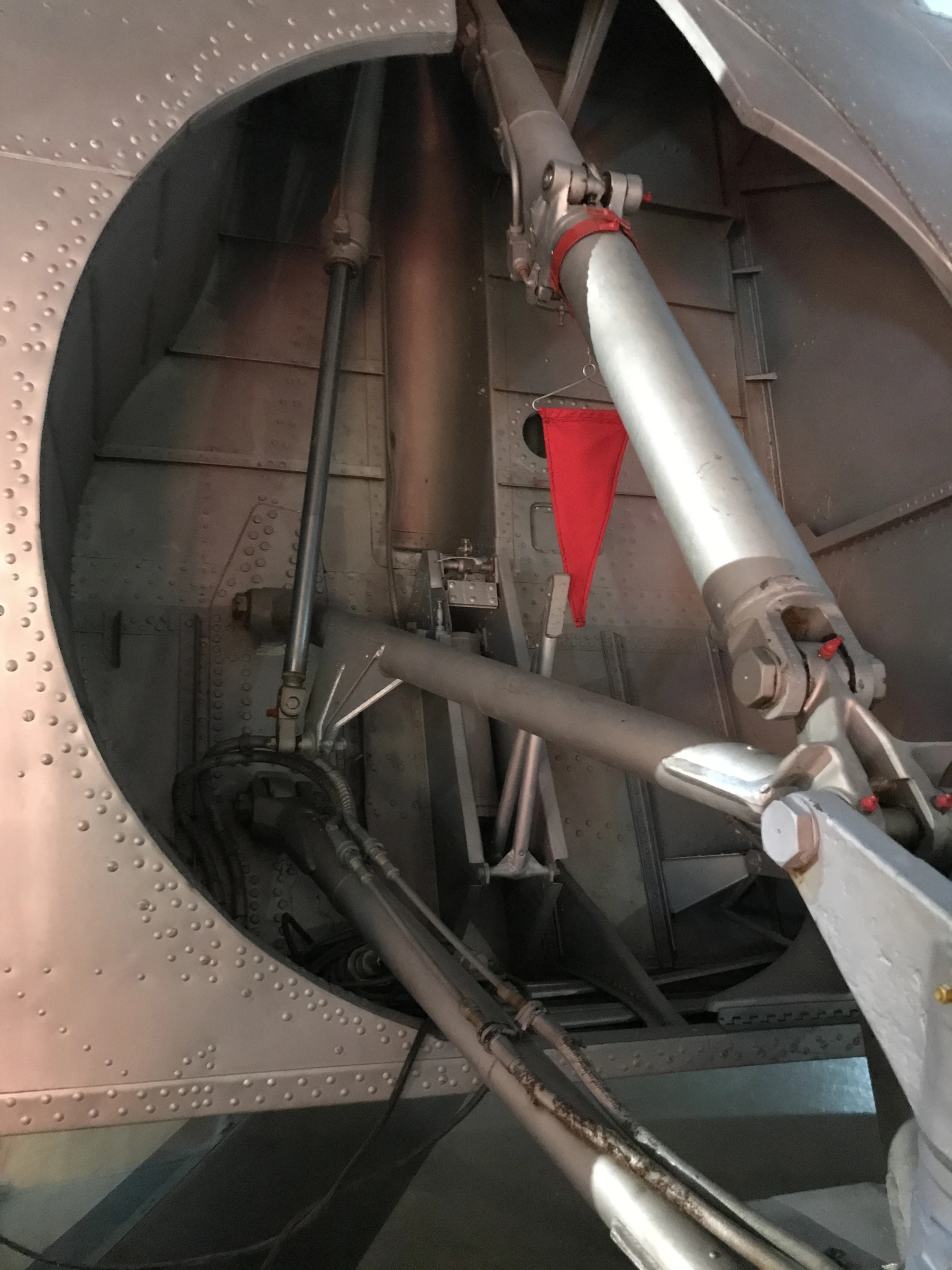
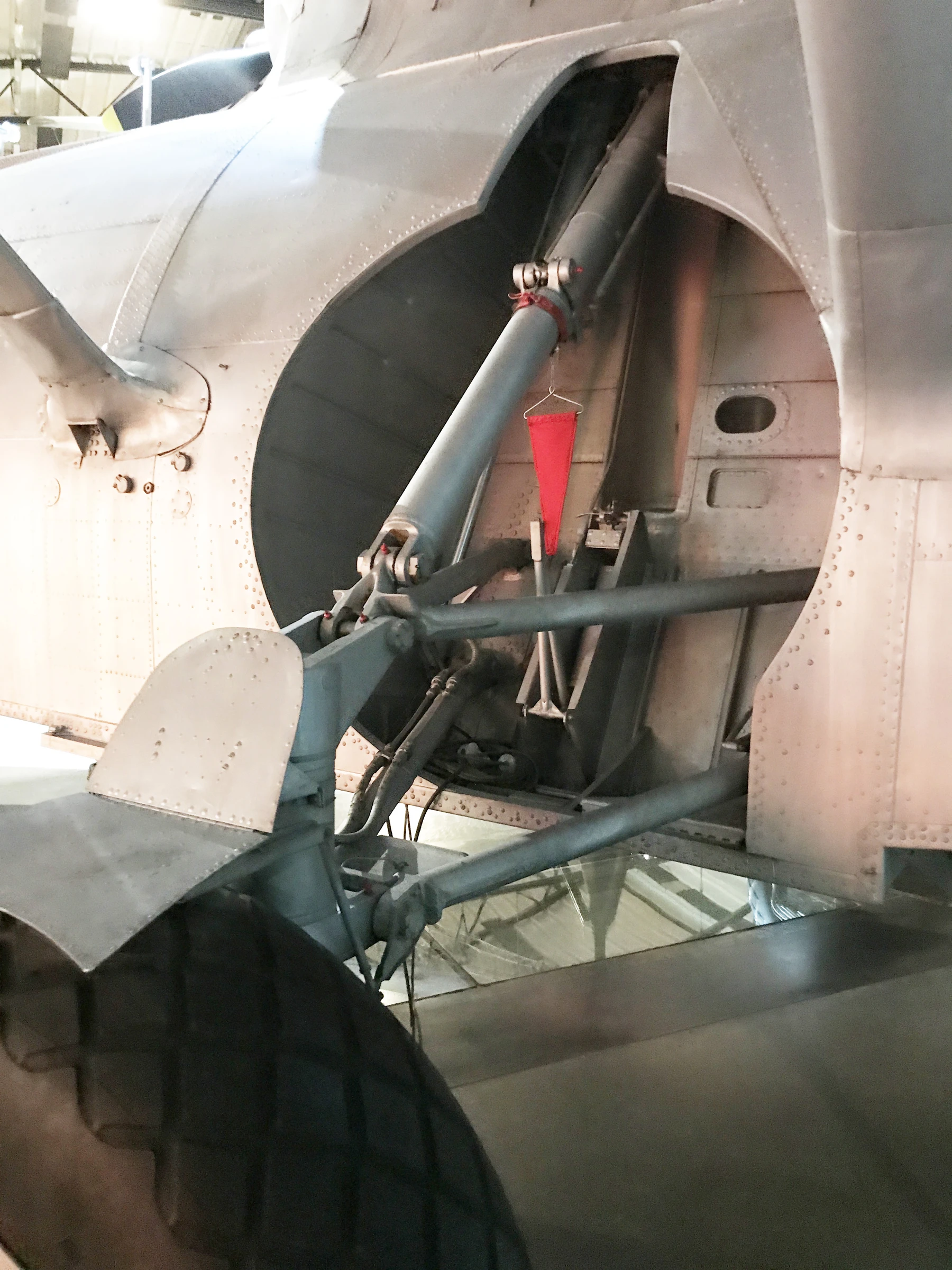
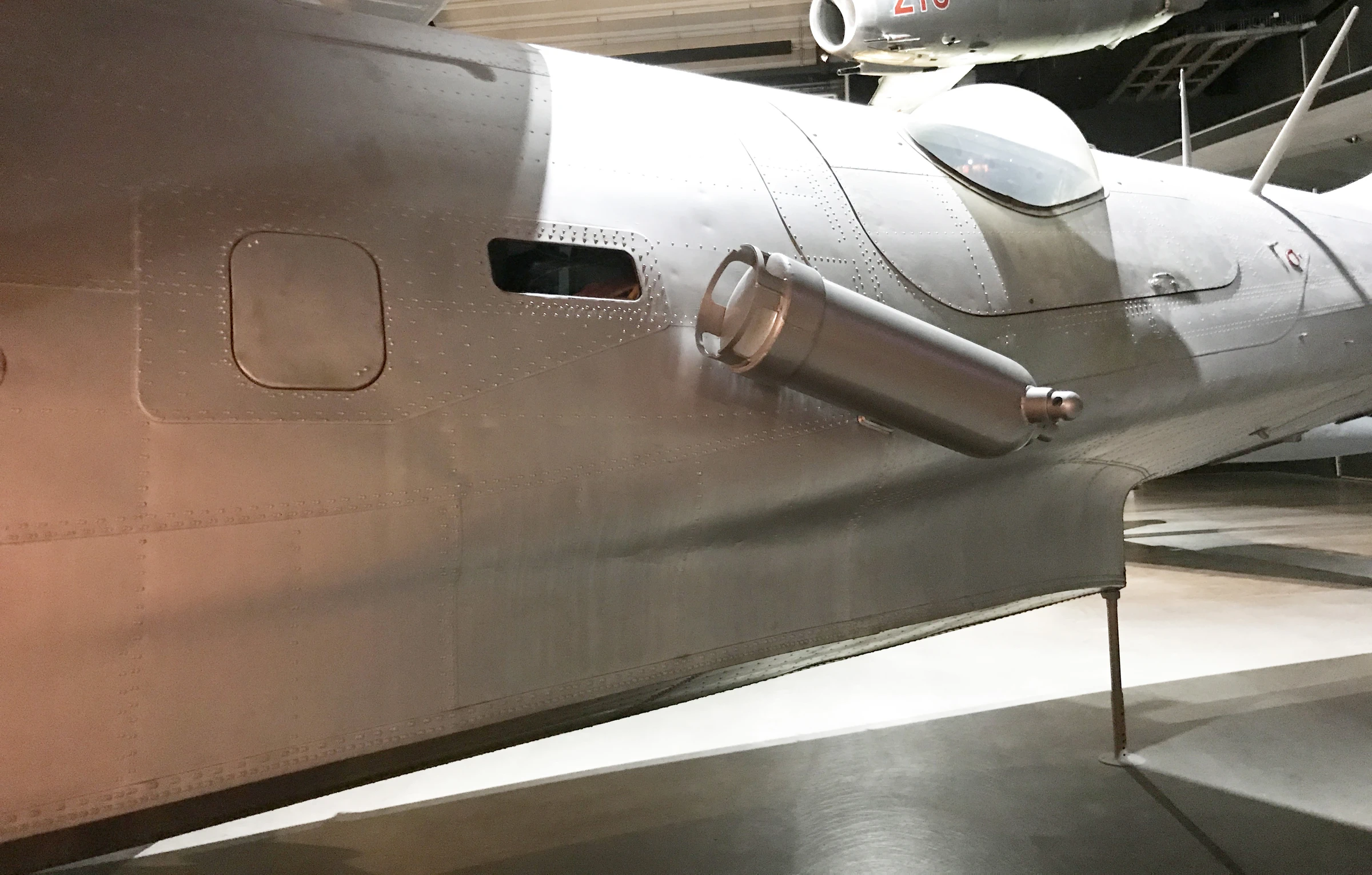
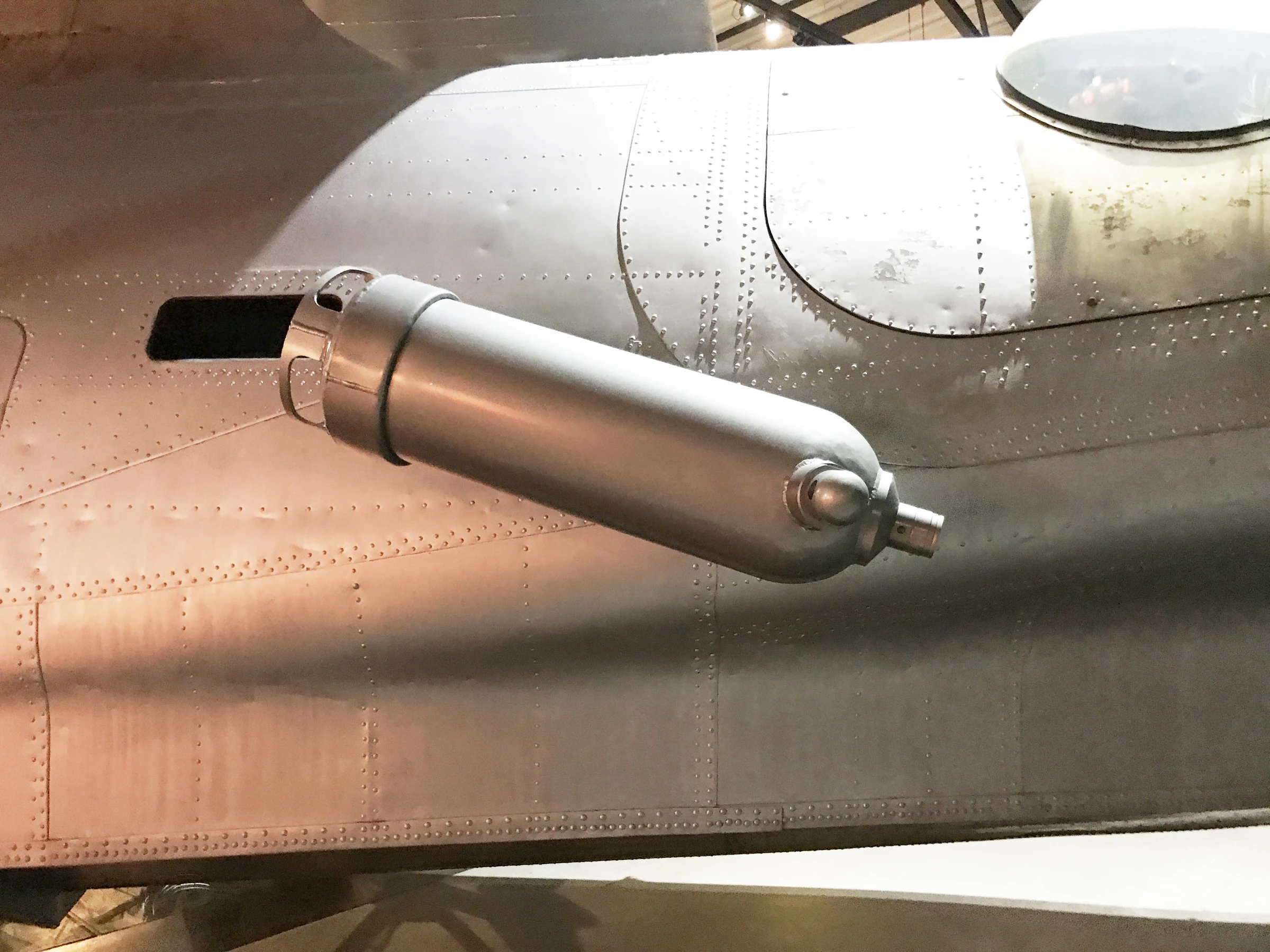
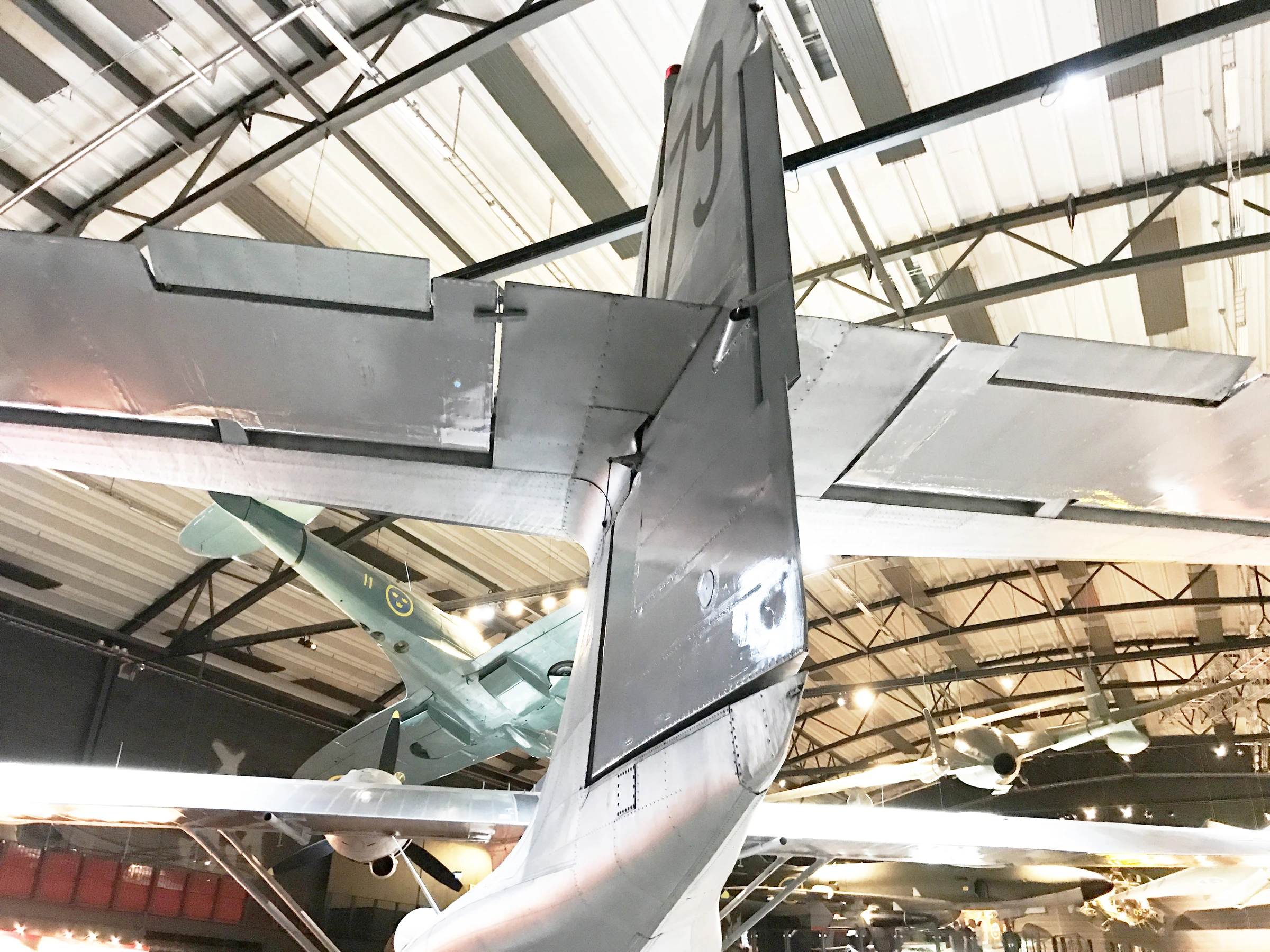
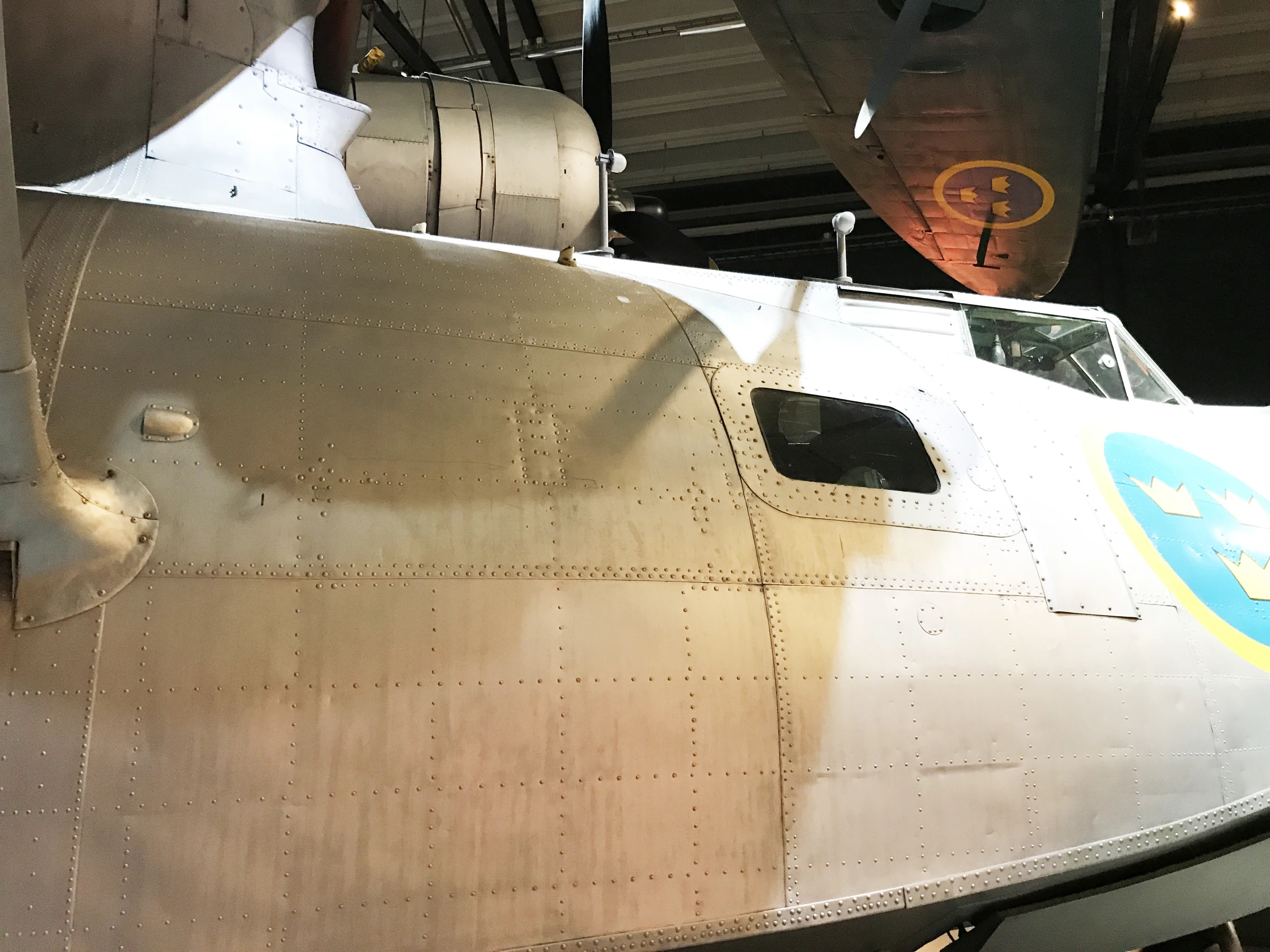
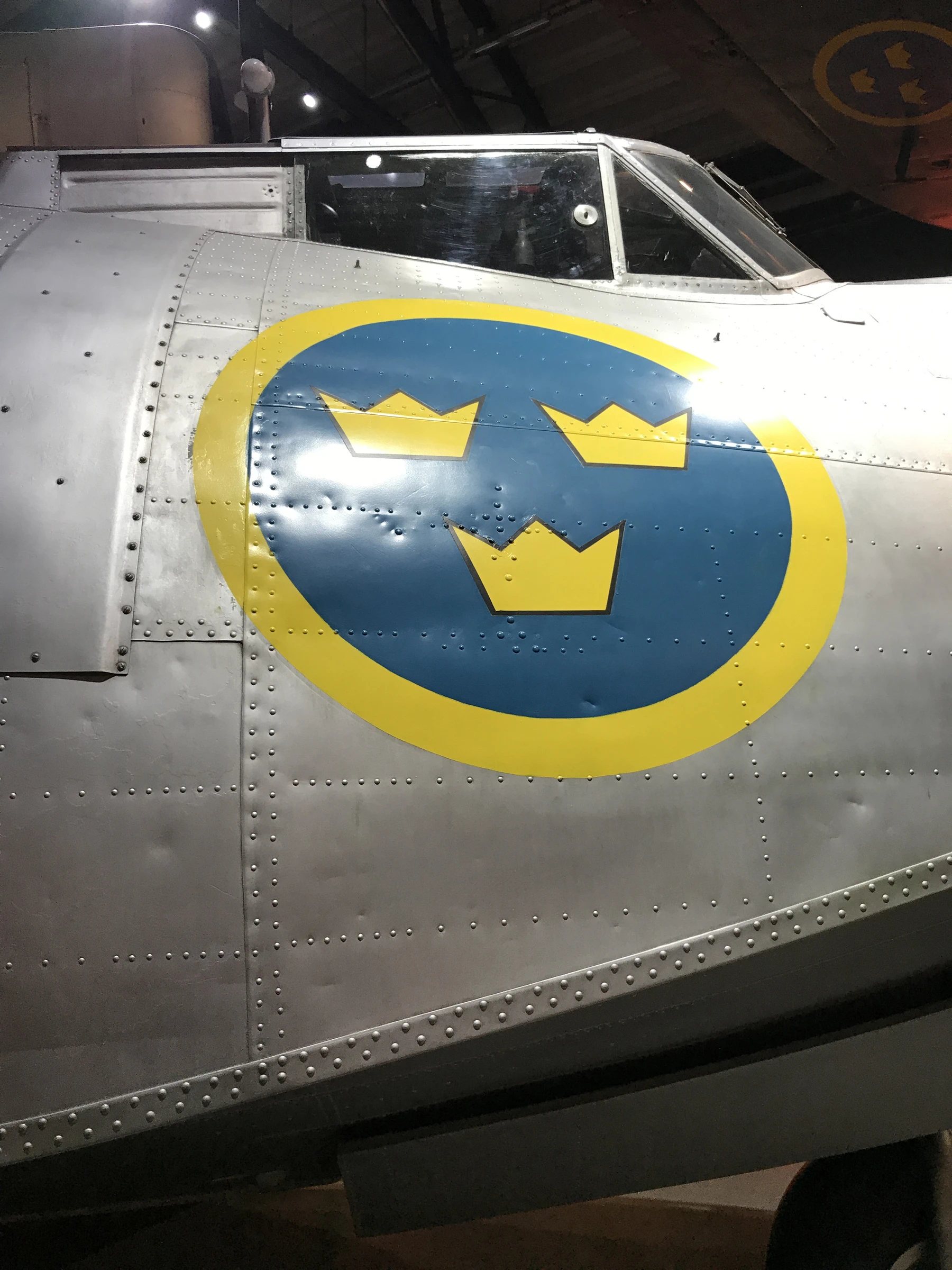
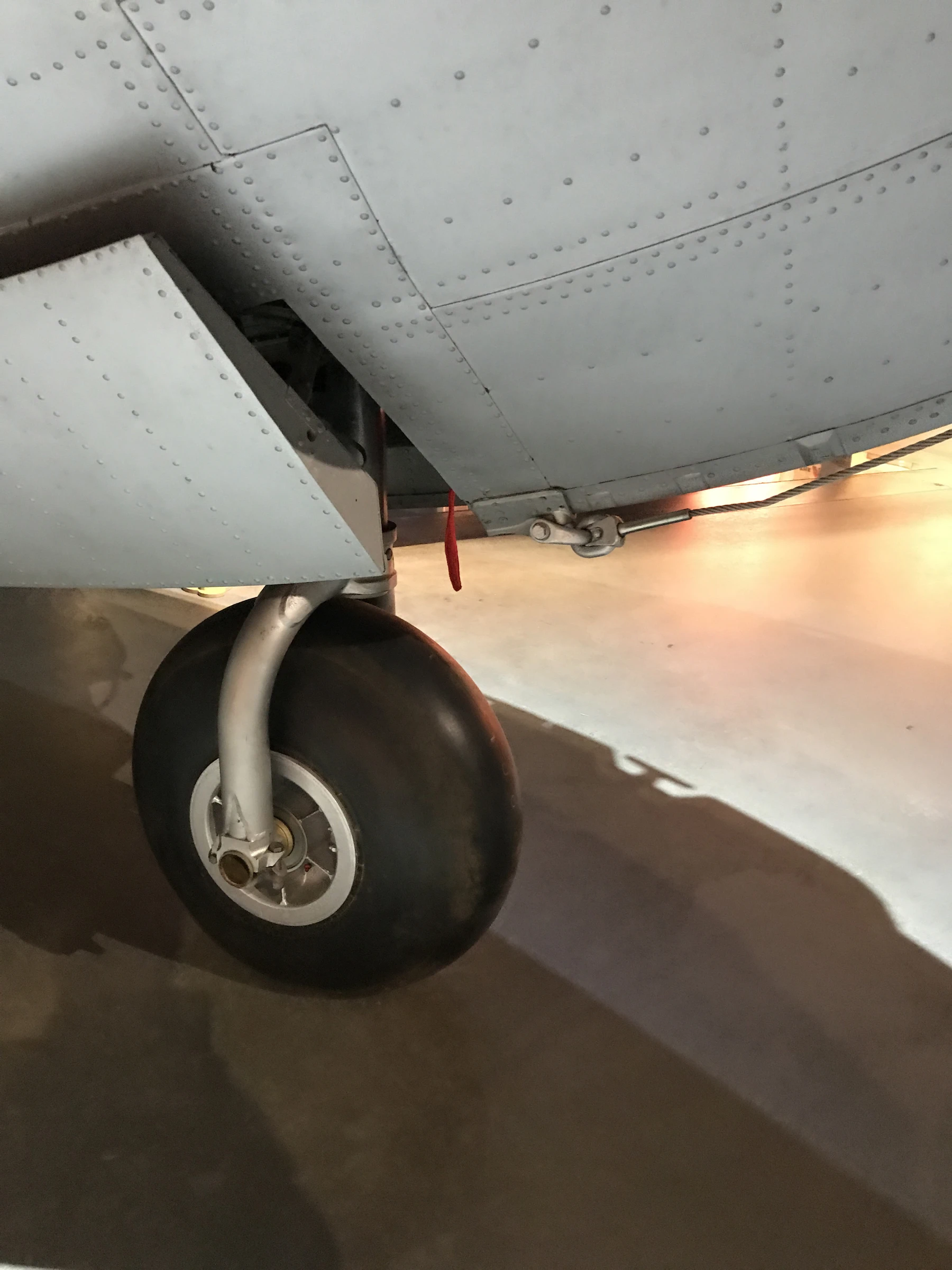
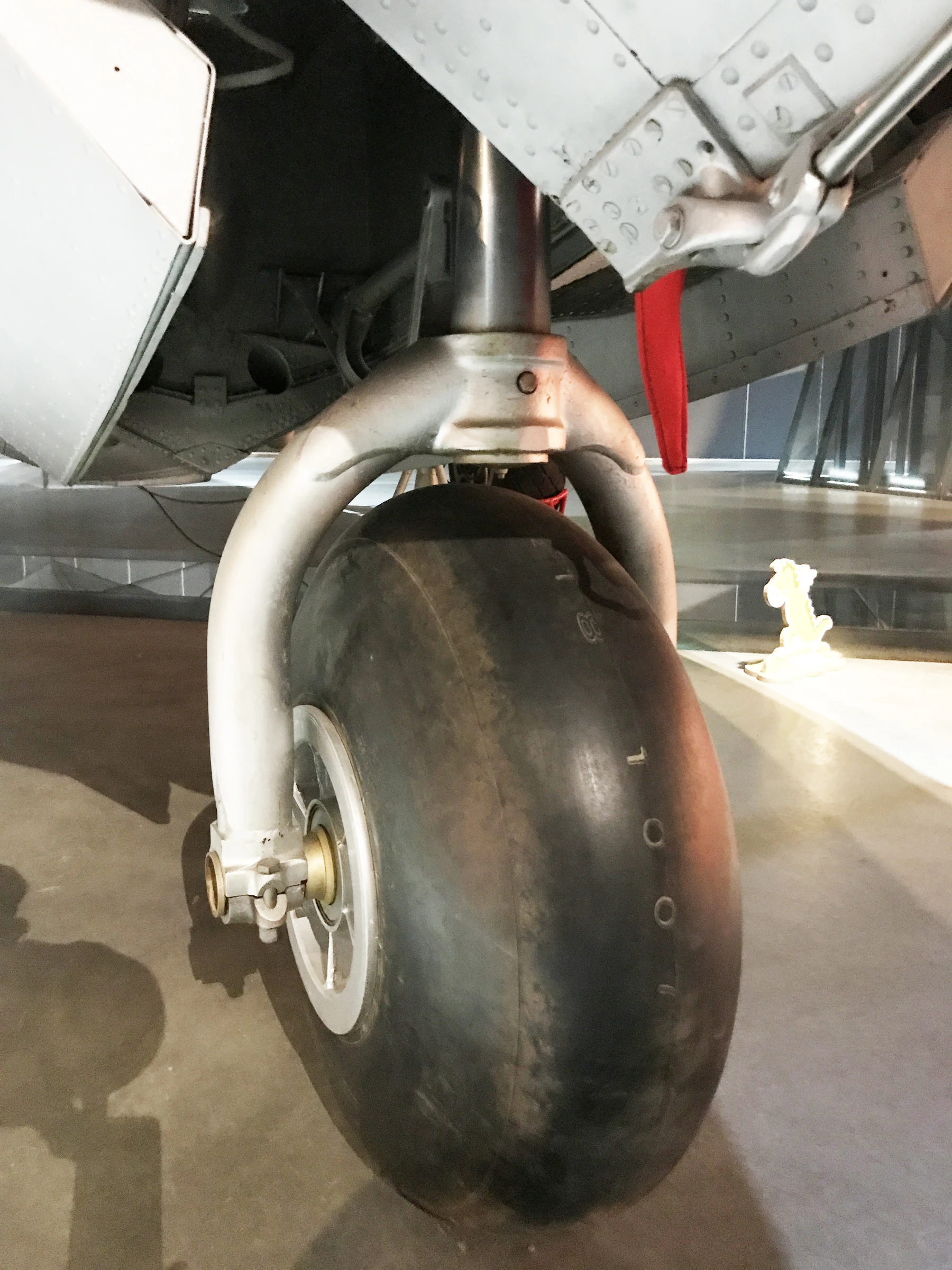
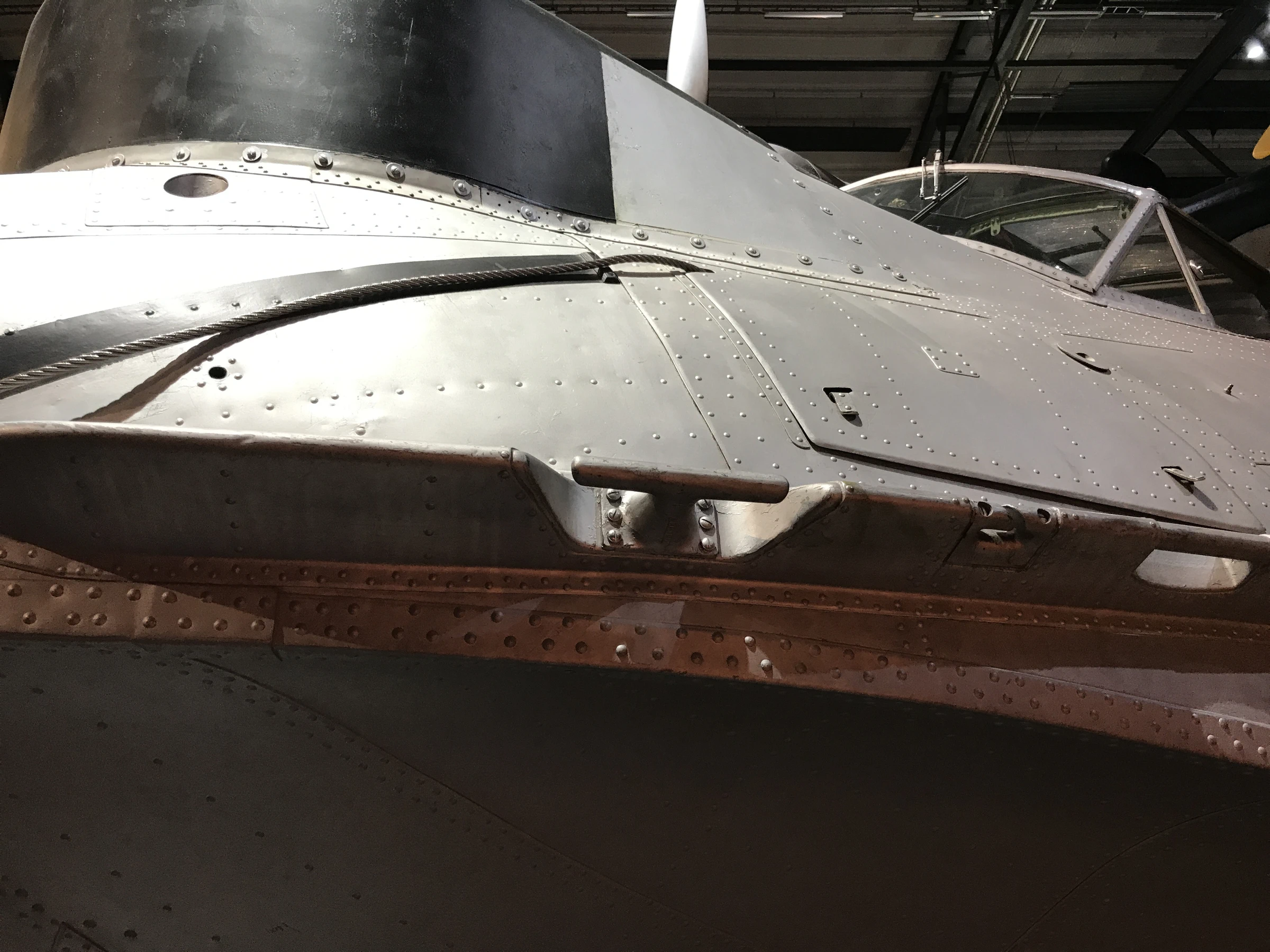
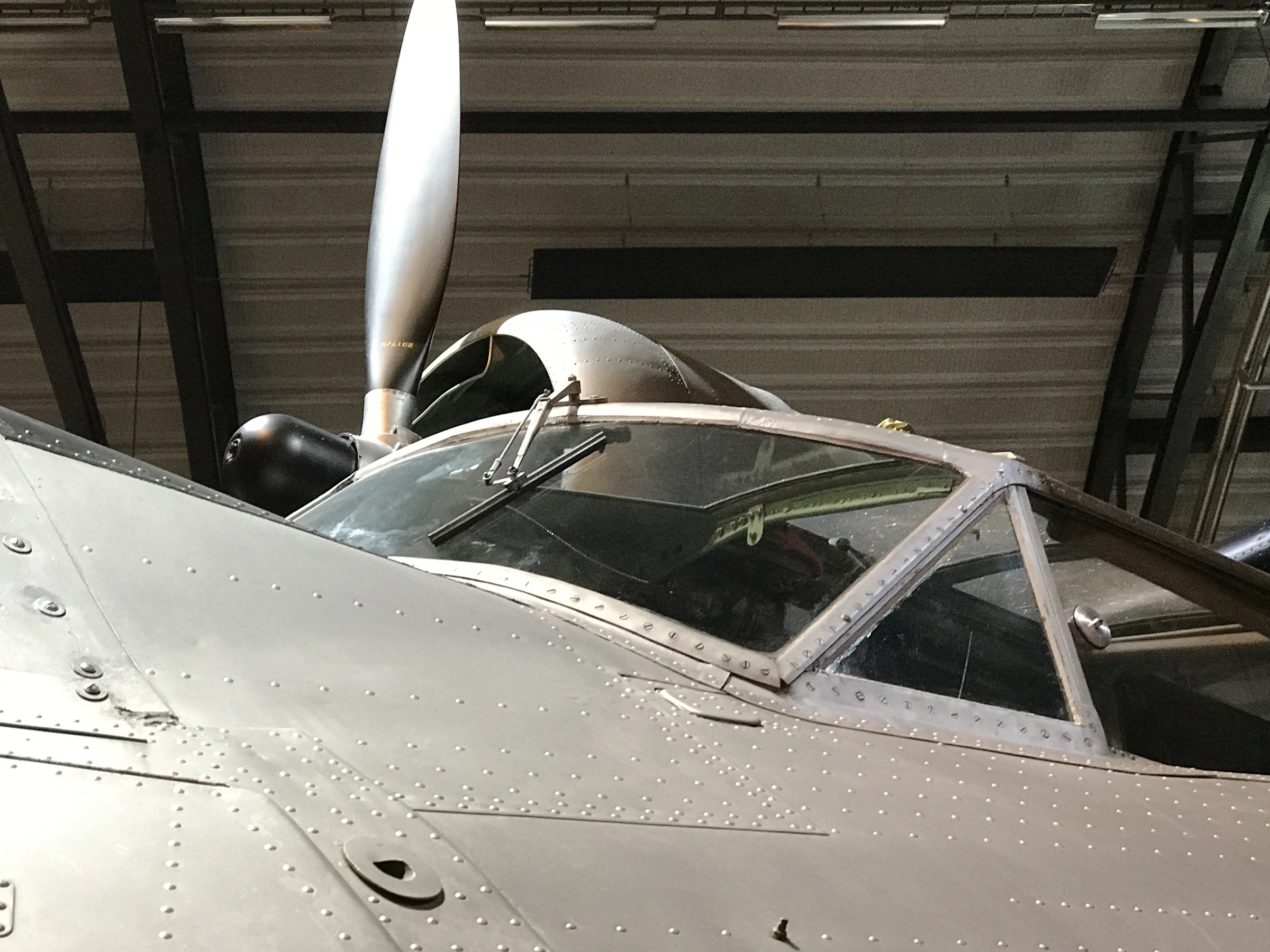
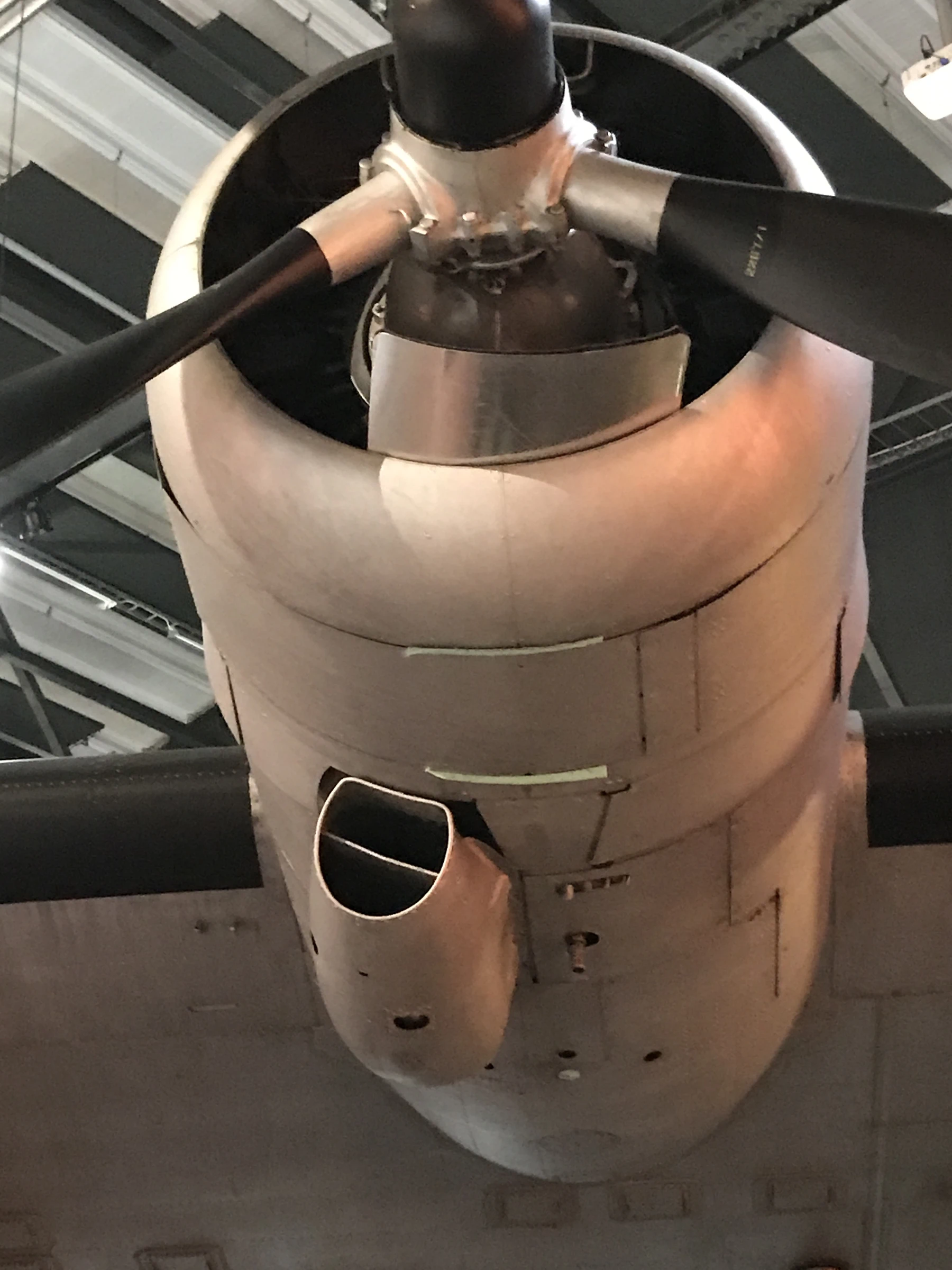
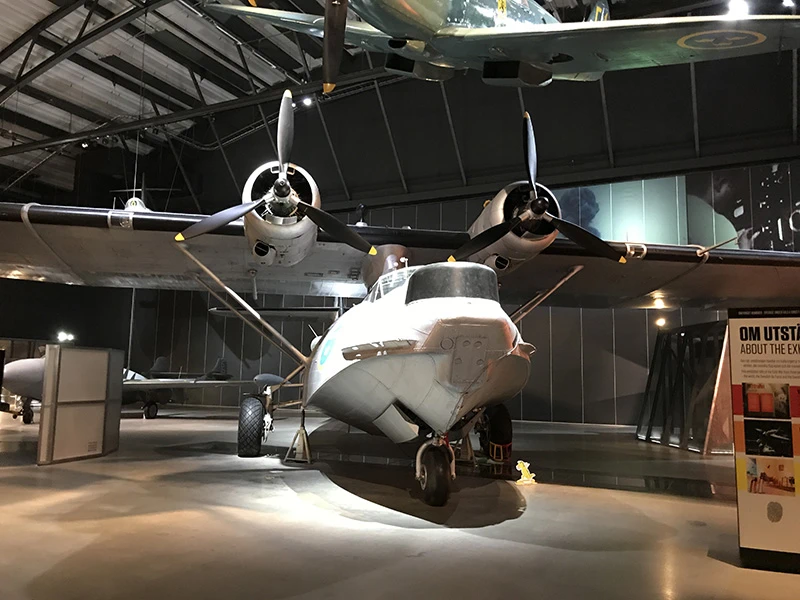
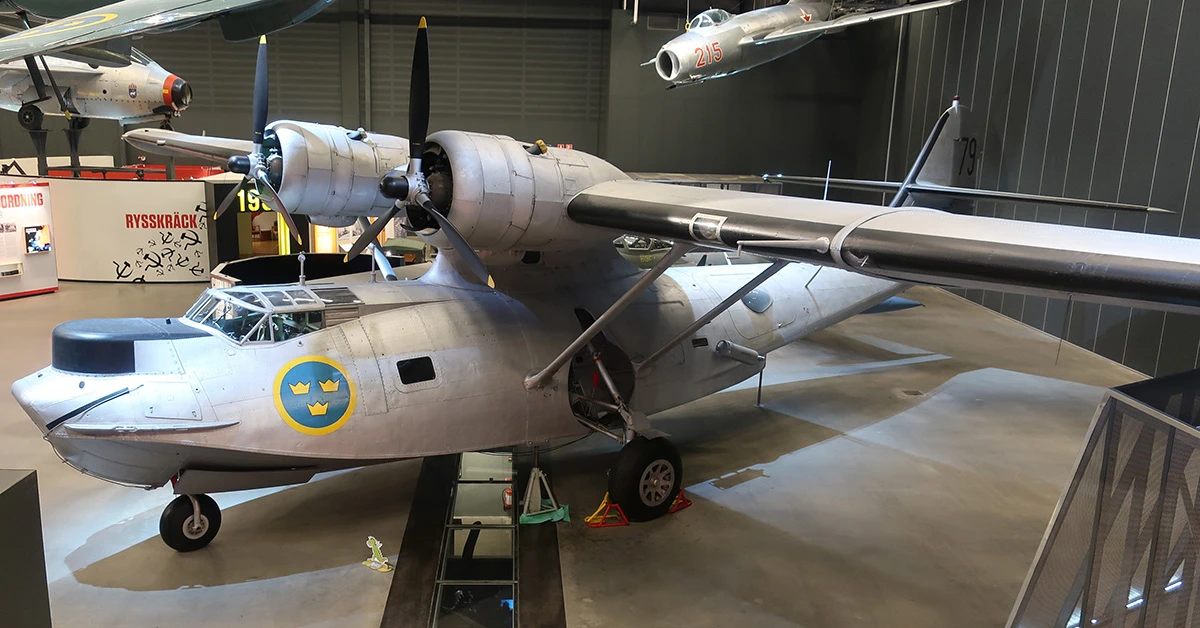
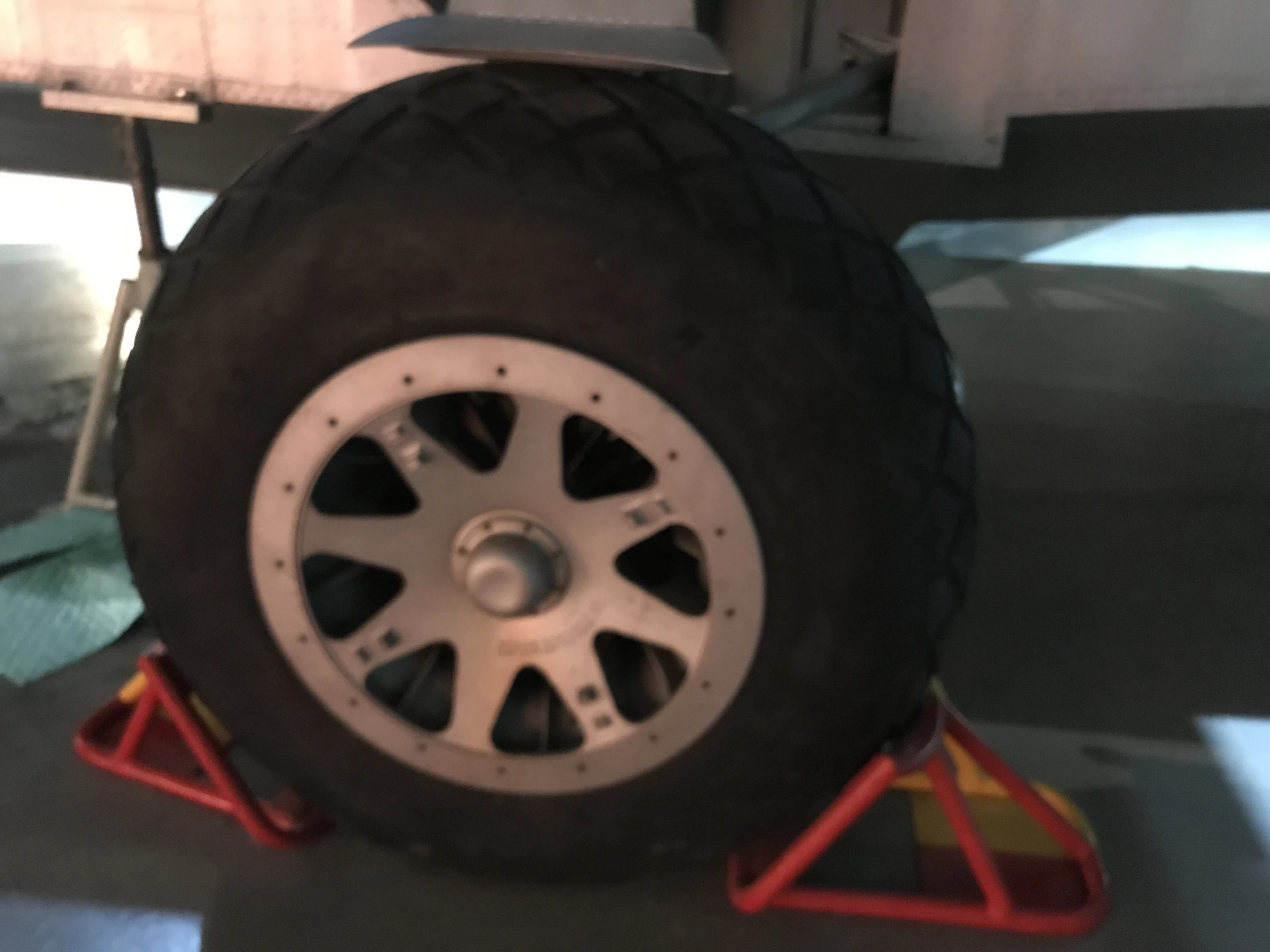
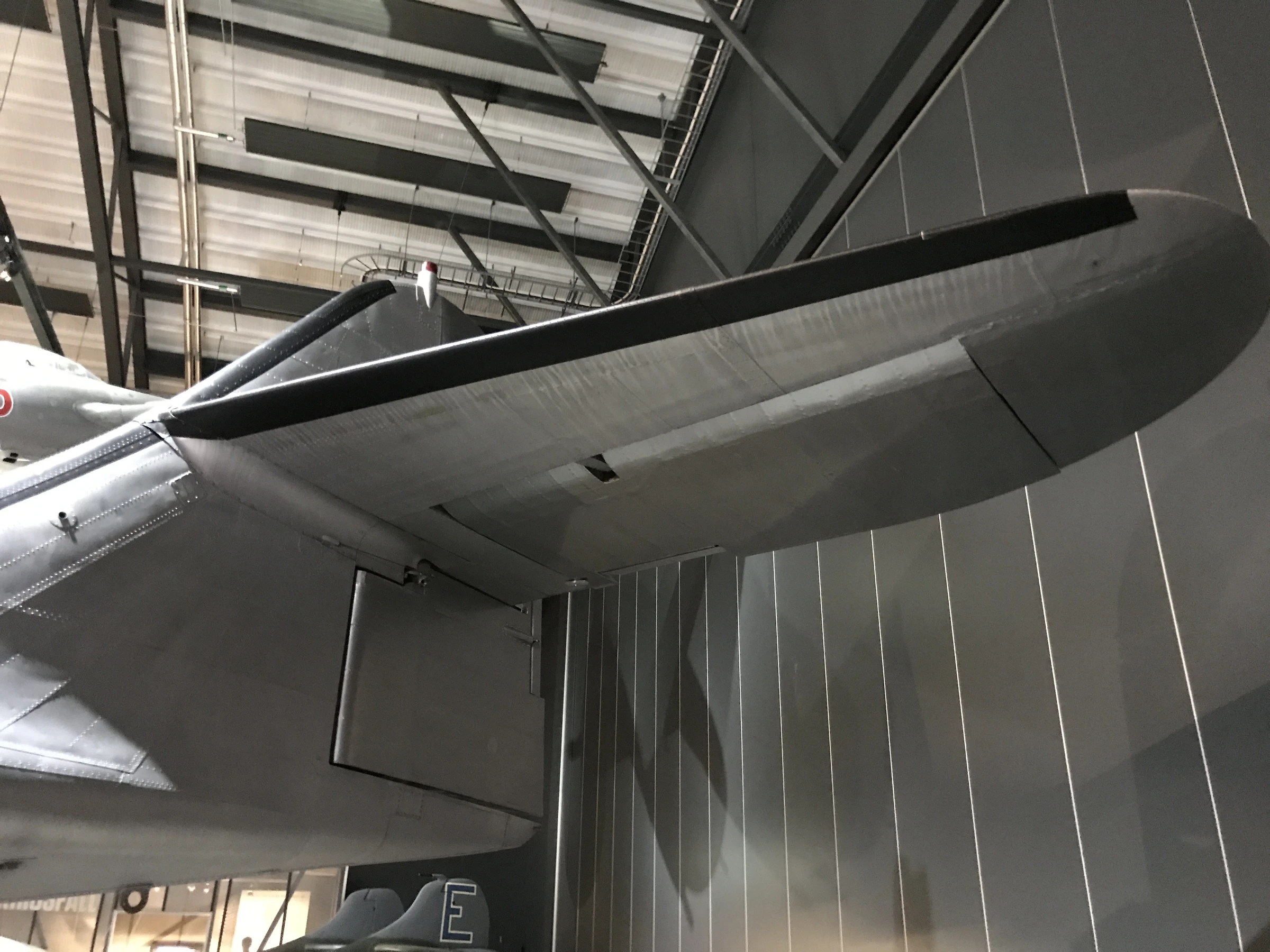
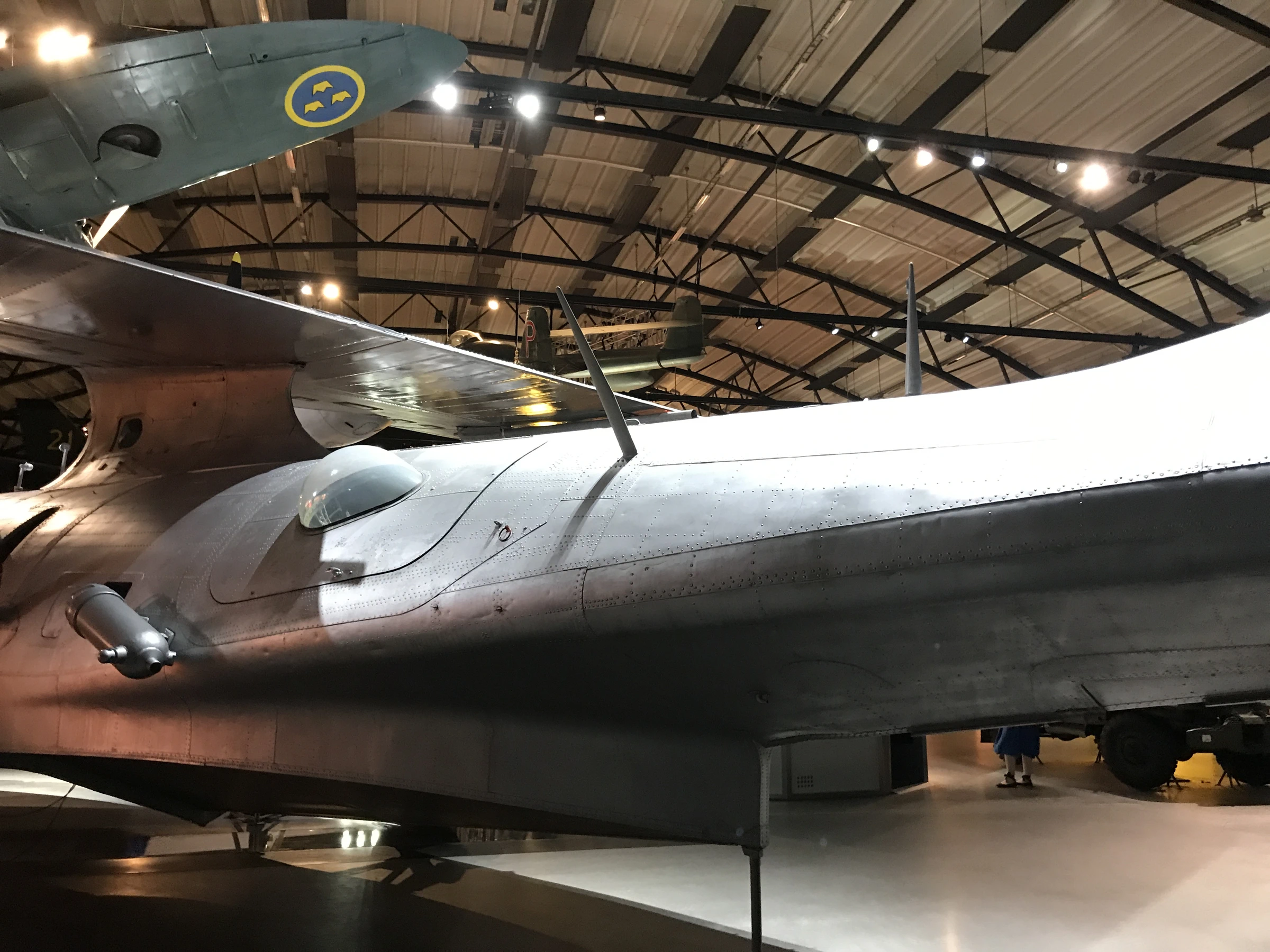
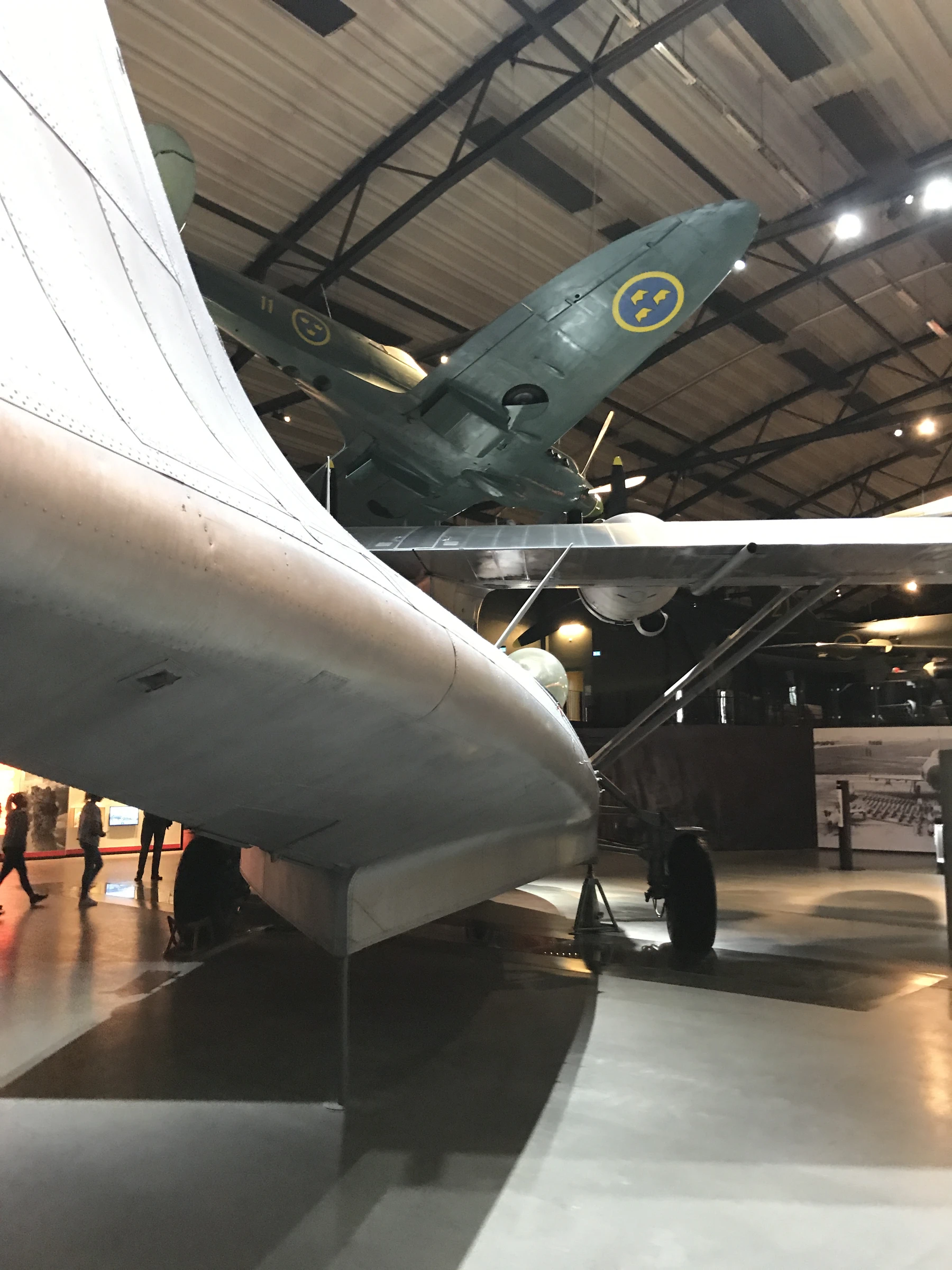
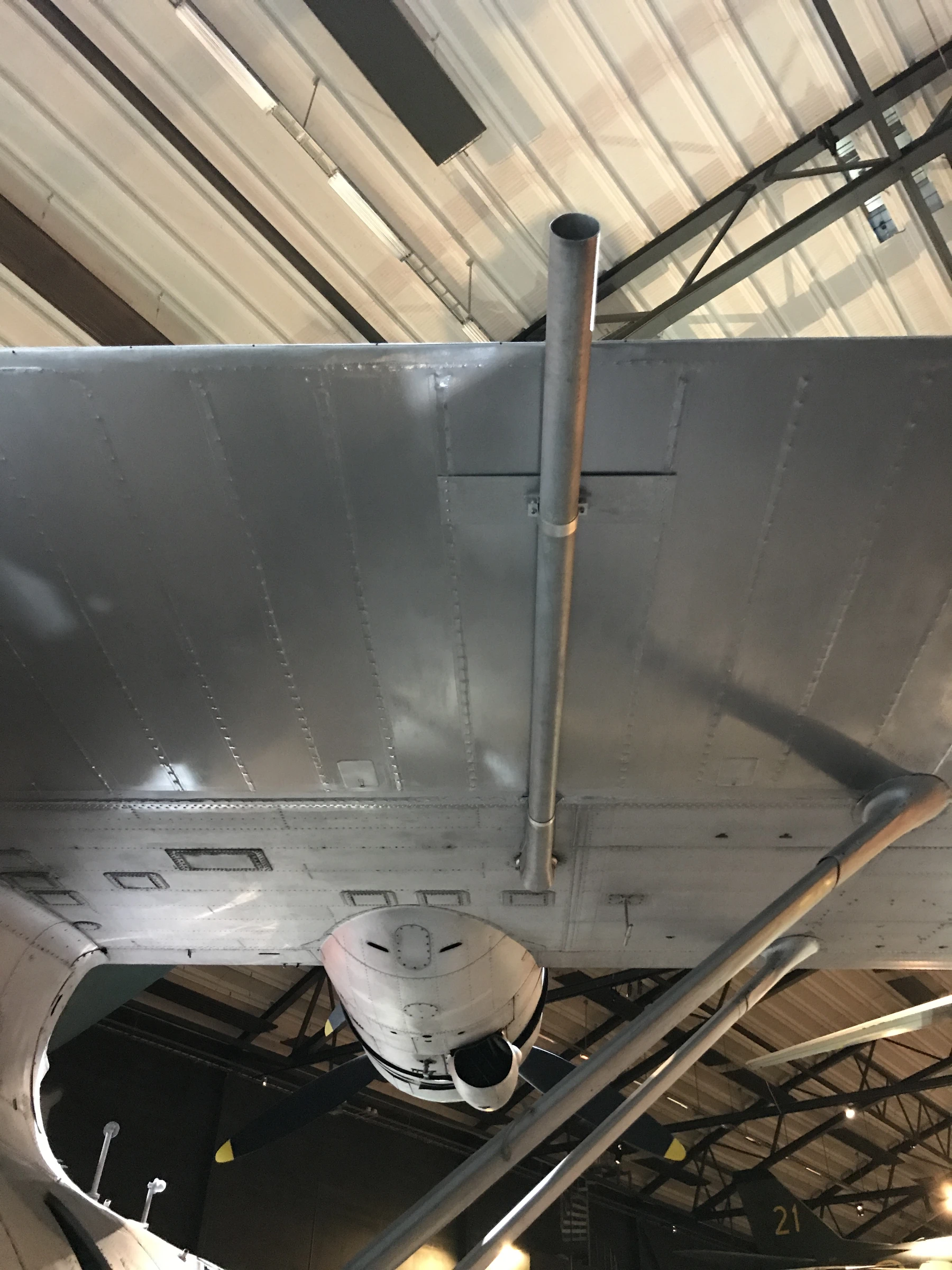
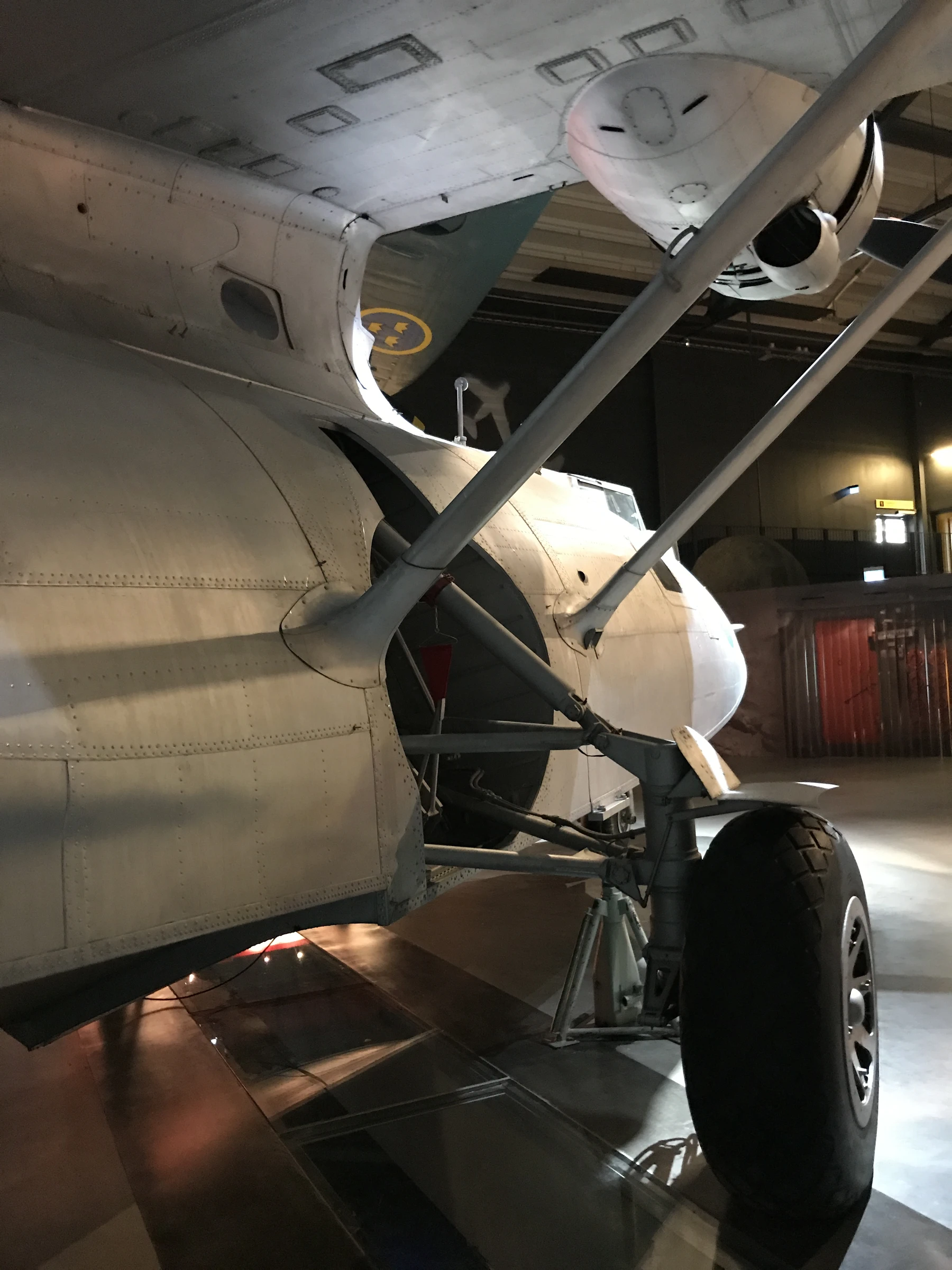
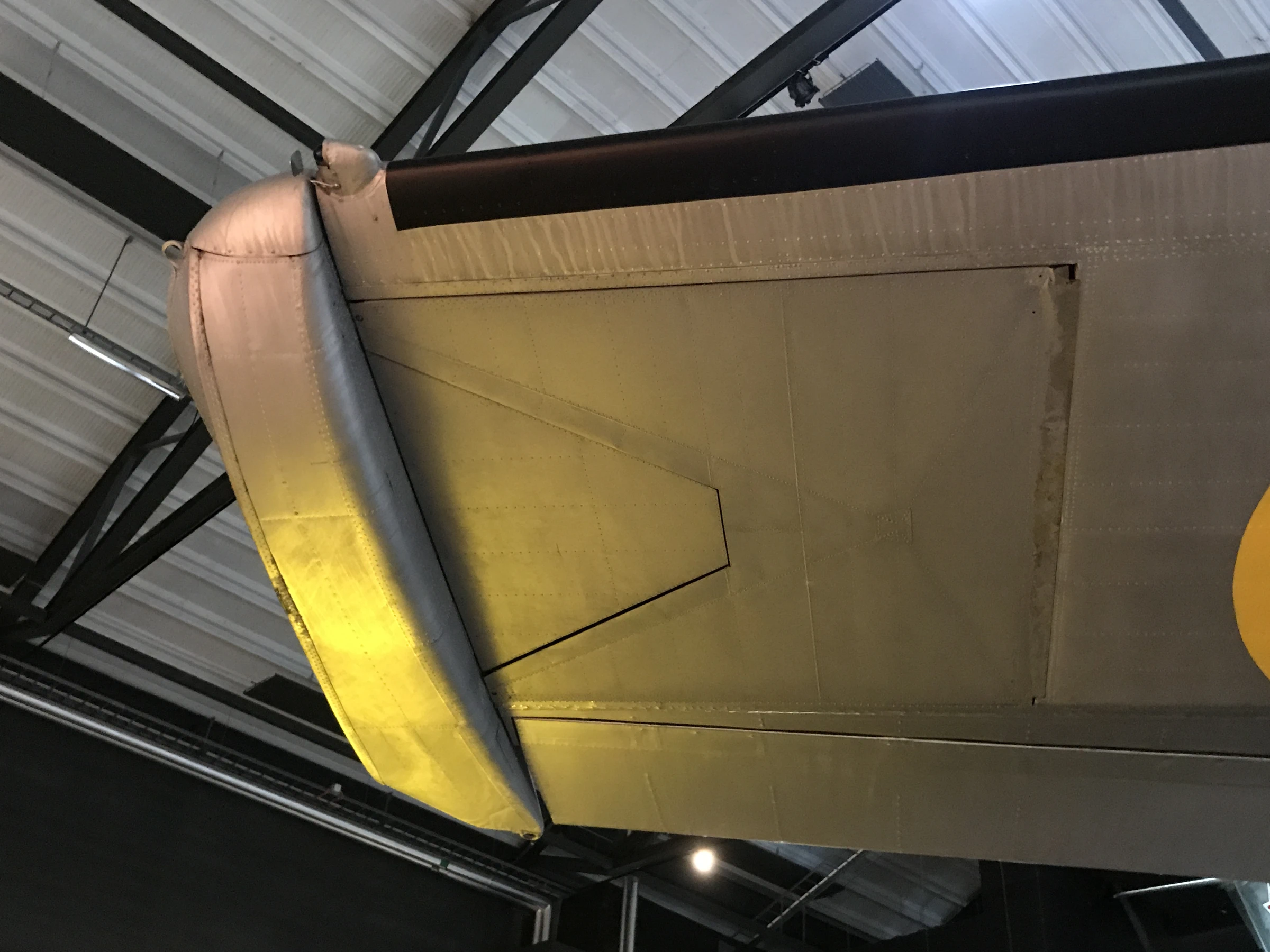
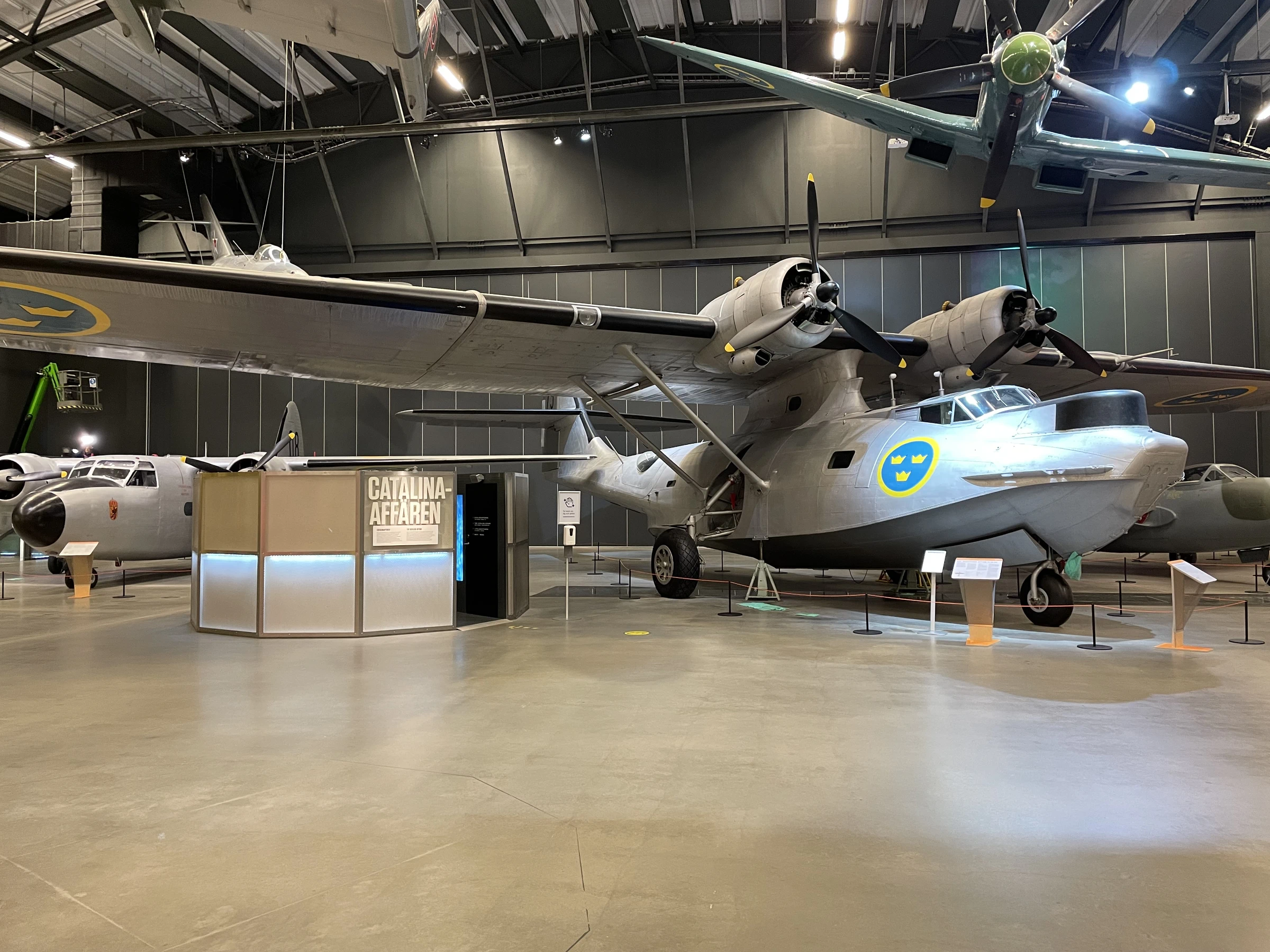
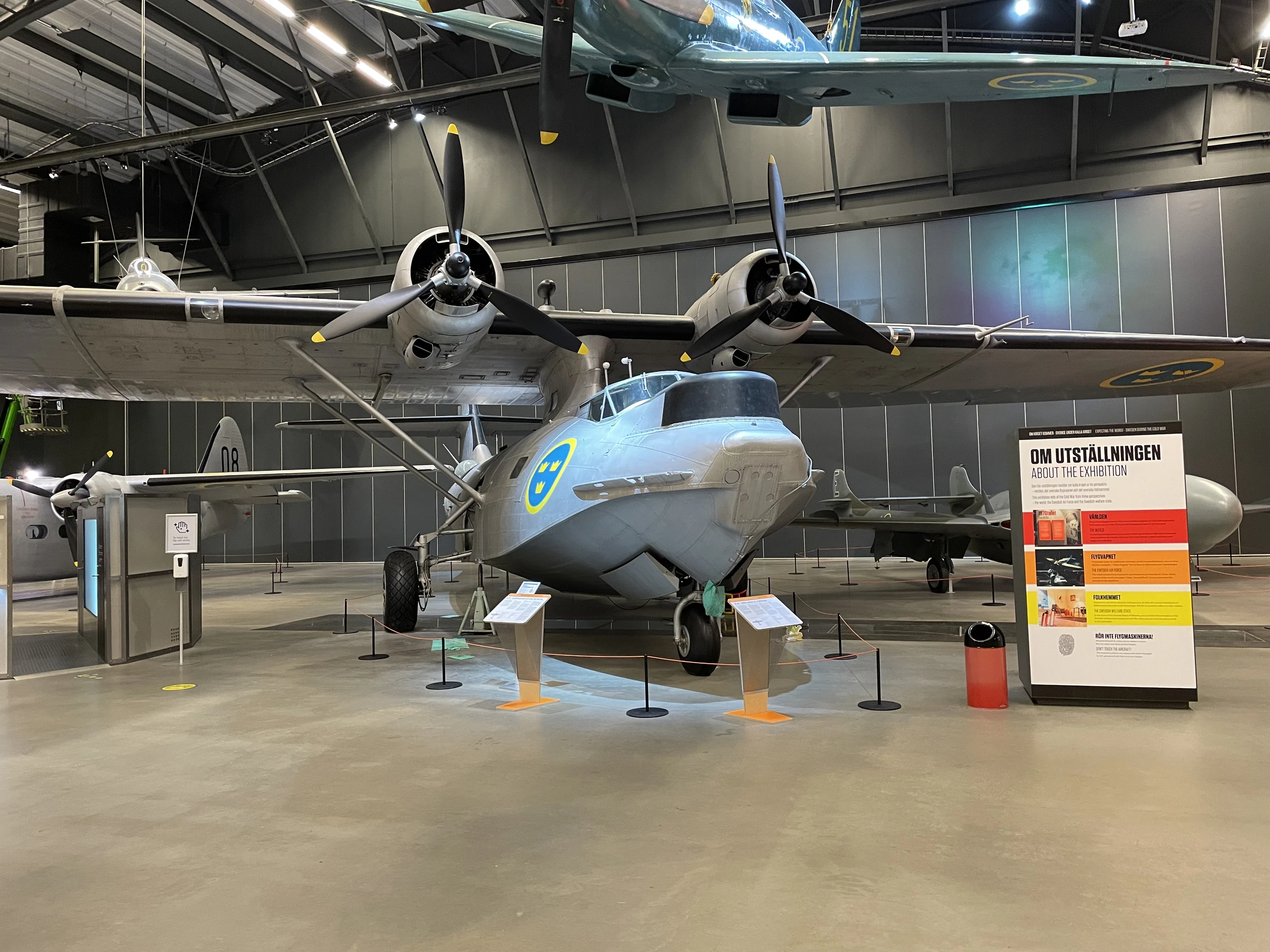
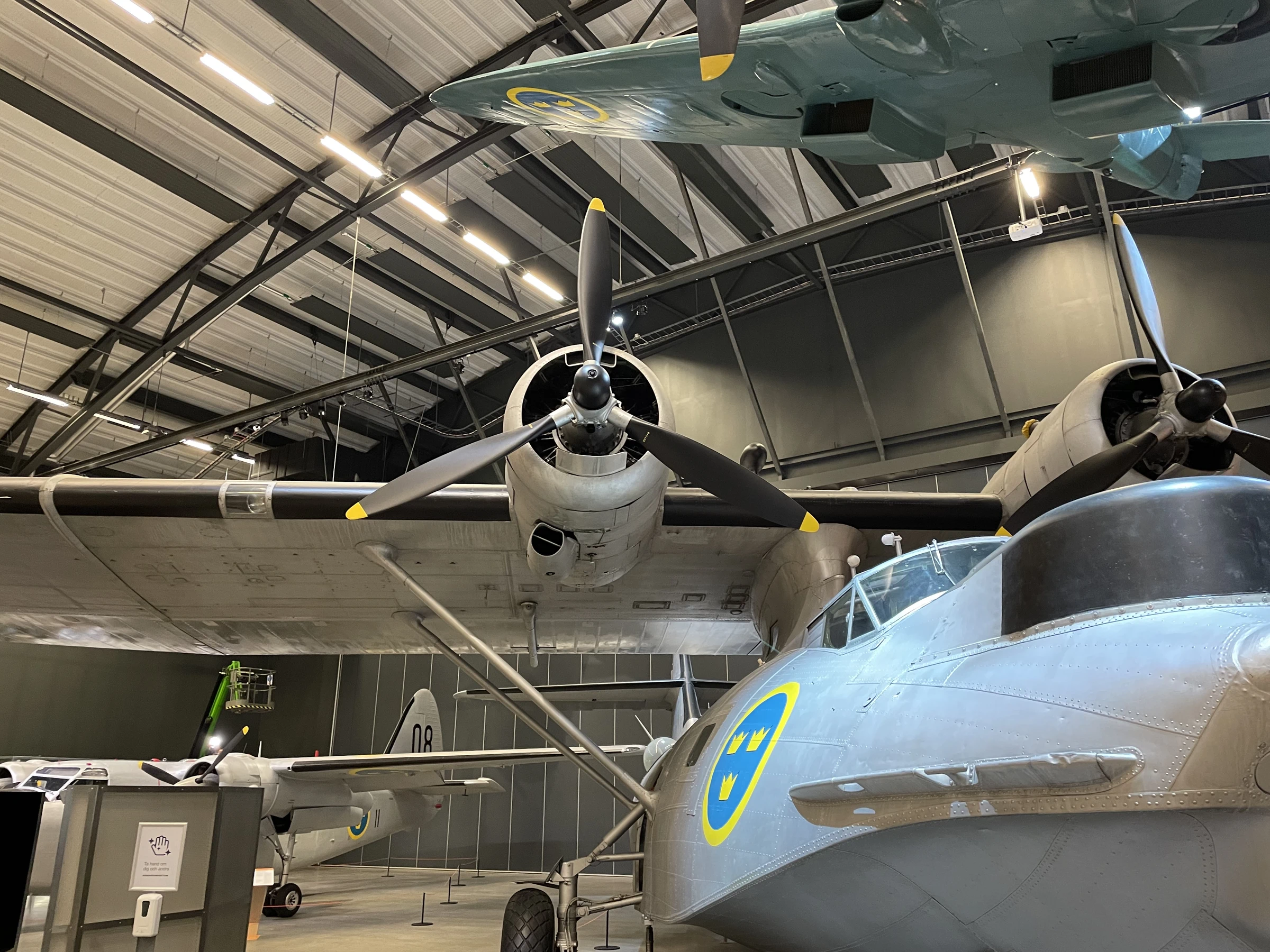
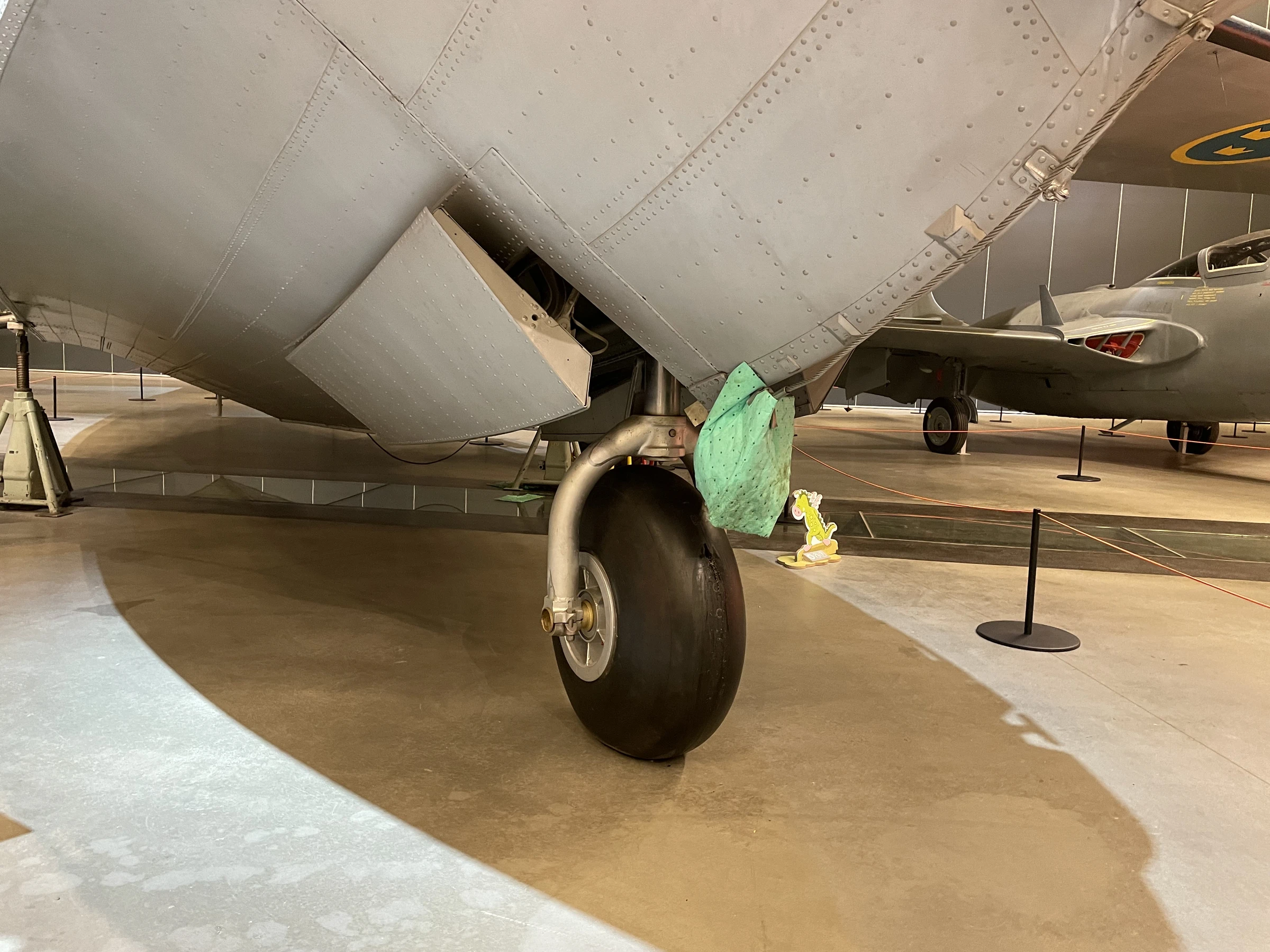
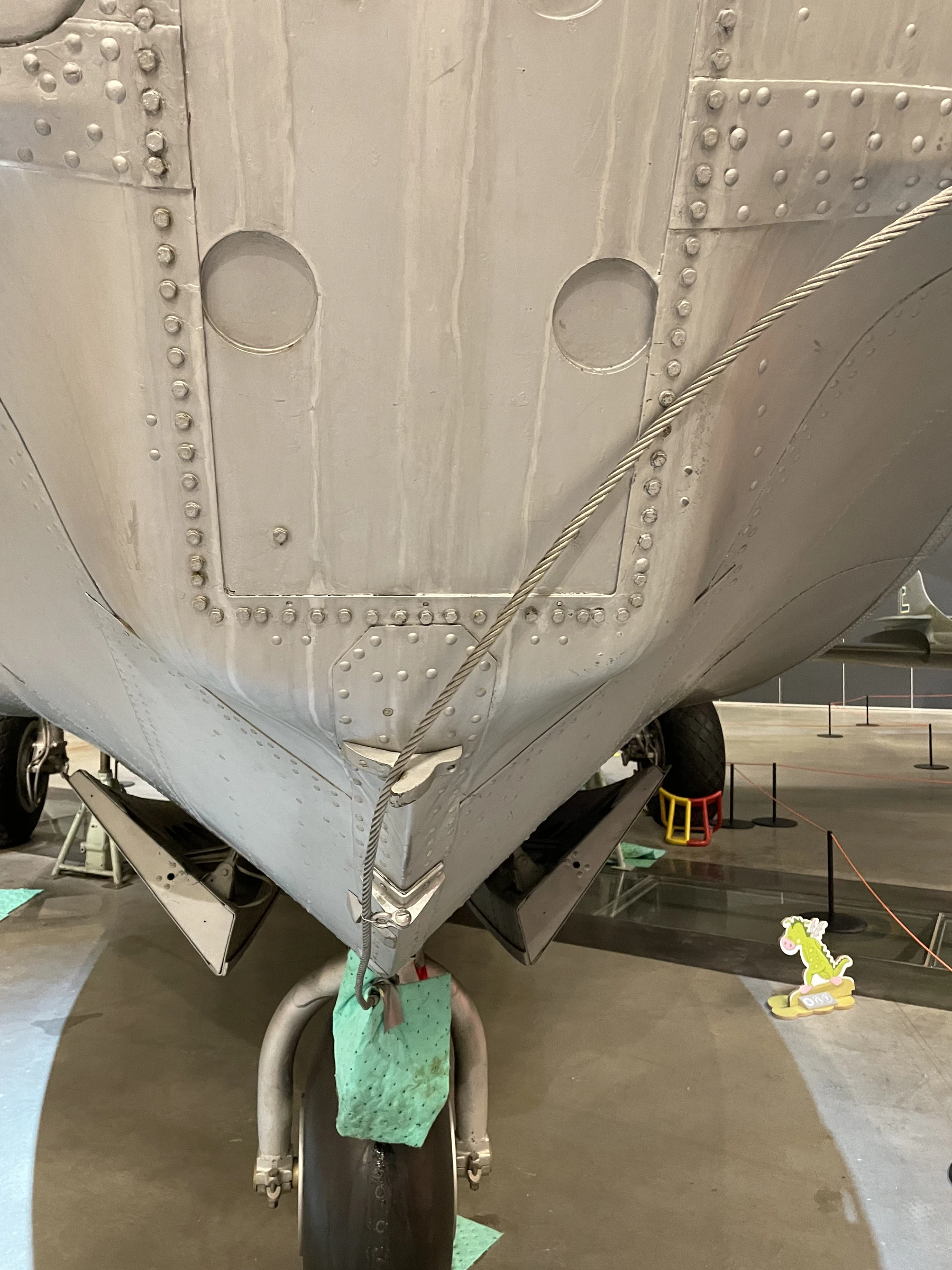
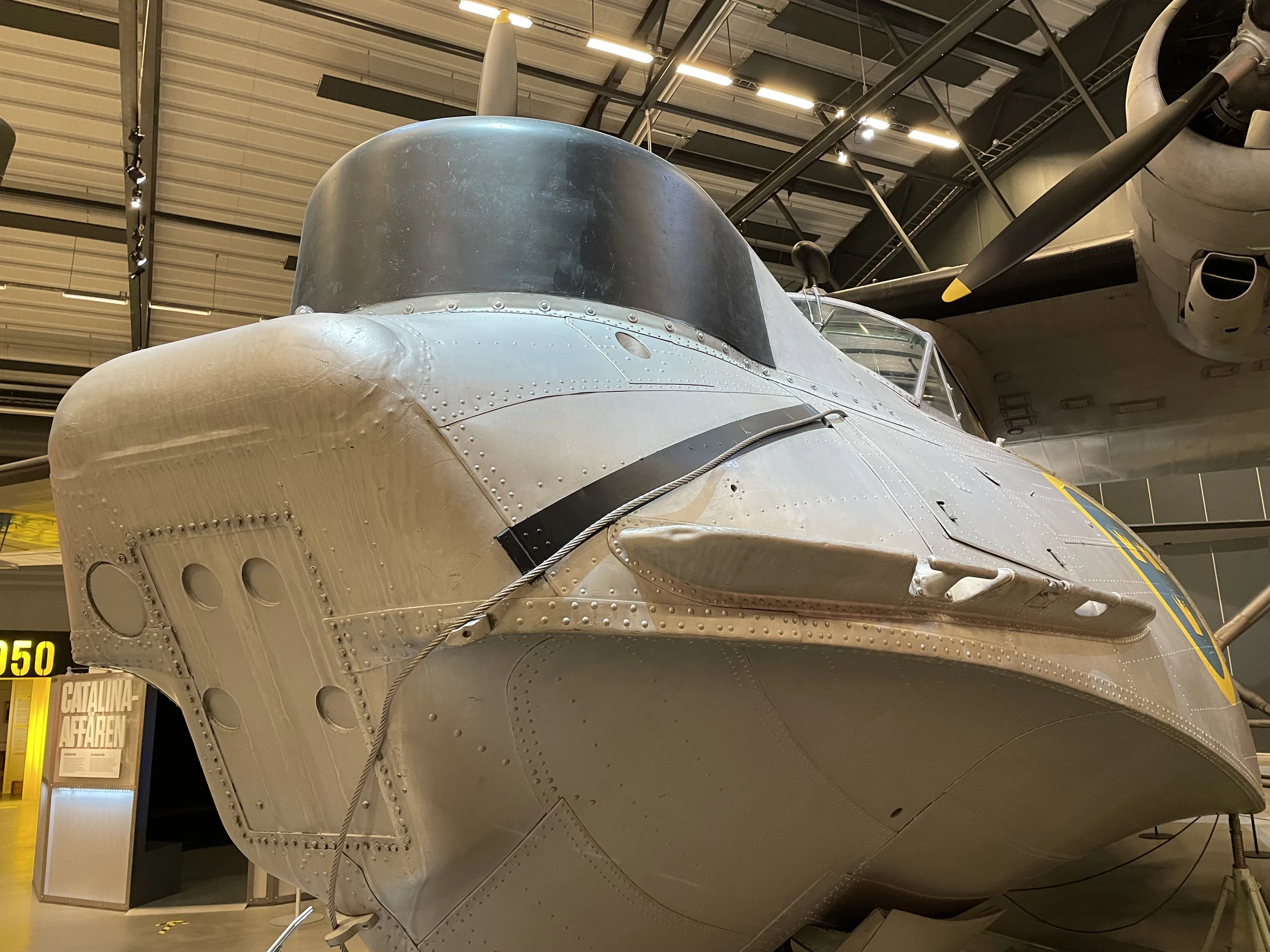
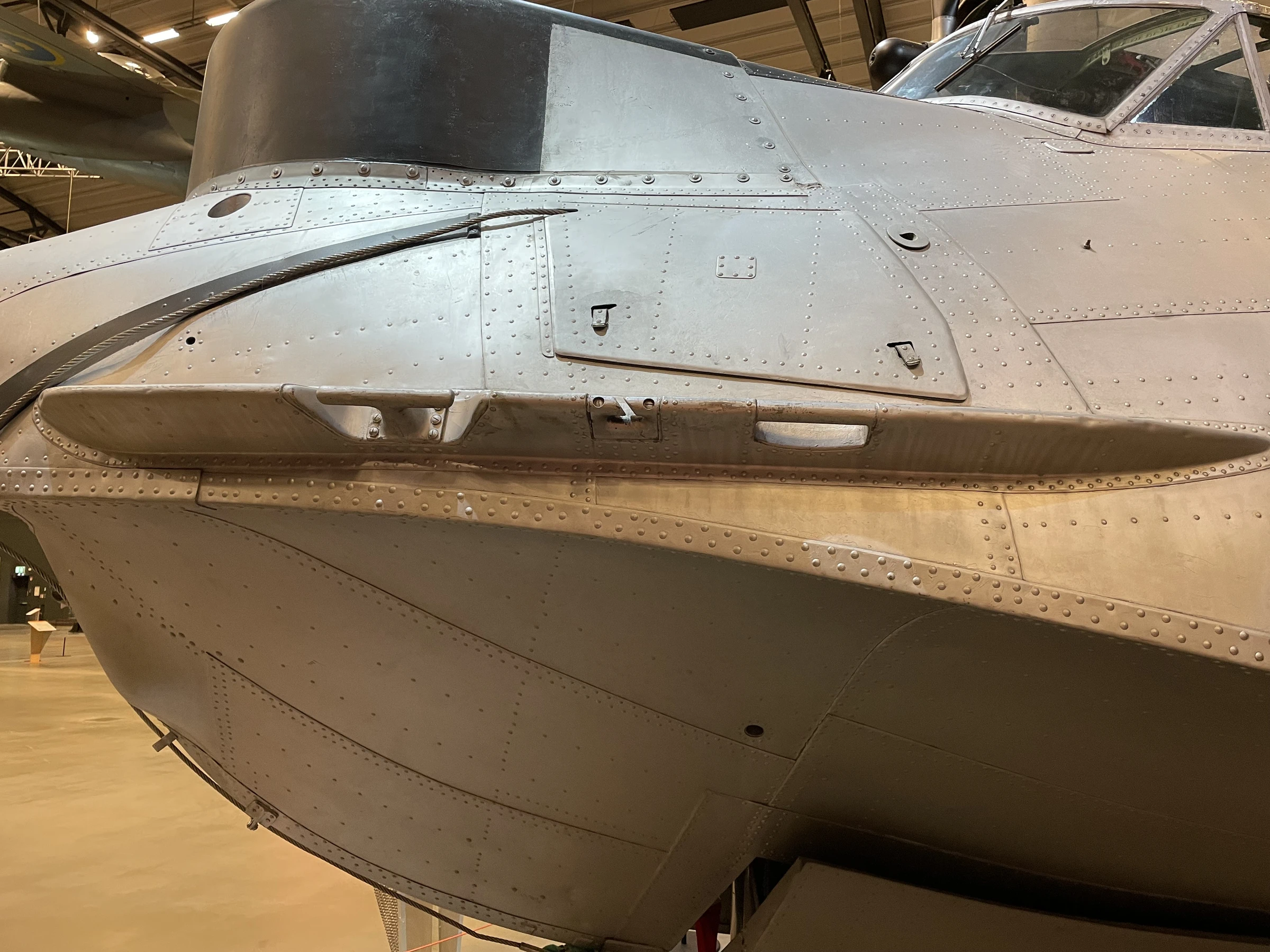
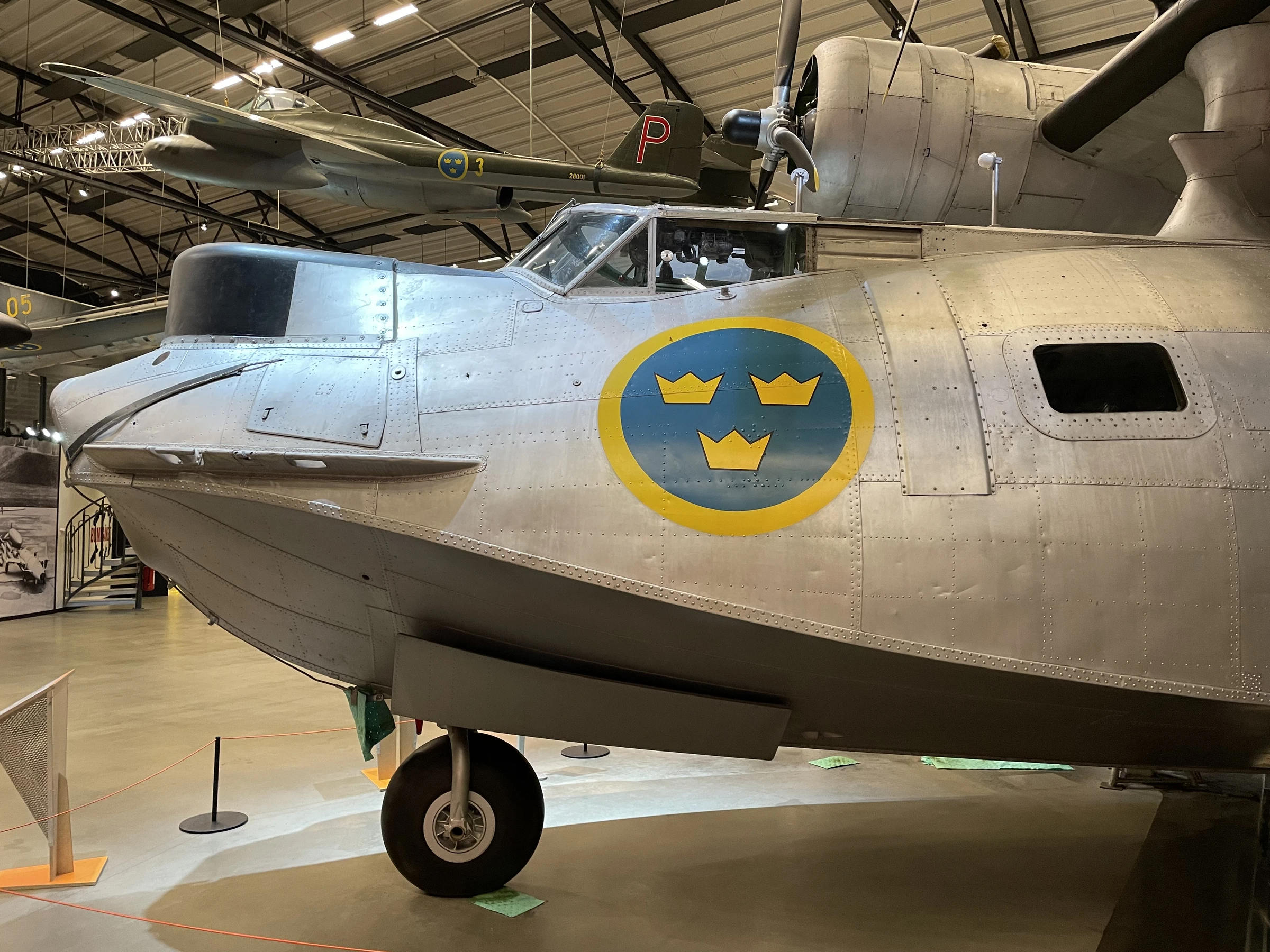
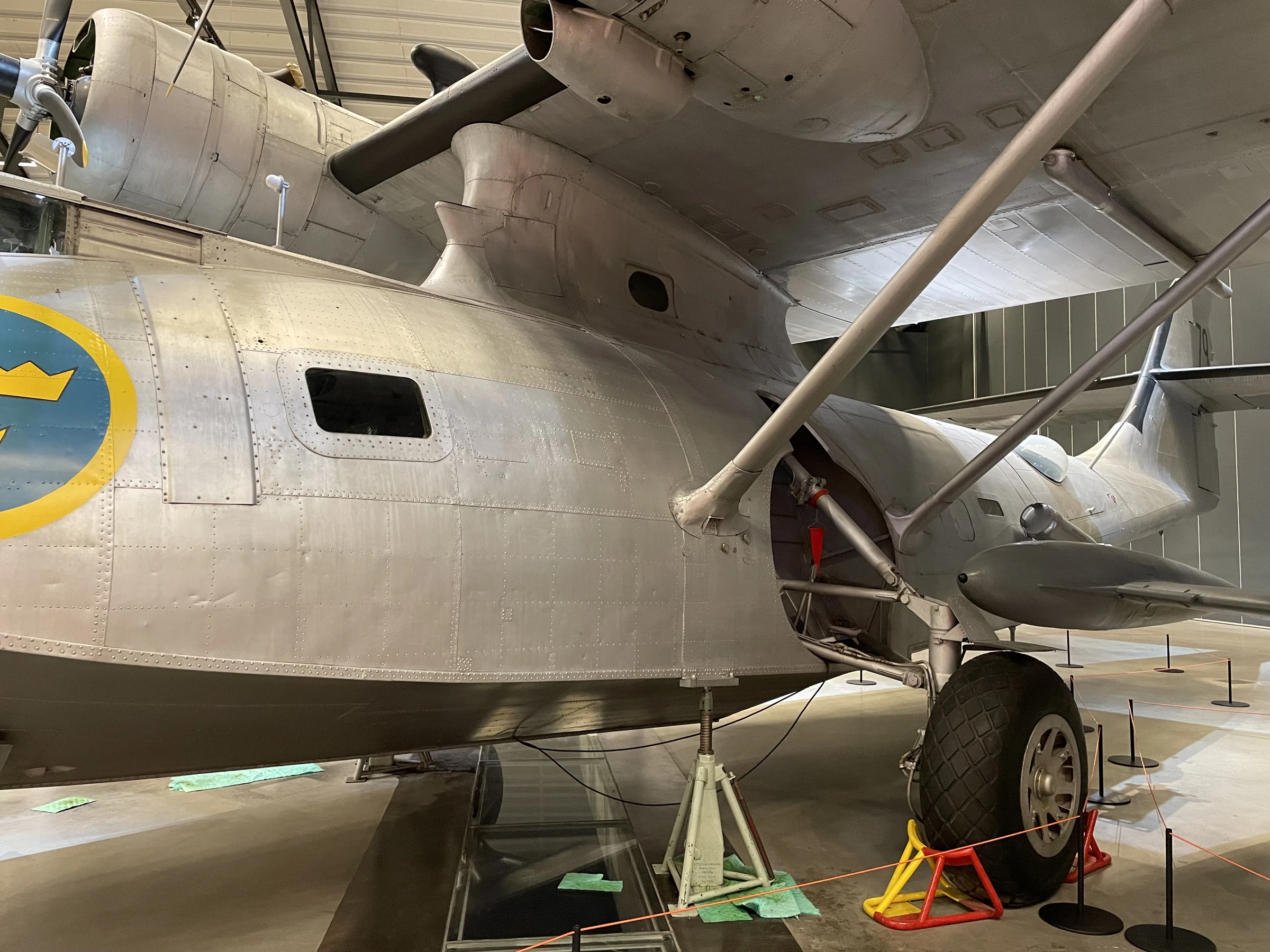
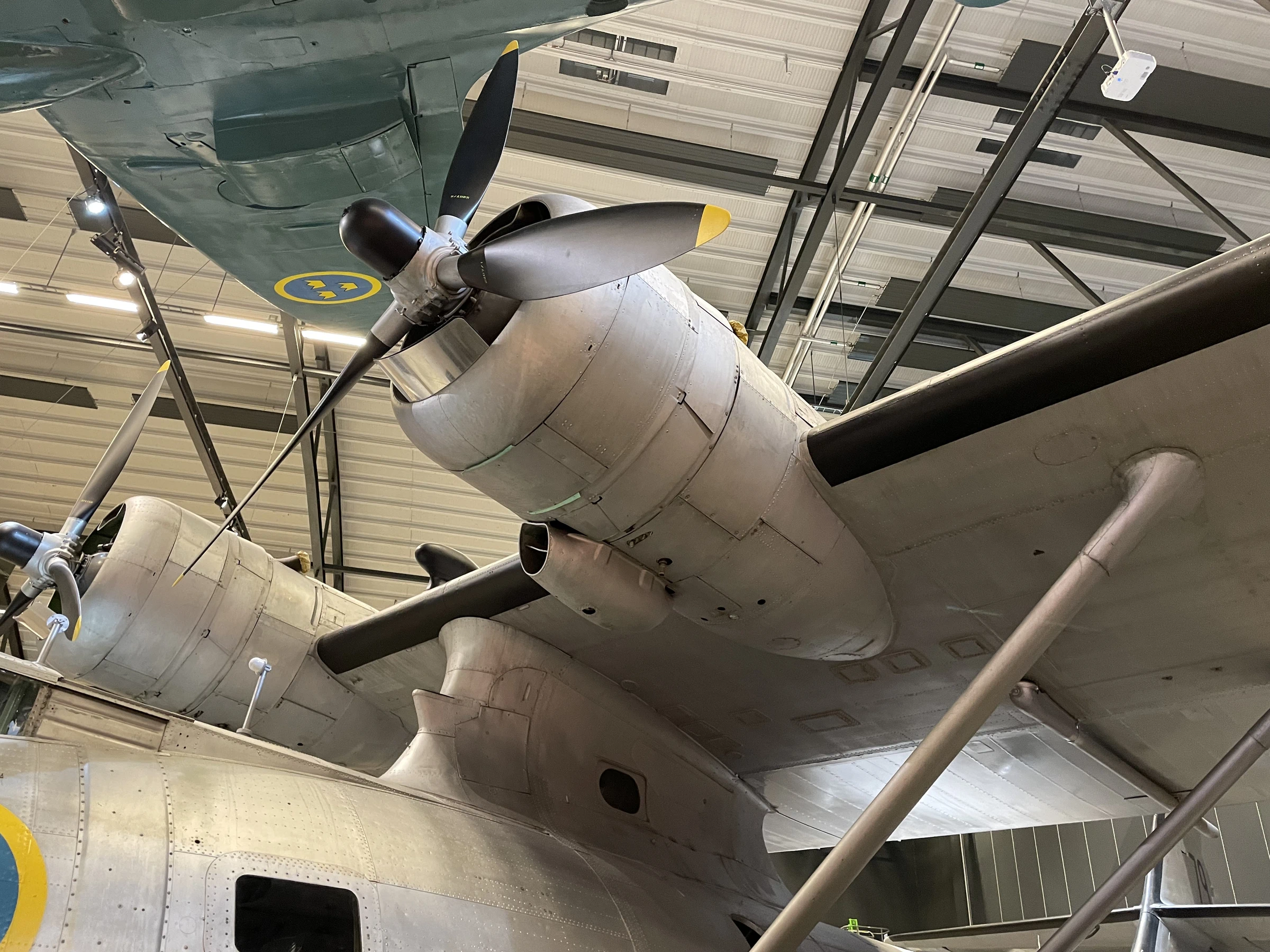
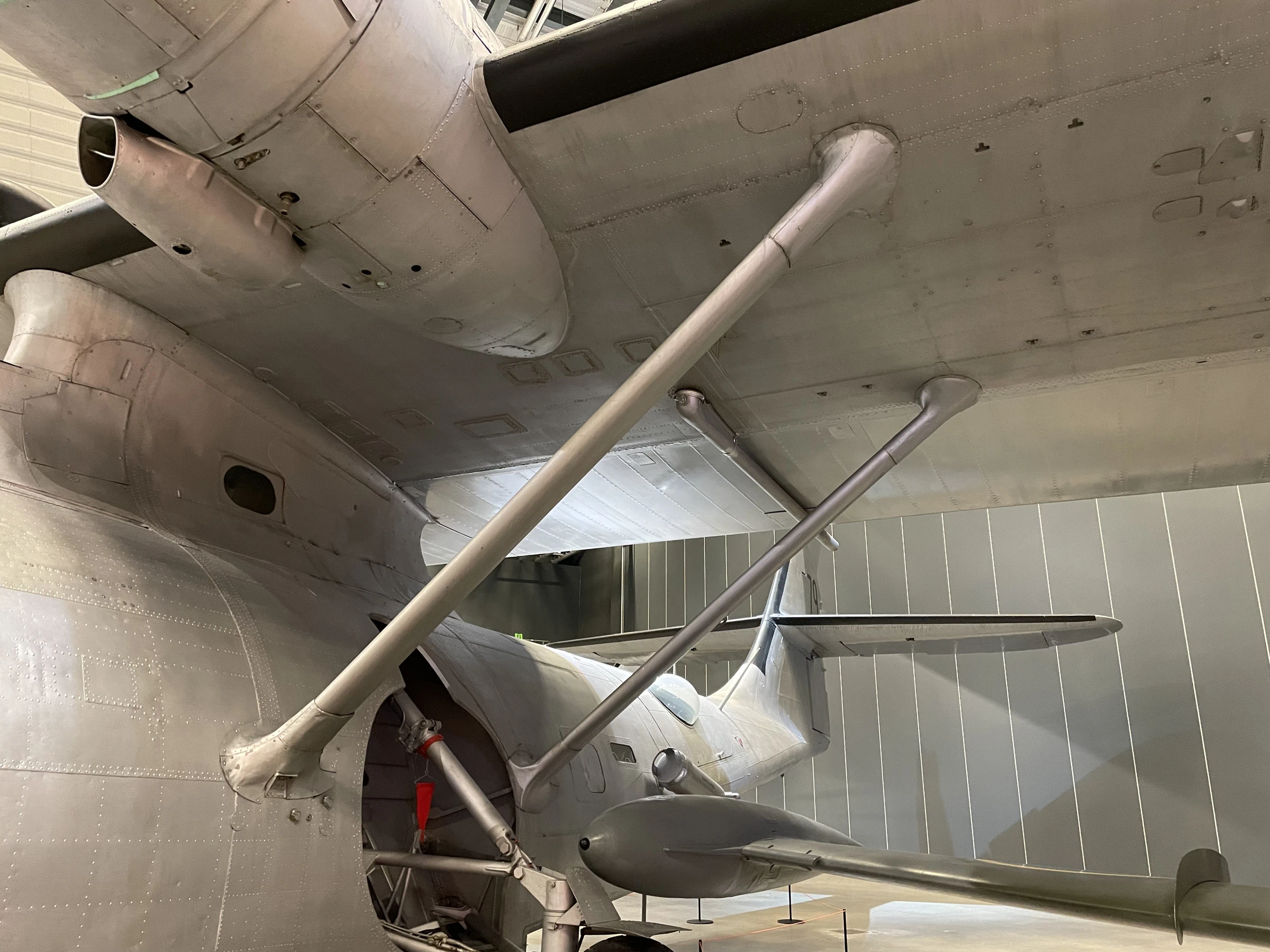
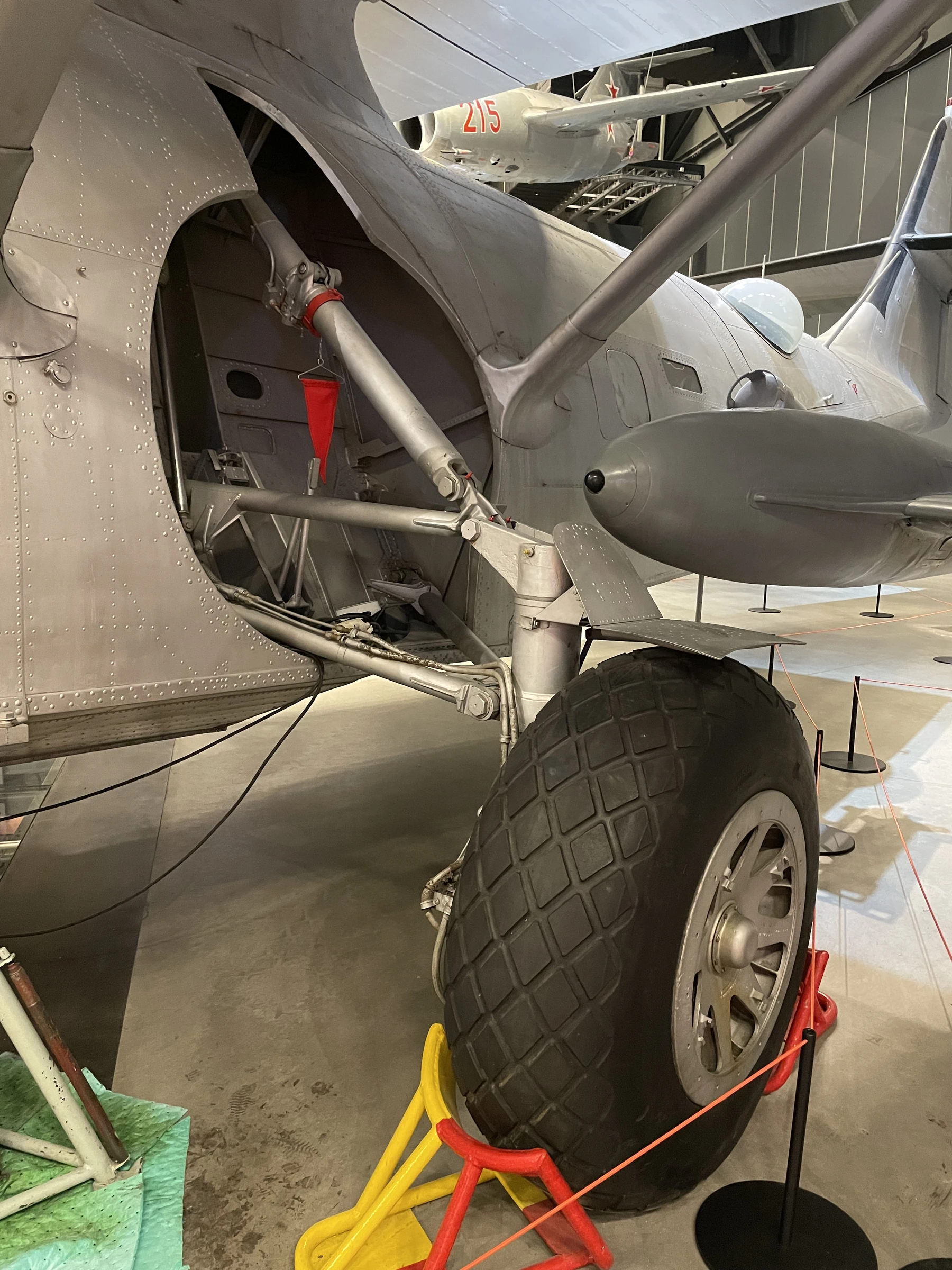
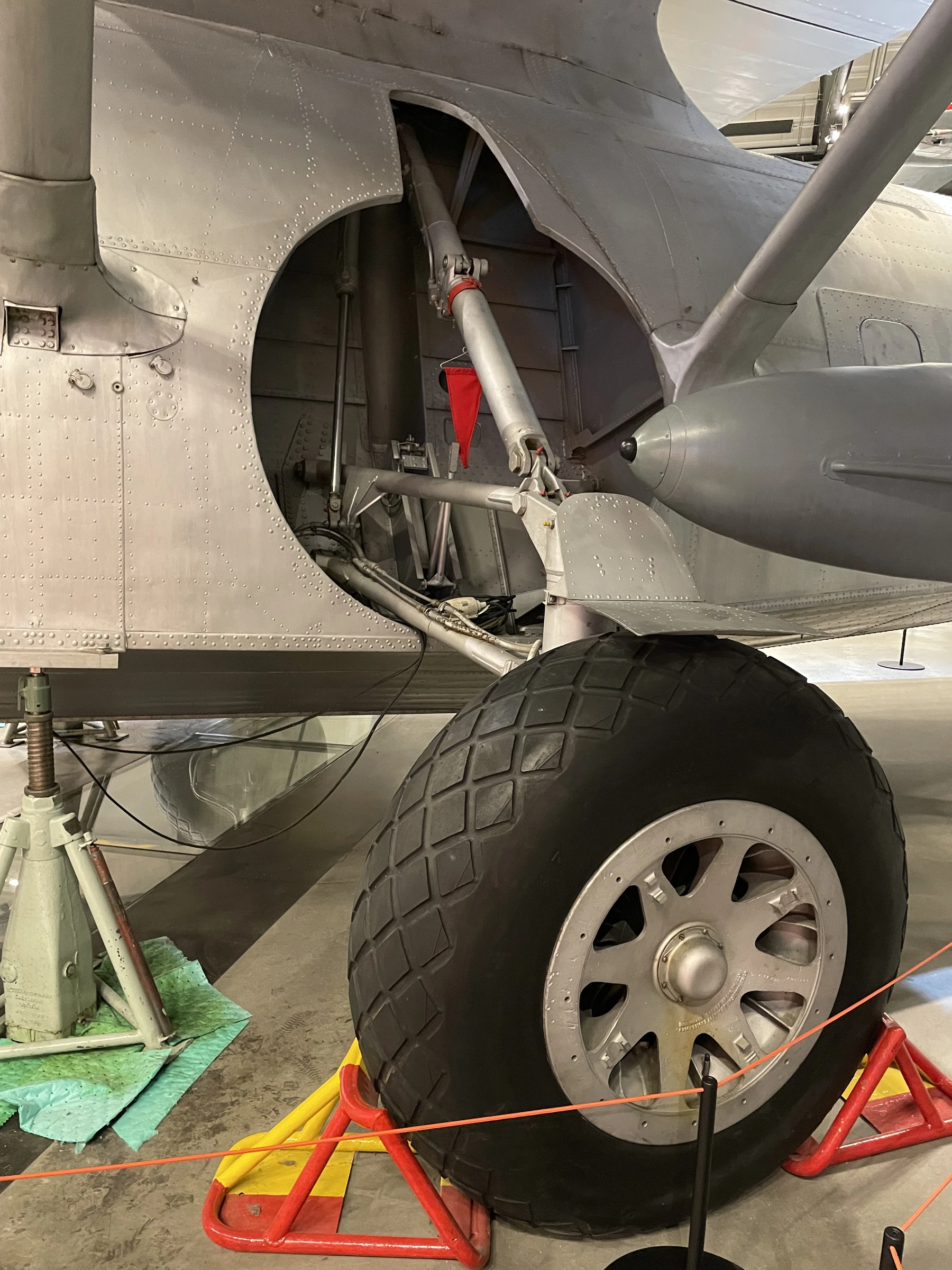
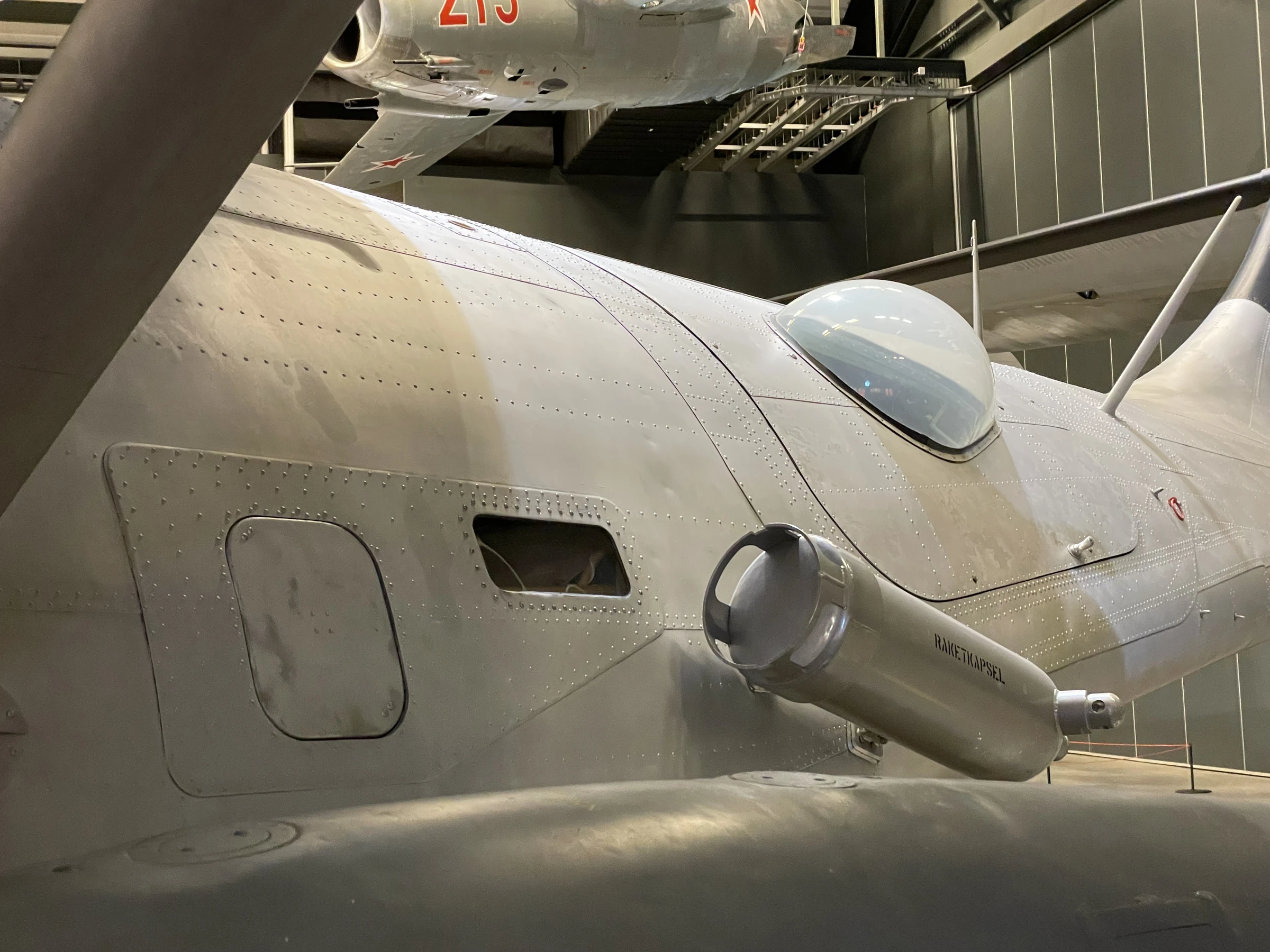
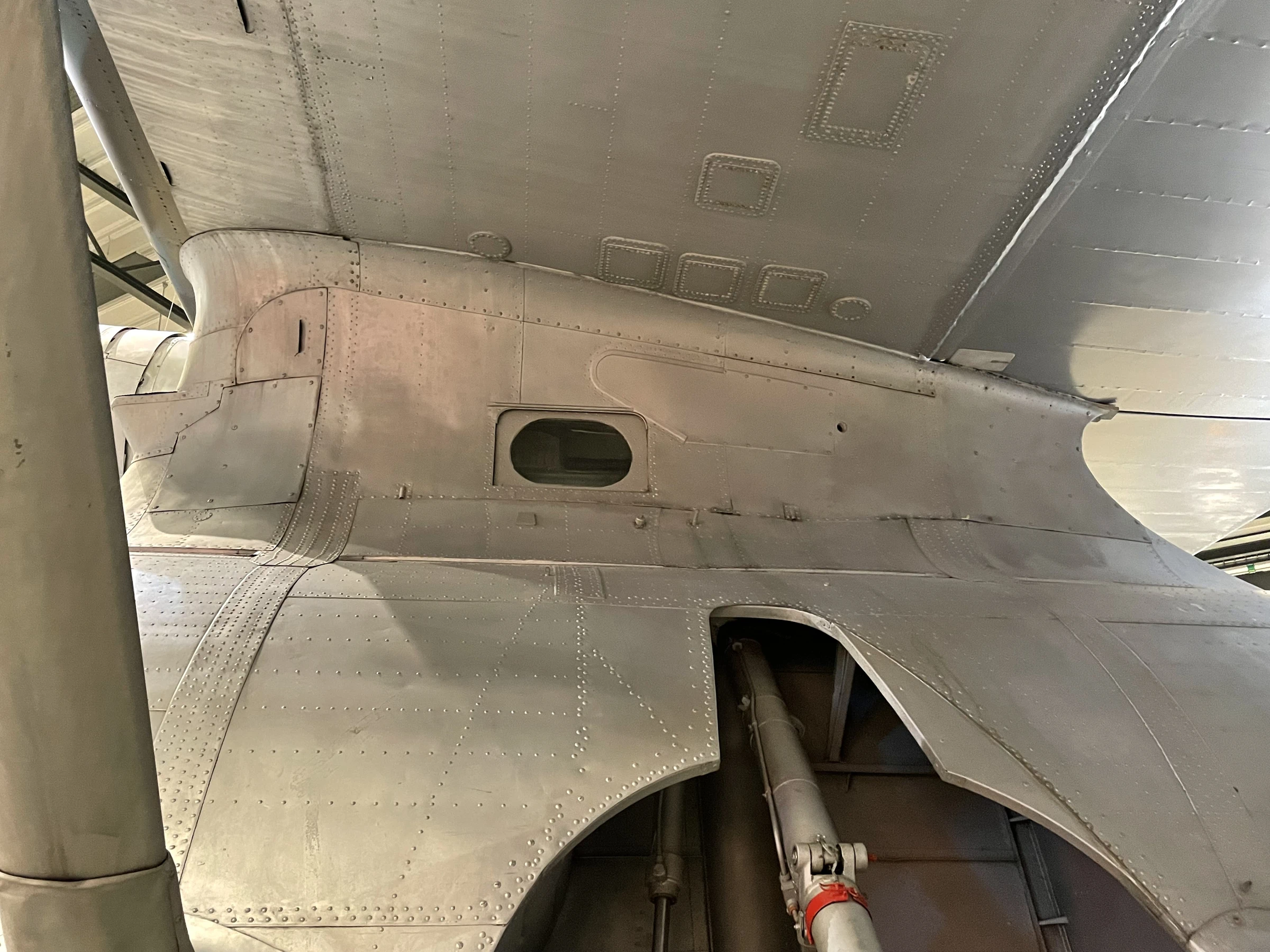
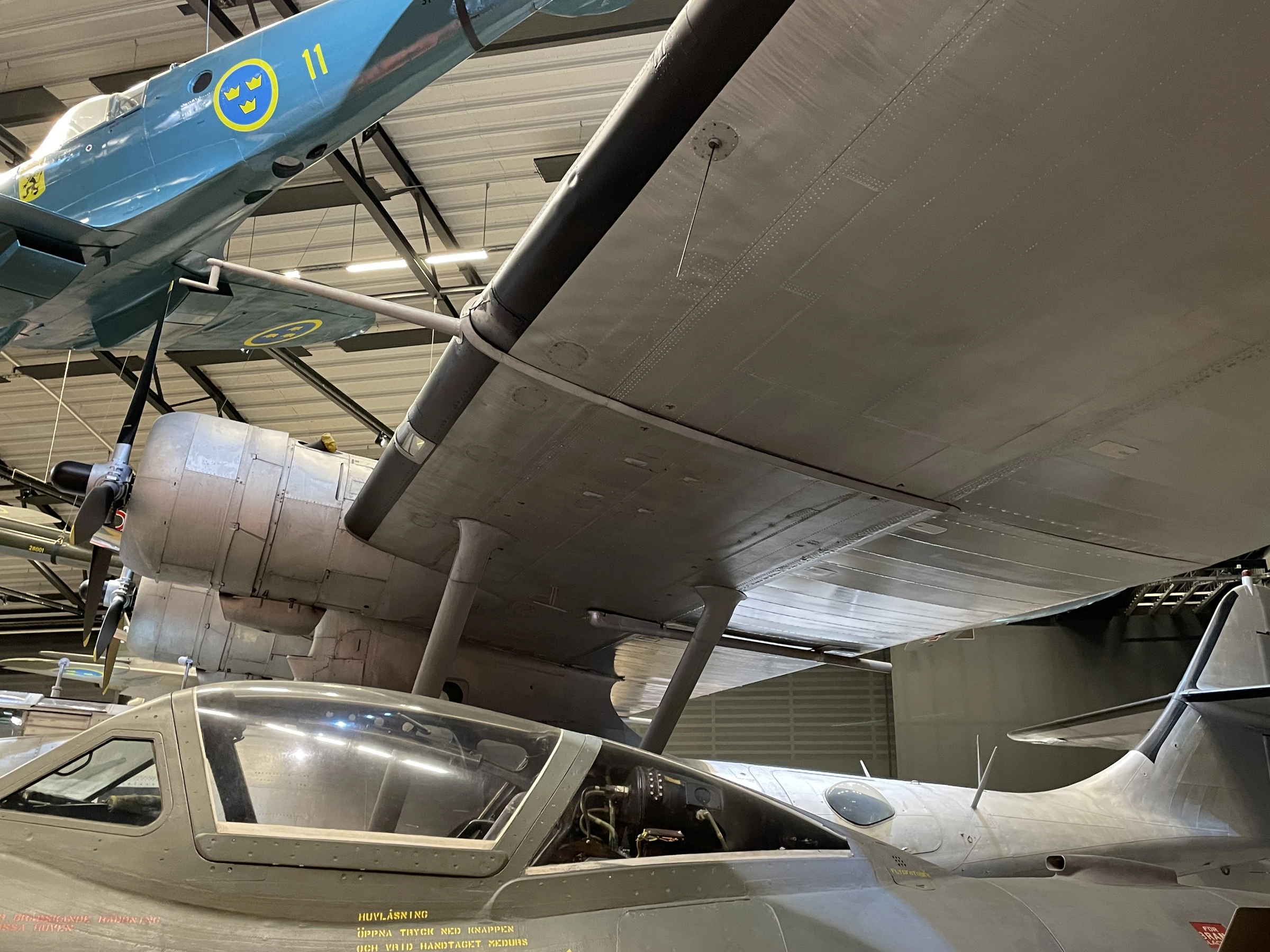
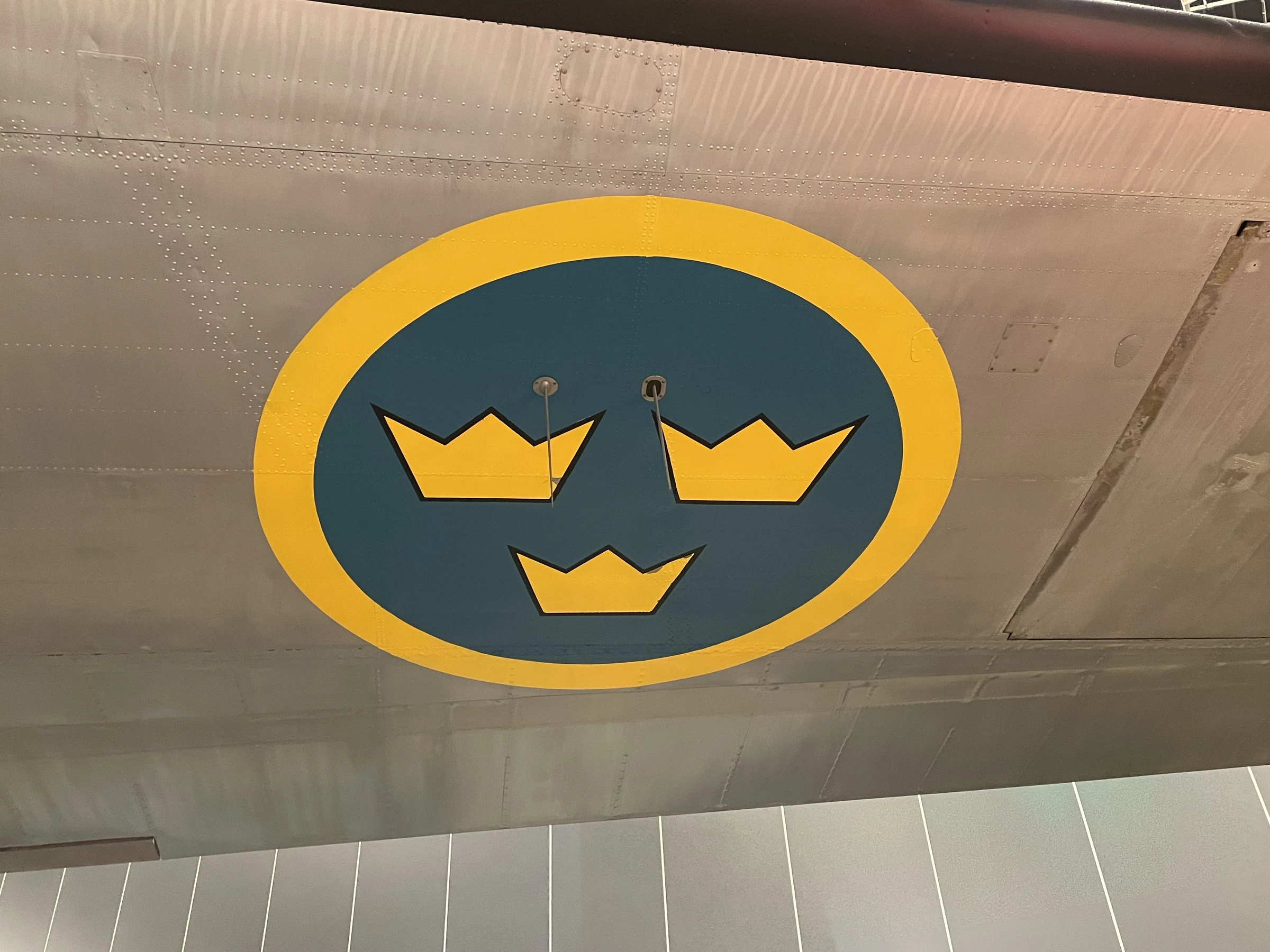
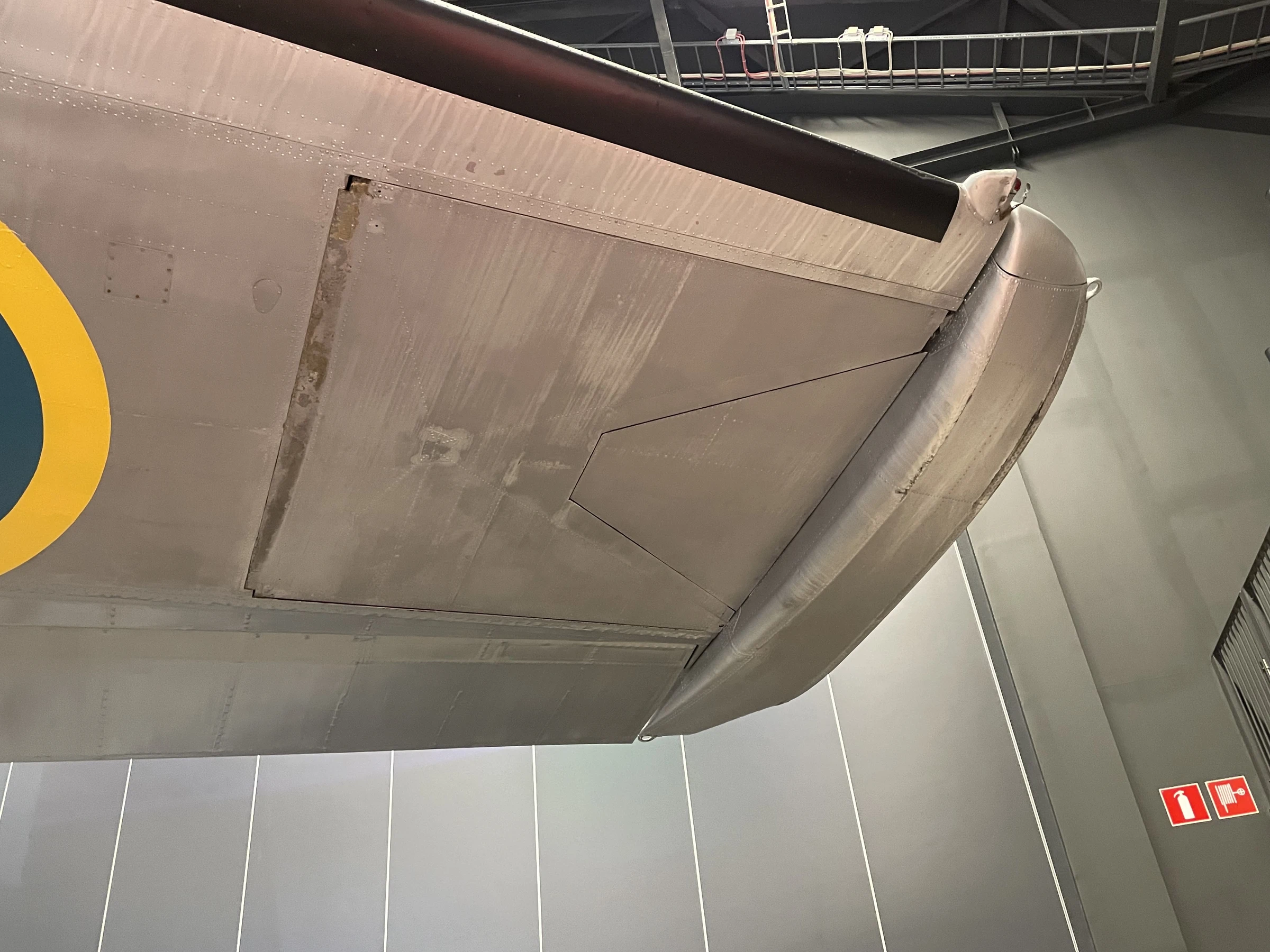
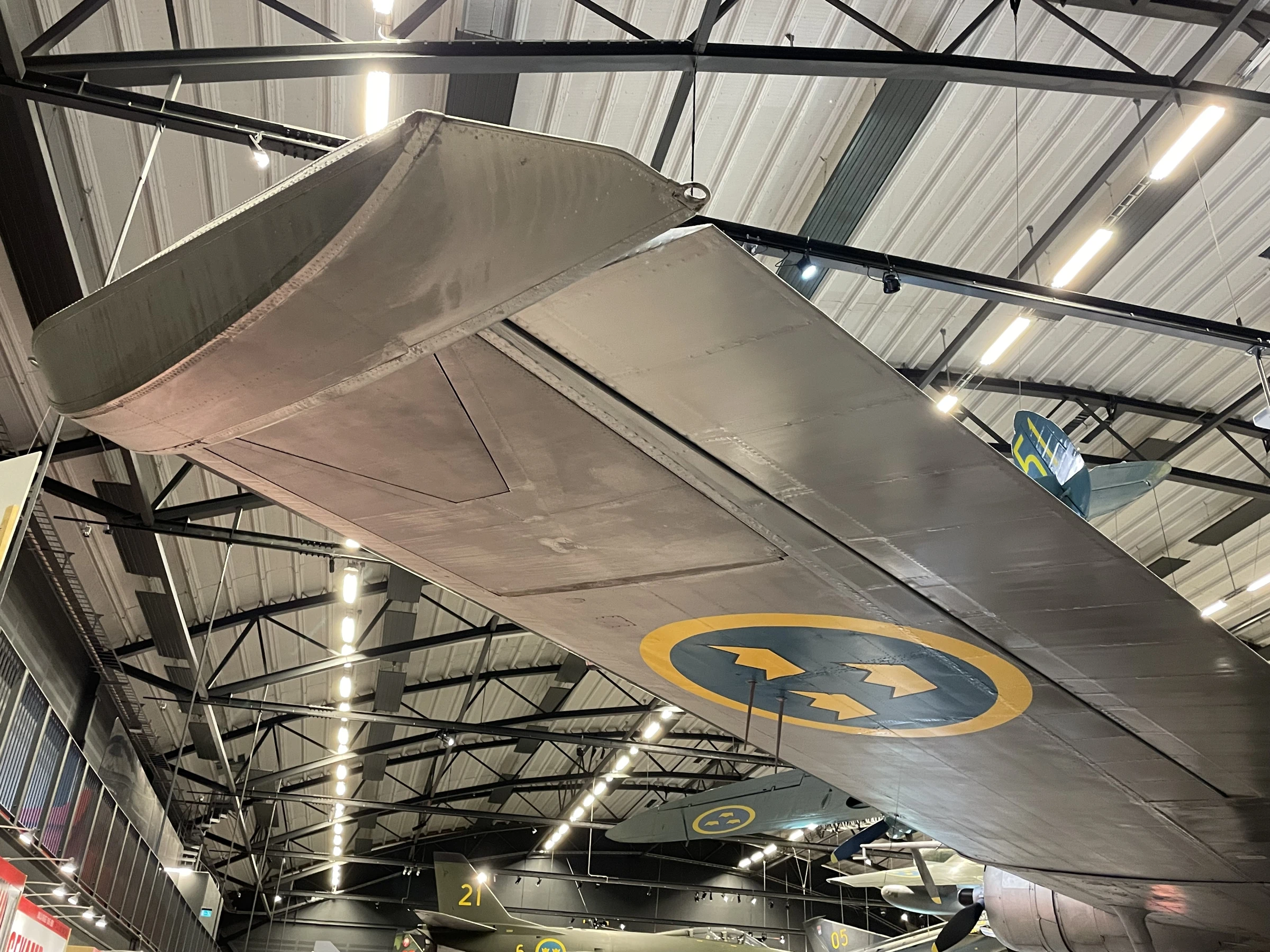
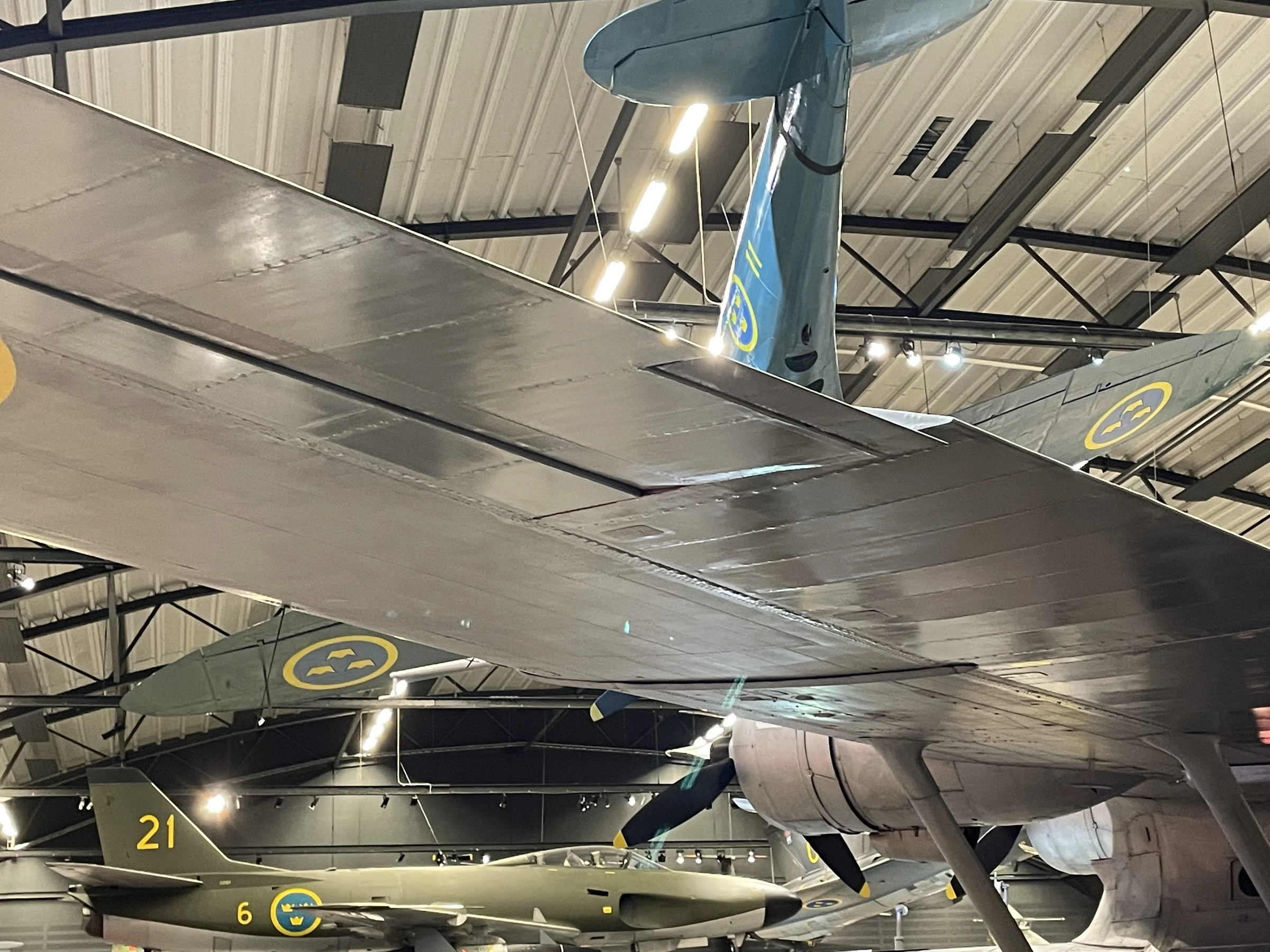
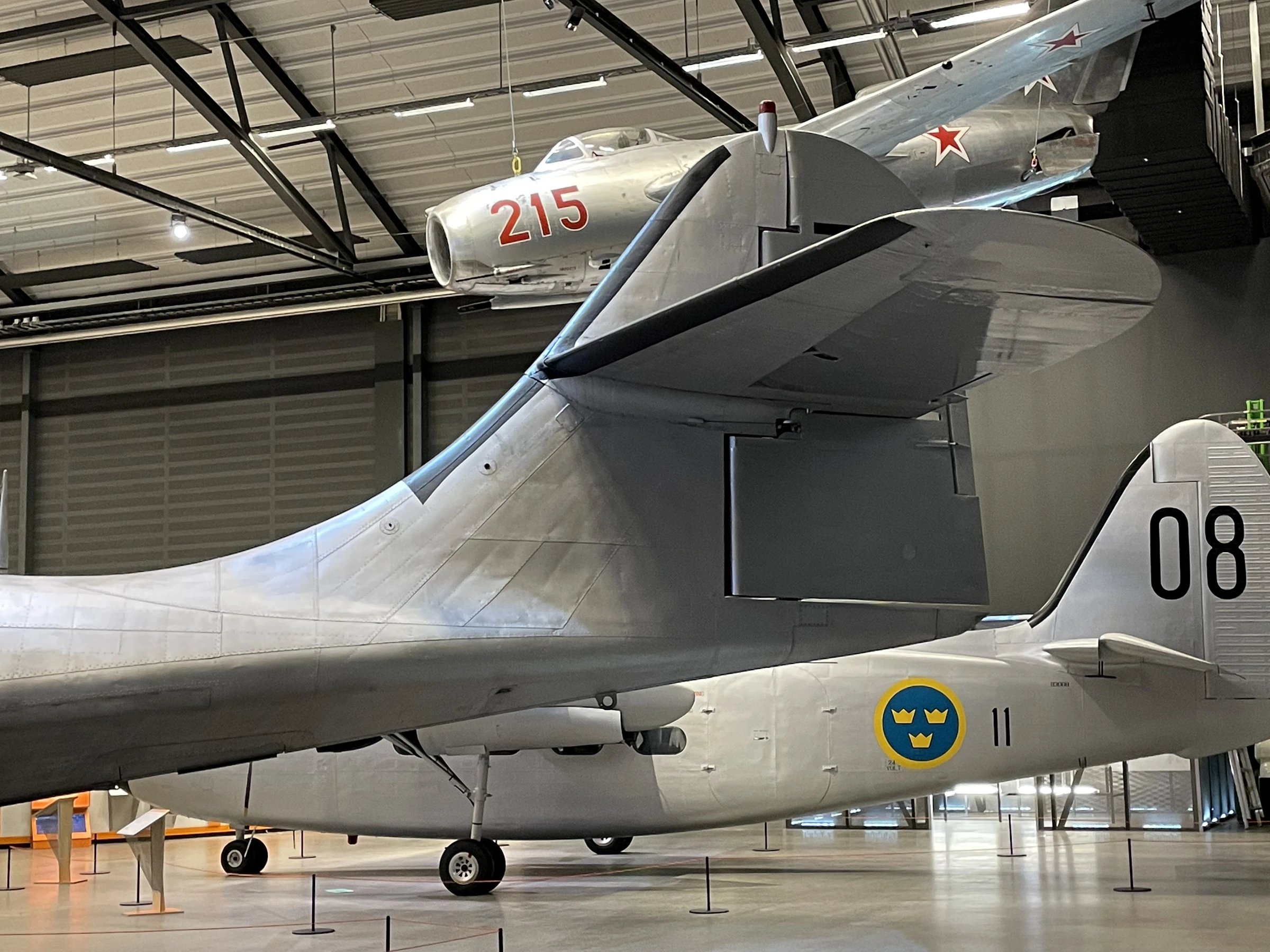
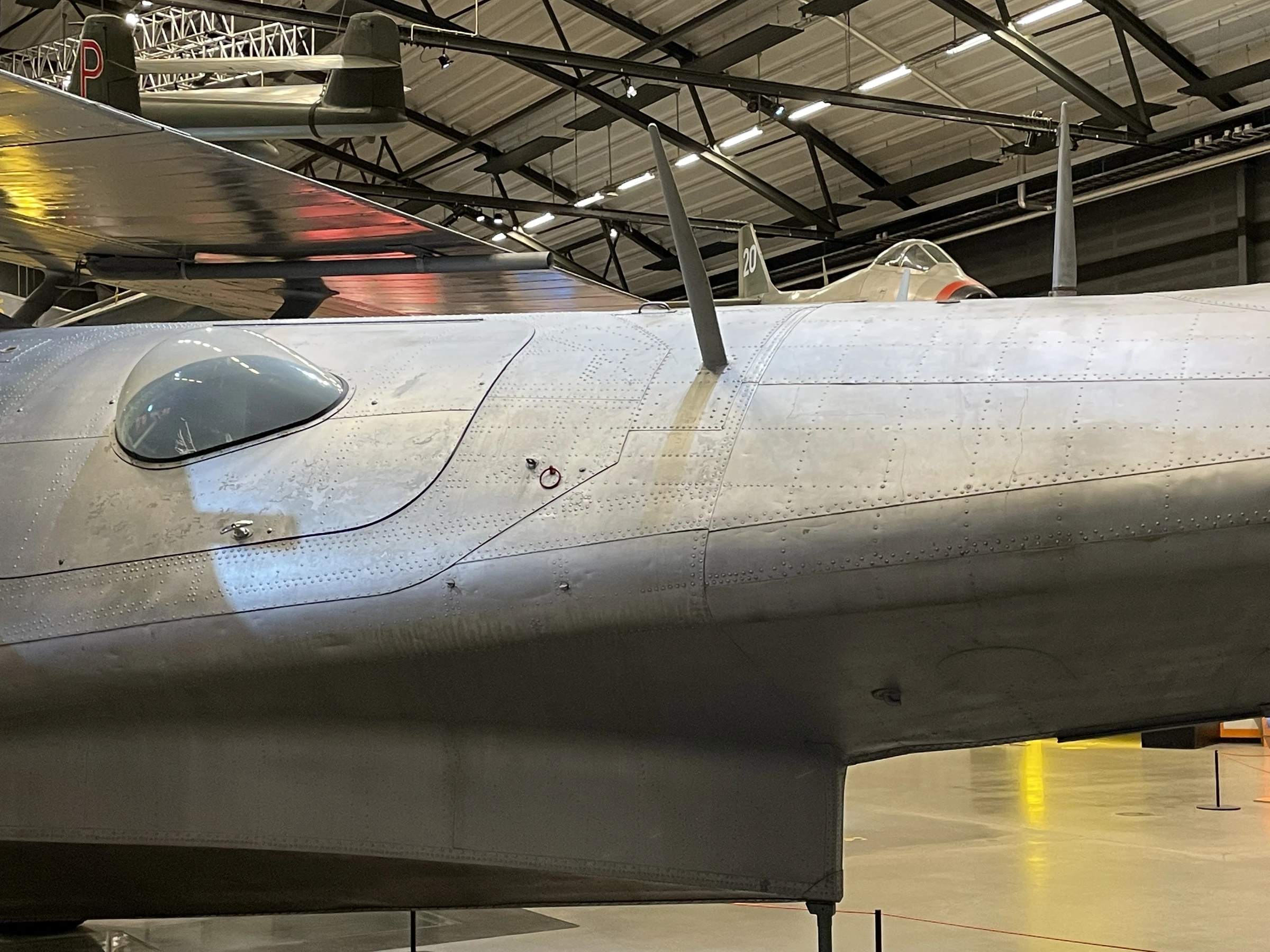
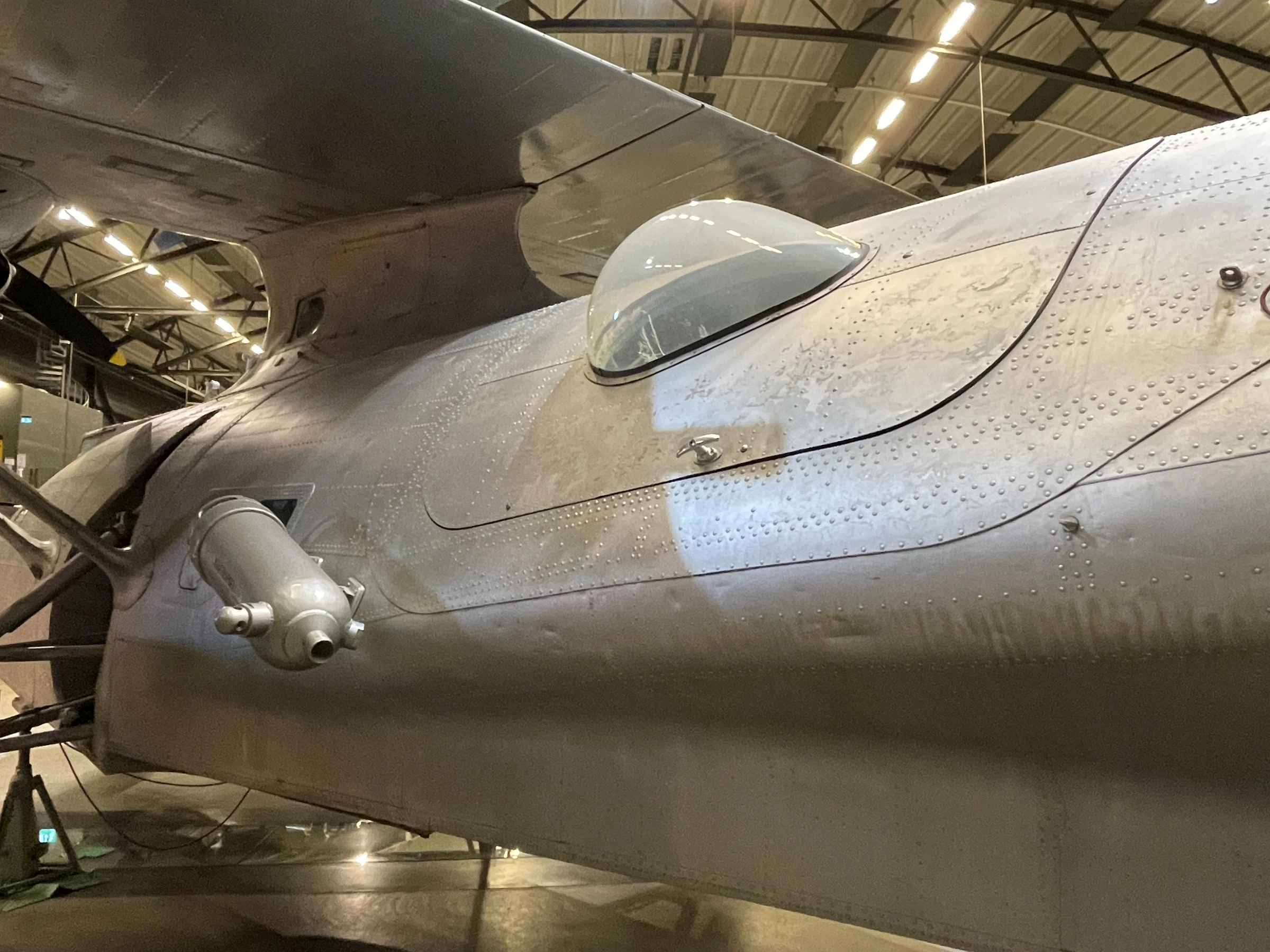
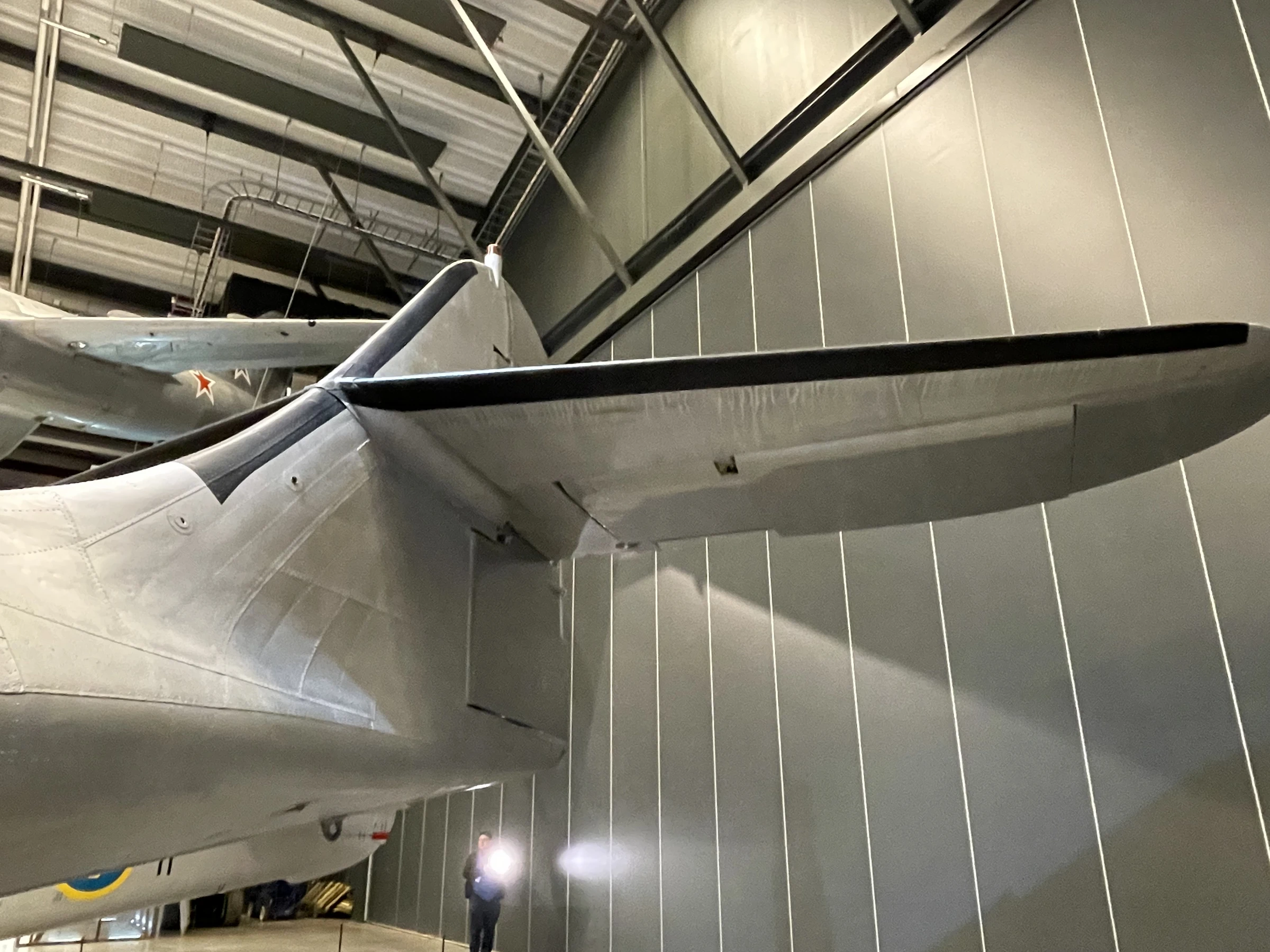
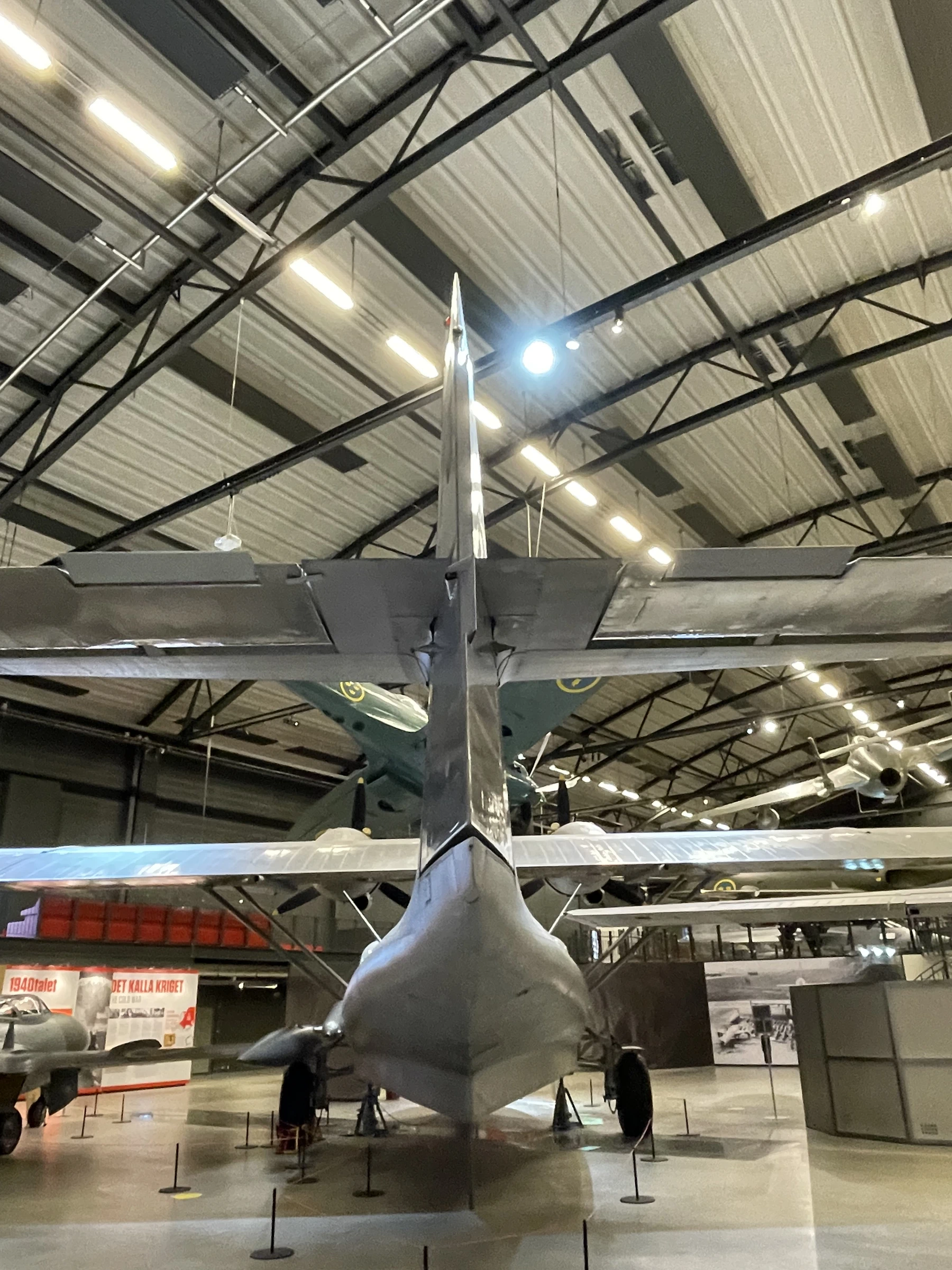
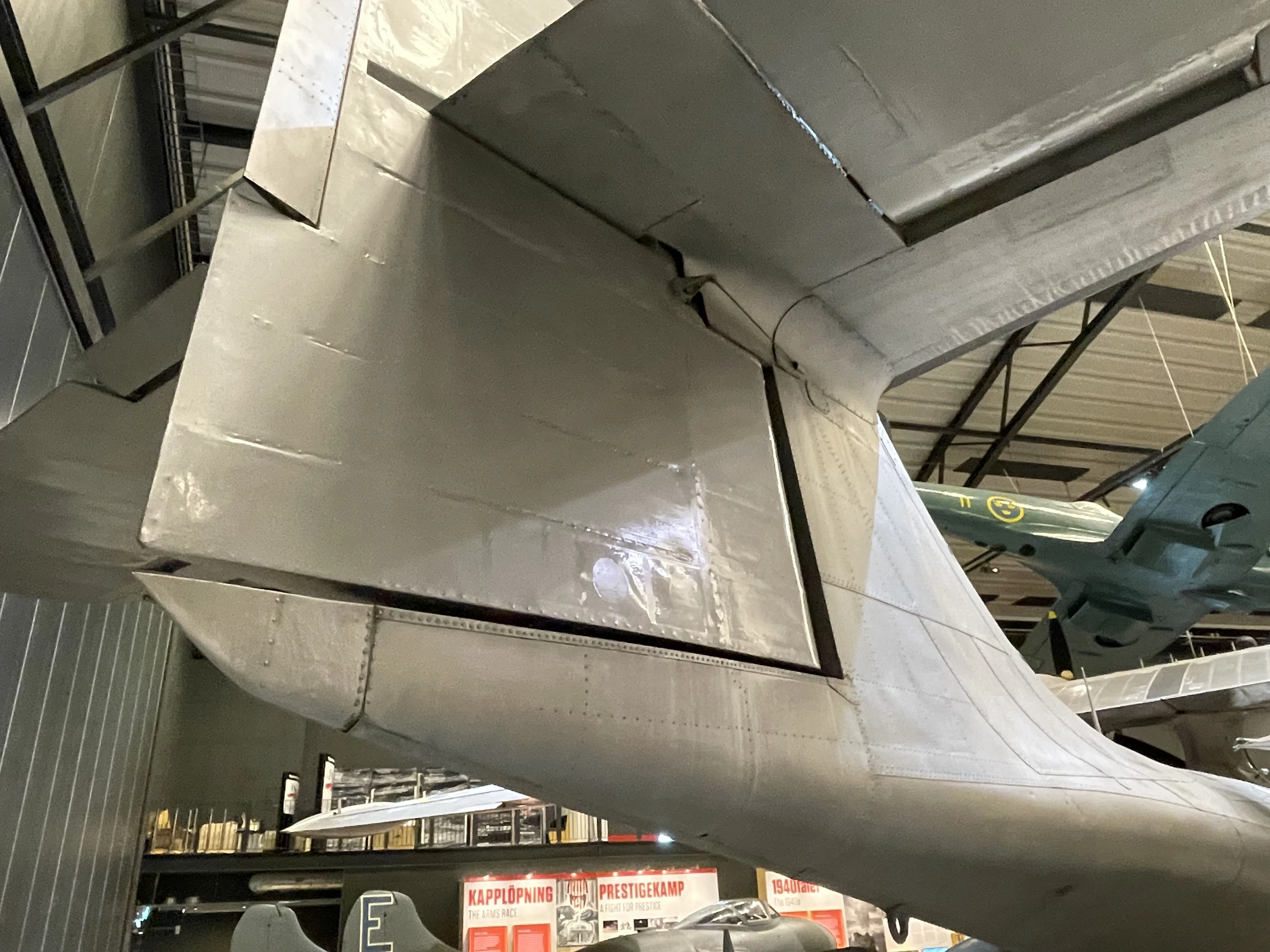
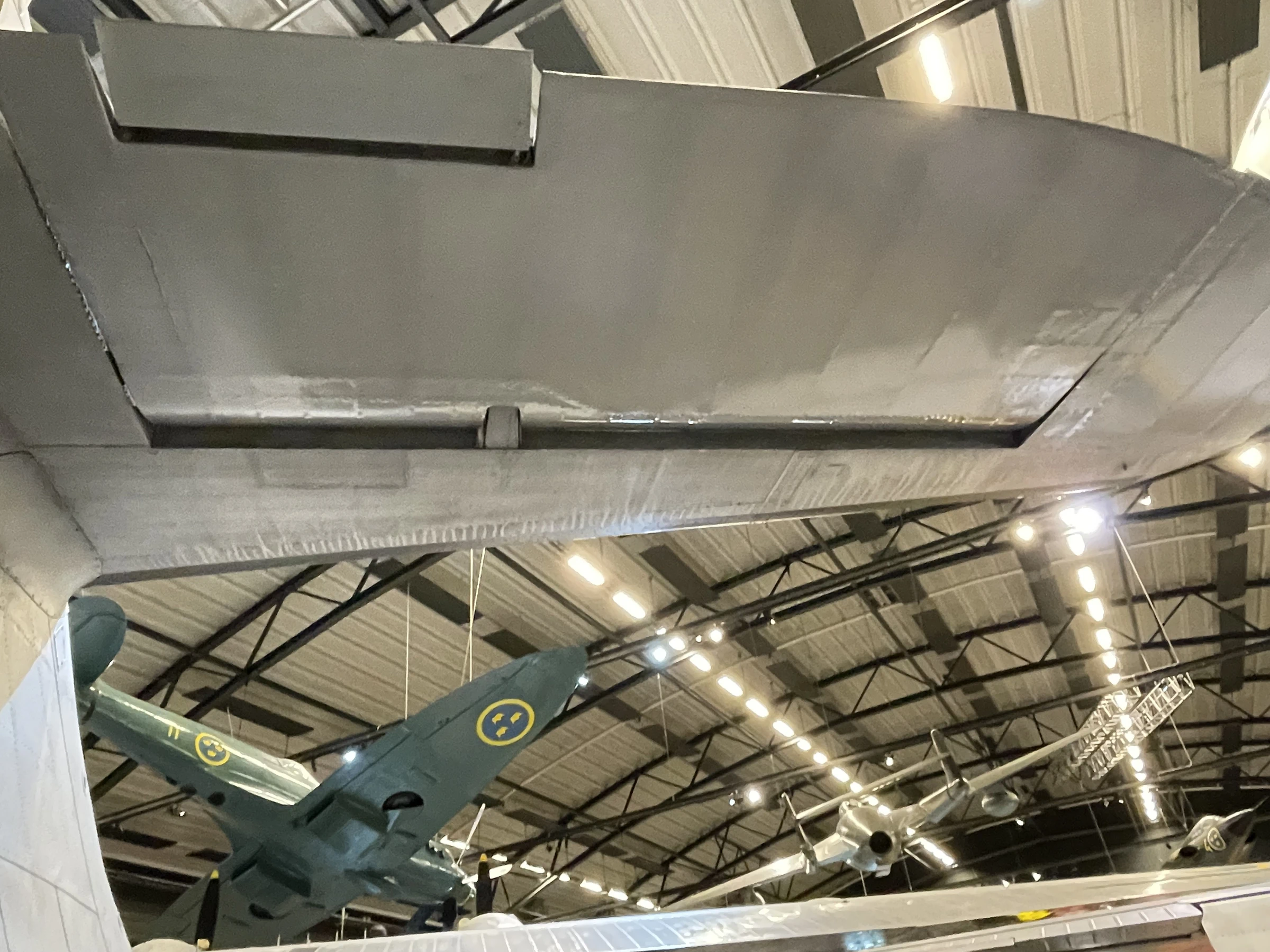
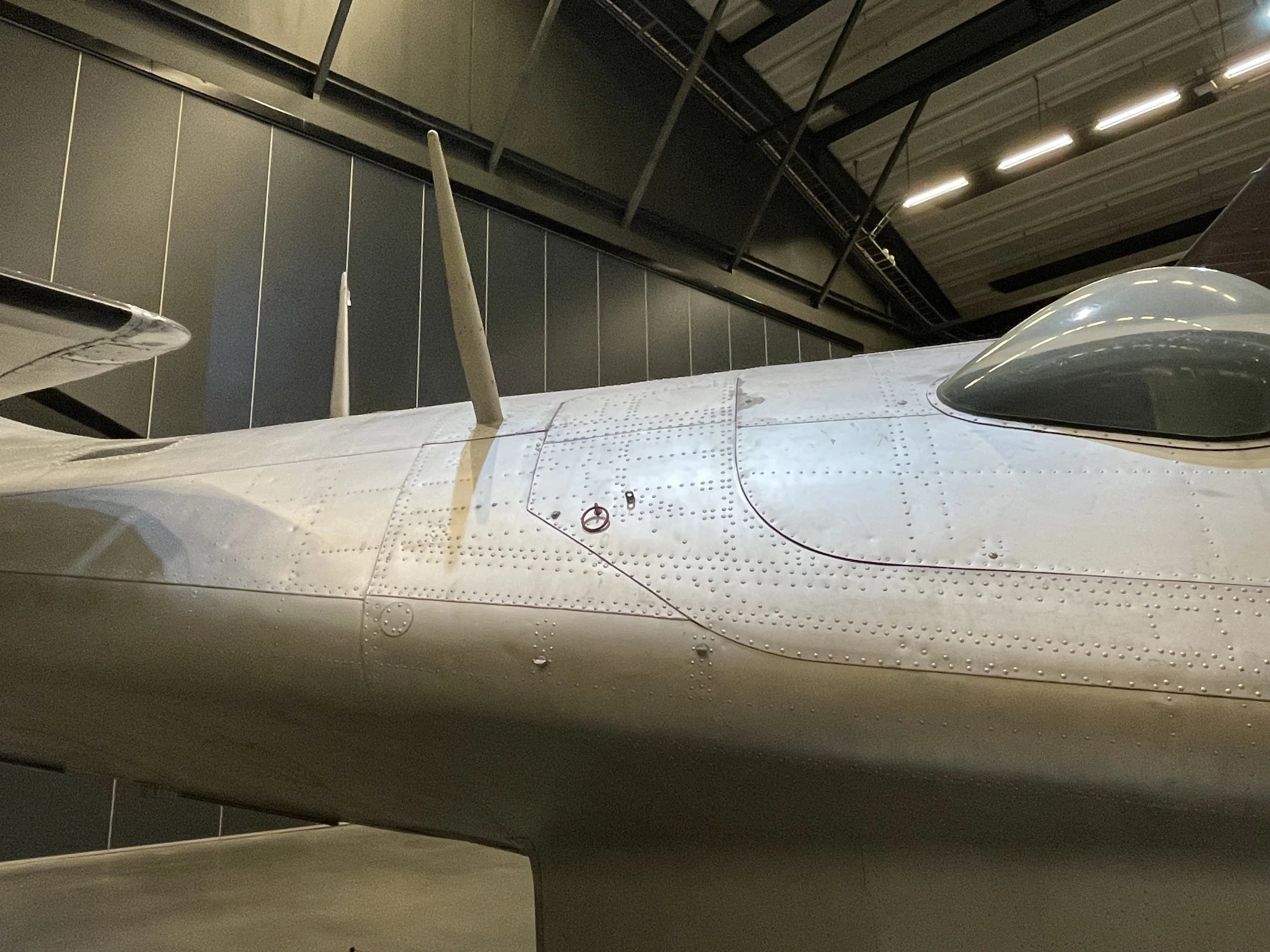
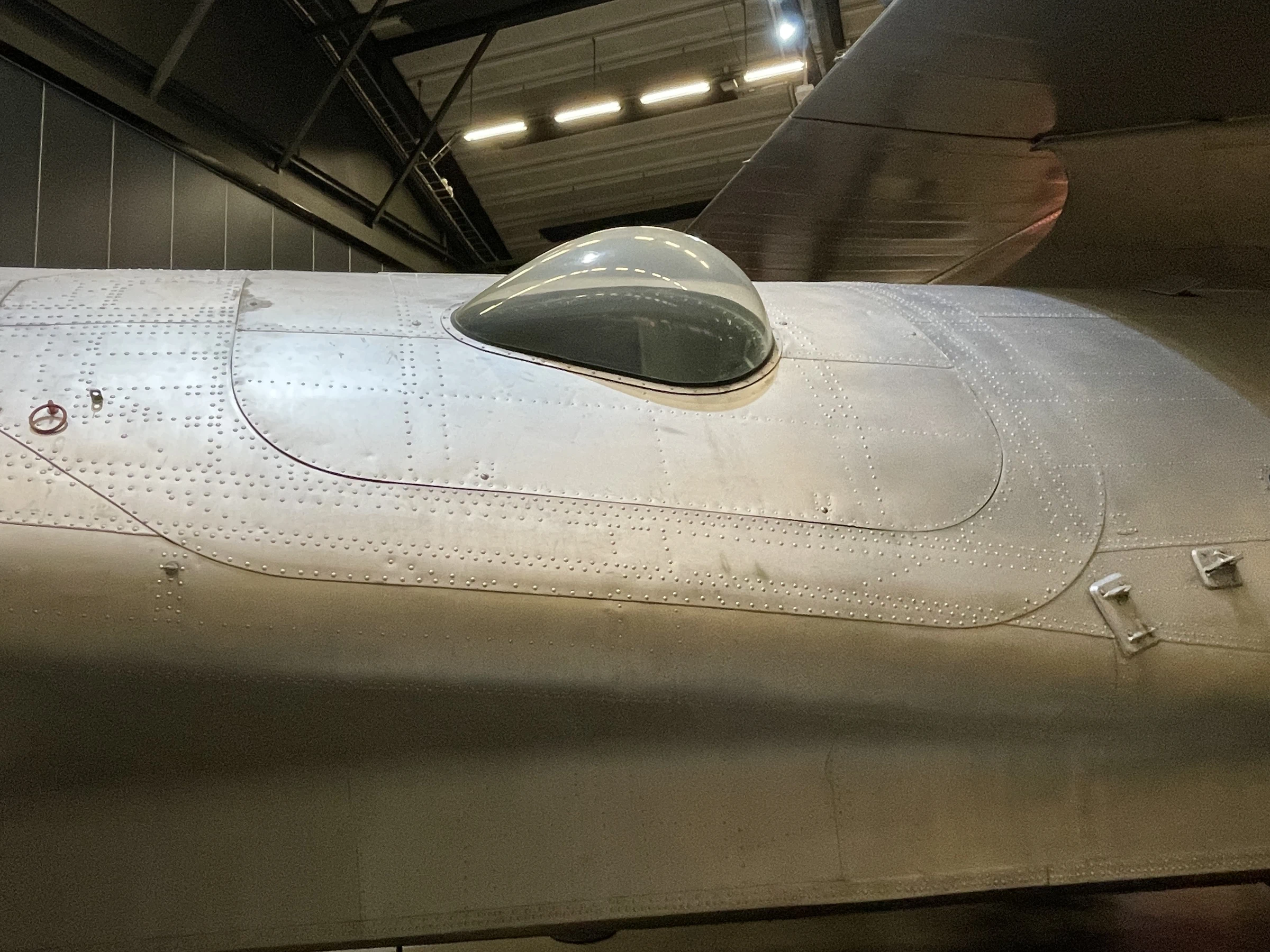
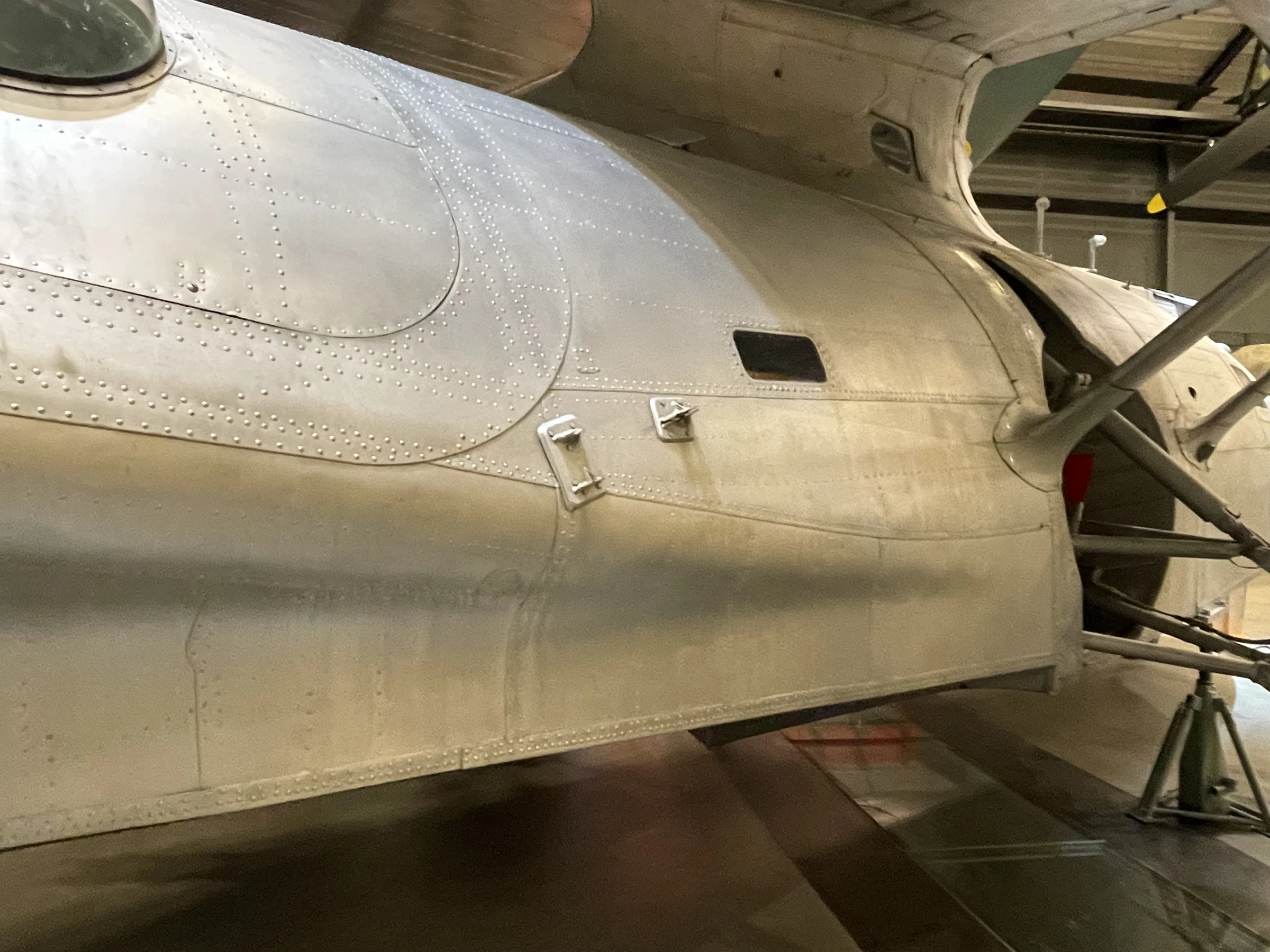
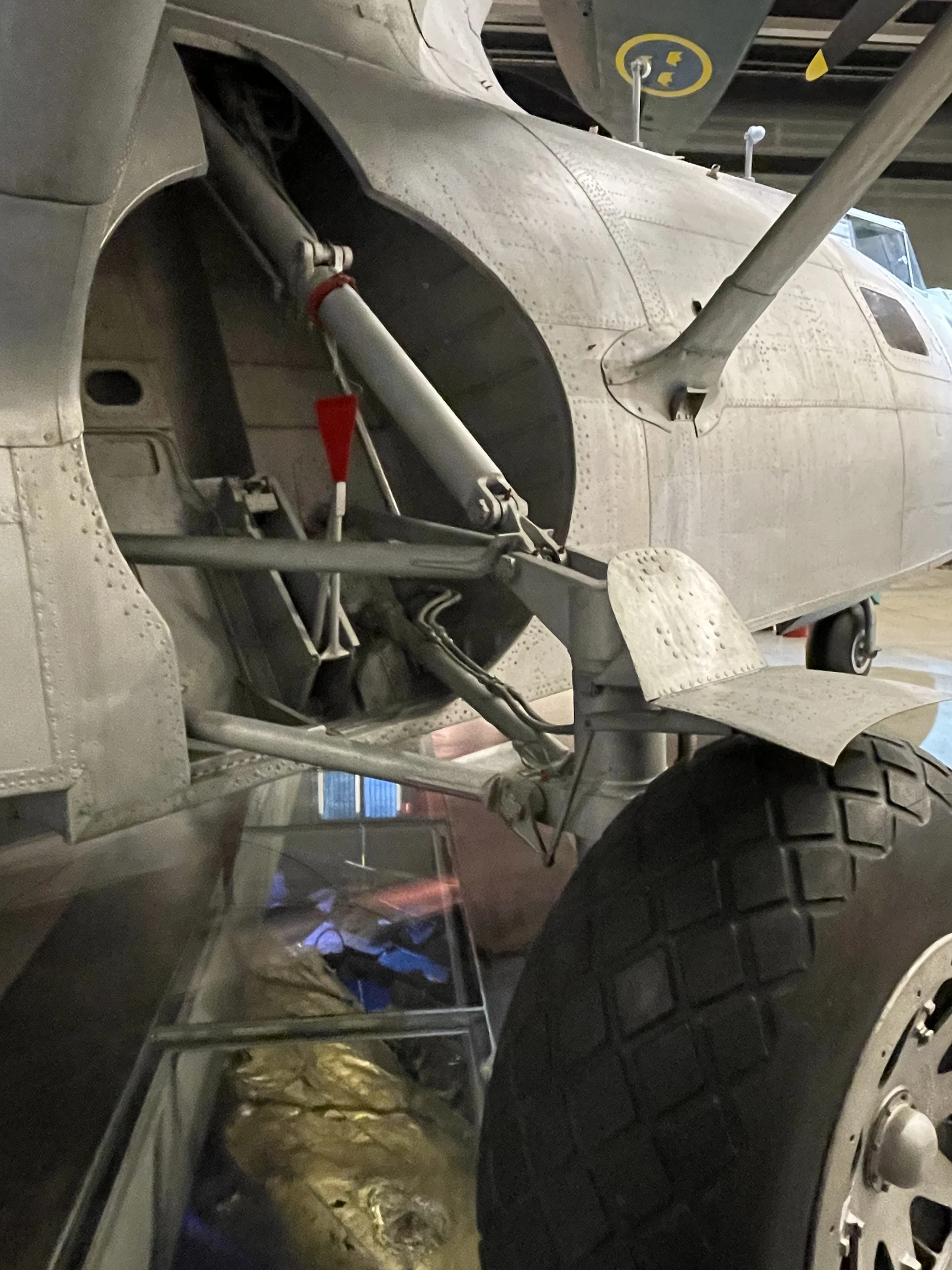
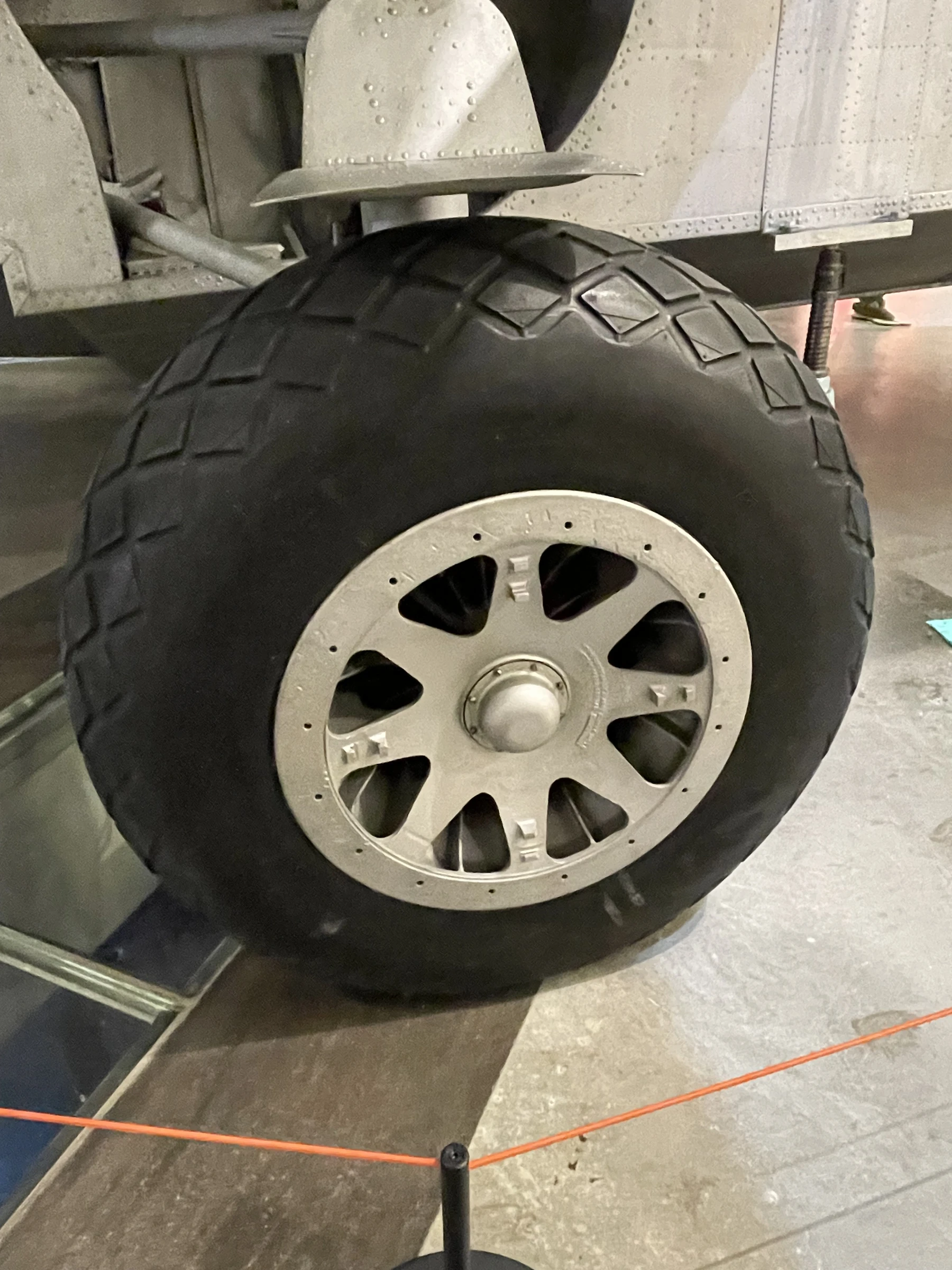
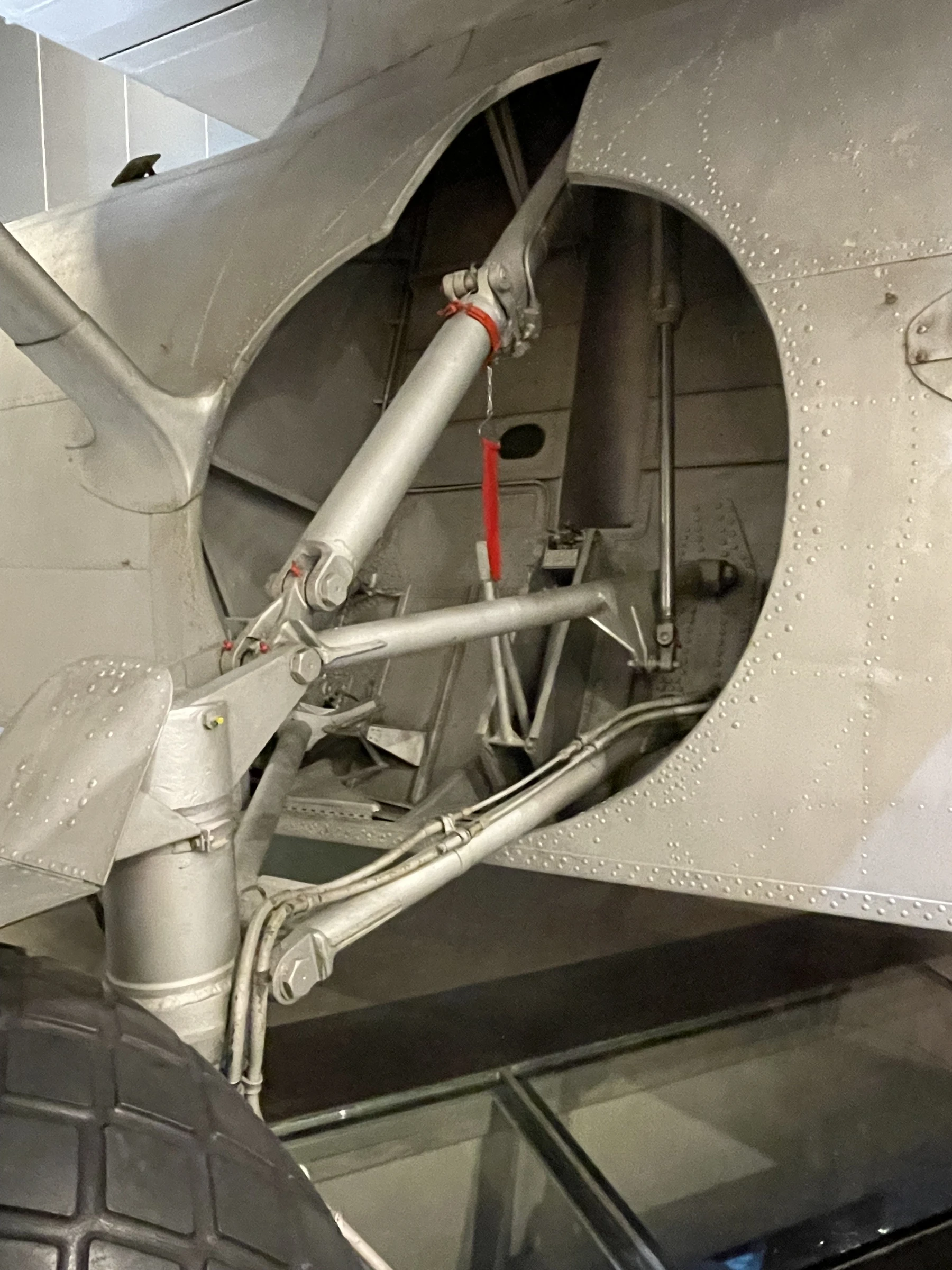
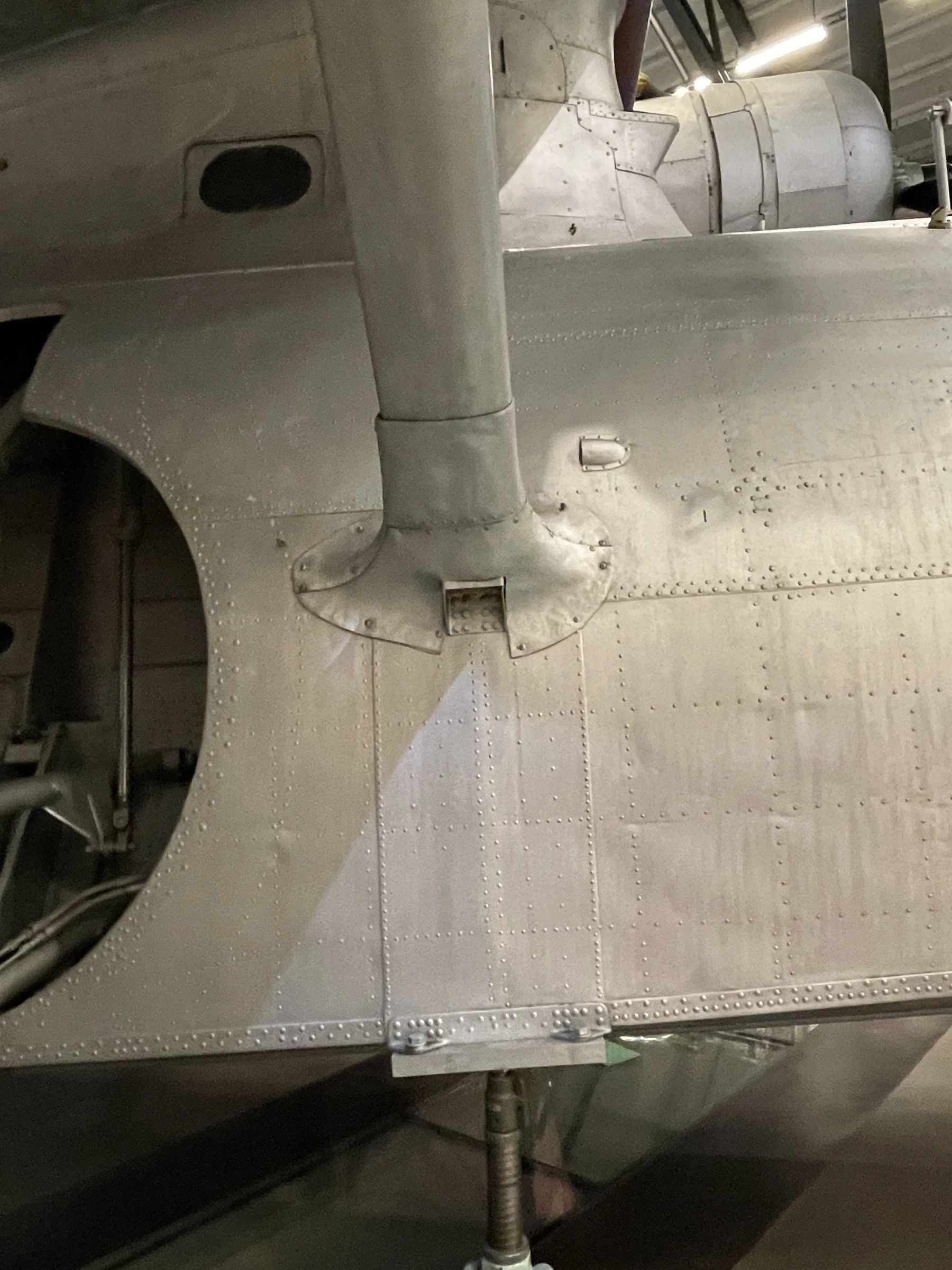
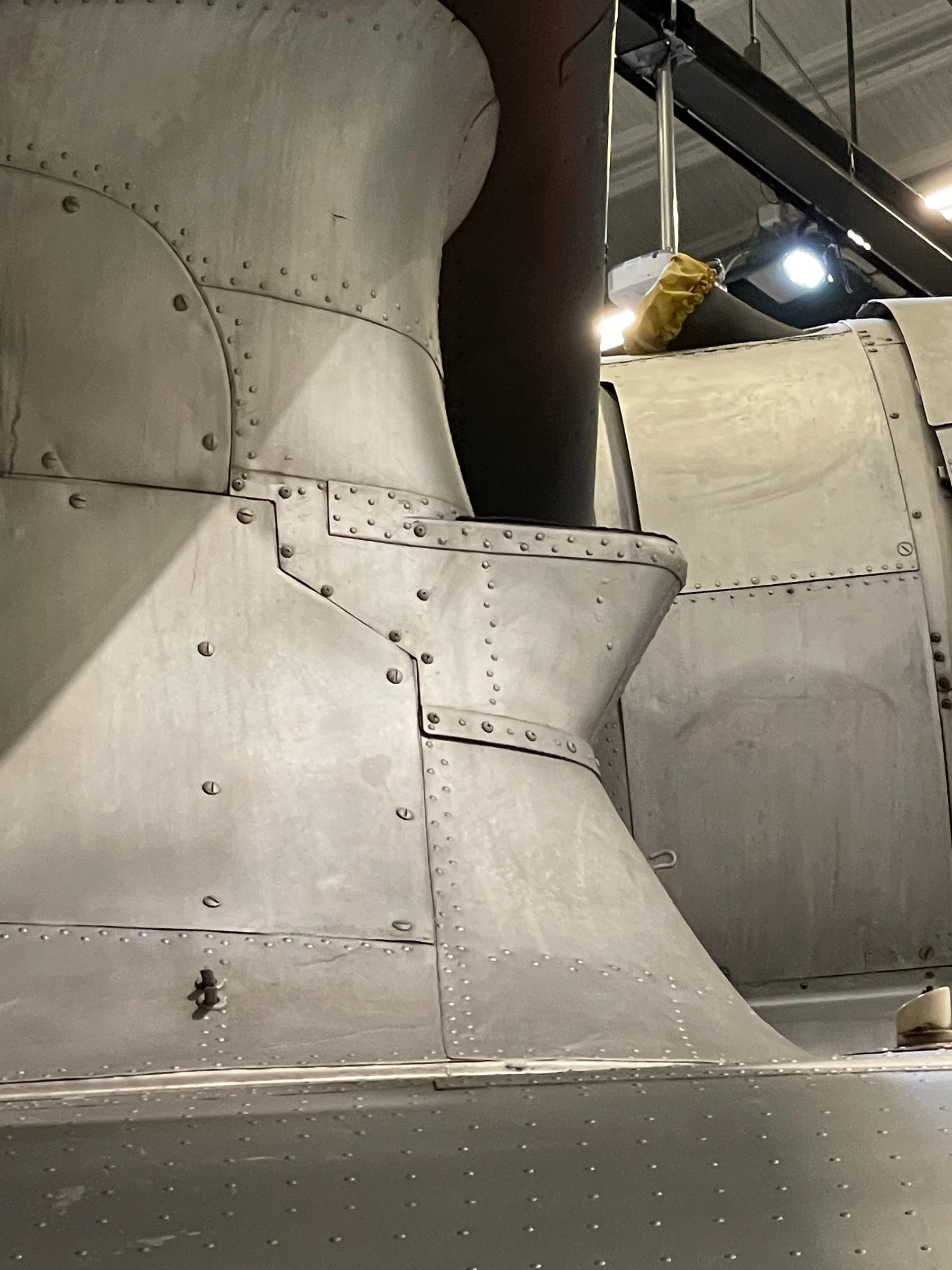
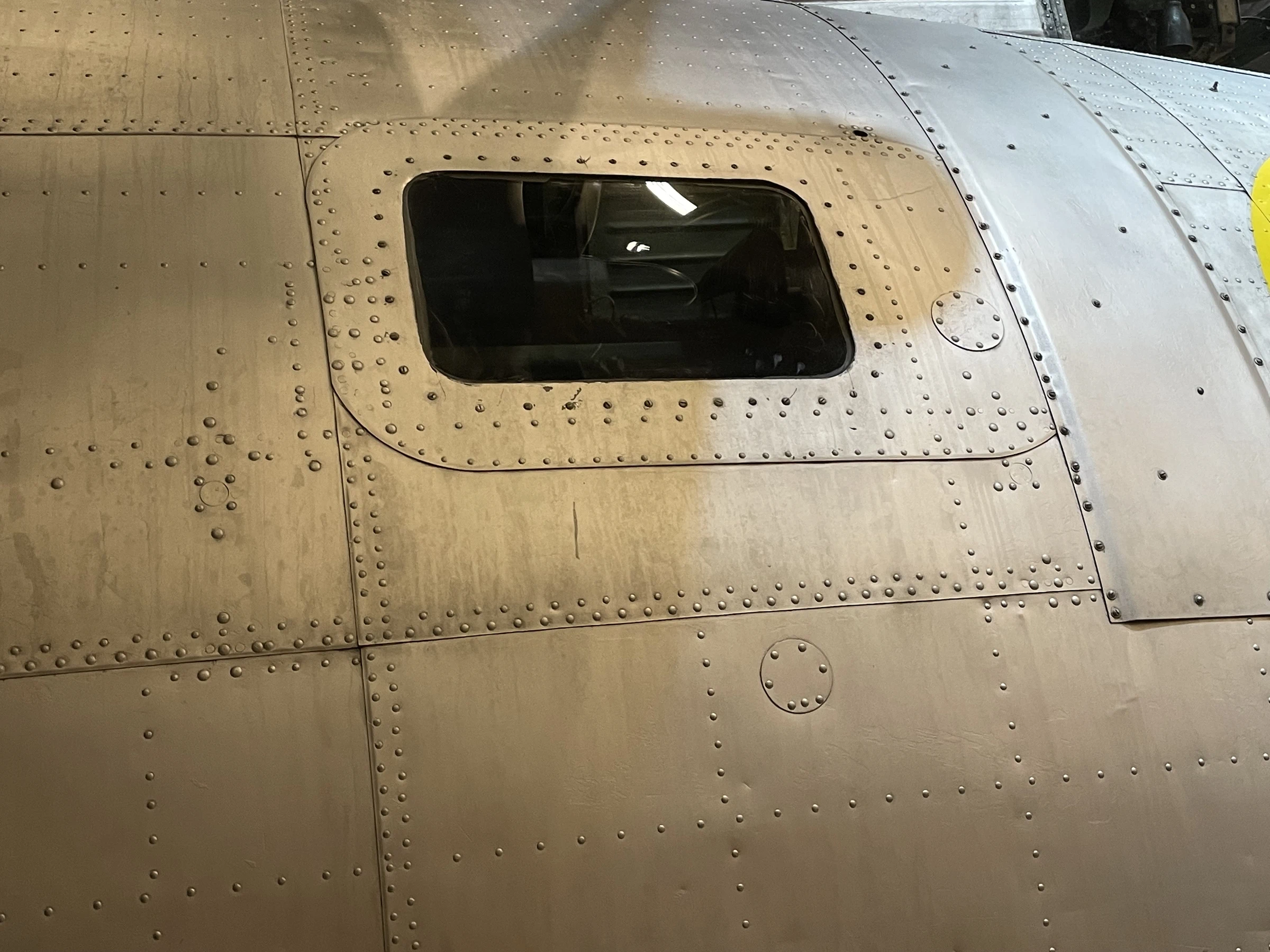
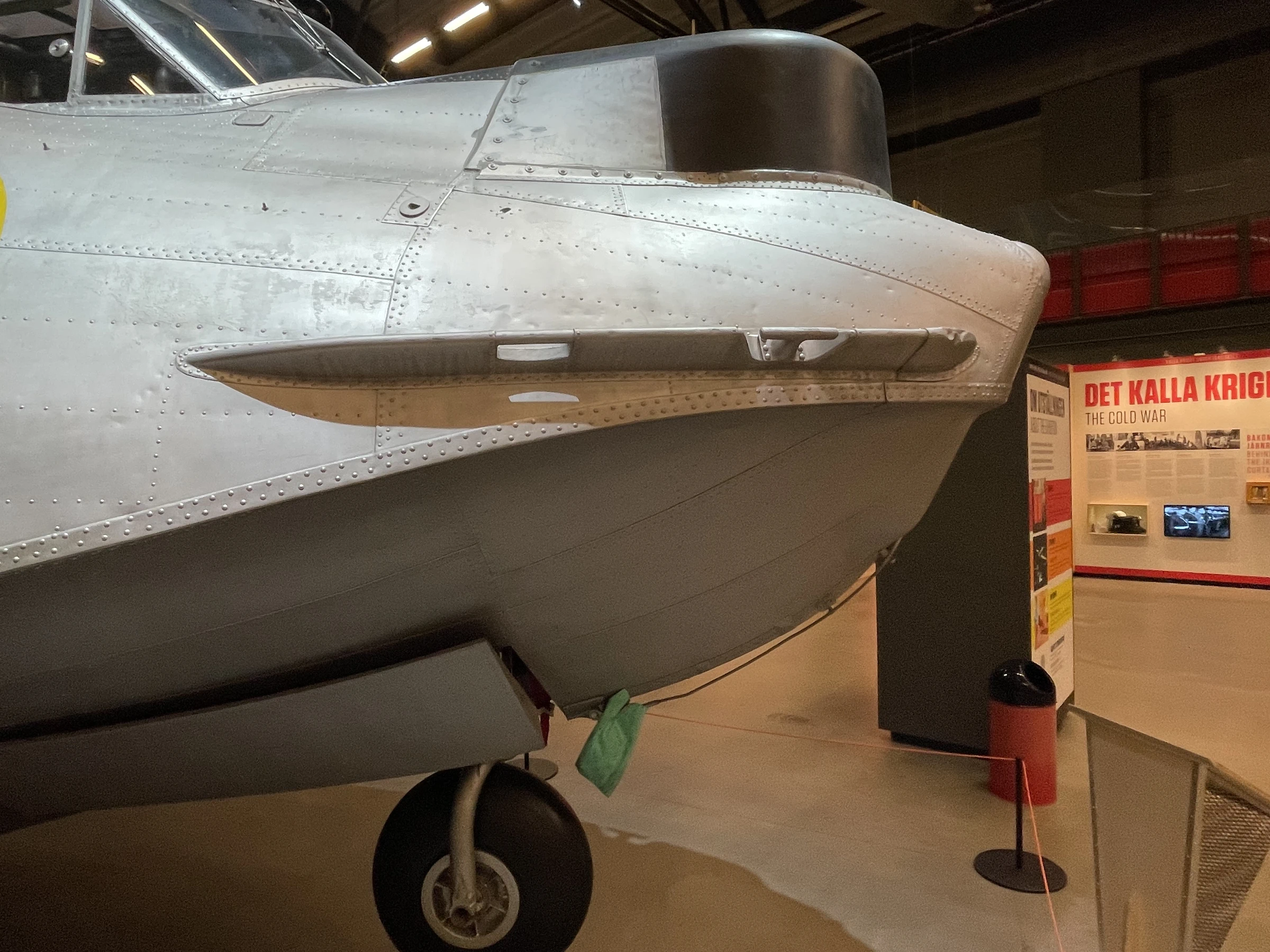
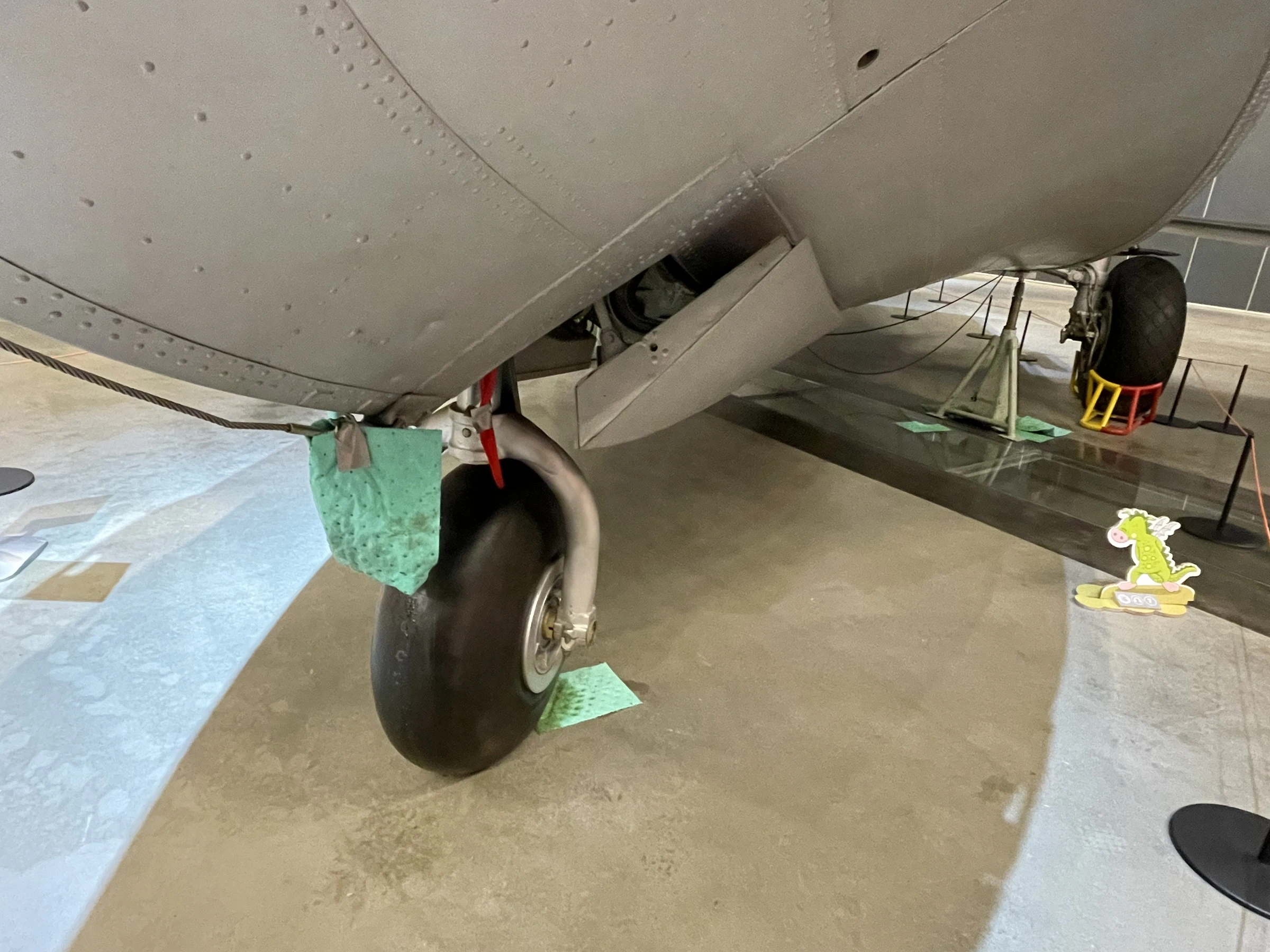
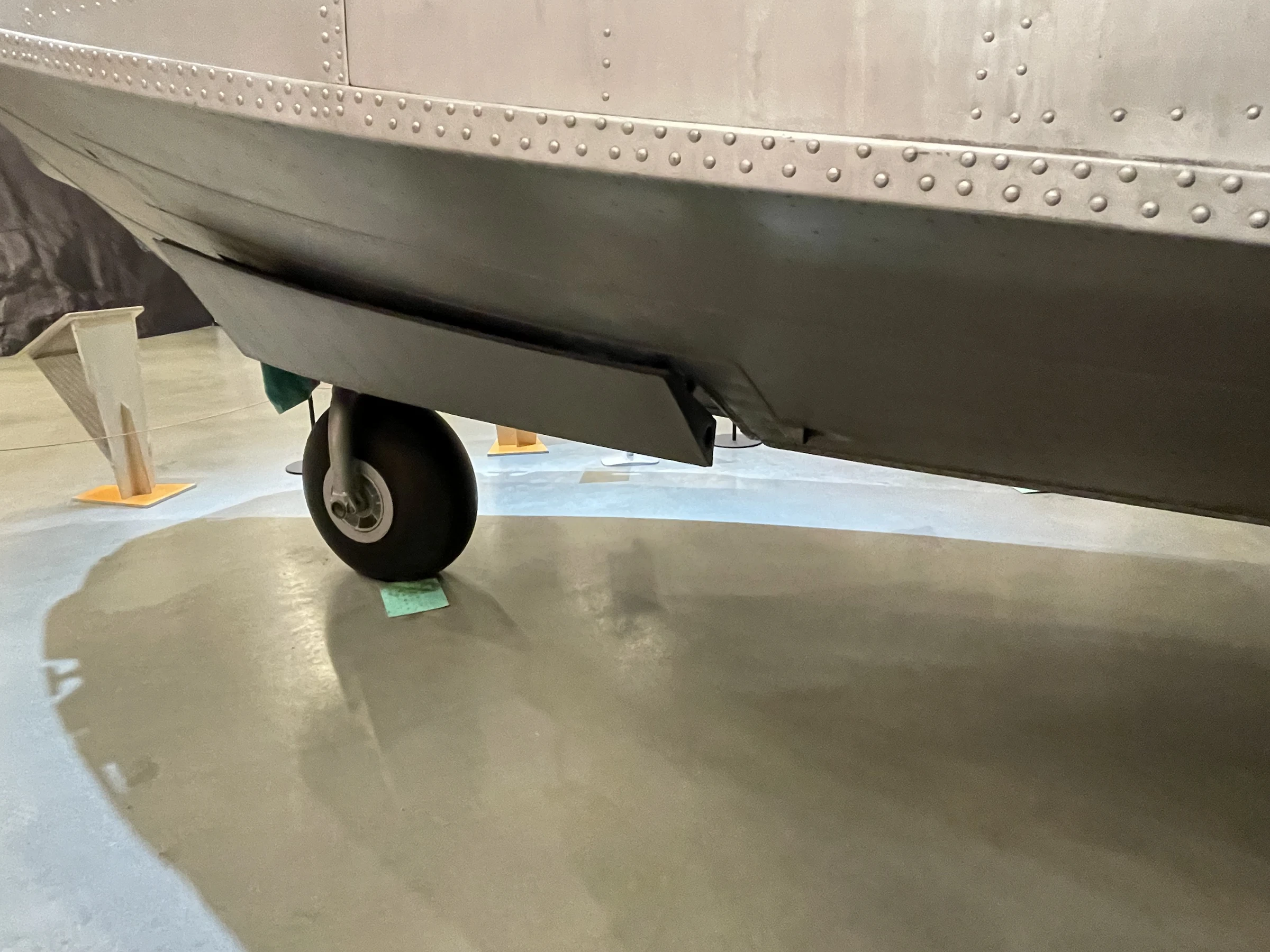
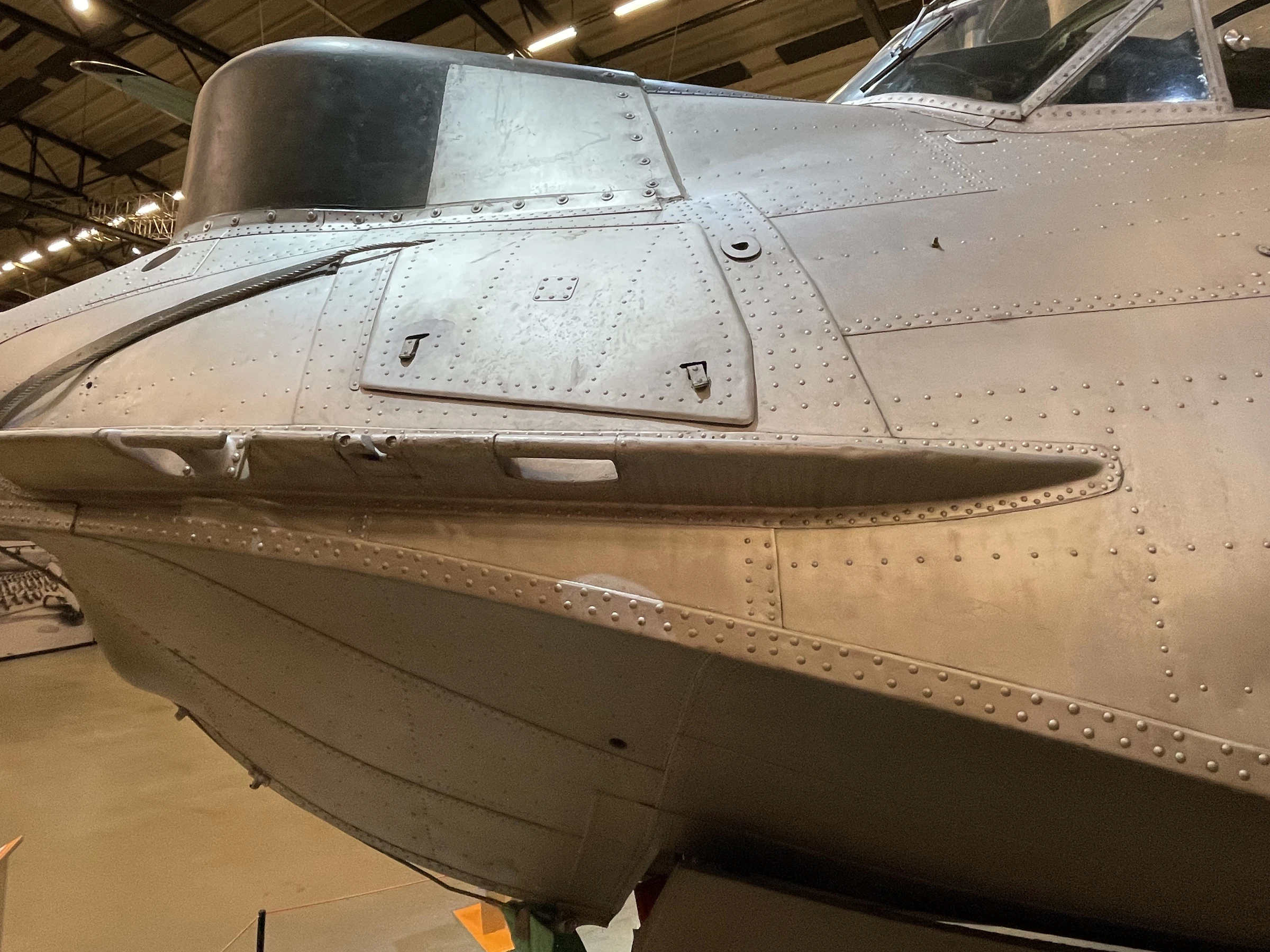
These walk-around photos were taken at Flygvapenmuseum at Malmen outside Linköping in 2017, 2019 and 2022. They show a Consolidated PBY-5A Catalina, designated Tp 47 in Swedish service — one of the most versatile and widely used maritime patrol aircraft of the Second World War, capable of operating as both a flying boat and an amphibian thanks to its retractable undercarriage. This particular example, 47001 coded 79, is a Canadian-built Canso A manufactured by Canadian Vickers, formerly RCAF serial 9810. Sweden acquired three of these aircraft in 1947 for the Air Force rescue service, based at F 2 Hägernäs outside Stockholm and equipped for air-sea rescue, reconnaissance and transport. Unarmed and fitted with PS-19/A radar, each aircraft could carry a crew of five plus six stretchers.
The Swedish Tp 47s are inseparably linked to one of the most dramatic Cold War incidents involving Sweden. On 13 June 1952 a Swedish Air Force DC-3 (Tp 79) on a signals intelligence mission over the Baltic Sea was shot down by a Soviet MiG-15 — all eight crew perished. Three days later, on 16 June, two Tp 47s were sent out over international waters north of Estonia to search for survivors. One of them, 47002, was attacked and shot down by Soviet aircraft. Its crew of five survived by ditching near a West German freighter. The Soviet Union denied responsibility until 1991. This aircraft, 47001, is the sole surviving Tp 47 and is displayed at Flygvapenmuseum as a reminder of the Catalina affair — one of Sweden's darkest Cold War episodes.