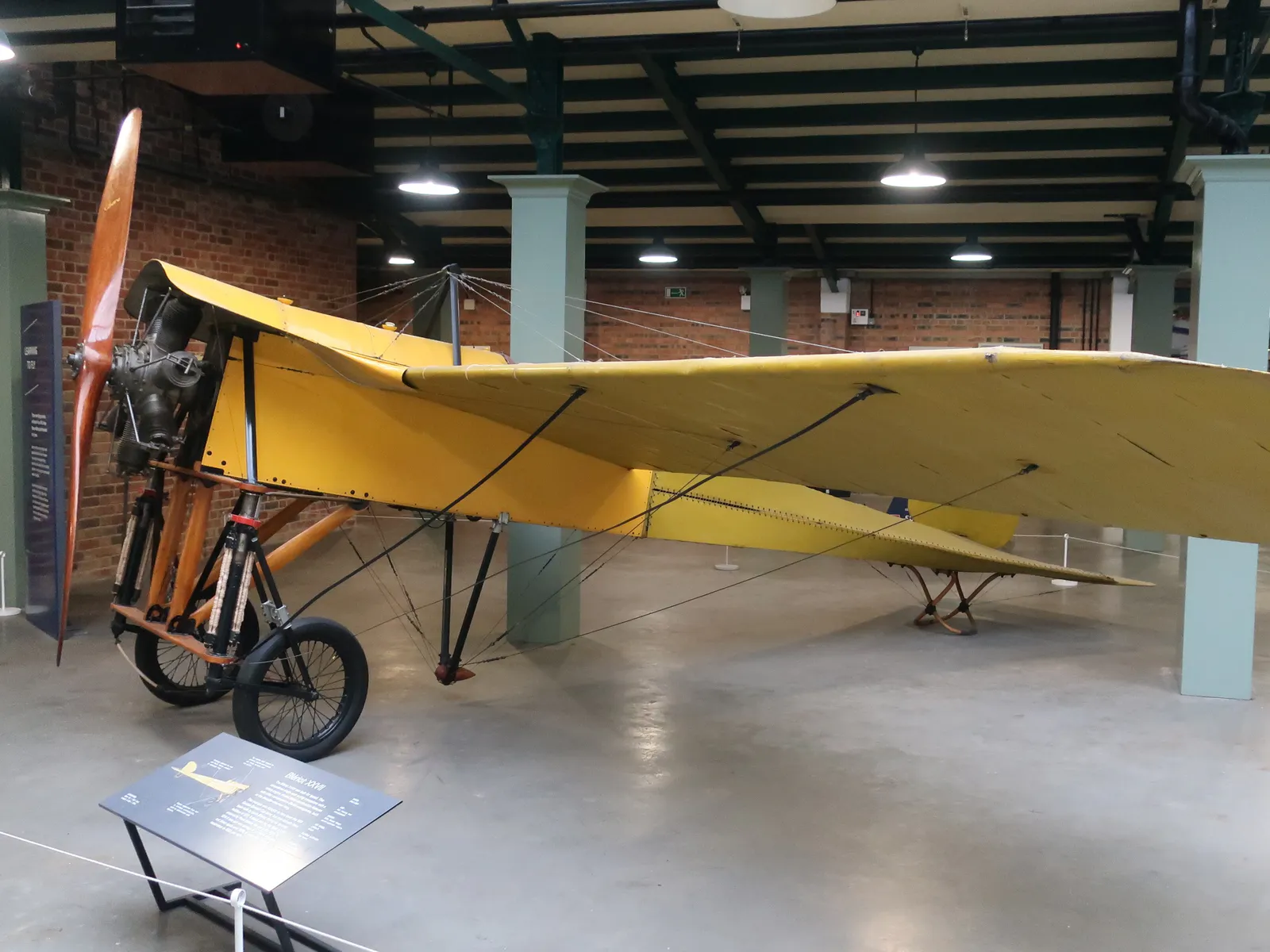
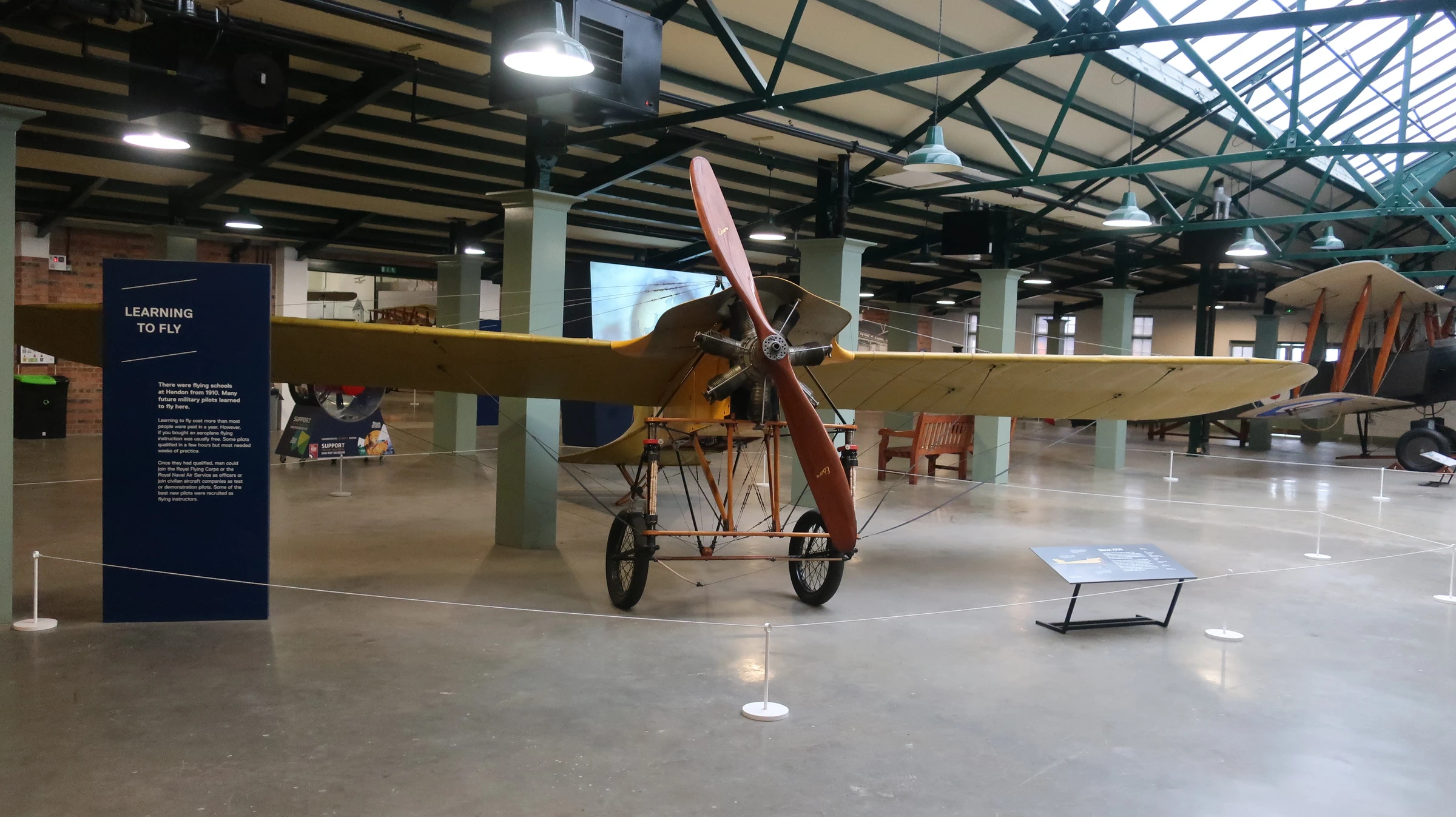
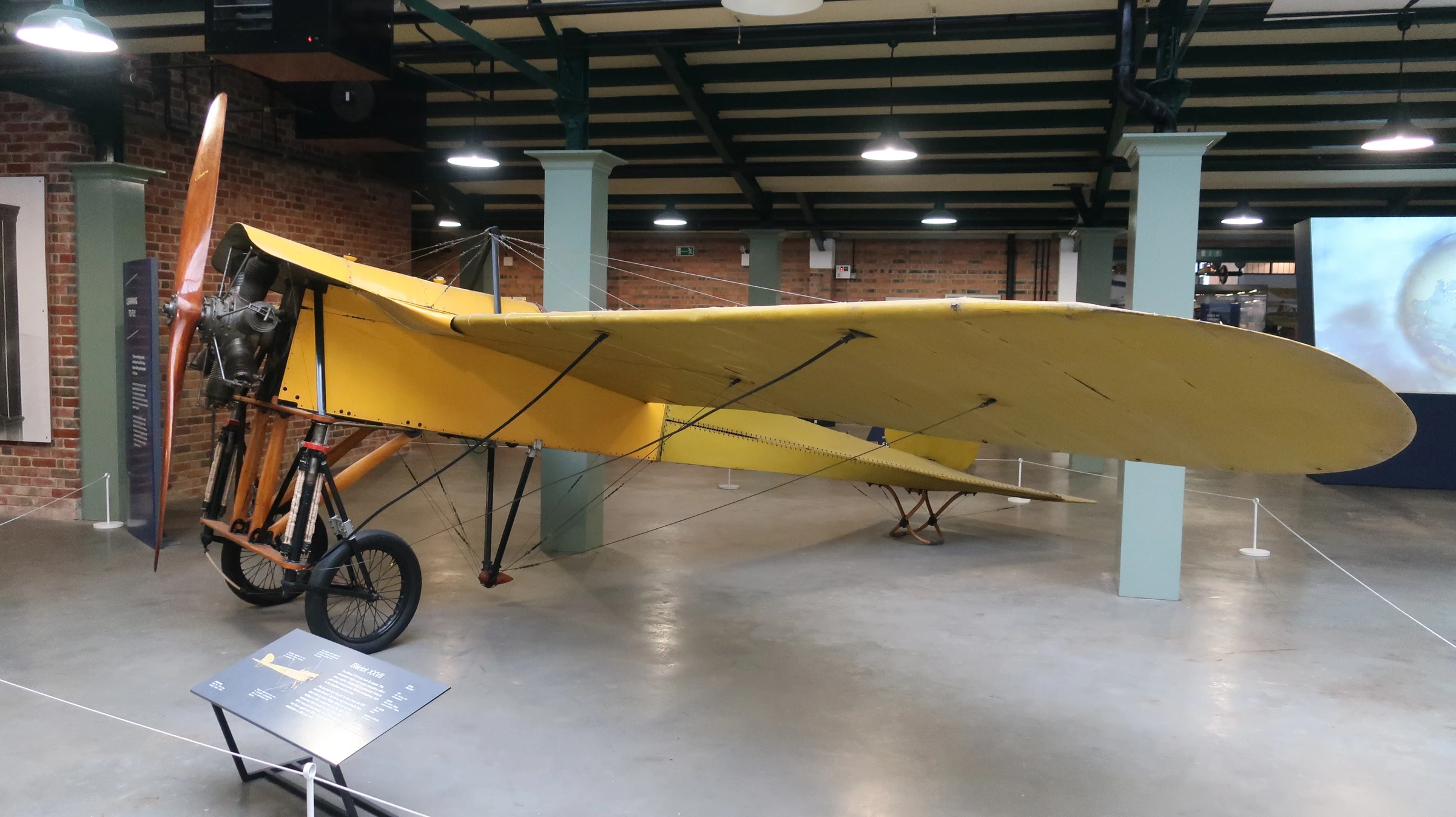
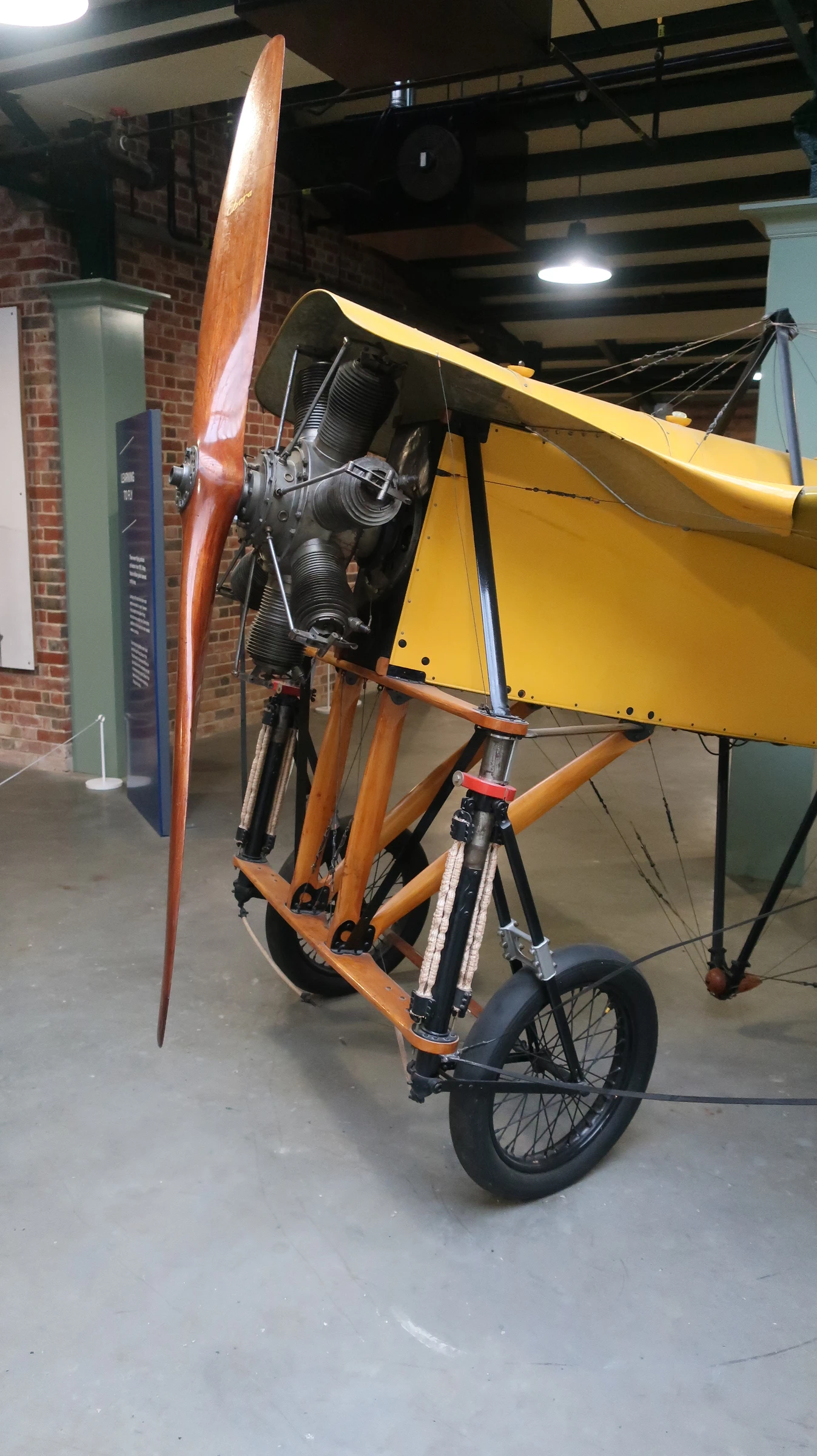
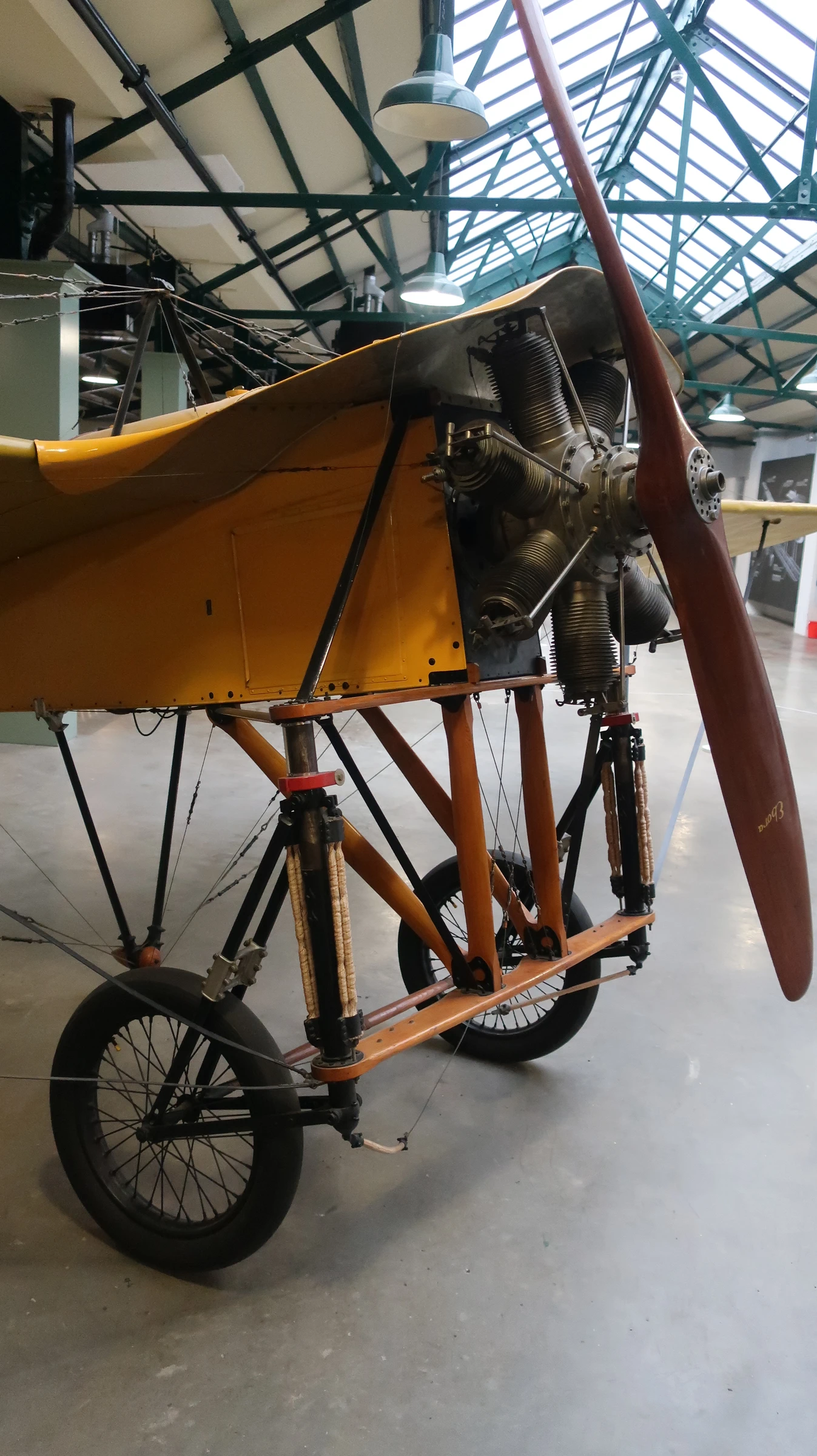
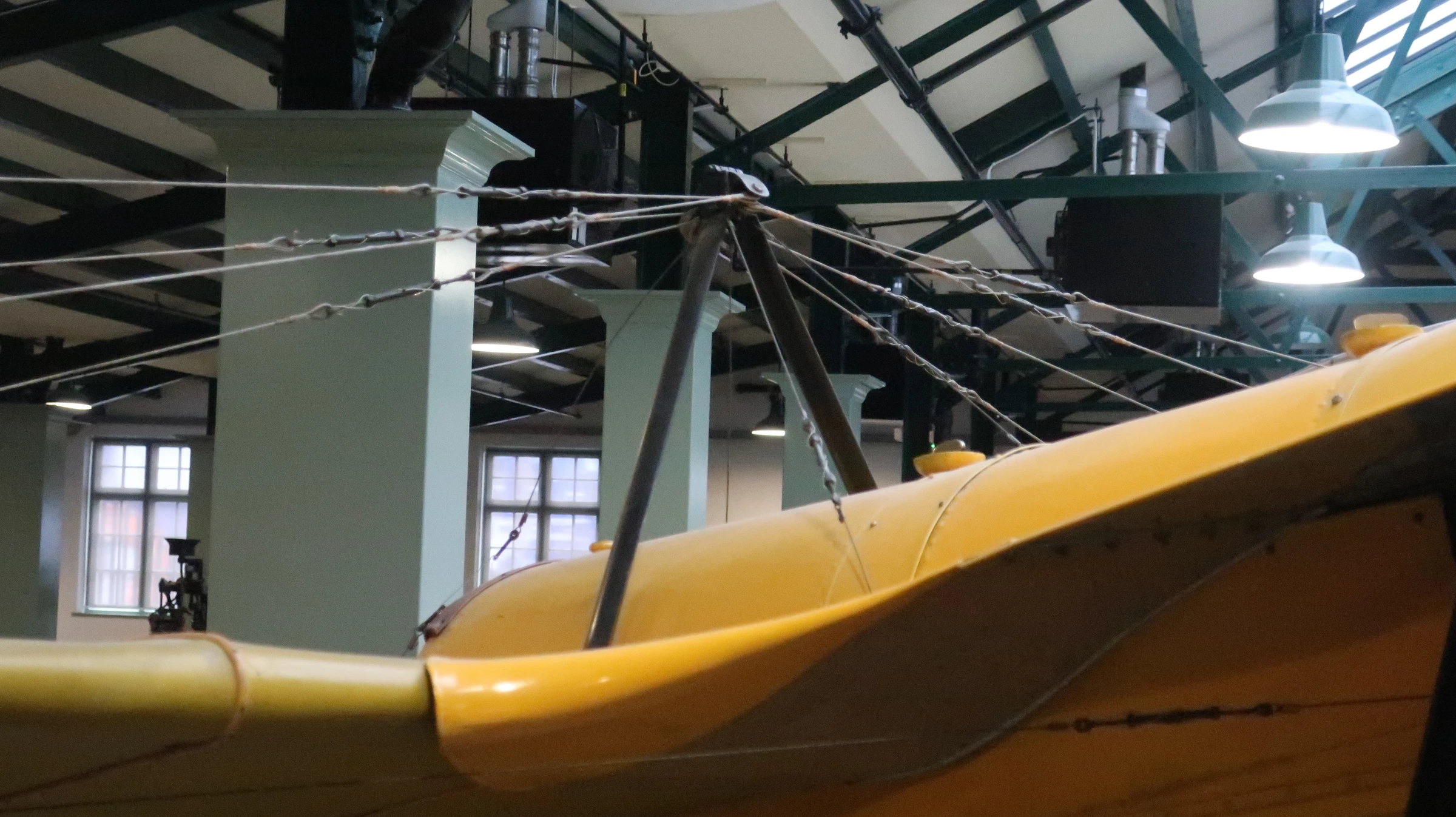
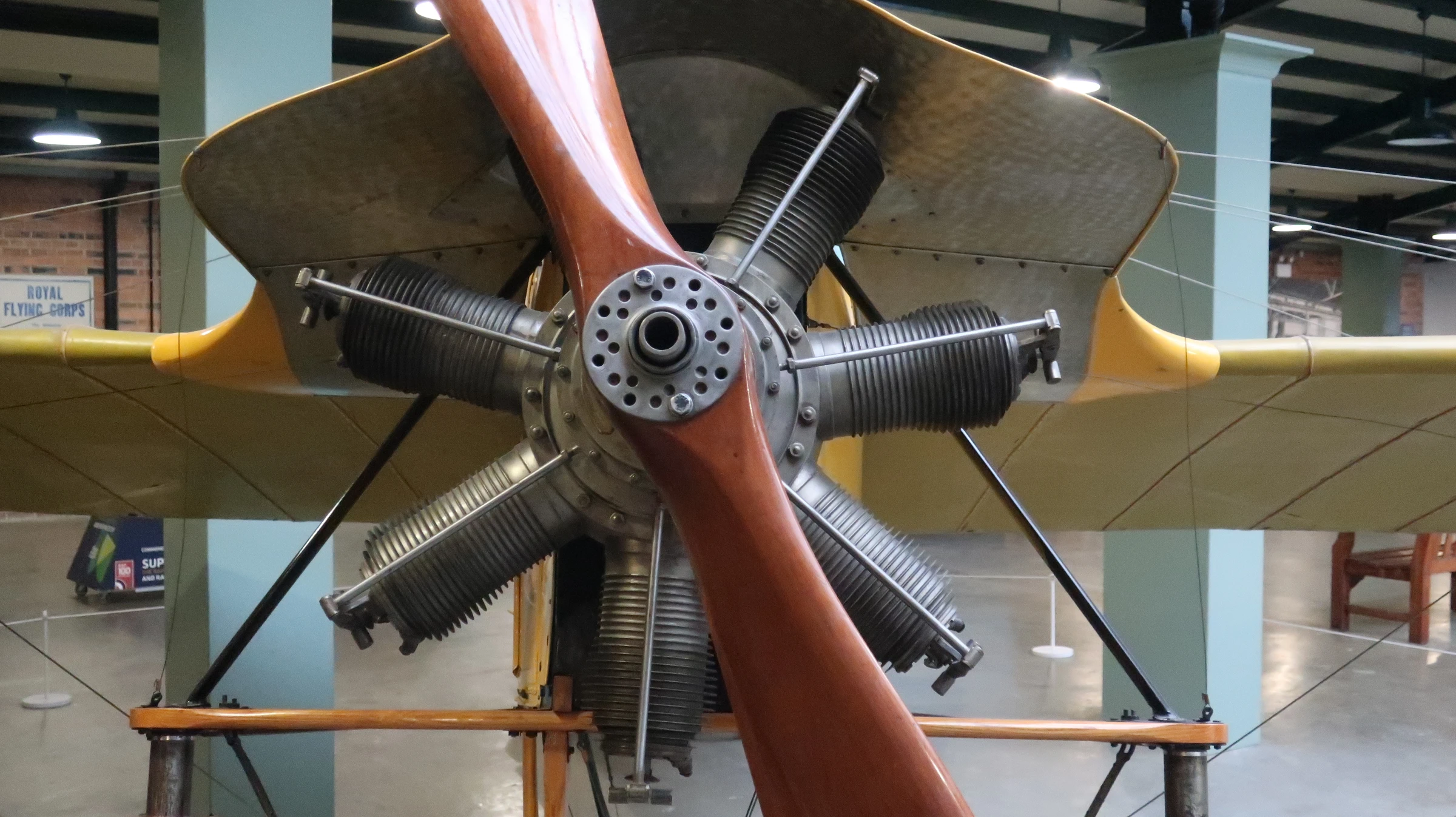
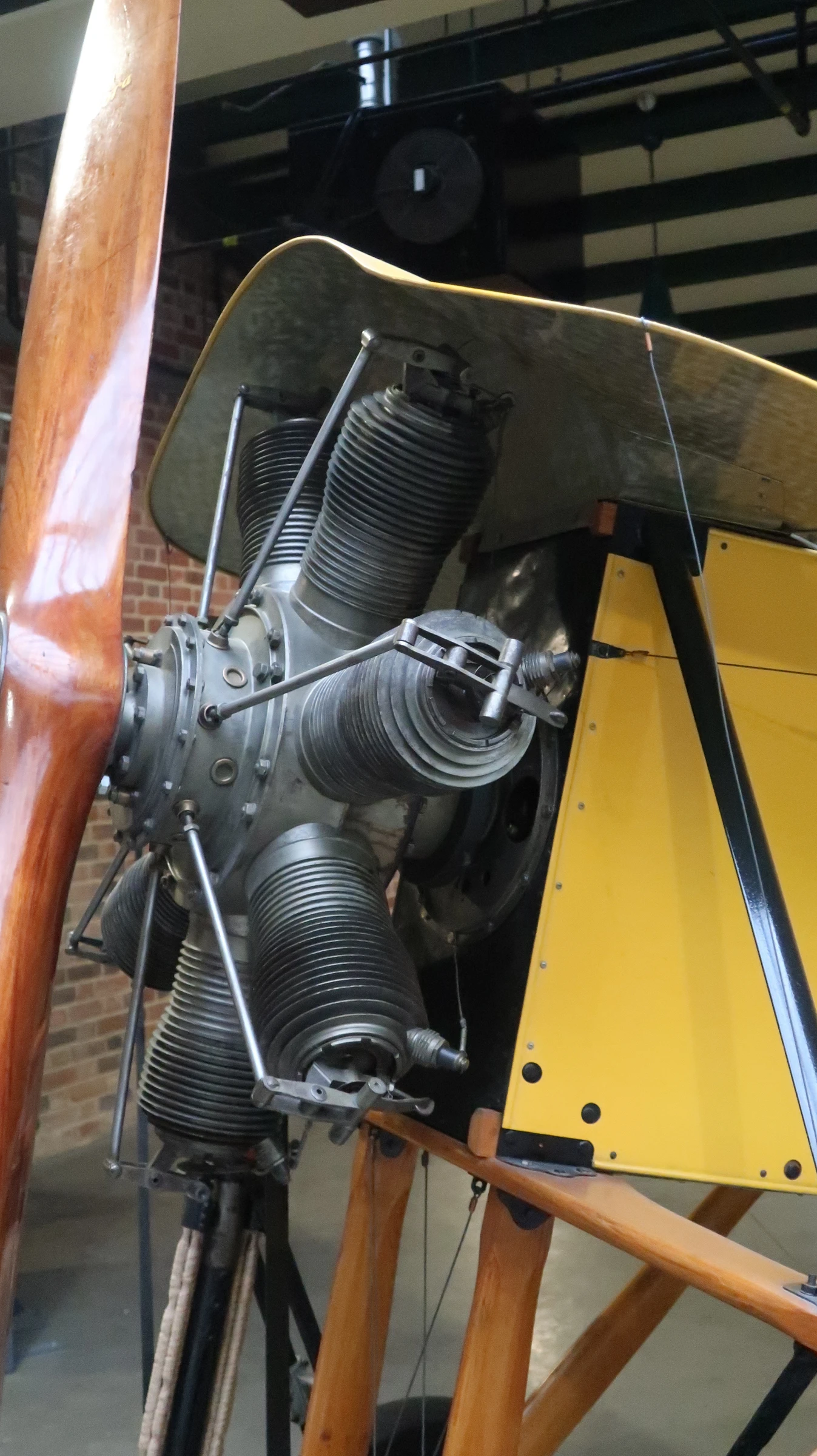
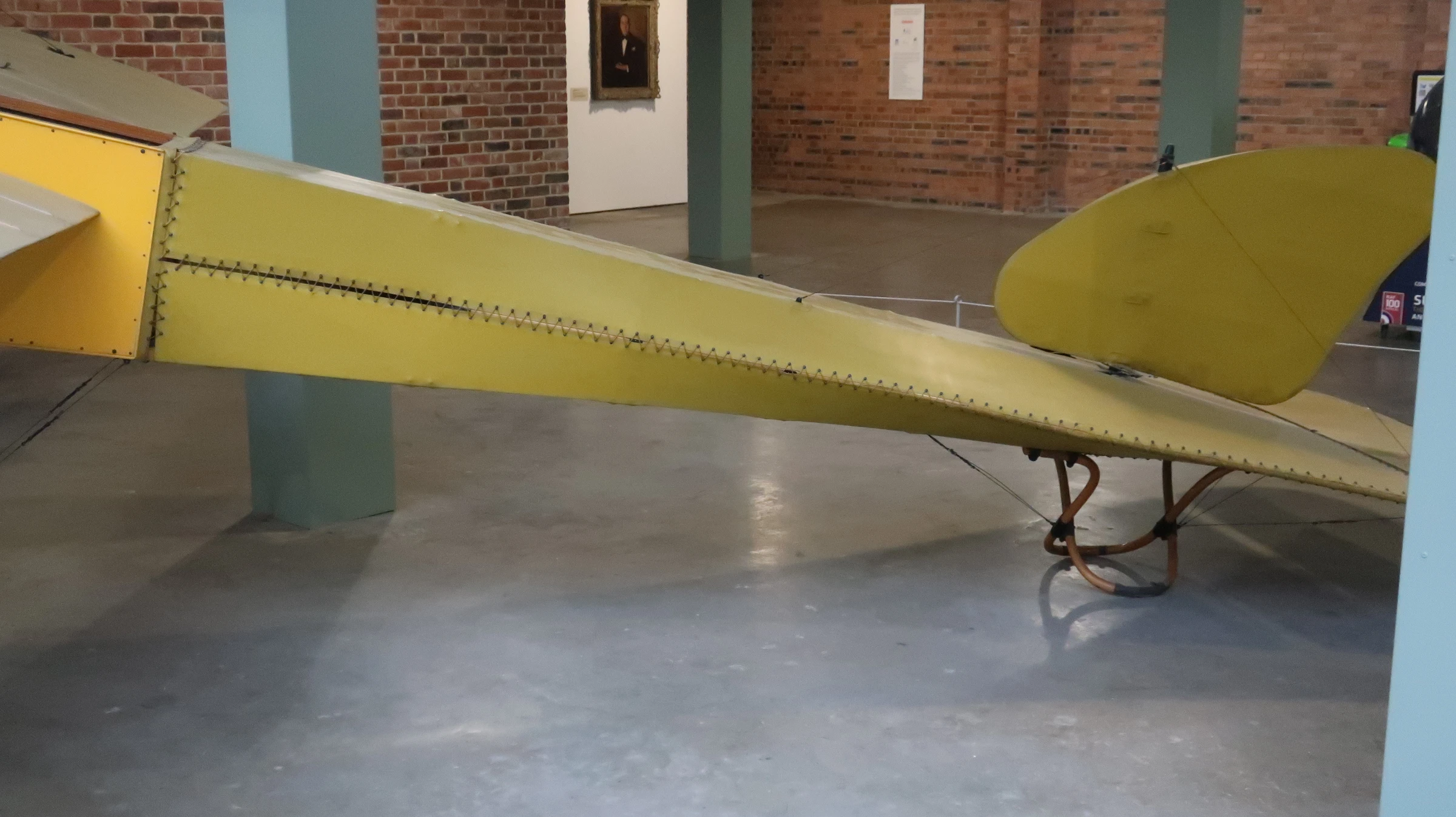
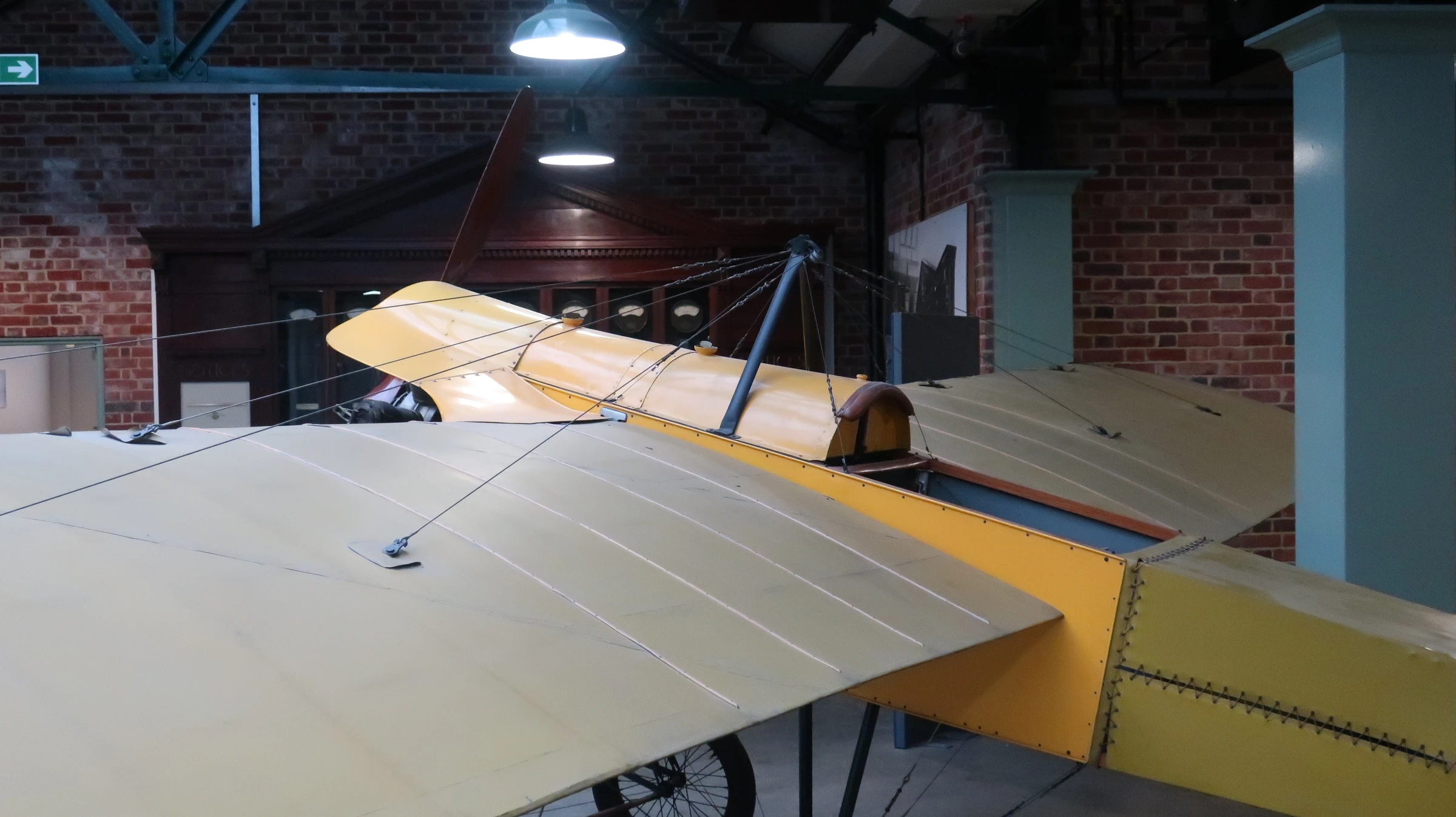
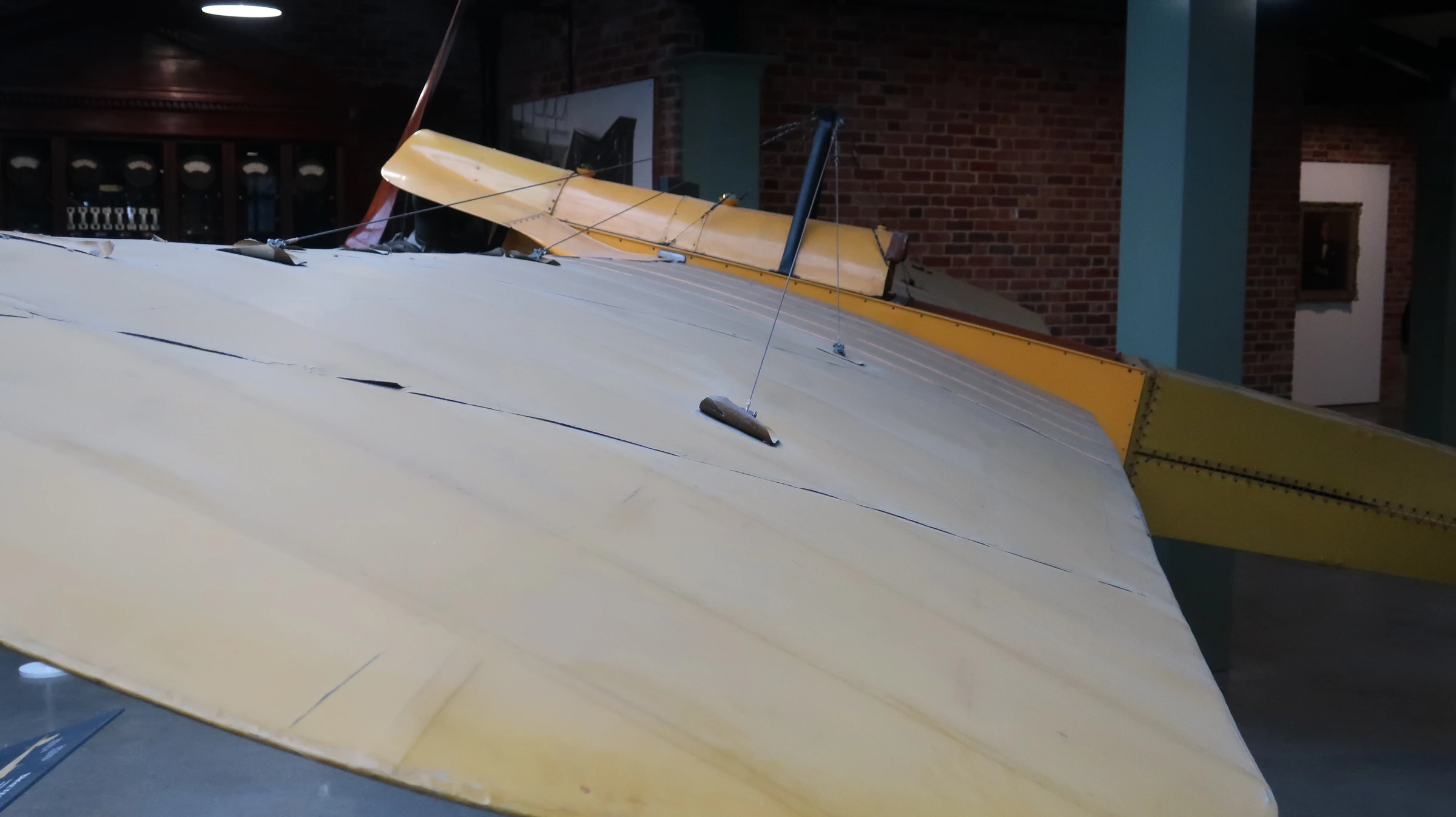
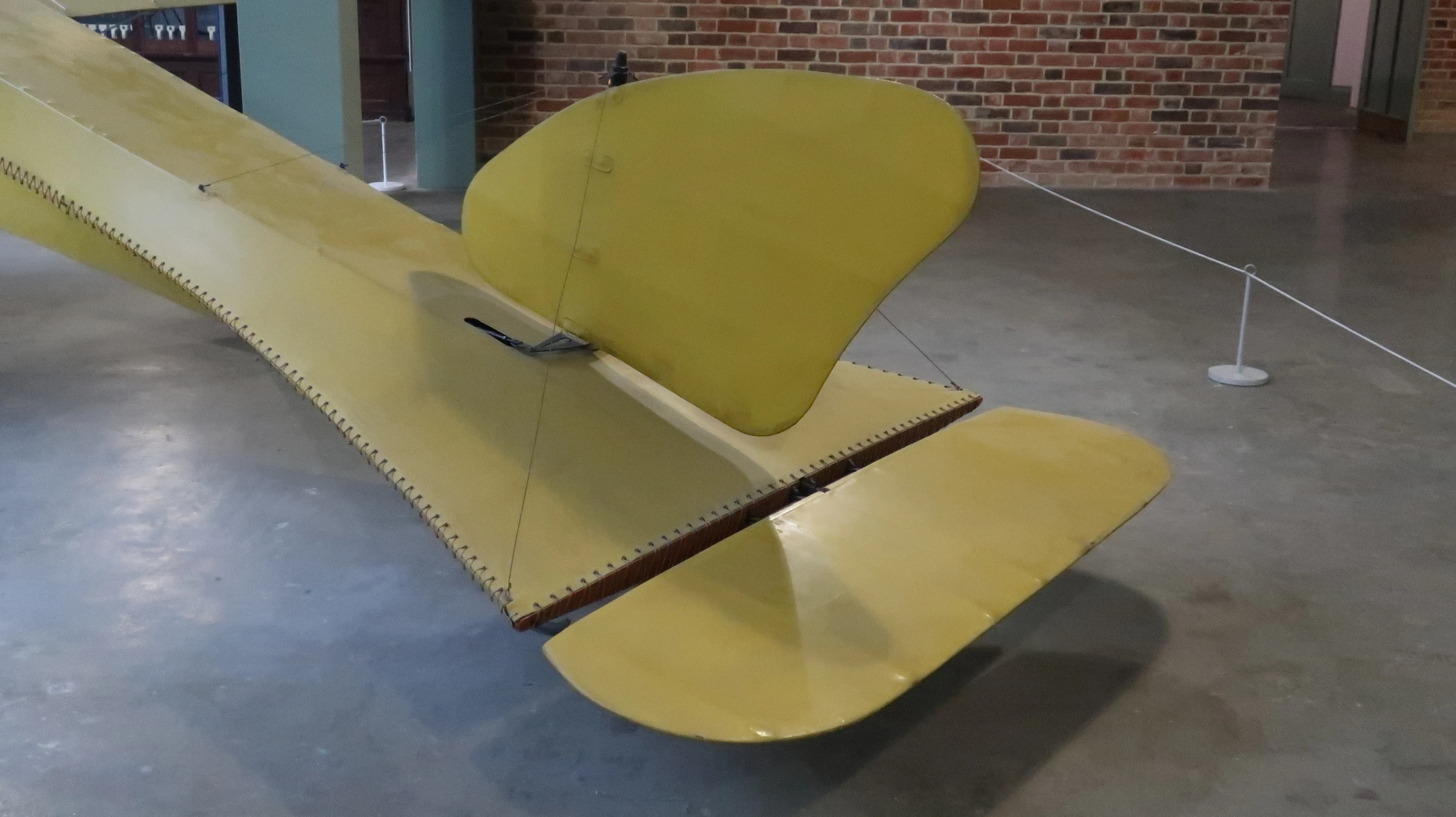
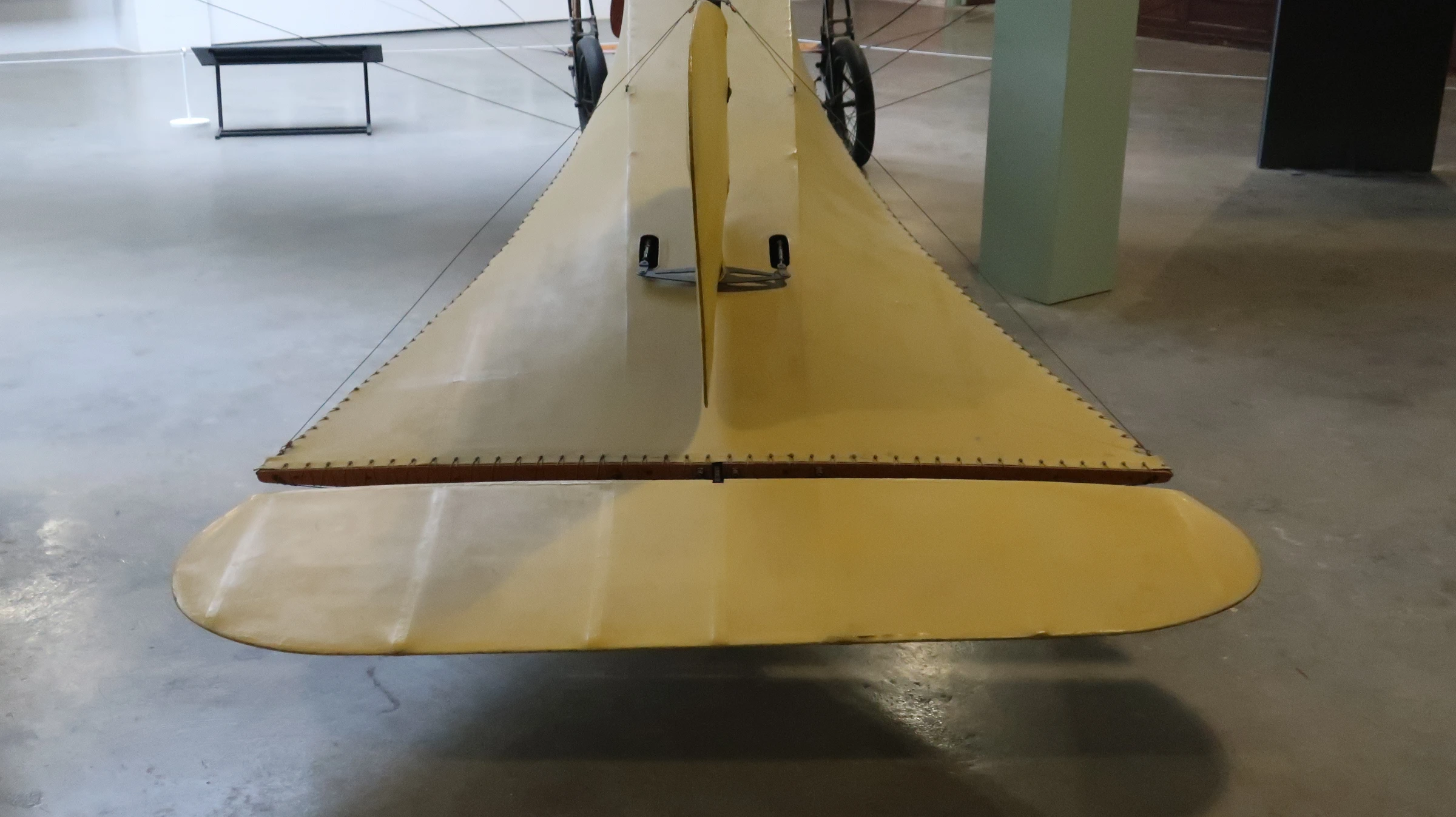
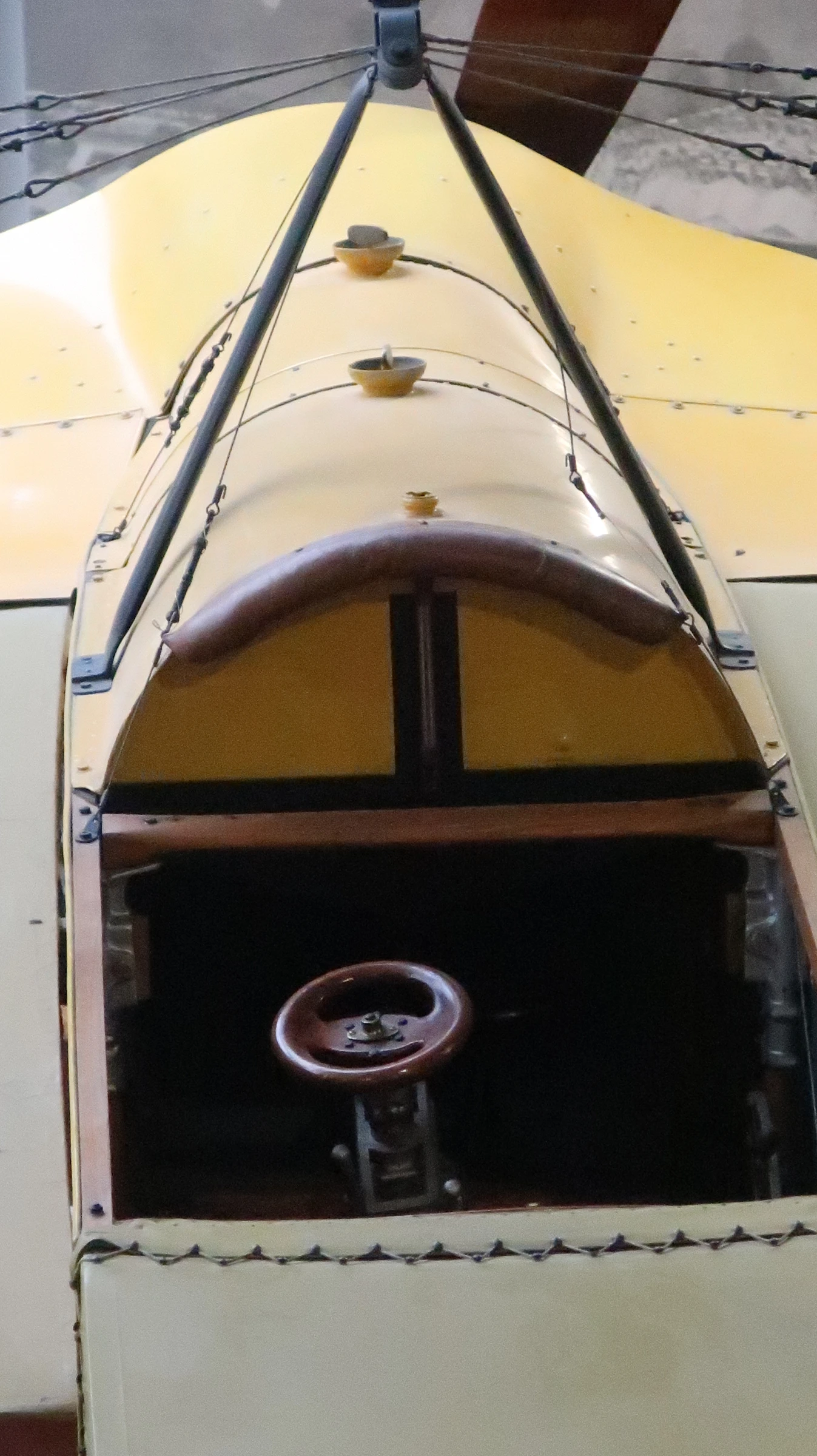
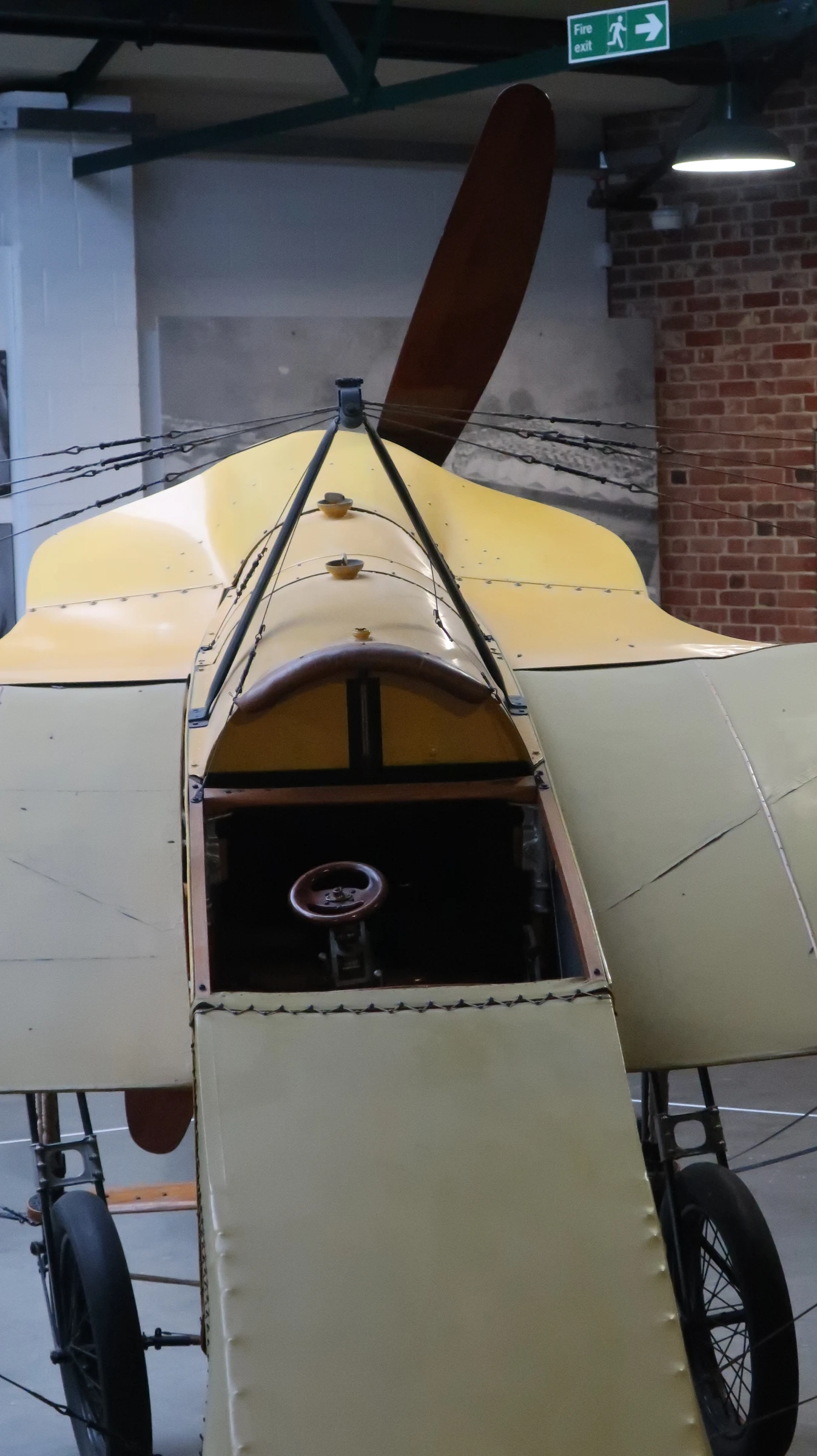
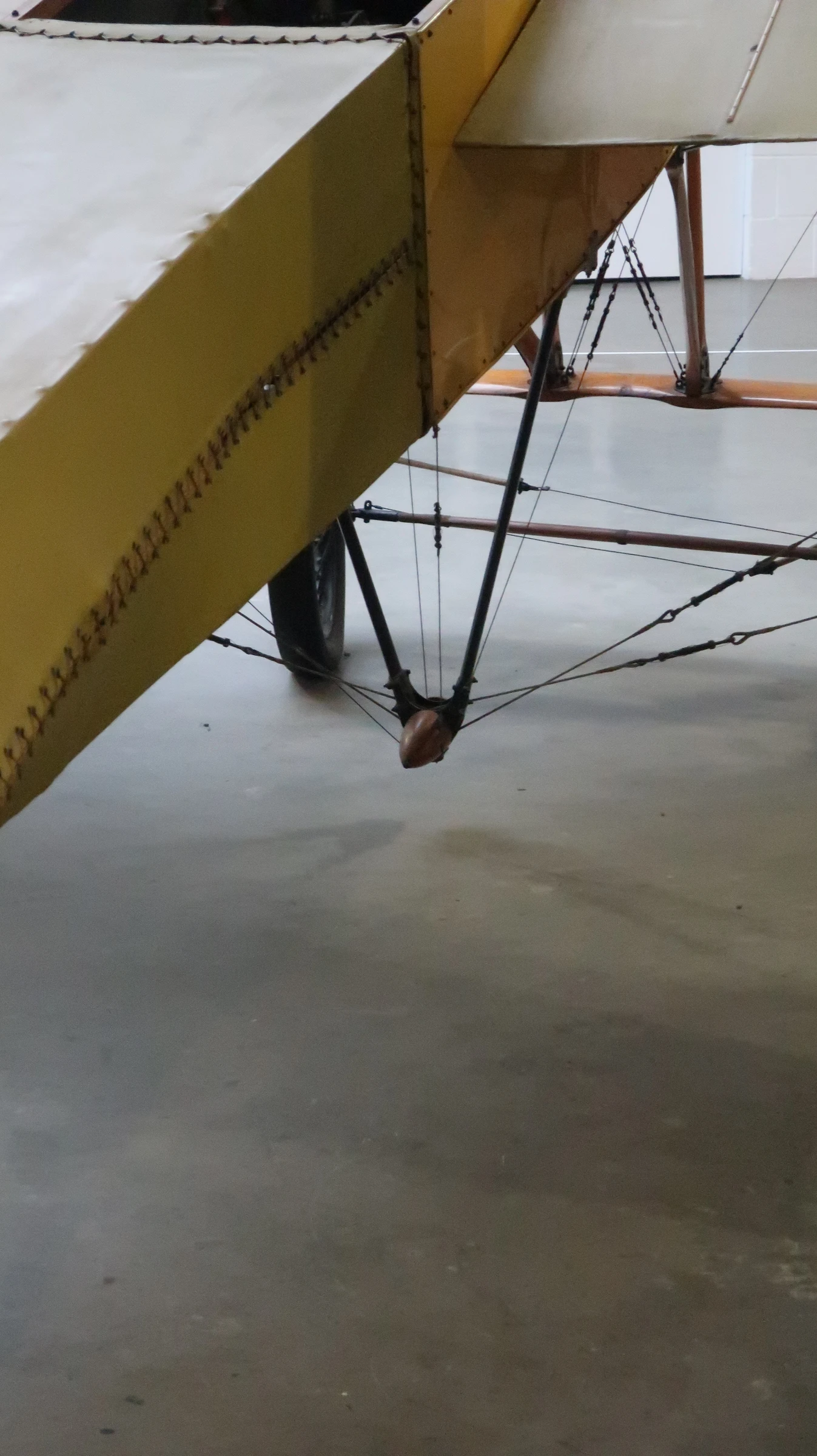
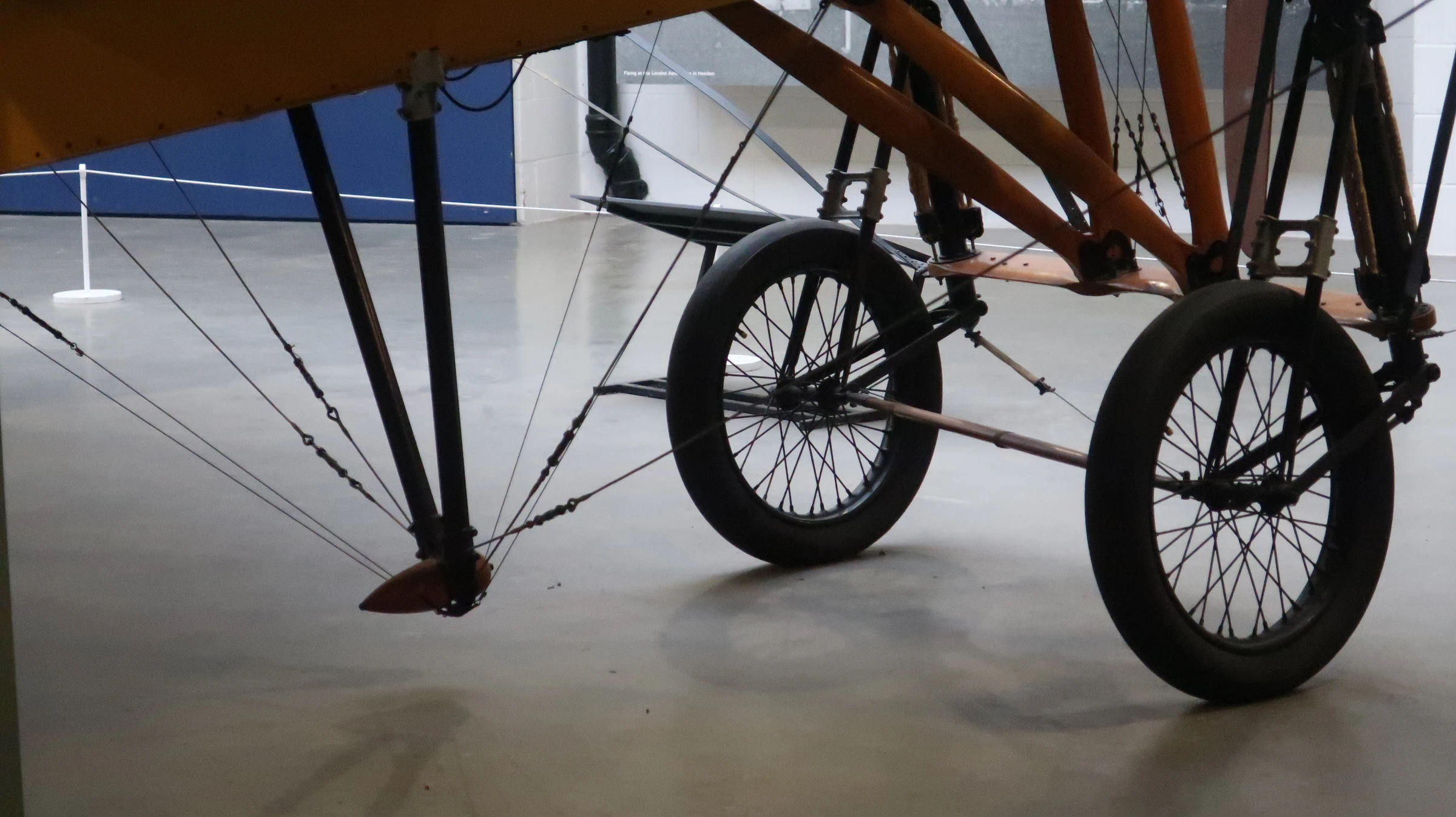
These walk-around photos were taken at the RAF Museum London in Hendon in 2019. They show a Blériot XXVII, displayed in the museum's Grahame-White Factory alongside other pioneering aircraft of the early aviation era. The XXVII was a streamlined single-seat racing monoplane powered by a 50hp Gnome Omega seven-cylinder rotary engine, sharing the shoulder-mounted wing and wire-braced construction typical of Louis Blériot's designs of the period — the same basic formula as the legendary Type XI with which he had crossed the English Channel in 1909. Only one example was built.
The identity of this particular aircraft has long been uncertain. For many years it was believed to be the racer entered in the 1911 Gordon Bennett Cup, but subsequent research has shown that to be a different machine. It was most likely built by Blériot himself during the summer of 1911 and first flown at Hardelot Beach in late September by his test pilot Alfred Le Blanc, reaching an unofficial speed of 130 km/h. It may alternatively be the Type XXVII ordered by René Barrier for use in the USA. By August 1914 it was crated in storage at Le Havre, where it remained until discovered around 1936 by collector Richard Nash, who restored it before it came to the RAF Museum. It is one of the oldest surviving aircraft in the collection.