The right tool makes all the difference — not just in the result, but in the enjoyment of getting there. Here’s what I’ve found worth having on the workbench.
Cutting Edge Technology
The knife
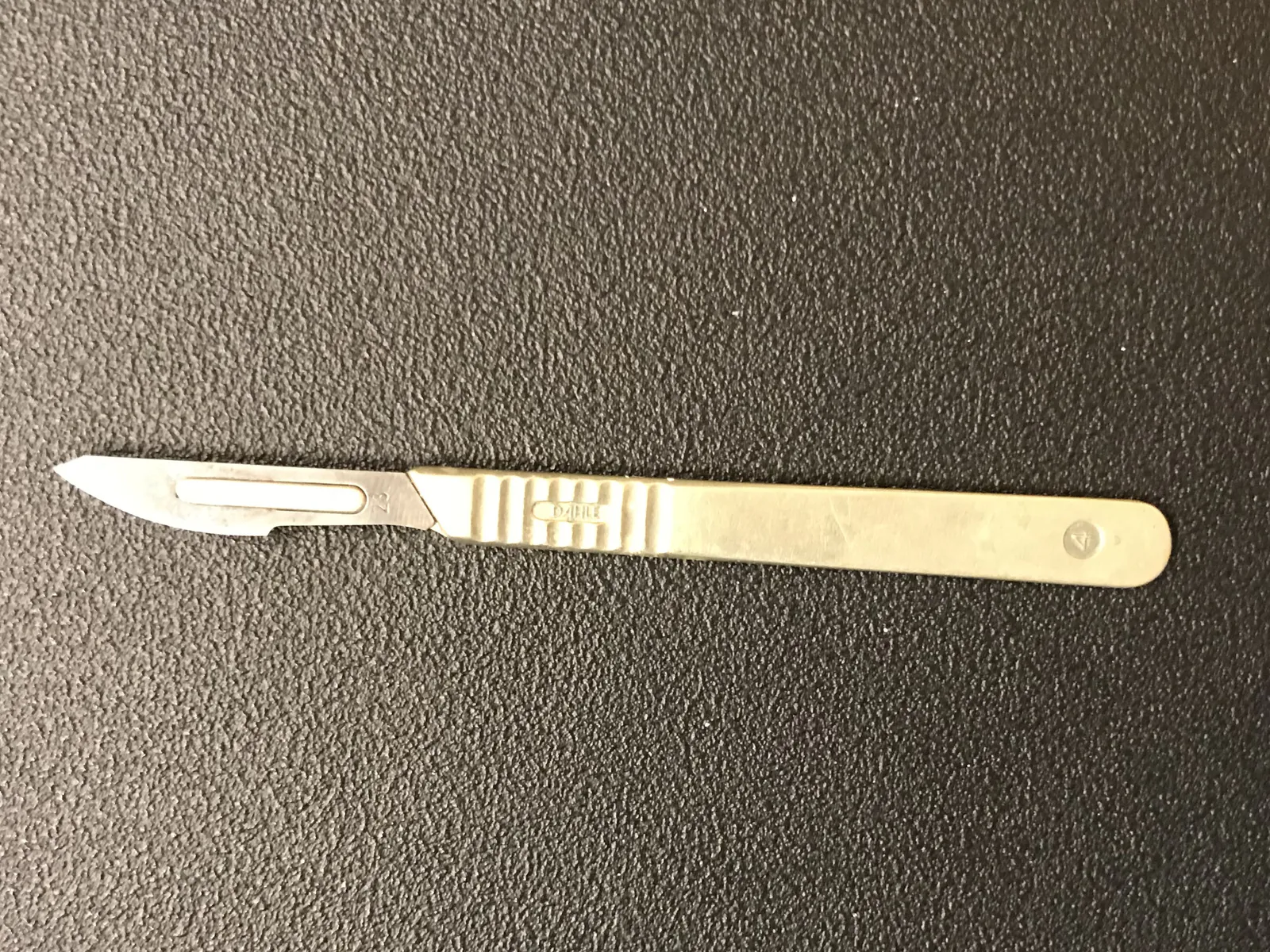
The knife — or better yet, a scalpel — is one of the most essential tools on your workbench, but it demands respect. It's easy to cut yourself, and equally easy to remove more material than you intended. That said, it's indispensable.
As my skills developed I replaced it with more specialised tools for many tasks — but there's always a scalpel within reach. Sometimes you just need to clean up something quickly in a less delicate spot, or nudge a stubborn decal into position.
As my skills developed I replaced it with more specialised tools for many tasks — but there's always a scalpel within reach. Sometimes you just need to clean up something quickly in a less delicate spot, or nudge a stubborn decal into position.
The cutter
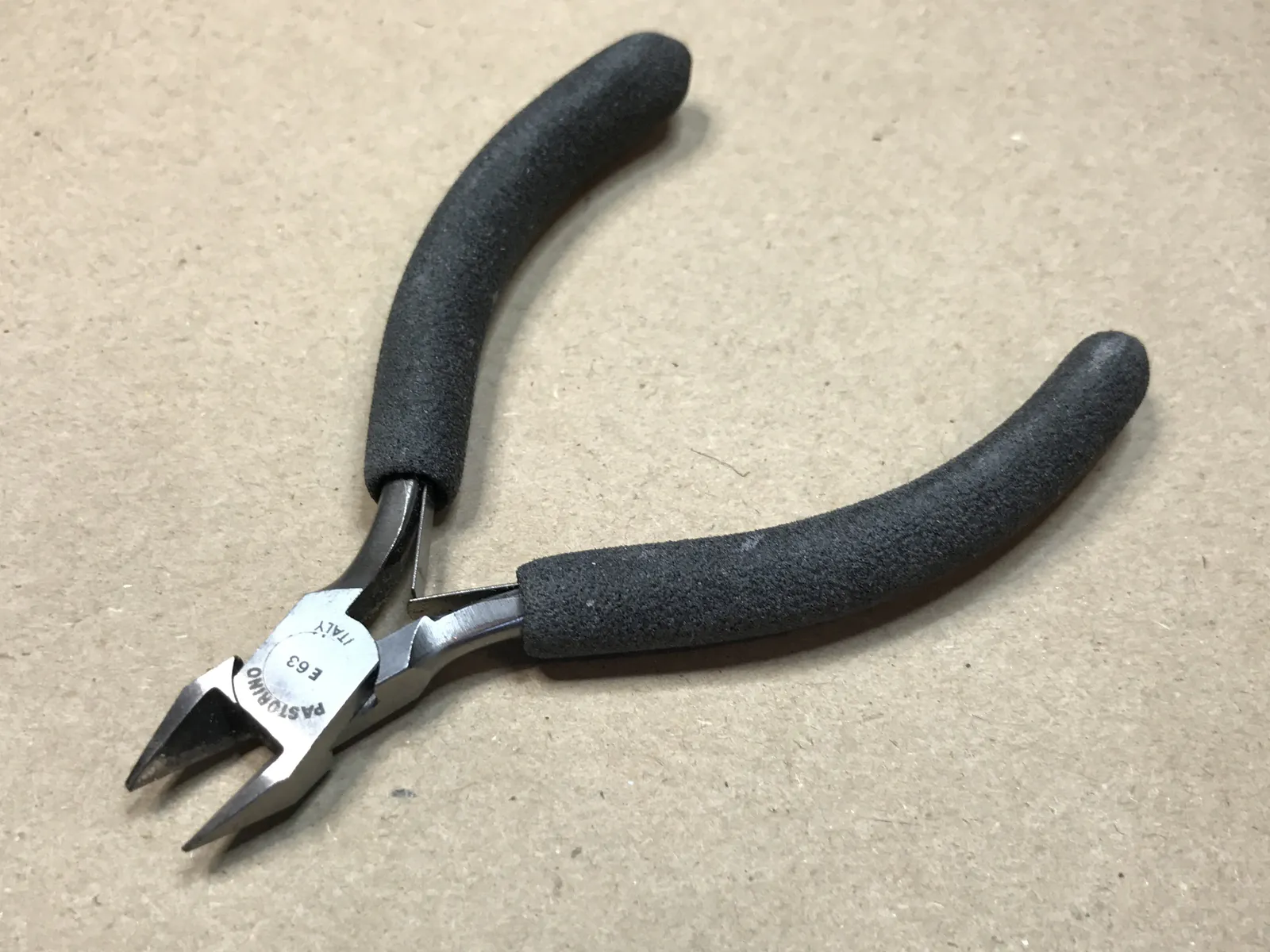
I'll admit it — as a kid I used to bend, twist and wrench parts off the sprue. It left small but maddening damage on the parts themselves. Cutting them off with a knife was an improvement, though still easy to overdo. What took me far too long to figure out was that a proper sprue cutter is simply the right tool for the job.
With the flat side of the cutter facing the part, it leaves an almost negligible mark — one that's easily cleaned up afterwards. It's one of those tools that makes you wonder how you ever managed without it.
With the flat side of the cutter facing the part, it leaves an almost negligible mark — one that's easily cleaned up afterwards. It's one of those tools that makes you wonder how you ever managed without it.
The scissor
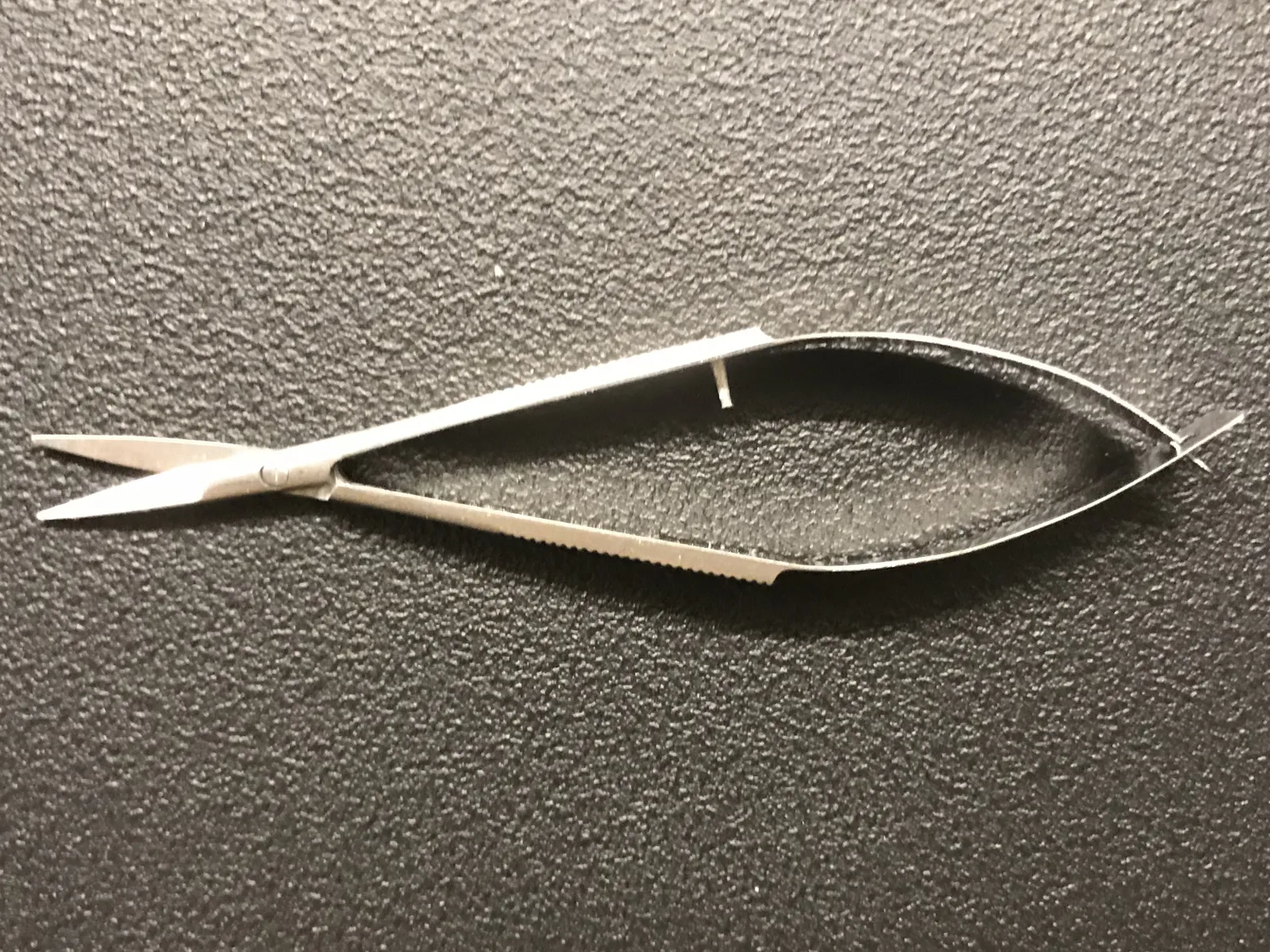
A pair of scissors is always handy — for cutting decals from the sheet, for example. But the one I reach for most is a small, pointed pair from Italeri, made for handling photo-etched metal parts. These tiny components can be very difficult to get at with a sprue cutter, and the fine tip gets into exactly the right place for a clean cut.
The tweezers
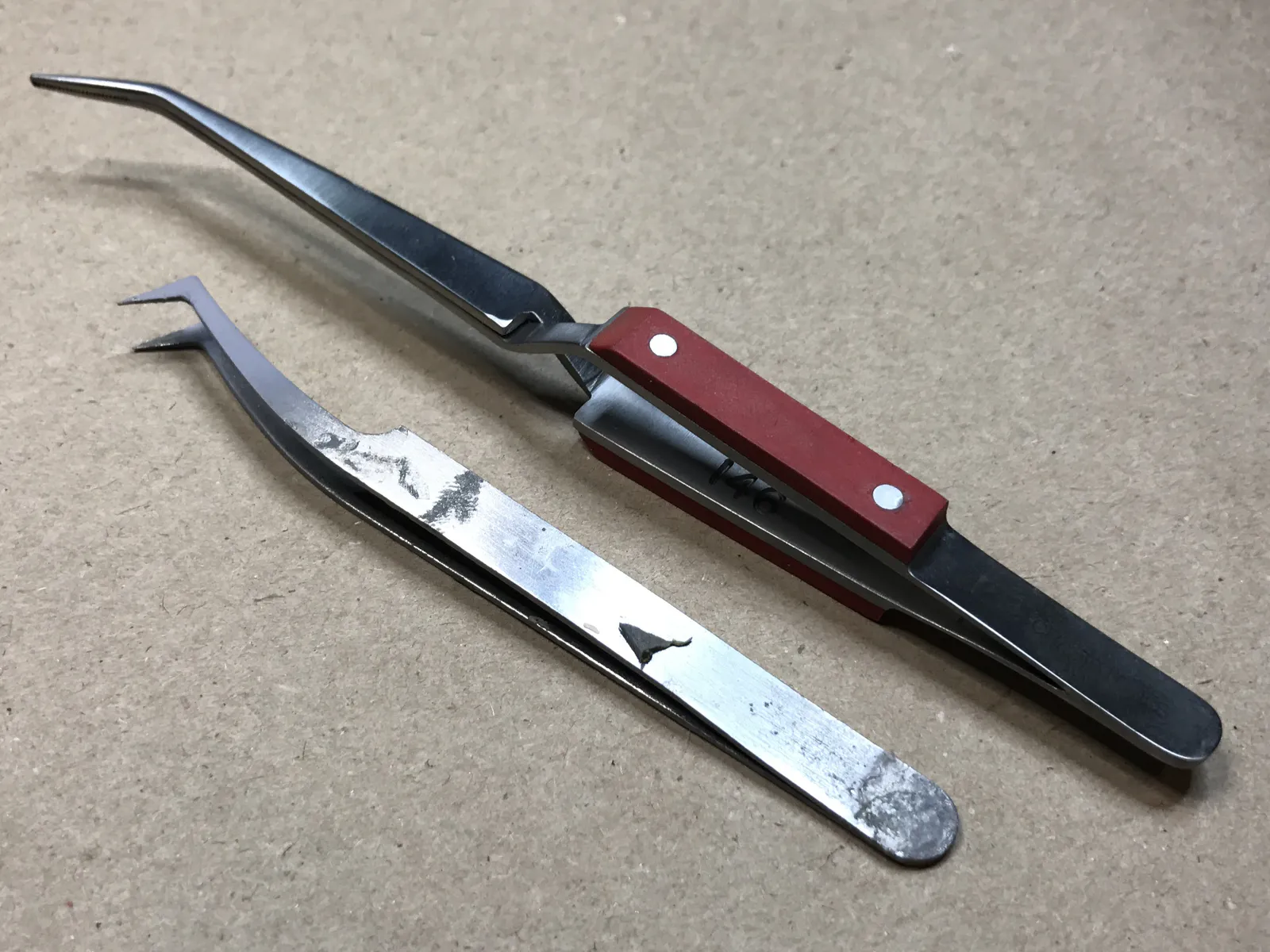
This is another truly essential tool. Most kits contain remarkably small parts, and more often than not they need to be fitted into tight spaces where your fingers simply won't do. Handling tweezers takes a little practice — you need enough pressure to hold the part, but too much and it will snap free and disappear across the room to somewhere only the vacuum cleaner will find it.
There's a wide range available and it's personal what you prefer. I've found that angled tips work best, especially when fitting things into confined spaces. I also keep a self-closing pair — the kind that requires pressure to open rather than to close — for when I need to keep track of a small part without holding the tweezers constantly.
There's a wide range available and it's personal what you prefer. I've found that angled tips work best, especially when fitting things into confined spaces. I also keep a self-closing pair — the kind that requires pressure to open rather than to close — for when I need to keep track of a small part without holding the tweezers constantly.
The drill
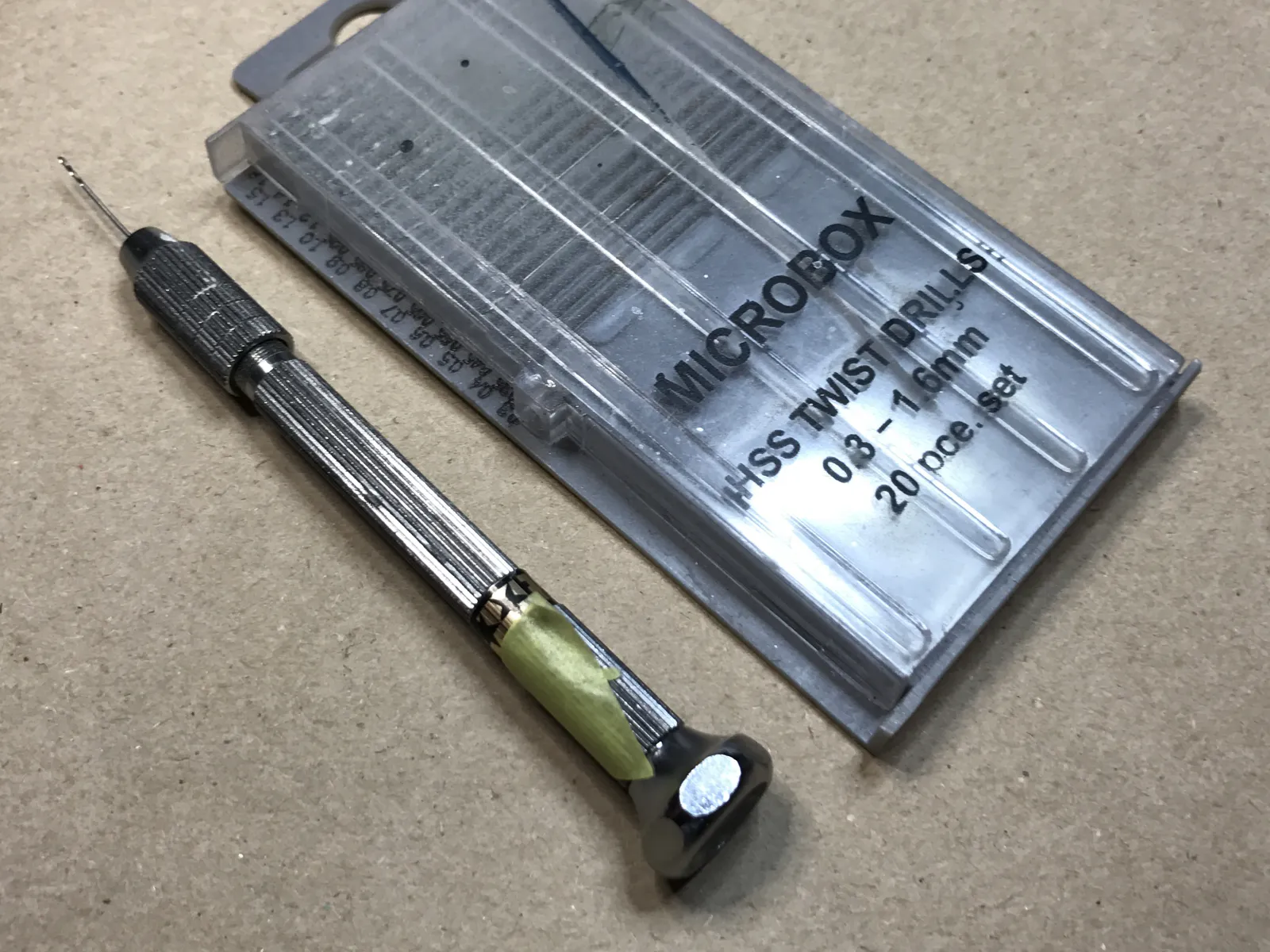
A small hobby drill with a set of bits in different sizes is invaluable when a hole is needed. Many kits have options that require you to open up holes for parts to fit into later, and I used to do this with a needle or knife — which is neither precise nor kind to the plastic. The moment I got a proper hobby drill I couldn't understand why I hadn't bought one sooner.
A few things worth knowing: it's better to start drilling from the visible side of the part, as the entry point comes out neater than the exit. If there's a pre-marked countersink on the inside, start there instead — tidying an exit hole is easier than fixing a hole in the wrong place. And if there's no guide mark at all, make a small indent with a needle first. Without it, the drill will slide and you'll end up somewhere you didn't intend.
A few things worth knowing: it's better to start drilling from the visible side of the part, as the entry point comes out neater than the exit. If there's a pre-marked countersink on the inside, start there instead — tidying an exit hole is easier than fixing a hole in the wrong place. And if there's no guide mark at all, make a small indent with a needle first. Without it, the drill will slide and you'll end up somewhere you didn't intend.
The saw
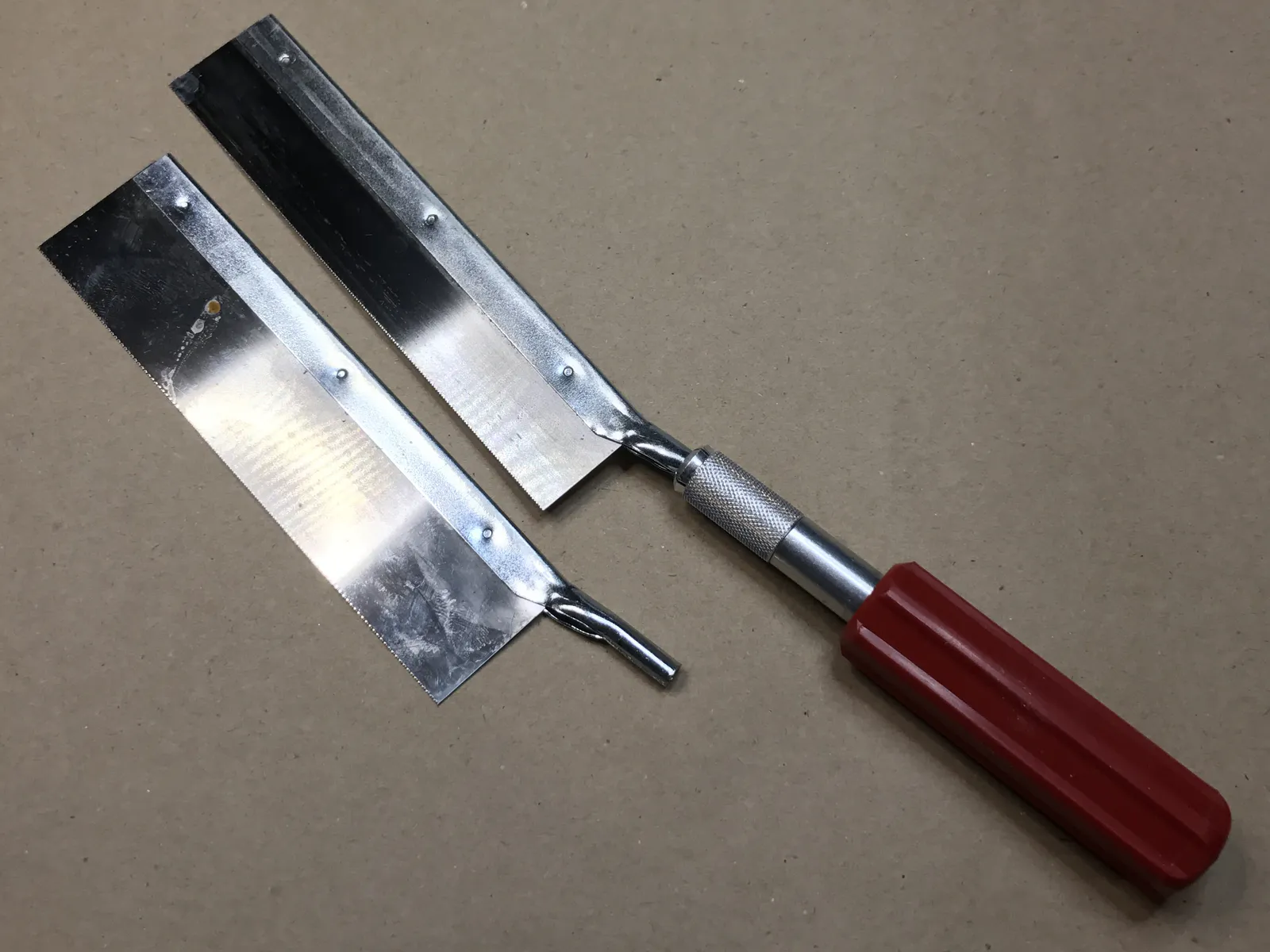
A saw might seem like an odd addition to the hobby bench, but there are situations where nothing else will do. Resin detail parts, for example, aren't delivered on sprues — they come moulded with large blocks of excess resin that need to be removed. Trying to cut through these with a knife is frustrating and rarely straight. A hobby saw gives you a clean, controlled cut.
I use two kinds. A larger one for straight cuts through bigger pieces of resin or plastic, and a smaller one with a thin blade — the kind that fits into a standard hobby knife handle. The smaller saw is perfect for delicate work, like repositioning a rudder or separating parts that need a precise cut without collateral damage.
I use two kinds. A larger one for straight cuts through bigger pieces of resin or plastic, and a smaller one with a thin blade — the kind that fits into a standard hobby knife handle. The smaller saw is perfect for delicate work, like repositioning a rudder or separating parts that need a precise cut without collateral damage.
The clamps and the rubber bands
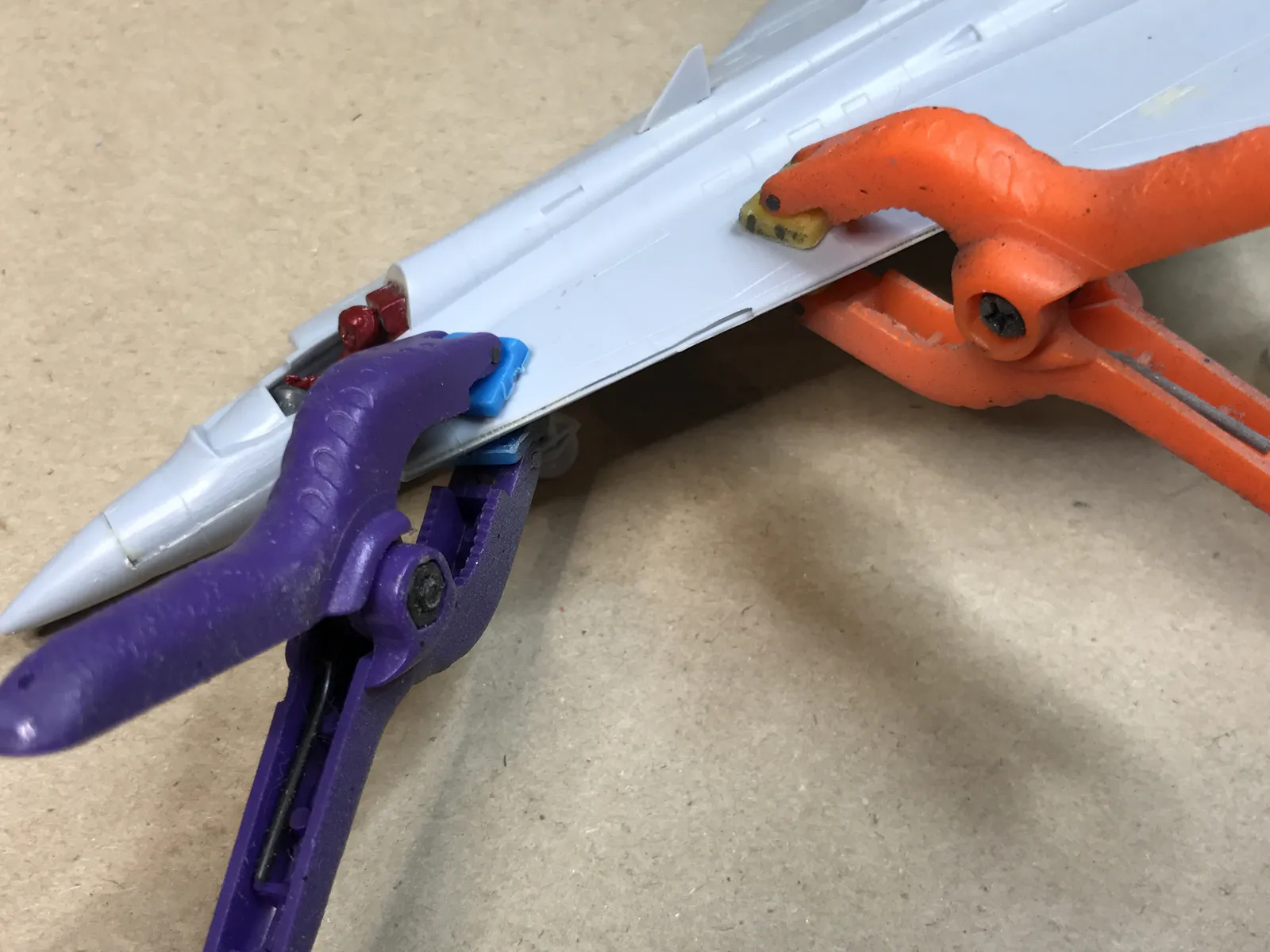
When gluing parts together, they have a tendency to spring apart while the cement does its work — and you don't always want to sit there holding them for ten minutes. Clamps and rubber bands solve this, and they work in usefully different ways.
Rubber bands apply even pressure around a joint, making them perfect for holding a fuselage together. Clamps are better for concentrated pressure on flat surfaces like wings. Both are worth having. Rubber bands you can pick up almost anywhere, and clamps are available at any well-stocked hobby shop.
Rubber bands apply even pressure around a joint, making them perfect for holding a fuselage together. Clamps are better for concentrated pressure on flat surfaces like wings. Both are worth having. Rubber bands you can pick up almost anywhere, and clamps are available at any well-stocked hobby shop.