Short Sunderland Mk.V
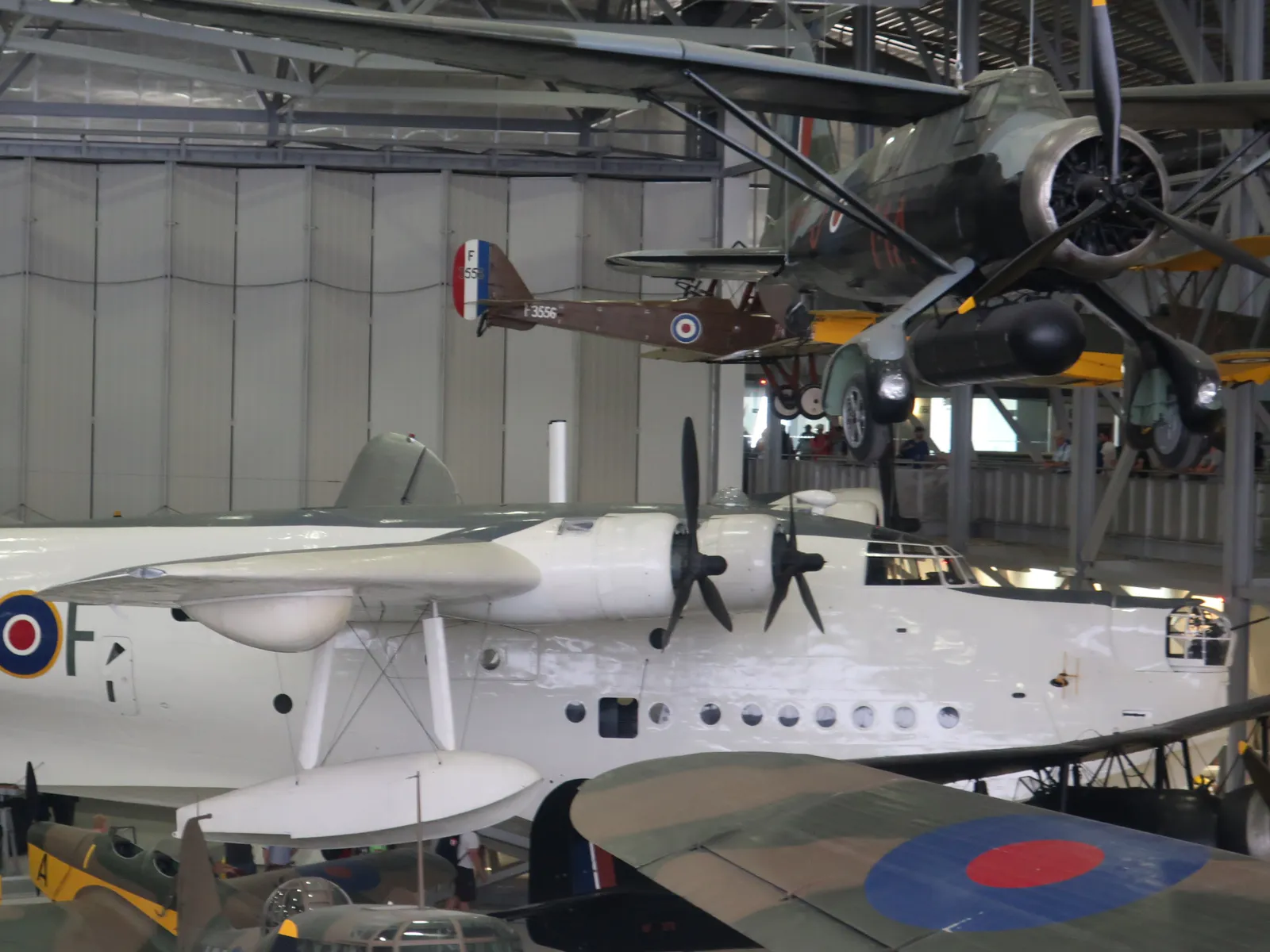
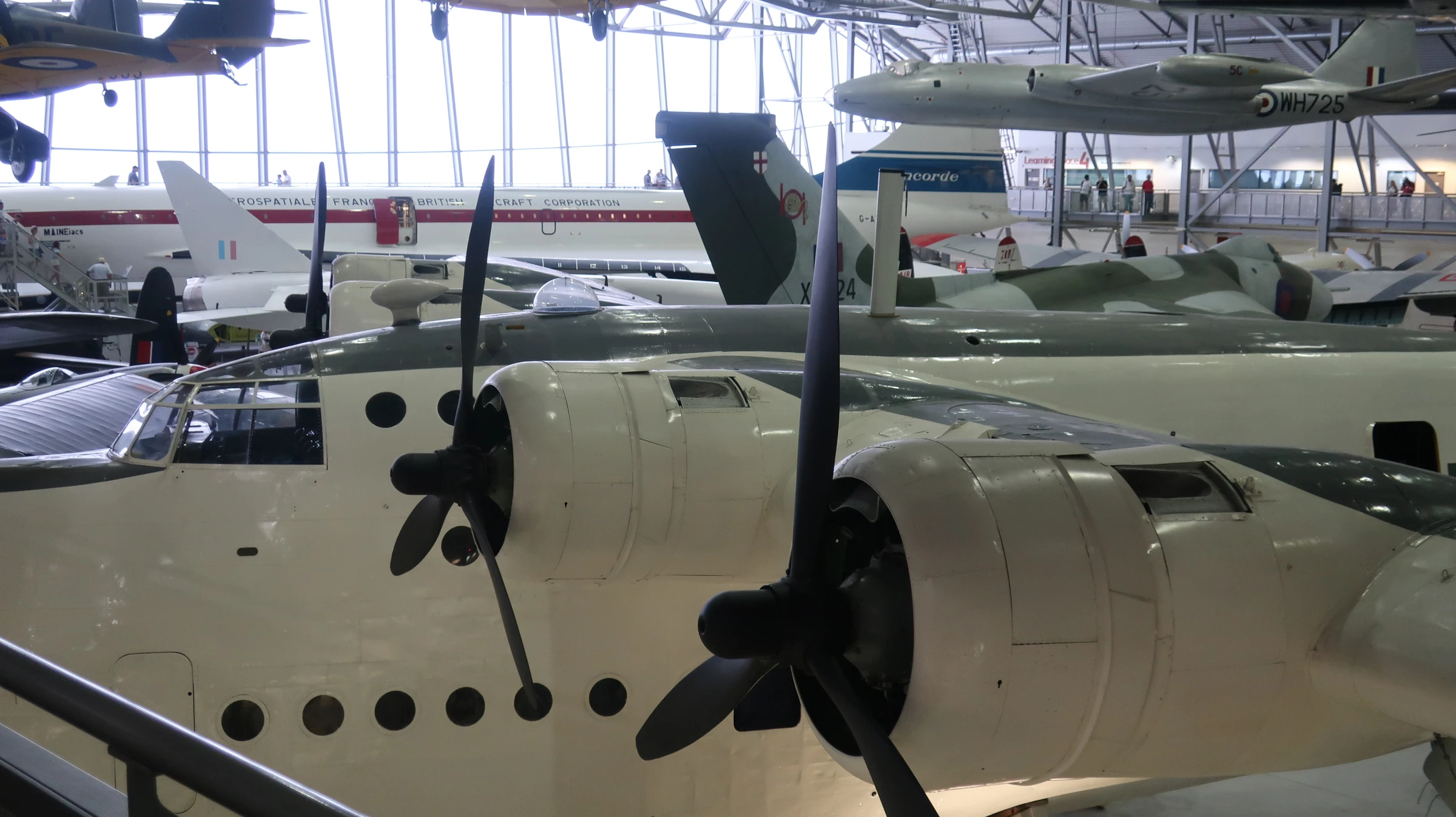
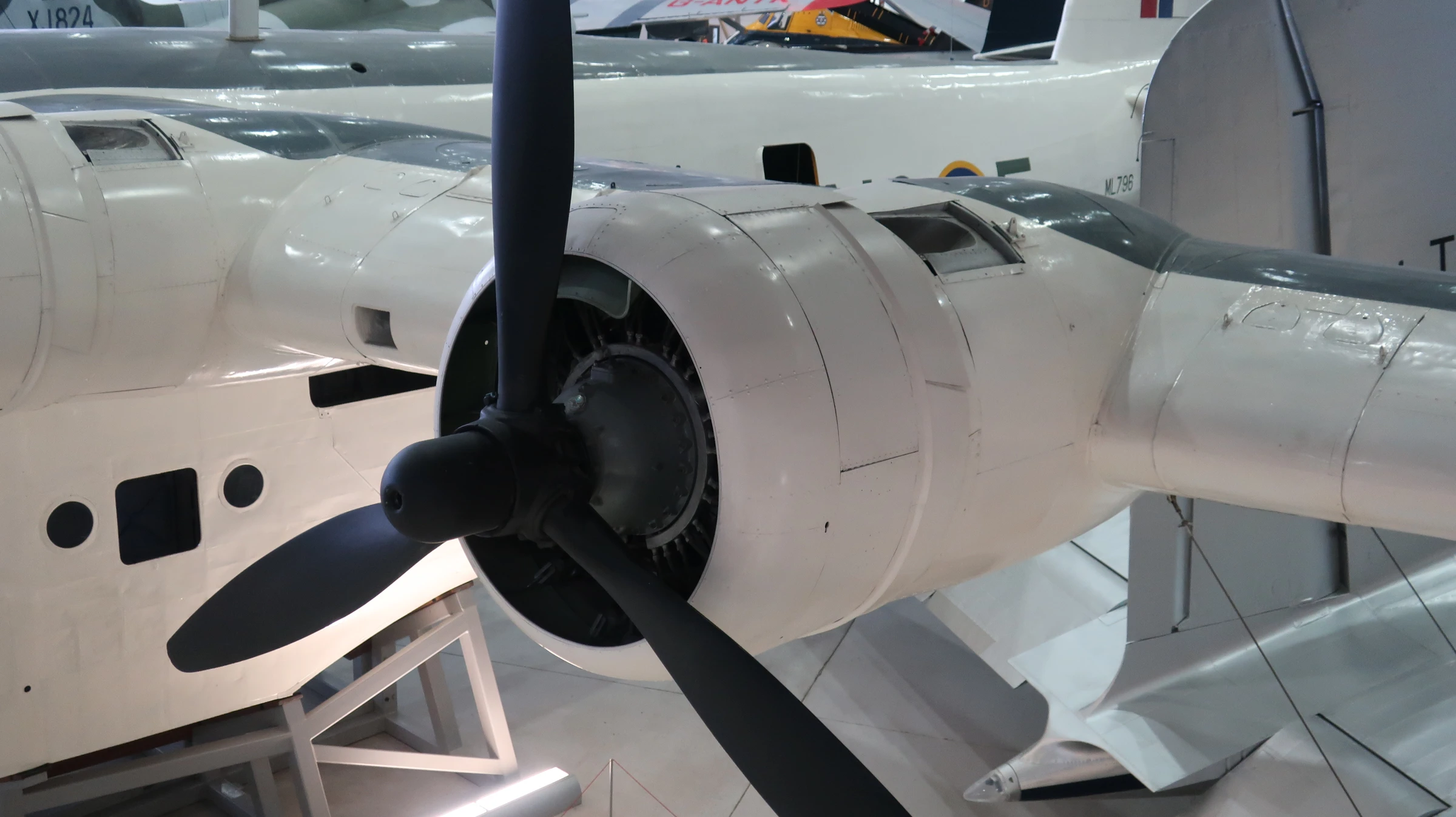
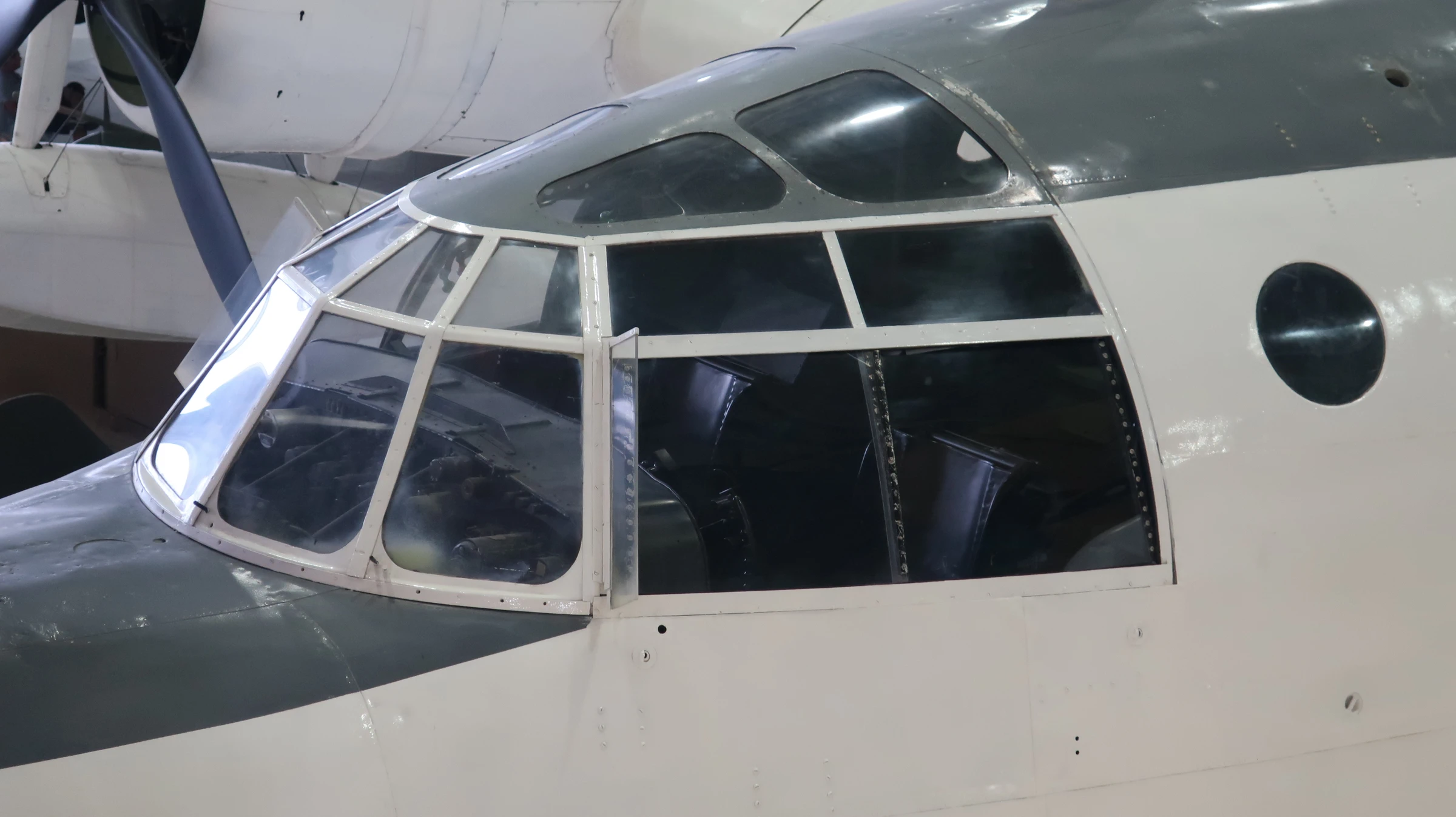
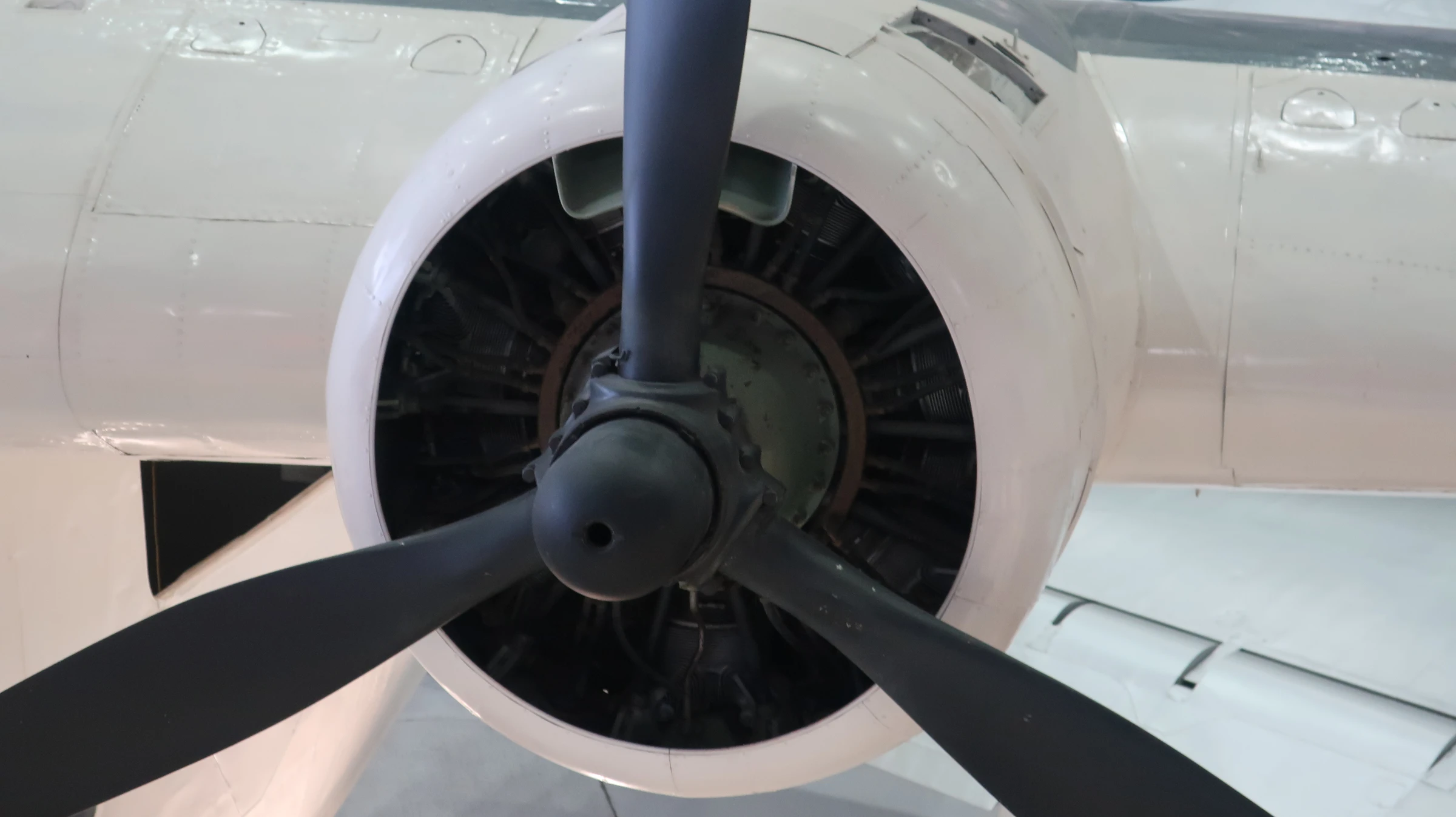
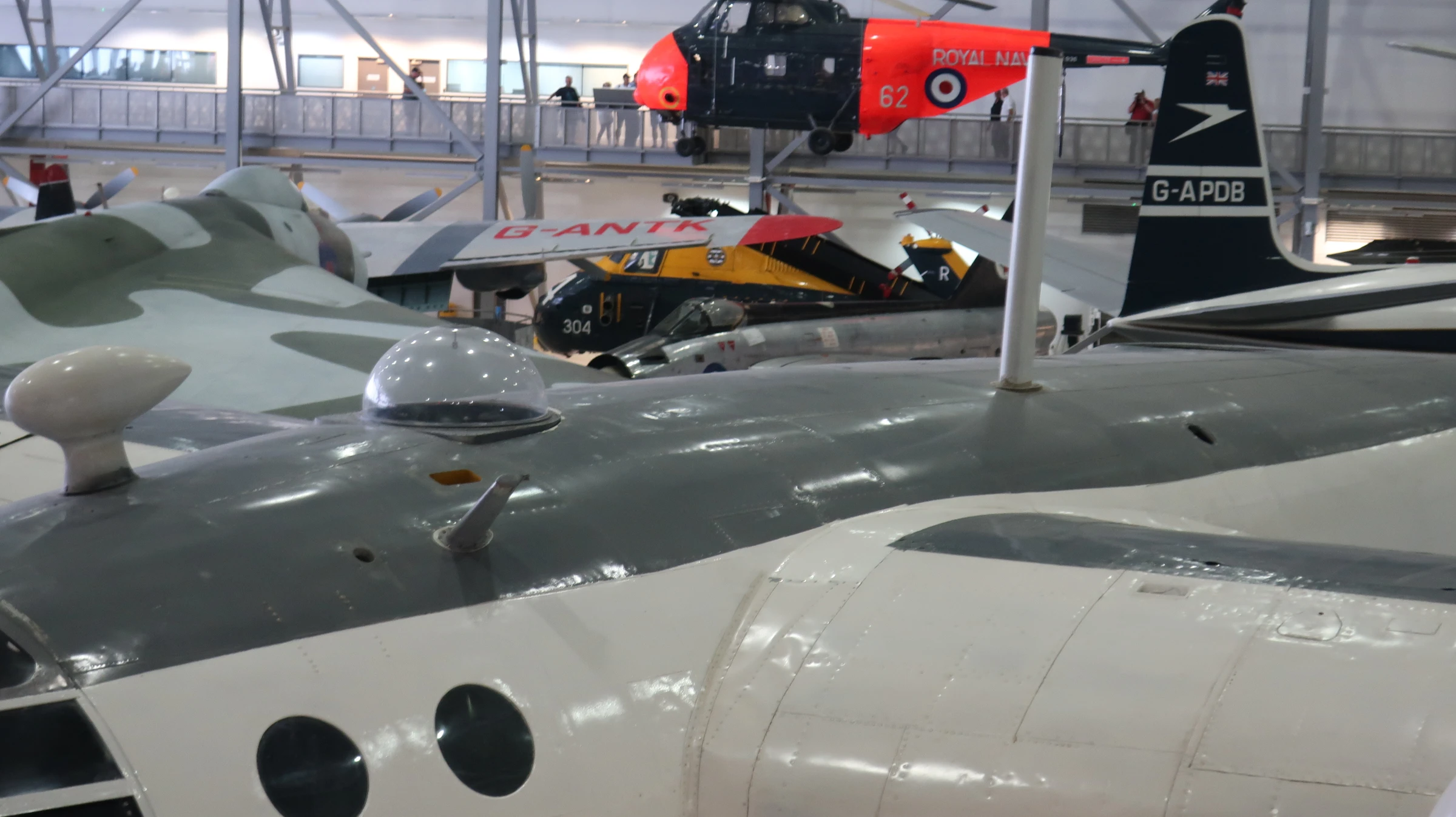
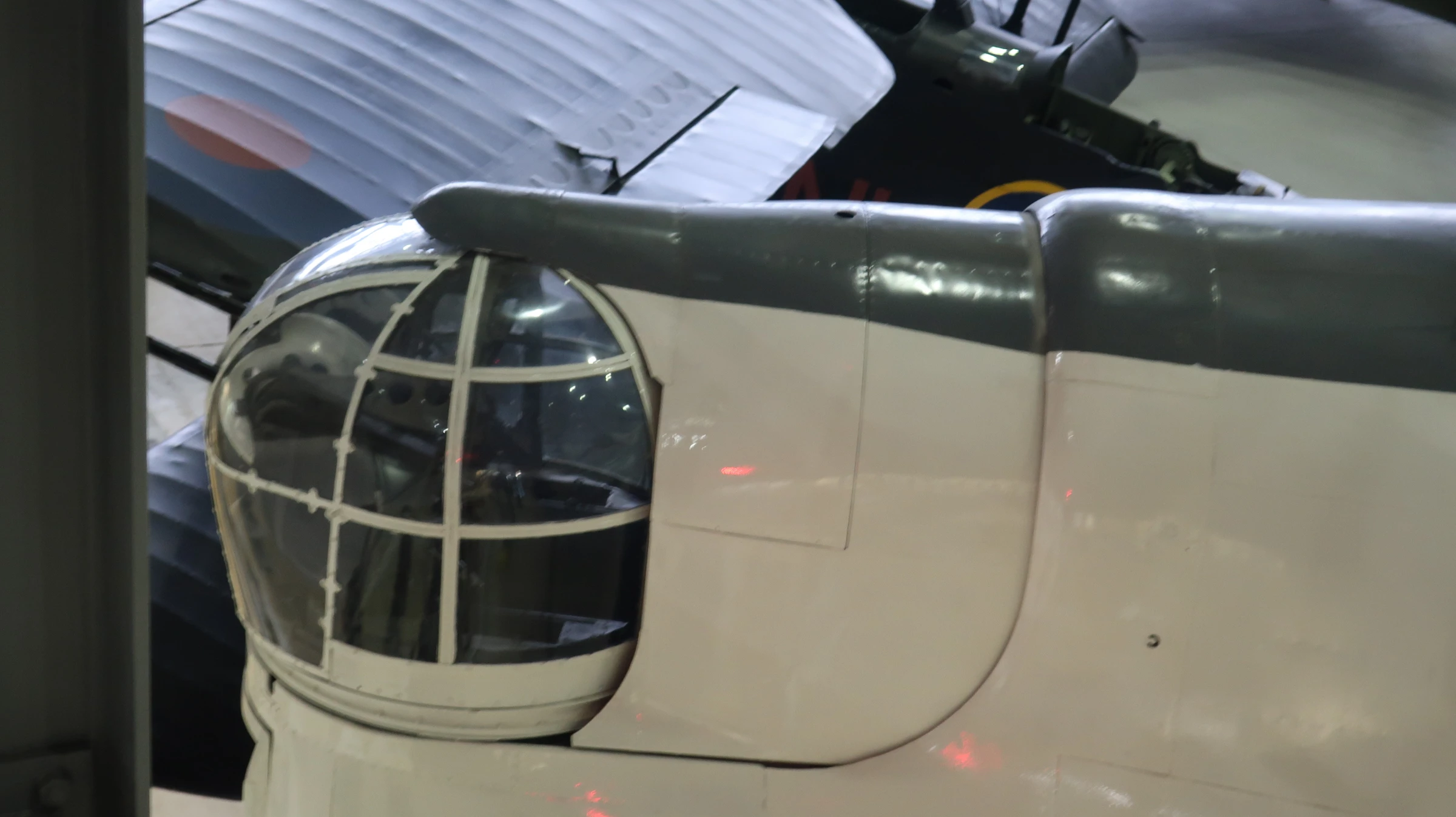
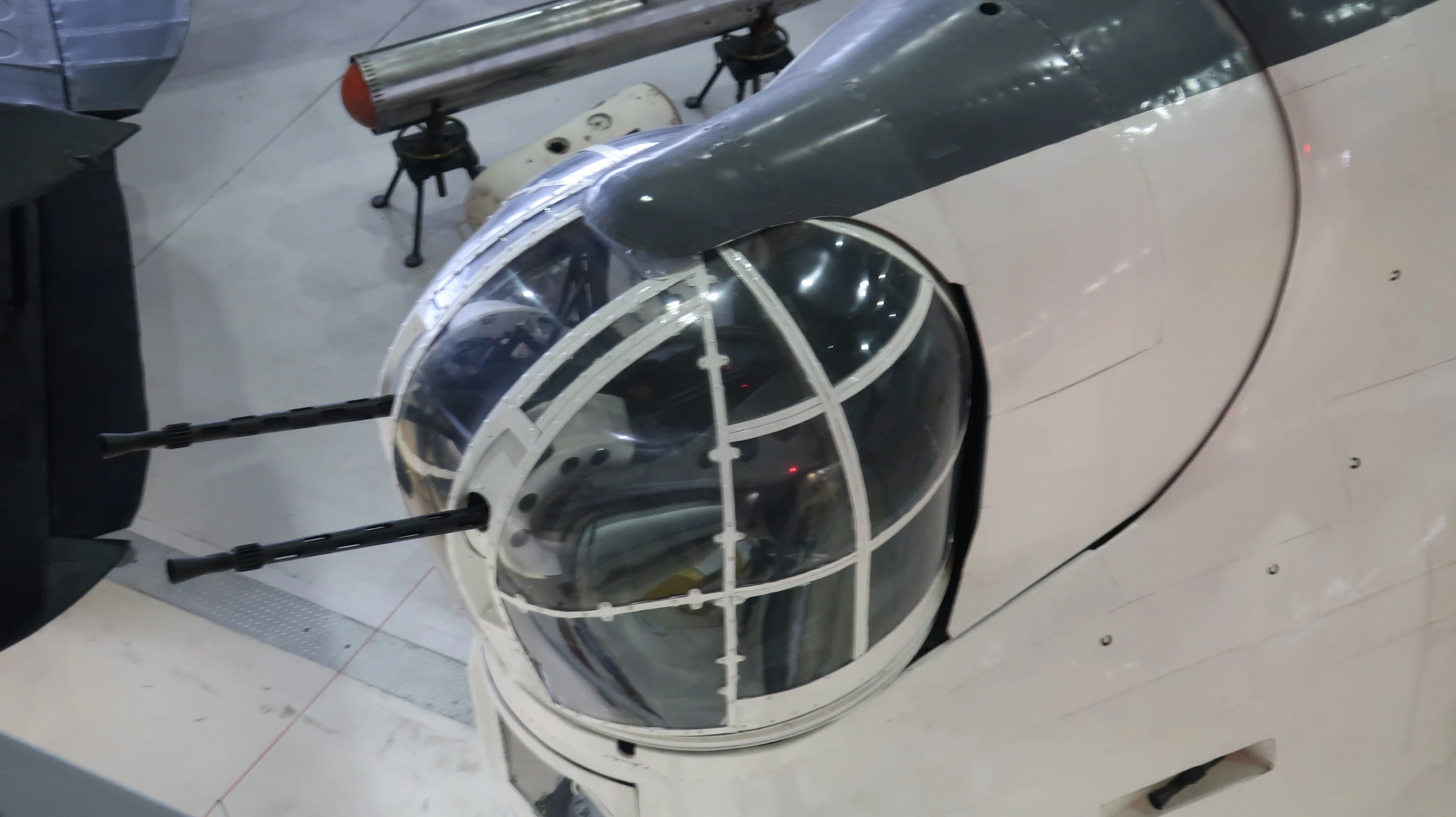
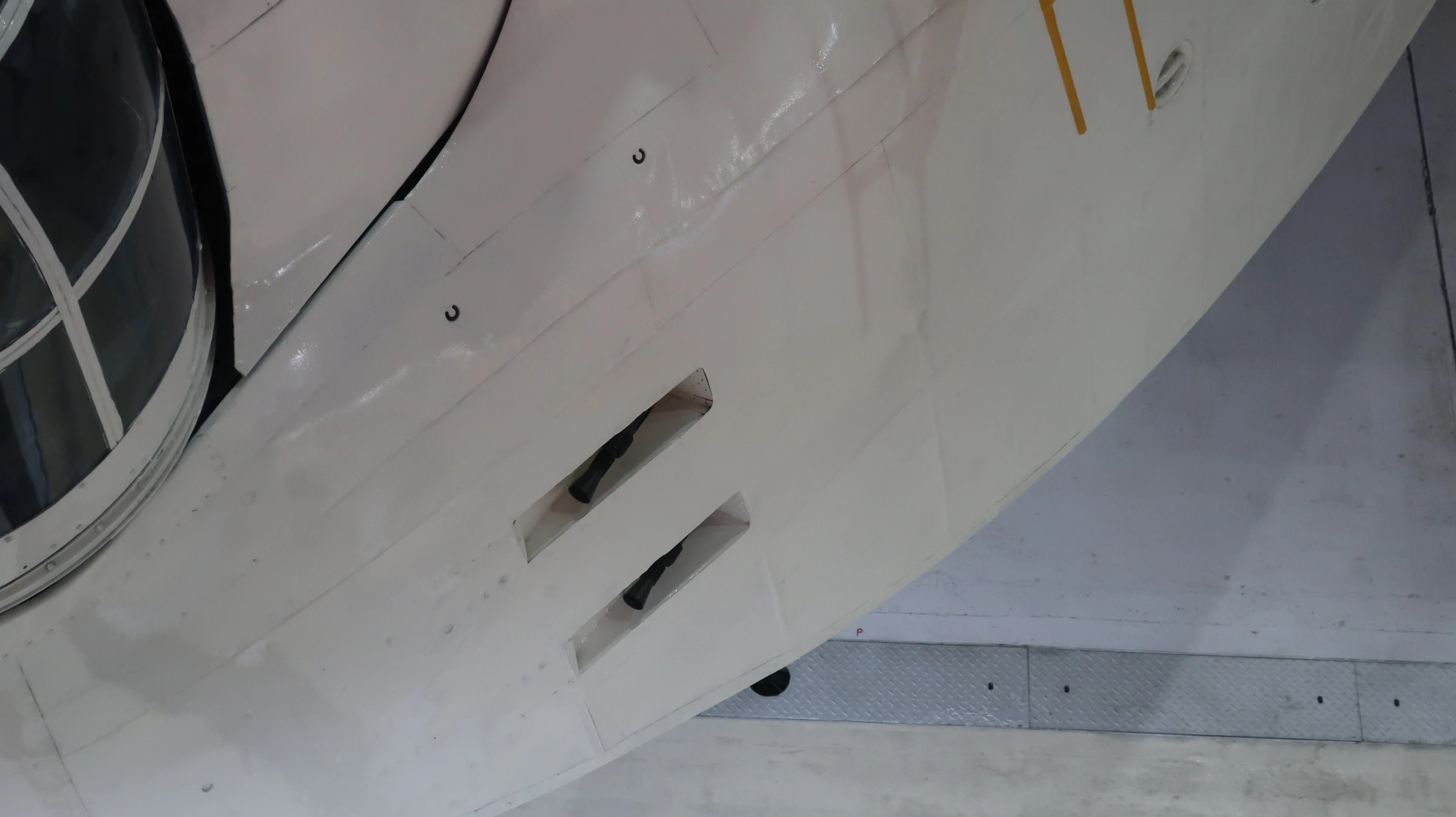
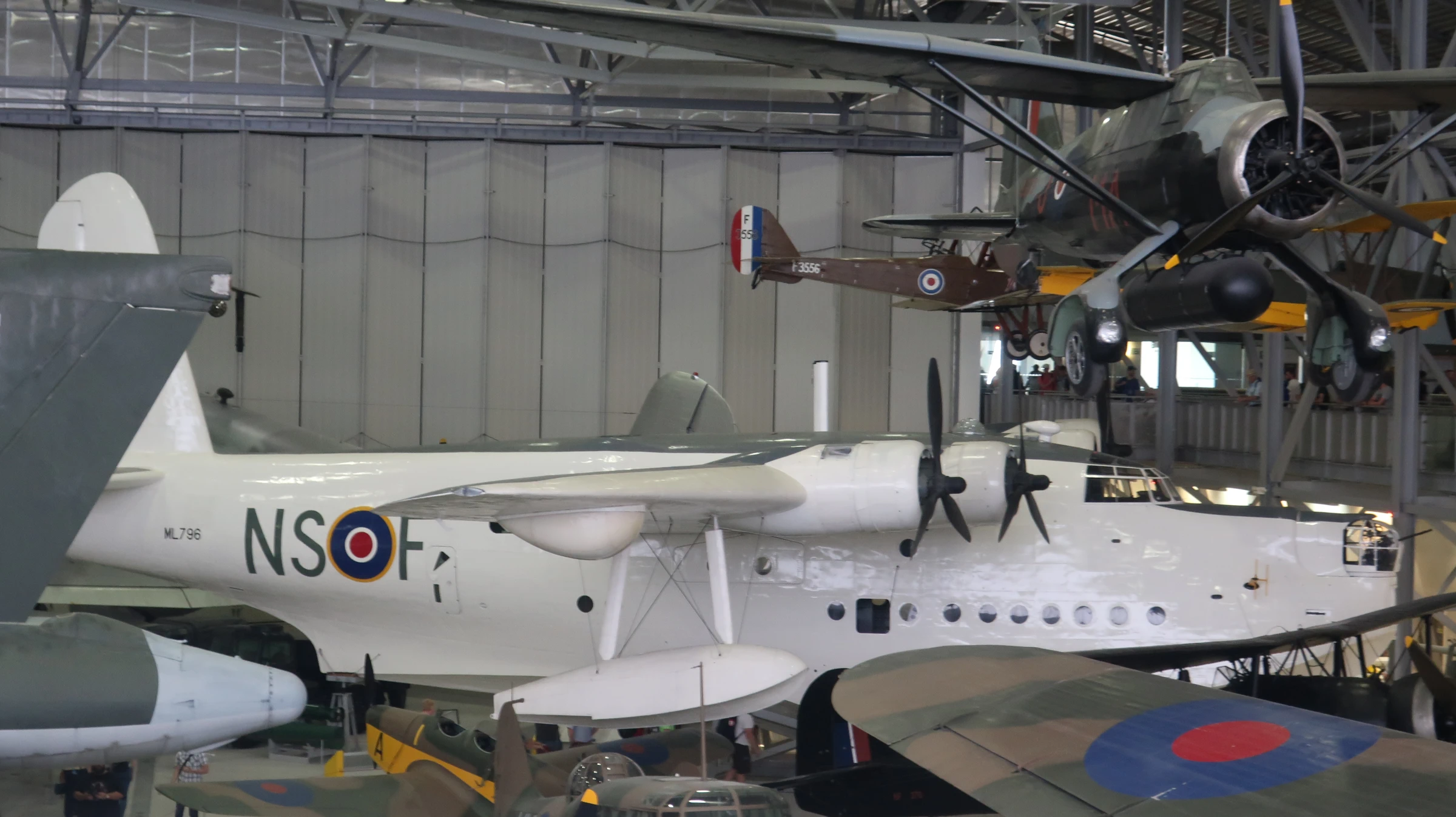
These walk-around photos were taken at IWM Duxford in 2018. They show a Short Sunderland Mk.V, serial ML796, one of the RAF's most formidable maritime patrol flying boats of the Second World War. Powered by four Bristol Pegasus radial engines and armed with defensive turrets fore and aft, the Sunderland was the backbone of RAF Coastal Command's long-range anti-submarine effort throughout the war, earning the German nickname "Flying Porcupine" for its ferocious defensive armament. It played a decisive role in the Battle of the Atlantic, hunting U-boats across the North Atlantic and Bay of Biscay for many gruelling hours at a stretch.
ML796 was built by Short Brothers at Rochester as the first production Mk.V and entered RAF service in May 1945, too late for wartime operations. It subsequently flew with No. 230 Squadron during the Berlin Airlift before being transferred to the French Aéronavale in 1950, serving with various French naval units until 1962. It then passed into decidedly unusual retirement — purchased privately and transported 350 kilometres by road to La Baule in Brittany, where its interior was gutted and it was converted into a discotheque and bar. When a planned motorway threatened the site, the owner offered the aircraft free to anyone who could remove it, and the Imperial War Museum accepted. It arrived at Duxford in five sections in July 1976 and was painstakingly restored over many years by volunteers, and is today displayed in the markings of No. 201 Squadron.