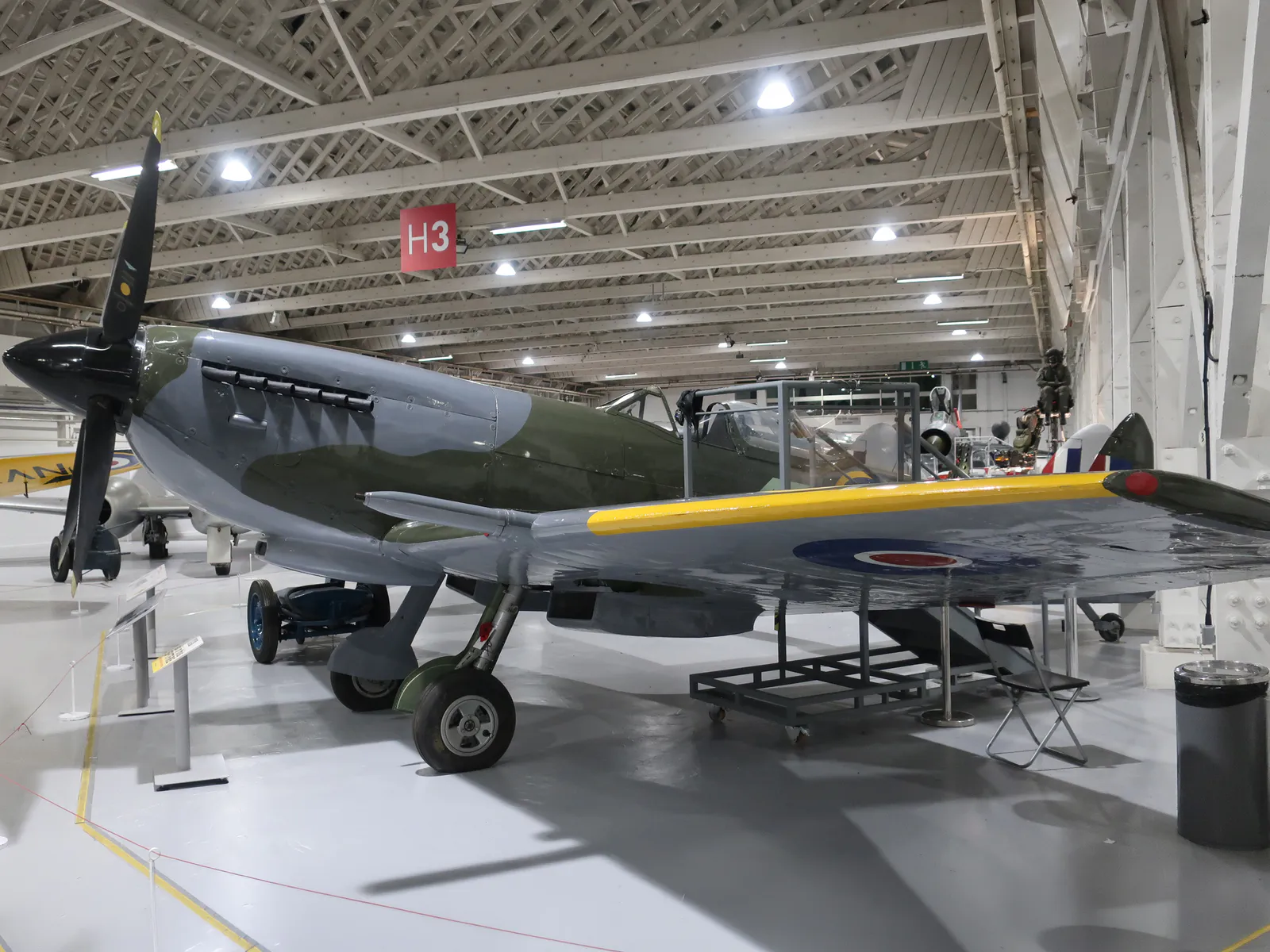
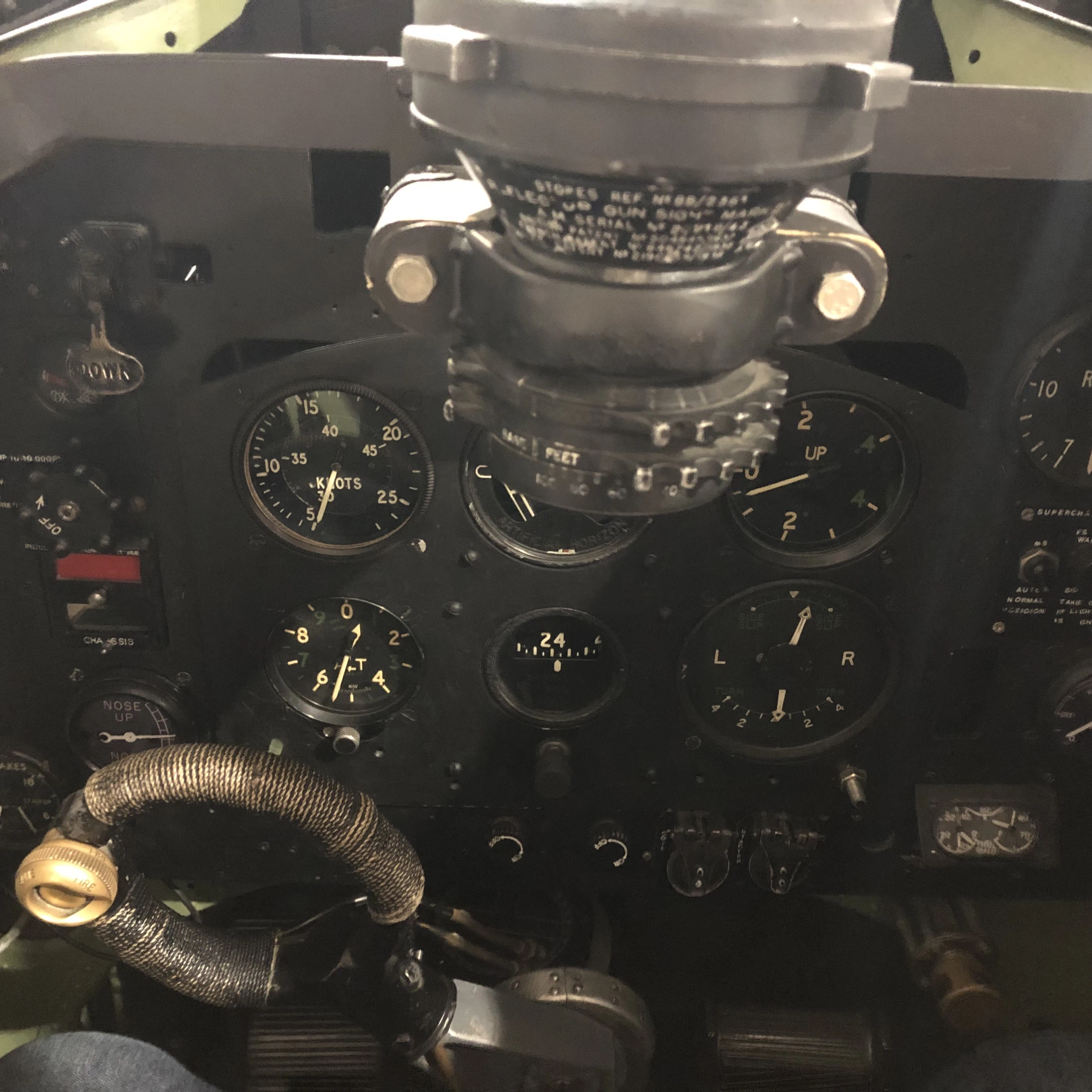
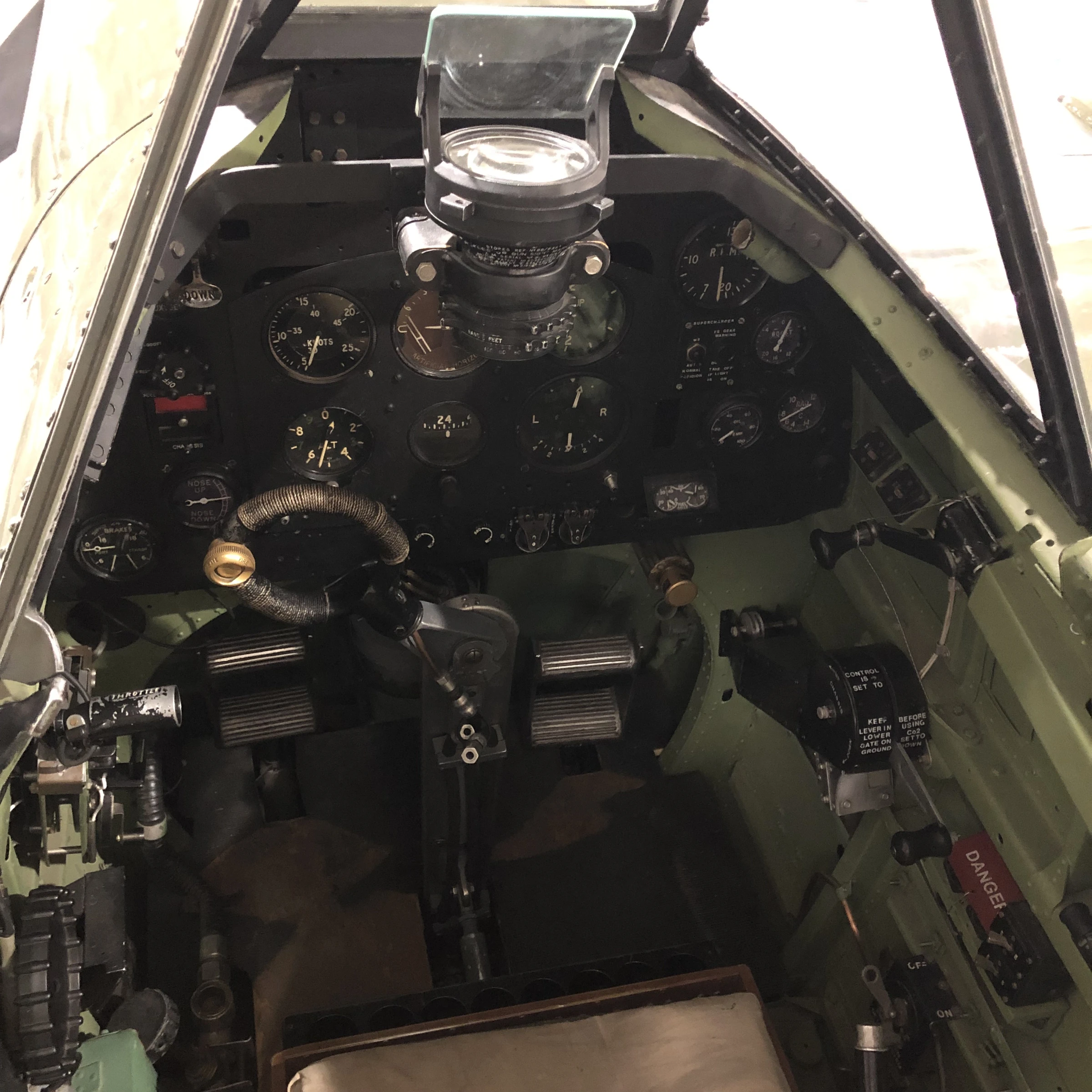
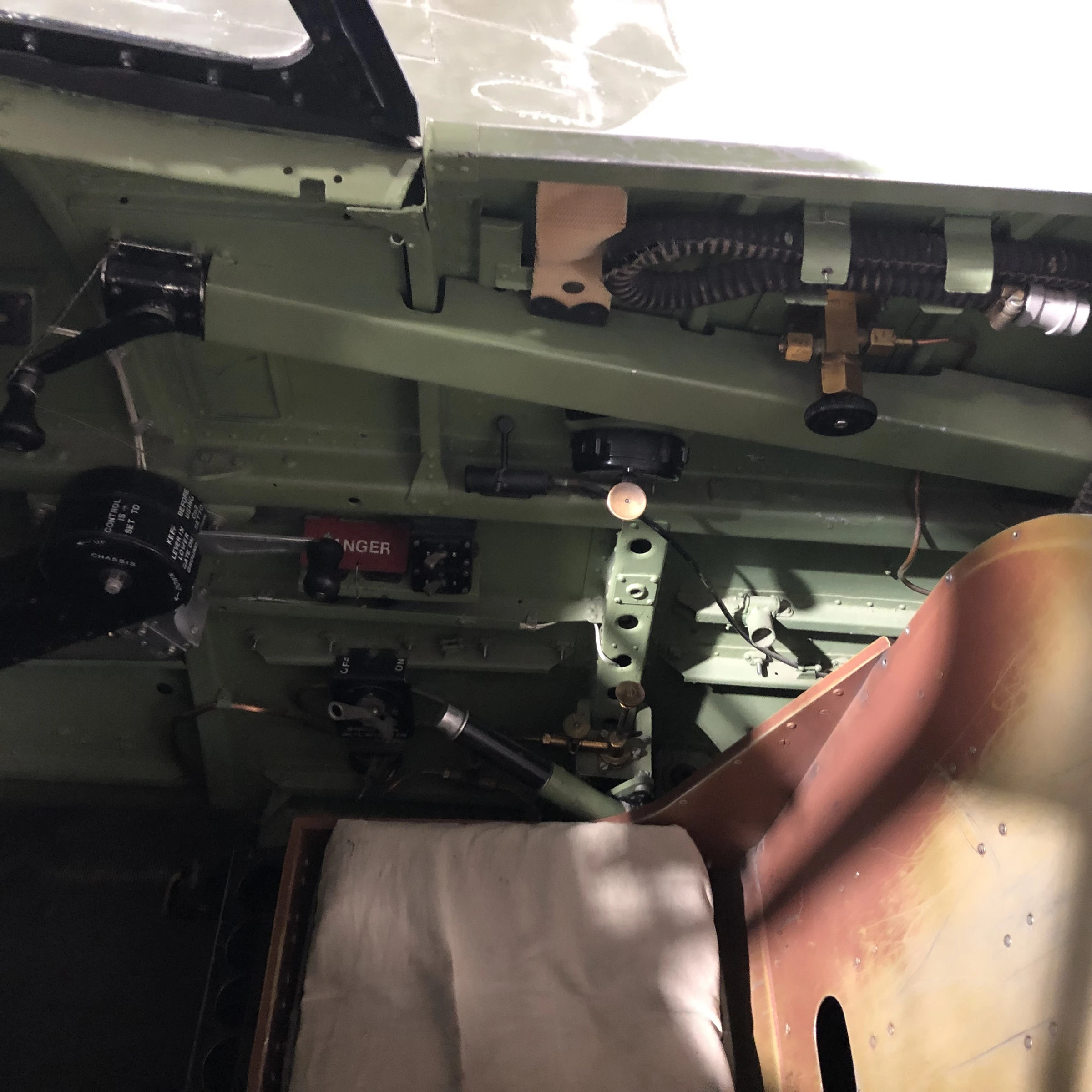
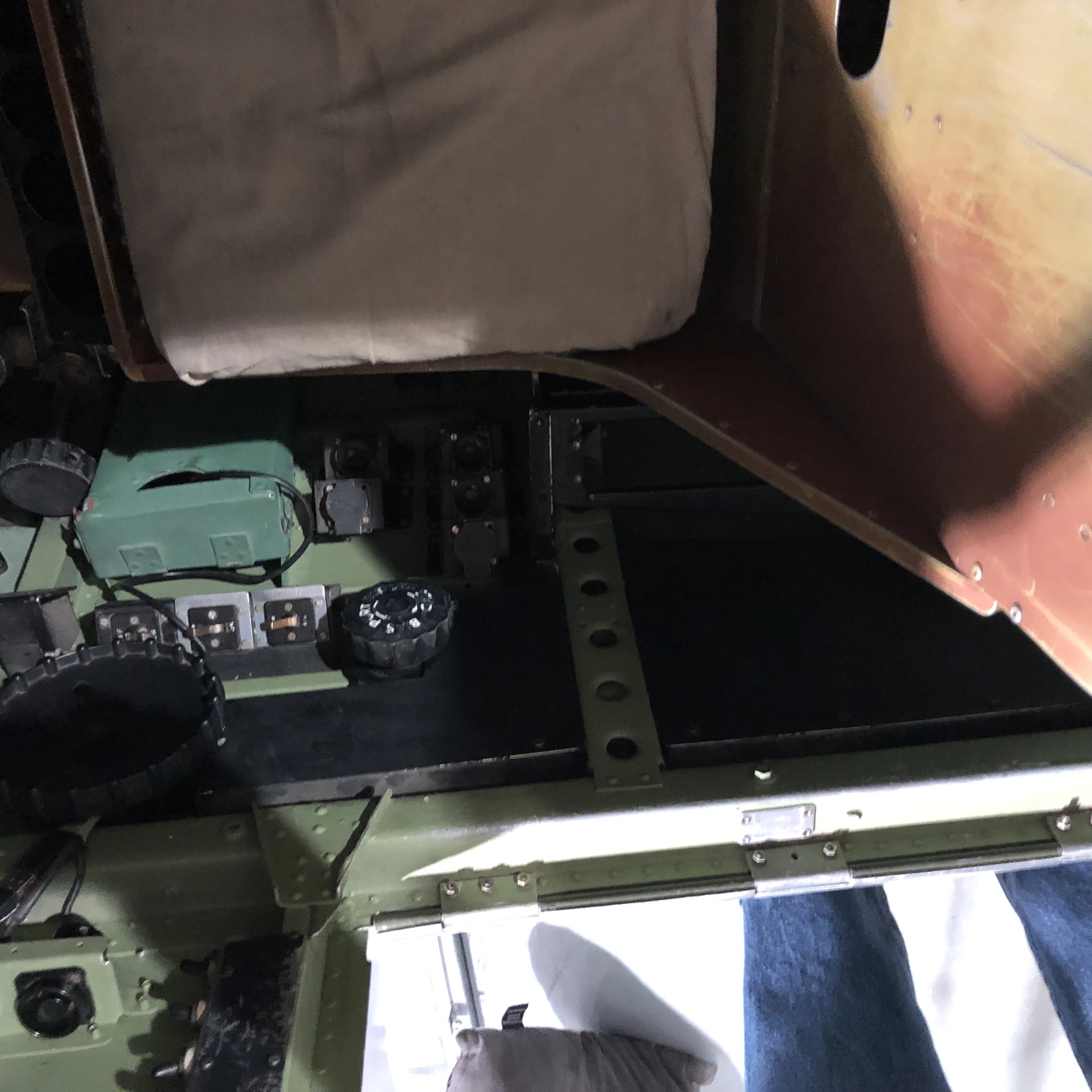
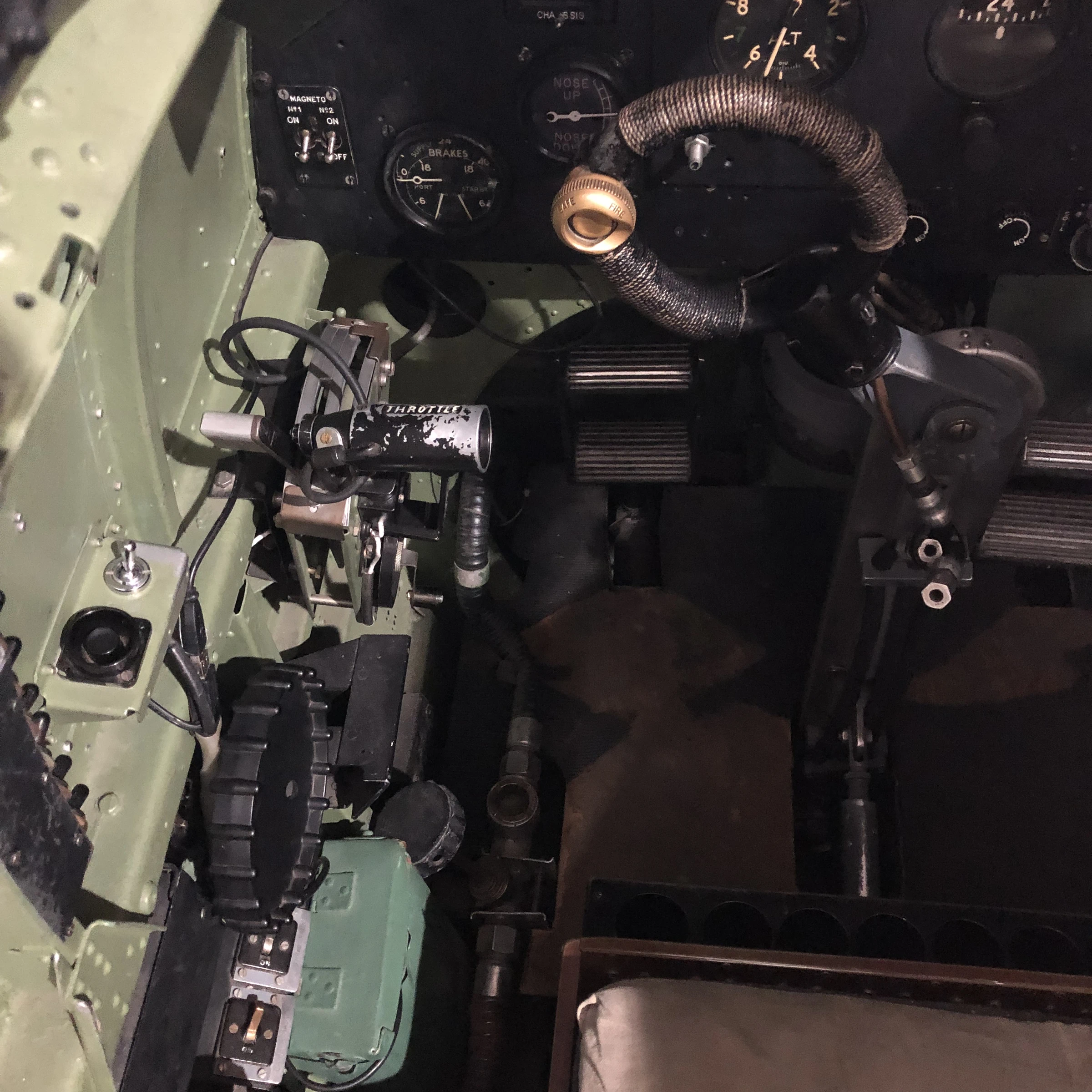
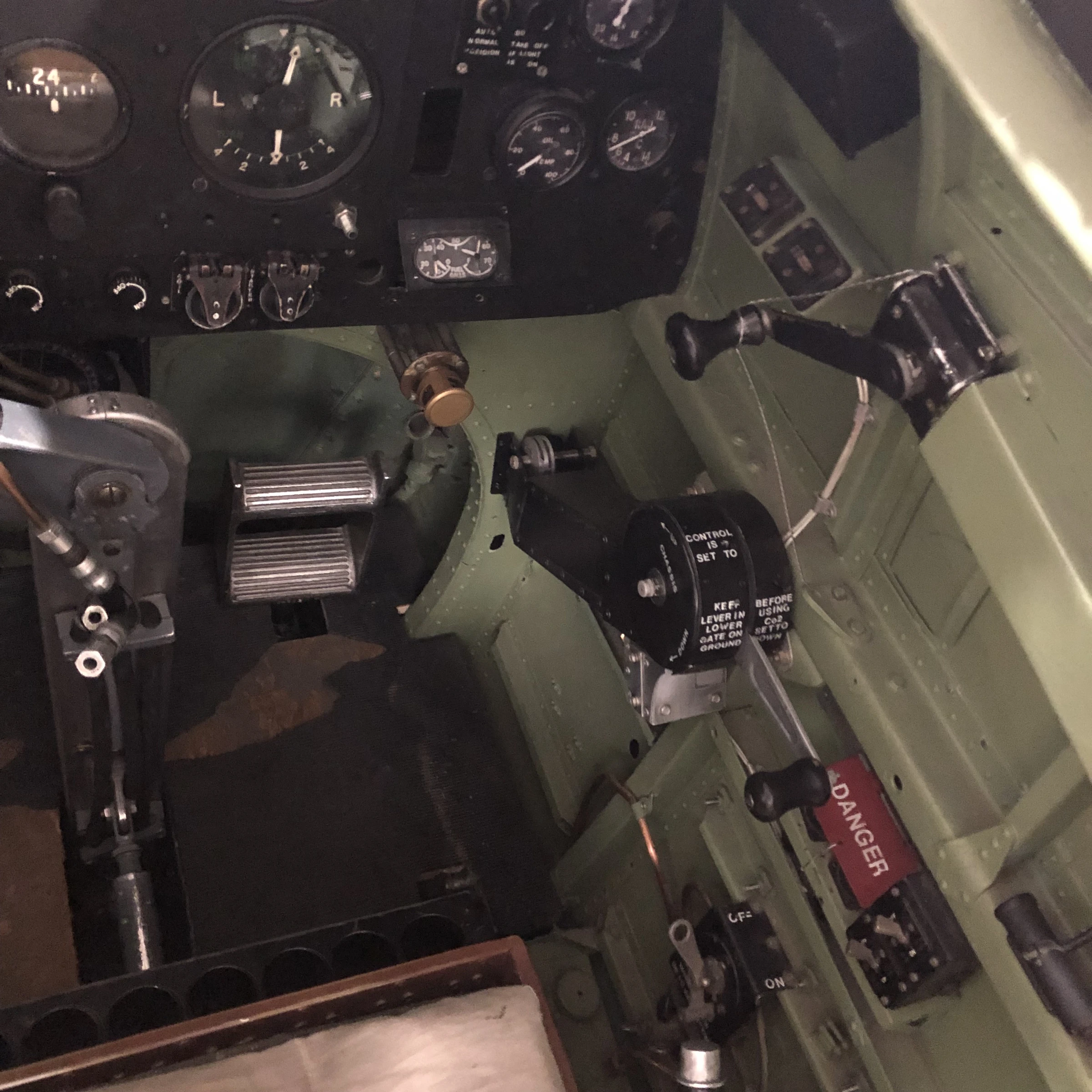
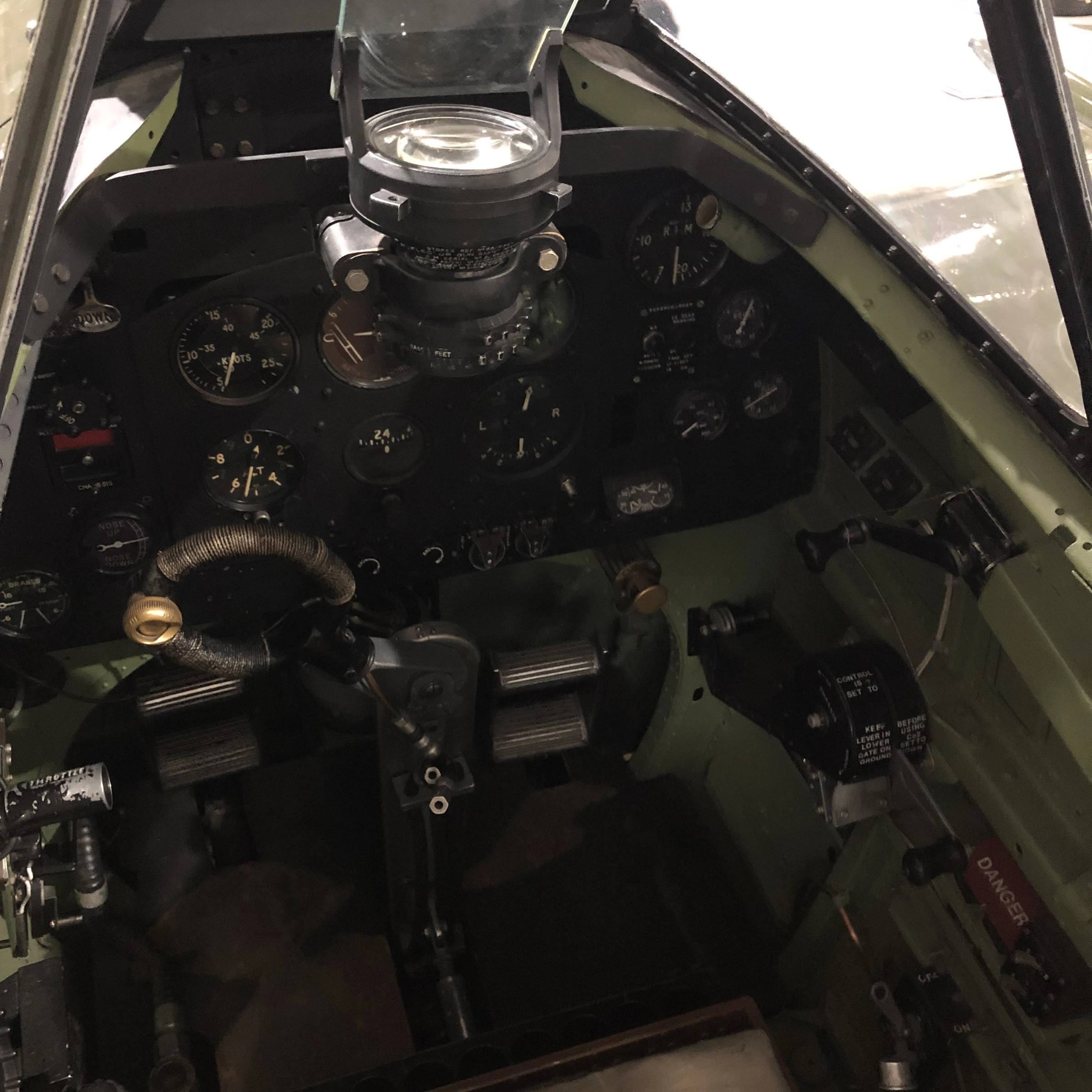
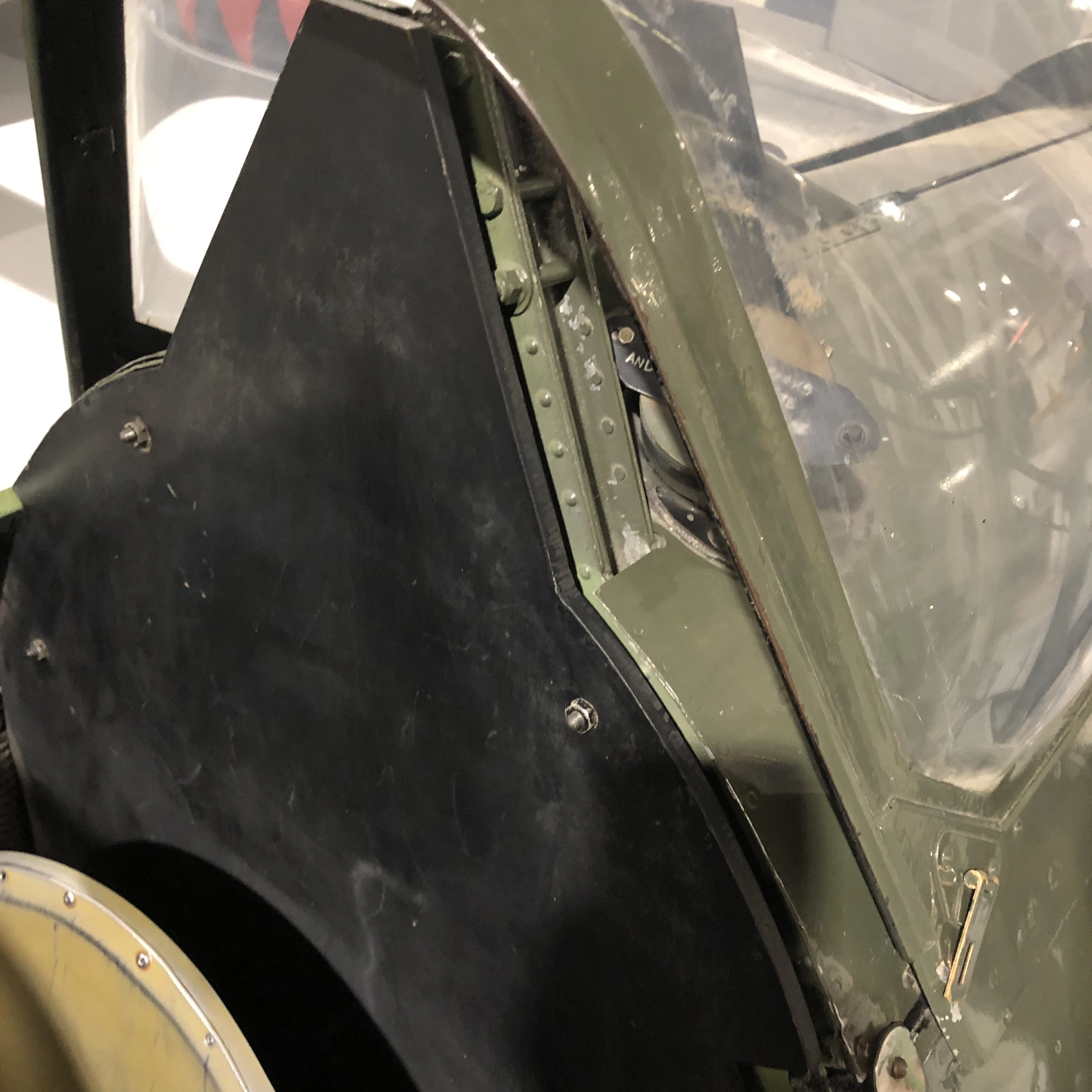
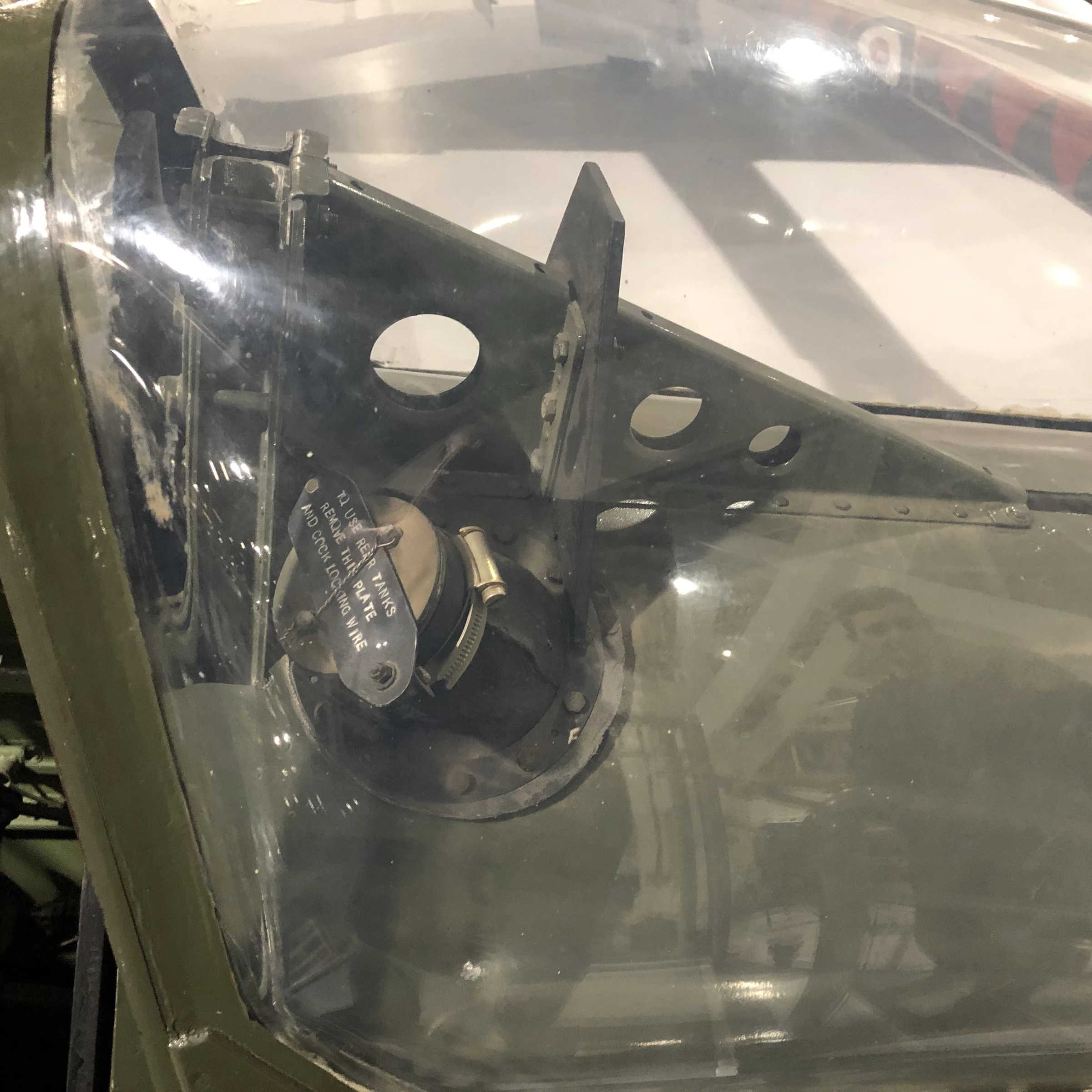
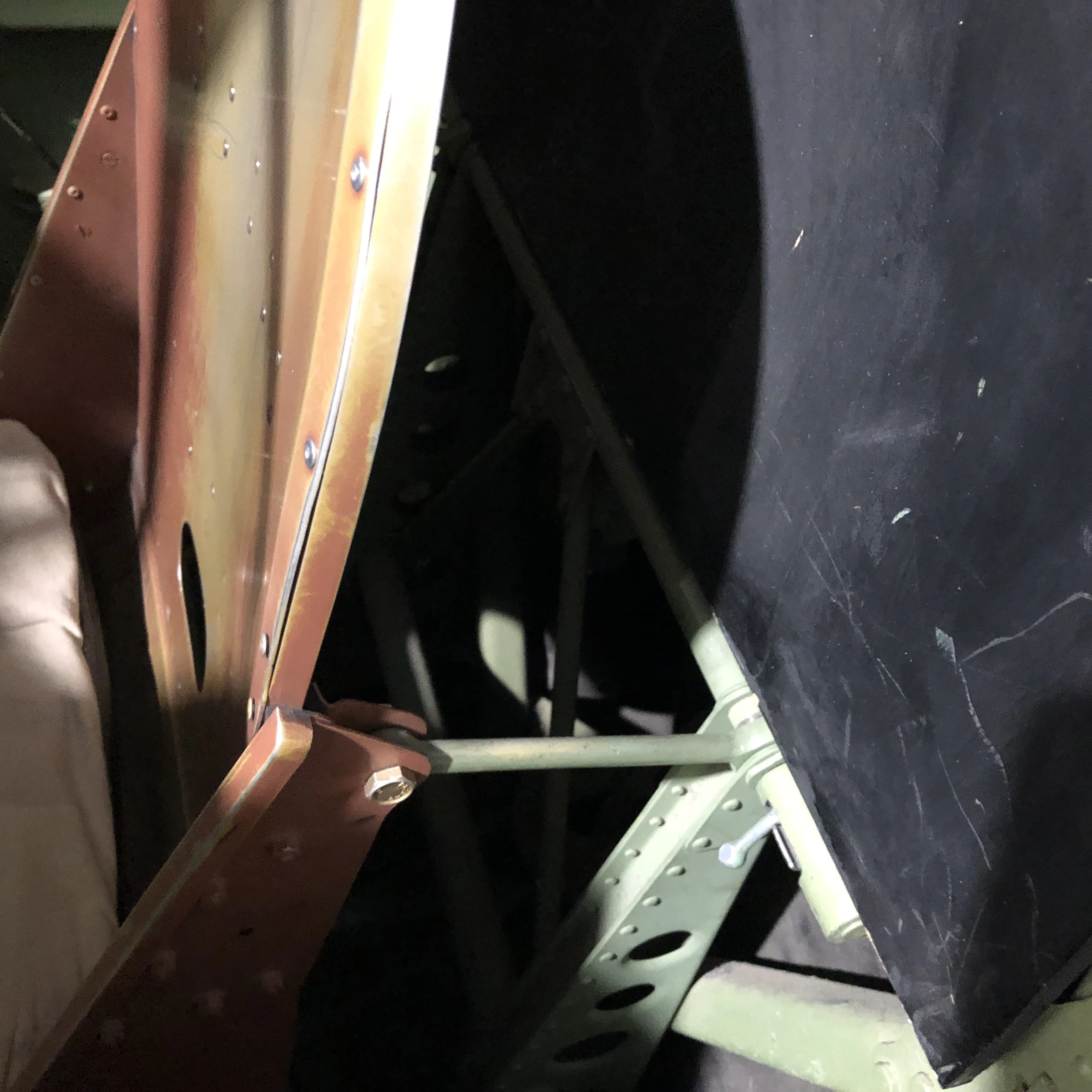
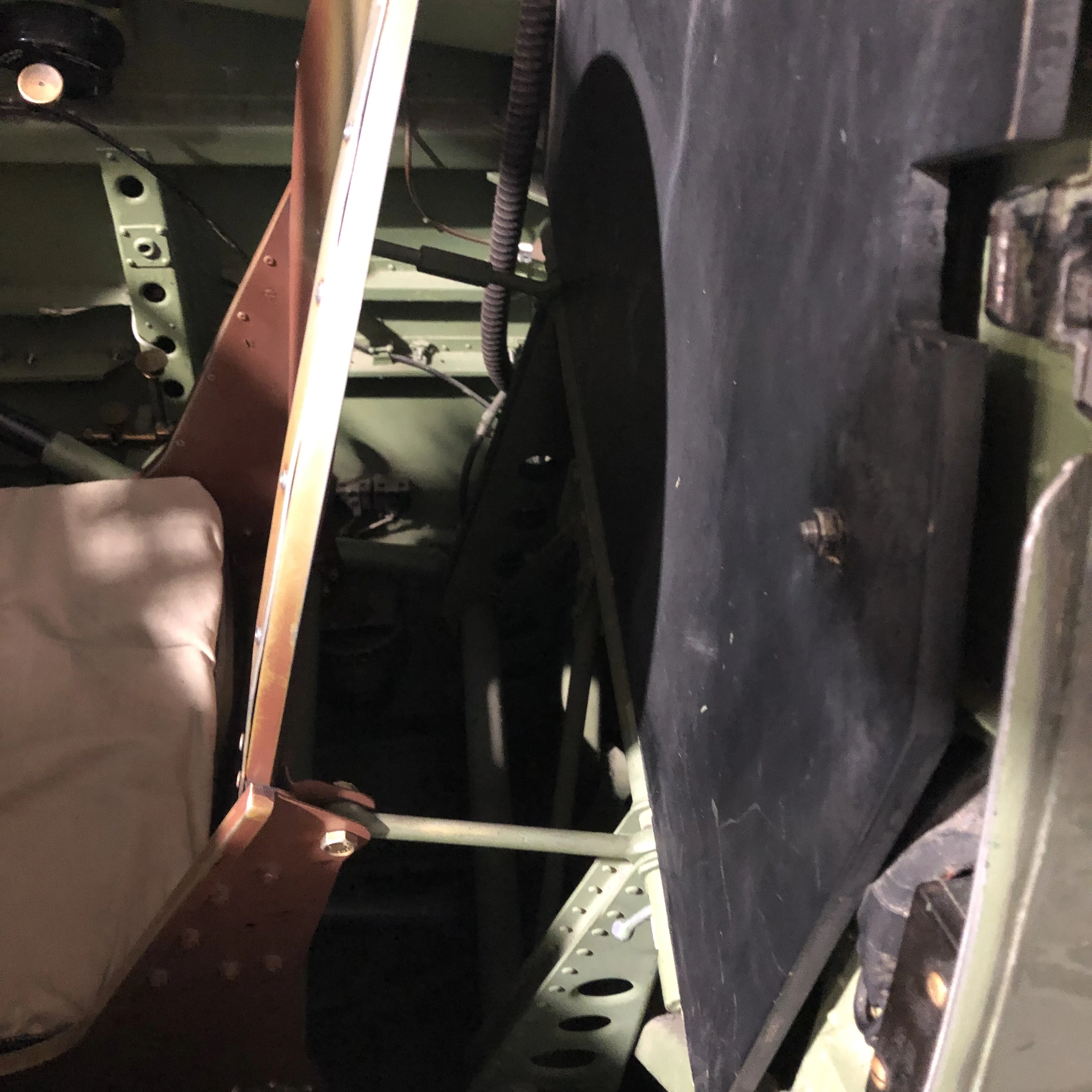
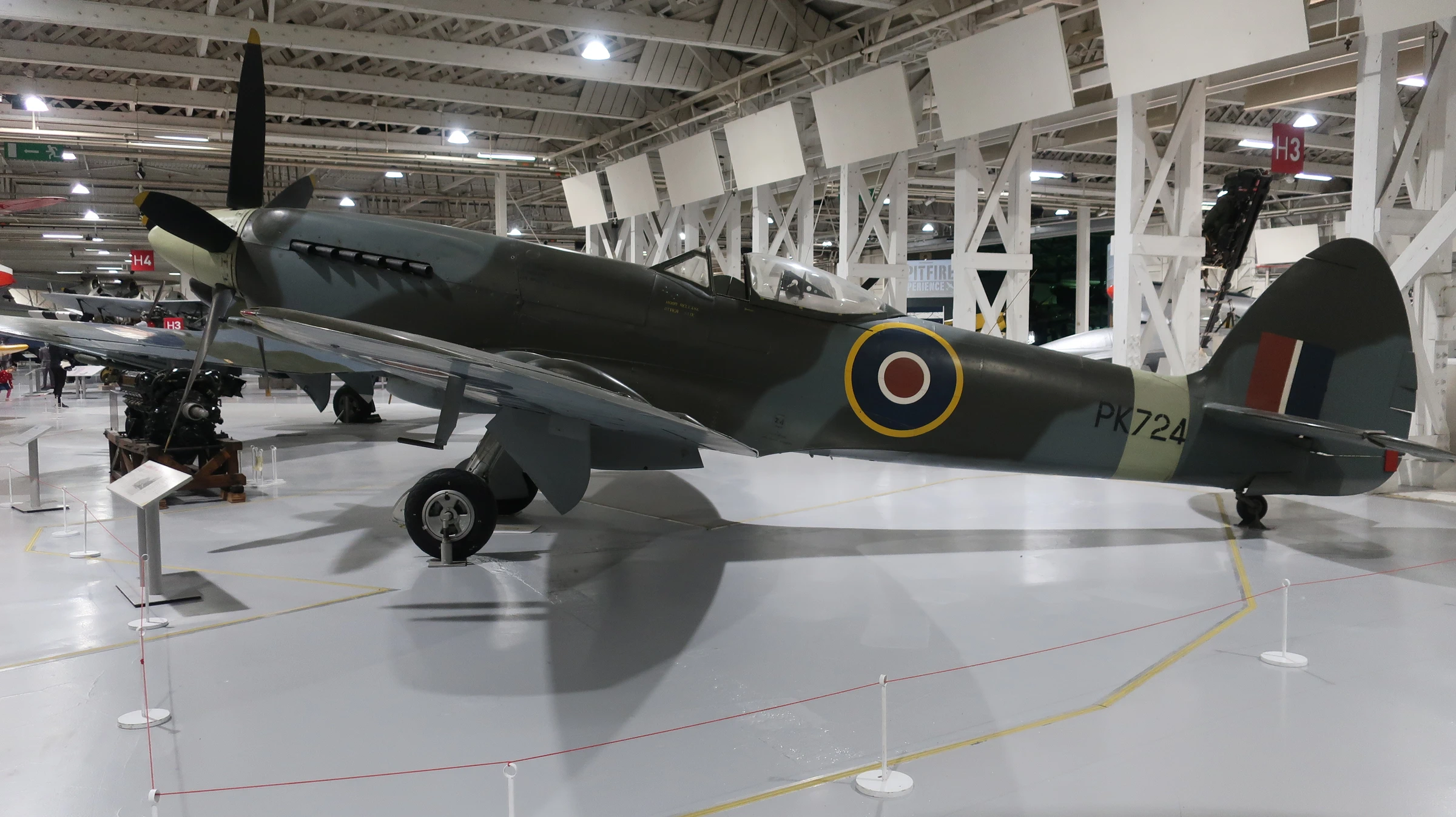
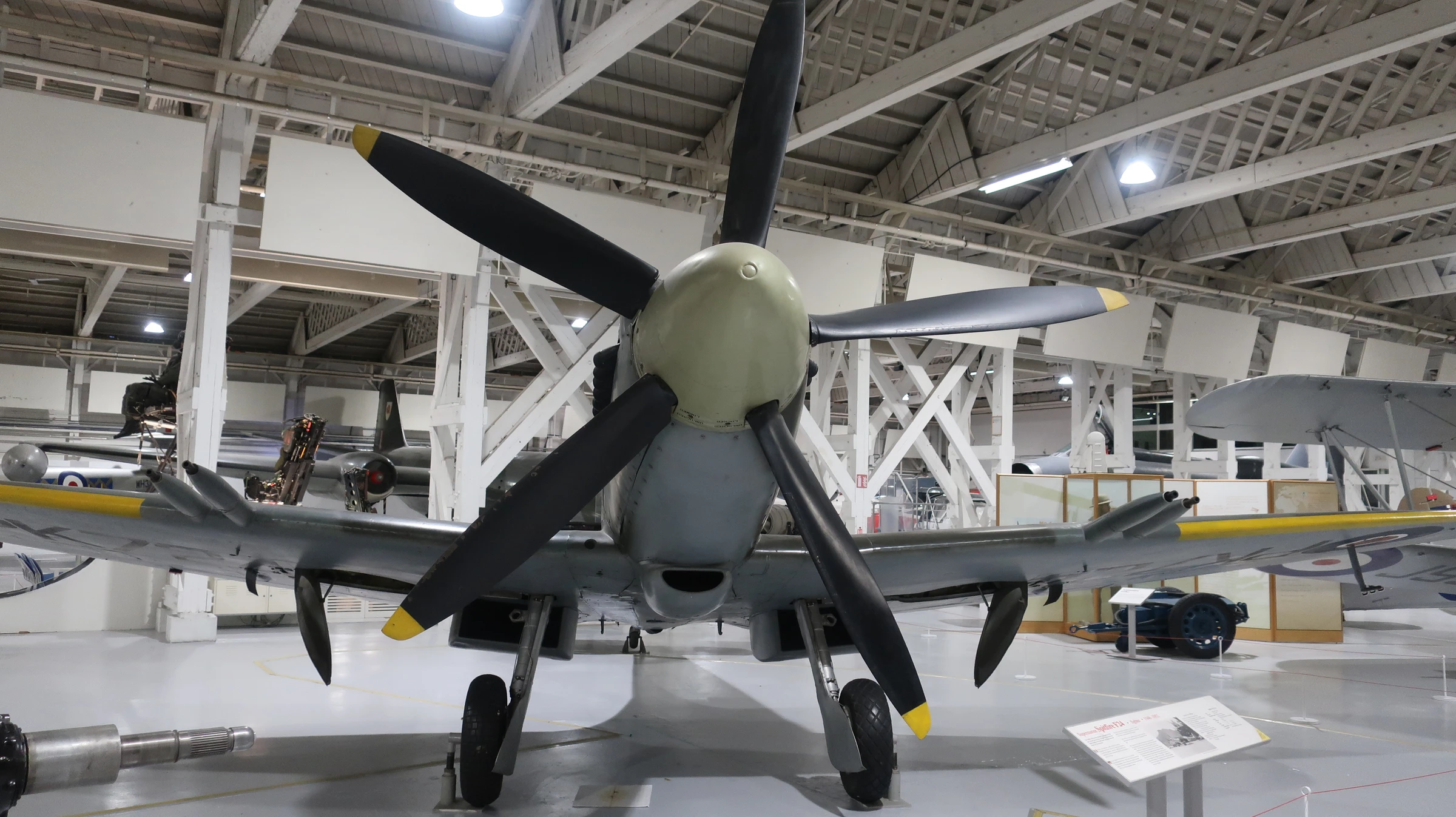
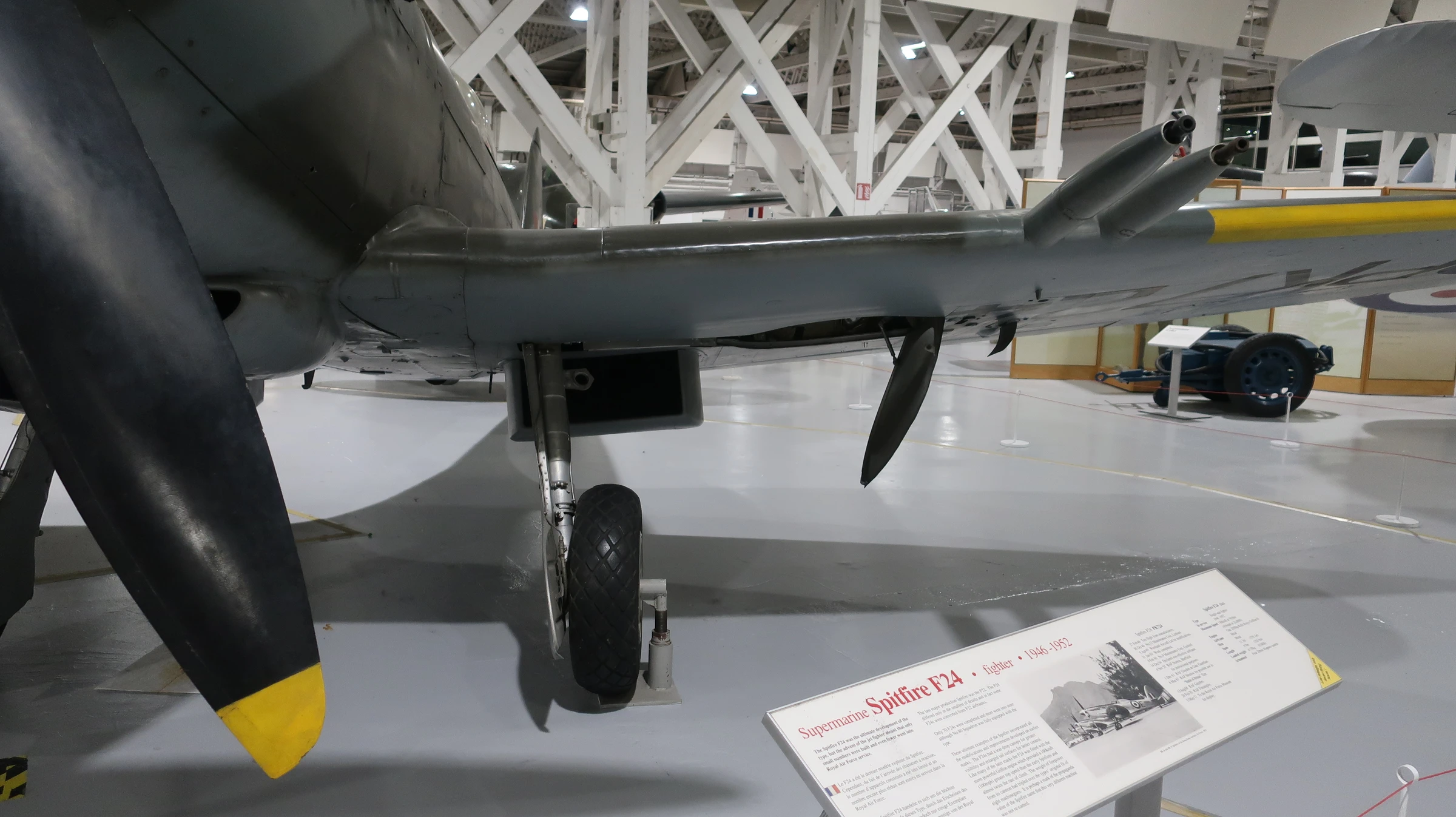
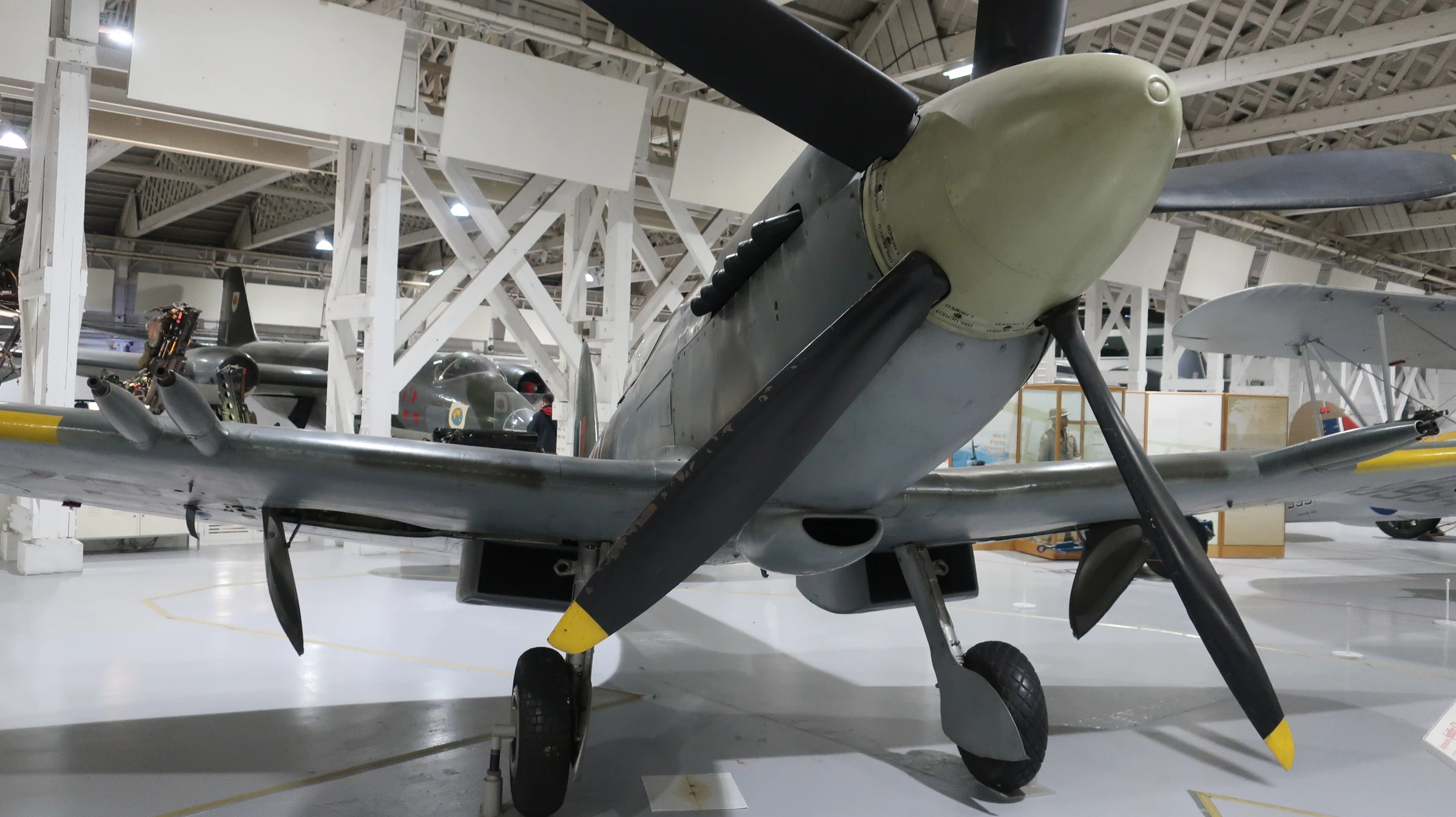
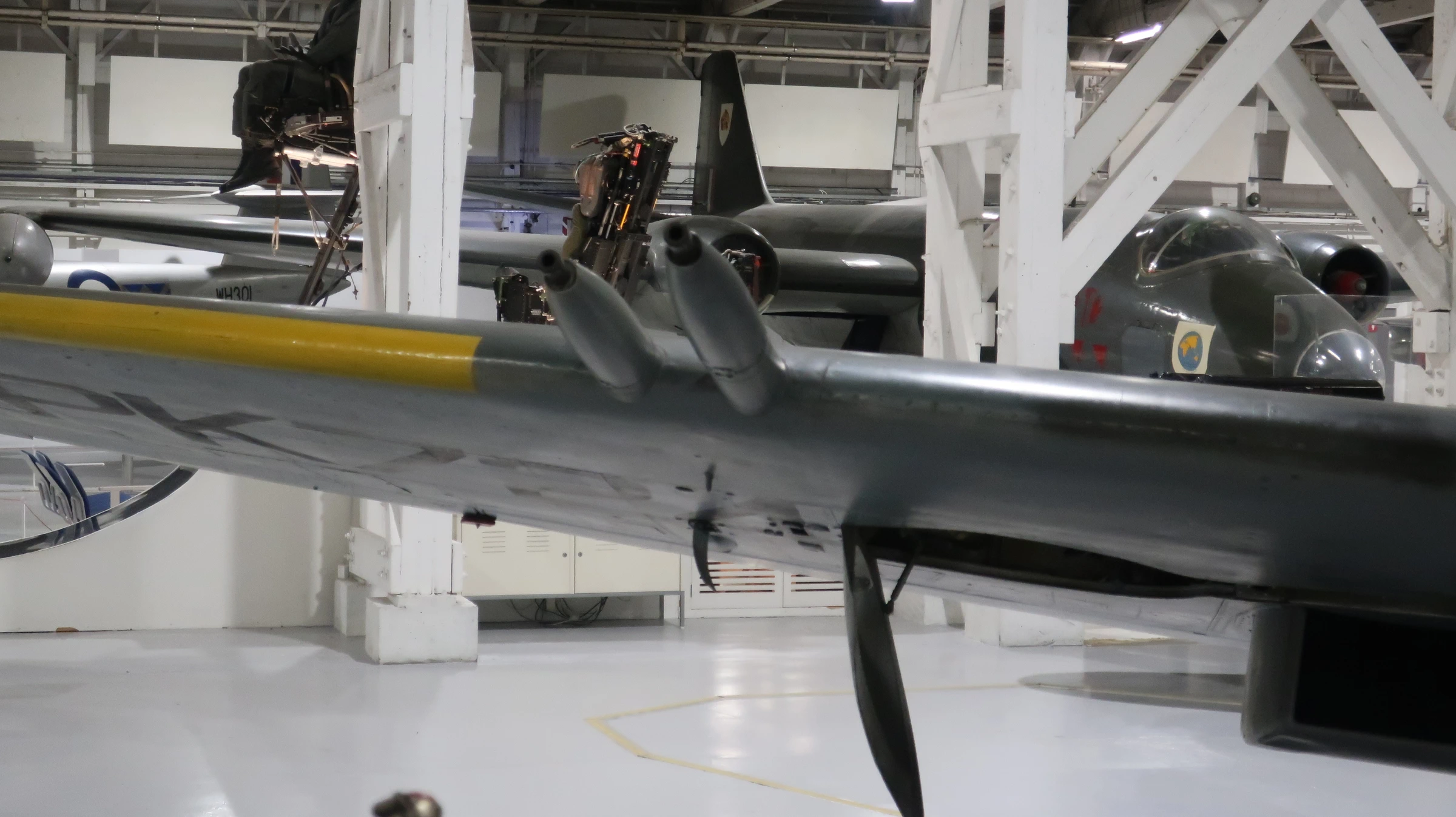
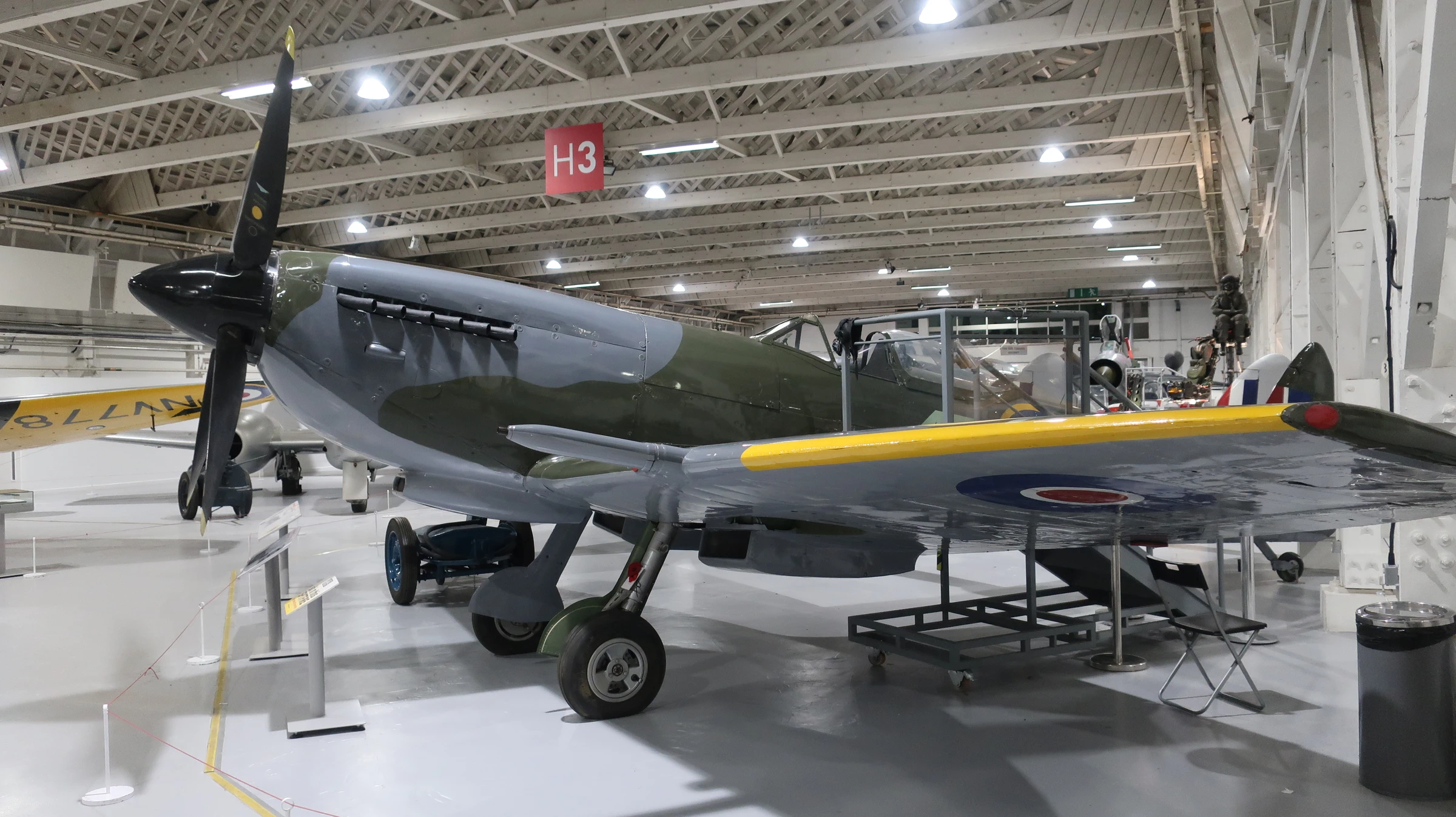
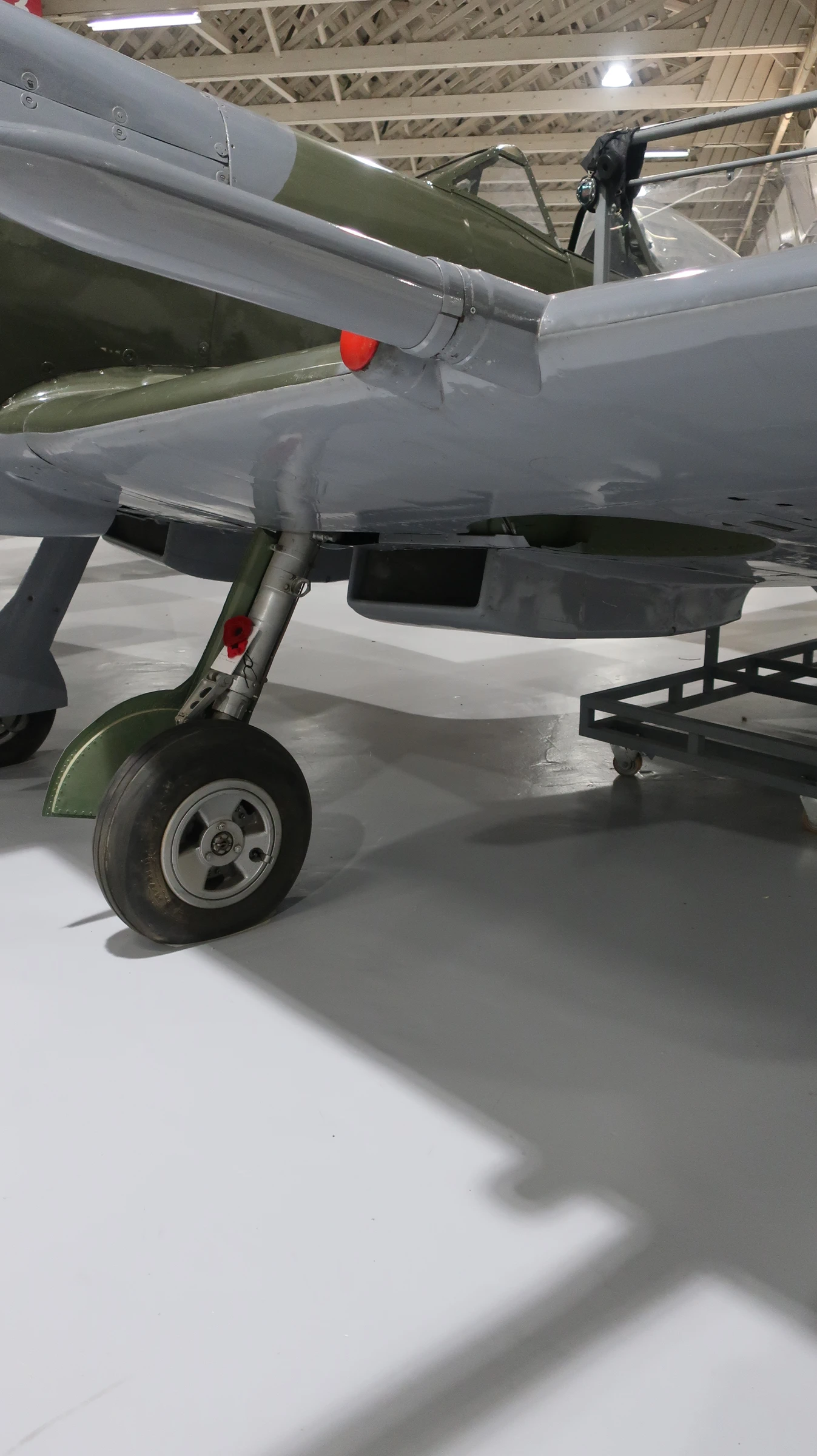
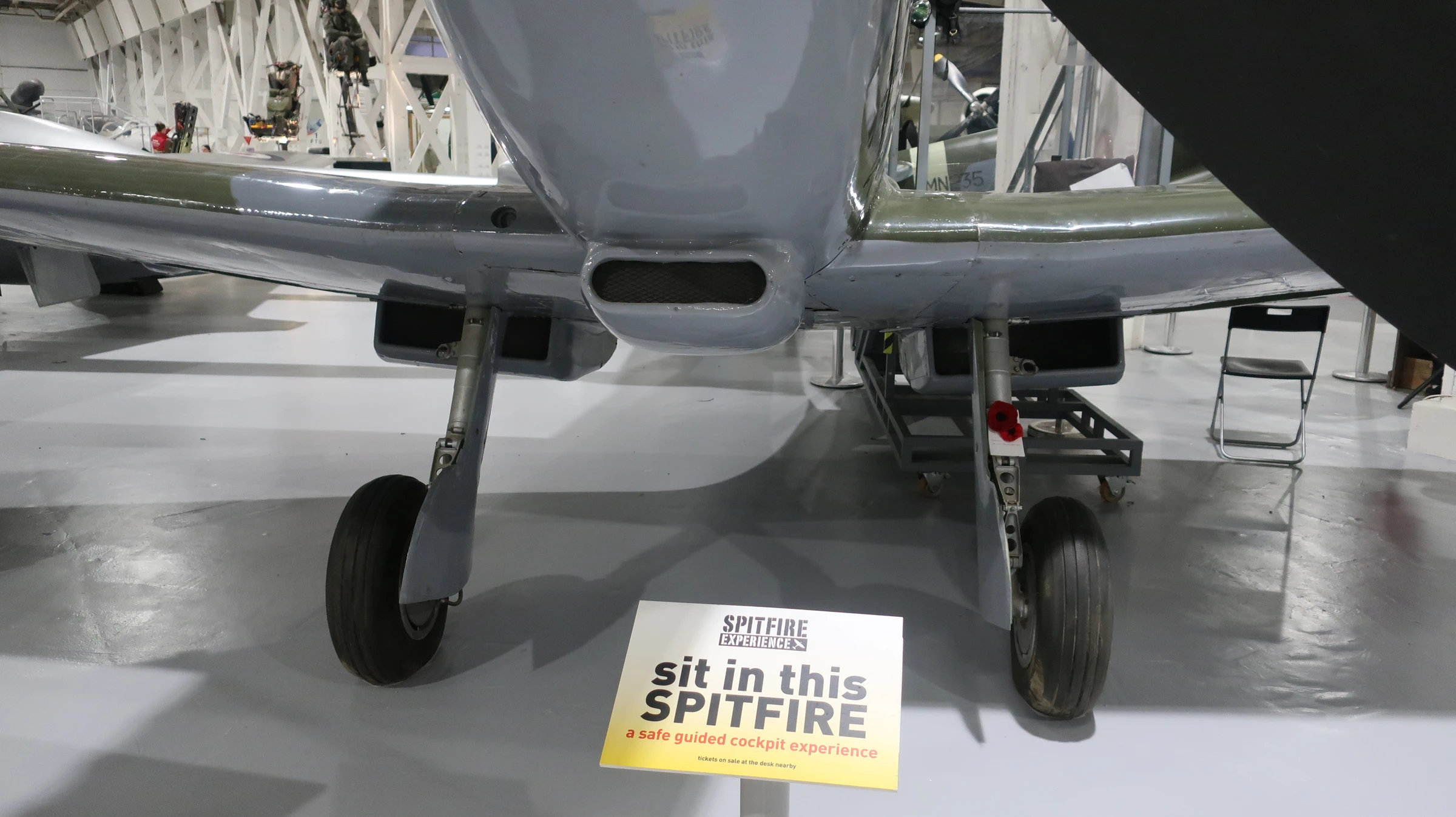
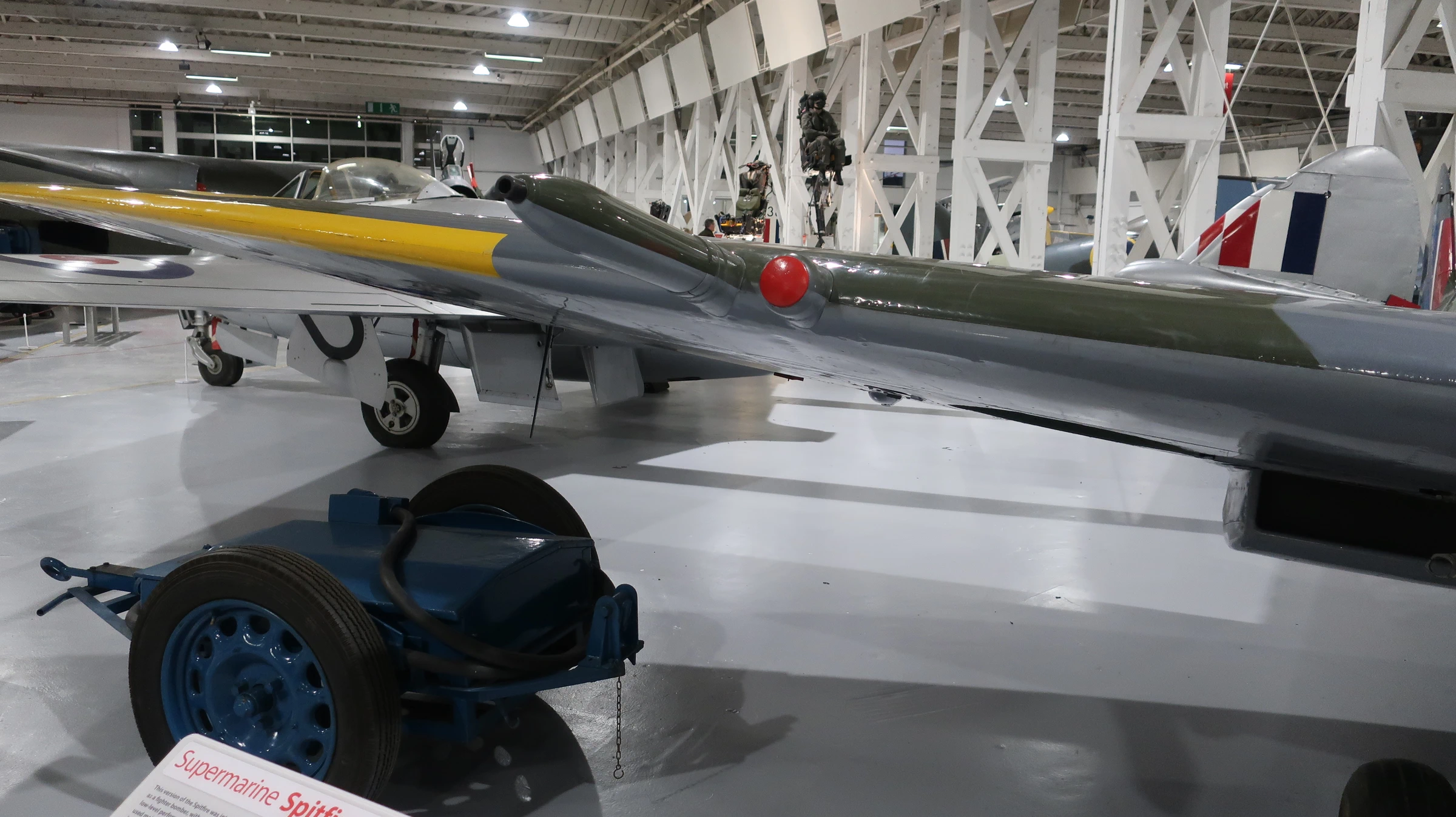
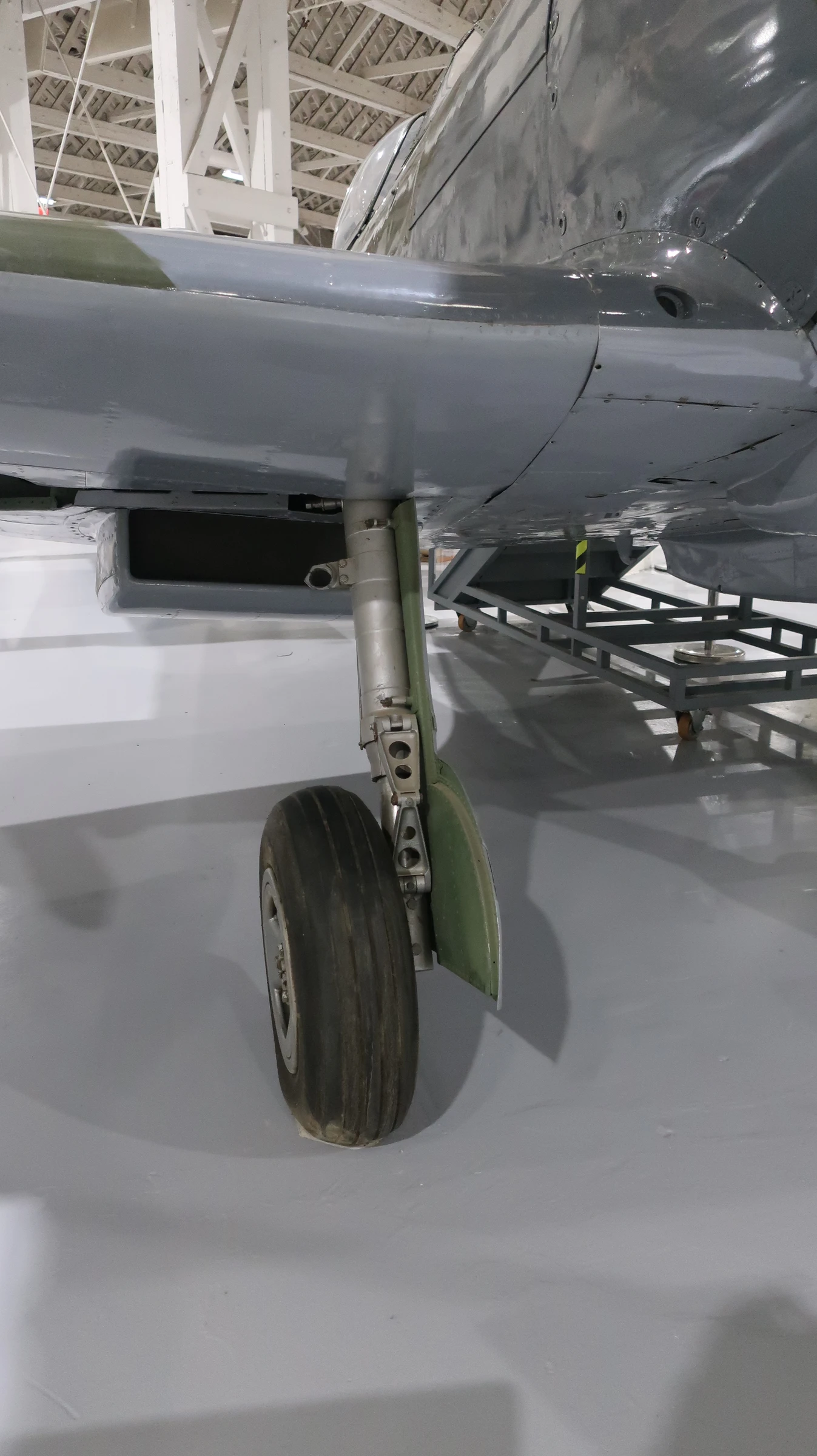
These walk-around photos were taken at the RAF Museum London in Hendon in 2019. They show a Supermarine Spitfire F.24, serial PK724 — the ultimate development of R.J. Mitchell's iconic design and one of only a handful of F.24s surviving anywhere in the world. From the original Mk.I of 1938 to the F.24 of 1946 the Spitfire evolved almost beyond recognition, its power doubling and its weight increasing by nearly a third while retaining the characteristic elliptical wing that defined the type. The F.24 was powered by a 2,050hp Rolls-Royce Griffon 61 engine driving a five-bladed Rotol propeller, giving it a top speed exceeding 450 mph — some 80 mph faster than the Mk.I. Only 70 were built, and with the jet age already underway the type saw little operational service.
First flown in February 1946, PK724 was never delivered to an operational squadron, being declared a non-effective airframe while in storage at RAF Cosford in 1954. It spent years as a gate guardian, first at RAF Norton and then at RAF Gaydon, before being loaned to the production of the 1969 film Battle of Britain. It arrived at Hendon in April 1971 — one of the museum's earliest acquisitions — and has been on display ever since, representing the end point of one of the most remarkable evolutionary journeys in aviation history.