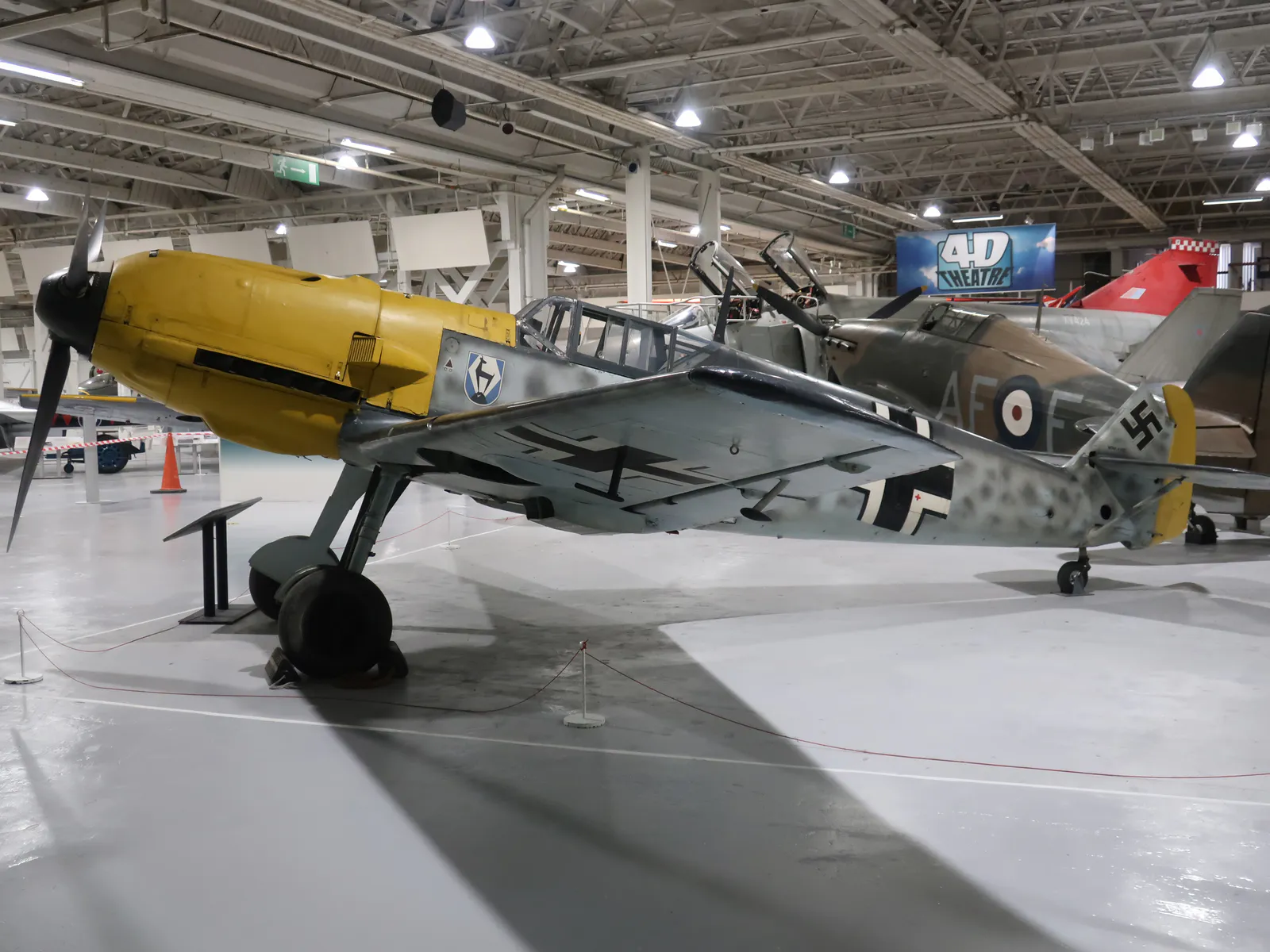
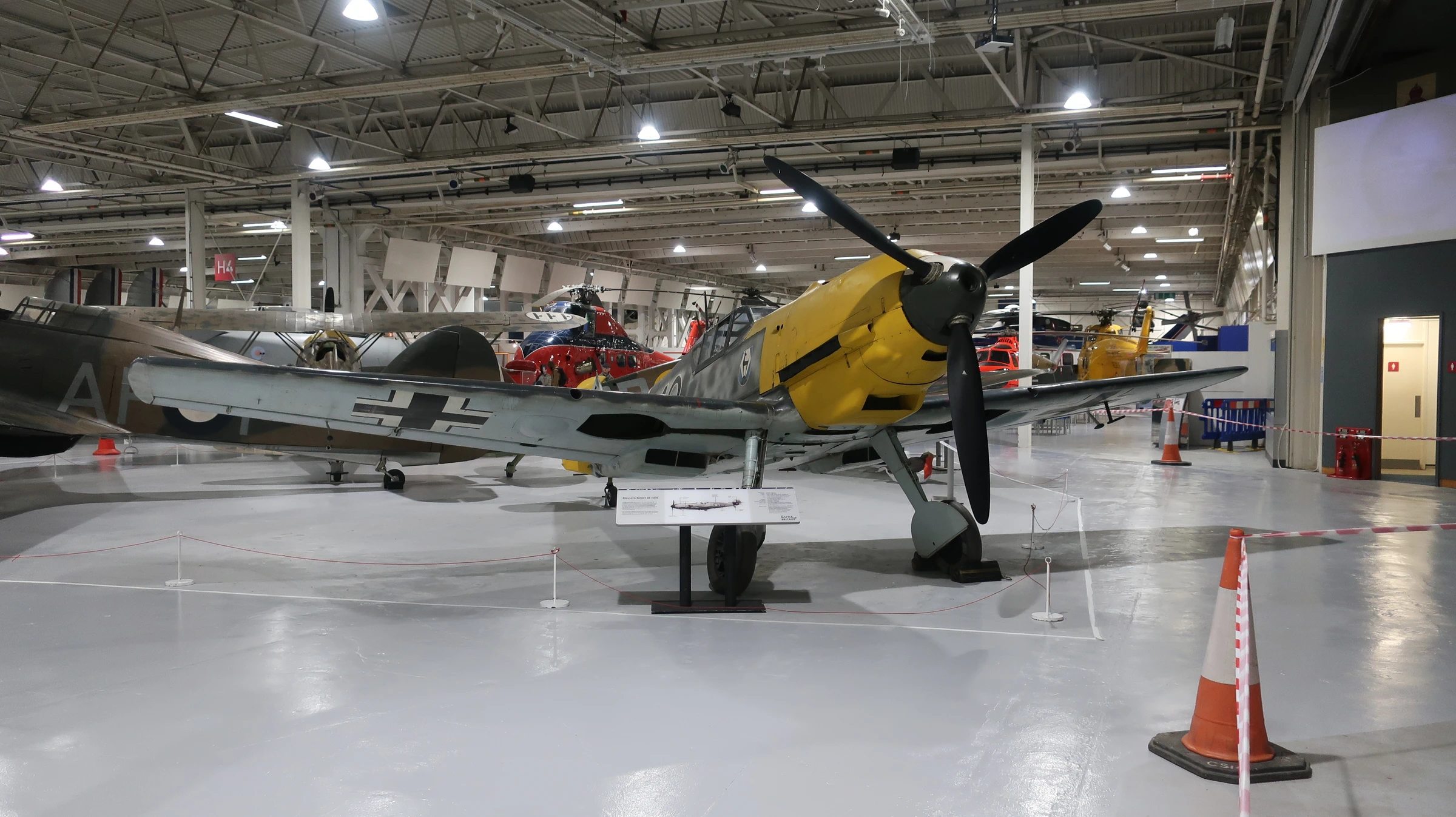
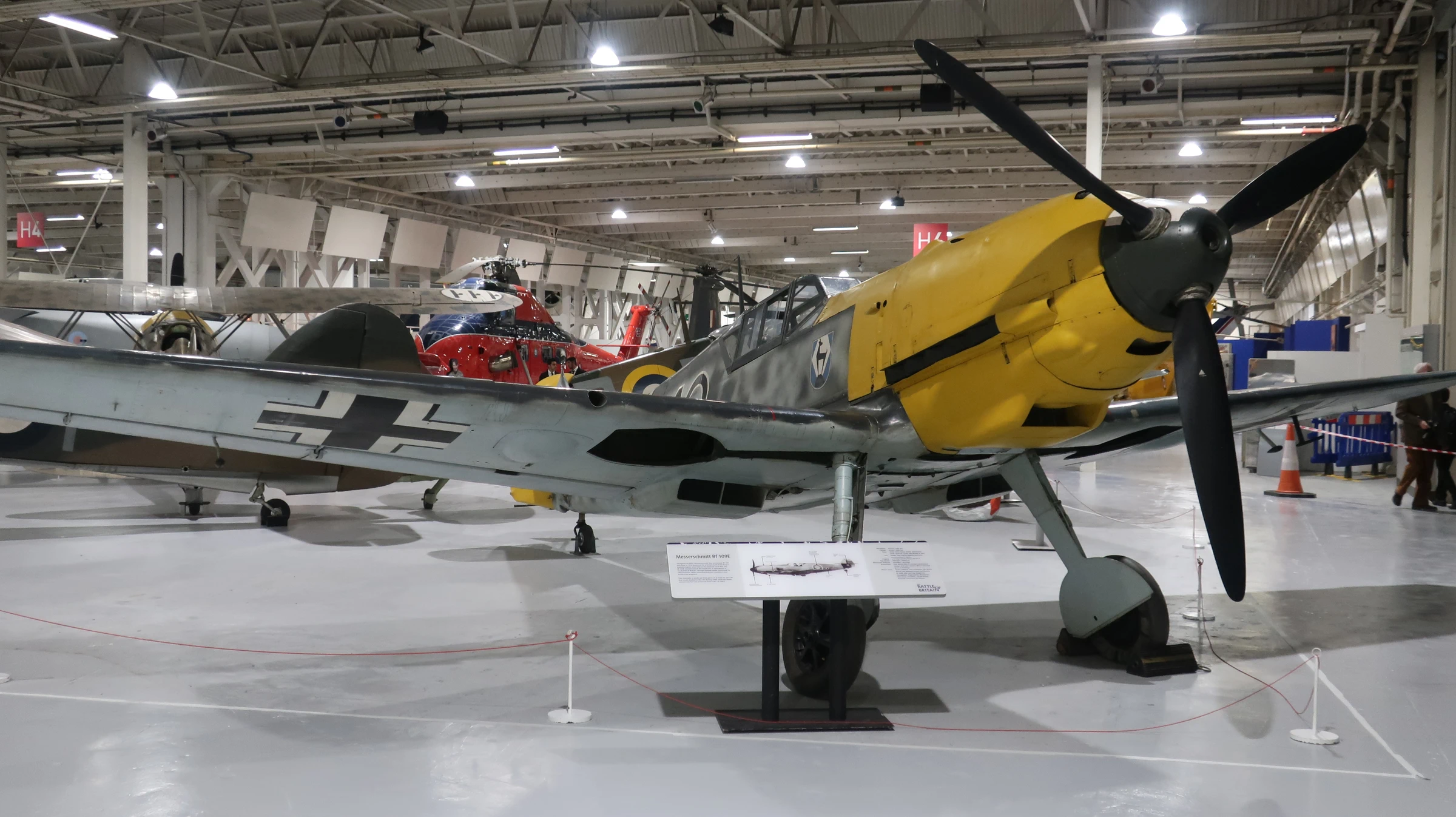
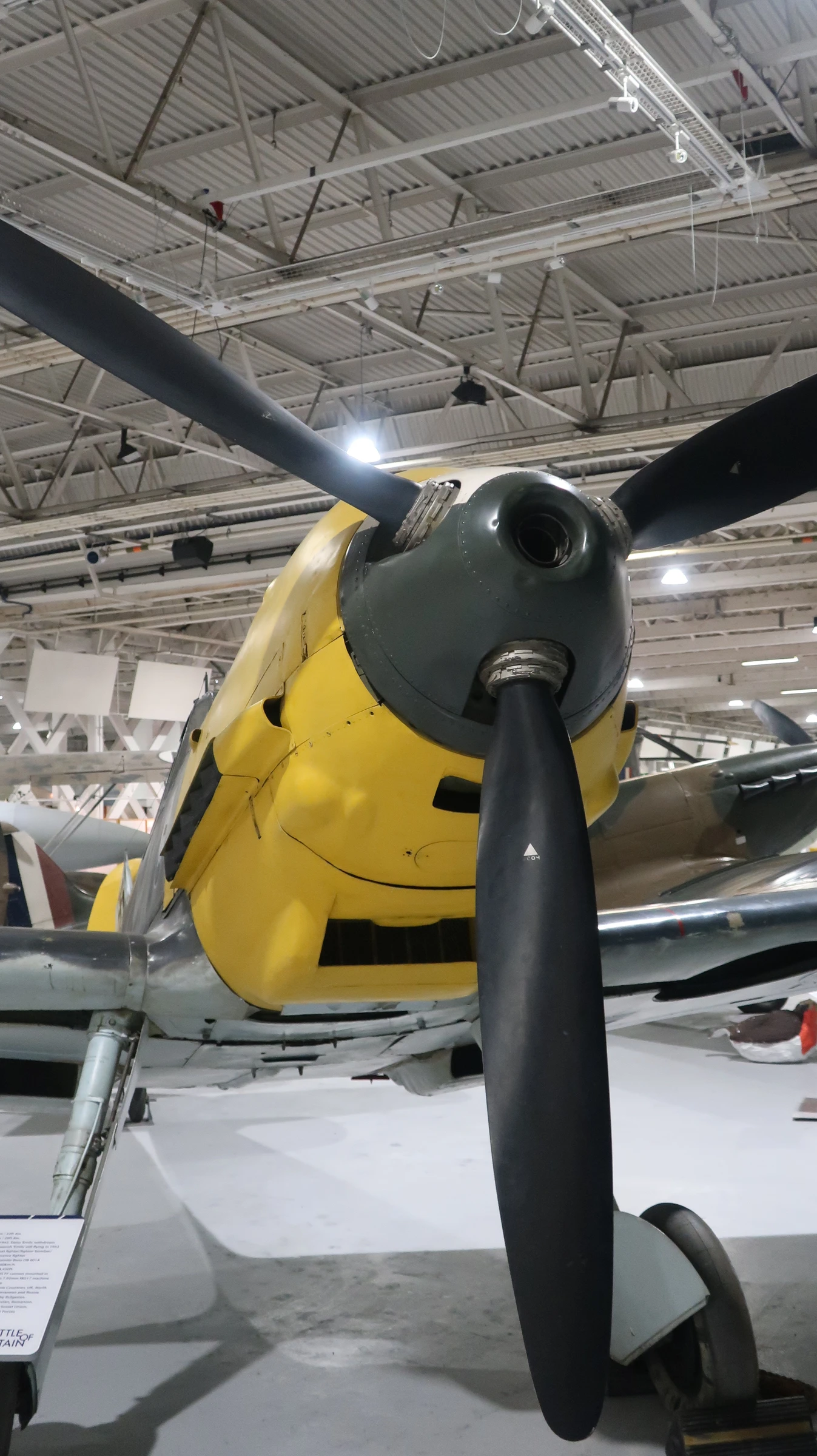
Messerschmitt Bf 109E-4
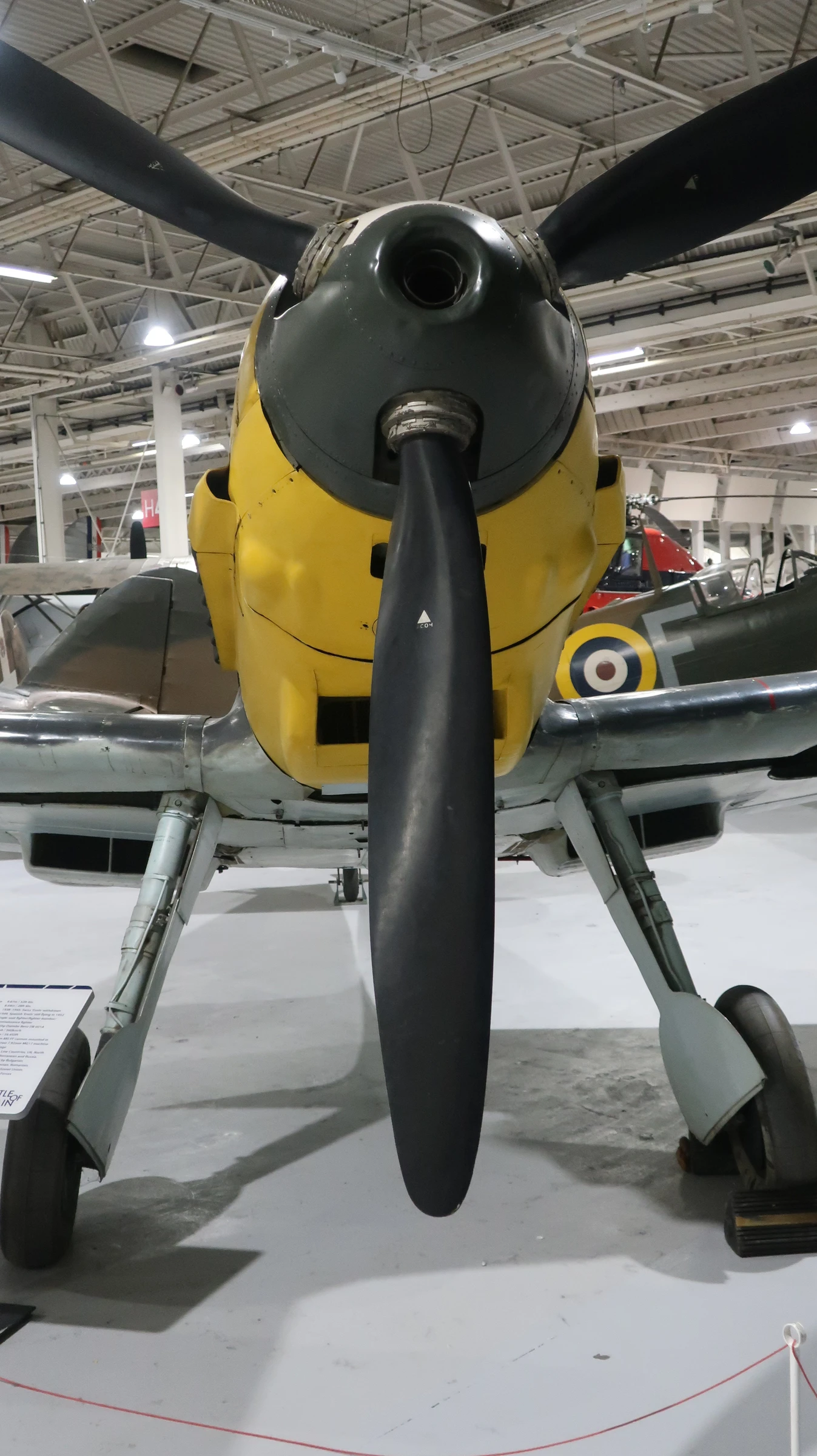
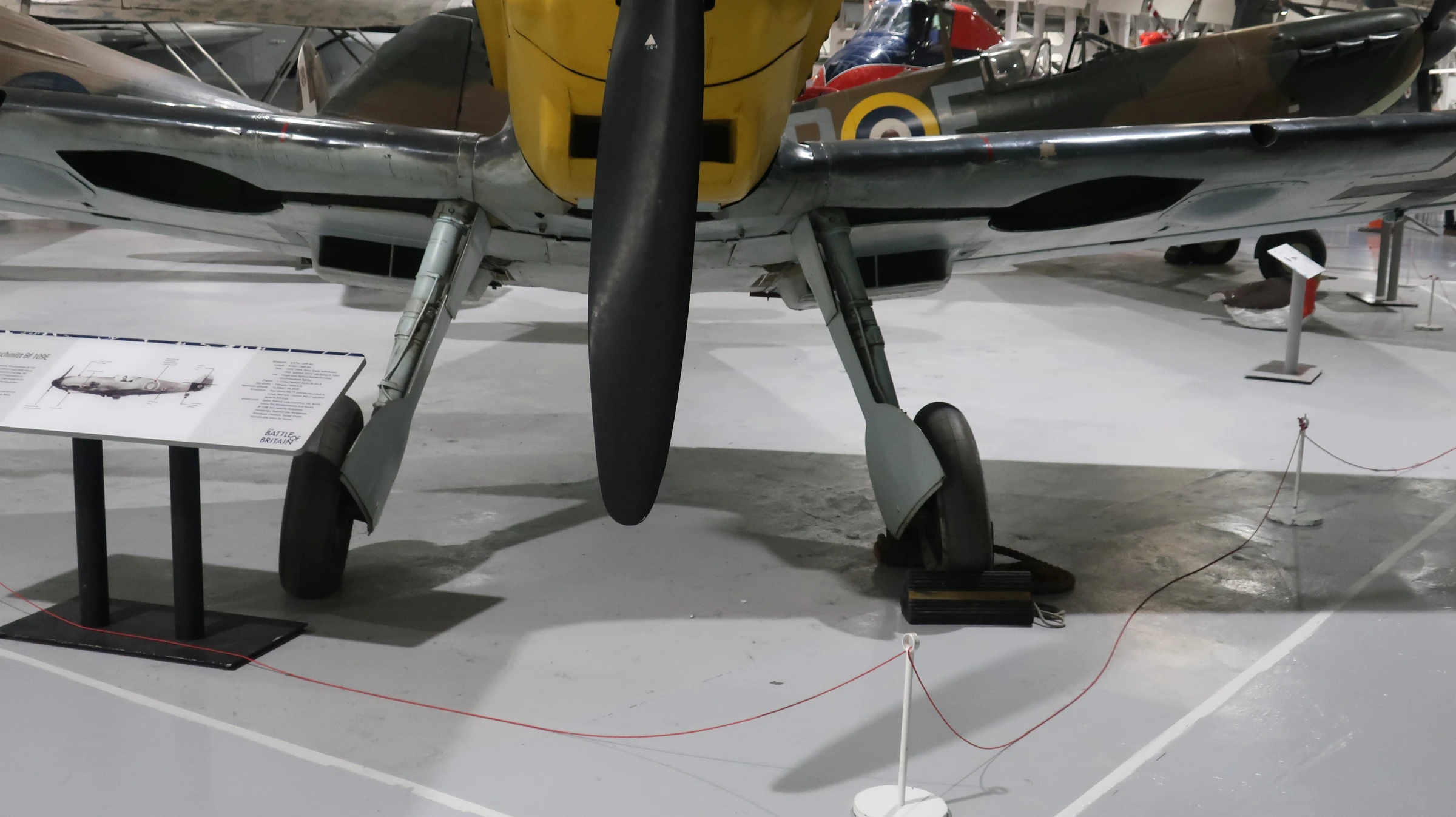
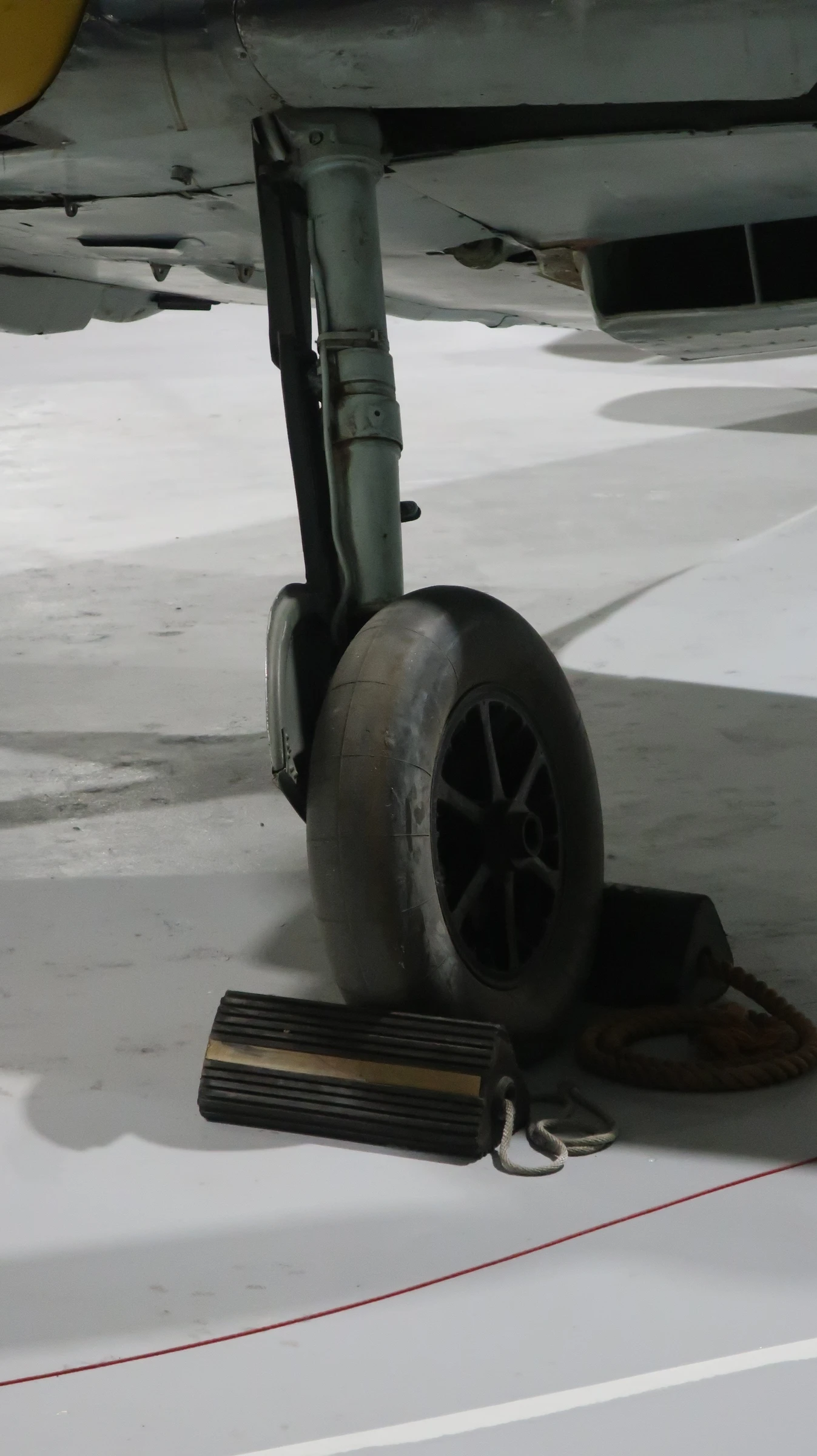
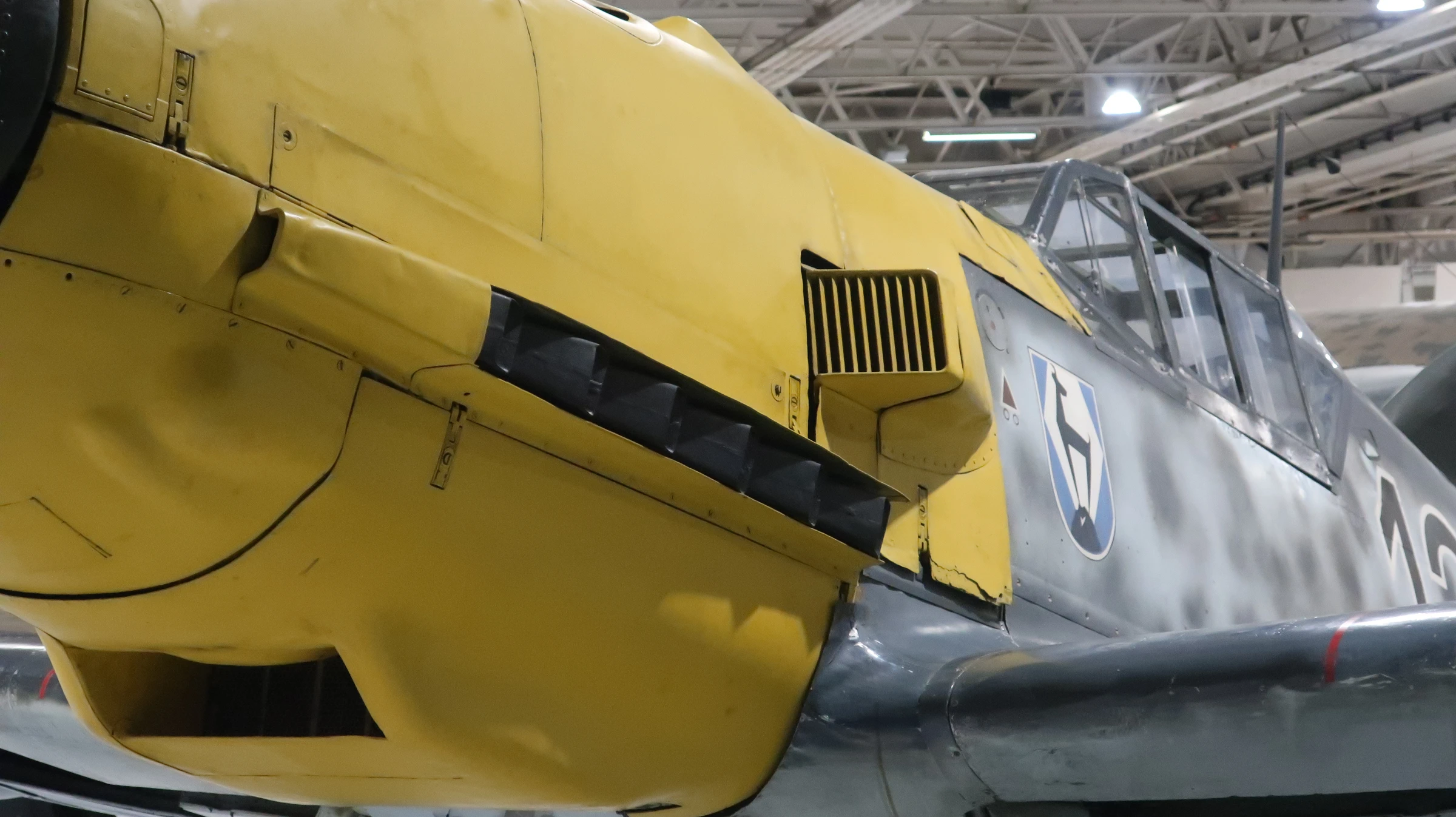
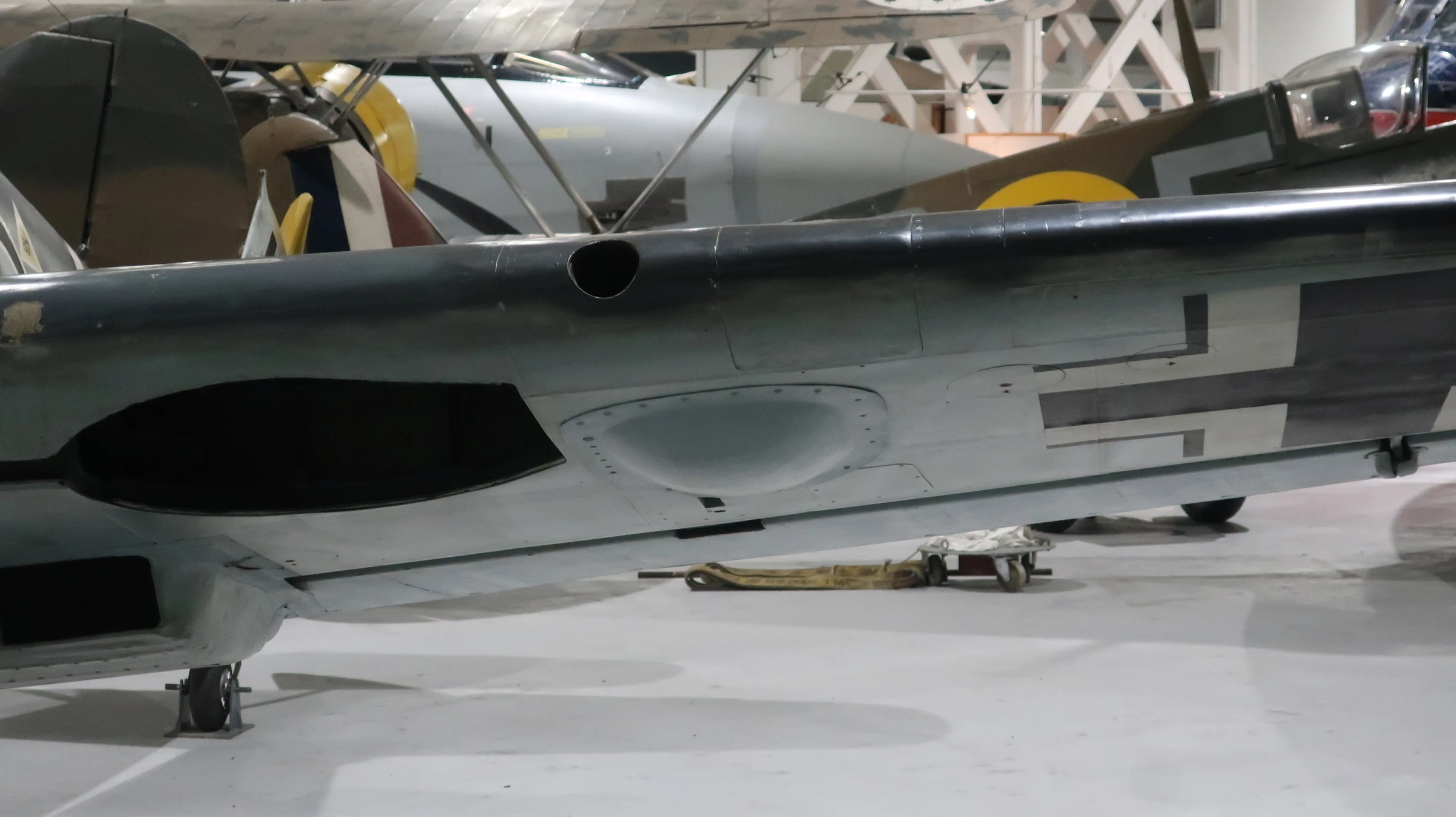
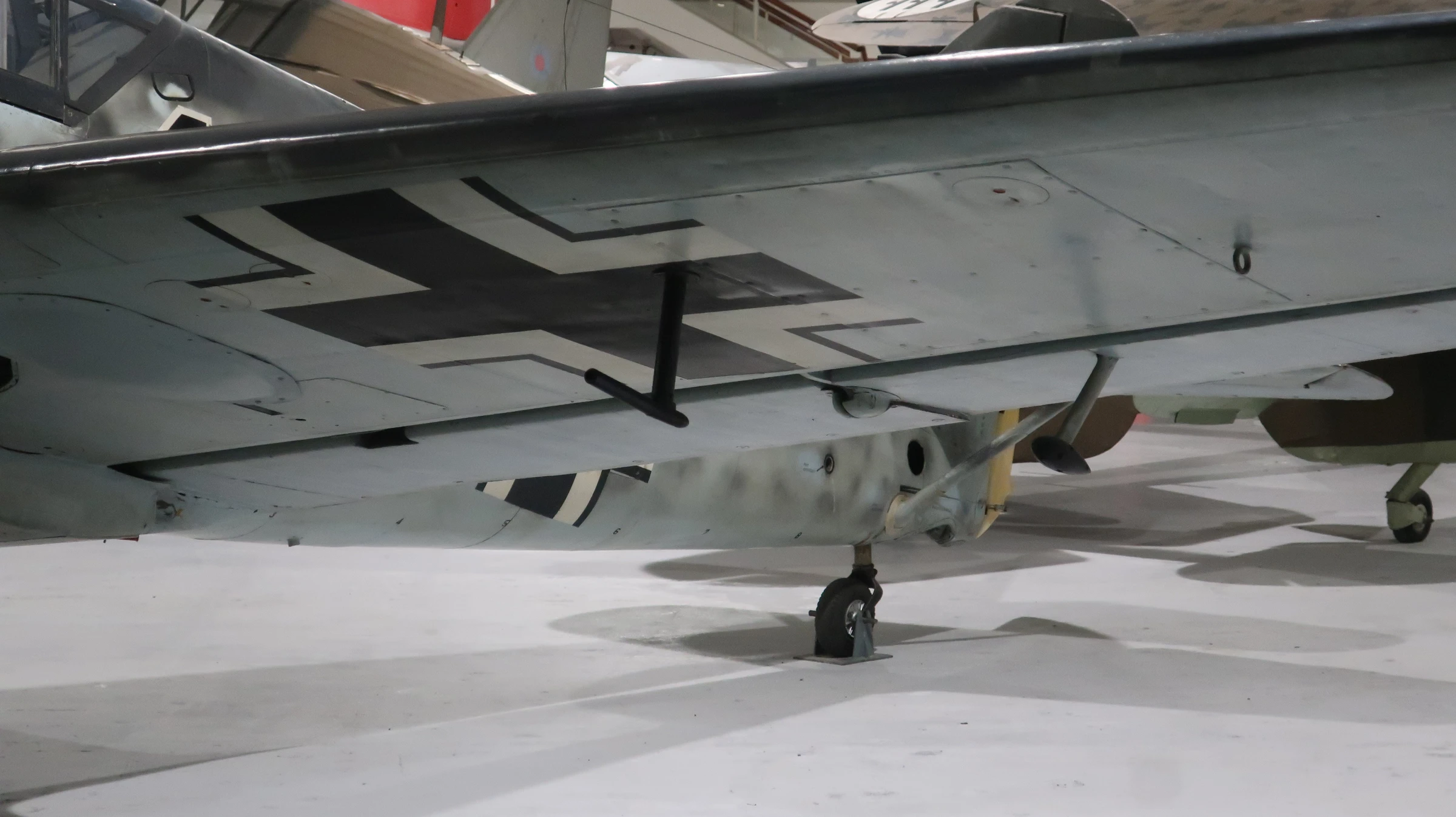
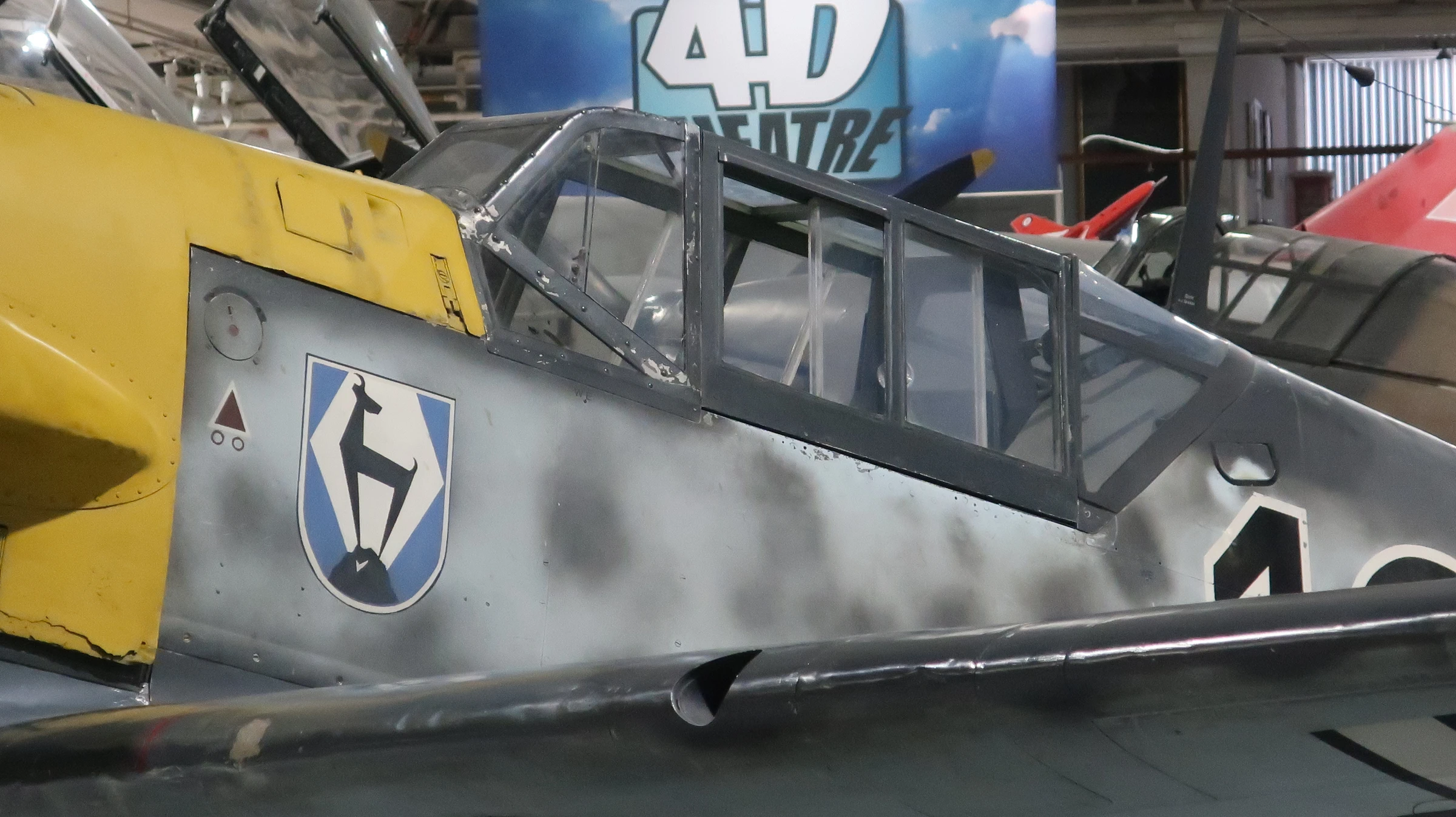
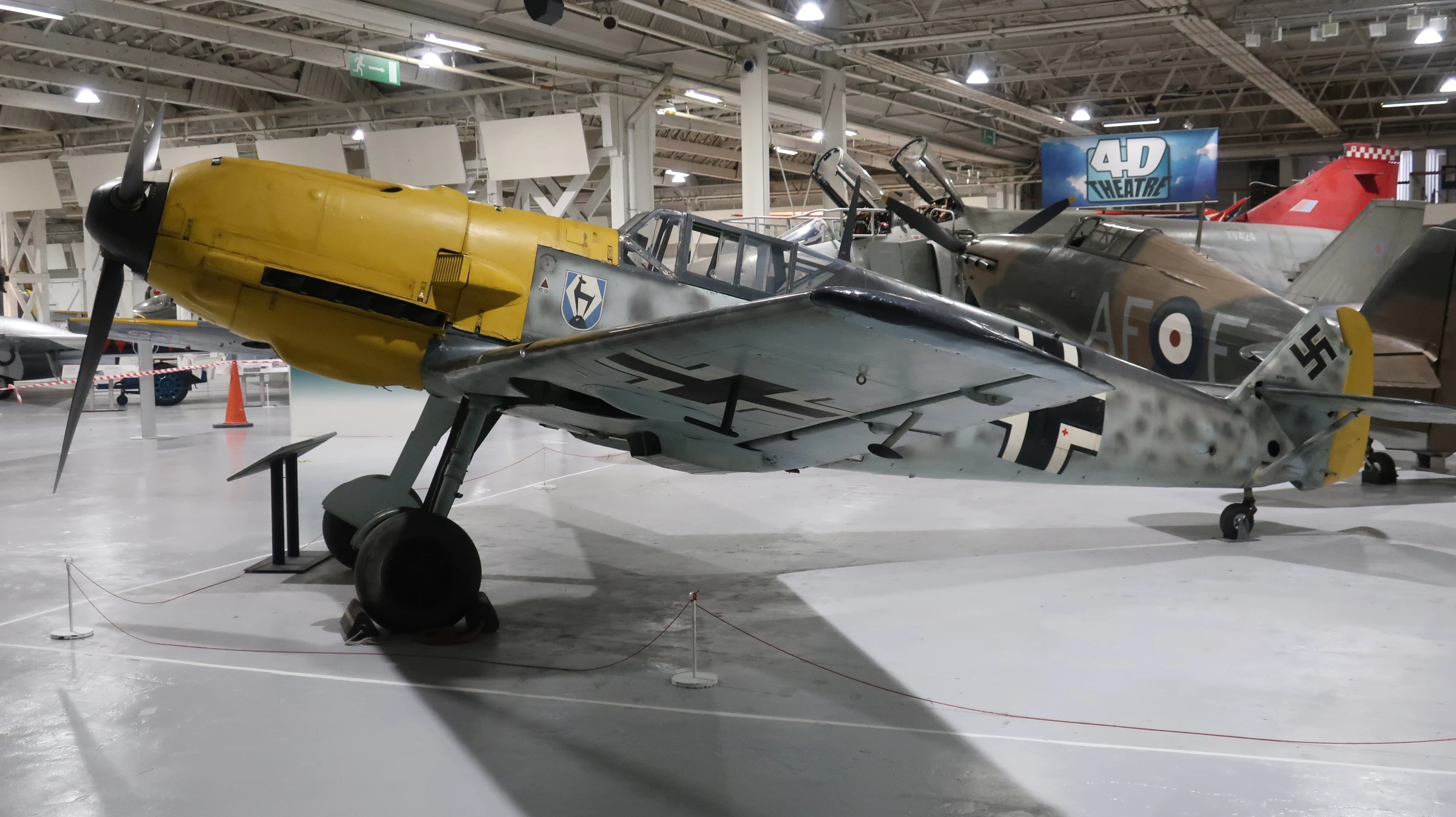
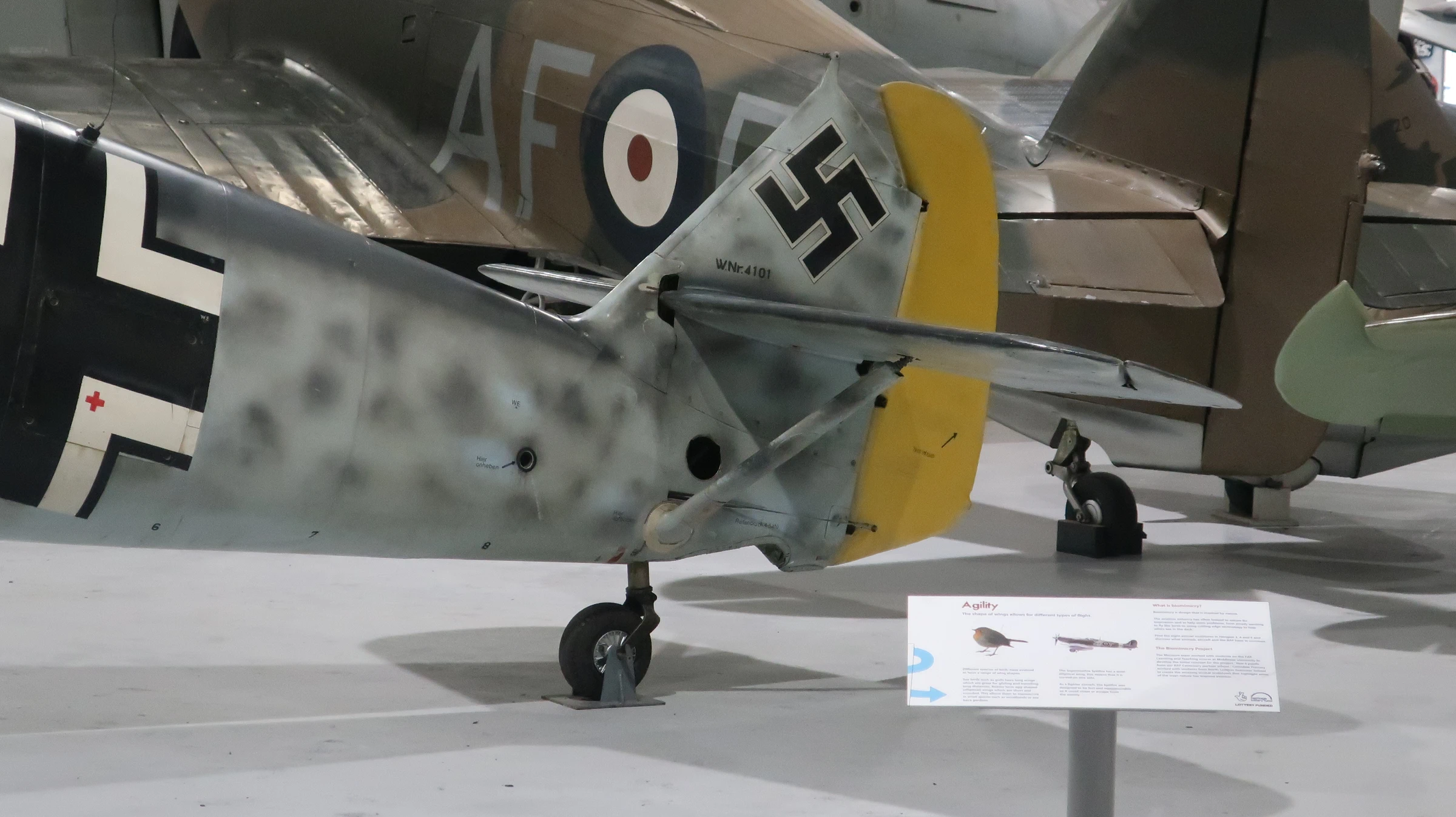
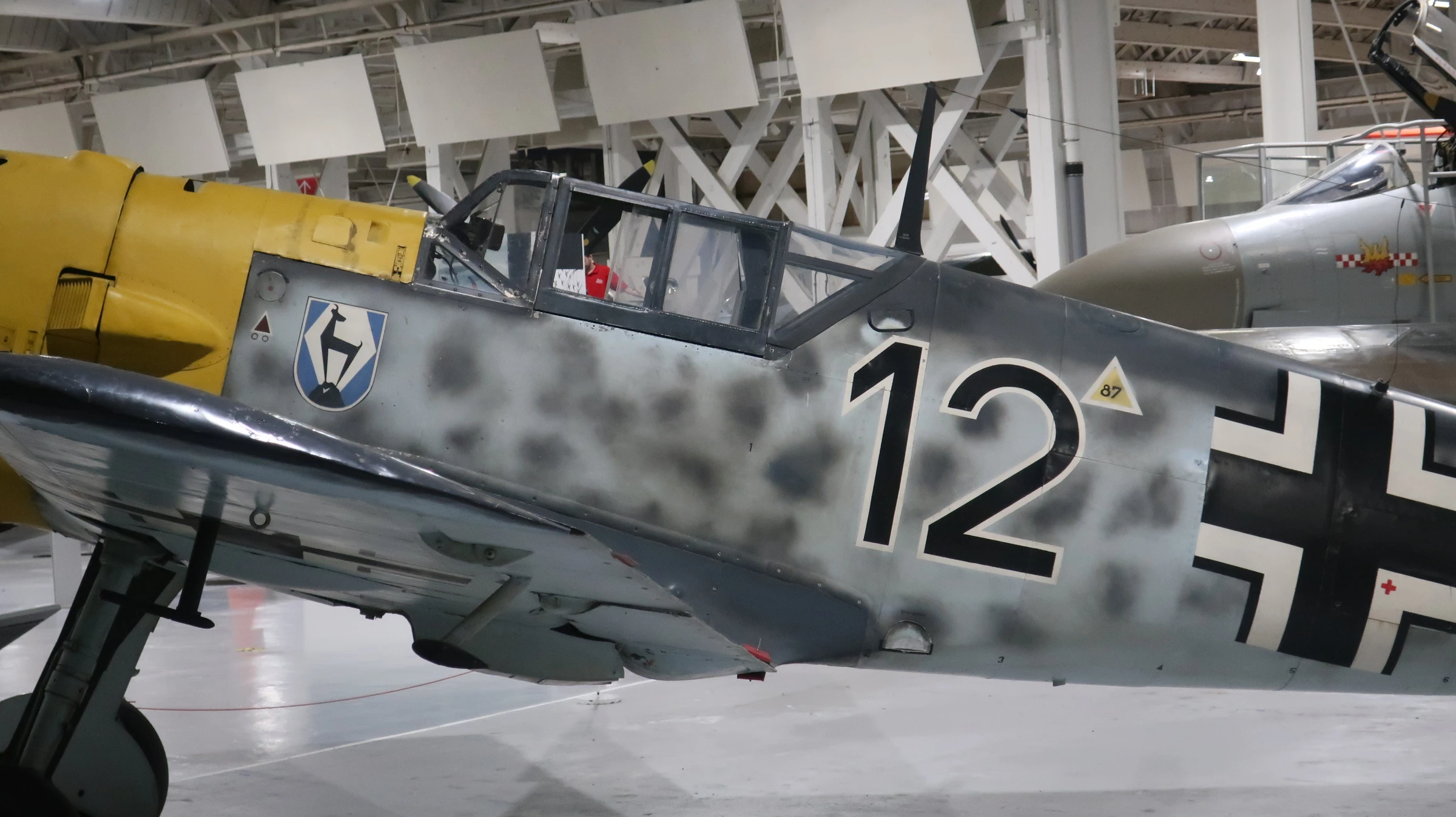
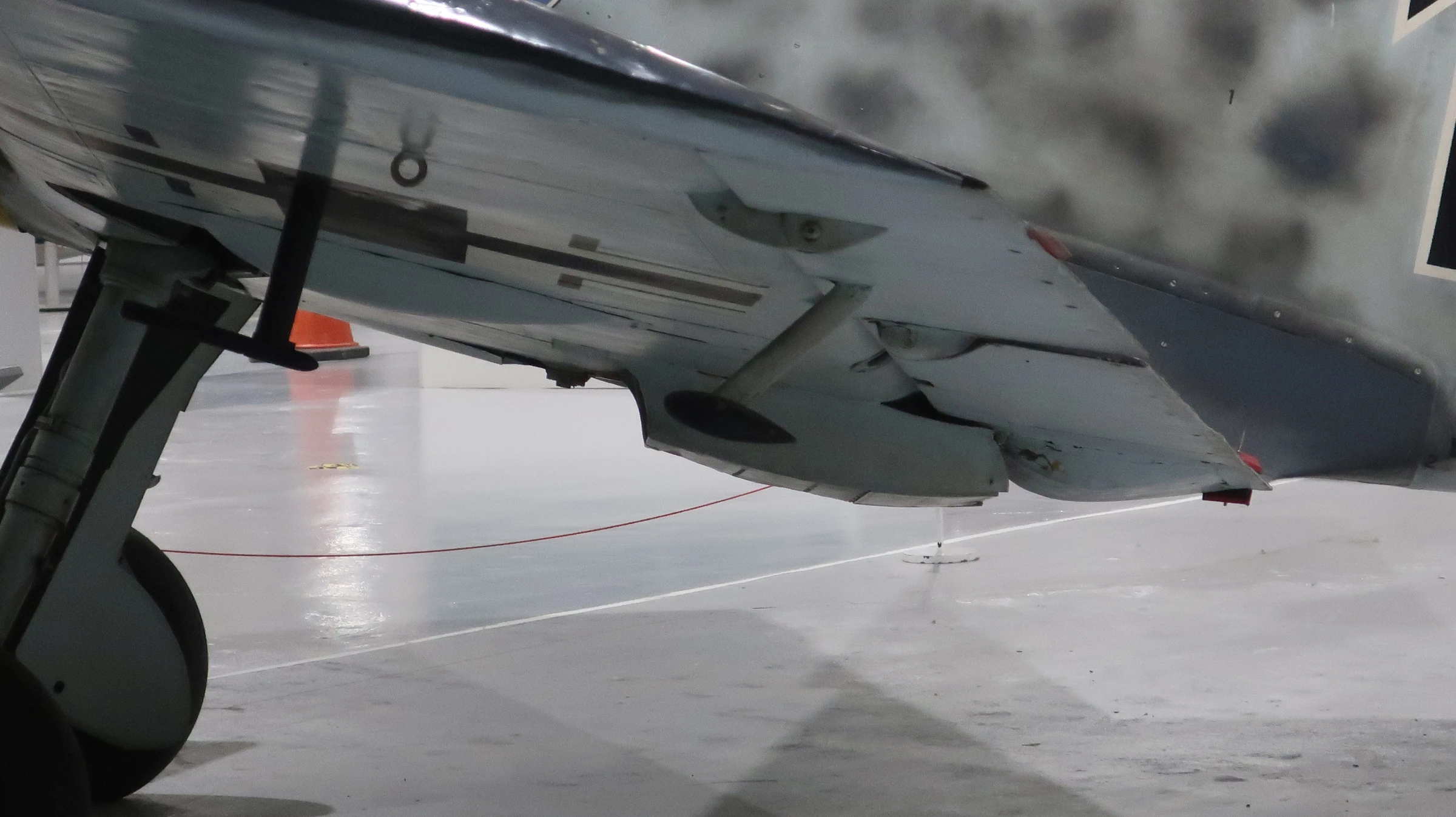
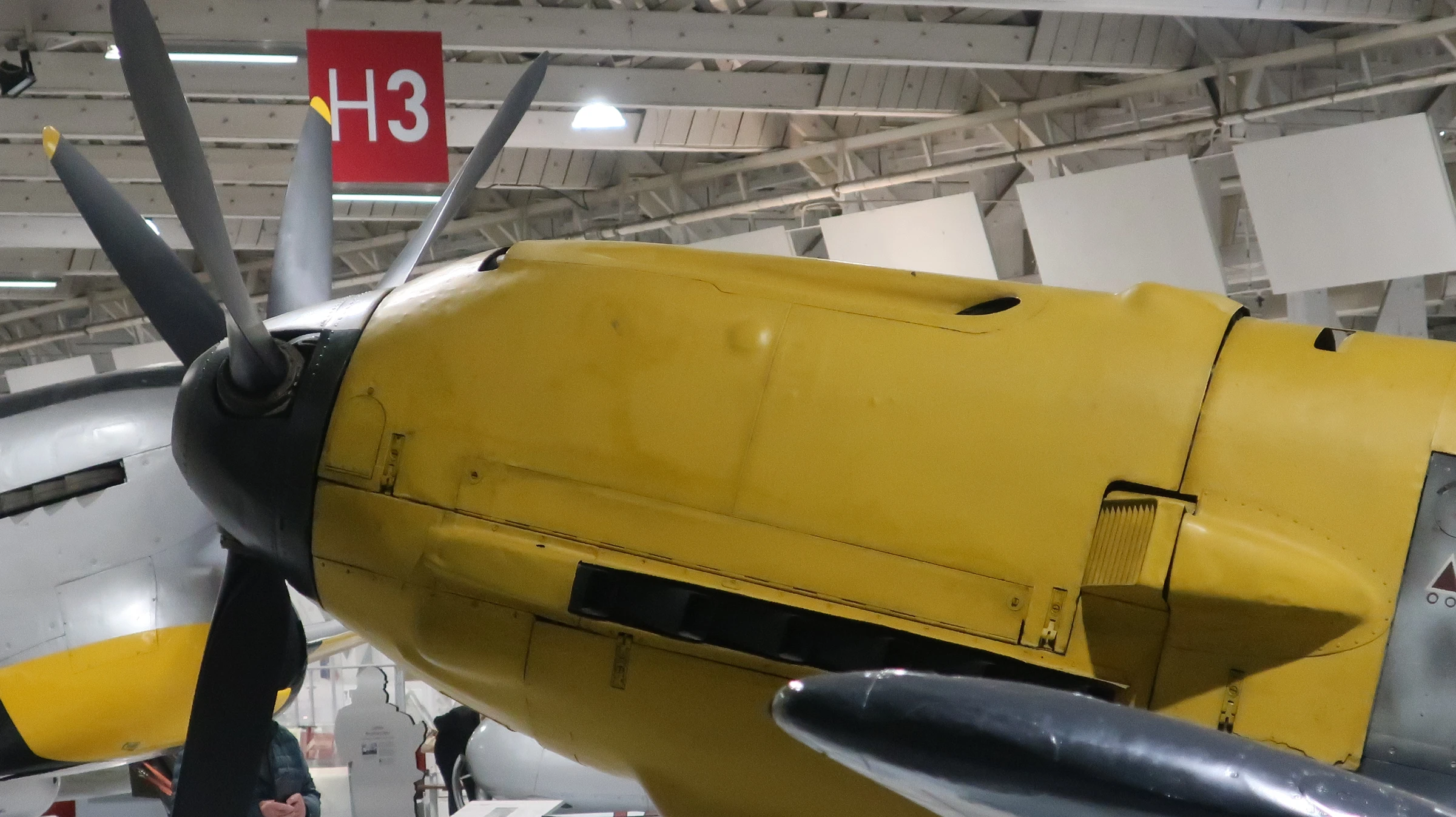
These walk-around photos were taken at the RAF Museum London in Hendon in 2019. They show a Messerschmitt Bf 109E-4, Werk-Nummer 4101, one of only a handful of genuine Battle of Britain Bf 109s surviving anywhere in the world, and part of the museum's celebrated "Fighter Four" display — the four principal single-seat fighters of the Battle of Britain, each a genuine survivor of that conflict. The Bf 109E was the Luftwaffe's premier fighter in 1940, capable of outclimbing both the Hurricane and the Spitfire and armed with two cannon in addition to its machine guns. Its critical weakness during the Battle of Britain was its limited fuel capacity, which restricted pilots to just twenty minutes of combat time over southern England.
On 27 November 1940, Werk-Nr. 4101 was being flown from Peuplingues in France by 21-year-old Leutnant Wolfgang Teumer of 2./JG 51 when it was shot down by Flight Lieutenant George Christie of No. 66 Squadron in a Spitfire, force-landing intact at RAF Manston in Kent. Repaired using parts from other captured Bf 109Es and given the RAF serial DG200, it was test-flown extensively at Hucknall by Rolls-Royce to evaluate its Daimler-Benz engine. It later appeared in the 1969 Battle of Britain film before passing to the RAF Museum, where it has been on display at Hendon since 1978.