Mitsubishi J2M Raiden
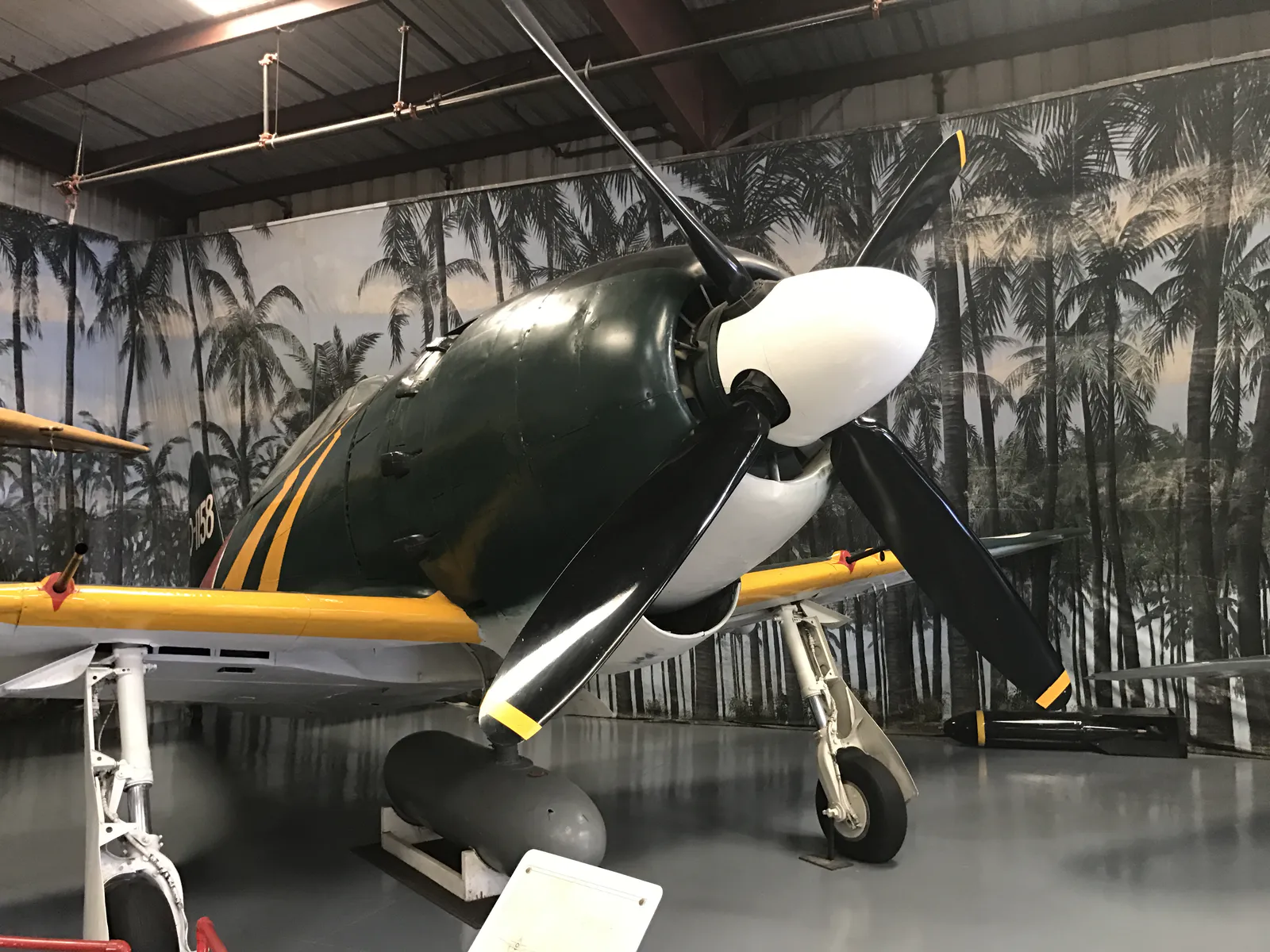
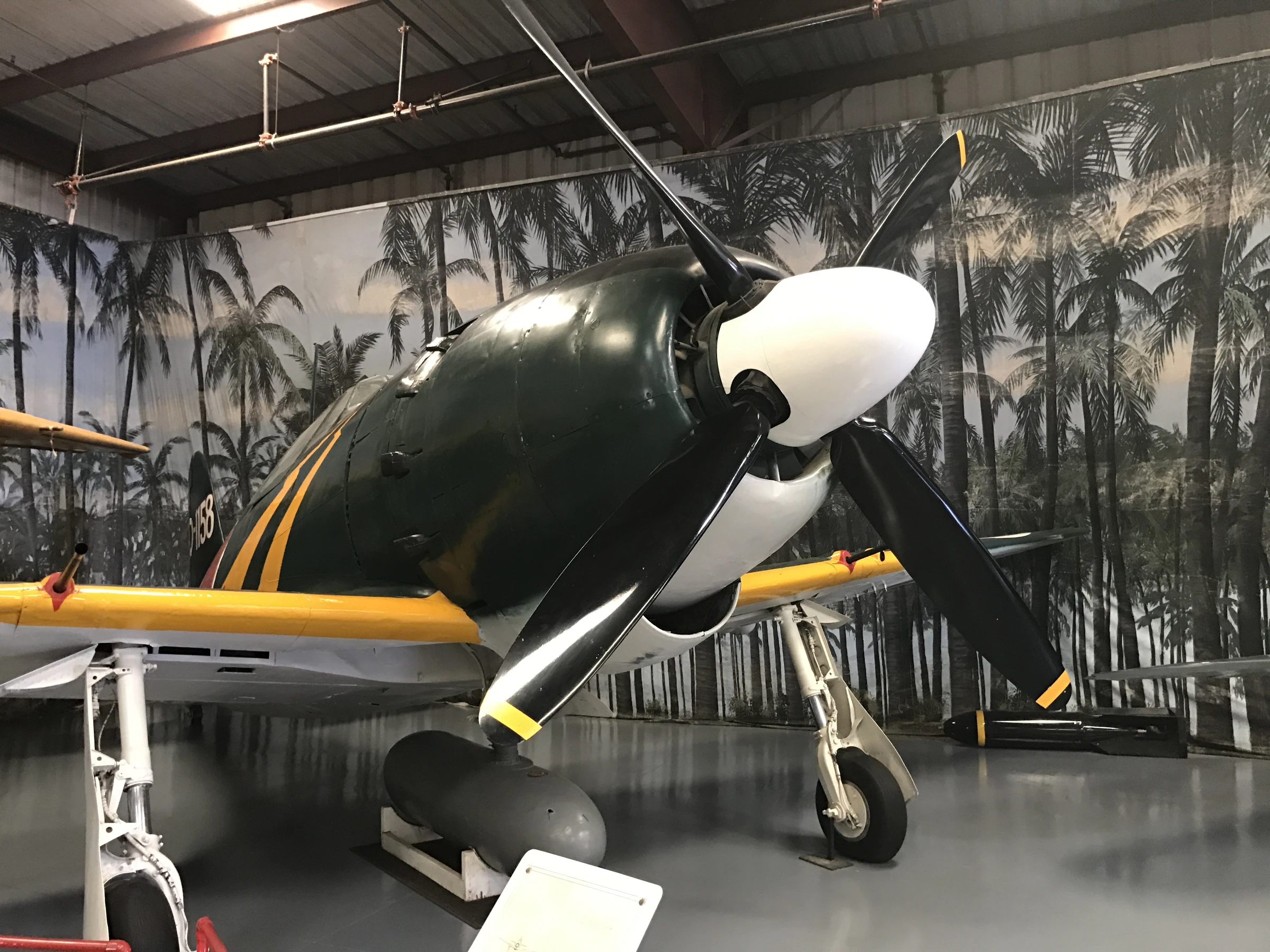
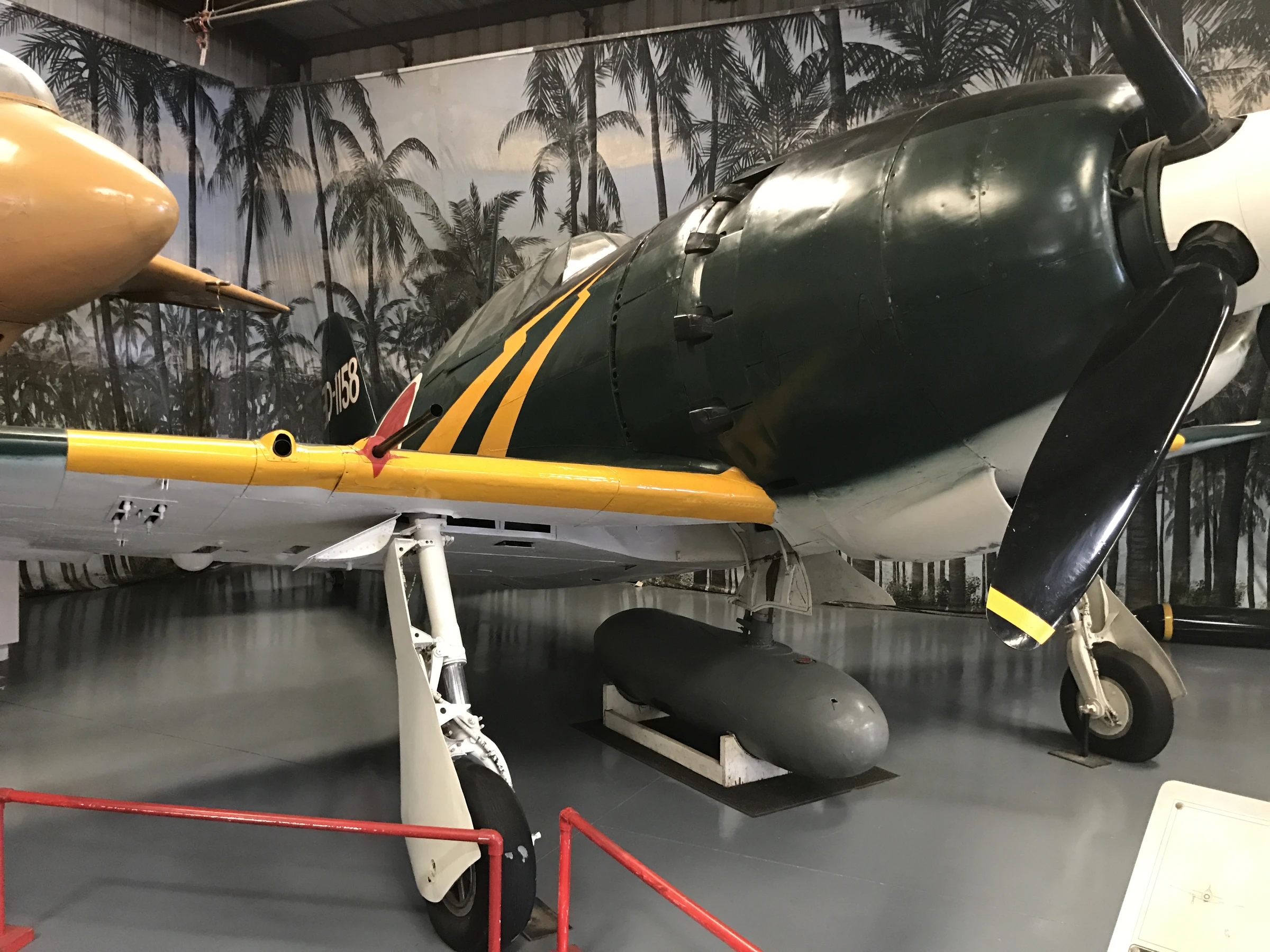
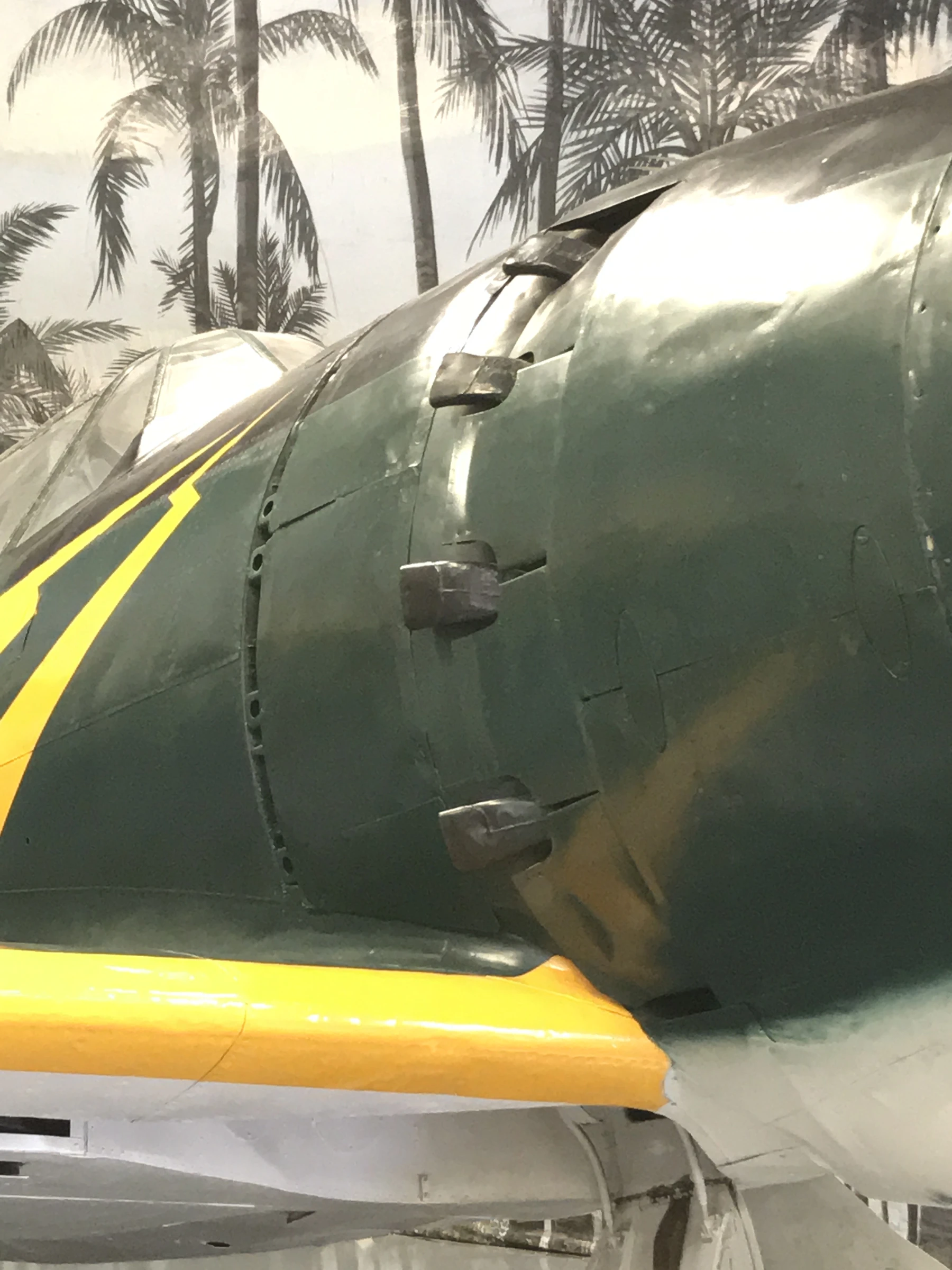
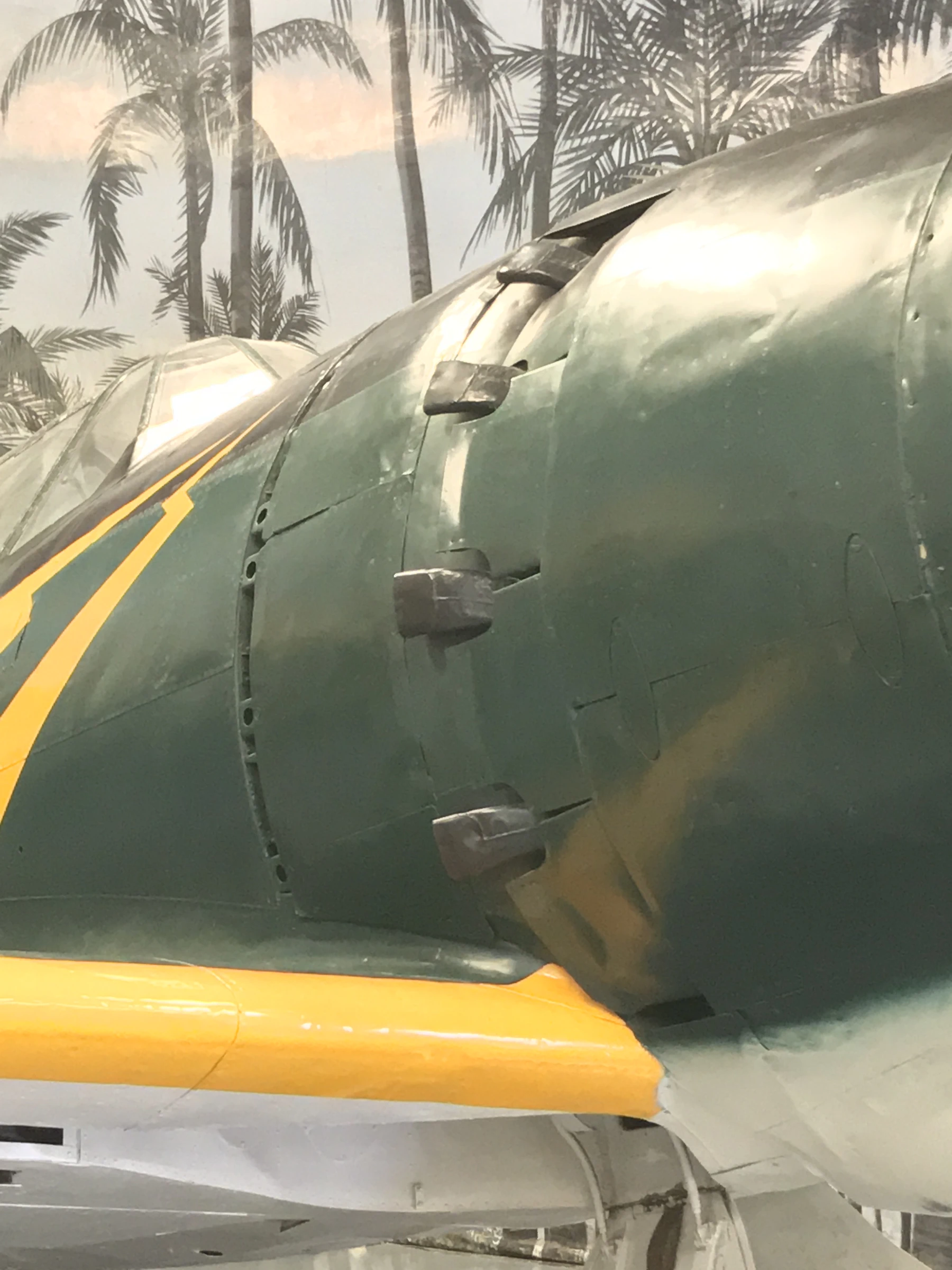
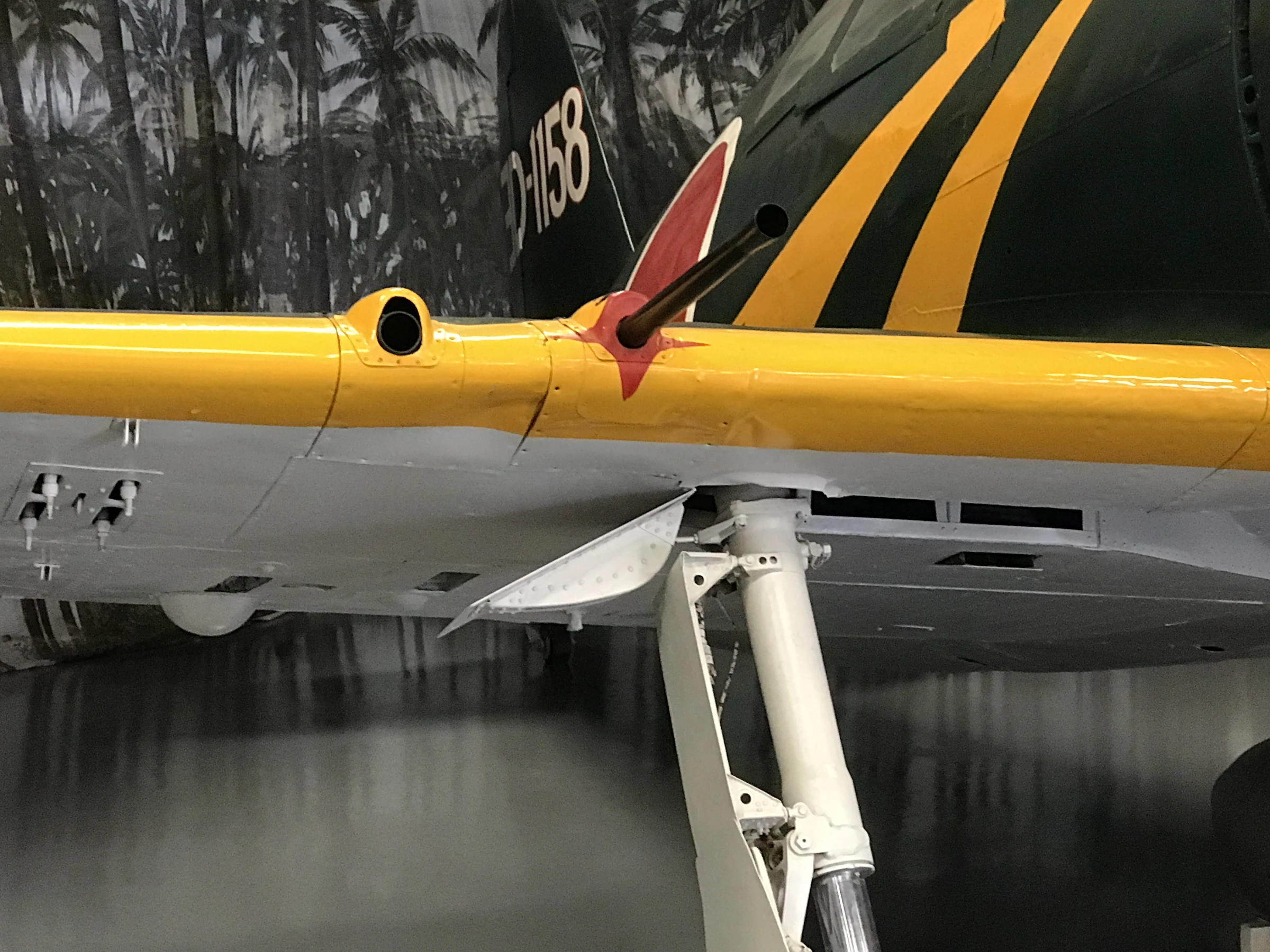
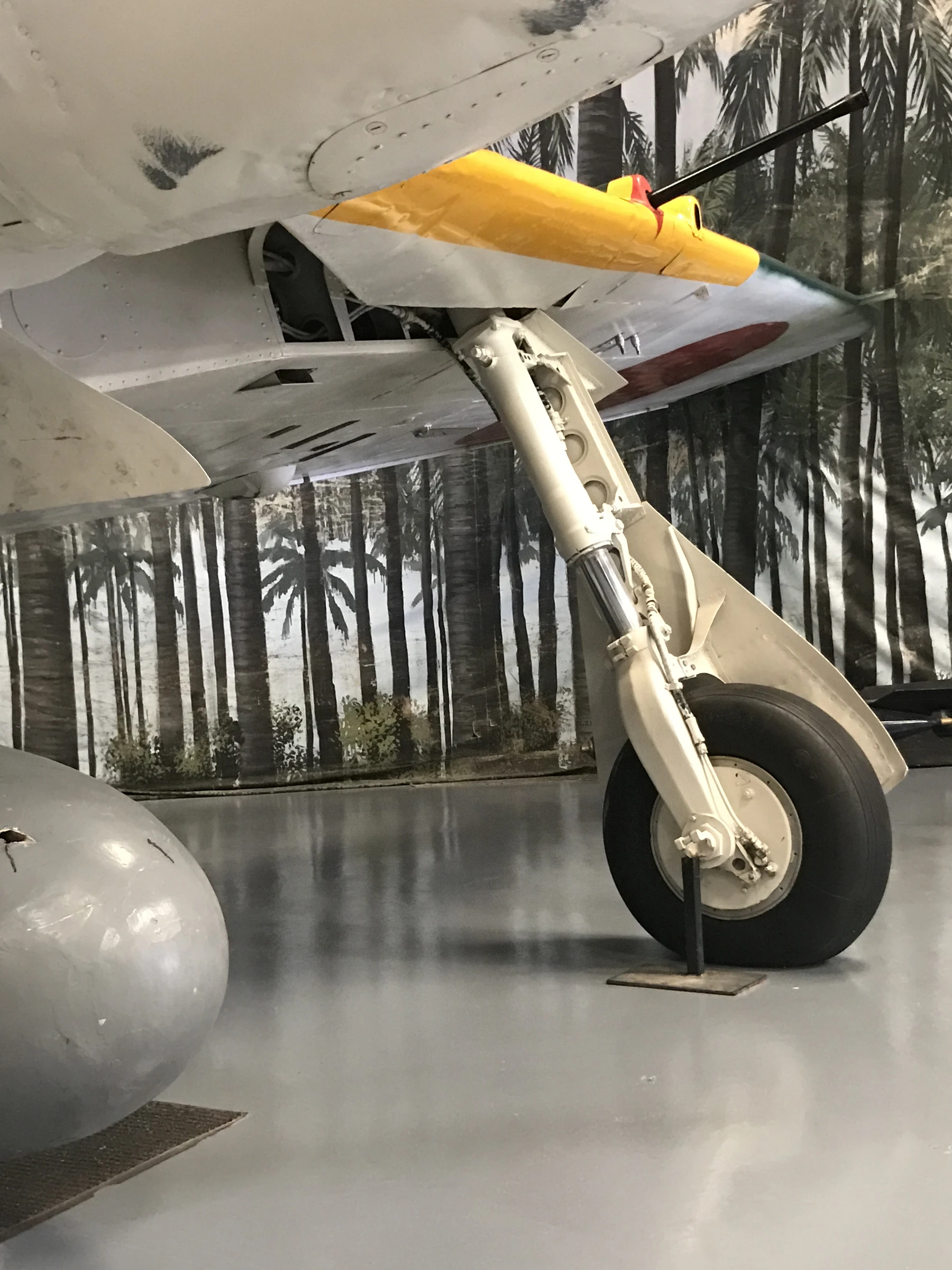
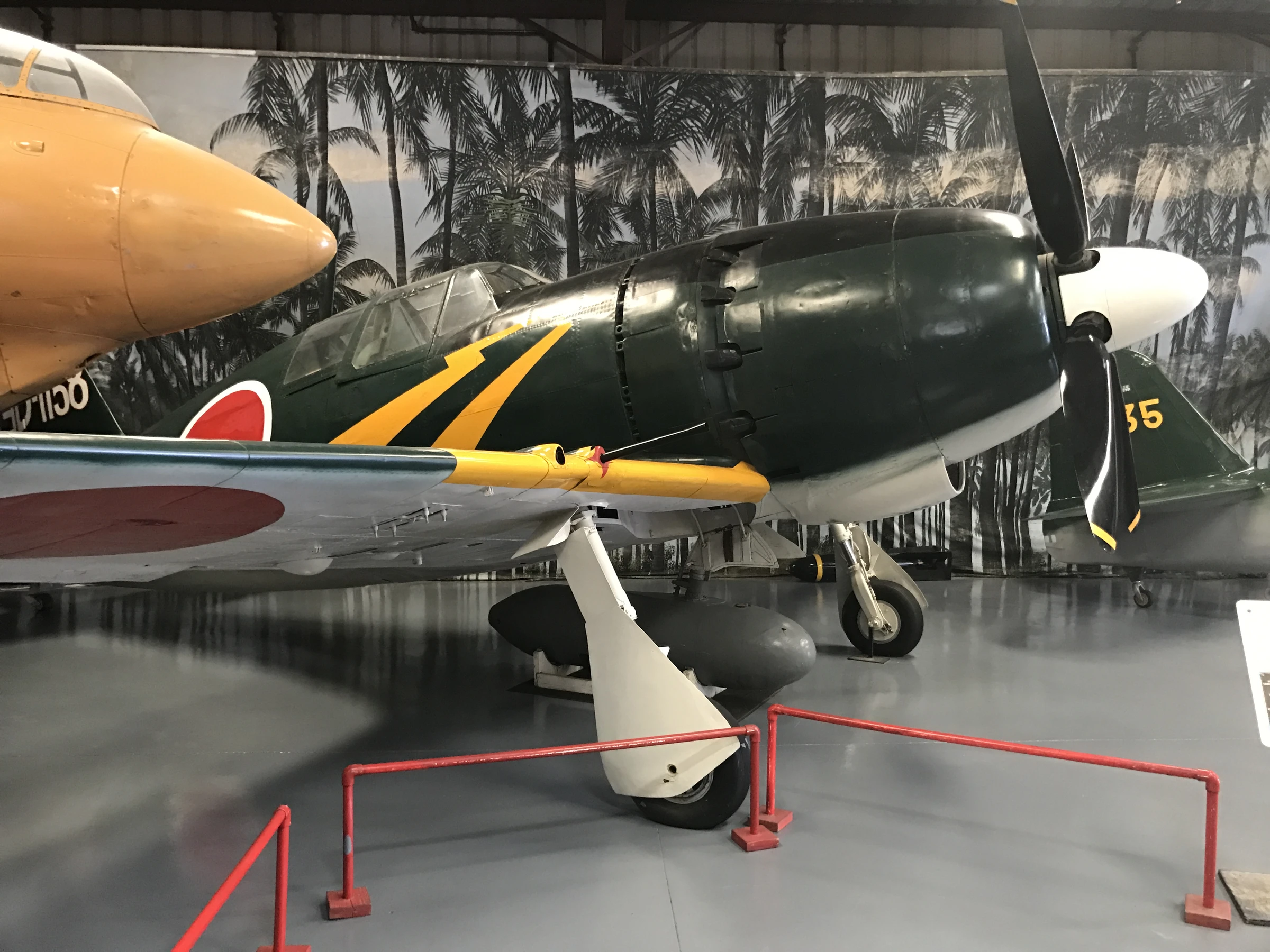
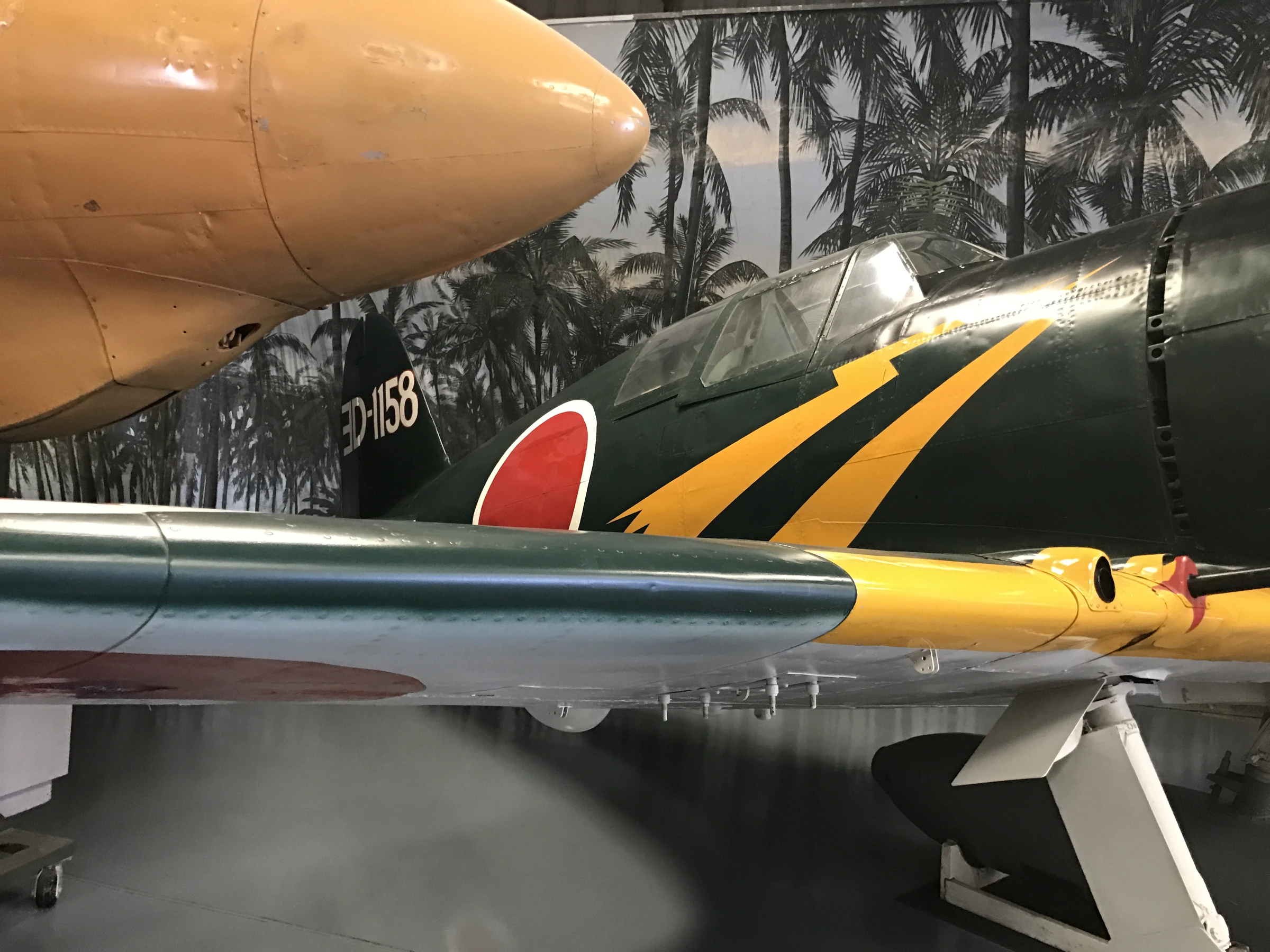
The Mitsubishi J2M Raiden — "Lightning Bolt" in Japanese, "Jack" to Allied forces — was designed by Jiro Horikoshi, creator of the A6M Zero, as a dedicated land-based interceptor. Unlike the Zero, which traded protection for range and manoeuvrability, the Raiden was built for speed, climb rate and firepower, carrying four 20mm cannons and intended specifically to counter high-altitude Allied bomber raids on the Japanese home islands. Its distinctive silhouette came from a large Mitsubishi Kasei radial engine buried behind a long cowling and cooled by an intake fan, giving the nose an almost blunt, barrel-like appearance. Only 621 were built in total across all variants, and persistent development problems delayed operational service until late in the war.
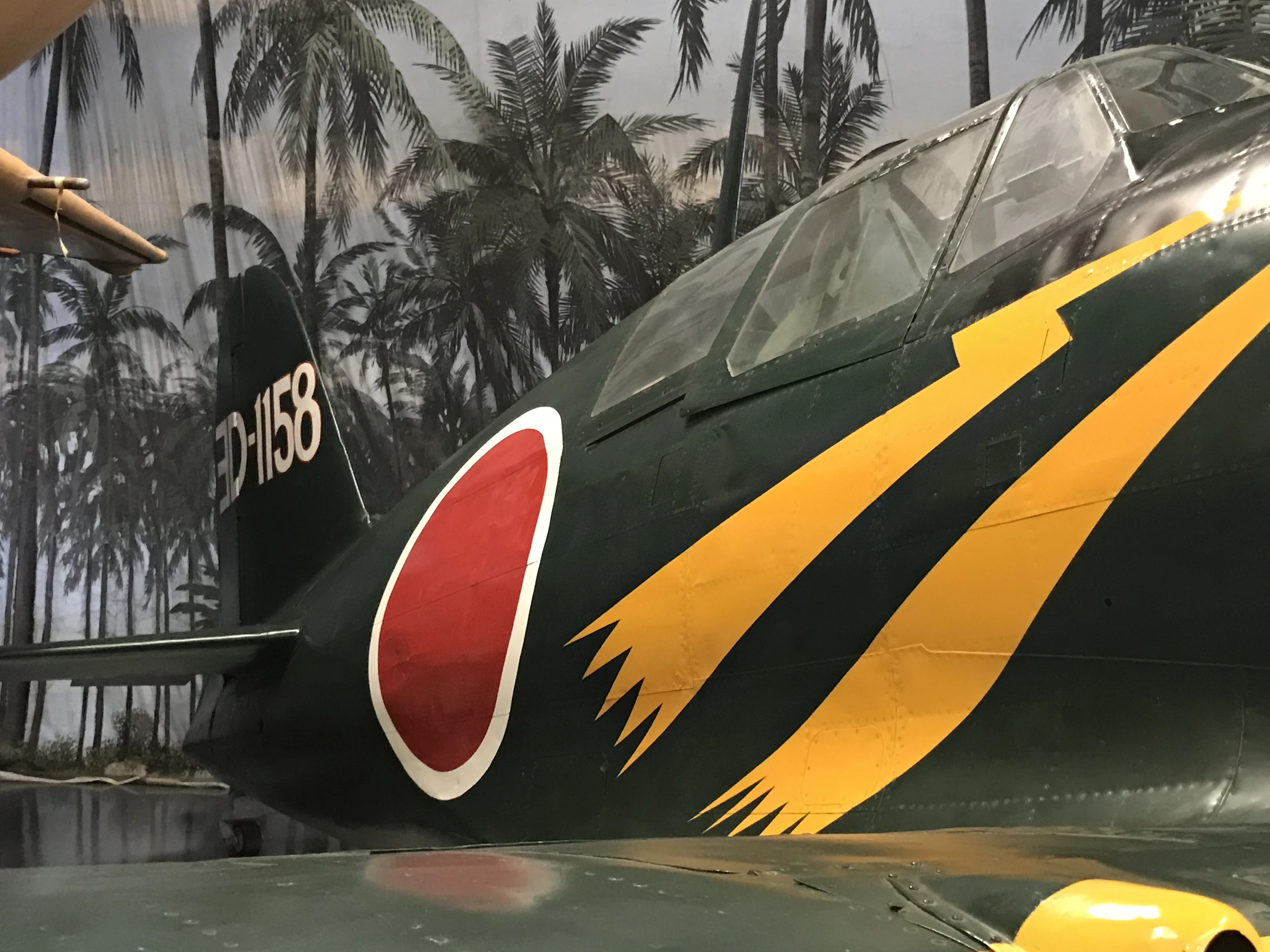
This aircraft, s/n 3014, is the only surviving Raiden in the world. The fourteenth J2M3 produced at Mitsubishi's Nagoya works, it was delivered in March 1944 and served with the 302nd Kōkūtai at Atsugi. After Japan's surrender it was shipped to the United States for technical evaluation, subsequently passed to the Frank Wiggins Trade School in Los Angeles as an instructional airframe, and by 1952 had ended up on display at Travel Town in Griffith Park. It was donated to Planes of Fame in 1958. The current paint scheme combines lightning bolt markings associated with the 352nd Kōkūtai with the tail code ヨD-1158 from the 302nd — a composite scheme that reflects the aircraft's complex history rather than any single wartime identity.