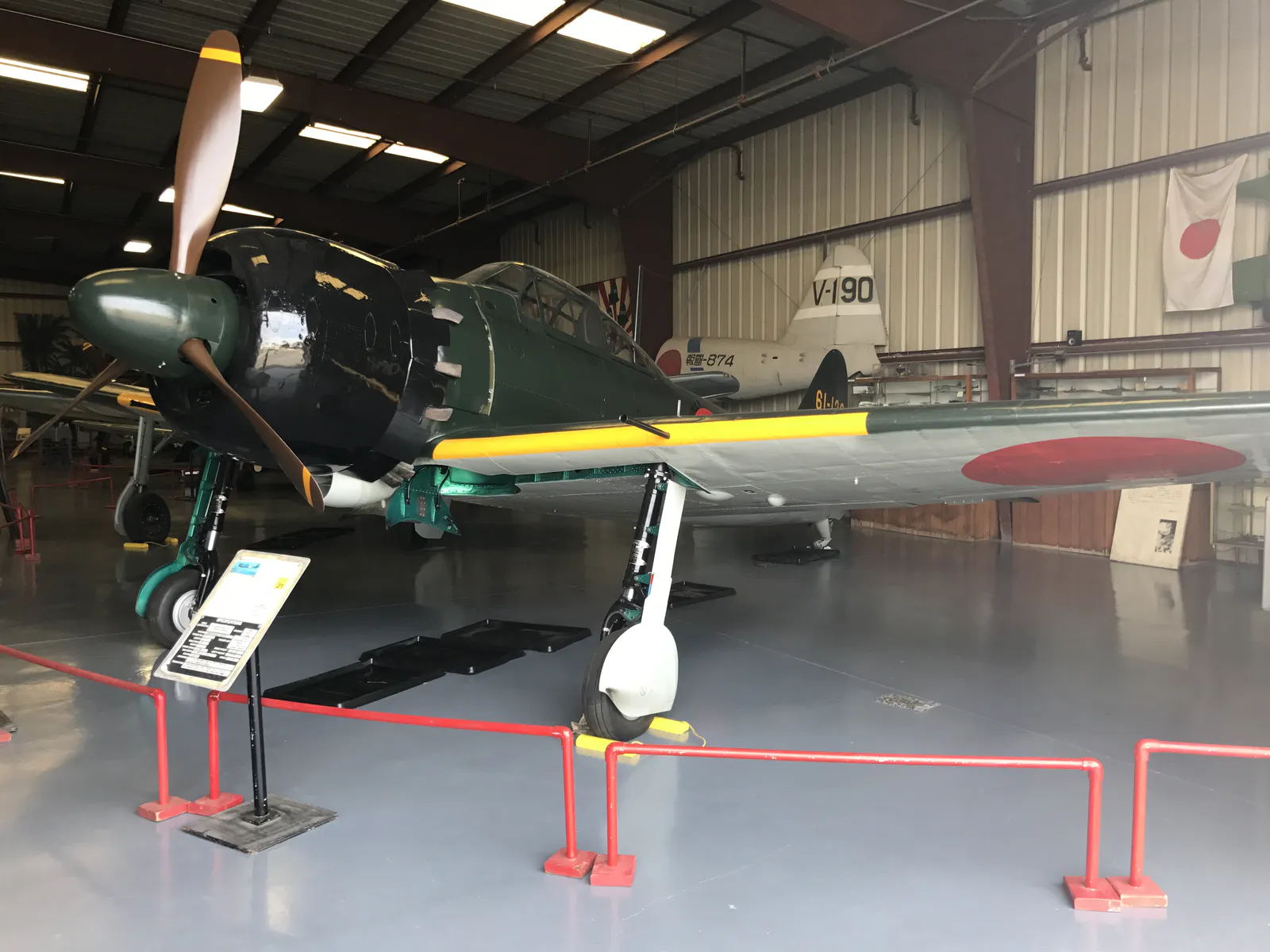
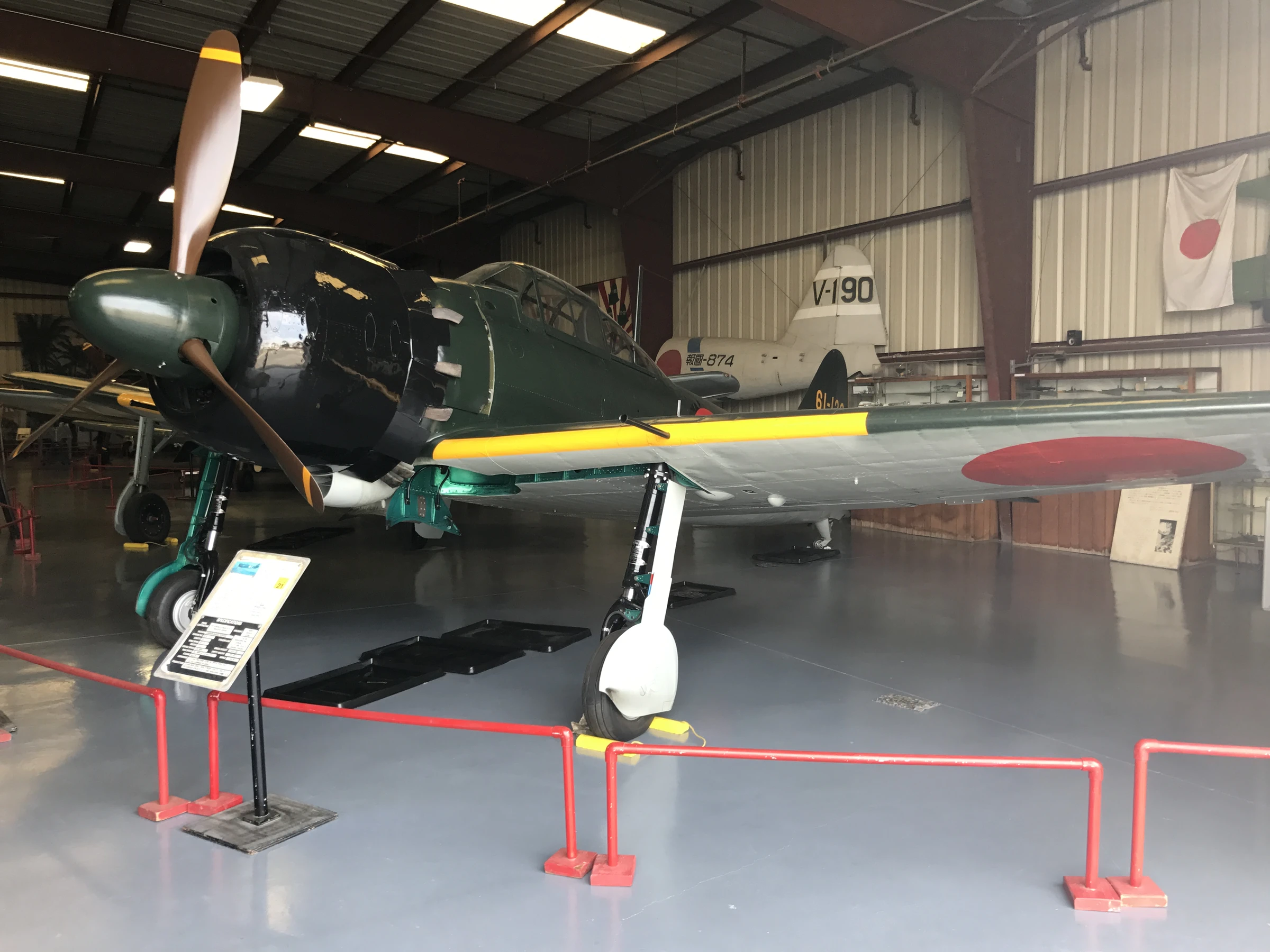
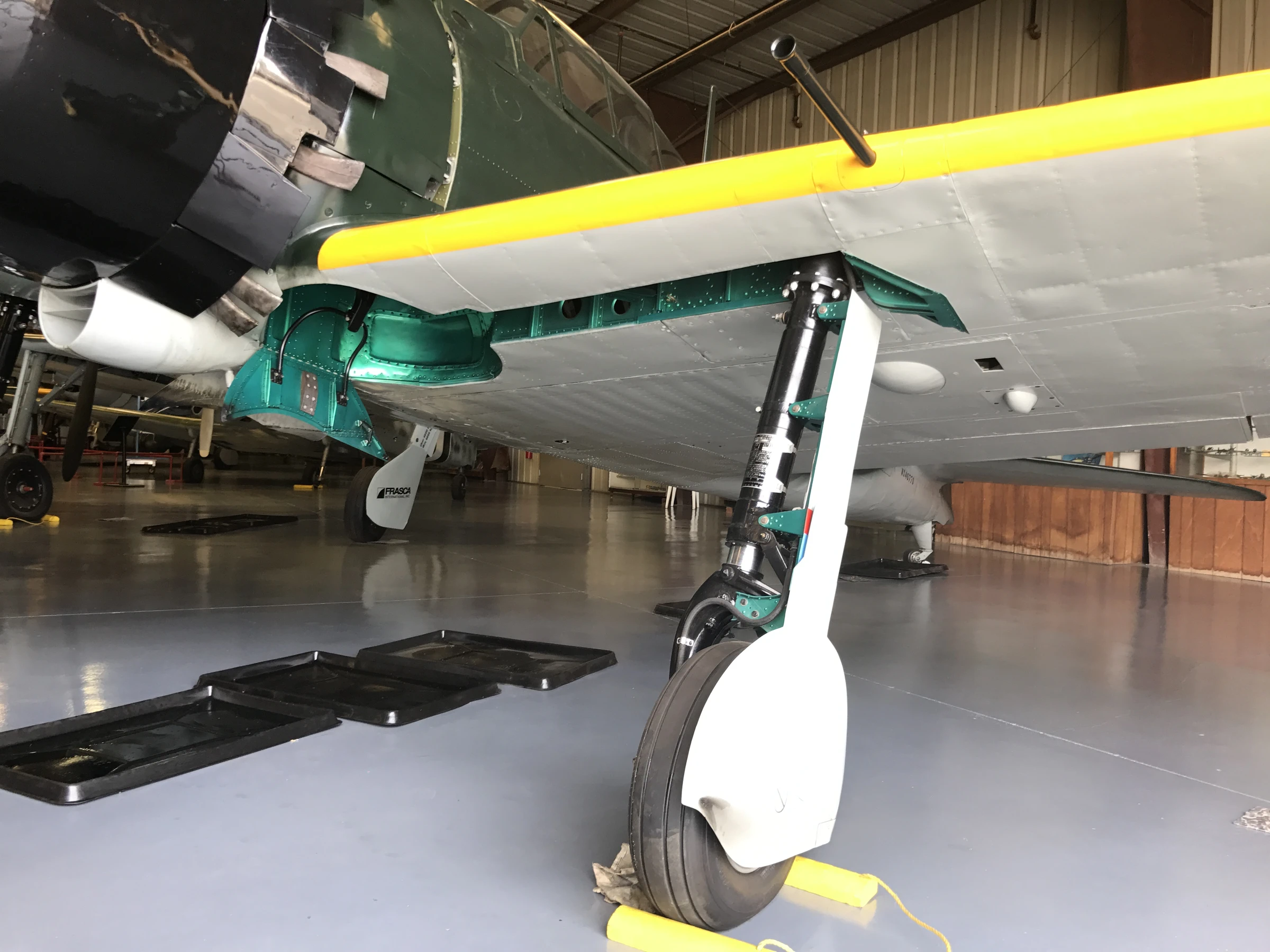
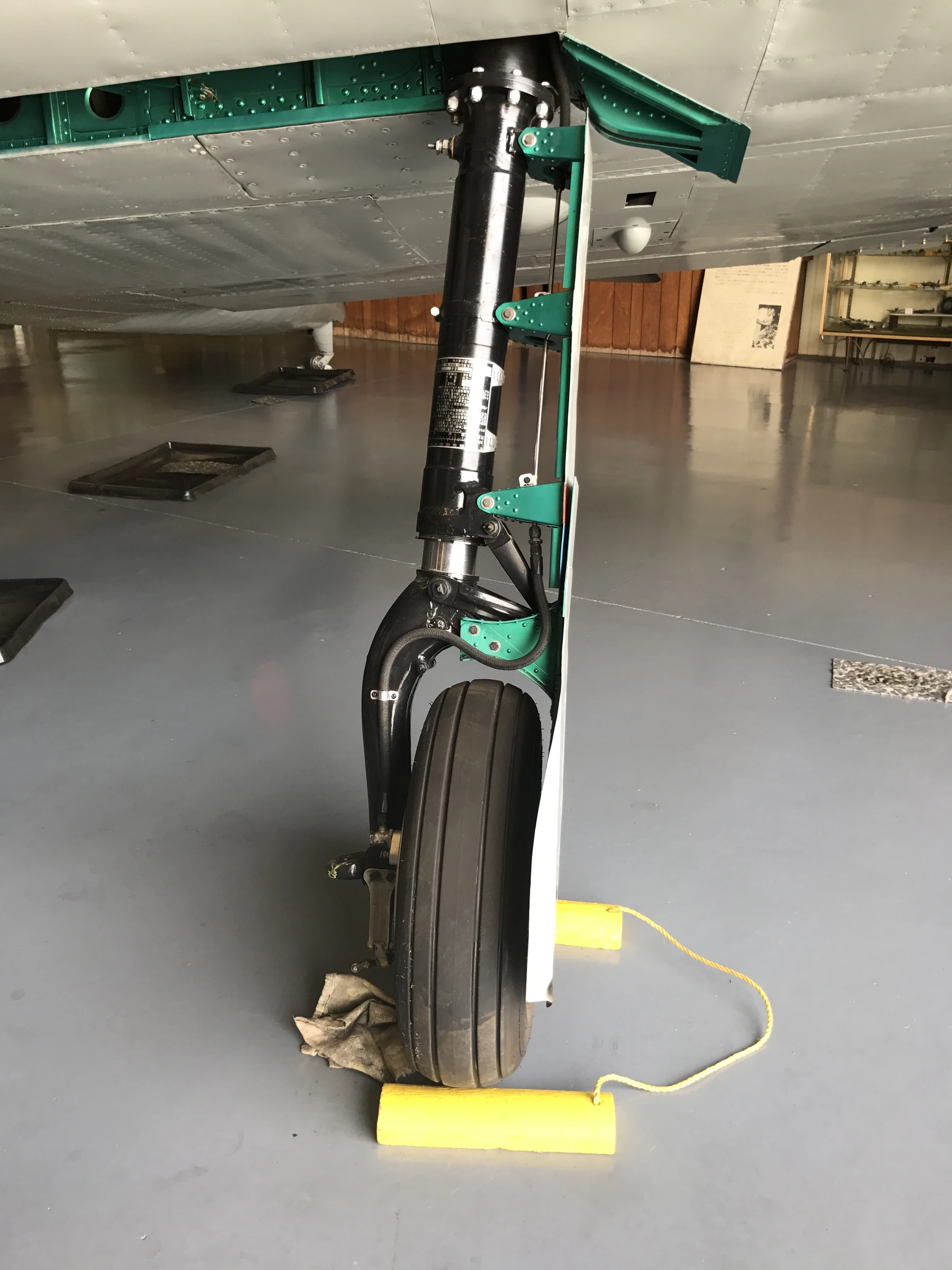
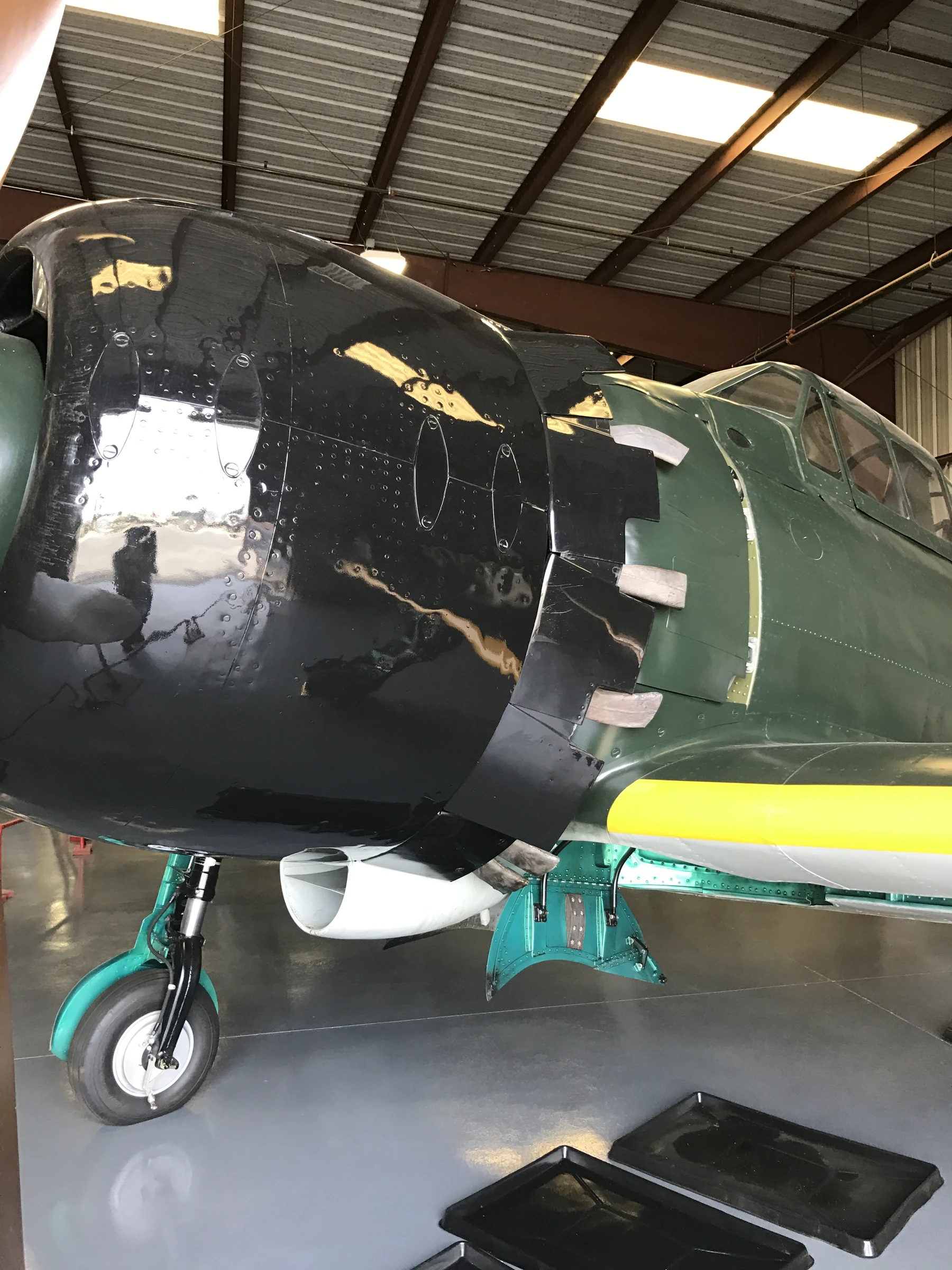
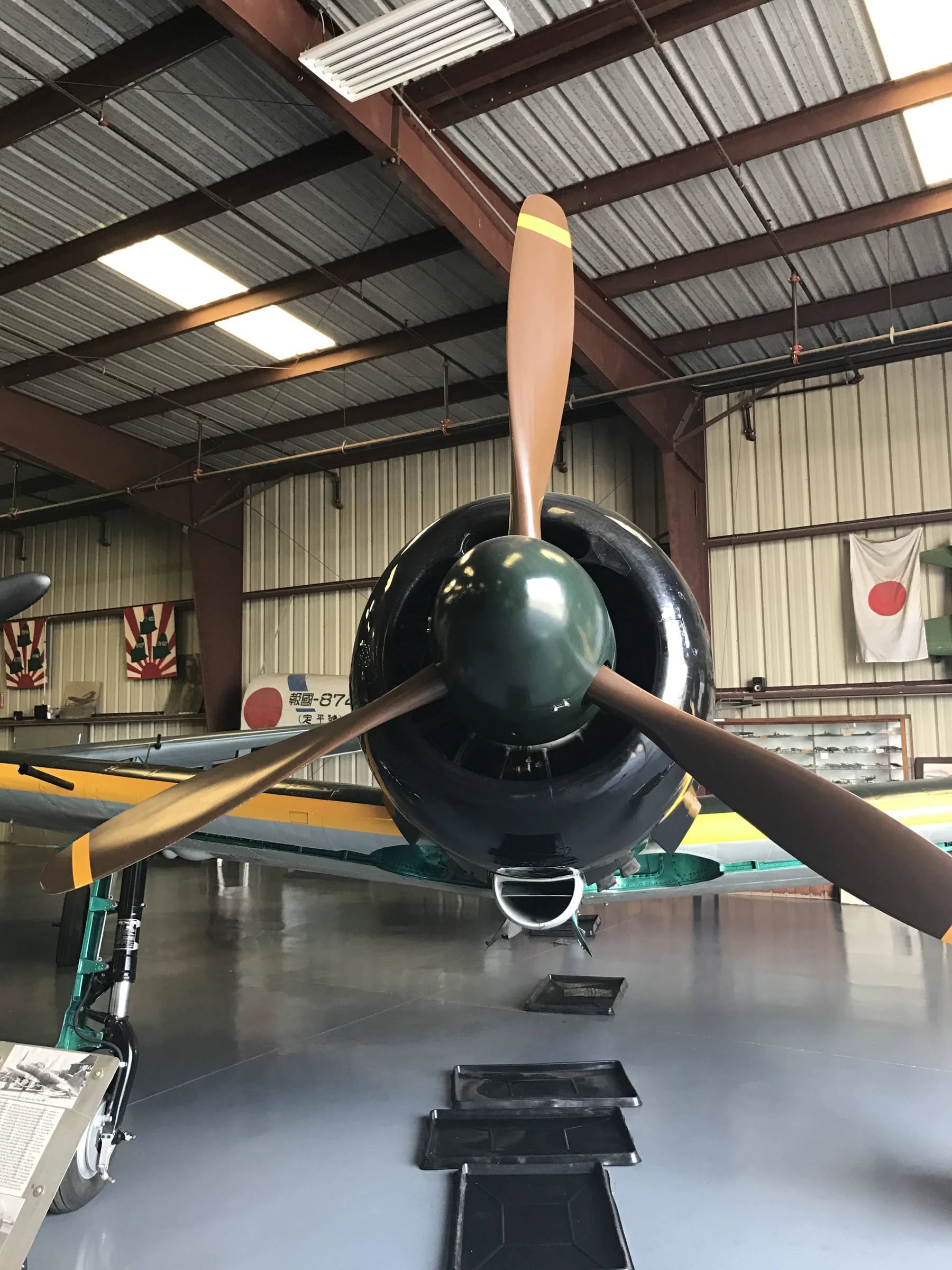
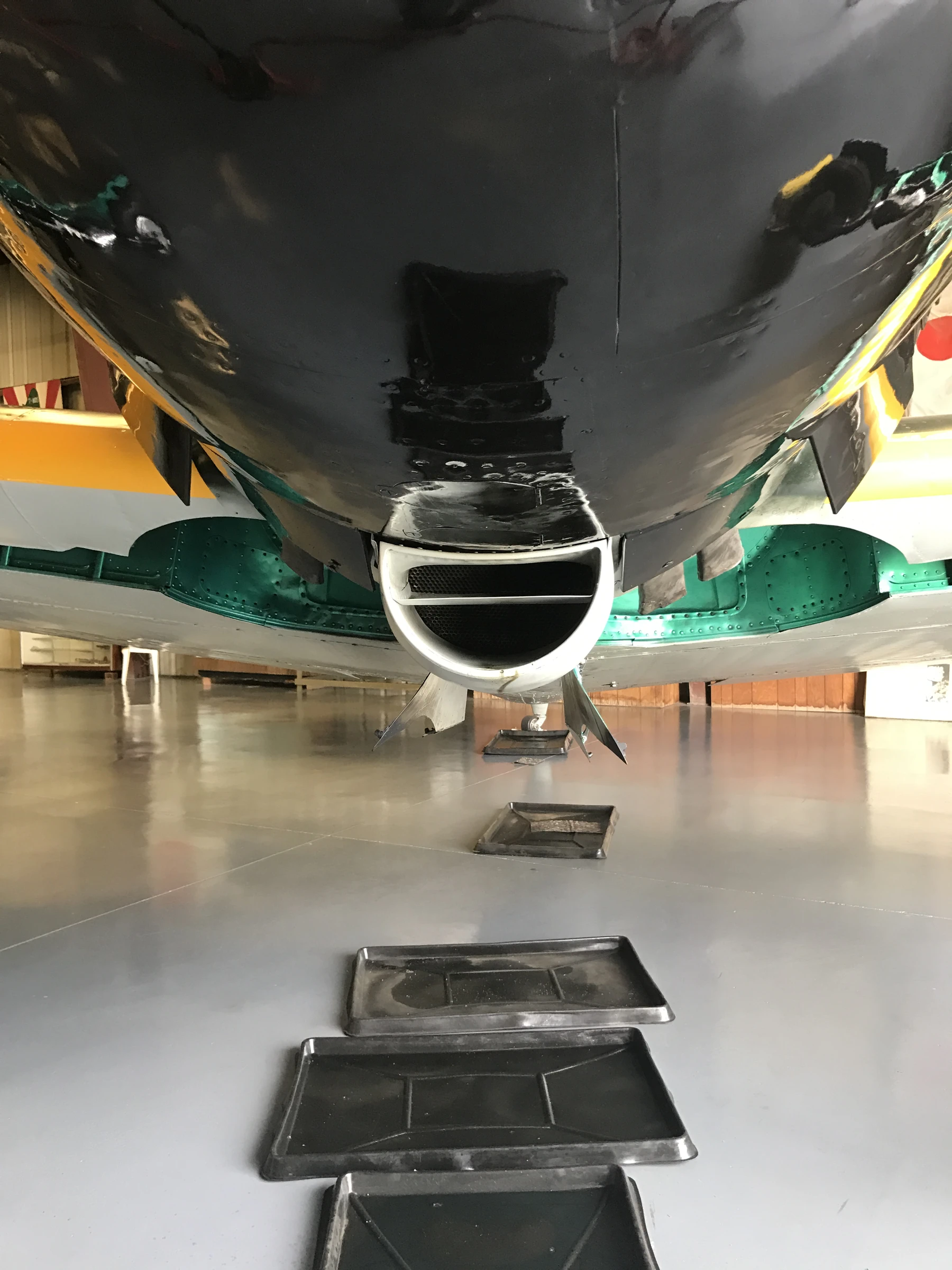
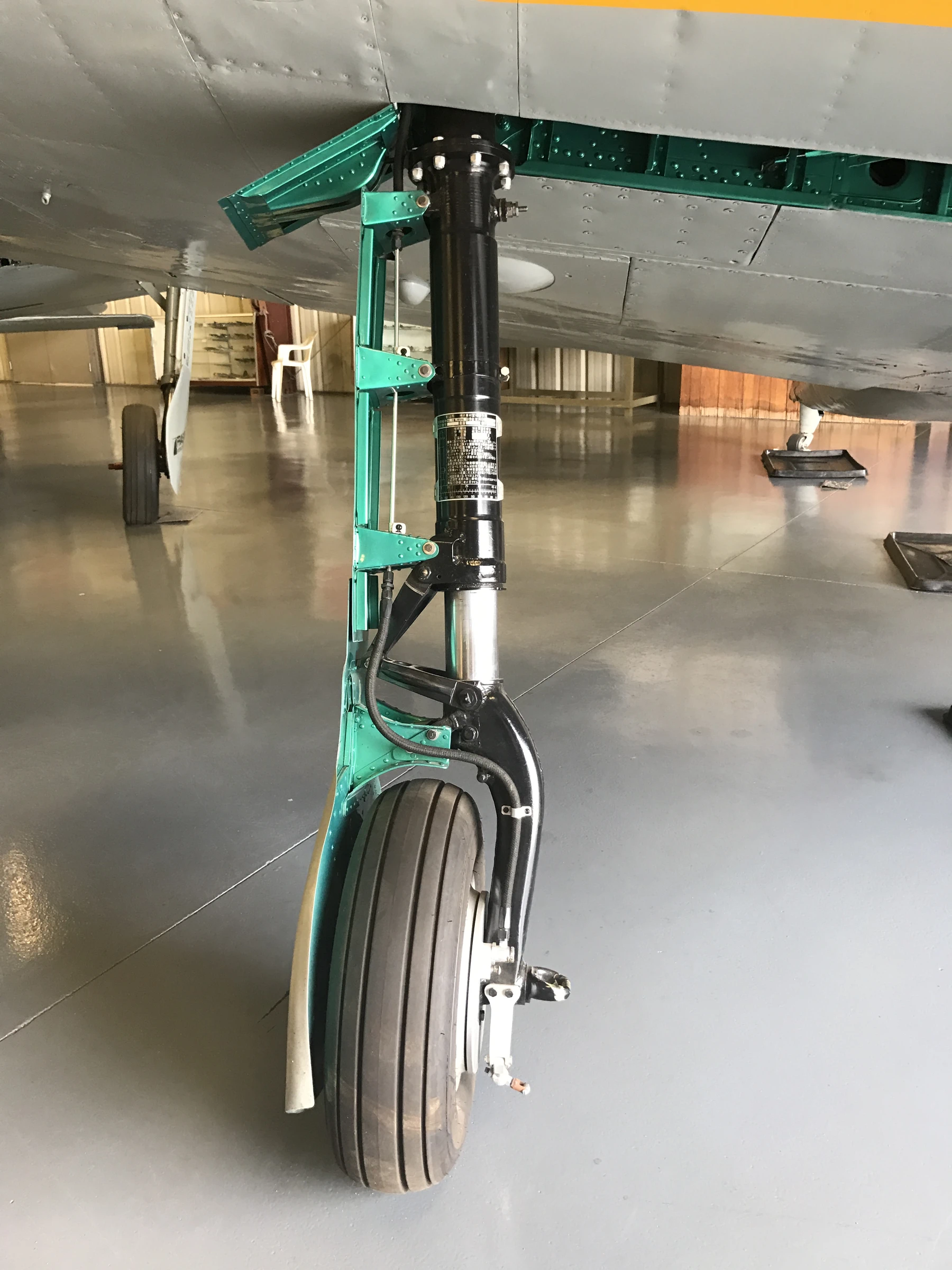
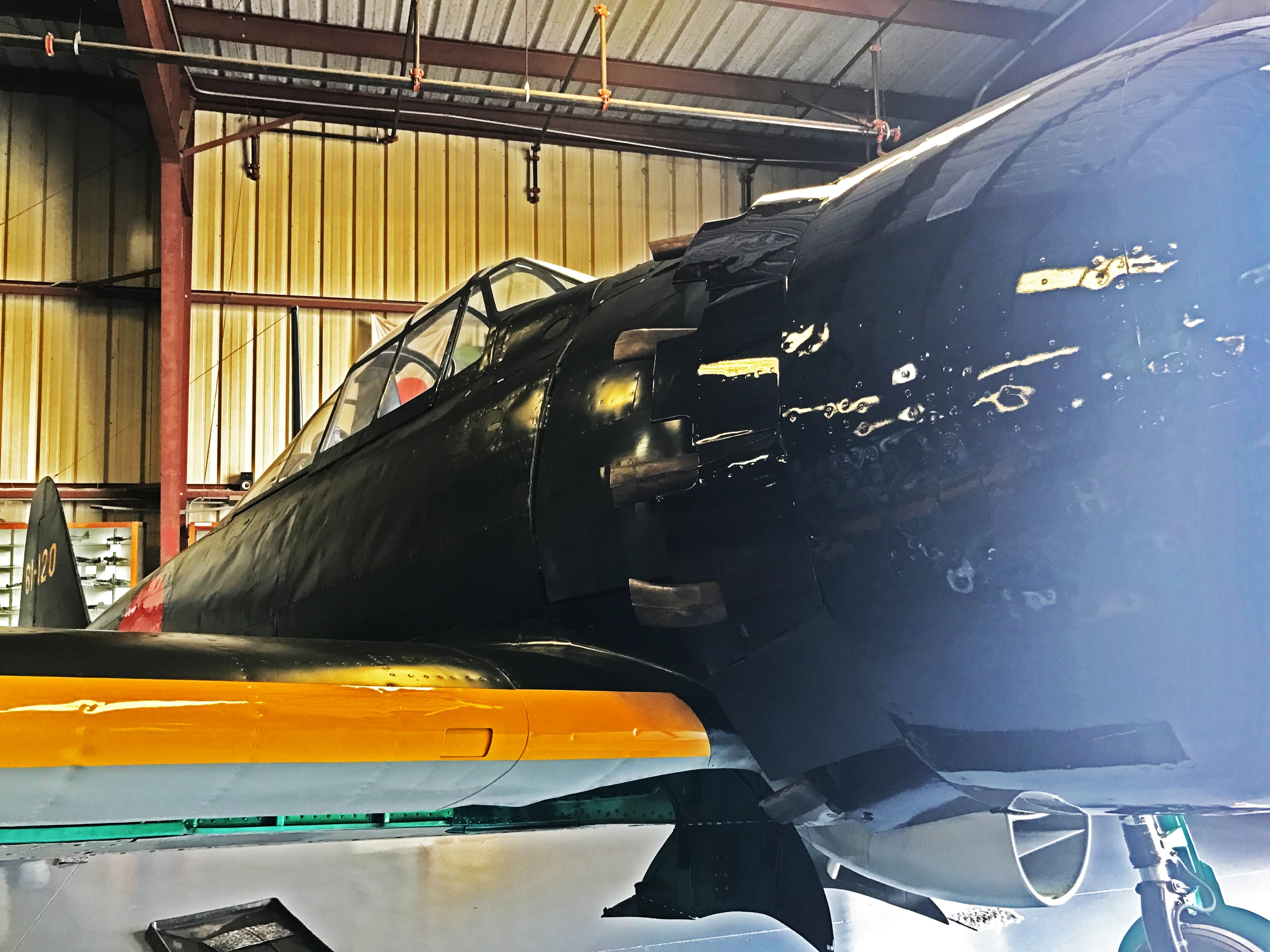
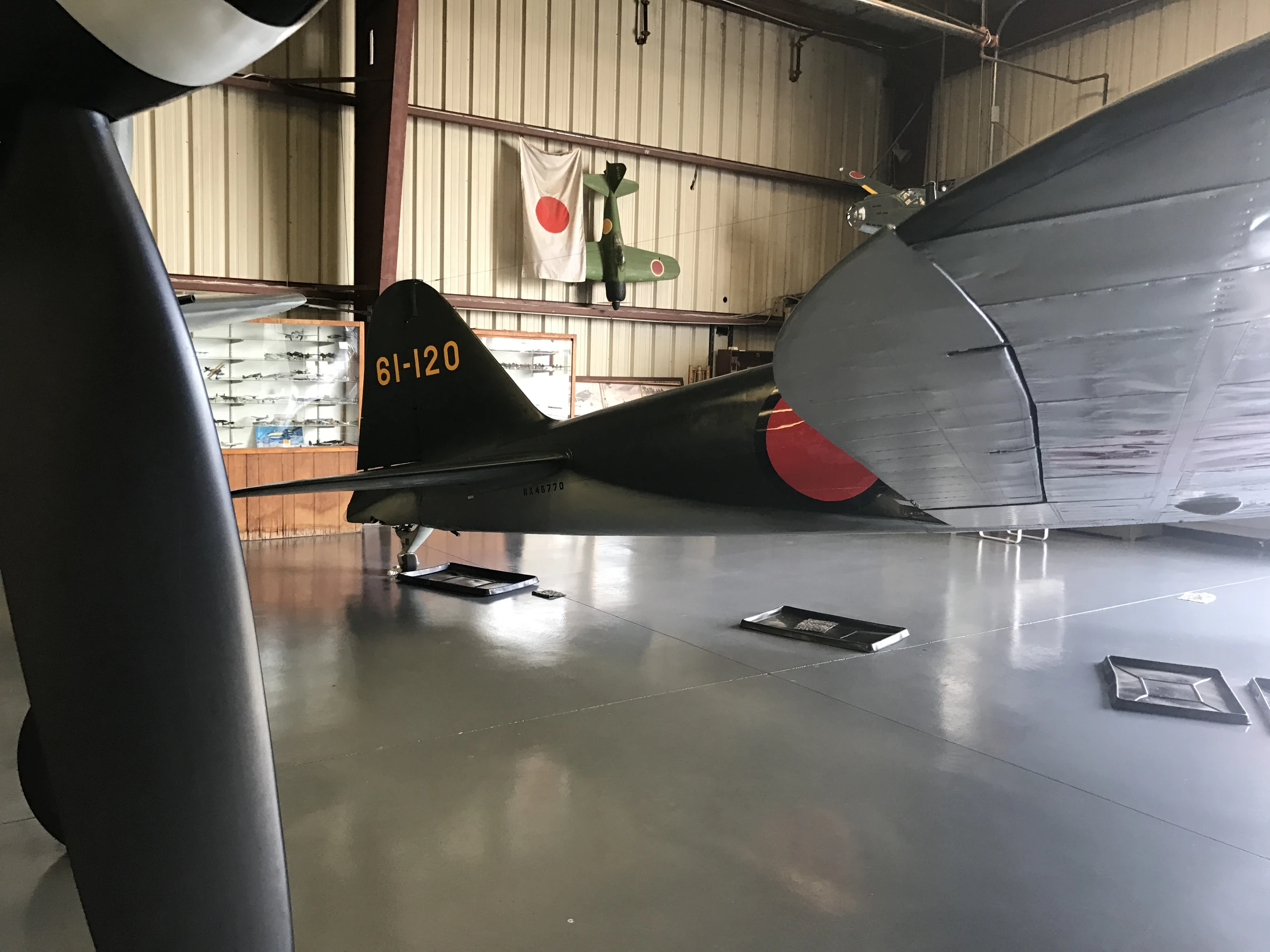
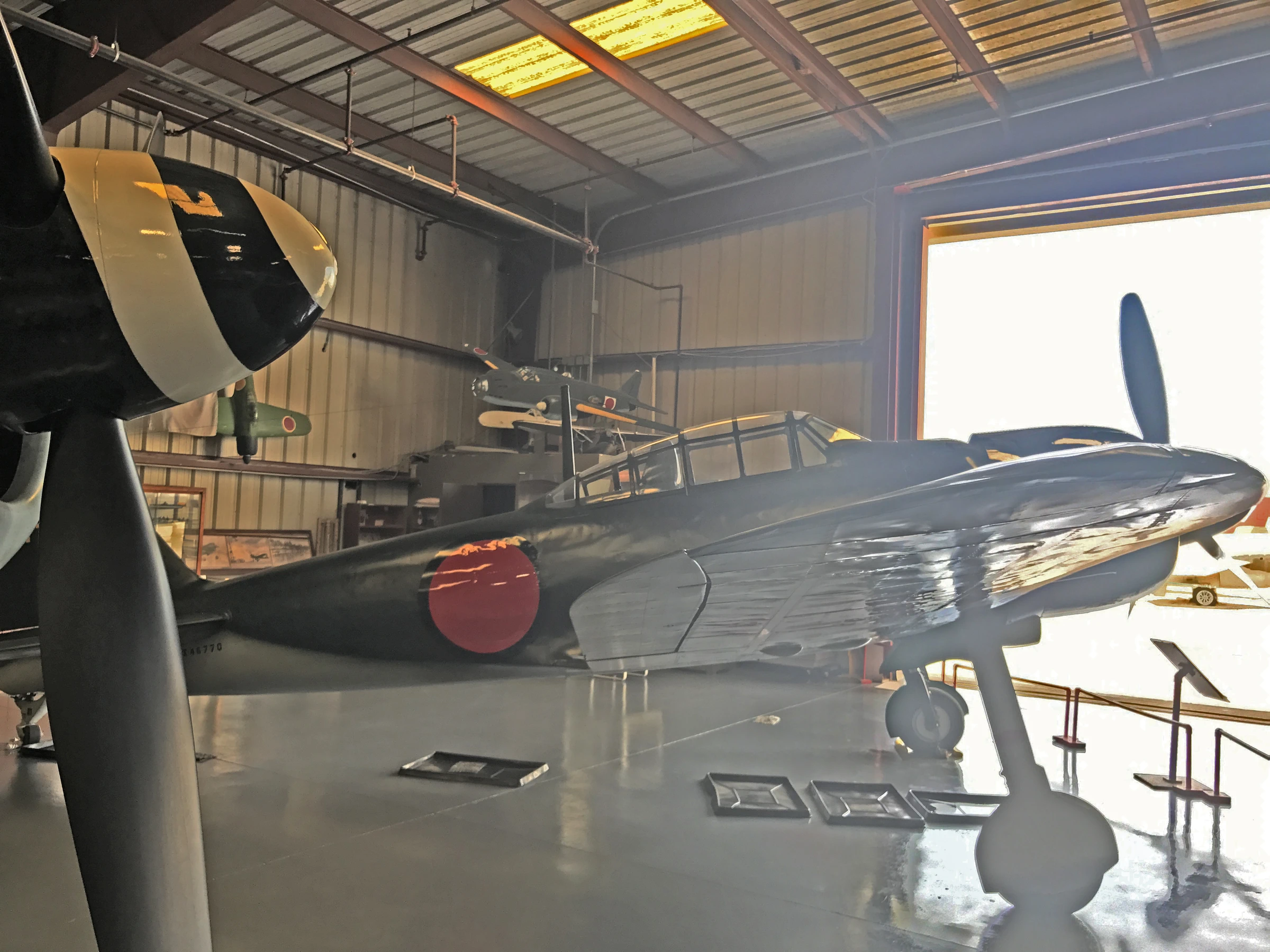
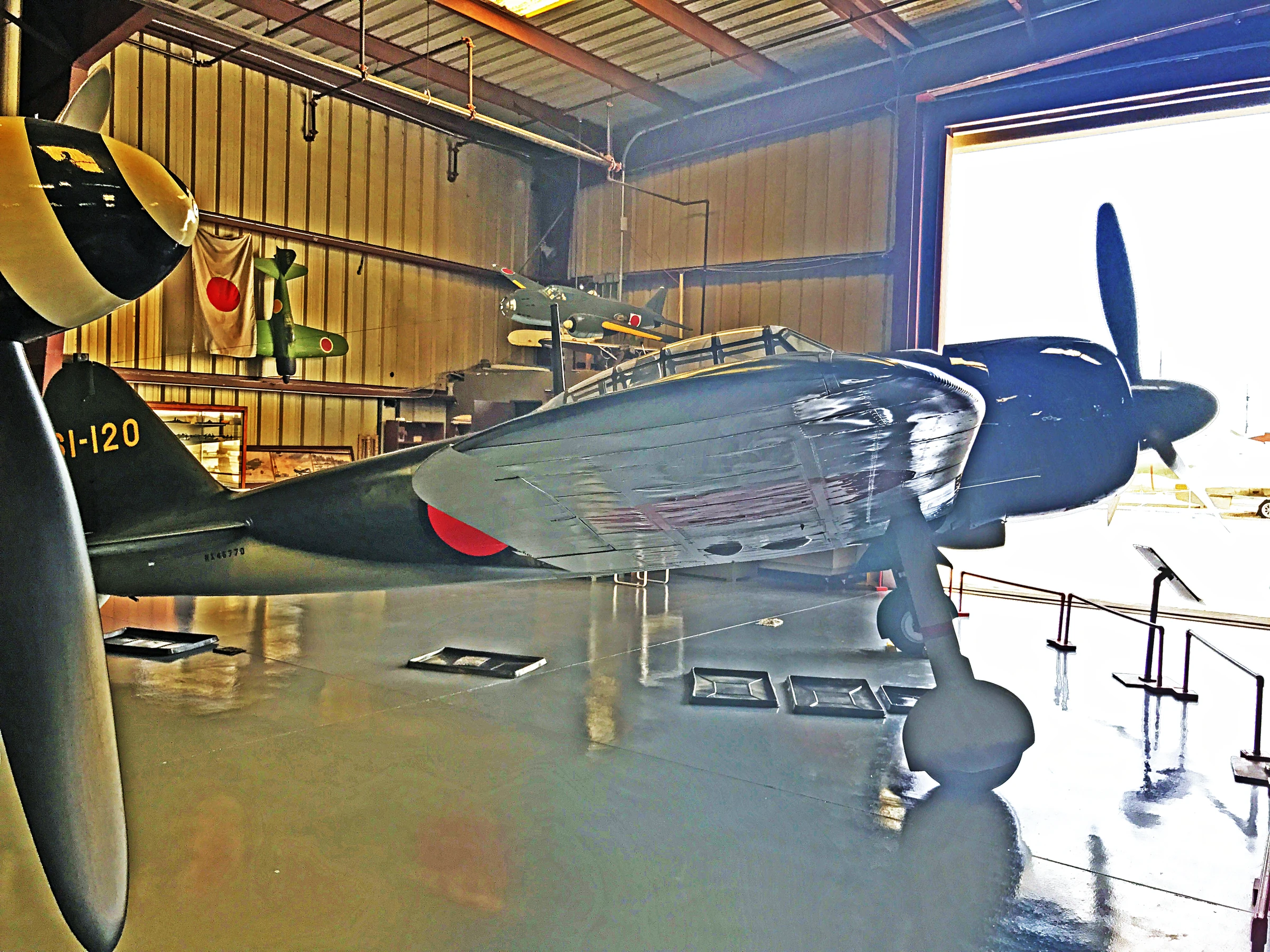
These walk-around photos were taken at the Planes of Fame Air Museum in Chino, California in 2017, where the aircraft is displayed in the Foreign Aircraft hangar. They show a Mitsubishi A6M5 Zero (Model 52), tail code 61-120, civil registration NX46770, c/n 5357 — arguably the most significant surviving Zero in the world, and the only airworthy example still powered by its original Nakajima Sakae radial engine.
The A6M Zero was the Imperial Japanese Navy's primary carrier fighter throughout the Second World War, and at its introduction in 1940 it was arguably the finest carrier-based fighter in the world. Its exceptional range, climb rate and manoeuvrability shocked Allied pilots in the early months of the Pacific War, producing kill ratios that seemed almost impossible. By 1943 however, newer Allied fighters and improved tactics had eroded its dominance, and its lack of pilot armour and self-sealing fuel tanks — sacrificed in the pursuit of performance — made it increasingly vulnerable. The A6M5 was the most produced variant, an attempt to improve speed and dive performance while the Japanese industry struggled to develop a true successor.
Individual 61-120 was licence-built by Nakajima at Oizumi in May 1943 as the 2,357th Zero off the production line, and entered service with the 261st Kōkūtai, flying patrols over Kyushu before moving to Iwo Jima and then to Aslito Airfield on Saipan. When US Marines captured the airfield on 18 June 1944, a dozen intact Zeros were found, and 61-120 was among four selected for flight testing. Shipped to NAS North Island in San Diego, it was subsequently flown by some 25 pilots from the US Navy, US Marines, Royal Navy and civilian aviation — including Charles Lindbergh — before being declared surplus after the war. Acquired by Ed Maloney's museum in 1950, it has remained one of the centrepieces of the collection ever since.