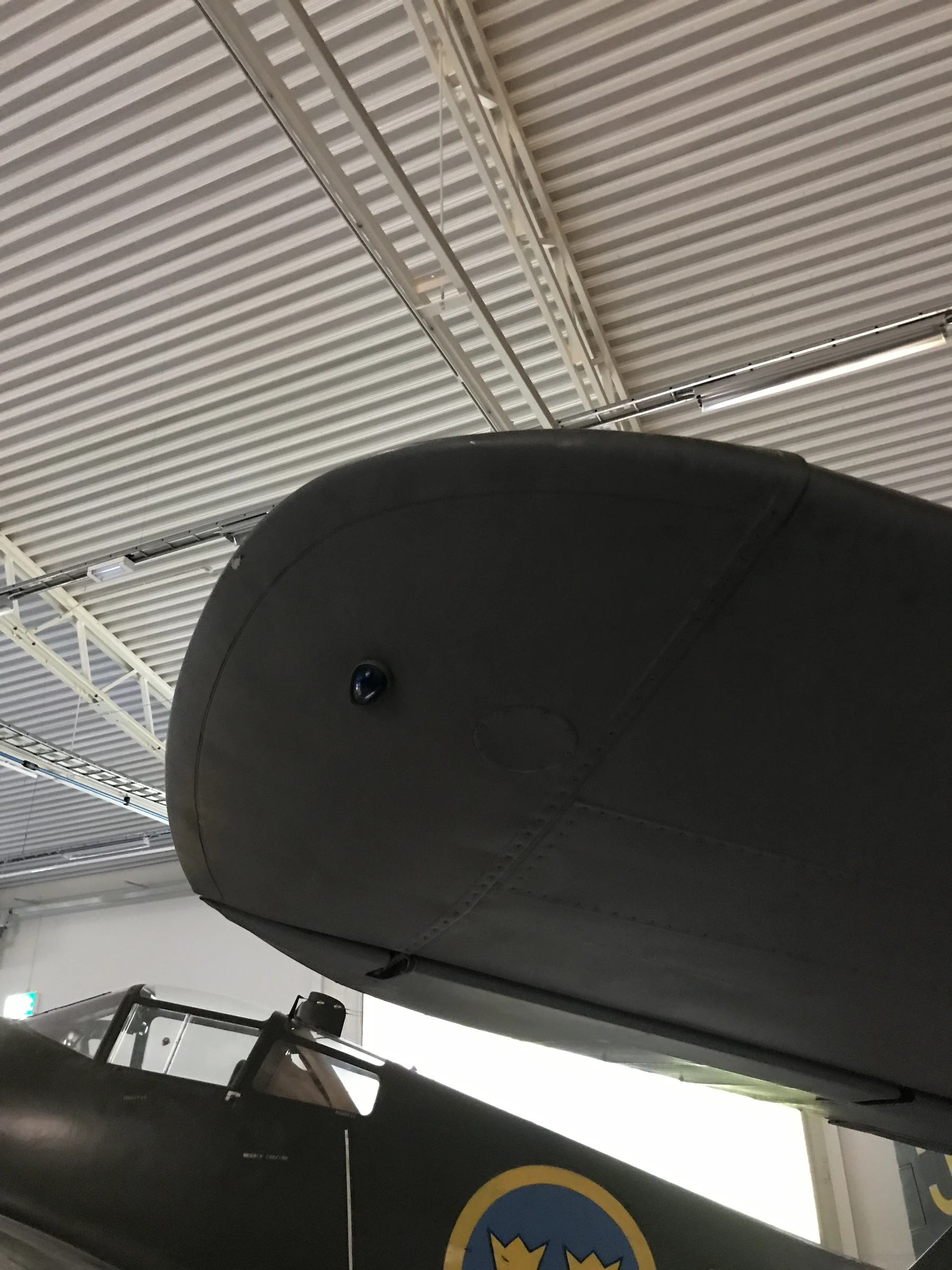
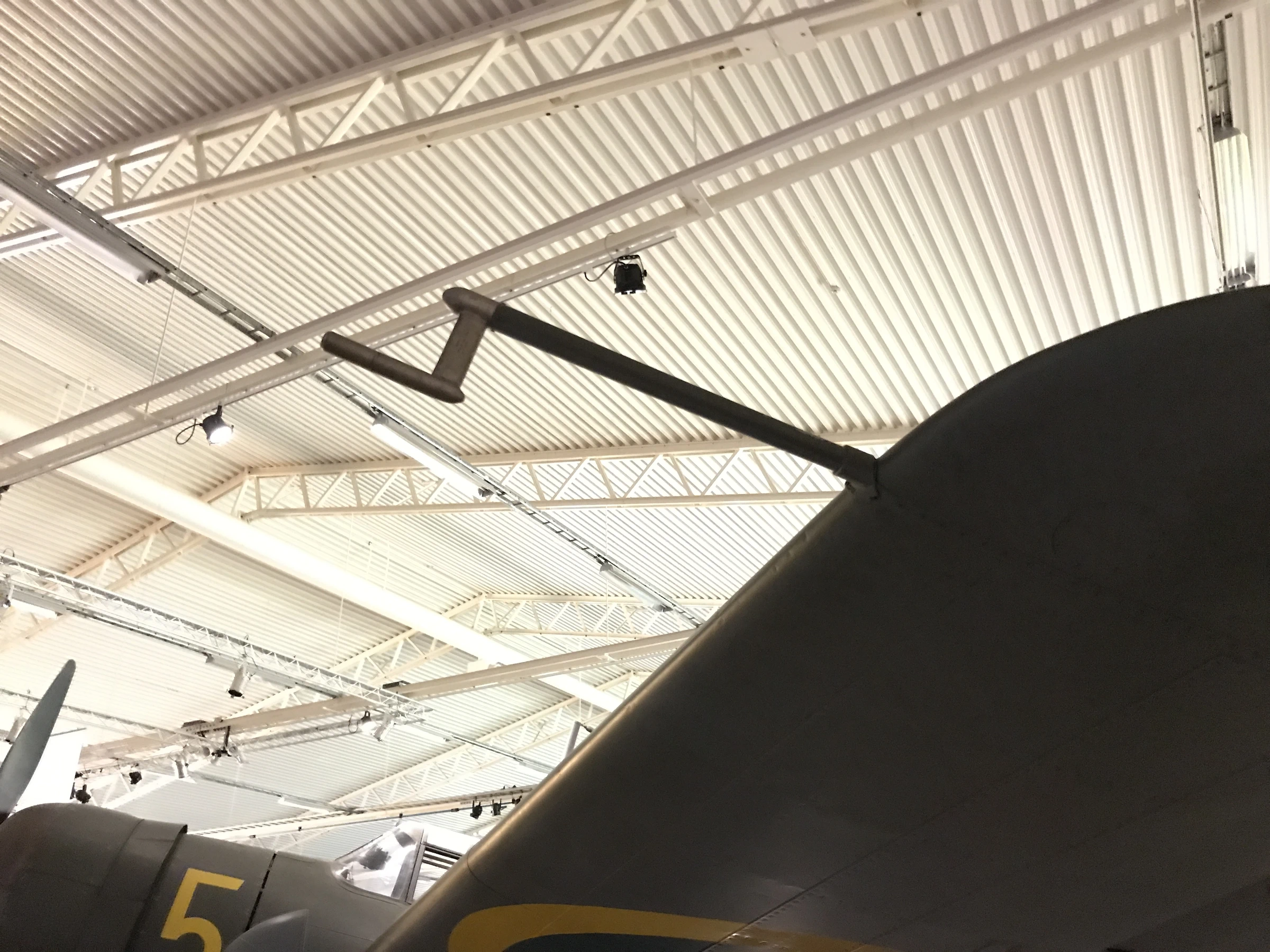
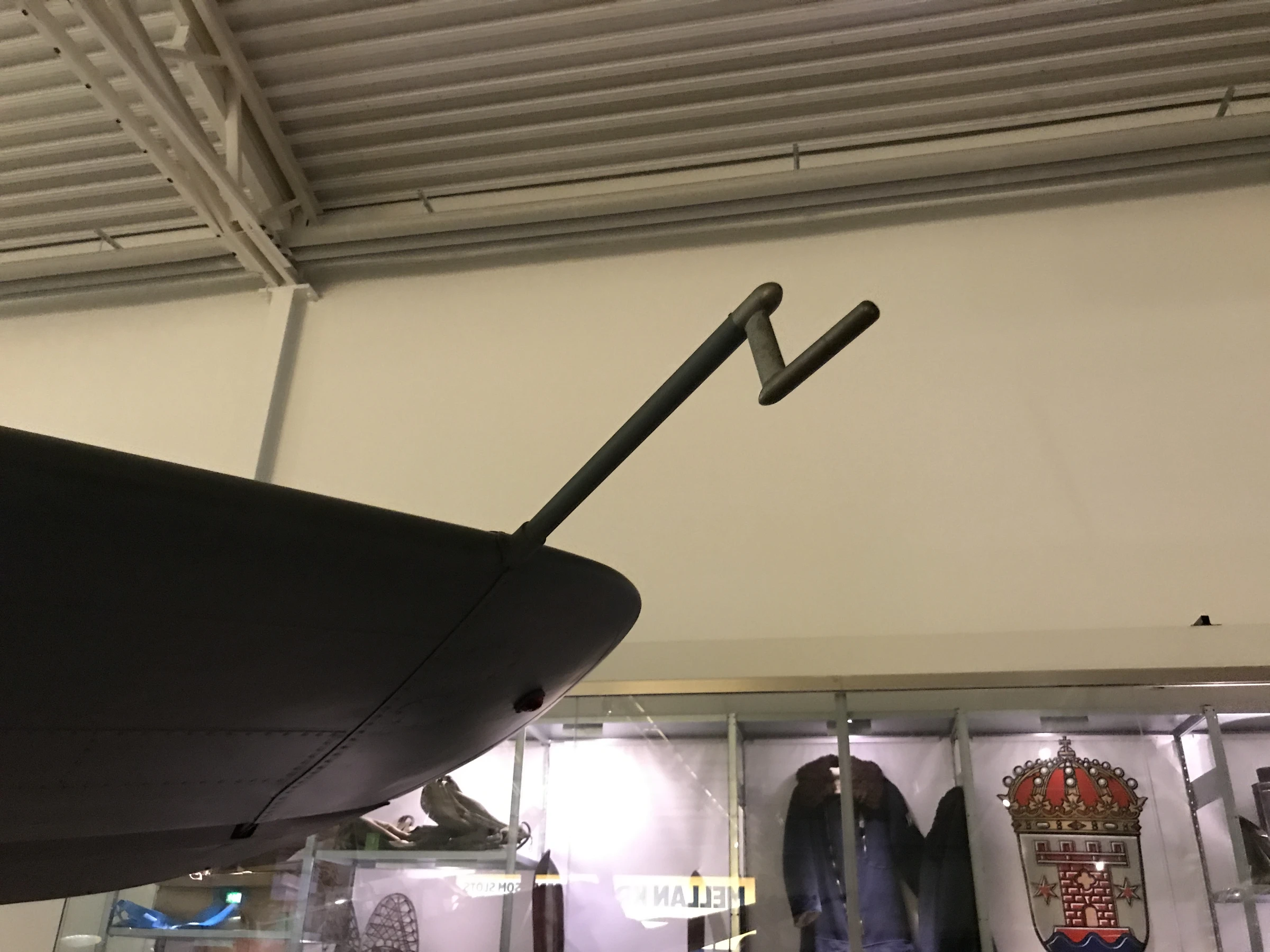
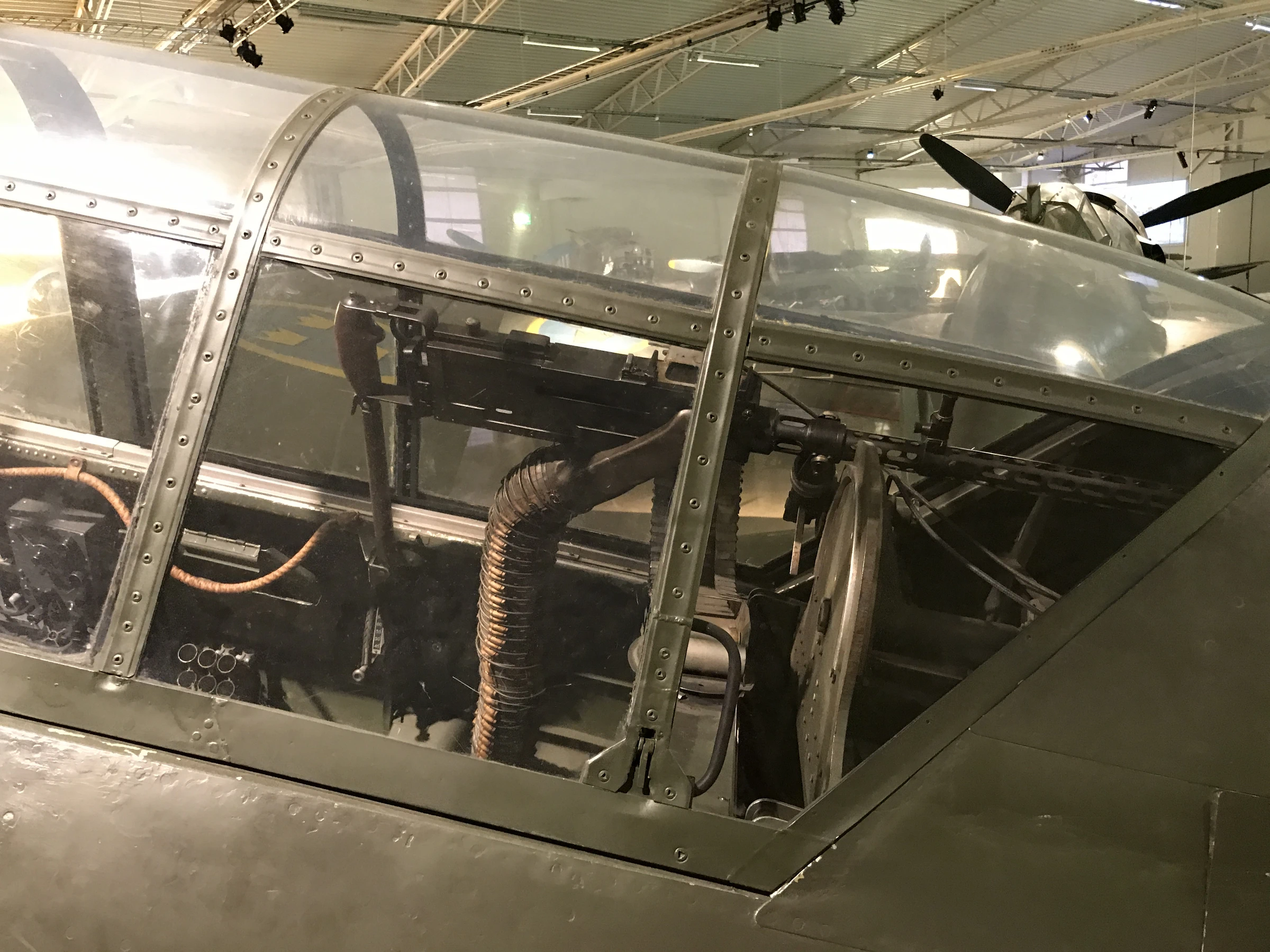
SAAB S 17BL
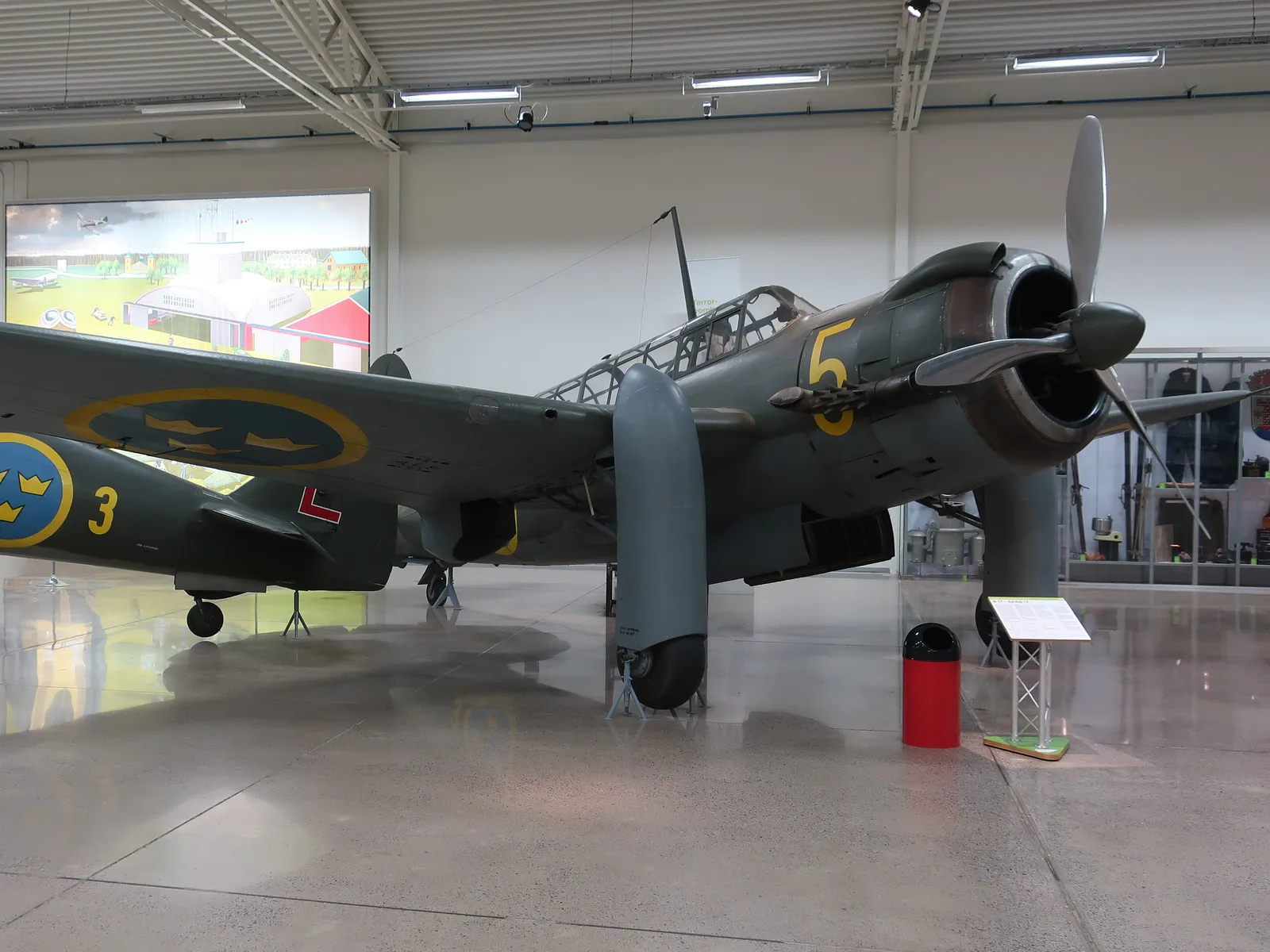
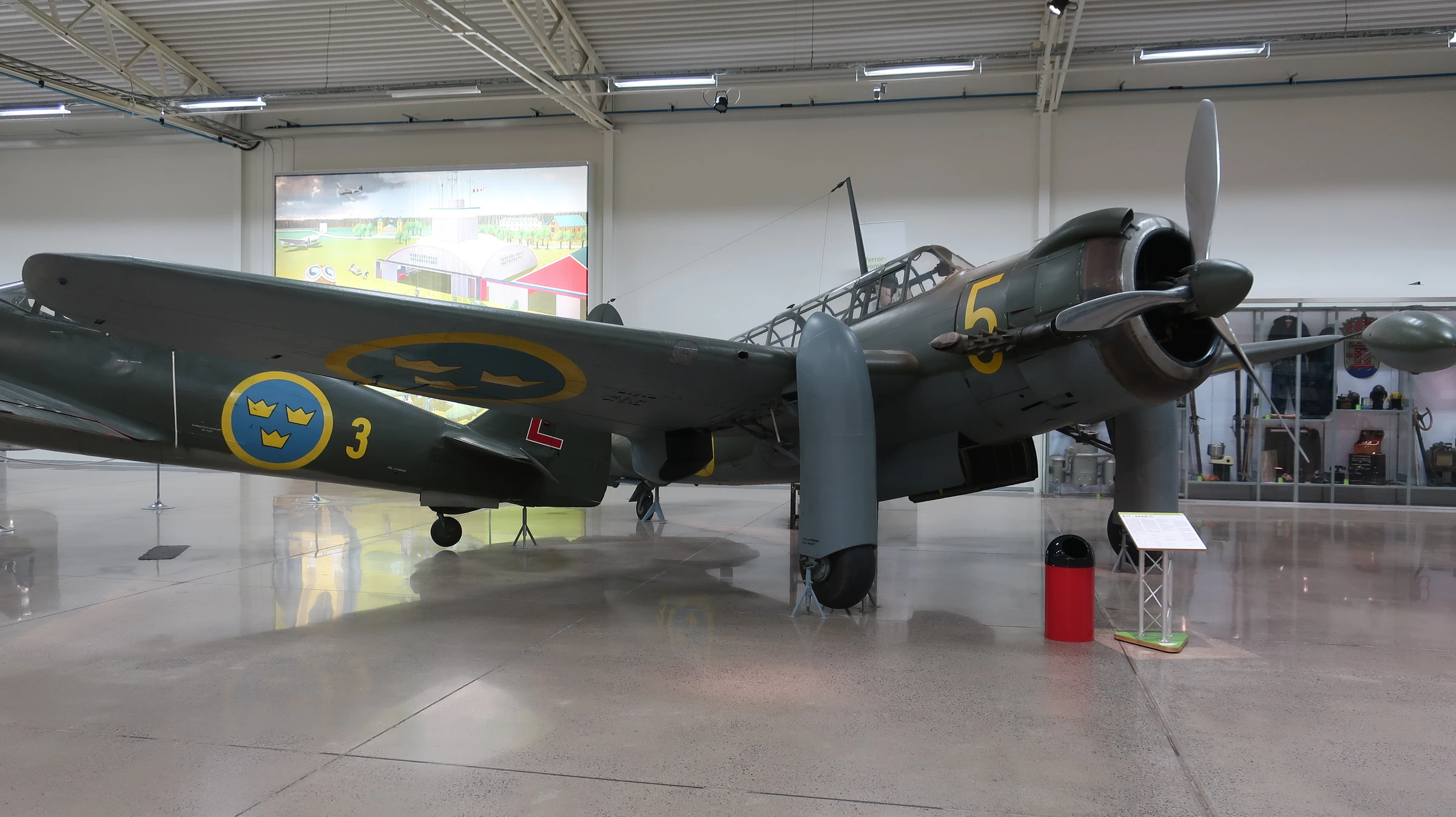
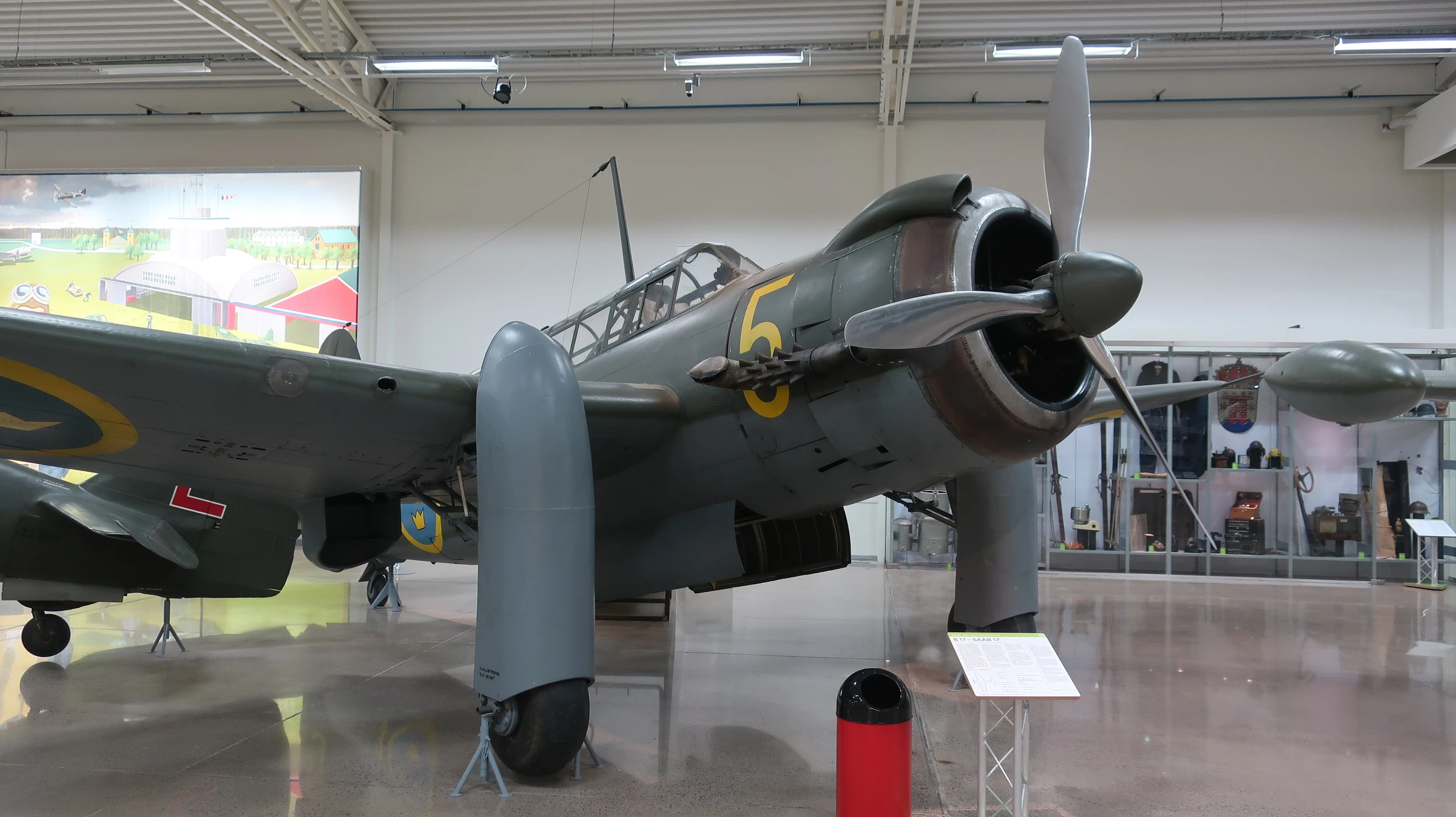
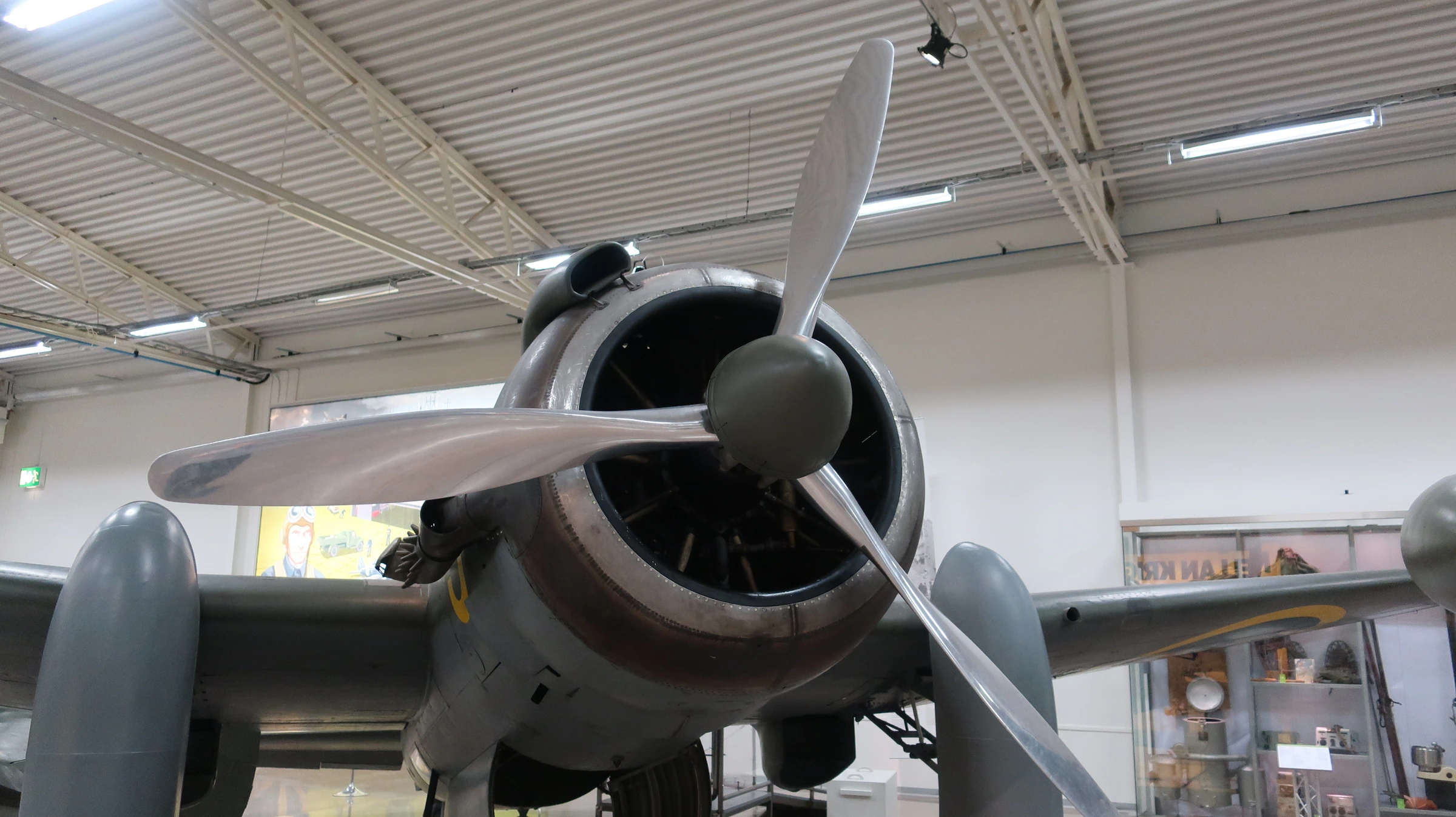
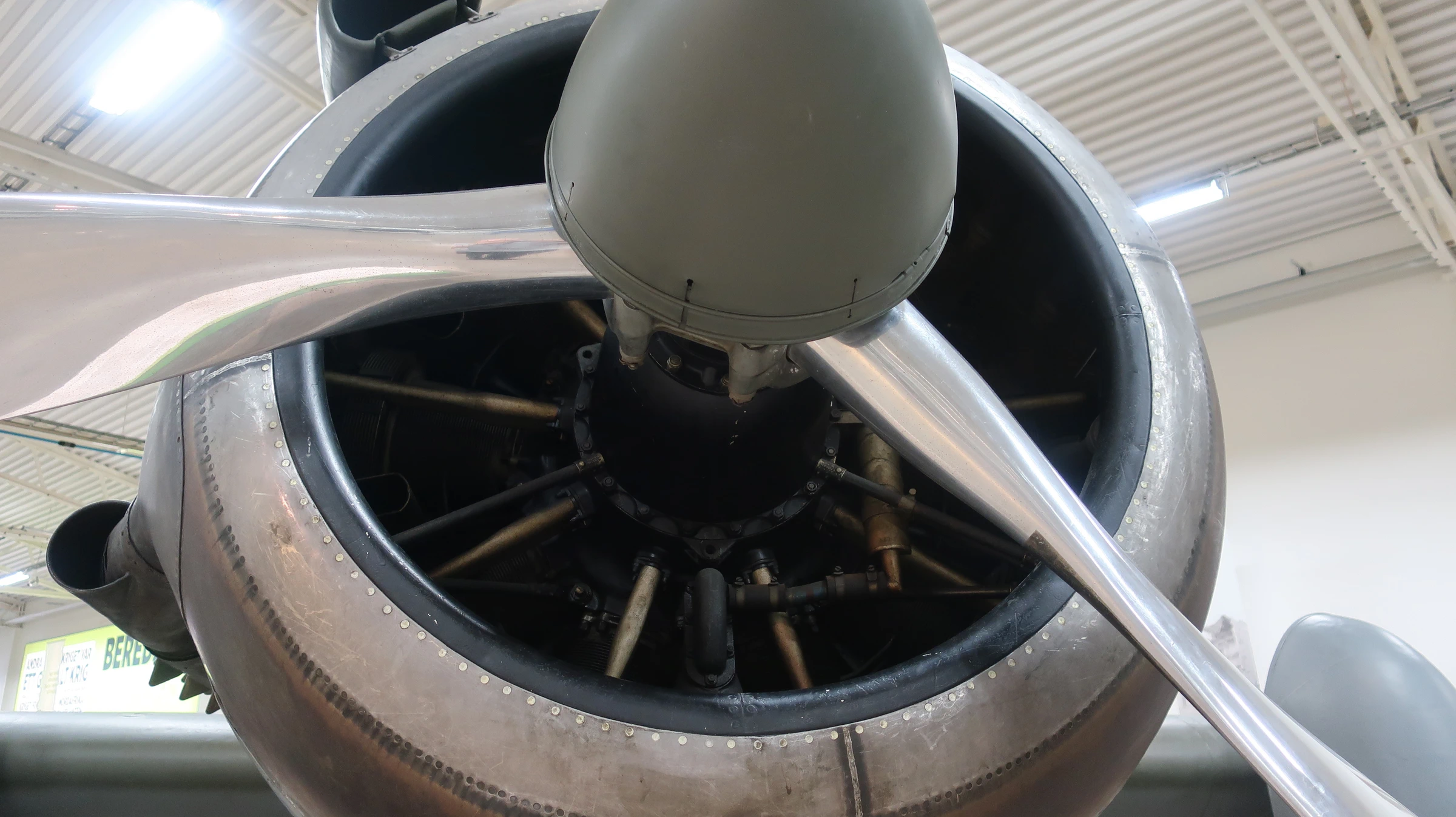
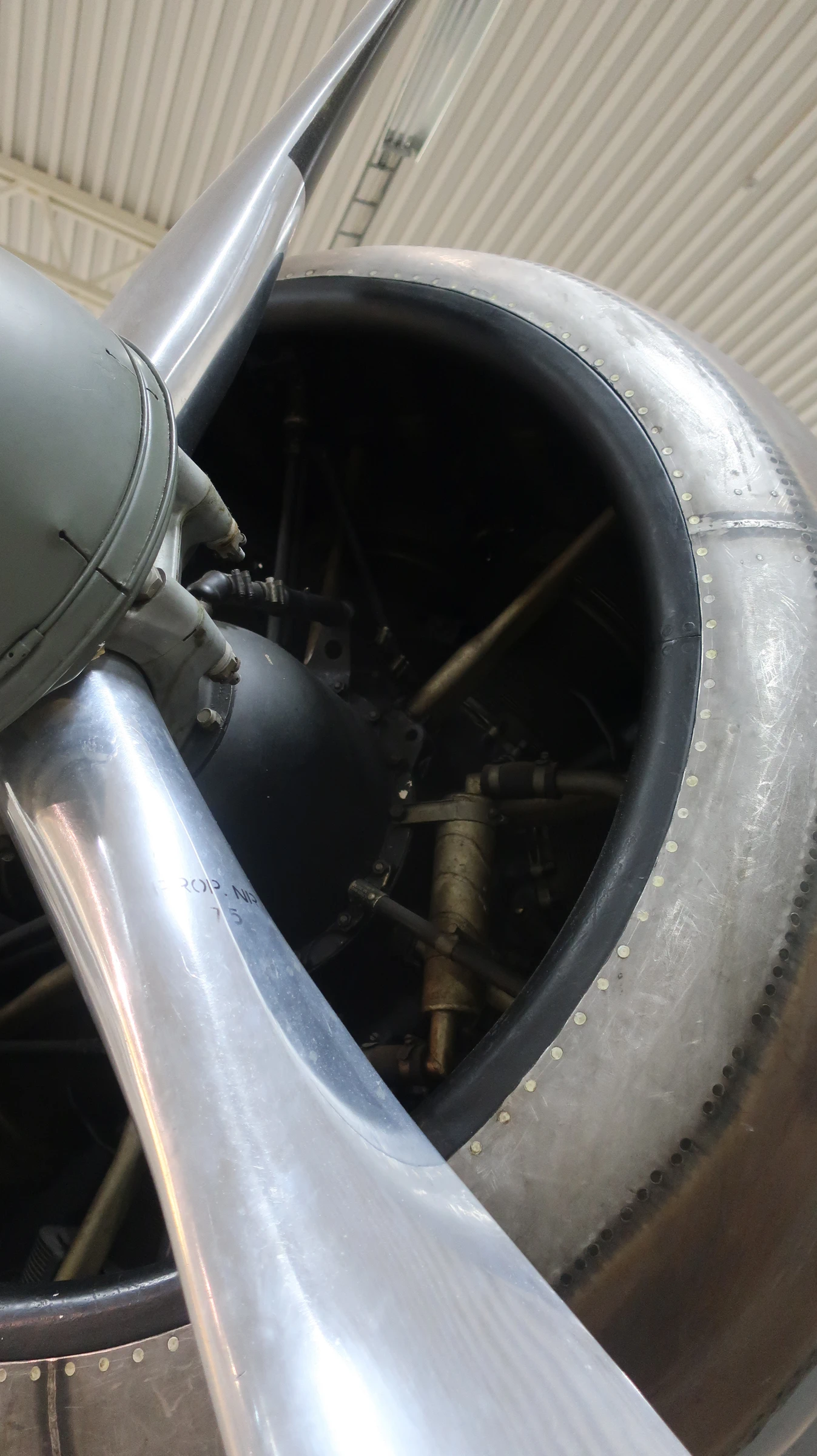
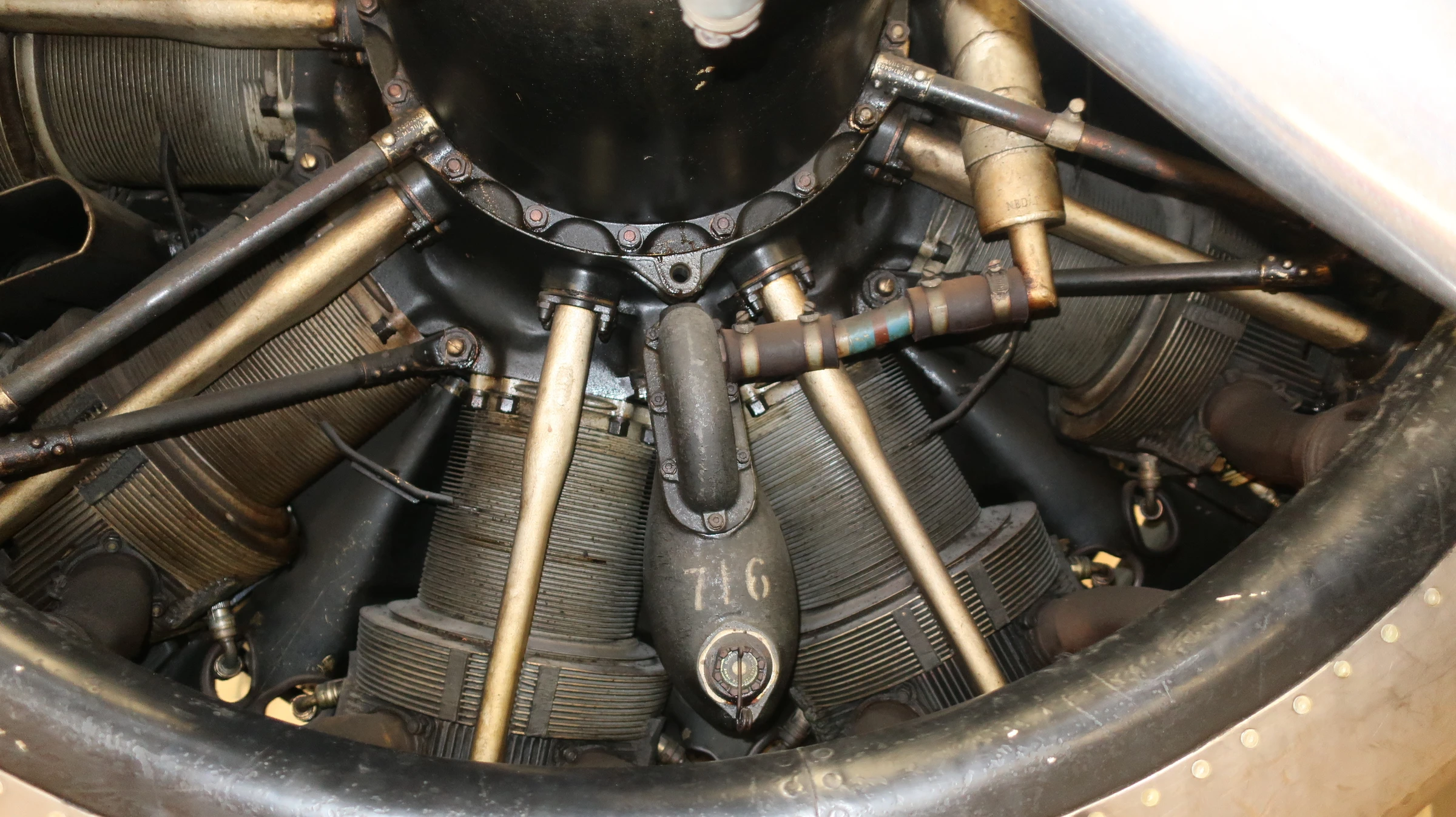
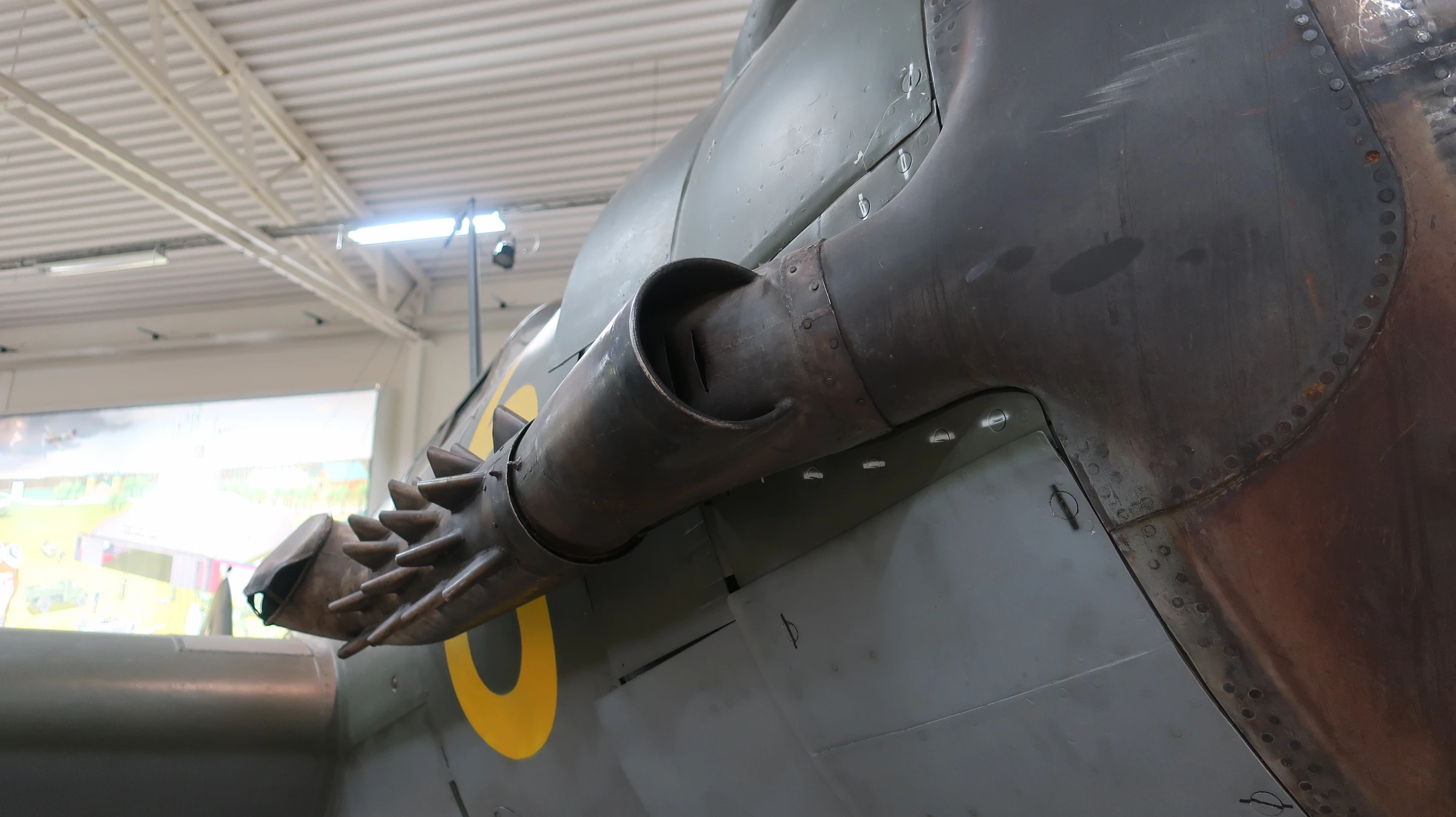
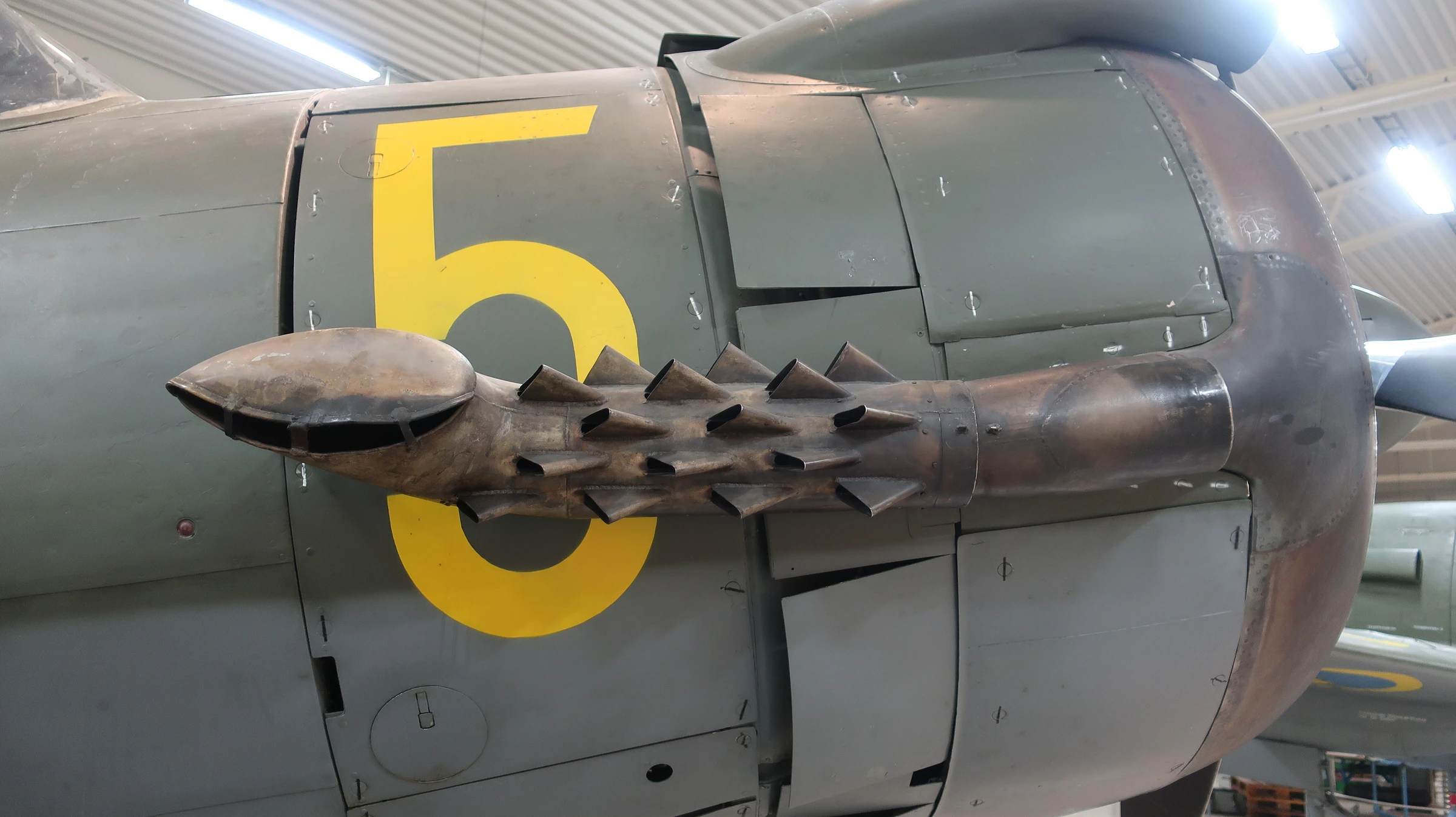
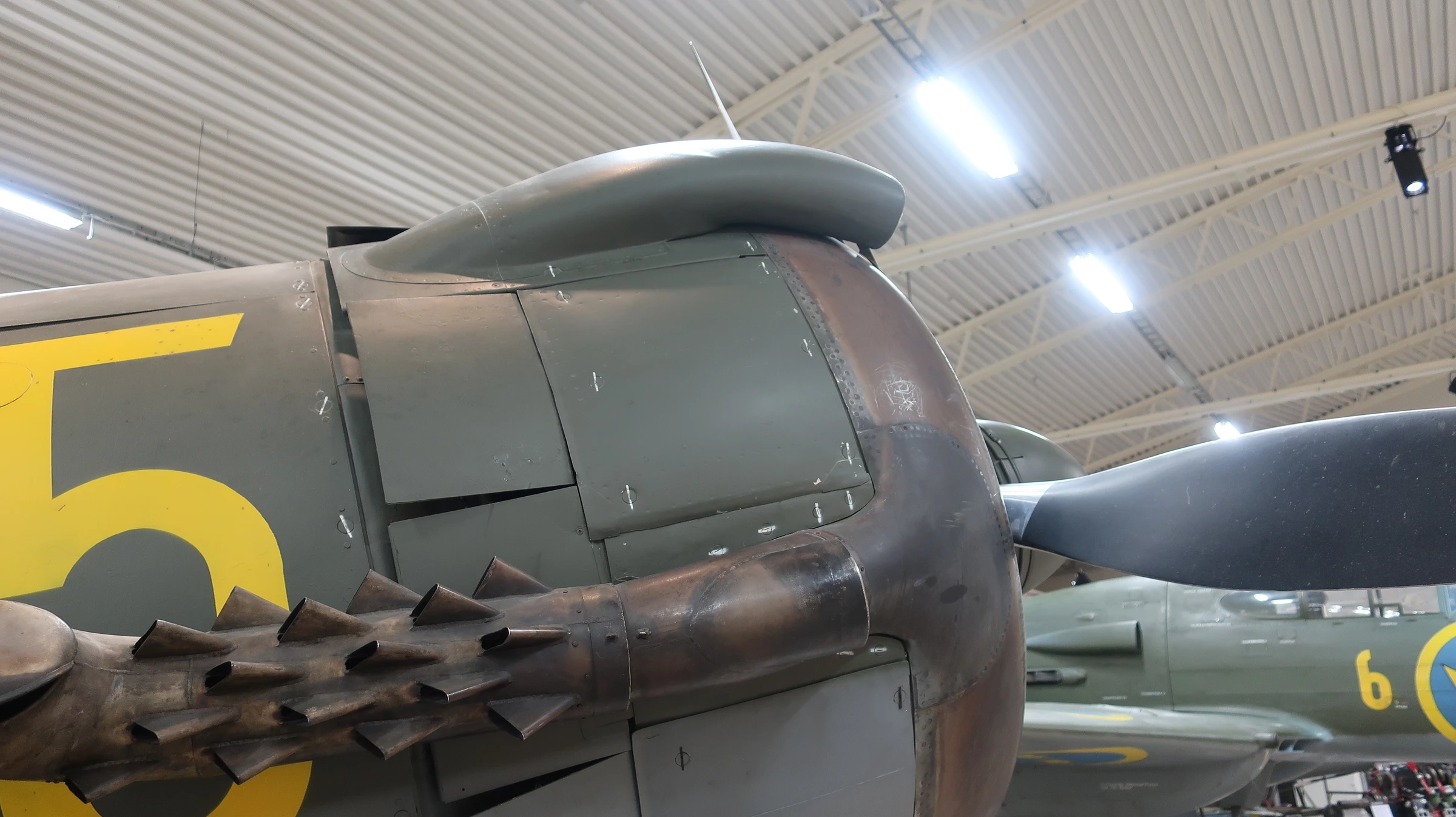
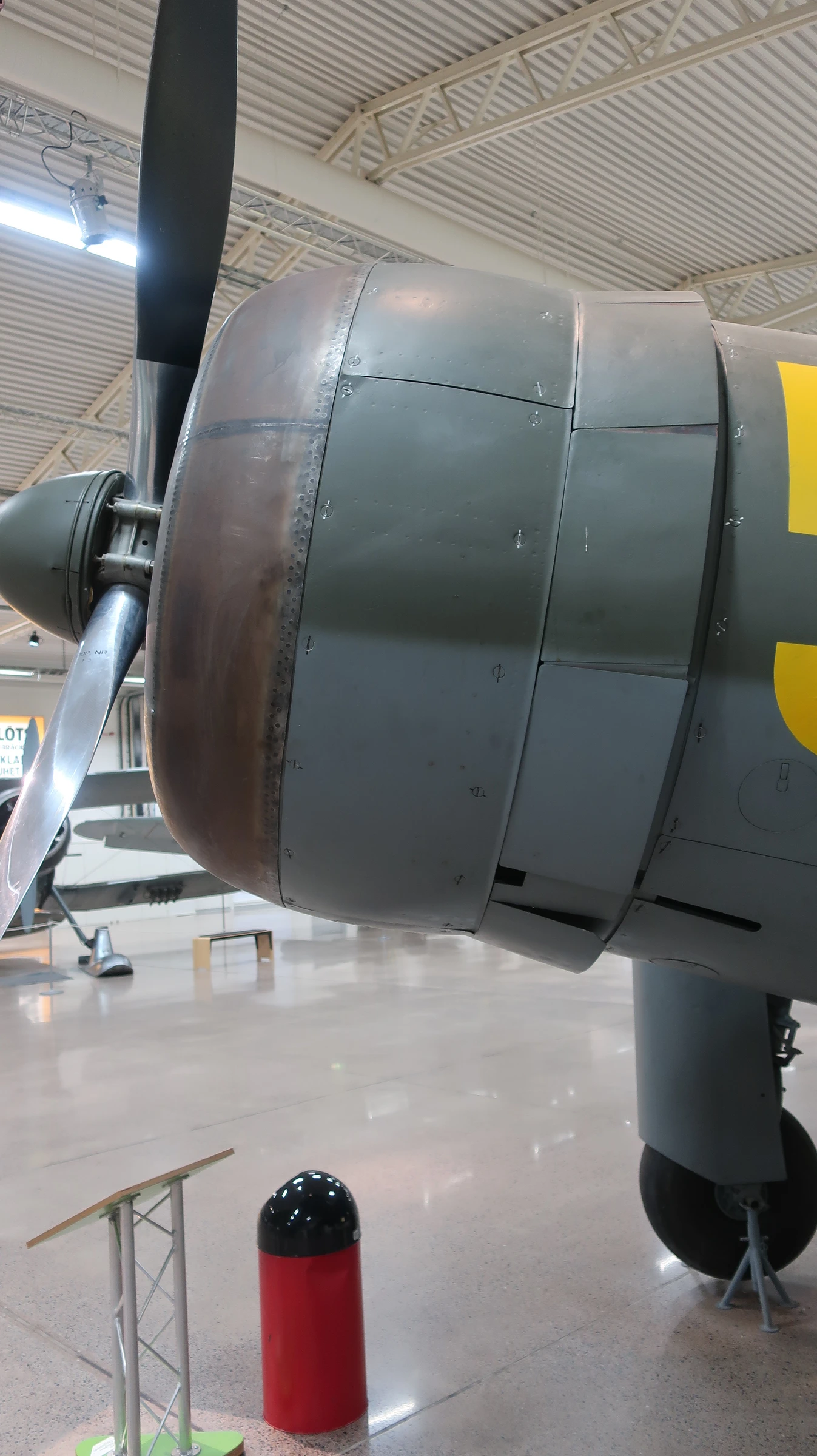
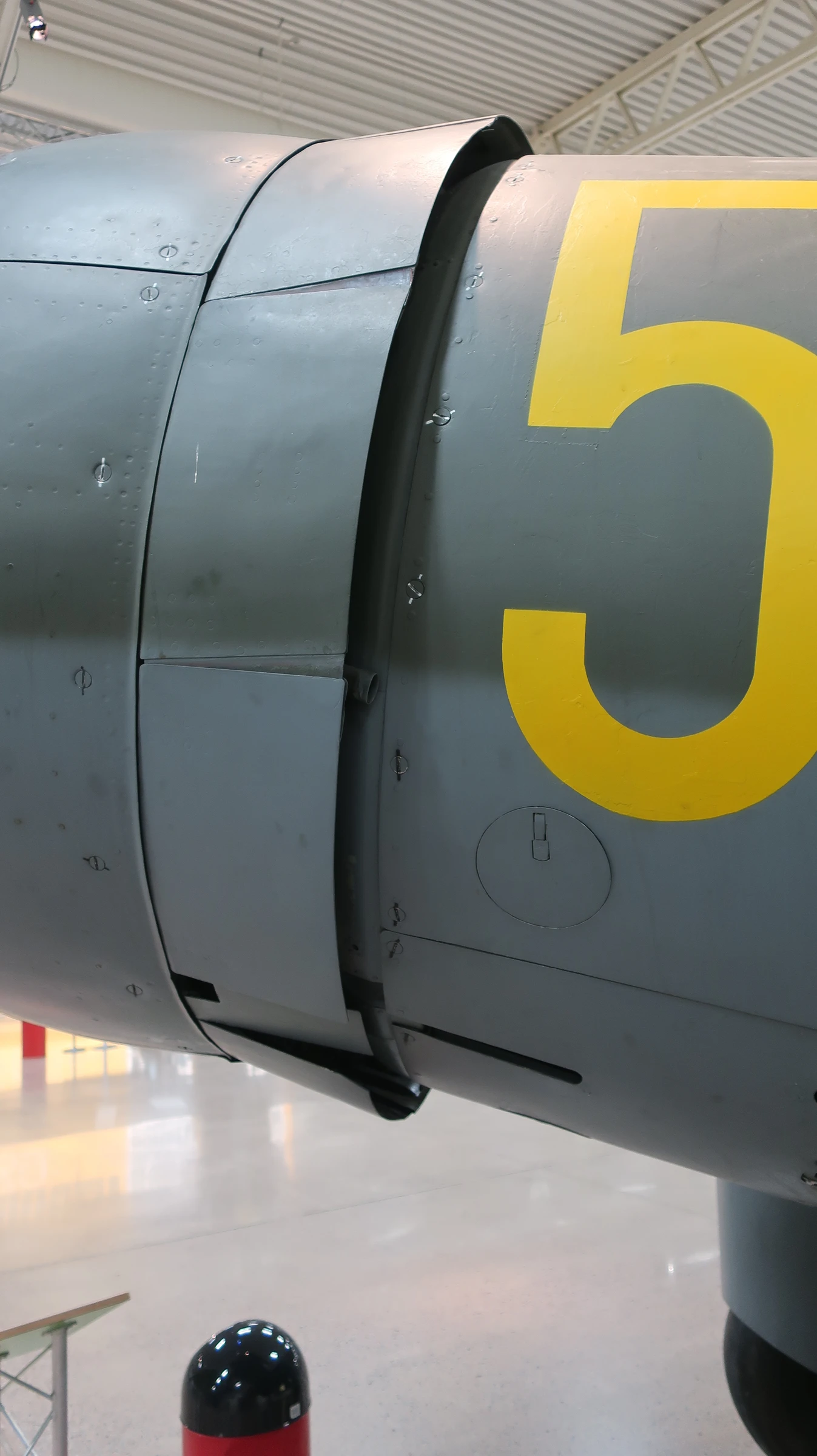
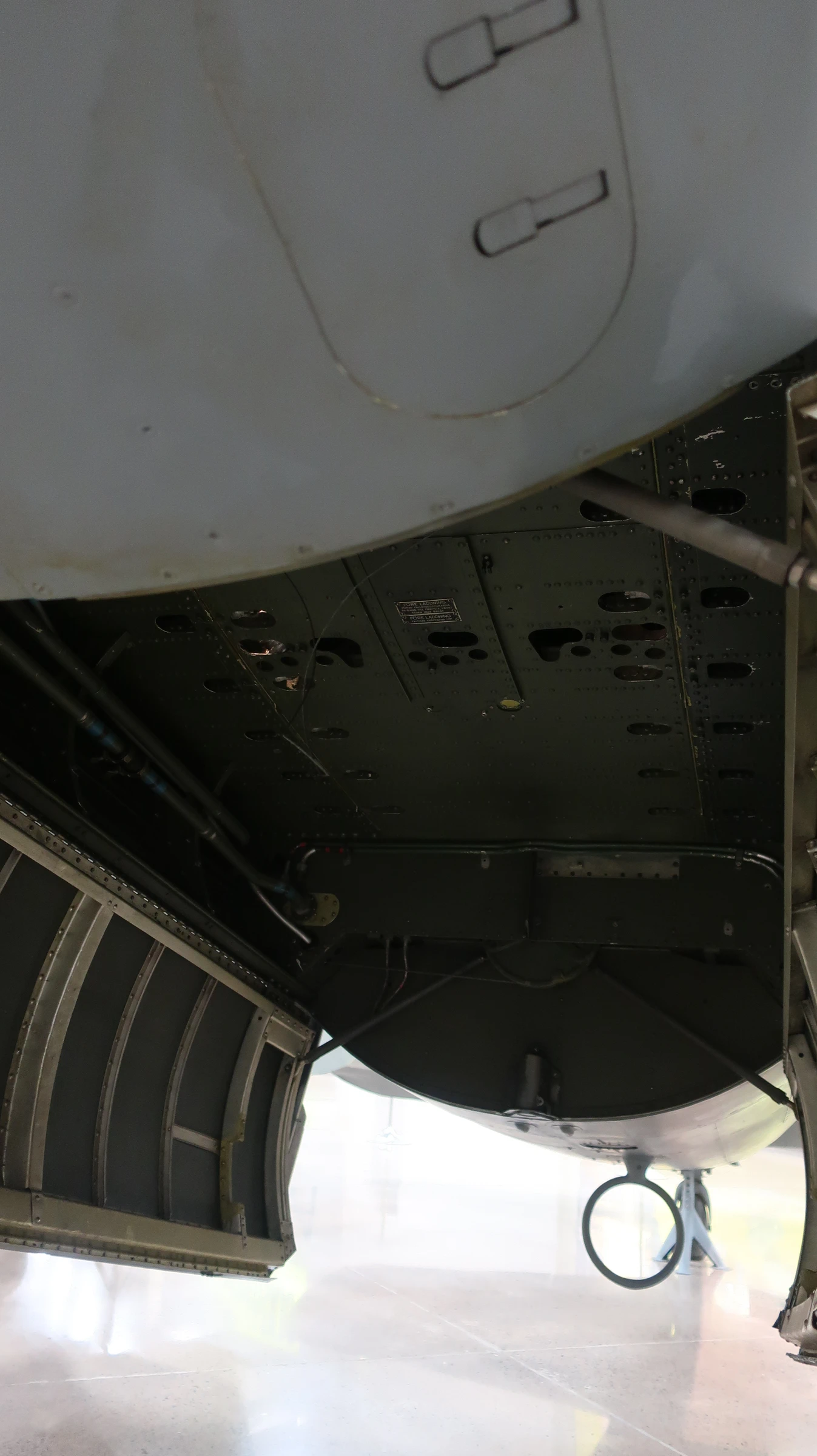
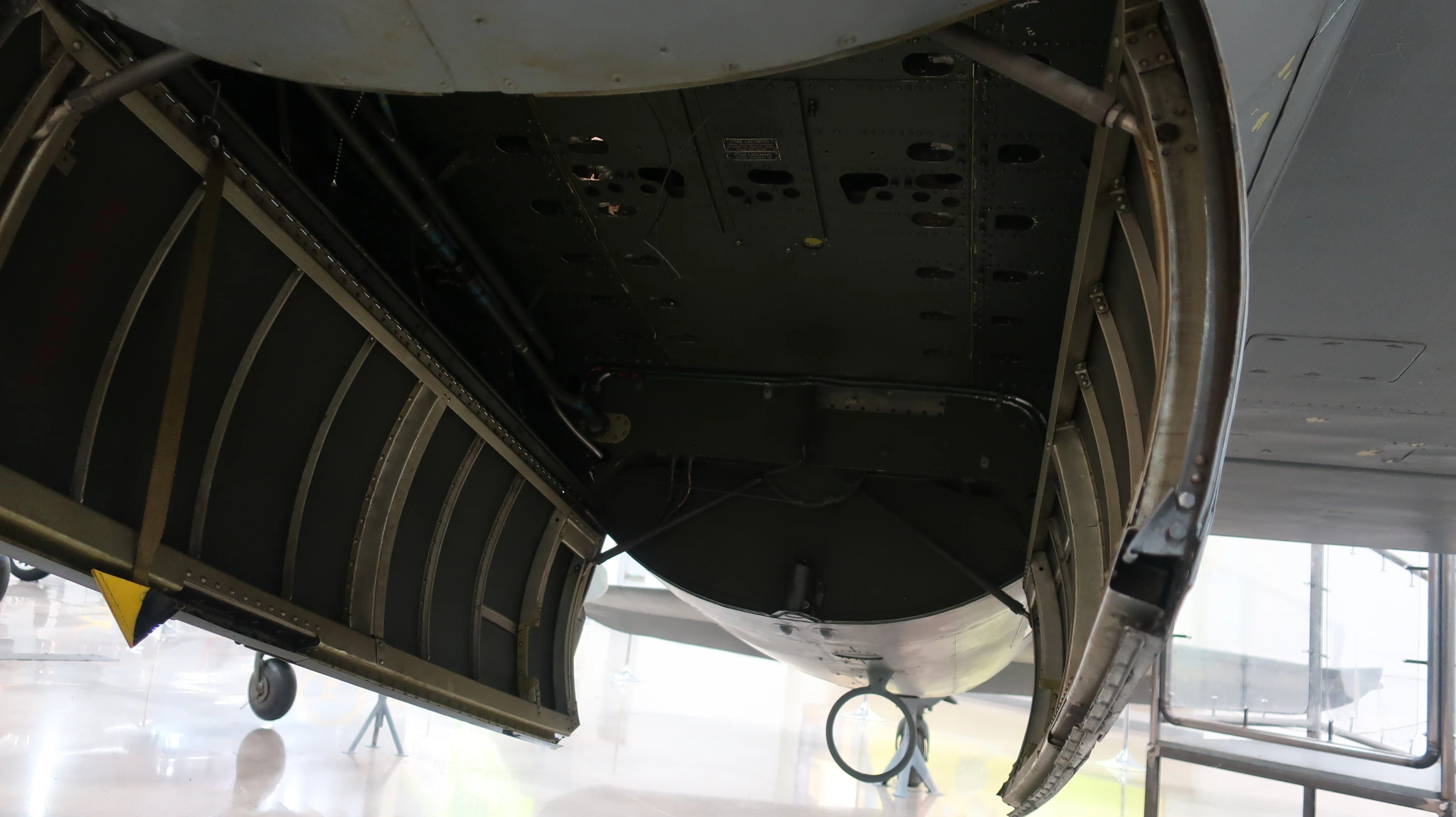
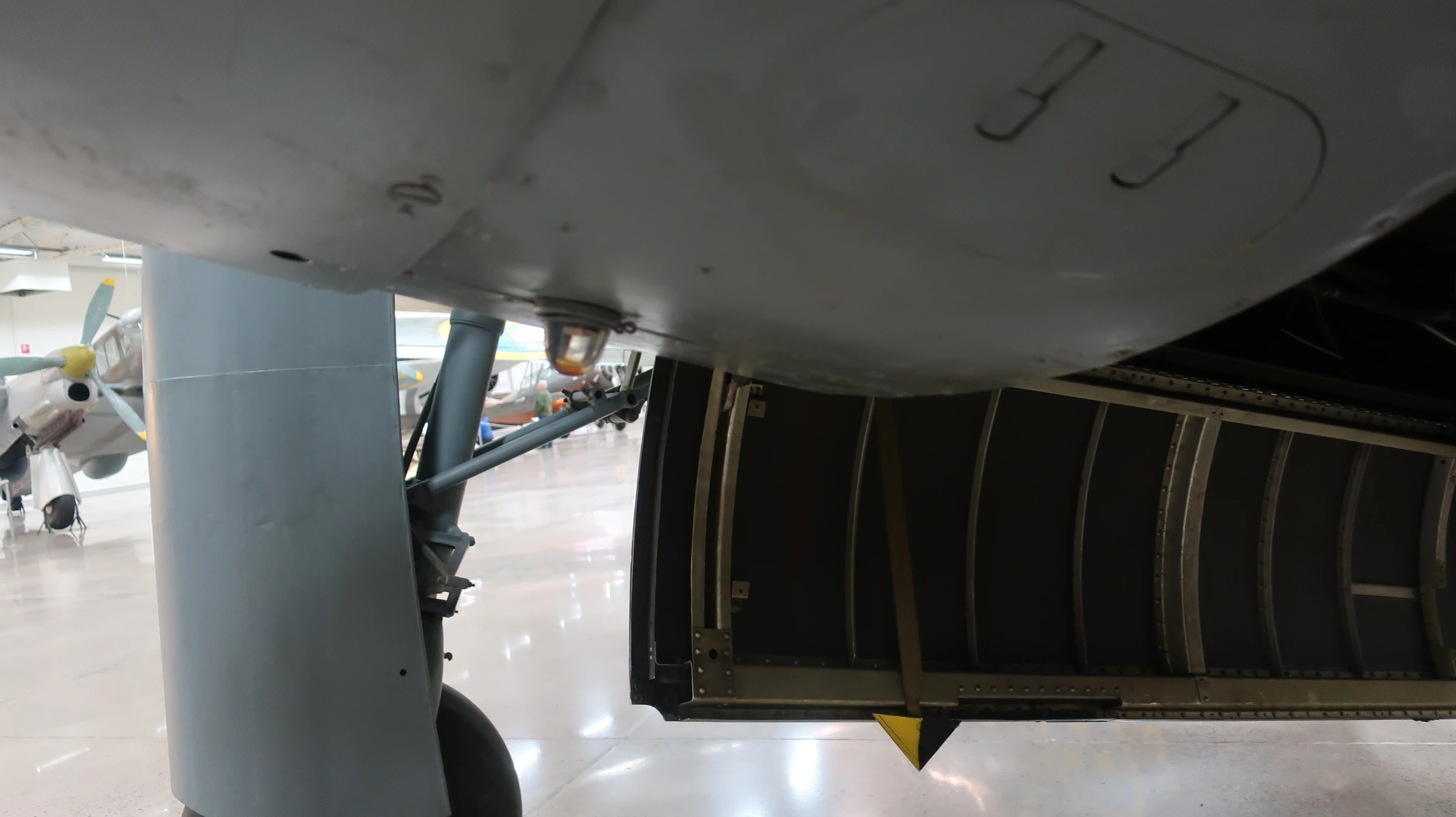
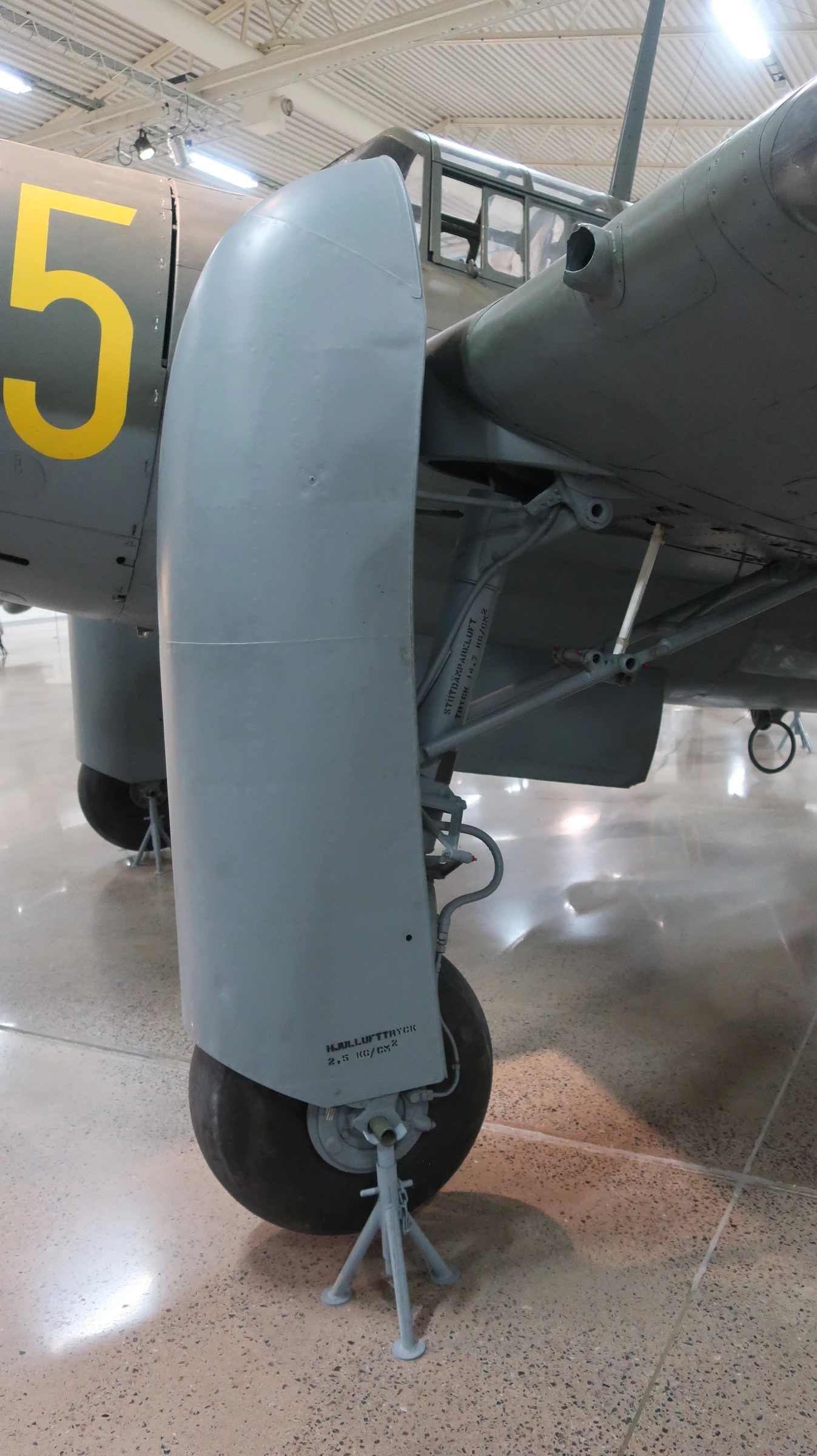
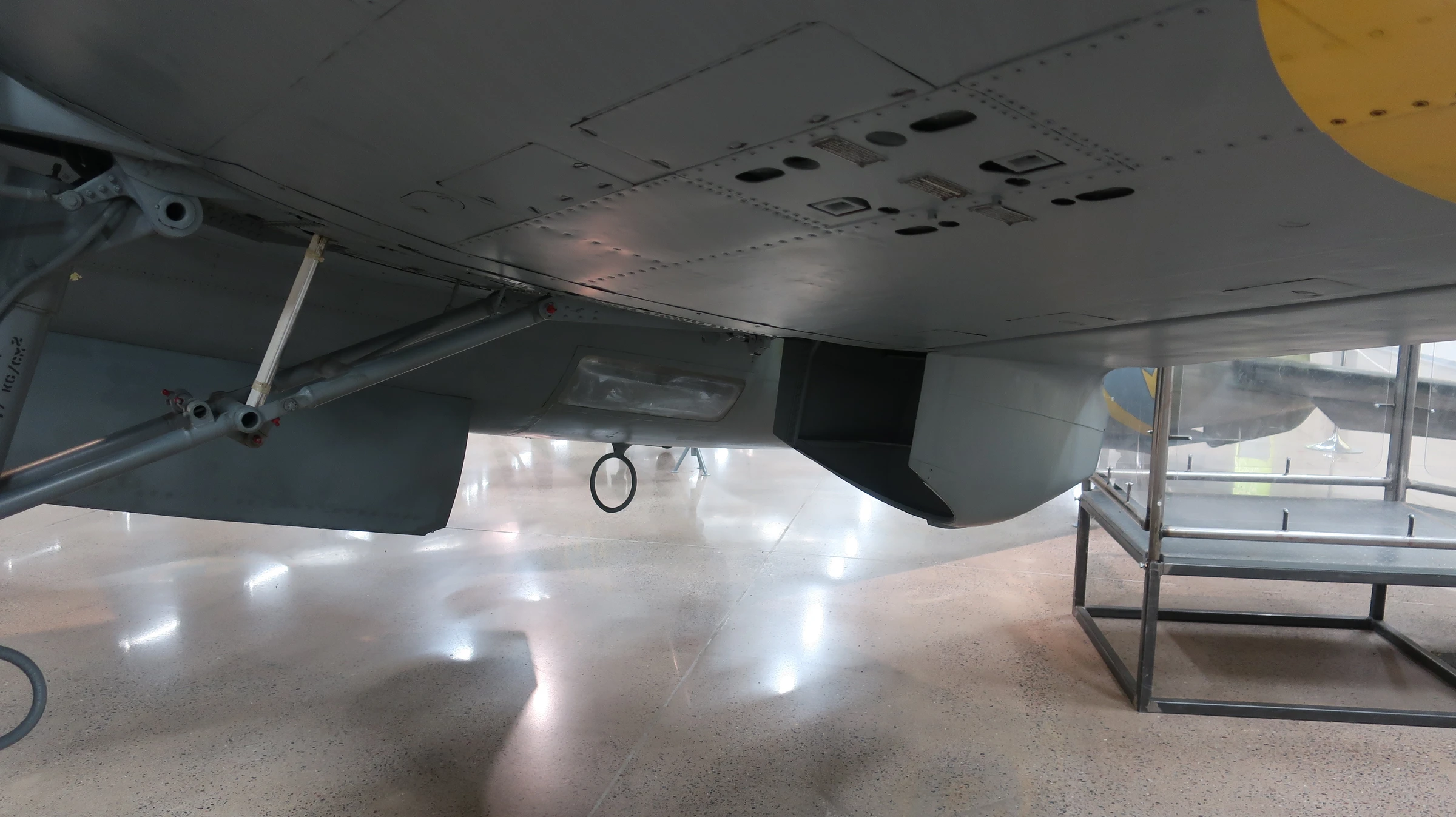
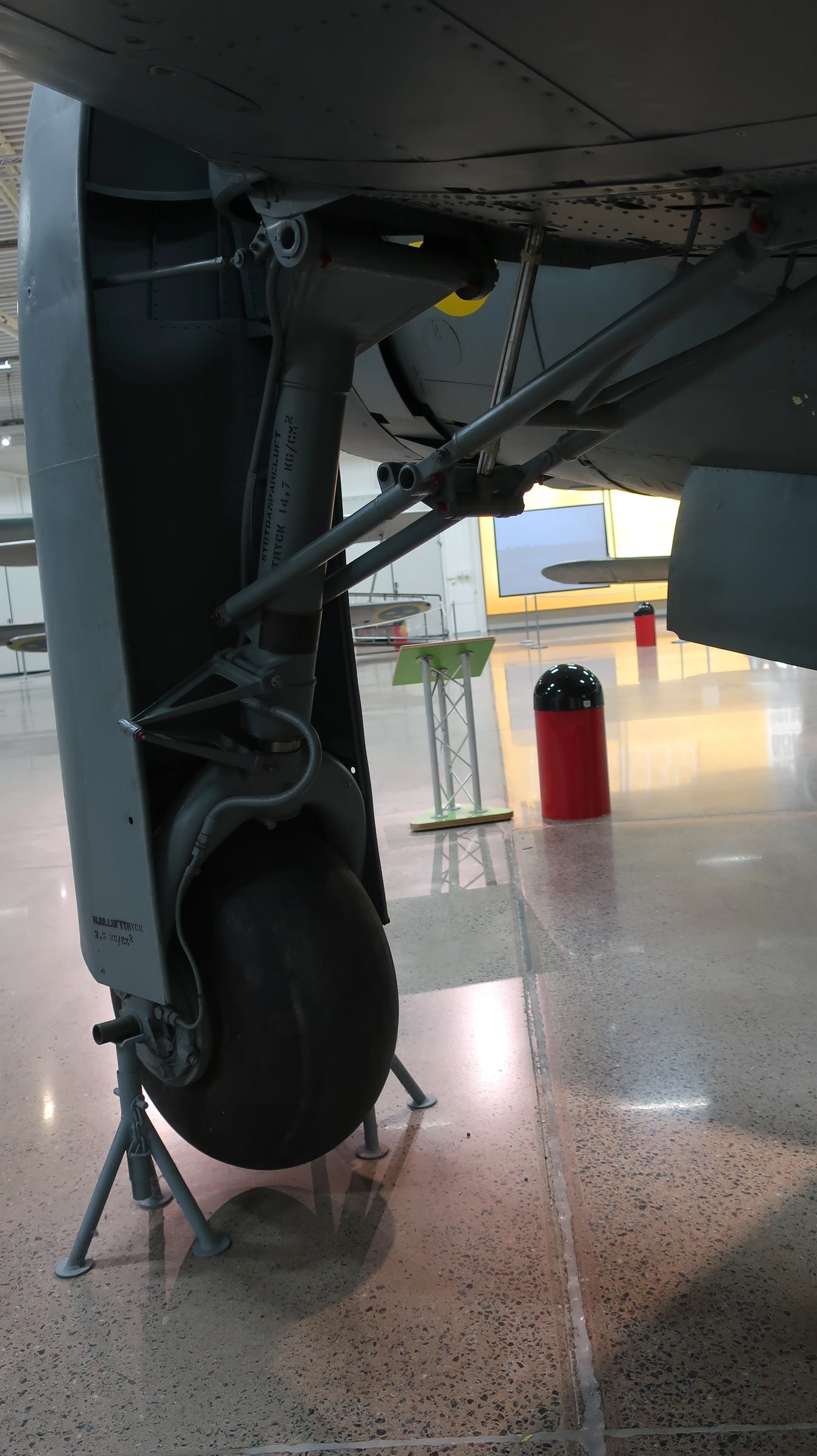
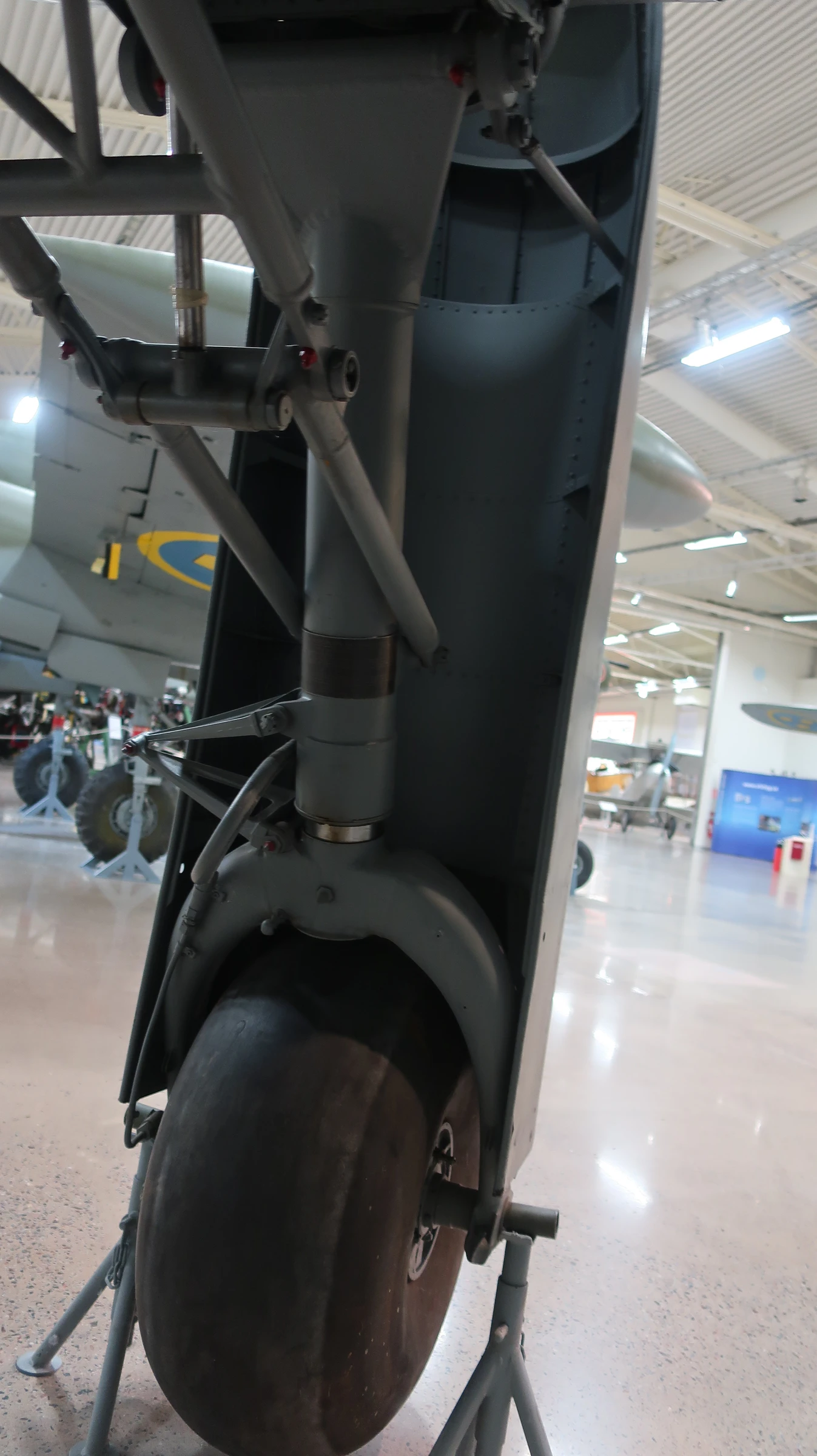
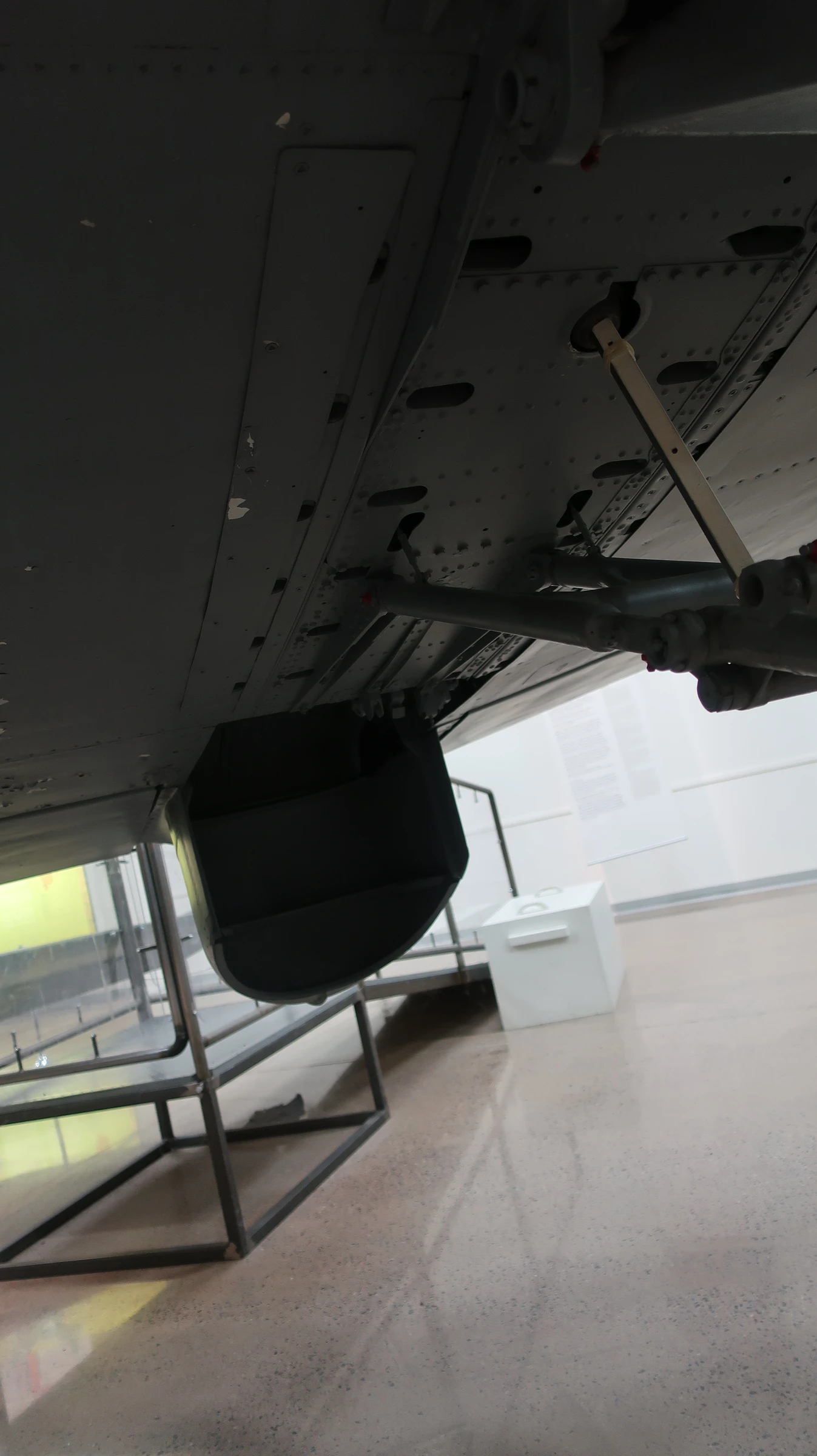
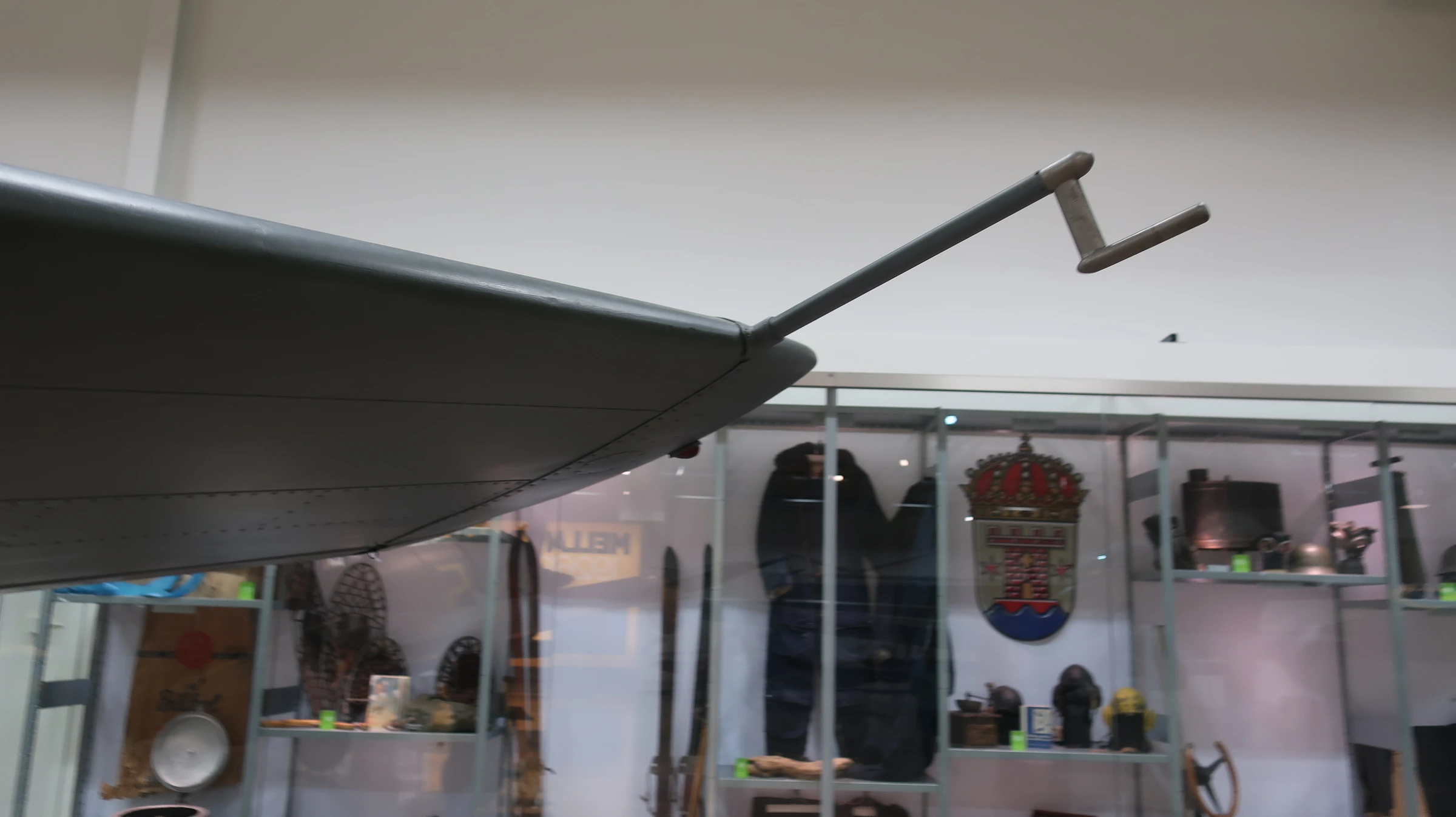
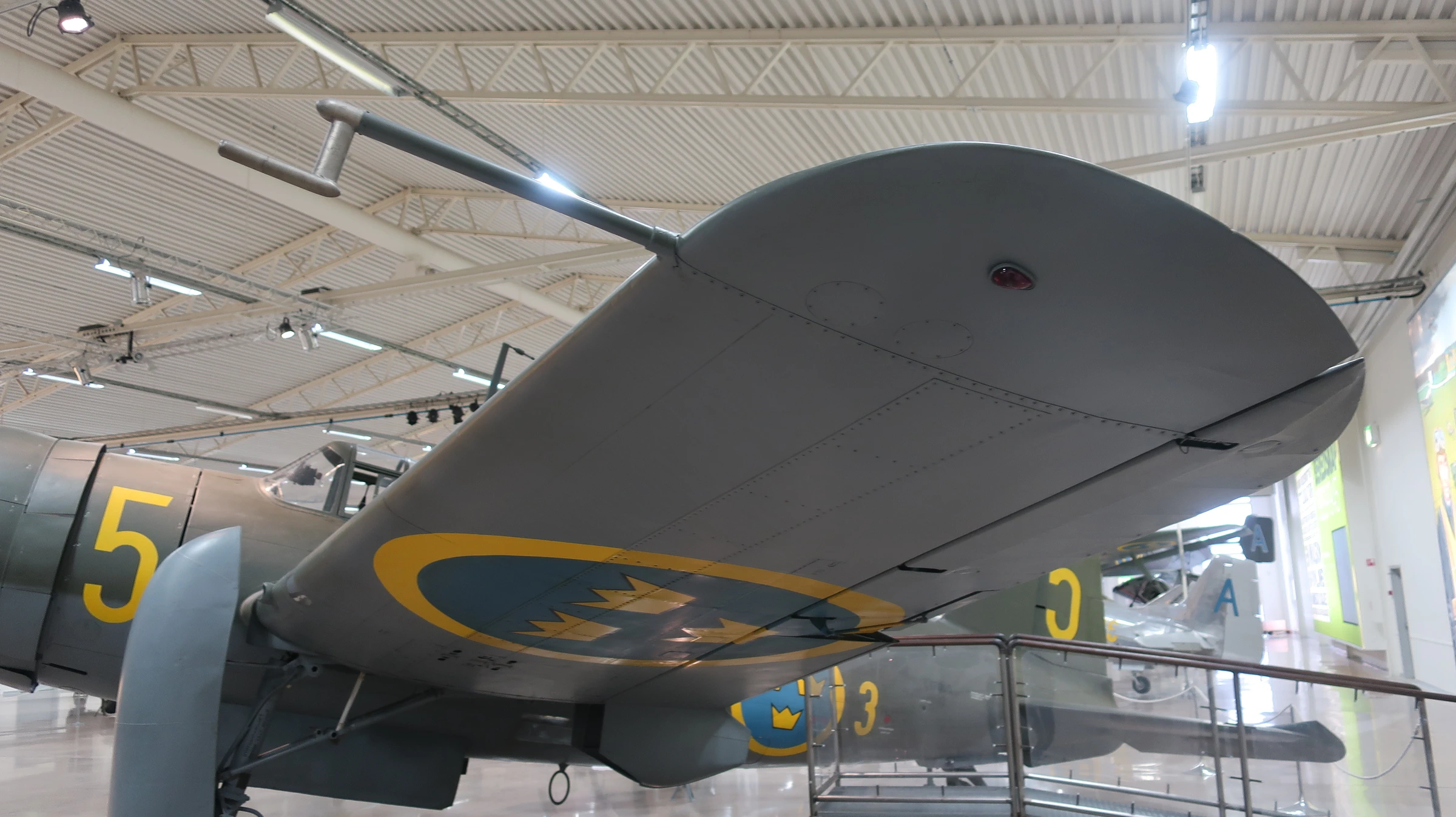
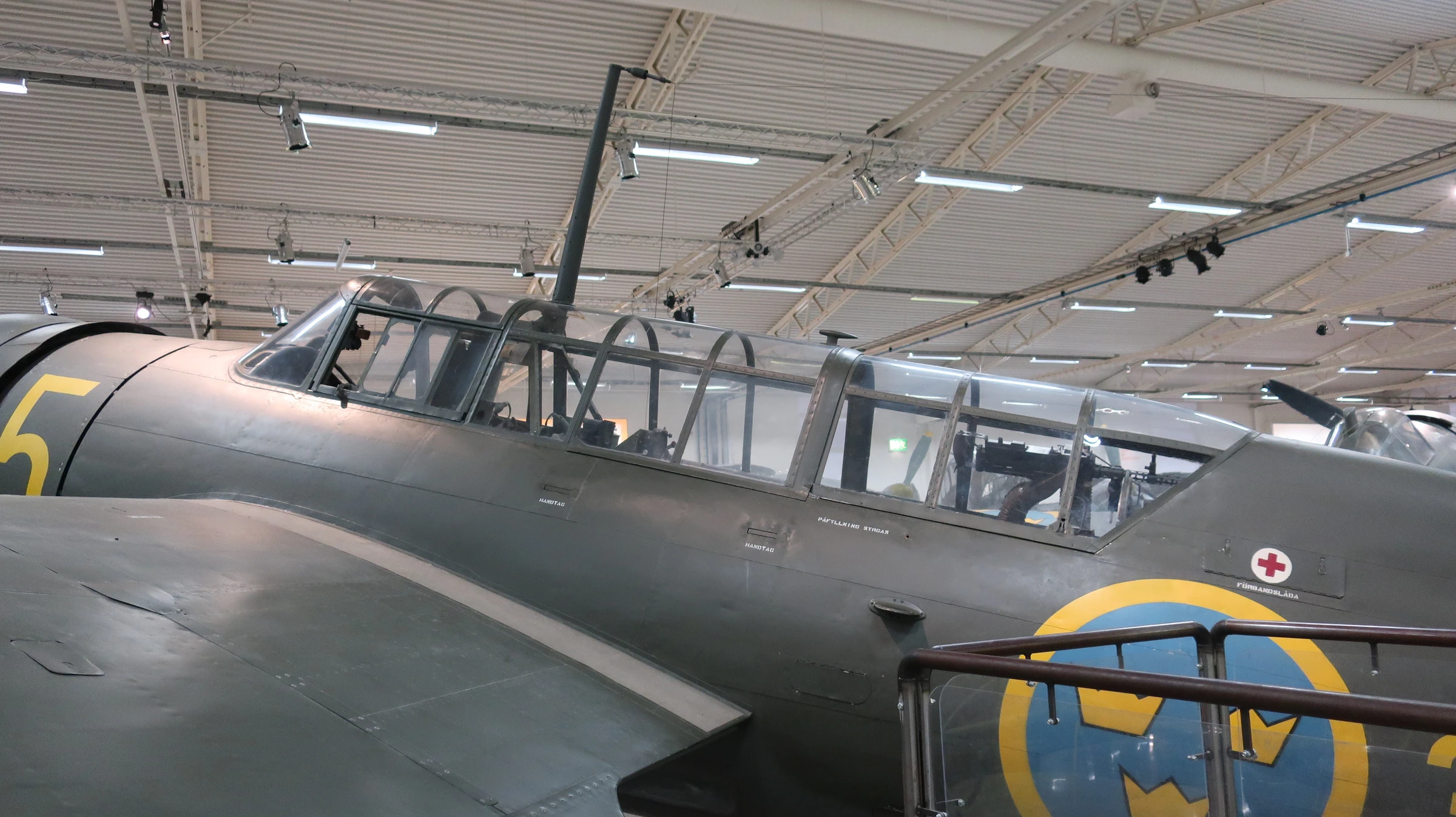
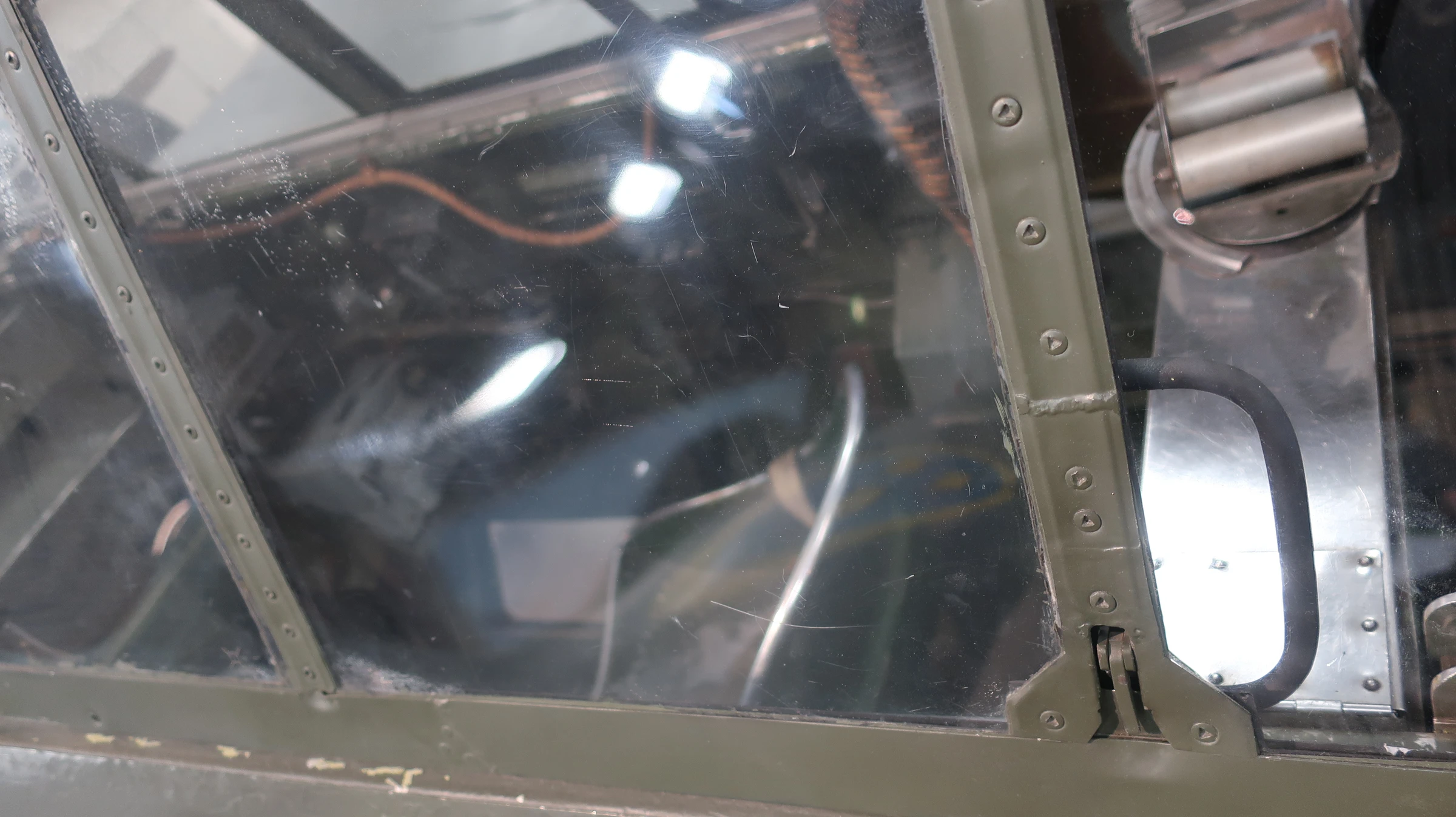
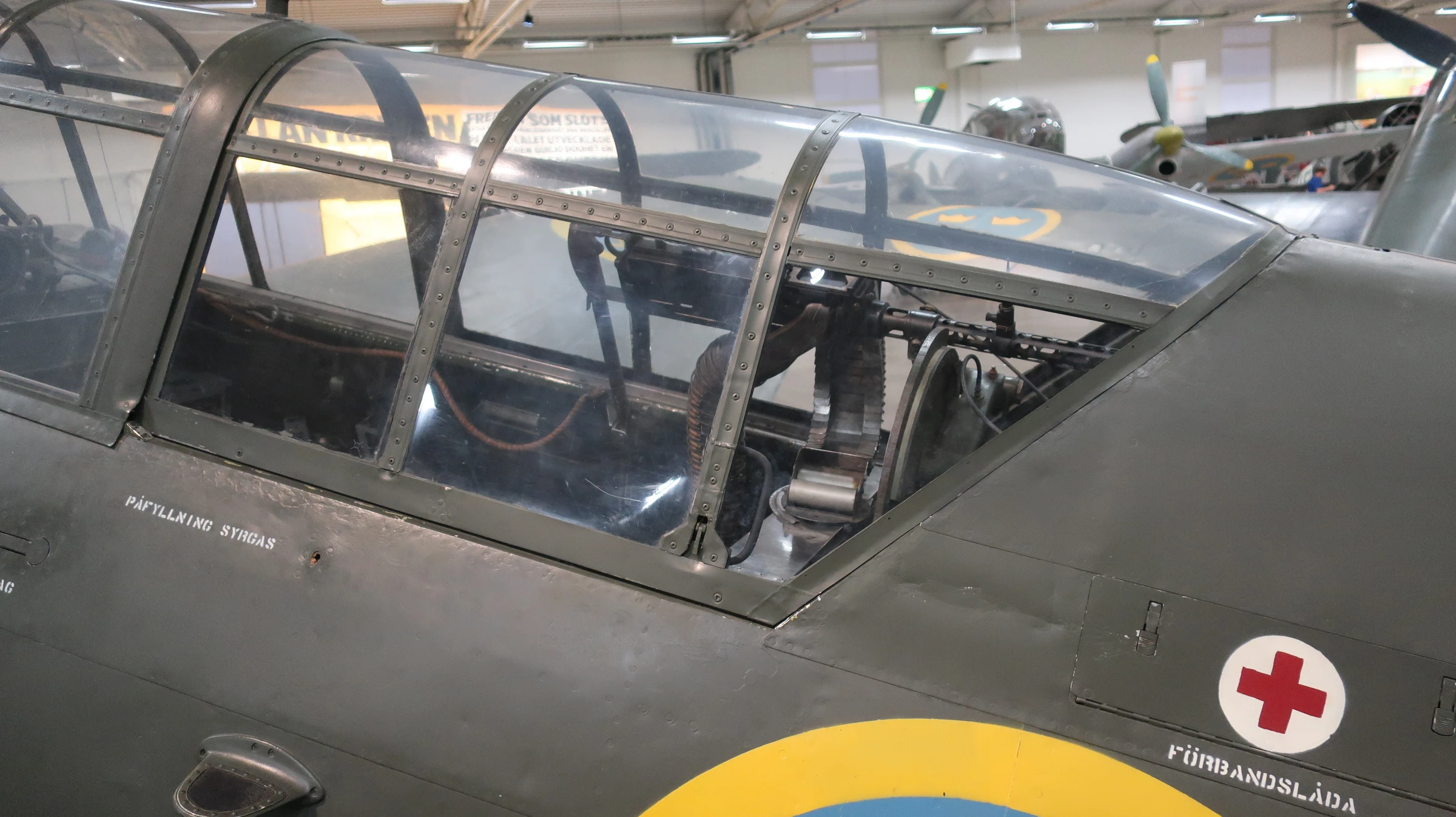
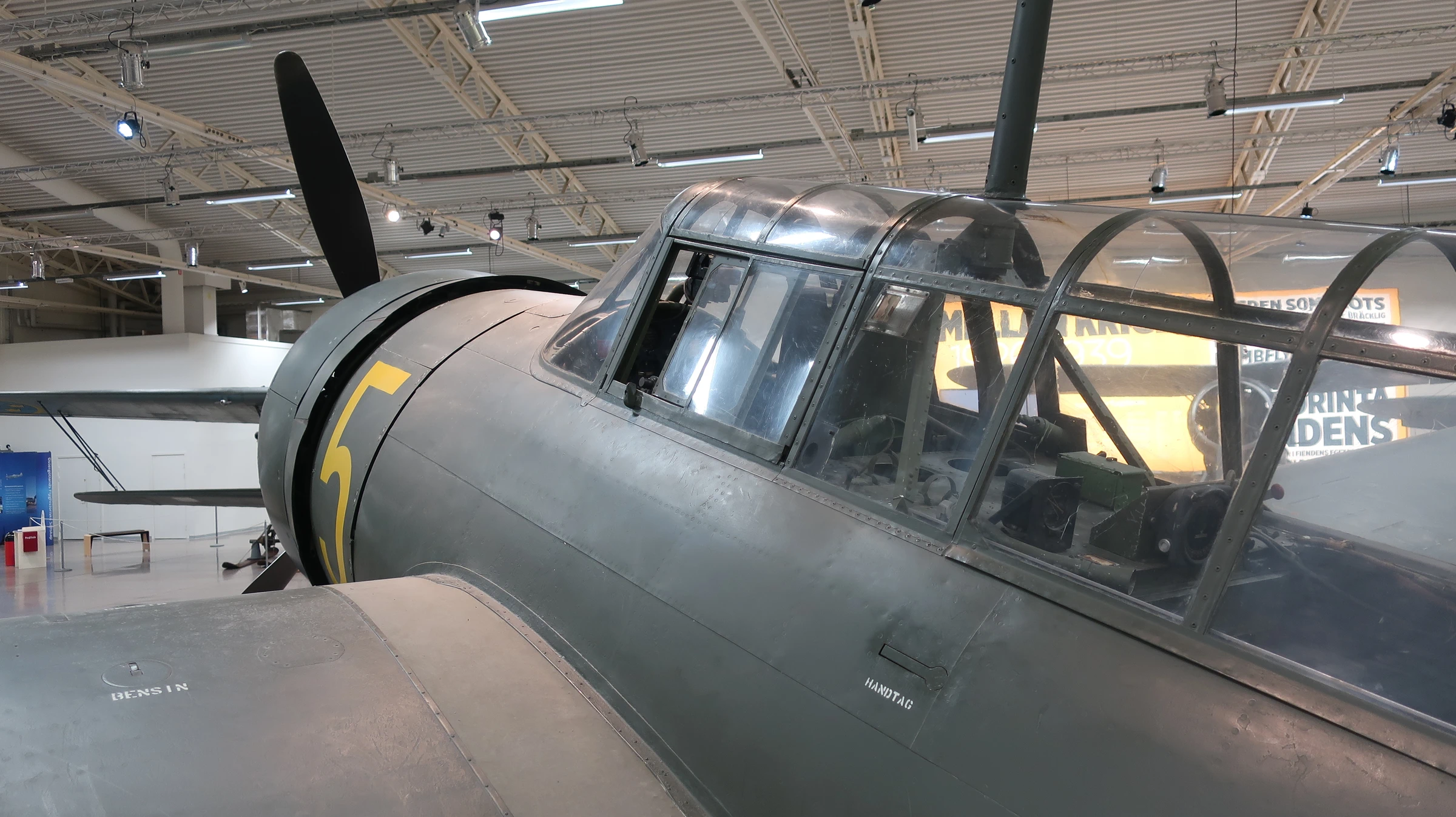
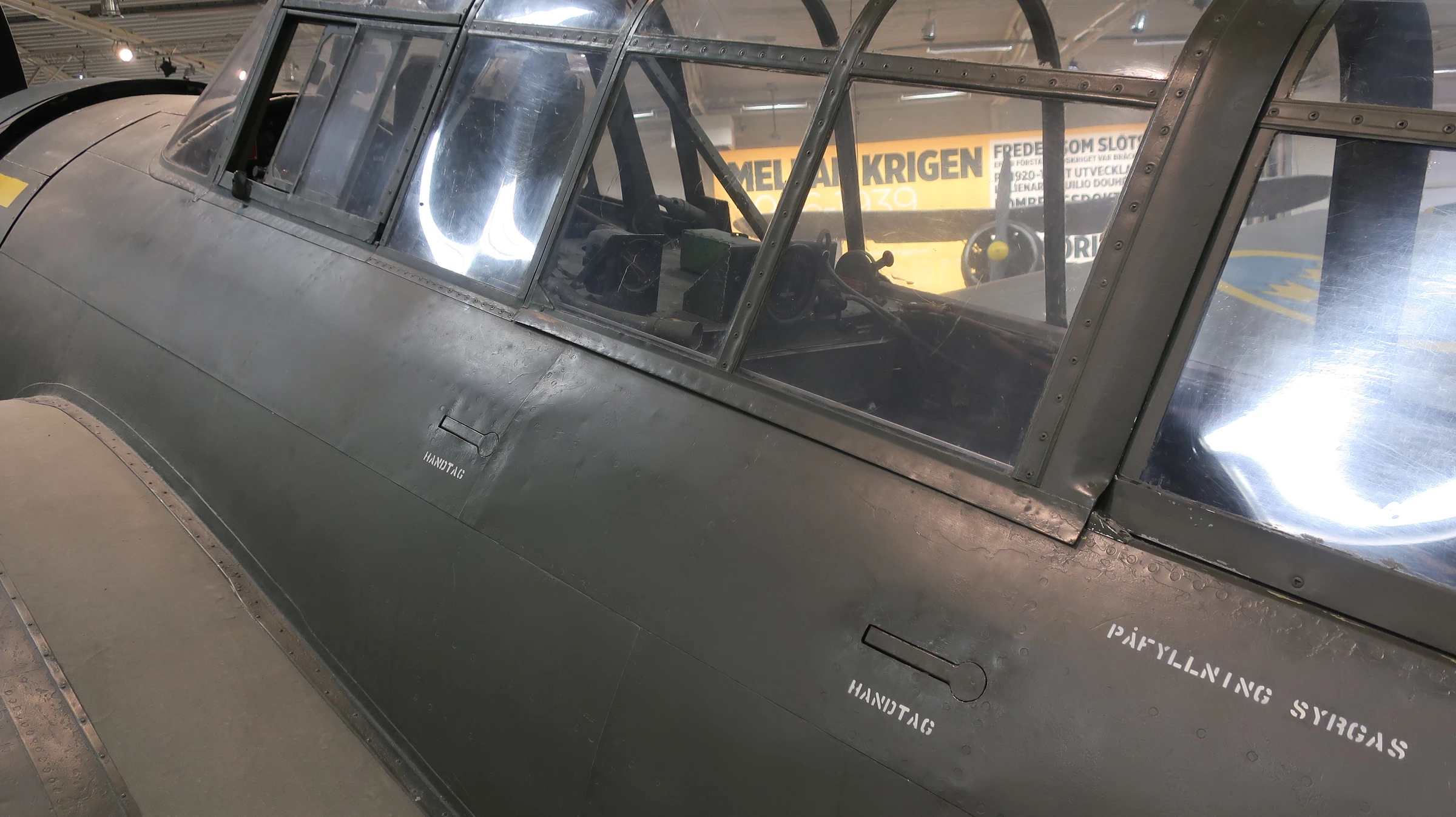
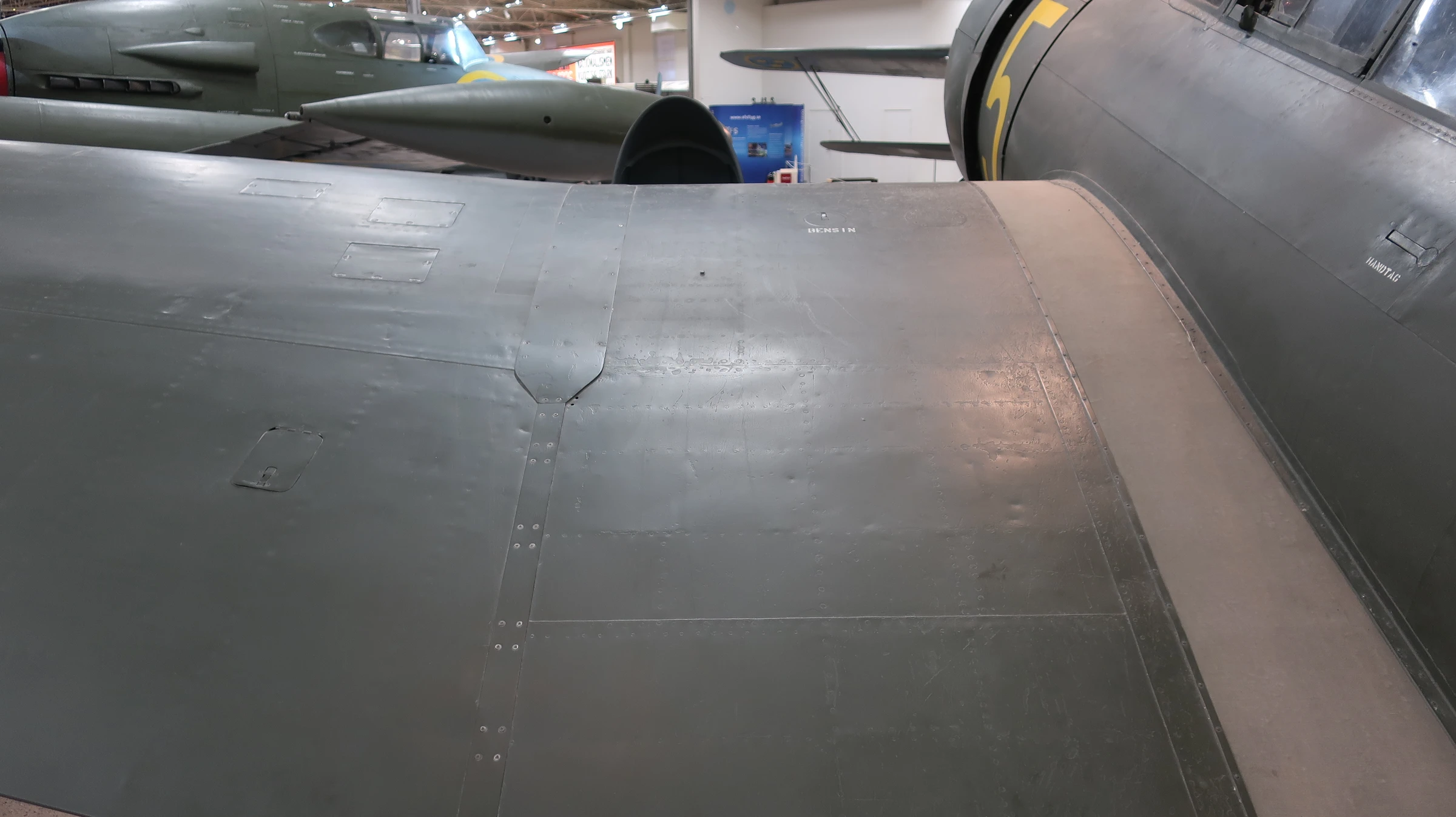
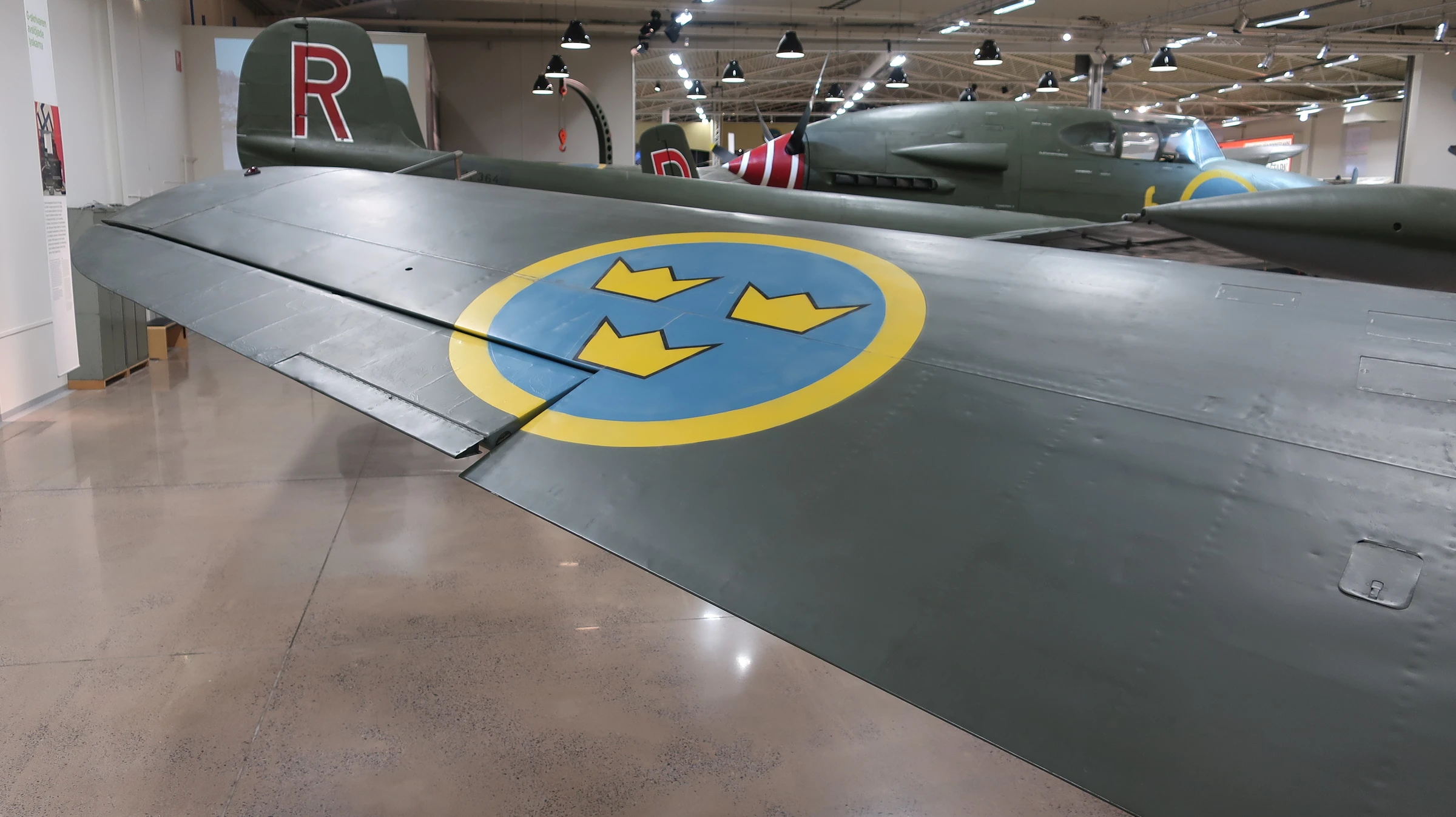
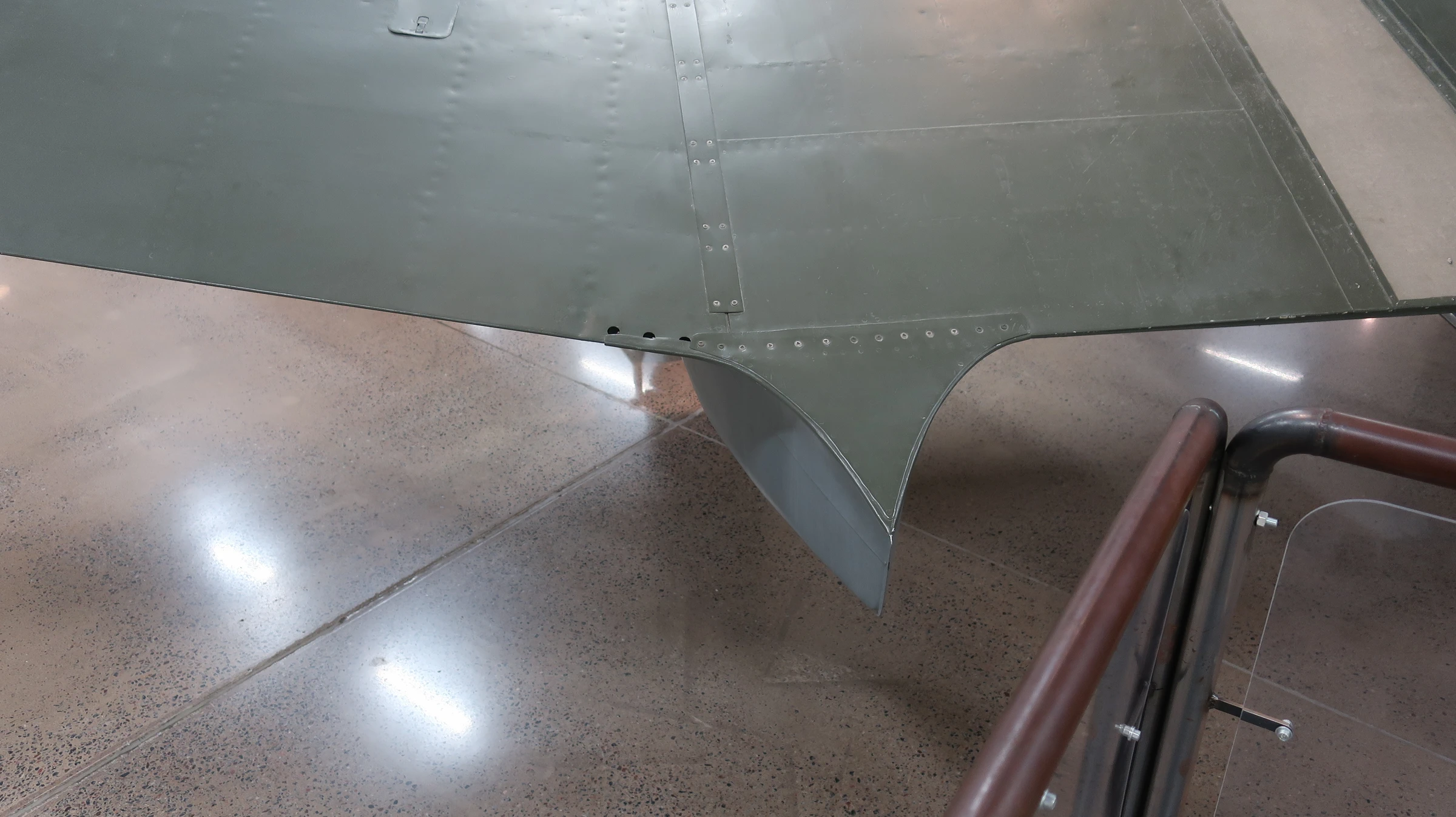
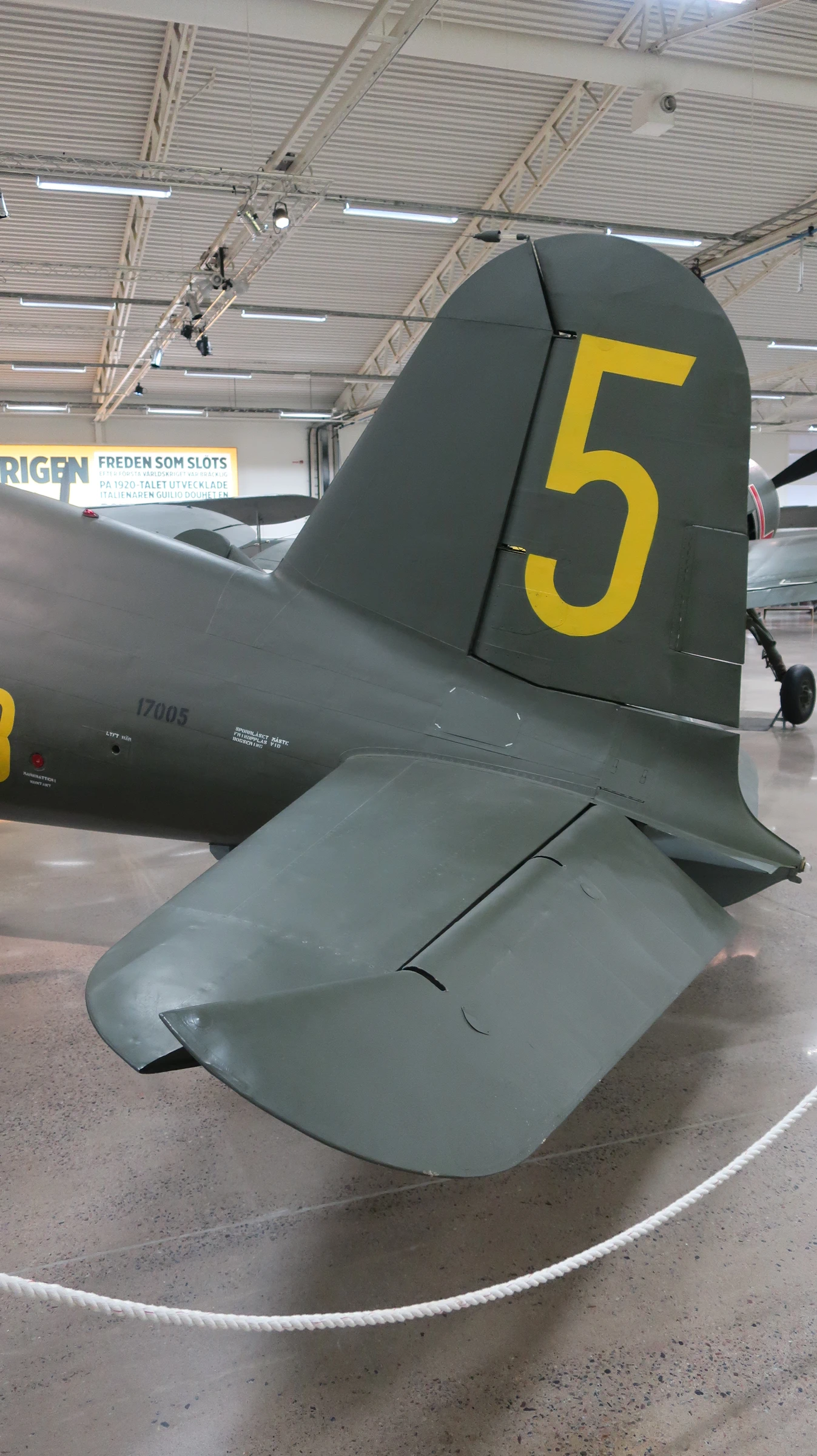
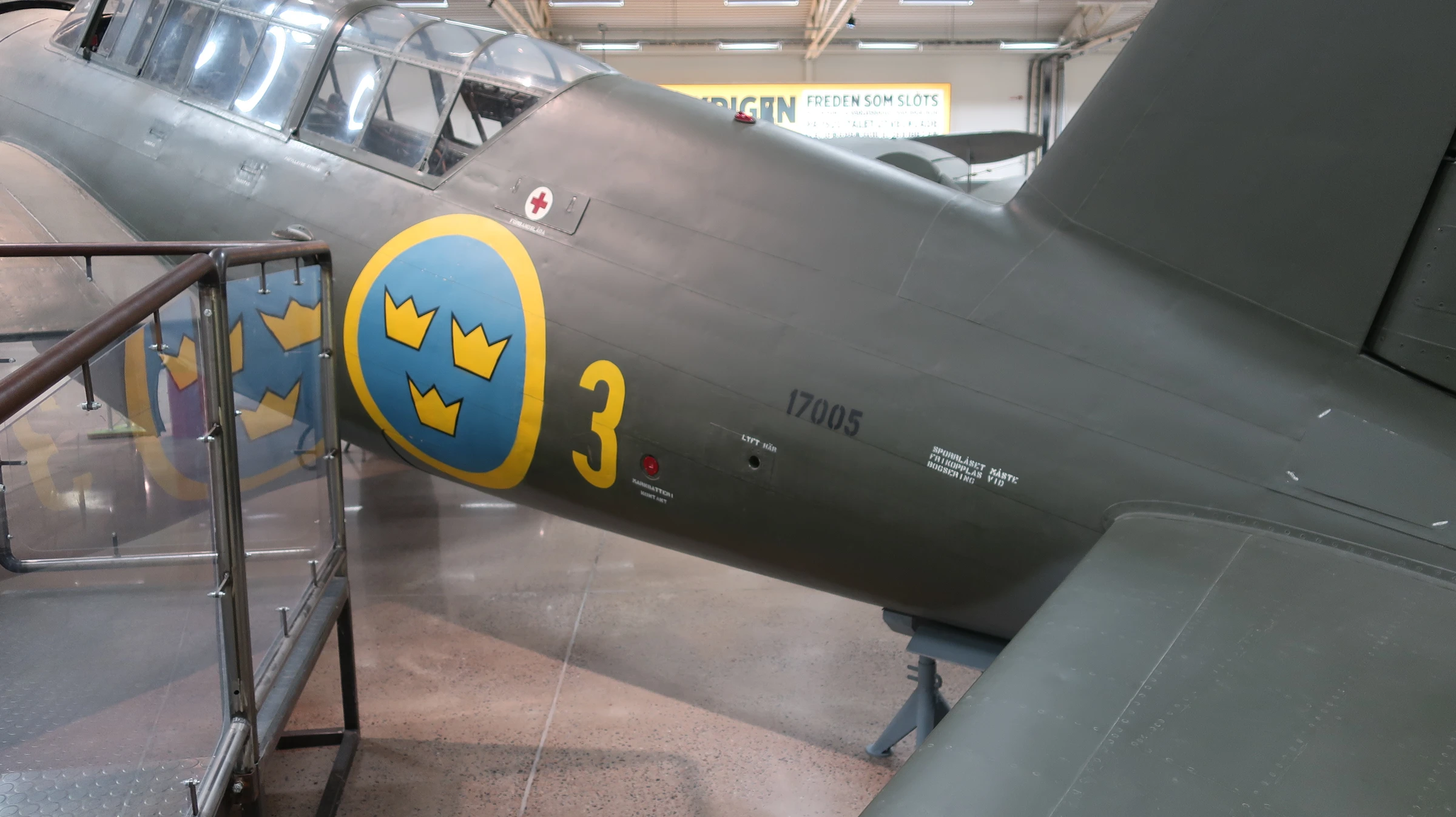
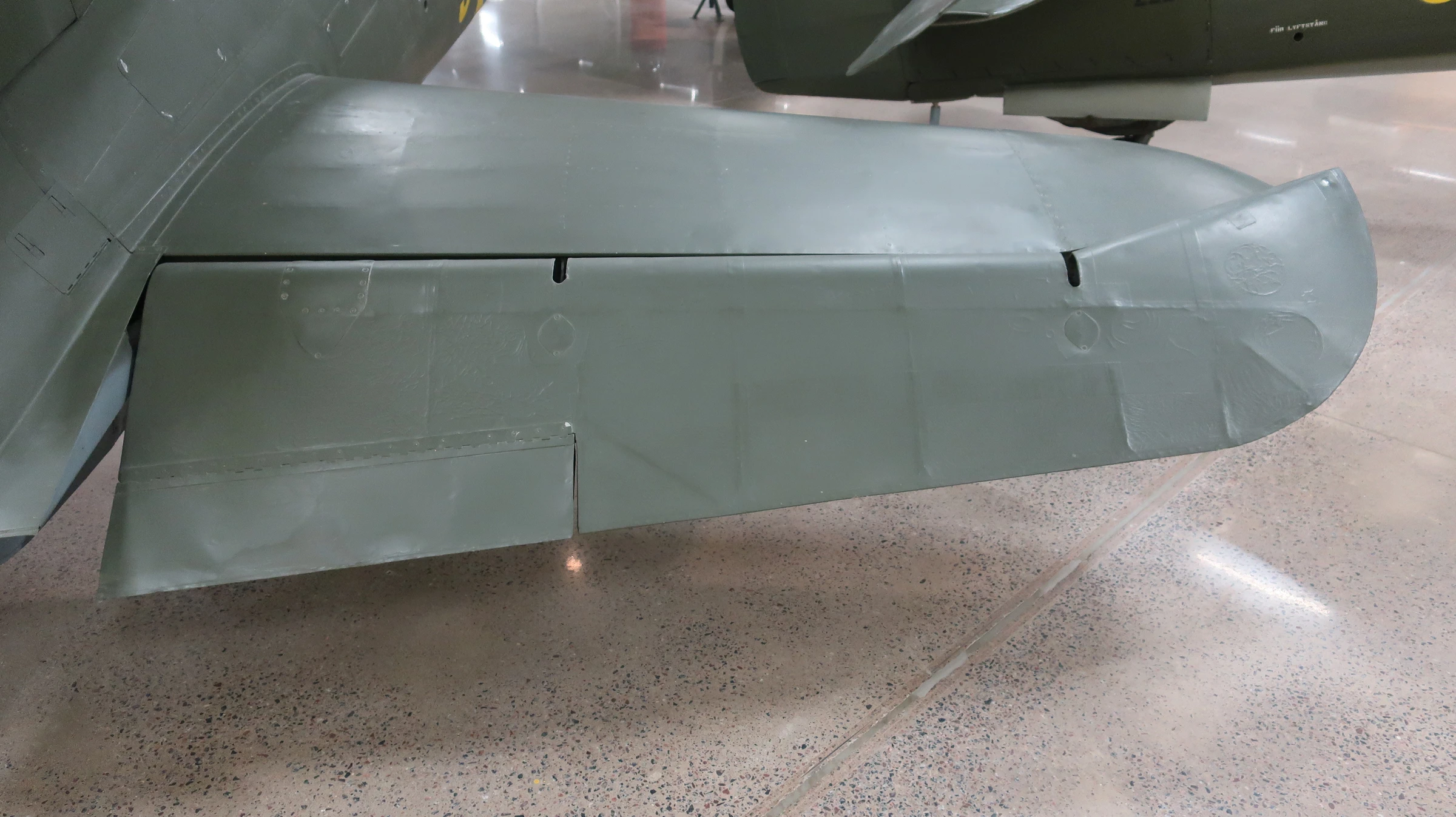
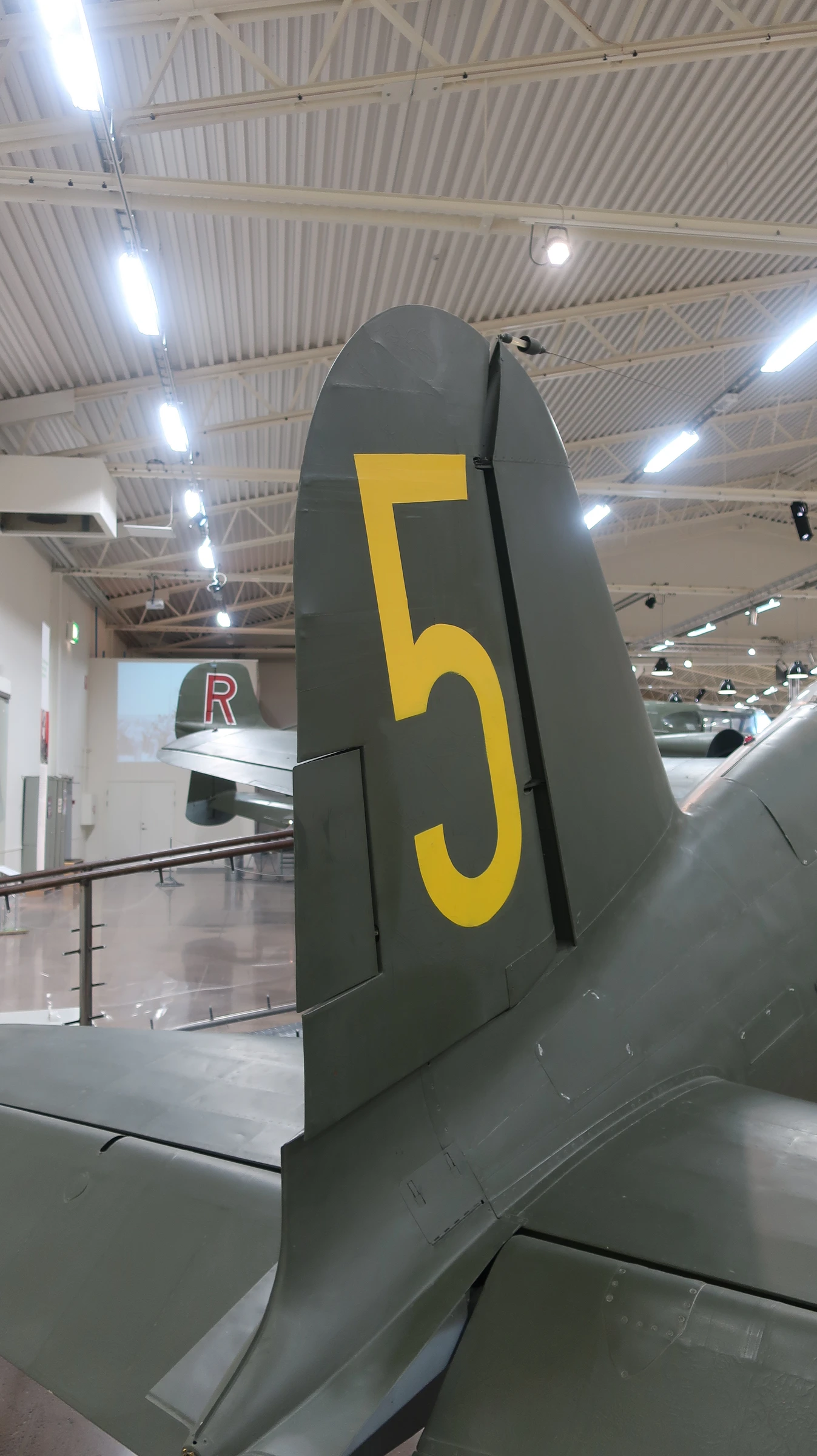
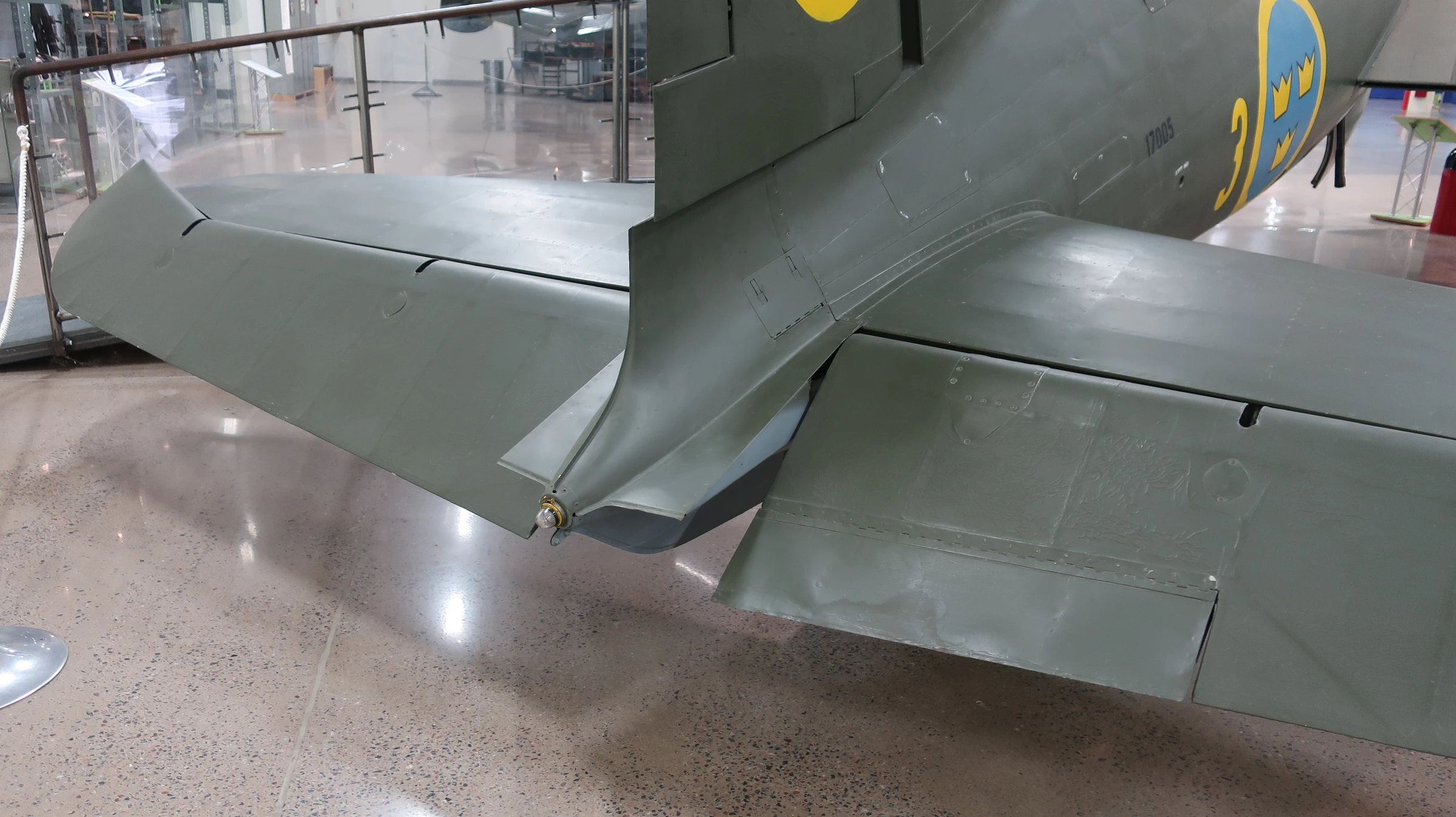
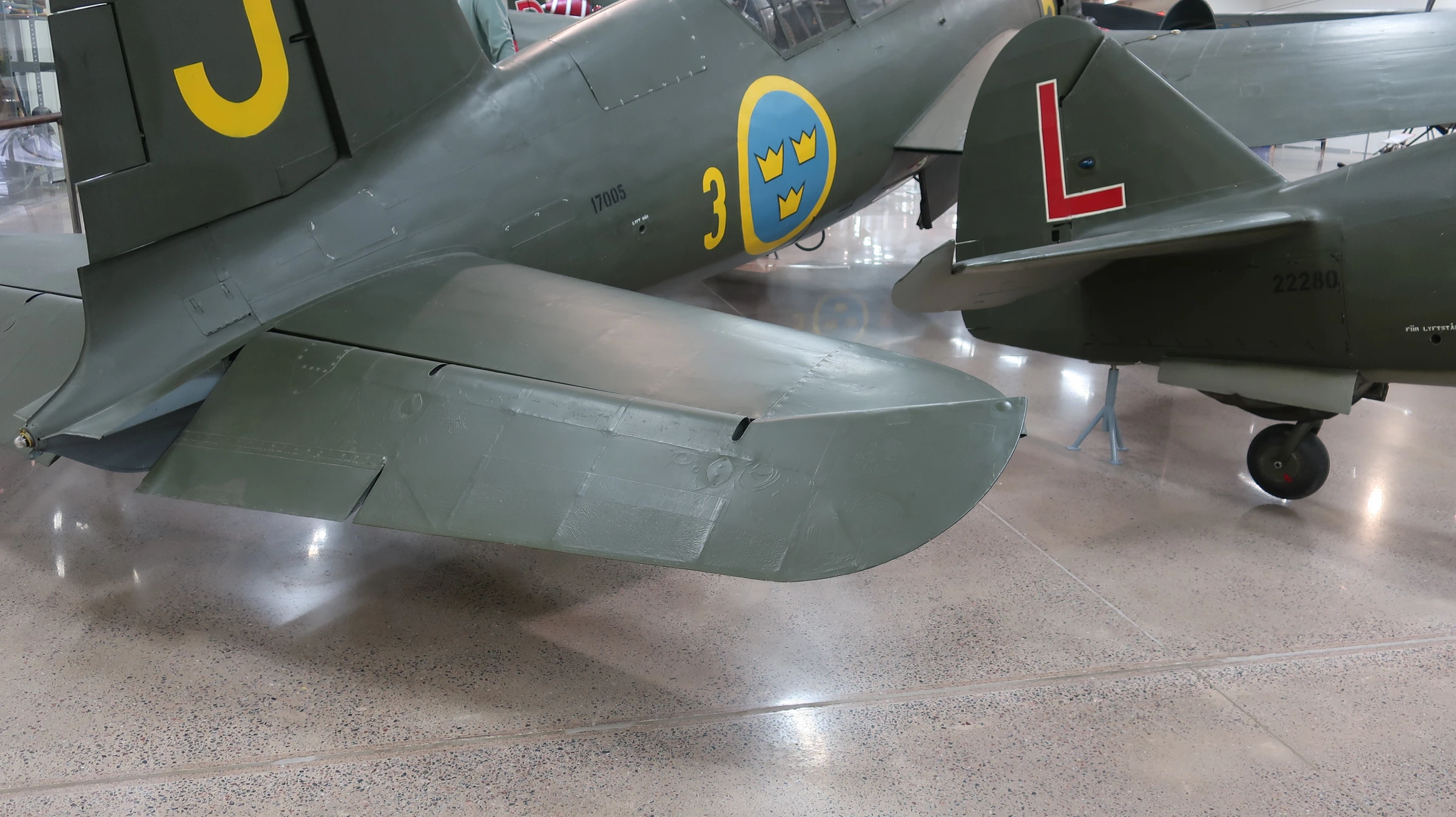
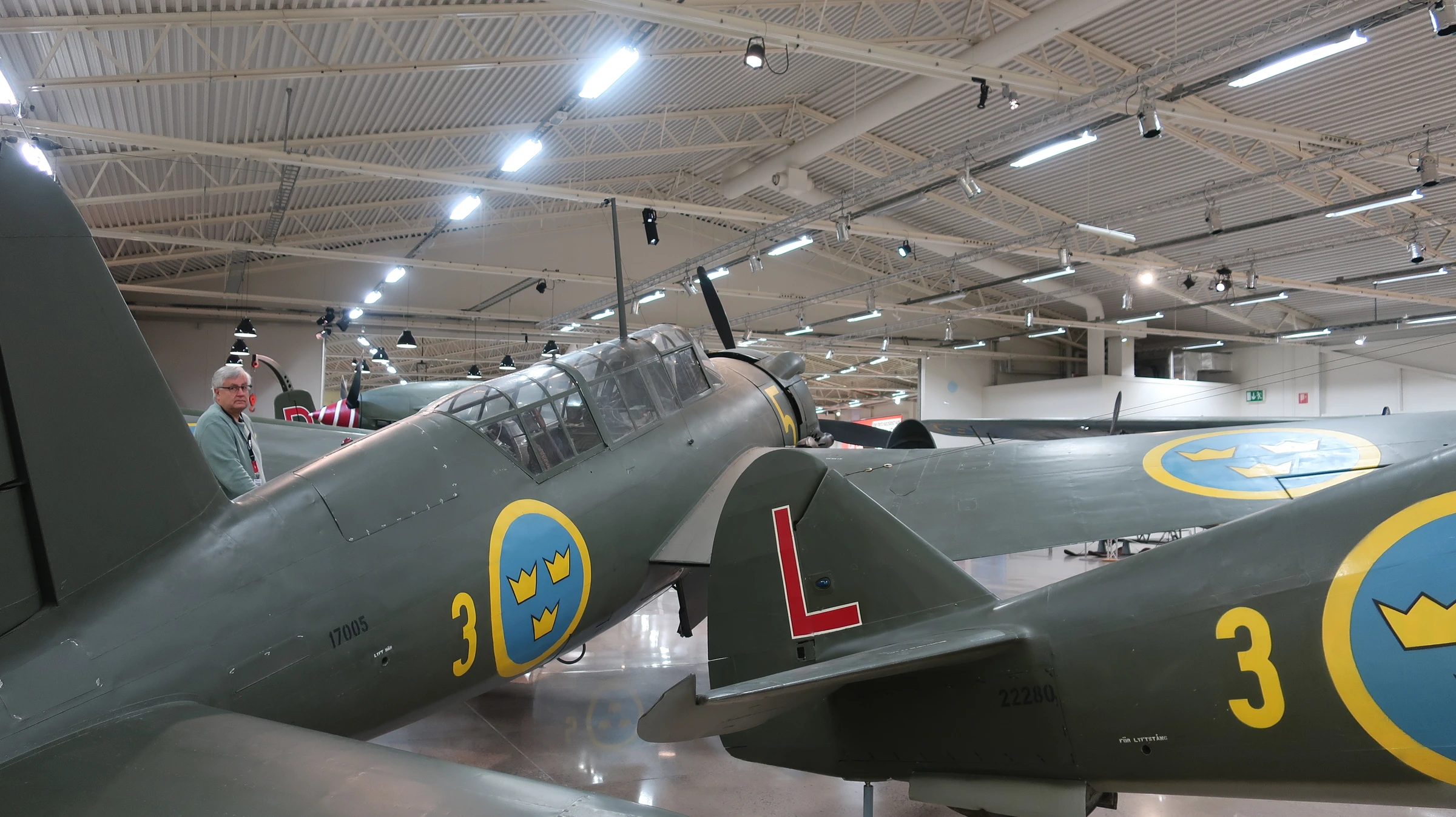
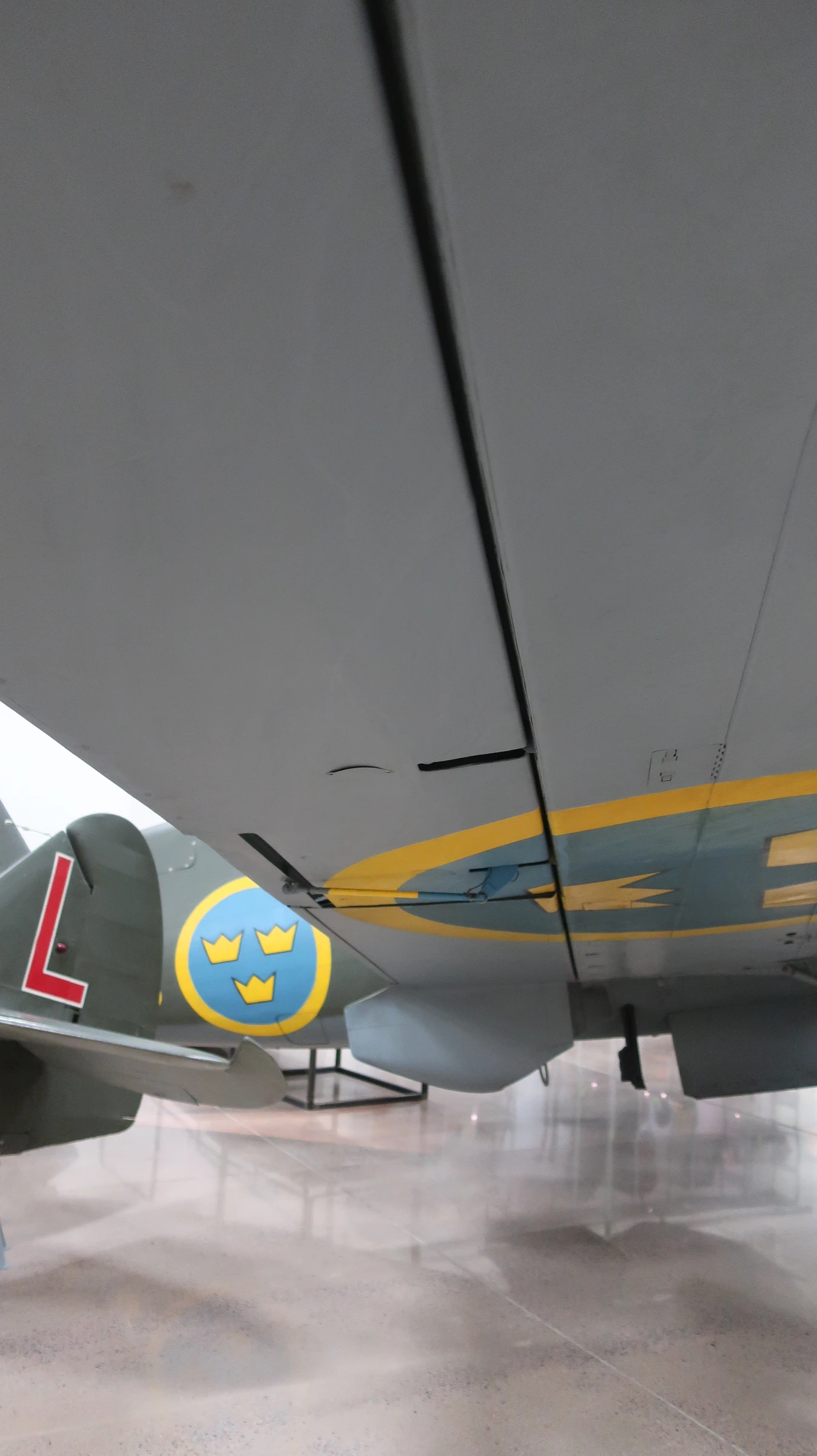
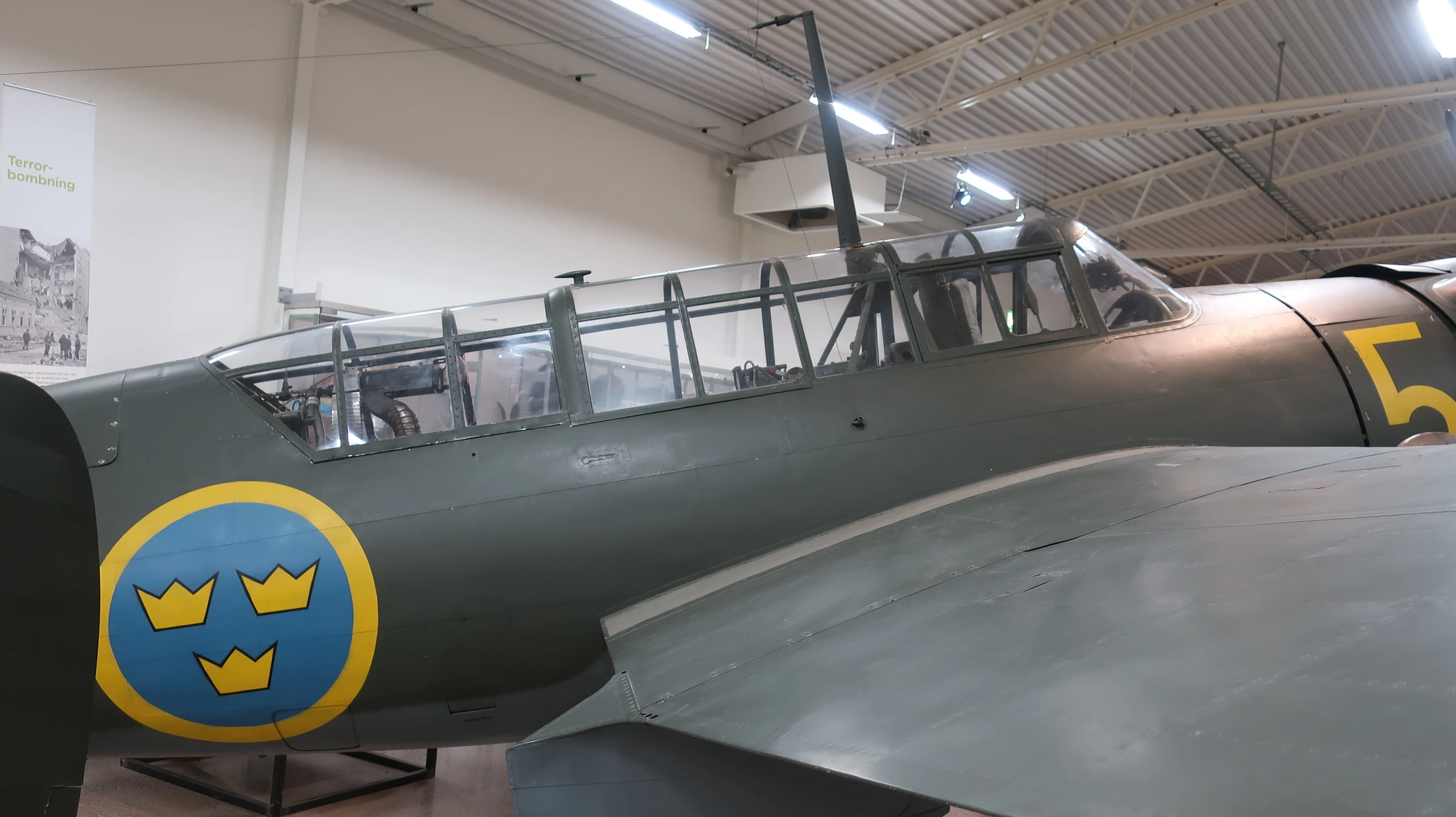
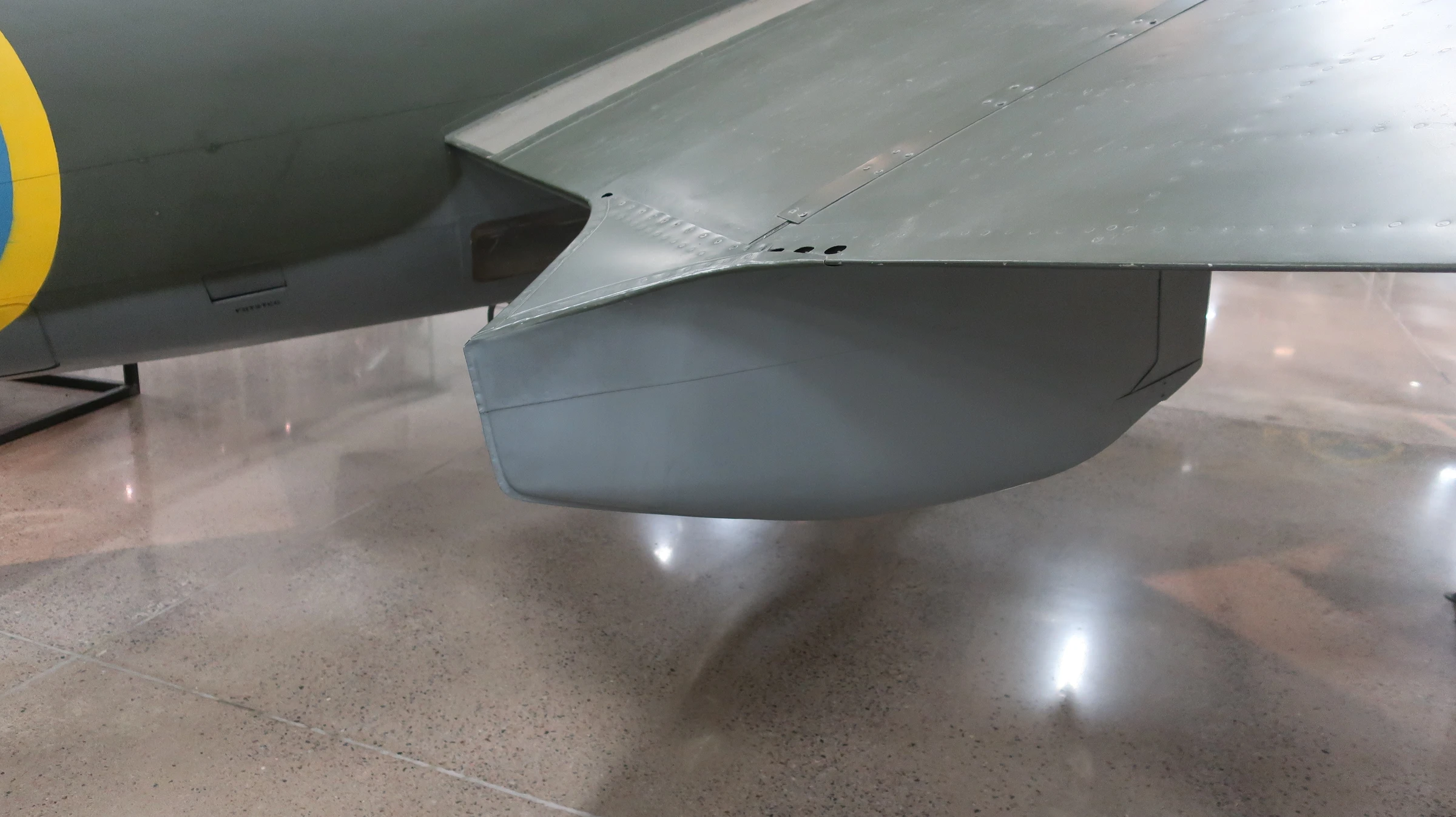
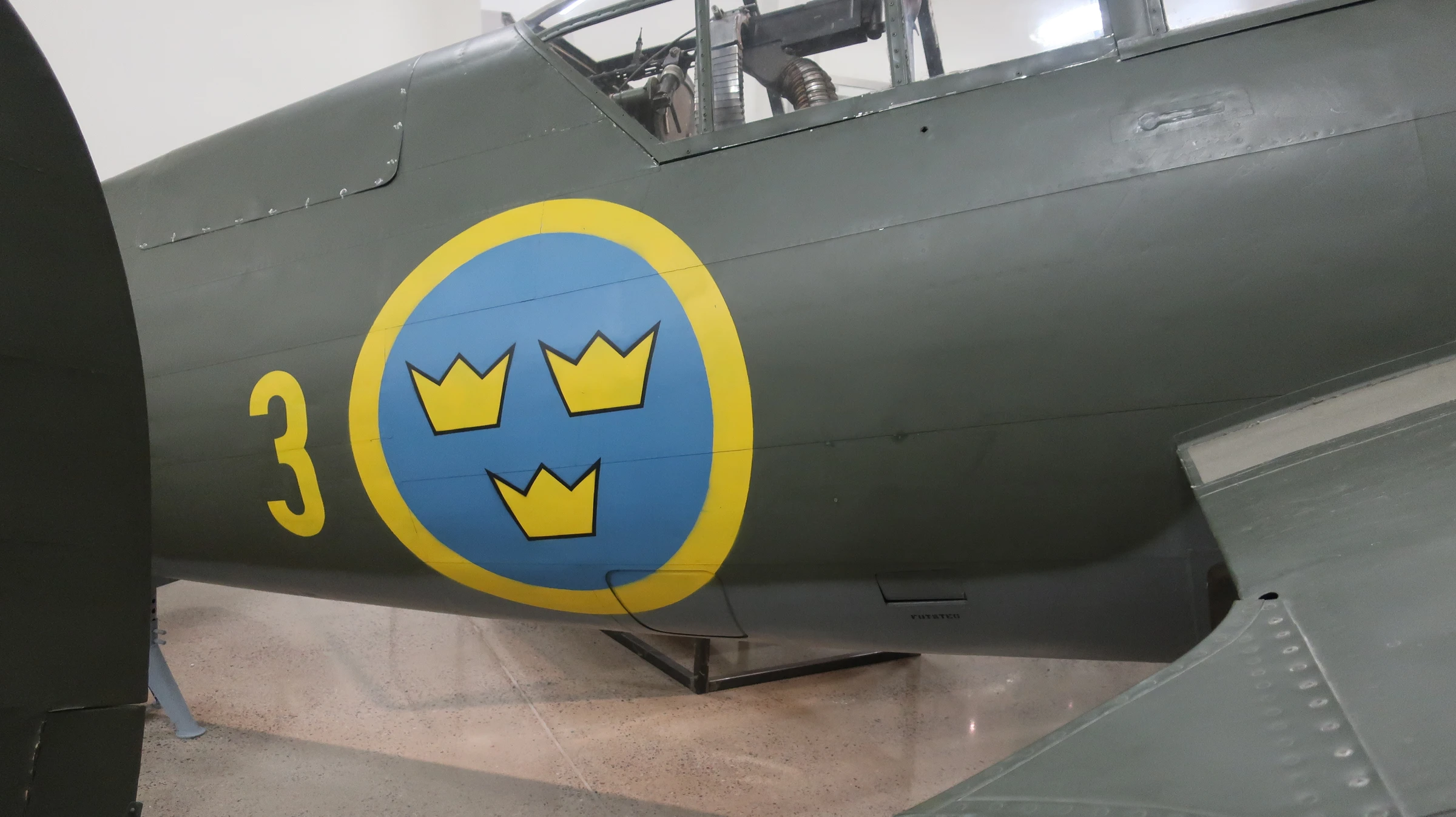
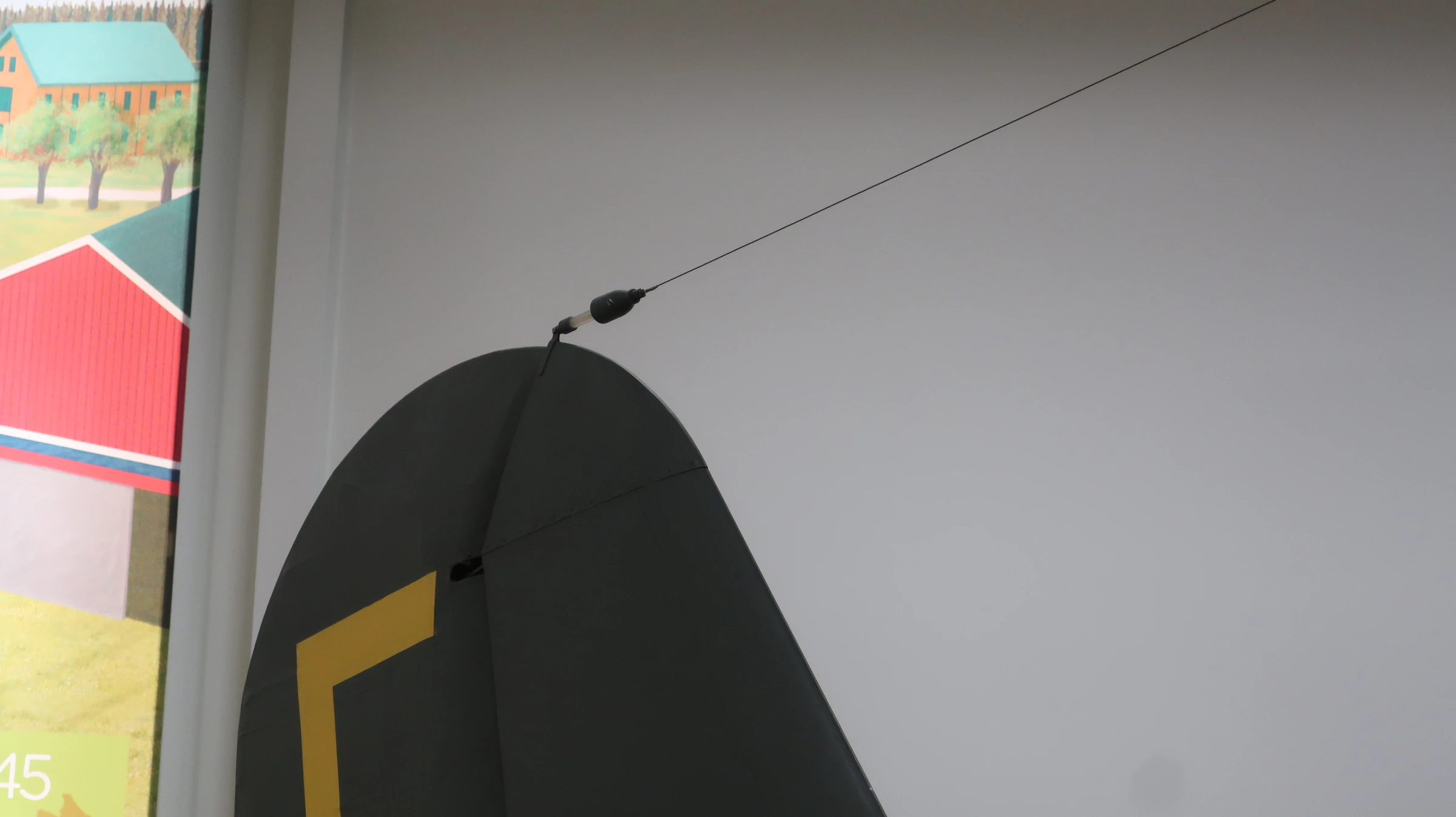
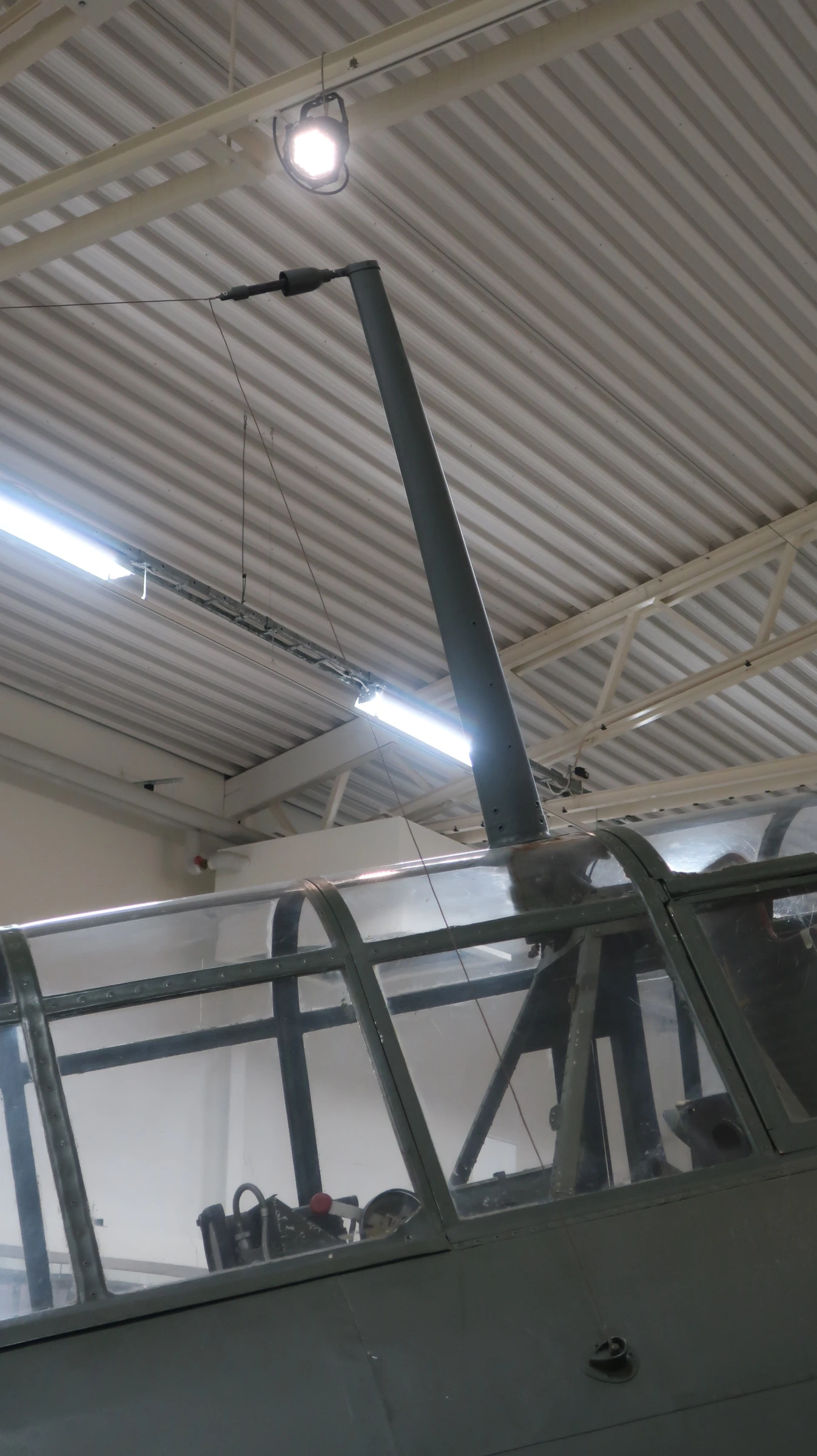
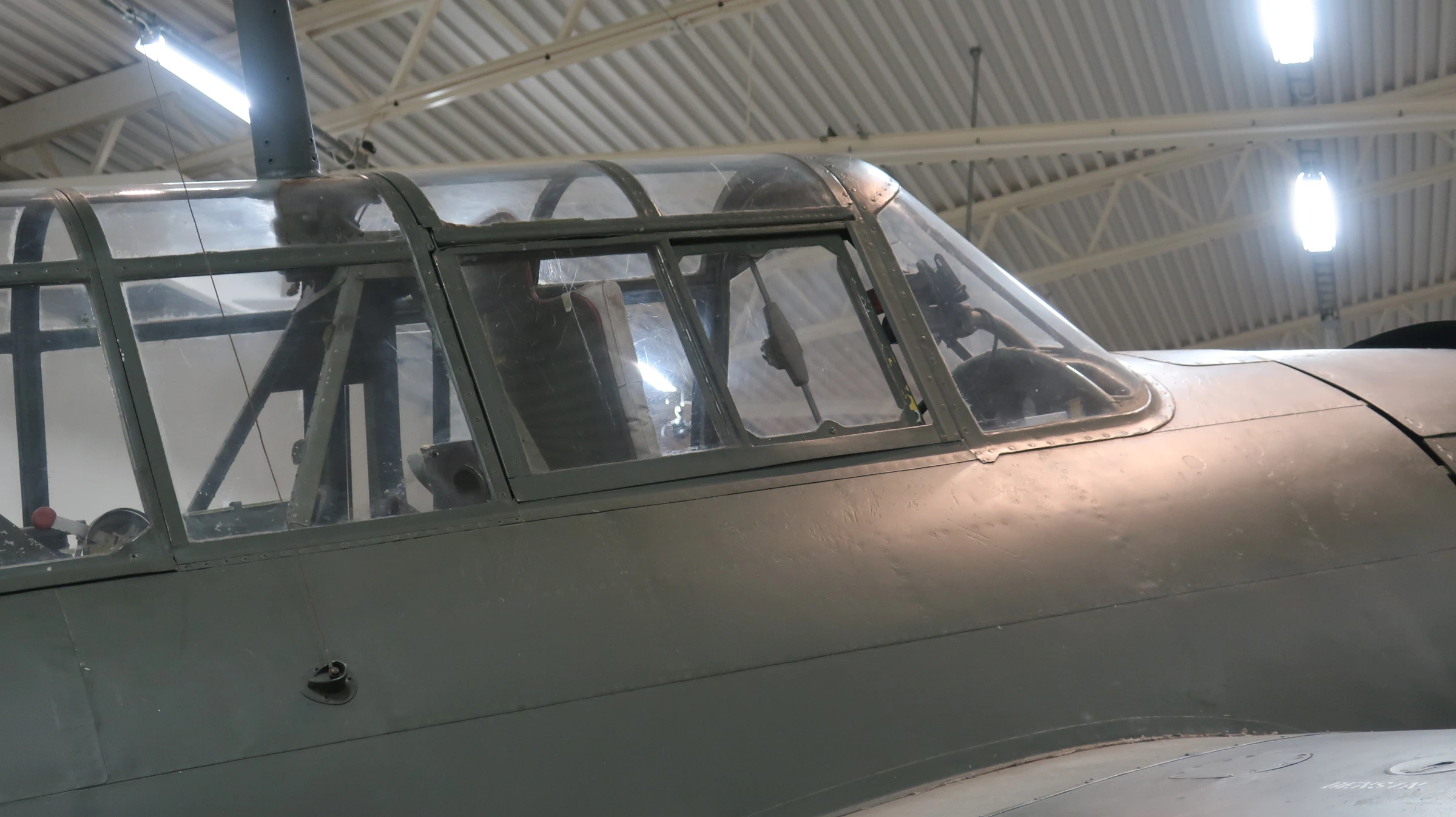
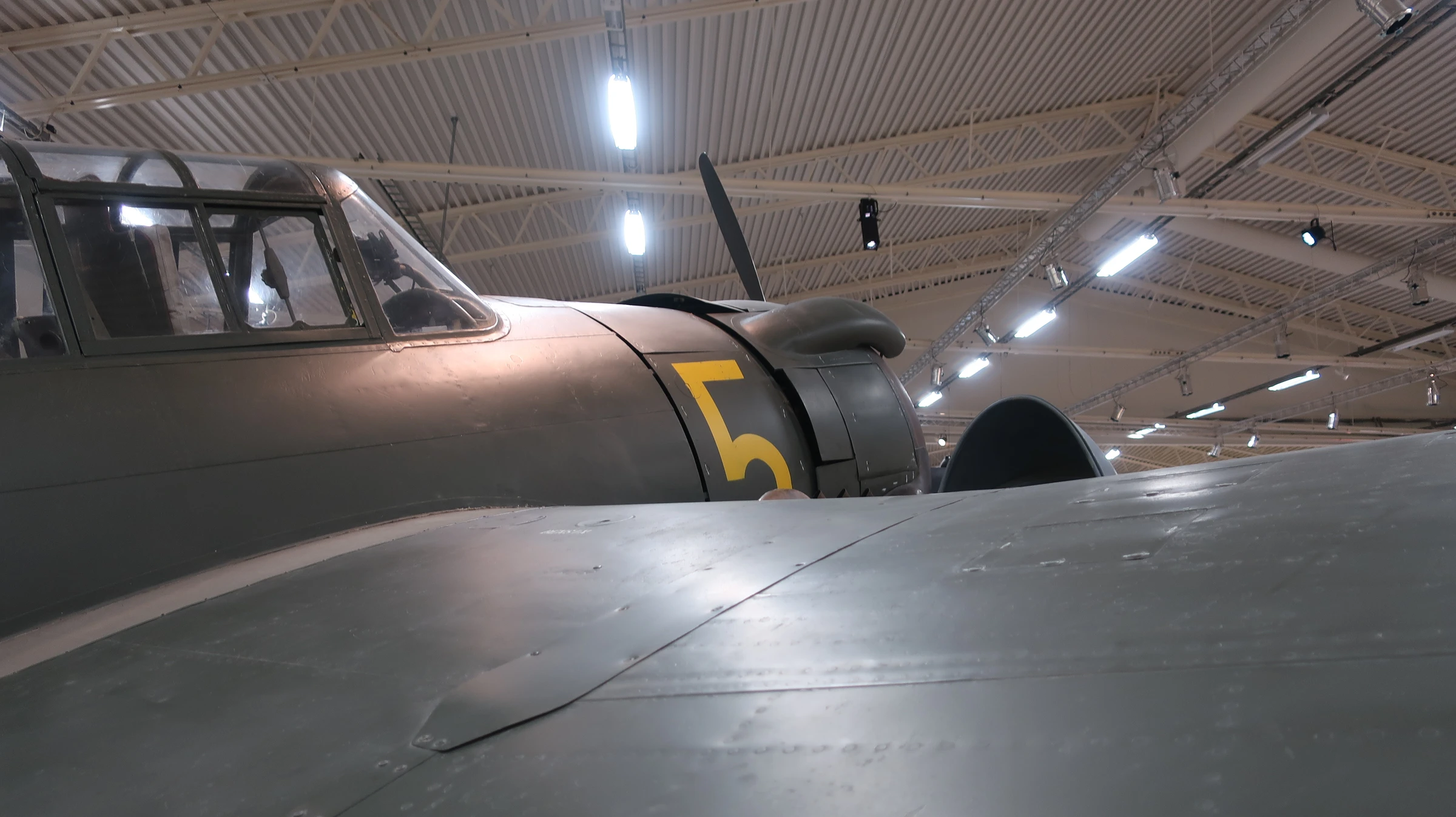
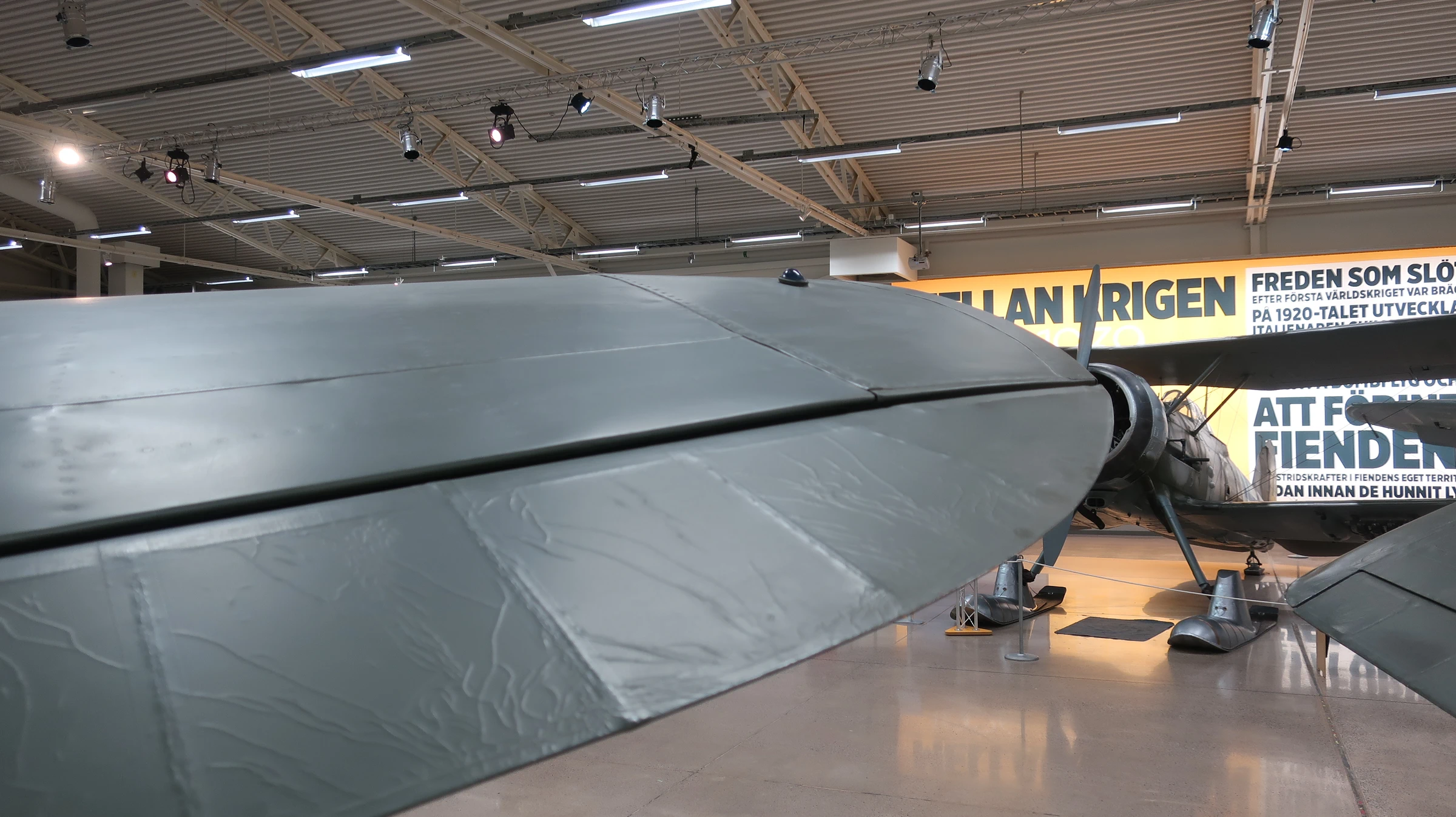
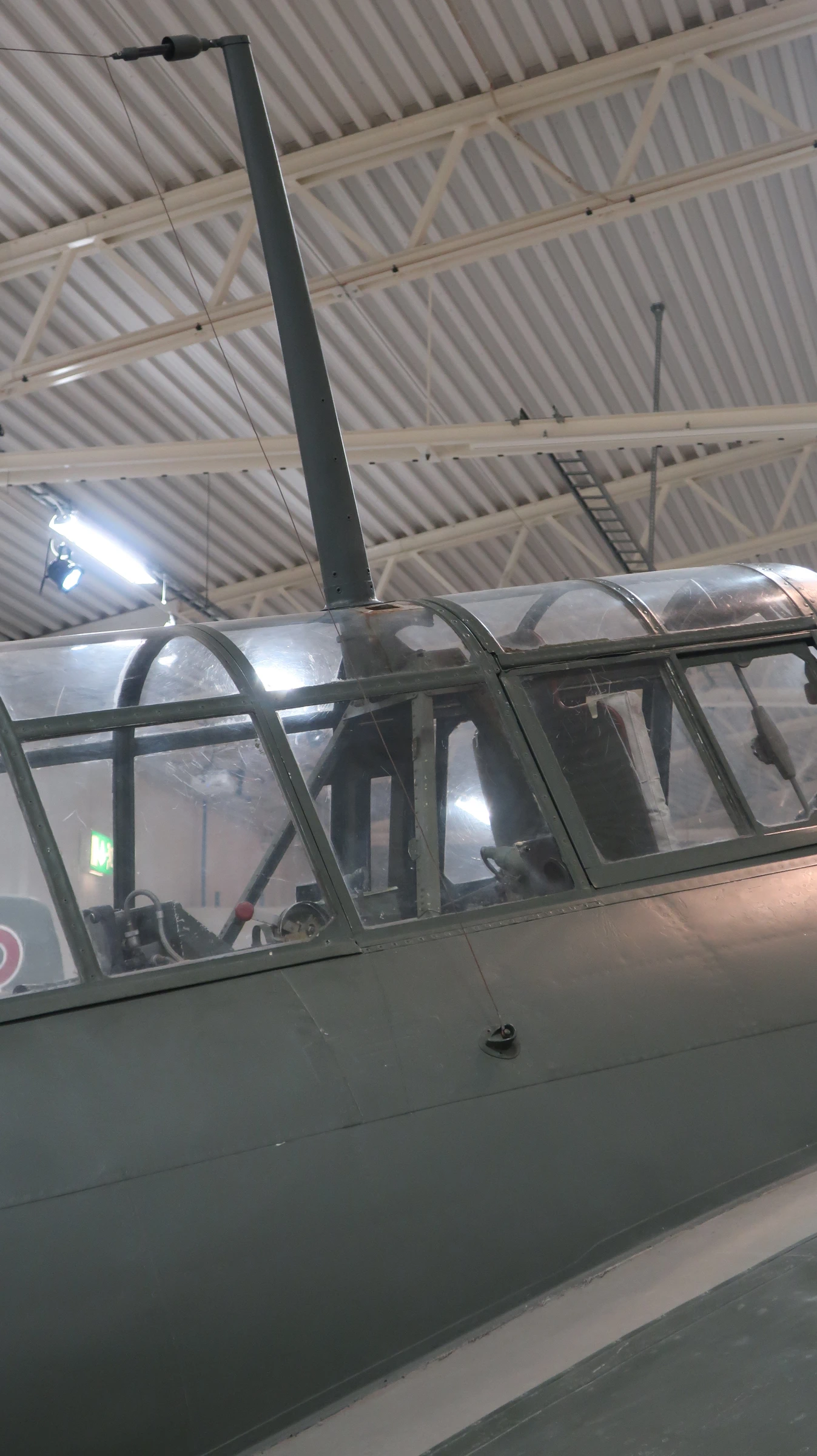
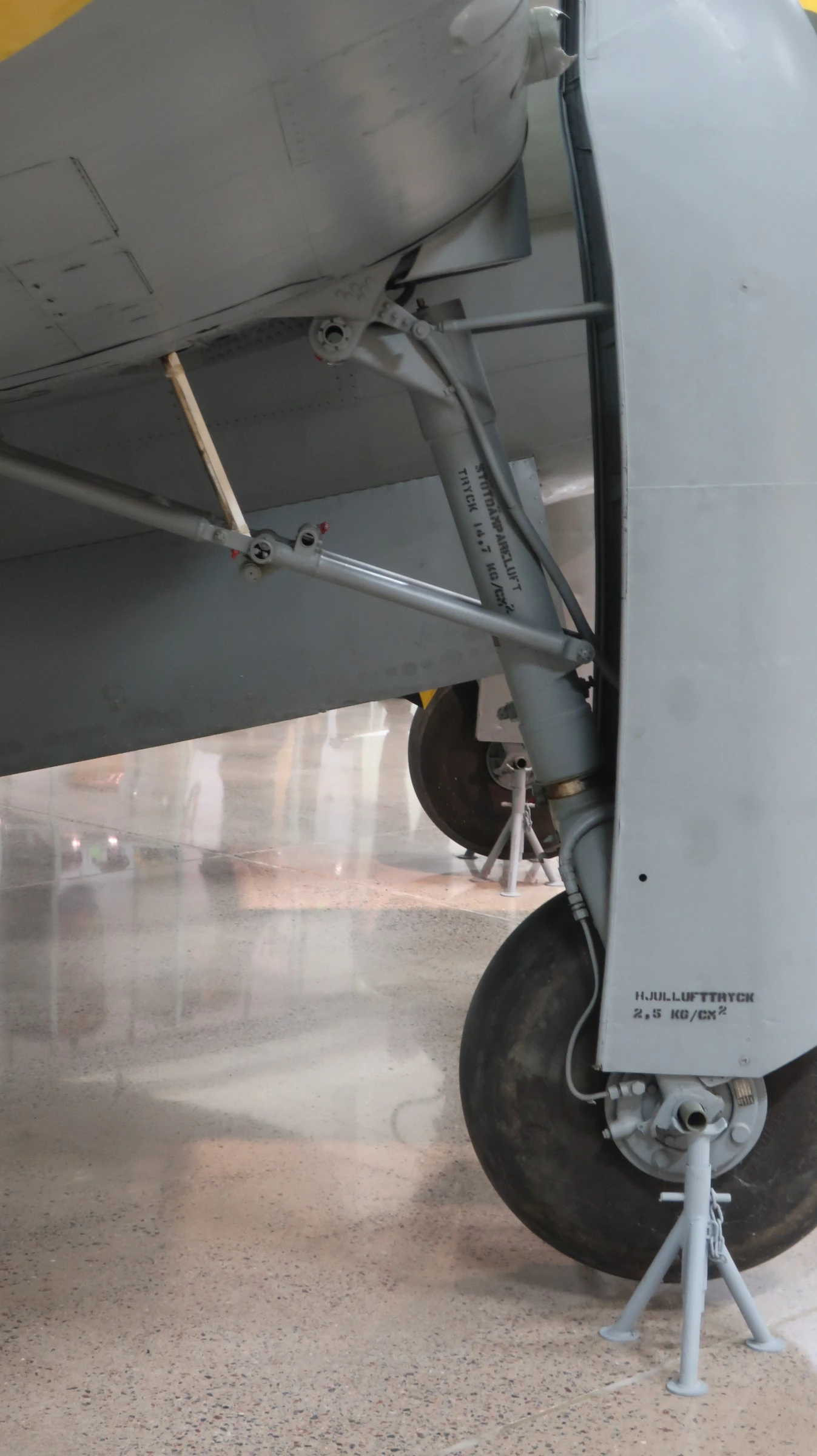
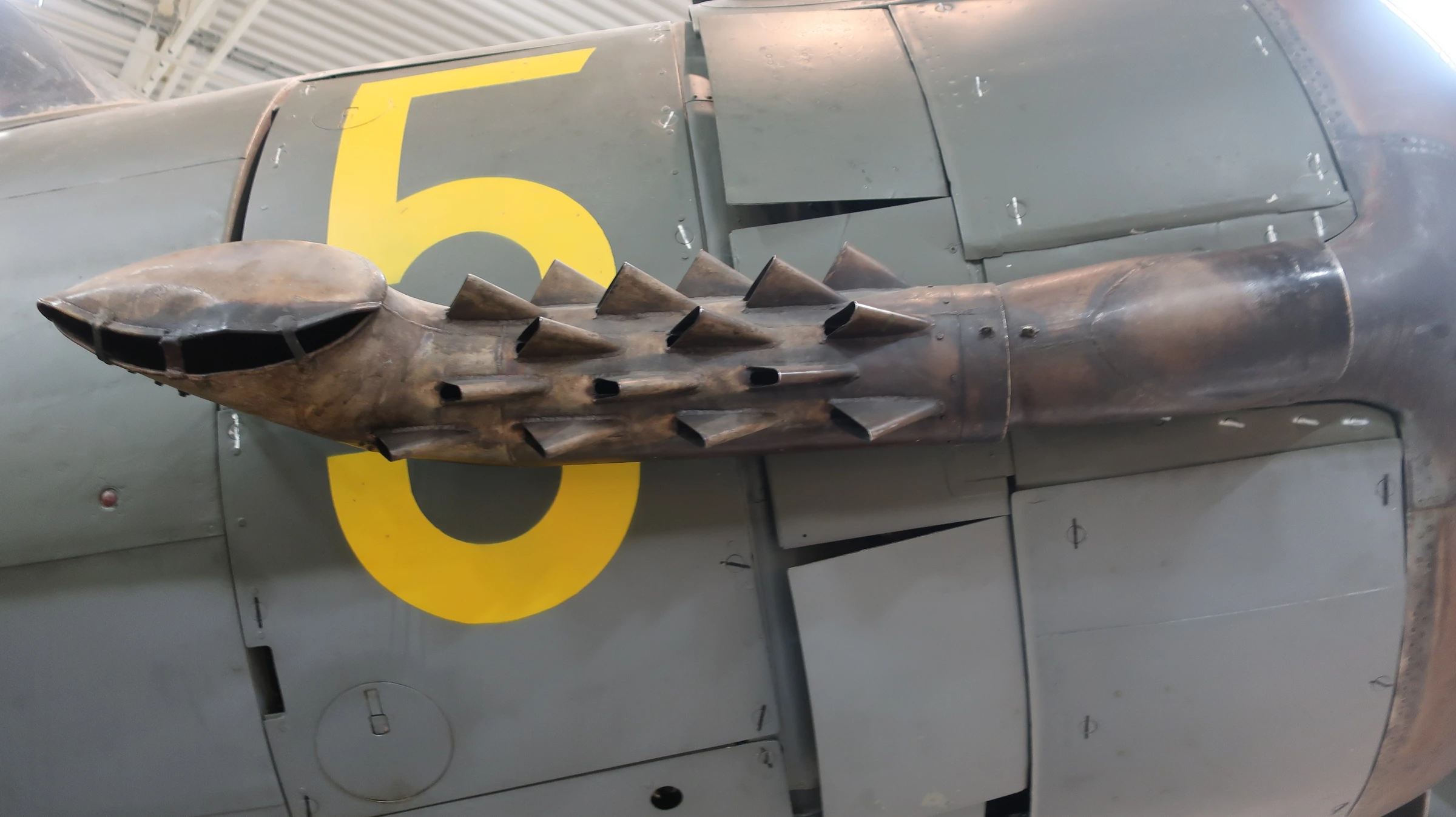
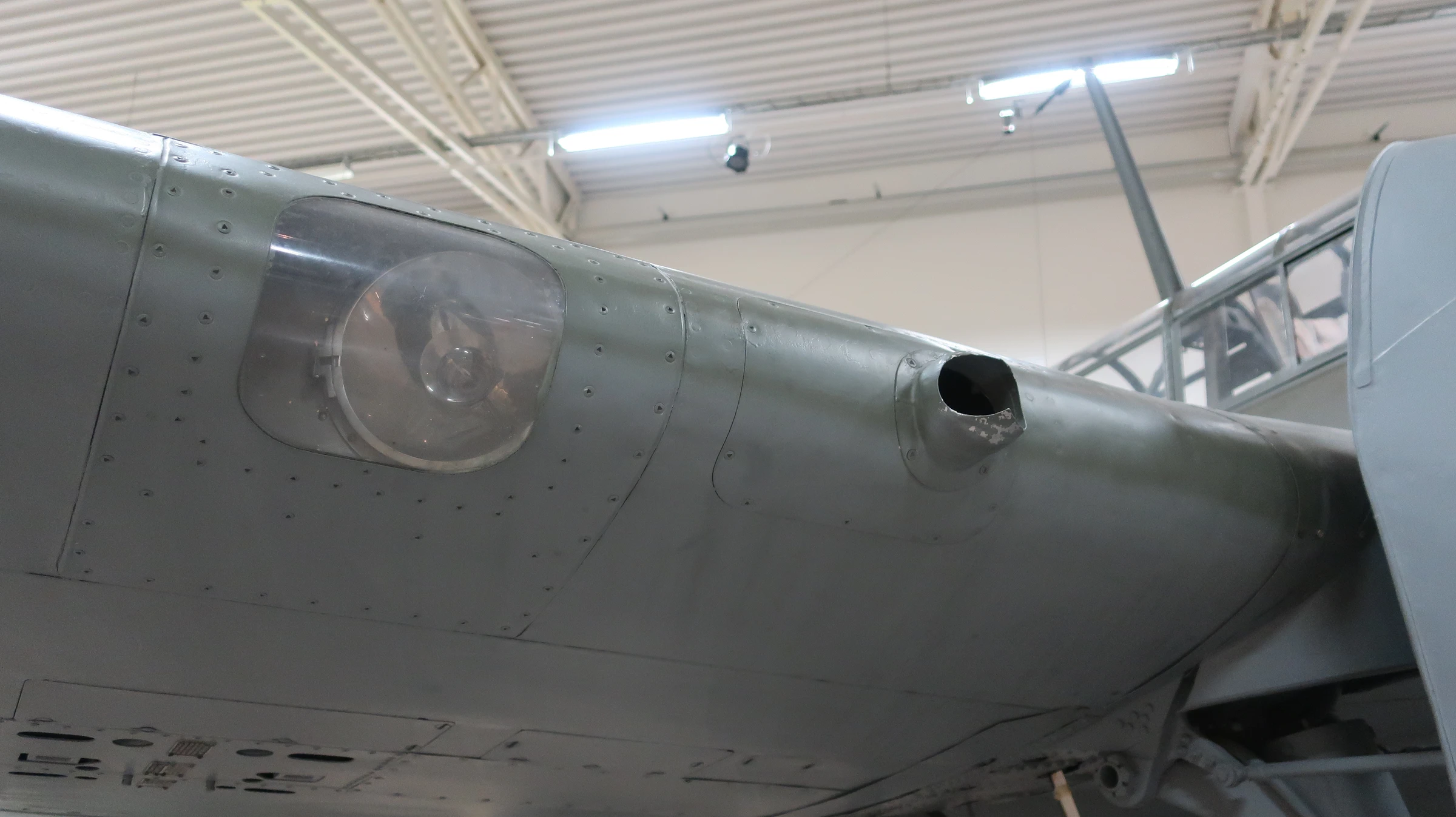
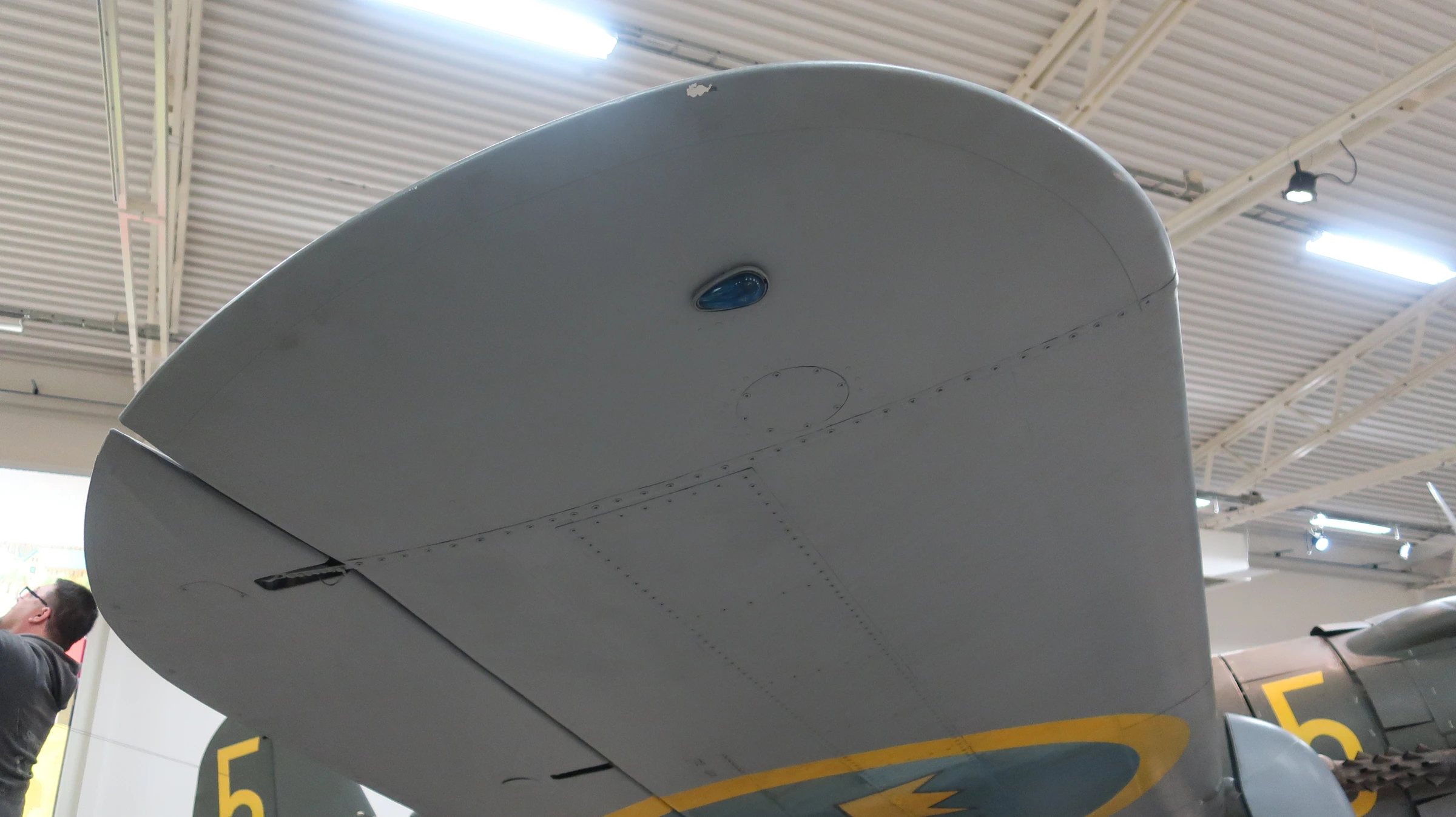
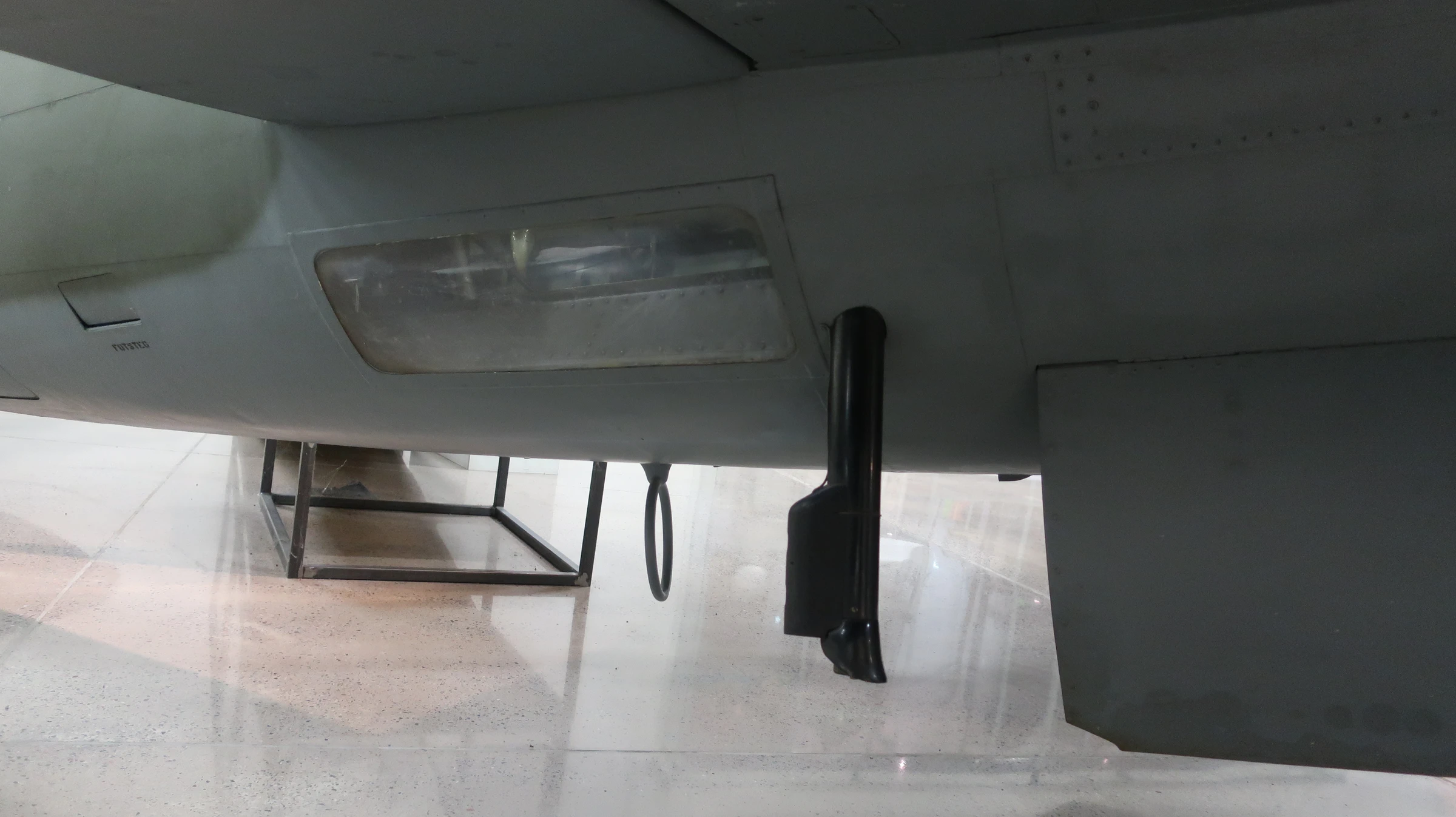
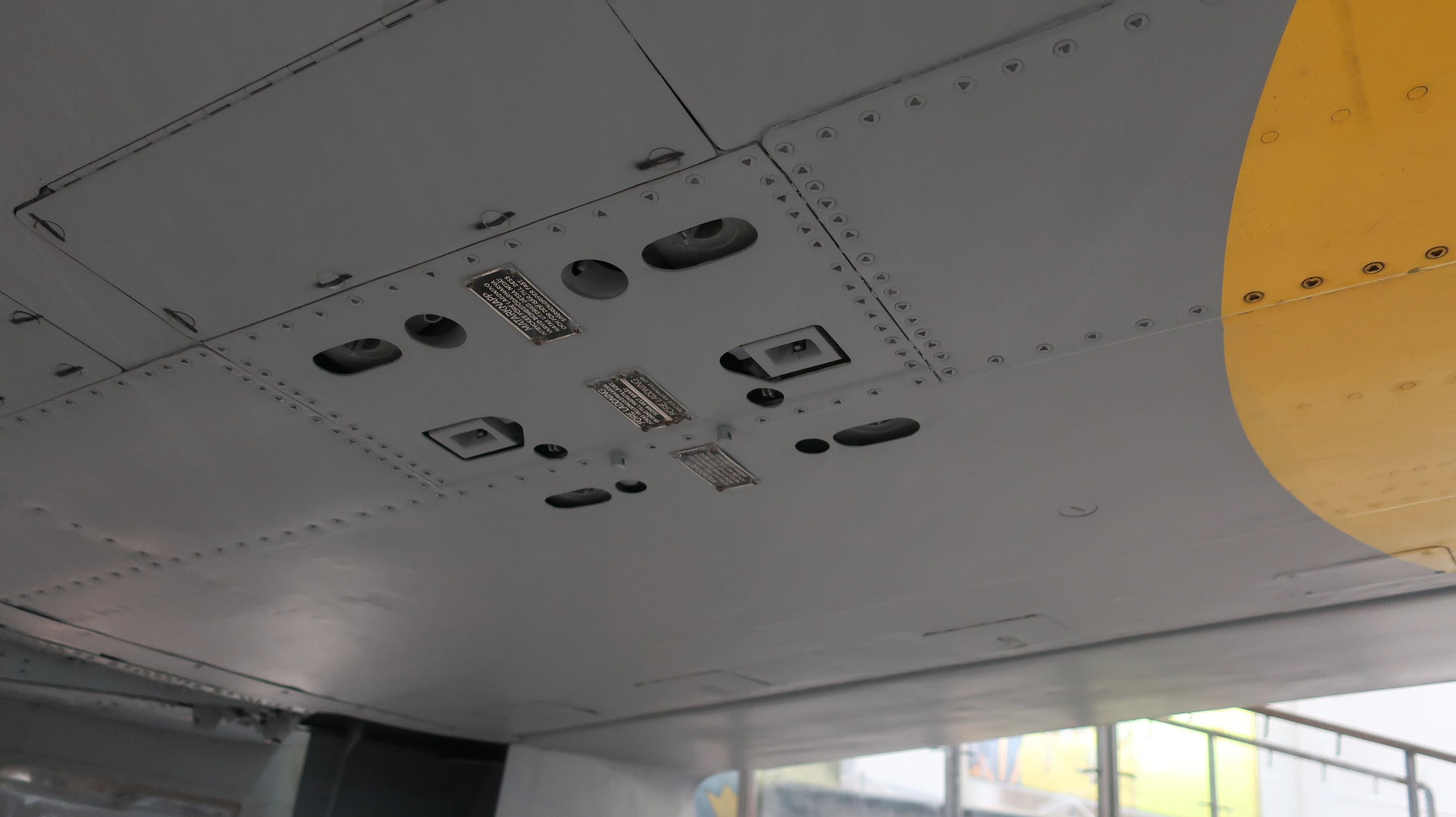
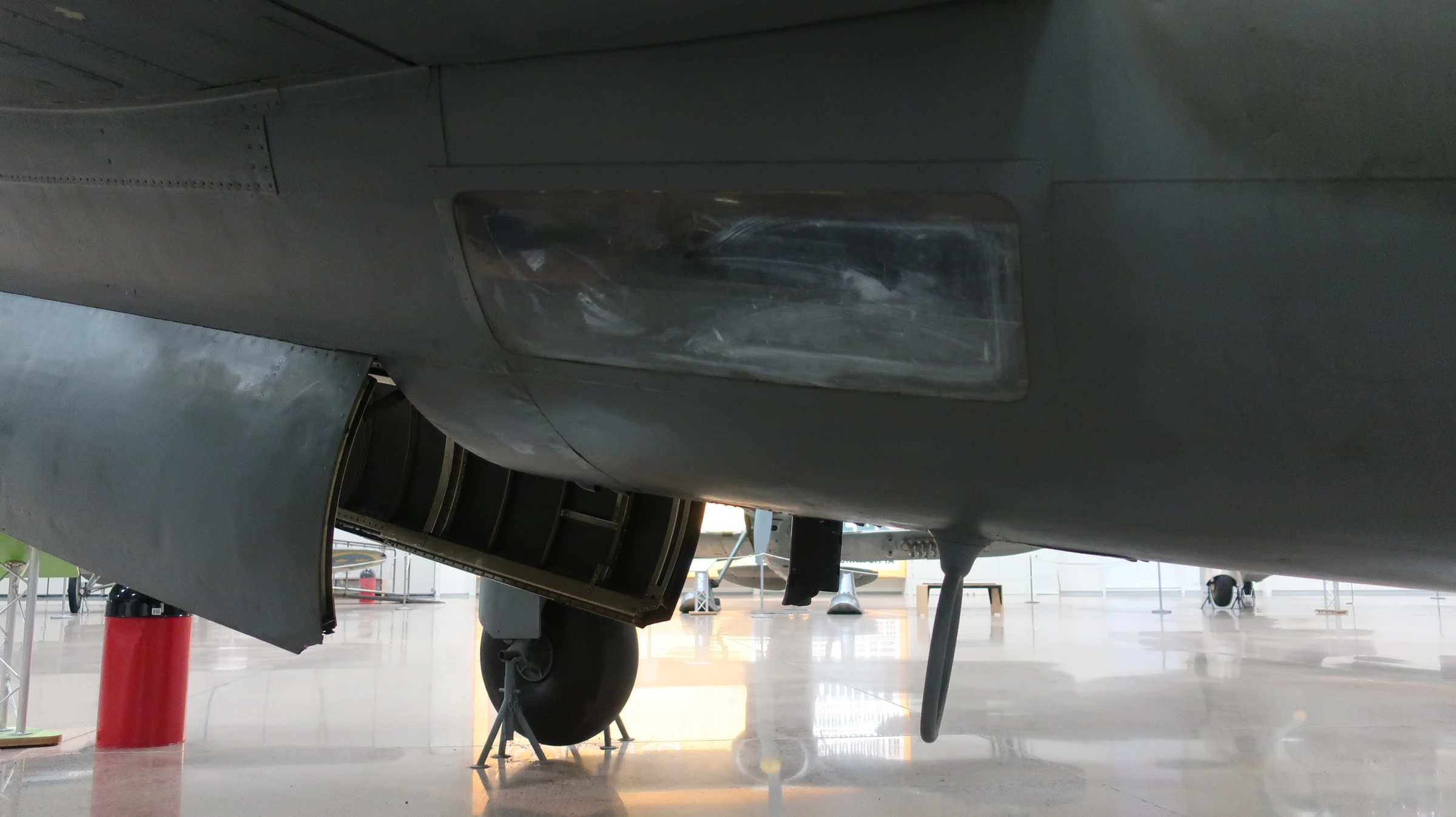
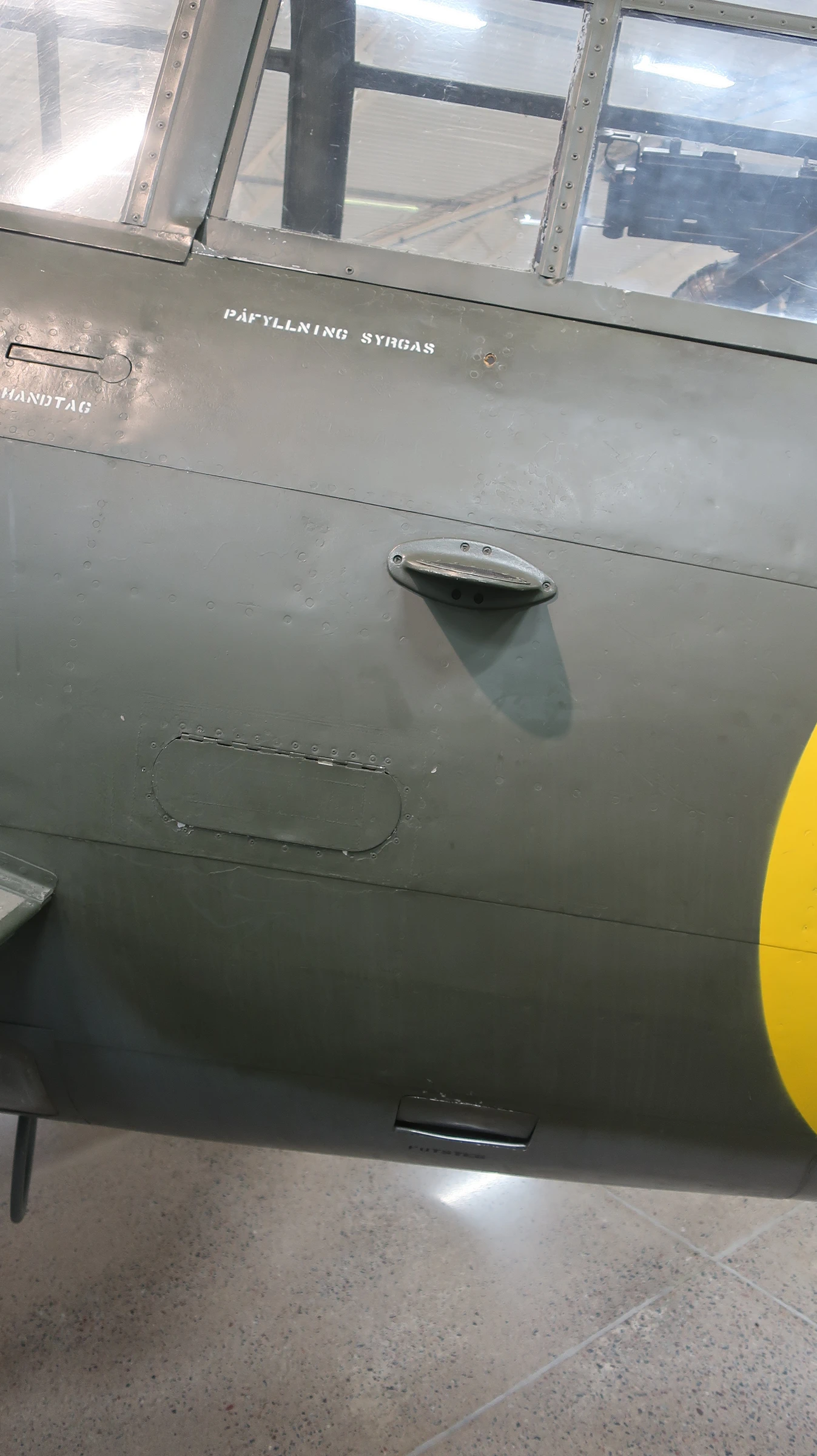
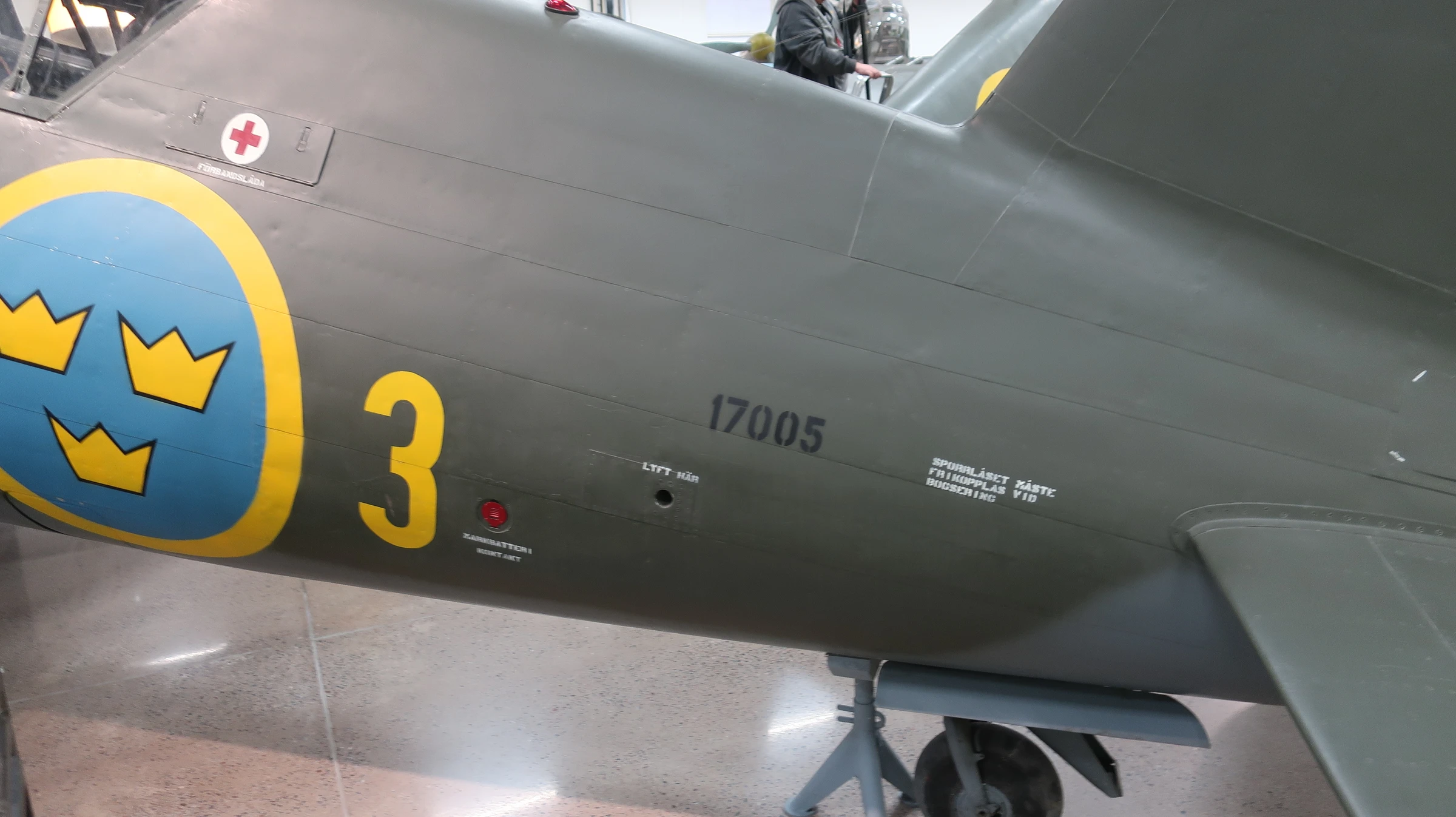
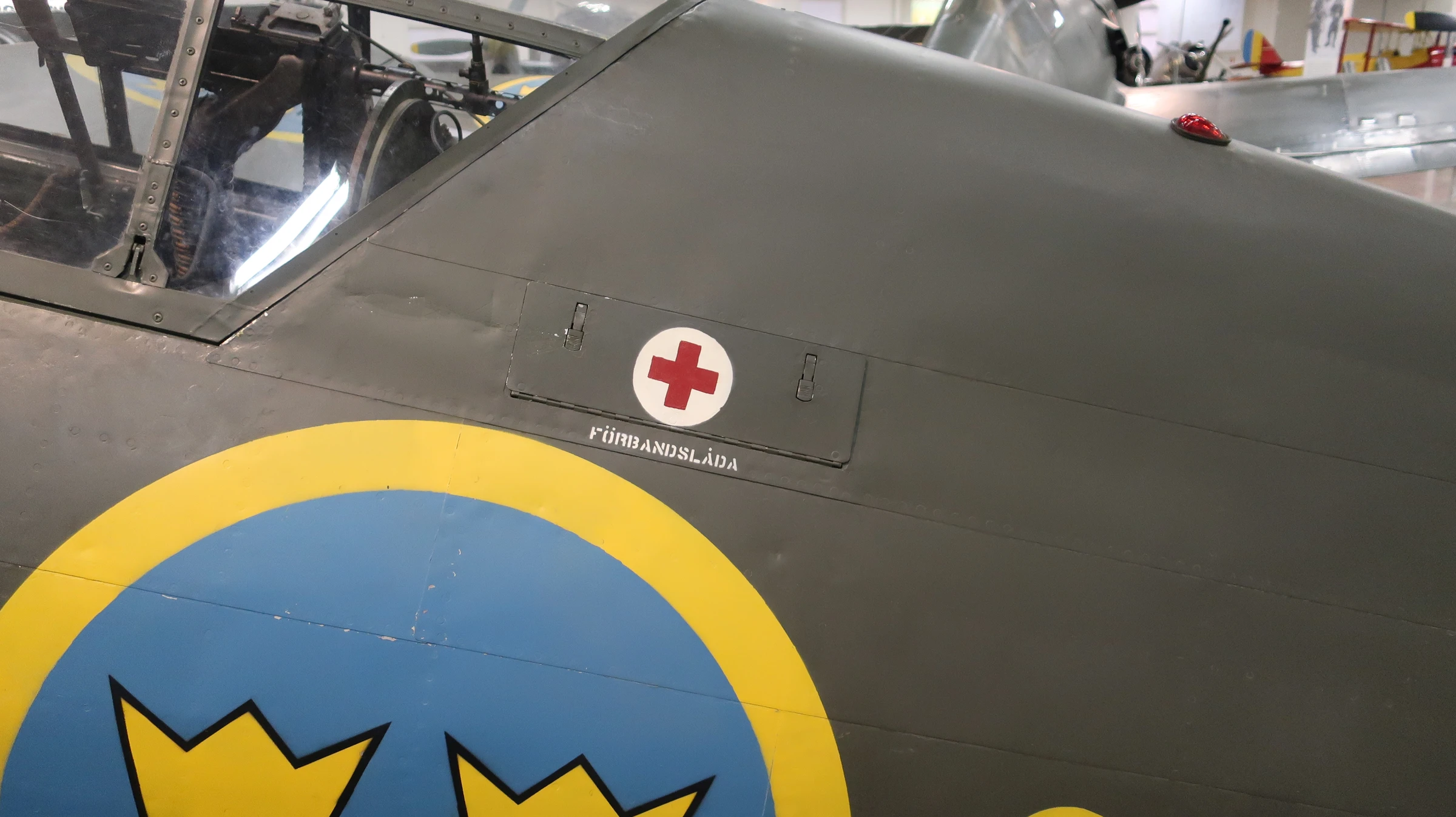
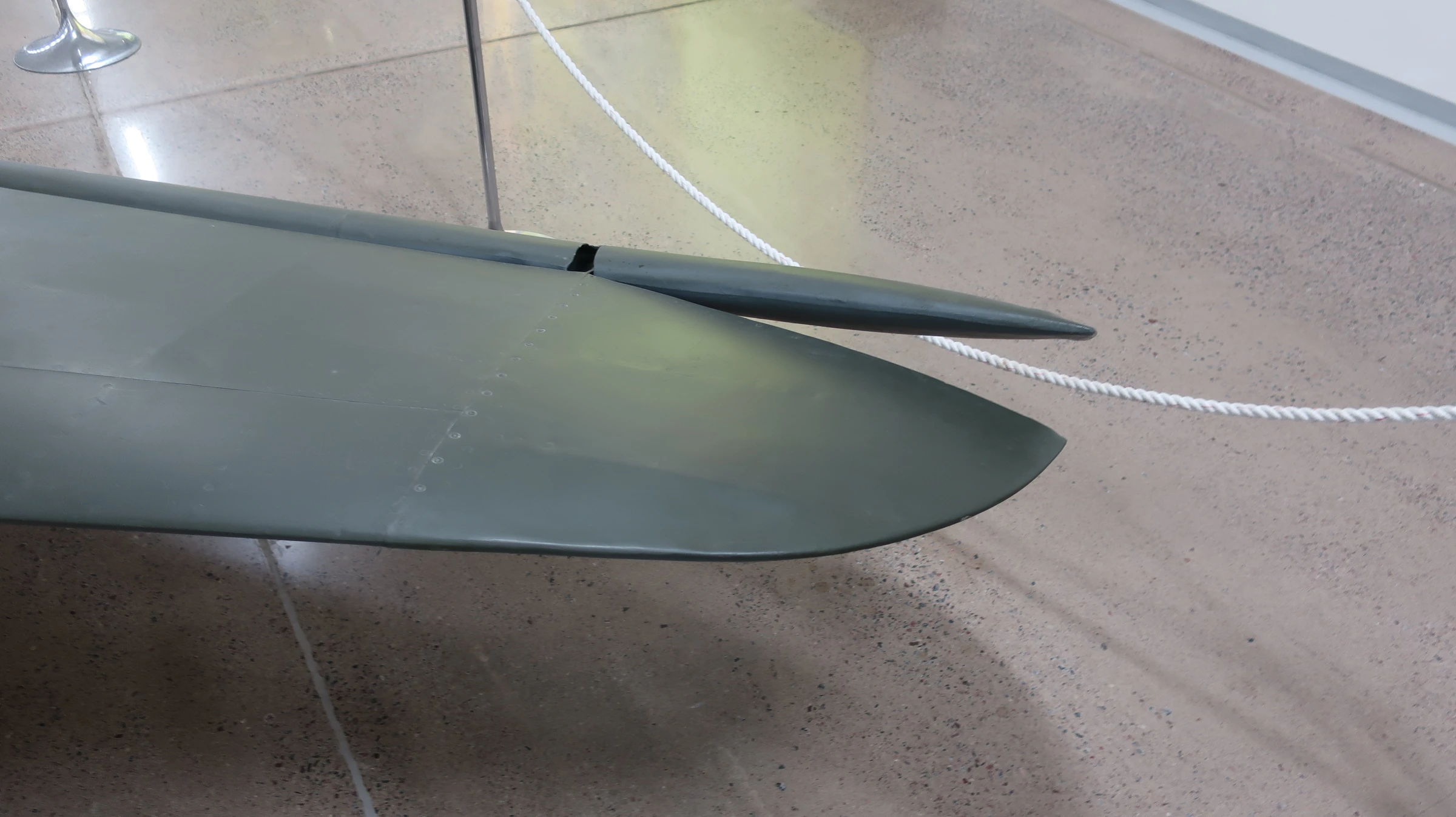
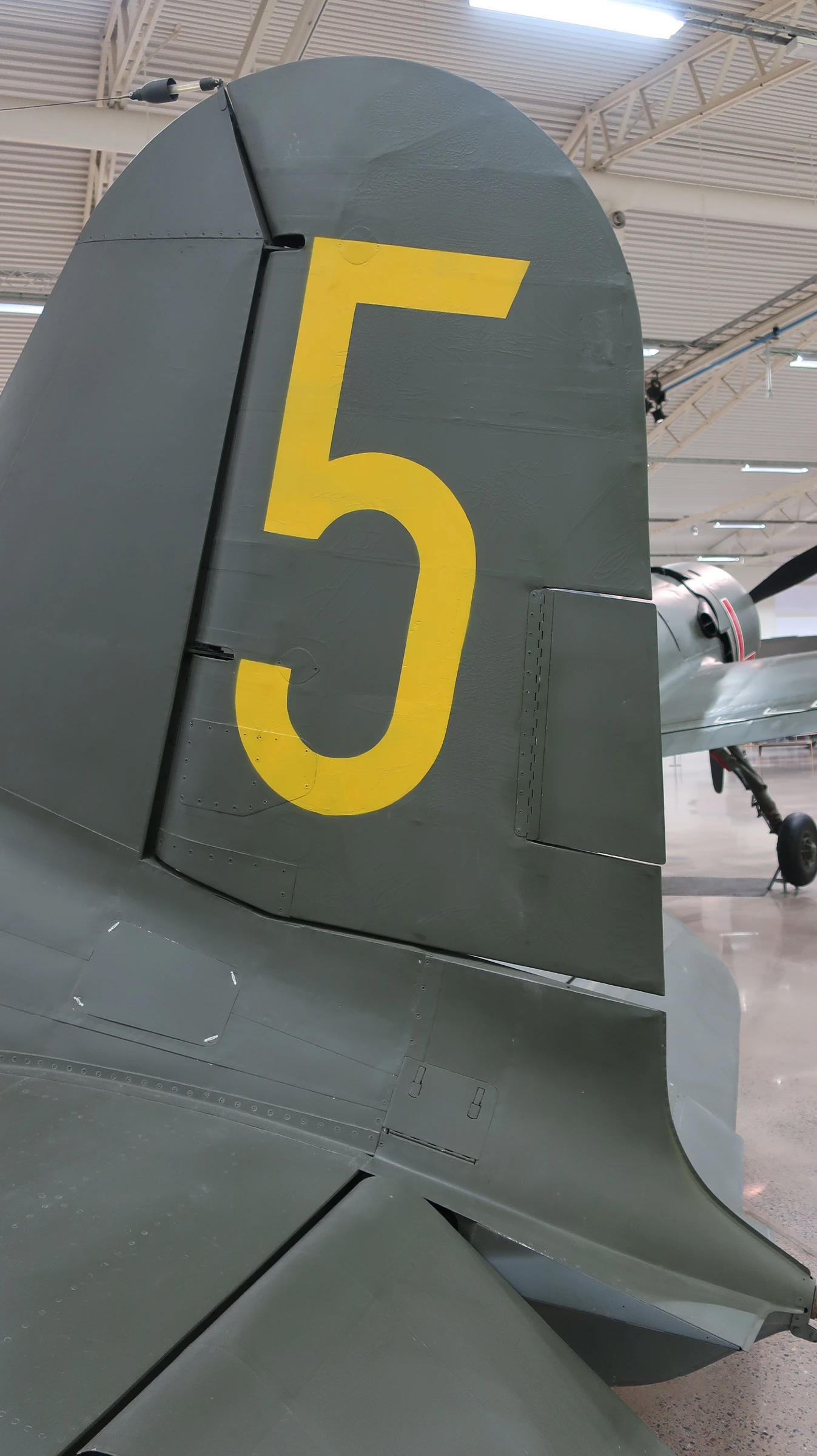
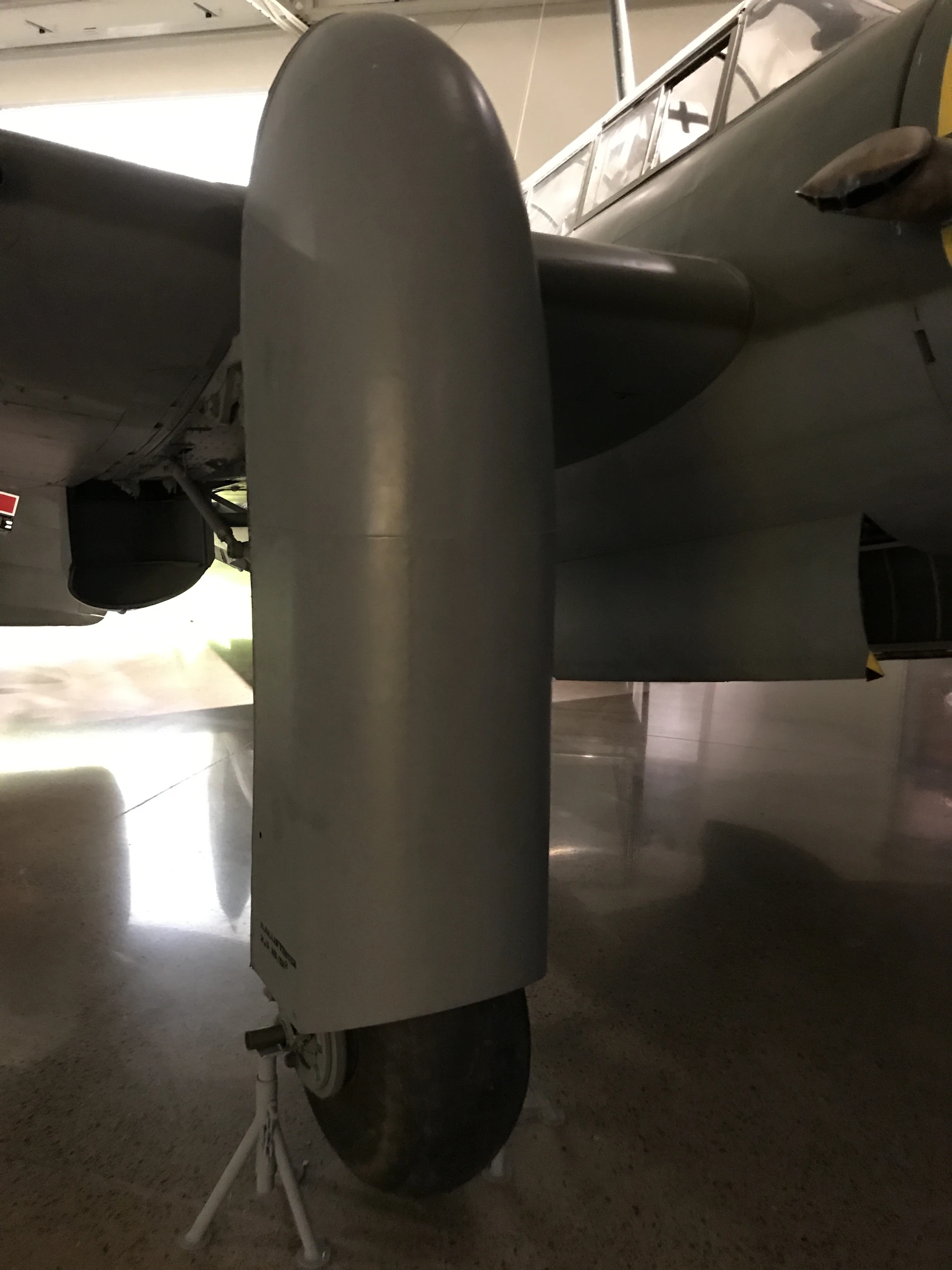
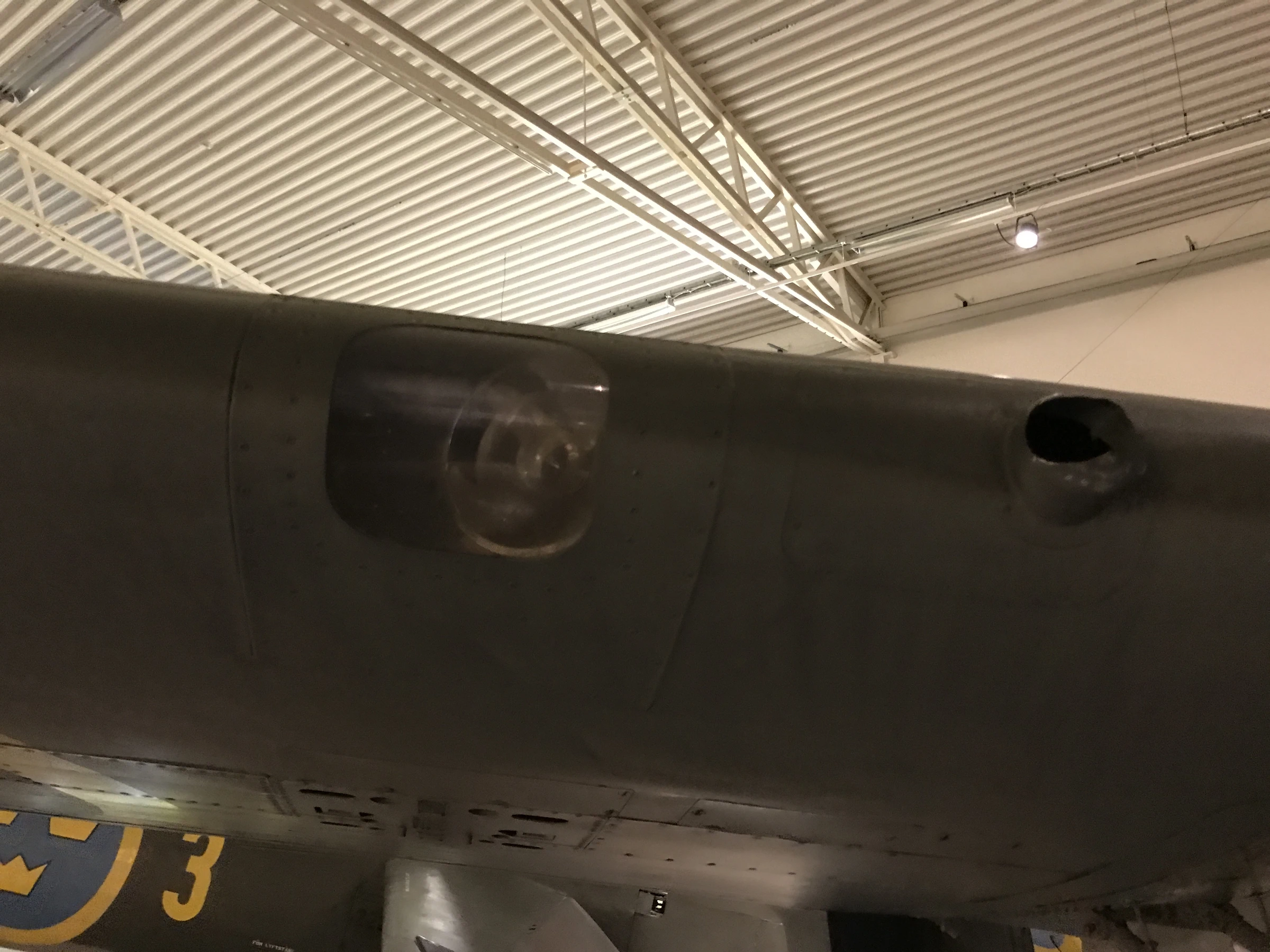
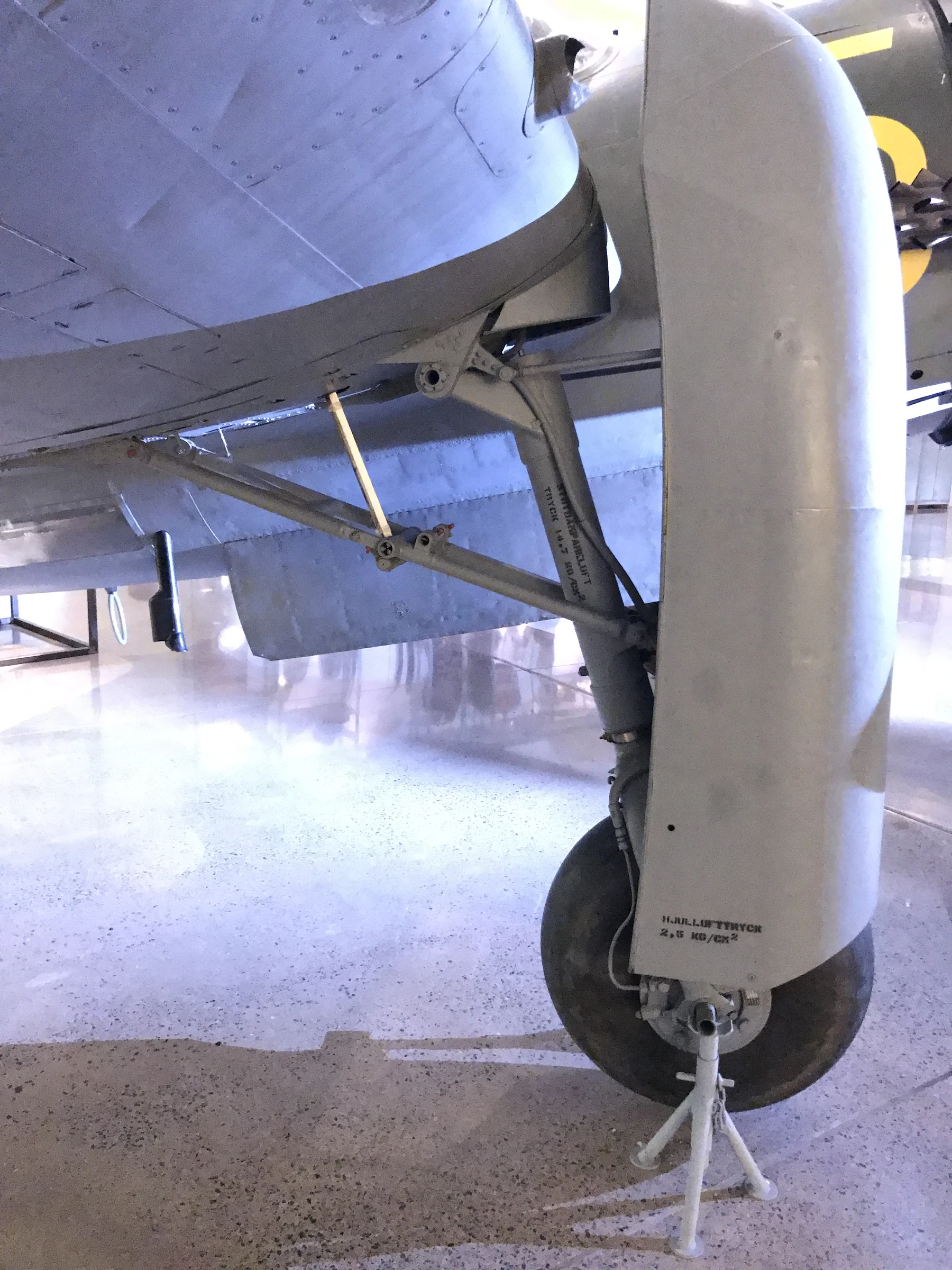
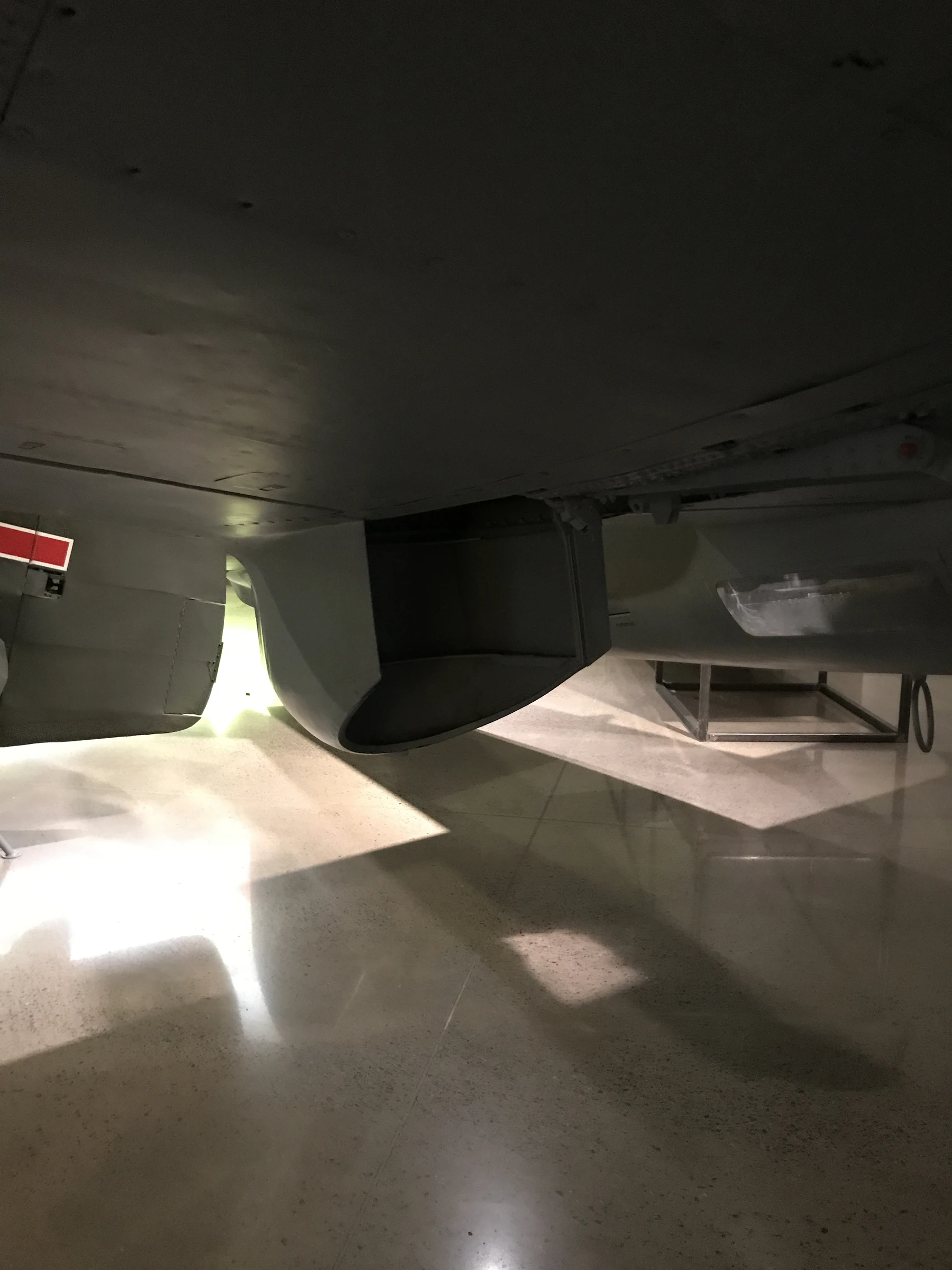
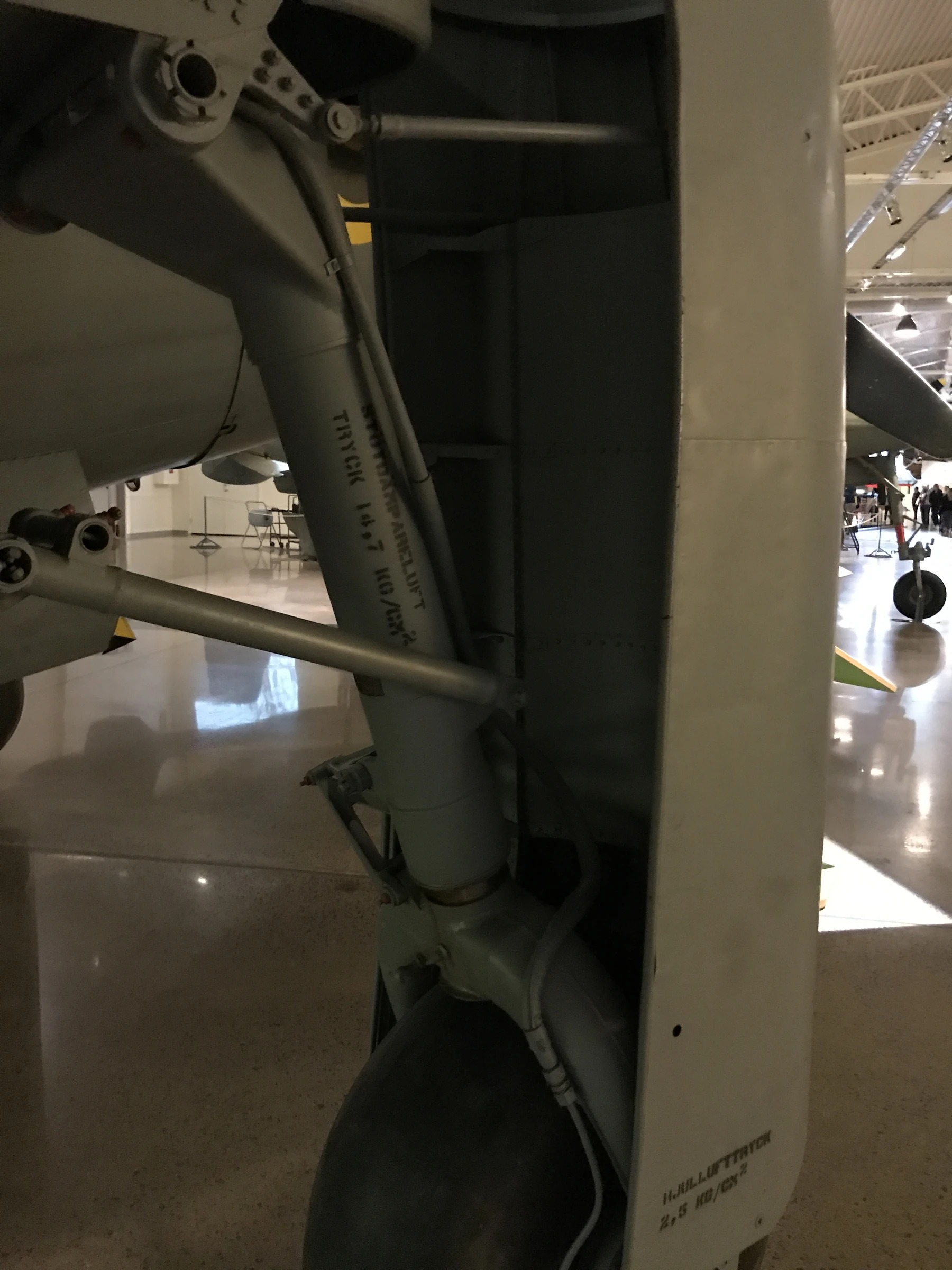
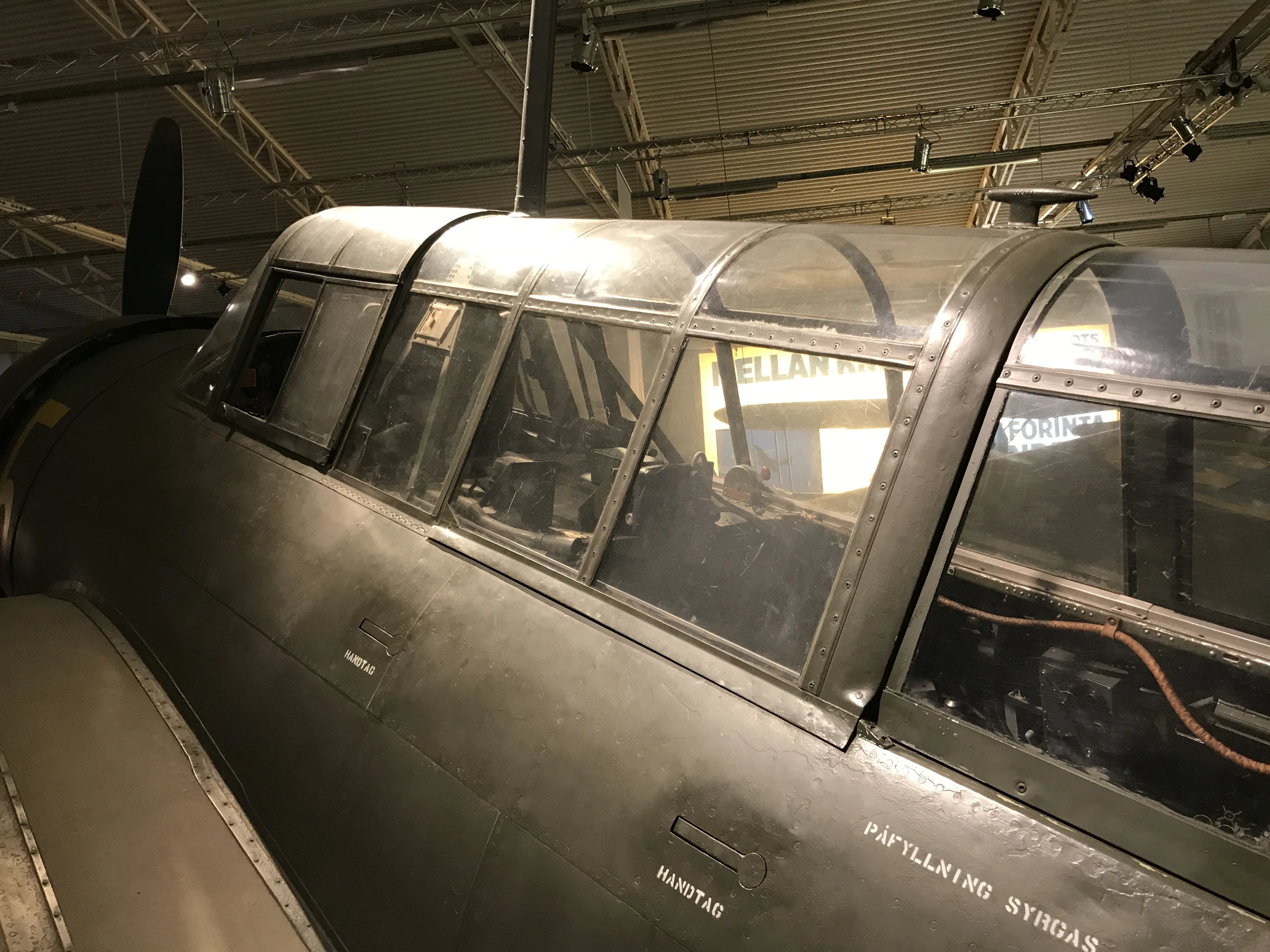
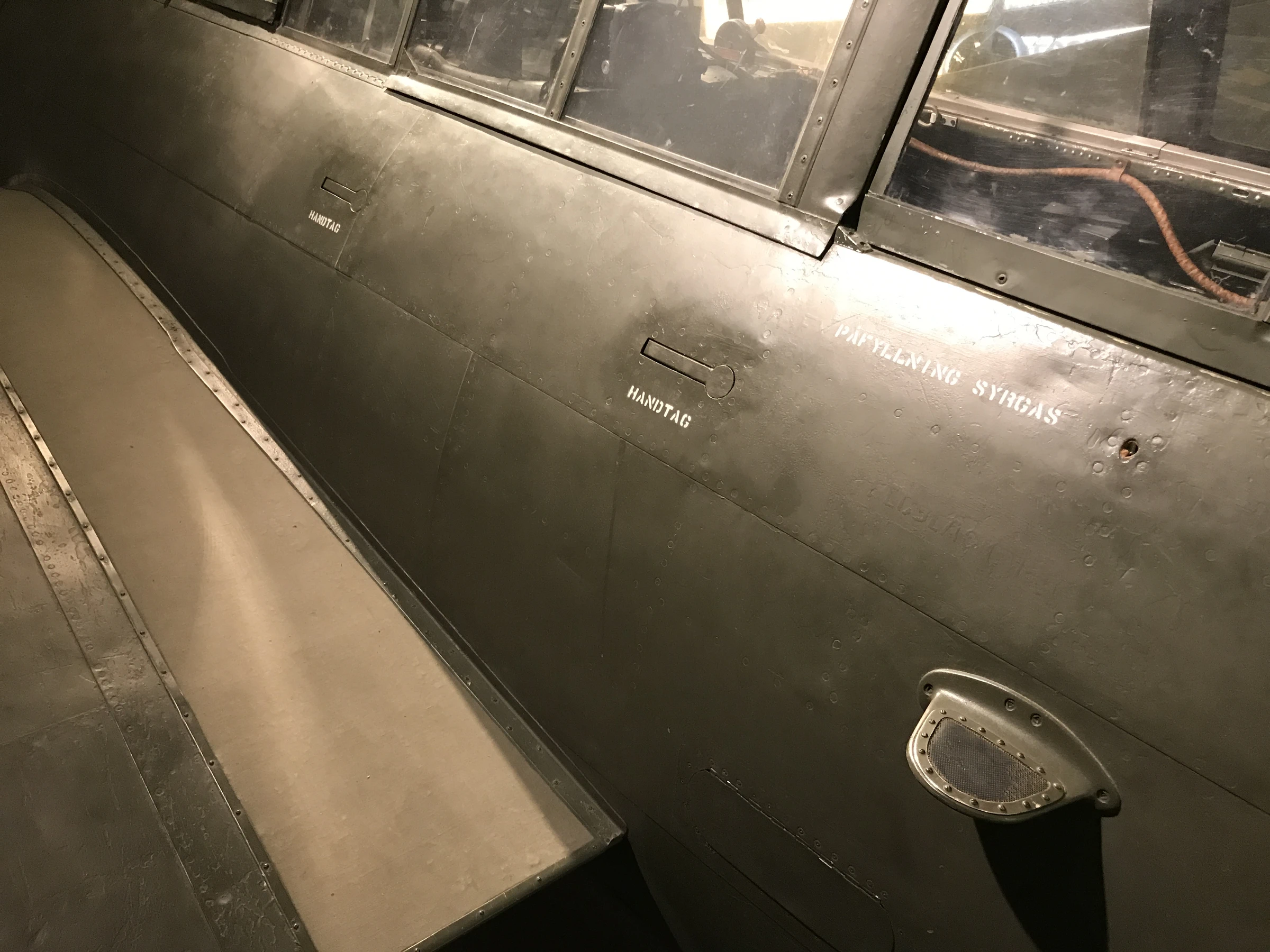
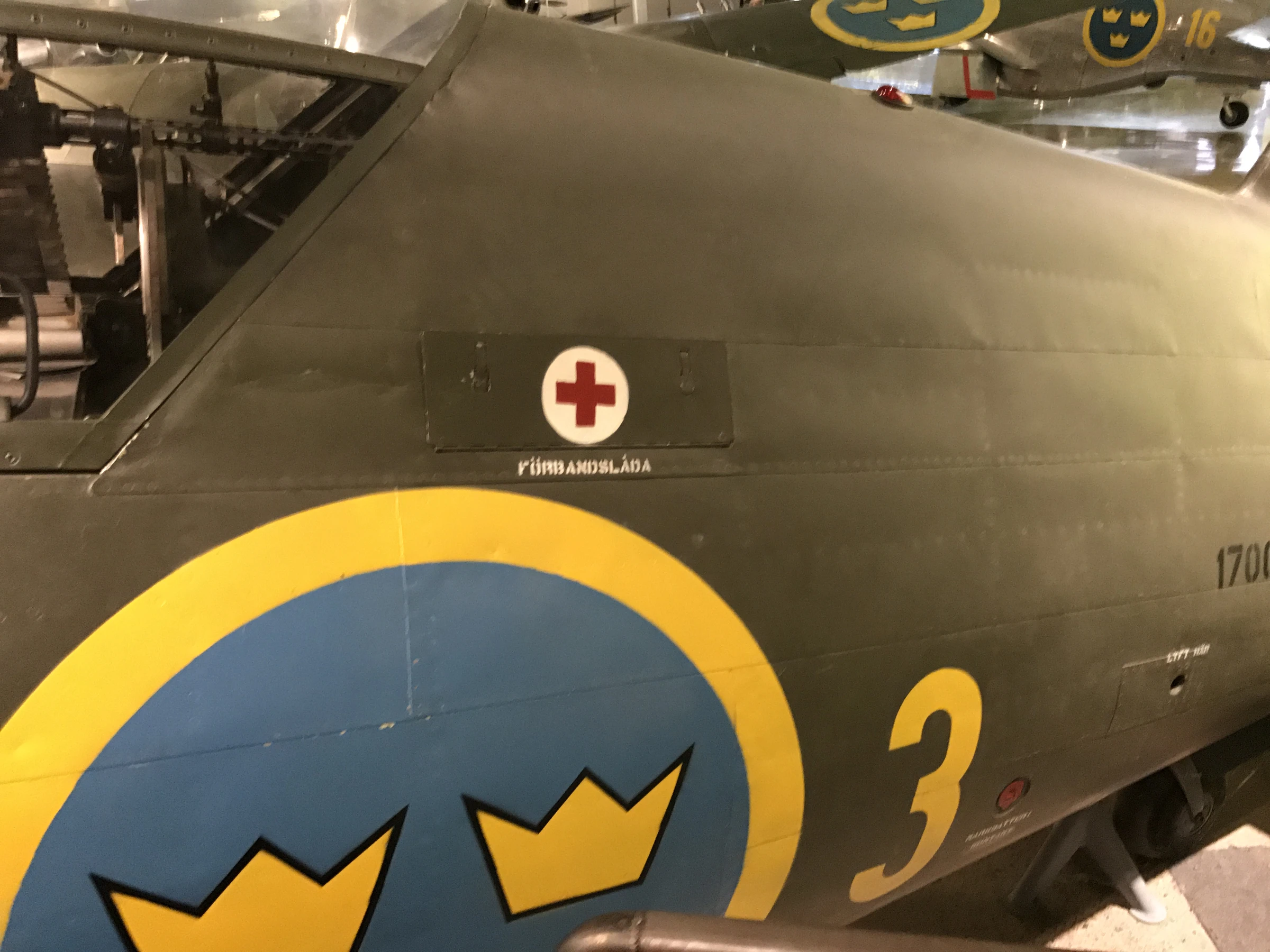
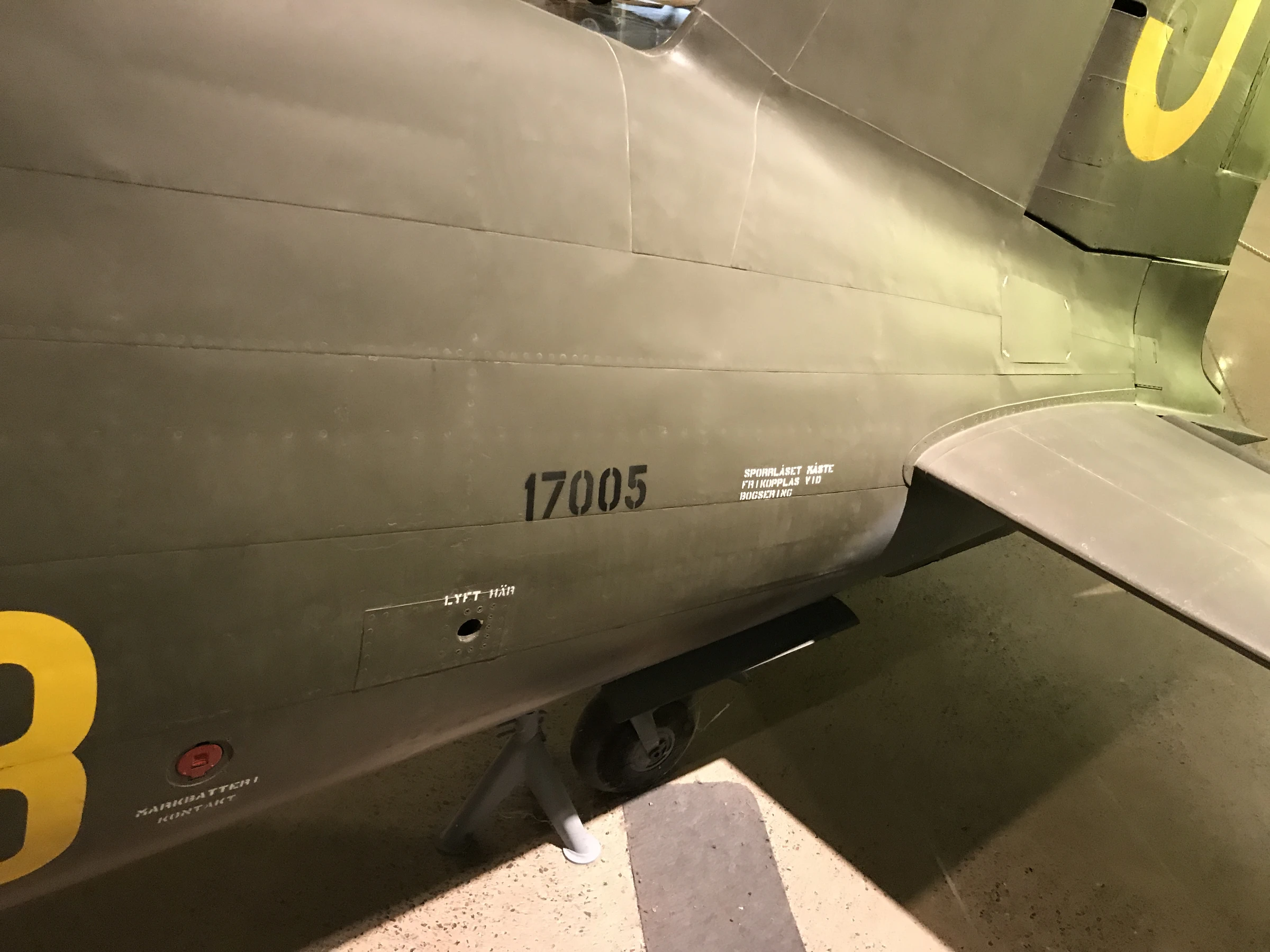
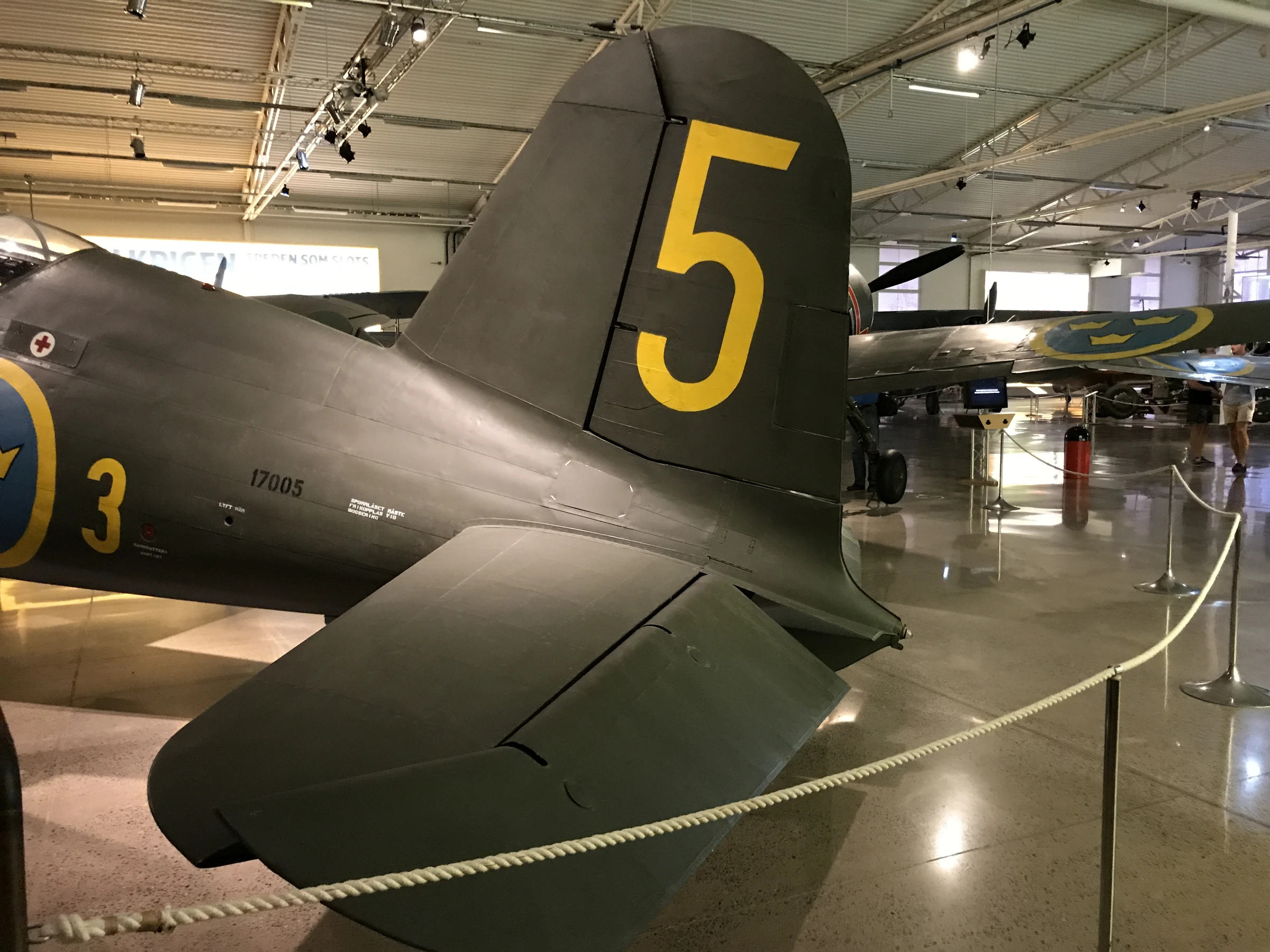
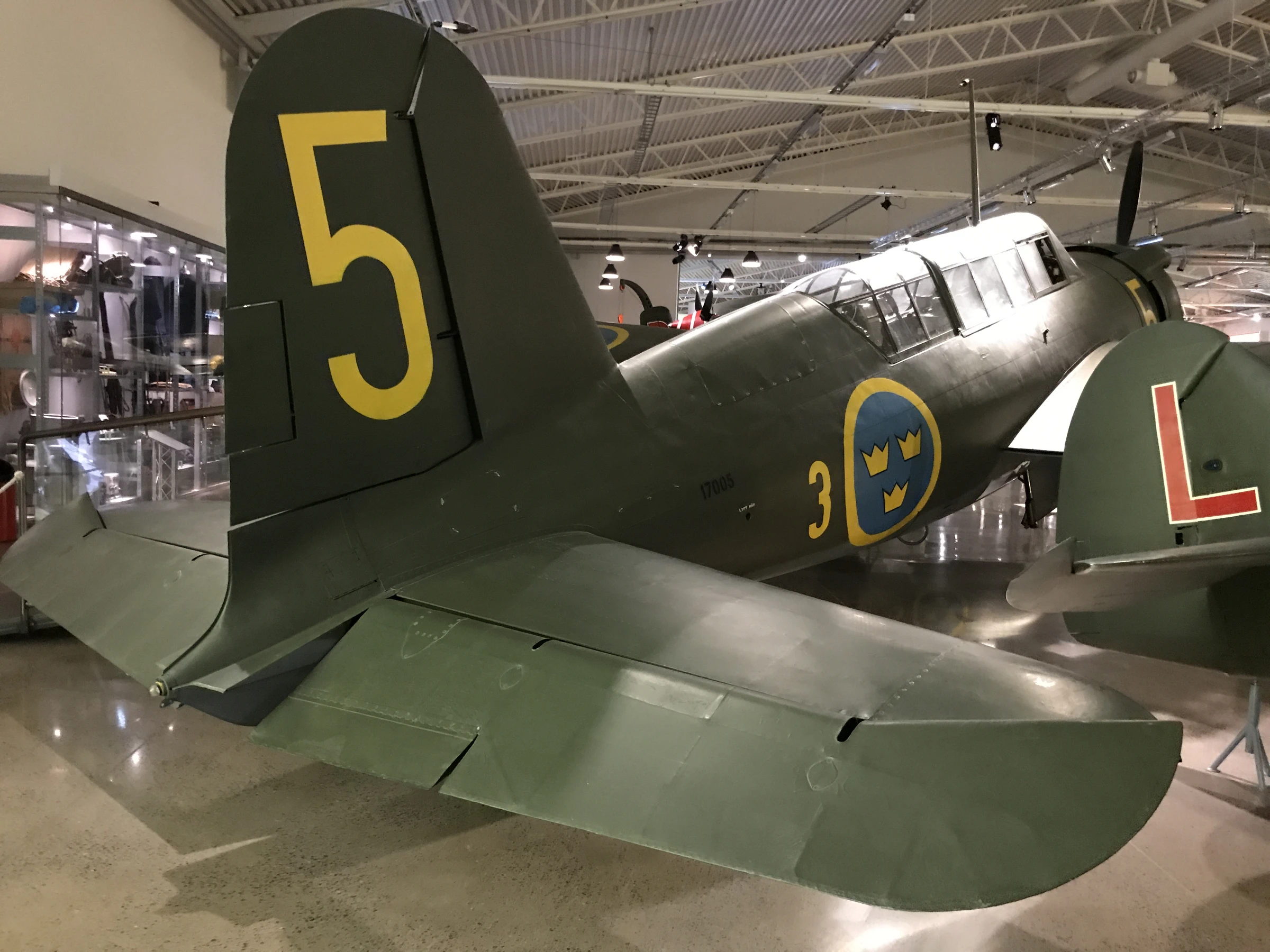
These walk-around photos were taken at Flygvapenmuseum at Malmen outside Linköping in 2017 and 2019. They show a Saab S 17BL, individual number 17005, coded 5 and marked with the insignia of F 3 Östgöta flygflottilj — the reconnaissance variant of Saab's first entirely indigenous aircraft design and the foundation on which the company's entire subsequent career as a combat aircraft manufacturer was built. The Saab 17 originated in the late 1930s as the ASJA L 10, developed in response to a 1938 Air Force requirement for a reconnaissance aircraft, and became the first all-metal stressed-skin aircraft produced in Sweden. Its wings were substantially strengthened to enable dive-bombing, giving it a dual role from the outset, and it entered service in 1942 in both bomber and reconnaissance configurations.
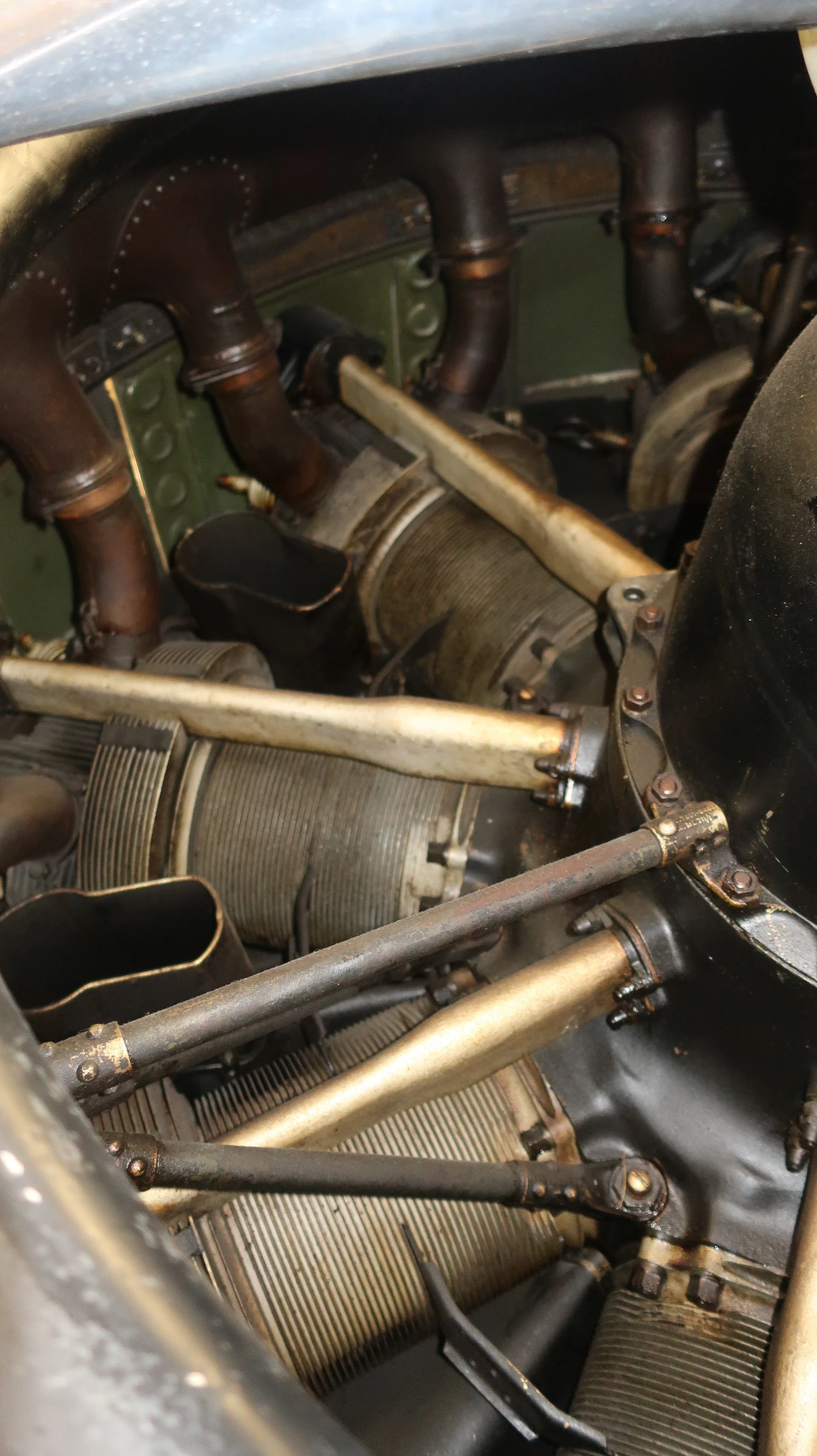
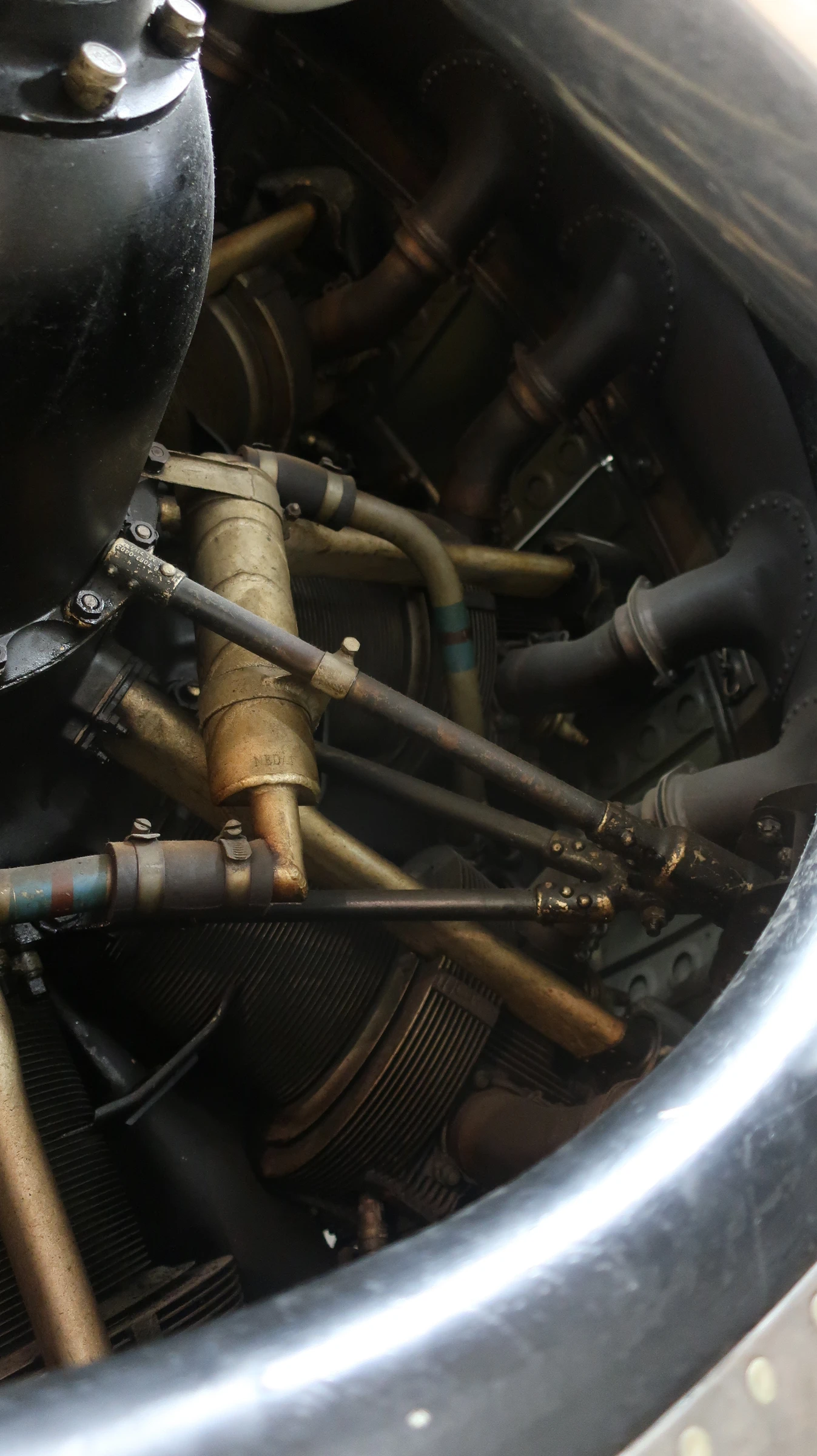
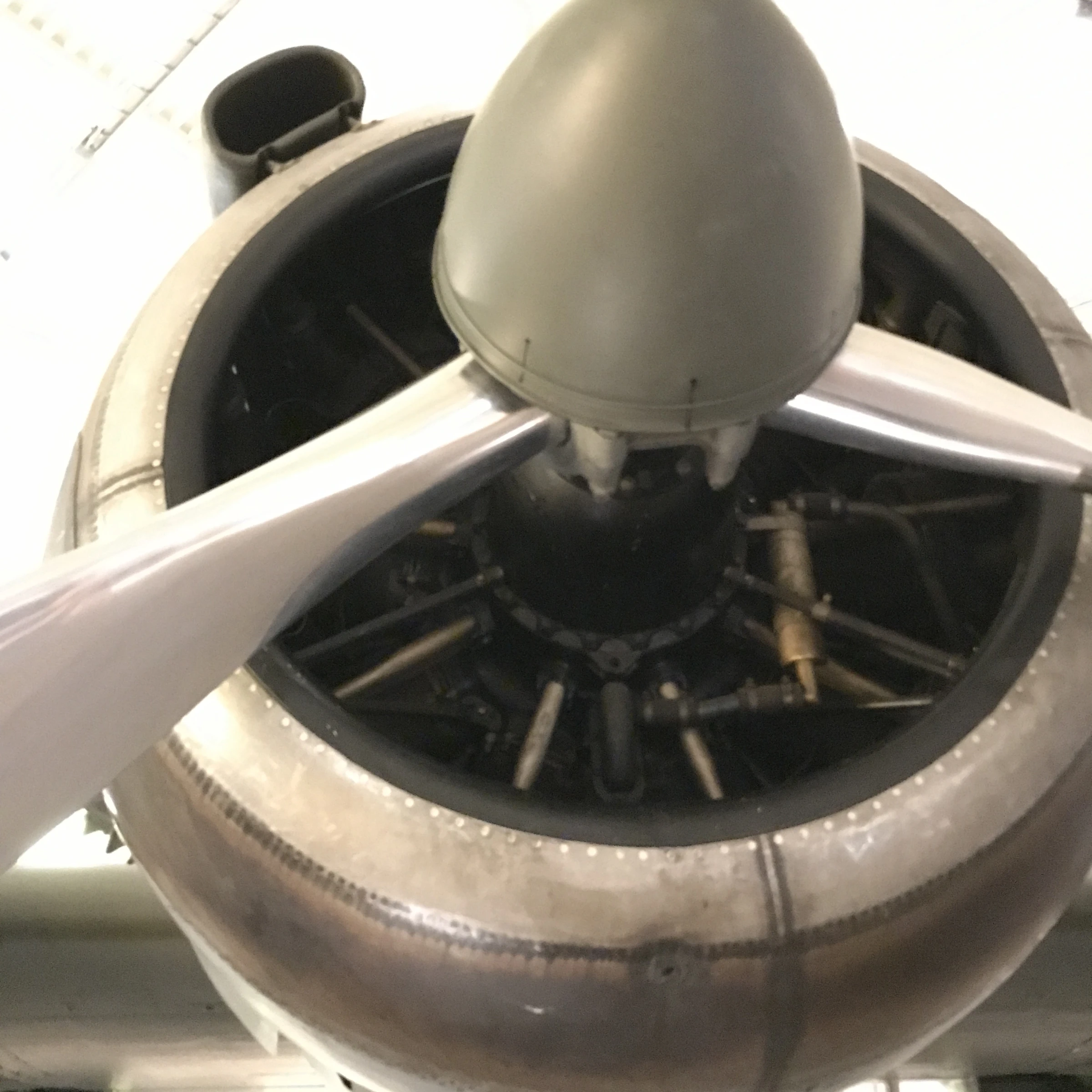
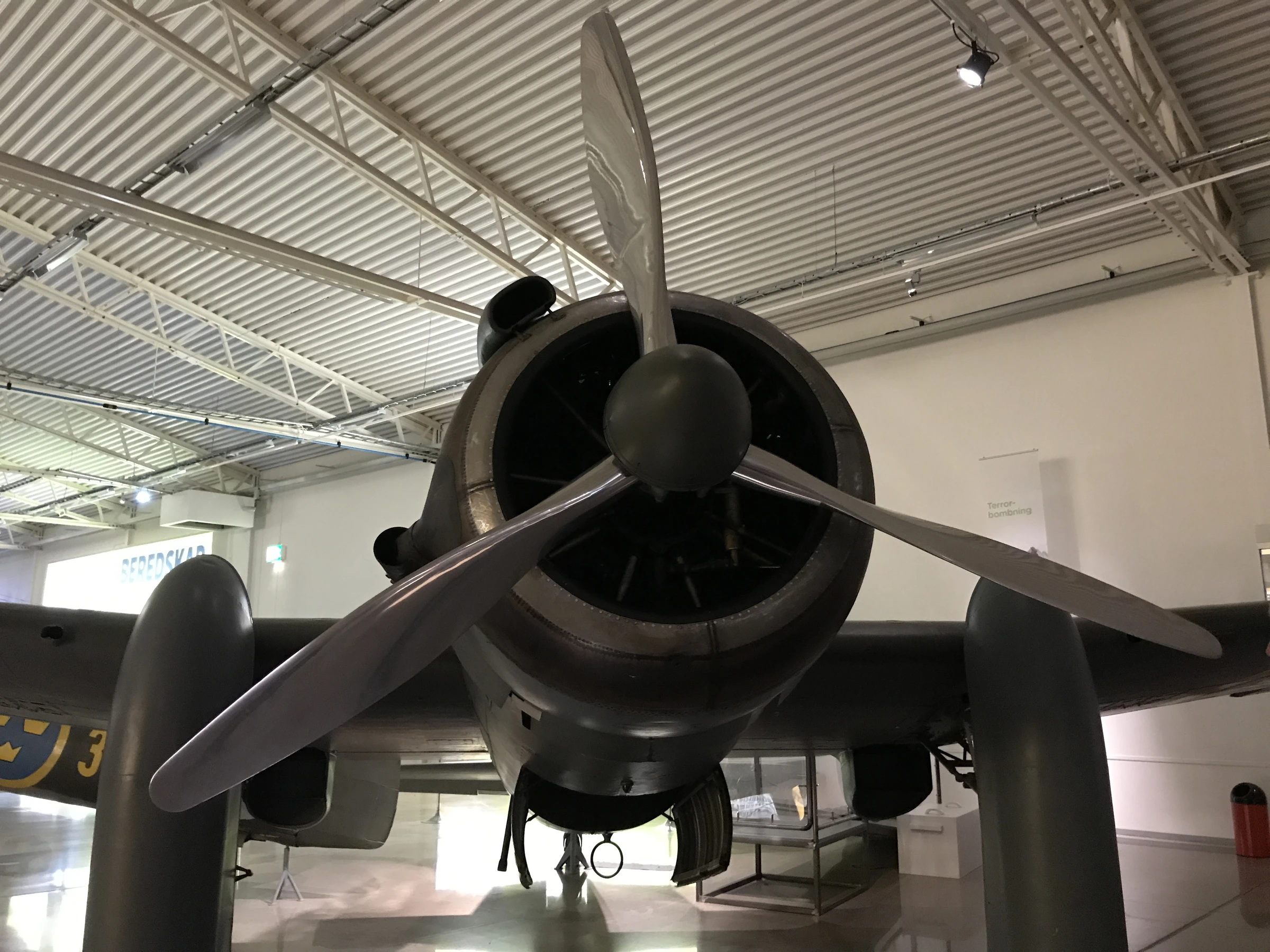
The S 17BL was the wheeled-undercarriage reconnaissance variant of the B 17B series, powered by a Bristol Mercury XXIV radial engine and equipped with cameras in the fuselage bomb bay for army cooperation and strategic reconnaissance. Only 21 were built. Individual 17005 served with F 3 at Malmen — fittingly close to the Saab factory in Linköping where it was built — and was one of the aircraft preserved early in the collection that would later form the basis of Flygvapenmuseum. It is displayed at Flygvapenmuseum as one of the museum's most historically significant exhibits, representing the moment Saab stepped up as Sweden's primary combat aircraft manufacturer.