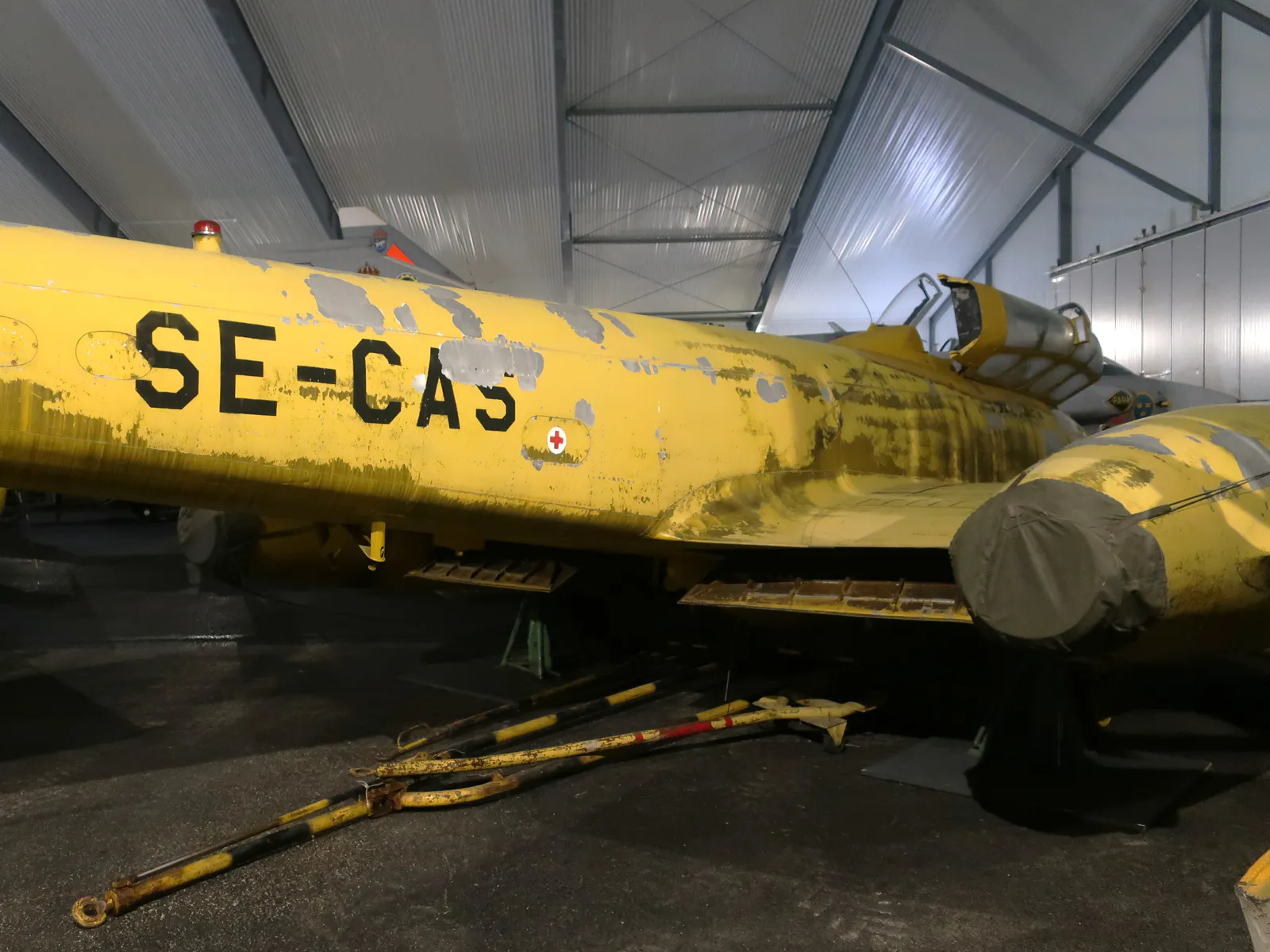
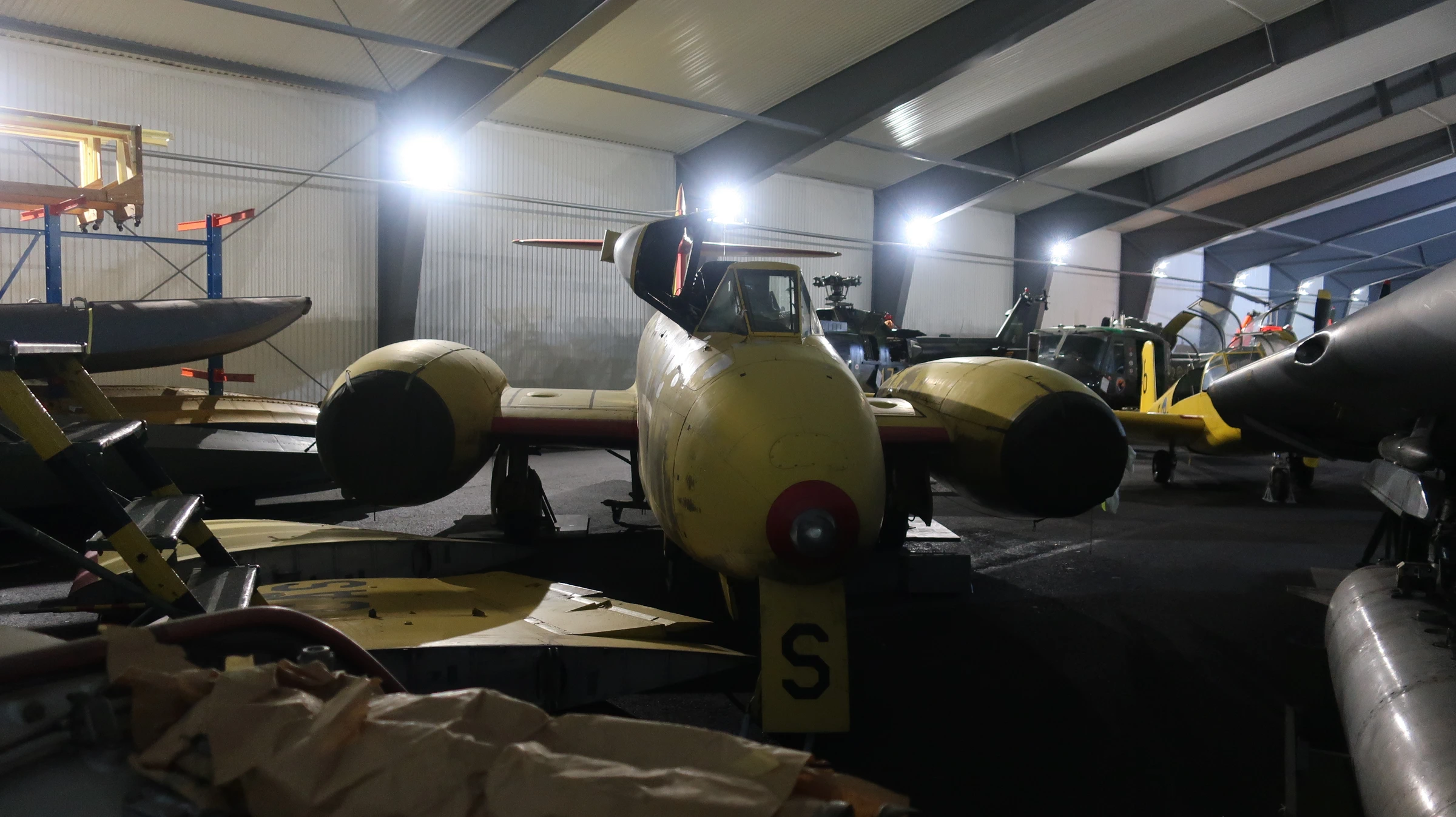
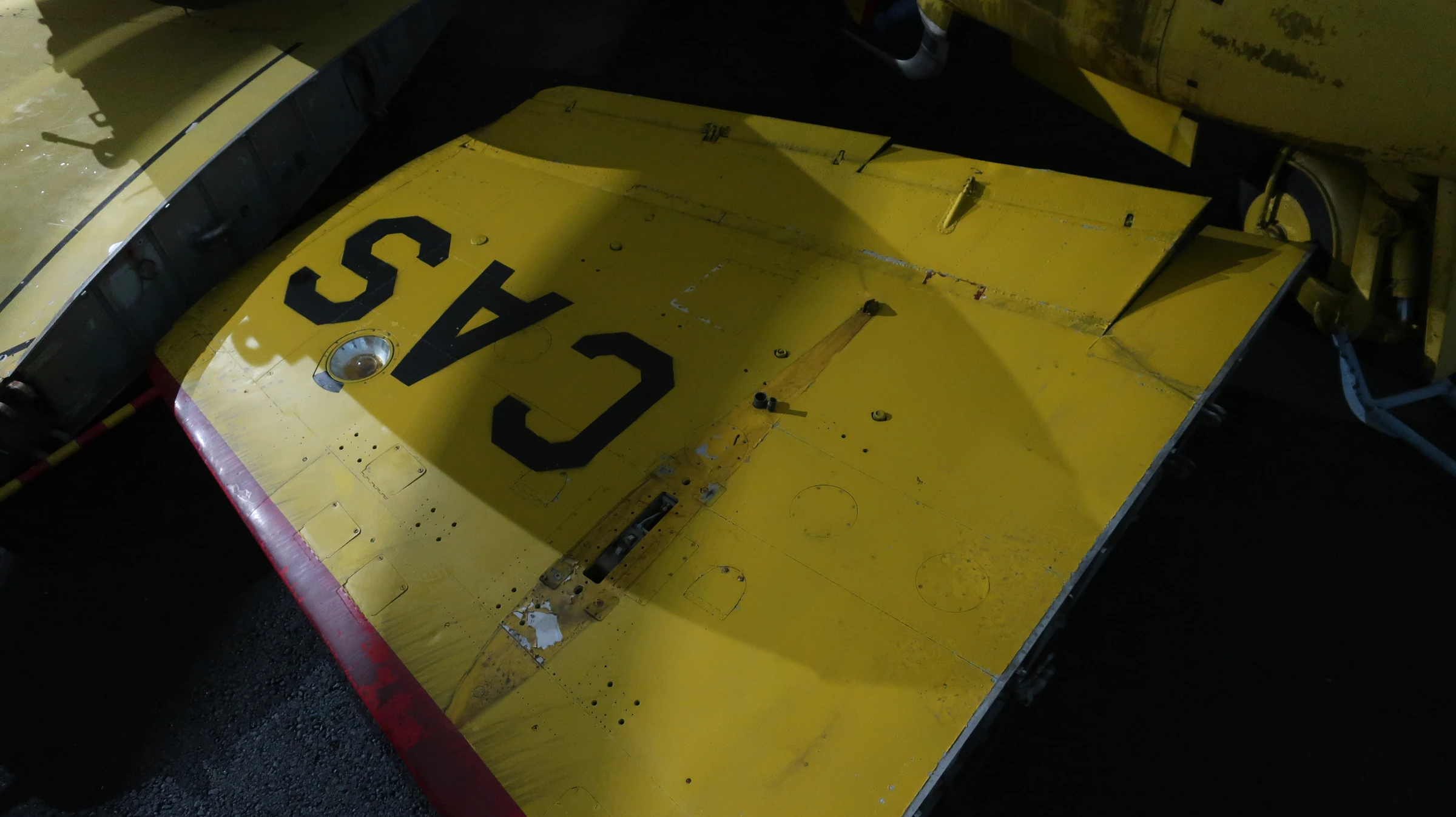
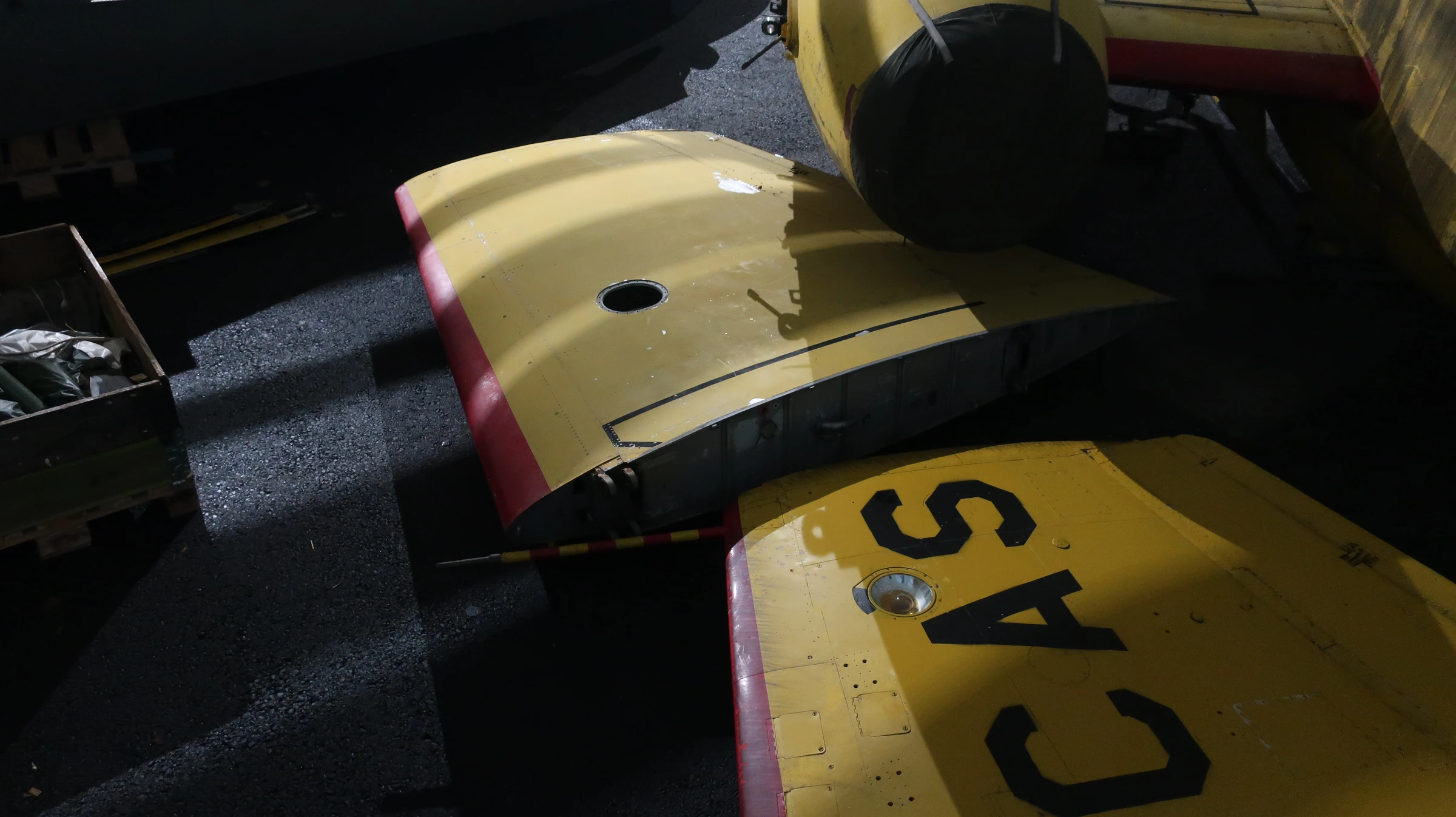
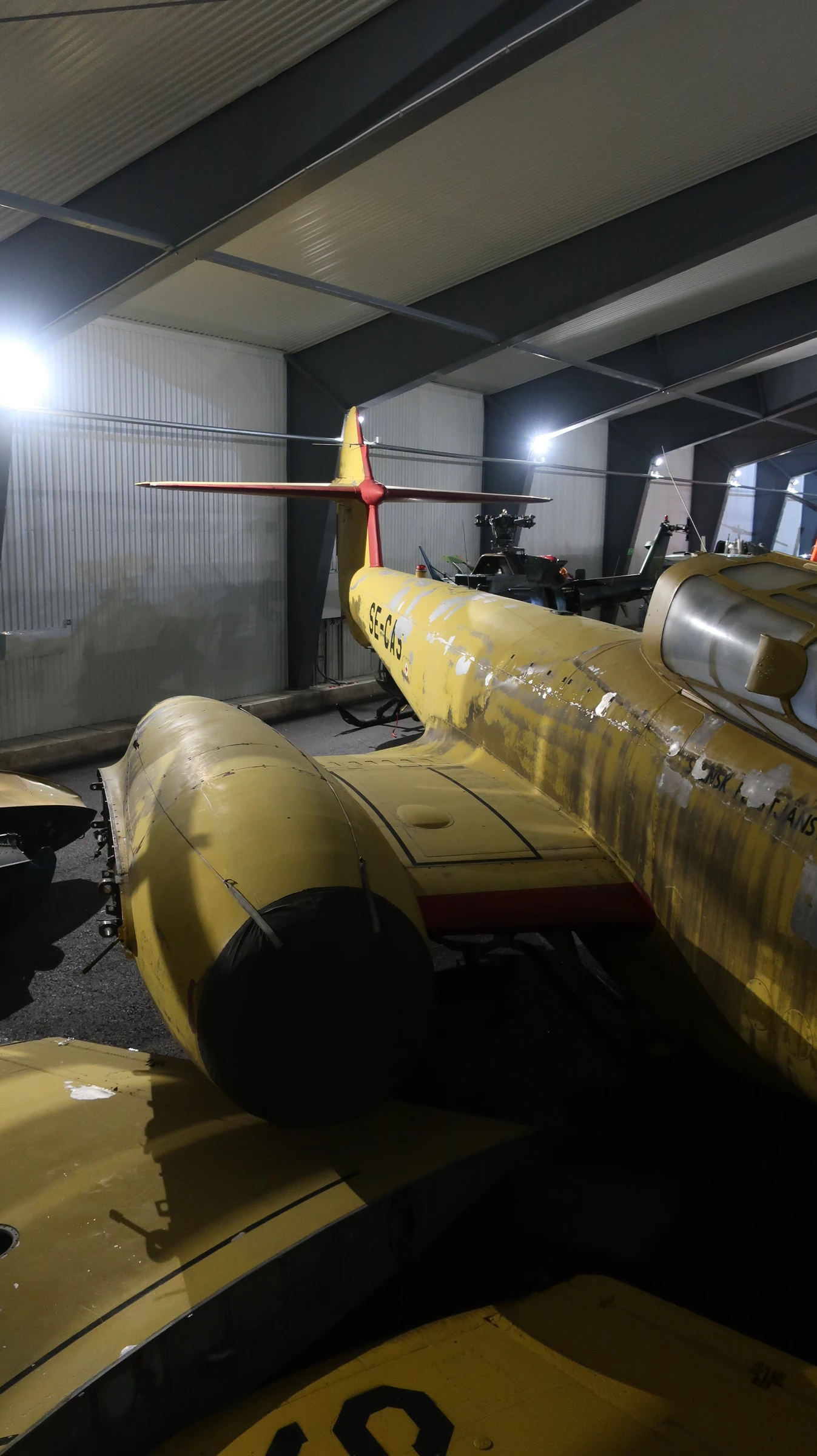
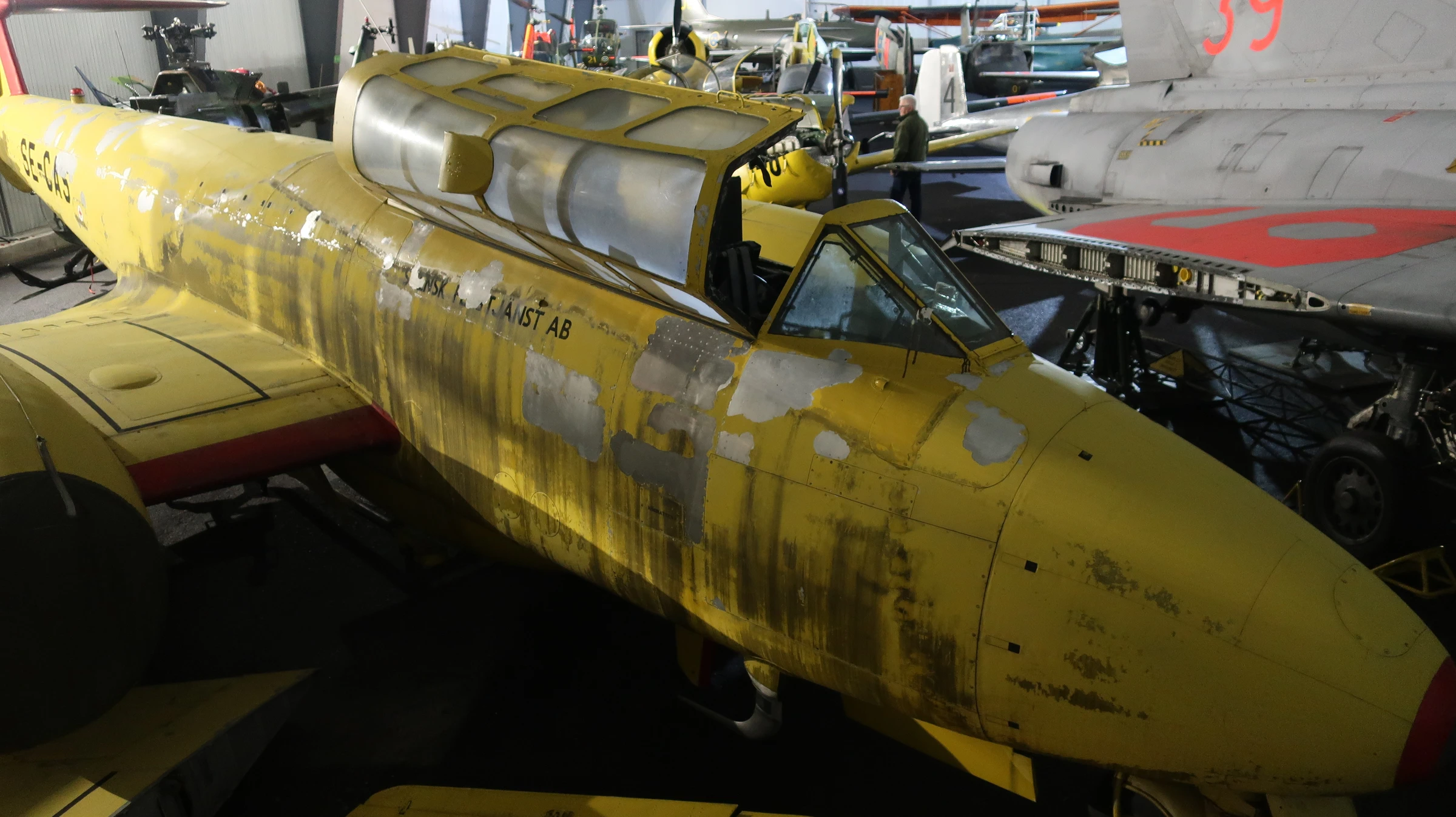
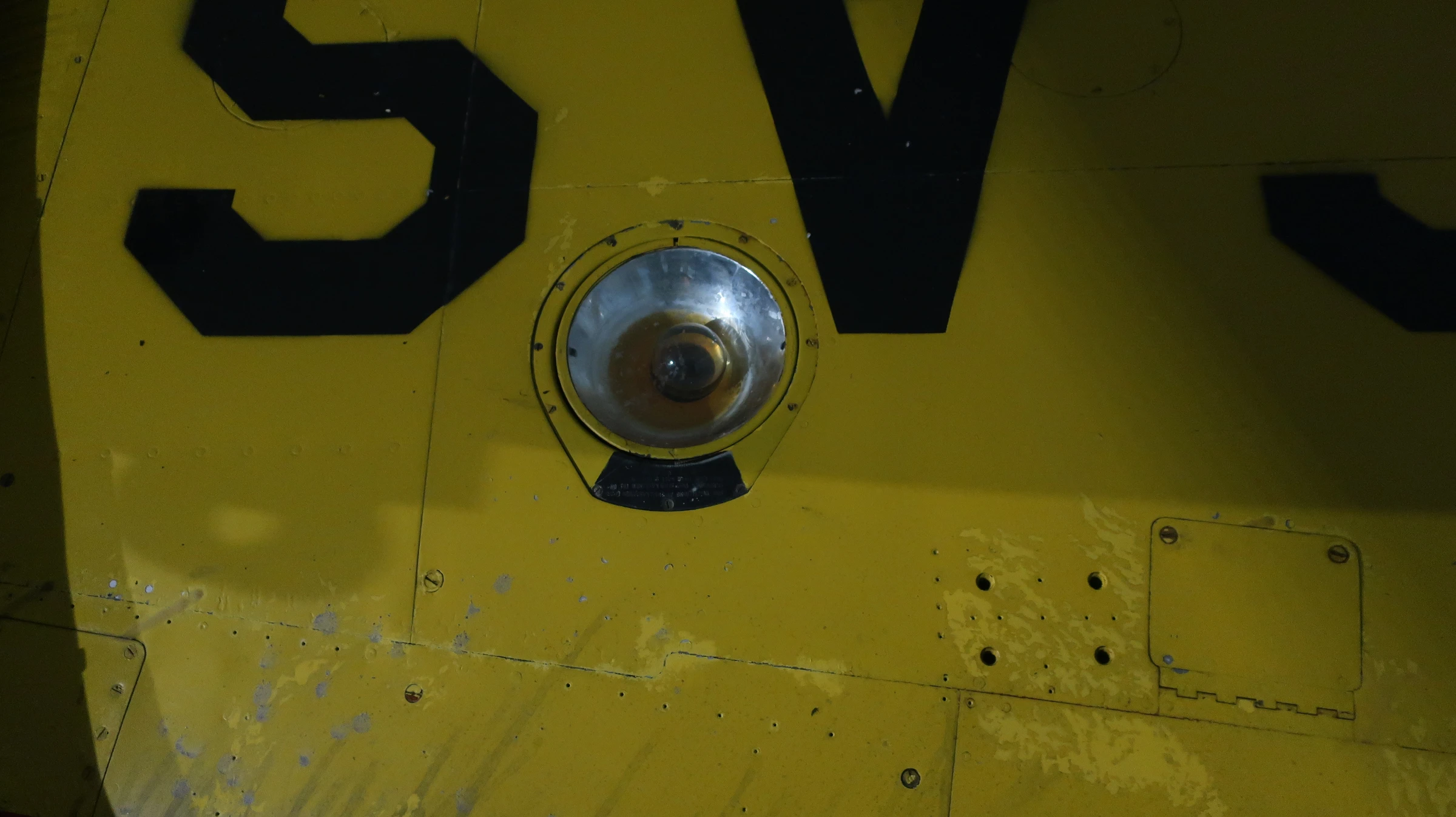
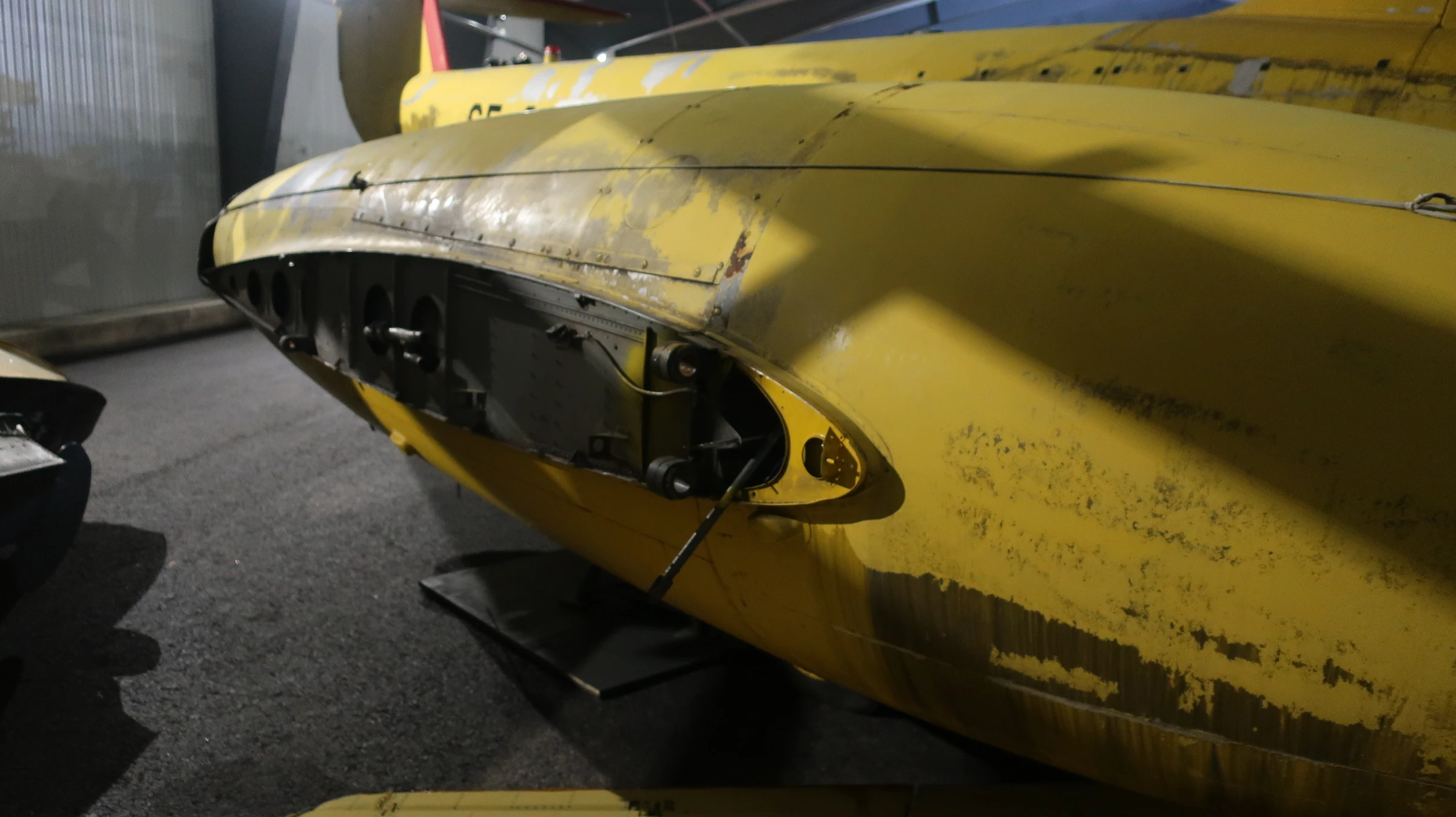
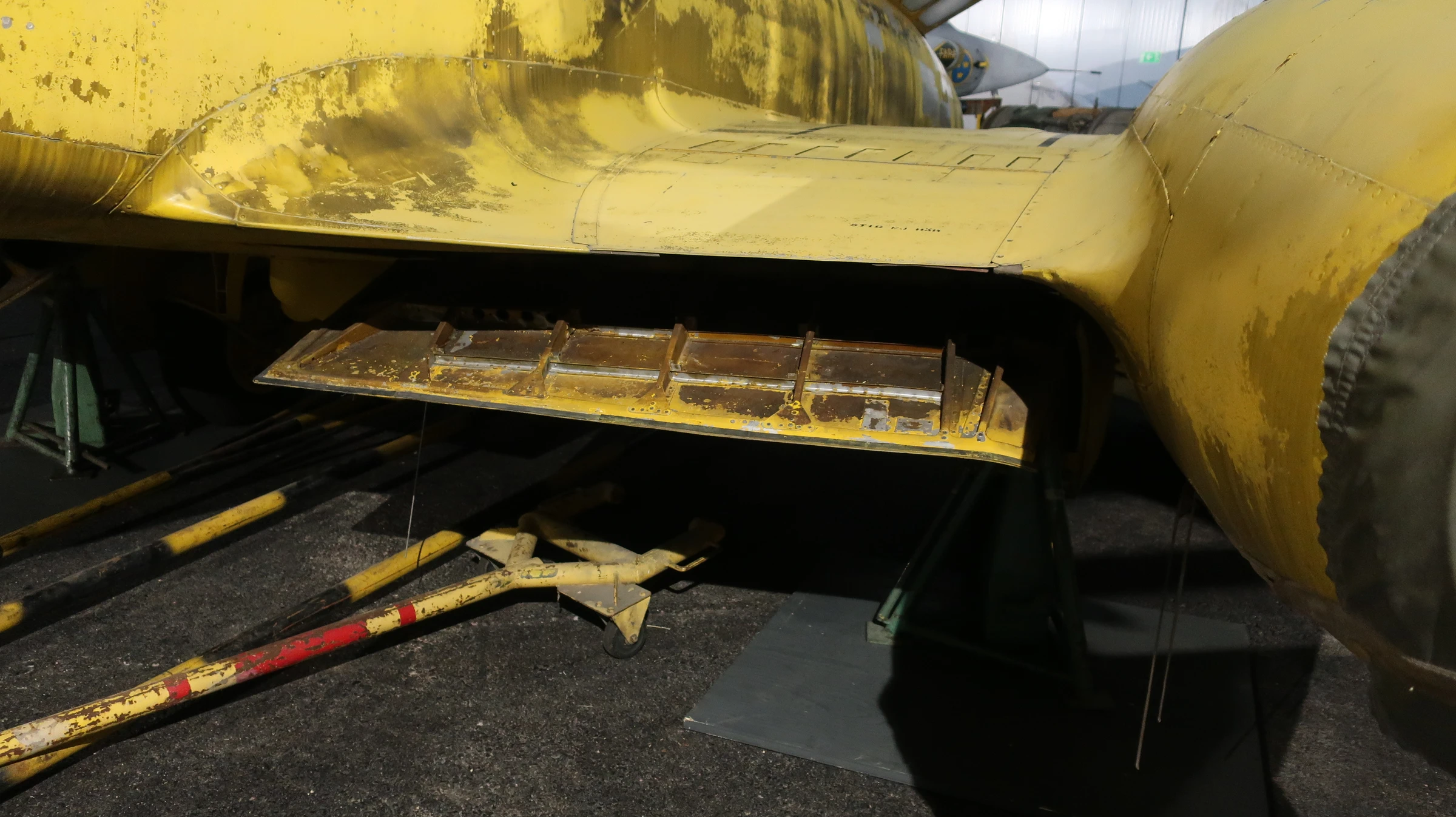
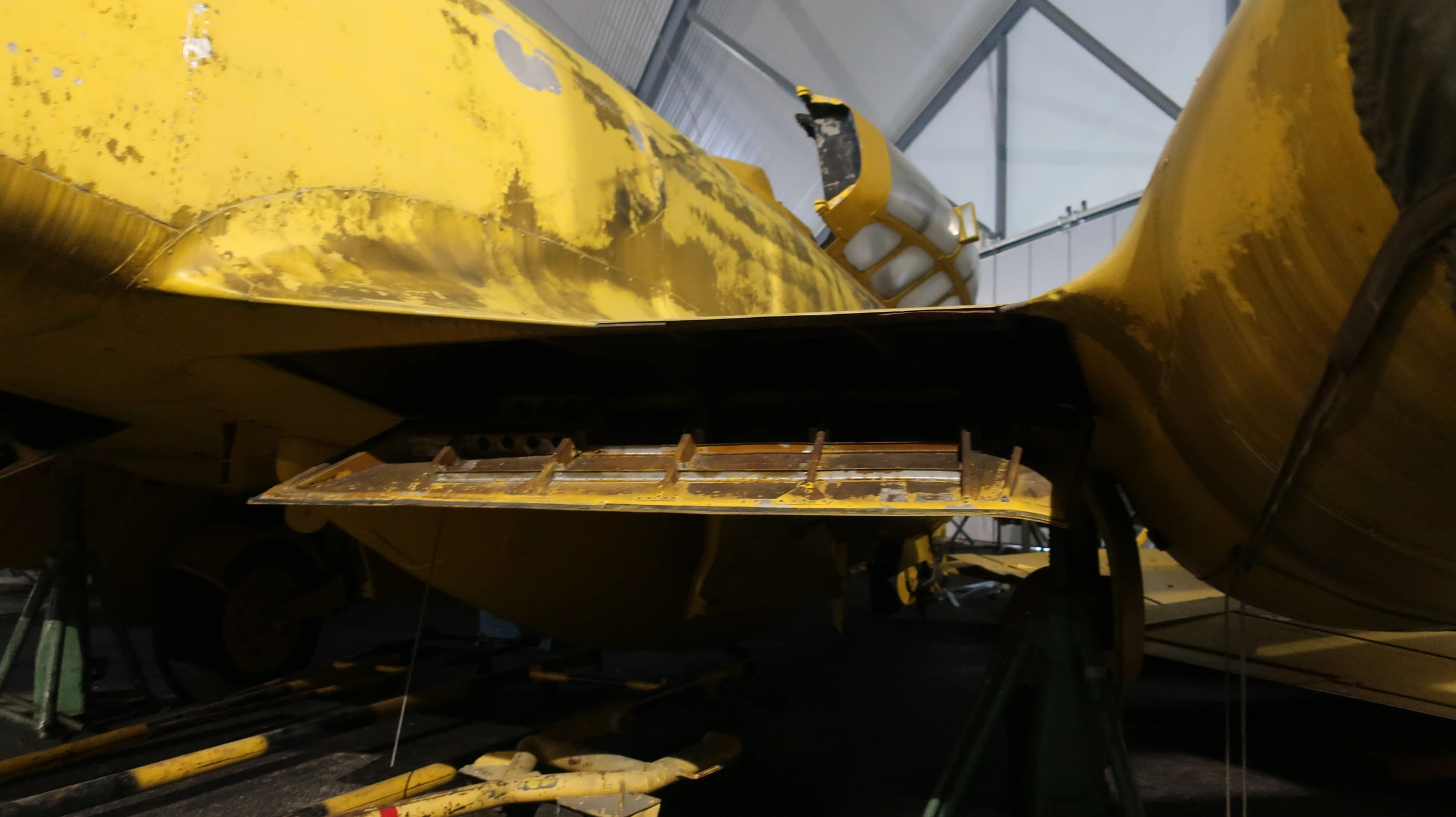
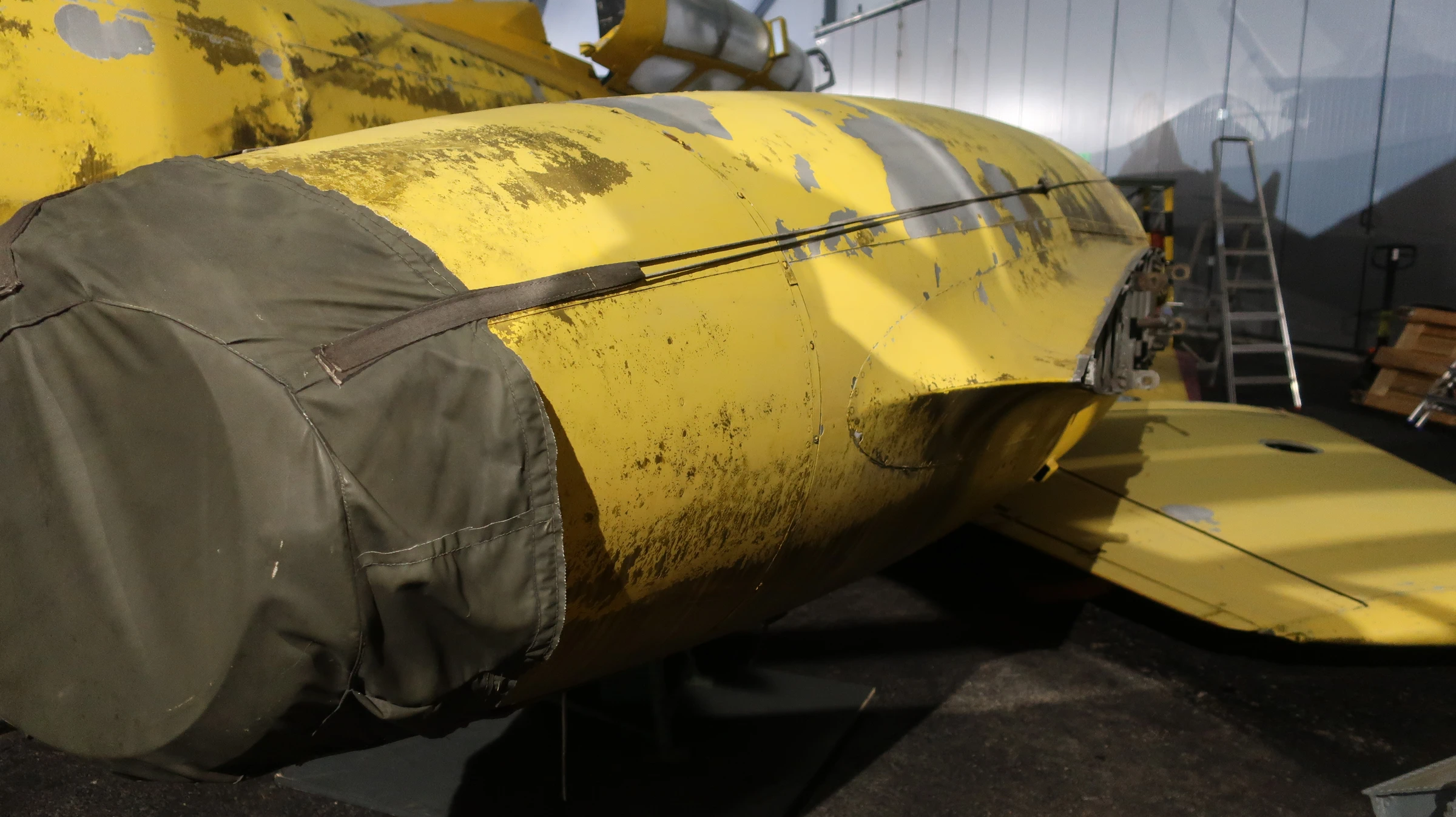
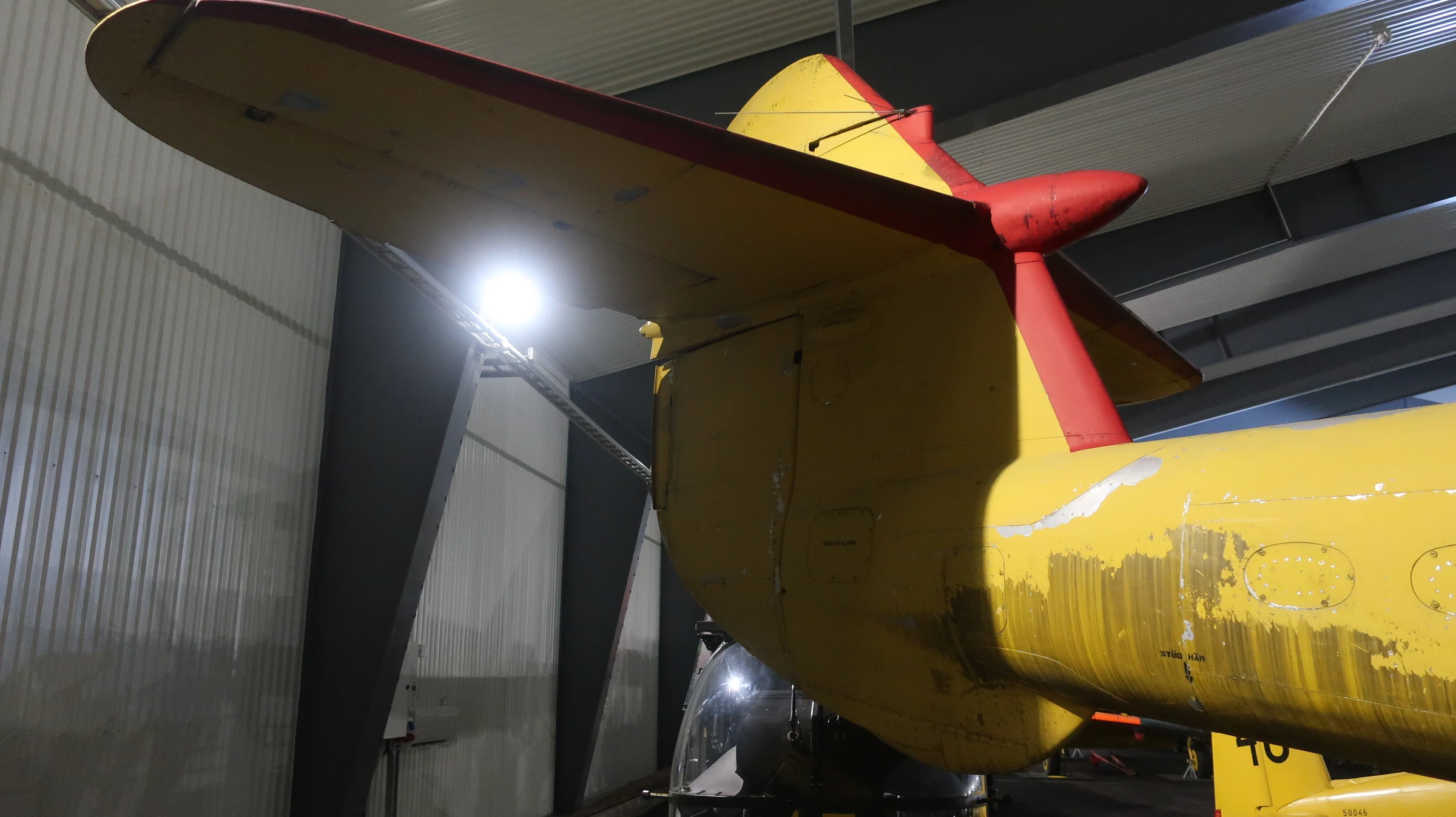
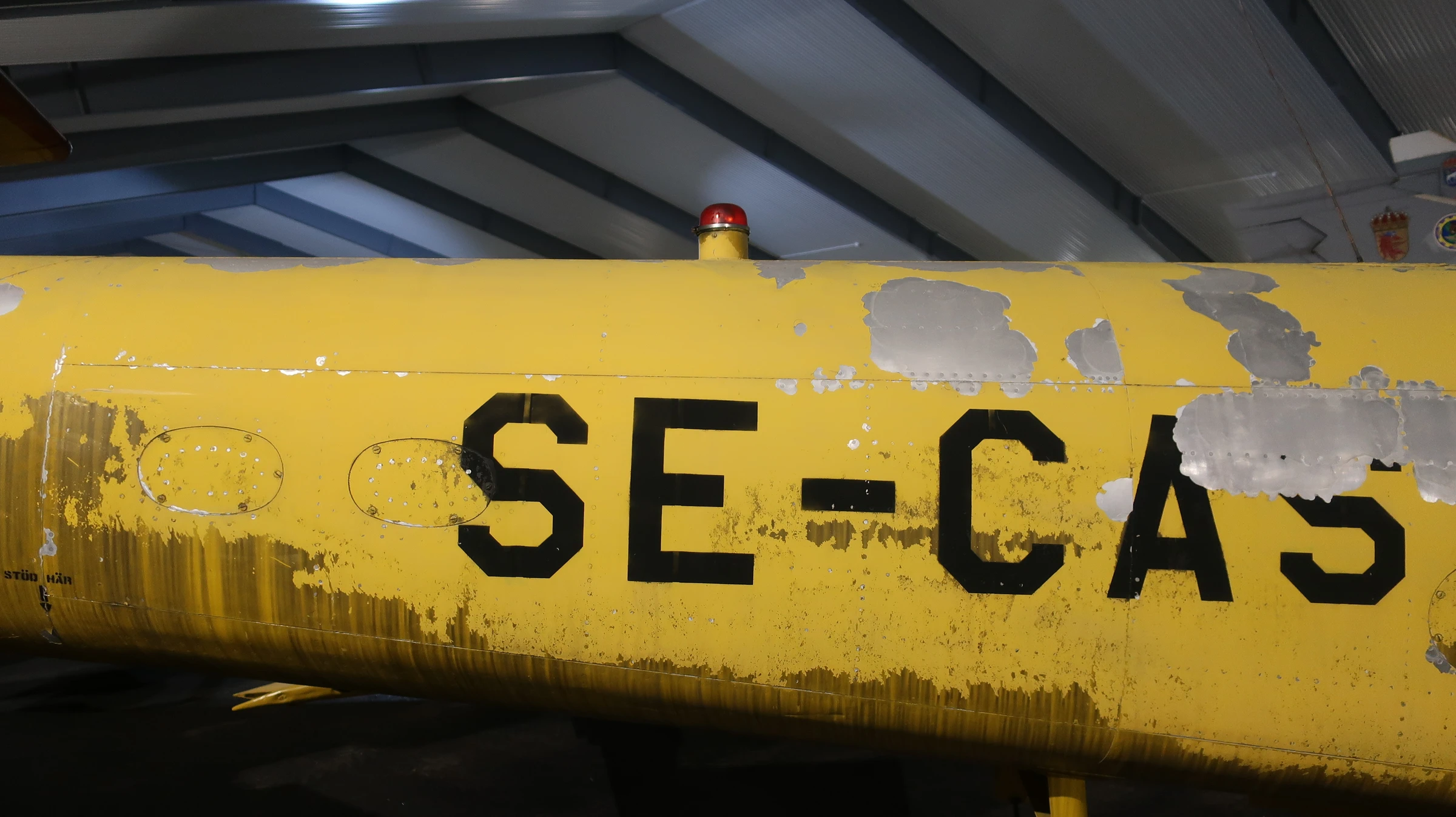
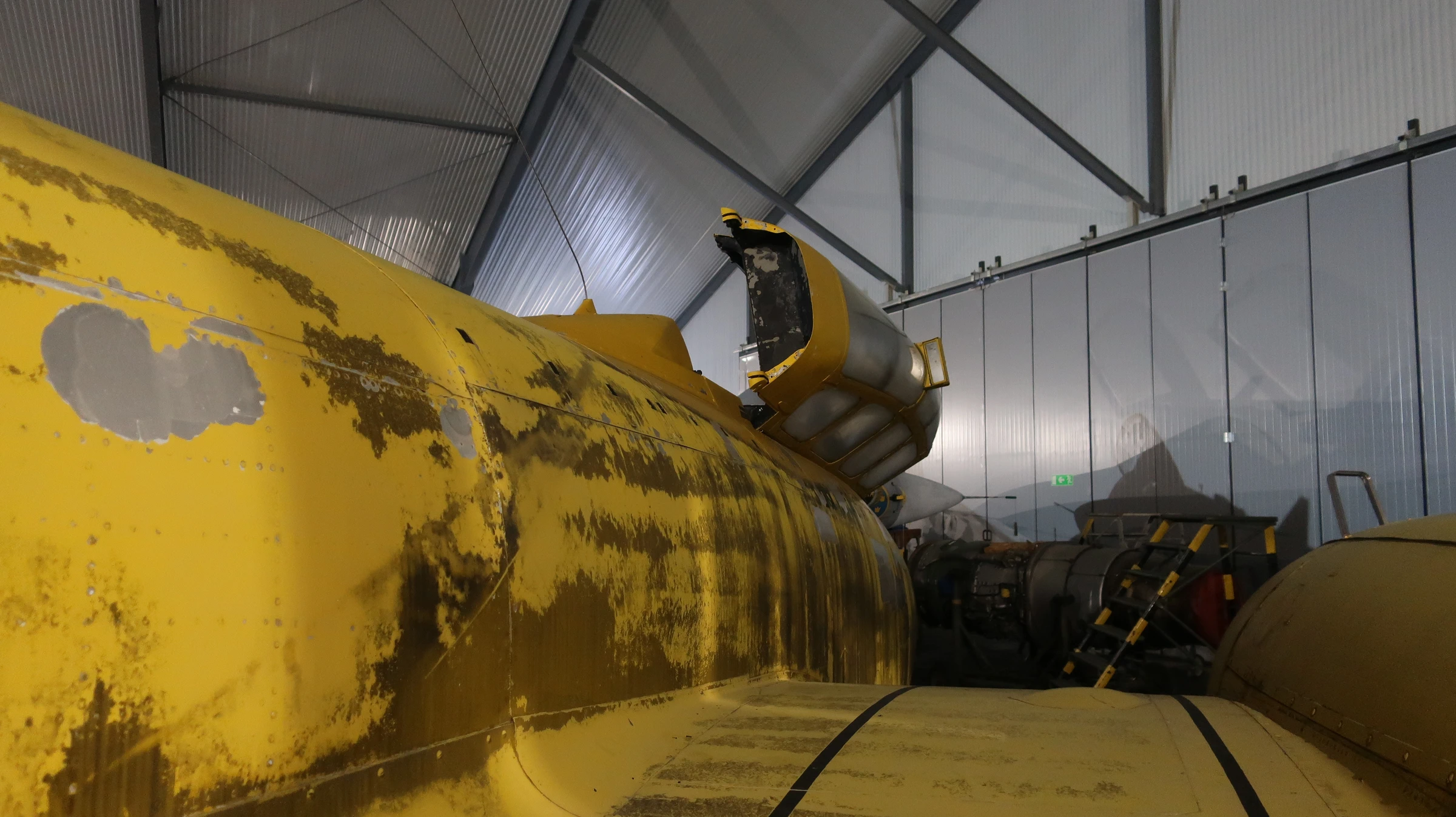
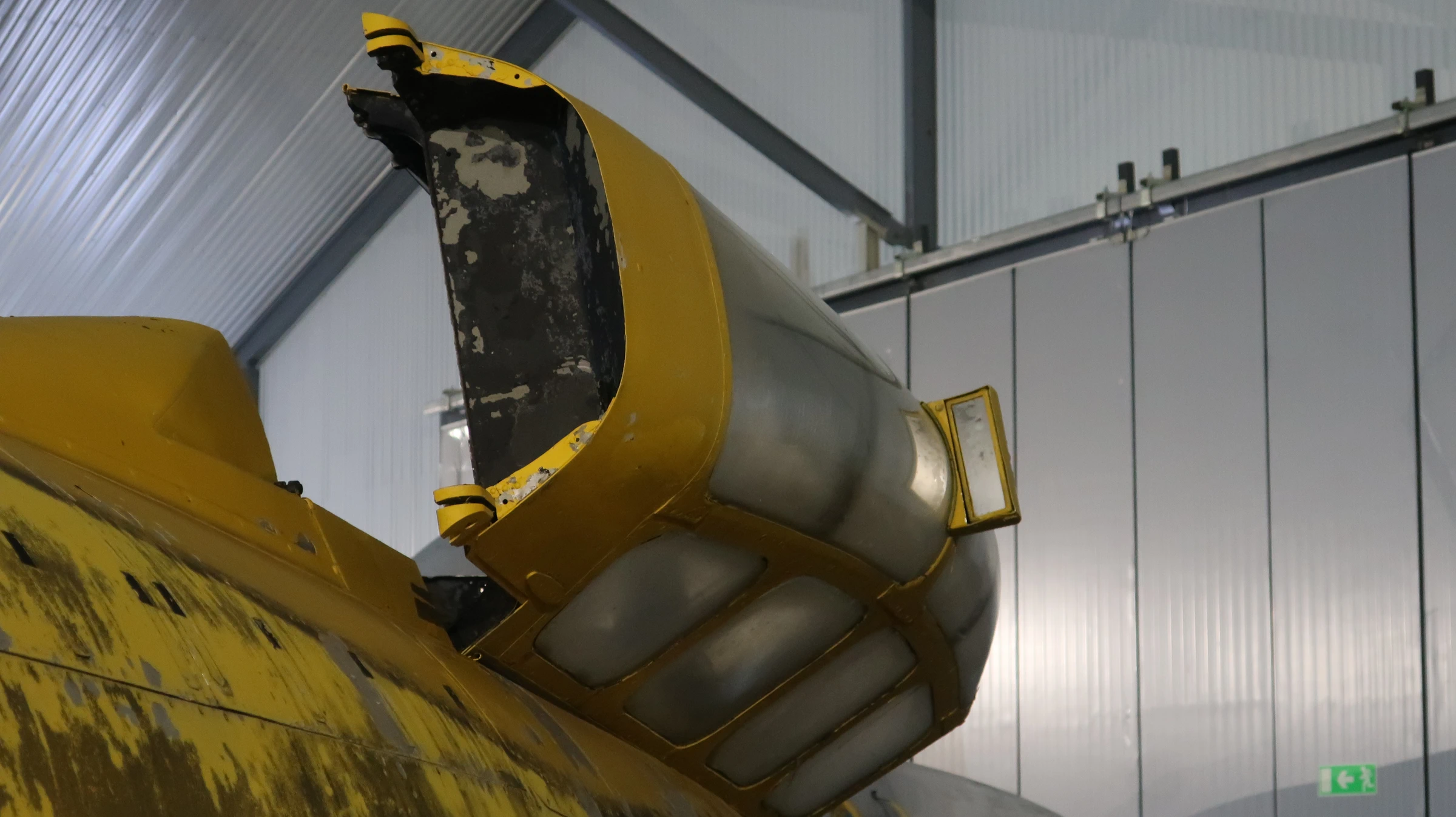
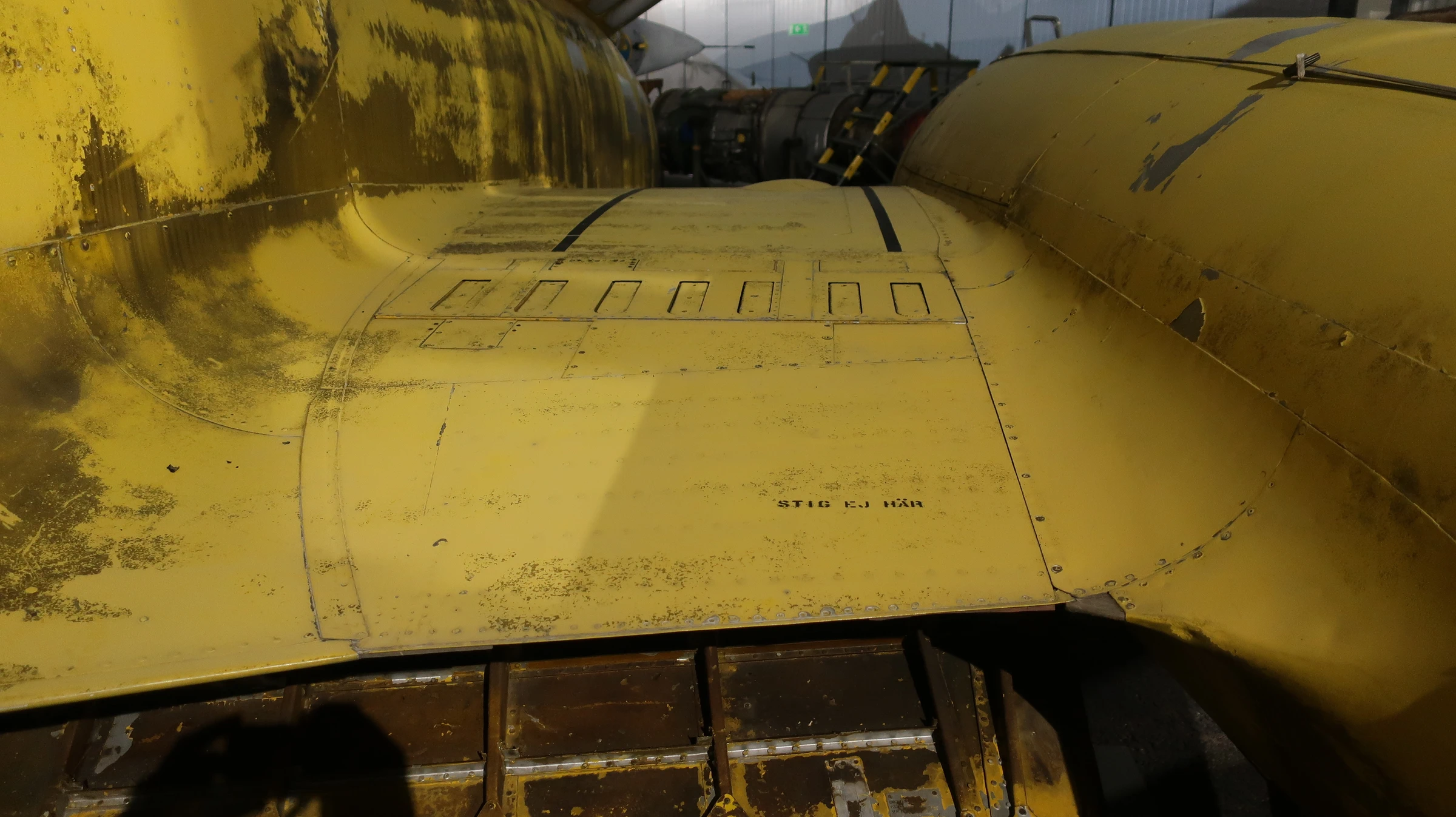
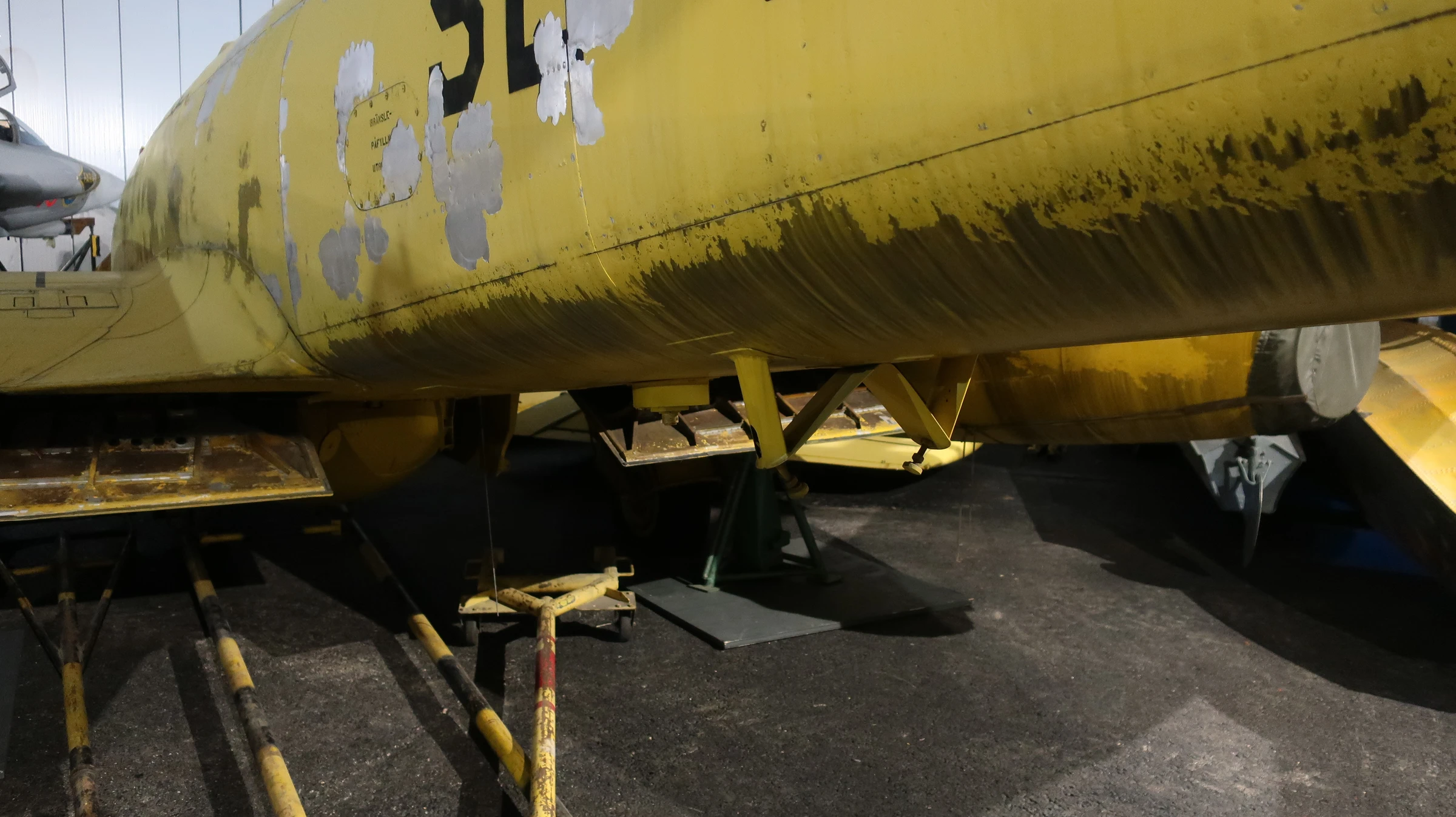
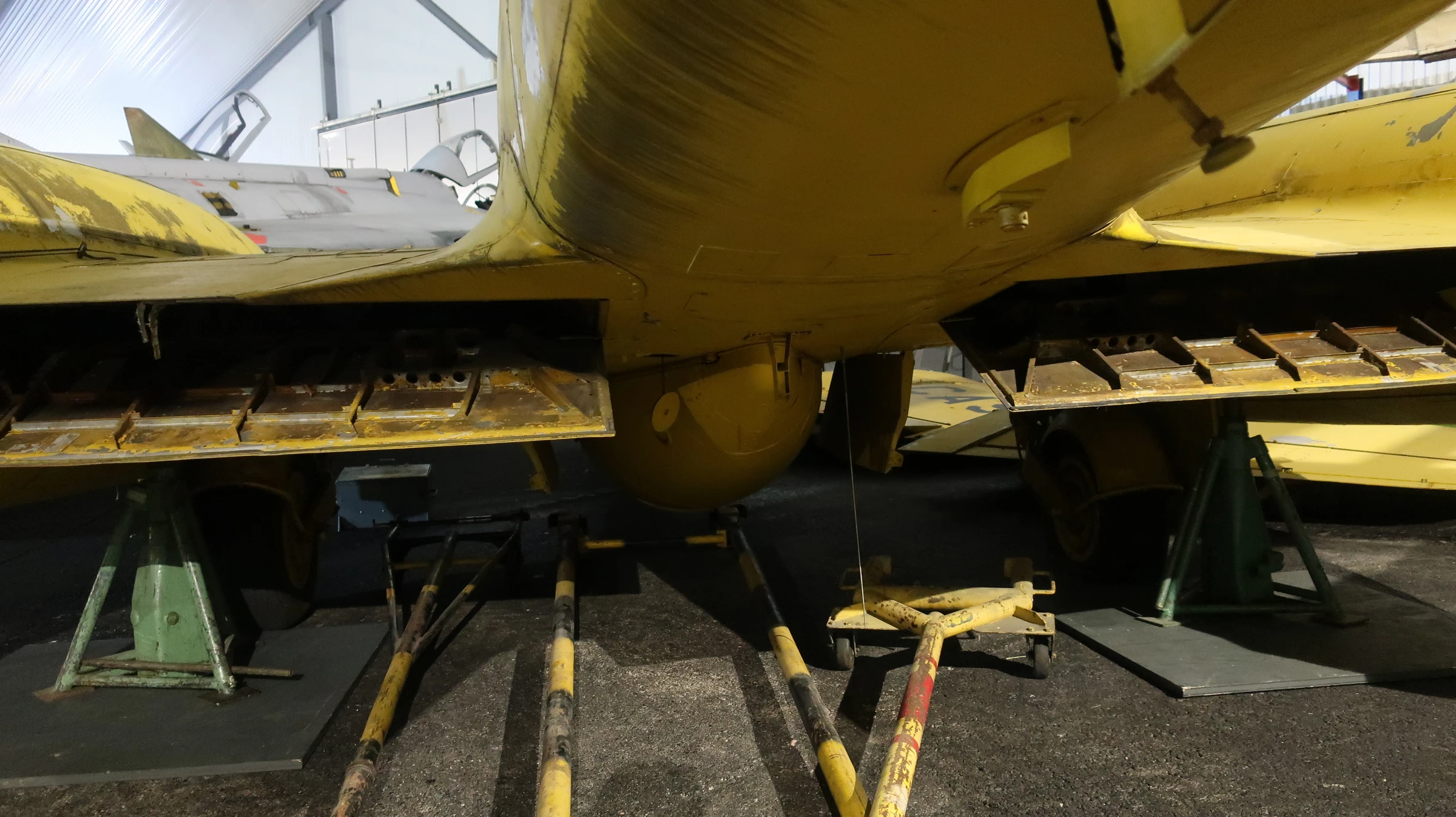
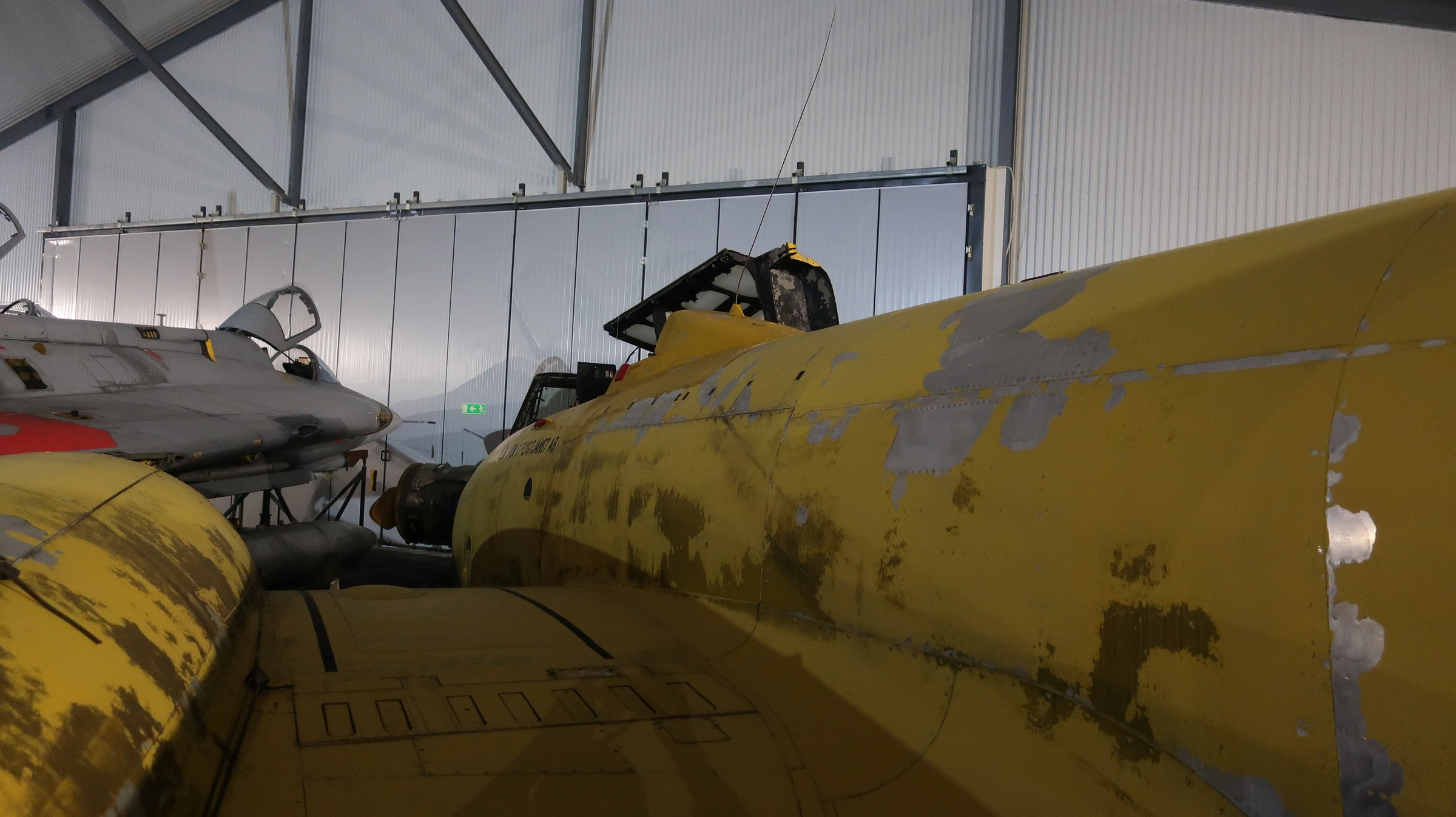
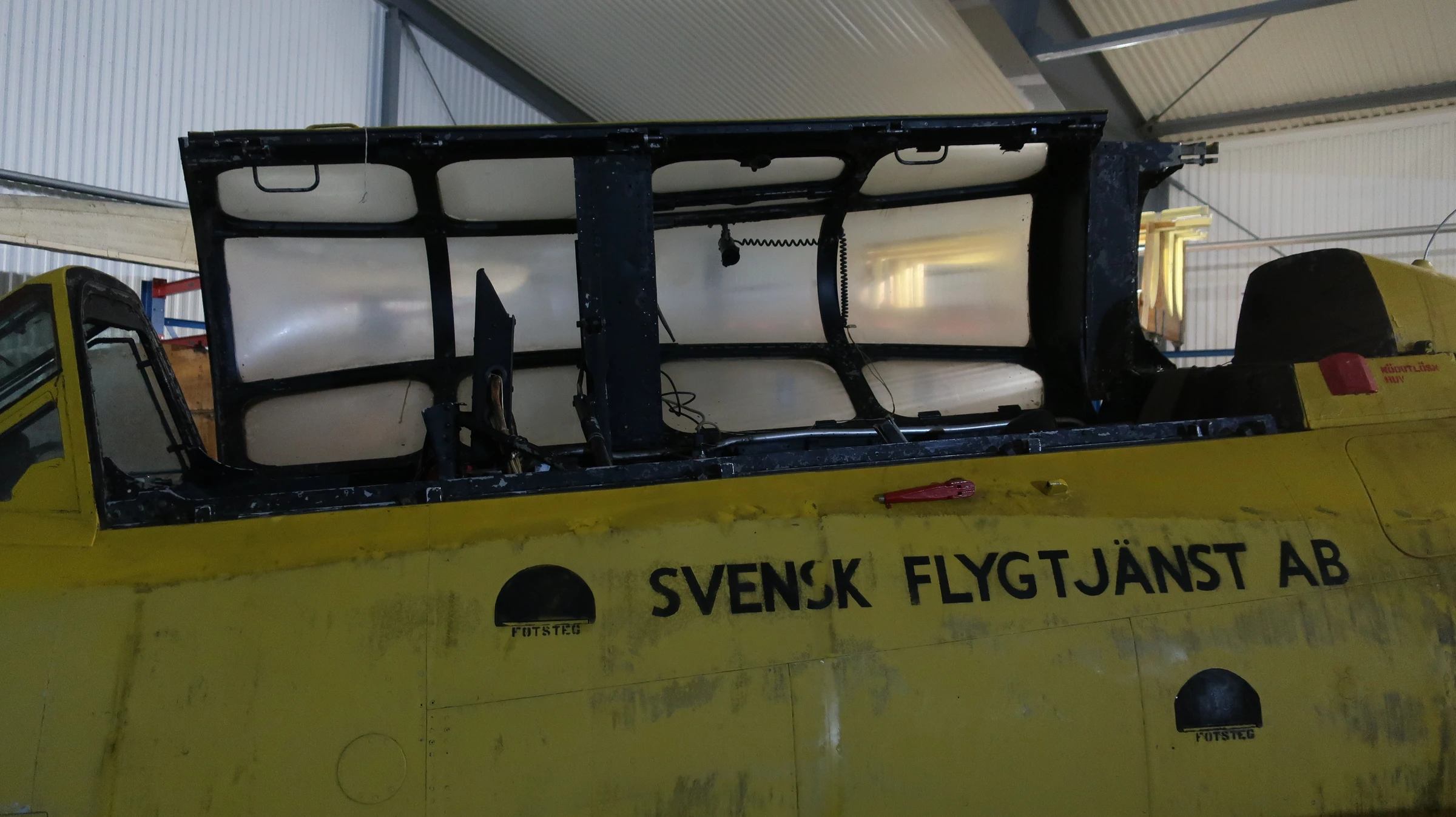
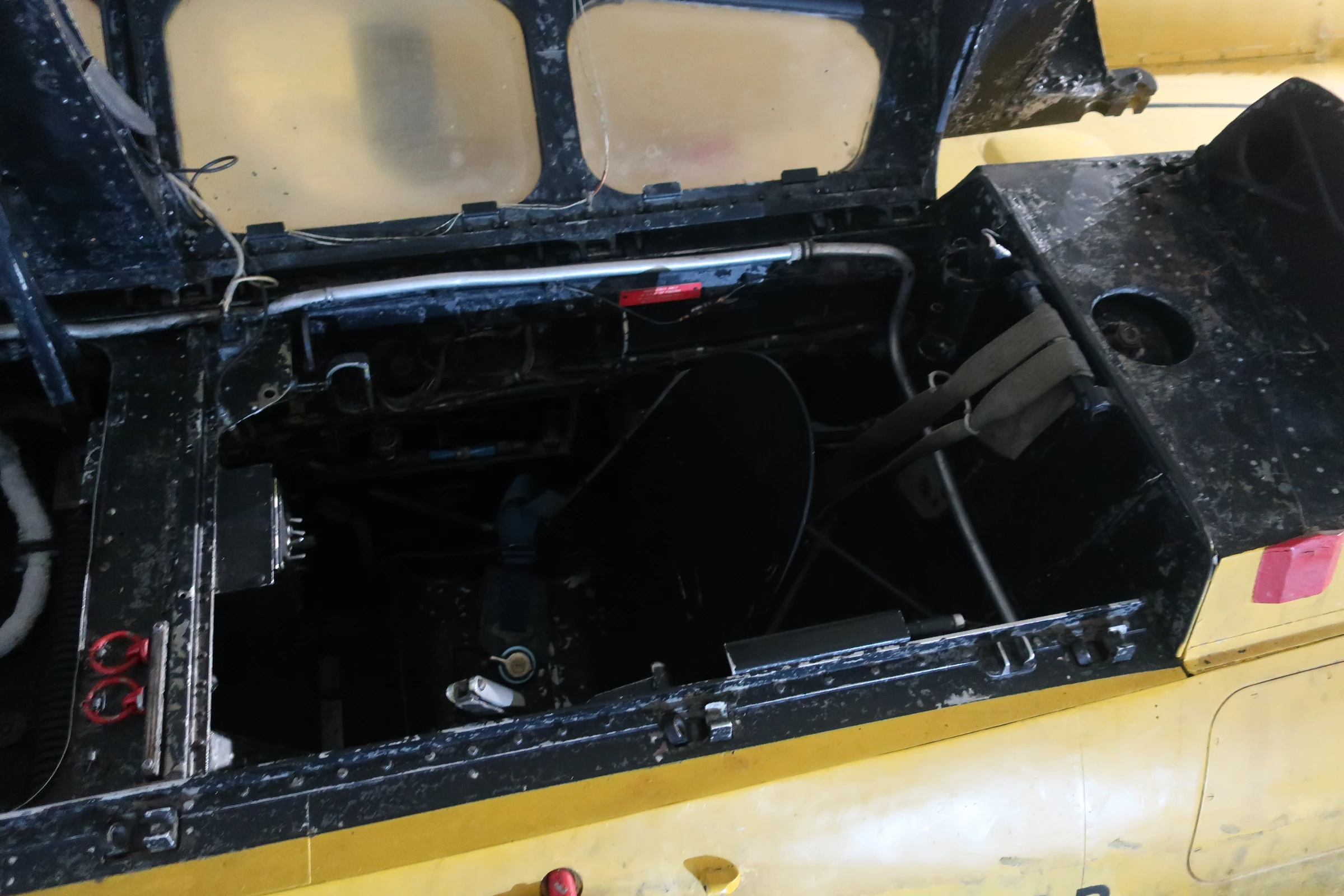
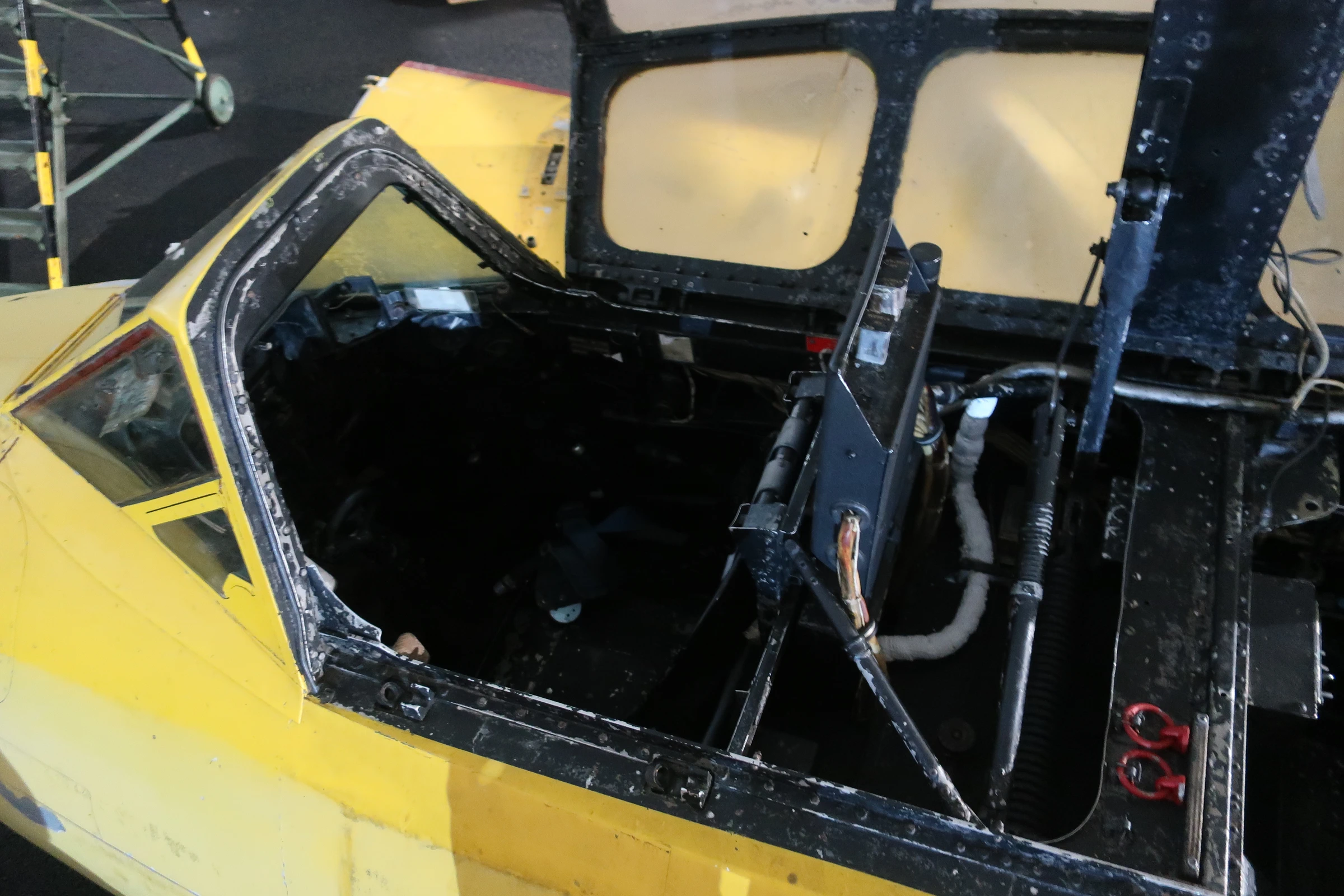
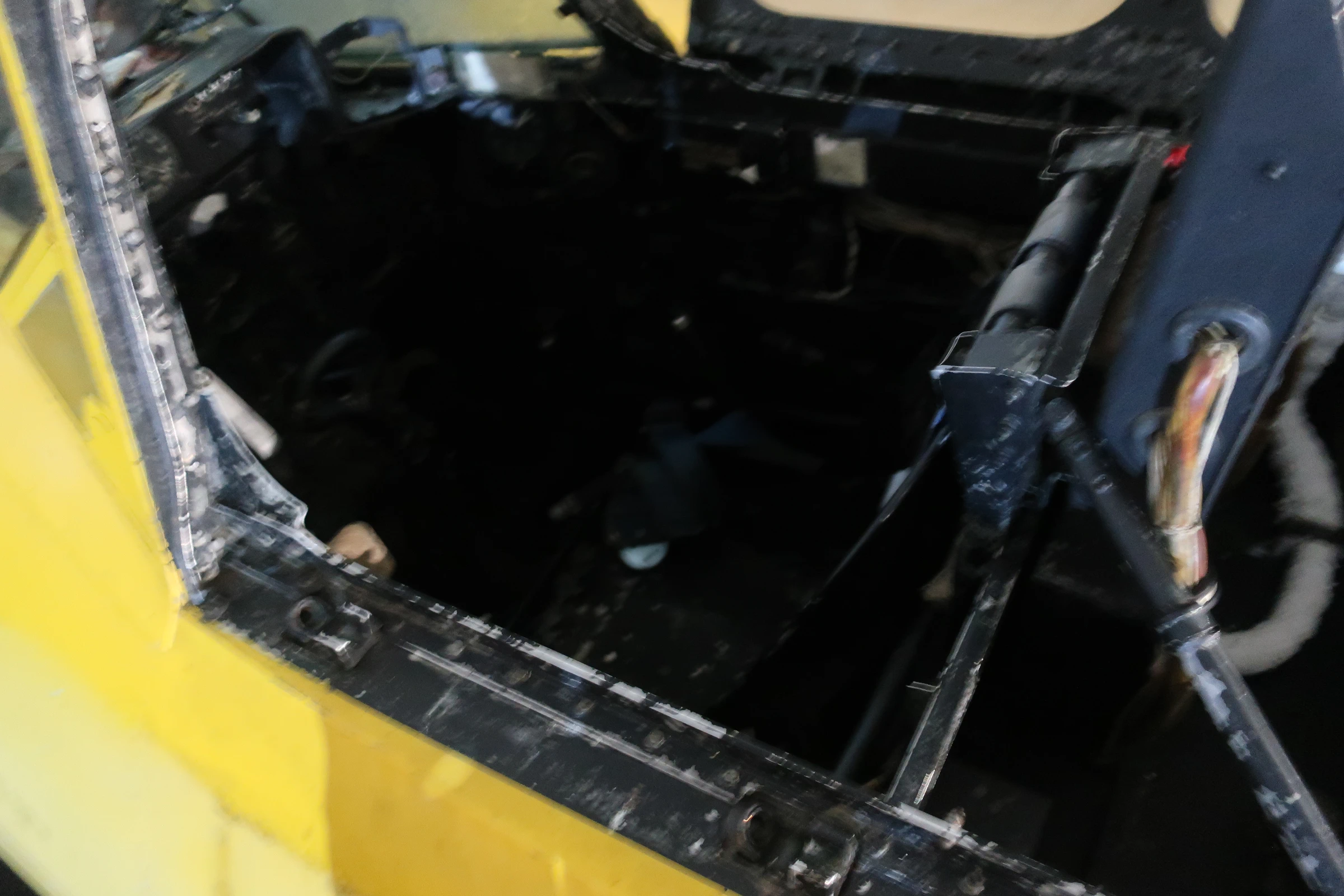
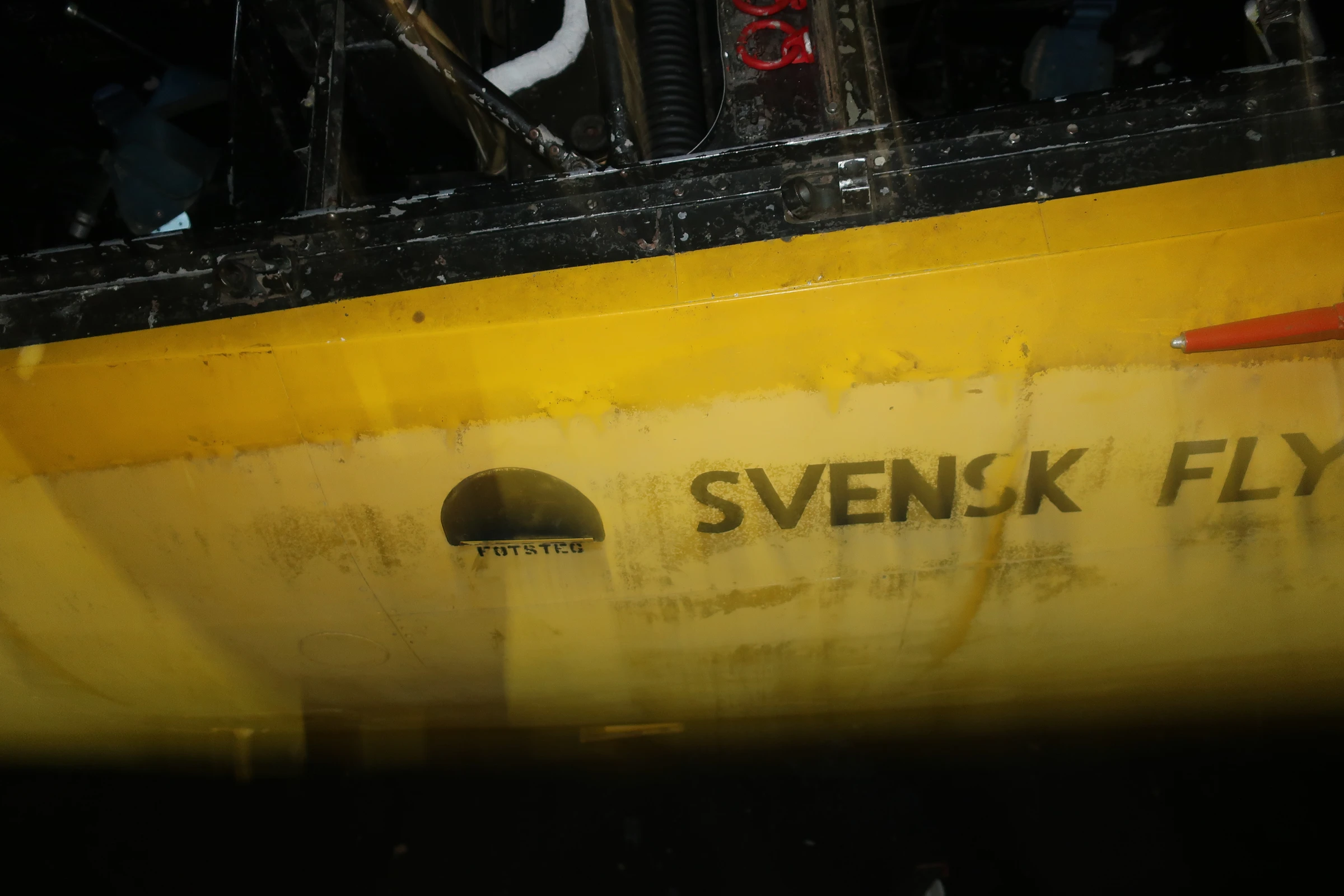
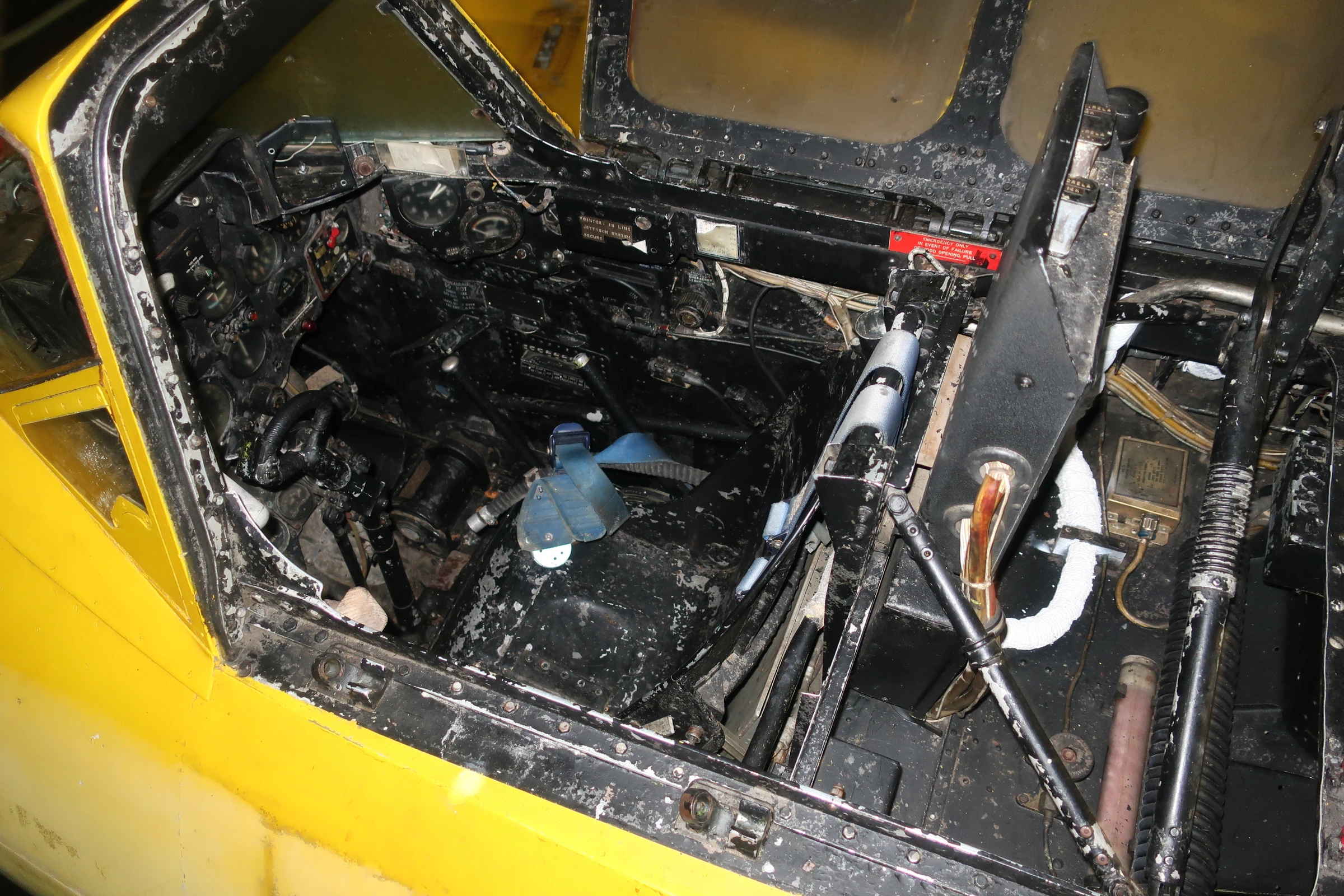
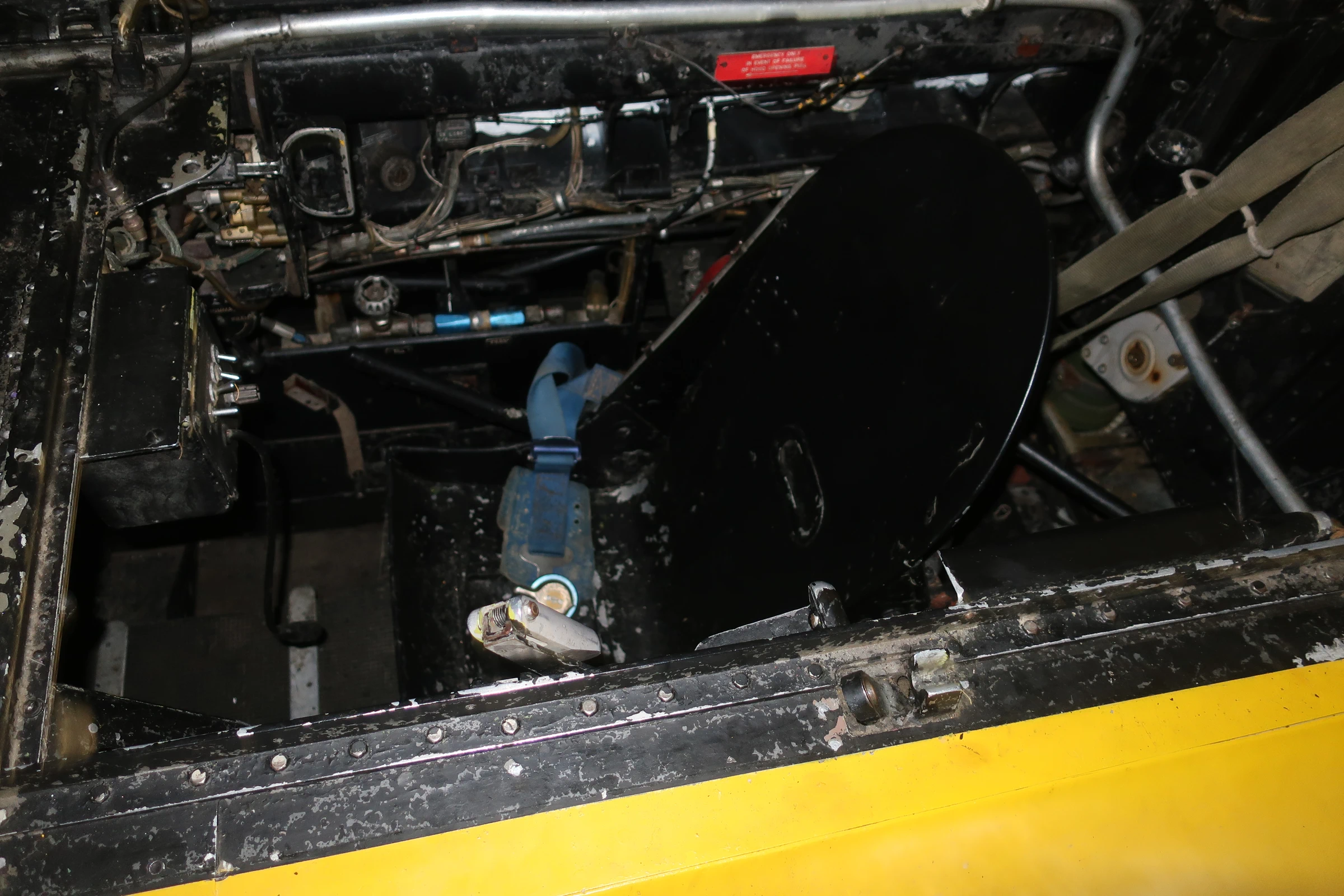
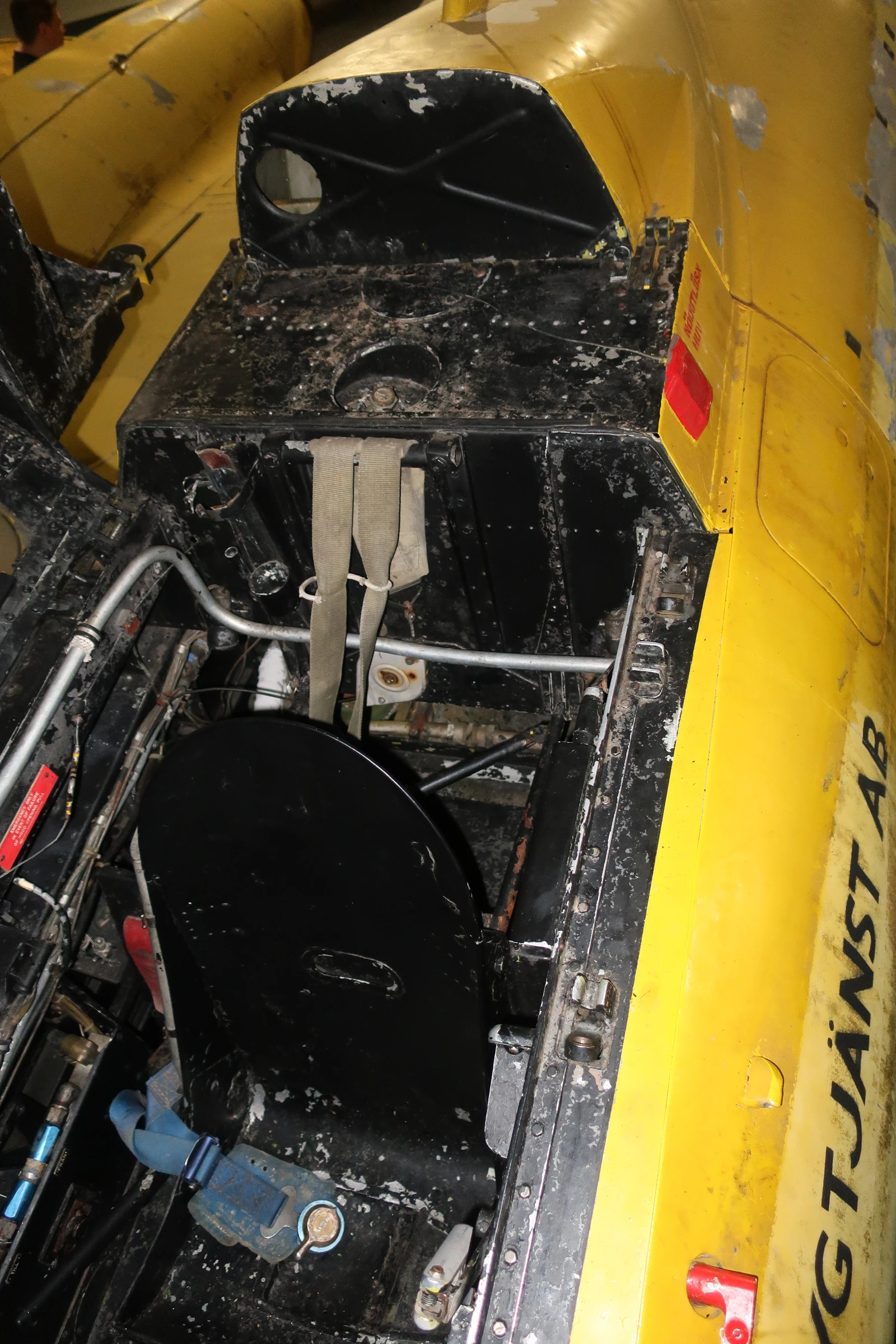
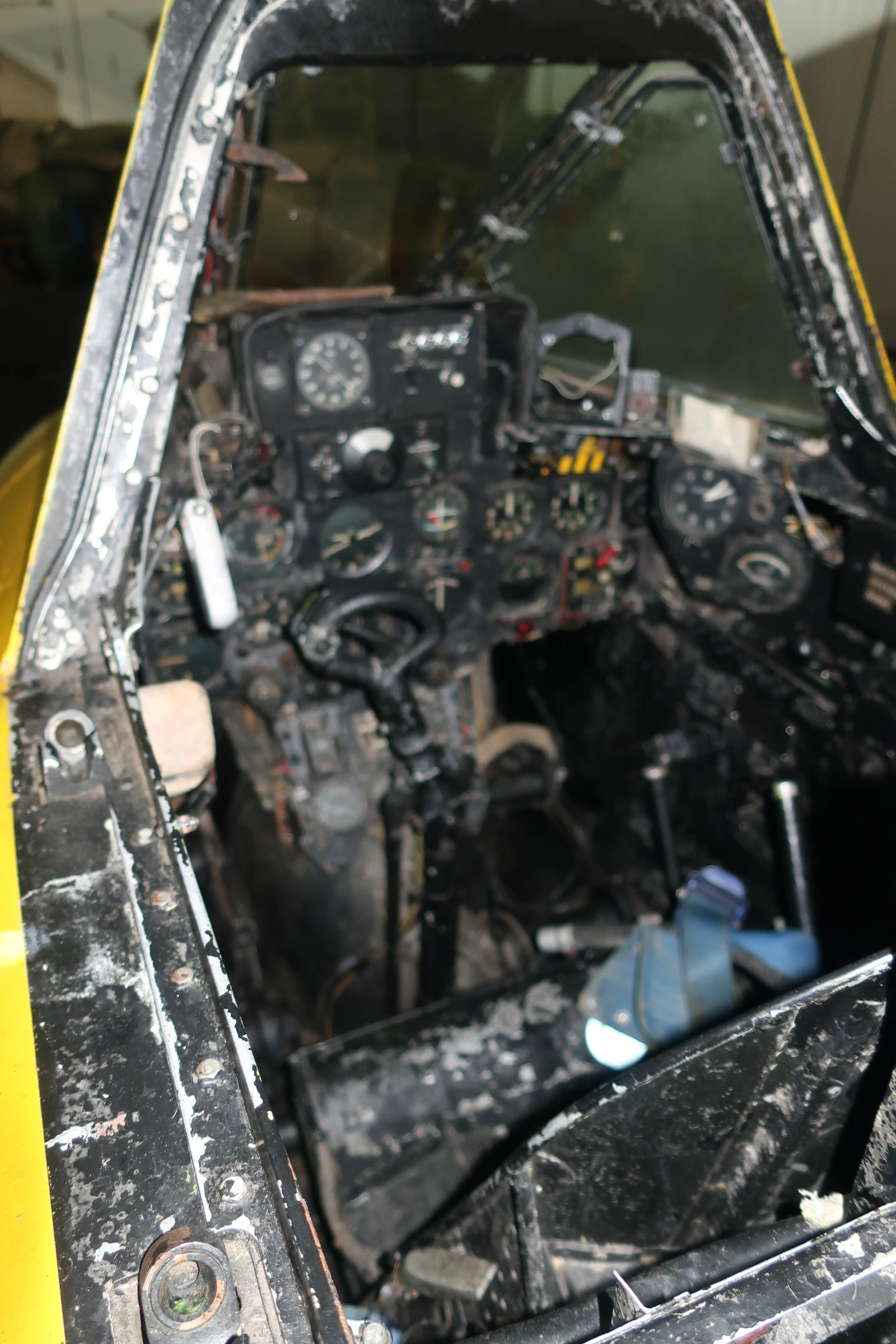
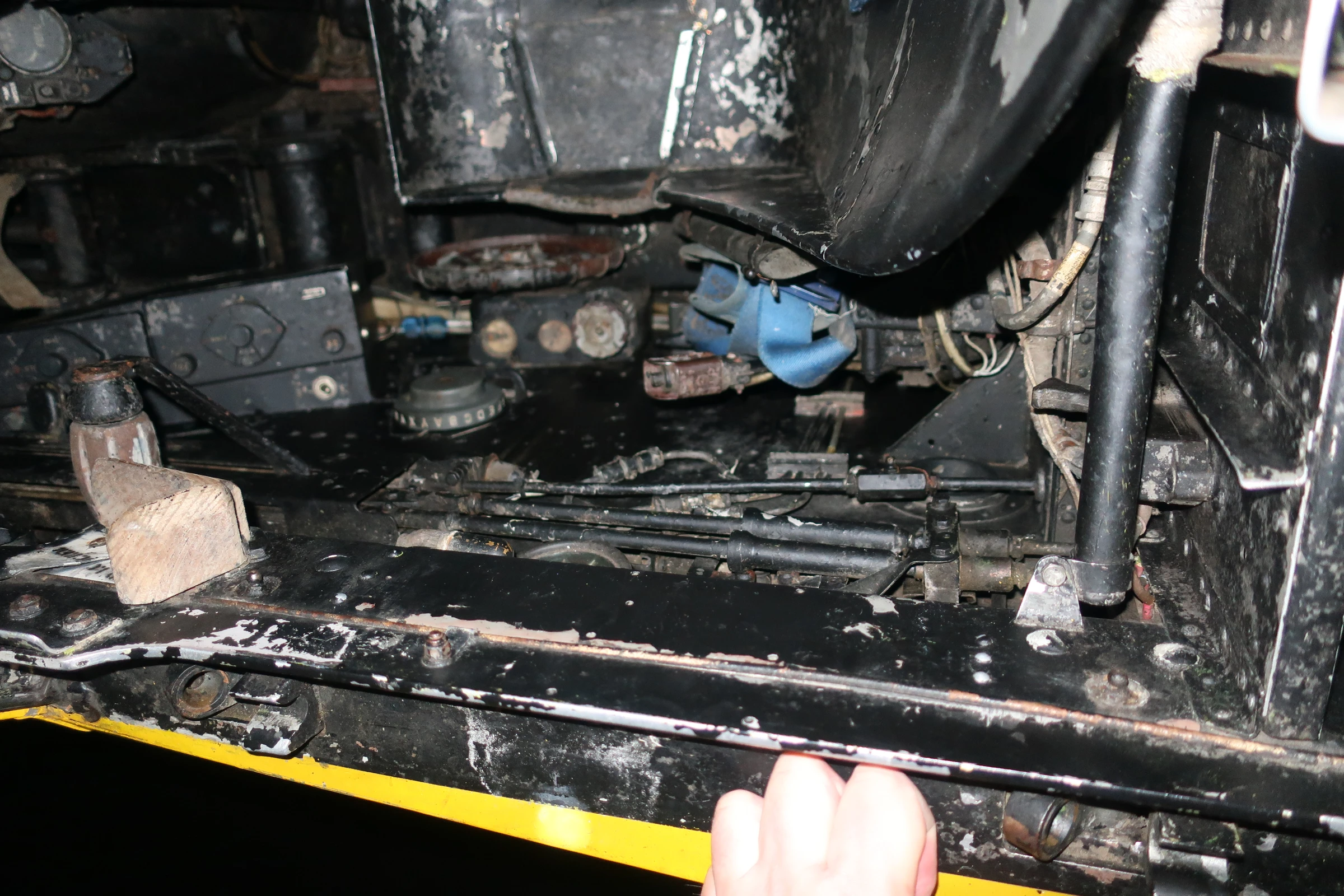
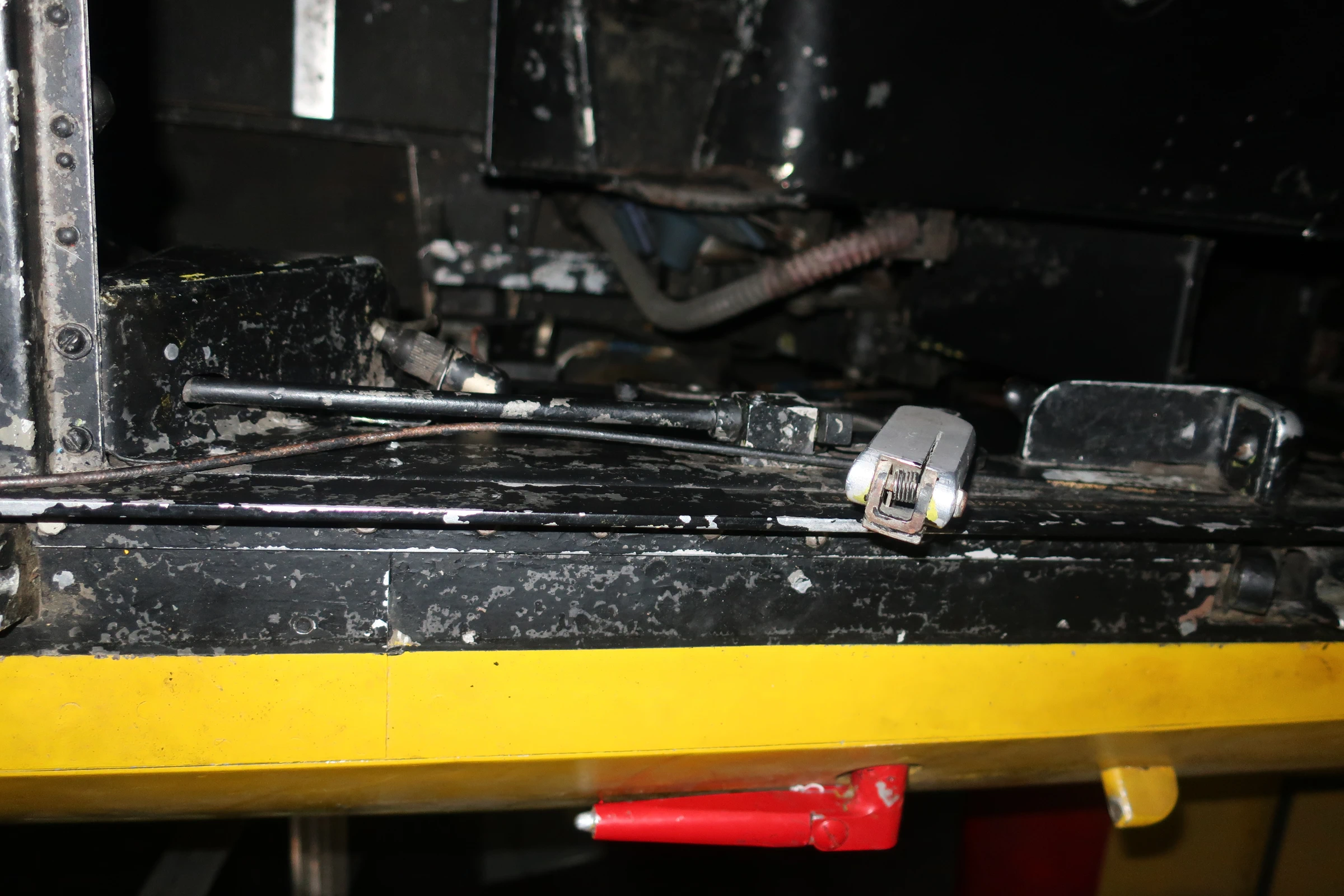
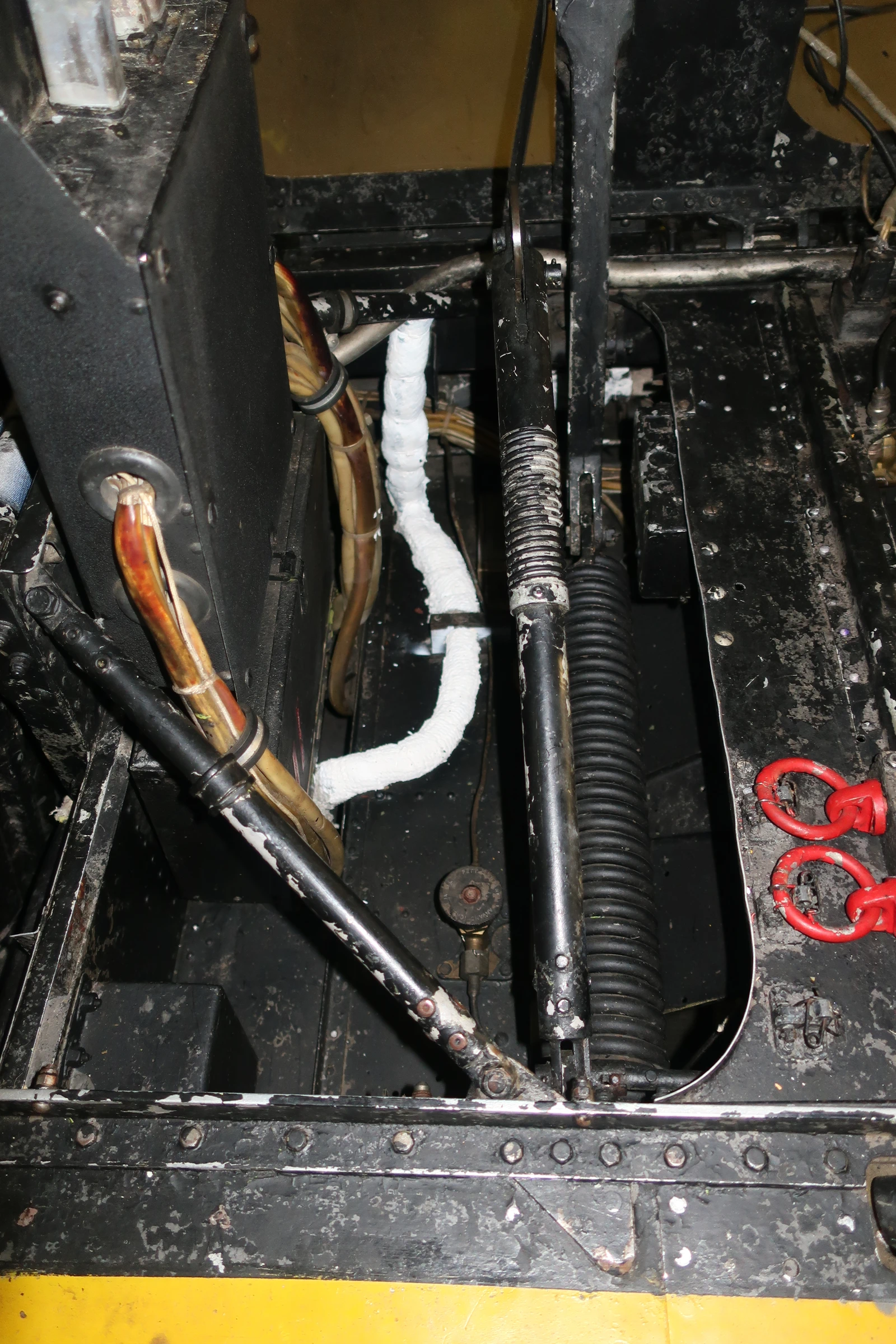
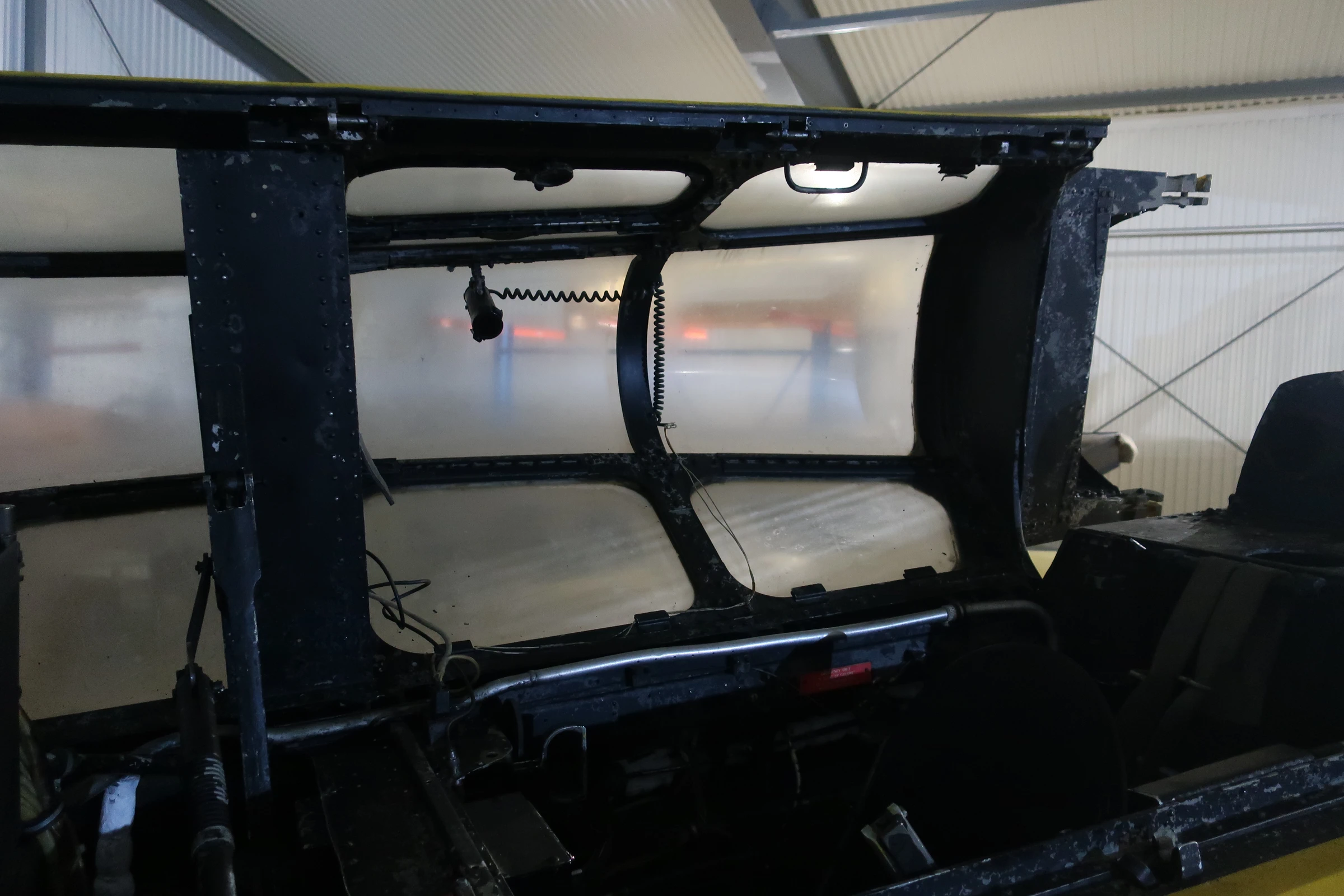
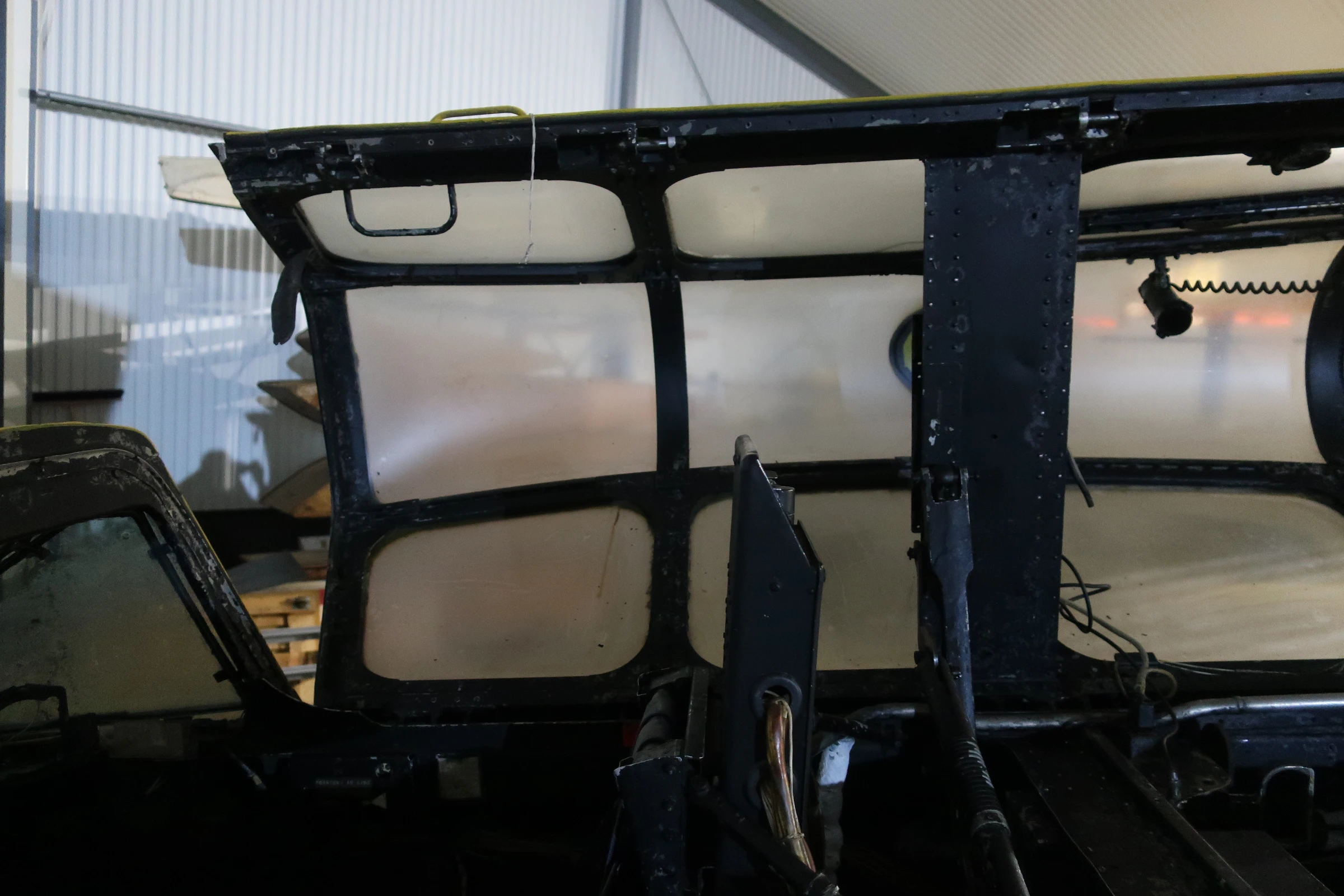
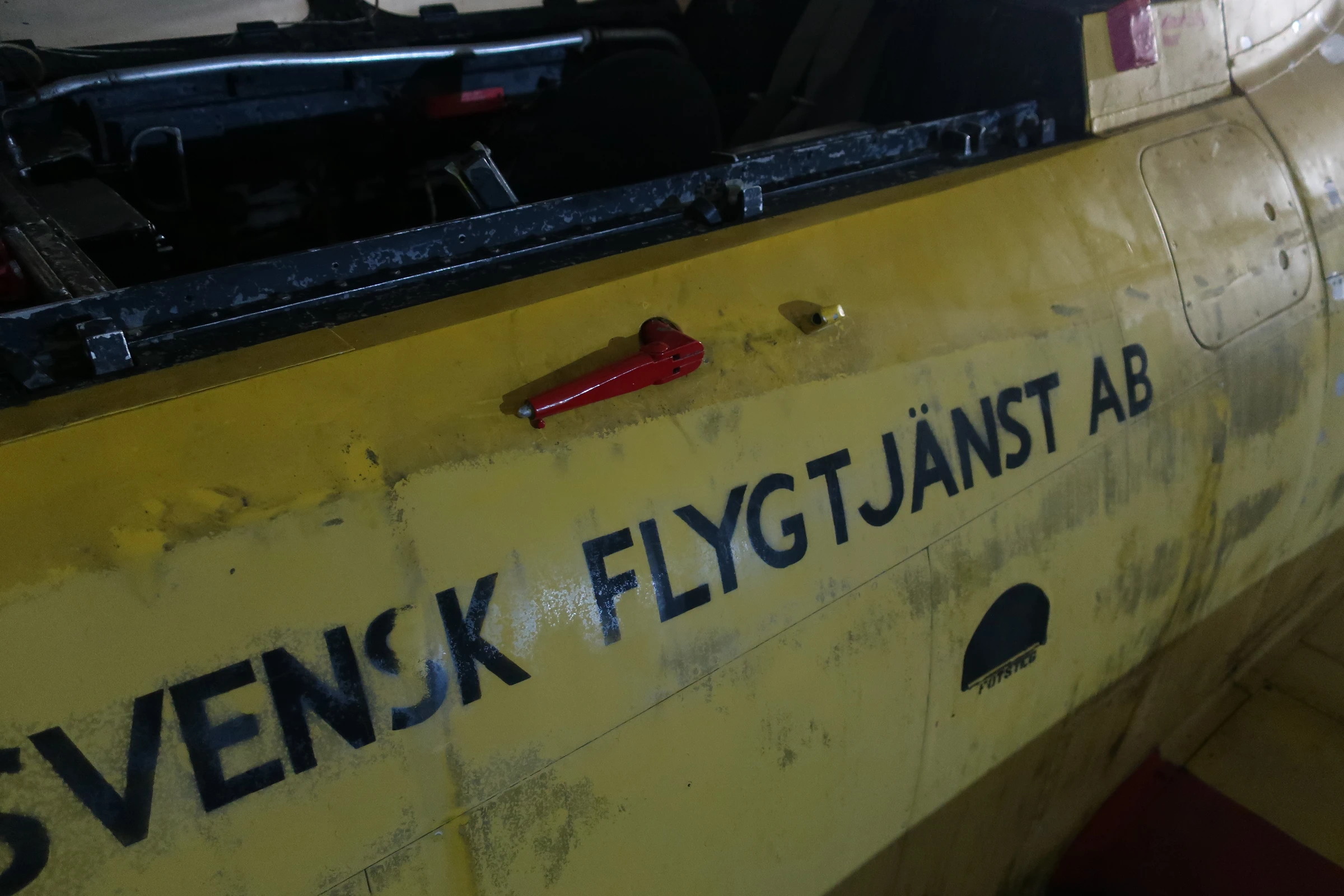
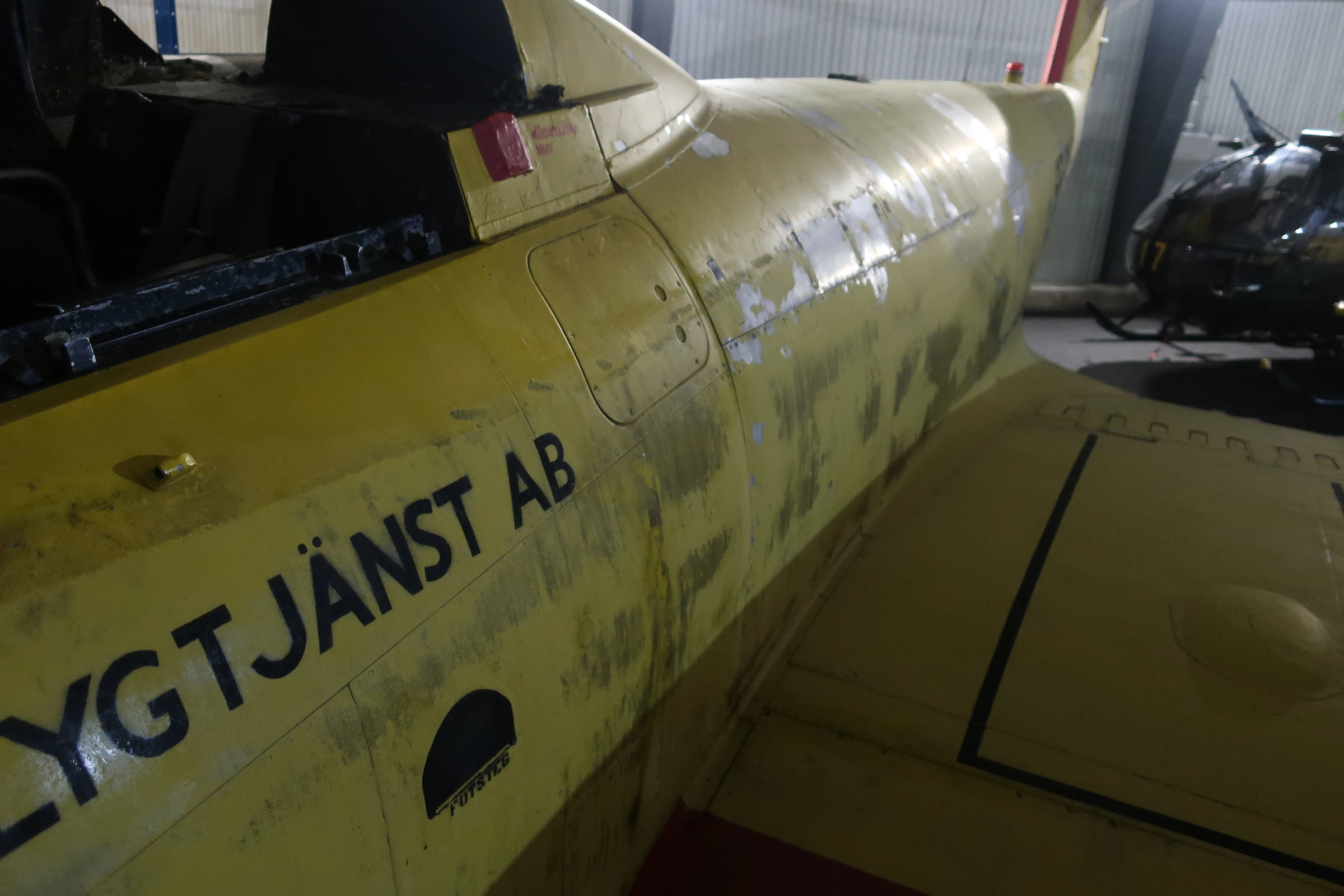
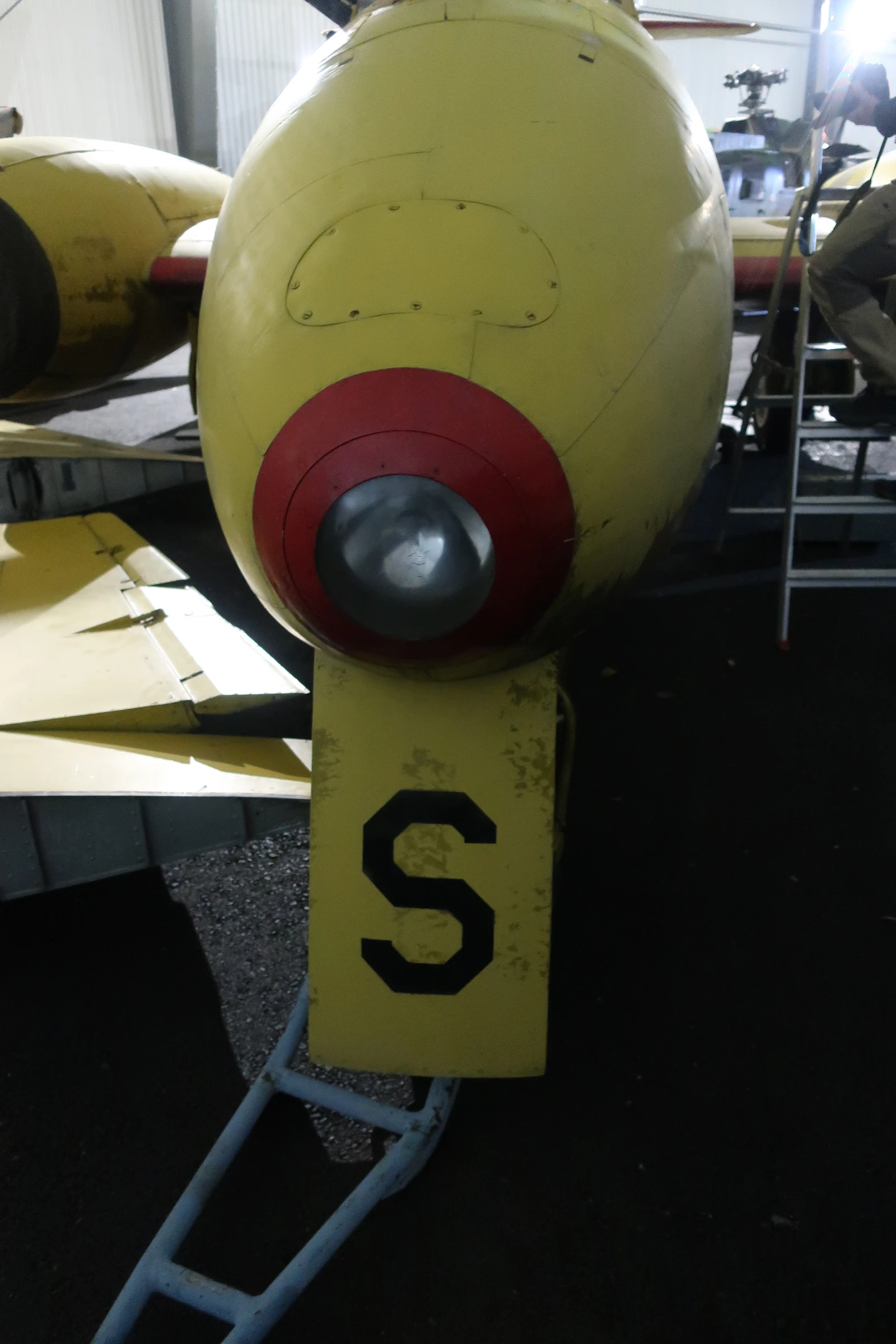
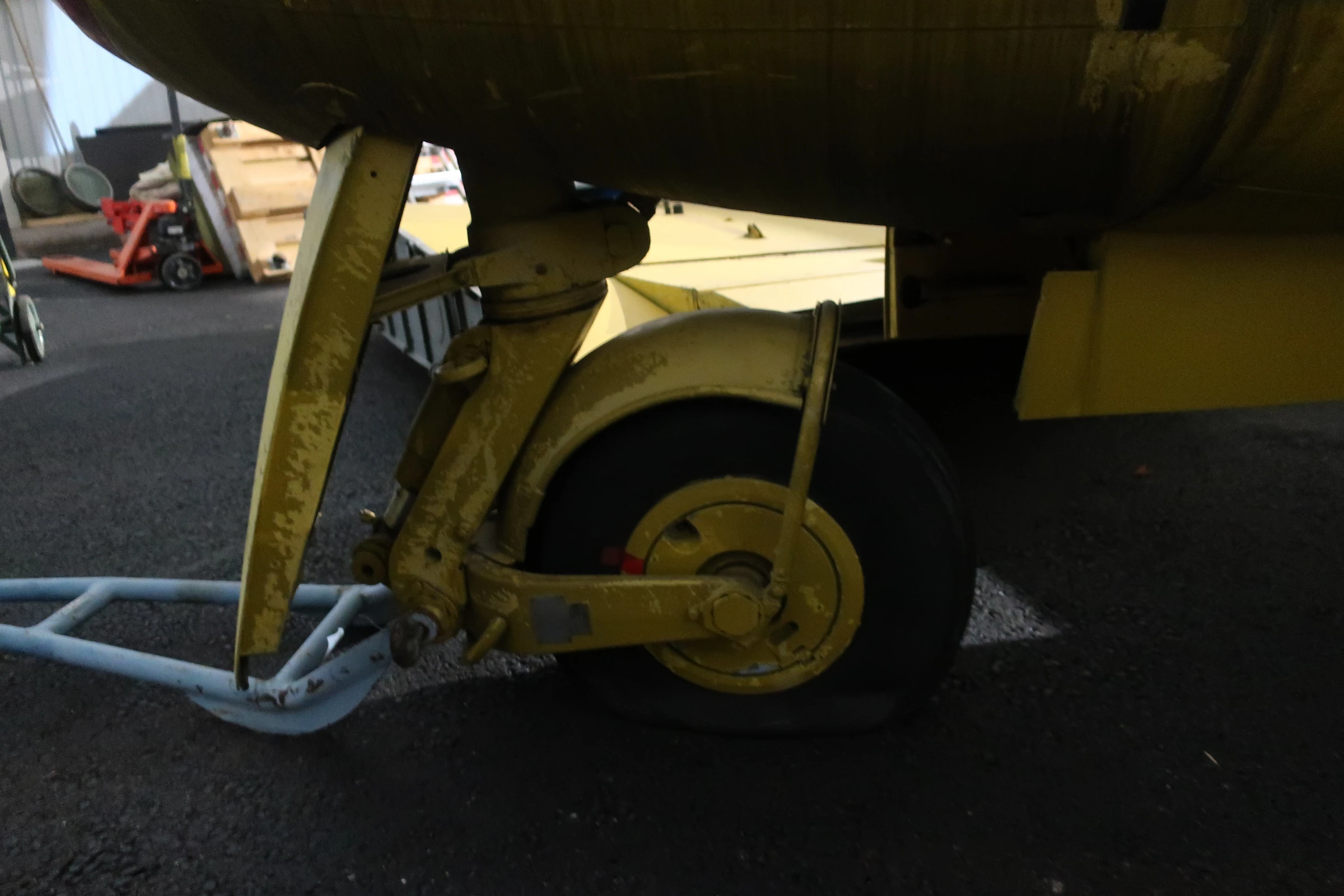
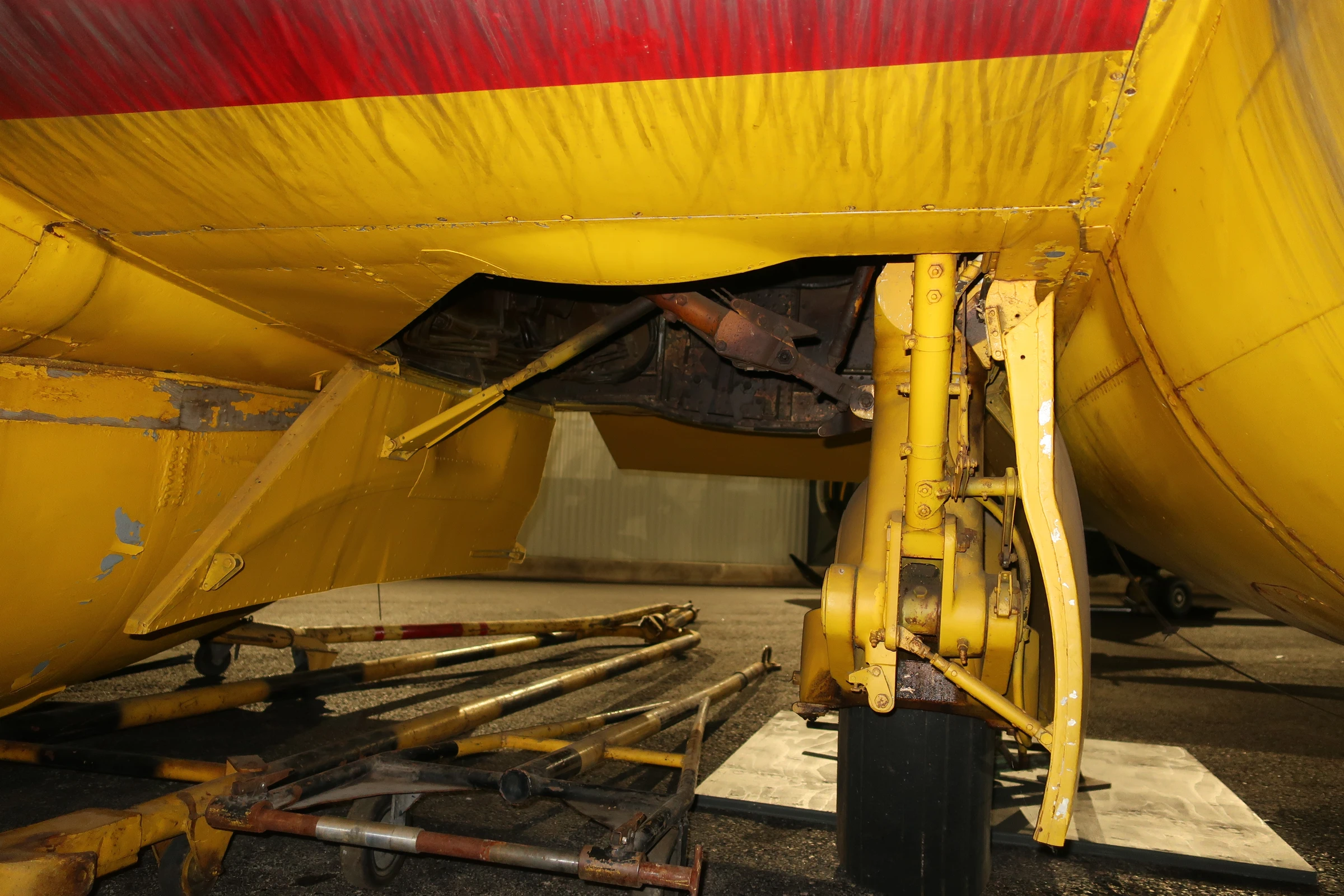
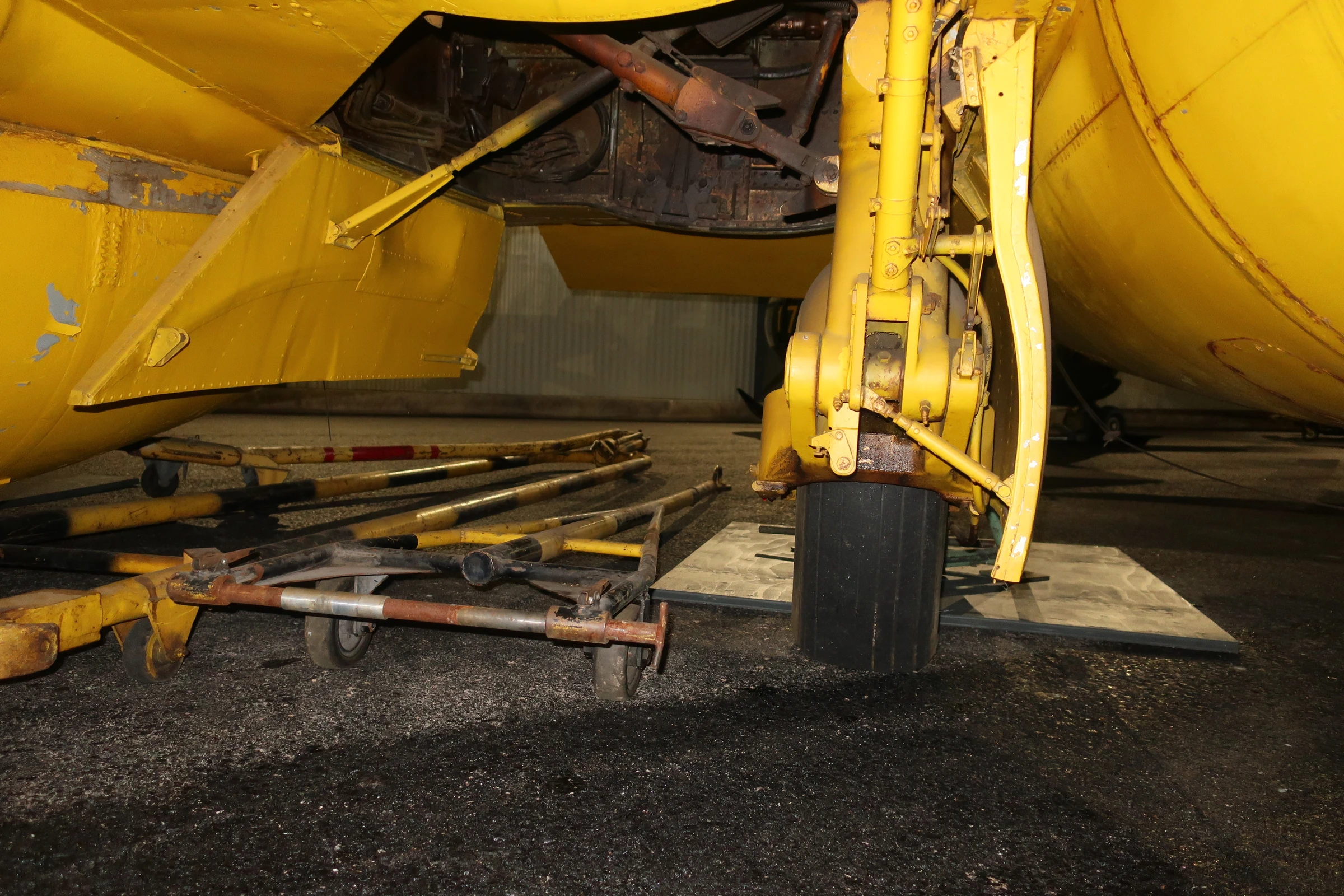
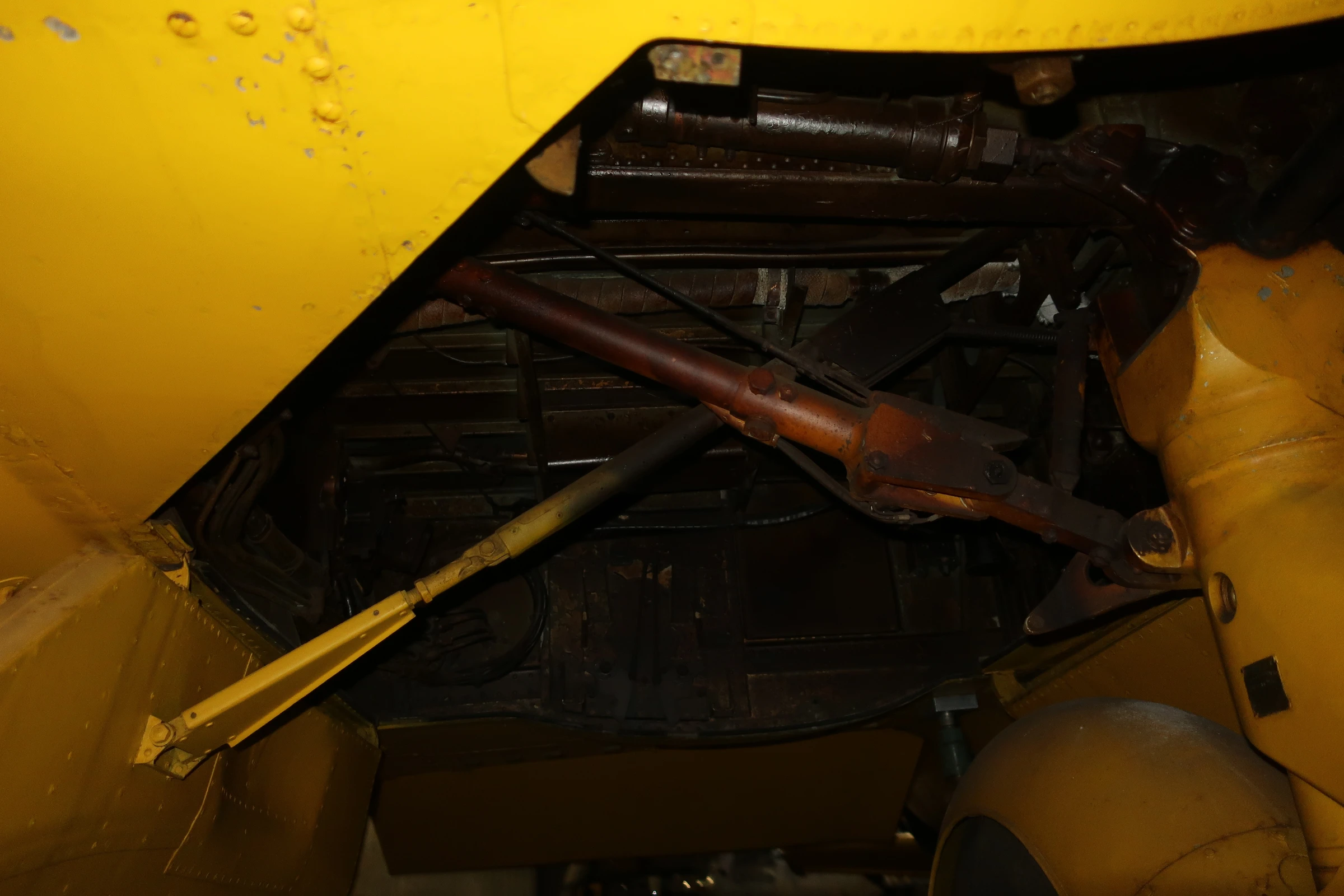
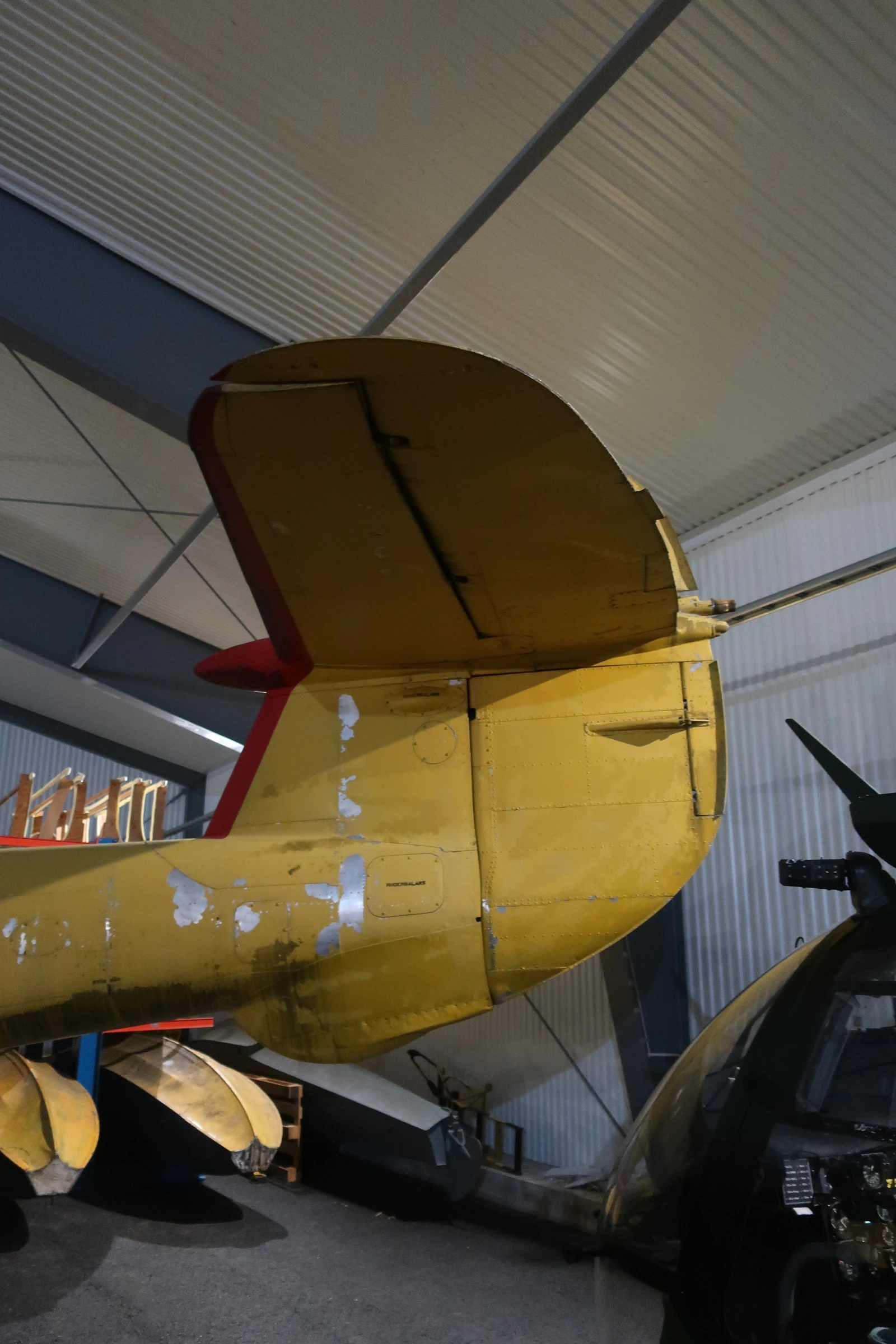
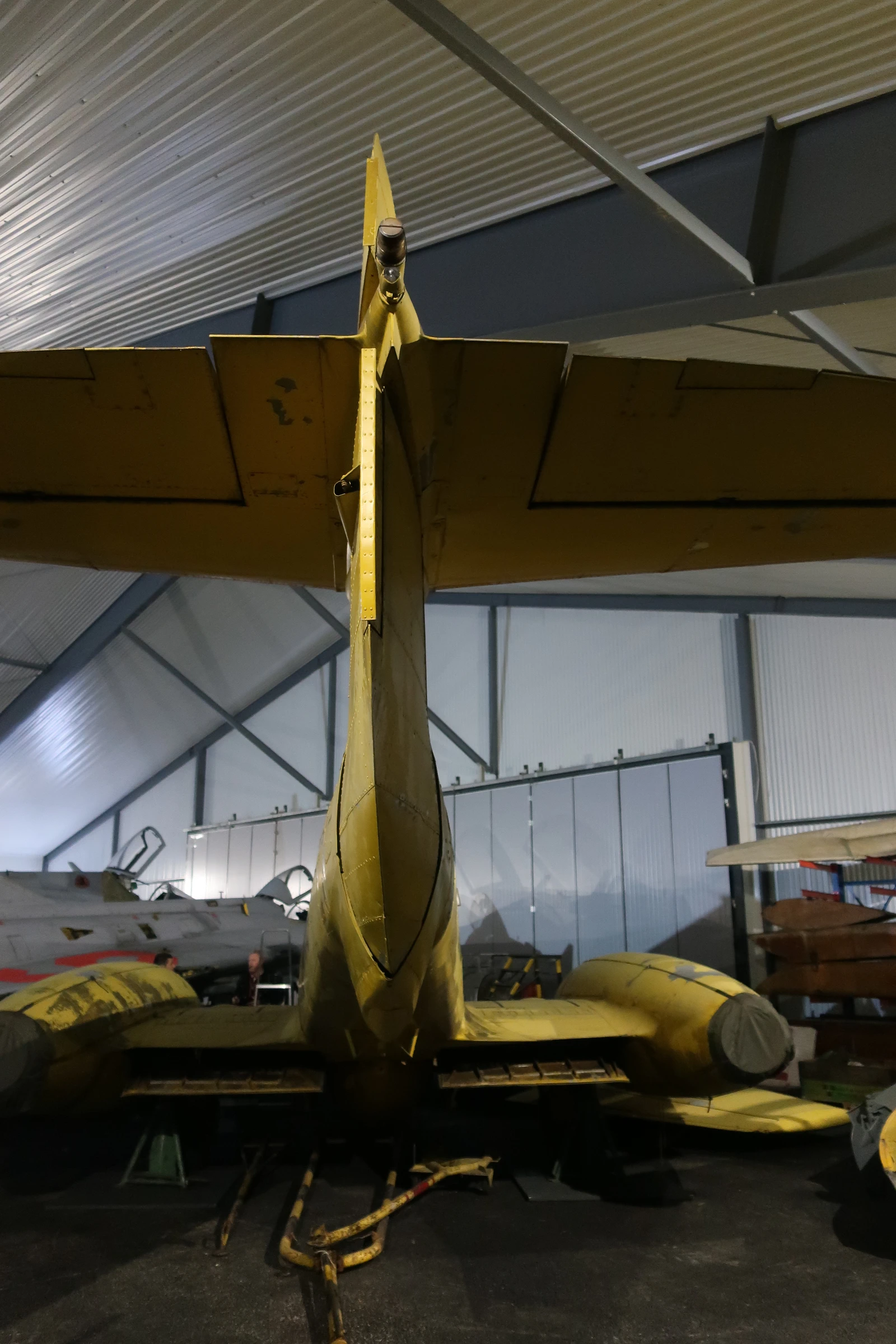
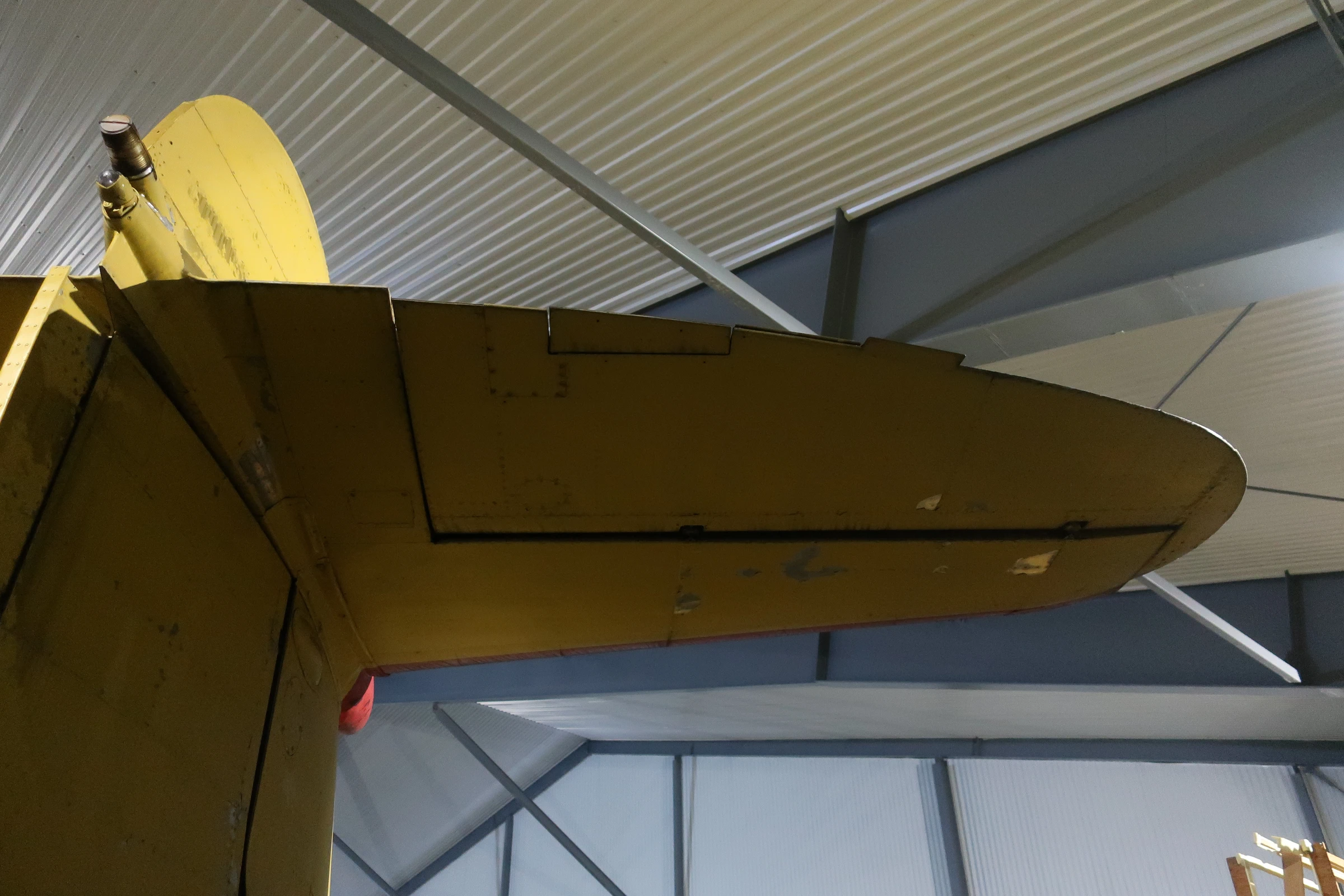
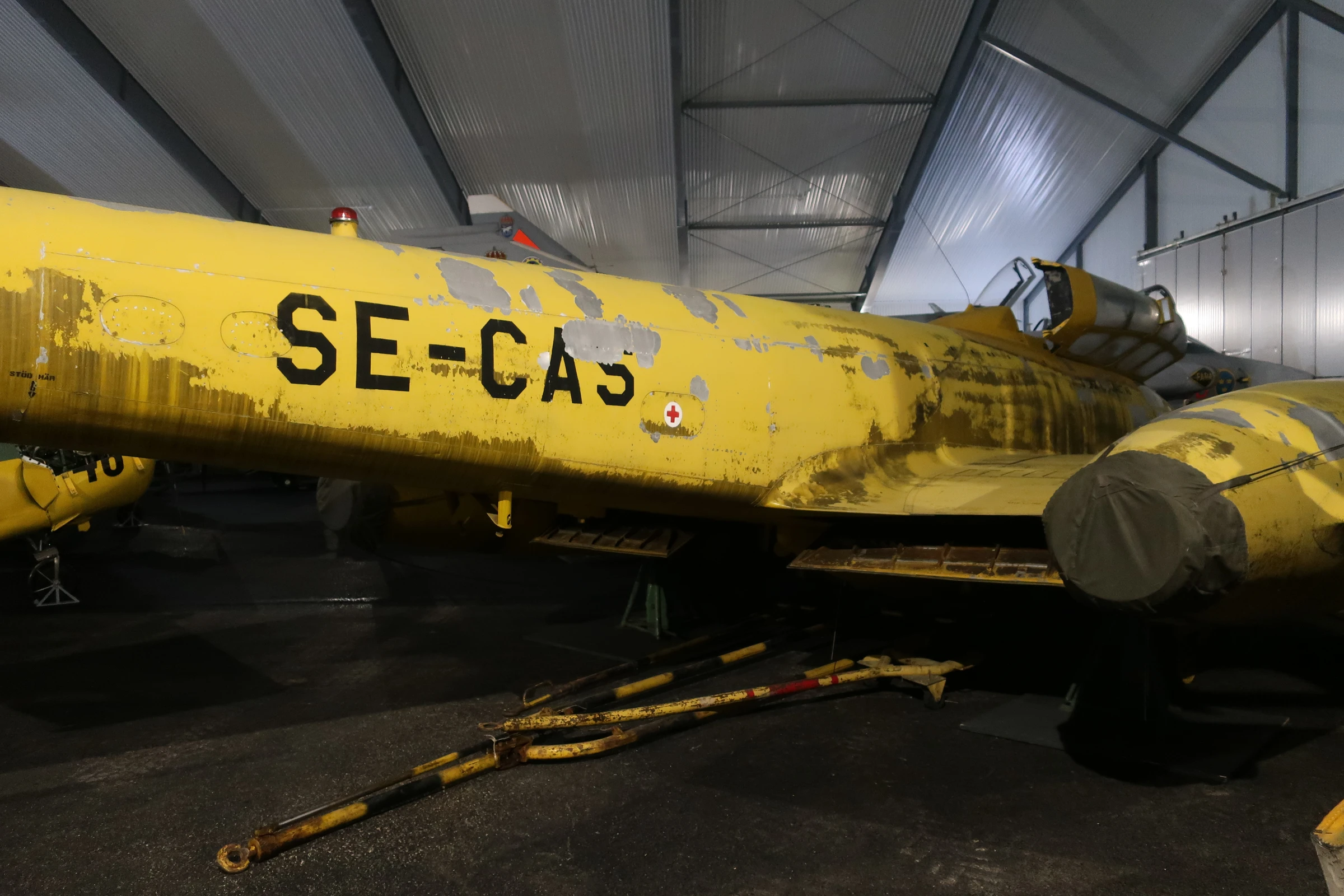
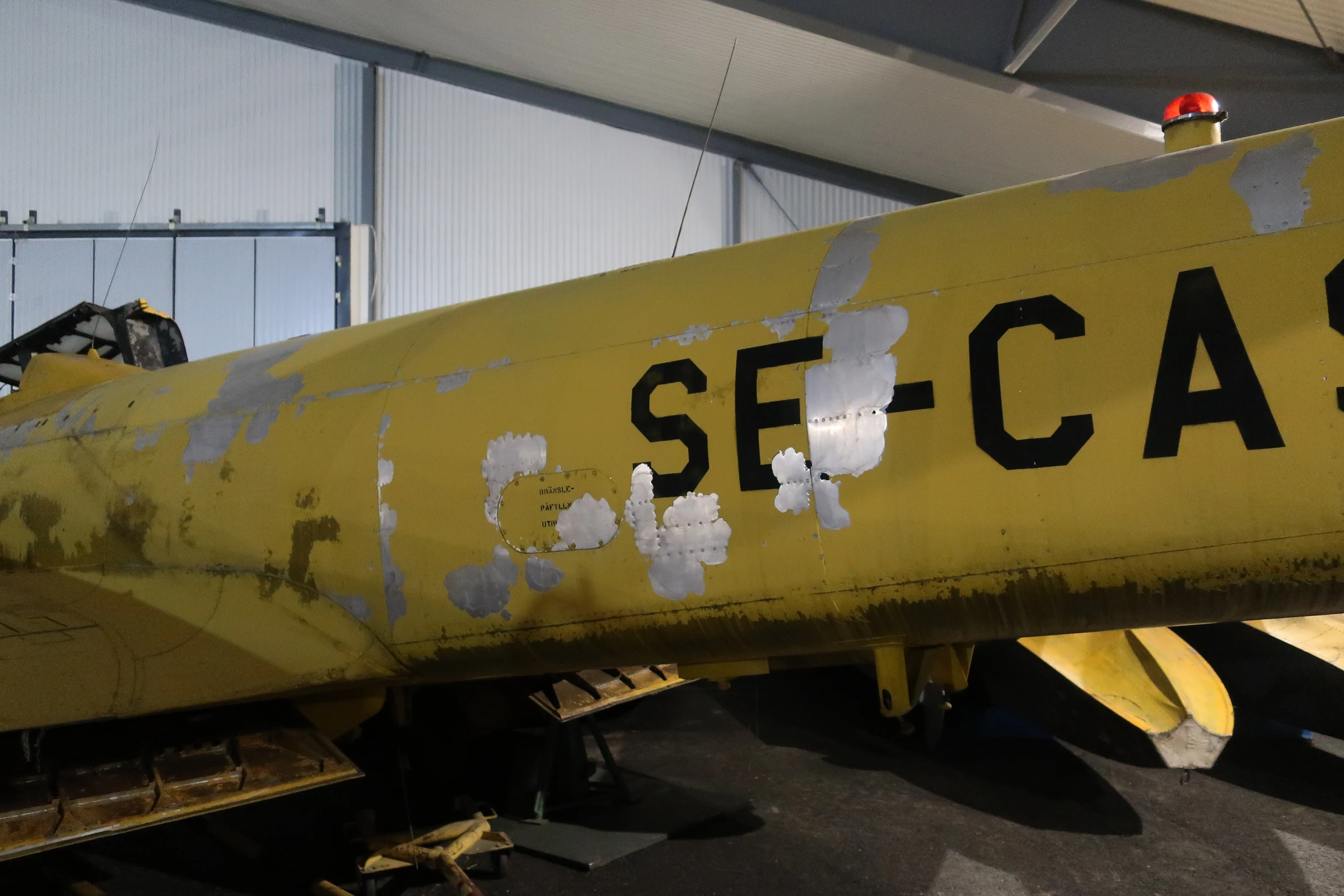
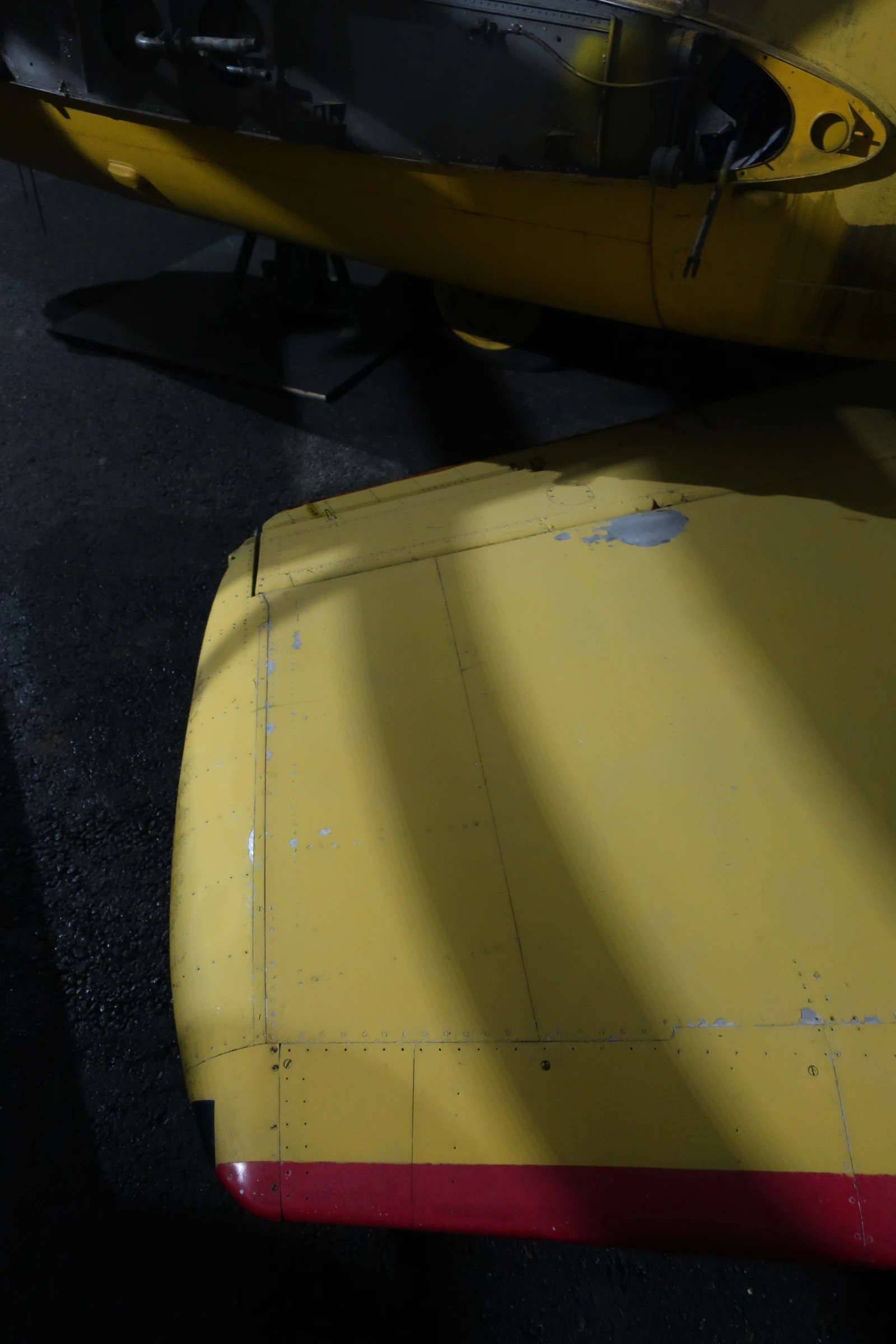
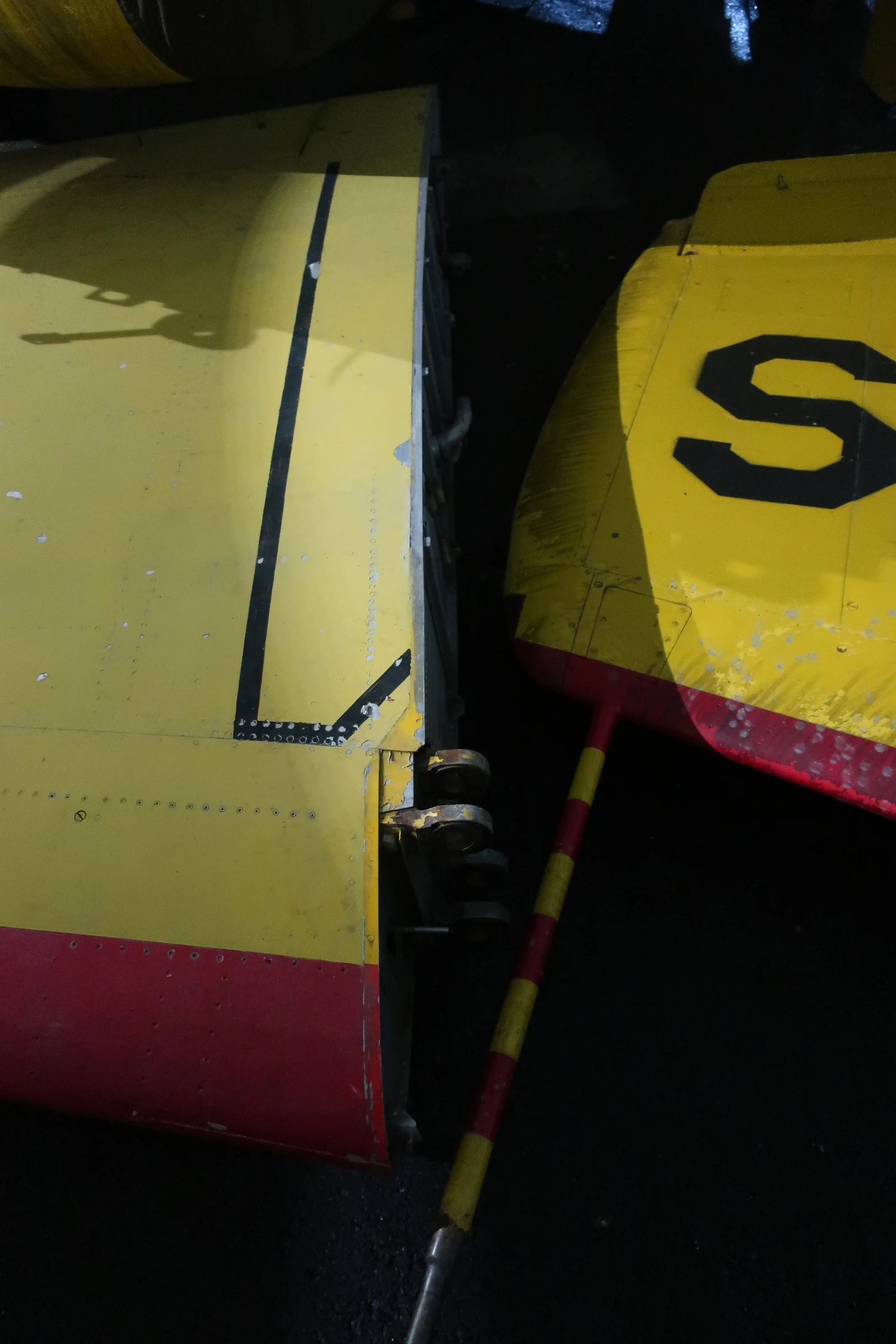
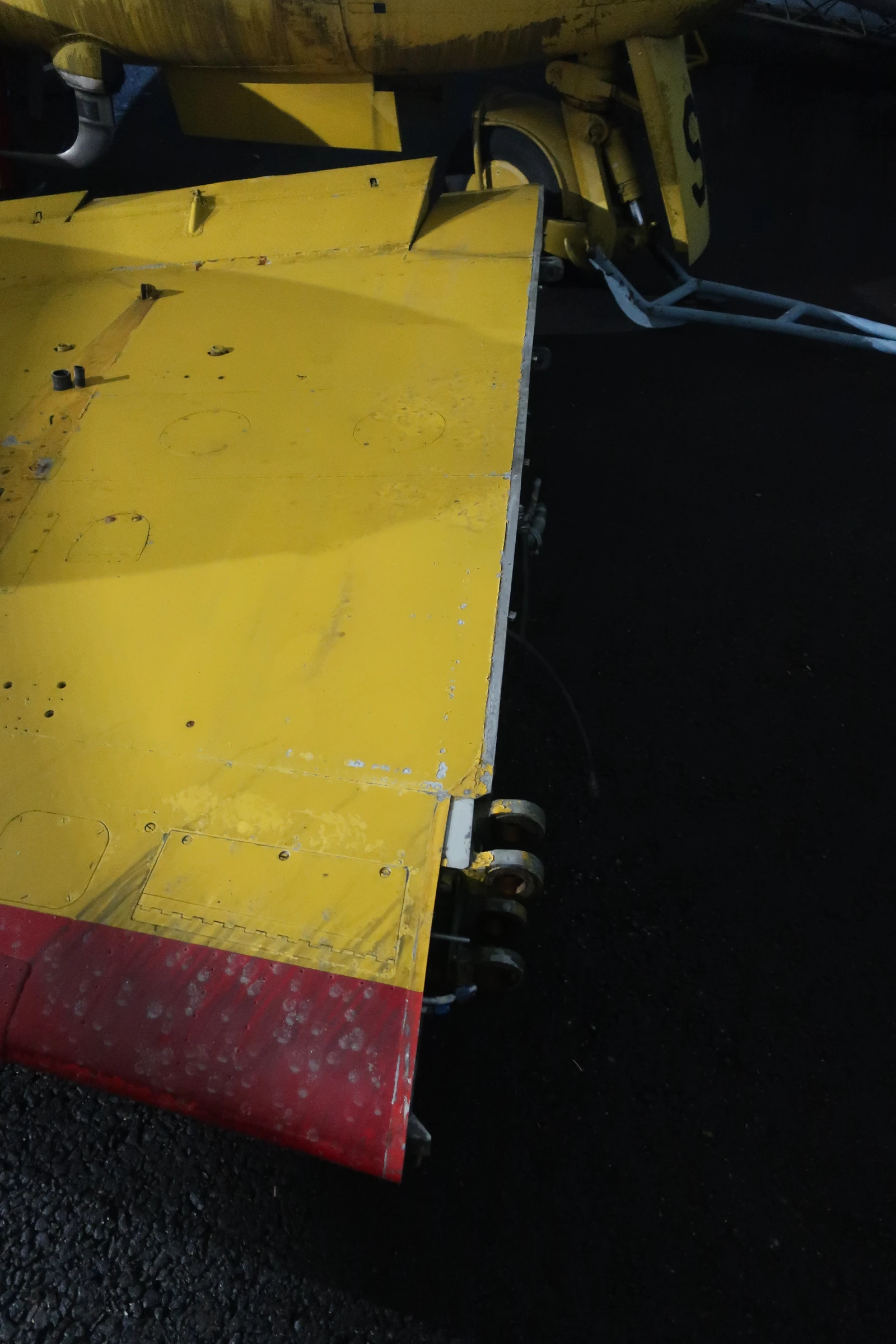
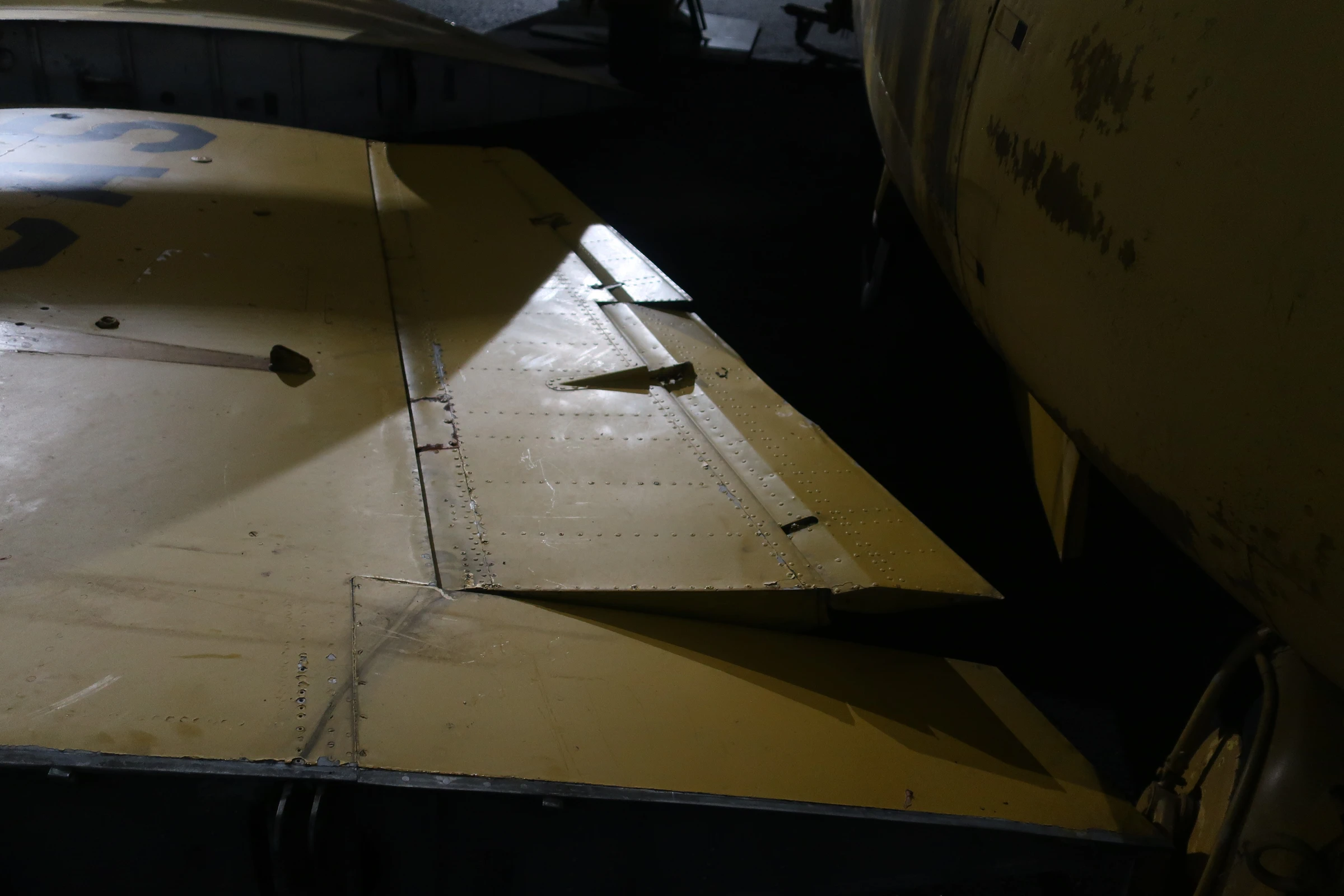
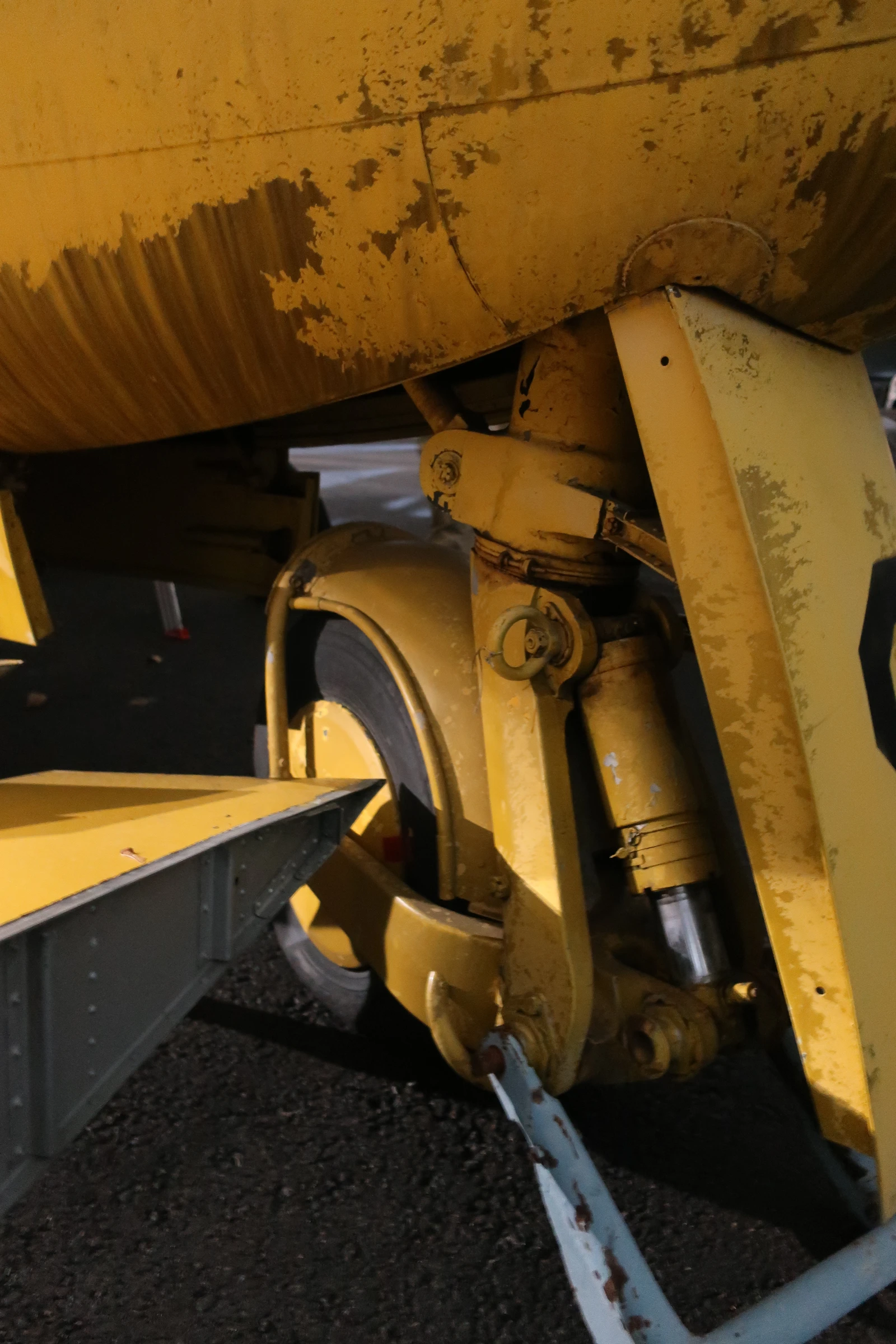
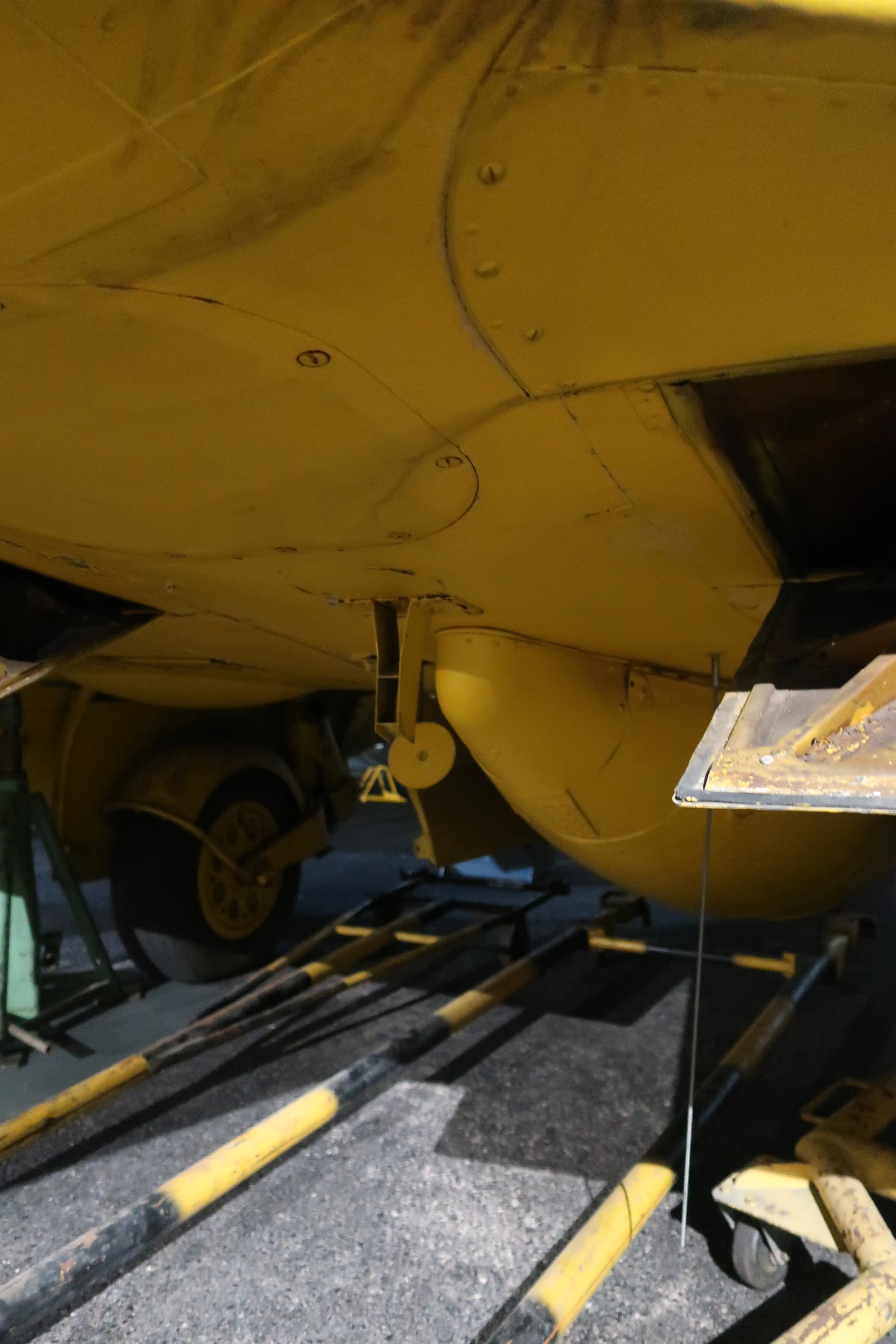
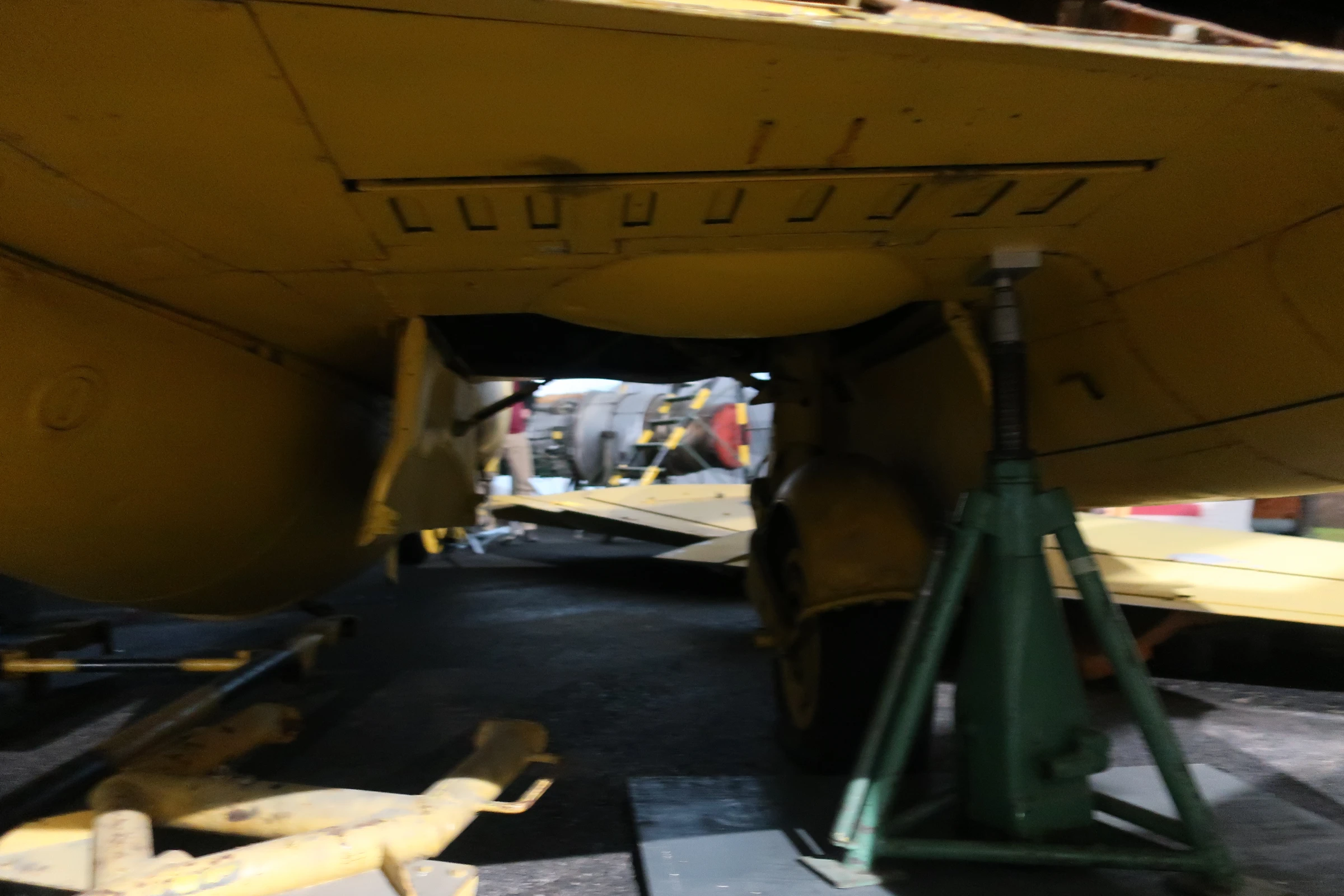
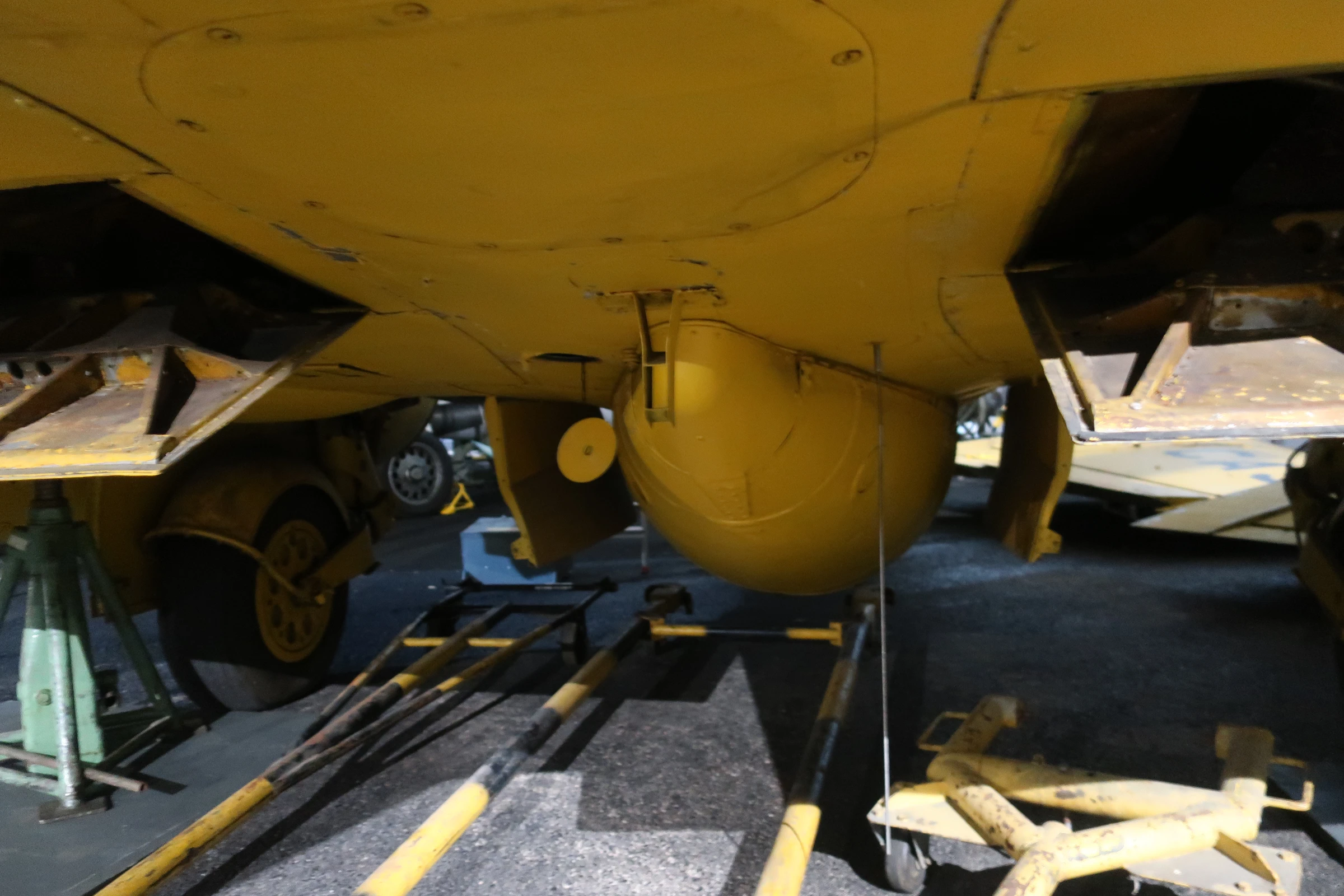
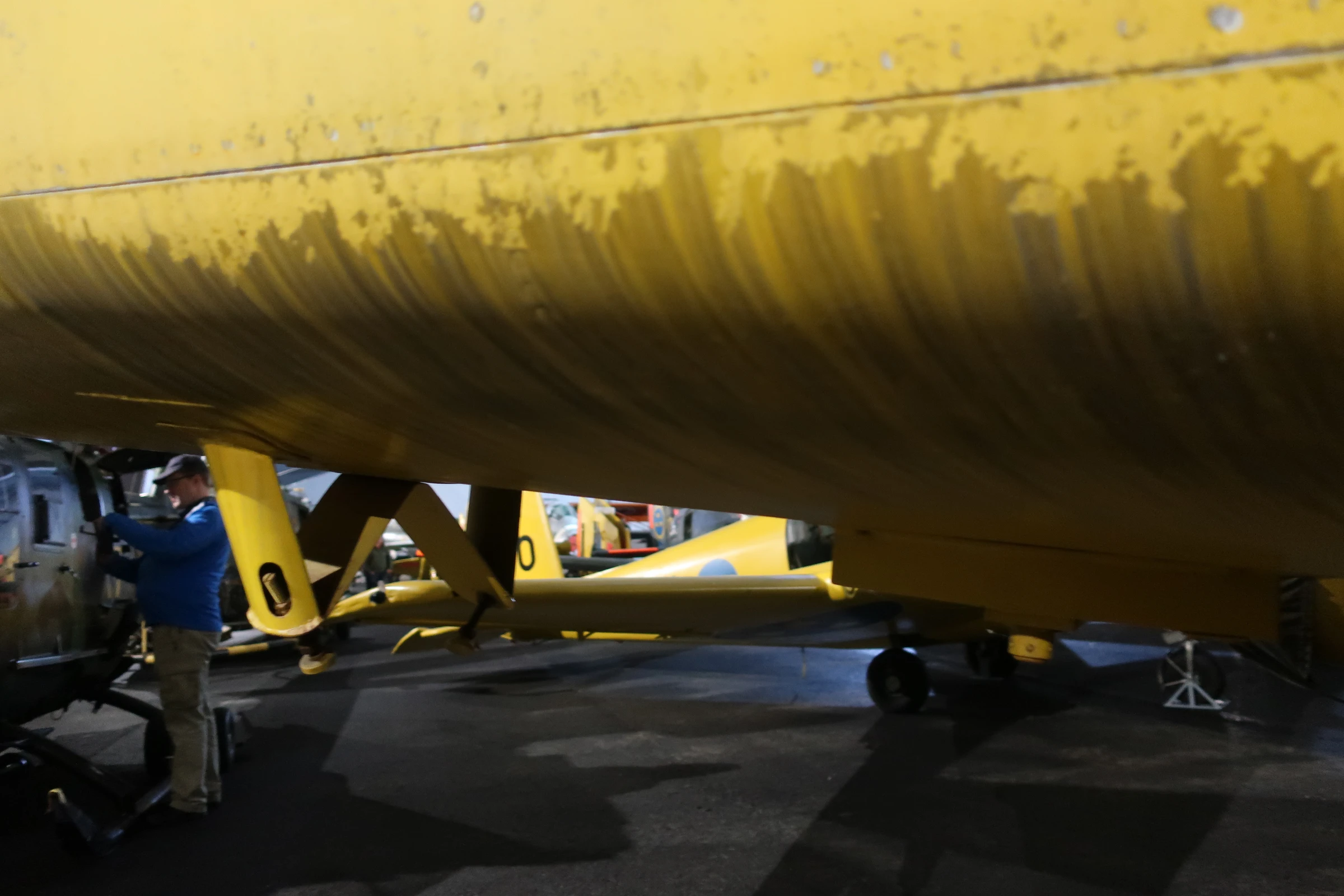
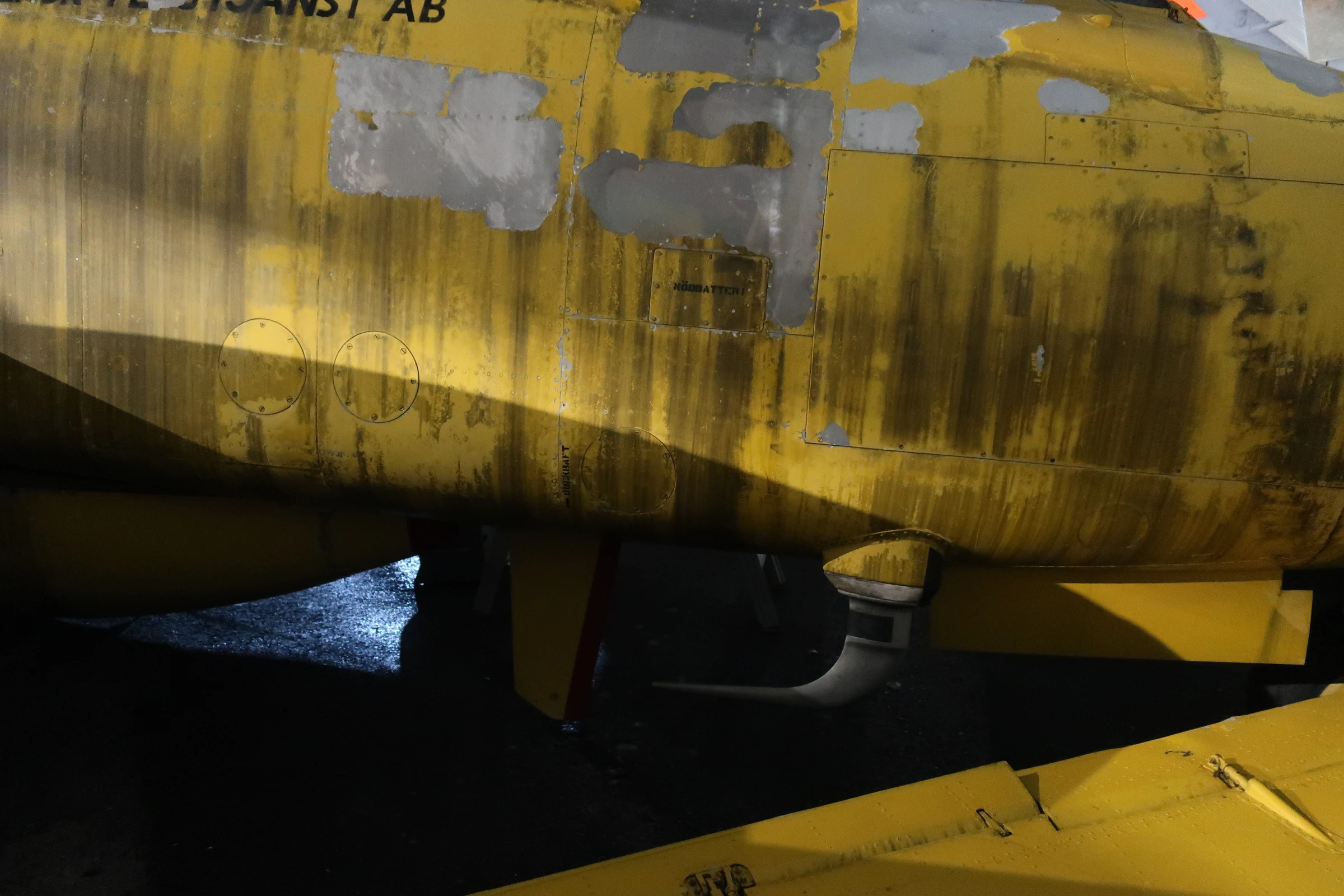
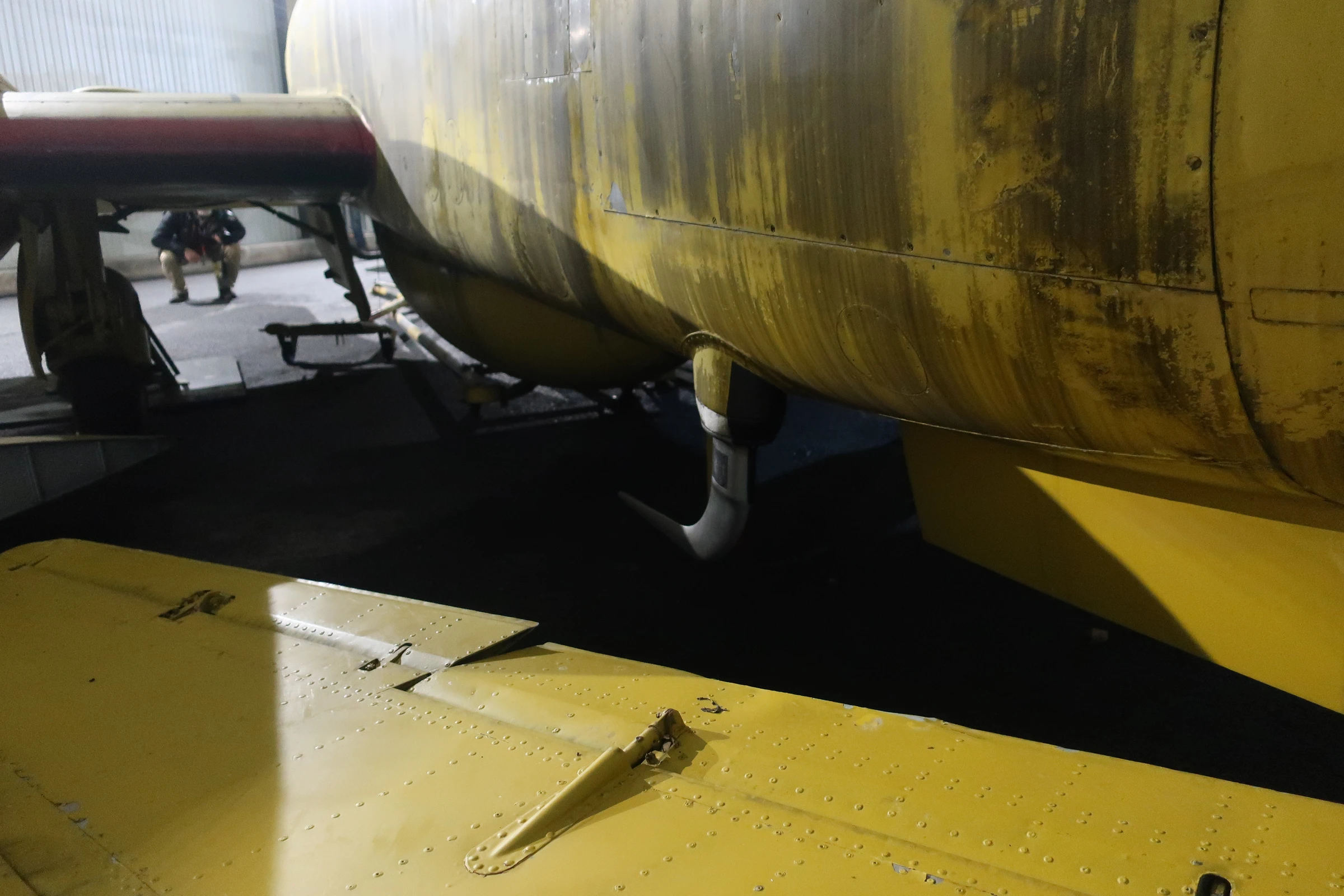
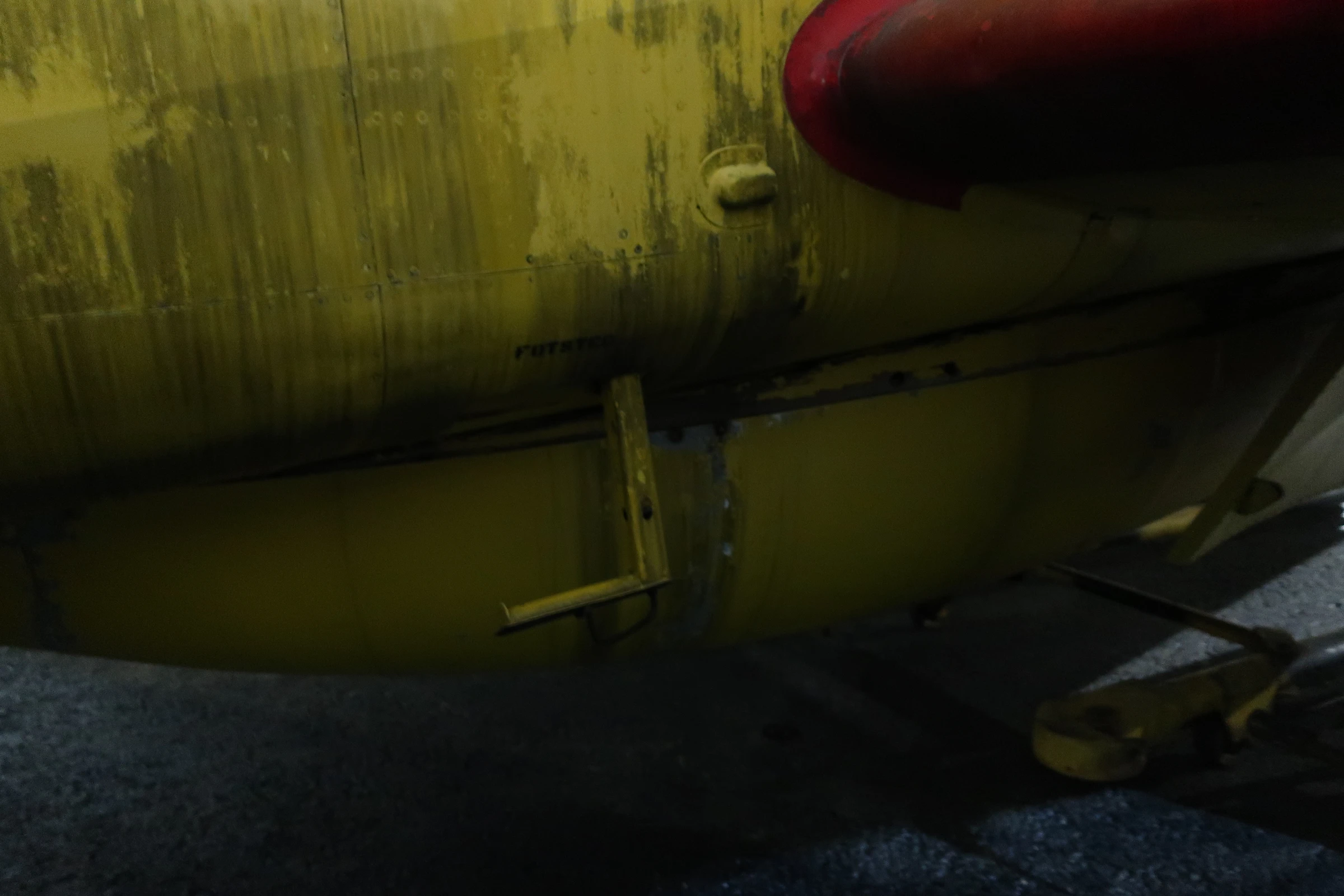
These walk-around photos were taken in one of Flygvapenmuseum's storage facilities in 2019. They show a Gloster Meteor T.7, registered SE-CAS — Britain's first operational jet fighter and the only Allied jet aircraft to see combat in the Second World War. The Meteor was the culmination of Frank Whittle's jet propulsion research, first flying in 1943 and entering RAF service in 1944, where it was initially used to intercept German V-1 flying bombs. Nearly 4,000 were eventually built in numerous variants, serving with air forces around the world well into the 1960s. The T.7 was the two-seat trainer variant, with a lengthened nose accommodating a second cockpit ahead of the standard single-seat position.
The Swedish Air Force never directly operated the Meteor, but the type nonetheless had a presence in Swedish skies for nearly two decades. The private company Svensk Flygtjänst AB operated three T.7s and four TT.20s between 1955 and 1974, contracted to provide target-towing services for both the Swedish and Danish air forces. The aircraft flew in a distinctive all-yellow civil colour scheme that marked them out as non-military. SE-CAS, formerly RAF serial WF833, was one of these target-tugs, and is now part of Flygvapenmuseum's collection — a reminder that even an aircraft that never wore Swedish military markings can tell an important part of Swedish aviation history.