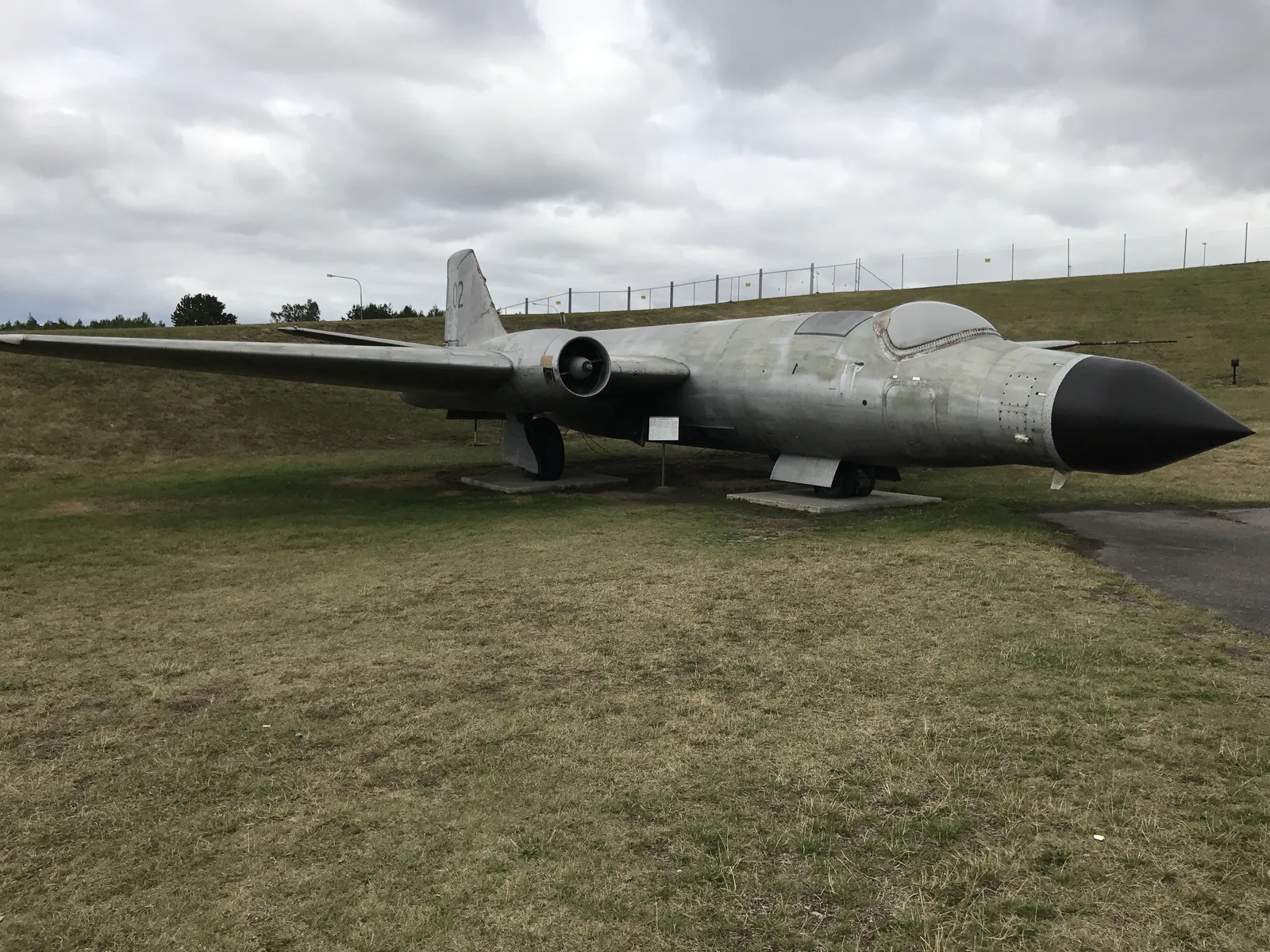
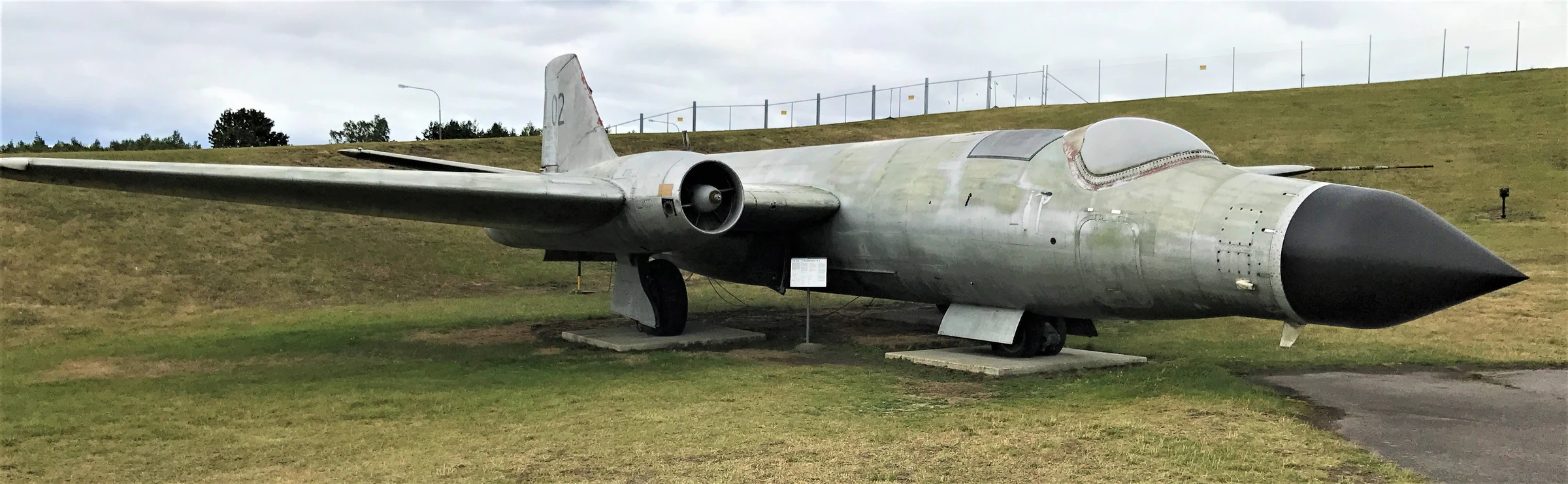
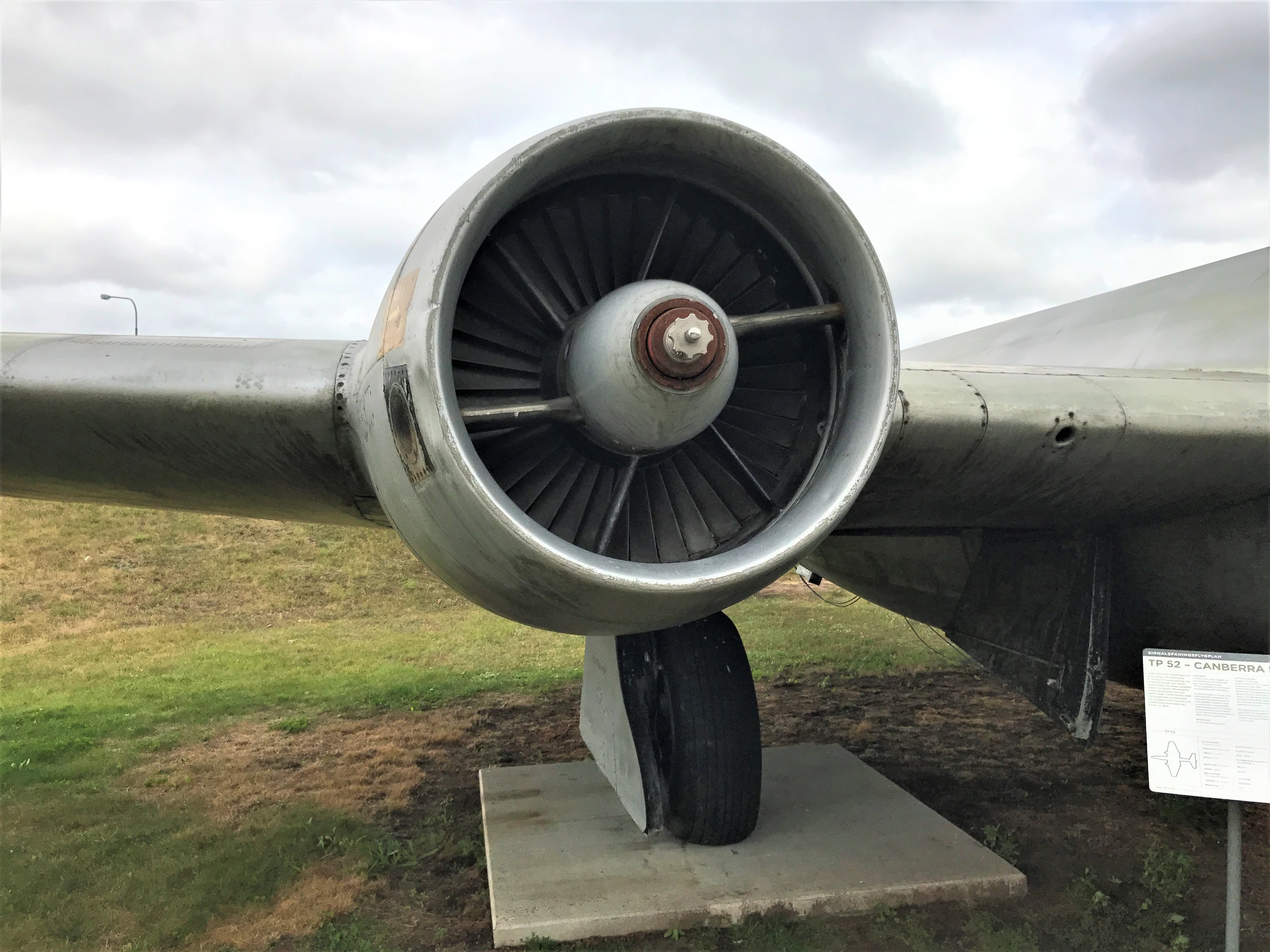
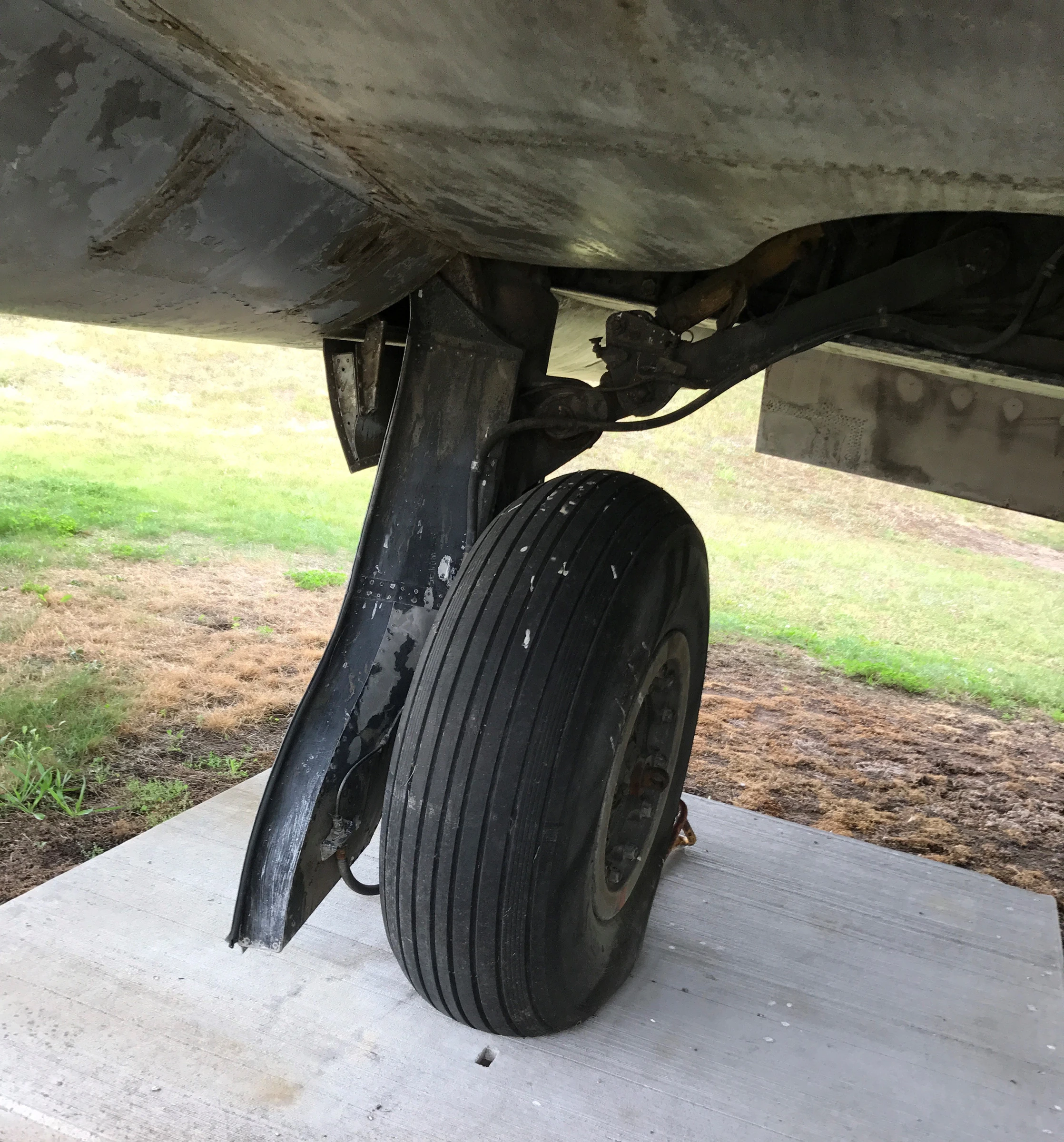
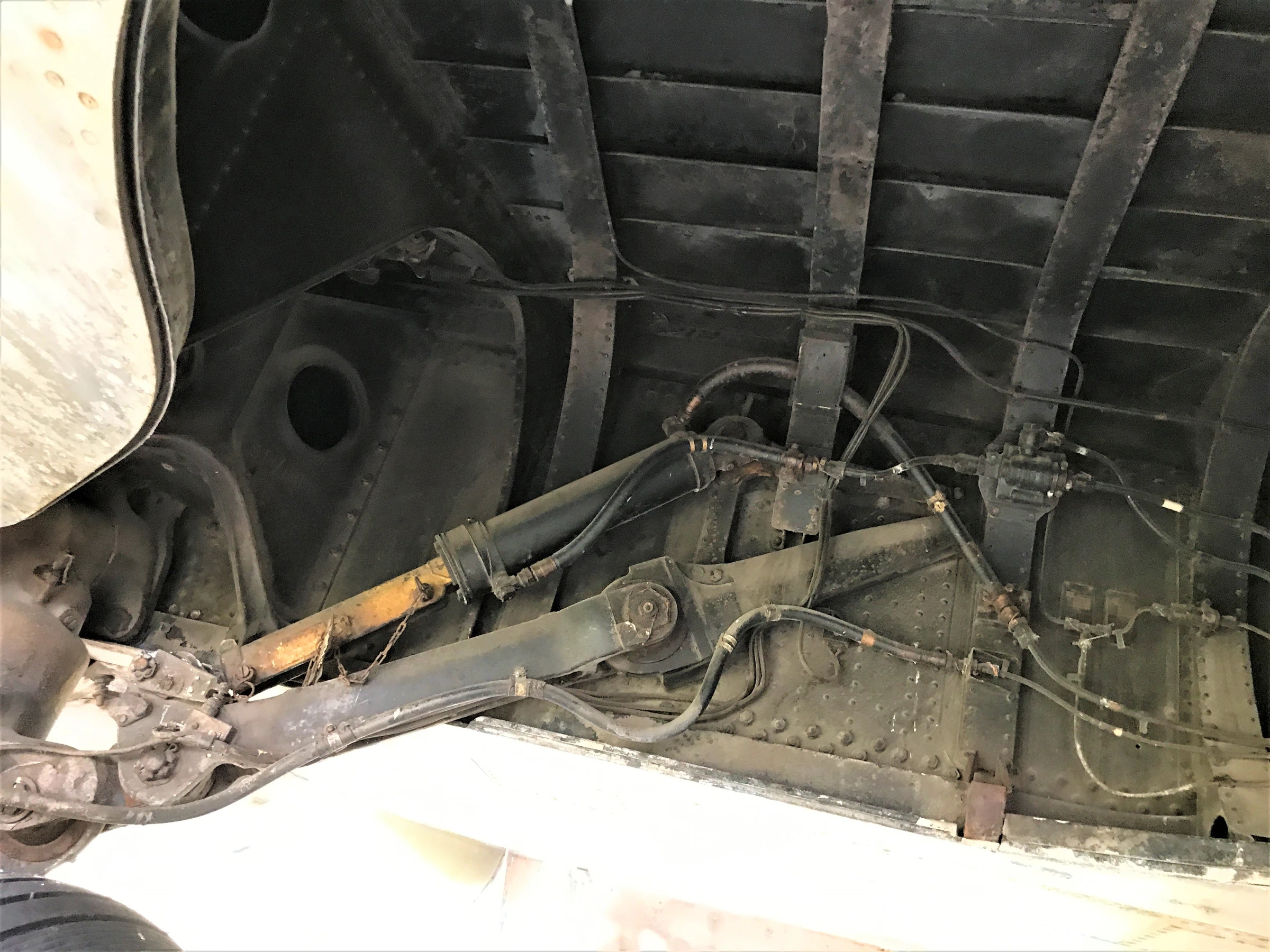
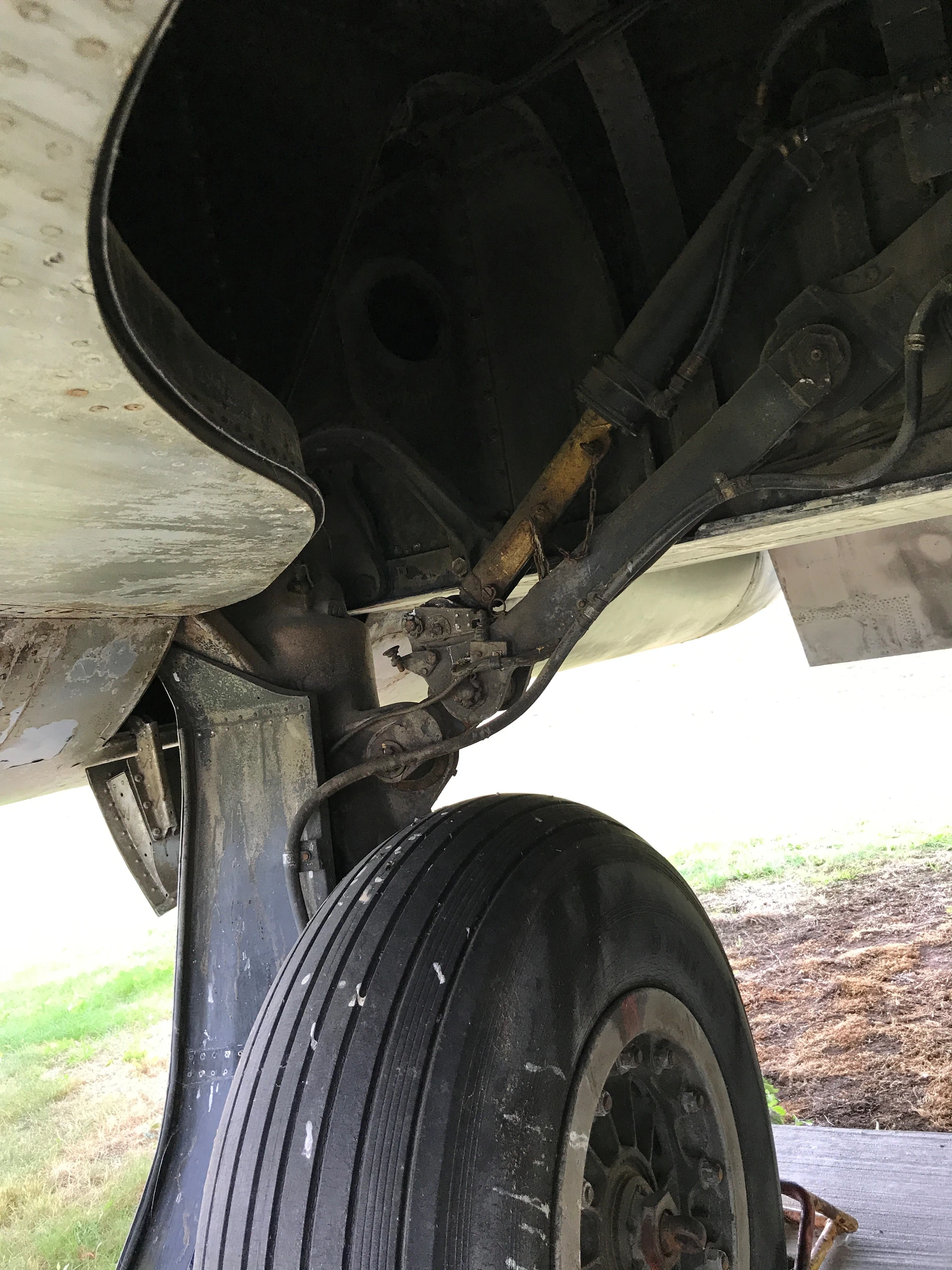
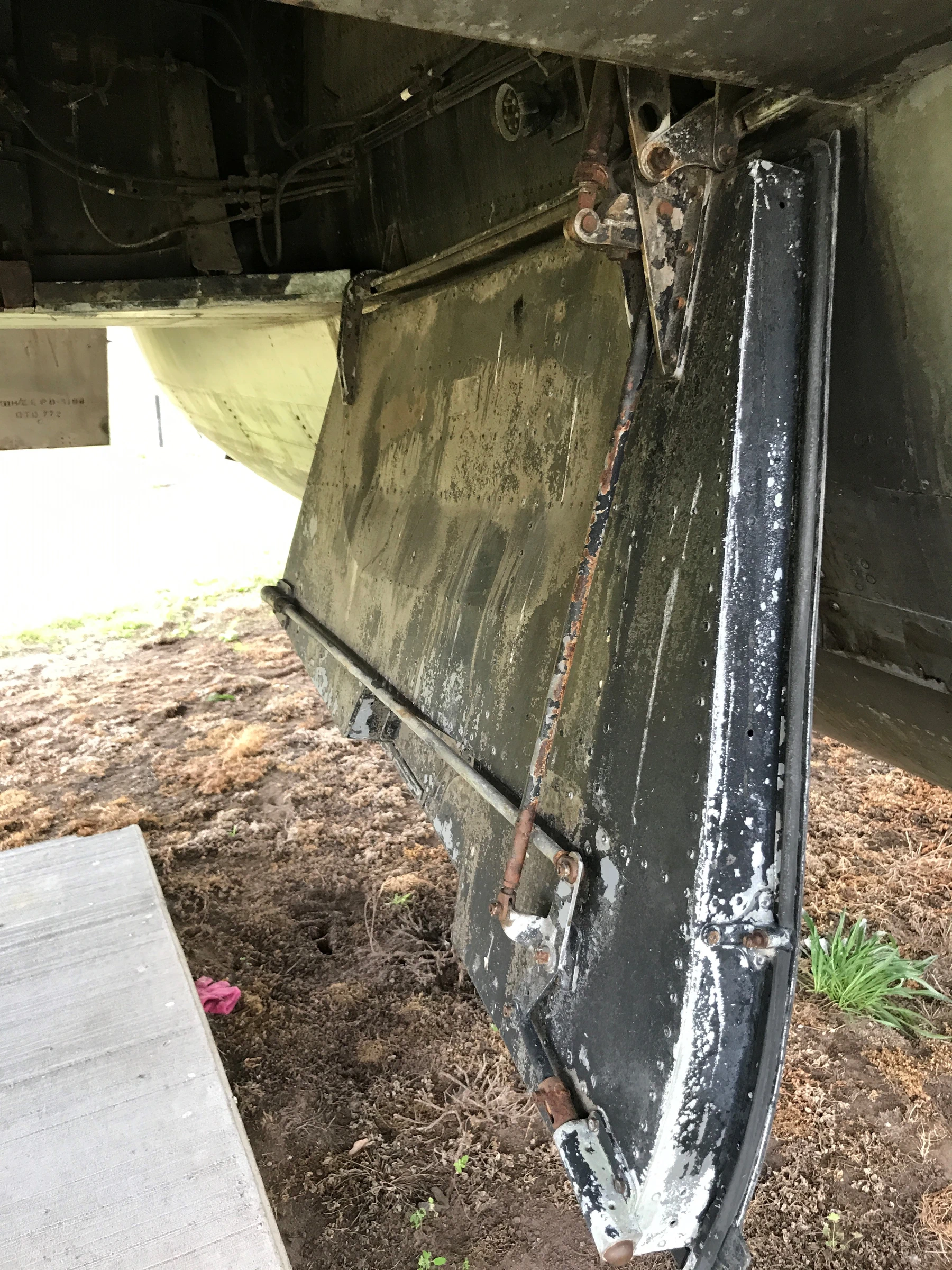
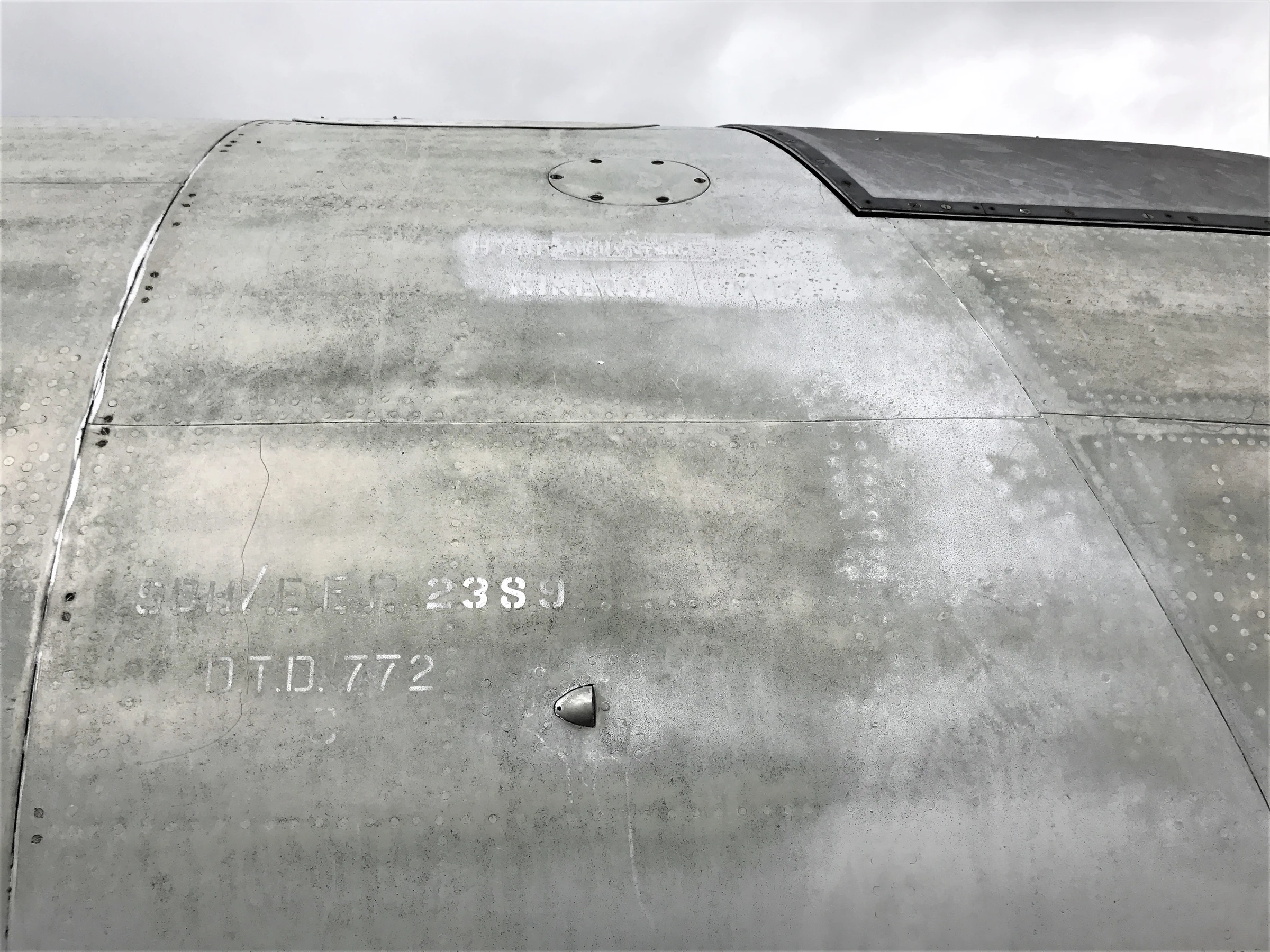
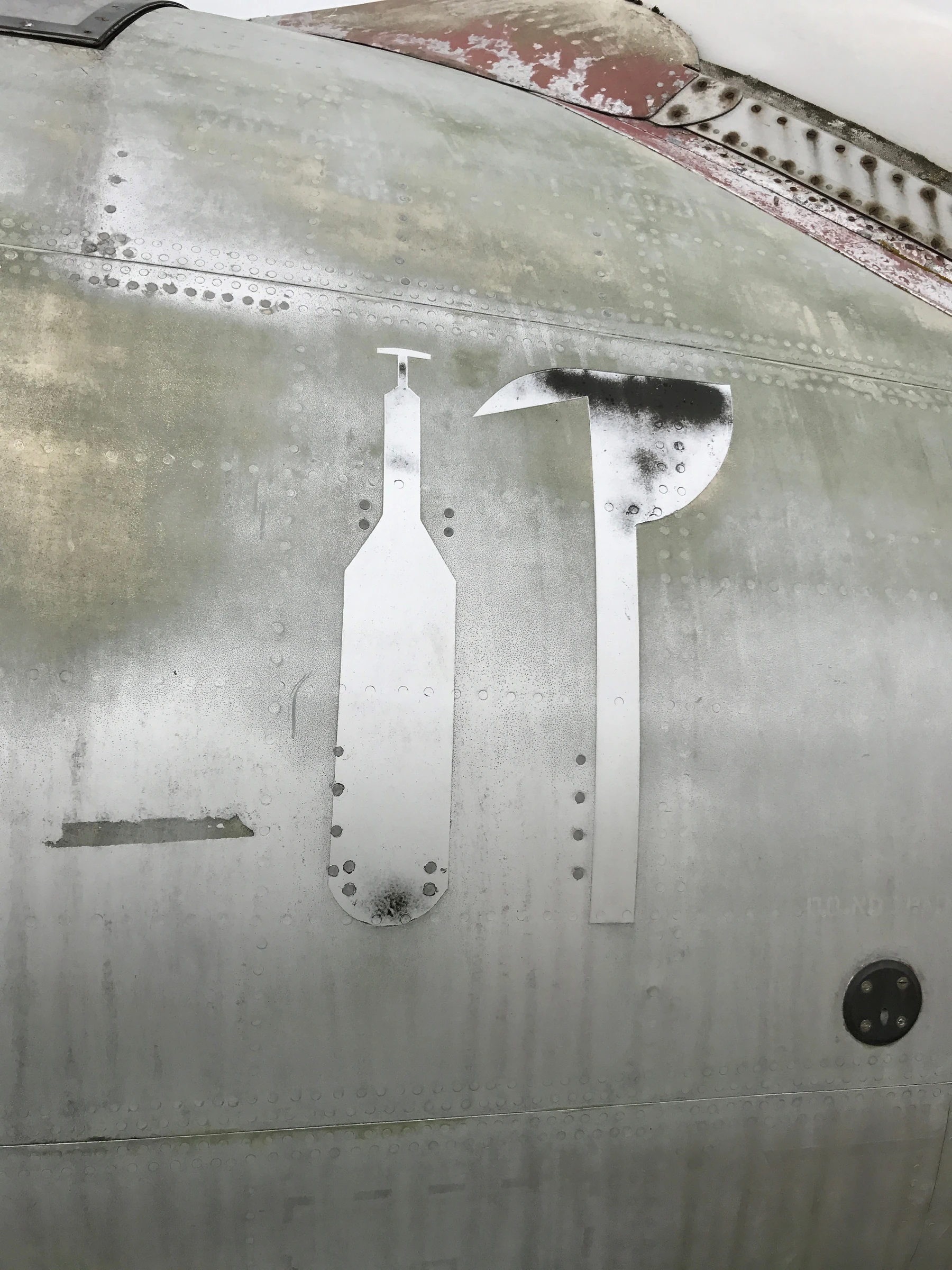
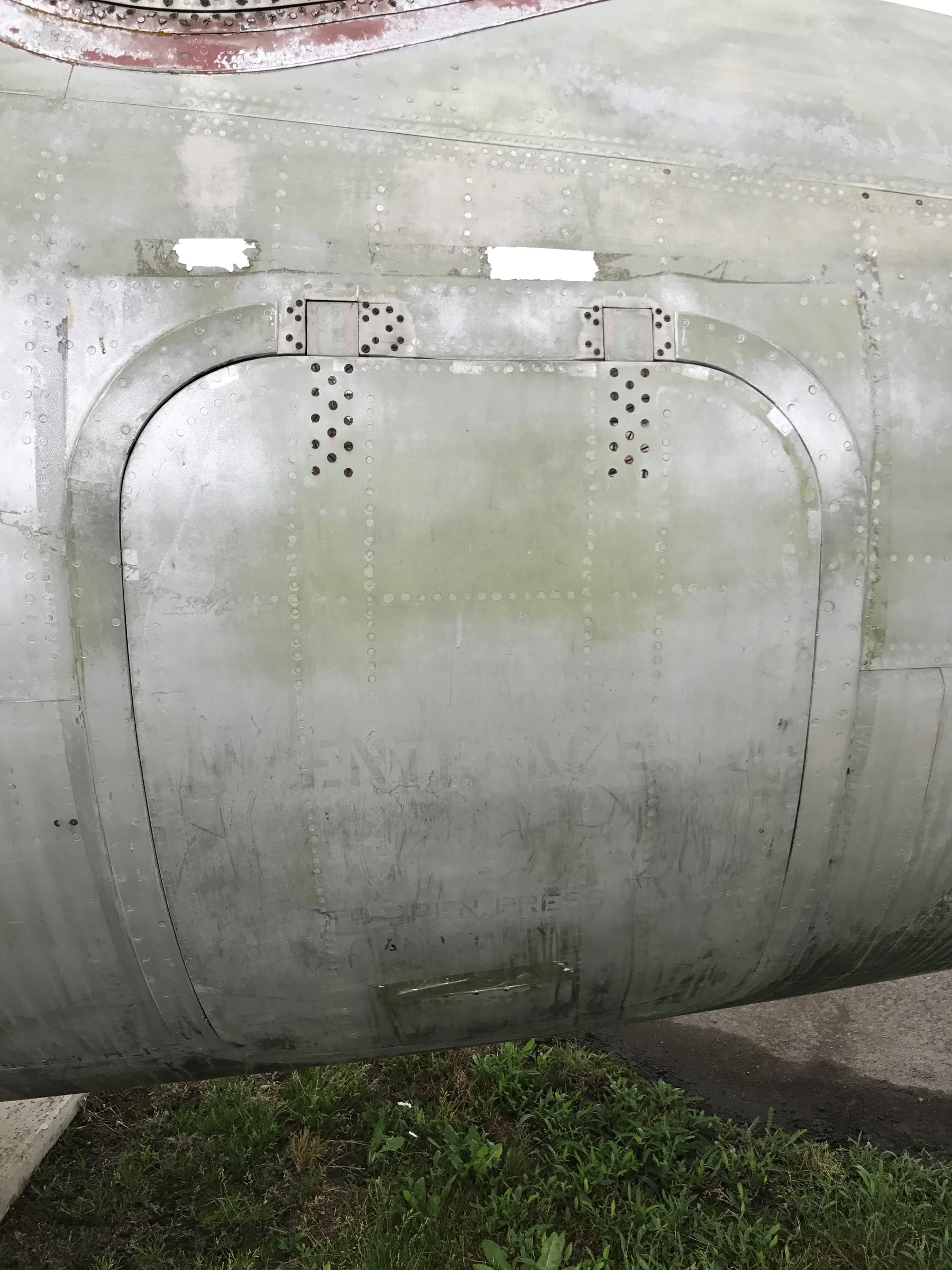
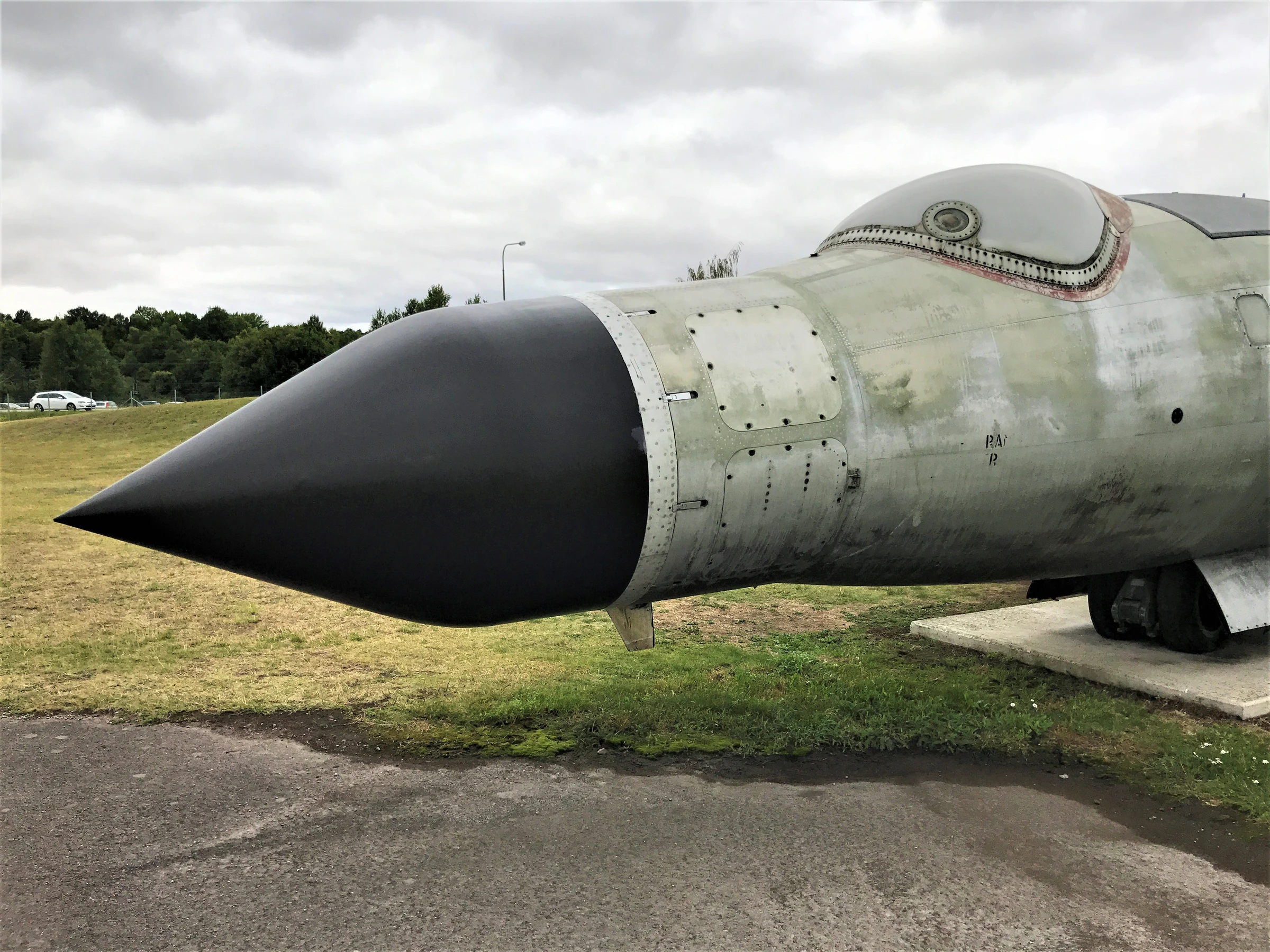
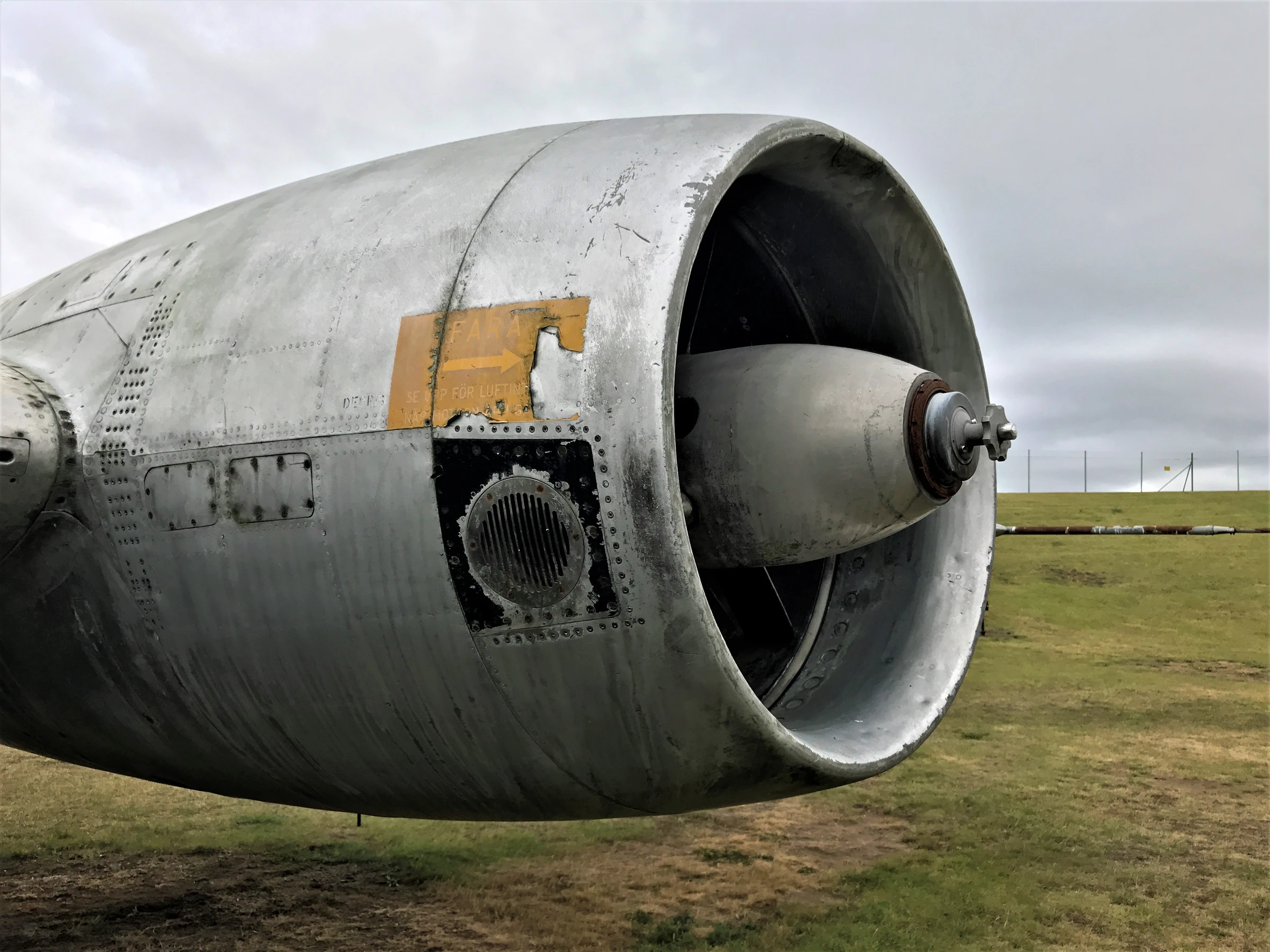
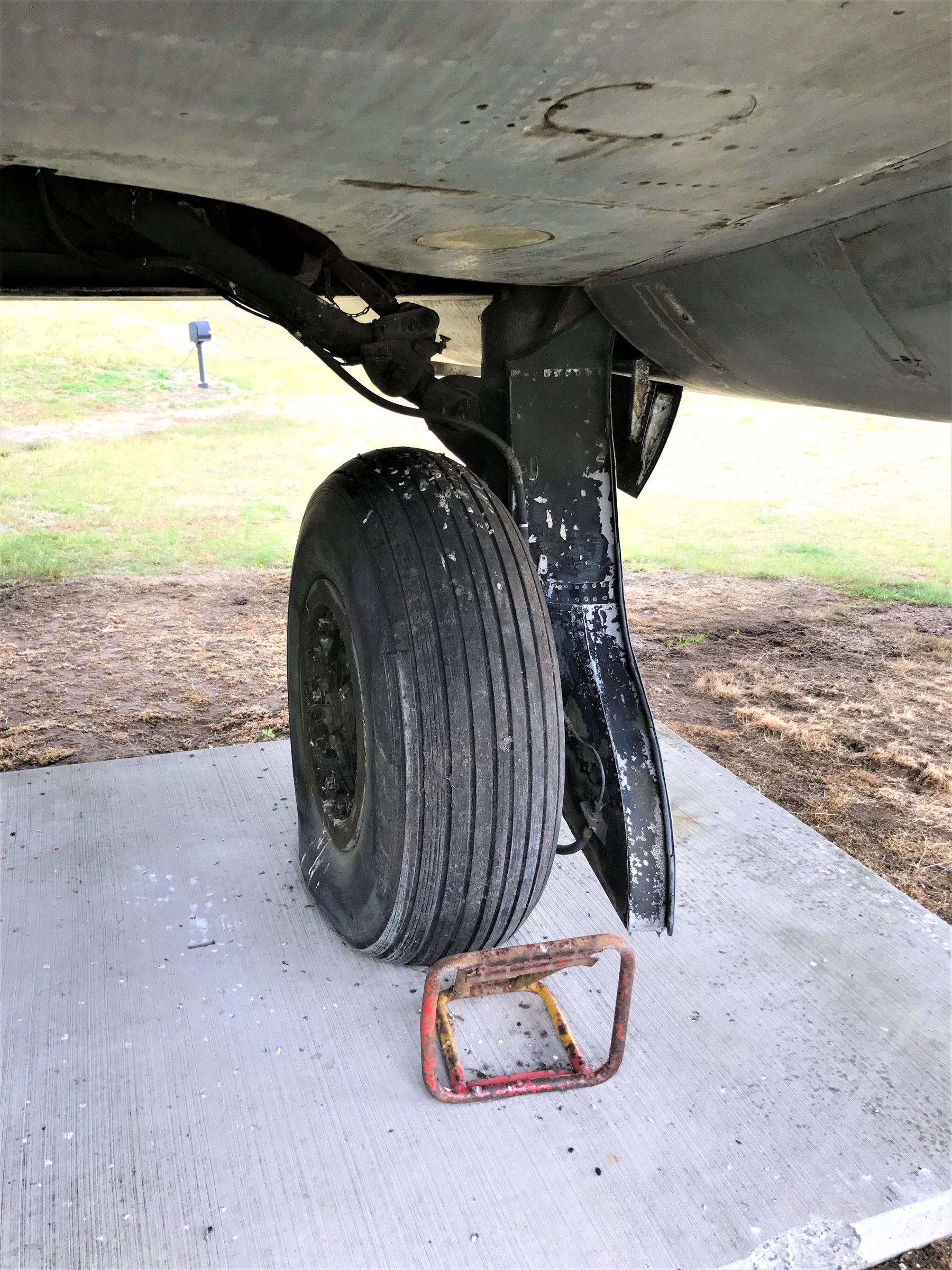
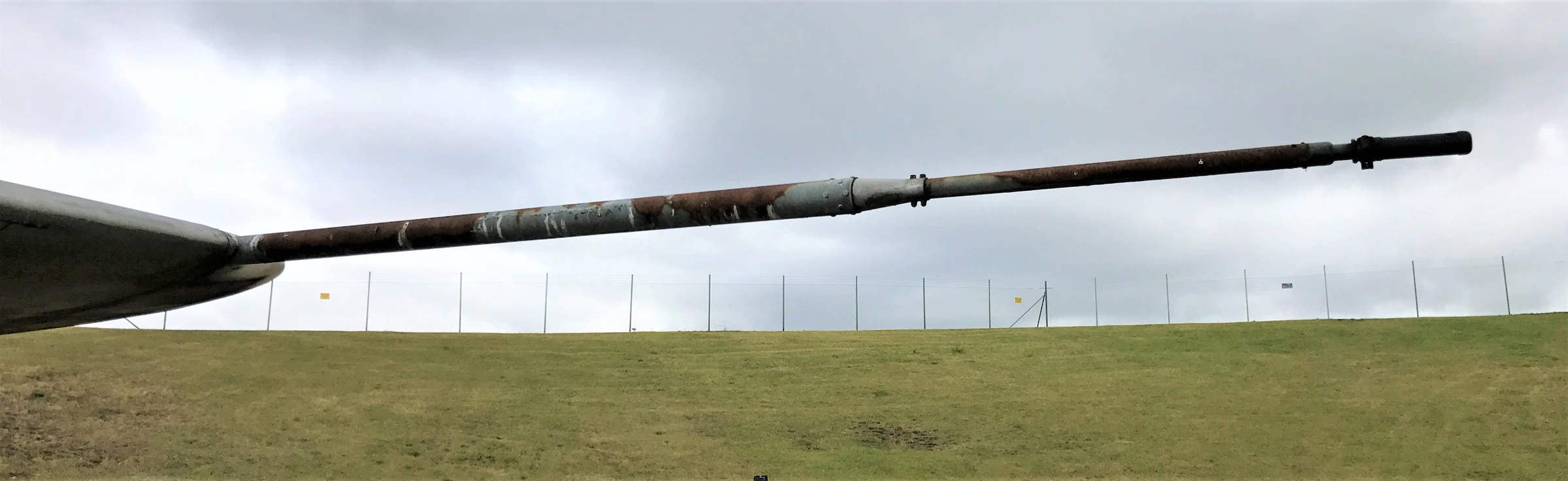
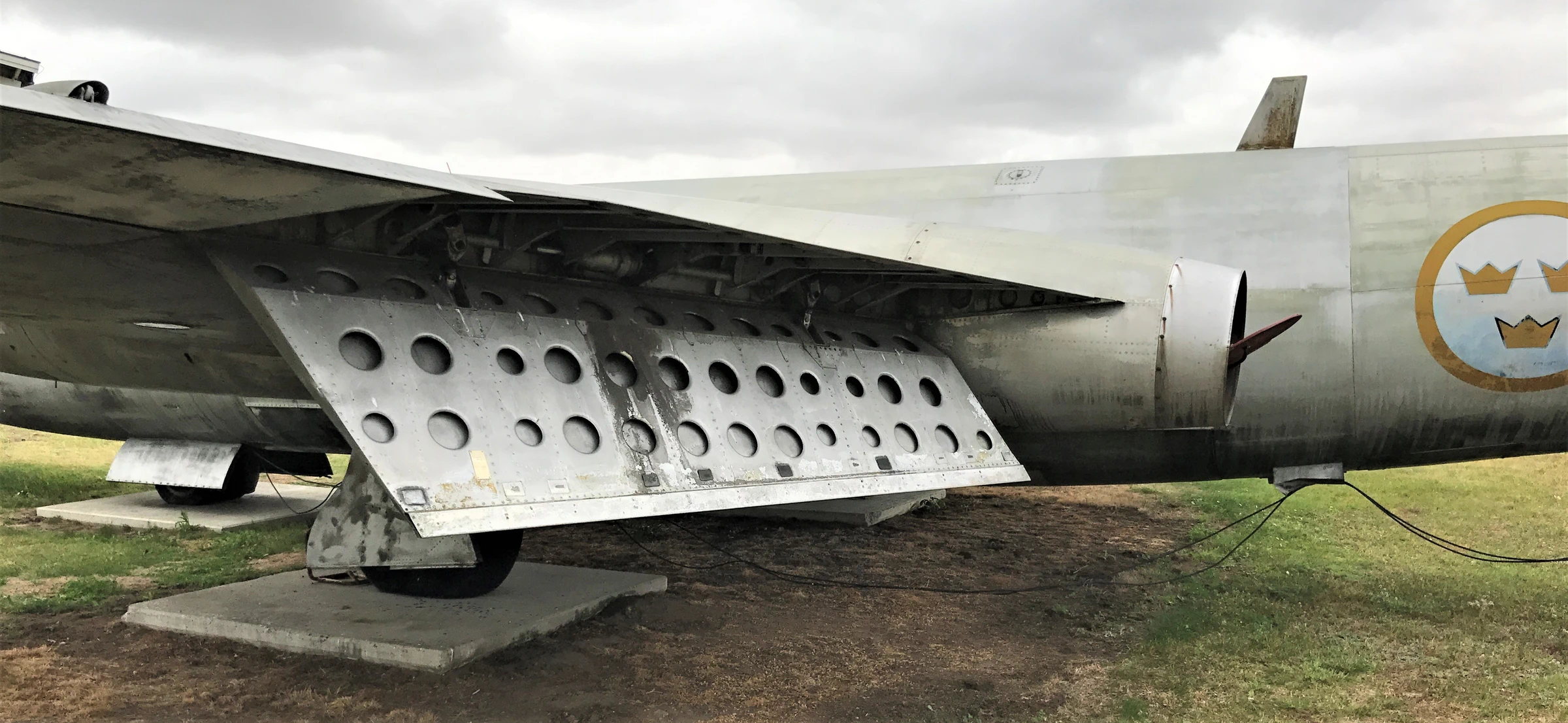
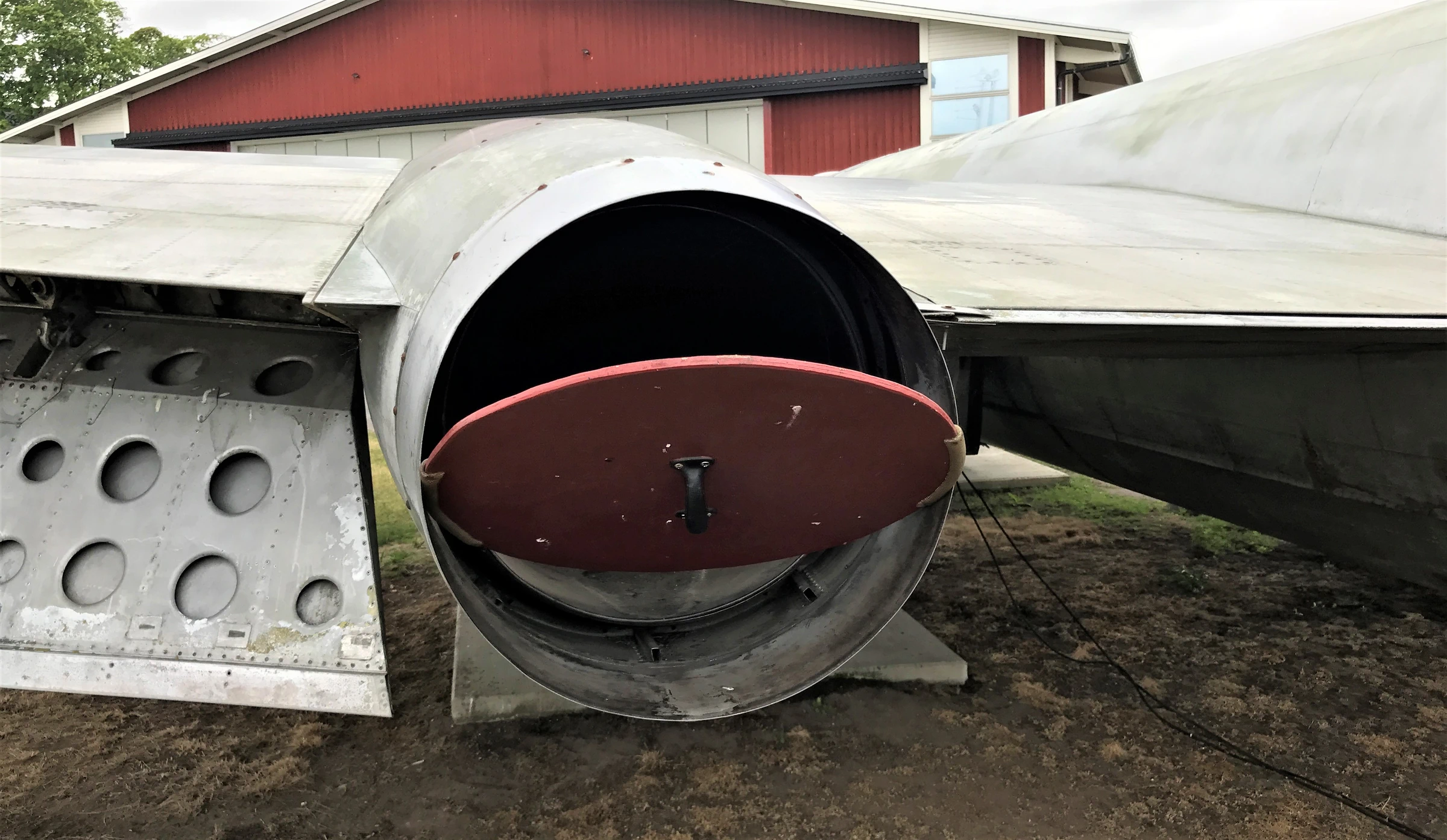
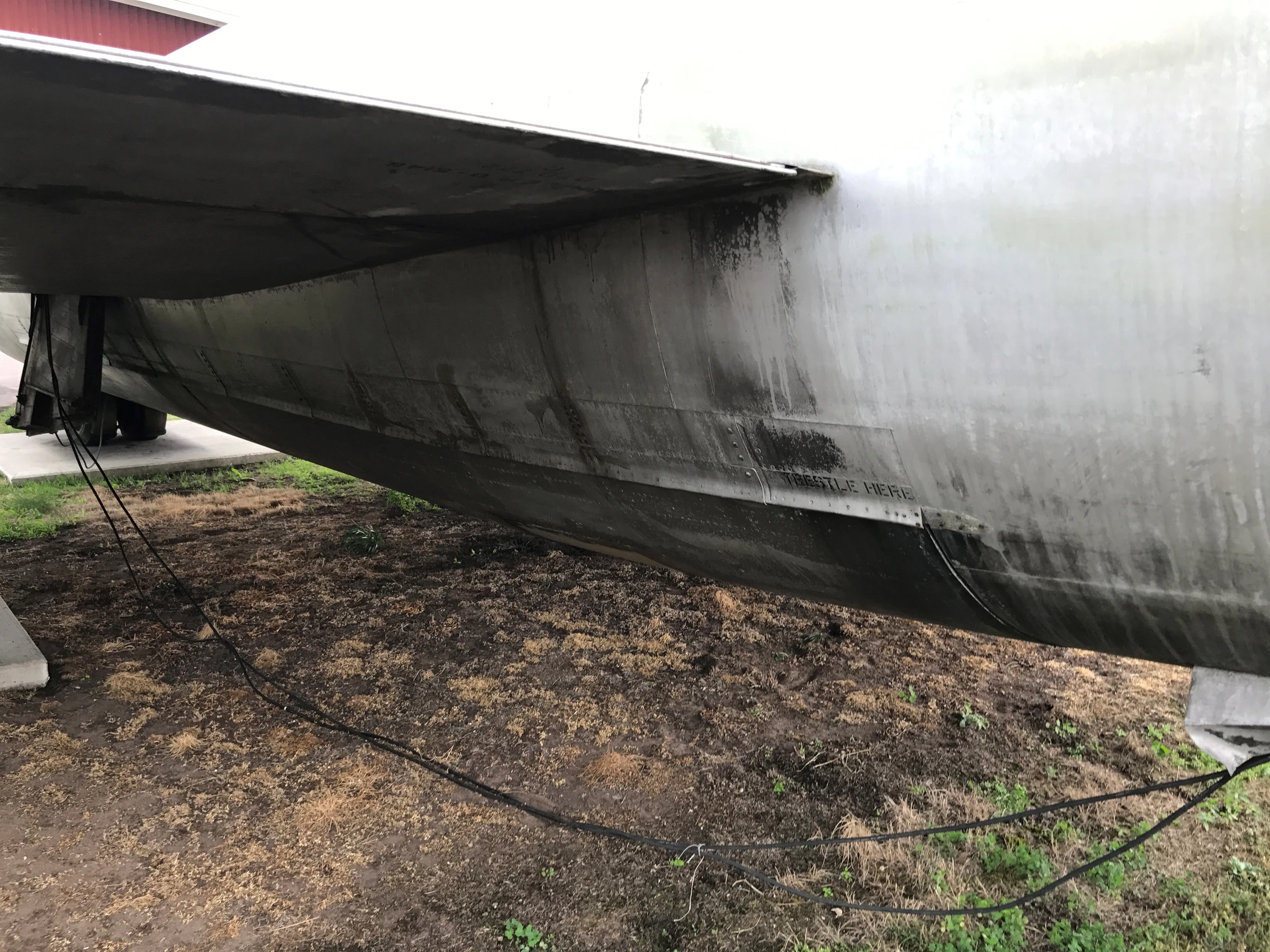
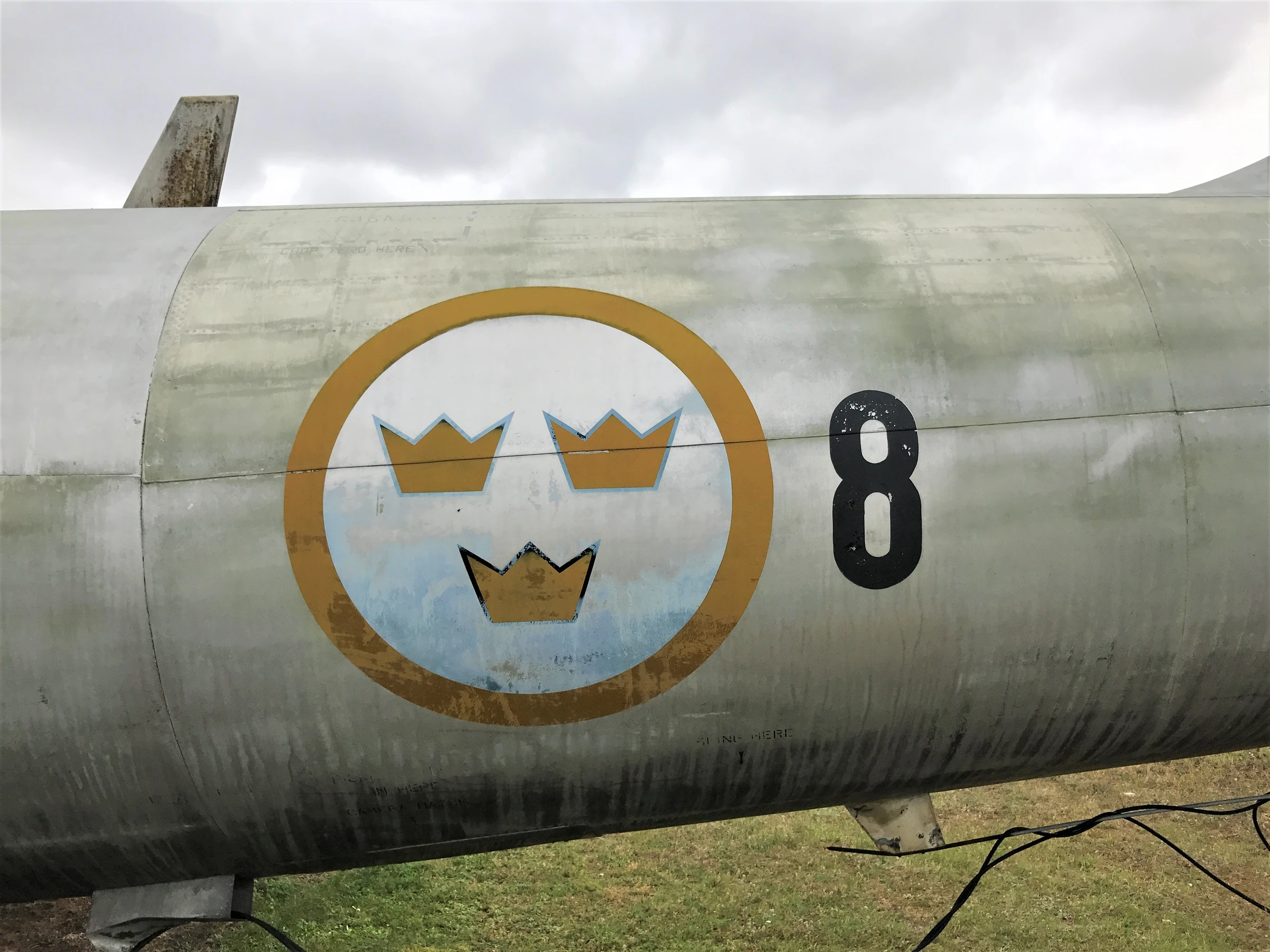
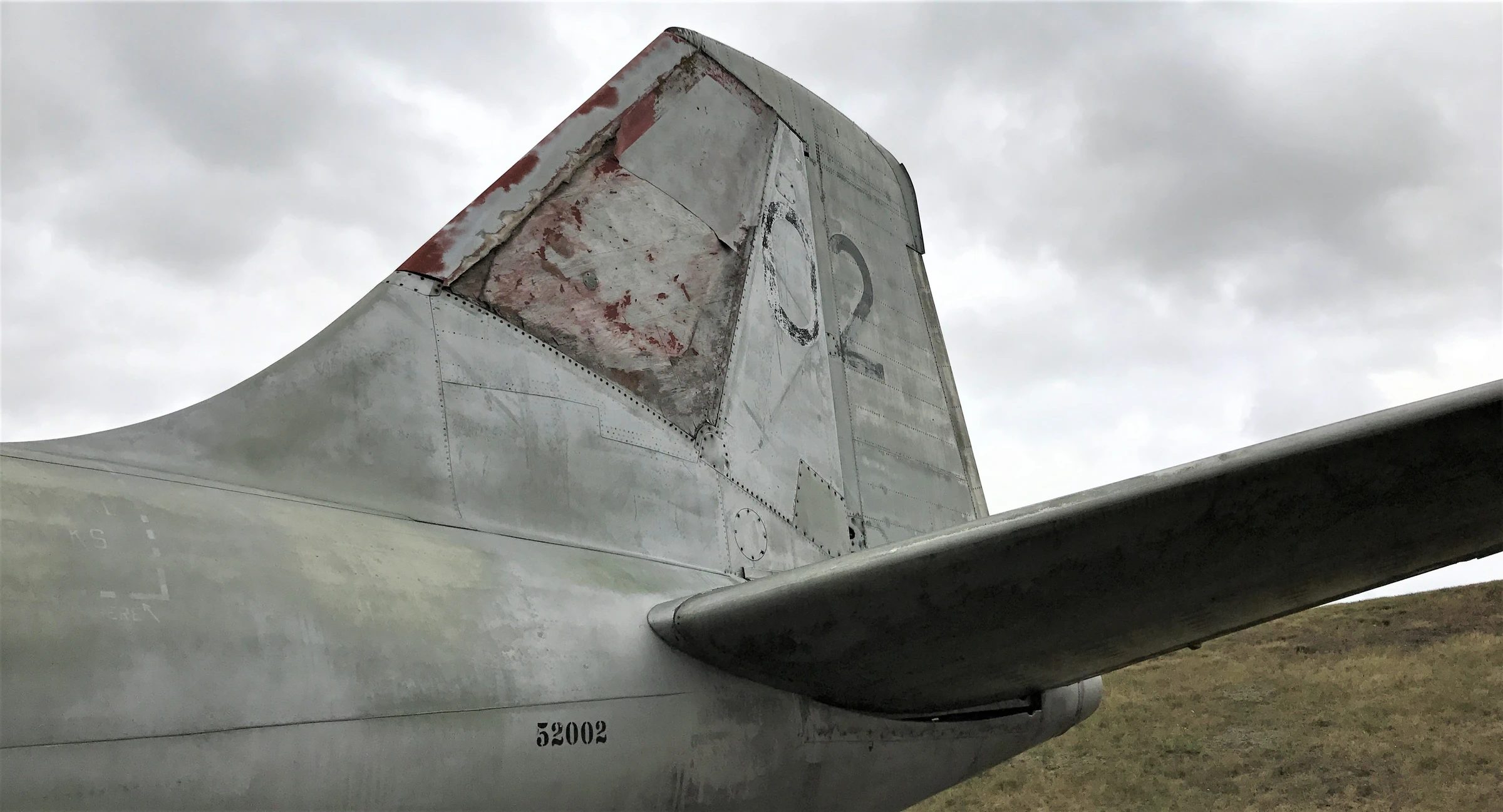
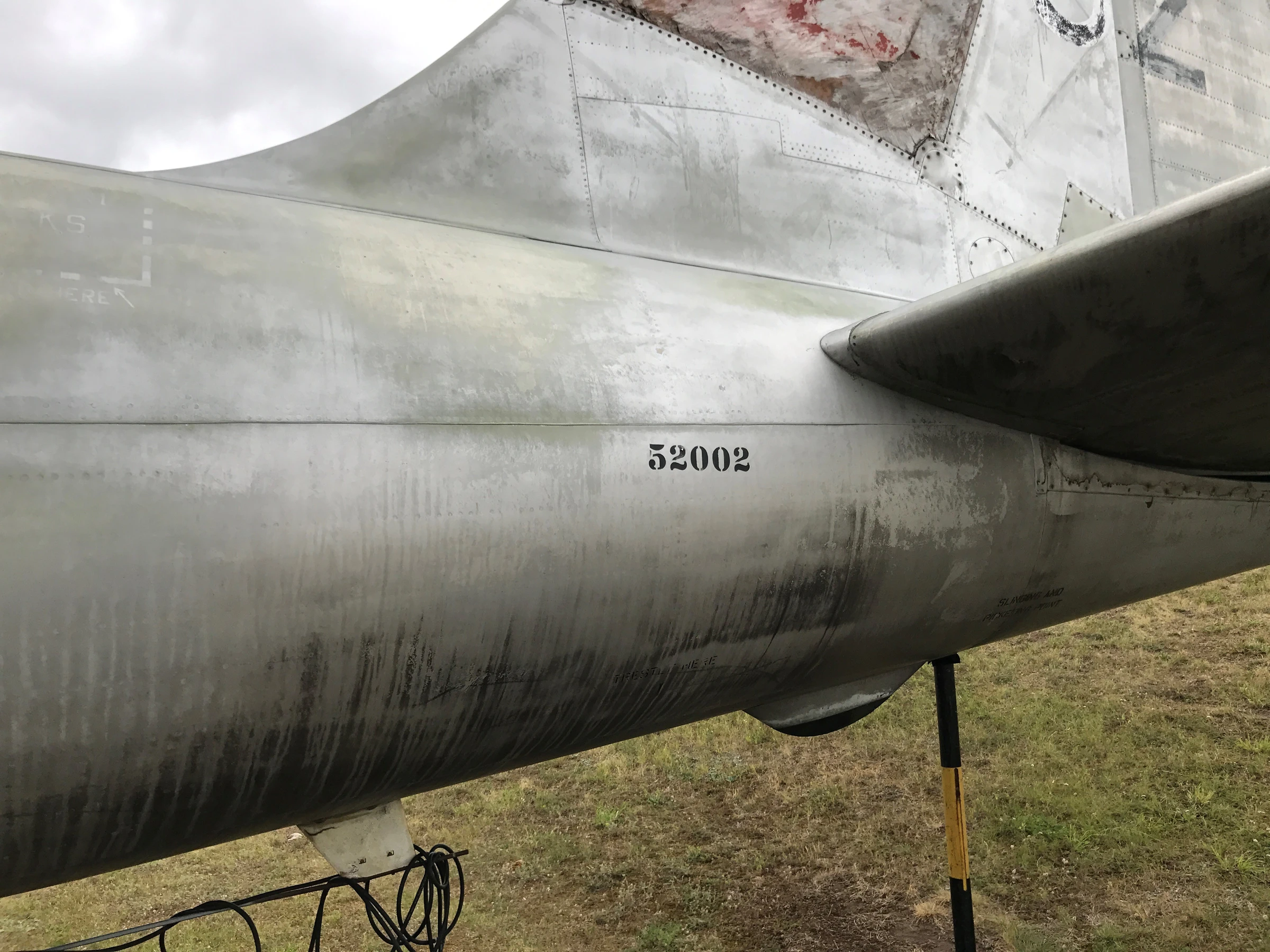
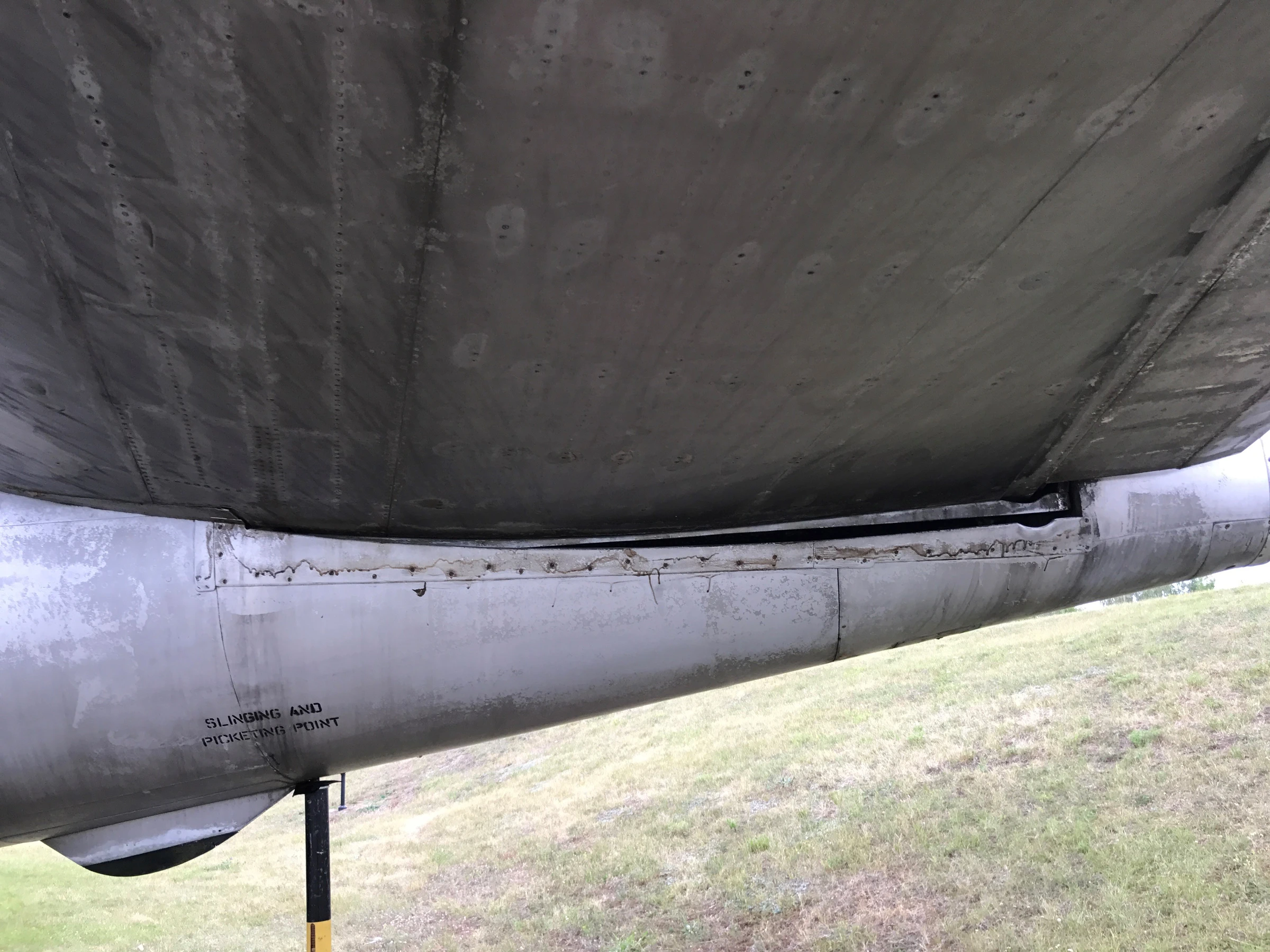
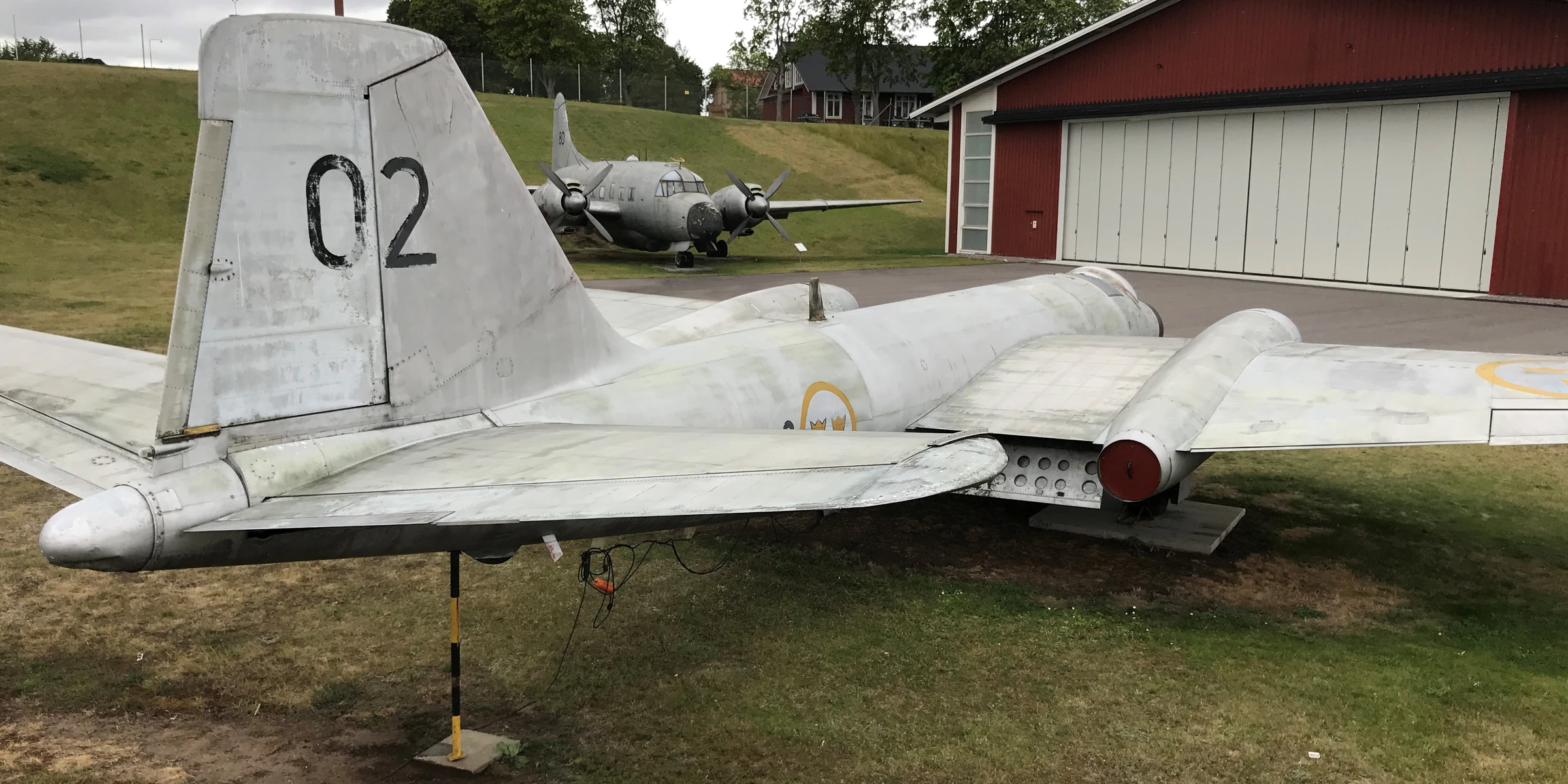
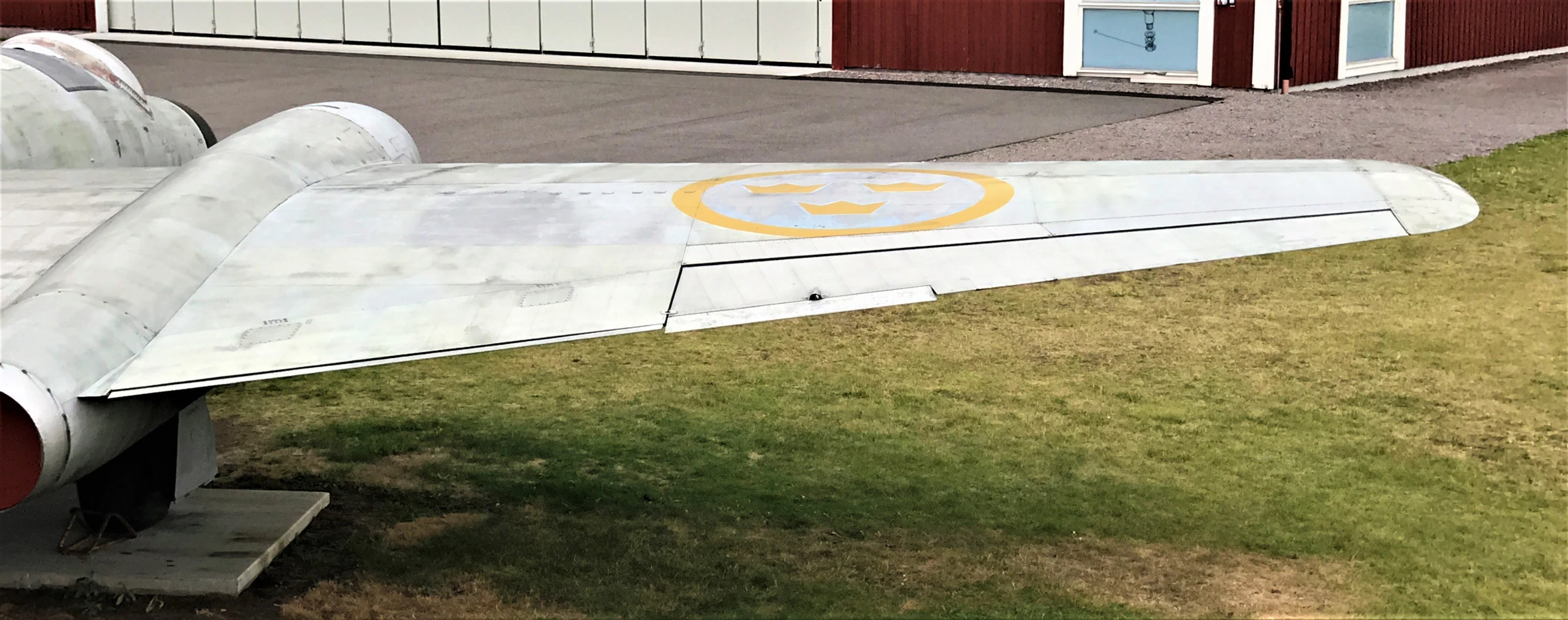
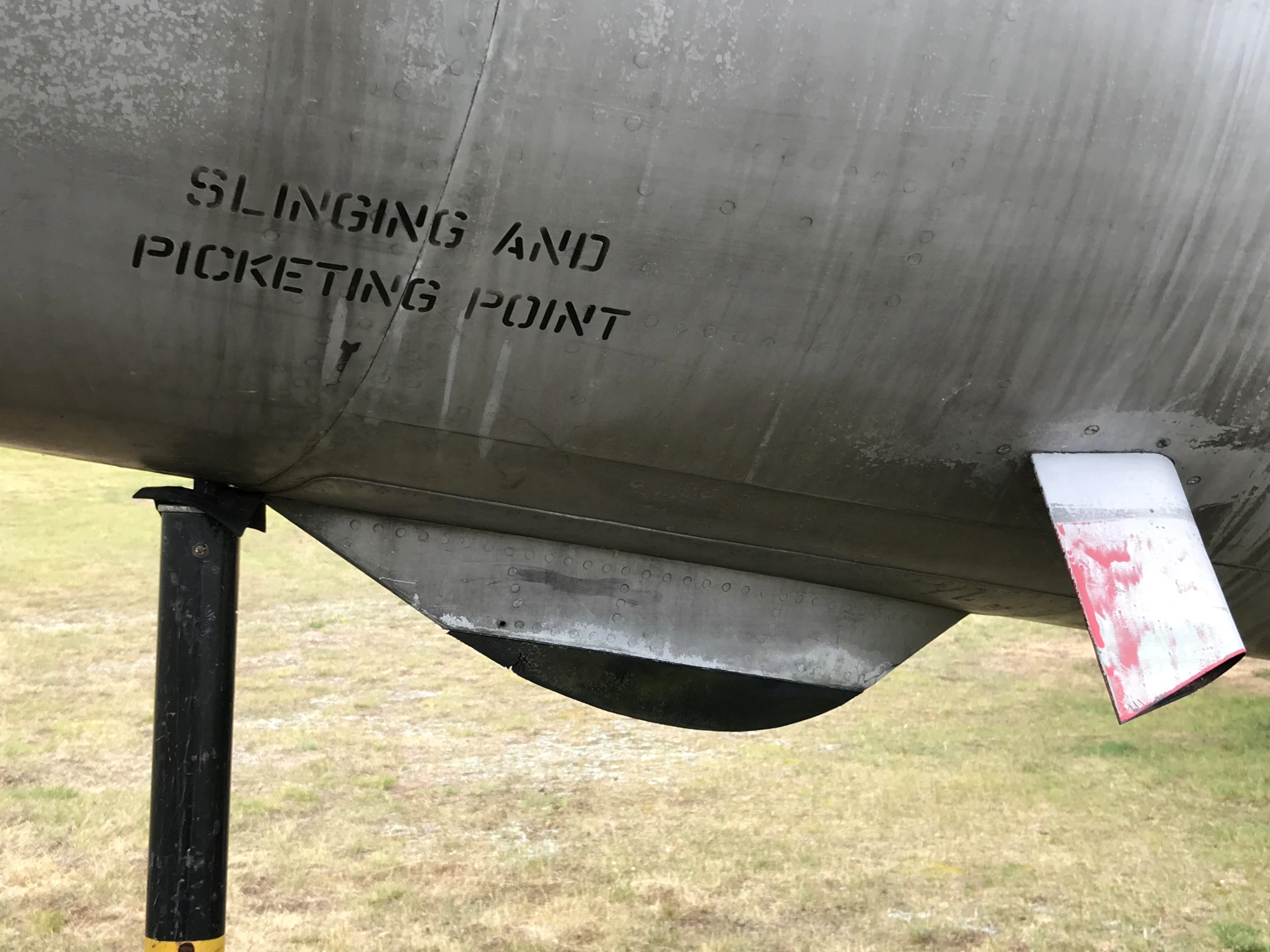
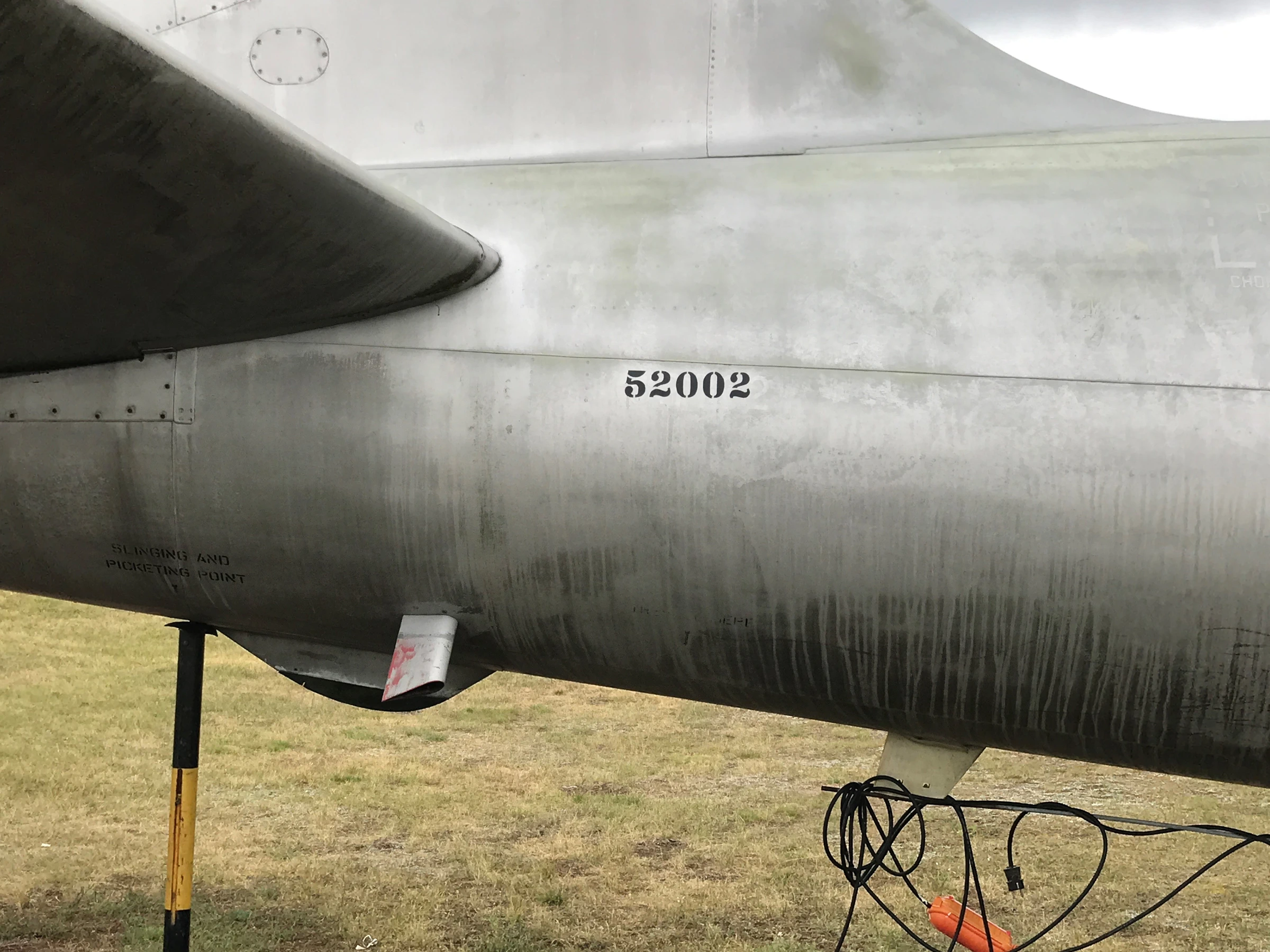
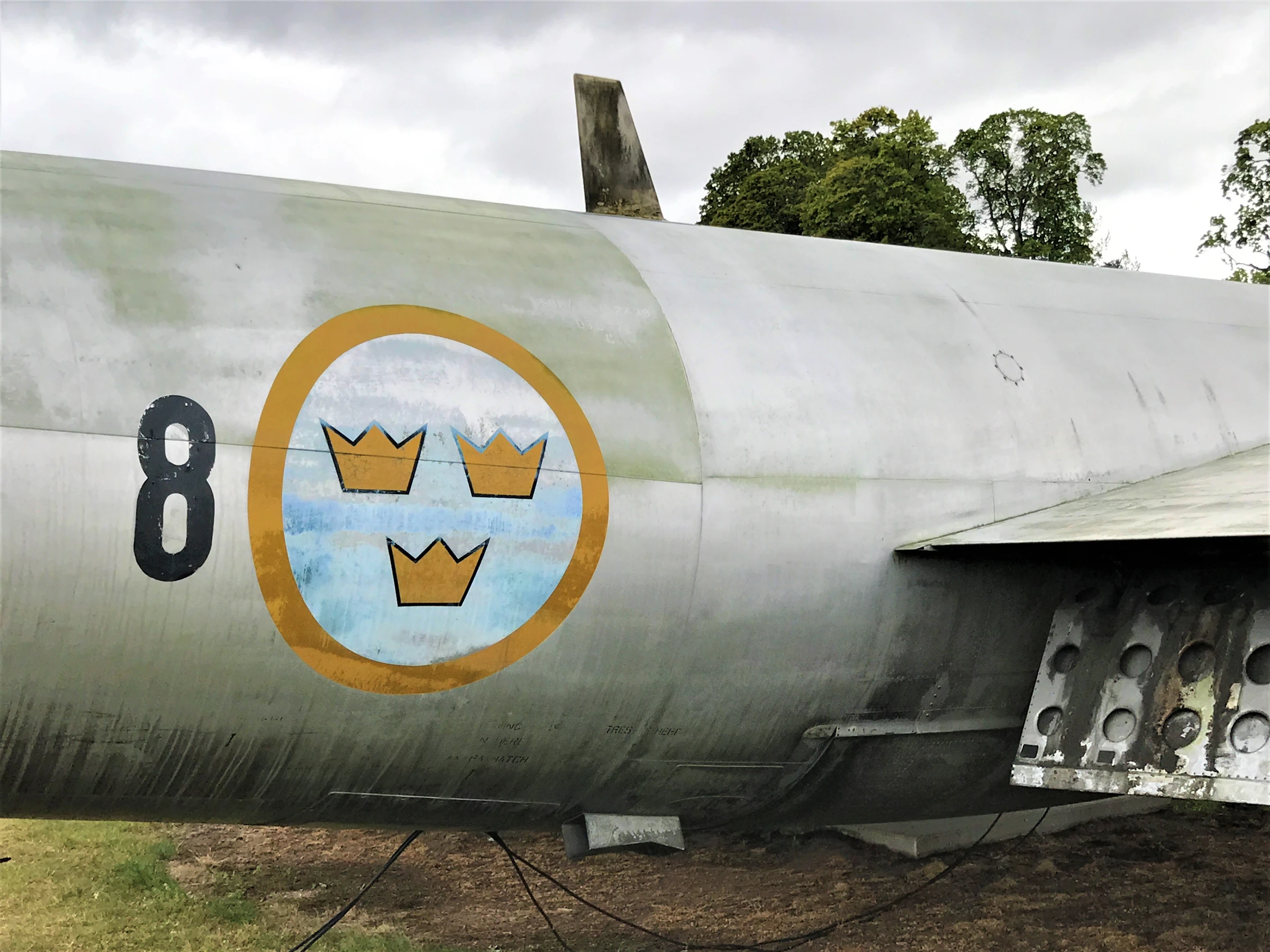
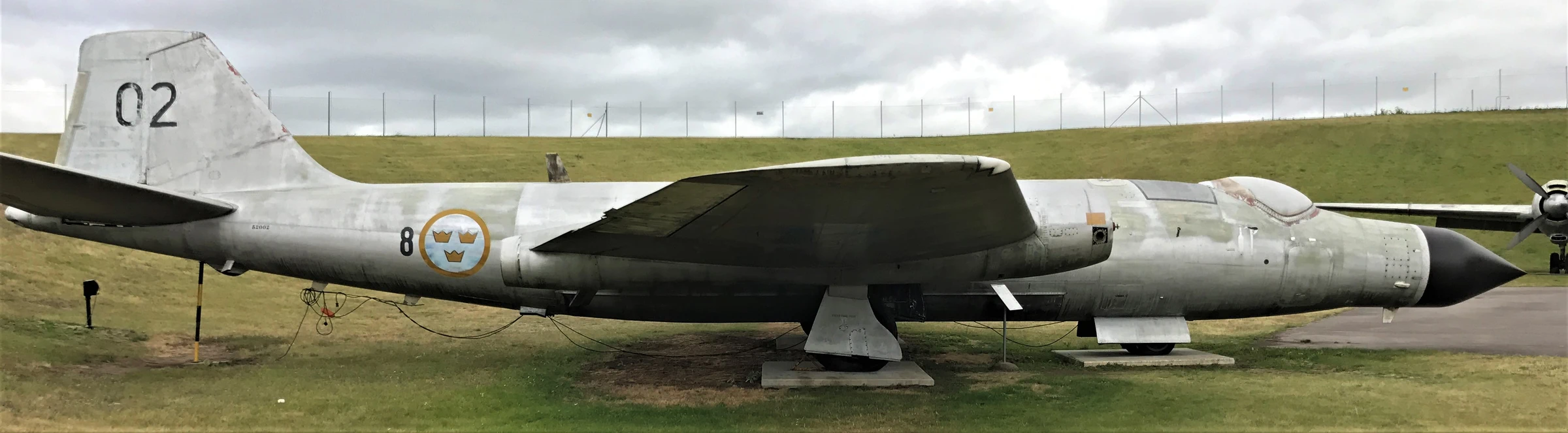
These walk-around photos were taken at Flygvapenmuseum at Malmen outside Linköping in 2017, where the aircraft is displayed outside the museum buildings. They show an English Electric Canberra, designated Tp 52 in Swedish service — one of the most capable jet aircraft of the early Cold War era, and Britain's first jet bomber. Built in 1954 as a B.2 for the RAF with serial WH905, it was converted to T.11 standard before delivery to Sweden in March 1960, joining F 8 at Barkarby as 52002. The Swedish Air Force acquired just two Canberras, and their true purpose was long kept secret: alongside conventional trials work, they were secretly used for signals intelligence gathering on Soviet, Polish and East German military radio transmissions — a role that was not publicly acknowledged until a decade after the fact.
Individual 52002 had a particularly distinctive appearance: on arrival in Sweden its nose was replaced with a radome from a SAAB A 32 Lansen, and its bomb bay was fitted with a comprehensive equipment rack to allow rapid changing of test instrumentation. In addition to its SIGINT role it served as a flying research platform for the Air Force and for companies including SAAB, and also flew adversary missions to probe Swedish air defences at ultra-low level from outside the air defence zone — an unusual and demanding role for any aircraft of the era. It flew until 1974 before retirement to Flygvapenmuseum, where it is displayed as the research and trials aircraft of the pair — its SIGINT-dedicated sister ship, 52001, is preserved at Svedinos Bil- och Flygmuseum at Ugglarp.