Caproni Ca.313 (S 16)
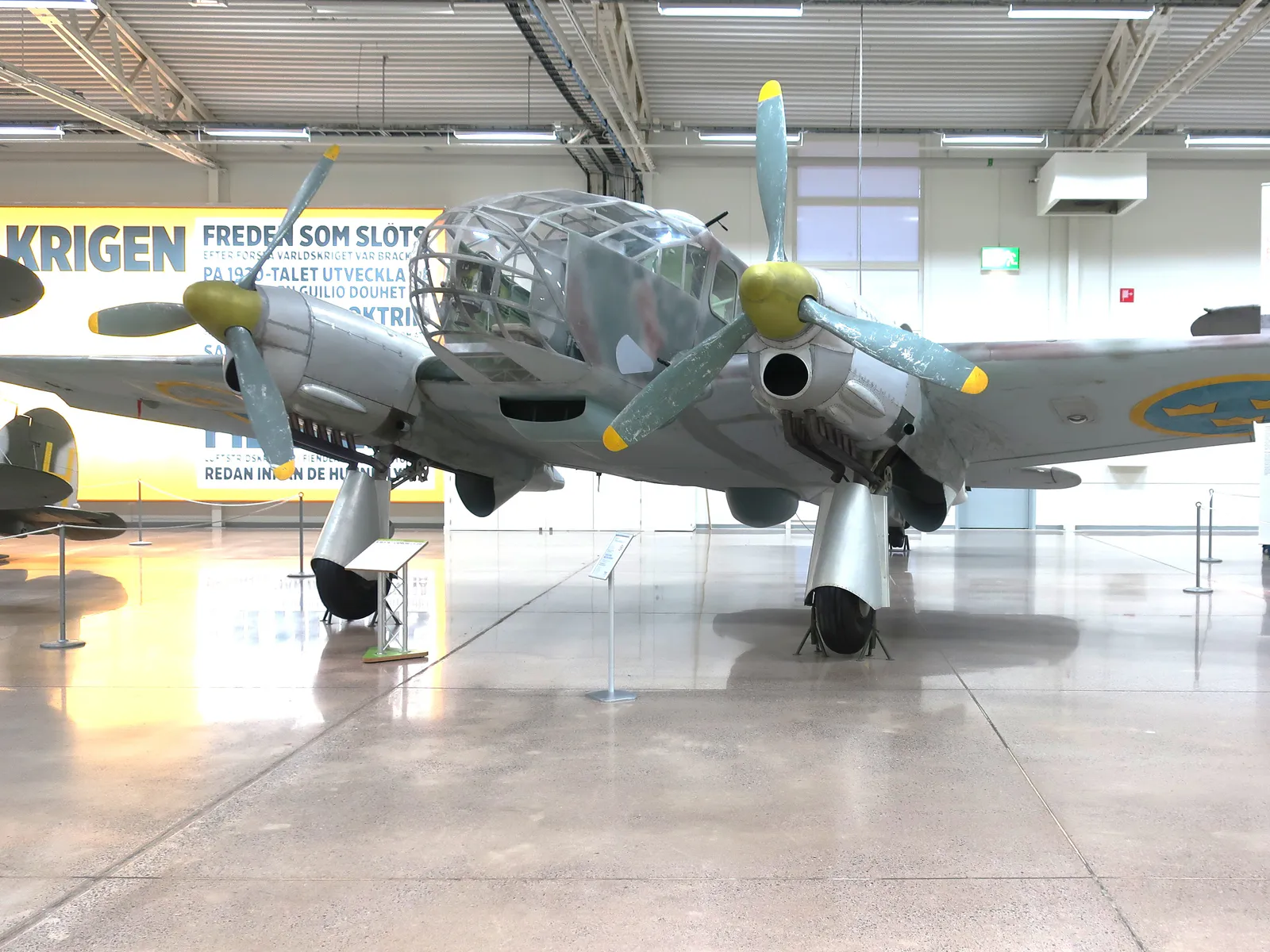
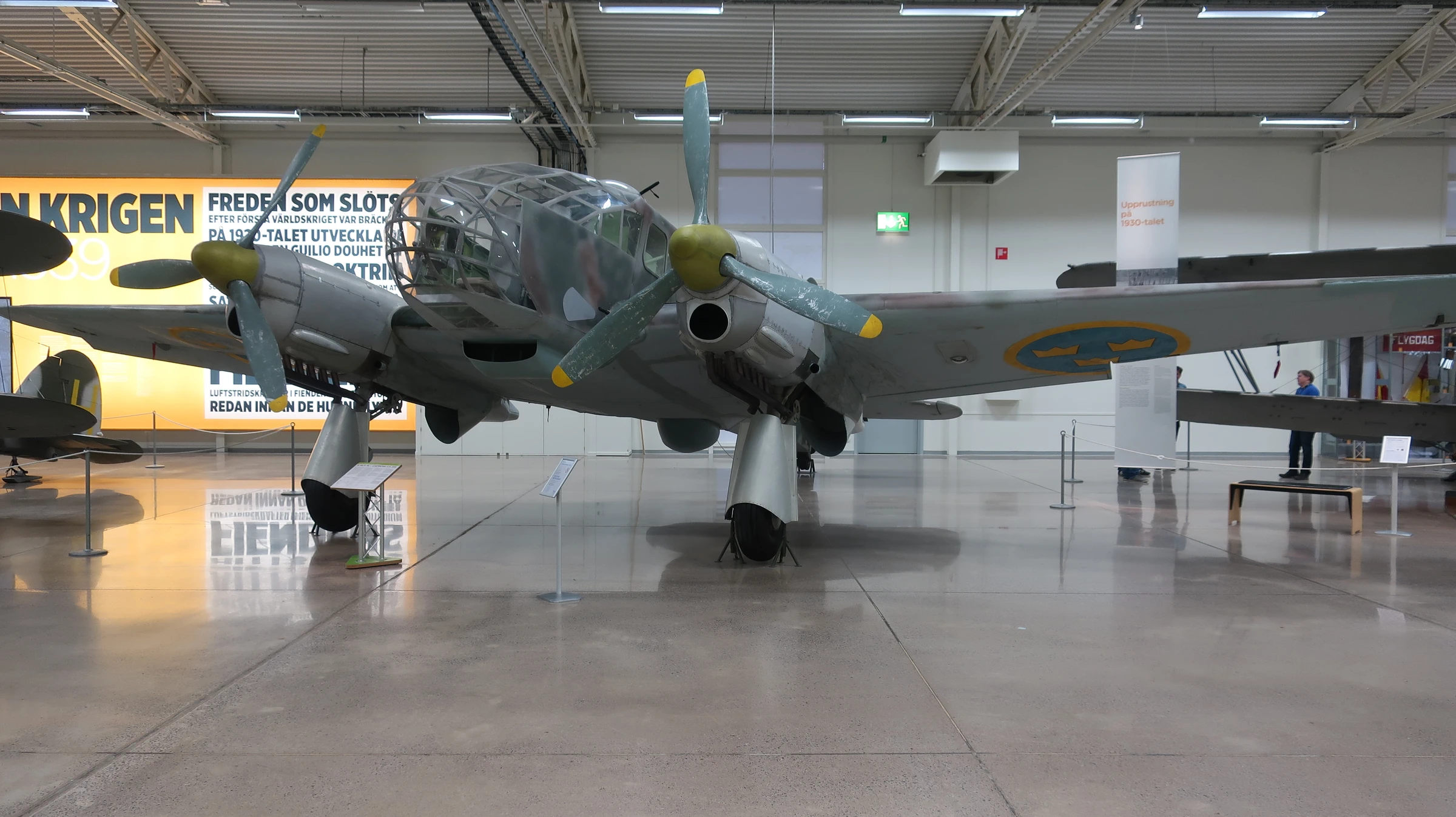
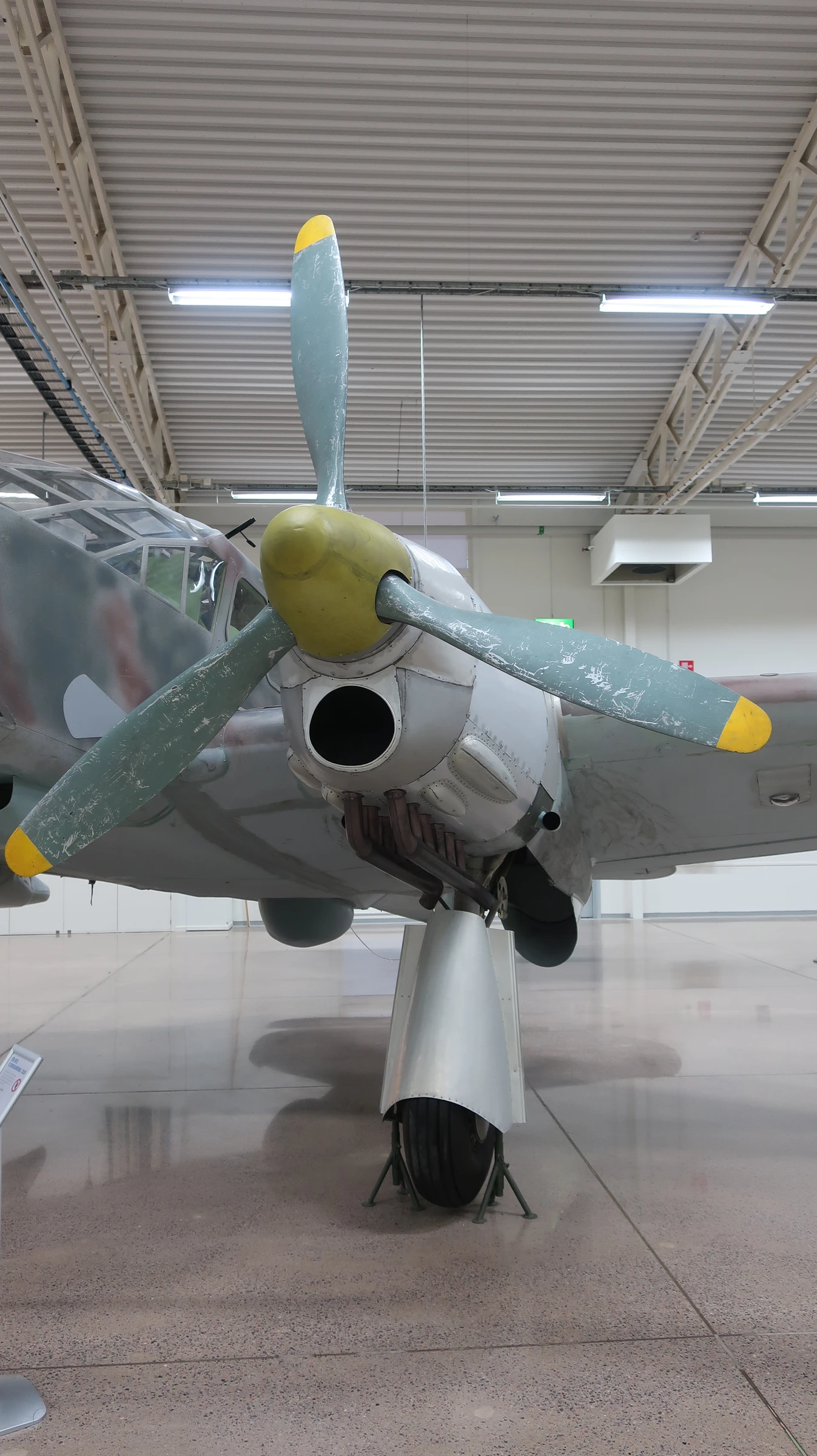
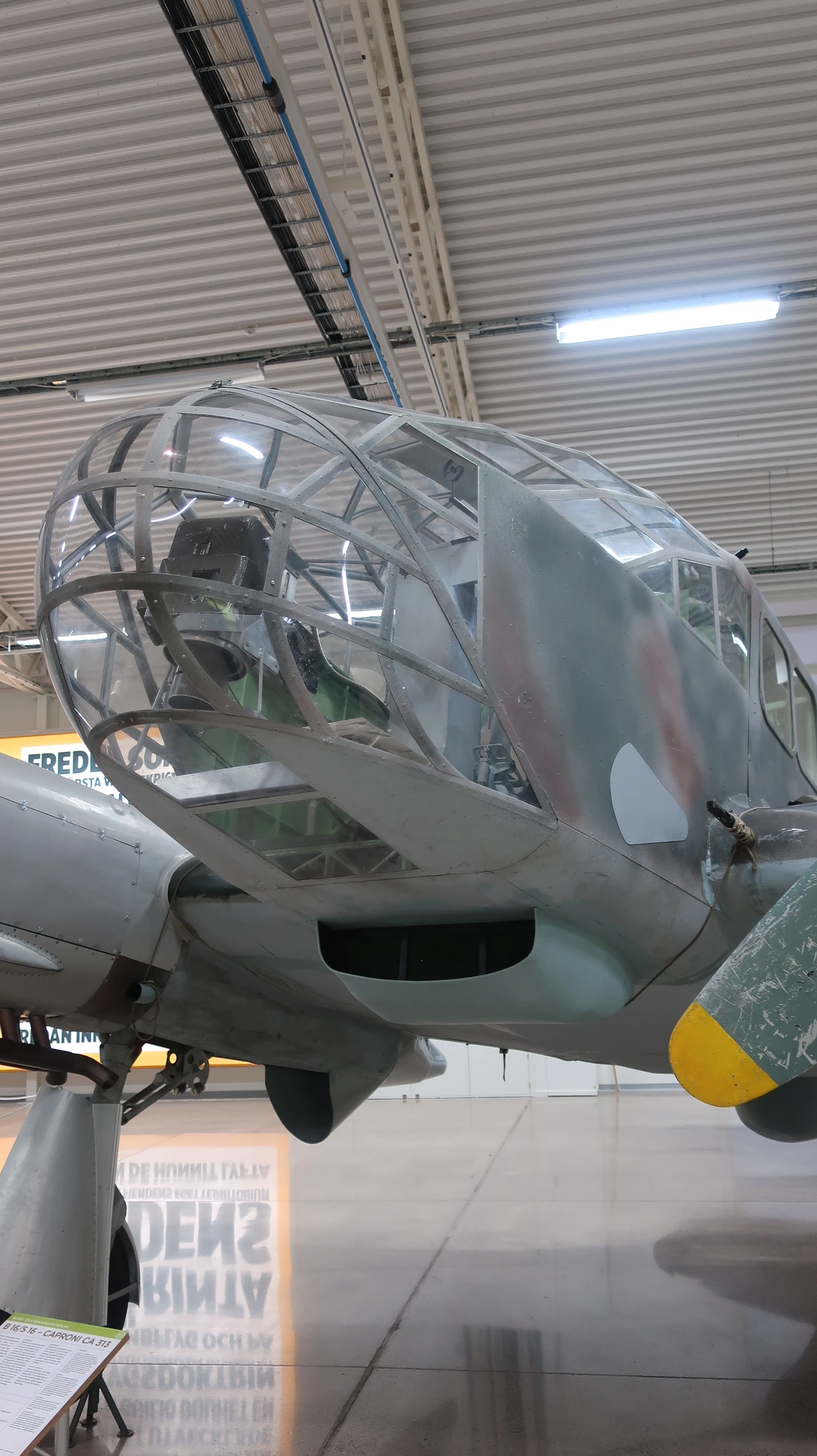
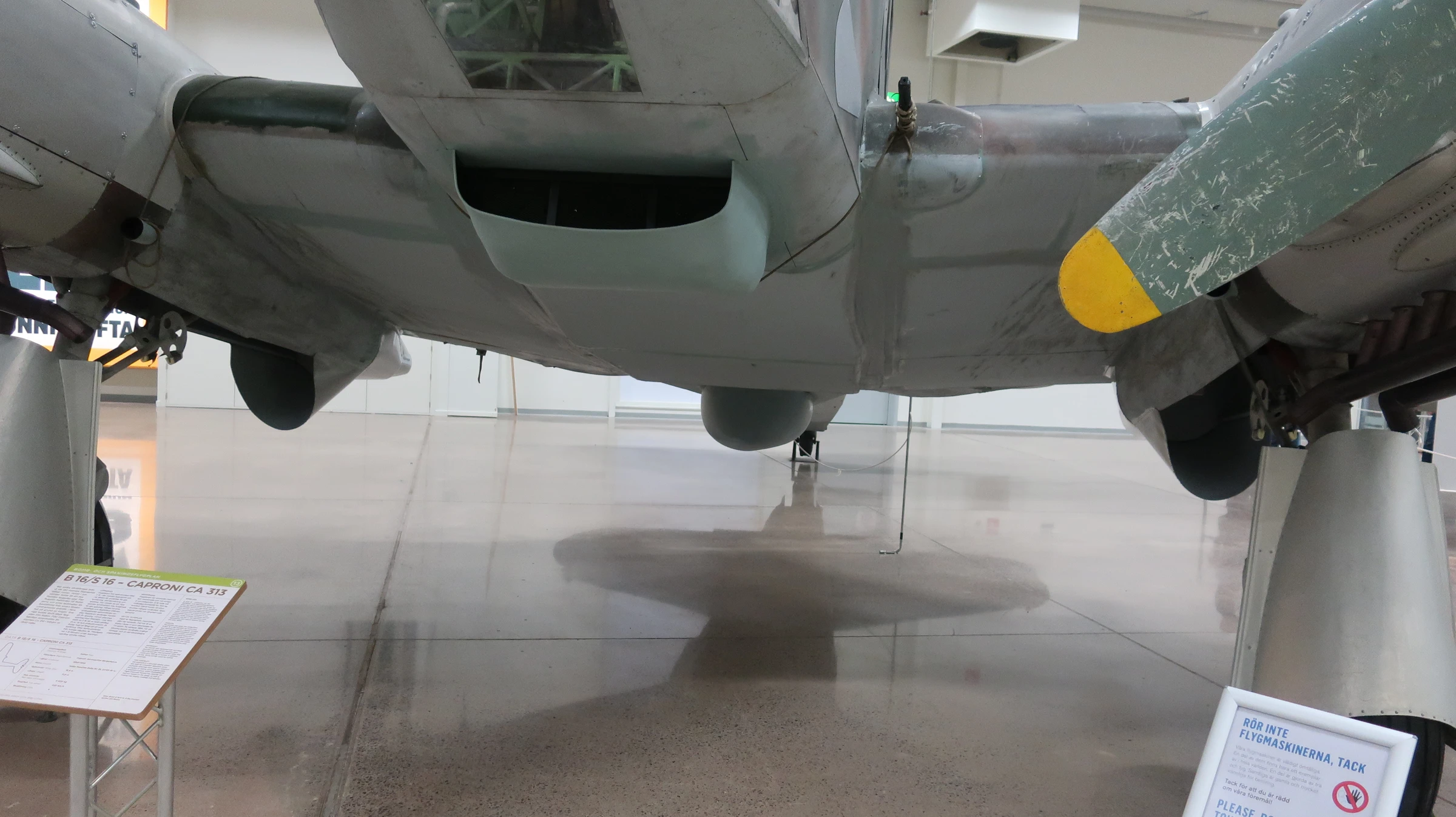
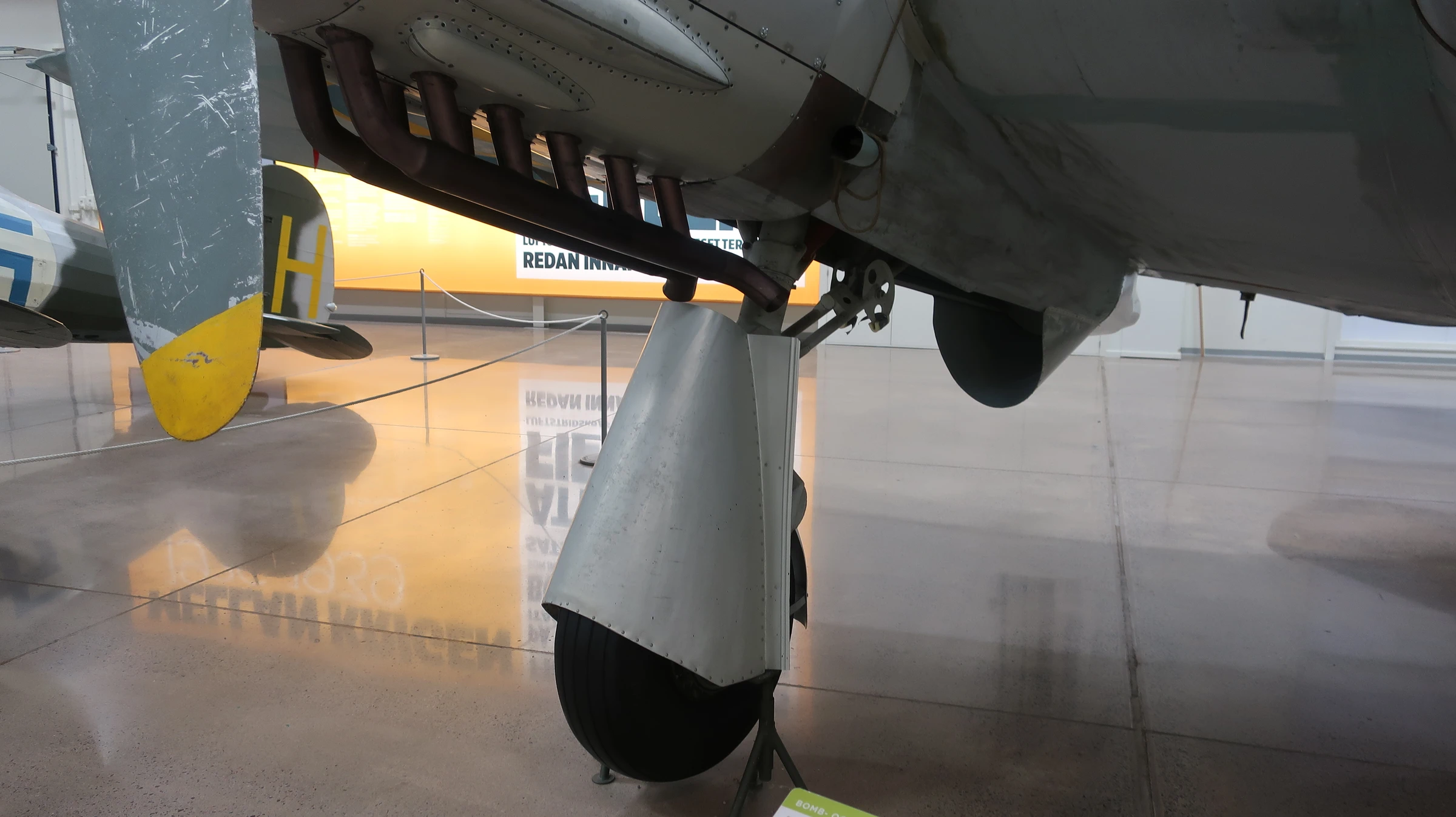
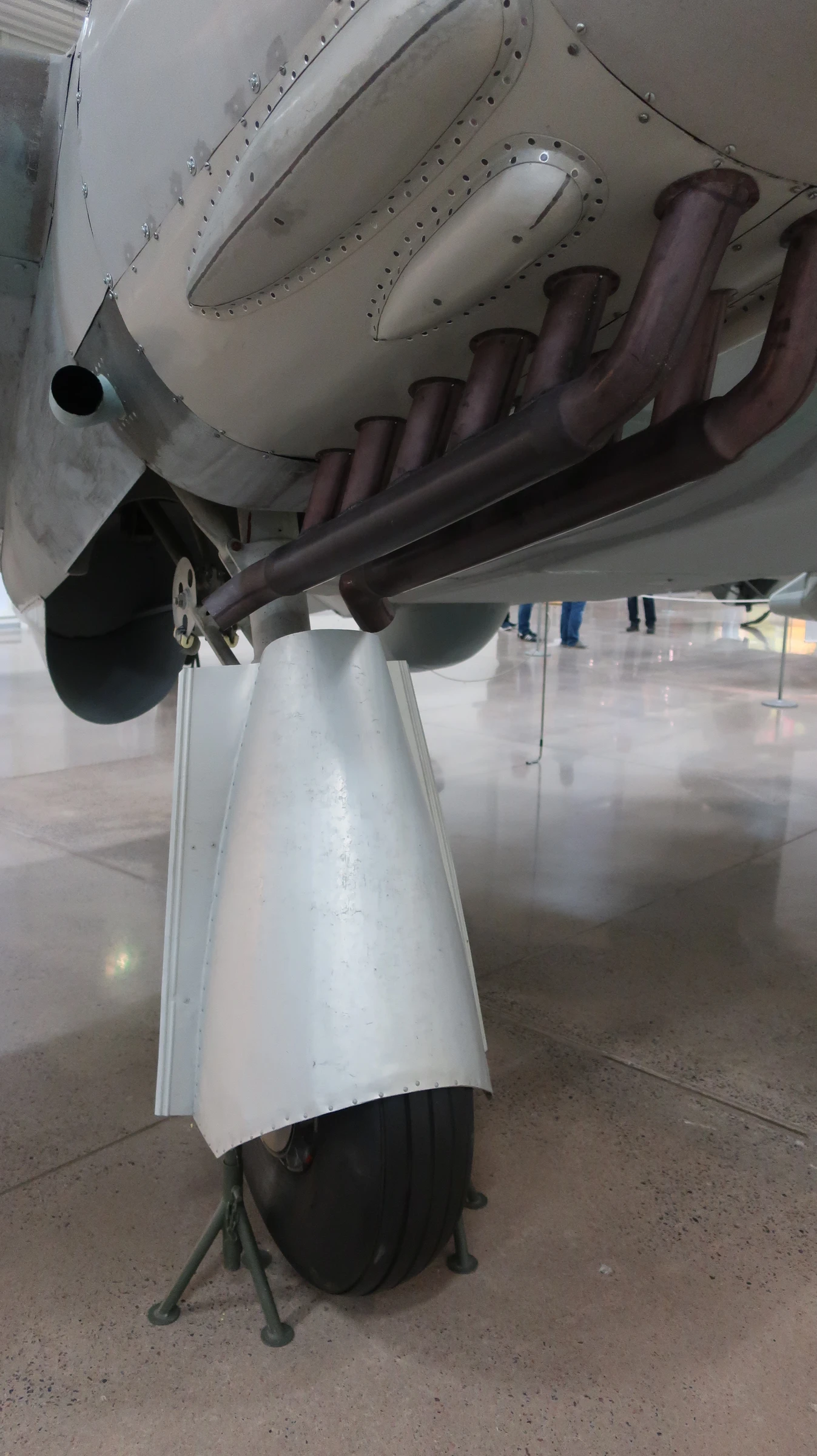
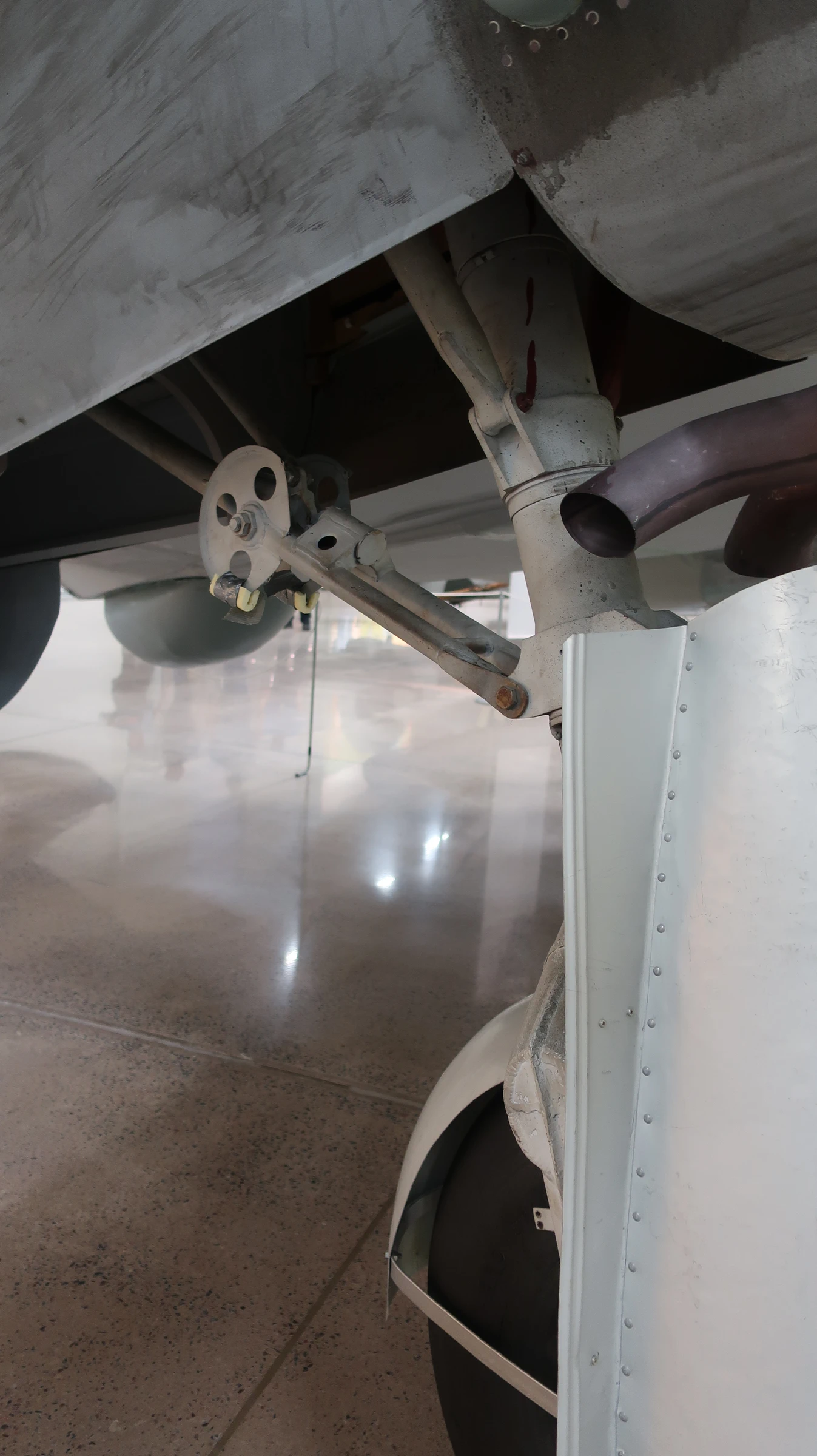
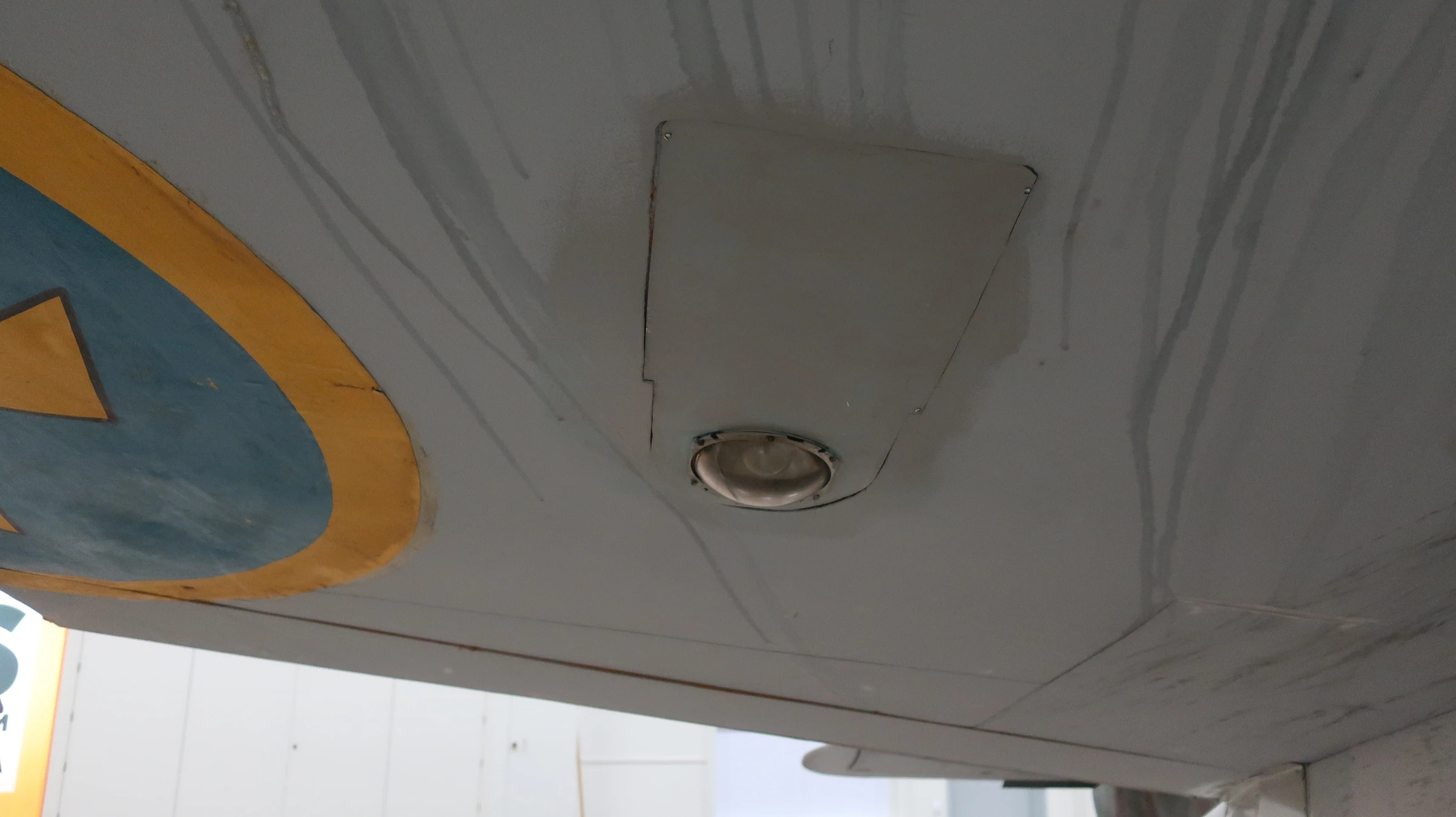
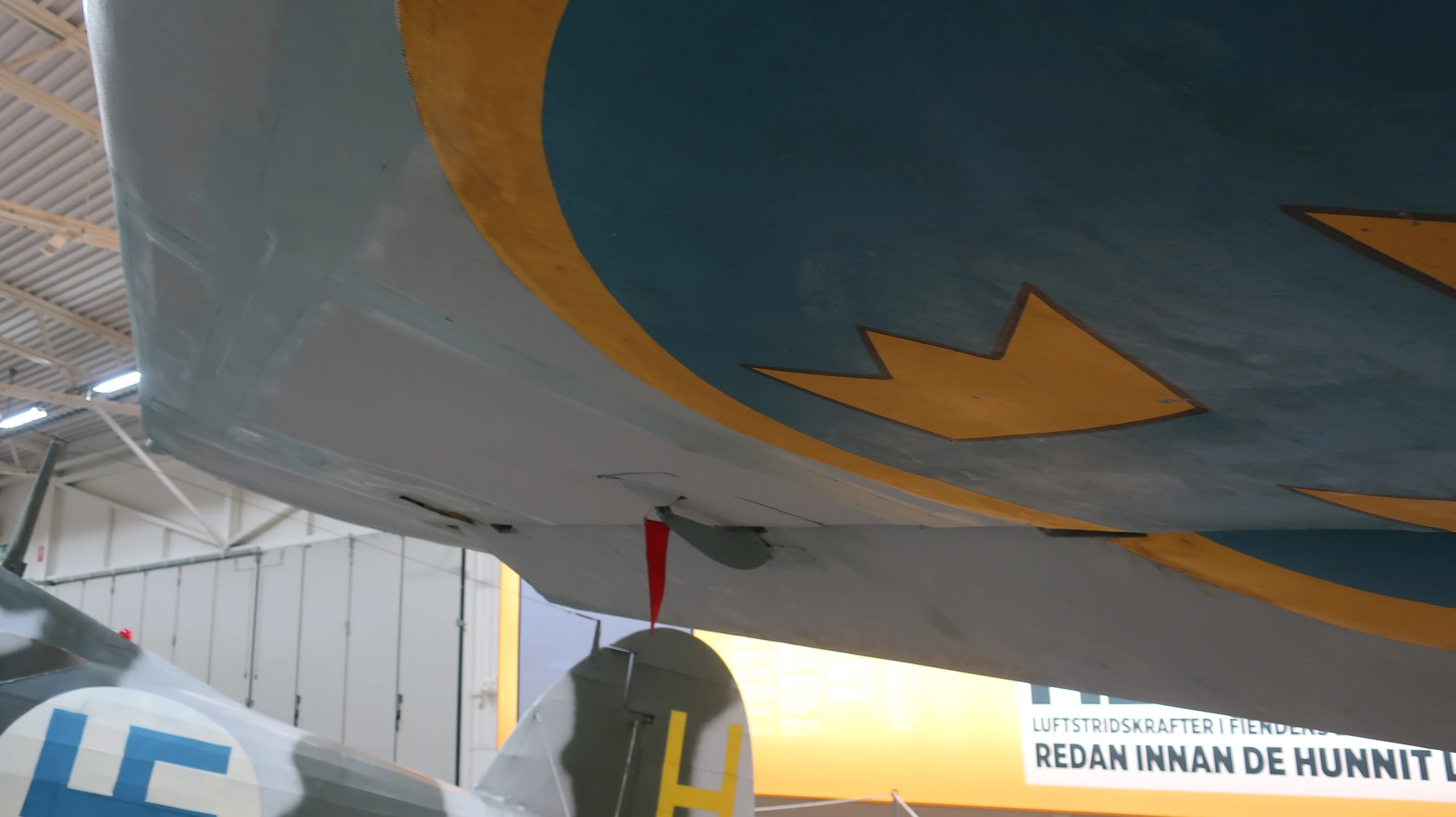
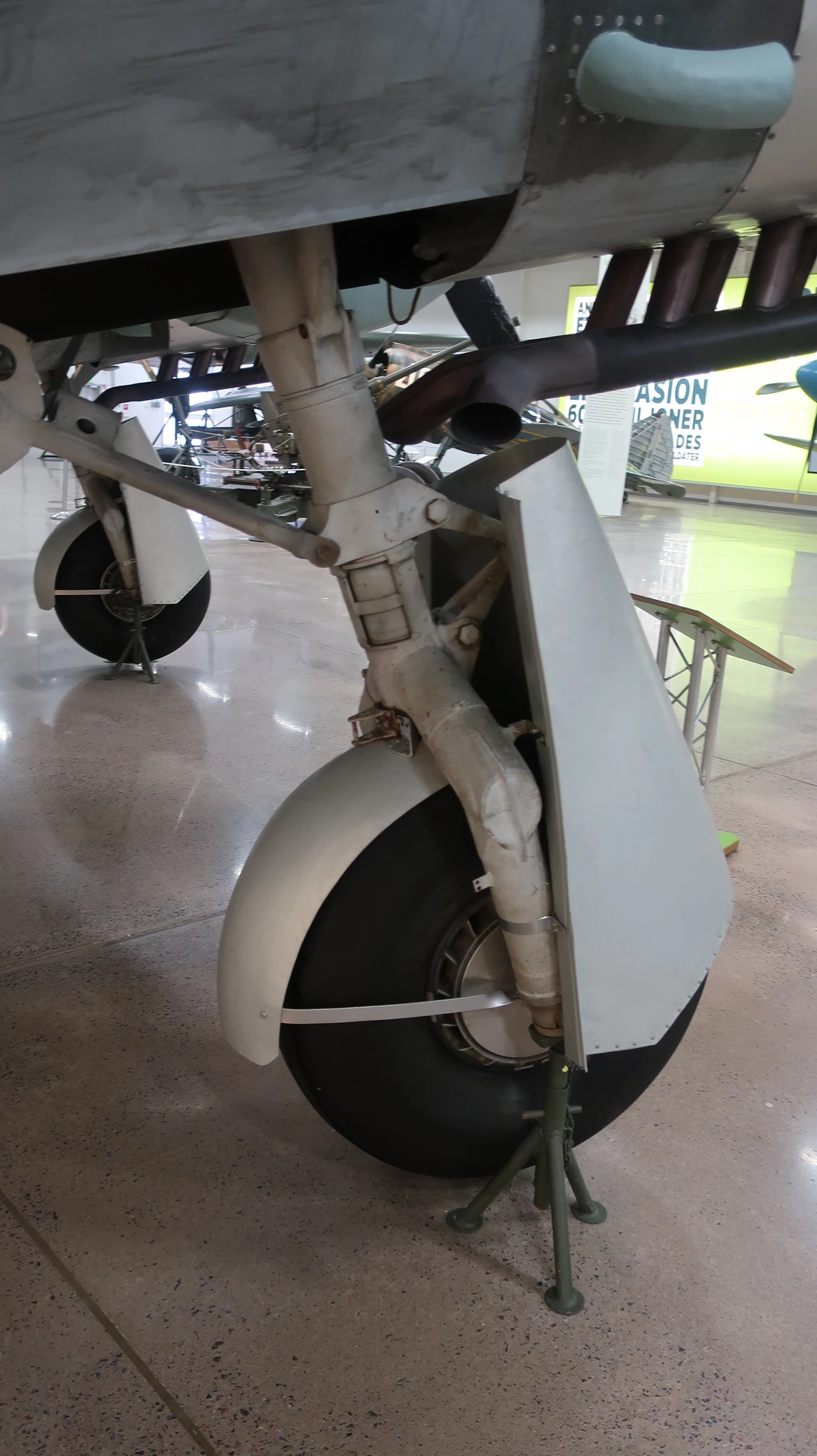
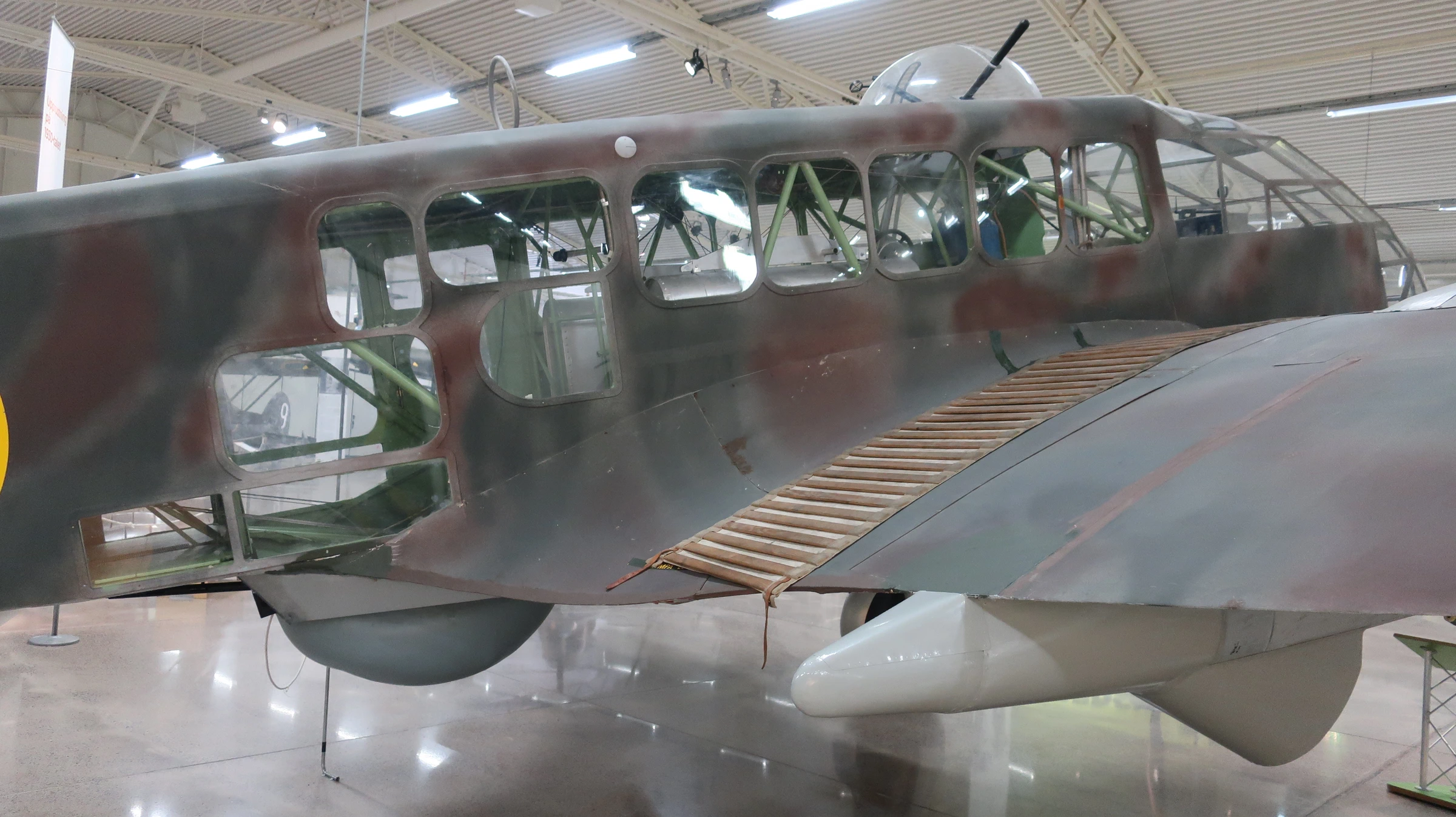
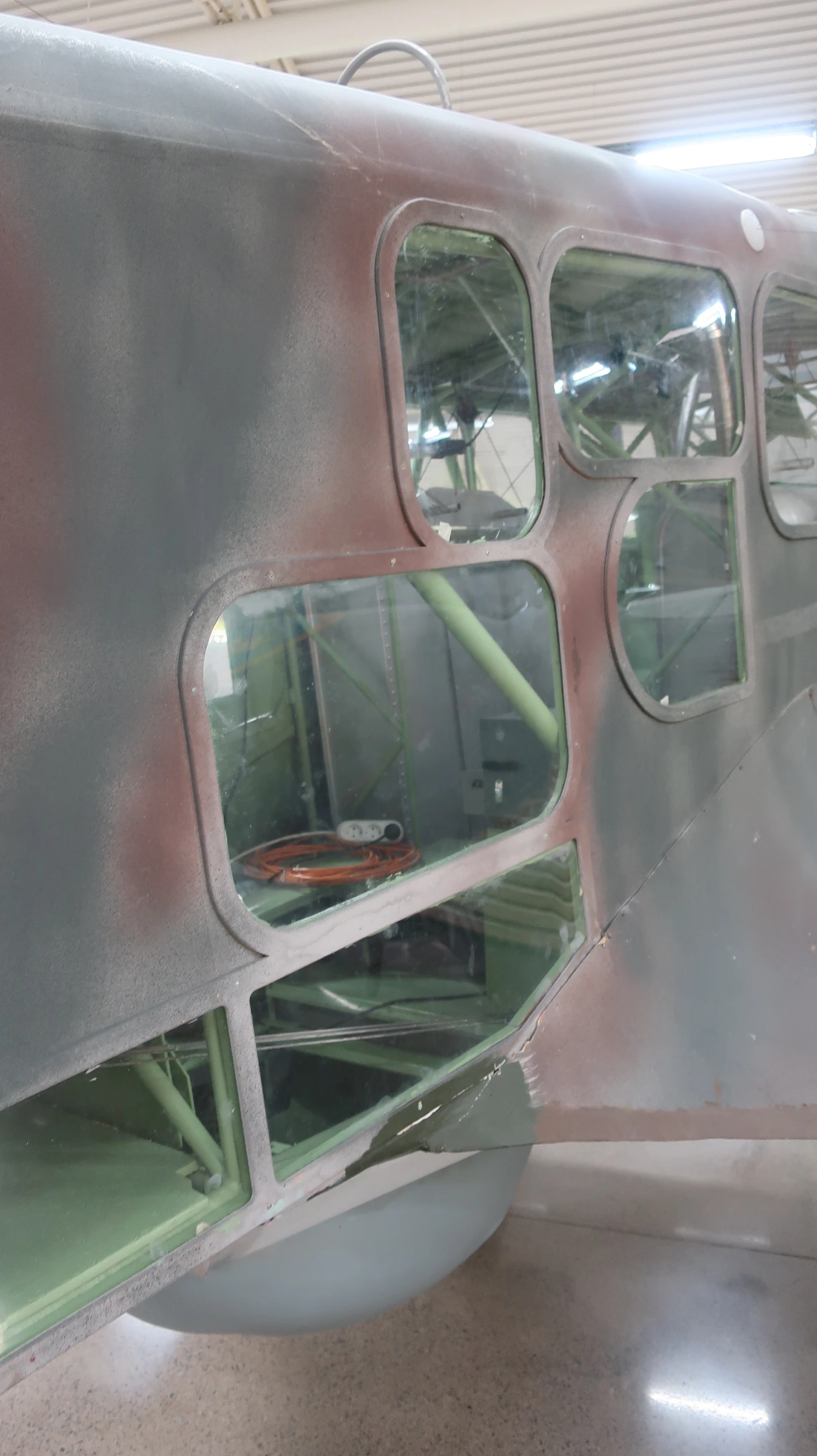
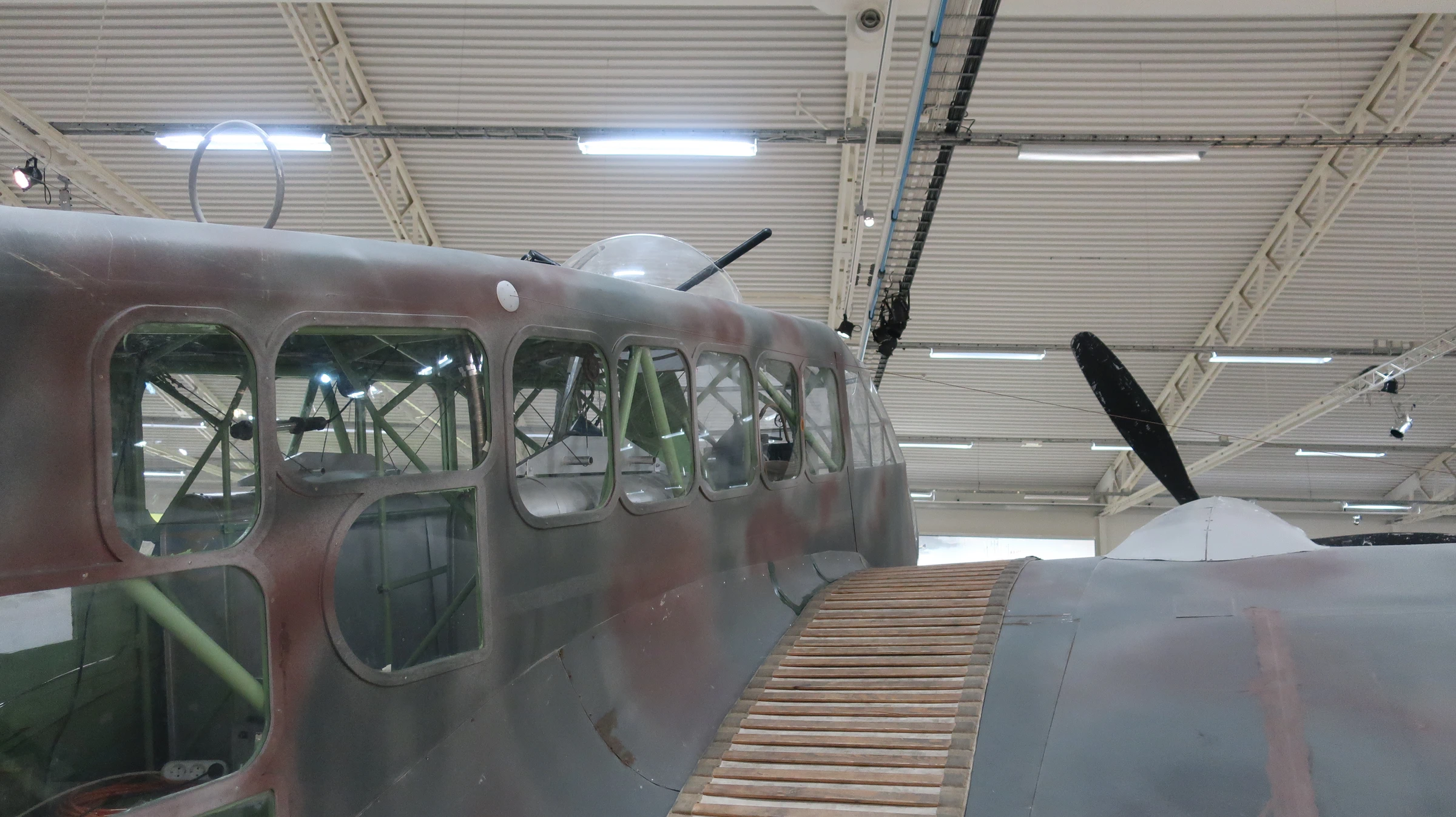
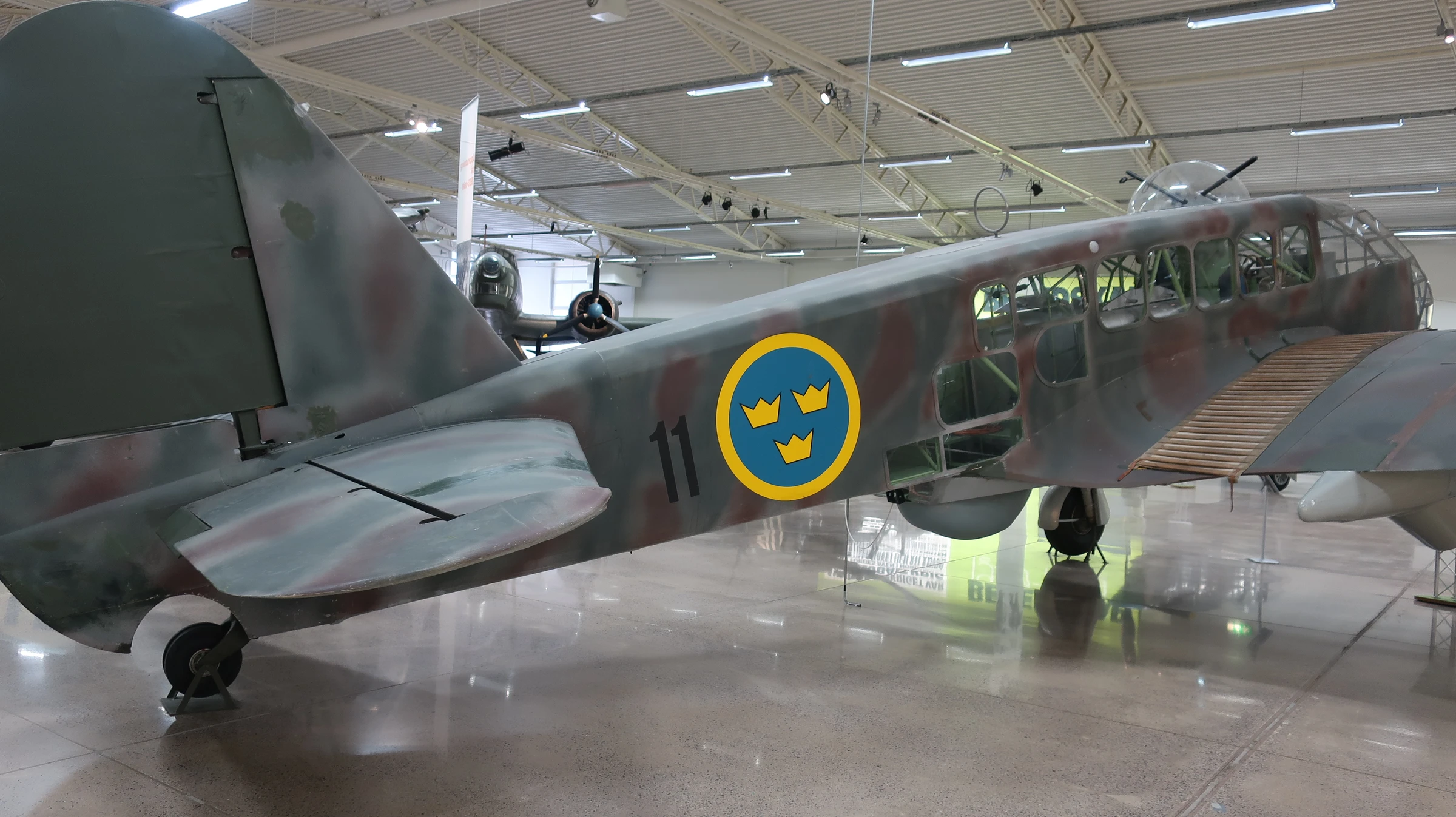
These walk-around photos were taken at Flygvapenmuseum at Malmen outside Linköping in 2019. They show a Caproni Ca.313, designated S 16 in Swedish service — an Italian twin-engine reconnaissance bomber that Sweden acquired as a wartime emergency measure when the outbreak of the Second World War cut off access to preferred aircraft from Britain and the United States. With contracts for French Breguets and German Dorniers both falling through, Sweden turned to Italy and in August 1940 signed the first of three contracts for a total of 84 Caproni Ca.313s, including undelivered aircraft originally intended for France. They were the first aircraft to receive designations under the new 1940 numbering system, and served in the bomber role as B 16, the reconnaissance role as S 16, and were also planned as torpedo aircraft under the designation T 16.
The type gained a mixed reputation in Swedish service — fast and well-suited to Baltic reconnaissance, but prone to engine fires and structurally demanding on wooden wing spars that progressively rotted over the years. Three aircraft were shot down by German fighters in 1944, and 41 Swedish crewmen died during the type's operational life. When the war ended all remaining aircraft were scrapped, bombed as targets or used to fill holes in airfield runways. Not a single original example survived anywhere in the world. The aircraft on display at Flygvapenmuseum is therefore a full-scale replica, built for the SVT television series Tre kärlekar (1989) by director Lars Molin, using some original parts recovered from a scrapyard on the island of Visingsö. It is the only full-size Ca.313 in existence.