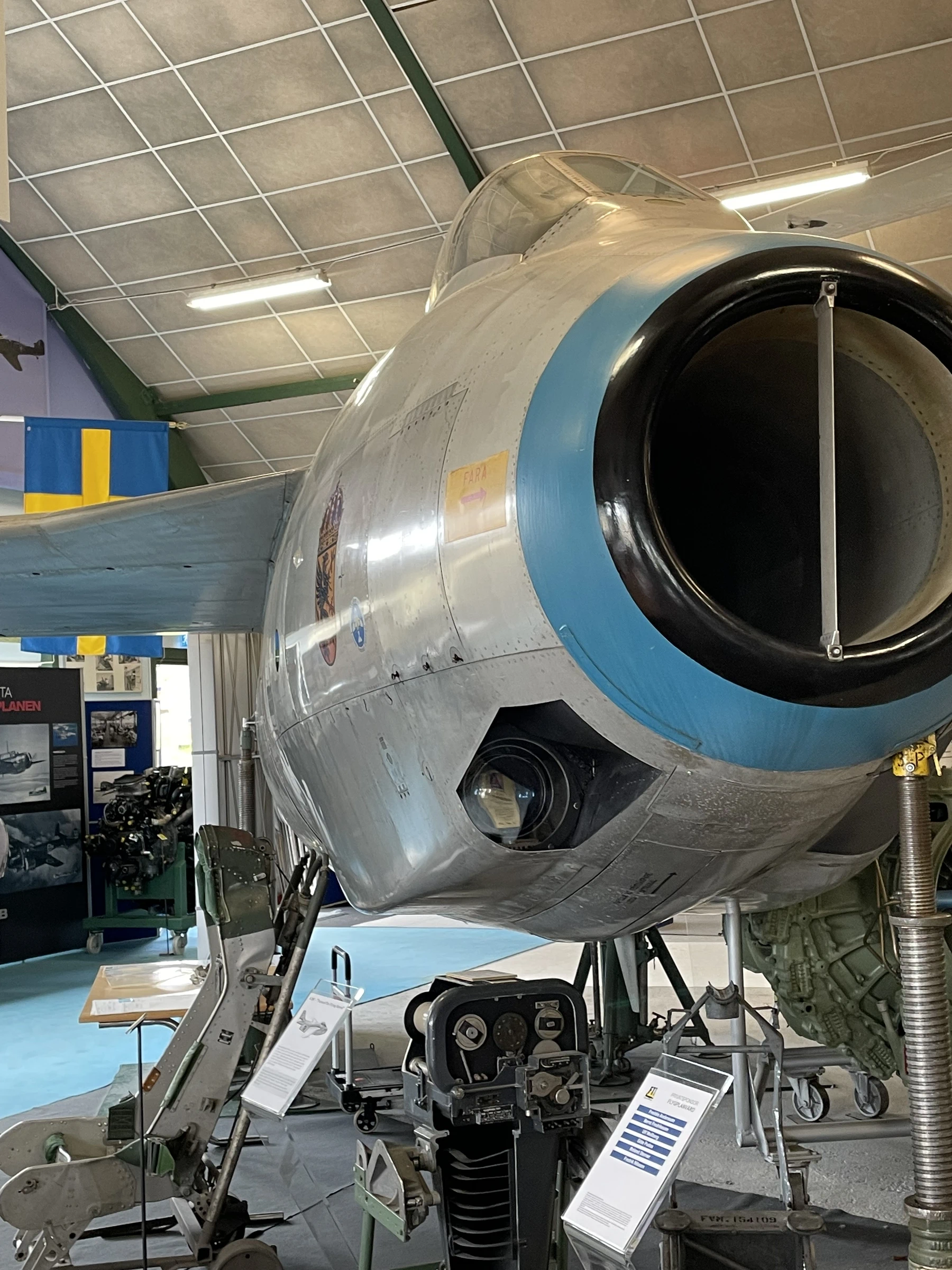
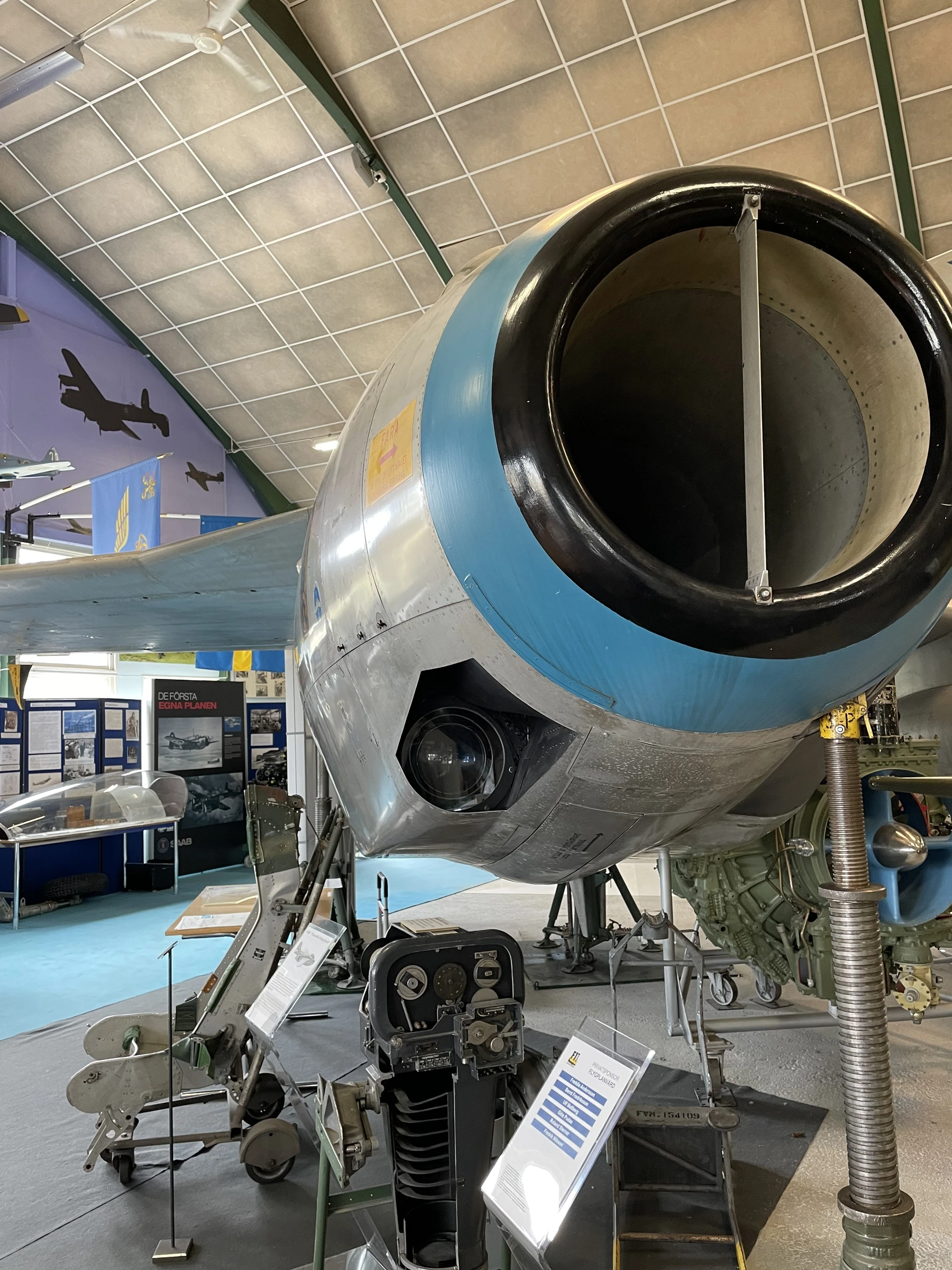
SAAB S 29C Tunnan
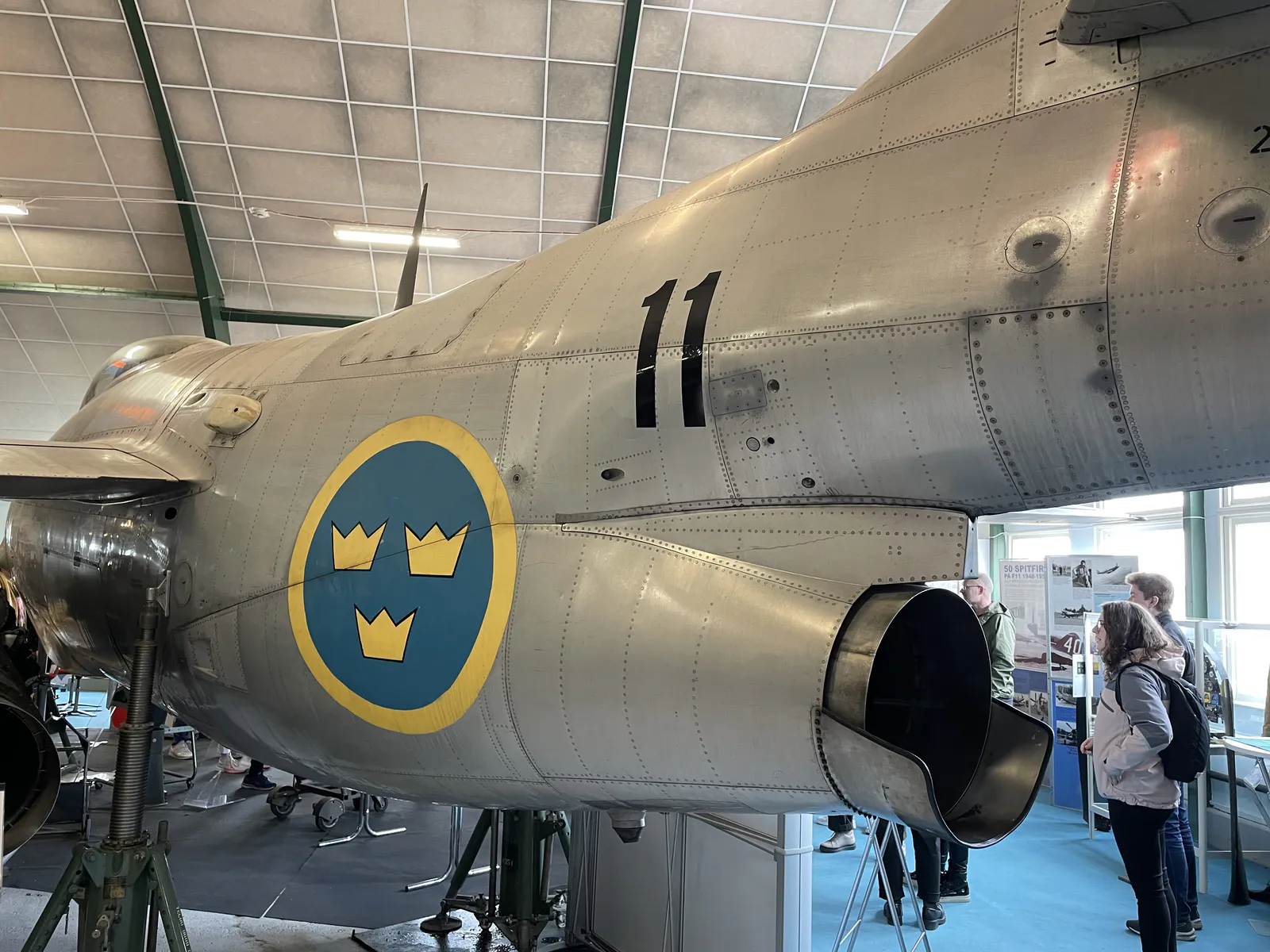
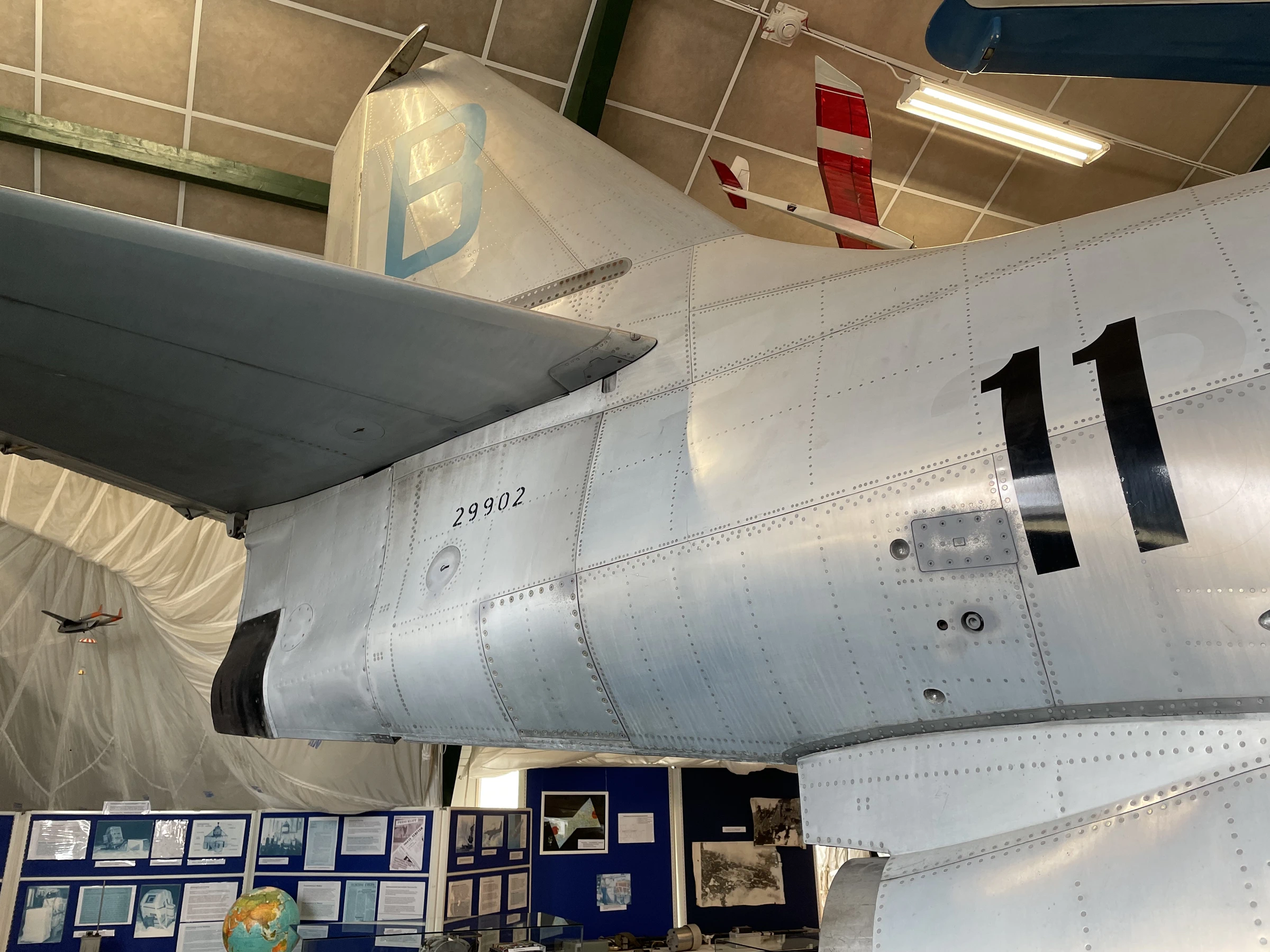
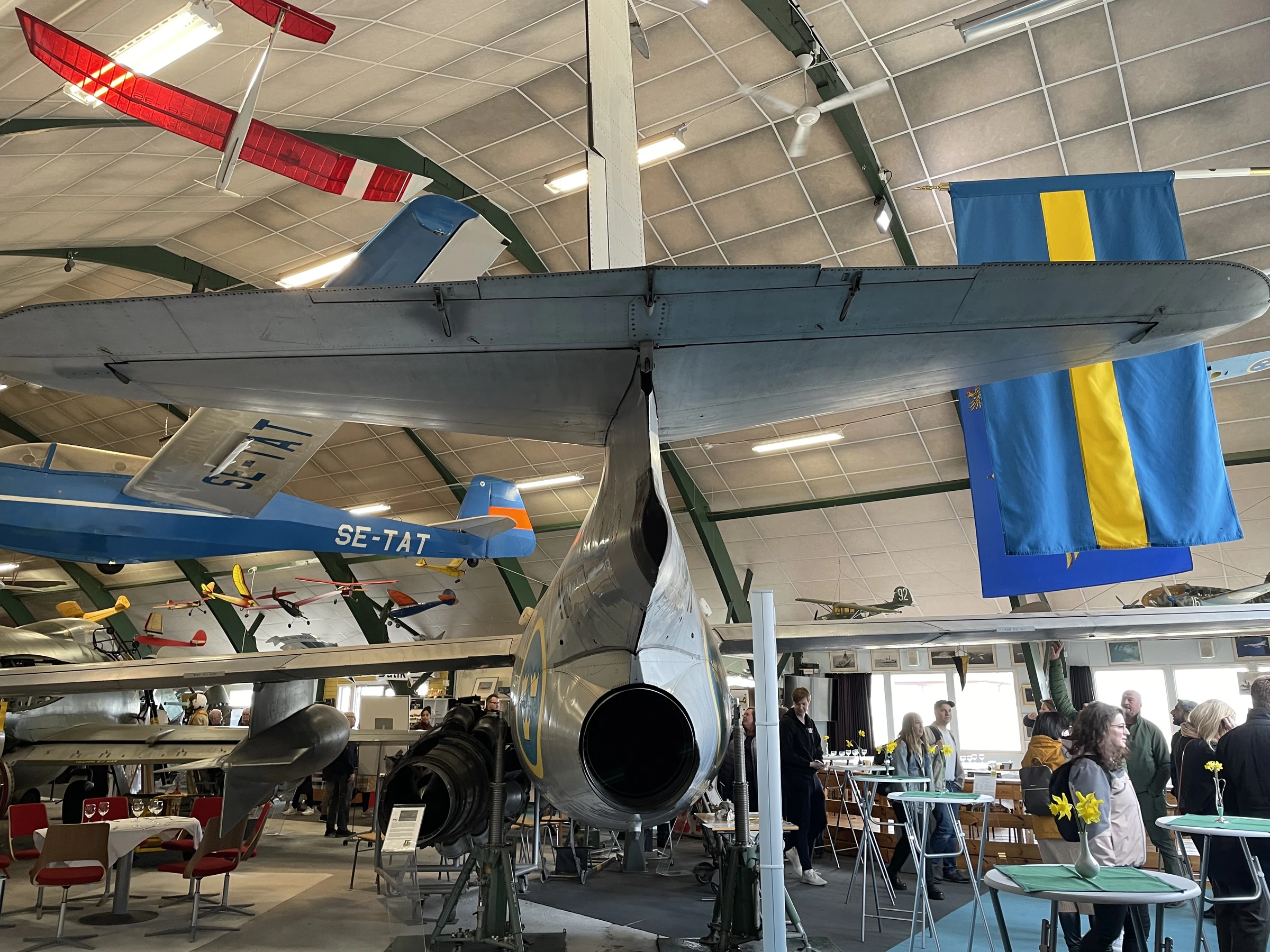
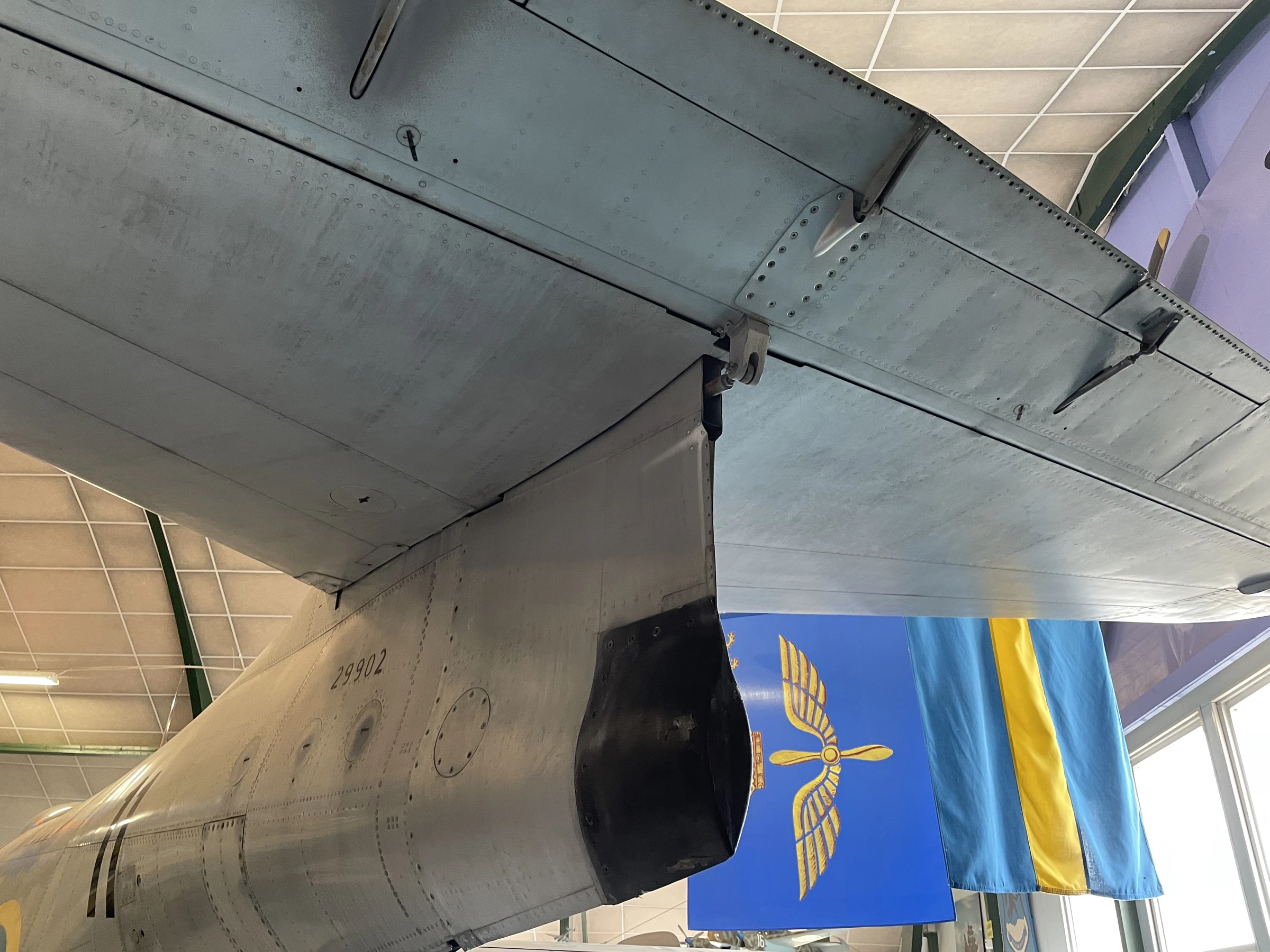
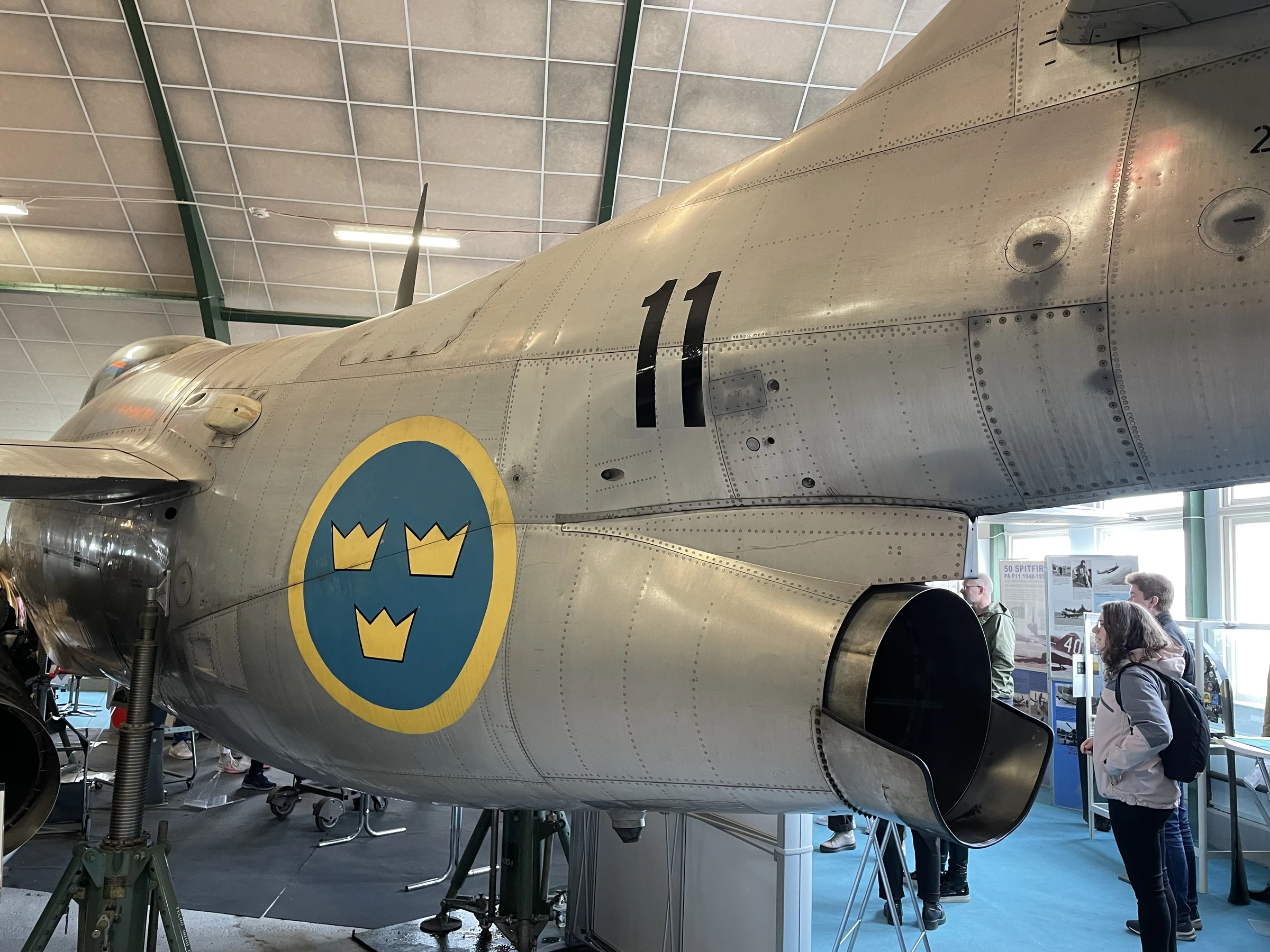
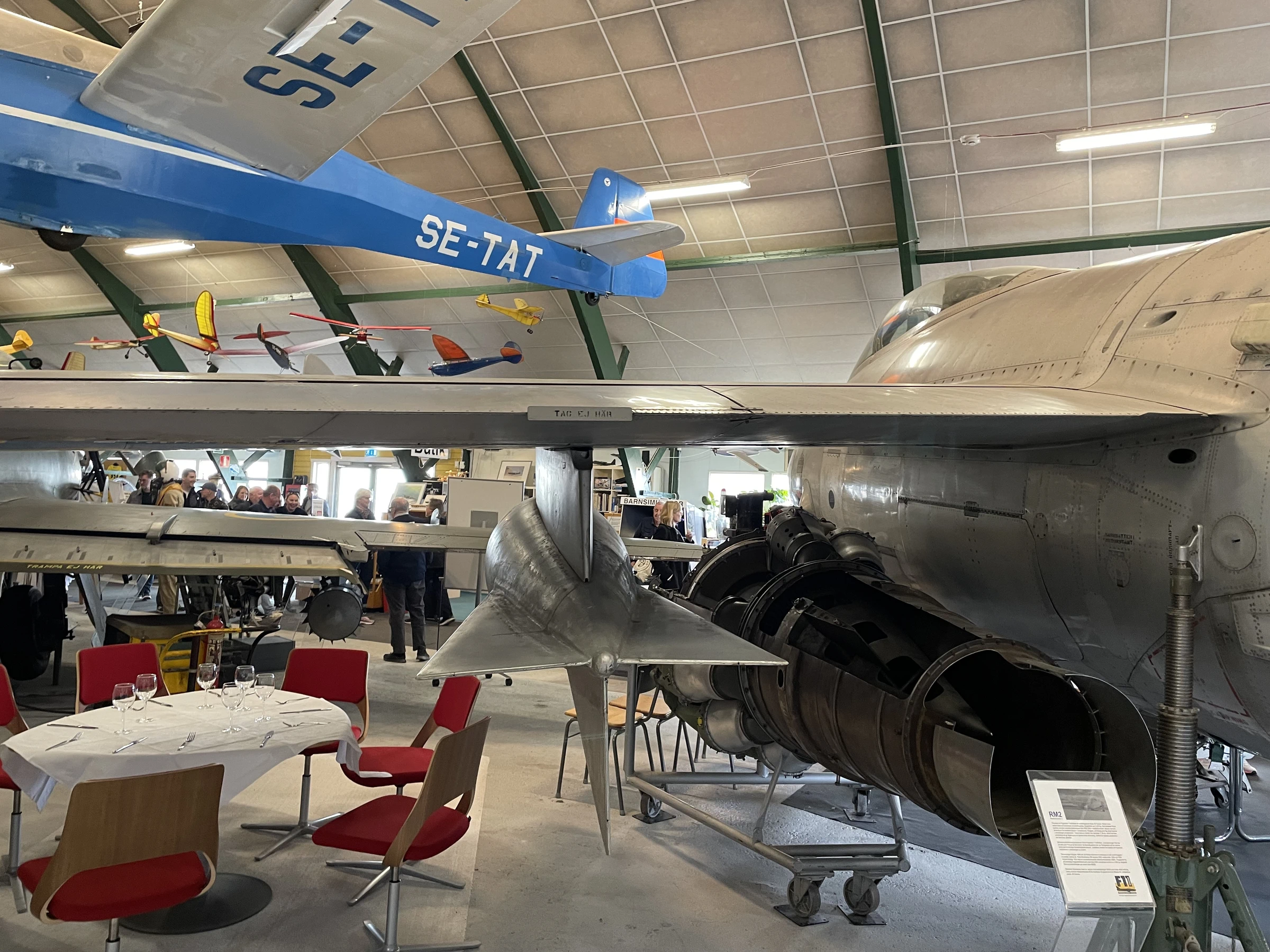
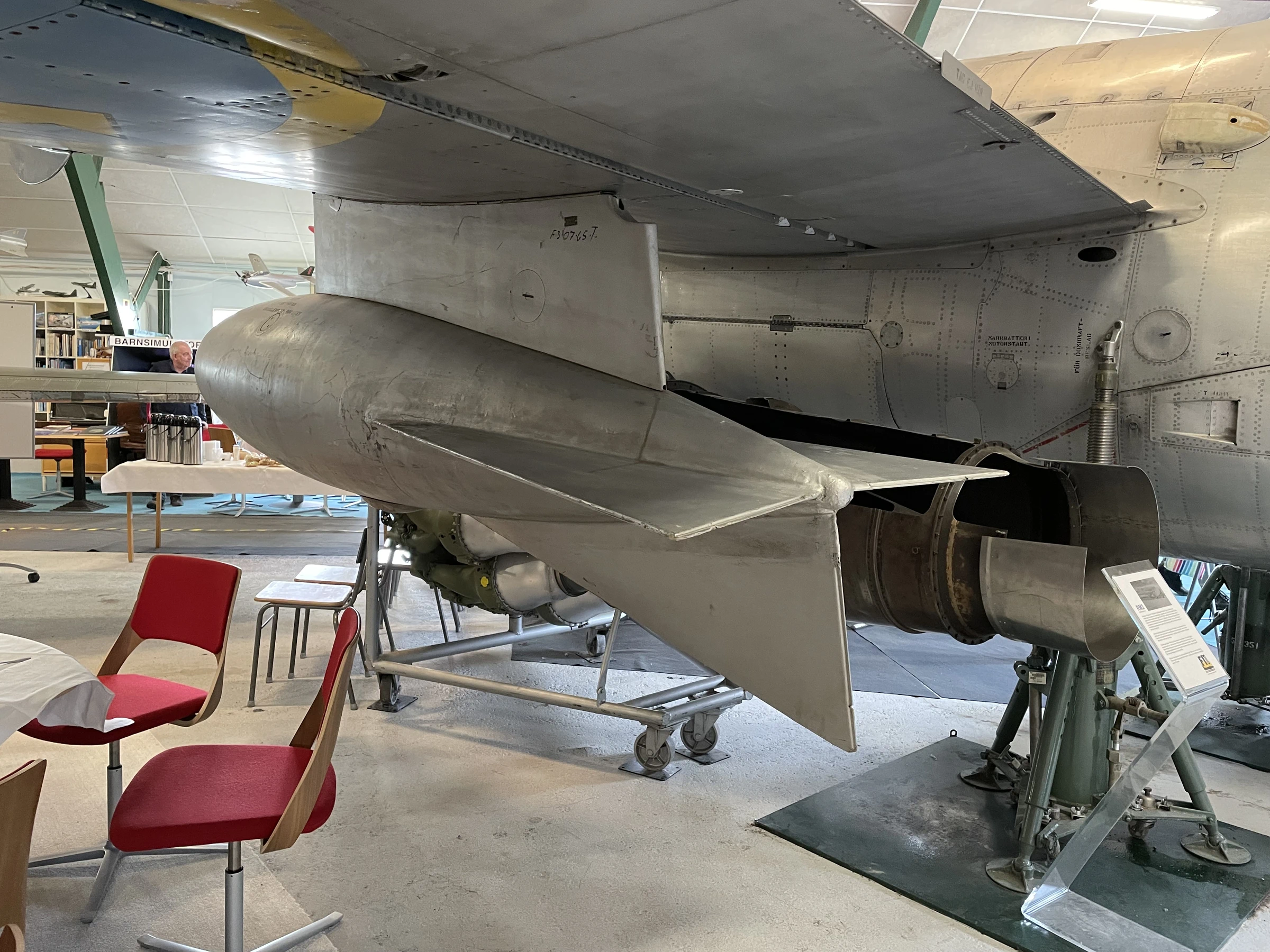
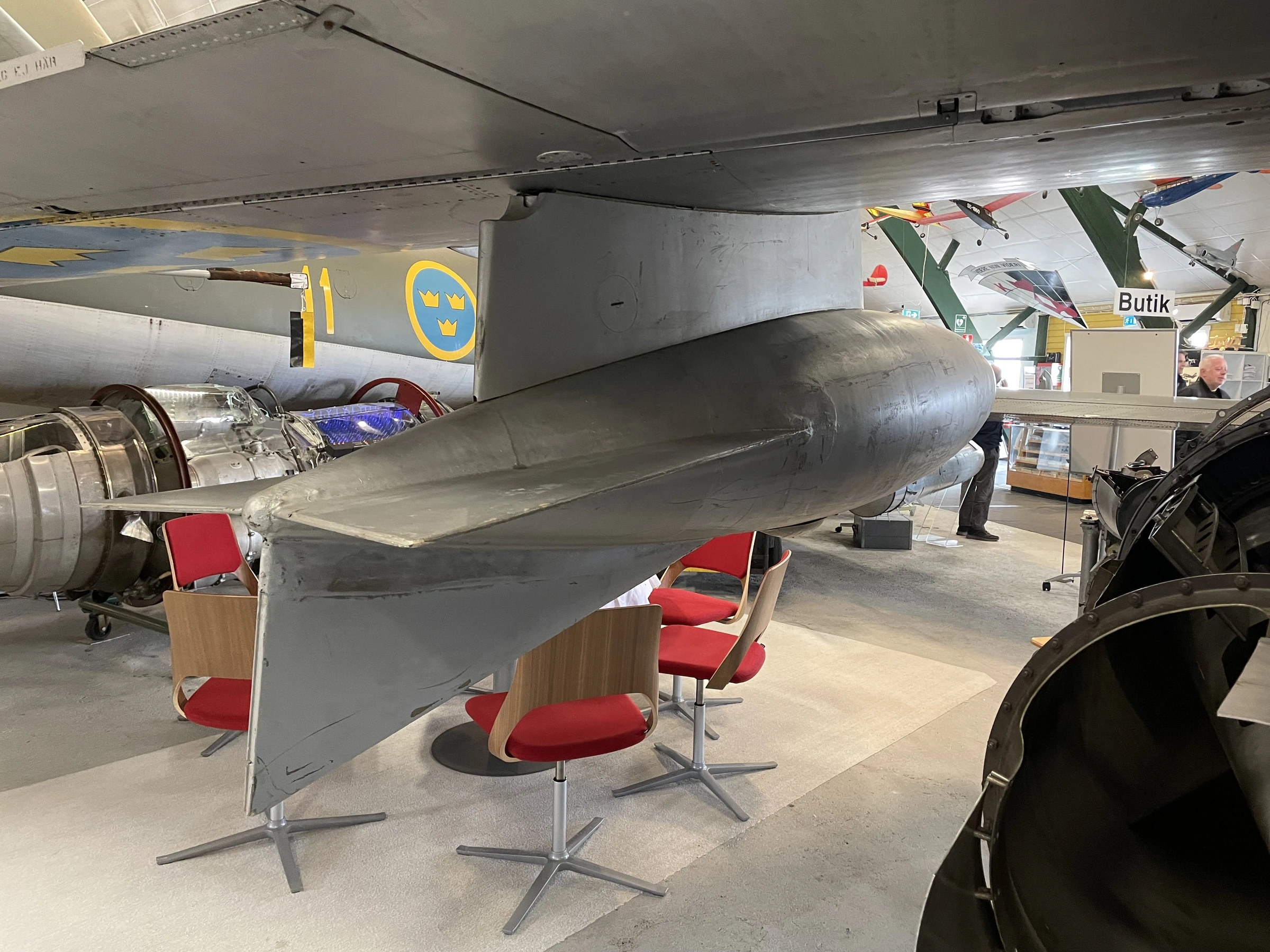
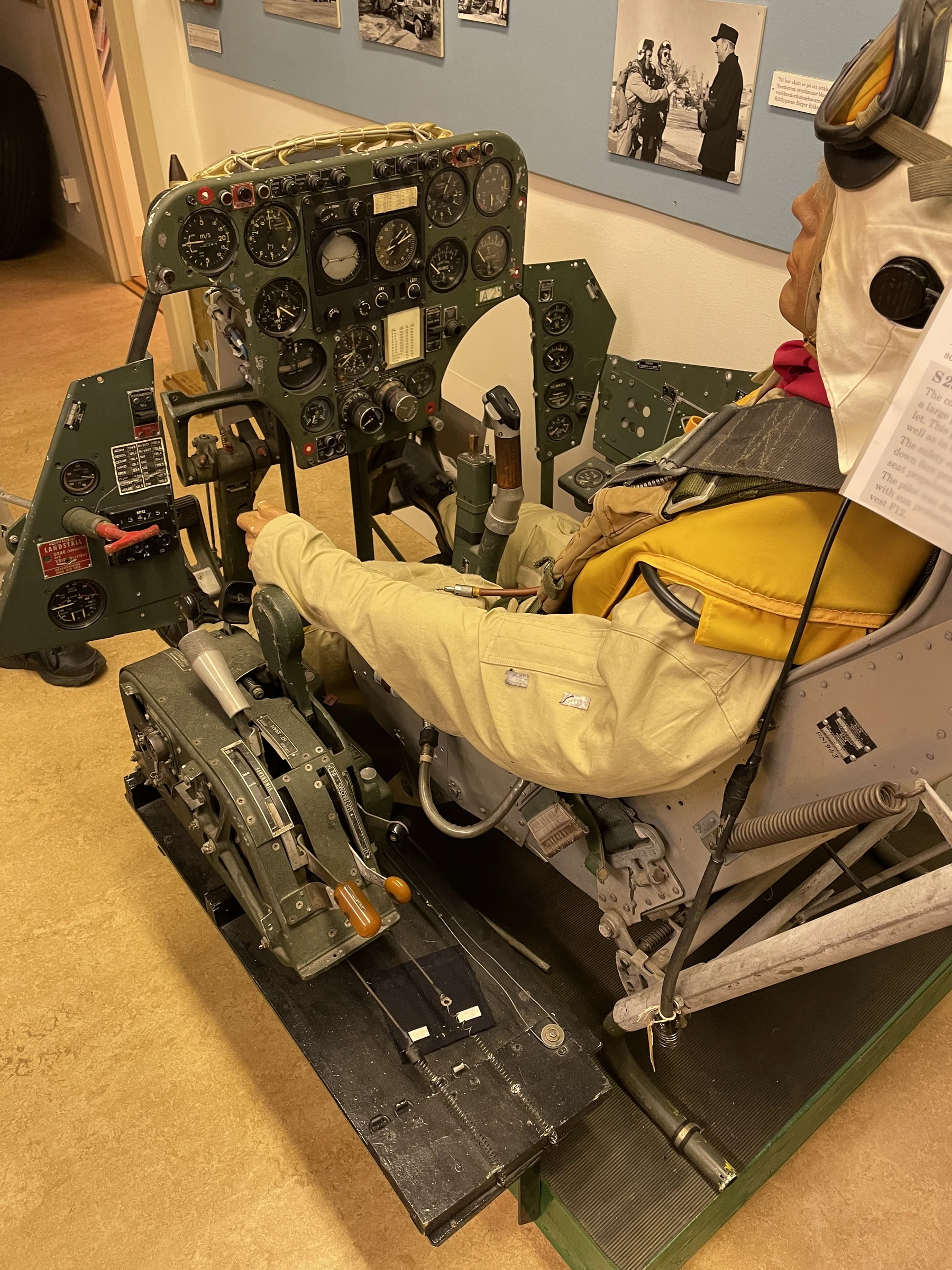
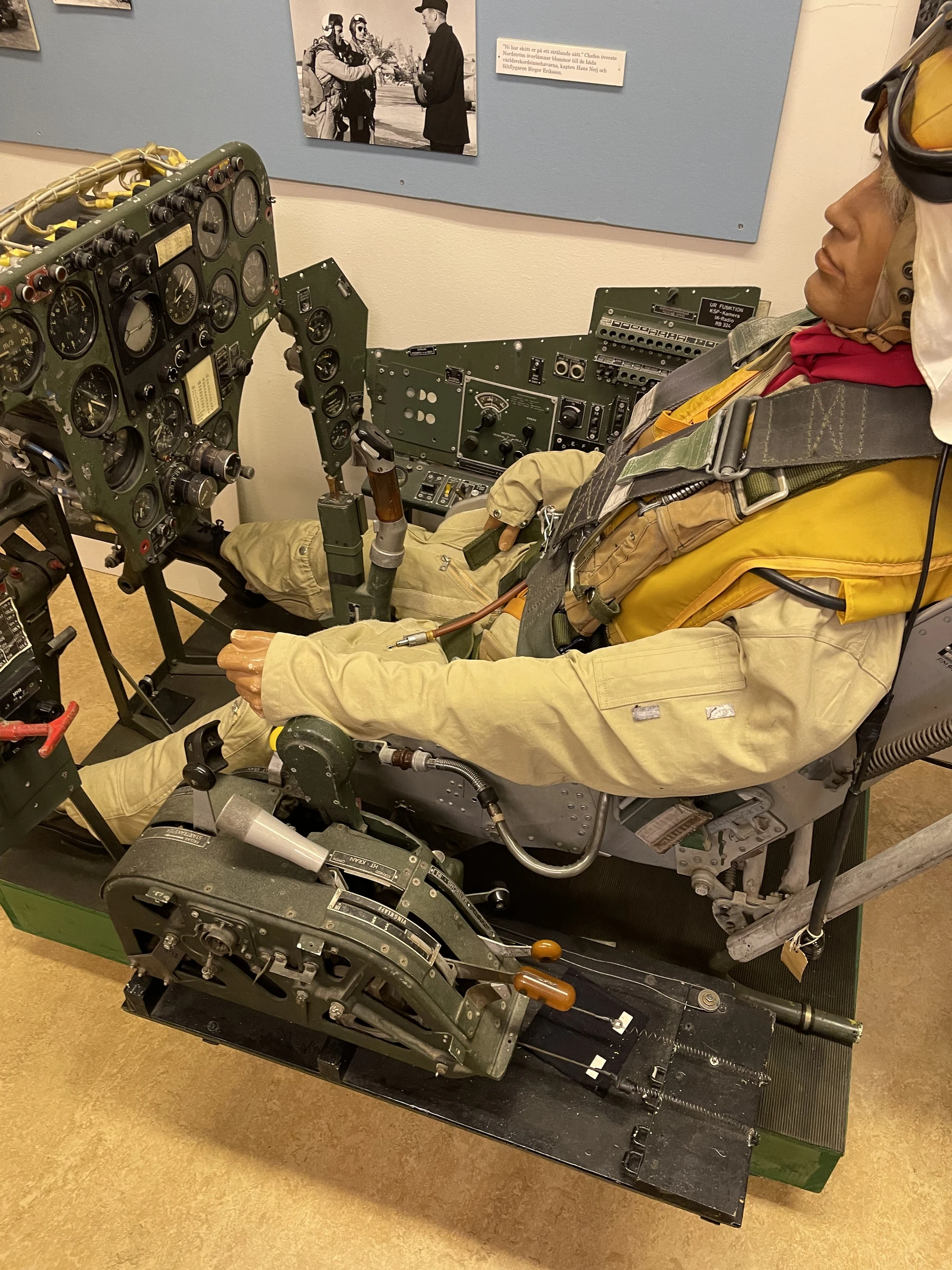
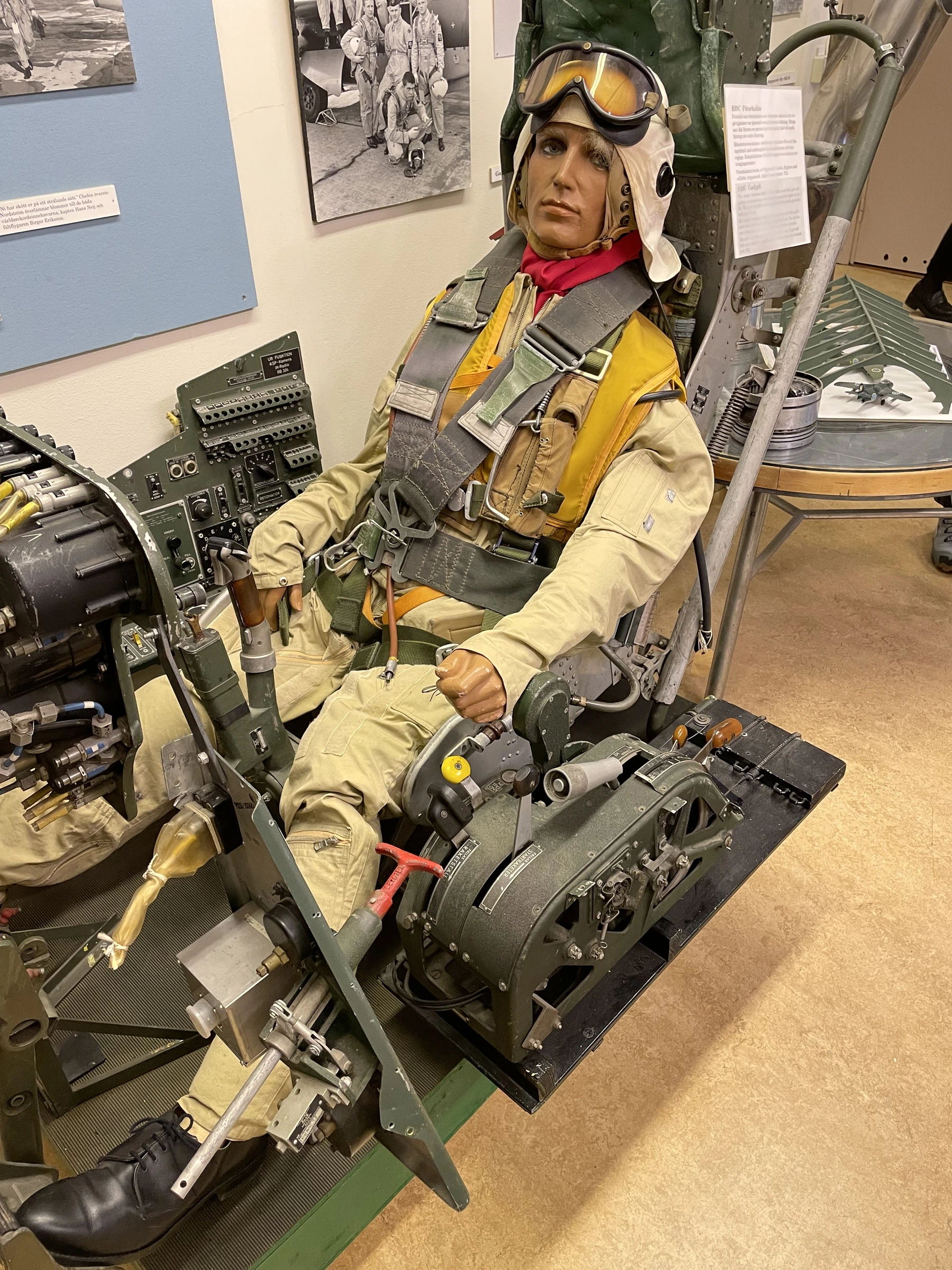
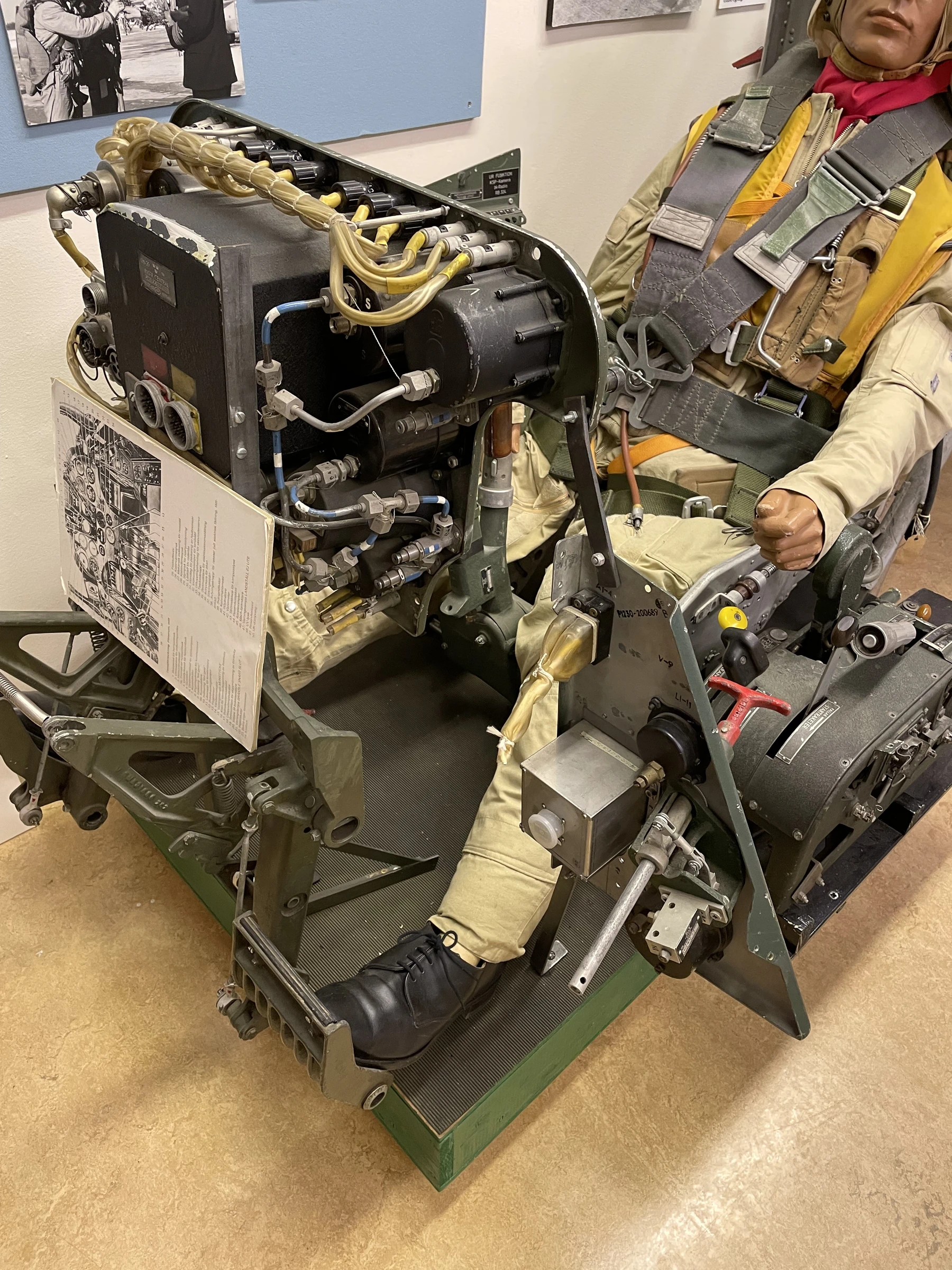
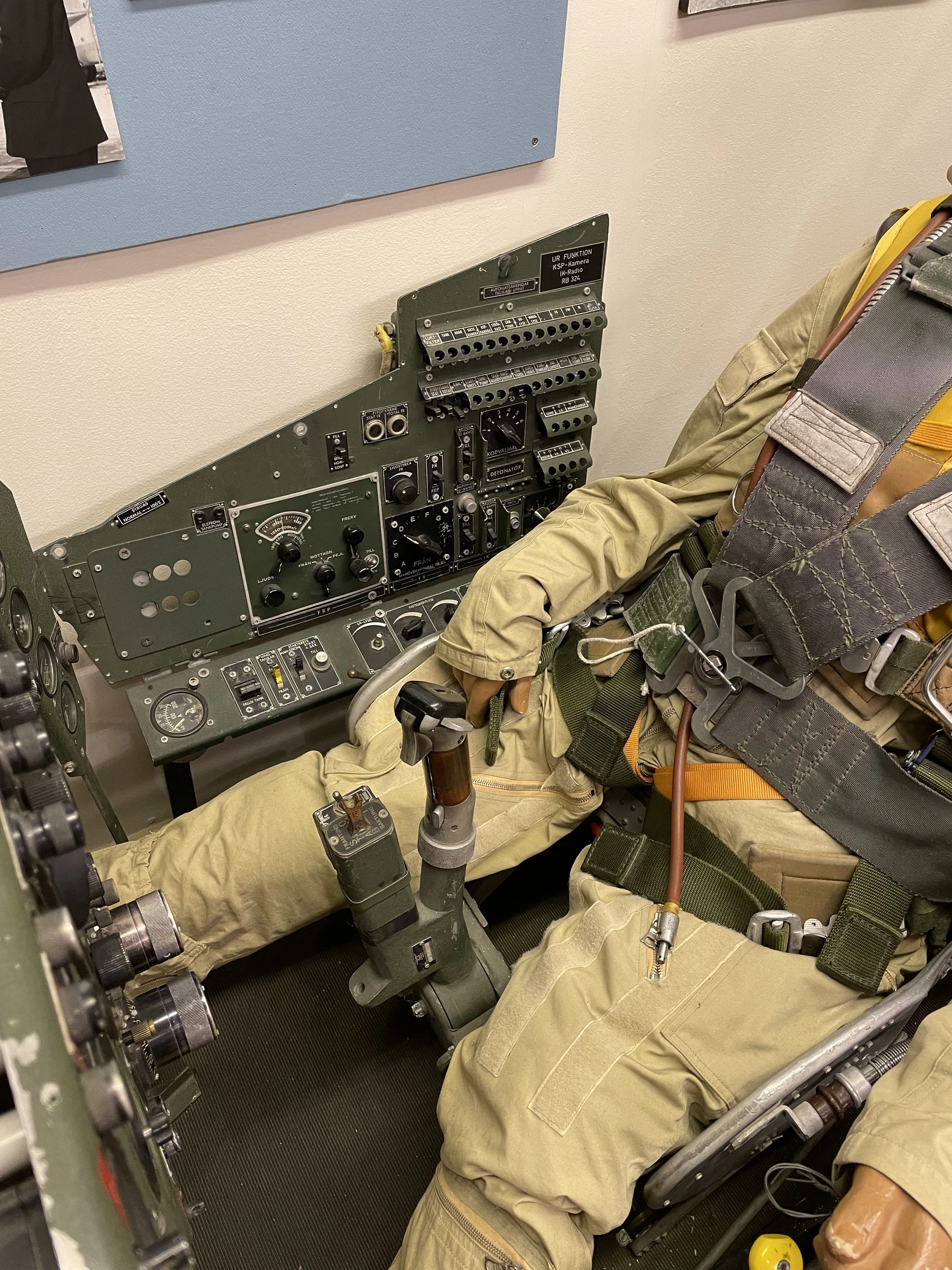
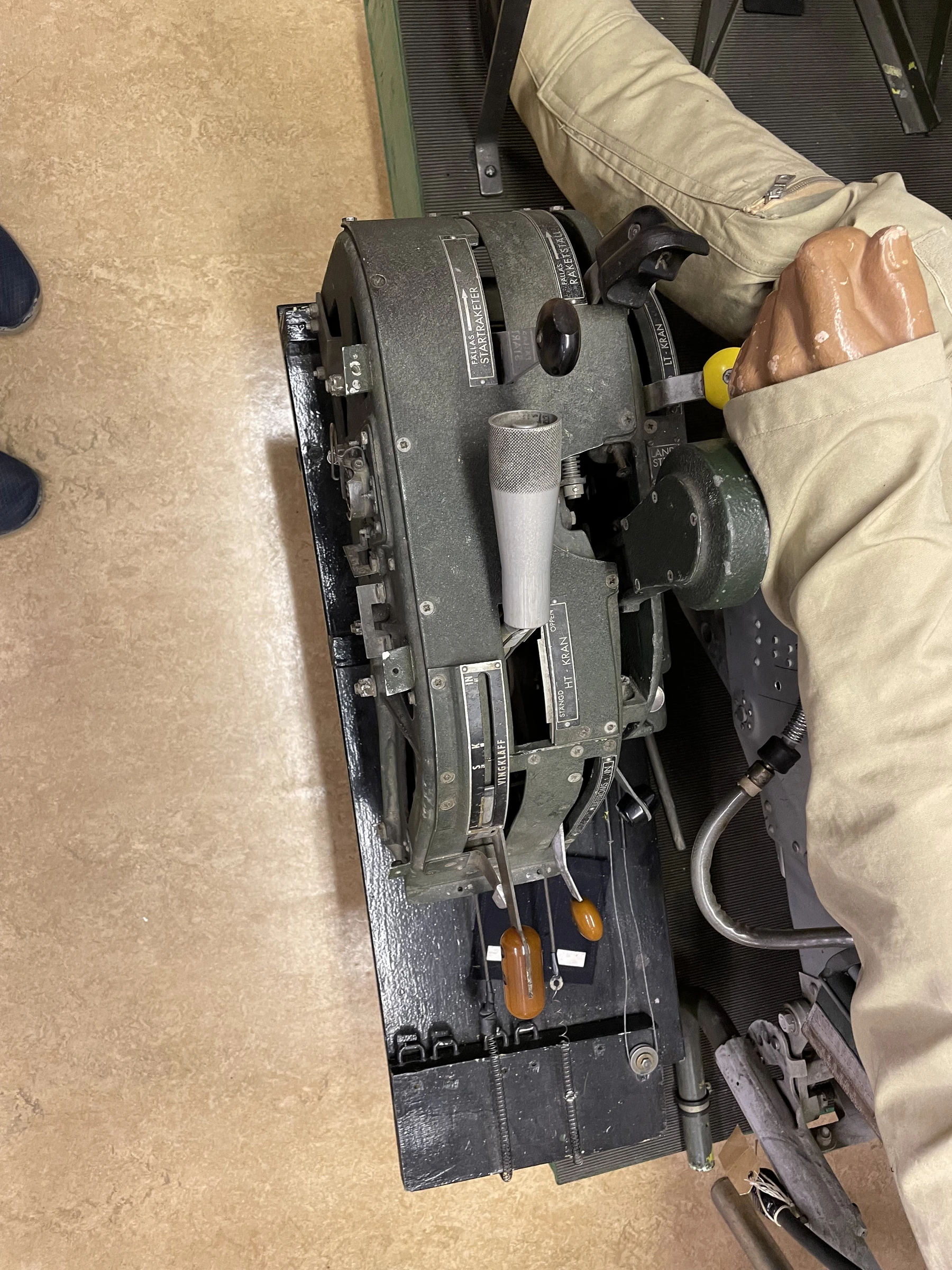
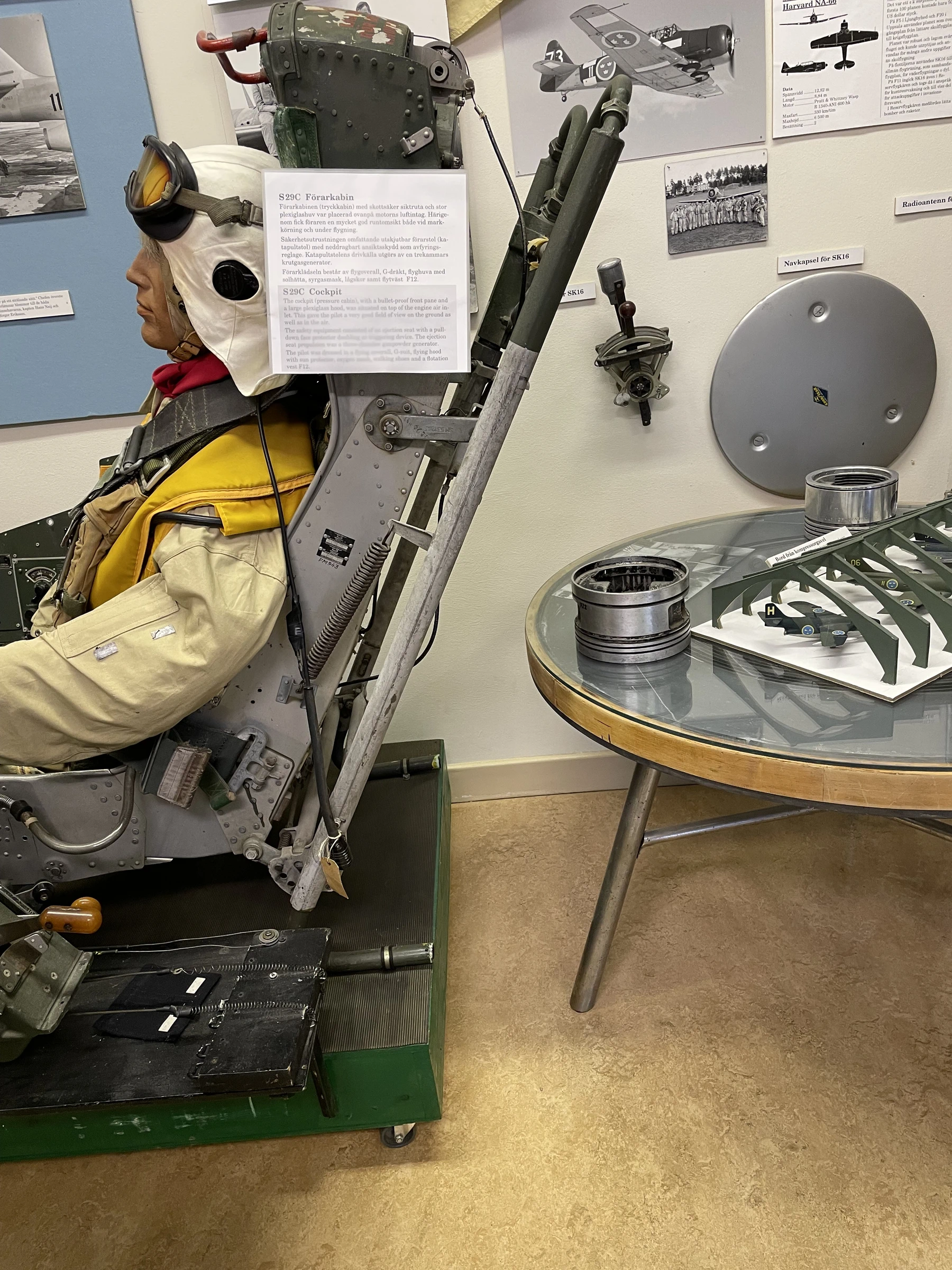
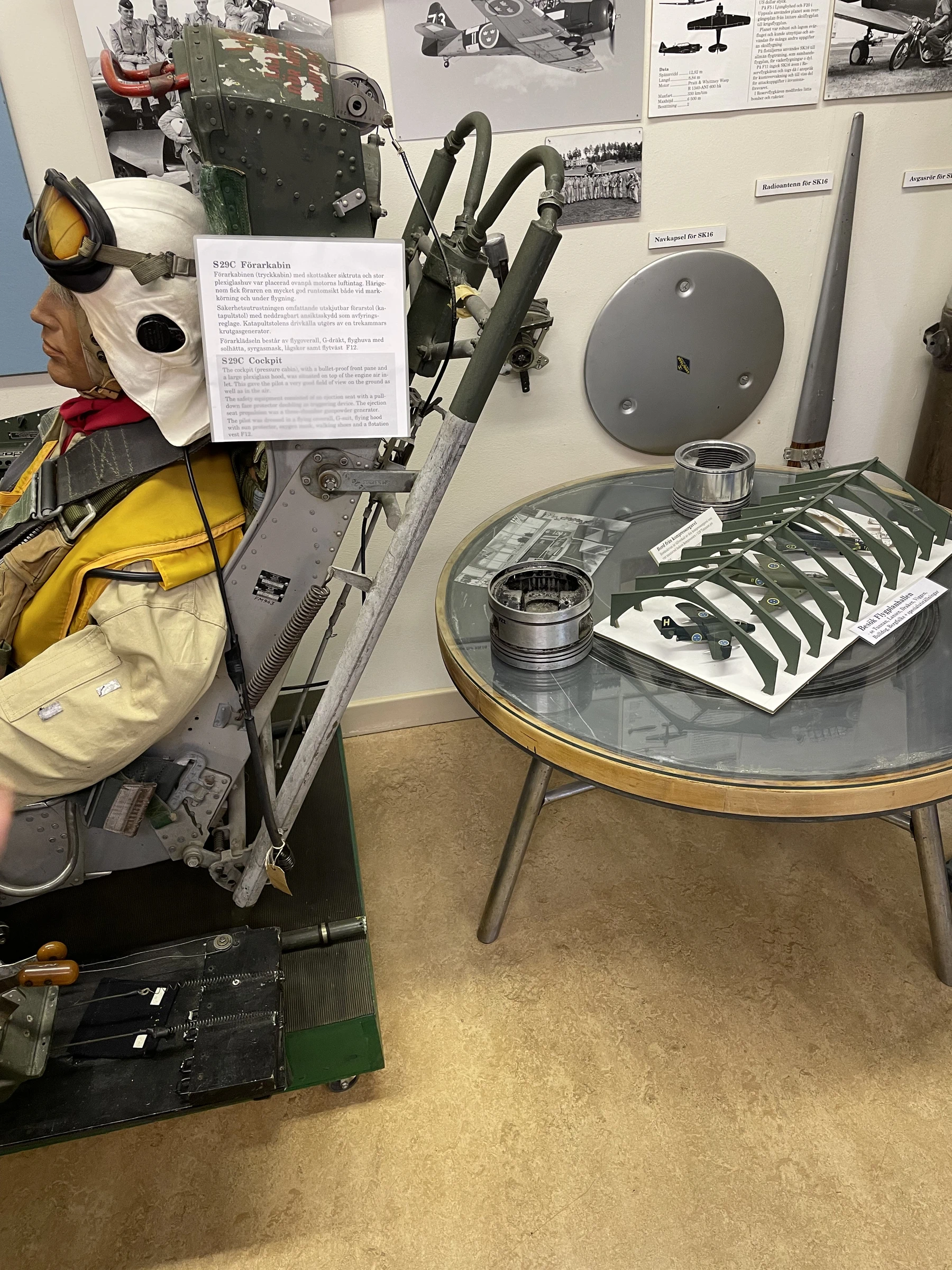
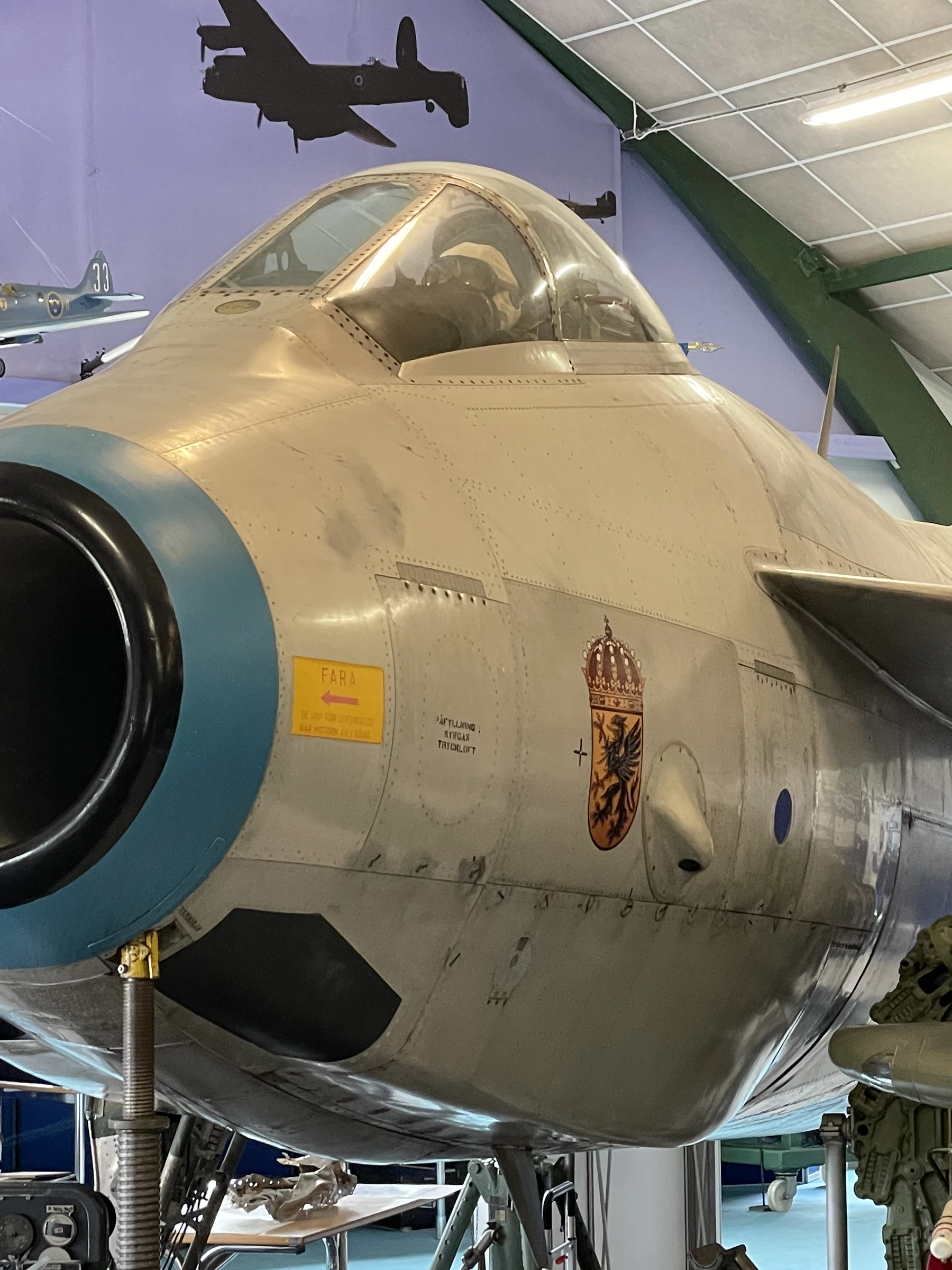
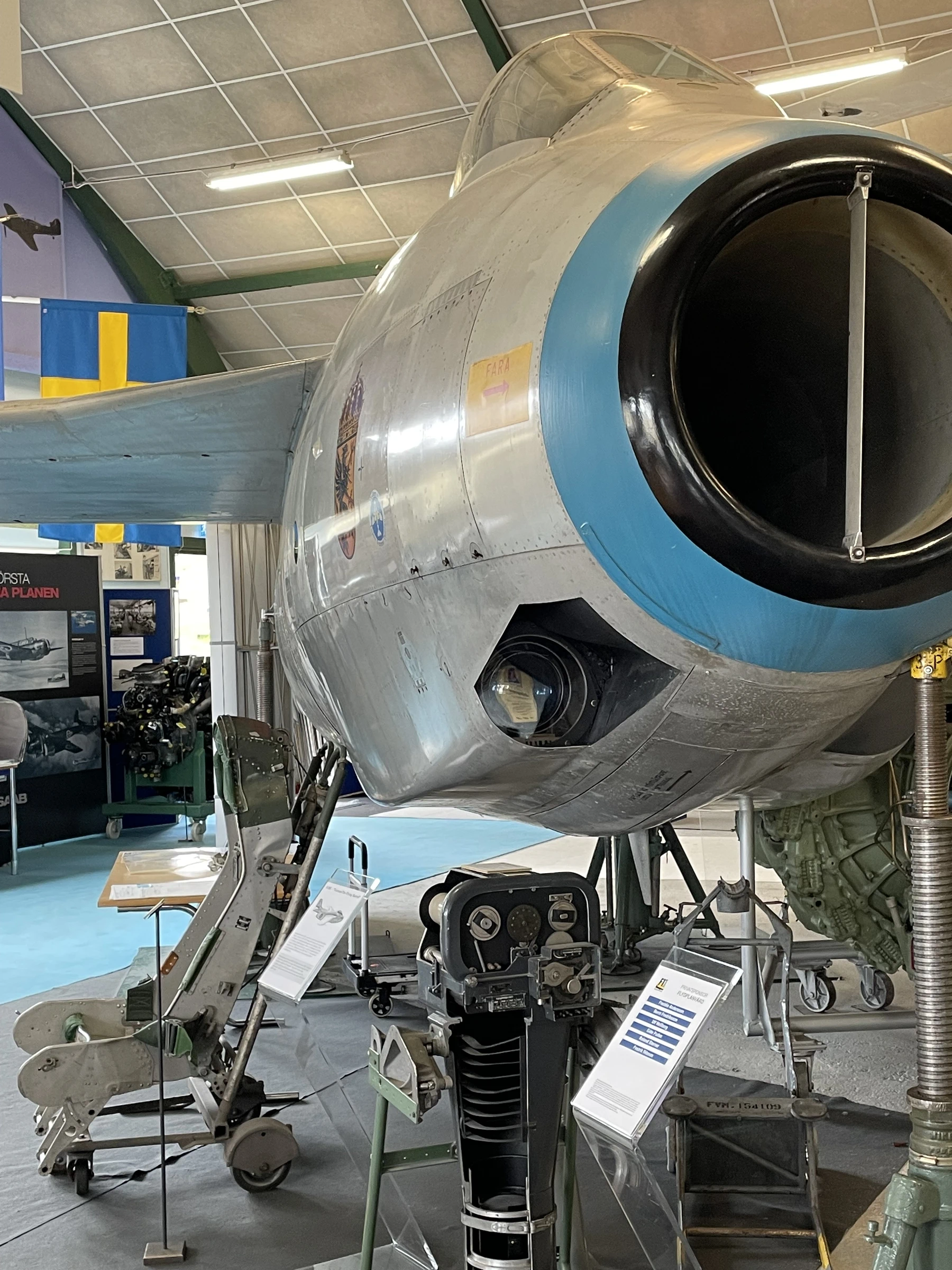
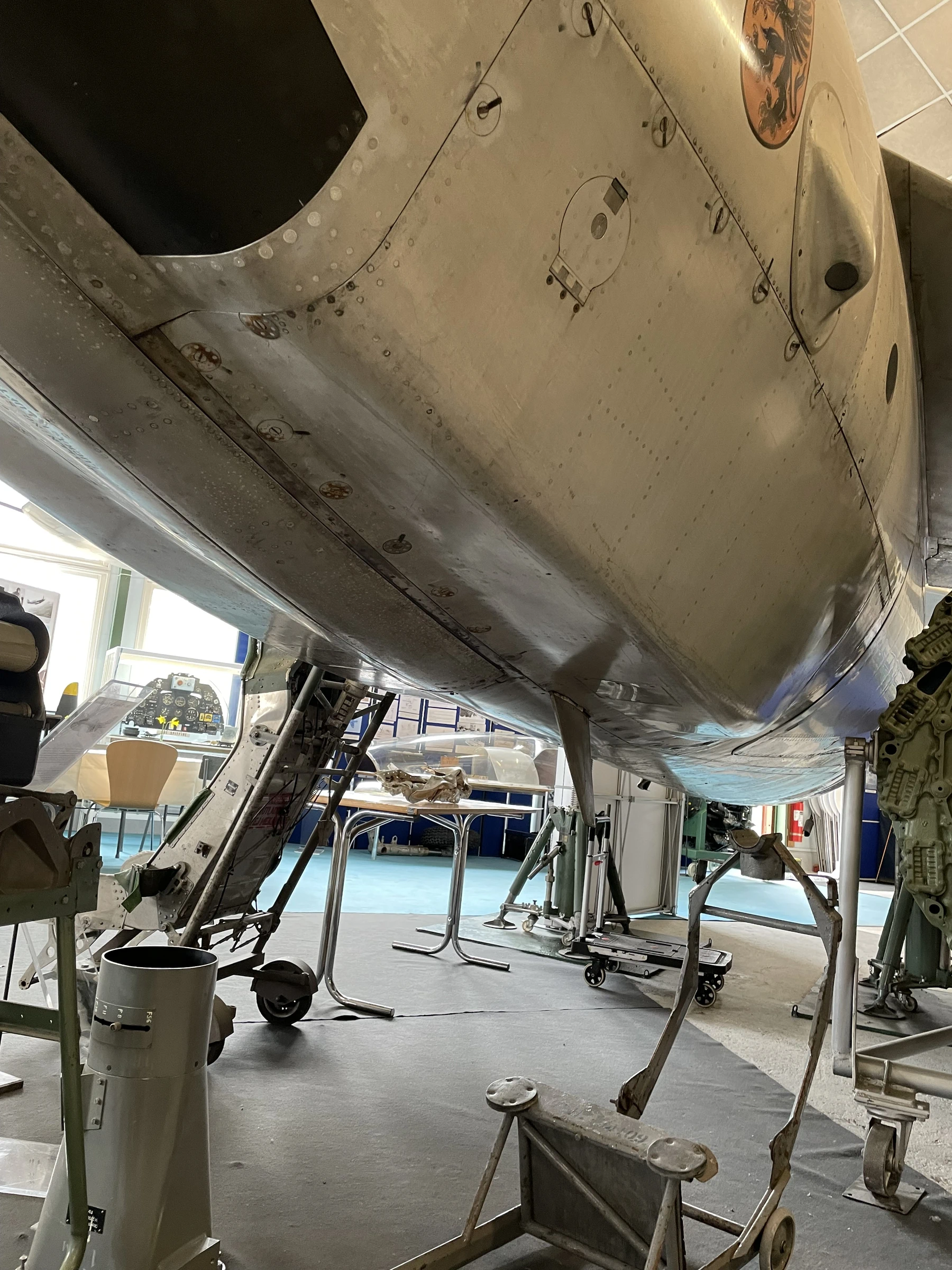
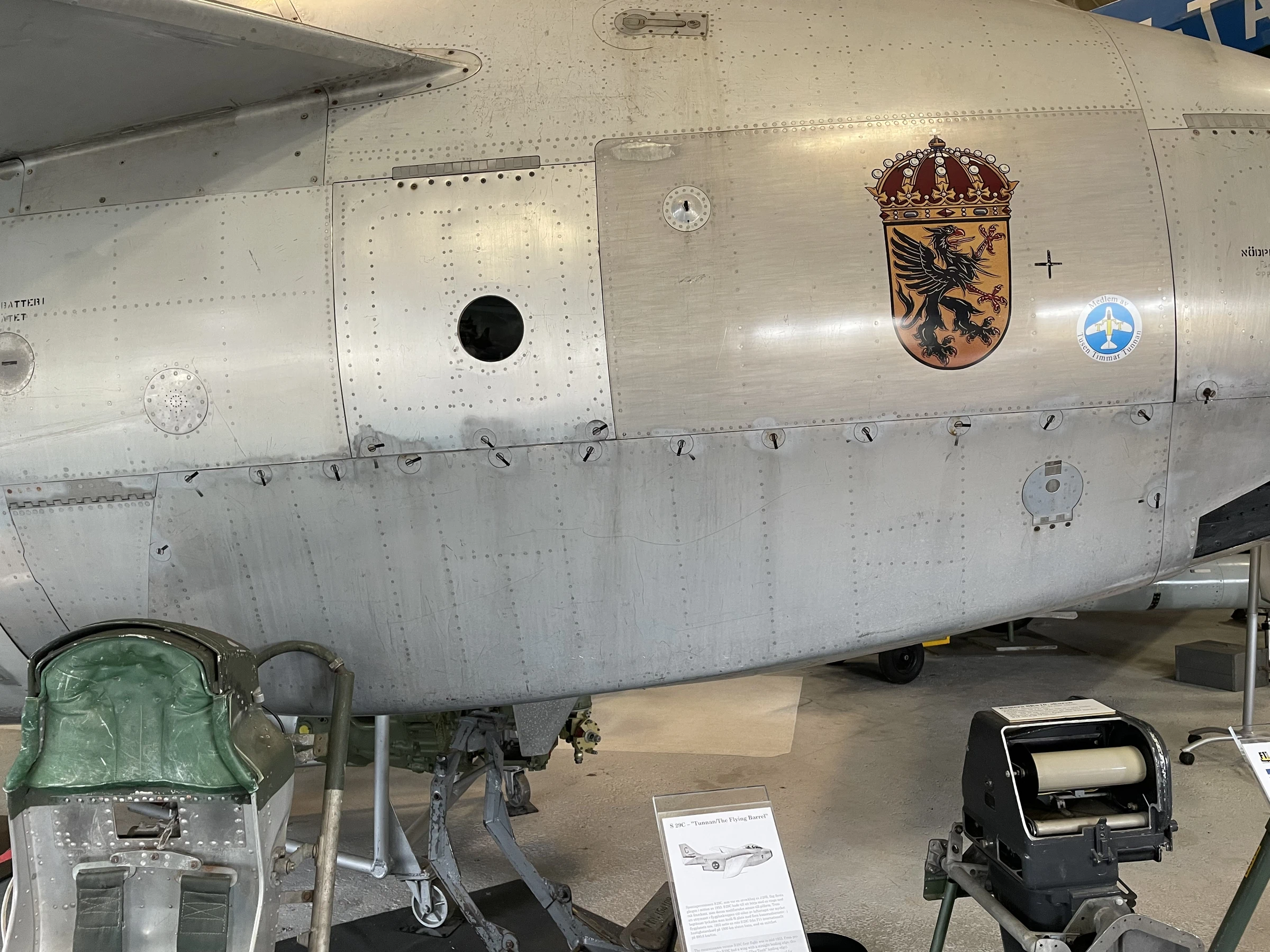
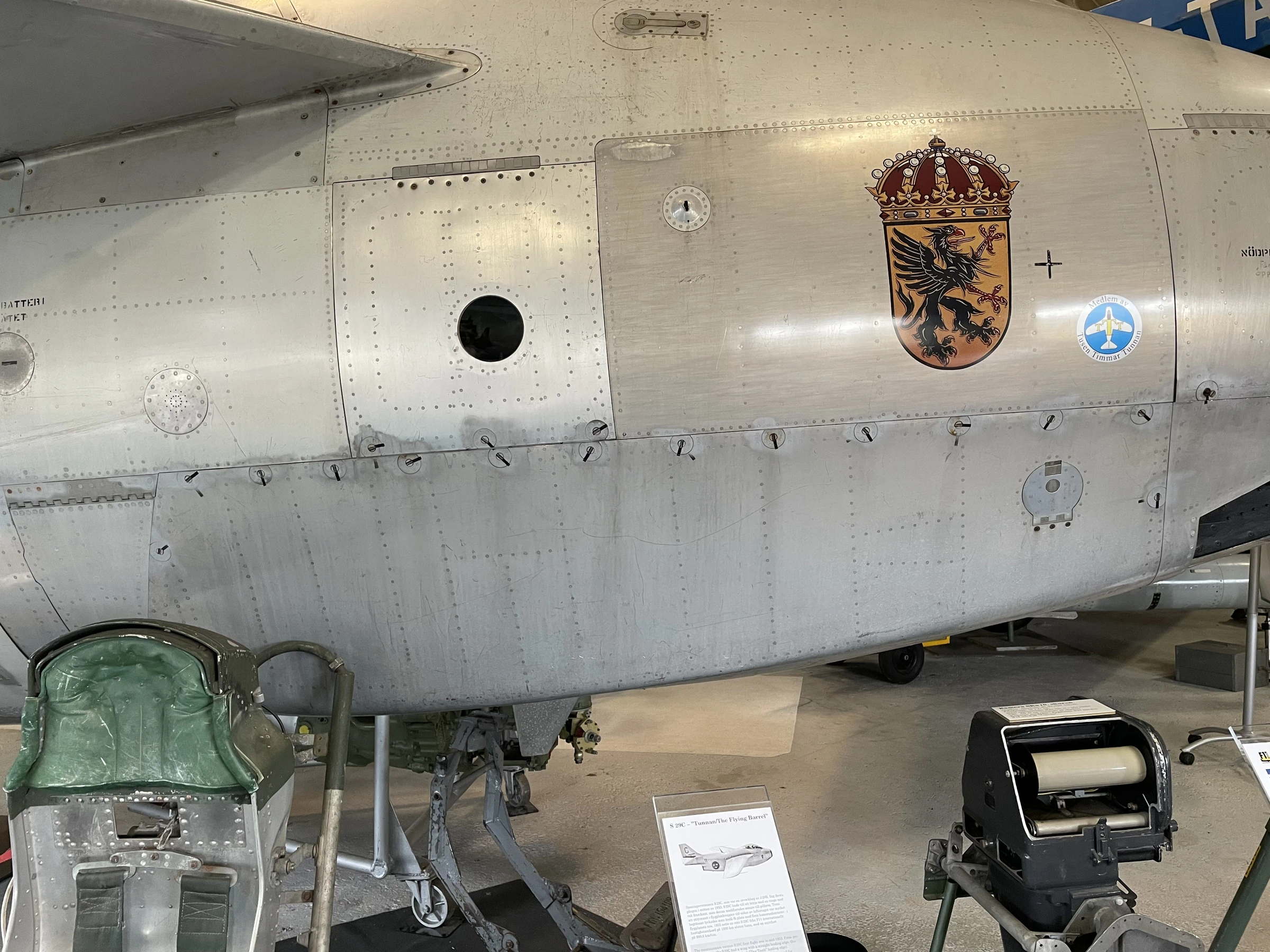
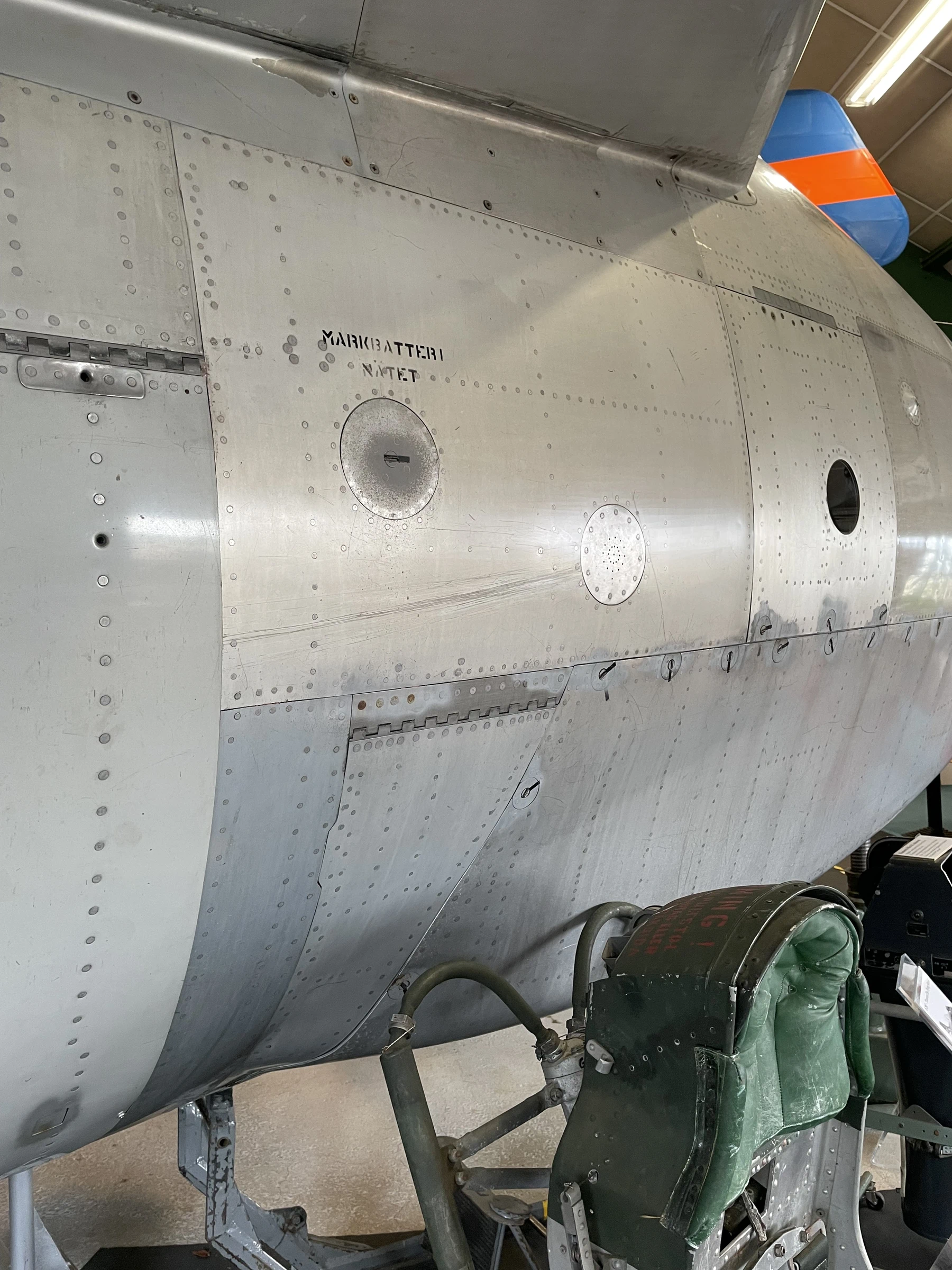
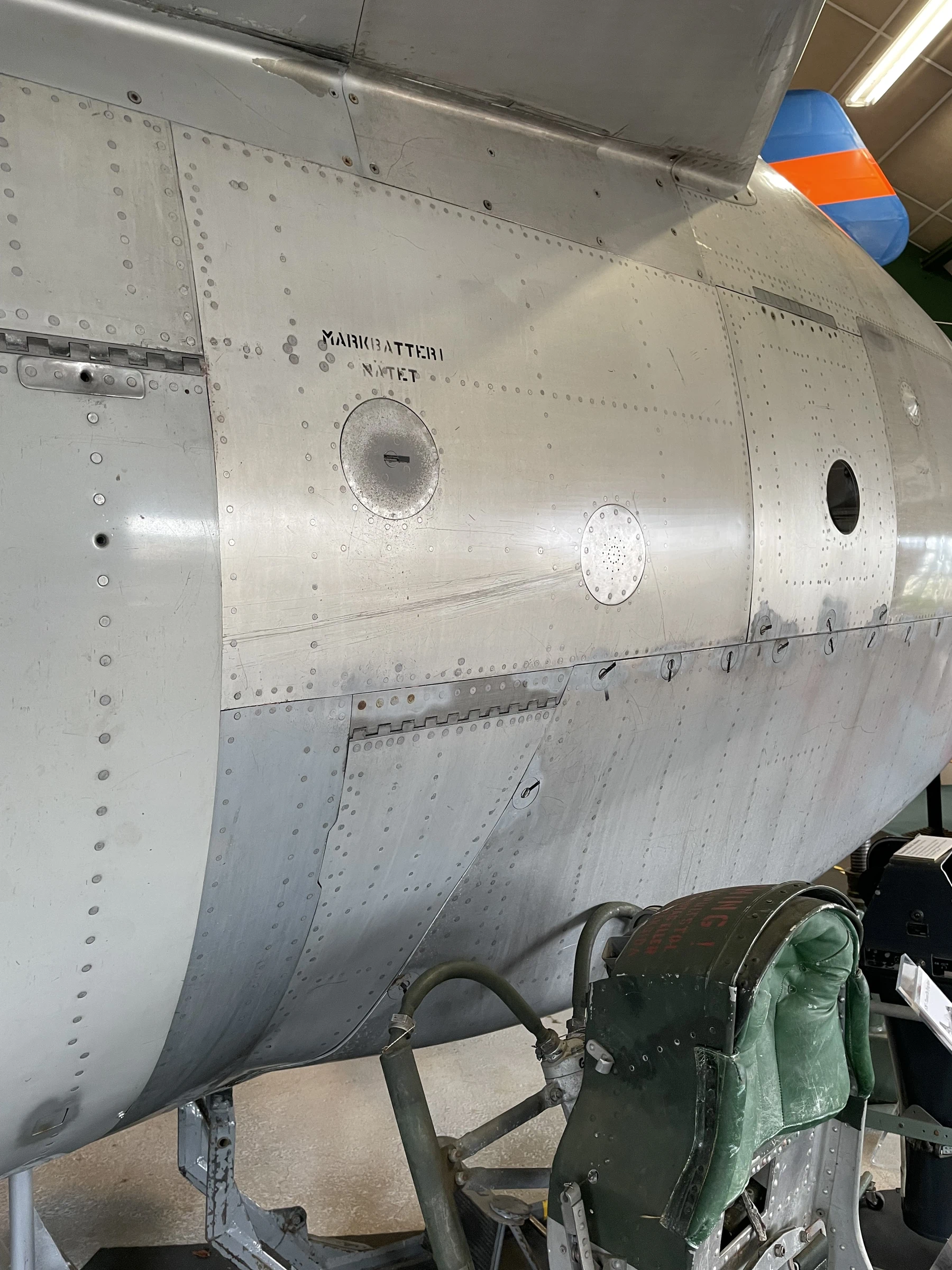
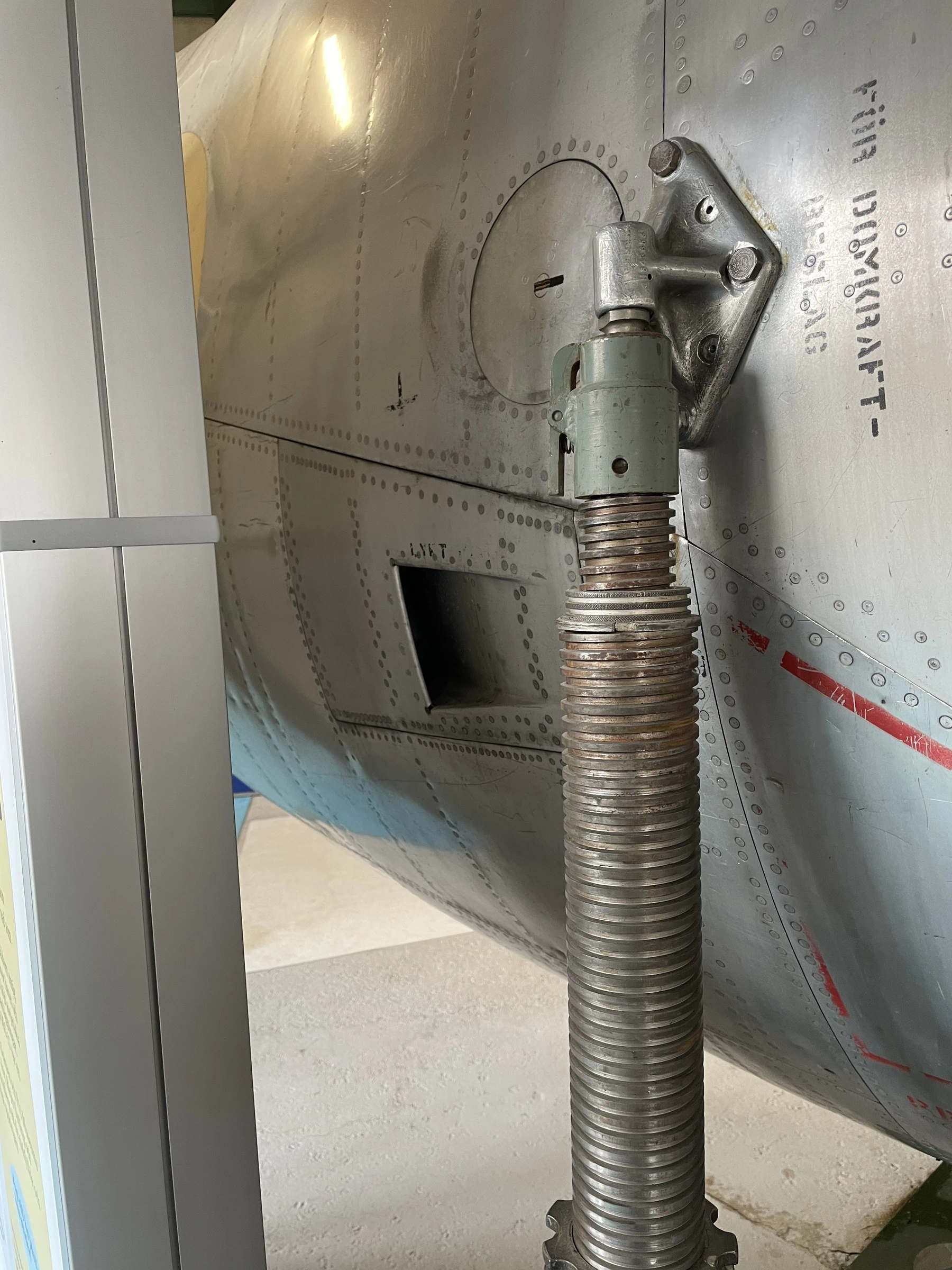
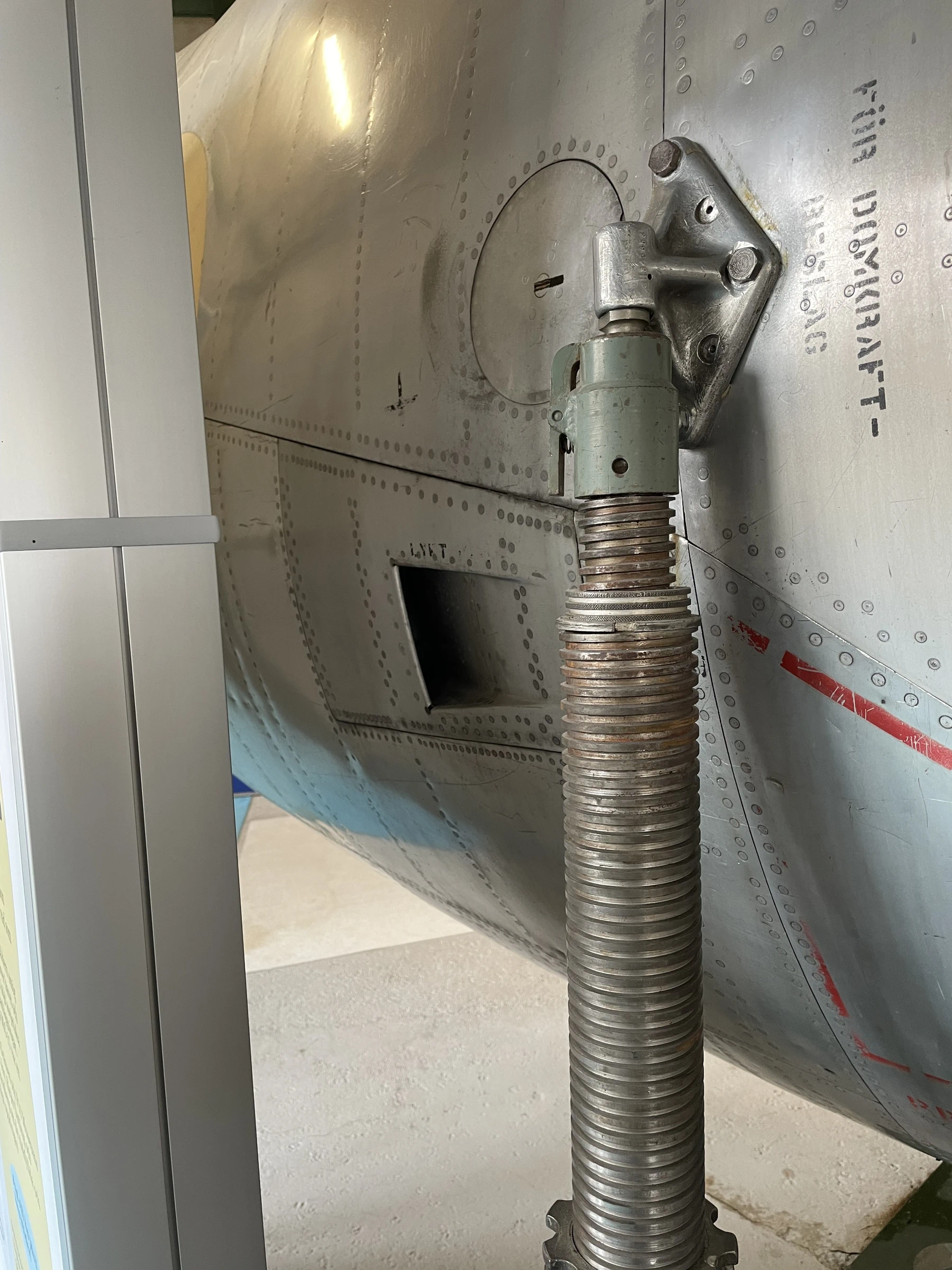
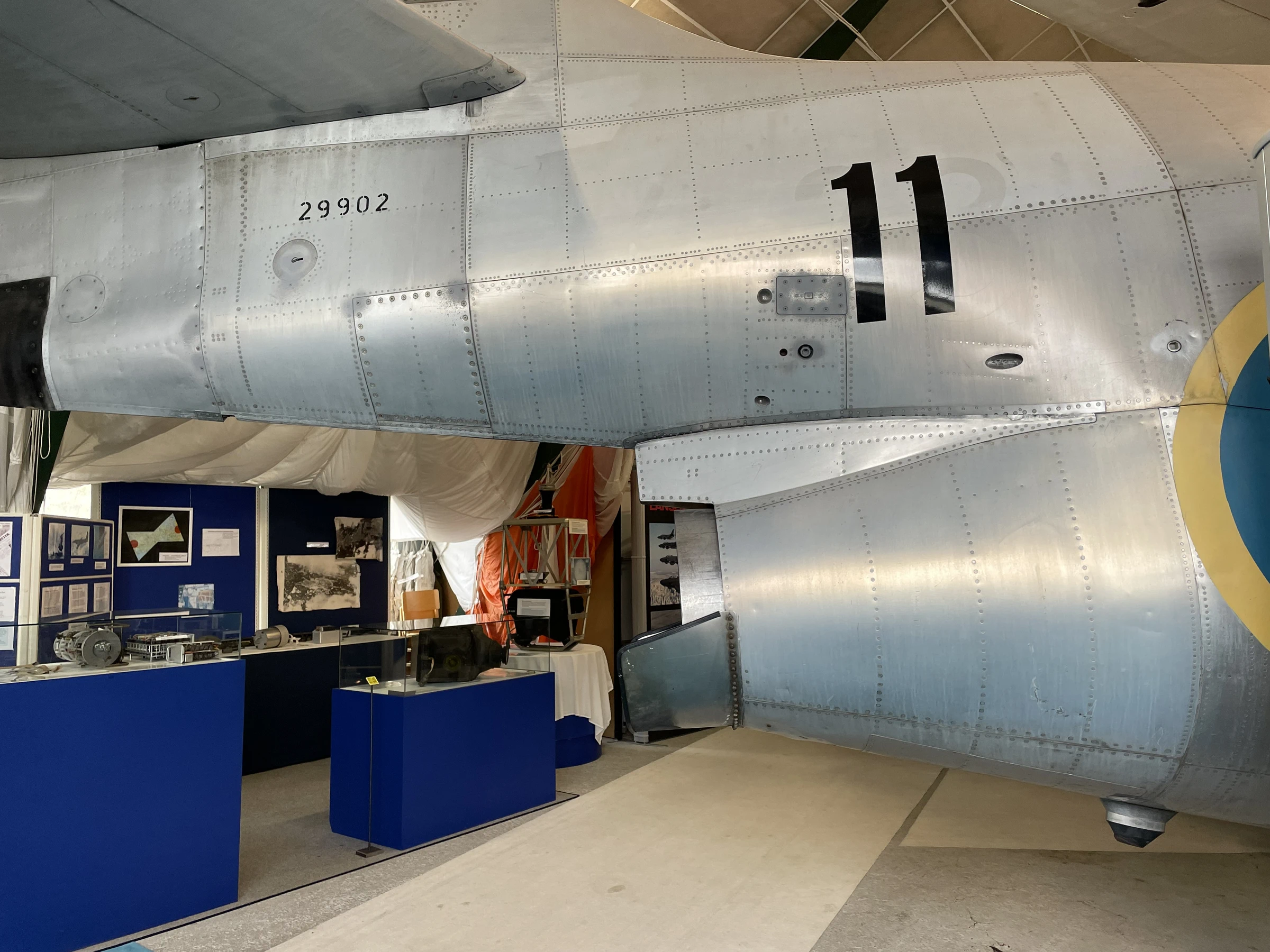
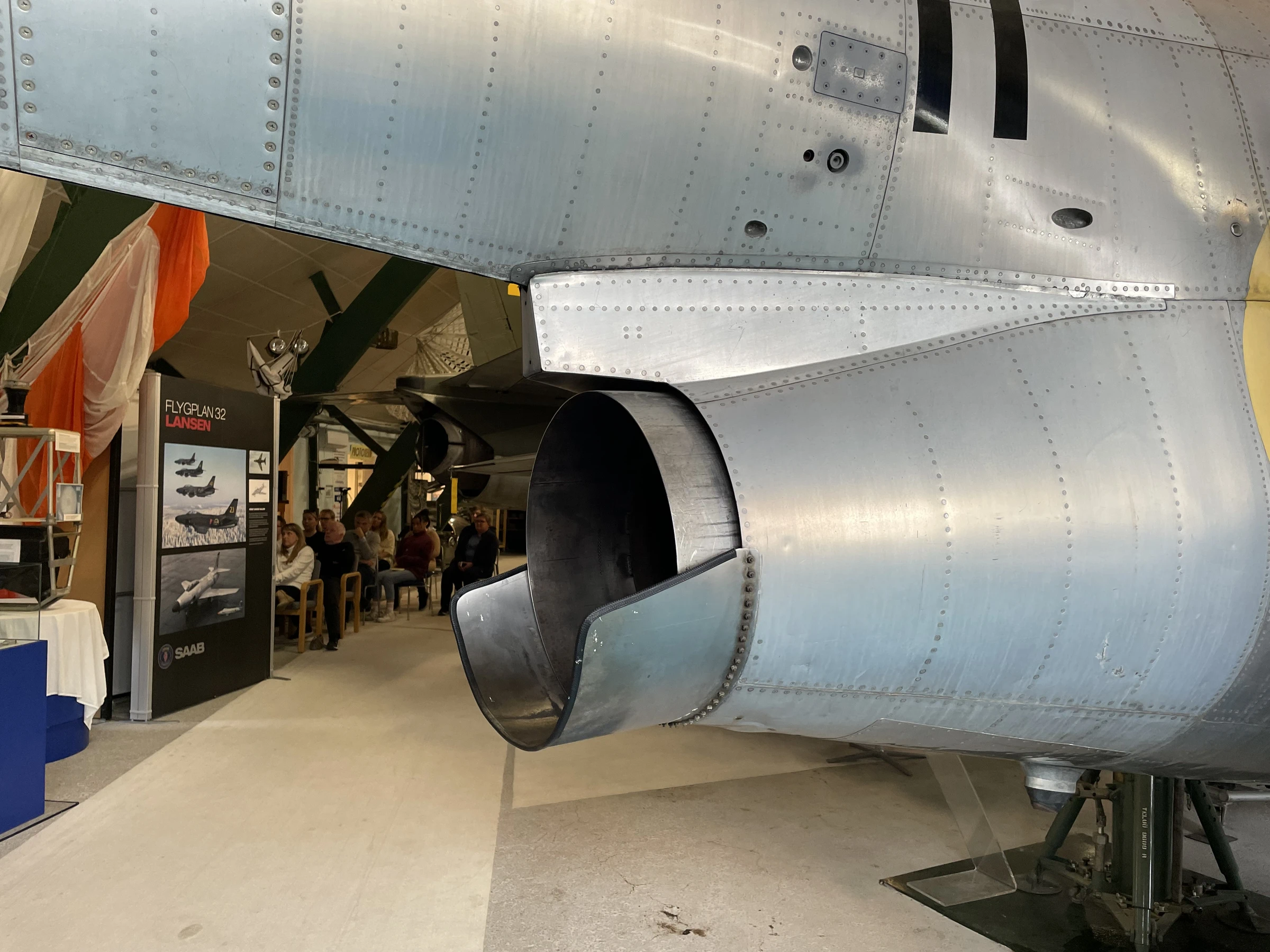
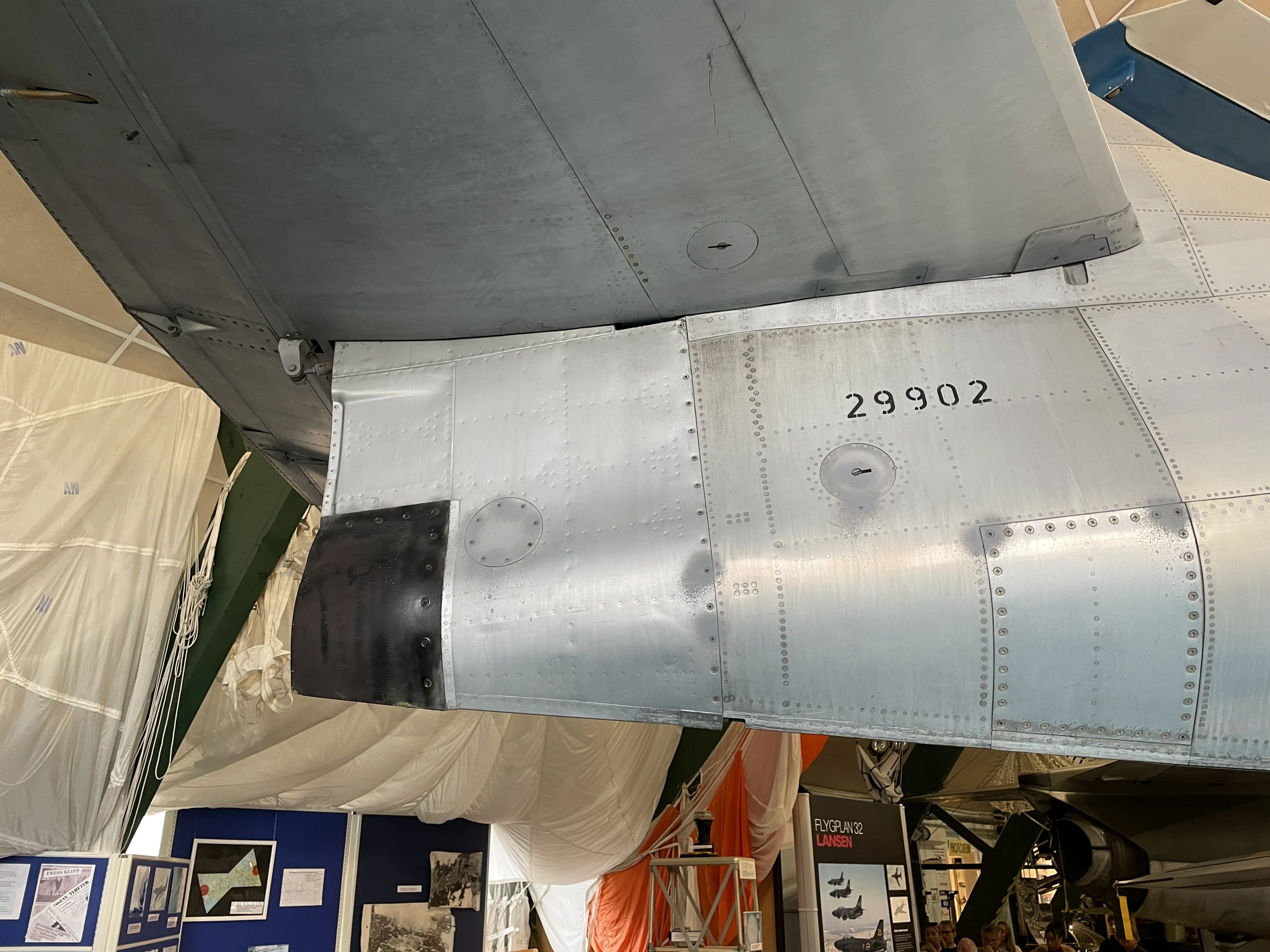
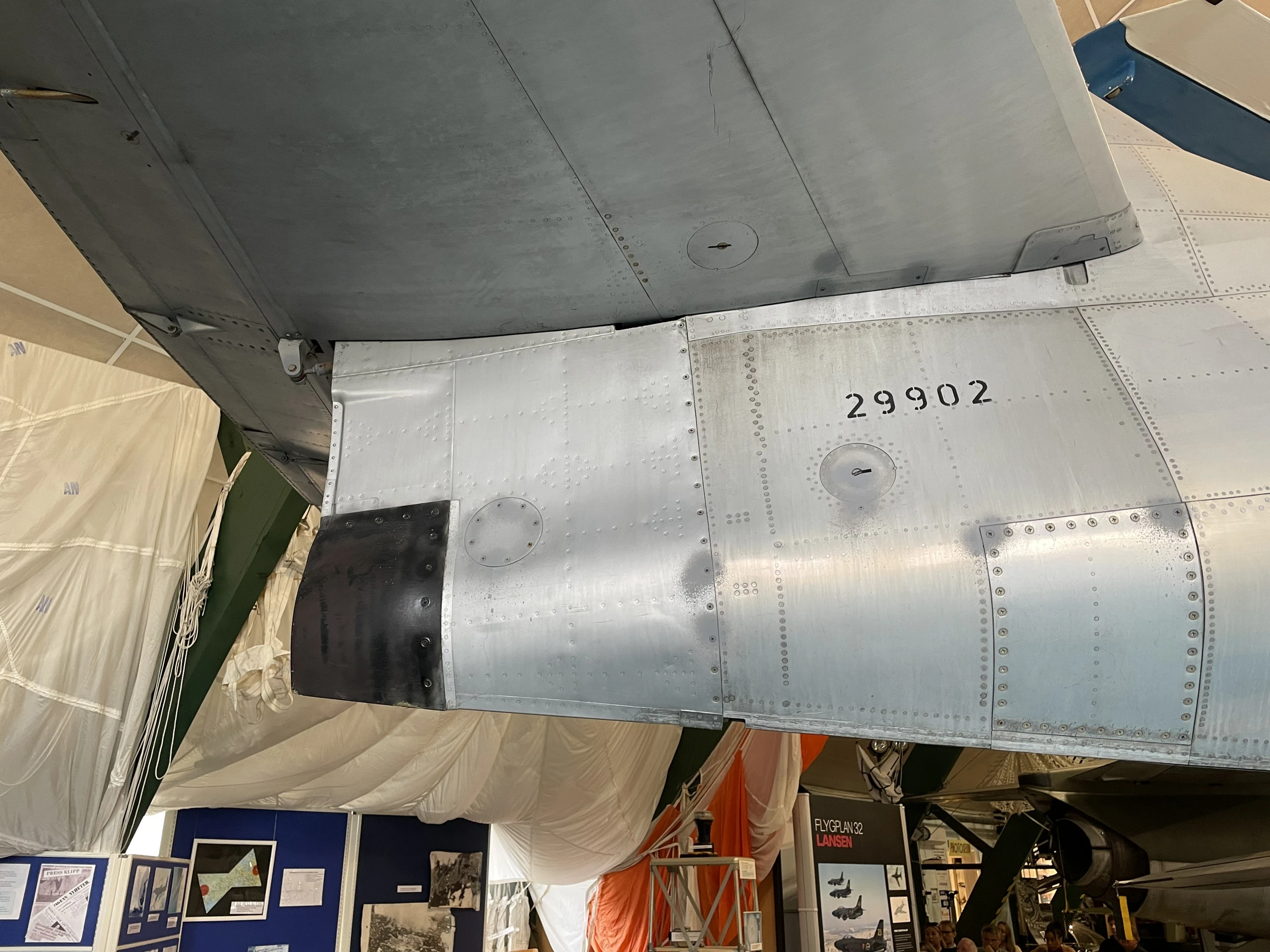
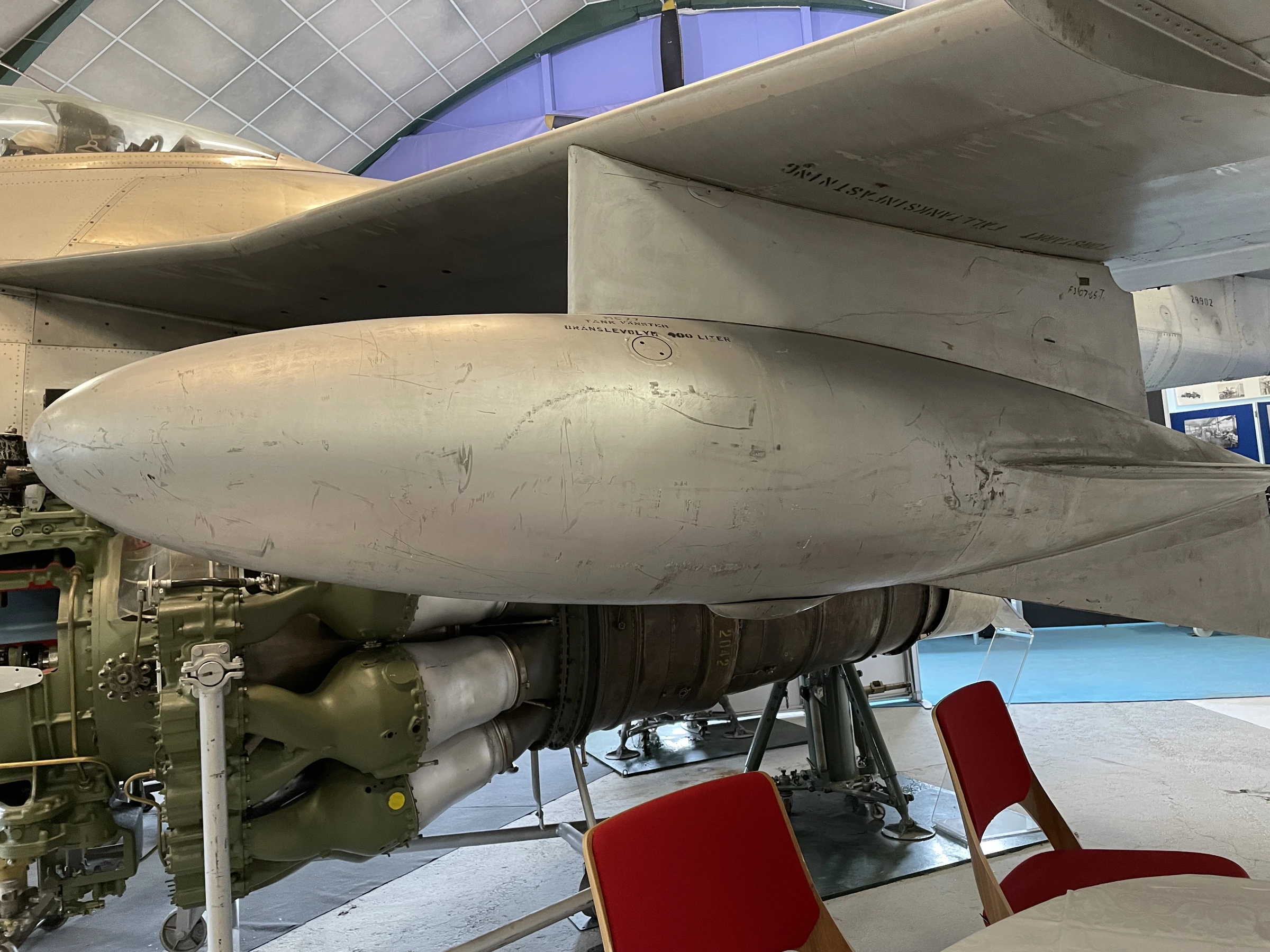
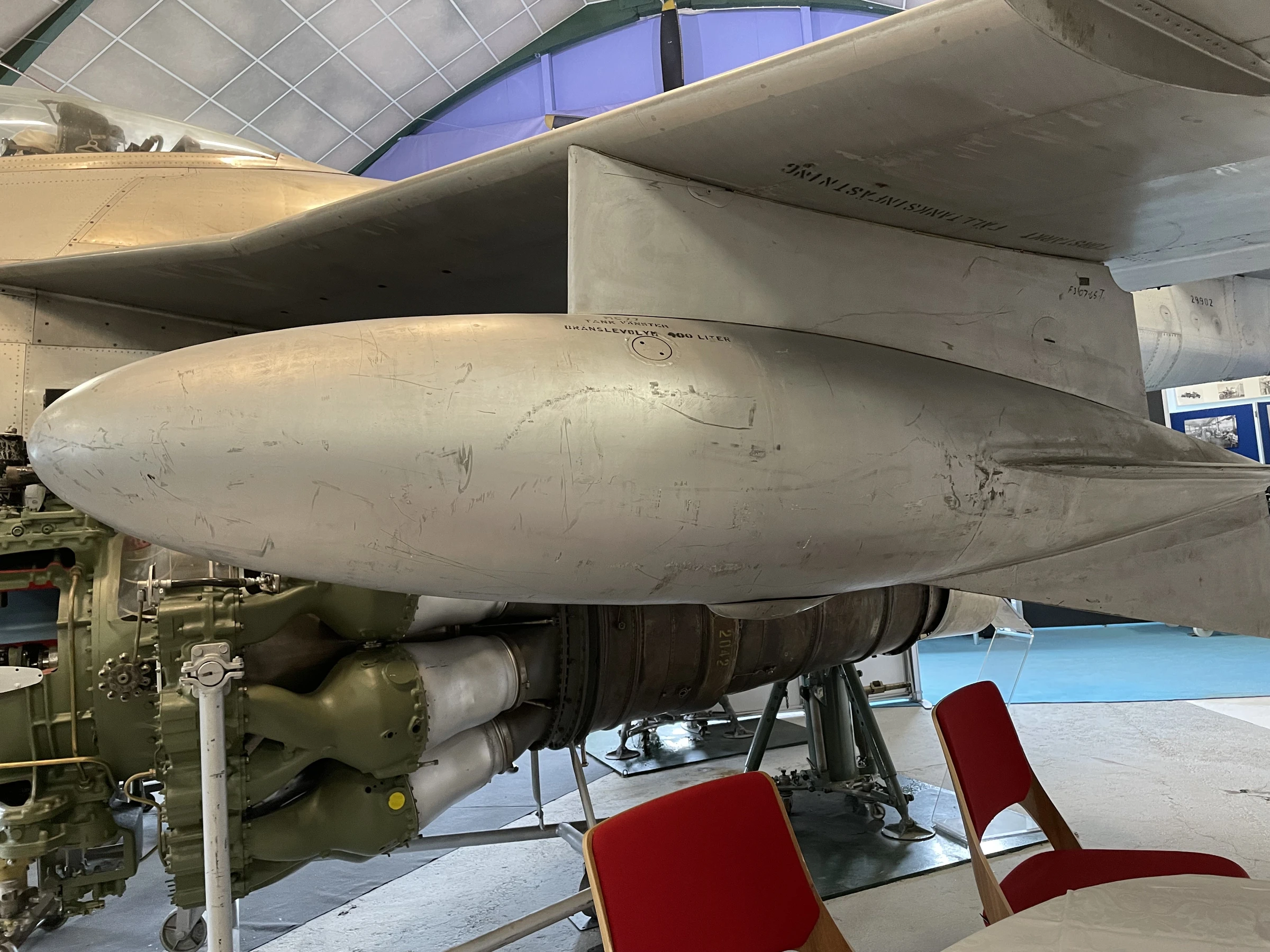
These walk-around photos were taken at F11 Museum at Skavsta Airport outside Nyköping in 2022. They show a SAAB S 29C Tunnan, individual number 29902 — the dedicated photo-reconnaissance variant of Sweden's iconic "Flying Barrel", one of the most remarkable jet fighters of the early Cold War era. With its distinctively rotund fuselage and swept wings based on captured German wartime research, the Tunnan was Europe's fastest aircraft when it entered service in 1950, and set an international speed record over a 1,000-kilometre closed circuit in 1955 with two S 29C aircraft — a record in which F 11 pilot Hans Neij played a central role.
The S 29C was equipped with cameras for both high- and low-altitude photography and served exclusively at F 11 in Nyköping and briefly at F 21 in Luleå. From 1954 onwards, the type was used for some of the most sensitive reconnaissance operations of the Cold War, including a 1958 mission in which F 11 crews flew the entire Soviet-dominated Baltic coastline — from Peenemünde in East Germany, through Poland, Kaliningrad and the Baltic states — at low level and high speed, well inside Soviet-controlled airspace. The S 29C was eventually replaced by the S 35E Draken around 1965. Two S 29Cs also served in the Congo under UN colours in 1962, the only Tunnans to see actual combat. This example, 29902, has been on deposit at F11 Museum from the Swedish Air Force Museum since 2008.